Law Against Rape and Prevention of Rape

Law Against Rape:-

The Indian law prior to the Nirbhaya Incident took into account only acts of penile-vaginal intercourse within the definition of rape and forcible acts of penetration of vagina, mouth, urethra or anus through penis or an inanimate object did not fall within the definition of rape. Many rapists were not prosecuted because there was no law to punish such acts. In 2013, the definition was expanded to consider rape as any acts like penetration by penis, or any other object or any part of body to any extent, into the vagina, mouth, urethra or anus of a woman or making her to do so with another person or applying of mouth to sexual organs without the consent or will of the woman constitutes the offence of rape.

Section 53A of the Code of Criminal Procedure of the Indian law lays down certain provisions for medical examination of the accused. Section 164A of the Code of Criminal Procedure deals with the medical examination of the victim.

The revised statutes of 2013 Indian law, in section 376A, mandates minimum punishment in certain cases. For instance, if the sexual assault inflicts an injury which causes death or causes the victim to be in a persistent vegetative state, then the convicted rapist must be sentenced to rigorous imprisonment of at least twenty years and up to the remainder of the natural life or with a death penalty. As well, in May 2013, the Supreme Court of India held that the two-finger test on a rape victim violates her right to privacy, and asked the Delhi government to provide better medical procedures to confirm sexual assault.

The Indian Penal Code, Section 377, is the only section that criminalizes all acts of non-consensual carnal intercourse, ncluding male-on-male rape. This section penalizes both consensual and forced sodomywith 10 years minimum to life imprisonment. The Delhi HC stated that Section 377 of Indian Penal Code will continue to govern non-consensual penile, non-vaginal sex and penile non-vaginal sex involving minors. The section can be evoked to punish sodomites, pedophiles and zoophiles.

The rape definition in Section 375 of Indian Penal Code does not include rape in which males are the victims. The Indian government in 2012 decided to change the definition of “rape” as forcible penetration to include male victims, but was criticized on the grounds that this would further harm the interests of female rape victims.

Prevention of Rape:-

On the Street

  • Travel in well-lit, well-travelled areas.
  • If possible, walk in pairs.
  • Walk facing traffic.
  • Plan your route ahead of time.
  • Walk assertively and maintain a sharp awareness of your surroundings.
  • If you sense you are being followed, immediately cross to the opposite side of the street and head for the nearest open business or occupied dwelling.

In a Social Situation

  • When first meeting a new friend, exchange phone numbers, not addresses.
  • Keep someone apprised of your whereabouts when dating a man for the first time.
  • It is a good idea to refrain from going to bars and clubs alone. However, should you choose to do so, have your own transportation available, and use it.
  • Don’t allow alcohol or drugs to cloud your common sense.
  • If a man persists in asking for your phone number, and you feel it would cause a problem should you refuse, or give him a fake number.
  • Know what your personal social standards are and stick to them. Don’t allow your judgment to be overruled by an aggressive pursuer.

Passive Self Defense

  • Talking your way out of a situation.
  • Telling the rapist you’re pregnant, menstruating, or afflicted with a communicable disease can be an effective ploy.
  • Faking submission and waiting for an appropriate opportunity to make an escape.

Active Self Defense

  • If you choose to fight, fight effectively. A half-hearted attempt at resistance could be worse than no resistance at all.
  • Before initiating a physical defense, you should be aware of your capabilities – both physical and mental. If you cannot imagine yourself exerting whatever force necessary to ward off an attacker, then perhaps a more passive approach is more viable for you.
  • Have some idea of what you intend to do should you be attacked. If you have given prior thought to the matter, you will be better prepared to avoid debilitating panic.
  • Self-defense classes aimed at teaching everyday defensive maneuvers can help build confidence.
  • Don’t underestimate the power of your voice as an effective defensive tool. If you feel your voice may fail you when you need it most, practice screaming.

Jane Austen-A great novelist

If you have read any novel of Jane Austen, when you hear name her name what comes in your mind is her critical comments on society not harsh but smooth, and her art of characterization. How strong she depicts female characters and male characters soft. It comes to mind that she is a kind of feminist.
Jane Austen, an English novelist. She is one of the great novelists of the 19th century. She is known for her six major novels that interpret, critique, and comment upon British society at the end of the 18th century. Her writings, the way she uses biting irony, along with her realism, humor, and social commentary made her one of the great masters of English novels. Her novels are about the typical life of normal people and families.
Jane Austen died at the age of 41 on 18 July 1817. Even after two centuries of her death, her novels are still considered as best. Austen was not so much famous during her lifetime. At that time female writers were not acceptable so like many female writers she started publishing anonymously. When they were published her works were considered as fashionable but received only a few reviews. By the middle of the 19th century, her novels were admired by various members of the literary elite. They viewed their appreciation of her works as a mark of cultivation. In early 1838 her novels were being recommended on school reading lists.
After reading her novels one can find out that in her novels she depicts characters who seem familiar to her and most of the character’s chief interest was matrimony. She, in her novels, presents criticism of rural society around her and it seems that she confines herself to the middle-class society.
Mainly the themes of the novels of Jane Austen are love and marriage. In her novel “Pride and Prejudice” the opening line says “It is a truth universally acknowledged, that a single man in possession of a good fortune, must be in want of a wife” this is one of the best opening lines of English literature which shows Jane Austen’s satirical comment on society. In her novels, a young woman falls in love with a rich and desirable man. And after all the difficulties faced by the female protagonists, everything ends very well.
The most interesting and praiseworthy thing in the novels of Jane Austen is her art of characterization. She creates living characters, minutely portrayed and well described. In her novels, males are soft than female characters. The female characters especially protagonists of novels are so bold and perfect. The way she used to present female characters, females from the 21st century can learn a lot. This shows how she imagines at that time about the freedom and rights of females. Hence, we can say that she feminized an English novel. Her most memorable characters like Darcy Elizabeth, Emma and John Thrope, etc.
Name of her famous novels
1811 – Sense and Sensibility
1813 – Pride and Prejudice
1814 – Mansfield Park
1815 – Emma
1818 – Northanger Abbey (posthumous)
1818 – Persuasion (posthumous)

THE FATHER OF OUR NATION

— MAHATMA GANDHI

Mahatma Gandhiji

A Great soul who struggled endlessly till his last breath for the independence of our nation. Mohandas karamchand Gandhi was commonly known as Mahatma Gandhi . Mahatma was a name assigned to Gandhi for his pure soul which is reffered as great soul.

Gandhi was an Indian lawyer , spiritual leader ,anti-colonial nationalist and political ethicist. He was born in a Gujarati Hindu Bania family on 2 October 1869 , Porbandar , India . His main motive is Peace .He is very dedicated to it and teached everyone how to be calm and relaxed when even at toughest situations . The power of Gandhi’s words still inspire us to be able to fight just by changing our attitude towards a situation.He strongly believes nonviolence is a weapon of the strong and fought for it until it become true. The words that he express were soo inspiring and true : Here are some :

“Earth provides enough to satisfy every man’s needs ,but not every man’s greed.”

This was so true , a person should never hope for more when he already have enough. He’s such a great personality .

“The best way to find yourself is to lose yourself in the service of others “

” Freedom is not worth having if it does not include the freedom to make mistakes.”

” The greatness of humanity is not in being human,but in being humane.”

“Live as if you were to die tomorrow . Learn as if you were to live forever.”

“In a gentle way , you can shake the world.”

He’s a living legend in our heart . He’s usually a desire for justice and equality and is motivated by a strong sense of right and wrong .He tends to be a empathetic ,warm-hearted and supportive.He believes in resistance and persistence- “first they ignore you ,then they laugh at you , then they fight you ,and then you win. He always suggests to build love about a person instead of hate ,it will always effect you in a positive way.

He lead so many missions such as salt satyagraha, Quit India movement,Kheda agitation ,Champaran agitation, Khailafat movement , non-corporation movement, and many more . He’s one of the main reason for the inpendence of our country.Gandhi’s statements, letters and life have attracted much political and scholarly analysis of his principles, practices and beliefs, including what influenced him. Some writers present him as a paragon of ethical living and pacifism, while others present him as a more complex, contradictory and evolving character influenced by his culture and circumstances.

Being a active leader ,he fought for swaraj- self rule by his motto “DO OR DIE”. He believed that swaraj can also be possible by non-violence.According to Gandhi, a non-violent state is like an “ordered anarchy”.Swaraj to Gandhi did not mean transferring colonial era British power brokering system, favours-driven, bureaucratic, class exploitative structure and mindset into Indian hands. He warned such a transfer would still be English rule, just without the Englishman. “This is not the Swaraj I want”, said Gandhi.

HISTORICAL EVENTS

today historical event occurred

17 July – World Day for International Justice
World Day for International Justice is observed annually on 17 July every year. It is also known as the Day of International Criminal Justice or International Justice Day. This day recognise the emerging system of international criminal justice.

17 July – World Emoji Day

World Emoji Day is observed on 17 July every year since 2014. The day is celebrated to represent an idea or an emotion through electronic means. 

keep smiling

An Author Ahead of his Time

People travelling ahead of time is not something that we get to come across daily. Well, maybe we do, but we just don’t know because they are ahead of their time, and are probably considered outrageous or maybe just stupid by us today.

One such person who was WAY ahead of his time was Vaikom Muhammad Basheer. Basheer was born in Thalayolaparambu near Vaikom in the Kottayam distrect of Kerala in 1908. He was a freedom fighter, writer, novelist, and short story writer. He has also written screenplays and dialogues for movies. He is well known for his down-to-earth and unconventional style of writing.

Basheer was also a follower of Gandhian ideologies, after he was introduced to them during the Vaikom Sathyagraha during which Mahatma Gandhi had visited Vaikom. This incident and the ideologies that formed afterwards became the content and inspiration behind a lot of Basheer’s works.

Basheer wrote his first works in his early 30s, and in order to sell those, he himself carried those in trains, sold them to interested people, waited till they finished reading it (which was possible because most novels by Basheer are pretty small, around 70-90 pages), and got it back to sell to the next customer.

Basheer’s writings cover an entire spectrum of genres, from comedy and satire to poignant stories, and love stories. But one common feature seen in the works of Vaikom Muhammad Basheer are the underlying social commentary. Basheer was very vocal in his criticisms of various religious and social aspects. He was never one to shy away from controversial topics. He believed what he wrote was his point of view, and no one else had a say in his beliefs. In fact, he was so vocal that he has even been sent to jail for the content he wrote.

Even though the social commentary can be seen in most of Basheer’s works, the one that stood out, among critics and avid readers is the 1947 novel Shabdangal (The Voices), in which he talked about orphanhood, war, hunger, disease and prostitution. The entire novel is set up as a conversation between a soldier who fought in the Second World War, and the author. The soldier was left at a four way junction as soon as he was born. He had never known the taste of breast milk, or the warmth of a mother’s hands. All he had done in life was kill people for other people. Once, he had to kill his friend, at the request of the same friend because he was injured during the war, and had no chance of survival. Basheer cleverly states the symptoms of PTSD, without citing the actual disease. The soldier cannot bear the sight of blood, and he is afraid to bathe as he considers water to be the blood of the earth. He is disgusted at the sight of “those dyed pieces of cloths” referring to flags. He claims that all flags do is create a divide among humans.

Upon returning from the war, he is curious about sex, and the female body, which leads him to his first sexual encounter, which turns out to be with a male prostitute dressed as a female. Following this he contracts gonorrhea and syphilis and becomes a homeless wanderer.  The insanity of the world and the futility of life pushed the soldier to attempt suicide. But he failed. He wished to confess about his life, which brought him to the doorstep of the author.

Mathilukal is just one of the many novels in which Basheer talks about the hypocrisy of mankind, and the divisive nature of the ones who govern the people. His protagonists were usually thieves, prostitutes, pickpockets, gamblers, etc. whom he portrayed to be naïve, pure, and to be victims of the system. The thoughts that Basheer exhibited in the novels weren’t welcome back in the day when it was written, but soon around 20 years after they were wriiten, people started seeing how it was a true masterpiece. Basheer wrote down thoughts in a manner that even the lowest sects of the society could understand them. Basheer had the rare talent to leave a long lasting impression in the mind of the readers, something that we don’t get to see daily!

DORM ESSENTIALS FOR COLLEGE STUDENTS

There is no denial that college life is one of the most exciting phases of life and it is an adventure on its own since it would be the first time many of you would live away from your family and friends. There will be many challenges in your way but first is taking your bedroom and fitting it in a small dorm room without overdoing it. To make your life a little easier I would list the things that you really need for college, and of-course this list would be economical!

ELECTRONICS

Photo by OVAN on Pexels.com

These are the list of the must have electronics for dorm rooms and few of them are required only if you are sharing your dorm with others.

  • Laptop and its charger
  • Mobile and its charger
  • Extension cord (really important)
  • Noise cancelling headphones (very much required when you share dorm)
  • Suitable mobile and internet plan
  • Based on your food arrangements you can even think of carrying a mini-fridge and microwave if required.
  • Bedlamp / study-lamp ( for the late night study without disturbing your room-mate)

CLEANING REQUISITES

These things always help you keep your dorm clean and tidy.

Photo by Daria Shevtsova on Pexels.com
  • Laundry baskets and detergent
  • Buckets
  • Cleaning wipes
  • dishwasher / soap
  • Cloth hangers
  • Cloth dryers and clips
  • Floor mat
  • Mini broom stick
  • Air freshener

TOILETRIES

Even if you are sharing the washroom with others you have to carry your own toiletries for personal hygiene and make sure you carry a good supply of them which is enough to last for few months.

Photo by cottonbro on Pexels.com
  • Shower Shoes
  • Shampoo
  • Conditioner
  • Bodywash
  • Soap
  • Moisturizer
  • Deodorants and body spray (This is really important!)
  • Cosmetics ( get the only the ones which you use on regular bases and avoid all the extras since they might consume a lot of space)
  • Tooth brush and paste
  • Mouth wash
  • Hair accessories (only important stuff)
  • Towels (at-least 2 )
  • Hand towels

FIRST AID

Keeping an emergency first aid kit in your room is always recommended but consult the doctor for any serious problems.

  • Cotton
  • Tablets for headaches , fever and mild body aches  
  • Band-aids
  • Antiseptic liquids
  • Acne creams
  • Multivitamins
  • Any other tablets which your doctor pre scribed should be carried always!

COMMODITIES FOR COMFORT

These things definitely will step up your comfort zone in the dorm. After a long day these things will definitely help you recover and rejuvenate.

Photo by Daria Shevtsova on Pexels.com
  • Pillows (At-least 2)
  • Mattress
  • Blanket (seasonal )
  • Sleep mask for eyes
  • Earplugs

FOOD

It is wise to always carry some food to your dorm since you never know when the mess/food stalls close, these come in handy.

  • Snacks (granola , instant noodles , fruit/nut bars etc avoid bringing fresh cooked foods because they stale in no time)
  • Paper utensils like plates , spoons and fork
  • A coffee mug
  • Water bottle

CLOTHES

Obviously there is no need of a list to pack clothes but here are few important mentions just in-case you forgot.

  • Always carry comfy night pajamas and shirts.
  • Lots of undergarments
  • Socks
  • Sneakers
  • Carry a lot of seasonal clothes especially if you are going to a cold or rainy place to study/work.
  • Hand-bag / Wallet (A small and easy to move bags and wallets are always useful to carry cash and cards.)

STUDY MATERIALS

Packing is of-course not complete without few stationary and study materials.

Photo by Anete Lusina on Pexels.com
  • Day- Planners and sticky Notes ( keeps your work organised)
  • Notebooks
  • pens , pencils and highlighters
  • tapes
  • scissors
  • staplers
  • paperclips
  • files and organizers
  • college bag

These pretty much sum up all the things that you should pack before going to college. Do remember, find out if there are any objections to bring certain things to the dorms before-hand so that it saves you some slack. Co-ordinate with your room-mate and other neighbors and share things when necessary and most of all carry your essentials bag always with you. With this said , happy freshman year!

How to cope up with “Anxiety”.

More than 10million cases are roaming here and there in India every year, and how can we say that it’s a very common disorder that people suffer from.

What is anxiety?

Well, anxiety is an emotion of fear, worry, and nervousness? When it responds it’s a feeling of fear or uncertainty about what is going to happen. It is your mind that tricks you or we can say when these kinda things happen. Usually, we control our minds but when the mind controls us this type of illness happens.

Most people suffer from anxiety and stress over time. Stress is any pressure placed on your brain or physical body, people can report feeling pointed up when many competing demands are placed on them. Anxiety and stress are not bad at all times, it can help you conquer a challenge or dangerous situation.

Mental health illnesses like anxiety can be characterized by feelings of worry, these are very strong enough to obstruct one’s daily activities. Once it gets started, then it will affect you in your daily life.

Worrying about finding a job, being embarrassed in certain social gatherings, feeling nervous before the examination, or having some personal relationship problems. Apart from all this, we can say that these were some examples of getting caught in the hands of Anxiety and stress.

Your mind is playing with you, it’s a natural thing, and if it’s so then you’re avoiding problems due to unreasonable fears, worrying more
often, or experiencing severe anxiety constantly for weeks and now it’s time to seek help.
If you see, mental illness is a type of health condition where we can see changes in feeling, reasoning, or attitude and it is correlated with distress or problems functioning in social, job, or family activities.

We are talking about how to cope with anxiety. So, let us show you how to deal with your Anxiety using “coping skills”.

Coping Skills:

Coping skill is the skill that uses cognitive and behavioral techniques to regulate the needs of a situation when these are appraised as taxing or overstepping someone’s reserves or to lower the negative emotions and disputes which were affected by stress. Managing your anxiety well can help you feel better physically and psychologically.

These are some coping strategies that can help you to deal with your anxiety.

Take a break.

When you’re suffering from anxiety, you don’t have any control over yourself, your mind overlooks you and you’ll feel disturbed. So, take a break, you can practice yoga, meditation can also make you calm as well. Breathing suitably can make you fight problems such as hyperventilation or chest tightness caused by anxiety. Having a nice massage can be a nice way to reduce anxiety, soothing music can also make you less anxious. With all these relaxation techniques, Aromatherapy and Hydrotherapy can also help you to reduce anxiety.

Eat Properly.

While suffering from stress or anxiety you have fewer cravings, you just start to miss your meals, and if you’re doing so then just stop it. Start to eat and make sure you eat healthily and regularly, don’t miss any of your meals, and make sure you drink water in more quantity, limit your alcohol and caffeine intake, or if it’s possible then just stop consuming these things which can create panic attacks. More water can reduce the level of anxiety and stress if you’re in a hurry or you have work to do. Just bring out some healthful and energy-boosting snacks on your hand.

Sleep is essential.

When you’re under stress your body needs more sleep than usual, so if your body needs extra sleep then just go with the flow. Stop thinking to stop all the things which are coming into your mind and making you overthink or making you desperate about anything. Just make sure you’re breathing properly, inhale, and exhale gradually, do it every day if you want.

Fitness suggestions.

Try to include at least 2 and half hours of moderate-intensity physical activity, for eg. brisk walking each week, 2 hours of an effective -intensity activity (such as jogging or swimming laps), or try to jog, walk, bike, or dance three to five times a week for 30 minutes.

Rather than perfect workouts, put small daily goals for aiming daily consistency to make yourself feel better. It’s fine to walk or run every day for 30 minutes instead of thinking of running in a half-day marathon. With a portable media player, you can also download your favorite audiobooks, podcasts, and music. If you’re doing your exercise then you should find a way to make it enjoyable.

If you’re kind of an introverted person, then try to find some forms of exercise that create excitement and are more enjoyable for you. You should also find an “exercise buddy”. With whois gets easier to stick with your exercise when you’re committed to your friend, beloved, or anyone of your loved ones.

And be patient, more than an exercise it’s about being considerate in all fields of your life. Being like this will adore you with all the prosperity and wellness in your personality as well as in your life. Don’t stop working on yourself, you don’t know how beautiful you are.

Fitness Suggestions.

Try to include at least 2 and half hours of moderate-intensity physical activity, for eg. brisk walking each week, 2 hours of an effective -intensity activity (such as jogging or swimming laps), or try to jog, walk, bike, or dance three to five times a week for 30 minutes.

Rather than perfect workouts, putting small daily goals for aiming daily consistency to make yourself feel better. It’s fine to walk or run every day for 30 minutes instead of thinking to run in a half-day marathon. With a portable media player you can also download your favorite audiobooks, podcasts, and music, if you’re doing your exercise then you should find a way to make it joyful.

If you’re kind of an introverted person, then try to find some forms of exercise that make create excitement and are more enjoyable for you. You should also find an “exercise buddy”. With whom it gets easier to stick with your exercise when you’re committed to your friend, beloved, or anyone of your loved ones.

And be patient, more than an exercise it’s about being considerate in all fields of your life. Being like this will adore you with all the prosperity and wellness in your personality as well as in your life. Don’t stop working on yourself, you don’t know how beautiful you are.

Encounter your illness.

To trigger your anxiousness, count to 10 slowly or you can count till 20. And try to follow the 3-3-3 rule, in this rule you need your ankle, fingers, and your arm, whenever you feel that your brain is moving very fast accordingly this trick can help you to center your mind.

Just try to evaluate yourself, don’t think about anything bad or about something that never happened to you or will happen to you. This is not you, your mind is tricking you to overthink about it, but you’ve to fight it.

Every time, when you overthink something just ask yourself, Is it as bad as we think? Your soul will tell you the answer, ‘No’ it isn’t. No matter what your mind says, just put everything in a viewpoint and you will know the answer.

Keeping a positive attitude and good humor will make you live happily and will make you less overthink about the things which are causing trouble to you. Believe that, you were not like that and now whatever it is, it’s not you. Be confident about yourself, make a positive effort to replace negative emotions, opinions, and thoughts, and try to be in a circle with positive people.

Make yourself involved in the works or activities you love or you can be a volunteer. But, just try to be effective in a way that you feel light, active and make you fall in love with the work you do. More than that it builds a support network and gives you a break from everyday stress.

You can start journaling to recognize the problems, it can be your work, family, social gatherings or it is something else. Whatever it is you’ll find the way.

Don’t get introverted with yourself, keep in mind that you’re not an individual, when your loved ones love you or if they are worried about you. Talk to them about your problems, start to share about everything which is making you stop. Discuss what to do further, just don’t compare yourself with your loved ones while having these types of discussions.

And if there’s nothing then just confess that how much you love them, how and why you’re feeling overwhelmed to have them in your life. Tell everything about what you wanted to tell from a long time. Because, there is no one else apart your family, friends and your beloved.

So these were the ways to cope up with your anxiety, and thank you so much for reading this blog and if you want to see blogs and news like this, stay connected to eduindex.org

Most important task when preparing a research interview

Introduction

We take interviews to get the story behind a participant’s experiences. Before we decide to take up an interview, we must articulate to ourselves what problems or needs we should be addressing using the information to be gathered by the interviews. The interviewer can pursue in-depth information about a topic. The interview may be beneficial as a follow-up to respondents to questionnaires. e.g., to further investigate their responses. Usually, we ask open-ended questions during interviews which helps us keep a clear focus on the intent of each question.

The Role of the Interviewer

The interviewer is the “jack-of-all-trades” in survey research. The interviewer’s role is complex and multifaceted. It includes the following tasks:

  • Locate and enlist the cooperation of respondents – the interviewer has to look for the respondent. There are times when the interviewer has to work at the least desirable time because that is when the respondents are available immediately. 
  • Motivate respondents to do a good job – The interviewer should be motivated and transfer the same energy to the respondent. If the interviewer does not take the work seriously, why would the respondent? The interviewer has to convey the importance of the research.
  • Clarify any confusion/concerns – The interviewer must be patient with the interviewees when they have to clear a doubt. Interviewers have to be able to think on their feet. The respondents may raise objections or concerns that are not anticipated. The interviewer has to be able to respond candidly and informatively.
  • Observe the quality of responses – Only the interviewer can judge the quality of the information whether the interview is personal or over the phone. Even a verbatim transcript will not adequately convey how seriously the respondent took the assigned task, gestures, or other information.
  • Conduct a good interview – Last, and certainly not least, the interviewer has to conduct good decorum! Every interview has a life of its own. Some respondents are motivated and attentive whereas others are distracted or disinterested. The interviewer also has good or bad days. Assuring a consistently high-quality interview is a challenge that requires constant effort.

Preparation for Interview

  1. Choose a setting with little distraction – The interviewee is an asset for us. We have to make sure that they are comfortable. Avoid loud lights or noises, etc. Often, they may feel more comfortable at their places of work or homes.
  2. Explain the purpose of the interview – The interviewee should be familiar with the purpose of the interview.
  3. Address terms of confidentiality – Explain the terms of confidentiality to the interviewee beforehand. You have to be careful while doing this. You can rarely promise anything as the information might be accessible by certain officials or higher authorities. Explain who will get access to their answers and how they are analyzed. If you’re using their comments as quotes, get their permission beforehand.
  4. Explain the format of the interview – Be clear with the type of interview you will be conducting and explain its nature to the interviewee. If you want them to ask questions, specify if they’re to do so as they have them or wait until the end of the interview.
  5. Indicate how long the interview usually takes –  People do not want to waste their time. Give the interviewee an approx time that the interview might take.
  6. Ask them if they have any questions – Before you start the interview and after you end the interview, make sure that the interviewee has no questions or confusion.
  7. Don’t count on your memory to recall their answers – Ask their permission to record the interview or carry a notepad for pointers.

Types of Interviews

  1. Informal, conversational interview – There is no predetermined set of questions. We should remain as open and adaptable as possible to the interviewee’s nature and priorities. The interviewer should go with the flow.
  2. General interview guide approach – This approach intends to ensure that the interviewer collects the same information from each interviewee. This approach is more focused than the conversational approach but still allows freedom and adaptability in getting information from the interviewee.
  3. Standardized, open-ended interview – In this approach, the interviewee is free to answer the question in whatever way they want. (they don’t have to select yes or no or any numeric rating) This approach facilitates faster interviews that can be more easily analyzed and compared.
  4. Closed, fixed-response interview – This approach tends to fix a set of questions that the interviewer asks all the interviewees. They have to choose answers from among the same set of alternatives. 

Types of Topics in Questions

Patton notes six kinds of questions. One can ask questions about:

  1. Behaviors – Ask about what they are doing currently or what experience do they have from the past. 
  2. Opinions/values – A person’s opinion describes them. Ask what they think about a topic.
  3. Feelings – Look for the feelings of the interviewee. Make sure that the interviewee is giving their personal opinion and experience. 
  4. Knowledge – Try to get facts about the relevant topic.
  5. Sensory – Ask about their sensation towards the topic. About what people have seen, touched, heard, tasted, or smelled.
  6. Background/demographics – Ask basic questions to know about the interviewee. (age, height, occupation)

Sequence of Questions

  1. Involve the interviewee in the interview as soon as possible – Make the respondent comfortable quickly and cooperate during the interview.
  2. Before asking about controversial matters (such as feelings and conclusions), first, ask about some facts – With this approach, respondents can more easily engage in the interview before warming up to more personal matters.
  3. Intersperse fact-based questions throughout the interview – To avoid long lists of fact-based questions, which tends to leave respondents disengaged.
  4. Ask questions about the present before questions about the past or future – Respondents are comfortable answering about their present than answering about their future. In the beginning, ask about their present and then get into asking about their future.
  5. The last questions might allow respondents to provide any other information they prefer to add and their impressions of the interview – Give the respondent the liberty to add any extra information they want to.

Wording of Questions

  1. The wording should be open-ended – Respondents should be able to choose their terms when answering questions.
  2. Questions should be as neutral as possible – Avoid wording that might influence answers, e.g., evocative, judgmental.
  3. One question at a time – The interviewer should not confuse the interviewee by asking too many questions at once.
  4. Questions must be transparent – This includes knowing any terms particular to the program or the respondents’ culture. There must not be any two-faced questions in the set.
  5. Be careful asking “why” questions – This type of question infers a cause-effect relationship that may not truly exist. These questions may also cause respondents to feel defensive, e.g., that they have to justify their response, which may inhibit their response to this and future question.

Conducting Interview

  1. Occasionally verify the tape recorder (if used) is working – If you’re using a recorder make sure you check it beforehand because you can’t afford to lose the interview.
  2. Ask one question at a time – when you ask too many questions at once, it will confuse the interviewee that eventually will lead the interview to go wrong.
  3. Attempt to remain as neutral as possible – Try not to show emotions to the interviewee’s answers. Pretend that you have heard it all before.
  4. Encourage responses – Be attentive and give occasional nods of the head, “uh-huh”s, etc.
  5. Be careful about the appearance when note-taking –  That is, if you jump to take a note, it may appear as if you’re surprised or very pleased about an answer, which may influence the answer to the future question.
  6. Don’t lose control of the interview – This can occur when respondents stray to another topic, take so long to answer a question that times begin to run out.

Immediately After Interview

  1. Verify if the tape recorder, if used, worked throughout the interview.
  2. Make any notes on your written notes – Clarify any scratchings, ensure to number the pages, fill out any pointers that don’t make sense, etc.
  3. Write down any observations made during the interview – For example, where did the interview occur and when, was the respondent particularly nervous at any time? Were there any surprises during the interview? Did the tape recorder break?

Education

Education is very important role on the our life this is a part of our life

It helps people become better citizens, get a better-paid job, shows the difference between good and bad. Education shows us the importance of hard work and, at the same time, helps us grow and develop. Thus, we are able to shape a better society to live in by knowing and respecting rights, laws, and regulations.

An education can greatly improve your quality of life. Keeping your mind sharp with new and interesting information can potentially decrease your risk of Alzheimer’s disease and dementia. … With a good education, you could also become well-informed about healthy living, making you more likely to live longer.

You gain knowledge, skills and experience to help you both in your career and in life in general. On top of that, by gaining additional skills in communication and problem solving and achieving your goals, you can also increase your confidence.

educate to everyone learning New things

Albert Einstein

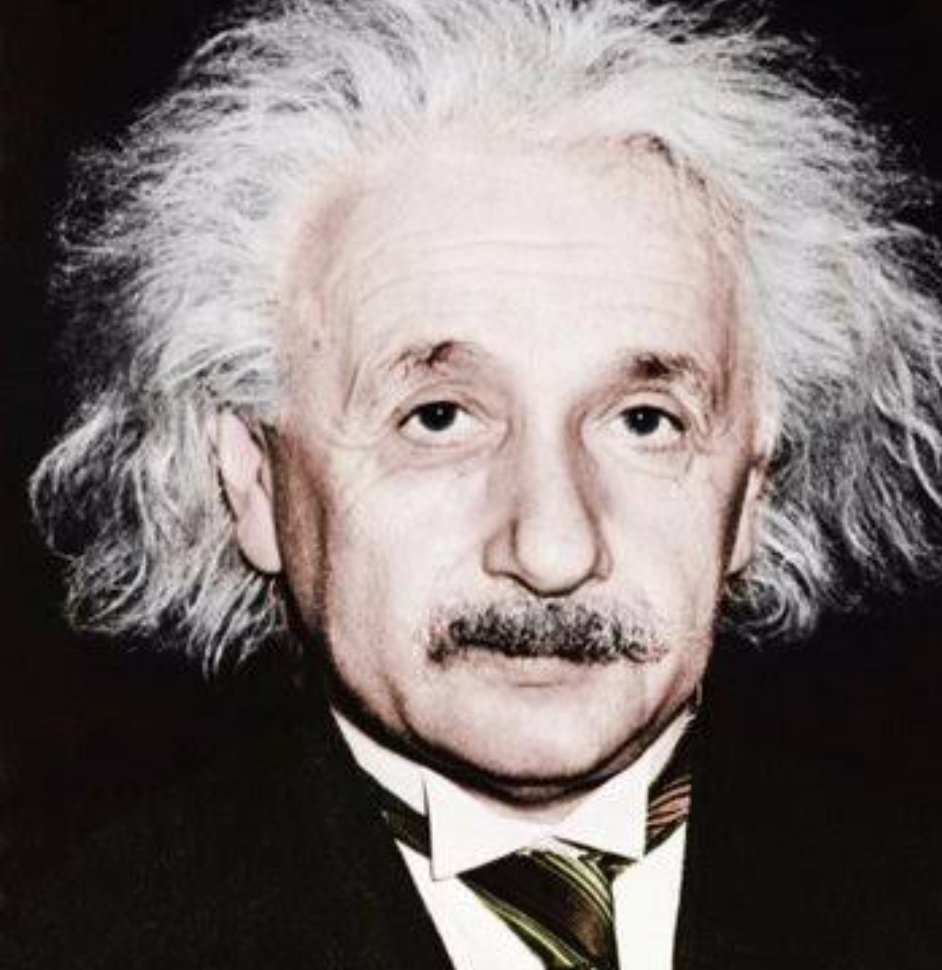
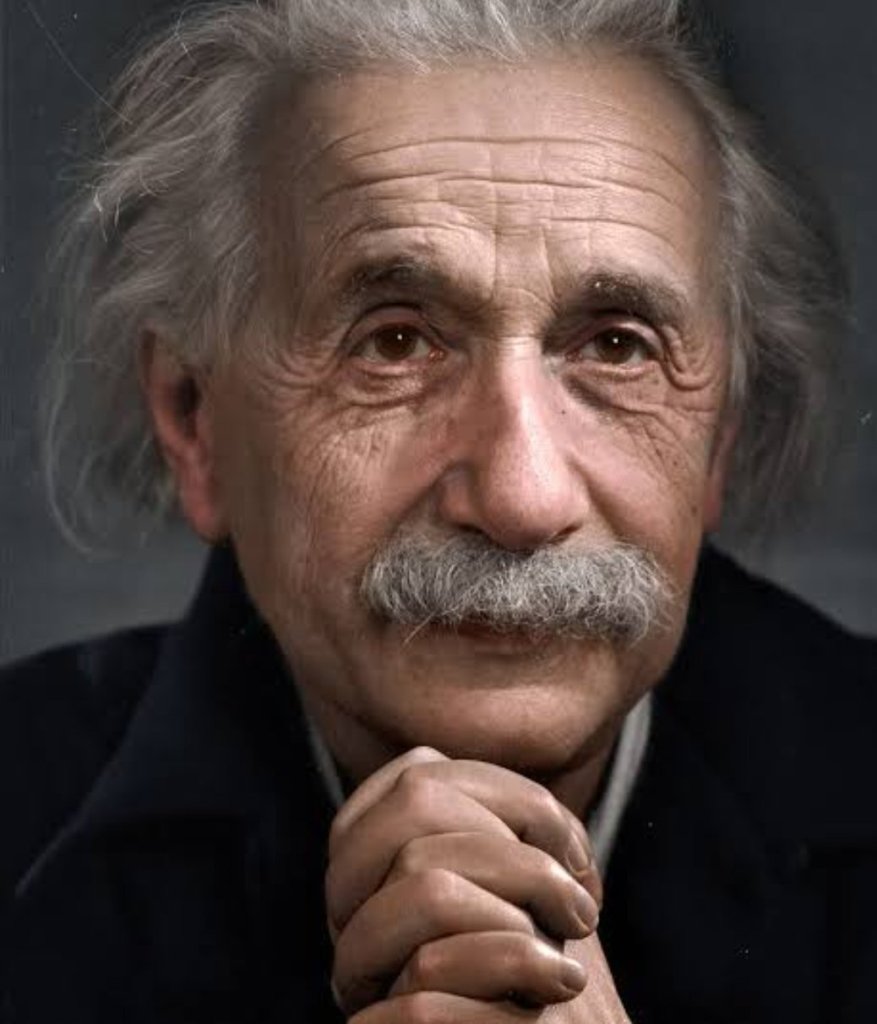
Albert Einstein was a German-born theoretical physicist, widely acknowledged to be one of the greatest physicists of all time. Einstein is known for developing the theory of relativity, but he also made important contributions to the development of the theory of quantum mechanics.he was Born on  14 March 1879, Ulm, Germany. Died on 18 April 1955, Penn Medicine Princeton Medical Center, New Jersey, United StatesSpouse: Elsa Einstein (m. 1919–1936), Mileva Marić (m. 1903–1919)Education: University of Zurich (1905), ETH Zürich (1896–1900)

Education

He was known for

Awards he got received are

India and Afghanistan

From exit of US and NATO forces from Afghanistan, India may soon counter a condition in which it would have no presence in the country. Not even diplomatic presence. This is going to be the reversal of a long friendship. Afghanistan is vital to India’s strategic interest.

In 1947, right after independence, India concluded a Treaty of Friendship with Afghanistan which opened up diplomatic relations. During 1950s and 60s, India strengthen its diplomatic ties with Afghanistan. India’s first and most significant interest is to ensure that Pakistan does not gain anything from Afghanistan. If it happens, it will be disastrous to the regional security of India. Pakistan on the other hand, refuse the transit rights to India over Pakistan to reach Afghan. India has used alternative way from Chahbahar port in Iran to reach landlock Afghanistan.

India has built roads, dams, consulates, electricity transmission lines, schools and hospitals etc. Some of the projects by India in Afghaistan are-
1. Salma Dam: the 42MW dam in Herat province of Afghanistan. The hydropower and irrigation project inaugrated by PM modi in 2016. It is also known as the ‘Afghan-India Friendship Dam’.
2. Zaranj-Delaram Highway: 218 km long highway built by Border Roads Organisation, located close to the border with Iran. This highway is of strategic important to India as it provides an alternate route to Afghanistan via Iran.
3. Afghan Parliament: built in 2015, it was inaugrated by PM Modi in his visit to Afghanistan. Even one block in this building is dedicated to the former prime minister of India, Atal Bihari Vajpayee.
4. Electricity Infrastructure: some projects by India in Afghan like 220kV DC transmission like in Baghlan province. Also some telecommunications infrastructure is restored by indian contractors and workers.
5. Health: India has reconstructed “Indira Gandhi Institute for Child Health in 1985, i.e. a children’s hospital. It has also built some clinics in different provinces of Afghanistan.
6. Other projects: Apart from the above mentioned projects, some other contributions from Indian side like, benches and desks to schools, solar panels in villages, sulabh toilet blocks, transportation buses etc.

Currently both the sides are working together on Shatoot Dam project in Kabul district, with an aim to provide safe drinking water to 2 million people. Some other projects are still going on. India has provided $3 billion estimated assistance to Afghanistan.

Brooklyn Nine-Nine: Much More than Just a Sitcom

Brooklyn Nine-Nine is an American sitcom that first aired in 2013. Since then, it has gained a huge fan-following, throughout the world. Everything from the characterization to the acting has caught the eye of followers, and rightfully so. The show has gone on to be considered as one of the best sitcoms ever made. But Brooklyn Nine-Nine is not just any mere sitcom. It deals with issues that plague the modern society, in a witty manner and with ease.

The show creators who also created other shows like The Office, Parks and Recreation, and The Good Place, have always made sure that their shows do not stick to just gag jokes, and clichés, and have worked in creating new ways to entertain people.

The show humanizes the characters by each of them having at least one character flaw, and them dealing with it, in their own capacities, rather than just making a single character the face of the show, and making that character a “perfect model”.

The show deals with problems like:

Racism

The show has been very vocal about racism, and have shown their take on it in multiple episodes. The captain of the 99th precinct, Captain Holt often reminisces about the struggles he had to face in the police department in the 1980s for being an African American.

The same goes with Sergeant (and later Lieutenant) Terry Jeffords, where in one episode he is stopped by another police officer at night because of the colour of his skin. The entire episode revolves around whether Terry decides to sue the officer or not. This episode in particular highlights the issues that the African American community face in the US. But this is just one of the many episodes where the issue is highlighted.

Sexuality

The show also helps bring a positive change in the perspective of its audience towards the LGBTQ+ community. The Captain Raymond Holt is the first openly gay Captain of the NYPD. This made his life in the department all the more difficult as he was an openly gay, African-American officer in a very much prejudiced Police department. This is what makes his success story, and how he rose up the ranks all the more interesting.

Apart from Captain Holt, the audience also gets to find out that Detective Rosa Diaz is bisexual in Season 5. The episode where Captain Holt and Rosa Diaz talk about their sexuality has some memorable moments as well.

Masculinity

The show also raises the question of what could be considered masculine or macho. All the characters have some flaw that defines their character. The character Jake Peralta has parental issues, Charles Boyle is shown as vulnerable and insecure of his friendship with Jake, Lieutenant Terry is a protective father, and these are just few of the examples. The show breaks the idea of a stereotypical, macho character, who has to confine to norms set by the society. It shows that humans are essentially flawed, and that is what makes them more human.

What sets B99 apart is that it breaks the myth that there can’t be a joke without offending people. Brooklyn Nine-Nine shows how to create a show that is inclusive, has well-built characters, and still create a good time for people without offending a particular community.

‘Washing powder Nirma’ The story behind the famous Ad song

Every kid born in the time of Doordarshan will know about this song – “..washing powder Nirma washing powder Nirma. Doodh is safedi Nirma se aaye… sabki pasand Nirma!” but do you know the story behind this jingle?

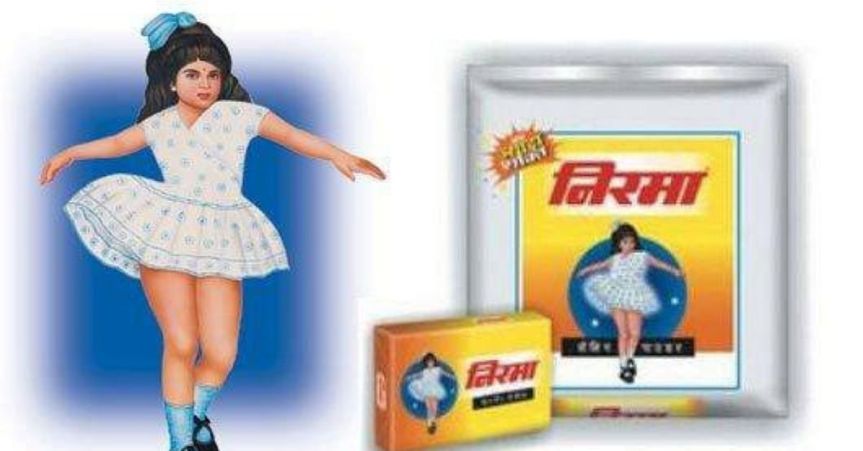
Nirma wasn’t a name randomly selected for the marketing of a detergent powder. Nirma was the nickname of a famous entrepreneur’s daughter- Karsanbhai Patel. He had lost his child in a car accident but he immortalized her by giving her name to a brand that even now rings in our heads.

Karsanbhai Patel was a son of a farmer. He had done graduation in the subject chemistry. He started his business in the backyard of his house by mixing soda and a few ingredients to make detergent. Even though there were other big brands like surf excel it didn’t intimidate him and soon Nirma became a household name. It was not a cakewalk as he had to cycle from a neighborhood to the next to sell his detergent. He got success at the behest of proving good quality detergent at a one-third price of surf excel . He even gave a money-back guarantee in every packet of Nirma.

Nirma is not just a detergent brand but its a trendsetter for many other brands with small business

Many might not know Karsanbhai Patel or his lost daughter but it was only his will and love for her daughter that her name now lives in so many households.                                                                  

Mitchell Marsh with his all-round performance helps Aussies overcome caribbean’s

In the fourth match of the series played between Wi and Australia on 14 July. Australia registered a thrilling 4 run win over West Indies in the fourth match played in St Lucia. In this match, Mitchell Marsh played an important role in getting the Kangaroo team their first win in the T20 series. In this series, the West Indies team has already taken an unassailable lead by winning three consecutive matches.


In this match played at Darren Sammy National Cricket Stadium, Australia won the toss and batted first. Start was not good and the first wicket fell for 12 runs. Matthew Wade, came to open the innings, and was dismissed for 5 runs. After that, Mitchell Marsh came out to bat at number three and got Australia out of trouble with captain Aaron Finch with a 114-run partnership. Finch was dismissed for 53 while Marsh scored 75 runs. Alex Carey, Moises Henriques, Ashton Turner could not do much in the middle order. Dan Christian scored 22 runs in the lower order. Australia scored 189 runs for 6 wickets in the stipulated 20 overs in their innings.


The West Indies team, which came out to achieve the target of 190 runs, started strongly. Both the Caribbean team’s openers Lyndle Simmons and Evin Lewis added 62 runs for the first wicket. Lewis was dismissed for 31 while Simmons made 72. After the dismissal of these two batsmen, the middle order of the Caribbean team could not do much.


In the final overs, Andre Russell and Fabian Allen tried their best to win the match for West Indies but failed. Russell remained unbeaten on 24 off 13 balls while Allen was dismissed for 29 off 14 balls. West Indies managed to score 185 runs for 6 wickets and lost the match by 4 runs. Mitchell Starc bowled a superb last over and steal the show.


Mitchell Marsh took the three wickets for Australia and helped his team win first match in this series. For his all-round performance with both bat and ball ( 3 wickets and 75 runs ) ,he was awarded the player of the match award. West Indies now leads the series with 3-1 equation and last match will be played on 16th July.

KAMARAJ:

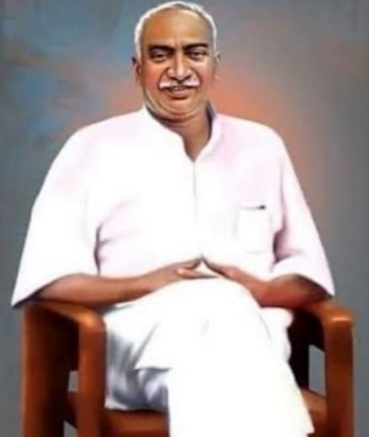
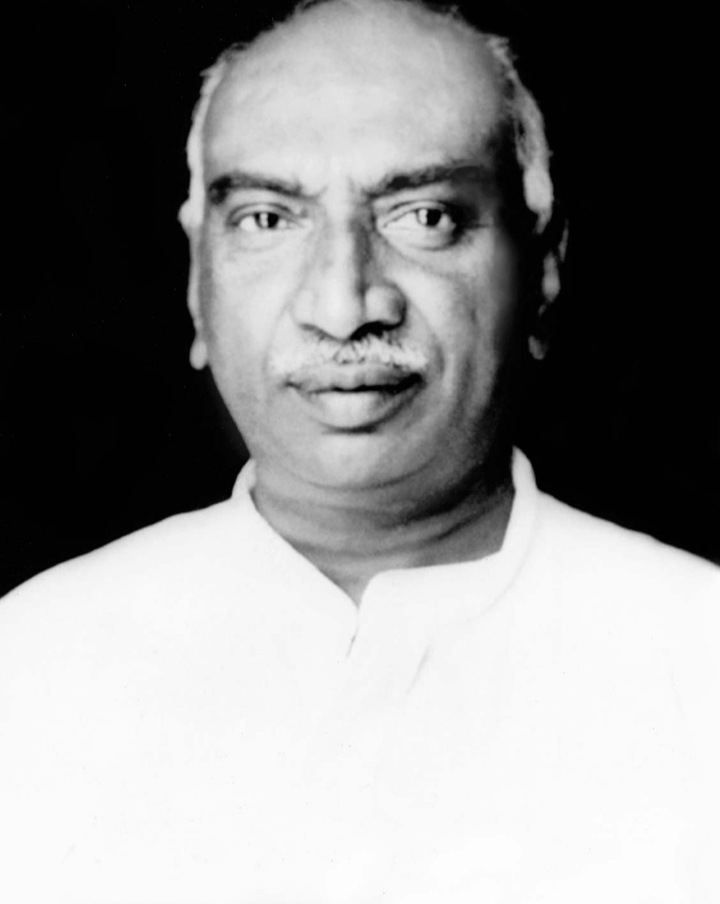
Kamaraj was born on 15 July 1903 in Virudhunagar, Tamil Nadu to Kumaraswami and Sivakami Ammaiyar. Initially his name was kamachi and later changed to Kamarajar. His father was a Merchant.Kamaraj lost his father at the age of six. In 1914 Kamaraj dropped out of school to support his mother.

As a young boy kamaraj went to help his uncle, during that period, he began to attend public meeting and processions about the Indian Home Rule Movement and he gained political knowledge by reading newspaper regularly.

He was a founder of Indian National Congress (organisation). He is popularly known as “Kingmaker”.

On 13 April 1954,Kamaraj became the Chief Minister of Madras province. In his ruling period he did many things, especially he opened many schools in rural areas and made free and compulsory education upto Eleventh. Inorder to motivate the children Midday Meal Scheme was also launched. He was awarded Bharat Ratna in 1976.

Kamaraj died at his home while sleeping on Gandhi Jayanthi(October 2 1975).He was died at a age of 72.He was really a man of simplicity.