In this beautiful day , I’m here to say about what is real Happiness in life.
1)The real success/happiness according to me is being yourself in public freely.
2)Being happy with your own skin.
3)Spreading happiness to the people you love.
4)Seeing their happiness with your own eyes.
5)Real Success lies in how you being happy with yourself and doesn’t change yourself for others .
6) You are unique.Nobody in this world is as exactly like you. No matter what everyone thinks you be yourself and do what matters to you.They will just think only they are not going to help you or live your life only you are going to live your life.Don’t expect appreciation from others instead appreciate yourself and grade yourself higher.
7)Always cherish who you are . Even you itself didn’t appreciate yourself then who will ?? . You can live only once so adore the things which matters to you . Avoid the negatives . Accept the positivity in life and move on…
All farmers do farming, but nowadays Pearl farming trend is rising rapidly. Fewer labor and greater benefits are proving to be a bargain. Earlier, training for Pearl farming was given at Central Institute of Fresh Water Aquaculture, Bhubaneswar (Odisha), but now many other organizations are providing the training in the state.
The most advantageous season for pearl cultivation is the time of autumn i.e. October to December. Beads can be cultivated in a pond of at least 10 x 10 feet or larger. For pearl cultivation, pearls can be generated from a maximum of 25000 oysters in a tiny pond like 0.4 ha. To start farming, the farmer has to gather oysters from pond, river etc. or they can also be purchased.
After this, after every minor operation in each oyster, simple or designed beads with diameter of four to six mm like Ganesha, Buddha, floral shape etc. are put inside it. The oyster is then closed. These oysters are kept in nylon bags for 10 days on anti-biotic and natural feed. These are scrutinized daily and dead oysters are eliminated
Profits of pearl farming
A single oyster costs around 20 to 30 rupees at a lesser cost. The price of one mm to 20 mm oyster pearl in the market is around Rs 300 to Rs 1500. Nowadays designer beads are being liked very much, which get good price in the market place. Much better income can be earned by trading pearls in overseas market than Indian market. After eliminating the pearl from the oyster, the oyster can also be marketed. Many decorative items are made by oyster. The work of obtaining fragrance oil from oysters in Kannauj is also done on a huge scale. Due to which oyster can also be sold in the local market instantly. The water of streams and ponds is also filtered by oysters, so that the problem of water contamination can be dealt with to a great extent as oysters are voracious filter feeders, they keep the water clear of pelagic algae & floating detritus
It is a Source of income for pearl farmers
While pearl oysters are edible, they are rarely consumed. This means they can be bred in murky, possibly polluted water to achieve points 1 & 2
If they are to be eaten as well as to produce pearls, then they need to be bred in unpolluted water. However, selling them as food, if not for humans then at least as pet food, after harvesting the pearls provide the farmers with an additional source of income
It usually takes 20 to 24 months to give you results but if cultivated properly it usually gives you an income of 10-12 lakhs that is around a profit of 8 lakhs.
Pearl cultivation gives you a large amount of profit while only requiring your skill and will to give you such good results.
Other prospects of pearl farming
For handling a pearl farm effectively, one needs to check the farm consistently. By doing so, you will know if there are any broken or missing lines. Also, check for any absent shells from the site.
Next step is to regularly clean the site since of the amount of useless organisms that breed on the lines, shells and other hanging materials. While cleansing, you have to take special care as pearl oysters tend to get stressed out after cleaning is done. Frequent cleaning can be prevented and should be done once in a month.
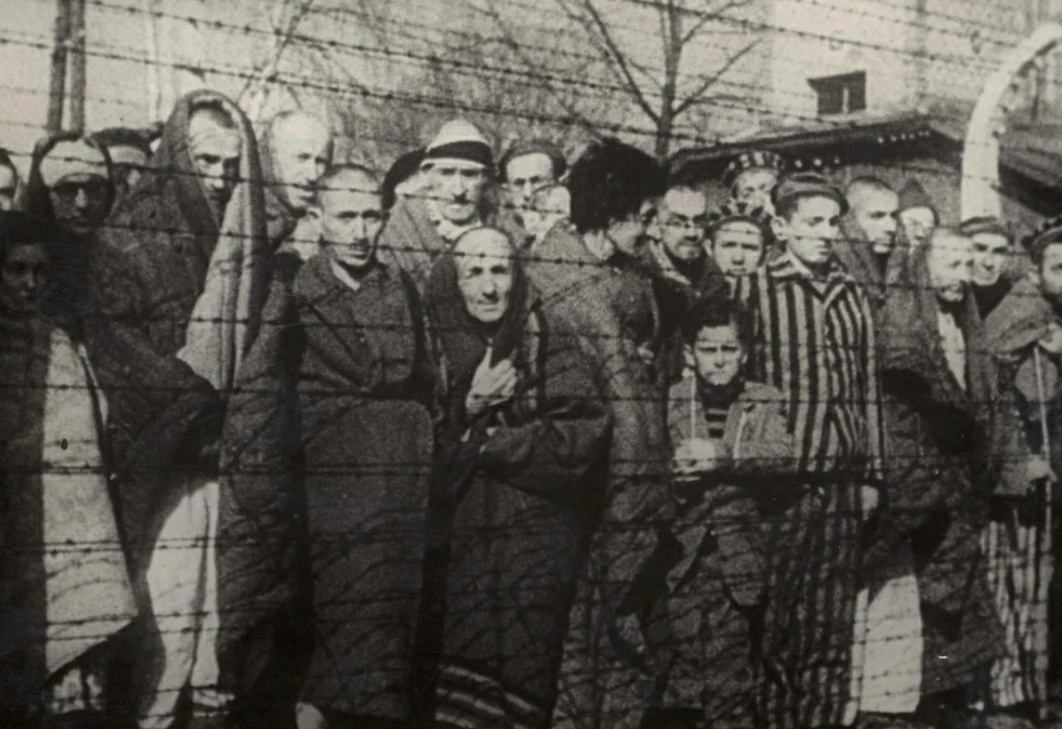
The Nazis came into power in Germany in 1933. They believed that the Germans were superior and the Jews were Inferior. During this era, the population of Jews was around nine million. During World War II, the Nazis came up with “The Final Solution”. “The Final Solution” was a plan in which they brutally killed over six million European Jews i.e. three out of two jews. They killed Jew men, women, and even children. This mass murder conducted by the Nazis is known as The Holocaust or Shoah in Hebrew. The word holocaust comes from ancient Greek which means ” whole burnt”.
The main cause of the holocaust is believed to be the ideology of the Nazis. They wanted to terminate the Jews and they were able to do so. The Nazis blamed Jews for Germany’s defeat in World War I too. Before World War II, the Nazis tried various ways to remove the Jews from Germany by allowing them to emigrate. The Jews were robbed, beaten, and even killed at times. They were banned at public parks and pubs. They were not allowed to work in certain professions. In 1935, Nuremberg Racial Laws came into force in which the Jews were forbidden to marry non-Jews. The Nazis burnt their houses, food, etc, and made their survival difficult. Later, they decided to move the Jews to the islands of Madagascar but the war made it impossible. Therefore, they came up with a mass murder plan. They not only killed the Jews but also others like the political opponents, Roma, Sinti, handicapped, homosexuals, etc. They established killing spots and executed millions of Jews. In the end, it all went down as Adolf Hitler wanted. Everything worked according to him, he decided to murder, just because he thought the lives of Jews were unimportant.
Ethics is a branch of philosophy dealing with the issue of morality. It implies the concepts of what right and wrong conducts are. Ethics define how a person should act in some specific situations. It is not a new term, but it has been there since the Stone Age. Different religions and many philosophers have also made a substantial contribution to ethics.
There are different branches of ethics. First of all, comes descriptive ethics. Descriptive ethics include what people actually consider right and wrong. Accordingly, laws are made regarding that and if they are even acceptable or not. The moral principles of society keep on changing from time to time. However, the basic ethics remain the same. Descriptive ethics are also called comparative ethics. They are given the name comparative ethics as they are used to compare the ethics of past and present scenarios. Also, they are used to compare the ethics of different societies as well.
Then comes the next branch of ethics- Normative Ethics. Normative Ethics deals with some specific norms or a set of considerations. These norms indicate how people should act in some given situations. These ethics set out the rightness or wrongness of people’s actions. Normative Ethics are also known as prescriptive ethics. This name is given as there are principles involved with these ethics and those principles determine whether the actions of people are right or wrong in different situations.
Types of ethics :
1. Deontological Ethics :
* In moral philosophy, deontological ethics or deontology is the normative ethical theory that the morality of an action should be based on whether that action itself
* Deontology is an ethical theory that uses rules to discern the moral course of action. Diffusion of responsibility. Diffusion of responsibility occurs when people fail
* Deontology morality is about following a system of rules, like ” Do Not Lie ” or ” Do Not Steal” .
* Ethics or moral philosophy is a branch of philosophy that involves systematizing, defending Deontological ethics.
2. Utilitarianism :
* The most common example of normative ethical theories are utilitarianism, kantian duty- based ethics and divine command theory.
* utilitarianism means, act in your own self- interest. Utilitarianism is that which is moral only if the act produces the greatest.
* Utilitarianism is a moral theory that implements fair choices is an effort to ensure the least amount of harm is done to all parties involved.
* However, some contemporary utilitarians , such as peter singer, are concerned with maximizing the satisfaction of preferences, hence prefernce utilitarianism.
* utilitarianism is an ethical theory that asserts that right and wrong are best determined by focusing on outcomes.
3. Consequentialism :
* consequentialism refers to moral theories that hold the consequences of a particular action form the basis for any valid moral judgment about that action.
* consequentialism is a class of normative, teleological ethical theories that holds that the consequences of one’s conduct are the ultimate basis for any judgment.
* consequentialism is an ethical theory that judges an action’s moral correctness by its consequenes. Corporate social Responsibility.
* on our definition of consequentialism, only the direct view is a genuinely consequentialist position, and rule consequentialism.
4. Professional Ethics :
* Rules imposed on an employee in a company, or as member of a profession. For instance, journalists, doctors, lawyers. Etc.
* professional ethics encompass the personal and corporate standards of behavior expected by professionals.
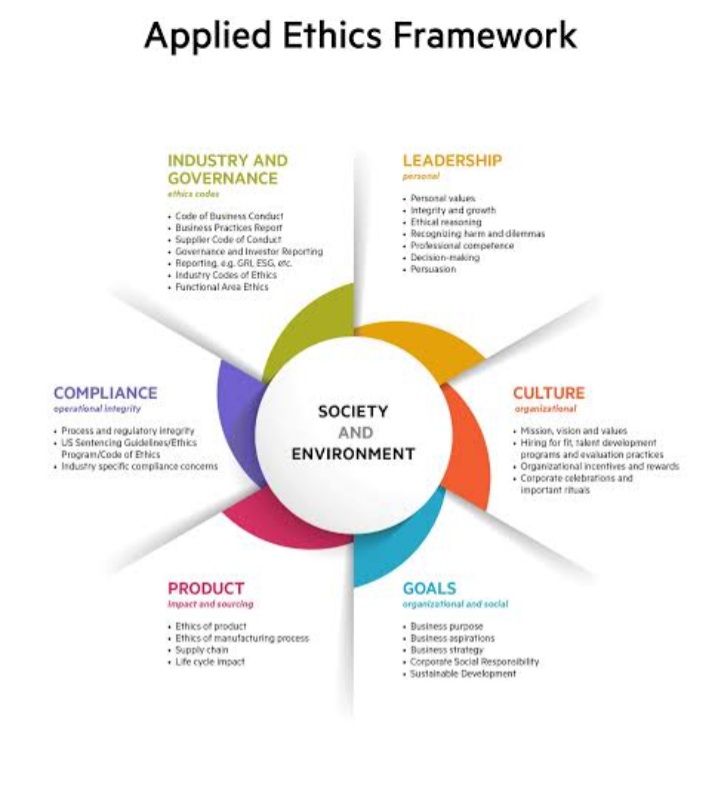
5. Applied ethics :
* Applied ethics is the branch of ethics which consists of the analysis od specific, controversial moral issues such ad abortion, animal rights, or euthanasia.
*Applied Ethics includes a philosophical examination of certain public and private life problems. The examination of those issues generally takes place from a moral standpoint. This branch of ethics is generally used by professions like doctors, teachers, etc.
* Applied ethics which deals with the actual application of ethical priniciples to a particular situation. While it is helpful to approach the field of ethics.
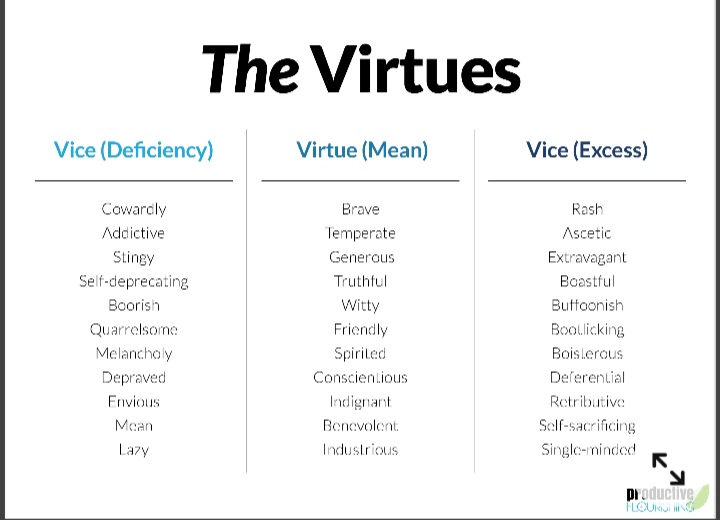
6. Virtue Ethics :
* virtue ethics is an approach to ethics that emphasizes an individual’s character as the key element of ethical thinking, rather than rules about the acts themselves.
* virtue ethics not only idea deals with the rightness or wrongness of individual actions, it provides guidenece as to the sort of characteristics and behaviour a good person will seek to achieve.
An abstract way of analyzing ethics is called Meta-Ethics. They do not deal with whether the actions are right or wrong, rather they question what morality is.
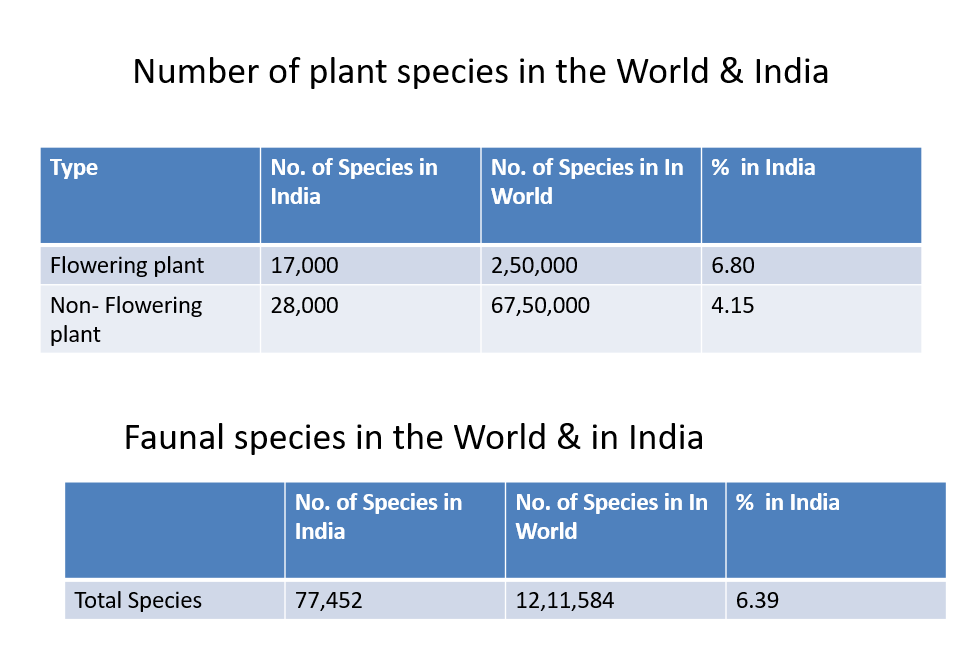
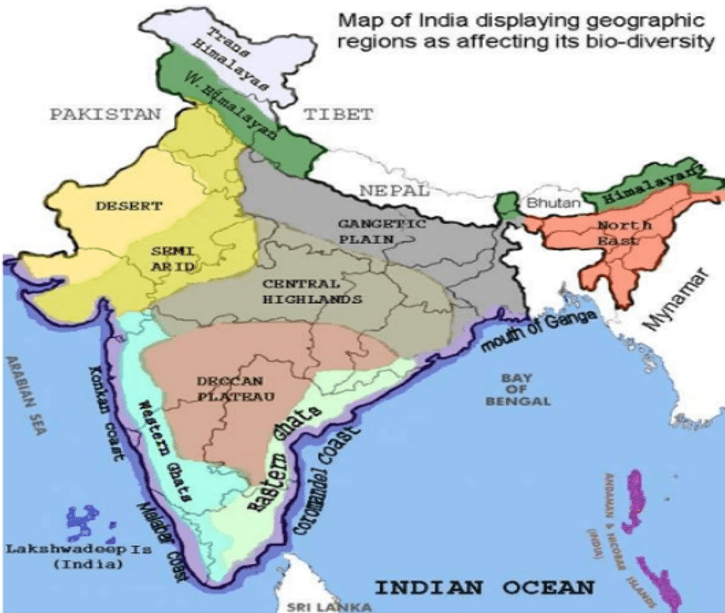
Biological diversity’ means the variability among living organisms from all sources including, inter alia, terrestrial, marine and other aquatic ecosystems and the ecological complexes of which they are a part; this includes diversity within species, between species and of ecosystems. The word Biodiversity means Gk. Bios- Life, diversity- forms. The occurrence of difference species of organisms with the whole range of their variants (Biotypes) & genes adapted to different climates, environments along with their interactions & processes. This term was coined by Walter G. Rosen- 1985. Biodiversity refers to the numbers, variety and variability of living organisms and ecosystem. It includes all terrestrial, marine and other aquatic organisms. Also covers diversity within species, between species as well as variations among ecosystems.
Biodiversity has contributed in many ways to the development of human culture, and, in turn, human communities have played a major role in shaping the diversity of nature at the genetic, species, and ecological levels.
Types of Biodiversity
Genetic diversity – Diversity of genes within a species. i.e. genetic variability among the populations and the individuals of the same species. Genetic diversity is the total number of genetic characteristics in the genetic makeup of a species. Ex. Domestic Dogs. Humans have created distinct breeds of dogs within the species by selectively breeding individuals.
Species diversity – Diversity among species in an ecosystem. “Biodiversity hotspots” are excellent examples of species diversity. Species diversity is defined as the number of species and abundance of each species that live in a particular location. Each species is distinct from other species in form & character such as cow & goat. Species diversity is the most common level to describe biodiversity of any area.
Ecosystem diversity – Diversity at a higher level of organization, the ecosystem. To do with the variety of ecosystems on Earth. Ecosystem diversity deals with the variations in ecosystems within a geographical location and its overall impact on human existence and the environment. EX. deserts, forests, grasslands, wetlands and oceans. Ecological diversity is the largest scale of biodiversity, and within each ecosystem, there is a great deal of both species and genetic diversity.
VALUES OF BIODIVERSITY
1. Consumptive value : The most important point of consumptive use is that some rural communities closets to the forests or other natural areas can prosper through the sustainable harvesting of wildlife species. Hunting, Direct consumption-herbs, plants, mushrooms are all consumptive uses.
2. Productive Value : Products that are commercially harvested for exchange in formal markets. Each species is valuable to human. The global collection of genes, species, habitat & ecosystems is a resource that provides for human needs. It is also essential for human survival in the future. This is often then only value of biological resources that is reflected in the income accounts.
3. Social Value : Social value of biodiversity refers to religious and cultural importance. Trees are worshiped as God. ex. Banyan tree, Peepal Tree. Flowers, Tulsi leaves are offered during pooja.
4. Ethical Value : ‘All life must be preserved’ based on ‘Live & let live’. This means we don’t use the species directly or indirectly, but we feel sorry about the loss of species. They have a existence value.
5. Aesthetic Value : It is related to the beauty of biodiversity. The pleasure, excitement & visual peace of any area. Concept of Eco- tourism & willingness to pay are gaining grounds, leading to monetary estimate for aesthetic value of biodiversity.
6. Option Value : The option values of biodiversity suggests that any species may be proved to be a valuable after someday. At present the potentials/ uses/ values are unknown. Ex. Growing technology field is searching new species for causing the diseases of cancer & AIDS.
HOT SPOTS OF BIODIVERSITY
A biodiversity hotspot is a bio-geographic region that is both a significant reservoir of biodiversity and is threatened with destruction. The term biodiversity hotspot specifically refers to 25 biologically rich areas around the world that have lost at least 70 percent of their original habitat. The original 25 hotspots covered 11.8% of the land surface area of the Earth.
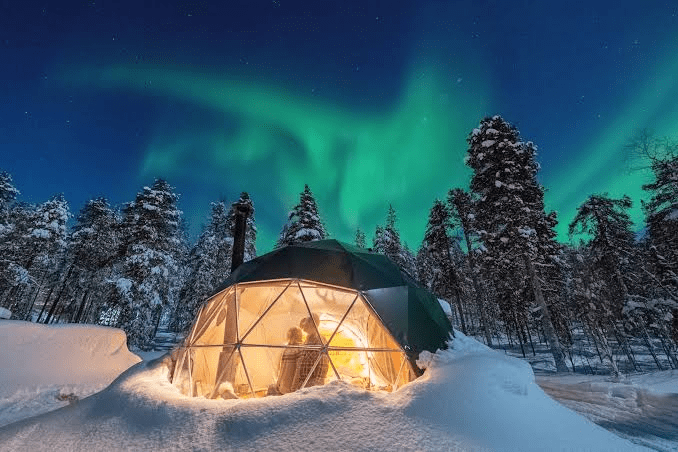
Irrespective of experiencing 200 days of winter with complete absence of sun, Finland has maintained it’s position to be the Happiest Country in the World for the last four years. It has been named the most stable, freest and the safestcountry by various international bodies because of the socio-economic and welfare policies of the nation. Finland is a natural beauty with forests, crystal clear lakes and wildlife. It has low pollution levels which makes the air clean and encourages more citizens to be amidst the nature. Hence, a large number of outdoor activities like kayaking, canoe, horse back riding and others can be experienced. Nature in itself is known to have immense healing power that can cheer people and lift their spirits.
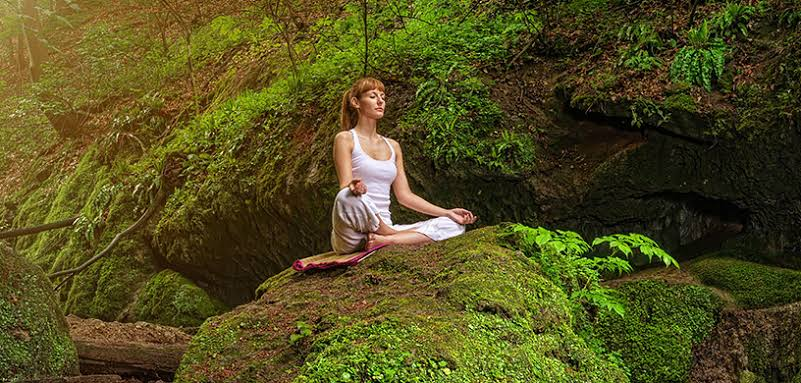
Finland offers free Forest Therapy to it’s citizens where the general public is allowed to roam freely in natural areas like forests, lakes, and rivers without any permission from the landowners (if the areas fall under a private land). This traditional legal concept is called ‘’Everyman’s Right ‘’. However, the only condition applied is that no damage or disturbance should be faced by the landowner.
Finns have a warm culture and enjoy a relaxed way of living. Unlike other Western countries they believe in cooperation over competition. The follow minimalistic approach to life and prefer well-made, sustainable, functional items that will stand the test of time. Finns are not considered to be happy bubbly people with cheerful smiley faces. In fact, they are the least expressive people who take life as it comes.
Coming to the most important topic, what makes them the happiest country in the world? Well, there cannot be a single factor to happiness. However, the main cause of it is self-satisfaction and inner peace, which in term is an outcome of various factors.
Finns follow a relaxed way of living and are at peace with themselves. Finland may not be the most powerful or wealthy economy but what makes them happy is the fact that they are at peace with their present situation. They are nottoo ambitious about what life should offer them and this helps them to feel satisfied with what they currently have.
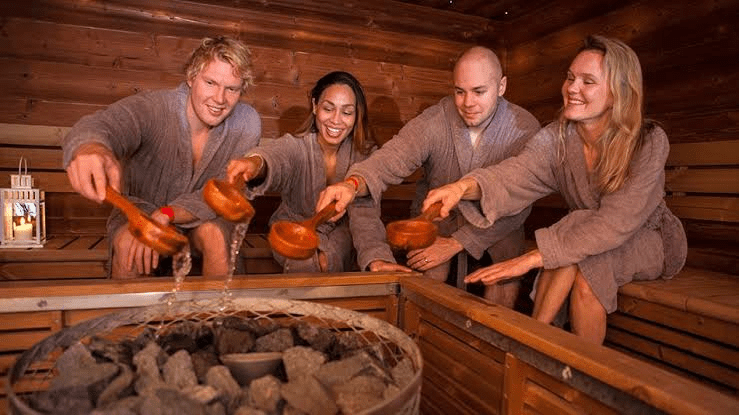
The national pass time for Finns is enjoying sauna baths. The fact that they have over 2 million saunas explains their love for the tradition. Saunas are places that purifies one’s body and soul. Sauna creates a sense of community and equality for the citizens as people from all backgrounds come together to enjoy the experience. Finns are used to being naked in the sauna with their family and friends, which can help create a comfort with and acceptance of their bodies, too.
Fins follow the philosophy of ‘Sisu’ that is focused on persevering when the odds are against us and viewing challenges as an opportunity. “Instead of waiting for a warm sunny day, many Finns practice daily sisu by heading out in any kind of weather for a brisk walk or cycle, or to spend time in nature.” They believe that happiness does not come from searching for it, but by living.
Finns value time over money. They choose a healthy work – life balance over wealth. A good personal life gives them the chance to pursue their personal interests and feed their creativity. This further contributes to the low inequality levels in Finland. The society majorly consists of middle-class households with very less poverty and more social security. They have few rich families but since the people are satisfied with themselves, they don’t believe in excessive show off of their wealth. This promotes the feeling of content and satisfaction amongst the low-income groups as well.
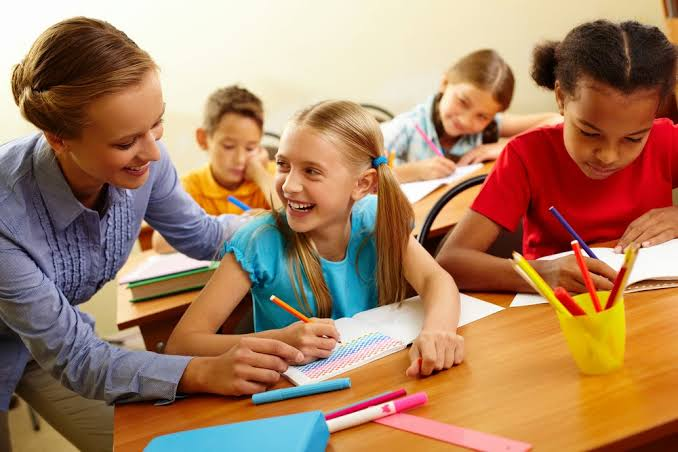
One of the main reasons why Finns are satisfied and happy with their lives is social equality. The government provides each new born a equal and healthy start to life. They distribute packages of clothing and other useful items to all new mothers. This was initially started to reduce the declining birth rate and high infant mortality but on a broader picture it reduces the difference and provides an equal start to all the new citizens. Equal opportunities are given to every citizen in terms of besteducation in schools and universities without any cost. This helps each child shape their own future without any form of economic hindrances. (A happy childhood breeds happy adults) The presence of best of healthcare opportunities to all the citizens at no cost reduces further disparity and makes them more secure and stress-free.
Under the ‘Housing first’ principle, it is ensured that even the rough sleepers are given the right support and a roof above them. The presence of equal opportunities for all makes people more satisfied with their lives, hence there is no need for people to adapt criminal offences. Low crime rates, in turn makes people more safe, secure and happy.
Finland strongly emphasises on closing gender equality as a means to promote the feeling of satisfaction and oneness amongst all citizens. Some of the measures includes providing new fathers with nine weeks of paternity leave at 70 percent of their salary and closing the gender pay gap. (Hence proving that a rising tide lifts all boats). Finland is one amongst the few Nordic countries where fathers spend more time with school-aged children compared to their mothers.
The extent of equality and freedom amongst the nation is such that they follow Flat Working Model in commercial world. For those who don’t know, a flat working model is one where there are few or nohierarchal levels between management and staff. This leads to less supervision and increased involvement with organizational decision-making, enabling open communication between all departments. Hence, increasing workplace productivity and team-cohesion. This worker-centric approach to business has served Finland well for more than a decade. Moreover, Finland is the only country that provides 25 paid workdays off in addition to the paid national holidays.
Finns are least active on social-media platforms that indulge in putting forward a polished view of their lives. They don’t brag about their success and wealth or show an outwardly exuberant zest for life. Rather, they believe in being reserved and accepting both the good and the bad as it comes. They believe that if they are truly happy, they don’t need to shove it in anyone’s faces.
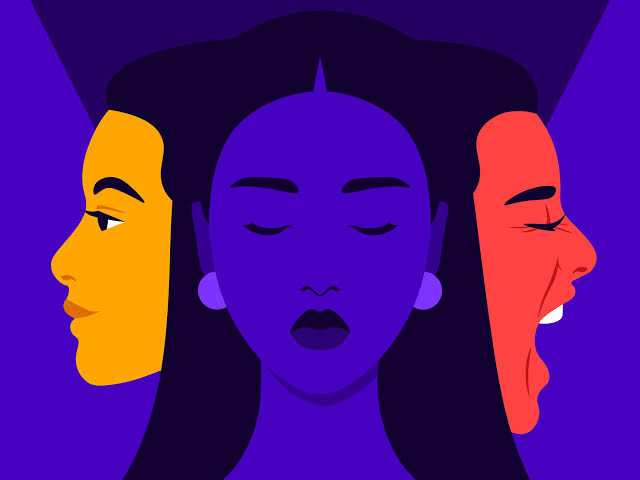
Even after being the happiest country in the world, Finns have an emotionless exterior and prefer melancholic songs to express themselves. This is because they accept negative emotions as part of life. Trying to suppress one’s negative emotions is considered bad for one’s well-being. They are taught to embrace such emotions and learn to accept one’s life for what it is. This in turn has a positive impact on their life and help them feel more satisfied. They believe in expressing their negative emotions to such an extent that they celebrate a national event called “The International Day of Failure” (celebrated annually on 13 October), that carries an important message that without the possibility of failure there is no success, and occasional failure is therefore acceptable.
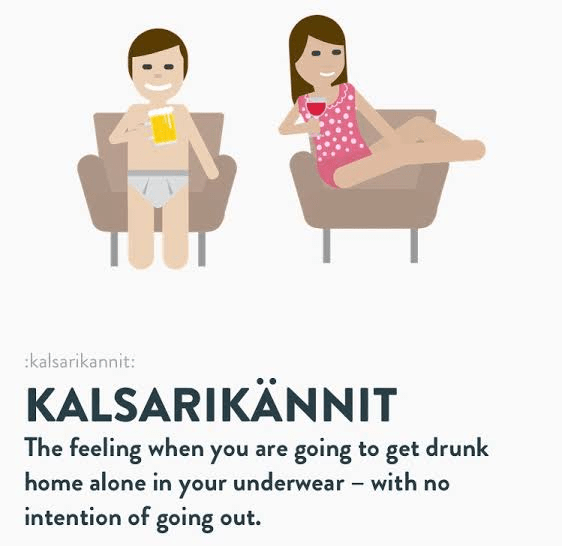
They follow the culture of Kalsarikännit or Pantsdrunk which is the practice of binge drinking alone in your home in your underpants. To a large extent, it is still considered a way of life in Finland, probably because of the stereotyped lack of social contacts among Finns.
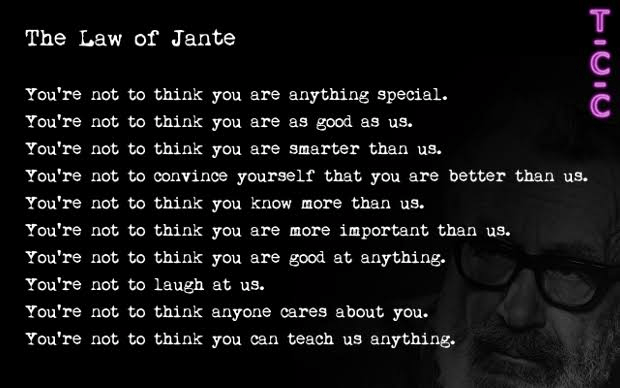
Another reason why nordic countries are most at peace with themselves may be the not mentioned, but always present, “Law of Jante” that is silently enforced by everybody in unison. Law of Jante explain the egalitarian nature of Nordic countries where they support a harmonious and happy society.
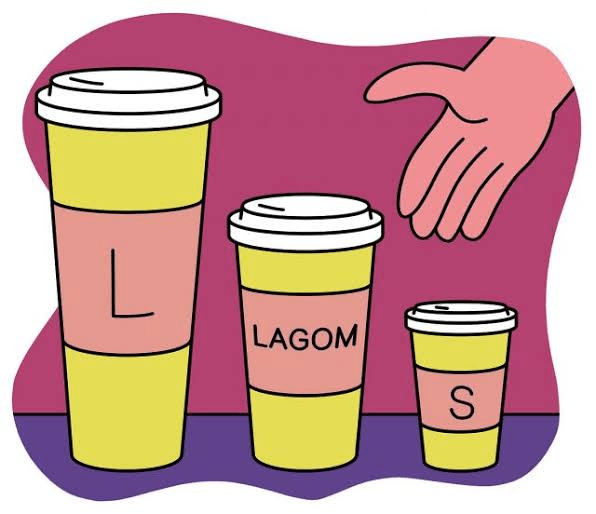
Finns are socialized to believe that what they have is as good as it gets—or close enough. Finns believe in the Norwegian term Lagom, which can be translated as “just the right amount,” i.e., neither too much nor too little. They believe that what they have is as good as it gets—or close enough. This mindset makes them the happiest people in the world despite living in small apartments, earning modest incomes, with even more limited purchasing power because of the high prices and taxation.
Hence, one thing that the world could learn from them is their willingness to embrace the less-sunny aspects of living i.e., to accept negative feelings as a normal part of life.
Global warming is the slow increase in the average temperature of the earth’s atmosphere because an increased amount of the energy (heat) striking the earth from the sun is being trapped in the atmosphere and not radiated out into space.
The earth’s atmosphere has always acted like a greenhouse to capture the sun’s heat, ensuring that the earth has enjoyed temperatures that permitted the emergence of life forms as we know them, including humans.
Without our atmospheric greenhouse the earth would be very cold. Global warming, however, is the equivalent of a greenhouse with high efficiency reflective glass installed the wrong way around.Ionically, the best evidence of this may come from a terrible cooling event that took place some 1,500 years ago. Two massive volcanic eruptions, one year after another placed so much black dust into the upper atmosphere that little sunlight could penetrate. Temperatures plummeted. Crops failed. People died of starvation and the Black Death started its march. As the dust slowly fell to earth, the sun was again able to warn the world and life returned to normal.Today, we have the opposite problem. Today, the problem is not that too little sun warmth is reaching the earth, but that too much is being trapped in our atmosphere.
So much heat is being kept inside greenhouse earth that the temperature of the earth is going up faster than at any previous time in history. NASA provides an excellent course module on the science of global warming.
What Causes Global Warming?
There are three positions on global warming: (1) that global warming is not occurring and so neither is climate change; (2) that global warming and climate change are occurring, but these are natural, cyclic events unrelated to human activity; and (3) that global warming is occurring as a result primarily of human activity and so climate change is also the result of human activity.The claim that nothing is happening is very hard to defend in the face or masses of visual, land-based and satellite data that clearly shows rising average sea and land temperatures and shrinking ice masses.The claim that the observed global warming is natural or at least not the result of human carbon emissions (see Climate Skeptics below) focuses on data that shows that world temperatures and atmospheric CO2 levels have been equally high or higher in the past. They also point to the well understood effects of solar activity on the amount of radiation striking the earth and the fact that in recent times the sun has been particularly active.
Greenhouse Gases Are the Main Reasons for Global Warming. …
Cause #1: Variations in the Sun’s Intensity. …
Cause #2: Industrial Activity. …
Cause #3: Agricultural Activity. …
Cause #4: Deforestation. …
Cause #5: Earth’s Own Feedback Loop.
The evidence is clear: the main cause of climate change is burning fossil fuels such as oil, gas, and coal. When burnt, fossil fuels release carbon dioxide into the air, causing the planet to heat up.
How to stop global warming ?
There is no one-size-fits-all approach to stopping or slowing global warming, and each individual, business, municipal, state, tribal, and federal entity must weigh their options in light of their own unique set of circumstances. Experts say it is likely many strategies working together will be needed. Generally speaking, here are some examples of mitigation strategies we can use to slow or stop the human-caused global warming :
Where possible, we can switch to renewable sources of energy (such as solar and wind energy) to power our homes and buildings, thus emitting far less heat-trapping gases into the atmosphere.
Where feasible, we can drive electric vehicles instead of those that burn fossil fuels; or we can use mass transit instead of driving our own cars.
Where affordable, we can conserve energy by better insulating our homes and buildings, and by replacing old, failing appliances with more energy-efficient models.
Where practicable, we can counterbalance our annual carbon dioxide emissions by investing in commercial services that draw down an equal amount of carbon out of the atmosphere, such as through planting trees or carbon capture and storage techniques.
Where practical, we can support more local businesses that use and promote sustainable, climate-smart practices such as those listed above.
We can consider placing an upper limit on the amount of carbon dioxide we will allow ourselves to emit into the atmosphere within a given timeframe.
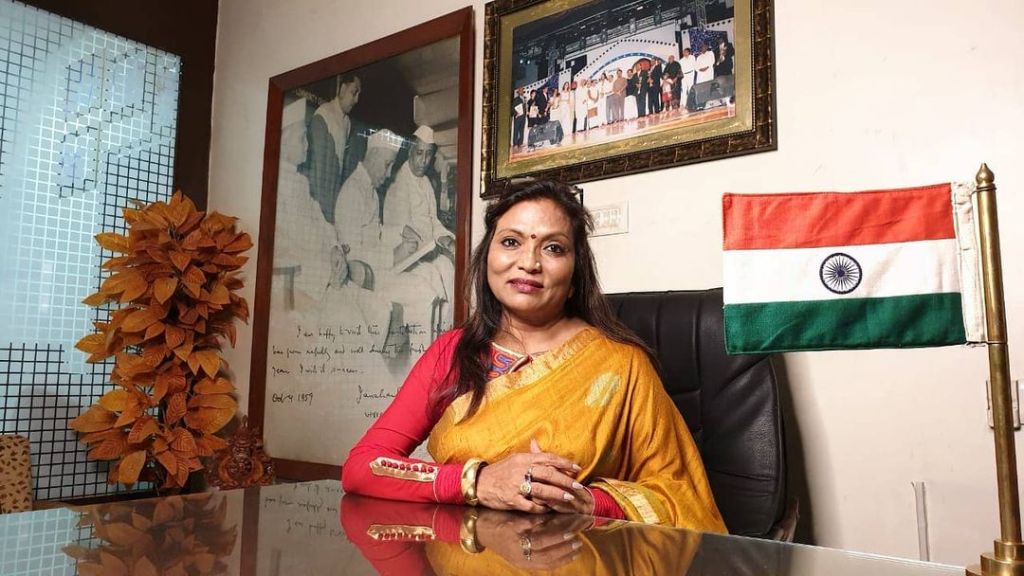
Most of us are well known about Indian famous women personalities like Kalpana Chawla, Kiran Bedi, Indira Gandhi, Saina nehwal and etc.. because we always do listen their successful stories in many meeting as an inspiration. Today I’m going to post about the life story of Kalpana Saroj who is the most struggled women personality and who became as an industrialist with out having any degree and competed equally with the top most business personalities.
Kalpana Saroj is a female entrepreneur and Tedx speaker. She was born in 1961 in Roperkheda village, Maharashtra, India. She is the chair person of “ kamini Tubes” and bagged the honourable “Padma shri “ award in 2013 in the field of Trades and Industries. She is described as the real “ SLUMDOG MILLIONAIRE ” and also sometimes considered as India’s first women entrepreneur.
EARLY ROOTS OF HER LIFE:
Kalpana was born in a Dalit family and her father was a constable. As she was from Dalit community, she is refused by everyone in her school. At that time’s, there was a custom to marry of the girls at an early age. Similarly, Kalpana parents were also fixed her alliance at the age of twelve years. After her marriage she move to the slum area of Mumbai along with her husband’s family. At a very tender age she faced torture in both physically and mentally at her mother-in-law house. She became as a sex toy to her husband and as a maid to her mother-in-law.
When her father visited her after the six months of marriage, he was shocked to see her daughter in horrible situations at her home and he immediately took her back to home. After moving back to her native place she was taunted by every person in her village and later after same days, she mentally got weaken and attempted suicide. After her suicide attempt, she became strong and empowered with regained energy and again moved to Mumbai in the search of her new life.
BUILDING A NEW PATH IN HER LIFE:
As and when she moved to Mumbai she started working as a tailor in a garment factory, with in a few months she mastered at the art of sewing and managed to get get a decent hike but when the things in her life was improving suddenly her life took an U-turn with death of her younger sister who was died because of insufficient amount of money for the treatment, Then she got realized about the importance of money in once life.
After few months of her sister’s death, she decided to begin a new life in the form of business. One day she heard about the Government loan scheme for Dalits in radio and she applied for that scheme. After the Government loan got sanctioned, she turned that amount into a few sewing machines and started working sixteen hours per day on them. As it is a profitable venture she got profits in her first business and she started investing the profits on the furniture business along with the tailoring business.
ENTERING INTO THE REAL TIME BOOM MARKET:
One day, a man approached Kalpana with a proposal of buying land, at a price of 2.5 lakhs which was caught in legal troubles because of having the need of money urgently, he supposed to sell his land to kalpana. Kalpana grabbed that opportunity and gave him a lakh in advance and paid the remaining amount within a few months. For two years, she fought the legal battle and cleared the litigation issue of the land.
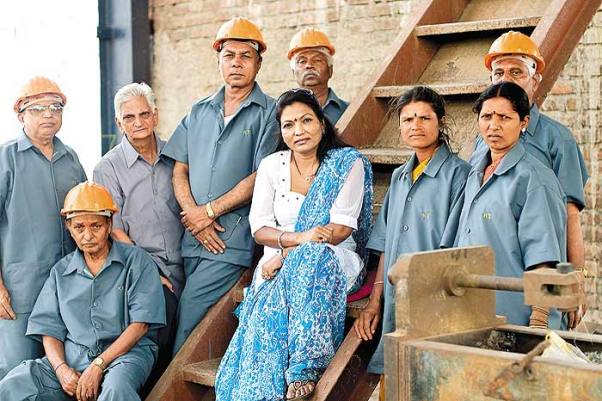
The workers of Kamani Tubes( A metal engineering company) got impressed with her logical and entrepreneurial skills in dealing with the land litigation issue they approached her to take charge over the company and settle the debts. With her perseverance and patience she cleared all the debts of company in the short span of time and restructured that company to bring back to profit’s path with her entrepreneurial and managing skills.
Today, She is the chairperson of an Industrial setup and owns net worth of 112 million dollars(Rs. 2000 crore). She also started a film production house which is named as KS FILM PRODUCTION. This is the successful story of Kalpana Saroj who crossed many barriers to reach this position. Her life shows us the reality of facing hardships with out giving up. Soon, Kalpana Saroj biopic is going to be filmed out in future where we can see her struggles clearly in that film.
CONCLUSION:
Guys finally do remember that, “Life is full of events and situations which act as a sources of infinite wisdom. We have to find ways out of the multitude of adversities which will teach us valuable lessons on the importance of will power and hard work”
India- the place of love, worship, harmony, diversity and unity. Indian religious book said we have to respect everyone as gender, colour and race. In this article we are going to know the women in different regions of India. Women are considered as the supreme in our dharma. They are provider, preserver, destroyer and creator.
In India we have four major regions-
South
North
East
West
And the other we divided our four regions into urban and rural areas. The condition of women crossing over in the nation is different from one to another. Somewhere patrichay is following (north of India) and another part of India is following matrichay (south of India).
We are going to talk here about the status of women in different region on the behalf of
Household
Education
a). Household
Household chores considered the woman’s responsibility to do. We all hear many times that she is a girl and must know how to do household chores.
In the north region of India, the urban area household is considered the primary job of the woman. The woman should be well educated but pursuing her career or not would be decided by her in-laws. Care taking of their children and family must be their prime concern whereas in Rural areas women have to work in the field too (uttar pradesh, haryana, punjab, himachal pradesh, uttrakhand). They need to work at home and also must be provided financial support to their families. The point should be noted that the household chores responsibility is reliant on women in urban as well as rural areas of the north region of India. But in rural areas women have to give financial support to their family.
In the south region of India, the condition of women is a little better than other regions. They have to work at home of their choice. The major importance is given to their education and career.
In the west region of India (rajasthan, gujrat, maharashtra) women not only have to work at home they have to maintain the ritual prosperity of their house. In urban Women work at home and join the other functions of society whereas in rural areas women responsibilities increase. They have to carry the drinking water for their family.
In the east region of India most of the communities are tribal. The women have to do all the household chores. They work in the field.
In every region of India or I must say world the household responsibility always relies on the woman’s shoulder.
b). Education
Education is the one of the most important aspects which can help women to stop their oppression in society. Education brings the knowledge that enlightens the inner strength of an individual person.
In the north region of India women get a chance to get qualified graduation in rural areas. The main purpose of educating the girls in urban areas is to get them married to a high profile family Whereas in rural areas women only passed with higher secondary education. Most of them young girls drop out from the school after the 8th class. The reason behind could be unavailability of resources and lack of reach education to them.
In the south of India women are highly educated. They get a chance to pursue their career. In rural areas as well as urban areas, women get equal chances to study. Even the region has the highest literacy rate in India.
In the east region of India the literacy rate of females is 70.3%. Women in urban areas are qualified with degrees and work out of the region whereas in rural areas women are literate; they can write, read and do arithmetic .
In the west region of India women are educated in urban areas and mostly work in high ranking offices. But they have to study in their states. In rural areas women get a chance to study. Most of the time the young girls have to drop out from the school for their early marriage.
In this article we discussed the status of household and education of women in different regions of India.
Vegetables are the part of plants which are edible and very nutritious to our body. As we all are aware that vegetables happen to have very good effects on our body. Almost every vegetable has fibres, vitamins, minerals and other important healthy ingredients in them , but some of them have some exceptional qualities which make them stand out from the rest of the others .Nutritional value of vegetables is undeniable . Here I have talked about some of them which have more nutritional value than the others .They are written below .
Various types of carrots
CARROT — It is a root vegetable. It’s common colour is orange but it happens to also be yellow,white and purple . While eating them you will be able to feel the crunchiness of it . It has high nutritional value . It has lots of beta-carotene ,fiber ,vitamin K ,vitamin A ,potassium & antioxidants ,biotin carotenoids and lutein . It also has 90-95% water & almost 7% carbohydrates .
Carotenoids reduce the chances of cancer & improve the blood by lowering bad cholesterol in the blood . Vitamin A helps to improve the eye sight & eye health .Carrot is also used as a weight-loss diet vegetable .It improves our immune system .
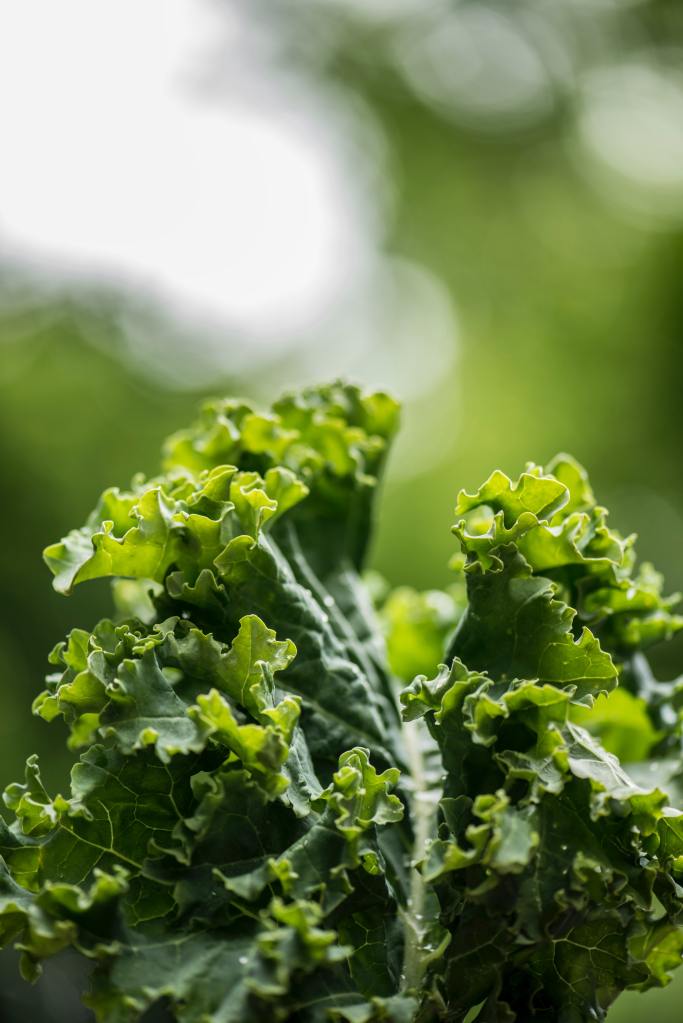
CarrotsKale
KALE — It is a green leafy vegetable . This vegetable belongs to the Cruciferous plant family .It has a lot of calories , protein & carbohydrates .High amount of flavonoids ,45 types of carotenoids , Vitamin K ,Vitamin A ,Vitamin C are also found in kale .
Kale works as a very good antioxidant & anti-inflammatory in our body .It prevents the chances of cancer ,It fights against macular degeneration , Alzheimer ,arthritis with the help of containing antioxidants .
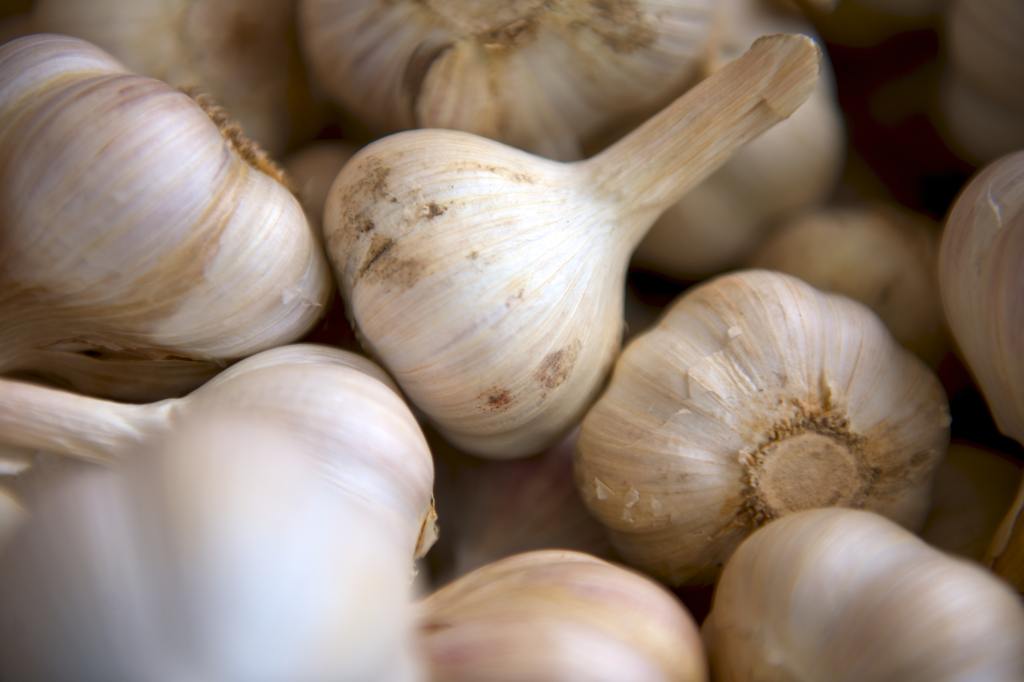
Kale LeafGarlic Bulbs
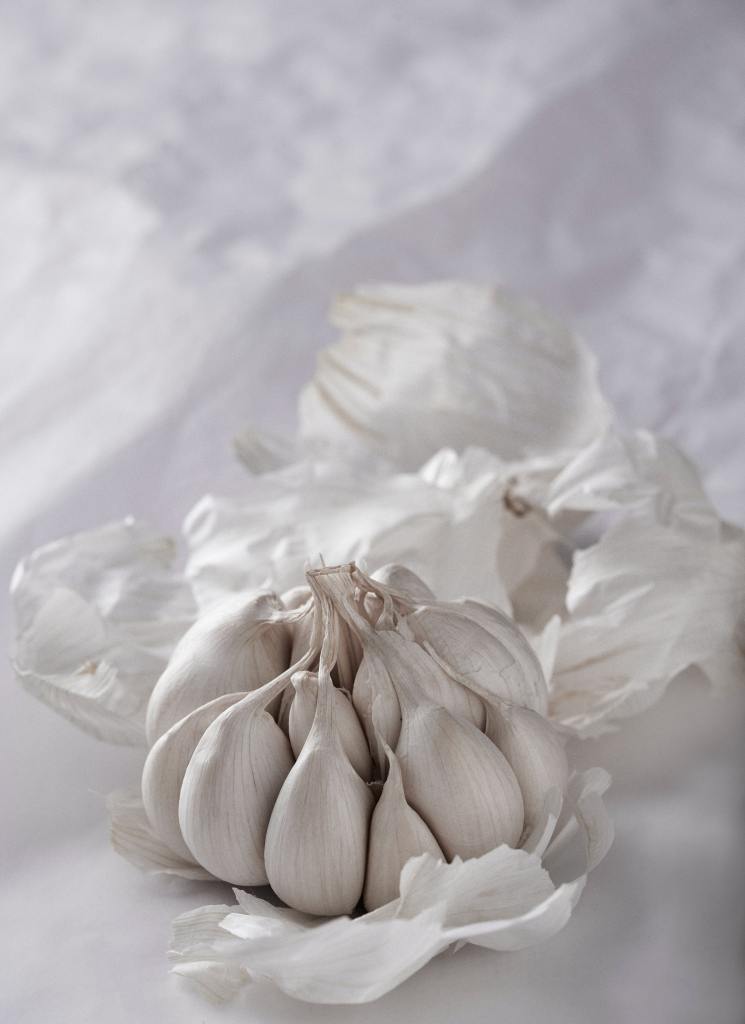
3)GARLIC — It is one type of stem of a bulbous plant . Garlic is naturally of white colour but black garlic also exists .Garlic plant belongs from Allium ,a onion species .It is widely used as a seasoning or as a spice . It has a high amount of Vitamin B6 ,manganese ,selenium , Vitamin C and allician . It also has a good amount of phosphorus , calcium ,potassium ,iron ,copper etc.
It is a very good vegetable for the heart & blood system . It also fights against high blood pressure or BP & lowers the bad blood cholesterol to cure the heart condition . It increases the blood oxidation power . It also works for skin infections & hypertension .
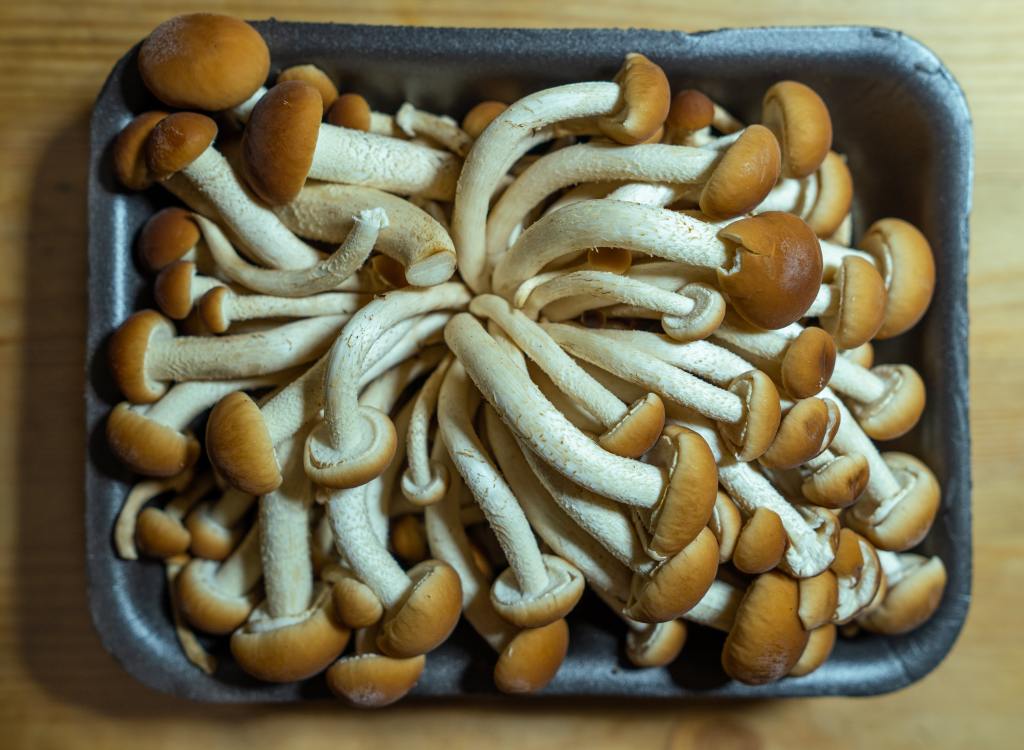
Garlic Various edible mushrooms
4) MUSHROOM — It belongs to a fungus group & is edible in nature . It has various sizes ,colours ,and strictures .It has a lot of protein , minerals ,antioxidants ,selenium ,Vitamin C ,choline ,and fibre . It is especially rich in vitamin B & protein .
It fights against lung & breast cancer & prevents them .It works very well on diabetes patients & helps to cure diabetes . It gives a lot of energy for containing lots of protein .It is one of the most healthy foods .
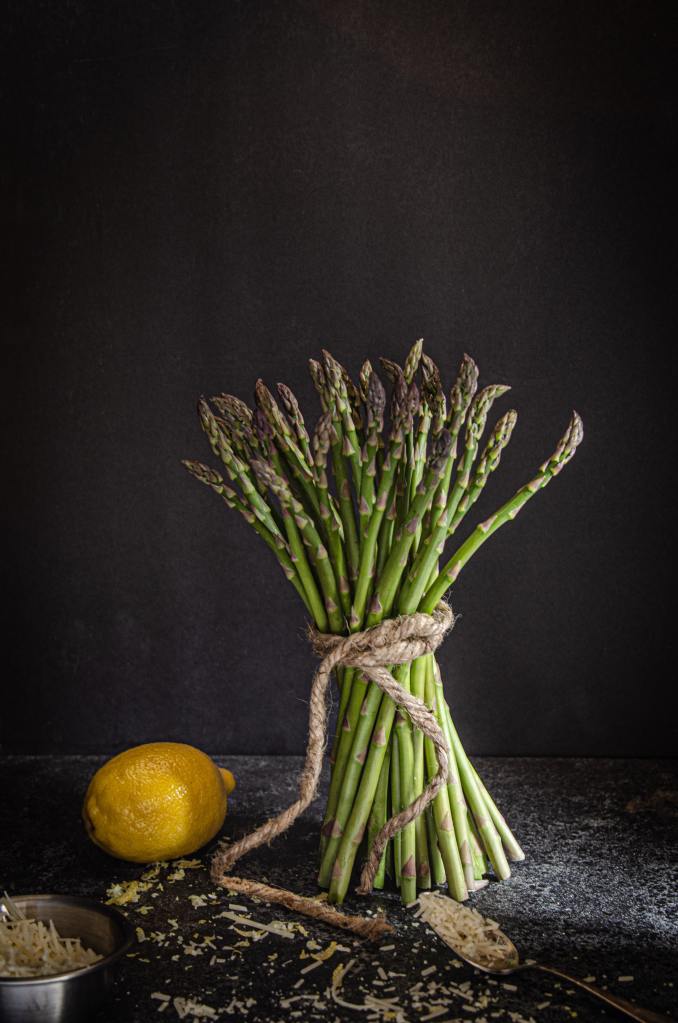
MushroomsAsparagus
5) ASPARAGUS — It belongs to the lily plant family . Its scientific name is Asparagusofficinalis . It is usually a green colour vegetable but it also exists in purple colour & white colour .It has low calories , lots of vitamin C , Vitamin A , Vitamin K , antioxidants , phosphorus , fiber , protein . It has a high amount of Vitamin K .
Anthocyanin is responsible for the colour of the purple asparagus and it lowers the blood pressure in our body . Asparagus also helps to increase the power of our digestive system . It has a very good effect on pregnant ladies during their pregnancy period .It is a healthy & delicious vegetable .
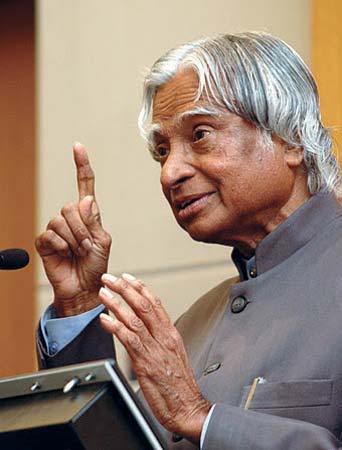
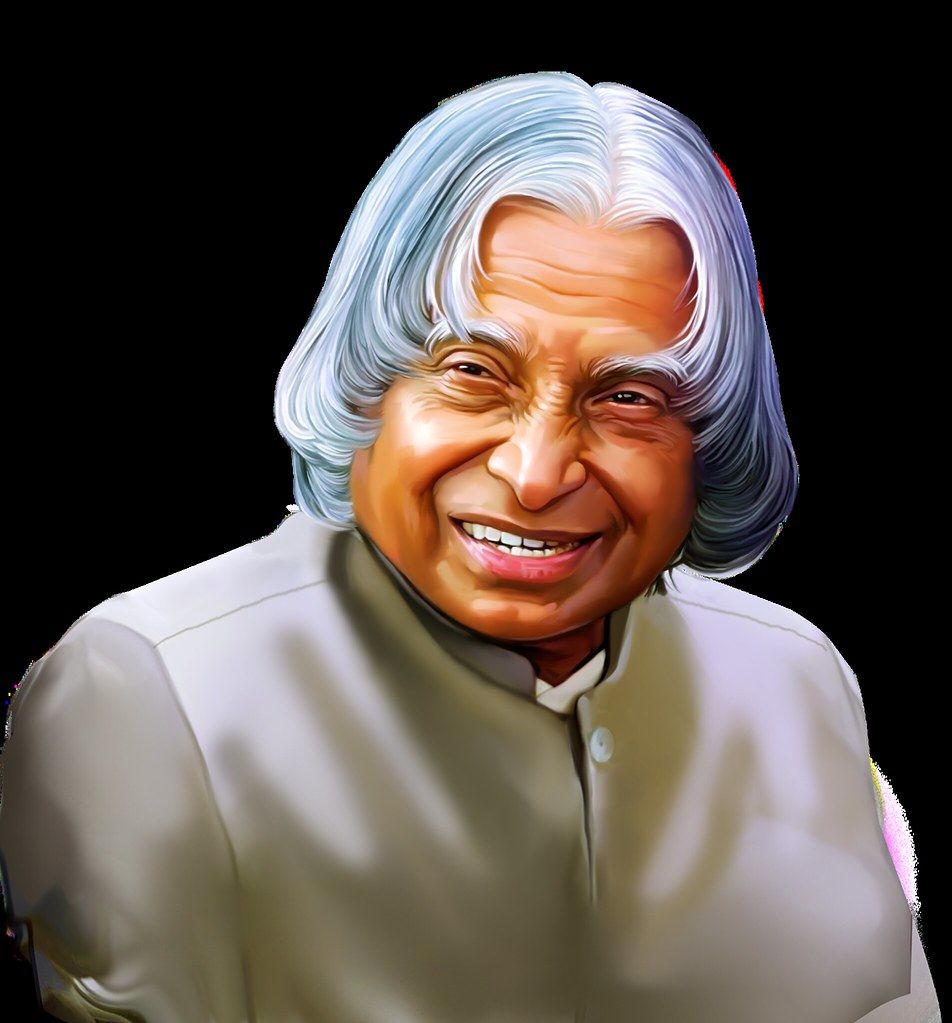
Dr APJ Abdul Kalam was a scientist who later became the 11th President of India and served the country from 2002 to 2007.
He was the most respected person in the country, as he contributed a lot to the country as a scientist and a president.
His contribution to the Indian Space Research Organization is unforgettable.
There were many projects under his leadership such as Rohini-1, Project Devil and the launch of Project Valent, missiles (under Mission Agni and Prithvi), etc.
For his great contribution in increasing India’s nuclear power, he is popularly known as “Missile Man of India”. He has been awarded the highest civilian awards for his dedicated work.
After completing his service to the Government of India as President, he served the country as a visiting professor at various valuable institutions and universities.
HIS CAREER AND CONTRIBUTION:
He was born on 15 October 1931 to Zainuldeben and Aashiyamma. His family’s financial situation was a bit bad, so he started supporting his family financially at an early age.
He started earning money to support his family but never gave up his education.
He completed his graduation from Madras Institute of Technology in 1954 from St. Joseph’s College, Tiruchirapalli and Aerospace Engineering.
After completing his graduation, he joined the Aeronautical Development Foundation of the Defense Research and Development Organization (DRDO) as a leading scientist.
Soon he moved to the Indian Space Research Organization as the Project Director of India’s first indigenous satellite launch vehicle.
He also served as the Chief Executive of the Integrated Guided Missile Development Program, which is involved in the simultaneous development of missiles.
He had also become the Chief Scientific Adviser of the Prime Minister and Secretary of the Defense Research and Development Organization from the year 1992 to 1999.
He was called the “Missile Man of India” after his successful contribution as the Chief Project Coordinator for Pokhran II nuclear tests.
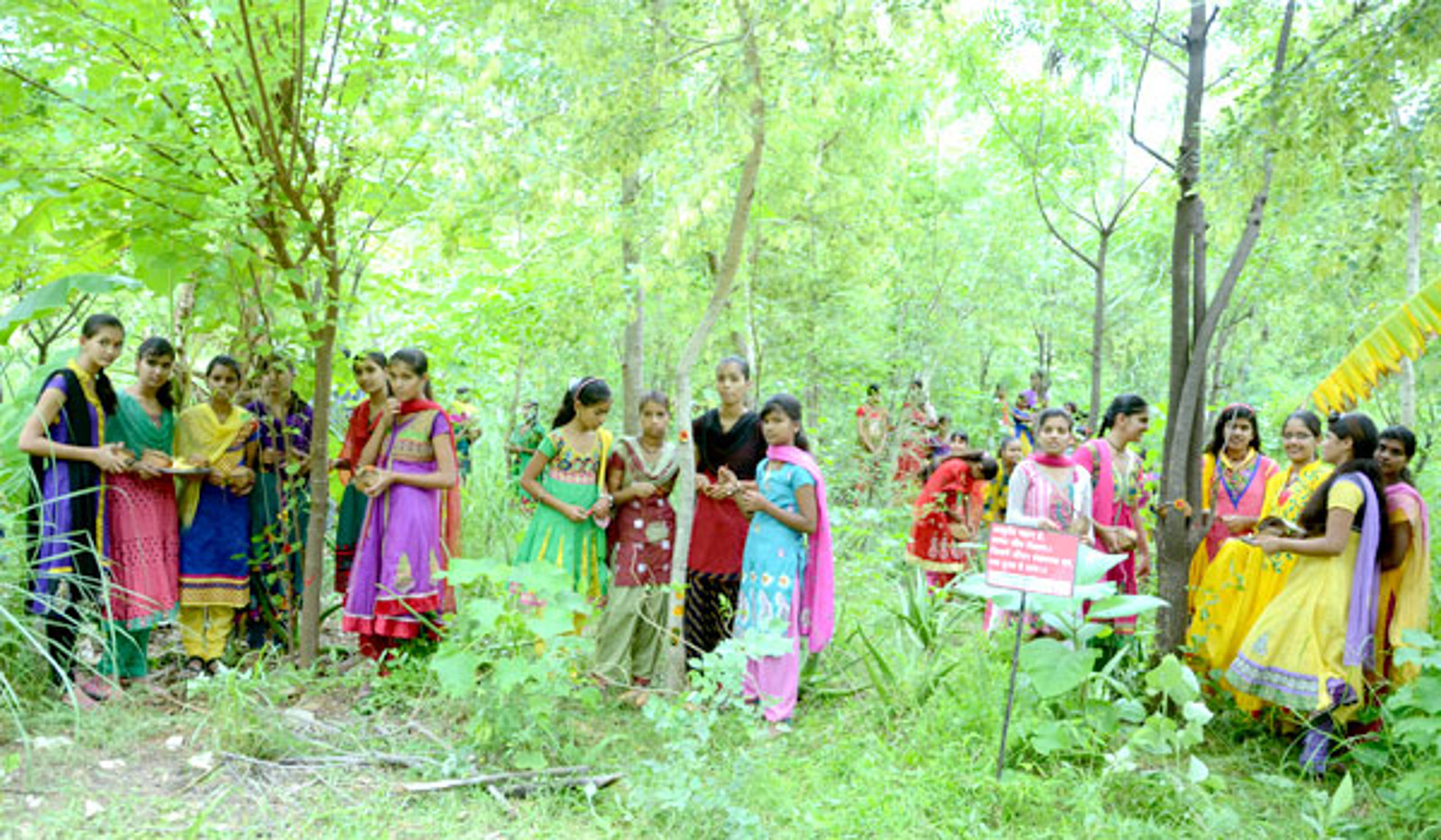
Pilpantri, a village with a population of 8000 , located in Rajasmand district of Rajasthan has been a matter of pride for the entire nation. It is the perfect example of how the cycle of change starts from one person itself. This small village has been attracting attention from all over the world due to its efforts of saving the environment and promoting the girl child birth and education. Now, feminism and Rajasthan in one sentence may be shocking to some as Rajasthan has a tanned image for female infanticide, child marriage and is considered to be one of the least progressive state for females. However, times are changing. Pilpantri, itself being an example of this change which has made it a role model of eco feminism.
This village plants 111 trees for every single girl child being born there. The number of trees being “111” for every girl child has a different story behind it. India is a land of traditions which is what makes us unique. It is a tradition in India that on every auspicious occasion a donation of 101, 111, 1100 or the similar numbers being made ,which is termed as “shagun” in Indian terms. The traditions when used in an innovative way may prove extremely beneficial for the present times. The plantation of such a huge number for every girl child born increases the green cover around the village protecting the people there from the pollution and its aftermath, which is one of the biggest problems in India. The saying “Nature has solution to every problem provided you regard it well” holds true.
History of the plantation drive
In 2005, when Shyam Sunder Paliwal had taken over as the village sarpanch, the entire area surrounded by hills was denuded for mining. The district of Rajasmand is known for marble block mining and is the largest producer of marble in the entire country. Mining leads to the loss of vegetation and invites several problems in the mined areas such as floods, water logging, soil erosion as the natural protectors of environment i.e. the trees are sacrificed in mining and no or least attempt is made to restore them.
Two years later, when Kiran , Paliwal’s 17 year old darling daughter died due to dehydration, he decided to honor her by planting a tree in her name on the village entrance. He then thought of implying this scheme for the birth of every daughter in the village . Not only to celebrate the birth of a girl (which is a very rare practice in India) are trees planted but also to commemorate the lives of those who died. The village plants 11 trees in the memory of every person that dies here.
Pilpantri as a model of feminism
In India, where patriarchy has a strong hold, females are neglected since birth and are seen only as an institution to carry on the generations forward. The birth of the female becomes a matter of shame for the family while some starts to worry about the dowry of a new born girl. To put a stop to all these problems, the people came with a very “horrifying” solution which is to kill the girl before she is born. A report suggests that in Rajasthan, the child sex ratio is 888 girls per 1000 boys. The census also revealed that of total deaths in Rajasthan, over 20% of them were infant deaths. Overall, the female child population (age 0-6) between 2001 and 2011 dropped by 3 million. One journalist referred to this as “the silent genocide.” Female infants are sometimes tragically killed by opium poisoning, starvation, or even being crushed with stones or drowned in water.
Pilpantri , a small hamlet not only cares for the environment with every girl born but also secures her future through the various schemes implemented by the village. As reported by The Hindu, Rs. 21,000 is collected from the village residents at the birth of a girl child and Rs.10,000 from the girl’s father and this sum of Rs. 31,000 is made into a fixed deposit for the girl, with a maturity period of 20 years. Also, the village authorities make these parents sign an affidavit promising that they would not marry her off before the legal age, send her to school regularly and take care of the trees planted in her name.
When the girls grow up, they tie Rakhi( a holy sibling bond signifying the protection of each other) to the trees.
Pilpantri as a model for environmentalism
According to a report by BBC, the region now has more than 350,000 trees, from mango and gooseberry to sandalwood, neem, peepal and bamboo, growing across the once-barren lands and covering an estimated 1,000 hectares. To plant the trees what is required is soil and water along with the saplings. The more the greenery, it will attract higher numbers of birds , bring more rain and prosperity to the region.
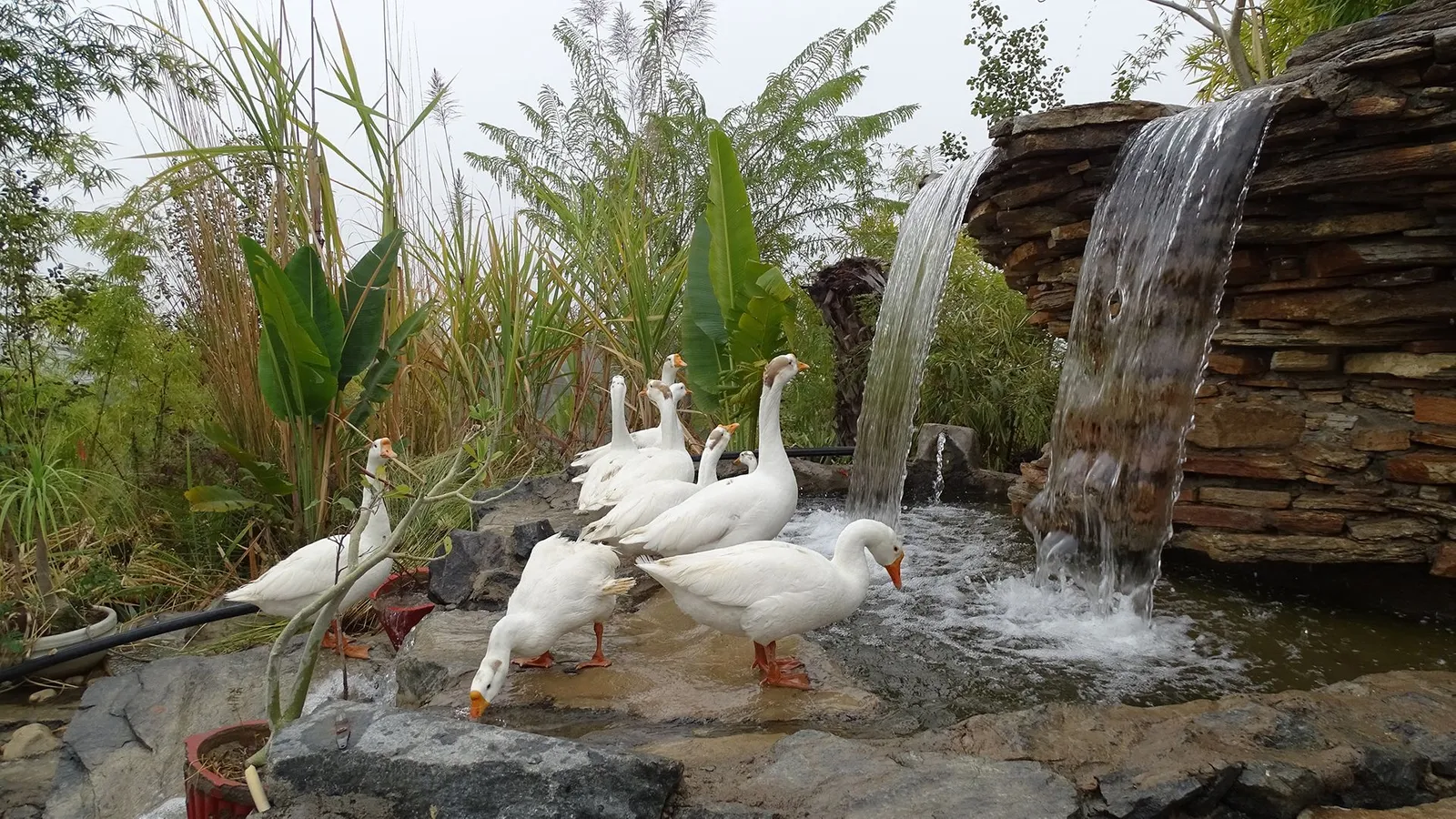
The village has also developed a water harvesting system , where the run off rain water is collected through ditches, bunds and dams. Now, clear pools of water shone and adorn the village attracting animals like geese and rabbits.
Also, to protect the large number of trees from termites villagers plants aloe vera in large amounts near the trees which in turn is utilized by the women of the village to make aloe juice ,gels and cosmetics for sale in the market, increasing the village economy and their independency.
In 2018 the state government instituted a training center there to educate people on the “Piplantri Model”. The building hosts engineers, officials and residents from other districts who hope to replicate Piplantri’s model of water harvesting and tree planting elsewhere in Rajasthan and the country. As many as 50 to 60 visitors come to Piplantri some days – most of whom come to attend workshops in the training center – and the village even has a set of cottages to house them.
Now, the birth of a daughter is no more considered to be a burden but a matter of pride and celebration. It is the efforts of Shyam Sunder Paliwal which have adorned the earlier dried village considering females as a burden , into a developed hamlet which is an inspiration for the entire country in more than one ways. The woman has been associated with “fertile lands” in literary terms by many poets since ancient times . It is not only because of her ability to reproduce which gives her this association but also her ability to nurture and regrow an arid land of which Pilpantri is the best example.
Hello motherland, I hope you are fine, I can only hope this because your children living here are not completely loyal to you.
Since long time you have been through many things and faced a lots of challenges. You have seen people changing, their changing lifestyles and even their behaviour towards you. During ancient times people used to discover things from you, they only used natural things like branches of trees to cook food, stones to setup fire and made tools from them. People at that time were totally dependent on you for everything from eating to wearing to shelter. As the time passes, in the medieval time people were more developed and found ways to rule over you. Different communities were made and people got divided according to their power and started making policies and planning to rule over a large piece of land this way you got divided into several religion and genders. Coming to the Modern Times now no one is afraid of you, everyone is seeking their benefit and doing whatever they wish to do without taking any precautions. Use of plastic bags, burning of crackers on festivals, wastage of water, deforestation etc all are leading to the serious conditions of the health of the motherland. Today’s society is always busy on technology and this too is creating a lot of junk on land and in people’s mind. They are harming the land as well as their health conditions. Due to huge amount of pollution, Ozone Layer has got a black hole in it and still people are not aware that it can cause serious skin problem like skin cancer.
As human beings have troubled you so much, the day will come when you will trouble us and I think the day has arrived, that is why in many parts of the world people are facing floods and even drought, heavy rainfall and even areas with graphic heat. You have suffered a lot and now that one day is very close when everybody will suffer and realise that what you have gone through.
Nowadays oxygen is free of cost and is God gifted but that day is very near when people will have pay for it. Everyone on the streets would walk by carrying oxygen cylinders on their back and masks on their face due to pollution and harmful waves. The harmful rays or pollution are not only affecting the life of people but also affecting the biodiversity. India, which is famous for its Bengal tiger is now found very rarely, butterflies which were in large quantities are now decreasing rapidly. Many of the birds and animals have been extinct because of unnecessary hunting in past and present by various kings and famous personalities in order to outshine others. Due to the overuse of the resources the time will come when the rivers will dry up and nothing will be left for the future, due to the present scenario it seems that the only thing we can leave for future generations are the photographs and paintings of the wildlife resources.
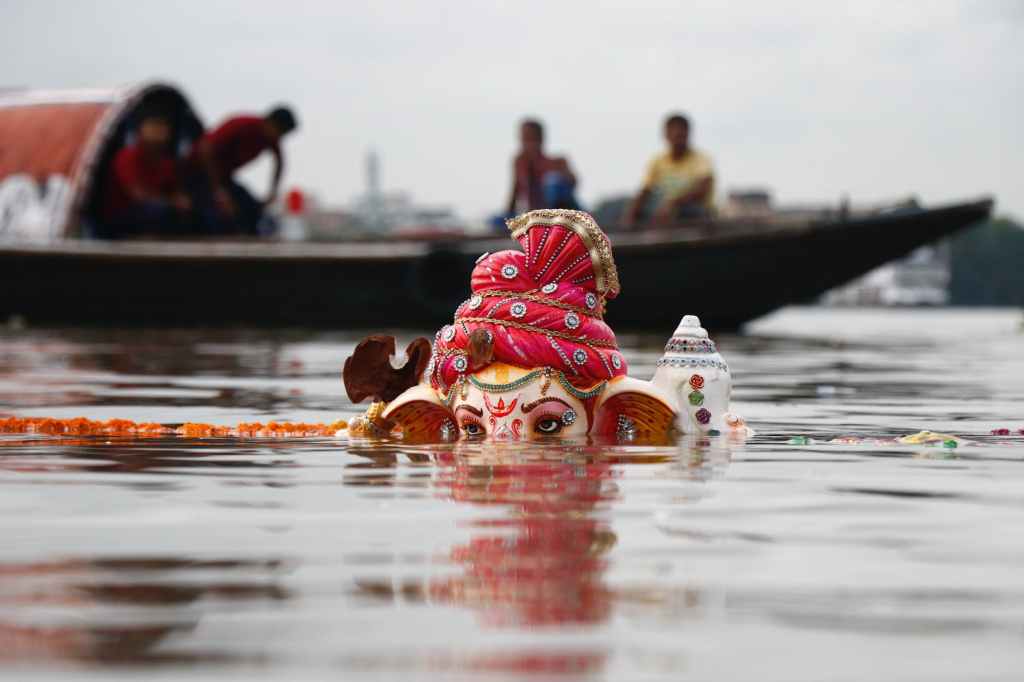
Human beings are not respecting their God then how can you expect that they will give you that respect which you deserve. It can be concluded by example of Ganesh Visarjan when tons of Ganesh idols are been sank in the rivers and later these were all collected by cleaners to take them to the safer place. The idols seems half dissolved in water and some even didn’t desolved because they are usually made of Plaster of Paris (POP). Government had insisted the public to buy idols made of mud instead of POP but for the beauty of the home they are destroying the beauty of nature.
There are very few helping hands which are not enough to protect you or conserve you. But we need more human efforts to protect you from big natural calamities.
To prevent the motherland from being old and unhealthy everyone should stop using plastic and start using alternative methods like paper bags, cloth bags, bamboo bottles, etc. Use of less pollutants should be encouraged and bicycle should be used for smaller distances to prevent the atmosphere from harmful chemicals. Candles and earthen lamps should be lighten up on festivals instead of firing crackers. These little steps by everyone can bring greater changes and will improve your health. If we talk about last year then due to covid-19 when the whole world was locked and everyone stayed at their homes, the ozone layer healed itself and pollution started to decrease.
I hope that my letter to motherland will somehow influence and aware people and hope that they will gain some more respect towards our motherland and I thank you to all those citizens who are engaged directly or indirectly in conserving it and contributing their bit for the world.
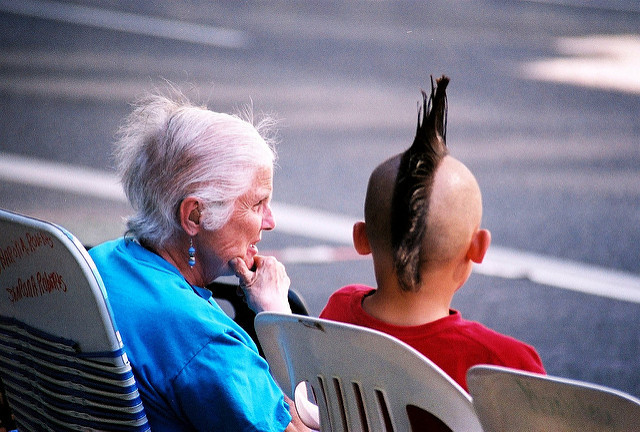
The gap between the old and the young people is called generation gap. Old people feel that lack of respect for the elders and disrespect to the existing system of the society will bring disaster for young generation. Young boys and girls, on the other hand, feel that ‘the old are fools’. The gap between the old and the new generations is widening owing to several reasons.
First, all young people feel that the present education has no relation with the realities of life. Secondly, the present life has become busy and fast. Thirdly, the young people are generally idealistic. When they find corruption in every sphere of life, they feel disgusted. Fourthly, to express their unhappiness with the existing state of affairs, young people take to violence or behave oddly.
In order to bridge the generation gap, elders should be sympathetic towards the young. They should realise the emotion, ambition and problems of the young. The young should realise that they have no experience in life.
So, they should value the advice of the elders. The general gap between the two groups of people is so wide in the western countries that they live separately. In India the traditional joint family system has slowed the growth of this gap. But now such a family also is breaking down.
Oxygen debt means when the demand for oxygen is greater than the supply. It means that when your body works hard you breathe a lot of oxygen but you can not absorb enough oxygen to cope with the level of activity. It is the stage of oxygen debt. As a matter of fact, ATP (or adinosine triphosphate) is the source of energy for muscular contraction . There are three main sources , which provide a continual supply of ATP.
Creatine phosphate.
Glycolysis
Oxidative phosphorylation ( critic acid )
When our muscles remain in resting position, these contain large amount of ATP and creatine phosphate . But, when we start exercise during the first few seconds of muscular contraction, the reserved ATP is used up immediately. During this period , ADP ( or adinosine diphosphate ) levels increase. Creatine phosphate rapidly supplies ATP for the contraction of muscles. The molecule of creatine phosphate contains both energy and phosphate , which are transferred to a molecule of ADP to form ATP and creatine. If the contraction is short , the muscle can drive all its ATP from creatine phosphate. If light exercise is to be done for longer period, other sources of ATP must be available . Glycolysis is the process by which glycogen ( stored from of glucose in muscles ) or glucose from the blood is broken down to CO2 and H2O by oxidative phosphorylation in the citric acid cycle to produce more ATP . The breakdown of ATP , the combination of creatine phosphate with ADP , and glycolysis can occur both aerobically (in the presence of oxygen ) and anaerobically ( in the absence of oxygen ) . Oxidative phosphorylation is an aerobic process . It means it requires the presence of oxygen . If oxygen supplied to muscles gets exhausted ( during heavy muscular activity ) , the pyruvic acid formed in glycolysis is converted to lactic acid . The accumulation of lactic acid in the muscle causes fatigue. At this stage ,m muscle is in oxygen debt . If exercise is continued , then there will be more debt of oxygen . In oxygen debt , lactic acid diffuses out into the blood and is carried to the liver, where it is reoxidised to pyruvic acid. In the liver , pyruvic acid can enter the citric acid cycle and can be broken down to CO2 and H2O . It can be said that it is reconverted to glycogen . It has been observed that up to the deficit of 2.3 litres oxygen , the lactic acid is not produced in muscles but , after that , if the amount of lactic acid goes on increasing , the deficit of O2 will be increased at the same rate .A complete rest helps in removing oxygen debt . During the rest , ATP is again stored in the muscles for activities . Generally , lactic acid is removed approximately in one hour if cooling down is performed properly . It may also take 2 hours or more if cooling down is not done with gentle exercise .































 Eduindex
You must be logged in to post a comment.