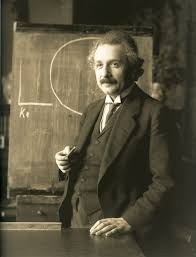
Albert Einstein comes from a middle-class family. When he was born his family started that something was wrong with him he had a very large and misshapen head but unfortunately within the first few weeks the shape of his head become normal but their worry didn’t stop when he was very young his parents thought of him it intellectually disabled because he was very slow too long to talk and did not speak until he was four years old at that time in his thoughts but did not speak.
He used to practice the sentence in his head or dumb topically under his breath until he got a right and then say them aloud many people believe that anything would never succeed at anything when he was 5 years old his father shown in men simple pocket compass Einstein Boss fascinated and that was the beginning of his opposition with science he also began playing the violin at 808 continue to play throughout his life cool and still was a good student most of his grades were and he was the top of his class but mainly because of Math and Science so history depends mostly on his interest in the subject when Einstein for only 10 years old he started educating himself by the age of 12 and 10 thought himself Euclidean geometry by the age of 15 him master calculus but he headed the disciplined and rigid type of the teachers so he dropped out of school at age 15 and left Germany to award Military Service his parents were worried that their son become a School dropout with no employee office girls and not wearing promising future bed all bed and time did not quit his education he applied to the Swiss Federal Institute of Technology but believe it or not if fail the entrance exam Albert Einstein failed an exam he was not prepared He excelled in Math and physics that his knowledge on project other than that was not good so he failed the exam and had to take it a second time and then he was admitted that he met his future wife, Mileva maric she was the only woman among the students in the graduation.
He would not get a job in the academy for almost A decade every one of these professionals knew that is that he was brilliant but they were also bothered by his Rebellious and disobedient side so they refused to recommend him for various positions to the academic institution wouldn’t hear him bad in Einstein needed money so he got a job as a clerk in a patent office the job was mostly mindless and very easy for increasing so he like the job because he had so much free time to study and Research while working there developed his most important theories while walking the boring job he developed the theory of relativity aunty world most famous equation e =MC2.
Einstein was nominated for a Nobel prize that did not receive it until 11 years later Albert Einstein become the most influential president of the 20 century his research changed the world Road hundred of books and was also a great philosopher so there are so many things to be learned I have no special talent I am only passionately curious to follow your curiosity whatever that is see where it goes never be afraid to coaching the world around you and don’t be afraid of falling and making mistakes along the way a person who never made a mistake tried anything new dark to discover and dark to make mistakes that what device such as per people from unsuccessful don’t be afraid to control your fear and don’t be afraid to follow your passion you don’t have to be the next Einstein be the best you can be to rise tomorrow and become a person you will be proud of the world is waiting for you.
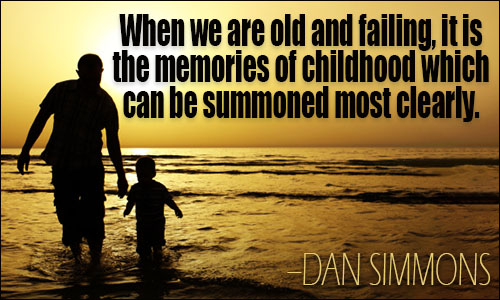
I don’t know when I lost my childhood I think I lost my childhood I think I lost my childhood When I started focusing on my studies, Maybe I lost it When I start overthinking about tomorrow Maybe when I get jealous of my cousin Maybe I lost it when my parents compare me with others May be when I started doing something to please my parents Maybe when I feel guilty for saying something Maybe when I came to know that everything that I learnt in my childhood is just a bookish line And no one takes that seriously in real life Not even my parents Maybe then I lost my childhood
We have to learn from our childhood ●To be happy for no reason ●To always be curious ●To fight tirelessly for something
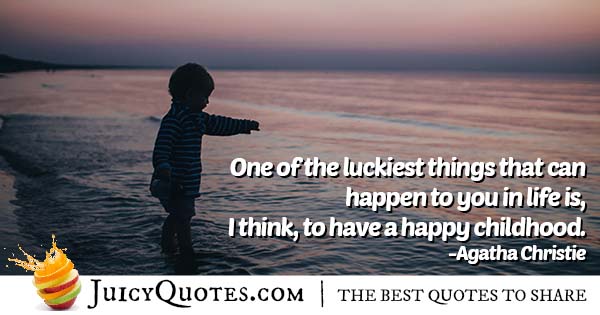
I think Childhood was the best memories of everyone.
My childhood was also very memorable to me. I used to play till 7pm without any thought of my homework or my parents. At that time my father was in Indian army that’s why he couldn’t live with us.I was living with my mom and grandma Thus whenever I come from school I have to go to market for food supplies or everything that is needed for home.And that’s why I am always onMy angry mood because my friends were playing when I had to go to market And as a child I also wanted to play. Thus whenever I return to the market I started playing with my friends till 7 pm. My grandma is always waiting for me to come back after playing. My grandma loves me so much.I usually sleep with my grandma and she always sang a song for me, tells bad time stories.She loves to irritate me.. She was my best friend at that time.I think I was closer to my grandma even more than my mom. My grandma and I were just like friends. Whenever grandma borrows some money from me then I always get it back with some intrest.
Whenever I went to my maternal grandmother’s home I enjoyed a lot there.My uncle always takes me to a resturant for my favorite foods.He took me to a fair.And in my grandfathers shop I played a lot.I used to irritate every customer but my grandfather never scolds me for that. In the evening grandmother took me to the tour of village and I enjoyed it a lot. Best thing is that I was known by my mothers name there.And I am proud of them.
My Childhood was definitely the best memory for me. There was no tension for homework, assignment, exams career, future We just enjoy our lives but now everything is the opposite.
We always complete some tasks.Always always always….. In the morning we wake up and keep doing our work whether we enjoy it or not.As it is our duty and we have to do it because we get paid for it or to get a job we have to study hard.
Some have dreams to achieve it thus they also enjoy their everywork that brings them closer to their dreams But some don’t have, they are just doing things because their parents want them to do or they want to earn money for their livelihood.
But what do you think about it?Are they enjoying their lives? Of course not.
So according to my best things for happiness is stop questioning yourself and be proud of yourself for enjoying your life
●You have a roof over your head.
●You ate today.
●You have clean water.
●You have a good heart.
●You wish for others.
●You are breathing.
●Atleast one person care for you.
●You have clean clothes.
Be grateful for the little things…
Sometimes we stress over things that we don’t have and not thankful for the things we already do have.
Article describing how to analyze subreddit discussions to validate startup concepts, referencing RedScraper and linking naturally to Reddit data scraping and Reddit market research tools.
THE WORSE CONDITIONS FACED BY CHILDREN WHO LOST THEIR PARENTS DUE TO COVID-19
We all are aware about the worse situations in INDIA due to new phase of pandemic. We all listened and watched about several heart touching incidents that happened around us, many families has destroyed because of covid-19 but we never think about the survival of children who lost their parents in these situations. Let me show you a video on statistics of children who became orphans because of pandemic.
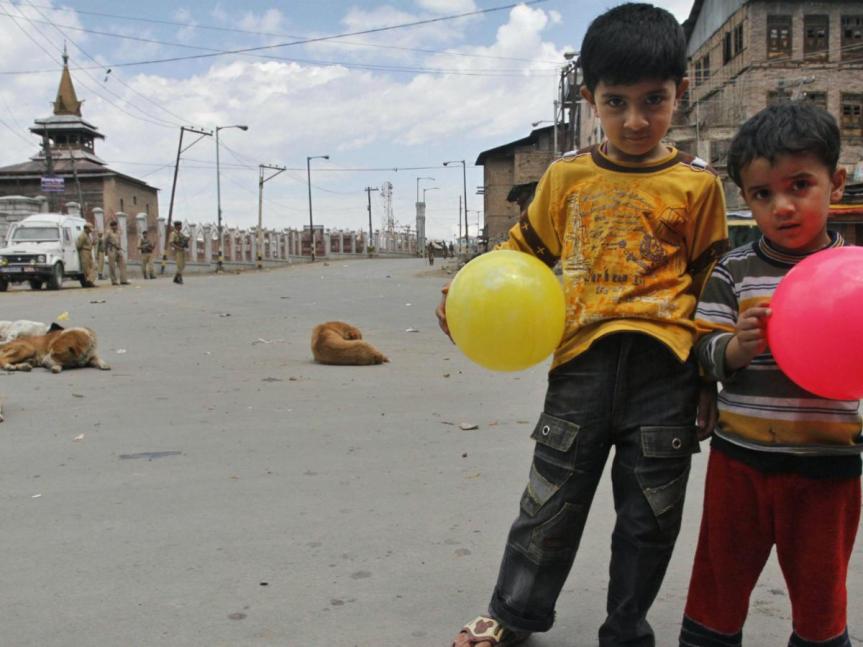
Child hood phase is the critical phase in everyone’s life and it is essential to take care about the child in this phase because in this phase only the personality and emotional resilience will be developed but because of this pandemic situations the children who lossed their families are facing a lot of troubles in the hands of child traffickers and illegal adopters. Let me share you a story about a child who lost his parents in this pandemic and turned as a beggar on the streets.
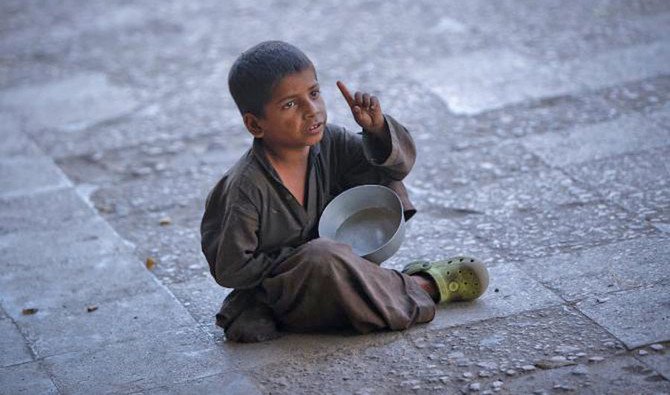
” Once I encountered a tot on our street, he asked me 5/- to obscure his hunger. I offered him a meal instead of giving him money and later I asked him about the reason why he has turned into a beggar then he replied me that, he lost his both parents a few months ago because of covid virus and no one of his relatives doesn’t like to take care of him and with in few days one of their relatives left him in the bus stop and went away. ” After hearing to his words, I felt bad for the situations he faced with out any takecarer and immediately I decided to make a call for childline number to give him better future. I explained him about what I did for him but initially he felt scared about my proposal but after sometime he realised and felt happy. With in few days volunteer’s of some NGO who received information from childline help center rescued him successfully.
We all crave to sleep like a child. Do you savvy, there are more than twelve million children who can’t sleep due to starving stomach in India and that number has increased much more due to these pandemic situations. ”If God is the one who writes the fate, then be the demigod for these tots.” Childline 1098 is a service of Ministry of women and child development. ” CHILDLINE INDIA” a foundation which is non-governmental organization in India. It operates with a telephone helpline called childline, for children in distress. It is India’s 24-hour toll-free phone outreach service for children.
A single phone call can make a large change in the entire life of a child, It cost’s nothing guys for making a phone call guys but it can give a new life to the child who is in tough situations. We all know the role play of youth in building a nation and also we know that, today’s children are tomorrow’s leader’s. Let us all unite and play as a role of gardener’s of a garden named as India and fill it with blossoms of children’s smile.
I think I have sown a seed of spreading awareness about rescuing the homeless children using the helpline number of childline India. Remember guys nature of helping others will give us a lot self satisfaction. Guy’s please Join your hands to continue this chain, So that we can at least save few children from our side. Finally, Guys do remember the childline India helpline number (1098) to save the distressed children in our surroundings.
” LET US CHANGE! BE FOR CHANGE! & CALL FOR THE CHANGE! ”
In 2020, the central government had brought 3 new acts for the farmers, in which people have different opinions.
This act was approved by the Lok Sabha on 17 September 2020 and was approved by the Rajya Sabha on 20 September 2020.
And the President of India, Shri Ram Nath Kobind, gave his assent to it on 27 September 2020.
What is 3 agriculture actS?
1.The Farmers Produce Trade and commerce(Promotionand Facilitation) Acts,2020:
In this acts, farmers have been given the freedom to sell their crops. Because before the introduction of this acts, it used to happen that the farmers have to sell their crop APMC regulated recession. APMC [ agricultural produce marketing committees]In India, in 1950, APMC regulated market was established, which we call Krishi Mandi The agricultural markets that you see in cities, in small towns The student who is from rural area know very well about Mandi and 7000 APMC regulated slump is available in India After the introduction of this acts or the compulsion will end now that you will have to sell your crop in your regulated market. after the introduction of this acts, now farmers can sell their crops wherever they want at a good price Where farmers are getting the right price for their crops, they can sell there .It will happen that there is a system to sell the farmer without any trouble at any place in the country, inside the states and outside the country, he will get it. and it will happen that the cost of transport of farmers will be greatly reduced And the second is that you can sell your crops to other states as per your wish you will have complete freedom. The purpose of this acts is that the farmer can sell his crop to any mandi at any place anywhere. It is not necessary that he should selling his crop to your APMC regulated market, now he can sell his crop wherever he wants.
2. The Farmers (Empowerment and Protection) Agreementon price Assurance and Farm Services Acts,2020:
According to this acts, the farmer can make an agreement in advance. According to this acts, farmers can get agreements made with shopkeepers from companies, traders of the rate of their crop. According to this acts, the farmer can get the contract signed even before the crop is ready In which he can keep the price of his crop as much as he wants and after the crop is ready, he should get the same price. This will happen that when the farmer does farming, only then he will get assurance that he will get the price of his produce as much as he wants. And at the same time, if the price of grain in the market is more or less, then the farmer will be saved from it, he will not suffer any loss Because when the grains are already in the fixed rate, it will not harm the farmers And farmers will get the benefit of agricultural equipment and new technology .And the cost of marketing will also be reduced, there is a lot of cost that will be less As the cost of the market will also be reduced, the cost of transportation will also be reduced And if it is cross-harvested, the income of the farmers will increase. So in this bill you have to contact in advance, you have to make an agreement that when your crop is ready then you can sell it at whatever price you want. You can contact any business farmer, shopkeeper, With companies, you can contract with anyone where you are getting the right price for your crop.
It’s About acts Hoarding like collecting a lot of grain According to this acts, you people have to exclude cereals, pulses, olives, onions and potatoes from essential commodities. According to this acts, the agriculture sector will get a boost. It is believed that this will give the right price to the farmers In this, there is a possibility of investment in the farm infrastructure which has become like cold storage or modernizing food supply And the competition which is the competitive market environment will be ready So according to this acts essential Commodities Act, farmers will have an increase in agricultural products in their country. So with this the farmer can keep his produce safe and will be able to sell it when the time comes.
The purpose of the government’s 3 Acts is to get the farmers the right price for their crops and the farmers themselves can decide the price of their previous crops. Farmers will have the freedom to sell their crops.
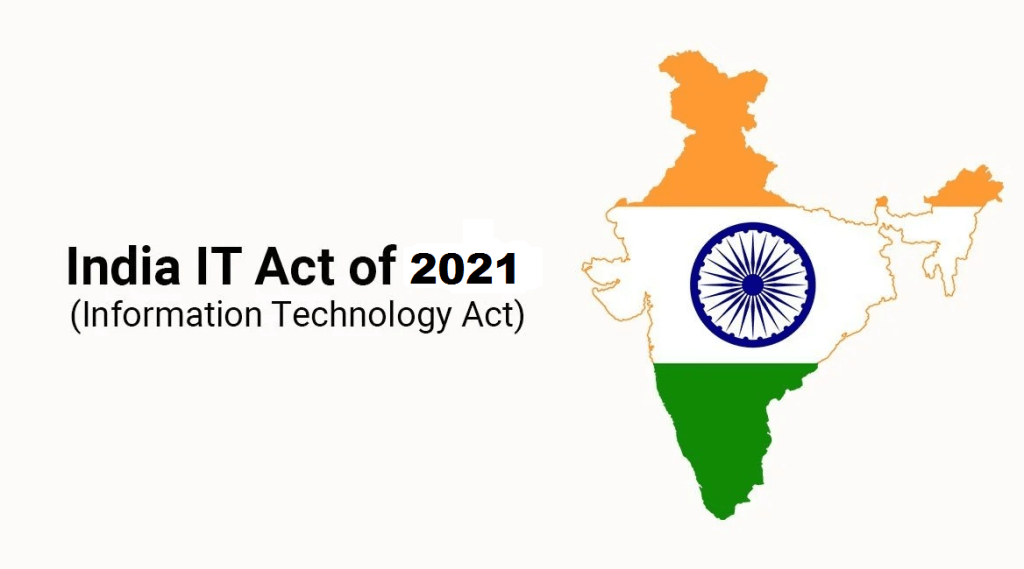
This year in February the Ministry of Electronics and Information Technology announced the Information Technology (Intermediary Guidelines and Digital Media Ethics Code) Rules. the Information Technology Rules 2011 were superseded by the Digital Media Ethics Code) Rules 2021, which were framed, in the exercise of powers under section 87 (2) of the Information Technology Act,2000. As per the data gathered, In India, there are 530 million WhatsApp users. While YouTube has 448 million users, Facebook and Instagram each have 410 million and 210 million users, respectively.
Social Media has grown into an arena for trade and commercial operations in addition to being a medium of entertainment. It has also preserved the fundamental standards for information transmission and provided a platform for individuals to openly express their ideas and beliefs.
Therefore, in this growing trend of using social media, few rules must be there in order to make social media a secure place to open up and share ideas. So, IT RULES, 2021 came up which intended to provide ordinary users of social media platforms and over-the-top (OTT) platforms with a system for grievance redress and fast resolution through the employment of a Grievance Redressal Officer (GRO) who must be a resident of India. Special attention has been paid to protecting women and children from sexual assaults, fake news, and other forms of social media abuse.
On the other hand, OTT platforms, online news, and digital media organisations would be required to adhere to a Code of Ethics. Under the new guidelines, OTT platforms would be referred to as “publishers of online curated content.” They’d have to divide the content into five groups based on age, and apply parental controls for everyone above the age of 13. They must also provide procedures for age verification for adult related content.
Furthermore, three-tiered grievance resolution system has been established. The appointment of a GRO, self-regulatory entities registered with the Ministry of Information and Broadcasting (MIB) to oversee the Code of Ethics, and a Charter for the self-regulating bodies created by MIB are all part of this.
However, the new regulations have been criticized by some as a breach of free expression, the government has emphasized that they allow social media sites to operate freely in India while adhering to the law. The country’s Constitution and the Rule of Law must be followed by all entities. Furthermore, according to Article 19 of the Constitution, the right to free speech and expression is not absolute and is subject to legitimate limitations, particularly when national sovereignty and security are at risk.
The new restrictions were given a three-month grace period for social media intermediaries to comply. On May 26, the government sent a second notice to all social media intermediaries, requesting information on the status of compliance with the new laws that took effect that day. Various social media sites such as Google, LinkedIn did shared details as per the requirements but other sites such as twitter requested for the compliance window to be extended and demanded a collaborative approach from the government to protect public freedom of speech. WhatsApp has launched a lawsuit against the government in the Delhi High Court, alleging that the new restrictions infringed user privacy by breaking the end-to-end encryption in order to identify traceability. The administration, on the other hand, has maintained that tracking will be necessary only in the event of “extremely serious offences” that endanger India’s sovereignty and integrity. It may also be done without compromising the end-to-end encryption. Companies, on the other hand, will be responsible for developing a technical solution
So, as we know that no freedom is a total freedom. It comes up with some level of restrictions and is not absolute unrestricted. Since the establishment of the Constitution of india, striking the appropriate balance between fundamental rights and determining the rationality of a limitation has been a continual struggle. Therefore, the battle between the governments that want to impose reasonable restrictions and users concerned about data privacy and restrictions on freedom of speech and expression vs the tech giants who own significant amount of huge data is only going to get more complicated before optimal solutions are found. So, The IT Rules 2021 which preserves digital sovereignty and aim to answer people’ concerns without compromising on their privacy or personal rights should be properly followed by the social media sites which is only the best solution left.
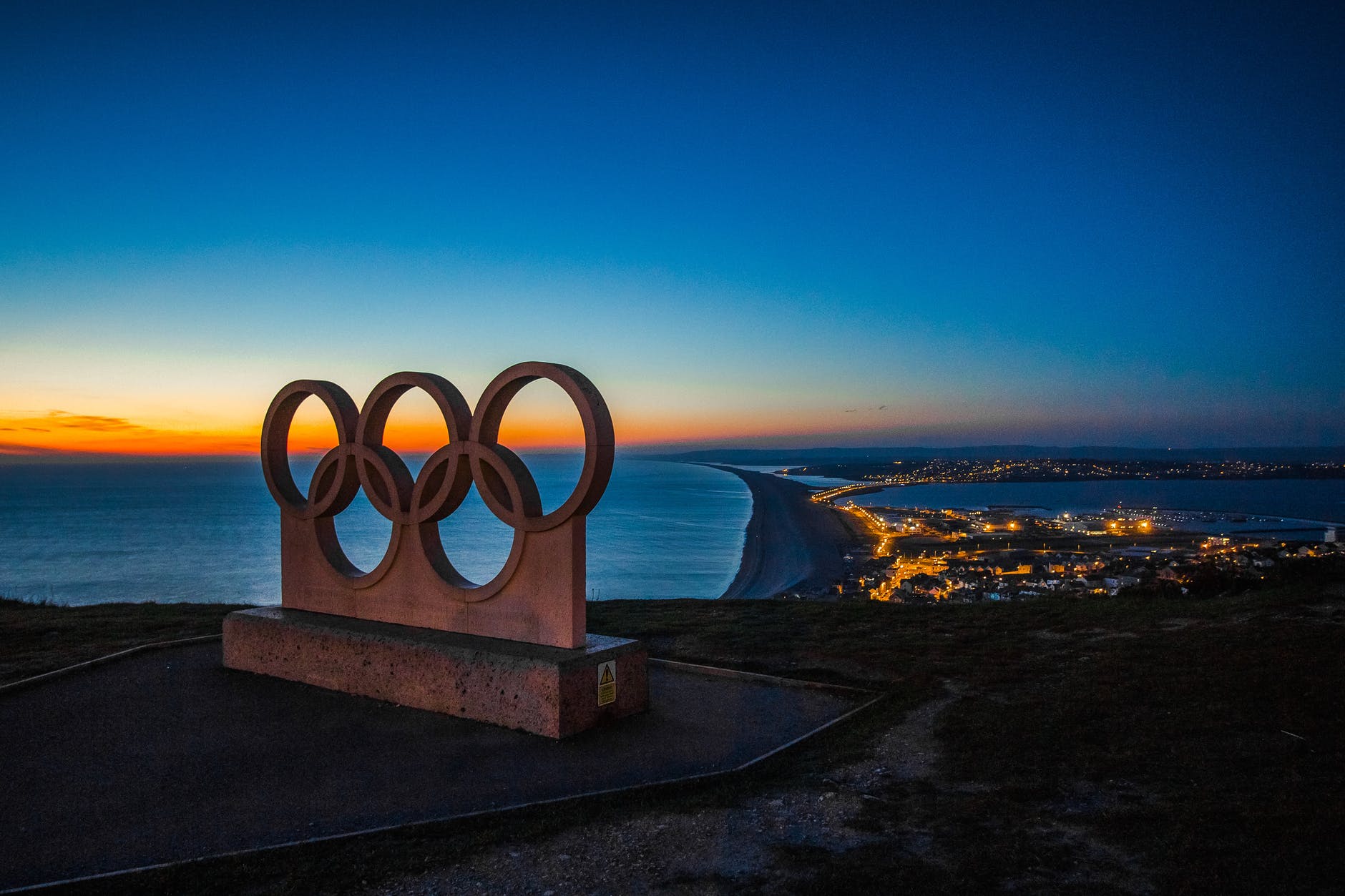
As we all know Tokyo Olympics are scheduled from start from 23rd July to 8th of August.and we all have very high hope and expectations from our players.
Olympic is an international multi-sport event that is organised after every 4 years. The first Olympic was held in 1896 in Athens.it is also considered as festival of sports Each year it is organised in different country. India has so far won just 28 medals since 1900.let us look at the past when journey for Olympics was started for India.
india’s journey to olympics
India sent its first athlete (Norman pritchard) in 1900 to the Olympics . and it took 20 years to send India’s first contingent in 1920 which consists of 5 members( 3 athletes and 2 wrestler). the quantity of players since 1920 only increased. since then India has won 28 medals which includes 9 gold ,7 silver and 12 bronze medals.
The major contribution was made from Hockey. From 1932 to 1980 India won 8 gold medals in hockey that was the golden period of Indian hockey team but after that the quality of hockey in our country decreased. in 2000, karnam Malleswari won a bronze medal and became first Indian woman to win a medal in Olympics. after that last gold medal in 1980, the next gold medal came in 2008 Beijing Olympics when Abhinav Bindra won gold medal in men’s 10-M air rifle event who became first Indian indivisual to win a gold medal in Olympics. in same Olympics VijenderSsingh also won bronze medal and became first Indian boxer to do so.
2012 london olympics was very good for india where 83 members contingent participated in olympics. and india won 6 medals.wrestler Sushil kumar became first indian wrestler to win silver medal in olympics.saina nehwal won bronze medal and became first indian woman to do so.Mary kom won bronze medal in boxing.
after this wonderful performance in 2012 Olympics, expectations were very high in 2016 Rio Olympics but it did not went very well for India .because India sent a records 117 members but we were only able to win 2 medal which included a bronze medal from Sakshi Malik in wrestling and silver medal from PV Sindhu in badminton.it was a very disappointing year for India .But the question arises why India is not able to perform well in Olympics?
if we look at any other country like USA, they won 121 ,medals in Rio Olympics. ,which is 3-4 times what India has managed so far from 1900, despite having a population of 1.3 billion. I do not think population should be considered in this matter. there are many other factors which are responsible for India’s struggle in Olympics.
reasons of India’s struggle in Olympics
Infrastructure of our country
2.proper funding of players
3. lack of awareness and sports should be given more attention and priority.
4.poor rehab facilities and inexperienced coaches.
5. player are cared and given facilities when Olympics approaches but they should get it throughout their preparation to Olympics.
6.cricket is also one of the reasons. India is a cricket loving nation where every 2nd child wants to be a cricketer. i m also a cricket lover, but we should also concentrated and take interest in other sports also. Like Australia and England, they are very good cricketing nation but they are also good in other sports.
Right to repair is the movement started by the activist and oragination all around the world. Joe -Biden ,US president ,signed an executive order on Federal Trade Commission to institute rules to curb anticompetitive restrictions that limit consumers’ ability to repair gadgets on their own terms. The Uk too had introduced this .
The agenda of the movement is to get compinies to make spare parts of the gadget and the consumers can repair them rather than replacing the product.
Large tech compinies like Apple, Microsoft,Amazon and Tesla are opposing the movement stating that its opening up their intellectual property to third party to repair them.
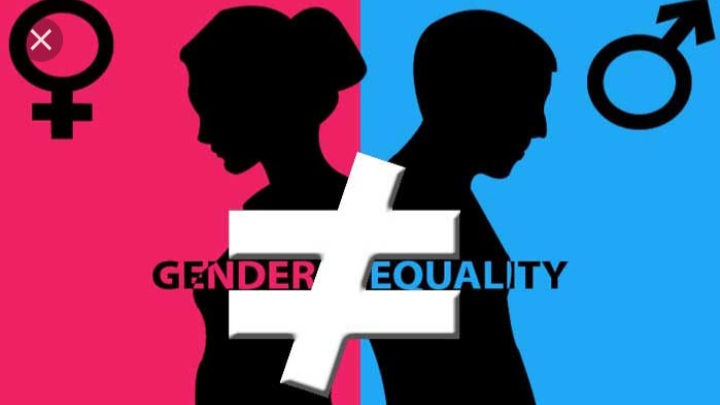
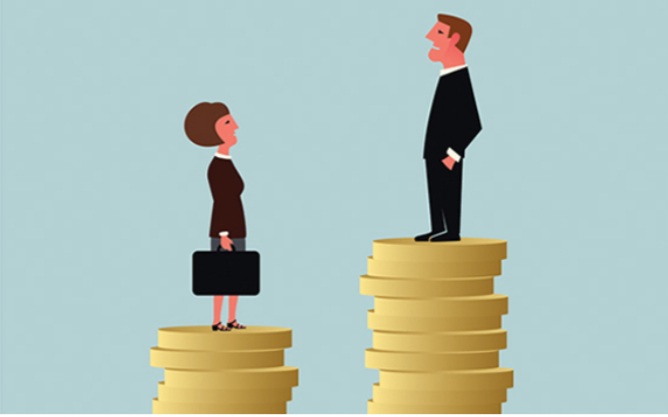
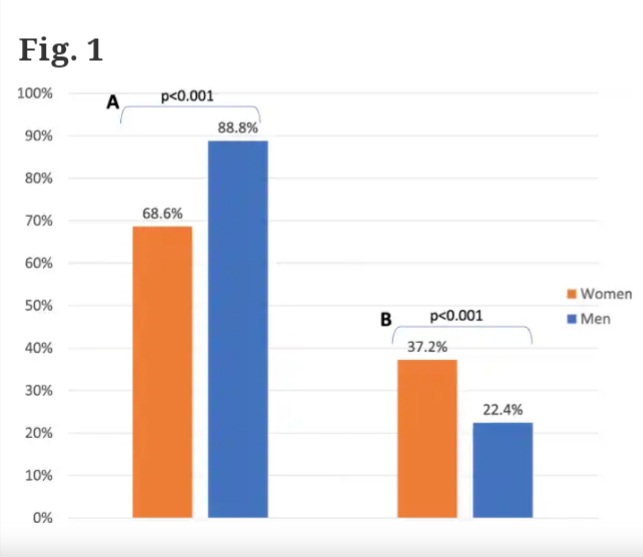
Discrimination is the state when all individuals are not treated equally and not given equal rights. Every individual in the community yearns for equal status, opportunities, and equal rights. People generally say these days that everyone is treated equally but they are not. Discrimination usually exists because of cultural differences, geographical differences, and gender. Inequality on the basis of gender is something that is not appreciated, but it is seen many times in many companies. There are many areas where equal opportunities are not provided to women.
We are in the 21st century, and even now, women are not treated equally as men. It is generally believed that women are more talented than men, and it has been proved many times, but society is not yet ready to accept this fact. Gender equality is the term used when equal opportunities in the fields of politics, economics, education, and health are provided to both men and women.
As per the World Economic Forum’s gender gap ranking, India holds the rank 108 out of 149 countries. The rank should be a major concern in the country as it signifies the immense gap between the opportunities given to women when compared to men. The structure in India is such that women are neglected in many fields like education, health, finance, etc. They are just limited to household chores which should not be the scene here. There are many places in India where women are considered as a burden and they are not allowed to go to school and study as well. Also, a preference for sons prevails in many areas in India.
The seven important forms of gender inequality :
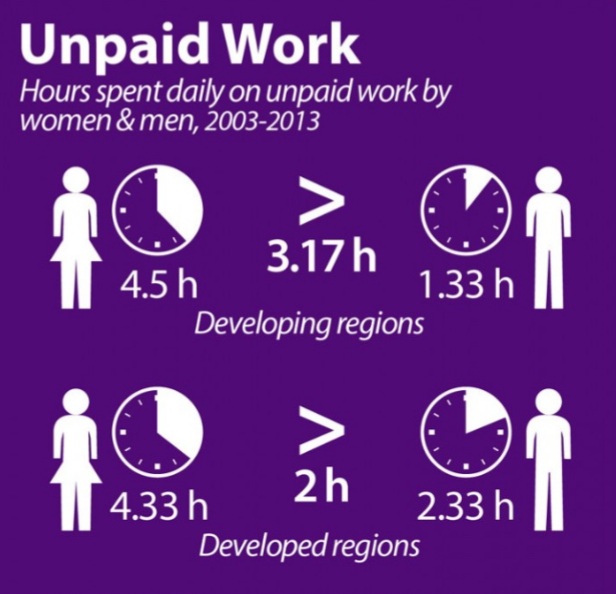
1 . Women works Longer than Men :
In most of the societies the male – stream is the main stream who argues that women have comparative advantage in household non- market production, like cooking and cleaning for the family that cant be called emotional and personal caring work. Based on this thinking, household jobs are then asymmetrically distributed. Women are more valued in home. Men are specialised in market- baesd production. Thus, being the bread- earners, males enjoy both power and status.
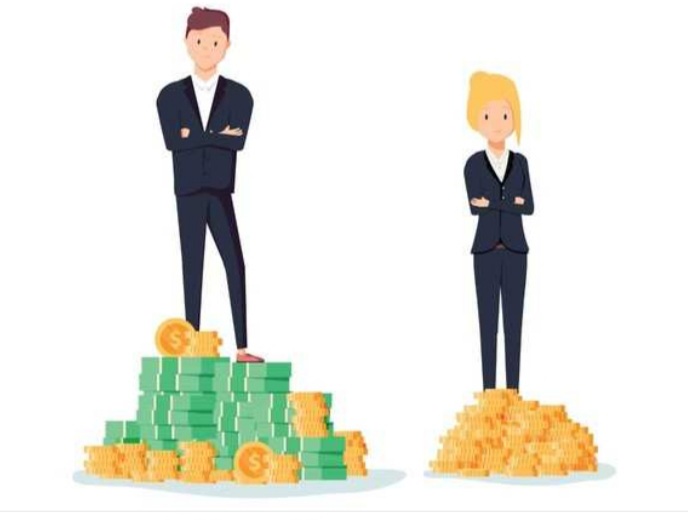
2. Inequality in Employment and Earnings :
Historically, men have greater participation in work outside home than women. But women ( particularly of poor households) share unequally household duties in addition to economic production. Thus they work longer than males. This kind of ‘ division of labour’ may be seen as the ‘ accumulation of labour’ on women, as described by Amartya sen. Household activites are often viewed as ‘ sedentary activites’ which require less ‘ calore’ to gain energy.
3. Ownership Inequality :
A case of social inequality. Let us turn to another kind of inequality, called ownership inequality a classic case of social inequality. In most of the societies, ownership over property and means of production rests mainly on male members . The law of inheritance provides such ownership rights on male child. Such denial coming out of hierarchical dualism within the family not only reduces the voice of women but also prevents them from participating in commerial, economic and social activites.
This kind of social deprivation means absence or lack of capability or because of ‘capability deprivation’, women are subject to various kinds of exploitation and unfreedoms. Social inequality distorts the process of development. Unfortunately, ownership inequality in any country is not of recent origin. In her earlier life, a woman comes under the influence of her father, then husband as she enters a married life and finally, under sons ownership right over property is skilfully avoided. A telugu proverbs corraborates this understanding: ” Bringing up a daughter is like watering a plant in anothers courtyard.”
4. Survival Inequality :
Another crudest from of gender disparity is the unusally high mortality rates of women , though biologically, women live longer than men! Thus more boys than girls are born evrywhere leading to a ‘ deficit’ of women and a ‘ surplus’ of men. In developed countries beacuse of absence of gender bias in health care and nutrition, women outnumber men. In Europe and in north America, 105 or more girls are born per 100 boys. Such high female- male genderd survival rate in different age groups.
5. Gender Bias in the Distribution of Education and Health :
Health and education are the major forms of human capital are realted to economic development . Human capital gets accumulated as a society advances in education . The contribution of human capital towards Japan’s remarkable economic progress attracts our attention . Improvement in health capital also improves the return to investments in education .
However, one finds a huge education and health gaps between developed and developing countries. In recent times, despite a large increase in econoc advancement on times, despite a large increase in economic advancement in asia and africa, these countries lag far behind the developed countries in terms of educational attainment particularly in respect of women’s education. Gender disparity not only hindrrs economic progress but also exacerbates social inequality.
6. Gender Inequality in Freedom Expression :
Let us talk about gender inequality beyond economic issues or factors. Women are not only subject to income or asset inequality but also in terms of freedom and power deprivation of women goes beyond one’s imagination. They lack not only economic freedom at home because of absence of autonomy in house hold decisions, limited or poor wages earned but also lack any freedom in airing opinions over education of children.
In some backward poor societies the right of women giving options is completely denied. Such un – freedoms, however, are not uncommon even among the educated elites who enjoy enormous power and authority in the male domined society. Historically , this sort of law socioeconomic status of women has been continuing nowasdays.
7. Gender Inequality in Respect of viloence and victimisation :
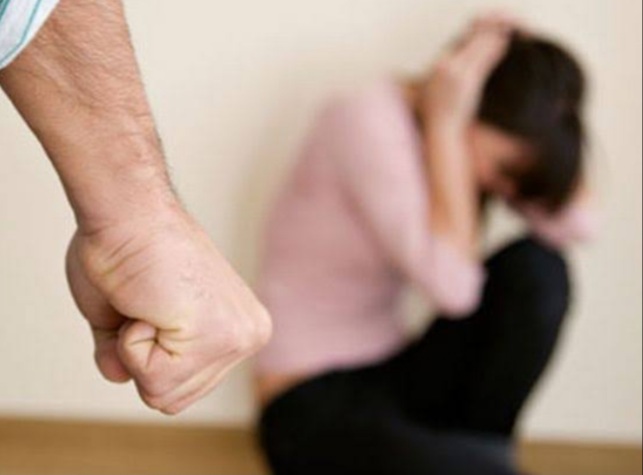
Finally, anti – female bias starts before the girl child is born and this attitide of the society a female member carries throughout her life. It is because of the unequal sharing of income, property, household benefits . Women are subject to both physical and sexual violence – the oppsite of freedom, and an extreme form of coercion. This is common for both poor and not too much uncommon in rich countries as well as among rich people. One in three women in the word is beaten or raped during her life times.
Dowry harassement is considered as an ‘ instrumental use’ of violence. Dowry death is the most serious form of domestic violenece. Wife beating is not uncommon. Sexual violence is an obnoxious form of human rights violation.
Specifically, public health can contribute to reducing health inequities by integrating health equity considerations into policy and programs, collebrating with other sectors to address inequities engaging with communities to support their efforts to adress inequities, identifying the reduction of health inequities.
Reducing inequality requires transformative change. Greater efforts are needed to eradicate ectreme poverty and hunger and invest more in health, education, social protection and decent jobs especially for young people, migrants and other vulnerable communities.
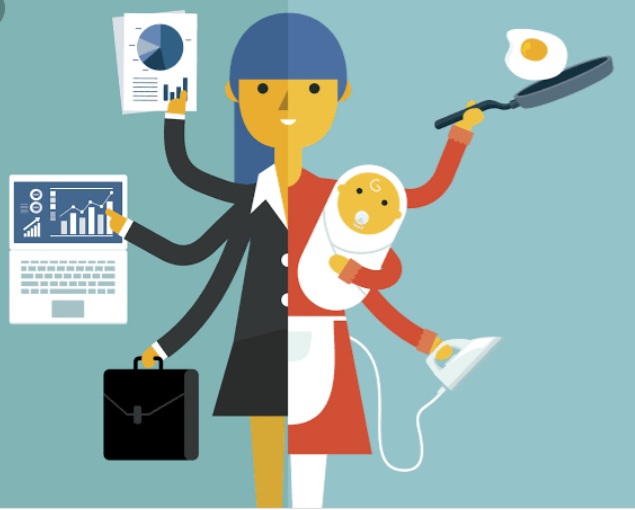
We should understand that women are the part and parcel of any family. When it comes to flexibility, they can manage their home and offices at the same time. If equal opportunities are not given to them, they will be led down and won’t be able to achieve big milestones which they are obviously capable of.
Social norms refer to the group shared standards of behaviour .It is a pattern setting limits on individual behaviour . Norms are said to be ” blueprints ” for behaviour . They determine , guide , and control human behaviour . Norms are not systematically classified by Sociologists . But they are grouped into – ” Folkways “, “mores ” , “fashions “, “rites “, “ceremonies “, “customs ” etc. .
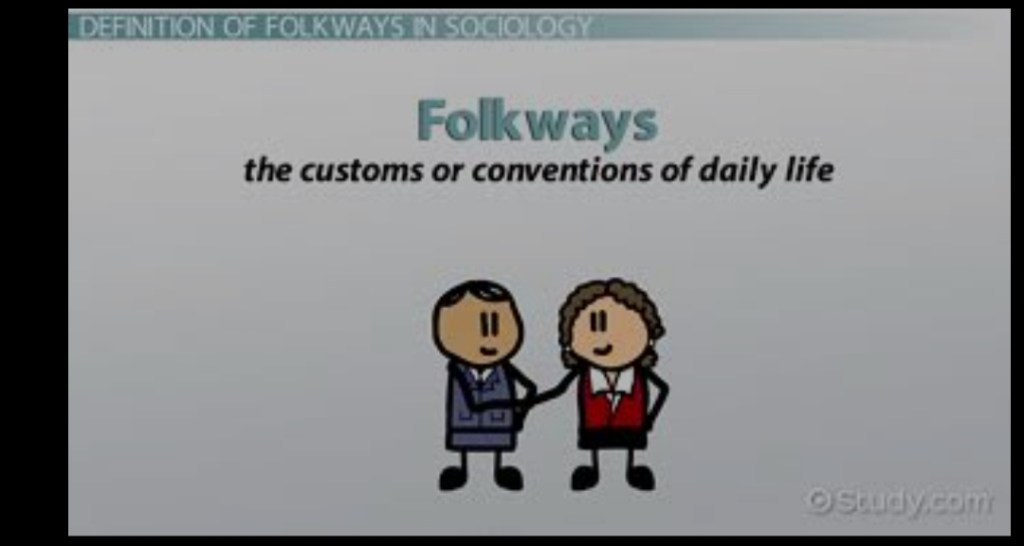
What are folkways ?
In general , folkways means “ the ways of folk “. The term ‘folk’ represents people and ‘ways’ represent their behavioural habits . Folkways are the customary, normal and habitual ways of the group to meet certain needs or solving day-to-day problems.
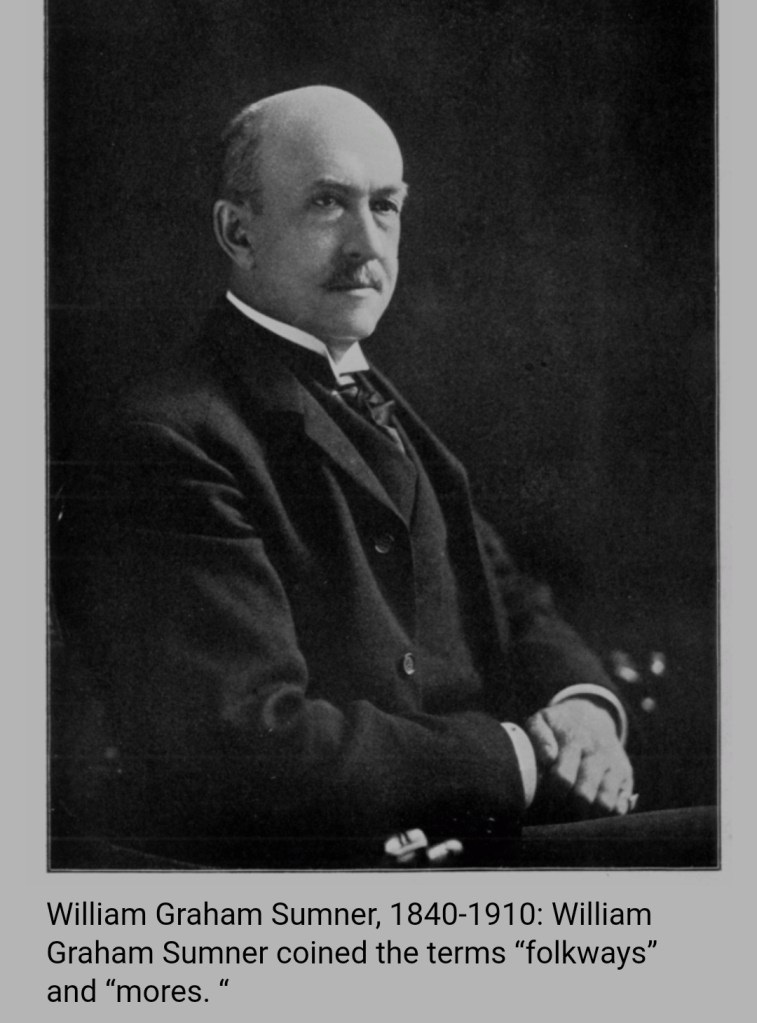
The term folkways was introduced into Sociology literature by W.G .Summer in a book with the title , ” Folkways: A Study of the Sociological Importance of Usages, Manners, Customs, Mores, and Morals ” published in 1906.
Folkways are accepted ways of behaviour. According to Summer , ” folkways represent man’s unique means of adapting himself to the environment . “
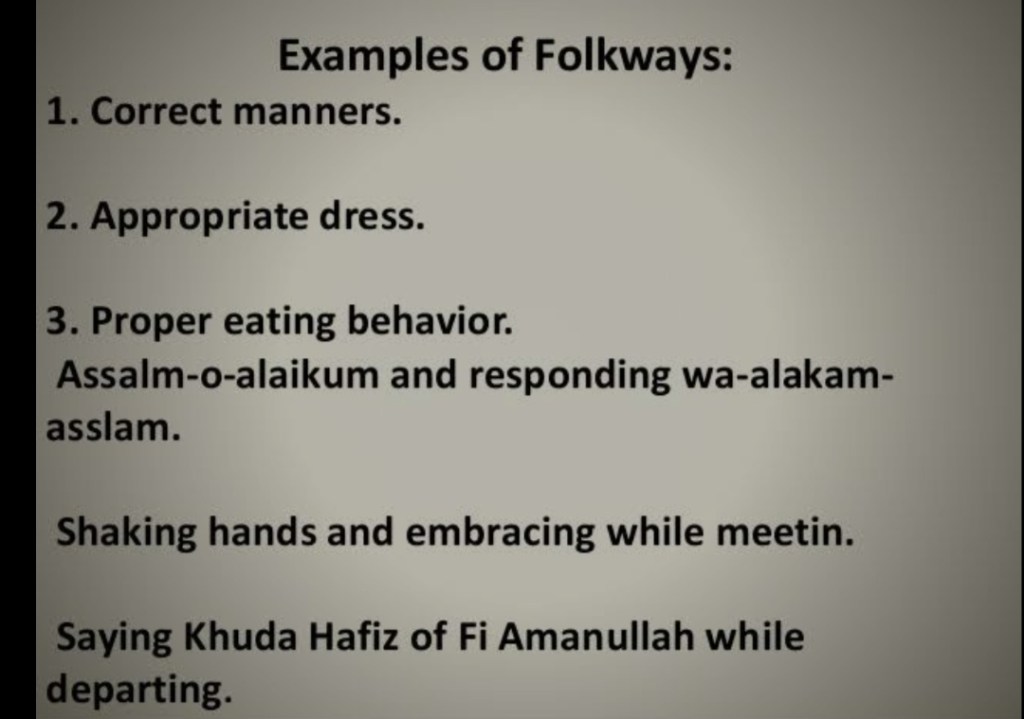
Examples of Folkways :-
The ways of eating , talking , dressing , playing , walking , working , greeting , conversing ,etc. represent folkways .
The daily activities become an individual’s habits ,but folkways are termed as habits of a group though Not all (group) habits become general. They differ from individual to individual and place to place.
Folkways are a learned process of socialisation. They become the second nature of the individual.
Habits are socially approved habits which are followed by a number of persons in a society are referred as folkways,
Habits of exchanging greetings and courtesies like bidding ‘Namaste’ with joined palms is an.examples of Indian folkways .
Walking on right side if the road , taking three meals a day , Wearing different clothes at different occasions, showing respects to elders , love and affection to younger ones , Wearing a cap, hat or turban,.shaking hands, eating with forks and knives, driving on the left or right hand side of the street, attending classes in paints and skirts rather than gowns or bathing suits etc..are some folkways followed by difficult individuals.
Definitions :-
“Folkways are behavioural patterns of e everyday life which generally arise unconsciously in s group .” -.Gillin and Gillin
According to Reuter and Hart (1933), “The folkways are simple habits of action common to the members of the group; they are the ways of the folks that are somewhat standardised and have some degree of traditional sanction for their persistence”.
Maclver and Page (1949) defined it as: “Folkways are the recognized or accepted ways of behaving in society.”
A.W. Green opines , “ Those ways of acting that are common to a society or a group and that are handed down from one generation to the next are known as folkways .“
Lundberg stated , “. Folkways are the typical or habitual beliefs , attitudes and styles of conduct observed within a group or community .”
In simple words , folkways are “repetitive petty acts of the people .” ___________________________________________
Characteristics of Folkways
• Social in Nature :- Folkways are the products of man’s group life . They are created by the groups for their sustenance and maintenance . Individuals get social recognition by comforting the folkways .
• Repetitive in Character:– A social practice becomes a folkway when the majority of people observe it constantly and regularly . The often repeated practices of the majority normally become the folkways . These practices become standardized practices by constant repetitions .
• Unplanned Origin :– The origins of Folkways are very obscure . Summer believed that they arise automatically and unconsciously . They are not the result of any advance planning . Someone in the group starts a new way and in course of time it becomes popular and a good number of people may start following it but by the time it becomes folkways the origin trace fades away.
• Informal Enforcement :– Folkways constitute one of the types of informal means of social control . Folkways are not as compulsive and obligatory as that of laws or morals . Conformity to the folkways is neither required by law nor enforced by any special agency of society. They are not absolutely obligatory though they are considered as necessary .
• Folkways Differ a Lot :- Folkways Differ from group to group and society to society . They may also undergo changes in course of time within the same group or society . For example , table meals are common in the West whereas the majority of Indians used to squat on the floor and take their meals with their hands .
Folkways vary with age and sex in almost all places . They even vary according to social status , religion , ethnic groups , racial groups etc .
• Folkways are Numerous :- It is not possible for anyone to enlist all the folkways . There are so diverse and numerous folkways . They range from most trivial acts and behaviour patterns to the most serious ones .
• Folkways are subject to Change :- Just like everything folkways are also subject to change . Folkways change according to changes in social conditions . Summer is referred to as ” fashion ” . Fashion related to dress , hairstyle , architecture designs , etc. undergo rapid changes . ___________________________________________
Social importance of Folkways
The folkways are the foundation of every culture . They give us a better understanding about a particular culture. When fully assimilated they become personal habits .
Summer believed , ” the life of society consists in making folkways and applying in them . The science of society must be construed as the study of them .“
Folkways have become a universal characteristic of human societies. No society does or could exist without them . Hence they constitute an important part of the social structure . They are most powerful and control the behaviour of individuals in society even more than the state action.
They become a part and parcel of the personality of the infant through the process of socialisation. An individual learns different folkways at different stages of socialisation . They become a form of unstated premises of our mental life .
Folkways play a major part in social control in society, as folkways are informal means of social control.
Hence , folkways are not compulsory or obligatory but constitute an important part of social structure as they become personal habits that contribute stability and order in social relations .
A strong economy is the source of national strength .
In an economy , the production & consumption of goods & services are used to fulfill the needs of those living & operating within. In short an economy is an area of the production , distribution & trade , as well as consumption of goods & services by agents & these agents are not someone other but are we only. These agents are individuals , businesses , organizations, or government.
Till here we can conclude that people makes up an economy.
Now lets jump on the topic which is saving lives or saving economy . In this situation of pandemic i.e., COVID 19 , lakhs of people have lost their lives , their livelihood , their families . For controlling this situation , which can be controlled only by not coming in contact with an affected person & by maintaining social distancing & self consciousness , government has laid many rules & one such rule is ” lockdown” . Never before we have heard of this word of this word but in past 2 years each one pf us has experienced it . It is a situation where every one is restricted to move out of their houses , factories were shut , many people last their jobs , because of which employment rate decreased , those who have lost their jobs migrated to their villages, All & all we can say that lockdown had the most drastic effect on the economy . lockdown is one among the reason for falling of the economy.
But lockdown was not applied to do so , rather it was meant to protect people , so that we could break the chain of Corona virus . Because of this rule of lockdown , people avoided gathering & because of this lockdown only we are able to defeat & break the chain of COVID 19 . Government took this step though knowing that this will have negative impact on the economy but we all know that it is ‘we’ who makes up an economy , & if we are safe the economy will improve for sure . Because for production you need people , for consumption you need people, for trade you need people , & for distribution you need people. So if people are safe economy is safe .
So this pandemic taught us the importance of lives , we all should thank the all mighty & our health workers for saving many lives & according to me saving lives is more important than saving economy but this doesn’t mean ignoring economy & economic development . Saving lives with holding economy & adopting every measure to save it , will leads to development of both , because both the factors are directly proportional to each other & fall in one will leads to fall in other. Hence saving lives will improve economy because at the end we all know people makes up an economy.
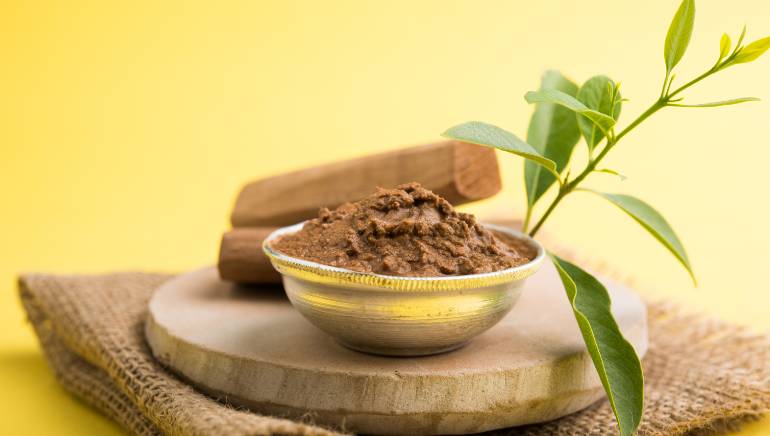
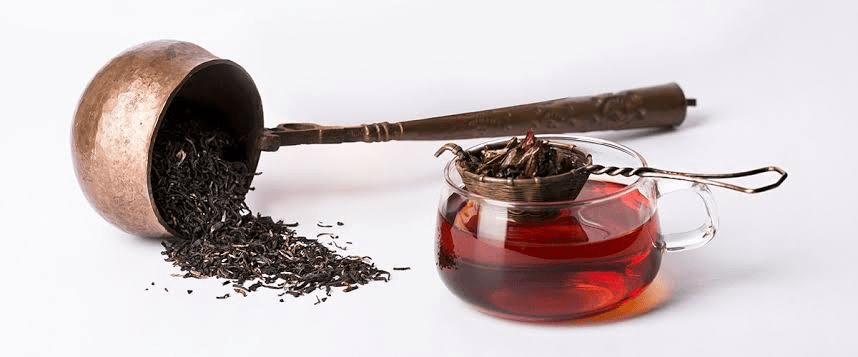
Tea is not a word but an emotion for Indians. Be it masala chai, black tea, green tea or even kashmiri kahwa. A hot cup of tea suit’s every season and emotion. Happy? It will add up to your mood. Anxious? It will calm you down. Sleepy? It will keep you awake. Insomnia? It will help you relax and sleep. So now you might be wondering, how does one tea provide so many services where most of them contradict one another?
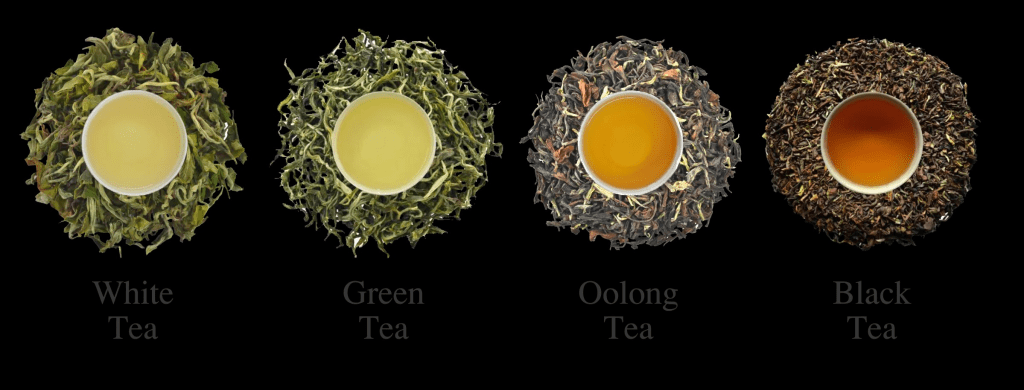
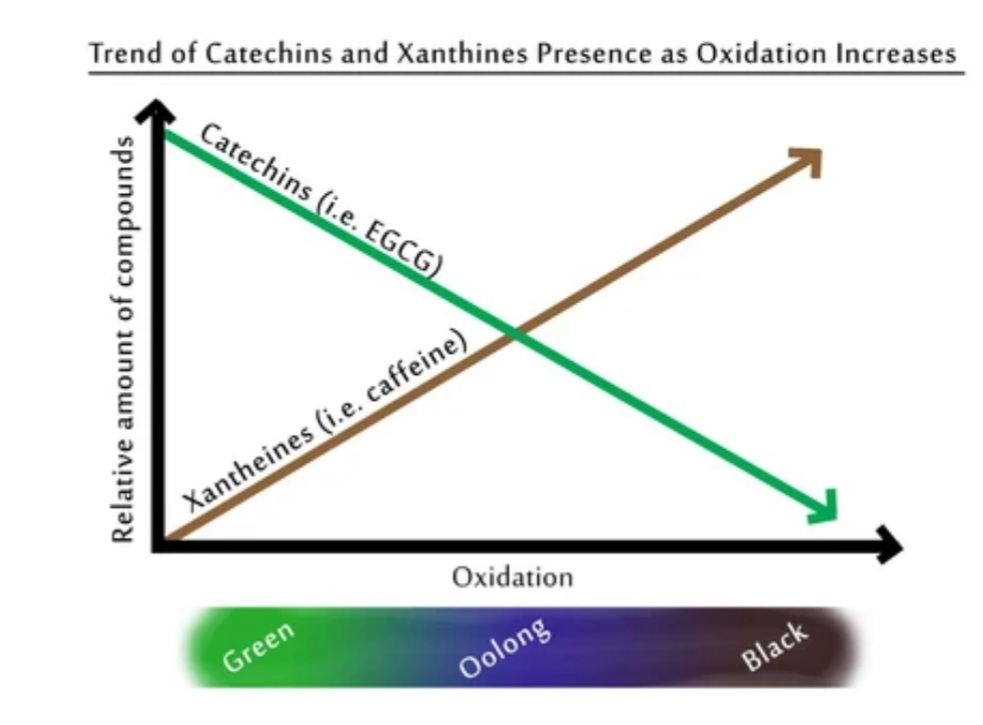
To answer that, the quality and benefits of the tea depends on its Level of Oxidation. The four major types of tea i.e. WHITE TEA, GREEN TEA, OOLONG TEA and BLACK TEA, comes from the same plant called Camelliasinensis. However, they are differentiated by the level of oxidation they undergo. This adds to its level of flavour, aroma and health properties.
The two major compounds in tea are Catechins and Xantheines. Catechins is present in the form of ECGC which are naturally occurring antioxidants that reduces the oxidative cellular damage in the body and Xantheines in the form of caffeine that provides a gentle energy boost without the harmful side-effects of coffee. The presence of these compounds depends on the oxidisation of the tea leaves. Higher oxidisation leads to more of Xantheine and less of Catechins, where’s lower oxidized leaves contain higher Catechines and less Xantheine.
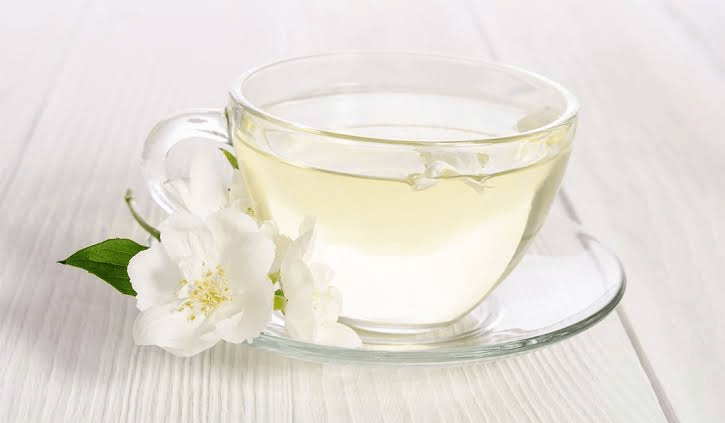
White Tea is most delicate of all the tea’s as it’s uncured and unfermented. Famous for it’s floral, fruity and naturally sweet flavour, it contains the highest amount of antioxidants as is least oxidized (So it has most of it’s natural Catechins). Hence, it possesses major health benefits because of the absence of caffeine. It’s known for its anti-aging and most potent anti-cancer properties.
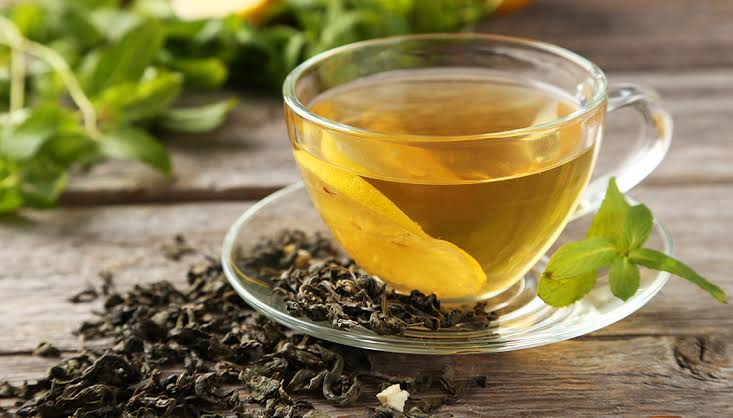
Green Tea is the most famous health tea for the past few decades. It is darker compared to White tea as it is slightly more oxidized, however it contains high number of antioxidants that is beneficial for promoting good metabolism and weight-loss. Some of the numerous health benefits of green tea include growth of bladder, stomach, pancreas, lungs; reduced risks of neurological disease like Alzheimer’s; lower blood pressure; prevent cancer; lowers cholesterol levels; prevents tooth decay and many more.
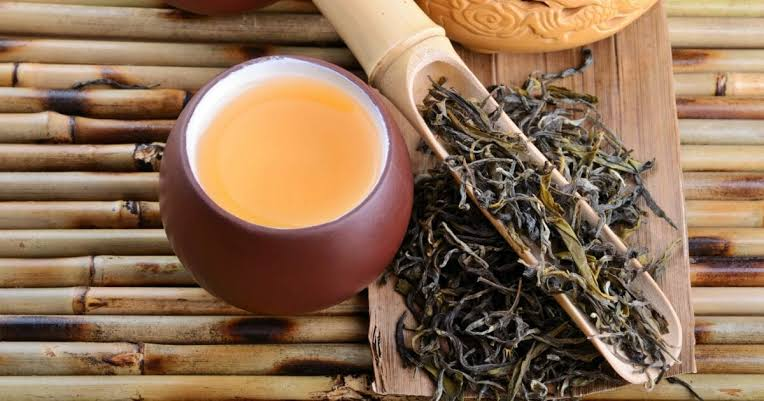
Oolong Tea comes after green tea in terms of its antioxidant content as it’s more oxidized compared to the latter. Its properties depend upon the level of oxidation which is mostly between 30% -70%. It is aromatic and highly fragrant. It is known to lower bad cholesterol levels (LDL) and increase the production of good cholesterol (HDL). It has higher amount of caffeine hence it is known to increase mental alertness and increases concentration
Black Tea is rich, hearty and bold. It’s over 80 % oxidized and hence contain highest levels of caffeine compared to all the others. Hence, this makes it best for an instant energy boost. It is known to protect the skin against excess UV radiation exposure, boost immunity, protectlungs, improve heart health and lower the risk of kidneystones.
Hence, who wouldn’t want to enjoy a hot cup of tea on a pleasant evening (Specially, if it’s good for your health as well as taste buds).
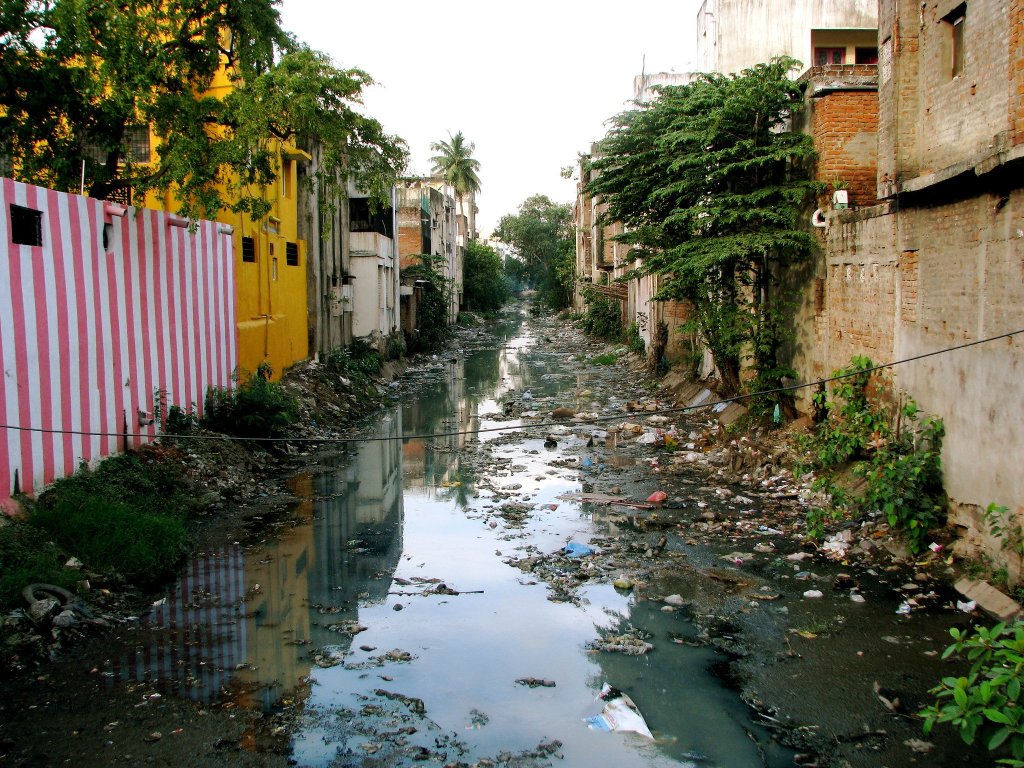
Well looking at the picture above I think, Indians doesn’t seem to be having this thinking. Such disregard of Water, the thing which makes our life possible definitely has to be one of the most irresponsible thing done by humans. Especially, Indians who worship these seas and rivers themselves are the one’s polluting it the most. The holy river of GANGES, which is generally called the most pure river in the whole country itself is the most polluted one. Severly polluted Ganges river which provides water to 40% of India’s population in total of 11 states serving an estimated population of 500 million people, is the fifth most polluted river in the WORLD. Sewage discharge from cities, towns and some villages is the most prevalent cause of water pollution in India. Major cities of India produce 38,354 million litres per day (MLD) of sewage, but the urban sewage treatment capacity is only 11,786 MLD. The scientific analysis of water samples from 1995 to 2008 indicates that the organic and bacterial contamination is severe in water bodies of India. This severity is increased at an even more rapid rate until 2020. According to A reliable source, Around 80% of India’s water is severely polluted because people dump raw sewage, silt and garbage into the country’s rivers and lakes. This has lead to high scarcity of drinkable water. Experts predict that 40% of people may not have a connection to a clean water source by 2030. Then how come are we yet not sincere about not just saving water but Ourselves? As urban areas households get more and more facilities of 24*7 running water taps and availability of drinking water, lesser is the value of the latter. Around 70% of wastewater from household, industries, etc. goes untreated and each day, more than 40 million liters of wastewater flows directly into India’s lakes, rivers and ocean. This waste while travelling from small to big waterbodies, go on contaminating all of it along with the organisms living within. Lakhs of fishes and other underwater living organisms die as they eat or get caught in this waste. This waste even covers the inner and outer surface area of the water at times and thus disbalancing the oxygen levels in the water, due to which the organisms die in huge quantities. This water also enters the groundwater and makes it polluted and undrinkable as well.
Further, this water when reaches to households it immensely affects the health of individuals especially, children. Each year, more than 1.5 million Indian children die from diarrhea. It affects the irrigation systems in fields as this water doesn’t allows the crops to grow properly due to it’s I’ll properties, infectious and diseased bacteria into it. Because of the poor infrastructure and absence of sewage control, 38 million Indians suffer from waterborne diseases like typhoid, cholera and hepatitis every year. Worldwide, waterborne diseases cause more deaths than AIDS, tuberculosis and measles combined in children under 5-years-old. This severity of pollution affects humans and other organisms, plus our food security and the GDP growth of nation. As the diseases spread, the more people get ill and cease work which decreases productivity of companies, crops damage reduces the agricultural revenue too. Hence proved, that this problem is not as small as we think of it. Be it socially or economically it has a bad effect on the country as a whole. It is necessary for all the people to get educated regarding the same as soon as possible and start contributing their part in preventing water pollution and wastage.
Steps taken..
India is taking several steps to rebalance the quality of its water source, from flocculation and reuse of industrial water to the contributions that local Indian startups are making. In Chennai, a city in Eastern India, industrial water reuse rose from 36,000 to 80,000 cubic meters in 3 years, from 2016 to 2019. VA Tech Wabag, a water company quartered in Chennai, also built numerous water reuse plants all across India. As of 2020, VA Tech Wabag contributed immensely to the production of more than 18 million cubic meters of clean water every day, which has positively impacted almost 100 million people globally. In Gujarat, a state of more than 70 million citizens, the government launched its Reuse of Treated Waste Water Policy, which aims to drastically decrease the use of the Narmada River. It will install 161 sewage treatment plants all across Gujarat in order for industrial and construction sectors to use the treated water. Evaluations offer that in 2015, the Indian government installed almost 16,000 reverse osmosis systems in Karnataka and 281 solar electrolytic defluoridation plants in Madhya Pradesh.
But the most important part is we all have to remember that only Government officials and workers alone couldn’t sort this situation for the whole country. Ech and every individual has to do their part to ‘save water and save future’.
Indians are among the shortest people in the world on average. Despite impressive rates of economic growth in India over the past decade or two, India remains one of the worst performing countries worldwide in terms of height, among both children and adults. This is unusual because data and research has shown that over time people become progressively taller as living standards improve. There has, however, been an increase in average height in India itself as the standards of living have increased. Between 1914 and 2014, the average height of Indian men increased by about 3cm to become 165 cm, while women grew taller by about 5cm to become 153 cm. Also, it seems that children in India today are much taller than their parents were at their age, according to studies conducted into the matter. But why are Indians still shorter than the global average while Most countries have shown an increase in height over the past century or so?
Some Factors
Genes contribute to only a small portion of a person’s height, and so most scholars around the world have disregarded the hypothesis that genetic factors are of prime importance in explaining the small stature among Indians relative to international standards. Instead, it has been identified that environmental factors such as the mother’s health, infant and child nutrition, sanitation and environmental pollution are the major reasons for smaller heights in India. Nutrition here not only implies that there is malnutrition in the country, but also the fact that India has a very large vegetarian population. This means that many people are not gaining nutrition from a very good source: meat. Protein obtained through meat is great for growing height. Though vegetarians can get protein from dal or soybean, they are not nearly as good sources of protein, and the best quality of protein comes from animal sources. Apart from this, the low status of women in Indian society, high rates of gastro-intestinal infections spread by the widespread practice of open defecation (especially in rural areas), and certain eating habits are said to contribute to height.
Furthermore, research has shown that forward caste men are the tallest in India, and scheduled caste and scheduled tribe men are the shortest. This is proof of the fact that better living conditions and nutrition helps in height growth. Thus, there is decreased importance of genetic factors in explaining the disappointing growth performance of Indians, and it is more of the socioeconomic and environmental factors prevailing in India. This is evidenced by the fact that ethnic Indian adults in England are much taller than in India, because of their standard of living and environment.
Conclusion
Today in India, children are definitely much healthier and better-fed than they used to be, and adults are gradually getting taller than their previous generation. However, Indians are still much shorter than Americans or Europeans, and it is estimated that the height difference will take around 250 years to eliminate at the British growth rate. And the reason behind all this is not Indian genetics, but rather things like malnutrition and poverty in the country. Today, nearly 40 percent of Indian kids today are short enough to be classed as stunted by international standards. Furthermore, it is mostly Indian men that we see gradually growing in height to meet the international average, while women are growing taller at less than a third of the rate at which Indian men are growing taller. This matches the pattern of discrimination that we often see in India, which is a mostly patriarchal country. Hence, we will only be able to increase in average height if we are able to raise the standard of living for everyone in the country and aim for equitable treatment of all.
Good communication is very important to convey what is there in the mind. Whatever language, communicating in a understandable way is very important. communication today is very important both in the business world and in private life.
Even though the person is good at skills and is capable of doing things better, lack of communication degrades the skills and brings a negative mark on the person which is a bad thing for the individual.
Top 5 communication skills and How to improve them
Developing strong communication skills is essential when it comes to building a successful careee. Communication skills play a key role in your private life too. These 5 skills are absolutely necessary for sucessful commuincation in the workplace or private life.
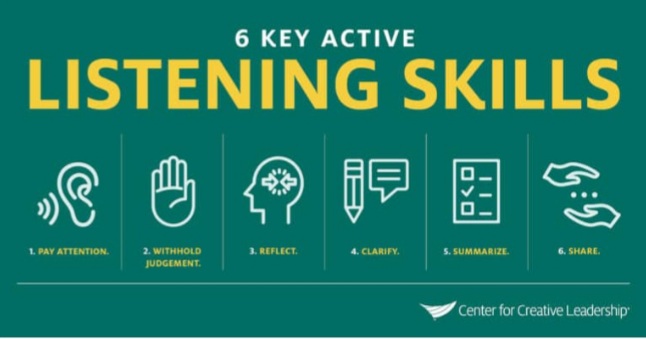
1. Listening :
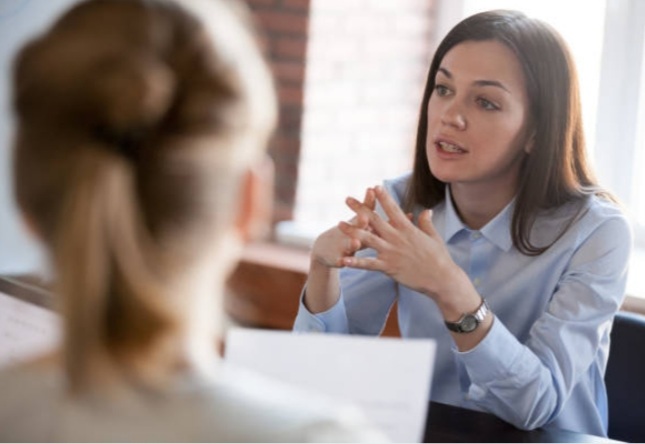
Listening is one of the most important aspects of communication. Successful listening is not just and understanding of spoken or written information, but also an understanding of how the speaker feels during communication. If a speaker can see and feel that someone is listening and understanding that can help build a stronger, deeper realtionship between interlocutors.
Careful listening can also create an environment in which everyone feels safe to express ideas, opinions and feelings, or plan and solve problems in a creative way.
2. Straight talking :
Conversation is the basis of communication, and one must not neglect its importanc. Even a simple, friendly conversation with colleafues can build mutual trust and even detect problems before they become serious. A healthy does of chatting with and unknown person can lead to a business opportunity . Be accessible and friendly because then you will be able to talk to almost anymore.
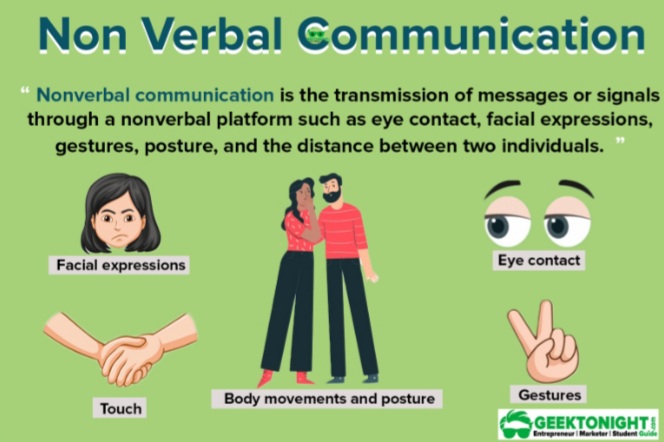
3. Non- verbal communication :
When we talk about things that matter to us then we send a lot of nonverbal messages. Non verbal signals are wordless communication, body position, facial experssion, hand movements, gestures, eye contact, attitude and tone of your voice, muscle tension and the way you breathe. The way you look, listen create, react, gesture , speaks far more about feelings than words will ever be able to.
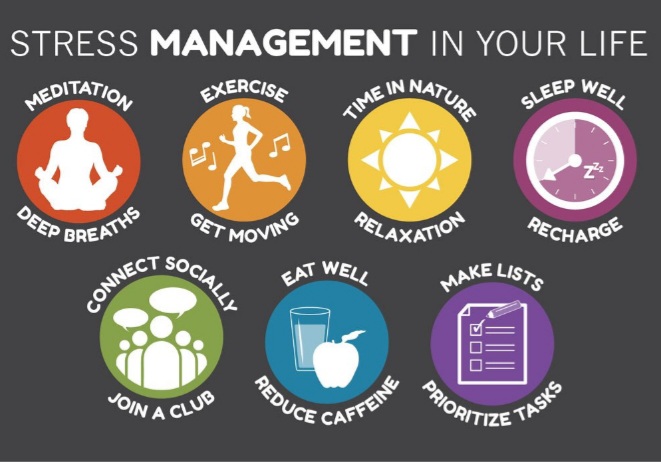
4. Stress Management :
In small quantities, stress can be very useful and encouraging for work . However, when the stress becomes constant and completely begins to take effect, it can affect communication, clarity of opinion and appropriate behavior and action. When you are under stress you may misunderstand other people, send confusing nonverbal signals, and use funny patterns of behavior.
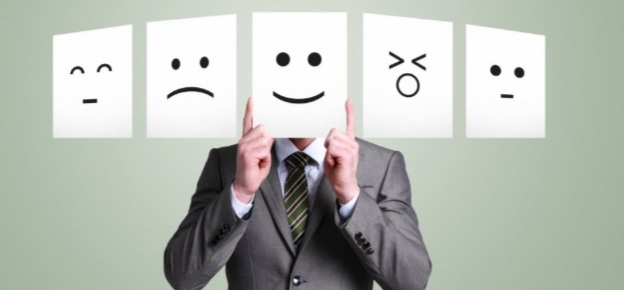
5. Emotion control :
In communication, feelings play an important role. Making decisions more often affects the way you feel than the way you think. Gudided by emotions, your nonverbal behavior affects the understanding of other people and how others understand and perceive you. Control of emotions provides you with tools to understand others, yourself and the messages you send. Though recognizing feelings makes it simple, many people have strong feeling like anger, sorrow, or fear being pushed under the carpet.
Importance of communication :
Communication thus helps understand people better removing misunderstanding and creating clarity of thoughts and expression. The communication brings people together, closer to each other. The communication is an important management function closely associated with all other managerial functions.
Everybody has their own way of communicating. It is influenced by cultural background, the way someone was raised, their gender, their temperament, and much more. At that point true communication may become utterly impossible. Sometimes we may have a difficult time understanding anothers feelings , needs and habits.
* communication serves four major functions with a group of organization :
* control
* Motivational
* Emotional expression
* Information
* communication serves five major purposes :
* to inform
* to express feelings
* to imagine
* to influence and
* to meet social expectations
For example:
For instance, if an individual is going to an interview with great confidence. An individual who is good at different kinds of skills, and also good at executing them and he is lack of communication skills. As the person is not a good communicator, the person faces difficulty in explaining the things to the other person which is known to him. Instantly, this brings a bad impression on the person and a negative mark will be marked on him. The negative mark has a lot to do with. The negative mark can also lead to the rejection of the person in the interview.
Being knowledgeable is very important to achieve certain goals in life, attaining good communication skills and being a good communicator is also equally important to achieve high in the life. Being a good communicator is not A big deal. It is so easy as the lifestyle. Any individual can be good communicator if he communicates all the time with other people in the possible way.







 Eduindex
You must be logged in to post a comment.