Education and literacy 

Source- Google scholar

Review of journal

Date of issue

Vol.1, 7October ,2013(IJRSML)ISSN;2321-2853

Author-Dr. Navichandra R. shah Assistant professor Dept. of Economics, Saurashtra university, Gujarat

Reference 

Literacy Rate in India

Link: http://www.raijmr.com

Key point

  • Statistics of literacy in India.
  • Importance of literacy at individual and society level.
  • Census from 1991 to 2018.
  • Literacy in British Rule after independence. 
  • Government policies to accelerate literacy.

Introduction 

India’s demographic occupied 2nd rank among the world’s populated countries. 

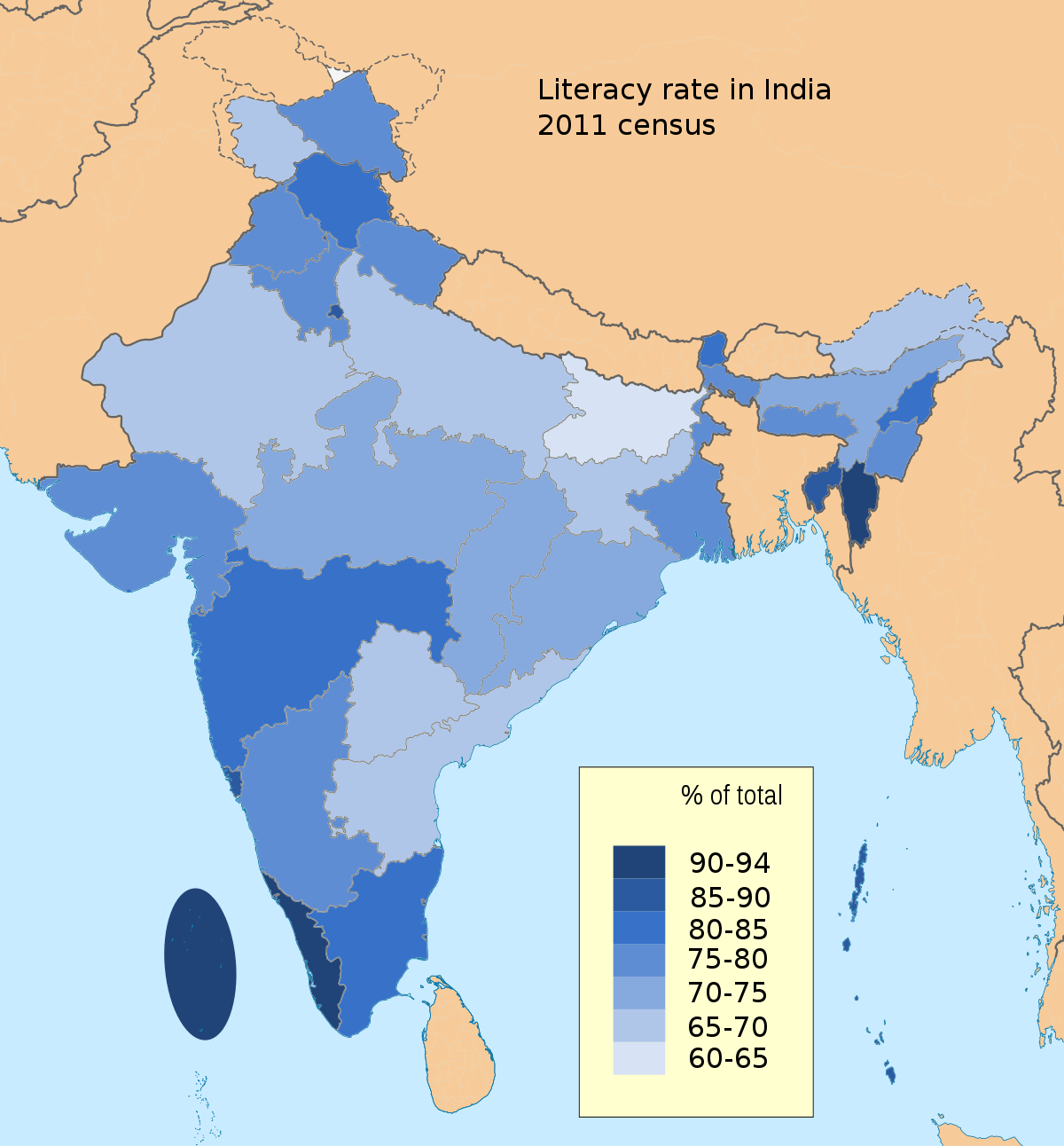
As census 2011 shows the percentage of population of India, there is a huge percentage of young age. The literacy rate of India was 74.04%. It might look good as the statistics, but the truth is behind the numbers. The numbers vary from state to state.

In this journal a significant relationship shows between literacy and economics.  Development is the main aspect of a nation to progress. Literacy is not only important for individuals, it’s also important at community level. 

At earliest, literacy refers solely to the ability to read and write; but the United Nations Educational scientific and cultural organization (UNESCO) define the literacy as the ability to identify, understand, interpret, create, communicate, compute and use printed and written materials associated with varying context. 
 Importance of literacy for an individual

The answer can be found in the following points:

  • Literacy involves a continuum process of learning.
  • To achieve their goal.
  • To interact in society and contribute to society.
  •  To develop their knowledge and potential.
  • Attainment of universal primary education is one of the Millennium development goals of the United Nations to be achieved by the year 2015.
  • Literacy level and educational attainment are vital indicators of development.

The numbers of literate and illiterate persons were 778,454 and 272,950,015 respectively (census 2011). In this census of 2011, children below age 5 are considered illiterates.

Censuses since 1991

The research paper shows the rate of literacy of India from 1901 to 2011. The data is very old, but it is to show the change in literacy rate. According to the research paper, the involvement of women is very less in compare of men. There could be many reasons. But as the time passed, involvement of women in education and literacy increased drastically. Whereas we can see that male education and literacy also increase. 

Literacy during British Rule

In the pre-colonial era, there were Gurukulss where education was  provided to the children. Between 1881-82 and 1946-47, the number of English schools grew from 82,916 to 134866. Literacy rate in accordance to British in India rose from 3.2% in1881 to 7.2% in1931 and 12.2%in 1947.

Literacy after independence

During independence the literacy rate was 12.2%. After independence, the current government had to plan the educational module, there was a huge number of people who were illiterate and the need for a quality education was a must. Since 1947, India has always worked actively in the education sector.

Step taken by the government in accelerating education planning in India

To accelerate the literacy, Indian Government take many initiates;

  • Universal Elementary Education for all.
  • Right to free and compulsory education, 2010
  • Sarav shiksha abhiyan, 2002
  •  Directive principle of state (article 45)
  • National Literacy Mission,1998
  • Manthan sampoorana vikas kender,2008

Key finding

  • The literacy gap between male and females.
  • Difference in the form of number between the after and before independence about literacy.
  • The numbers show that the fewer female participants are female in literacy. 
  • Interrelation between development, literacy and education.
  • Accelerating education by the step taken by the government.

Critic

The data is too old and the interrelation between literacy and development is not clear. The Reason behind the low literacy is not given. In The census of 2011, children below age 5 are considered illiterates but children are still learning how we can consider them illiterate, the author should use some different term for children below age 5.

Reflection 

The journal was written in 2013and the data used is old which couldn’t show the current situation of literacy and education. As I can read, in this paper the terms of literacy and education are similar, meanwhile there is a huge difference between the two terms.

The author tries to show the interrelation between literacy and economics. The author doesn’t give any specific term which can justify his statement.

Literacy can help to attain development. I agree, the more literate person can make a smooth environment. Their writing and reading capabilities can help them to save themselves from anti -social elements, but we are living in a web era where everything becomes online. During the pandemic, we are not going outside, that time our life fully depends on the web world.

While reading the article some questions hit me. I want to discuss over that 

  • Is literacy enough to attain the economic goal and development? If yes, why do we need degrees?
  • Can a literate person consider him/herself as educated? If yes, then what term should I use for a degree holder person? If not, then how can we motivate them to gain more knowledge and become educated?
  • What guidelines can help an individual to understand the difference between the literate and educated person?

We need to focus on the overall development of an individual because an individual is a building block of a society and nation.


Globalisation

Introduction

Globalisation is the process of international integration arising from the interchange of world views, products, ideas and other aspects of life. The vital element of globalisation is ‘worldwide interconnectedness’ that is created and sustained as a consequence of these constant flows. Globalisation is a multi-dimensional concept. It has political, economic and cultural manifestations and these must be adequately distinguished. The impact of globalisation is vastly uneven- it affects some societies more than others and some parts of some societies more than others and it is important to avoid drawing general conclusions about the impact of globalisation without paying sufficient attention to specific contexts.

Causes of Globalisation

  • There are many causes of it but technology affects it more than anything else. Invention of printing, integrated chip(IC), telephone, internet has revolutionized communication between people in different parts of the world.
  • Due to faster communication and transportation, ideas, commodities, capital move more easily to any part of the globe than ever. As people got the technology of better communication and transportation they recognise these mediums to connect rest of the world.
  • The Ebola virus is not confined to only African continent but it affects other nations too.
  • It has mainly 3 types of consequences:-
    1. Political : Globalisation results in discomfort in functionality and working of government. The increased role of MNC all over the world leads to reduction in the capacity of govt. to take decisions on their own. But at the same time globalisation does not always reduce state capacity. The importance of state continues to be unchallenged basis of political community. Indeed in some manner state capacity has recieved a boost as a consequence of globalisation. Due to advancement in technology available in state, it can collect information about its citizens. With this information, the state is better governed. State becomes powerful than earlier due to emergence of new technology.
    2. Economic : The economic globalisation involves greater economic flows or exchange of commodities among different countries of the world. The mention of economic globalisation draws our attention to the role of international institutions like IMF and WTO in determining economic policies across world. The restrictions imposed by different countries on capital across countries and allowing imports of other countries have been reduced. Capital across countries means that investors in prosperous countries can invest in other countries including developing countries where they might get good returns. There is less movement of people across the globe because developed countries have carefully guarded their borders with visa policies to ensure that citizens of other countries cannot take away the jobs of their own citizens.
    3. Cultural : It refers to impact of globalisation in what we eat, wear, drink, watch and think. The cultural effect of globalisation poses a threat to different cultures in the world other than western culture. There is a cultural homegenisation which means rise of uniform culture, as we notice the popularity of American things like McDonald’s, Pizza, KFC, GOOGLE, blue jeans and hollywood movies has spreaded across the globe. This is dangerous not only for the poor countries but for the whole of humanity because it leads to the shrinkage or extinction of the rich cultural heritage of the entire globe. But cultural consequences of globalisation is not always negative as sometimes external culture influences simply enlarge our choices and sometimes they modify our culture without overwhelming the tradition. The Maggi is no substitute for noodles, therefore, does not pose any real challenge. Globalisation leads to each culture becoming more distinctive and different. This phenomenon is called Cultural Hetergenisation. Those who are concerned about social justice are worried about the extent of state withdrawal caused by process of economic globalisation. They point out that it is likely to benefit only a small section of population while impovershing those who were dependent on govt. for jobs and welfare. They have emphasised the need to ensure institutional safeguards to minimise the negative effects of globalisation on those who are economically weak. Many movements all over the world feel that safety nets are insufficient or unworkable. They have called for a stopping to forced economic globalisation, for its results would lead to economic ruin for the weaker countries, especially for the poor within these countries. Some economists have described economic globalisation as re-colonisation of the world. Advocates of economic globalisation argue that it generates greater economic growth and well-being for larger sections of population when there is de-regulation. Greater trade among countries allows each economy to do what it does best. This would benefit the whole world. They also argue that economic globalisation is inevitable.

India and Globalisation

From the colonial period, India became an exporter of primary goods and raw materials and a consumer of finished goods. After independence, because of the experience with British, we decided to make things ourselves rather than depending on others. We also decided not to allow others to export to us so that our own producers could learn to make things. This step generated its own problem. India had a fairly sluggish rate of economic growth (due to ignoring other sectors such as health, housing, etc.). In 1991, responding to a financial crisis and to the desire for higher rates of economic growth, India began programme of economic reforms that opened doors for trade and FDI.

India and Resistance to Globalisation

Resistance to globalisation in India has come from political parties as well as through forums like the Indian Social Forum. Trade Unions of industrial workforce as well as those representing farmers interests have organised protests against the entry of multinationals. The patenting of certain plants like Neem by American and European firms has also generated considerable opposition.

Is Online Classes a Mental Exhaustion rather than Knowledge?

Yes, Online Classes is a mental exhaustion rather than knowledge. Online Classes is a modern way of teaching consisting virtual classrooms. With educational institutes closed due to the COVID-19 pandemic, the government has been encouraging online education to achieve academic continuity. Most high-end private and public institutions have made the switch smoothly using online platforms such as Zoom, Google Classroom, Microsoft Teams etc., while many still find it a herculean task. The challenges of online education is multifaceted.

Using internet for entertainment is common, but for online lessons is a big challenge. Teachers may not be well-versed with creating digital content, and conveying it efeectively online. A sudden expectation from them to upgrade, and from students to adapt, is unfair. Body language and eye-contact which are important cues for the teacher are difficult to perceive in an online class. “I do not receive continual feedback in the form of student’s reaction during online session” says a college teacher in sub-urban Mumbai. How many students have paid attention in a class? These questions arise even in traditional classrooms, but they are harder to address in online classes. A parent of an 8 year old attending a private school in Gurgaon says, “There shouldn’t be online classes for such younf kids. Their concentration span is small and they do not pay attention after a while.”

Even the college students seem to value the in-class physical learning experience much more than a virtual one. Theoretical knowledge always seems to be boring without practicals. Students have to sit at one place and just have to study the theory. Their minds gets exhausted due to which they pay less attention to what has been taught. many acknowledge that phones can be very distracting. In addition, science and technology programs often include hands-on laboratory sessions, dissertation projects and field trips to complement theoretical studies.This aspect of learning is severely limited in online education.

Finally, education is not just about subject knowledge but also about developing social skills and sportsmanship among the students, which is built over years. Relying solely on education maay hinder the holistic develoment of children and many may under-perform later in their professional and personal lives. Students are not able to understand lessons which result in oncreasing stress among the students.

“In a class of 40 students, after two months of online classes, around 20 students regularly attend class with whatever device and connection they have. Around 5-8 students are completely absent till date and rest are fluctuating” says a school teacher in Ratnagiri in Maharashtra. A teacher in a government-aided school from the small town of Chamba in Himachal Pradesh says, “It is frustrating experience to engage students of lower classes in online mode . There are network issues on both teacher’s and student’s ends.”

We all know that some areas are prone to poor internet connectivity due to which some students are not able to attend classes and some join just for the sake of attendance. We Indians give more preference to marks and frades rather than knowledge, which results in less productivity of knowledge in students and more focus is given by students to get good marks.

Top 5 websites to start as a freelancer(Part 1)

Will talk about sites and apps where you can a head-start to learn and grown in the freelancing world.

Freelancer

A person who is self-employed and not always committed to a particular employer. Freelance workers are also few times represented by a company or a temporary agency that sells freelance labor to clients. Rest work independently or use professional associations, websites to get work.

Fields where freelancing exists:

Music, writing, acting, computer programming, web design, graphic design, translating and illustrating, film and video production, data handling, Data entry, transcription, Search Engine Optimization (SEO), blogging, logo design, social media handler, and more more.

The term freelancer is commonly attributed to Sir Walter Scott 

Fiverr

Fiverr is a marketplace that connects freelancers (sellers) with customers looking for small or large services (buyers). There are a variety of different categories. SInce, it will be you who is promoting your services, you have flexibilty to chooose many fields. . In order to make money, you have to create “gigs”, which are sales pitch that will bring in customers to buy your services.
You can earn extra cash by tips from customers, extra work or revisions.

Ups and downs:

The firstmost hurdle is your first gig; using right keywords, your work examples, reviews and their types affect your customer attraction. After landing upon your first customer, you need to put in your best and take time to create the work given. It takes time but build your profile.

The things you need to be aware about is that this platform takes 20% of your every service you give. The minimum price you can charge is $5 which ends up around $4. If you love what you do, want to experience and learn how to attract customers and how to deliver your work; work for longer hours with adequate pay, fiverr might be good for you.

The issue most people complain about is it takes a little longer in payment process. Just like any freelancing job or any job in focus, scammers exist. Let the payment process be within the freelancing core, do not take accept or pay outside Fiverr.

Upwork

Clients can post a job to hire or buy a predefined service from the project catalog. Also, freelancers can access the job board and offer a service to sell. As you can browse billions of jobs to find the one which you would like to offer, it is great for beginners. You get to know to build your profile and learn from others sellers how to display your projects.

Ups and downs:

 They do higher-paying projects, payment protection, credible clients, get jobs quickly after interviews to know legit clients. They have started to charge freelancers a small fee to submit proposals to projects, said to increase your chances of selection; fees can be troublesome, clients do offer smaller budget requests which you use to learn how to work on UpWork. It can be great place for you to learn about services and build up your confidence.

Simply Hired

Simply Hired is an employment website and mobile application and an online recruitment advertising network based in Sunnyvale, California. The site is a job search engine that collects job listings from thousands of websites and job boards. To find a job, simply type the search box with related keywords. You can also narrow down jobs of your interest by filling out your city, state, or ZIP code.

Ups and downs:

Integration with LinkedIn.com gives you better results to search and apply for your desired jobs.  Simply Hired price starts at $199 per user/month, making it a little more expensive. The platform has a salary calculator and a ‘quick apply’ feature.

Be aware about outdated jobs. Ensure by calling the companies and clear your doubts. There are hidden costs for training and such which makes it costly. Email and SMS confirmations, partnerships helps you get jobs soon. Plus, it is available in more than 24 countries and in 12 different languages.

College Recruiter

College Recruiter is the leading, interactive, recruitment media company used by college students and recent graduates to find great careers. Our clients are primarily colleges, universities, and employers who want to recruit dozens, hundreds, or thousands of students and recent graduates per year.

Ups and downs:

College students who want to earn while studying, this site will provide them with many internships, part time jobs, entry level jobs and probably even get a permanent jobs. People find it easier to look for jobs in this site. Due to lack of complete job profile there can be issues with some jobs, lack of filters does make it hard to shortlist your choice of companies but it gives you lots of options, give your personal information scarcely since you might get unnecessary job invites; you can give a secondary email as well.

Aquent

Aquent is a leading talent services company, providing marketing and creative talent, managed services, extended workforce benefits, project management, and professional development. It is known as a staffing company specializing in placing temporary employees in marketing and creative industries. Aquent also has free online courses that provide training to hone one’s skills. You can search with keywords and a location, or browse all of the job openings in your nearby area.

Ups and downs:

Be aware of scammers, especially calls asking about personal information. There are chances of jobs ending early as well as there are chances of long term plans as well. Since the job can be short termed, if you will get to explore every fields you think you are fit for. The pay is decent.

LEARNING FROM THE CLEANEST CITY OF INDIA: INDORE

“A journey of a thousand miles begins with a single step. “

Indore has been awarded as the “Cleanest City” of India for fourth time in a row and the most important reason behind this success is the combined efforts of the public, public representatives, government officials and other stakeholders engaged in this process. The journey made by the city is inspiring and as of now there are many other cities of the country and globe who are following the strategies for becoming cleanest city.

INDIAN SCENARIO: TRASH EMERGENCY

According to the Annual Report of the Ministry of Housing and Urban Affairs, in year 2016-17, India generated approximately 1,50,000 tones of solid waste per day. According to World Bank by 2050, it is estimated that India will generate nearly 3.5 times (over 5,43,200 tones) of solid waste per day. It has also been estimated that local bodies collect nearly 90% of this waste, out of which nearly 80% is dumped in dumping sites or landfill site without getting treated. Under Article 21, it is provided that Clean Environment is (the) Fundamental Right of every citizen and it is the responsibility of the urban local bodies and the State to ensure that clean and hygienic environment is provided to the citizens which preserves their health. In case of Indian cities, it is very important to learn from the best practices and techniques applied in different urban areas for efficiently dealing with the solid wastes.

THE JOURNEY TO CLEANEST CITY

HOW IT STARTED

The journey of Indore for becoming the cleanest city started from 2016 and it faced many challenges.

Some of technical challenges were:

  1. Inefficient infrastructures, systems and processes for Municipal Waste Management.
  2. Absence of infrastructures for material recovery, transfer stations and processing unites and non – operational composting facilities.
  3. Inefficient door to door waste collection system with no scope of source segregation practice.
  4. Unorganized trenching grounds with nearly 13 lakh tons of waste which caused methane induced fire, bad odor and increased the chances of diseases.
  5. Unorganized and inefficient waste collection, transportation and dumping.

In addition to all these technical issues, there were various non – technical challenges like:

  1. Cooperation and support of citizens,
  2. Unorganized municipal workers
  3. Lack of mechanism to monitor and reviews all the processes being involved
  4. Inefficient citizen grievance redressal system.
  5. Lack of political awareness to achieve the cleanliness goals
  6. Lack of awareness about solid waste management process among citizens, local media, administrations and Resident Welfare Associations (RWA).

THE PROCESS

Indore had to implement many strategies in each and every step associated with solid waste management. Along with these strategies the Indore Municipal Corporation (IMC) had partnered with private bodies, NGOs etc. for boosting the entire [process and empowered the citizens regarding their roles and responsibilities as citizens of the city for making Indore a clean city.

Waste Collection, Segregation and Transportation :

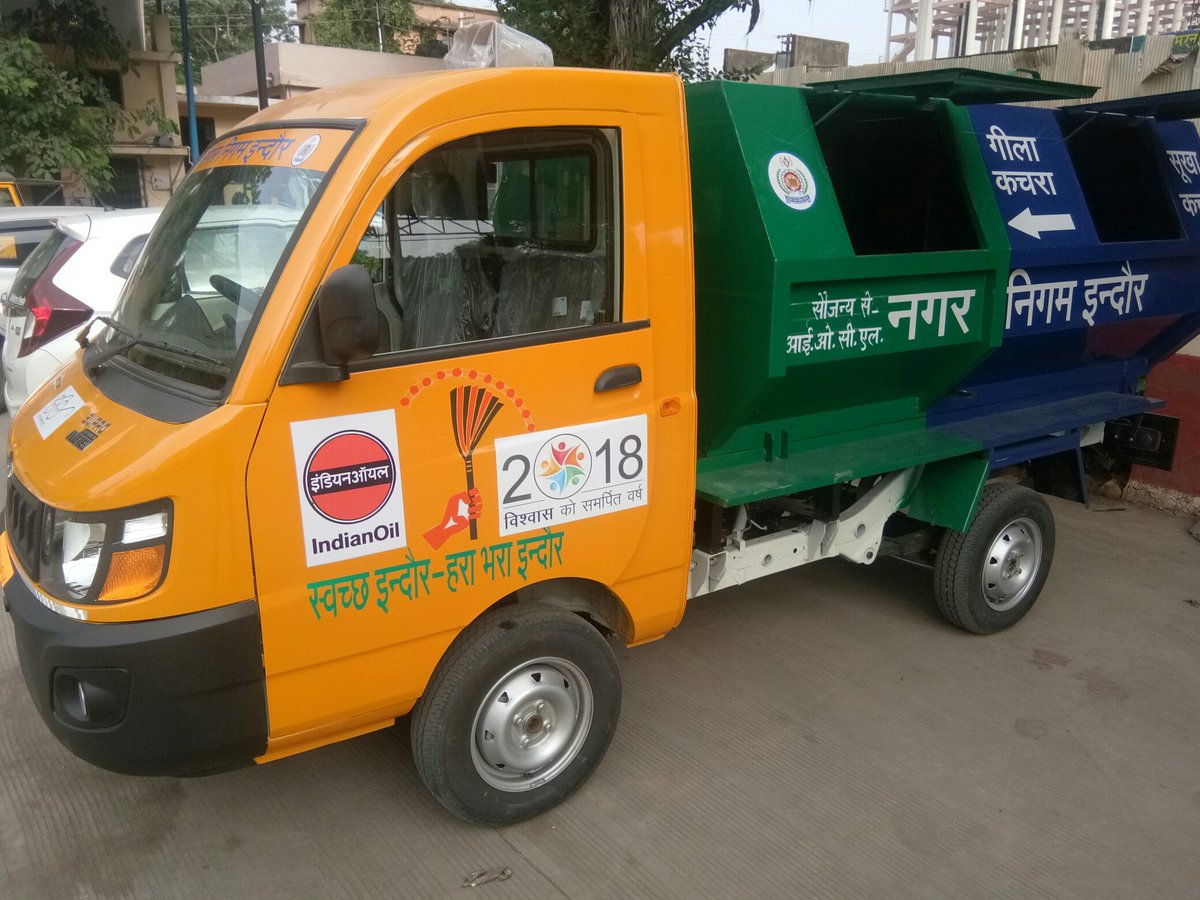
Vehicles having different compartments for waste collection

IMC started the process of waste collection from households on daily basis from 2016 and at the same time it also started asking and motivating the citizens to segregate their waste. Some of the strategies undertaken for increasing the efficiency of waste collection were :

  1. Collecting the wastes from household on regular basis and studying the lifestyle of different localities to finding the most suitable for waste collection.
  2. Explaining the people about the need of waste segregation and on repeated disposal of unsegregated wastes, households had to pay the fine as decided by the Supervisors of IMC.
  3. Tracking the routes of the garbage vans and vehicles that collect the wastes from door to door and monitoring it.

Some of the steps undertaken for creating awareness among citizens were :

  • Visiting of different localities and colonies by Municipal officials to persuade and create awareness among citizens regarding waste segregation.
  • Providing common platforms were religious leaders created awareness among people, on the basis of importance of cleanliness as mentioned in the religious texts, schools etc. and organizing oath taking ceremonies for children pledging a clean city and conduction of mass road sweeping exercise at different areas of the city.
  • Involving 850 Self Help Groups, comprising almost 8500 women for spreading awareness for waste segregation and conducting mass campaigns.
  • Campaigns for zero waste localities and markets.
  • Creating awareness regarding home composting, as a result of which nearly 50,000 households started doing home composting.

Involvement of Private Bodies and NGOs for Boosting the process

The IMC partnered with non-governmental organizations for creating awareness campaigns to change the attitude and behavior of citizens, to facilitate the functioning of solid waste management systems, use of proper technologies for increasing efficiency and improved capacity for ensuring proper implementation of all strategies and actions decided for being clean.

Waste Management System

The city adopted the strategy of processing the waste near the source. For example: All food outlets separate food waste and transport it to the small garden inside a traffic triangle at one end of the street. This strategy is more cheaper, hygienic and sustainable way for processing the wastes. The responsibility of waste composting is given to an NGO named Swaha and this organization uses a machine which simple and easy to handle. Most the waste generated from Indian cities contain higher proportion of organic wastes and are generally wet, which makes the waste more difficult to handle. These machines work efficiently even if the material is not organic with minimum spillage, minimum human contact with waste and has mechanism which can easily lift heavy trash cans.

Waste to Fuel

For processing of organic wastes, a Biomethanation facility is provided which converts the organic waste into methane. The city produces nearly 20 tones of waste everyday and this waste is converted into 750 – 800 kg of bio compressed natural gas (bioCNG). This task is assigned Mahindra Waste to Energy Solutions Ltd. The gas produced is used to run city buses, and sold as cooking fuel to hotels and the Indian Institute of Management, at a subsidized rate. Waste from the flower market is kept separately (1-2 tons a day), and mixed with slurry to produce compost.

Street Sweeping

For the purpose of street sweeping machines are used. Every night 800 km of main roads are swept using machines and water mist are used for cleaning footpaths and road dividers. For the cleanliness of roads nearly 400 liters of water is used every night and most of these are recycled water which are derived from the three sewage treatment plants. In case of internal roads which are 2200 km, the wastes are swept and are collected in gunny bags, collected by vans and transported to waste processing facility.

Clean Streets of Indore

CURRENT SCENARIO

Before and After images of Indore

As of now, 100% of household wastes are segregated at source and are processed. Ten ultra modern mechanized transfer stations are used for final processing and disposal. The city makes use of ICT based devices and Weighbridge mechanism for sustainable integrated solid waste management systems. For road sweeping purpose, Ultra modern mechanized road sweeping machines are used, which clean the bypasses, super corridors and bridges.

The city uses a collection and transportation app which is fully digital in nature for monitoring entire process, from door to door segregation to final disposal of waste. The wat wastes are processed and are used in public transports and today 15 city buses operate on this bioCNG gas. Similarly, construction and demolition wastes are reused for making non-structural concrete, paving blocks, lower layers of road pavements etc.

Through the process of bio-remediation, 100% of wastes has been remediated and 100 acres of land has been reclaimed. The dumping yard or landfill site had been converted into green belt. There is a proposal to develop this land into a golf course and city forest.

The entire journey of Indore has been based on more that 3Rs- reduce, reuse and recycle. These include Food Bank, disposable free events, Bartan Bank, art and crafts made out of wastes etc. All these initiative have ensured sustainability of the city.

Other than all these technical strategies, the city also took many social media initiatives and Information, Education and Communication (IEC) techniques for ensuring community Engagement. The song, “HO Halla” by Indian singer Shann became the Swachhta Anthem of the city in 2017 and motivated the citizens to keep doing their part of work towards this Swacchta mission. The song also has many new versions.

CONCLUSION

Since 2016, Indore went through a commendable journey for providing its citizen the urban environment which will protect their health. The IMC took strategies which are the most efficient and using them, it eliminated garbage dumps, 100% household waste collection and segregation, reusing all the wastes etc. The success of Indore’s solid waste management shows that other Indian cities can also clean the entire area and make it more hygienic and sanitized for the people by engaging NGOs, private bodies and citizens.

Thus, trust between all the stakeholders being involved in the process is the major pre-requisite for achieving the goal.

Education System In India…

Education is critical in the growth of a person and the formation of an informed citizen. Education empowers individuals, aids in the suppression of societal ills, and contributes to the overall development of society and nation. Education aids in the unravelling of nature’s mysteries. It helps us to comprehend and enhance the functioning of our civilization. It lays the groundwork for a better existence. Education develops the skills needed to combat social injustice. Every person has the right to an education.

Along with China, India has one of the world’s largest and most complicated educational systems. The National Policy of Education defines the basis for India’s commitment to delivering basic education to its inhabitants. In India, elementary schooling is now required. Only 14 percent of India’s population was literate at the time of independence. After so many decades since independence, the number of literates has more than fivefold grown.

History of Education System:

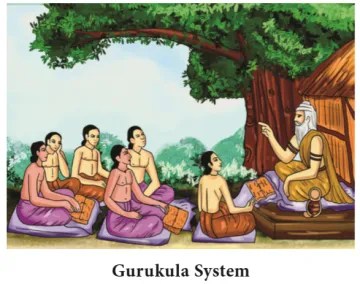
The history of Indian education may be traced back to the Ramayana and Mahabharata. The Gurukula system is another name for the traditional Indian schooling system. There were gurus back then, who are now known as instructors, and shishyas, who are now known as pupils. Gurus and shishyas lived together in Gurukula under one roof till they finished their study. As part of their education, the shishyas were required to assist the guru with all everyday duties. Gurus taught all topics to youngsters from upper social classes, ranging from Sanskrit to Holy Scriptures and mathematics to philosophy. During that period, the Gurukulas concentrated on the practical parts of life. The children were taught in an open classroom in a natural setting. This early school system in India lasted for many years until the modern education system arrived in the nineteenth century.

Lord Thomas Babington Macaulay introduced the modern education system to our country in the early nineteenth century, during the British period. The primary basis of this updated education system was tests and a well-defined curriculum that prioritised topics like science and mathematics while pushing subjects like philosophy and metaphysics to the sidelines. The open classrooms of the Gurukulas were replaced by brick and mortar classrooms. A more formal relationship between the instructor and the learner replaced the core of the guru shishya tie. Examinations were held at regular intervals to assess each student’s progress. The emphasis of the educational system moved from studying to remembering topics in order to achieve high scores in tests.

Problems of Indian Education System:

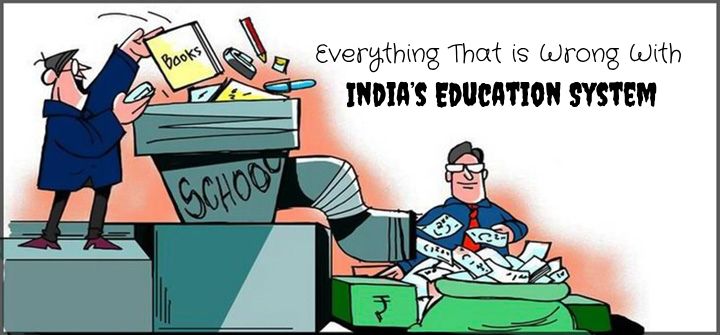
Over time, it has been discovered that there are several flaws in India’s educational system. Instead of comprehending the principles, pupils began cramming and memorizing them. Knowledge takes a second seat as high ranks take precedence. Modern parents have modified their mentality appropriately, and their objective is to guarantee that their children get high grades rather than learning from the ground up.

Private schools and universities are quickly expanding in the country, but the outcomes they generate are far from adequate. It has also been noticed that the quality of teachers has worsened with time. Our examination system is to blame for the large skill disparity. Every year, thousands of engineers and professionals are produced in India, yet only a portion of this number is employed. This is due to the Indian test system’s emphasis on high percentages rather than ongoing comprehensive review.

Research and development, which should be the foundation of our system, are given the least attention. Private schools and colleges are more concerned with the number of students admitted than with the quality of their education. This is the primary reason for the faculty’s and instructors’ lack of skills and expertise. The fact that a single professor is assigned to teach numerous courses demonstrates this.

How Can We Improve the Indian Education System?

First and foremost, we must reform the grading system. Rote learning should be avoided at all costs. Teachers and professors should pay greater attention to students’ analytical skills and evaluate them properly. Instead than just getting excellent grades, there should be a greater emphasis on complete evaluation. Workshops for teachers should be held on a regular basis to keep them up to speed on the newest advancements in the education field. Simultaneously, the curriculum should be restructured in accordance with India’s current educational demands.

The payroll structure of the teachers and the faculties especially in the government institutions should be improved. This step will help in motivating the teachers to develop their skills and they will take a keen interest in grooming or shaping up a student’s life and career. The government and other entities who are associated with the education sector, need to understand the importance of quality of education. Education should be a holistic process that must focus on the overall development of the physical, emotional, social and cognitive skills of a child. It needs to be a slow and cyclic process and must take place gradually to help the child develop into an autonomous, independent and knowledgeable individual.

Conclusion:

An educated person is one who can contribute to the advancement of the economic and social growth of the society as well as the country. The actual purpose of education must go beyond simply providing degrees and certificates to pupils. Education is not a means of earning a living; rather, it is a means of liberating one’s mind and spirit.

Moral Philosophy and Ethical Theories

Moral Philosophy is a branch of philosophy that contemplates what is right and wrong. It explores the nature of morality and examines how people should live their lives.

Ethics are the moral principles that govern a person’s behaviour or the conduct of an activity. Morals are concerned with principles of right and wrong behaviour and the goodness and badness of human character. Morality governs private, personal interactions while Ethics governs professional interactions. Ethics and morals relate to right and wrong conduct and are often taught to be the same however they are different.

Ethics refer to rules provided by an external source e.g., codes of conduct in workplaces or principles in religions while Morals refer to an individual ‘s own principles regarding right and wrong. Many morals are common as they stem from basic human emotions.

There are 3 Branches of Moral Philosophy

  1. Meta-ethics

This Branch asks the big picture question such as “What is Morality?” “What is Justice?” “Is there Truth?”

  • Normative Ethics

This branch answers questions of what we ought to do. It provides a framework for deciding what is right and wrong. There are 3 common frameworks;

Consequentialism (Utilitarianism)

Deontology

Virtue Ethics

  • Applied Ethics

This branch addresses specific, practical issues of Moral Philosophy such as war and capital punishment. It also tackles specific moral challenges that people face daily, such as whether they should lie to help a friend or coworker.

The Focus of this article is on the Normative Branch of Moral Philosophy

  1. Consequentialism is an ethical theory that judges whether or not something is right by what its consequences are. For instance, most people would agree that lying is wrong. But if telling a lie would help save a person’s life, consequentialism says it’s the right thing to do.
  • Deontology is duty ethics, so it compares a person’s ethics against some duty or imperative. Deontology emphasizes the character of actions.
  • Divine Command Theory

In this Theory, the action performed is in accordance to the order or decree given by God.

e.g., Sabbath

Virtue Ethics

Virtue Ethics is a philosophy developed by Aristotle and other ancient Greeks. It is the quest to understand and live a life of moral character.

This character-based approach to morality assumes that we acquire virtue through practice. By practicing being honest, brave, just, generous and so on, a person develops an honorable and moral character.

According to Aristotle, by honing virtuous habits, people will likely make the right choice when faced with ethical challenges.

Aristotle and The Highest Good

In book one of Aristotle’s Nicomachean Ethics, he claims every action is aimed at some good yet these aims vary between individual and context. 

According to Aristotle the highest good must fit into three criteria:

  • it is desirable for itself
  • it is not desirable for the sake of some other good
  • all other goods are desirable for its sake.

Furthermore, Aristotle later includes that the highest good must be acted upon because if one does not act to achieve any aim then they will never achieve it. In other words, the highest good is a solitary nucleus, which all other goods are acted upon for.

For Aristotle this highest good is happiness or eudaimonia (which translates to living well). He argues this by going through the list of what many may consider the highest good of actions; for example, pursuing wealth, honor, or wisdom. Yet, these do not fit the criteria he is trying to fill. Instead, he examines all these aims and realizes happiness is the highest good because it is what living well consists in and the latter aims are sought because they promote living well, not because they are what living well consists in.

Eudaimonia vs Euphoria

Euphoria can be described as the short spike of happiness that we feel during certain moments while the lasting happiness is called eudaimonia.

Eudaimonia is a more balanced approach where the happiness does not rely on isolated, powerful events but yields from every day events. Little things like conversations, encounters with people, a walk in a park, hearing a bird sing, a train being on time, a drink in a pub, a beautiful sunset. It is a mental attitude to appreciate little things and creates a robust and content state mind.

Bhagavad-Gita: The Philosophical Guide

The Bhagavad Gita is one of the most well-known scriptures in Hinduism. It is a scripture that extends upon the Vedic teachings. The word ‘Bhagavad Gita’ literally translates to ‘Song of God’ and is a dialogue that took place between the Supreme Lord Shree Krishna and His devotee Arjun, when they were on the battleground of the Mahabharat war. Bhagavad-Gita has been a source of perennial wisdom and has inspired many modern thinkers such as Mahatma Gandhi, Carl Jung & Herman Hesse.

One who comes to know the Absolute Truth attains knowledge of everything.

The science of knowing the Absolute Truth is called “Brahma Vidyā.” The purpose of the Bhagavad Gita, above everything else, is to impart Brahma Vidyā, the science of God-realization.

Philosophical Teachings from Gita

  • Gunas
  • According to Gita Prakriti is made up of 3 Gunas. Sattva (Purity), Rajas (Passion and Activity) and Tamas (Ignorance). The balance of these three Gunas in humans decides the character of that person.

    1. Jnana Yog

    Jnana Yog (Path of Knowledge) emphasises on attaining self-knowledge and meta-physical knowledge. According to Jnana Yog we need to continuously seek to achieve knowledge and the answers for all this knowledge that we need to know lie within us. We do not need to seek them in external sources. The concept of Reality of Body and Soul is also explored in Jnana Yog.  It says that all souls (Atman) are a part of Brahman and all creations come from God. The present world is just 1/4th of God’s realm. Something larger awaits in the 3/4th of the other realm and we can go there only when we achieve liberation.

    2. Karma Yog

    Karma Yog (Path of Action) refers to performing one’s worldly obligations and responsibilities without attachments but involving ourselves in it. It advocates detaching the mind from the fruits of actions and doing tasks without having any expectations but staying true to the task and doing it with complete attention of mind and heart. By not having expectations, even from people we free that individual from any burden of dependency and hence make them free to follow their own path.

    Whatever you do with your body – whether you eat, dance, sing or you just sit and breathe – if you do it with involvement and joy, you become a Karma Yogi. – Sadhguru

    3. Bhakti Yog

    Bhakti refers to Path of Devotion. It means to devote ourself to God by constantly worshipping them and keeping them in our mind. Krishna reveals in Gita that he is the Supreme Being who has taken several avatars such as Brahma, Vishnu, Ram, etc.

    Krishna also distinct between positive and negative worship. If one follows a character of negative influence, they too will inculcate their negative attitude and habits. Similarly, when one worships a character of good virtues they will be positively influences and grow in the right direction. Therefore, since God is known to be perfect and the best positive influence Krishna asks to worship God through Bhakti.

    After a soul achieves knowledge of these 3 Yogs and practices them only then one can realise God, Atman and Brahman can become one and attain blissful liberation.

    TYPES OF 3D PRINTING

    3D PRINTING

    3D printing is the process of producing a 3D object by the successive addition of layers one above the other. It is also called additive manufacturing. To know more about 3D printing, check out my article on 3D printing. There are seven different types and technologies involved in 3D printing. 

    TYPES OF 3D PRINTING

    1. Sintering

    Sintering is a technology where the material to be used for 3D printing is heated but not to the melting point. Metal powders are used for selective laser sintering whereas thermoplastic powders are used for direct laser metal sintering. Laser is used for fusing the layers of the final object. Each layer is formed and the laser traces the parts formed and fuses the next layer on the top until the complete object is made.

    2. Melting Methods

    The melting methods include

    • Power bed fusion – Uses a thermal source such as laser to melt the materials. The layers are fused and consolidated to form the object. It combines sintering and melting processes.
    • Electron beam melting – Uses a high-power electron beam that can generate heat to melt the material in the vacuum. It ensures no residue and a clean environment.
    • Direct energy deposition – Uses electric arcs or beams to melt the substrate material. It is used to add parts to the existing object.

    3. Binder Jetting

    Binder jetting is a method where the powdered material is deposited on the bed and adhesive is added to bind the particles to form one layer of the object. Sand, metals, and ceramics are the most commonly used materials. The process is repeated until the complete object is formed.

    4. Fused Deposition Modeling

    In this, the thermoplastic filament is heated to its melting point and shaped layer-by-layer to form a solid object. It is a cost-effective method where the material softens and sets in the shape and then becomes ready to add the next layer. It is also called material extrusion.

    5. Material Jetting

    It is similar to inkjet printing where the liquid material is jetted from the nozzle and a layer of the object is formed. After the layer solidifies, the next layer is added on the top. The layers are cured using UV rays for a smooth finish. It is the most expensive method in 3D printing.

    6. Sheet Lamination

    This process is made by superimposing the layers one above the other and then joining them using ultrasound for metals or adhesive for cardboards and plastic. Once the layers are combined, it is cut and refined to get the desired shape. This method is not widely used as the other methods. Ultrasonic Additive Manufacturing (UAM) and Laminated Object Manufacturing (LOM) are the two sub-types in this method.

    7. VAT polymerization

    It uses the method of photopolymerization where liquids are turned into solids by exposing UV light to them. It is one of the most commonly used 3D printing methods that include

    • Stereolithography – Stereolithography uses photopolymerization technique where a single point laser or UV beam is used to cure and solidify the object.
    • Digital light processing – It also creates objects from liquids like resin where the image of each layer is flashed onto the surface.

    Nanoparticles – the future?

    A nanoparticle (NP) is an ultrafine unit with dimensions measured in nanometres (nm; 1 nm = 10−9 metre). Nanoparticles exist in the natural world and are also created as a result of human activities. Because of their sub-microscopic size, they have unique material characteristics, and manufactured nanoparticles may find practical applications in a variety of areas. The small size of nanoparticles is especially advantageous in medicine; nanoparticles can not only circulate widely throughout the body but also enter cells or be designed to bind to specific cells. Those properties have enabled new ways of enhancing images of organs as well as tumours and other diseased tissues in the body. Some examples of NP used for medical purposes are metallic NP, carbon nanotube, liposome, gold NP, silica NP and many more. 

    The massive use of nanomaterials in biomedical applications enhanced research interest to explore the antibacterial mechanisms of NPs. NPs can alter the metabolic activity of bacteria by maintaining contact with bacterial cells via electrostatic interaction, Van der Waals forces, receptor-ligand and hydrophobic interactions. Further, these NPs can cross the bacterial membrane and assemble along the metabolic pathway influencing the shape and functioning of the cell membrane. Finally, NPs interact with the bacterial cell basic components causing oxidative stress, permeability and gene expression changes, diverse alterations, electrolyte balance disorders, protein deactivation, and enzyme inhibition 

    These NPs work on a bacterial cell in three ways, they are as follows:

     Dissolved metal ions: Metal oxide NPs release metal ions and these metal ions are absorbed through the cell membrane. Each metal ion has its sensitivity to different microorganisms. For instance, Ag+ ions react with the sulfhydryl group in enzymes and other cellular constituents leading to cellular dysfunction. Ag+ also prevents cell wall synthesis in Gram-positive bacteria. Ag+ ions can also interact with DNA inhibiting the growth by obstructing DNA replication and cell division.

     Reactive oxygen species: The toxicity of nanomaterial can be mainly attributed to the production of reactive oxygen species ROS that inhibits bacterial growth by restricting amino acid synthesis, lipid peroxidation and DNA replication. The presence of NPS excessive production of ROS leads to an unbalanced state, which results in oxidative stress, creating damage to the basic individual components of bacterial cells. ROS namely Superoxide radical, hydroxyl radical, hydrogen peroxide that is generated by different levels of activity and toxicity.

     Direct contact / Non-oxidative mechanism: The non-oxidative mechanism involves direct interaction on NPs with the cell wall. Direct contact is often but not in all cases a necessary mechanism of toxicity. Direct contact inhibits enzymes and proteins involved in cell metabolism, thus disrupting the normal functioning of the bacterial cell.

    (Nanotechnology for Diagnosis and Treatment of Infectious Diseases – Scientific Figure on ResearchGate. Available from: https://www.researchgate.net/figure/Mechanisms-by-which-nanoparticles-kill-bacteria-cells-Notes-Certain-NPs-and-their-ions_fig3_262116106)

    Nanoparticles can be used as tags or labels, which will help us in the detection of infectious agents even in small sample volumes directly in a very specific, sensitive and rapid format with lower costs than current in-use technologies. Also, the earlier detections will help in accurate and prompt treatment of the disease. however, nanoparticles that are used in nanomedicines can travel through a mother’s placenta and can assist in the formation of free radicals. 


    •Asian Journal of Pharmaceutical Sciences, Vol. 15,  Issue 1, January 2020, pages 42-59https://doi.org/10.1016/j.ajps.2019.03.002

    Ashish Ranjan, Nikorn Pothayee, Mohamed N. Seleem, Stephen M. Boyle, Ramanathan Kasimanickam, Judy S. Riffle, Nammalwar Sriranganathan, Nanomedicine for intracellular therapy, FEMS Microbiology Letters, Volume 332, Issue 1, July 2012, Pages 1–9, https://doi.org/10.1111/j.1574-6968.2012.02566.x

    https://www.microscopemaster.com/nanotechnology.htmlhttps://www.ncbi.nlm.nih.gov/pmc/articles/PMC7148861/

    https://www.nanowerk.com/spotlight/spotid=23695.phphttps://www.sciencedirect.com/science/article/pii/S1818087618309103#fig0005

    “ALEXANDER THE GREAT” Biography

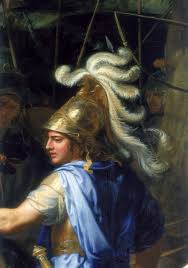
    “Alexander the Great” he was an emperor of Greece he was born on July 20, 0356 BC in pella Macedon ancient Greece. His father’s name was Philip II of Macedon and mother’s name was Olympias. His father was the King of Macedon.

    As a child he learnt to read, write, ride, fight and hurt. He grew up to be a brave boy and tamed an unruly horse when he was just 12 years old. The horse named Bucephalas, became his favourite horse and served him for several years King Philip asked the great philosopher Aristotle to teach Alexander and provided the temple of the Nymphs at Mieza as a classroom. Aristotle tutored Alexander and the children of macedonian nobles in kya English subjects like medicine philosophy morals religion and logic and art under his tutelage Alexander also developed a love for literature. When Alexander was 16 his father left him in charge of the kingdom as a Regent while he waged a war against Byzantion. During Philip’s absence, the Thracian Maedi revolted against Macedonia. In spite of still being young boy Alexander responded quickly and bravely Drove them away from their territory. King Philip was assassinated by the captain of bodyguards Pausanias, in 336 BC. Alexander just 20 years old at that time was proclaimed king by the nobles and army up on ascending The Throne he has set upon eliminating all his domestic Enemies and potential revels to the Throne. He and his mother ordered the execution of his cousins and check the buildings who they considered to be treat. The news of king Philip death sparked a series of rebellion from the Thebes, Athens, Thessaly, and the Thracian tribes north of Macedon. Alexander gathered a Macedonian cavalry of 30,000 and forced the Thessalian army to surrender. He what also successful in defeating the Thracian tribes.

    In 334 BC, Alexander the great led his army in the battle of the Granicus River fought against the Persian Empire and got victory. He started battle with King Darius III and got a big victory Alexander captured Darius wife, Stateira I, his daughter’s Stateira II and Drypetis, and his mother, Susygambis, and treated all the captured women very respectfully. Alexander and his Army marched into India in 327 BC launching a campaign into the North Western Indian subcontinent by this time he had become very ambitious and decide to conquer the entire known world which the Greek thought ended in North Western India the greatest of Alexander’s battle in India was the battle of the Hydaspes River against King Porus of the Paurava Kingdom on the banks of the Hydaspes River in Punjab in 326. The Macedonians emerged victorious and annexed Punjab. Alexander married three times first to Roxana, at 328 BC, later the Persian princesses Stateira II and Parysatis II at 325 BC. Alexander died of Malaria, in the palace of Nebuchadnezzar II, in Babylon, at the age of 32, in June 0323 BC. ” THERE IS NOTHING IMPOSSIBLE TO HIM WHO WILL TRY”.

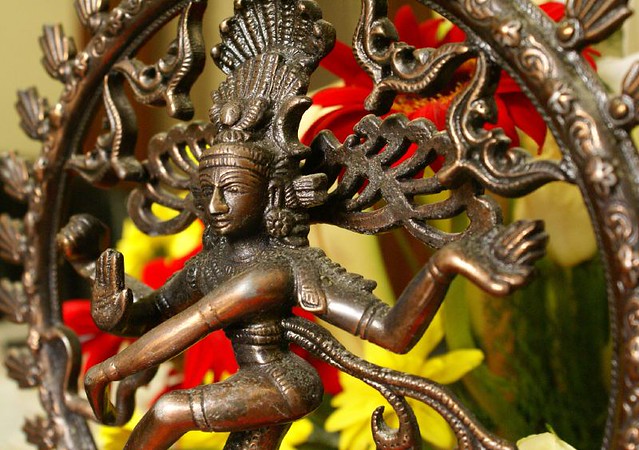
    Indian Classical Dances

    Dance is an ancient and prominent cultural tradition in India. Folk dances abound all across the country, and huge crowds of people can be found dancing at festivals and weddings. Dance and song feature heavily in Indian cinema (so-called “Bollywood” films), too. But where does Indian dance draw its roots from? There are six of the most important classical dance forms of India including many folk dances.

    India has an old tradition of thousands of years regarding fine arts and classical and folk music and dances. Some of the world-famous dance forms that originated and evolved in India are: Bharatnatyam, Kathak, Kathakali, Kuchipudi, Manipuri, Mohiniattam, and Odissi.

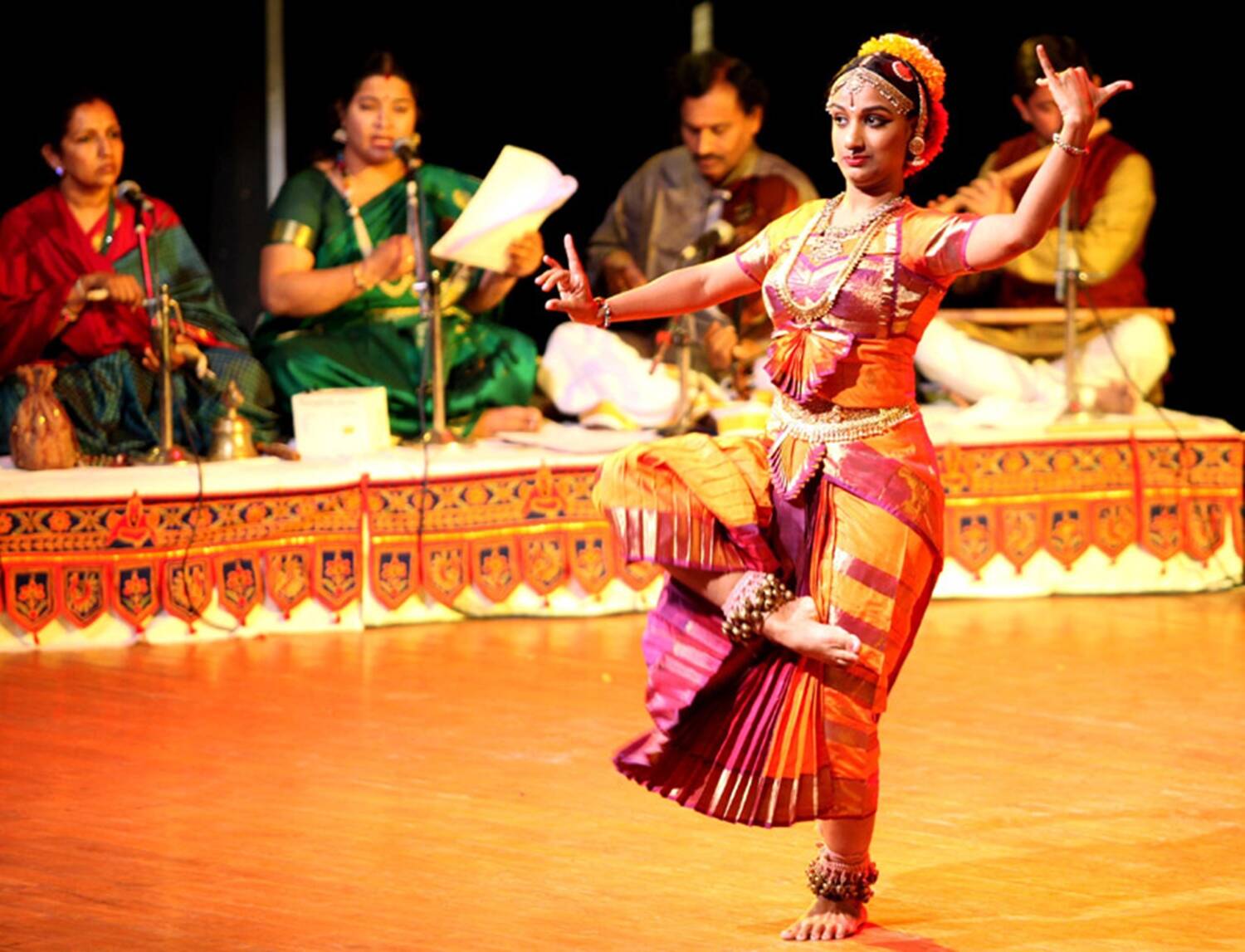
    (1) Bharatnatyam: Bharatnatyam is one of the most popular classical Indian dances. Bharatnatyam is more popular in South India states of Tamil Nadu and Karnataka. The music accompanying this dance is Carnatic music. It evolved out of the devadasi system of South Indian Temples. Famous dancers associated with Bharatnatyam are E Krishna Iyer, Rukmini Devi Arundale, and Anna Pavlova.

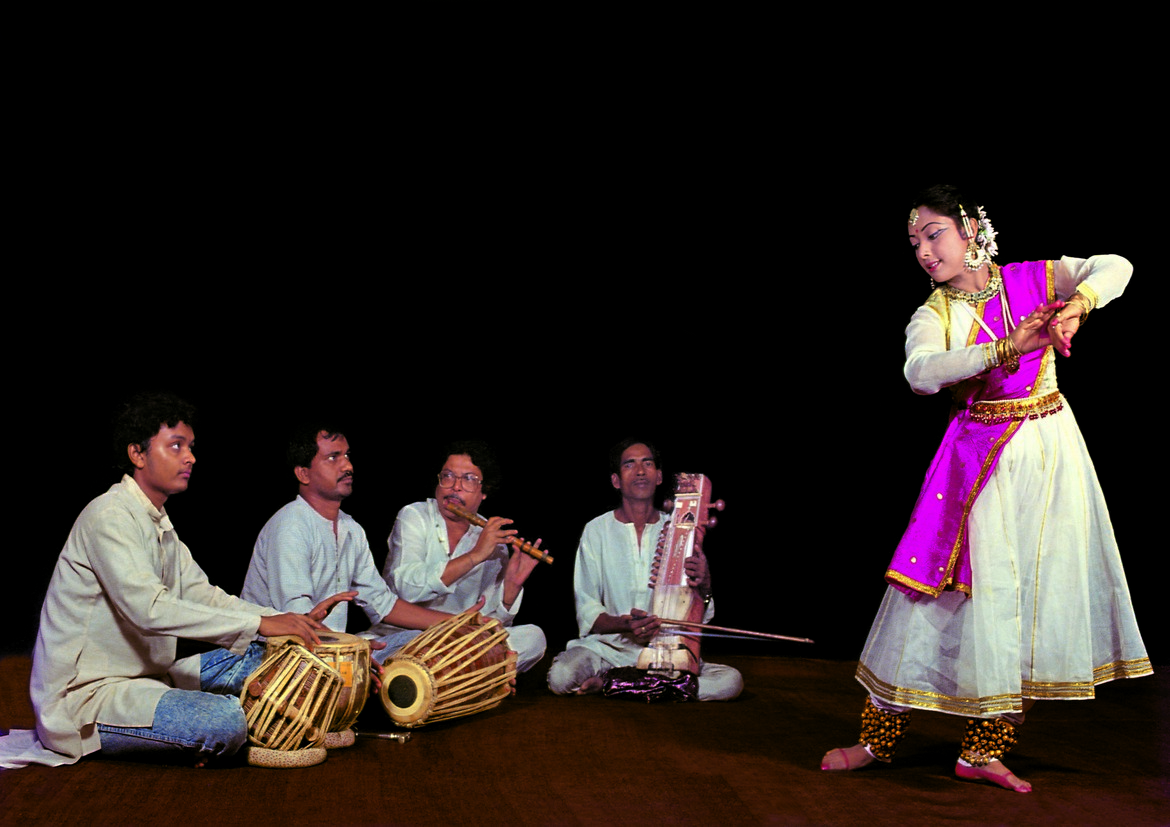
    (2) Kathak: Kathak is also one of the most important classical dances of India. Kathak is said to be derived from the word Katha, meaning the art of storytelling. Famous centers are Lucknow and Jaipur. Lucknow school depicts Mughal Court etiquette while the Jaipur school depicts stories of Rajput kings and Gods. Famous exponents are Sitara Devi, Sambhu Maharaj, Uma Sharma Shovana Narayan, etc.

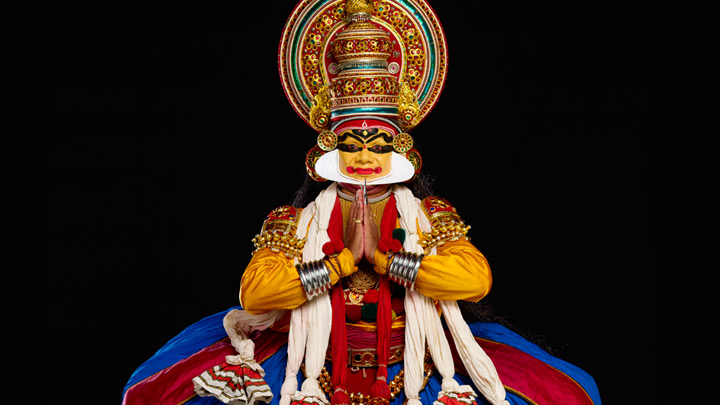
    (3) Kathakali: Kathakali is the classical dance form of Kerala. The word Kathakali means the story play. Kathakali is considered one of the most magnificent theatres of imagination and creativity. Famous exponents of Kathakali are Vallathol Narayan Menon, Kunju Kurup, Guru Gopinath, etc.

    (4) Kuchipudi: Kuchipudi is one of the classical dance forms of South India. Kuchipudi exhibits scenes from Hindu epics, legends, and mythological tales. Famous exponents of Kuchipudi are Lakshmi Narayan Shashtri, Raja and Radha Reddy, Swapana Sundari and Yamini Krishnamurti.

    (5) Manipuri: Manipur is one of the six major classical dances of India. The most striking part of Manipuri dance is its colorful decoration, lightness of dancing feet, the delicacy of abhinaya (drama), lilting music, and poetic charm. Manipuri dance is not only a medium of worship and delight but also essential for all socio-cultural ceremonies of the Manipur people. Popular exponents are the Javeri sisters, Rita Devi, Nirmala Mehta, Guru Bipin Singh, etc.

    (6) Mohiniattam: Mohiniattam from Kerala is a solo female dance and is known for its rhythmic and unbroken flow of body movements. Mohiniattam has the grace and elegance of Bharatnatyam and the vigor of Kathakali. Famous exponents of this dance form are Kalyani Amma, Vaijayanthimala, Bharati Shivaji, and Hema Malini.

    (7) Odissi: Odissi is one of the well-known classical Indian dances from Odisha state. It is a graceful, elegant, and sensuous dance style and involved the tribhanga (three bends) posture. The three bends symbolize the means to escape the limitations of the body. Famous dancers of Odissi are as follows: Indrani Rehman, Sonal Mansingh, Kiran Sengal, Rani Karan, Sharon Lowen, and Myrta Barvie.

    How Do I Choose Between Medication and Therapy?

    In the last couple of weeks, there have been some big announcements from the medical and mental health communities about the wisdom of using drugs over behavioral methods for various disorders. The meds vs. therapy debate has been an active one for a number of years.But these days, some experts and organizations are questioning, more and more, whether popping pills should really be our go-to treatment, based on the literature. And it seems that for some that have historically used meds as the first line of treatment, the evidence for behavioral methods has mounted to the point where recommendations have shifted in their favor. At least for some things.

    Photo by Anna Tarazevich on Pexels.com

    Whether you’re leaning toward therapy, medication, or a combination, knowing that a reliable pharmacy partner is part of the care network can bring added reassurance. Many people now use online tools to locate a specialty pharmacy near me, ensuring they can quickly connect with professionals who understand their unique health needs. Therapy or medication? In both children and adults, evidence-based psychosocial therapies have been shown to work for a broad range of mental health disorders, as well as for many life problems. The same can be said for the effectiveness of some medications. The information below is intended to help parents/caregivers choose between treatment options for their child or adolescent, and to decide whether therapy and medication should be combined for the most effective treatment.Medications, psychotherapy and their combination have been shown to help people with emotional or behavioral problems. Different kinds of problems, however, will respond differently to various treatments; therefore, choosing the right treatment can be complicated. Your choice of treatment should be based on the best available scientific evidence, as well as your own willingness to try these treatments and to stick with them. Whatever the choice, these discussions should be reviewed with your physician, psychologist or mental health professional. Here are some things to consider:

    Best Evidence

    • For depression, two kinds of psychotherapy called cognitive-behavioral therapy and interpersonal psychotherapy, as well as antidepressant medications, have been shown to be helpful. There is some evidence that combining psychotherapy and medications may be more effective than either treatment alone. People who are suicidal may need to be treated in a hospital.
    • For anxiety disorders, cognitive-behavioral therapy, antidepressant medications and anti-anxiety medications have all been shown to be helpful. Research generally shows that psychotherapy is more effective than medications, and that adding medications does not significantly improve outcomes from psychotherapy alone.
    • For alcohol and drug use disorders, cognitive-behavioral therapy and environment-based therapies, as well as 12-step support programs, have been shown to be helpful. People with severe substance use problems may also benefit from the addition of certain medications that reduce cravings or intoxication effects.
    • For eating disorders, medical management may be necessary to maintain physical safety. Cognitive-behavioral therapy, interpersonal psychotherapy and antidepressant medications have all been shown to be helpful, and some evidence suggests that combining psychotherapy and medications may be more effective than either treatment alone.
    • For schizophrenia or bipolar disorder, most people will require treatment with antipsychotic or mood-stabilizing medications. Research suggests that adding cognitive-behavioral or family psychotherapy to the treatment can improve functional outcomes.
    • For problems with parenting, marriage or adjustment, psychotherapy is usually the first recommendation. This treatment can help you build skills and respond more appropriately to stressors.

    Personalizing Your Treatment

    • Different people respond to treatments differently. Therefore, if one treatment does not help, try adding the other. Research shows that psychotherapy can be helpful even for people who do not respond well to medications.
    • Psychotherapy and medications both require that you stick with the treatment. Results usually do not happen overnight. Therefore, only start a treatment if you are willing to continue it long enough for it to help you.
    • You will be most likely to stick with a treatment if it makes sense to you. Therefore, it’s important that you discuss the treatment thoroughly with your doctor, and that the treatment is explained in a way that you can understand.
    • When in doubt, ask your doctor. He/she can inform you of the best evidence and make a specific recommendation for your condition.

    What is a short story?

    A short story may be defined as a story that can be read in a single sitting. Edgar Allan Poe considered the short story as a prose narrative ‘requiring from half an hour to one or two horse in its perusal. Thus brevity is one of the essential characteristics of a short story. However, a short story is not Merely a novel on a reduced scale. the short story has a distinct, well-marked organizational structure different from that of a novel.

    Theme of a short story:

    Firstly, the theme of a short story must be one that can efficiently be developed within the prescribed limits. The story should impress the reader as clear in outline and well proportioned. It should not give the impression of crowding. This does not mean that the story must necessarily be confined to a single incident. It only means that even when the story covers a wide field of time and a large sequence of events, it should give a concentration of interest. Most of the stories of Maupassant and Washington Irving’s famous story “Rip Van Winkle” illustrate this point.

    Unities of short stories:

    Secondly, a short story should have unity which means unity of purpose, motive, action, and impression. a short story should contain only one informing idea and it should be worked out with singleness of purpose. No scattering of attention is allowed in a short story as it may be allowed in a novel.

    Opinions of various authors:

    Writers and critics hold different opinions on the art of the short story. Edgar Allan Poe thought that the short story should present only a ‘slice of life’ suggestively. it should have neither a beginning nor an end. However, the modern story writer and novelist Somerset Maugham thinks that ‘a short story should be a finished product of art with the beginning, middle, and end. another critic compares the short story with the horse race in which the start and the finish count most. Such contradictory definitions are more or less reconciled in what Hugh Walpole says “a short story should be a story, a record of things happening, full of instance an accident, Swift movement, unexpected development reacting through a suspense to a climax and satisfying denouement.”

    Famous works:

    A short story may deal with any motive and material. Poe’s story “Gold bug” turns on a puzzle whereas Stockton’s ‘The lady and the Tiger” is contrived to give a dramatic surprise at the end. Most stories of O’ Henry are interesting because of their unexpected surprise endings. Short stories of Chekhov, Maupassant, Tolstoy, and Hemingway illustrate the wide variety of themes and motives that can be successfully employed by a short story writer. WH Hudson says “a dramatic incident or situation; a telling scene; a closely coordinated series of events; a phase of character; a bit of experience; an aspect of life; a moral problem any of these, and innumerable other motives which might be added to the list, maybe made the nucleus of a thoroughly satisfactory story.

    Conclusion:

    R.L Stephenson speaks of three kinds of short stories – the story of the plot, the story of character, and the story of impression. however, to most story writers, the idea of a story comes as something like an abstract thought or impression and later they work it up into the shape of a story inventing the required plot, character, and incidents.

    Traits of an Epic

    The social novel

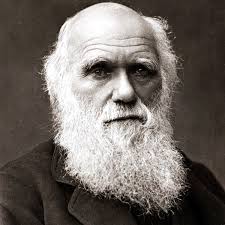
    “CHARLES DARWIN” Biography

    “Charles Darwin” was a naturalist and geologist he was born in The Mount Shrewsbury, Shropshire, England on 12 February, 1809. His father’s name was Robert Darwin and mother’s name was Susannah Darwin. His father was a Doctor and financier by profession, and Mother was a Physician. He was the fifth of six children.

    He attained his basic education from September, 1818 at Anglican Shrewsbury school, before attending the University of Edinburgh Medical school. He first presented his discovery on March 27,1827, at the Plinian where he argued that the black spores found in oyster shells where in actuality the eggs of a skate leech. His lack of interest in medical studies led his father to enrolled him at the Christ’s College to attain BA degree. He despised mainstream education and showed a profound interest in botany. He graduated with distinction in 1831. In 1831, Darwin set sail on the HMS Beagle, a naval survey ship. Darwin was there to collect plant and animal specimens from the countries and island the ship visited. The voyage took five years. For Charles Darwin the most important part of the journey was the time spent in the Galapagos Islands these islands are the home to plants and animals that cannot be found anywhere else in the world Darwin noticed that each of the different Island was home to different type of tortoise Darwin was married to his first cousin, Emma Wedgewood in the year 1839, at the age of 29 the couple had ten children when the Beagle returned to England, and Darwin began to study the specimens, he had collected in more detail he realised that the differences in finches of the Galapagos Islands followed a similar pattern to those he had observed in the tortoise the finches from all of the islands where similar, but bad from different islands had different beaks Darwin started to study other animals and plants, and he began to Piece together his theory of natural selection which explains how population evolved Darwin did not publish his findings straight away because he knew that they would be extremely controversial and upset many people on the origin of species finally came out in 1859 it was a massive talking point because it challenged the truth of the creation story found in the Bible today Darwin theory of natural selection has been accepted scientific fact and new Fossil discoveries are constantly adding to our knowledge of the different stages of evolution Darwin’s appears on UK€10 notes, and a statue of him has been placed in the main hall of London’s Natural History Museum. In 1858, after two decades of scientific investigation, he introduced his Revolutionary theory of evolution more than 120 species have been named after Darwin he died on April 19 1882 ine down House Downe, Kent England due to angina attacks and heart failure.