Republic Day

India celebrates Republic Day on January 26 annually with a lot of pride and fervor. It is a day that is important to every Indian citizen. It marks the day when India became truly independent and embraced democracy. In other words, it celebrates the day on which our constitution came into effect. On 26 January 1950, almost 3 years post-independence, we became a sovereign, secular, socialist, democratic republic.

History of Republic Day

While we got independence from British rule on August 15, 1947, our country was still lacking a concrete constitution. Moreover, India also did not have any experts and political powers which would help in the functioning of the state affairs smoothly.  Up until then, the 1935 Government of India Act was basically modified in order to govern, however, that act was more bent towards the colonial rule. Therefore, there was a dire need to form an exclusive constitution that would reflect all that India stands for.

Thus, Dr. B.R. Ambedkar led a constitutional drafting committee on August 28, 1947.  After drafting, it was presented to the Constituent Assembly by the same committee on November 4, 1947. This whole procedure was very elaborate and took up to 166 days to complete. Moreover, the committee organized sessions were kept open to the public.

No matter the challenges and hardships, our constitutional committee left no stone unturned to include rights for all. It aimed to create the perfect balance so all citizens of the country could enjoy equal rights pertaining to their religions, culture, caste, sex, creed and more. At last, they presented the official Indian constitution to the country on January 26, 1950.

Moreover, the first session of the India Parliament was also conducted on this day. In addition to that, 26th January also witnessed the swearing-in of India’s first president, Dr. Rajendra Prasad. Thus, this day is very important as it marks the end of the British rule and birth of India as a Republic State.
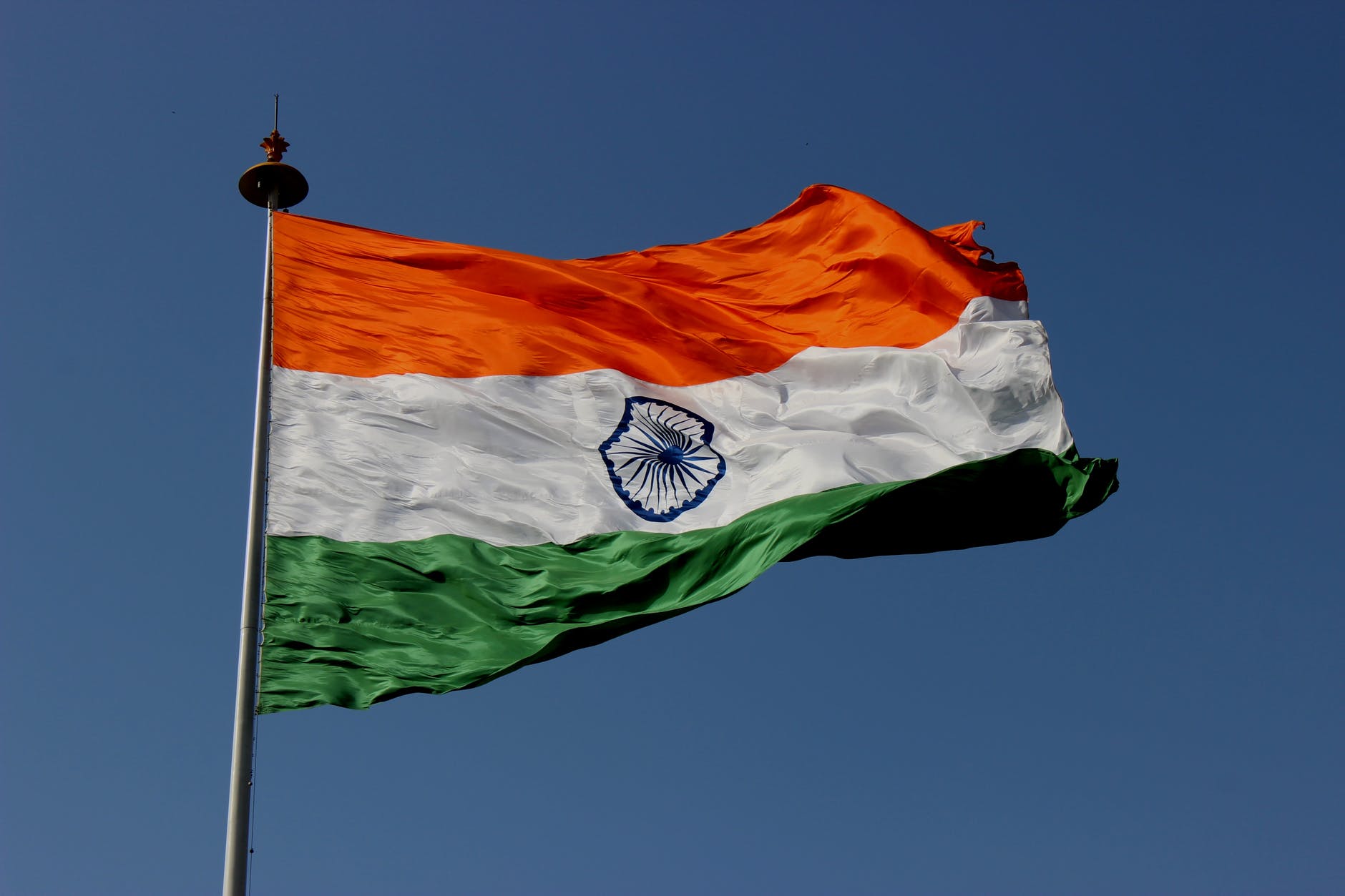
Photo by Alok Uniyal on Pexels.com

Republic Day CelebrationsIndians celebrate January 26 each year with lots of enthusiasm and zeal. On this day, people forget their religion, caste, creed, sex, and more. It brings together the country as a whole. It truly shows the diversity of our country. The capital city of India, New Delhi, celebrates it with a Republic Day Parade that showcases the might of the Indian Military and the cultural diversity of our country.These parades take place in other cities as well, where a lot of schools participate in.

It is a delight to watch the children and professionals put in so much effort. The way they grace the parade makes one proud of their country. We also do National Flag Hoisting on this day. In New Delhi, after the President of India hoists our National Flag, 21 guns salute follow it with the national anthem played by the military band.Further, in schools, March Past takes place and it is mandatory for every student to attend the celebrations. In many schools, they distribute sweets on this day as well.

While it is a very joyous day, we must not forget the struggle of freedom that our forefathers took part in. Moreover, it is a day to celebrate the spirit of freedom and make sure to help India reach greater heights in the future.


Importance of English

We all people in the world speak many languages as like Hindi, Marathi, English, British Gujarati but English is one of the most important and beautiful language in the world. It is spoken in every part of the world. It is the mother tongue of about thirty cores people and an equal number of people us English as their second languages. It has the largest vocabulary and it continues to grow up with the progress in subjects like computer, science, technology, advertising, politics, economies, etc.

Many more words are flawing into English language. Knowledge of English is essential in every walk of lief because it is widely used in almost every field like commerce, politics, film industry, tourism, etc. important books on literature, science and technology are mostly available in English.

In your future English language is very important for every people because the important of the English. This language is a state level language. English is very useful language because many important exams, business are in the English language.

English is a very rich and useful language. We must learn to read, speak and write English very well. I like English languages very very much, because this given many important benefits. English is very beautiful and very easily language to learn to all people in the world Today’s generation is a English generation. So I request to all people that they all learn English.

Overpopulation in India- Causes and effects

A country is said to be over populated when the inhabitants of the country exceeds the rate of availability and production of resources. With a present population of approximately 139 crores , India stands at being the second most populous country in the world after China. The large population of the country exceeds the resources it produces, which in turn doesn’t satisfy the needs of all the people living here. Thus, India can be called an overpopulated nation and over population is a big problem here because of the same said reason.

Being a developing country, India needs a less population to resource ratio so that it can satisfy the needs of all the people here. Increasing the production of resources may be impossible at times as one can increase the food production and other things upto a limit only else the balance will be disrupted., This leaves the only option of controlling the population of the sub-continent. This blog will highlight some of the major causes of the over population and the effects which it has on the people.

Causes of overpopulation

  • CHILD MARRIAGE– The age where a person is supposed to be nurtured and grow, he/she is tied in a responsibility of which they have no concrete idea of. There is a reason why the legal age of marriage is said to be at 18 because it gives ample time to a “child” to grow and prepare themselves for many responsibilities. The orthodox beliefs in India have often led to children being married at as low as 10 years of age. When a child themselves becomes a parent. this is more likely to raise the number of population in the country. Not to mention the negative affects of child marriage which often leads to the death of weak mother or the child.
  • ILLITERACY AND TABOOS IN THE COUNTRY– India has an illiteracy rate of almost 31%. The lack of knowledge about some major issues like the need of birth control and how to do so, have also led to the rising number of population. Also, since to talk about “sex” openly in India is a taboo, sex education lacks in the people here. They would rather prefer to do it inside the close doors and add to the rising miseries which overpopulation brings than to talk about it and control it.
  • RELIGIOUS AND ORTHODOX BELIEFS IN THE COUNTRY- People here consider children to be God’s gift like it happens everywhere else, but they refuse to control the number of children they are producing as they feel that it is God’s wish and who are we humans to go against it”. Also, the Indian belief of having a male who will take their family name forward leads couples to birth many children till they do not get a boy.
  • ILLEGAL MIGRATION– Migration of people from Nepal and Bangladesh has also led to the increase in number of population where the condition is such that there is no sufficient food to feed even the natives.
  • POVERTY- There involves a paradoxical relation ship between poverty and over population. Poverty is one of the outcomes of over population as the number of feeding mouths keeps on increasing for a person with less amount of money. Whereas some people believe that if they produce more children they will have more earning members which in turn will relieve them of poverty.(This is also one of the reason of over a million child labors in the country). However, they forget to keep in mind the fact that , more the number of people more will be the responsibility to feed the members until they grow old enough to earn . Even after the children grow old enough to earn, they are not able to fetch a good amount of money because they have malnutrition.
  • THE WIDENING GAP BETWEEN BIRTH AND DEATH RATES.– Due to improved medical facilities, the life of an average individual has increased lowering the death rates while the birth rates goes on increasing every moment. By decrease in the death rate it doesn’t mean that people must die to control the population, IT IS JUST A STATED FACT.

POVERTY, MALNUTRITION IN CHILDREN, UNEMPLOYMENT due to rising number of people and less opportunities ,global warming, environmental pollution, habitat loss, the sixth mass extinction, intensive farming practices and the consumption of finite natural resources, such as fresh water, arable land and fossil fuels are the consequences of overpopulation which gives a signal that if the population is not controlled then it can become a curse on us.

ENRICHMENT AND REFINEMENT THROUGH LITERATURE

“That is part of the beauty of all literature. You discover that your longings are universal longings, that you’re not lonely and isolated from anyone. You belong.”
― F. Scott Fitzgerald

In today’s world of cut-throat competition and skills-based learning, parents, particularly in India, encourage their children to pursue higher education in the sciences, especially in engineering and medicine as the number of job opportunities in these fields are far more than in any other field. Consequently, there is a predominant idea among large sections of the society in India that those who pursue subjects related to Humanities and Social Sciences are less intelligent and that these subjects are only of academic importance, having no real value in the practical world as they offer limited employment opportunities.

However, such people are mostly ignorant or not highly educated as they tend to make injudicious comparisons between fields of studies, most of them do not realize that the Arts and the Sciences are interconnected. As there have been scientific movements in the course of history, whereby earlier pseudo-scientific notions were replaced with modern inventions and discoveries, so there also have been artistic and literary movements that have displaced the age-old concepts in a similar manner, transposing them with newer approaches. Accordingly, even the study of literature has become more practical in approach and has adopted the experiential method of learning. Few people are aware of the fact that the inspiration behind Einstein’s theory of Relativity was the writings of the sixteenth century philosopher and visionary, Giordano Bruno.

The study of literature has actually had a humanizing effect on people. It has opened the eyes of people to the problems of the world and has enabled them to empathize with the victims of an unequal social order. Knowledge of these has induced many industrialists and business people to involve themselves in philanthropic activities. Also, literature has provided us insights into the cultures and practices of different countries across time Through the study of literature, we have come to know about the social orders of ancient Greece, India and Mesopotamia as well as of Medieval Europe and Early Modern America and Europe.

A Literature also provides us with a welcome respite from the hectic day-to-day lives because it is also a source of entertainment in the form of theatrical productions and films. Good films and plays provide families the opportunity to be together, even if for a short while. This is important in maintaining the familial bond because every individual is always busy in chasing his or her dreams.

Lastly, one cannot help but admit that good stories are always welcomed and they are an integral part of human existence, and all good stories are nothing but literature. Thus, we cannot deny the fact that literature helps in enhancing the whole personality of a reason. It has the power to lead the whole society towards the right path.

How to break a Stubborn Bad Habit?

Habits are very important part of our life since they have been the daily activities of our life for years. So, their effects build over time for better or for worse. They tend to impact our health and well-being. So this is the time to stop bad habits if you have any.

Although breaking a habit is not always easy, Here are a few things which worked out for me and many others.

 AWARENESS IS IMPORTANT

Accept that you have a habit that is not working with you. There is no need to be harsh without yourself, simply acknowledge it and give yourself permission to start working to break it.

MAKE A PLAN

First of all, habits won’t leave us in a single a day, it takes time and effort and eventually you will see the results. So make a plan on ‘how to get rid of it’. Focus on the short-term and then extend it to long-term.

KEEP YOURSELF BUSY

The old habits can be on our minds when we are idle. If you keep yourself busy, it can make the process super easy, because you have a lot to get done and a lot to think about. So, distract yourself with pleasant and fun tasks.

DON’T GIVE UP

Sometimes, we may give-in to our habits without our conscious, it is human nature , so don’t beat yourself up if you have a setback. Acknowledge the mistake you made and go back to your plan and keep pushing yourself to do better and avoid committing the mistake in future.

GIVE IT TIME

There will always be a certain dis-comfort when we are trying to change our old-ways since they have engrained in our minds for a long time but this will pass quickly. Remind yourself that the situations will improve soon enough and you will become the best version of yourself.

Nutritious Mango:

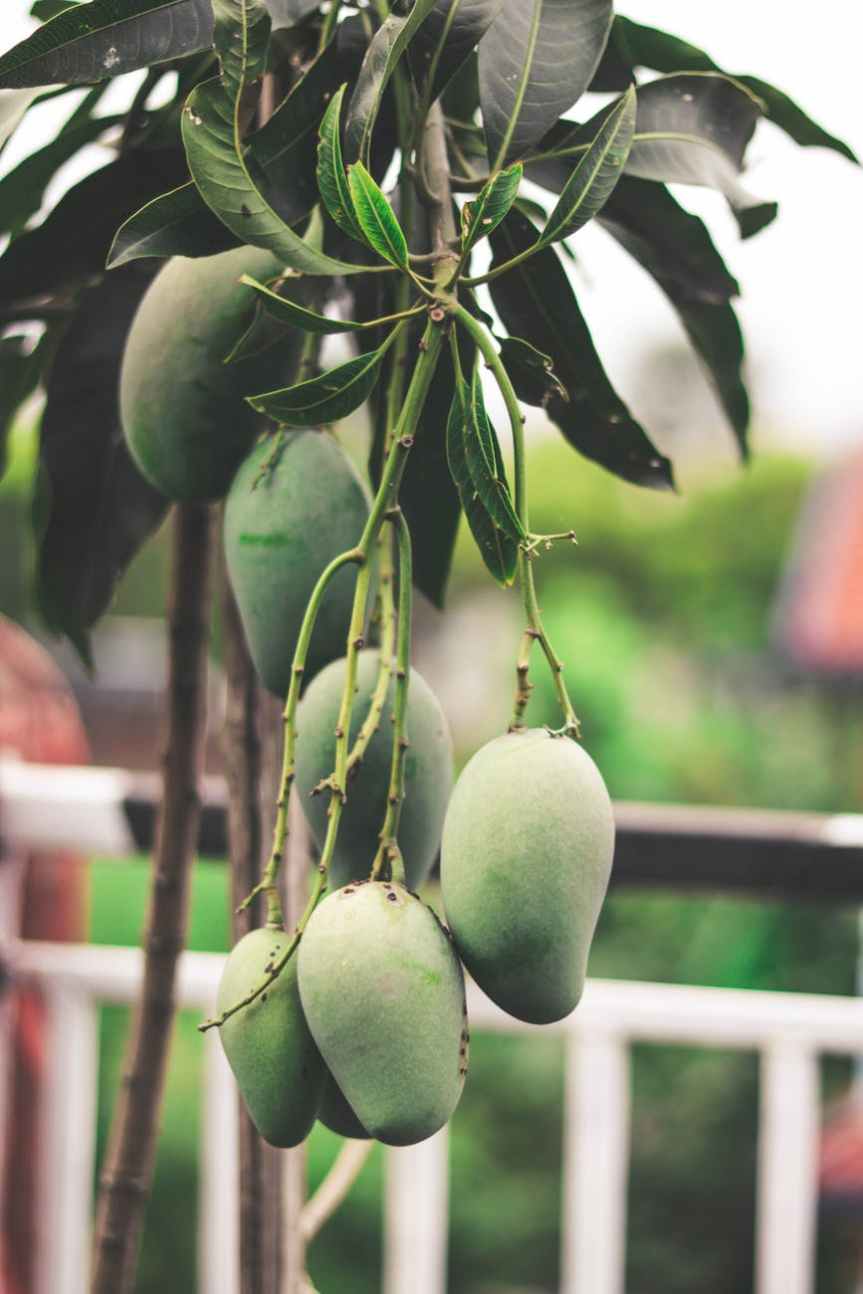
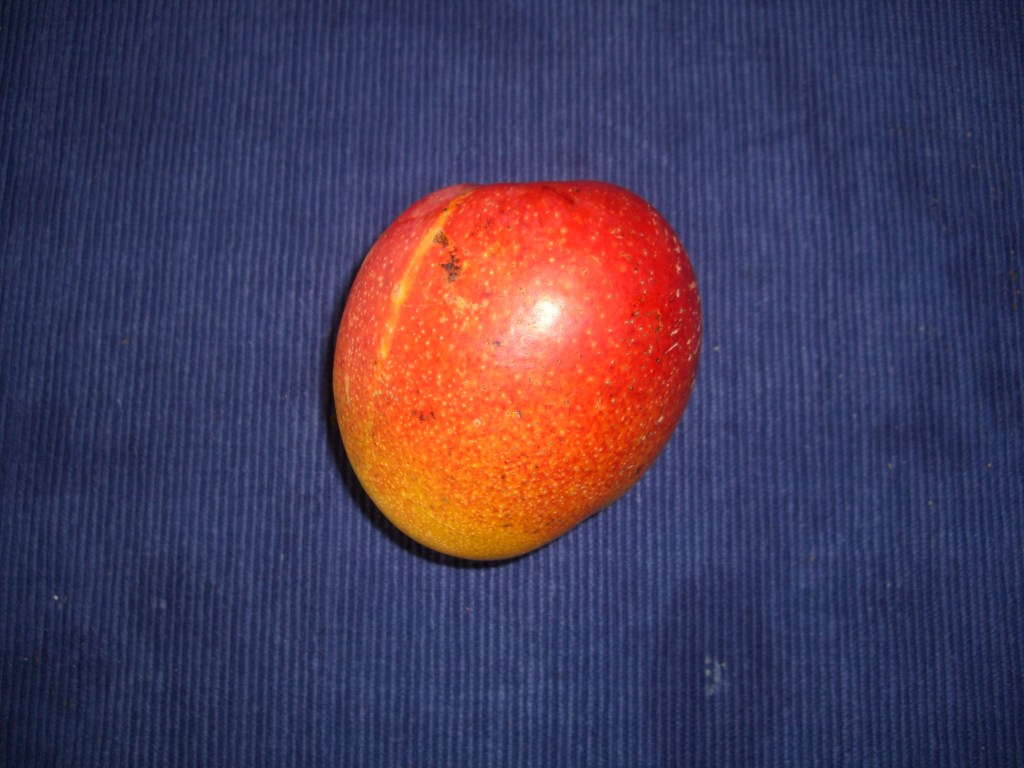
Mango is the king of all fruits. It is widely famous fruit in world. It is a very mouth watering ,flavorful and nutritious fruit. Mangifera indica is the scientific species name of mango. Its origin was initially southern east Asia, but now mango is available in every corner of world.

Some famous variety of mango:

In India:

i.             Alphonso Hapoos mangoes from Maharashtra.

Alphonso Hapoos mangoes

ii.            Kesar mangoes from Gujarat.

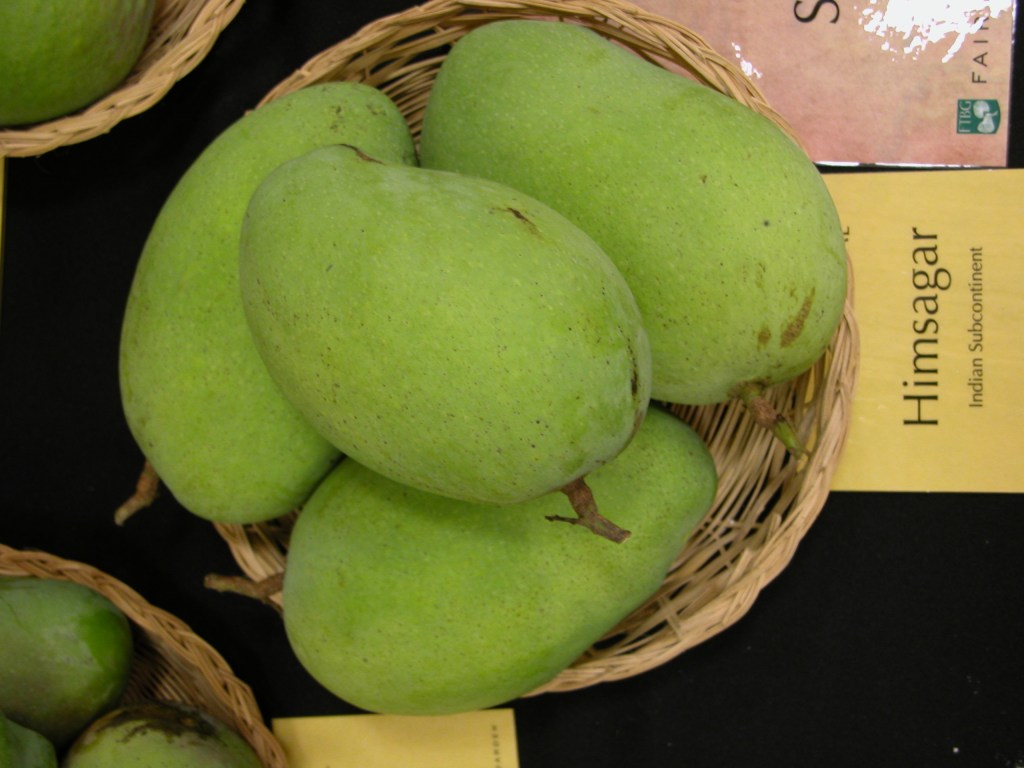
iii.           Himsagar from West Bengal.

Himsagar Mangoes

iv.           Badami mangoes from Karnataka.

v.            Bombay green mangoes from Punjab.

vi.           Bangnapalli from Andhra Pradesh.

Bangnapalli Mangoes

In the Whole World:

i.             Alphonso from Maharashtra, India.

ii.            Carabao or Manila mangoes from Philippines.

Carabao or Manila mangoes

iii.           Diamond Solitaire mango from Myanmar.

iv.           Hayden from USA.

Hayden or Haden Mango

v.            Julie from cab bean.

‘Julie’ mango

vi.           Kensington Pride from Australia.

they are not the only variety in the world. There are many more.

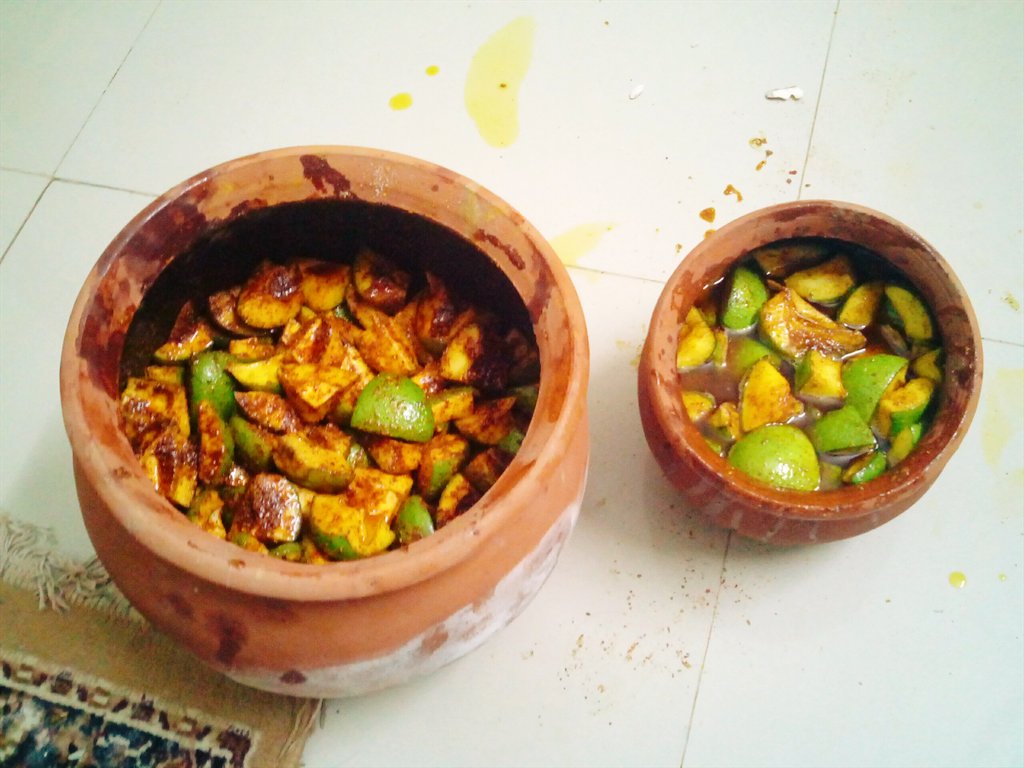
How to eat Mango: Mango can be eaten raw and ripe. Raw mango is originally sour and crunchy but some types of raw mango  can be sweet. Ripe mango can be sweet sour, creamy and soft. Ripe Mango juice is very good for our health apart from juice, various dishes like chutney, desert, sweets and other dishes can be made from raw and ripe mango.

Raw mango & Chutney
Mango Pickle

Nutrition value: Mango is one of the nutritious fruits. Let’s see the nutritional value of mango

a)            100-gram mango contains –

i.             13.7 gm of Sugars.

ii.            1.6 G of dietary fibre.

iii.           0.82 gram of protein.

iv.           0.38 gram of Fat.

v.            mango contains various vitamins –

a.    54 micrograms of Vitamin A.

b.    640 microgram of Beta carotene.

c.    0.02 mg of Vitamin B10 thiamine.

d.    0.03 mg of Vitamin B2 or riboflavin.

e.    0.67 mg of vitamin B3 or niacin.

f.     0.2 mg of vitamin B5 or pantothenic acid.

g.    0.12 mg of Vitamin B6.

h.    43 microgram of Vitamin B9 or folate.

i.     4.2 microgram of vitamin K.

j.     7.6 mg of choline.

k.    0.9 mg of Vitamin E.

l.     36 mg of Vitamin C

vi.           various minerals are also present –

a.    11 mg of calcium (Ca).

b.    0.1 mg of copper (Cu).

c.    1 mg of sodium (Na).

d.    14 mg of phosphorus (P).

e.    10 mg of magnesium (Mg).

f.     168 mg of potassium(K).

g.    0.06 mg of manganese (Mn).

h.    0.09 mg of zinc (Zn).

vii.          Mango contains lot of water. Almost 83.5 gm water is available from 100 gm mango.

viii.         We can get almost 250 kilojoule or 60 kcal energy from 100-gram Mango.

ix.           Mango contains high number of polyphenols which is an antioxidant.

x.            Amylases and some digestive enzymes.

Mango Juice

Health benefit:

i.  Mango contains various types of antioxidants or polyphenol specially mangiferin (which is also called super antioxidant). These antioxidants prevent the free radical from damaging our body cell which fight against aging and chronical disease

ii. By a research of 2014 in Japan mango can reduce the risk chance of colon cancer as mango contain lot of amount beta carotenoid, beta carotene also prevents skin cancer.

iii. Magnesium (Mg) and potassium (K) are important minerals for blood vessels pulse and blood pressure level and these two minerals present in mango. Mangiferin is also supervise the heart health. Mango helps to decrease the high blood pressure level.

iv. According to research study in 2014 and the mouse study in 2019 frozen dried mango helps to reduce blood sugar level for obesity and diabetic patients.

v. Vitamin A is important for body tissue growth in Skin, hair and in other part of our body. Vitamin C provide to develop collagen, which is important for hair and skin. Vitamin A and Vitamin C are present in mango in huge amount.

vi. Mango contains amylases and some other digestive enzymes which improves the digestive system of our body by breaking down the large molecules.

vii. Vitamin A which is exist mango fends off the infection risk. Vitamin K, some of Vitamin B also helps to boost immunity.

viii. Mango have lutein and zeaxanthin antioxidants, which is important for our retina and macula. So, mango is very good for our vision health and eyes.

Ashtanga Yoga

The word “Ashtanga” in Sanskrit is made up of 2 words, “Asht” which means “8” and “Anga” which means “limbs”, thus translating to “8-limbs”, which is a central theory of Yoga Philosophy. Yoga Philosophy has its roots about 5000 years BC as described in Vedic Philosophy and Tantras. Patanjali, a great sage composed this path into a Darshan (Philosophy) in his Book Patanjali Yoga Sutra. In this Sutra, he has also formulated Yoga as an Eight Limbs or Eight-Fold path.

According to Patanjali, the path of internal purification for revealing the Universal Self consists of the following eight spiritual practices:

1. Yama [moral codes]

2. Niyama [self-purification and study]

3. Asana [posture]

4. Pranayama [breath control]

5. Pratyahara [sense control]

6. Dharana [concentration]

7. Dhyana [meditation]

8. Samadhi [absorption into the Universal]

The first two stages are ethical preparations. A Don’ts and Do’s guide. 

1. Yama (restraint) denotes abstinence from causing injury (violence), falsehood, stealing, and lust. 

2. Niyama (discipline) on the other hand denotes moral culture and cultivation of good habits such as the cleanliness of body, contentment, the study of the Vedas, and devotion to God.

The next 2 stages, i.e., Asana and Pranayama are considered to be stages of physical preparations.

3. Asana is the adoption of steady and comfortable postures that are intended to condition the person’s body and make it supple, flexible, and healthy. Asana is accepted to be mastered only if the person is able to hold one of the prescribed postures for a long period of time without involuntary movement or physical distractions.

4. Pranayama or breath-control is regulated inhalation, exhalation, and retention of breath. It aids in stabilizing the rhythm of breathing that encourages complete respiratory relaxation.

5. The fifth stage, Pratyahara (withdrawal of the senses) involves control, or the ability to withdraw the attention of the senses from outward objects.

Although the first five stages are said to be external aids to Yoga, the remaining three are considered as purely mental or internal aids.

6. Dharana (holding on) refers to the ability to fixing one’s mind to one particular object for a long period of time. For e.g., the tip of the nose or the moon.

7. The seventh stage, Dhyana, which is similar to Dharana in some sense, refers to meditation that is a steady contemplation of an object without any break.

8. The last stage, Samadhi (total self-collectedness) or concentration is that stage in which the contemplative consciousness if lost in the contemplated object and one has no awareness of itself. Thus, the meditator perceives or experiences the object of his meditation and himself as one. This is also the stage where the individual gets released from samsara and attains moksha. 

Although the eight limbs do not rank any order of performance, all 8 limbs are integral and mutually inclusive of one another and are required to be followed strictly in order to gain liberation from suffering and self. 

If you simplify these 8 limbs paths to one that can be easily integrated in your life, your life will become better, healthier and happier. 

Basics of Cyber-Security

Recently I’ve been getting barged with calls from unknown numbers often ending as a nuisance from the other side. Result? Blocked. 

I wasn’t very aware of all this cyber security stuff because no one ever explained it to me properly. The small tid-bits that I got was often from here and there from the internet itself. And let’s be honest. Even though this whole self-learning thing is the ‘new-trend’ not many of us have the time in hand or patience to sit down and browse through these millions of articles. If you’d ask my opinion about it, I definitely think it’s high-time that cyber-security as a course is introduced in junior grades and everyone is aware of the basic cyber-security laws and procedures. 

Without wasting anymore time, let’s begin this article by asking the “Why?”

Why is it important to know about cyber-security? 

Social media, telegram group chats or any other websites that have your personal information stored is susceptible to threats and leakage of your data. When your personal data is leaked it may cause further problems as a possible danger to your bank accounts, personal life information and any such things that can be maliciously used by some people. It may sound “fine”, but it is indeed a big deal. Doxxing which refers to publishing someone’s private information on the internet typically with malicious intent may cause problems such as incessant callings from unknown numbers, or someone actually knowing details such as your exact location and using it to fulfill any of their evil goals. Therefore, it’s important that you stay safe and share your personal details with caution. 

How Can We Stay Safe? 

  1. Enter your personal details such as Name, age, location, etc only on trusted platforms. Avoid giving out too much information about yourself on Social Media and do not publish your phone number on any site unless it’s an absolute must and the site is safe. Keep your phone number and person details hidden from unknown people if possible. 
  2. To recognize safe sites, look for a 🔒and  https in the URL of the website. A site with ⚠ and just http in it’s URL is usually a site that’s prone to cyber attacks and thus unsafe. 
  3. If you ever need to sign-up on any website for insignificant reasons then do so with a spare email ID that doesn’t reveal much of your credentials and is not associated with any of your bank details or personal secured email IDs.
  4. Do not click on any unknown link sent to you by any unknown number or SMS. It can possibly lead to hacking of your personal details and accounts. 
  5. Do not reply back to unknown numbers that call you incessantly and for no genuine reason. Best way is to report and block them. 
  6. If you ever find yourself a victim of any of the cyber-bullying or such blank or malicious calls, do not hesitate to report them to the cyber security of India. 
  7. To report any such events or seek any further assistance you can contact either an organization called Law Sikho that works pro-bono or report directly to the Cyber Crime Security of India Website. 
  8. Lastly, always be cautious to never share any of your personal details to anyone on the internet unless you trust them 100% and know them personally. 

That’s it for the tips. I hope you’d keep them in mind and browse safely and securely on the internet! 

WHY DO PEOPLE LOVE TRAVELING.

Everyone wants to travel and explore the world. Traveling is like a dream for so many peoples. How important it is to travel. So what’s all this fuss about? Why do people love travelling?

Photo by Chanaka Madushan Sugathadasa on Pexels.com

People love to travel because they love to explore themselves and want to know the world. They wants to know the facts about the places, become creative, love to communicate with the people of different countries, different religions and languages. Travelling is also a very important part of our life, it taught us so many things like how can we handle the problems and how to fight them alone. We become more practicle, more adaptive to the change and more connected to the others.

More importantly, why should we travel more :- Traveling change you physically and psychologically. Make your mind fresh. You feel connected to the world. Everyone wants change in the life, getting bored with the same taste, place or routine. Traveling is also one of the thing to give you some change in your life. Sometimes it is best to take a step back, take a deep breath and get some tower bridge selfie. It gives you some good vibes, you get out of all the distraction, tension and depression, and more of that you feel so much better and energetic.

Traveling makes you smarter:- By traveling to the different countries, places you become more interactive to the peoples of different culture, relegion and language. Learn something new and used to picking up new words from the different languages. It makes you more intelligent, sharp and smart. It helps you to interact and communicate with others and become more familiar. While travelling you will observe the the environment and also the change in yourself. It builds up your confidence which helps you to face chalanges without fear and hesitation.

How to become a traveller:- Become a traveller is not an easy job. If you want to become a traveller first you need money, time and lots of research on your favourite places where you want to travel. You can also get paid for it if you are professional traveller. There are so many companies of different countries who hires travellers to present their places through bloging and advertising and they get paid for it. But if you want to become a professional traveller you must have a good knowledge of the language and countries, and good in english. Share your experiences on social media sites.

Photo by Catarina Sousa on Pexels.com

Benefits of travelling :- While travelling you can blog and show the beautiful place on your social media sites. Become a travelling model. And you get paid for promoting the place by become the model of tourist companies. Traveling makes you comfortable while talking with strangers, it makes you better at it too. Traveling makes you more confident at your own skills, independent, focused and concentrated.

Photo by Bhupendra Singh on Pexels.com

Travelling is not a bad idea for refreshing your self, if you have sufficient resources, time, money and great research and knowledge about the places. Trying something new is not bad and traveling is a good option. you can make some new memories, learn new things, change your taste, trying some different kind of food, elaborate your skills and having fun with friends and families. Travelling is a good option for a career.

Kargil Diwas 2021(Kargil war)

Why is Kargil Diwas celebrated? What exactly happened in Kargil? Let us get acquainted with Kargil War and honor our guardians as India celebrates 23 Years of victory in the Kargil war on 26 July 2021.

The Kargil War, also known as the Kargil conflict, was an armed conflict fought between India and Pakistan from 3 May 1999 – 26 Jul 1999 in the Kargil district of Kashmir and elsewhere along the Line of Control.

Kargil:

Kargil is a City in Kargil district and the joint capital of the union territory of Ladakh. It impinges on the line of control between the portions of the Kashmir region administered by India and Pakistan.  After Pakistan’s defeat in the Indo-Pakistani War of 1971, the two nations signed the Shimla Agreement promising not to engage in armed conflict with respect to that boundary.

How did the war start?

The Pakistani troops who were disguised as Kashmiri militants infiltrated into the Indian side of the LoC and strategically unoccupied areas locations in Drass, Kargil. Pakistan tried to create conflicts between Kashmir and Ladakh by calling the intruders “Kashmir Freedom Fighters” and tried to involve third parties to internationalize this issue. Probably their main aim was to bring Kashmiris on their side by creating upheaval through wars( Constant wars bring uncertainty to citizen’s safety and creates political imbalance). But, later they awarded Pakistani soldiers, removing the doubts regarding their involvement.

The positions of the enemy made the commutation hard through NH-1A, the national highway from Srinagar to Leh. The Pakistani government denied their involvement and blamed everything on Kashmiri militants. But, the retaliation and proofs like letters gathered by Ladhaki Scouts when they went to check on enemies proved that they were indeed from the Pakistani army.

The Indian Navy also prepared to blockade the Pakistani ports, especially the Karachi port, began aggressive patrols to  cut off supply routes under Operation Talwar

India retaliated, forcing remaining Pakistani fighters to retreat from the Indian zone. There were huge causalities. The official death toll on the Indian side was 527, while that on the Pakistani side was between 357 and 453.

Indian Army, Air force and Navy carried out Operation Vijay, Safed Sagar and Talwar respectively to provide India an all-round support.

Pakistan had named its move to take over the control of Indian posts along the LoC as Operation Badr, India called its çounter-offensive Operation Vijay.

Even now, the risk of infiltration and rise in insurgency in Kashmir due to chaos poses a threat. Using a third intervention to negotiate isn’t going to work and just increases misunderstanding. After 2 decades, tensions among LoC never settles down. Cease-fire resolutions have been adopted but they are violated every now and then; costing many lives in Kashmir.

This Kargil Diwas, let more resolutions and active, significant actions be taken to out an to this terrifying regional dispute.

“Vijay Diwas” (Victory Day) is celebrated on 26th July every year to cherish this victory and to honor our soldiers who put their lives on line constantly.

Latest news regarding Kargil Day:

Army Organizes Motorcycle Rally To Mark 22 Years Of Kargil War Victory

https://www.ndtv.com/india-news/army-organises-motorcycle-rally-to-mark-22-years-of-kargil-war-victory-2492408

What is Intruders ?

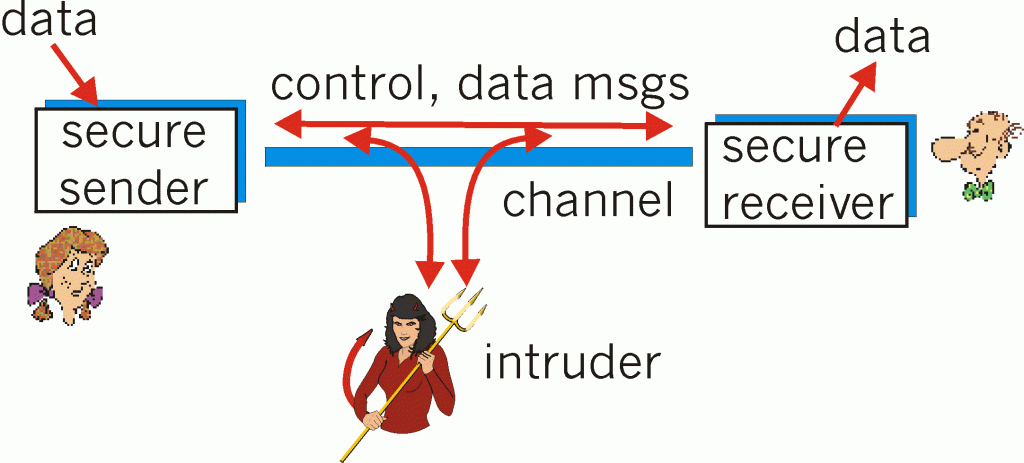
One of the two most publicized threats to security is the intruder (the other is viruses), often referred to as a hacker or cracker. Significant issue for networked systems is unwanted access either via network or local.

Classification of Intruders

  1. Masquerader : An individual who is not authorized to use the computer and who penetrates a system’s access controls to exploit a legitimate user’s account. The masquerader is likely to be an outsider.
  2. Misfeasor : A legitimate user who accesses data, programs, or resources for which such access is not authorized, or who is authorized for such access but misuses his or her privileges :the misfeasor generally is an insider.
  3. Clandestine user : An individual who seizes supervisory control of the system and uses this control to evade auditing and access controls or to suppress audit collection. User can be either an outsider or an insider.

Intruders : Intrusion Techniques

The objective of the intruder is to gain access to a system or to increase the range of privileges accessible on a system. Most initial attacks use system or software vulnerabilities that allow a user to execute code that opens a back door into the system. Typically, a system must maintain a file that associates a password with each authorized user. If such a file is stored with no protection, then it is an easy matter to gain access to it and learn passwords. The password file can be protected in one of two ways:

  1. One-way function : The system stores only the value of a function based on the user’s password. When the user presents a password, the system transforms that password and compares it with the stored value.
  2. Access control : Access to the password file is limited to one or a very few accounts.

On the basis of a survey of the literature and interviews with a number of password crackers, [ALVA90] reports the following techniques for learning passwords:

  1. Try default passwords used with standard accounts that are shipped with the system. Many administrators do not bother to change these defaults.
  2. Exhaustively try all short passwords (those of one to three characters).
  3. Try words in the system’s online dictionary or a list of likely passwords. Examples of the latter are readily available on hacker bulletin boards.
  4. Collect information about users, such as their full names, the names of their spouse and children, pictures in their office, and books in their office that are related to hobbies.
  5. Try users’ phone numbers, Social Security numbers, and room numbers.
  6. Try all legitimate license plate numbers for this state.
  7. Use a Trojan horse to bypass restrictions on access.

Intrusion Detection

Inevitably will have security failures, So need also to detect intrusions so can
 Block if detected quickly
 Act as deterrent
 Collect info to improve security
Assume intruder will behave differently to a legitimate user, But will have imperfect distinction between.

Citizenship

Meaning of citizenship– Citizen are the member of the political community to which they belong. They are the people who compose the State.

Constitutional Rights and Privileges of the Citizens of India-

Citizens of India have the following rights under the Constitution: (a) Fundamental Rights mentioned under Article-15,16,19

b) Only citizens are eligible for certain offices such as those of the President, Vice-President, Judge of the Supreme Court, or a High Court, Attorney General, Governor of a State, Advocate General.

(c) The right of suffrage for election to the House of the People and the Legislative Assembly of every State and the right to become a member of Parliament and of the Legislature of a State.                                               

Person who became Citizens on 26th January, 1950:

Under Article 5-8 of the Constitution, the following persons became citizens of India at the commencement of the Constitution –

(1) who was born as well as domiciled in the “territory of India”- irrespective of the nationality of his parents A- 5(a).

(2) who are domiciled in the “territory of India”, either of whose parents was born in the territory of India- irrespective of the nationality of his parents or the place of birth of such person A- 5(b).

(3) who or whose father/mother was not born in India, but-

(a) had his domicile, in the territory of India

(b) had been ordinarily residing within the territory of India not less than 5 years soon after preceding the commencement of the Constitution.

(4) A person who had migrated from Pakistan, provided-

(a) He or either of his parents/grandparents was born in India as defined in the Government of India Act, 1935

(b) (i) if he migrated before 19 July, 1948

(ii) if he had migrated on or after 19th 1948, he further had made an application before the commencement of this Constitution for registering himself as a citizen of India by an officer appointed by the Government of India.

(5) Person who had migrated from India to Pakistan after 1 March 1947, but had subsequently returned to India under a permit issued under the authority of the Government of India.

(6) A person who, or any of whose parents/grandparents were born in India as defined in the Government of India Act, 1935 but who is ordin

Acquisition of Citizenship after 26th January 1950

The various modes of acquisition of Citizenship prescribed by the Citizenship Act, 1955 are as follows-

(a) Citizenship by birth

(b) Citizenship by descent

(c) Citizenship by registration

(d) Citizenship by naturalization

(e) Citizenship by incorporation of territory

(f) In 1985 a special provision was also added as to citizenship of persons of Indian origin covered by the Assam Accord. Under section 6A (2) two conditions are required to be satisfied –

(1) persons who are of Indian Origin came before 1 January 1966 to Assam from the specified territory

(2) have been ‘ordinarily resident ‘ in Assam as it existed in 1985 since the date of entry in Assam.

Citizenship Amendment Act, 2019- The migrants of Hindu, Sikh, Buddhist, Jain, Parsi, or Christian communities from Afghanistan, Pakistan, or Bangladesh who had entered India without valid travel documents or if the validity of their documents have been expired were regarded as illegal migrants and were ineligible to apply for Indian citizenship under section 5 and 6 of the Citizenship Act, 1955.

Changes in the structure of world economy

The Global economy is undergoing a long-term, structural transformation. In the past few decades, the key sectors responsible for the global output shift are the fall of agriculture, the decline of the manufacturing industry, and the rise in services. Next the capital expenditures are reducing.

Alessandro Magnoli Bocchi an Italian economist clearly stated in one of his books that by relying on the internet cheap interfaces with a large number of customers in other words, by inexpensively putting underutilized resources to use, it creates value with little capital cost. As a result, global net investment is close to its lowest level since the Second World War.

Moreover countries are making their economic structure more protective and are making their countries more self-sustained by encouraging industries in their countries to establish in their own country, therefore decreasing the import supply of goods and increasing their export supply to other countries to improve their economy. Currently, the United States is trying to do so. Decreasing their import supply of goods and increasing their export trade. US are going a step ahead by asking industries not to provide jobs to other nationalities.

Most of the countries are protecting their economies by encouraging their countries to establish industries in their own country. For example, Donald J. Trump went against General Motors for sending Mexican made model of Chevy Cruze to U.S car dealers-tax free across border. He says that General Motors must make in U.S.A or pay big border tax! Narendra Modi has encouraged industries to make products in India.

The Internet boom and its effects on our environment

On the fifteenth of August 1995, the internet was made available to the public in our country. Today we have billions of active users. The Internet has now become a mere necessity rather than the comfort of luxury. Back then in 1995, internet speeds were just in a couple of kilobytes, but today we are blazing past the net at speeds almost at gigabytes. The cost of the internet has also drastically changed for a speed of 9Kb/s for 250 hours it was charged at almost 2500 rupees!! Now we can suffice all our internet needs at amazing speeds for almost months at the same price. The irony is since then prices of land, water, fuels, precious stones have skyrocketed; but that of communication and the internet have decreased exponentially.

In the year 2015 India had over 300 million users, thanks to the severe competition between network providers and the ever-competitive network battle. Now India has over 9 billion users, not only the network rage has caused this; the pandemic also is a major reason for this. Everyone was forced into their house with no other option but to adapt to this new technology. According to Nasscom since the pandemic hit our nation the network traffic has increased by almost ten manifolds. Companies had to install several servers and network infrastructure to support this erratic change in the consumer market. Although the prices have reduced, connectivity is now at home, comfort at the tips of your hands. We are unaware of the harms of what this could cause.  

We are seriously obsessed with the speed provided by network companies, we frequently complain and crib about the services offered. Forcing companies to either increase their spectrum range or increase their frequency at existing cell towers or construct new towers. This causes serious damage to small birds and insects, sparrows, pigeons all small birds are adversely affected by these rays. We must ensure that these birds must not be affected due to our comforts. We must give them their place on our planet. I agree we need the internet to survive in our daily lives, but we also need to think of the harm we are doing to our environment.

Incredible India

INDIA is filled with culture, traditions, history, mysteries and facts. Many travellers have India in their bucket list for several reasons.

Here are some facts about India which will force you to visit atleast once in your life.

 • India is home to the wettest inhabited place on Earth, Meghalaya, a state in the northeast part of India receives around 12,000 mm of rain every year.

 • Famous board games such as snakes and ladders and chess trace their roots back to India. The inventor of the games is not known but, it was created to teach children lessons about karma.

 • The biggest cricket ground in the world, Narendra Modi Stadium, is situated in Ahmedabad, India. It has the largest sitting capacity in the world.

 • Chenab Bridge, the world’s highest railway bridge is situated in Jammu and Kashmir, India.It is 1178 feet above the water.

 • India was the only source of diamonds from the 4th century BC for around 1000 years. Therefore, India was the first country to mine diamonds. They were found in the Krishna River Delta.

 • The oldest religion in the world is practiced in India. Hinduism started around 1500 BC. Hinduism has no founder in fact it is a way of living life.

 • India has the highest population of vegetarians in the world. Around 30% of the population follows a vegetarian diet. Every restaurant in India will have a vegetarian menu too.

 • Kumbh Mela, the largest gathering in the world happens in India once every 12 years. The gathering is so huge that it is visible from space.

 • The holy city of Varanasi, also known as Banaras or Kashi is the oldest living city in the world. It is believed that it was once the home of Lord Shiva and Goddess Parvati.

 • India is the birthplace of Ayurveda and Yoga. It has healing powers and it is famous worldwide.

 • The word ‘shampoo’ comes from the Sanskrit word ‘champu’ which means to ‘massage’. Previously, various herbs were mixed with water to form a shampoo.

 •  The Statue of Unity is currently the tallest statue in the world. It is 600ft in height. It is situated in the state of Gujarat.

 • India is the first country to extract, refine and consume sugar. It was found and refined around 2500 years ago.

India is a place of 1.3 billion people more than 6 religions speaking more than rationalized mother tongues, 234 identifiable mother tongues, and 22 major languages, this is the only place in this world where parents and teacher shares a place similar to God. A place that gave the world Taj Mahal, Vedas, yoga, medical science, the number zero.