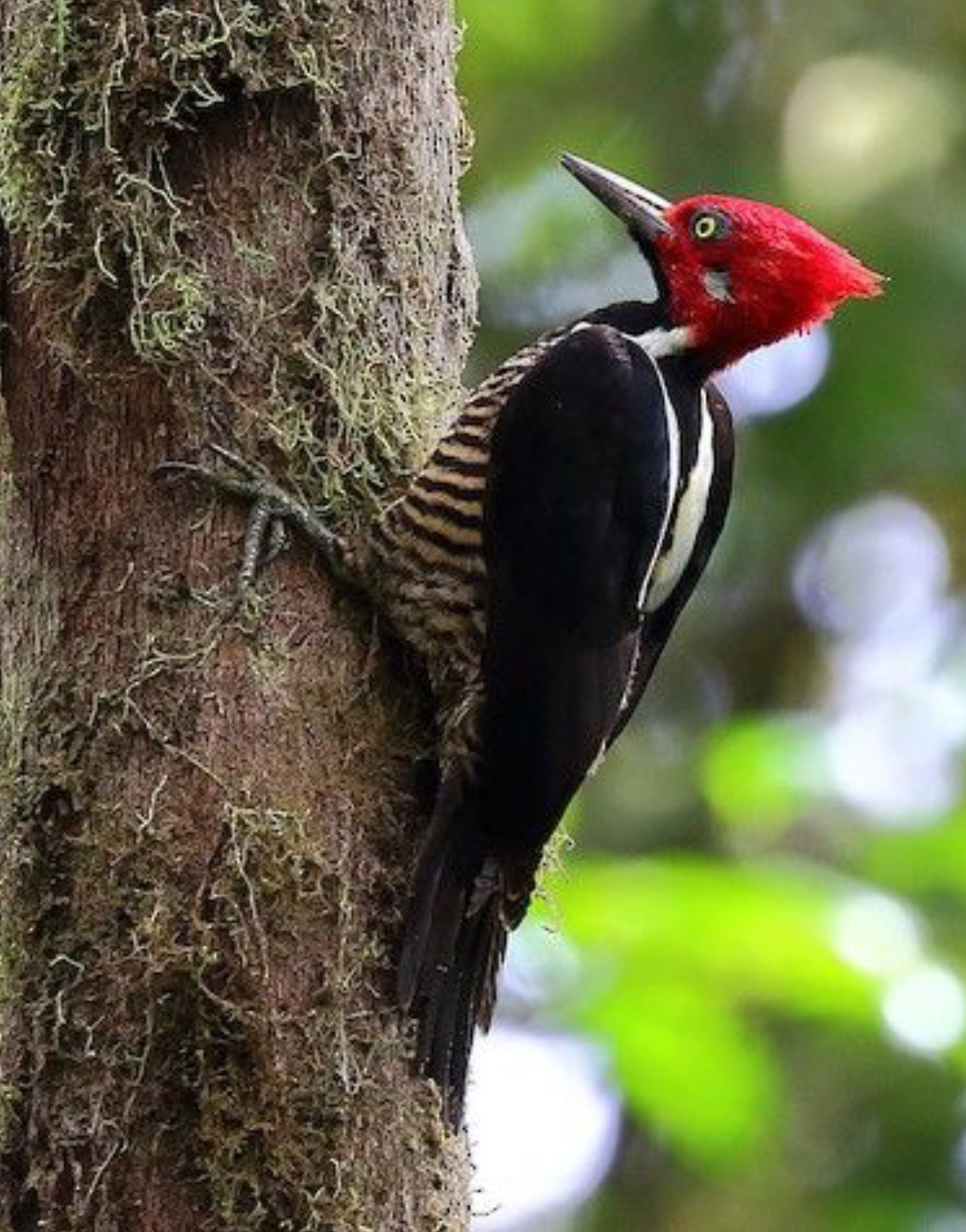
Have you ever seen woodpeckers striking trees with its long beaks? Woodpeckers hit the trees 20 times per second. Yet they don’t get a headache or any other head injury. The reason for thus is that woodpeckers are born with a helmet for the brain, which is formed of strong, thick muscles and sponge like bones in their skull. A woodpecker’s body too is specially designed to absorb the impact of the hit.
A millisecond before a woodpecker’s bill strikes on a tree dense muscles in the neck contract. Some of the force radiates down the neck muscles and protect the skull from a huge impact. A compressible bone in the skull offers a cushion effect too.
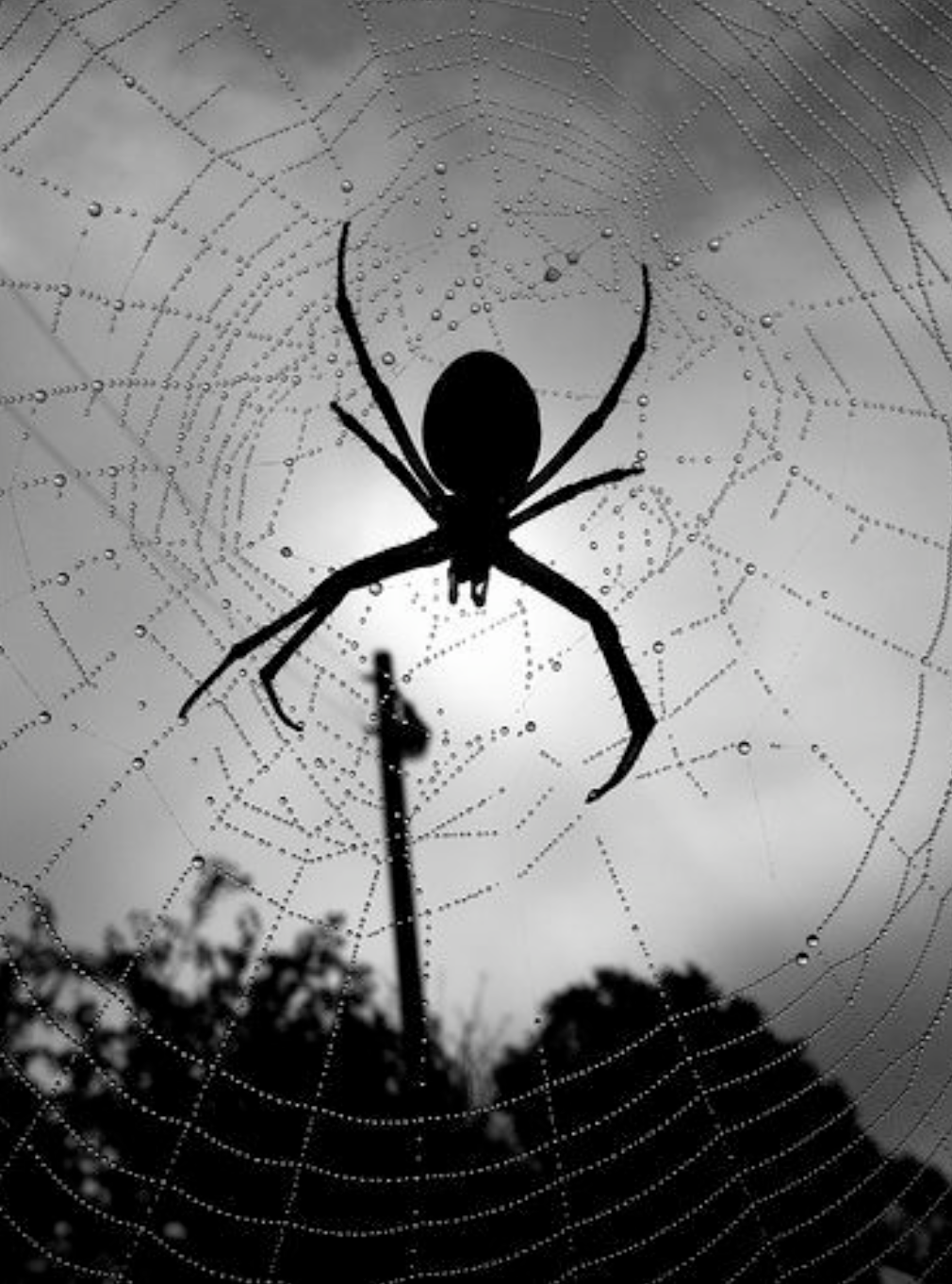
• Why aren’t spiders caught in their own webs?
Spiders spin their webs in a circular pattern that is spotted with sticky glue. When an insect brushes against these drops – each thread can carry several dozen per millimetre – it gets stuck and the spider rushes over to inject it with venom or cocoon it in silk. The question of course is how does the spider escape its own glue tracks? The answer lies in the fact is that the web is the spider’s home and it knows its way around the glue traps. There are some threads in the web that have no glue on them and the spider is careful to move only on these threads. It is also believed that spiders use an oily coating on their legs to protect themselves from getting stuck in their own webs!
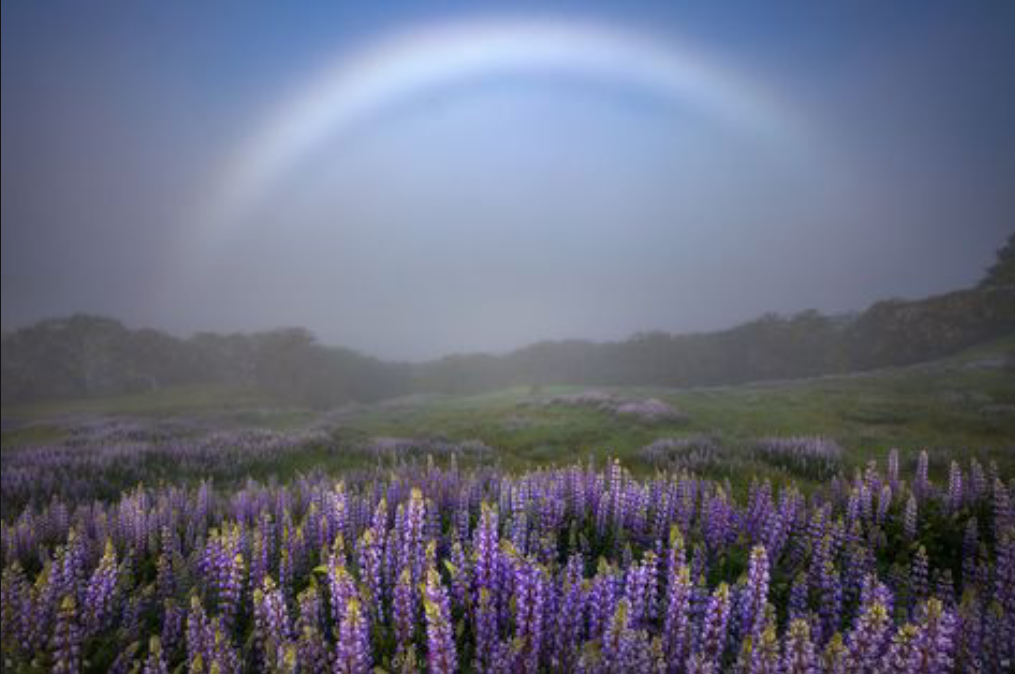
Colourlessrainbow
There are some rainbows that are colourless. They are called fogbows and are formed when the sun shines through a fog. The drops of water in the fog are too small to split up light into it’s different colours, so the fogbow is white in colour.
• What do we know about left handed animals?
Most people are right handed, though about one in ten among us is left handed. Animals like chimps, hump back whales and even toads favour one hand, paw, claw or fin over the other. Chimpanzees use both hands with ease, but have a preference for the right hand. Toads also prefer their right side to perform differ functions. Polar bears on the other hand, are left handed.
Some species of parrot such as the sulphur- crested cockatoo are entirely left handed, while others, including the king parrot are mainly right handed. The majority of parrots – including the budgie, galah and rainbow lorikeet use both claws comfortably. Female cats are more inclined to be right handed while male cats favour their left paws. The same is true for dogs. Interestingly, dogs wag their tails to the right when relaxed and to the left when agitated!
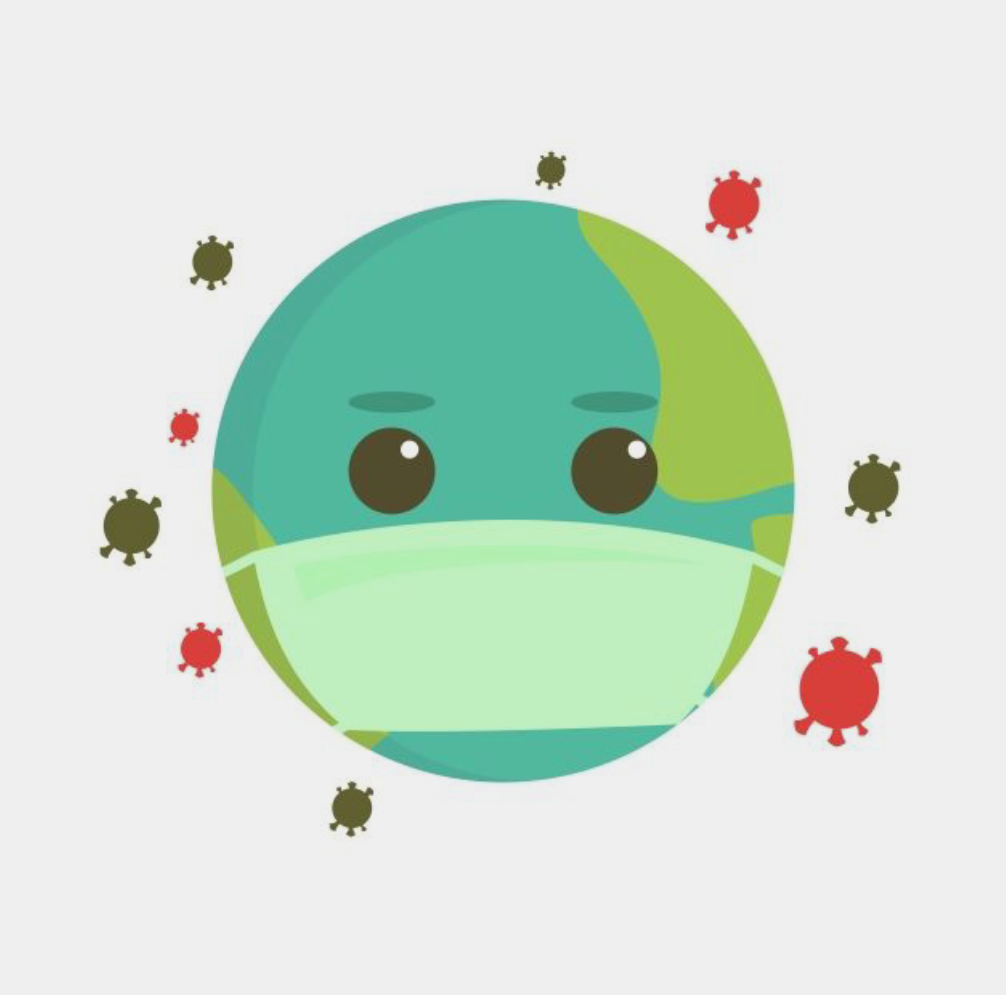
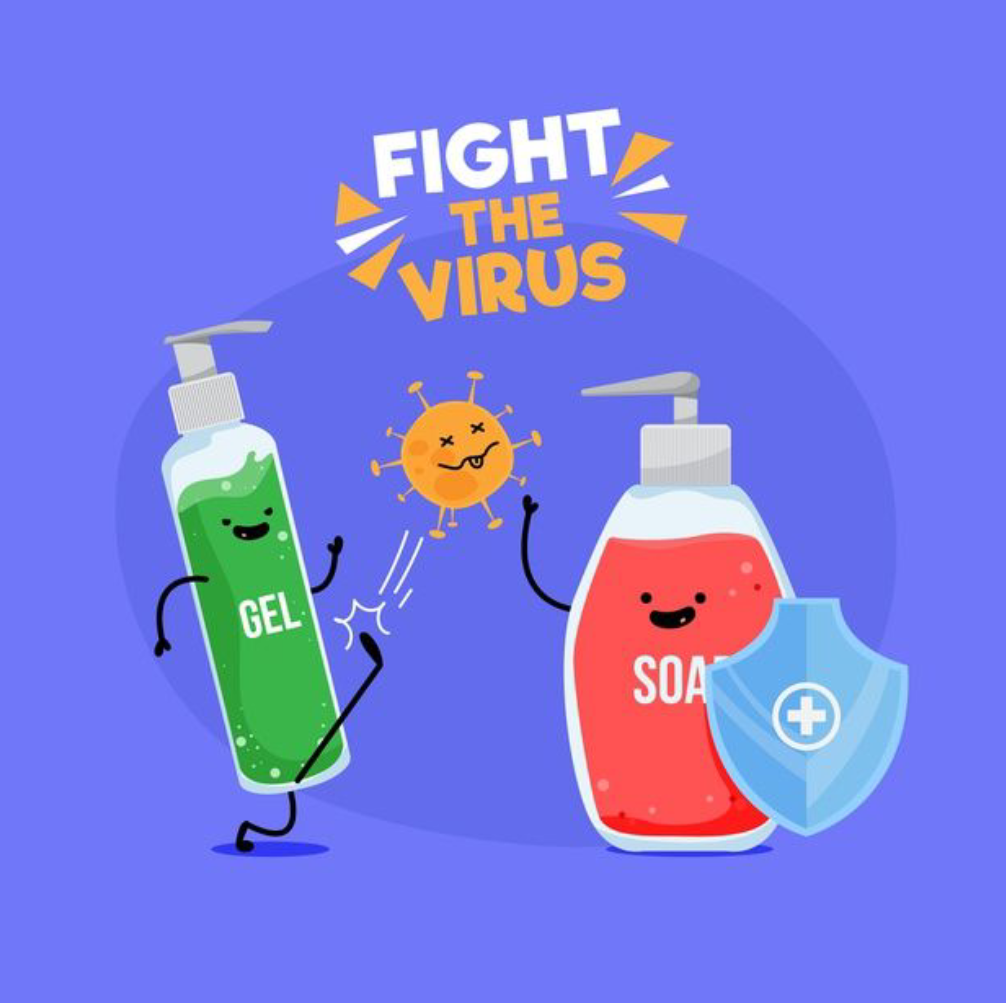
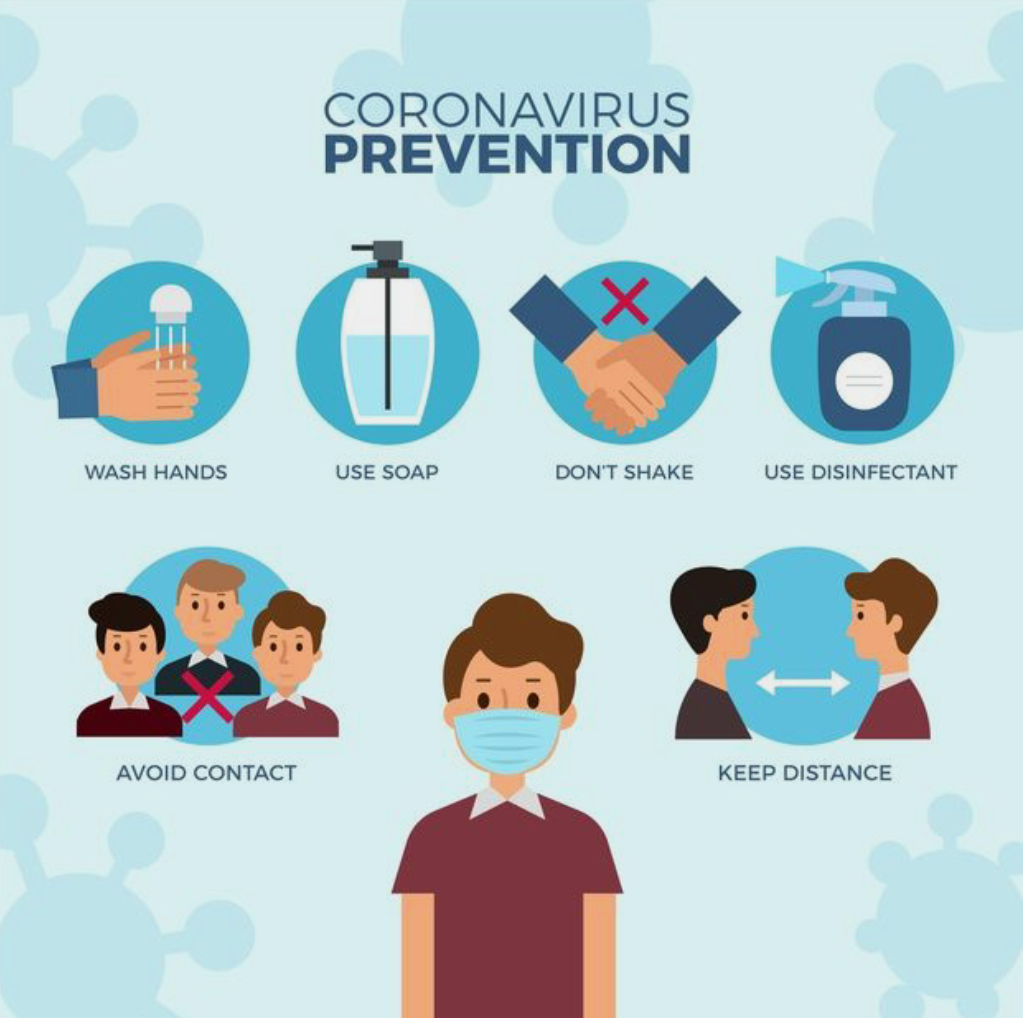
How long has it been since we went to school met our friends or had a family dinner at some restaurant? Since March 2020, we have all been advised to stay home and sanitise ourselves in order to stay safe. Sanitizers and masks have been added to our daily use products, all because of one tiny yet dangerous virus Covid-19!
The world is now waiting anxiously for a vaccine against this dreaded virus. Researchers around the world are working round the clock to develop vaccines to combat the pandemic. Currently, more than 165 vaccines against the corona virus are under process and 27 vaccines are undergoing human trials. Vaccines typically require years of research and testing before reaching the clinic. Today, scientists all over the world are racing to produce a safe and effective vaccine by next year.
• When did the efforts start
Efforts to make a successful Covid-19 vaccine began in January 2020 with the deciphering of the SARS-CoV -2 genome. The first vaccine safety trials in humans started in March but the road ahead remains uncertain. Some trials will fail and others may end without a clear result. But a few may succeed in stimulating the immune system to produce effective antibodies against the virus.
• India and vaccine against Covid-19
Like many other countries, India too is immersed in the efforts to develop successful vaccines to counter Covid-19. Thirty different Indian companies are trying to produce a vaccine to fight the infection. 7 out of these have received approval from the World Health Organization. These vaccines are in different stages of testing and clinical trials now.
COVAXIN
COVAXIN is developed by Hyderabad based Bharat Biotech International Limited in collaboration with ICMR and NIV, Pune. This is the first vaccine from India to get regulatory approval. The vaccine makes us an inactive version of a virus to spike up production of antibodies in the host body. It recently initiated Phase I and Phase II of clinical testing.
ZyCoV-D
ZyCoV-D is being developed by Zydus Cadila based in Ahmedabad. The Phase I trials of the vaccine have already begun. Extensive research was done regarding the same in collaboration with medical labs in Europe and US.
• Russia and vaccine against Covid-19
Russia is one of the countries worst affected by Covid-19. The country has been pushing extensively for a Covid-19 vaccine for quite some time now; Russia too is a part of the race to produce the world’s first Covid vaccine. It is possible that Russia would be ready with its first domestic corona virus vaccine soon. The clinical trials were conducted by the Gamaleya National Research centre of Epidemiology and microbiology. There seem to be no reports of side effects on the volunteers. All the participants showed immunity and the country is planning for the serial production of the vaccine by September. By the beginning of next year, Russia hopes to manufacture several million doses of corona virus vaccines per month.
• Oxford University’s efforts to develop a vaccine
The university of Oxford has partnered with AstraZeneca, a British-Swedish pharmaceutical company to develop an adenovirus vector vaccine to combat Covid-19. The vaccine prototype is currently in Phase III of testing. Trials of the vaccine developed by Oxford University show it can trigger an immune response. The vaccine which has so far been found to be safe and effective is expected to be made available for the masses by the end of 2020. This vaccine would also be the first such vaccine to have a large scale testing in India. The observatory data for this vaccine is expected to be available by November this year. The company has tied up with Pune based serum institute of India to mass produce the vaccine once the company gets required approvals and licensing from medical boards.
• Some methods used to make vaccines for Covid-19
Different scientists across the world try different techniques and formulas to develop vaccines. The Oxford researchers have put small sections of the corona virus genetic code into a harmless virus that infects chimpanzees. They appear to have developed a safe virus that looks enough like the corona virus to produce an immune system. Some other scientists have used pieces of raw genetic code, either DNA or RNA. When these are injected into the body it would start producing bits of viral proteins which the immune system can learn to fight. There is also work on corona virus vaccines called ‘plug and play’ vaccines. This method is new and less tested.
The earth provides for millions of species across the globe. Some of which are known to us and others not. We all are connected to each other in various ways and have to support each other too. Species which make proper and sustainable use of this system perish while others meet their destruction.
Biodiversity deals with the degree of nature’s variety in biosphere. This variety can be observed at three levels
The genetic variability within a species
The variety of species within a community
And the organization of species in an area into distinctive plant and animal communities.
Biodiversity provides a variety of environmental services from its species and ecosystem that are essential at the global, regional and local levels. The Production of oxygen, reduction of carbon dioxide, maintenance of the water cycle and protection of the soil are some important services.
Biodiversity is the amount of variety of life on Earth. It is the number of different species of plants, animals, and microorganisms. It includes organisms from Earth’s vastly different ecosystems, including deserts, rainforests, coral reefs, grasslands, tundra, and polar ice caps. Our biodiversity is very important to the well-being of our planet. Most cultures, at least at some time, have recognized the importance of conserving natural resources. Biodiversity is the occurrence of different types of ecosystems, different species of organisms with the whole range of their variants and genes adapted to different climates, environments along with their interactions and processes.
Importance of Conserving Biodiversity
Biodiversity produces a number of products harvested from nature and sold in commercial markets. Indirectly it provides economic benefits to people which include water quality soil protection, equalisation of climate, environmental monitoring, scientific research, recreation etc. The consumptive value can be assigned to goods such as fuel woods, leaves, forest products etc. which may be consumed locally and do not figure in national and international market.
The loss of biodiversity directly influences the social life of the country possibly through influencing ecosystem functions (energy flow and biogeochemical cycle). This be easily understood by observing detrimental effects of global warming and acid rain which cause an unfavourable alteration in logical processes
Aesthetic values such as refreshing fragrance of the flowers, taste of berries, softness of mossed, melodious songs of birds, etc. compel the human beings to preserve them. The earth’s natural beauty with its colour and hues, thick forest, and graceful beasts has inspired the human beings from their date of birth to take necessary steps for its maintenance. Similarly botanical and zoological gardens are the means of biodiversity conservation and are of aesthetic values.
Since earth is homeland of all living organisms, all have equal right to coexist on the surface of earth with all benefits. Unless some legal value is attached to biodiversity, it will not be possible to protect the rapid extinction of species. Biodiversity must be seen in the light of holding ethical value. Since man is the most intelligent amongst the living organisms, it should be prime responsibility and moral obligation of man to preserve and conserve other organisms which will directly or indirectly favour the existence of the man.
Biodiversity holds great ecological value because it is indispensable to maintain the ecological balance. Any disturbance in the delicately fabricated ecological balance maintained by different organisms, will lead to severe problems, which may threaten the survival of human beings.
Biodiversity has great economic value because economic development depends upon efficient and economic management of biotic resources. In the day to day life, human beings are maintaining their lifestyle at the sacrifice of surrounding species which come from diversity of plants and animals struggling for their existence.
There are problems that human beings should not interfere in the environment and this is also true. For our protection, all humans on earth have been placed in the middle of a protective shield which is being contaminated by humans nowadays. People may not know much about the ozone layer, but it acts as a protective shield for the Earth and the Environment and protects it from the sun’s dangerous ultraviolet rays.
In this era of technology, man is killing everything that is hindering his progress. Similarly, for his comfort and convenience, man is determined to destroy the ozone layer which protects him from the dangerous ultraviolet rays emanating from the sun. The ozone layer that saved our lives has become a threat today due to the industrial activities that have taken place day after day.
What is Ozone after all?
Ozone is a light blue gas that is a compound of three atoms of oxygen (O3). The ozone layer is generally found between 10 km to 50 km above the ground level. This gas acts as a good filter for ultraviolet rays emanating from the Sun.
Danger from damage in ozone layer
The ozone layer is very important which protects us from the sun’s dangerous ultraviolet rays. If the ozone layer is damaged then all skin diseases can occur in humans. Without the ozone layer, we cannot survive because these rays can cause cancer, damage to crops and threat to marine organisms and the ozone layer protects us from these ultraviolet rays. Another danger is the melting of the poles due to this. There is a large hole in ozone in Antarctica. The Antarctica region has large icebergs. If these icebergs melt, coastal areas can face many hazards, including flooding. Apart from this, heat will also increase, which will be harmful. Damage to the ozone layer also affects biological diversity and can destroy many crops. They have an effect on microorganisms. Apart from this, it also affects small plants in the sea, which can reduce the quantity of fish and other animals.
History of World Ozone Day
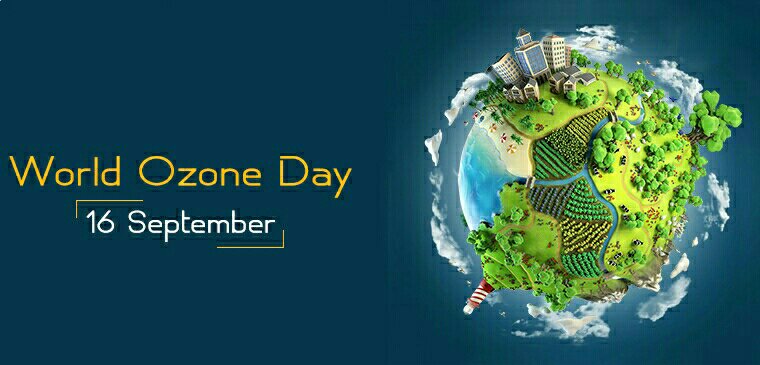
Keeping in mind the importance of the ozone layer, work has been done to protect it from the last decade. But on January 23, 1995, the United Nations General Assembly passed a resolution to celebrate December 16 as International Ozone Day to bring awareness to people all over the world. At that time, the goal was to create an ozone friendly environment by 2010 across the world. Although the target is still far away, the world has done remarkable work in the direction of saving the ozone layer.
The result of the exercise to protect the ozone layer is that today ozone-friendly fridges, coolers etc. have come in the market. To protect this layer it is necessary that foam mattresses are not used. Use of plastic should be minimized. Room fresheners and chemical perfumes should not be used and ozone-friendly refrigerators, air conditioners should be used only. Apart from this, the design of your house should be done in an ozone-friendly manner, using natural sources for light, air and energy.
We have got this earth as an inheritance which we also have to give to the coming generation. We should take such a path that not only benefits us but also our upcoming generations can enjoy this very beautiful earth.
Many types of insects exist in this world. The approximation being of around 900 thousand species of insects. But can you believe that one of them…..were giants once?
Arthropods
The etymology (origin of word) ‘Arthropod’ comes from the Greek words meaning “joint” and “foot”. These insects elongated to the phylum of Euarthropoda. Okay,enough ofthe scientific explanations. Let’s get to our point. What makes these animals different. Well, these insects breathe through something called the spiracles. Spiracles are holes on the sides of the insects. From the inside,these holes are connected to the trachea holes which make the respiration process of every cell in the organism possible. Arthropods have this kind of breathing system or maybe similar. Alright ,till now we got no problems. But here’s when geology steps out in the frame of reference.
Photo by icon0
( Do observe closely to find the spiracles)
Geology
We humans have divided the history into small portions to make it easier and better to understand the concepts. One of the geological period,which was about 298 million years to somewhere around è58 million years. During this time,the atmosphere of our Earth was completely different from that of today.
But….why was it any different at all? Because ,it was a time when microbes were still evolving. The trees looked completely different. Where,the oxygen levels in the atmosphere was around thirty five percent. Yes,it was the Carboniferous Period.
Geologists say that this was the period when a lot of coal beds were formed i.e the fossil fuels. Now, why would have this happened? This was because,the microbes at that time did not have the specific enzymes in them to decompose the dead remains. So they stayed and with time,got buried under the layers and layers of soil over them. Now by layers and layers of soil you must’ve understood that this would’ve taken some millions of years. Why? Because,only to produce a single layer of soil,it takes roughly around a thousand years. Layers and layers of soil till they finally were converted into fossil fuels can just be left to our imagination.
Photo by Alejandro Quintanar from Pexels
(Fossils)
Now ,the Carboniferous period has a lot of study to it. In fact scientists out there are probably still exploring and discovering new factors and so much more. But we are not particularly that domain of this period,though the period was very interesting and fascinating. We are interested in the the insects of those times.
Giants
Were insects all magnanimous and large in that period of time. I hate to ruin it for you,but it was not so. The thing was,it is said the oxygen levels were very large in that period. Why so? Because the planet’s lands were literally green! Set aside the deserts of course. Or were they?
This caused a lot of production of oxygen in the atmosphere. Remember-These are all estimations which were discovered through various proofs collected,but the truth still remains a mystery to us!
So when we said about Arthropods,these insects were totally different from what they look like today. This is because nature has always had a crucial law,a law of adaptation. Right? So naturally they were different in 35% oxygen (then) compared to the 21% oxygen(now). As the levels were higher,the respiration ability probably increased as well. The trachea holes became bigger, eventually making the organism bigger as well. This made them have larger body parts and organs. For example,a specific type of dragonfly,actually grew wings of around 40 cm! Now,this might look like a small amount to you but it was pretty unusual and disturbing,that the insects which were around the length of our palm were once actually that to our arms!
But suppose, what will happen if oxygen levels get increased to 35% today? Do you know how combustion happens? Yes, basically ‘the burning of oxygen’. For first consequences,forest fires will drastically increase. How do they happen? When two branches rub against a tree,they create friction. Friction is the force which acts opposite to which force we apply. This friction makes fire. This is how campers light a fire through stones. Now that that the Oxygen levels are 35%, even the slightest rub will light a fire and the fire will spread very rapidly through the entire forest due to the same reason. Can you think of any other consequences? If the atmosphere did change into 35% in our future,will we evolve or adapt to the conditions too? List down your possible theories down below
Fact -Why is it that the spider legs never stick to the spider’s legs? This is because the spider legs have tiny hairs on them. Even if the hairs stick to the webs,the spider can walk further. Also,not every web is sticky. The webs are altered with non sticky webs in which the spider walks on.
Bonus fact- Like liquid nitrogen,liquid oxygen also does exist! It’s just that the melting point of it is so low that it rarely occurs naturally.
One pound of saffron costs you $5000. It is the most expensive spice next comes vanilla. Saffron is a complicated spice to harvest. Harvesting saffron needs a lot of hand work to pick up the flowers, separate the saffron that is the dried stigma or the female part of the flower. Saffron comes from the saffron crocus flower and each flower has 3 stigmas. The yield of saffron is very low. One pound of saffron requires 170000 flowers. These flowers bloom over a six week period from late September to early December. There is a specific time to day to harvest them. High relative humidity and sunlight can break the chemical structure in the saffron. Early morning is preferably the best time to harvest them.
90% of the world’s saffron is grown in arid fields in Iran. It is so because workers are available and for cheap. But it’s mostly like slavery. Most workers are women getting five dollars a day. Not only Iran, it’s grown in Morocco, Spain, Italy, the Netherlands, Afghanistan, India and even in United States. Though many Americans have never eaten saffron, the US imports large amount of saffron. Saffron has a resistance to cold weather.
Over centuries saffron has proven useful in many situations. Most commonly used in cooking. Middle east Asian countries have a lot of food containing saffron. When saffron is broken down it creates a golden dye. Which is how when used in cooking it gives a different kind of colour and taste and smell to it.
Saffron contains some chemical components which are really expensive like picrocrocin, crocin and safranal. These are the main components responsible for the taste, smell and colour.
People have tried passing turmeric, red marigold petals, and lily flower stigma as saffron. But the flavour and dye is totally different. In large quantities, saffron can be a potent happiness inducing narcotic. Research suggests it may help reduce the symptoms for Alzheimer’s, depression and PMS.
• Vanilla
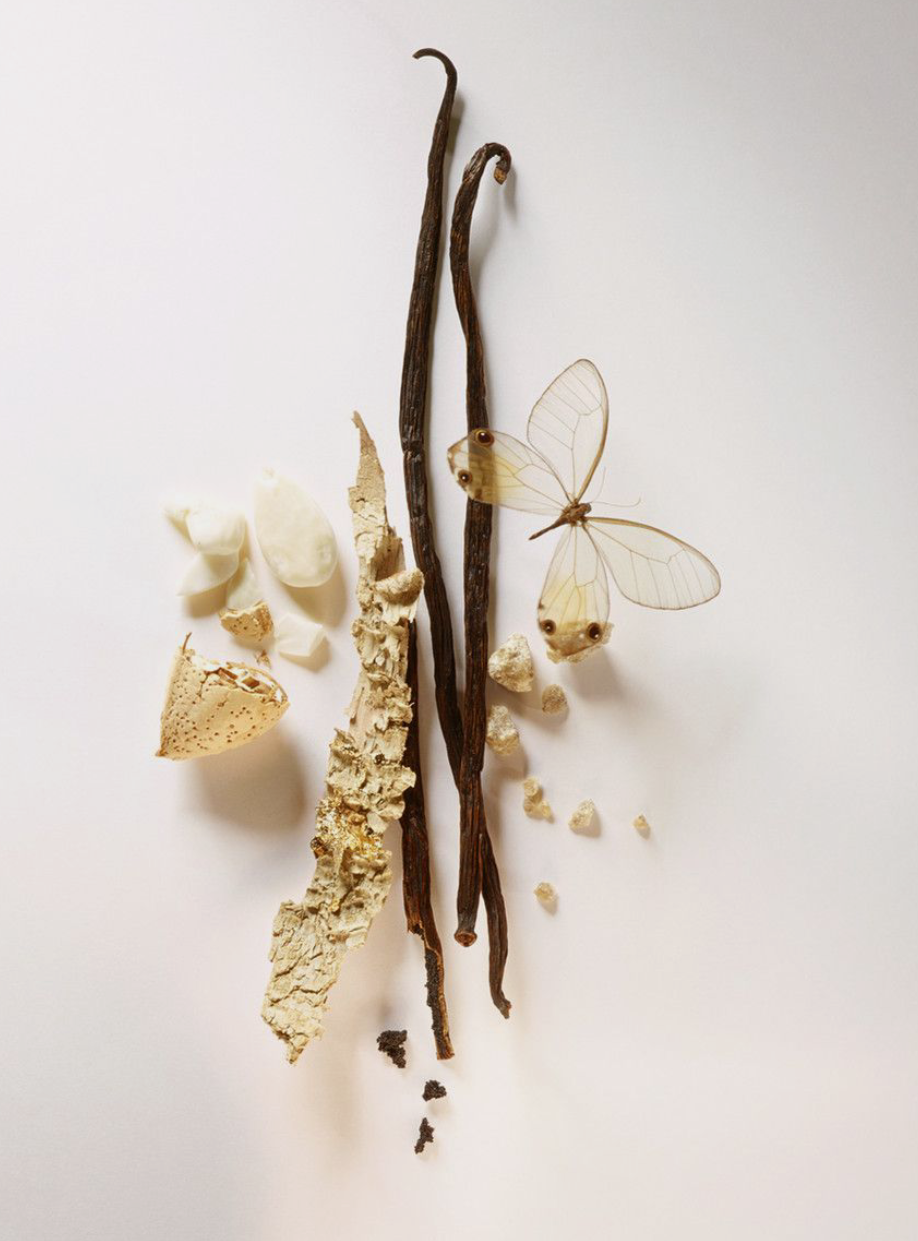
From ice cream to cakes and even perfume, vanilla is the go-to flavour of the world. In recent years, the price of natural vanilla has shot up. At one point it was more expensive than silver by weight. 80% of the world’s vanilla is grown in the perfectly suited climate of the north east region of Madagascar. It’s the country’s primary export crop. In 2014, vanilla was $80 a kilo. Three years later it was $600. Today its around $500. The price rise is due in part to global demand. The trend of eating naturally means that food companies have shunned synthetic flavouring in favour of the real deal.
Price fluctuations affect producers of agricultural commodities everywhere but vanilla is particularly volatile. In just a few weeks the price can jump or plummet by over 20%. Liberalisation is one reason for such movements. The Malagasy government once regulated the vanilla industry and it’s price. But now the price is negotiated at the point of sale which makes for a freer market but a more volatile one. It’s also a tiny industry. A single cyclone can knock up the entire crop within Madagascar. It’s also a difficult and delicate crop to grow.
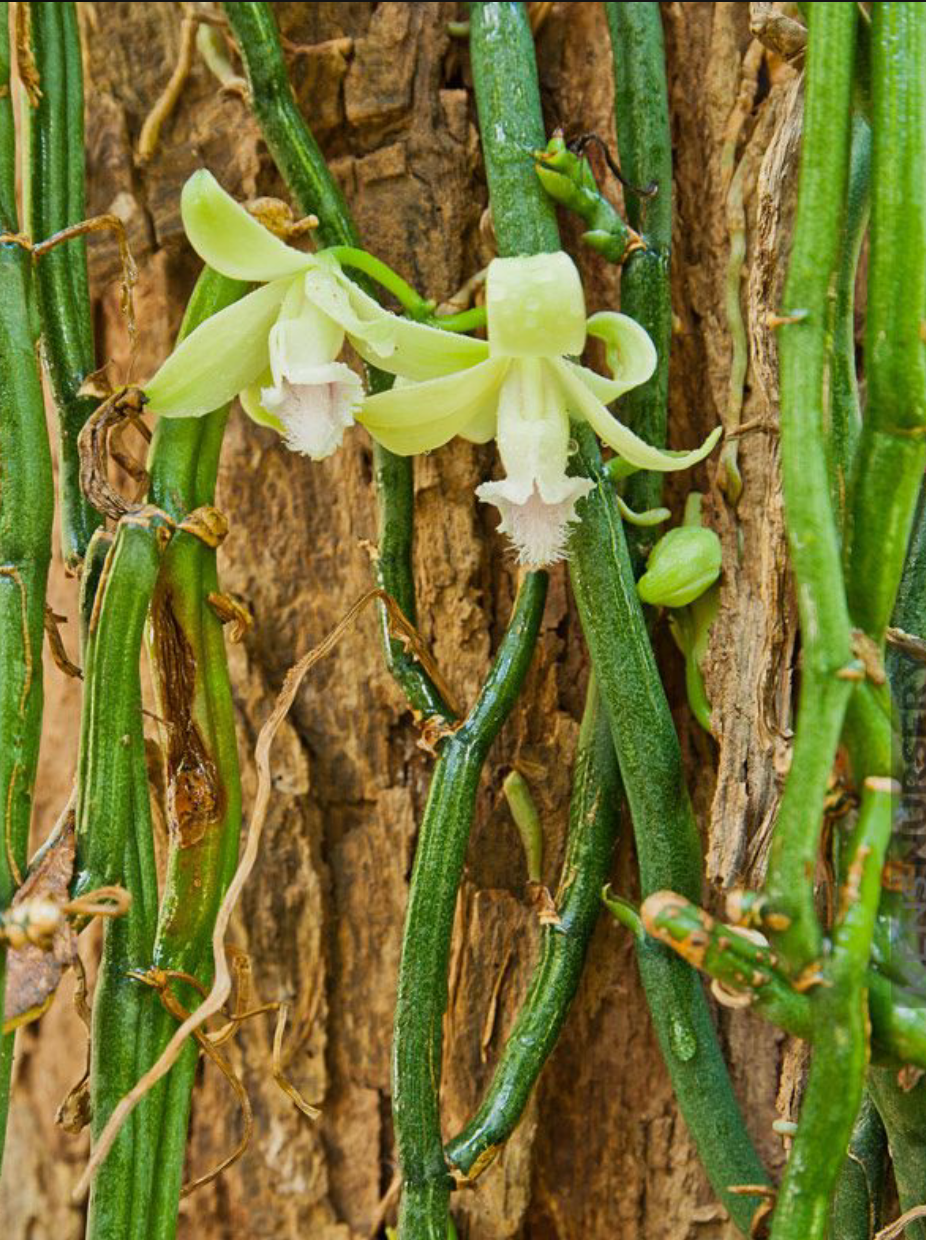
Vanilla is an orchid that needs to be hand pollinated. This is a really labour intensive practice. It takes roughly six months to grow it on the vine and then six months of manual post harvesting. The interesting thing about vanilla is that it needs to be taken off the vine when it is almost rotted!
The growers have to contend with another problem. Thieves are targeting vanilla crops. So Malagasy now have to sleep out in their vanilla fields. They can’t rely on those who are changed from the state to protect them or their crops. Some farmers have resorted to harvesting the beans before they’re ripe but this produces a poorer quality vanilla and ultimately pushes down the price. The combination of deteriorating quality and high prices is having an effect. The vanilla price bubble may burst. If the price continues to stay high there’s a number of scenarios that will play out. Continuation of current situation will cause an unstable market. Otherwise the corporate sectors step in, try to regulate the market in some way that may stabilise prices and also quality. Or the market may crash out.
Big buyers that provide vanilla are now working directly with farmers in a bid to gain greater control over quality. Other companies have started to look elsewhere for their natural vanilla. Indonesia, Uganda and even the Netherlands are growing the crop. For a century Madagascar has enjoyed a near monopoly on vanilla. But this industry maybe in line for radical overhaul.
KERALA: The god’s own country is one of the major tourist attraction as well as the best honeymoon destination in India. The land of God, Kerala is believed to be a gift of the Arabian Sea. The pride of Kerala are Gorgeous and Exotic Beaches , Breathtaking hill Stations,Enchanting waterfalls, Beautiful lagoons, Meandering rivers and Amazing natural scenarios. These colors are made Kerala as a land of beauty and paradise on earth. Kerala is also famous for its Ayurvedic treatments, high mountains, gorges and deep-cut valley, lush and evergreen rain forest and coconuts water and oil and foods items. Kerala houseboats are first and best preference of the tourist to enjoy their moments in beautiful lakes of Kerala. The Idukki dam is the first Indian arch dam in Periyar river Kerala and the largest arch dam in Asia. Shopping, museums and markets are also best way to explore Kerala.
Reasons to visit KERELA
Beaches: Sea, Sand and Sun are the gifts given by the god, which makes Kerala the land of most delightful beaches in the world. Kerala Backwaters offers a series of beaches that are perfect for a relaxing time with your love one. Some of the best beaches in Kerala are Kovalam, Cherai, Varkala, Kappad, Muzhappilangad and Bekal. Watch the sunset along with the blue water beaches of Kerala is the best way to end your day and start a romantic night.
Natural beauty: Kerala the land of beauty is describes as the favourite child of nature, and famous for its breath-taking natural beauty. Major attraction are includes long coconuts tree, the blue mountain and rivers makes Kerala one of the greenest places ever seen. The beautiful milky falls of water splashing through the rocks should not be miss. Other attraction are Vembanad lake India’s longest lake, Sasthamkotta lake.
Hill Stations: There are many hill stations in Kerala which offers the best spectacular views of the nature. Munnar one of best hill destination in kerala and one of the famous hill station in India. The other beautiful hill stations are Ponmudi,Nelliampathi, Ponmudi and Wayanad Hill Station. These hill stations of Western ghats are one of the best place for trekking in India .
Wildlife: The Land of God, Kerala has a rich culture in Flora and Fauna. Kerala is the only state in India where highest number of Indian Elephants are found. The best place for wild animals are Silent Valley,Periyar national park and Tiger Reserve,which is situated high in the ranges of the western ghat.
Cuisines: After the enjoyments, foods are the next thing in mind. Kerala has a rich and unique flavor of foods like sea food , malayali cuisines and banana dishes. Kerala is famous for its spices and its spicy recipes of vegetarian and non vegetation food. Best cuisine of Kerala is Meen curry – Kerala style fish curry made in fried coconut.
Mountains of tea:It’s the plant behind another beverage that gives the area around the hill station town of Munnar, in east Kerala, its famously vibrant shade of green. In this part of the Western Ghats mountain region, the steep hillsides are covered with about 60,000 acres of tea plantations — an industry begun by the British, who established the plantations in the late 19th century.
Historical sources are pretty difficult to find. Why? Because, we never know where exactly they are, are they even real. It solely depends upon. Our imagination. Cause we can’t grab a time machine and time travel to see exactly what happened (but that would’ve damn great!). Evolution is crucial in every animal and has taken place eat one point of time. But then..who were we evolved from..?
The starting point
Now, atleast at some point of time,you must have thought, ‘From where the heck did this universe start?’. The thing is, We Don’t Know. We do have theories regarding the point though, which give an applicable reason as to the beginning of life. So the theory was of the Big Bang. We all know what exactly this ‘big bang’ is.It is believed that, there existed something very small,smaller than any other thing. Even from a microbe.And at one point,it exploded. That phenomenon was called the big bang, through which large balls of fire were generated. After many billions of years,the fire balls started to align themselves, unto a newly forming star,the Sun due to its pull. And eventually,some more billion years later,the fireballs started to cool down. Now,was the time when the first organism appeared on earth. But why only earth. Because, Earth is situated in something called the ‘Goldilocks zone’. The earth was just at a perfect distance from the sun for life to exist. If the earth was any nearer of any farther, you and me, including everything would probably not have existed at all.(sad? I know). The first organism to exist on earth was the Archaea. This microbe was the first to live on the still hot earth. How? Archaea, maybe had adapted themselves to the hot temperatures of the earth. Which means, we all have actually evolved from Archaea!
They are even found today, in the thermal beds, and wherever the temperatures are fit for them.
From the Archaea evolved the bacteria, which are prokaryotes(primitive organisms) then came the eukaryotes( true cells) and all the kingdoms. And today we live with all the complex tissues and cells, working everyday in our bodies. How did water come though? It is believed that during the big bang, not only did it release fireballs,but also many gases. Then, probably the atoms of hydrogen(H) and Oxygen (O) made bonds to create the existence of water. These are all one of the speculations and assumptions made by us to understand the beginning of life in a better way. Who knows the truth? No one does. At least not from earth anyways.
Photo By Pixabey
Even now the earth is still cooling down. A live example would be volcanoes. Meaning,only the outer portion of earth has cooled down after the time period of 4.5 billion years. So,when the water made an appearance on the surface of earth, seas and oceans were probably formed. But the lands were still not. Then where did life continue to exist?In the oceans of course. Something called the Endo-genetic movements ( movements which occur on the inside of the earth) made the continent buildings possible.
While the continents still continued to cool down, after the volcanic eruption that is, the life in the aquatic region continued to make progress.
Did you know that the continents which are formed today are not how it was a million years ago?
Many types of continental structures were formed in our history. For example: Rodinia,Pannotia, Pangaea, Gondwana etc. Out of these, Pangaea lasted for the longest period.( due to the internal and external movements of earth,the continental formation kept on changing). How did Dinosaurs go extinct? Dinosaurs came to extinction due the humongous amounts of volcanic eruptions and the other Endo-genetic movements( yes,those cartoons had shown you the truth!)
Photo by Clive Kim from Pexels
Now what happened was that the living organisms which were living in the aquatic region came to the land. Slowly,they started adapting themselves to the terrestrial lands. They say that evolution of man,that is the ancestors of our species are from apes. Slowly but steadily,they evolved to form stages. The first stage was said to be Homo Habilis,the second was Homo Erectus, the third was Neanderthals, and then finally,the Homo Sapiens. Infact, all of these species used to live together. Meaning,suppose it was not like everyone was Neanderthals, some of them were still not evolved from Homo Erectus. They all lived and learnt the sources of nature.
As time passed, they evolved, their organs developed and were also divided. But….wait! Does that mean that we evolved from oceans? Well, we don’t exactly know about the truth but it is said that the statement does hold some weight on it and might be true. And if it was true, we had gills for lungs! Infact, some people say that we did evolve from the oceans. How? Because,the person who held most maximum time in water is 20 minutes. The same amount the dolphins can hold their breath in water. We don’t have any specific organ to conserve our sweat but the other animals do. We have fingerprints and footprints instead of paws. Sure,these statements may be irrational to many people,but it lets one to imagine. To brainstorm about where exactly did we,as in our existence start from?
Fact- It is believed that hiccups are the left out defect of our aquatic habitat….….is it true,though? Nobody knows so!
Not many of us know much about insects. All we know is mostly about bees. More specifically, honey bees. But did you know that there exist some insects, more vastly different and dreadful insects in nature? Let’s get to know them!
Hornets classification
First, let’s understand the classification of this organism in the biotic world. Naturally,the species belong to the kingdom Animalia ( animals) out of the five kingdom classification. They belong to the Phylum Arthropoda . The Class is Insects .There Family is vespidae and the Gene is Vespa.
• What Are Hornets?
Hornets are basically classified as insects. How are honey bees different from hornets? If you notice, honey bees have a kind of fuzzy fur like structure. Whereas hornets are hairless. But then….how are Hornets different from wasps? Actually,hornets are one of the wasps but with a special condition. Meaning, all hornets come under the domain of wasps,but hornets have a special feature but not all wasps are hornets. (Confusing much? Oh I know!). The special feature a hornet has is,they are much larger. Some even go somewhere around 5 cm!( maybe small for you but big enough for them).Some of the features are similar, for example: They live in nests in a colony, they have a queen who can produce about 1000 eggs, they even have female worker hornets but she sadly cannot lay eggs because she is infertile. A larva of a hornet comes out of the eggs and slowly develops and evolves.
Hornets were actually, accidentally introduced in the 19th century.
Then…they are not dangerous…..right?
Hornets have killer stingers which they use to defend their nests from predators. Now these stingers are even more harmful to humans. Why? Because, these are not bees,who die after stinging their predator. Why do bees die after pricking you is because the stinger separates from their body, making them die. Unlike them, hornets can sting continuously because their stingers are very fine and do not get separated after stinging, making them prick you multiple times and trust me, that would not be a good experience. But…Why is the venom of a hornet harmful? Well,a single sting of a hornet is similar to any other wasp sting but,hornets usually, do not sting only once. Seriously,their main target is to just sting you to death. Which is why they continue to sting you even after you’ve died ,till they think that you’re no longer a threat to their nests . The toxicity varies from different species of hornet, but as they are going to sting you repeatedly, it’s equally fatal.They practically inject the venom into your body. Most commonly,hornet venom consists of about 5 percent acetylcholine. Acetylcholine is a drug which targets your brain, skeletal muscles etc. Not only these, but it is estimated that the murder hornets( Giant Asian hornets) which are the biggest hornets in the world.They contain a neurotoxin called Mandara toxin which, if comes in contact with your bloodstream, initially destroys your RBCs. Though, if a single hornet stings you, you might necessarily not die but can get some minor or major allergic reactions.Doctors usually use epinephrine/adrenaline(http://eduindexnews.com/2020/09/12/what-exactly-is-adrenaline/) for the treatment of these stings. The average death rate in Japan is about 30 to 50.
Source: Pinterest
But why do they sting
Now, you can’t completely blame them for thinking you as an intruder because they can’t help it. When you pass their nests, pheromones (hormones or hornets,you could say) are released inside the body of the hornets, which triggers the hornet to not let the intrude near the nest. Hornets prefer nests in burrows or somewhere near land. We all know sound transmits faster in solids. This makes pheromones trigger before you are inside the radius of their nest. They are extremely possessive about their nests and larvae and they get mobilized at once and then, they start to chase after the intruder. Even if a single hornet comes to chase you and let’s say, you even manage to swat it, probably with a stick, the insect will release pheromones which will attract the hornets towards you and they will not be in a good mood. No matter if it’s honeybees, or even their own Vespa species. They have active chemical inside them which increases their aggression. Hornets are not usually truculent at all. Infact they are naturally shy , peaceful creatures and avoid interaction.
They just can’t help but be protective about their nests when it comes to their nests.
•What do they feed on?
Hornets basically love three things to eat. Firstly,anything which is sugary. Anything that contains any kind of sugars will attract hornets and eat them. They, sometimes even subside into an overripe fruit, when accidentally picked up by someone can again lead to hornet attacking. Secondly, they love saps of trees. They often make holes in the trees and sometimes, actually live in it. Usually they nibble on oak trees and some wild trees as well. Thirdly, they love protein. Proteins are said to be the building blocks for they help in building muscles. So even hornets love proteinecious foods. The includes everything that has proteins. Everything.
Photo by Petr Ganaj
Why are they harmful to honey bees?
As said before, hornets love sugary things,sap of the trees and protein sources. Honeybees have two of the sources which hornets love. One, the honey bees contain a a sugar called fructose. In fact, fructose is the most sweet sugar. And two, they have a lot of proteins in their flesh. So ultimately, hornets invade the bee colonies quite often to satisfy their hunger. But bees are smart alright. There survival instinct is to vibrate in group. Now you might think that ‘Wait,they are going to be killed and the only thing thatthey can think of isvibrating!!!!???‘ The thing is, when these bees vibrate, it causes ‘quivering of their fiber muscles which is converted into heat energy. Now, you might be wondering, ‘Wait, what exactly is their intensions? Do the bees want to give the hornets an experience of sauna??!!!’ No. They actually use this as their survival tactic, because, hornets cannot survive. And bees use this to kill them. Bees literally roast the hornets by vibrating in groups.
Hey!Anyone would be protective about their nests. Don’t blame them. They can’t even help it!
Fact: Murder hornets(Giant Asian hornets can fly with a speed of 40 km/hr !!!!!
Environmental issues arose across the world after the Industrial Revolution, during the 19th CE, there was a wide need for a change and development at that time. People desired for a speedy process of production and because of this, it set into motion changes which were unexpected.
Smoke was released across Europe and North America. Plains had turned into deserts, and various other issues had cropped up in USA and Canada too. It was only by the half of the 20th CE, there arose a concern for air and water pollution. The same cannot be said for land pollution, it only came into limelight after the introduction of pesticides. People were overjoyed with the agricultural revolution that they forgot to notice its defects, it was Rachel Carson who brought in the negative impacts of the usage of pesticides in her book ‘Silent Spring’. This gave the environmental movement a boost too. It paved way for a great number of researches across the world.
This made the people the need to have a world wide conference to discuss about the environmental issues and a need to change them. And thus the first global conference was held, it is named as Stockholm Conference. This conference was a pivotal event in the growth of the global concern for environment. This was the first time, countries of the world came to discuss the problems and make up good measures to correct them.
These were the following outcomes of the Stockholm conference
Firstly, people were of the perception that humanity and environment were different and had no connections. This was not the case. After the conference it was made sure that such a thinking has to be shifted off people’s mind in order to save our environment.
Stockholm created a comparison between the developed and developing countries. There were arguments from both sides but it was considered and decisions were made too. The least developed and developing countries were given priority in determining the international policy.
The importance and role played by NGO’s gave more importance to governmental and intergovernmental organizations.
The introduction of United Nations Environmental Program. This program was the best possible solution to the problems of the global world.
After the 1980’s there was a second wave of the environmental movement. This movement focused more on the complex issues and highlighted unresolved ones. Immediate action was taken for this, and this time it was more suitable and better understood than the previous times. Examples are World commission on Environment and Development(1986), Rio Conference(1992), Kyoto Protocol(1997) and the Johannesburg summit (2002).
The World Commission on Environment and Development is popularly known as Brundtland Commission. The commission focused on Sustainable development. The commission wanted to put forward new ideas that could create growth and sustainable development across the country. This promoted the Earth Summit of 1992 Rio de Janerio.
Major outcomes of Rio Summit are
The Framework Convention on Climate Change
The Convention on Biological Diversity
Agenda 21
The Rio Declaration on Environment and Development
Forest Principle
The Rio conference gave birth to the Kyoto Protocol, which was signed in 1997. 160 countries, especially the developed ones came together and promised to cut off their level of emission of greenhouse gases. But this wasn’t the case for every countries, the United States of America withdrew due to its pressure. The next Summit was held in Johannesburg, its main focus was also on sustainable development, many new policies and timetables were made but nothing was quite effective as they had calculated it to be.
Nation states wanted a plan which would help their self- interest rather than the interests as a whole. If we look closely we can see that the globe is divided into two, one set of countries are developed and they add to most of the greenhouse emissions, while the other set of countries are struggling to feed their citizens. And so when policies are to be made, it is to be ensured that it is accordingly to their interests.These were the recent changes brought in by the international systems
A relatively large number of people in Western societies are single; that is, they are not involved in any romantic relationship. That actually couldn’t be further from the truth, however. There’s so much value in being single that people often overlook, when we should be embracing and appreciating it instead. When you’re not legally bound to another person, you have the freedom to learn, grow, and explore, without any of the guilt associated with taking time for selfcare. And the payoff there is that if you do decide you’d like to pair off with someone, you know exactly who you are and what you want.
More specifically, men were more likely than women to indicate that they were single in order to be free to flirt around, and because they were not into family making; while women were more likely to indicate that they were single in order to avoid getting hurt, and because they have considered themselves not to be desirable as mates. Older people were more likely to indicate that they were single in order to be free to do what they have wanted.
I think it is the right of the individual whether men or women to be in a relationship or to do marriage.The society do not have a right on this take .Everyone makes their own opinions that now a days women gets freedom and misuse this by making these types of decisions .But why everyone women do according to this society want them to do,it’s her choice .As it is famously said that “ALL FINGERS ARE NOT SAME”,so why we think every girl wants to marry in future ,it’s her choice and priority what to do in future.The society thinks its not safe for a women to live single in the society as anyone can take advantage of this status of her.
Maybe, counterintuitively, women are the ones who are especially likely to want to live alone. In our cultural imaginations, men are supposed to be the rugged individualists, the solo explorers, and the swaggering cowboys. But maybe, in fact, they are the ones pining for a live-in partner.
In a heartwarming essay from the upcoming book, Single by Choice, sports journalist Sharda Ugra recounts a scene from more than 10 years ago. A male friend, upon walking into her Delhi apartment (where she lived alone), asked astonished, “Who did all this?”“What provoked this question perhaps, was its sheer normalcy,” Ugra writes. And possibly the assumption that unmarried women lead dark, forlorn, depressing lives. But the writer goes on to remind us that singlehood is, in fact, a normal experience.
Non-governmental Organizations (NGOs) play an important role in the economic development of developing countries. They provide services to society through welfare works for community development, assistance in national disasters, sustainable system development, and popular movements. They take numerable for actions developing our society. NGOs take up and execute projects to promote welfare of the community they work with. They work to address various concerns and issues prevailing within the society. NGOs are not-for-profit bodies which means they do not have any commercial interest. NGOs are run on donations made by individuals, corporate and institutions. They engage in fundraising activities to raise money for carrying out the work they do. Ever since independence, NGOs have played a crucial role in helping the needy in India, providing aid to the distressed and elevating the socio-economic status of millions in the country.
NGOs which have revolutionised Healthcare in India:
1.CRY: Child Rights and You
CRY works towards several causes for children, one of them being malnutrition. It introduced kitchen gardens in anganwadis in Chhattisgarh to provide fresh and healthy food to children. This not only came as a boon to the underprivileged children but also accelerated the anganwadi workers in the same direction. This noble initiative of CRY has helped to see a decrease in the number of malnourished children by about 9-10%.
2.Smile Foundation
Inspired by the philosophy of Peter Senge, the founder of ‘Society for Organisational Learning’, a group of young corporate professionals founded this in 2002. They began working from scratch to bring about a difference in the lives of underprivileged families and communities. Since urban slum dwellers lack the education to be aware of diseases and healthcare, they do not approach hospitals for checkups out of risking a day’s wages. Smile has a two-fold approach to tackle this problem. They first bring quality healthcare services within easy access of the needy. The second step is to promote healthcare awareness and encourage the poor to seek help.
3. Goonj
Goonj has several campaigns, one of them being ‘Share a Bite to your Heart’s Delight.’ It is a venture to encourage people to contribute daily essentials like rice, pulses and so on to the less fortunate. This is an innovative step towards solving the problem of food shortage and thus nutrition among the poor. Goonj has also taken considerable effort towards detaching the stigma associated with menstruation. It has helped college girls speak more boldly and openly about the issue and also involved many Rajasthani women in their menstrual hygiene initiative.
4. HelpAge India
A leading charity working for the disadvantaged elderly of India, has been active for over four decades. It has one of the largest mobile healthcare programs across India, providing free healthcare services to destitute elders. HelpAge India also works towards providing palliative care to end-stage cancer patients. Pairing with several credible and competent hospitals, the organisation helps the poor elderly who cannot afford expensive medication for cancer. HelpAge India has received several awards for his commendable contribution to society. It holds the Chairman’s Challenge Award, Times Social Impact Award and NGO Leadership & Excellence Award among several others.
Most of the students are now undertaking online classes due to the ongoing Coronavirus pandemic. This is indeed a cause of worry for many parents because children spend extra hours on mobile phones and laptops. Experts also speak of the hazardous effects that digital classes can have on eyes of young children. Parents must take precautions and measures to ensure safety of the child’s eyes.
Needless to say, excessive usage of mobile phones, laptops or any other gadgets can affect children in many ways. This can be mental and physical. Eye strain is one amongst the most common problems. Some of its symptoms include excessive blinking, tearing, frequent rubbing of the eyes, dry eyes, headaches from eye strain and even tiredness. Parents must be extremely watchful and careful on how the child spends time online.Most of the classes, especially for children above class 8, goes on for long hours. Parents must cut short their time spent on video games, TV and other gadgets. Only a strict no works with most children!
During the last two weeks, a few school children in the age group of 8-10 came to my clinic with complaints of dryness in their eyes and frequent blinking of eyes. Prolonged reading on the mobile screen and watching it from close range may result in this type of problems,” says G. Hanumantha Rao, an ophthalmologist, who runs his clinic on MVP Double Road. He suggests that a laptop or a desktop with a large screen should be preferred. It also ensures that proper viewing distance is maintained, at least to some extent.
“Prolonged use of earphones can result in noise-induced deafness. It can also cause tinnitus and the child may experience ringing sounds in the ear. Severe exposure may cause inability to hear certain frequencies. The problems depend on the duration and intensity of the sound,” says B. Ramachandra Rao, an ENT surgeon at the Government ENT Hospital in the city.
According to the World Health Organization (WHO), “Hygiene refers to conditions and practices that help to maintain health and prevent the spread of diseases.” Health & hygiene are both mutually dependent factors. Thus negligence in maintaining even basic levels of hygiene can cause a person to suffer from serious health hazards & even surrounding people. Being social creatures, it is up to them to maintain high levels of cleanliness. And it is not a matter of choice, but a serious responsibility one must abide. Children are made to inculcate basic hygienic behaviours right from their childhood. Hygienic routines can be introduced into kids’ lives and reinforced continuously. This causes them to register this in their brains & eventually becomes a part of their lifestyle. Also, parents have to be role models so that the kids follow them & learn. As children are said to be shadows of their parents. Hygiene can be classified into 2 categories: personal and environmental hygiene. Also, this also helps one attain some good peace of mind. Sanitation deals with public health conditions related to clean drinking water and adequate treatment and disposal of human excreta and sewage. Personal hygiene is defined as ” The practices that keep our bodies and our immediate environment clean.” This enables one to thrive well & disease-free. While environment hygiene is defined as “practical control measures used to improve the basic environmental conditions affecting human health.” The citizens are mostly ignorant about environmental sanitation as they consider they pay taxes thus it’s not their responsibility. But in recent years the government has taken some commendable steps to regulate the garbage disposal & etc as we all are aware of. The benefits of having a clean environment ensure a healthy environment around us & the stability of the ecosystem. It’s the due responsibility of every person to keep mother earth clean & preserve it for future generations. As otherwise, it would be unfair to inherit a world so polluted thus making them exposable to a variety of health risks. By preserving the environment, we are also preserving wildlife and marine animals. The terrestrial & aquatic animals are the most affected as their habitats are also polluted. Whoever coined this quote “Cleanliness is next to Godliness” was on point. Hygiene mandatorily should be part and parcel of everybody’s lives. Negligence of personal hygiene can cause one to develop scabies, pubic/head/body lice, rashes & ringworm’s disease. Especially after this pandemic hit, practices like the usage of masks, sanitizers, social distancing are the new normals introduced in the people’s lifestyle. This surely helps one understand the significance of hygiene & sanitation.
A series of efforts to critique and develop theories of global justice have developed into major research programs for a range of political philosophers and theorists of late. Cosmopolitans argue that robust duties of justice exist between non-compatriots. Non-cosmopolitans either deny the existence of such duties of justice or assert that they are substantially less robust than those between compatriots.
The privilege of making use of fossil fuels has most often fallen to the comparatively wealthy sections of the world, while the burdens of climate change are obviously falling more drastically on the poor. The pressing question of who is responsible for the costs of climate change and the costs of adaptation to it lies at the heart of global justice. Another concern is how an international treaty will assign mitigation costs and whether costs will be assigned in a way that constrains poverty eradicating economic growth in the developing and least developed countries.
The United Nations Framework Convention on Climate Change (UNFCCC), formed by international treaty in 1992, is the international institution wherein international agreements dealing with climate change occur. Both the treaty and the institution that developed as a result of the treaty. The UNFCCC provides the institutional setting for international negotiations and the Convention provides a deliberative framework in a set of guiding norms.
Cosmopolitans are likely to favour distinguishing the burdens of responding to climate change in a way that provides allowances to developing countries. The Convention applies to a world characterized by extreme poverty and global inequality. Economic development can eradicate poverty but it is energy intensive. A climate change treaty that raises energy prices in the developing world threatens to slow, or prevent, the process by which billions of people may be raised out of extreme poverty.
Considerations of global justice and the Convention’s language of common but differentiated responsibilities have led some people to conclude that a morally acceptable international treaty should distribute various responsibilities of states according to their historic contribution of greenhouse gasses. This idea is subsumed in the polluter-pays-principle. The idea is that those who pollute should pay in proportion to their contribution to the overall pollution problem.
Meanwhile the ability-to-pay-principle assigns responsibility in proportion to an agent’s capacity. The ability-to-pay is often used in the assignment of burdens for financing state activities such as defence against various threats and the provision of certain aspects of the well-being of citizens.
Sustainable development, on the other hand, would be consistent with theories of global justice that require eradicating poverty or decreasing inequalities. It would also be in line with the Convention’s commitment to sustainable development, a comprehensive conception of which had been laid down in its preamble. The goal of development is to eradicate poverty- this requires economic growth, which in turn requires growth in energy consumption and, when cheap fossil fuels are used, a by-product of energy consumption is CO2 emissions. To achieve a poverty eradicating development, developed countries would have to cut down on their emissions heavily. Thinkers such as Darrel Moellendorf have gone on record to say that since emissions growth over the next several decades will come mostly from the developing countries, an effective climate change treaty ought to address their concerns.















 Eduindex
You must be logged in to post a comment.