DISEASE X: DEADLIER THAN CORONA

Life has been unreal for everyone around the globe during the past one-year accounting to the outbreak of COVID 19 pandemic. The world is on its path to recovery from the pandemic which has utterly upturned our lives. Though new strains of the virus have emerged in the UK and other parts of the world, life was almost getting back to normal with the invention of COVID 19 vaccines. However, the end of coronavirus may not be an end to the pandemic outbreaks as WHO has revealed the discovery of a new deadly virus which might be as deadly as Ebola and as contagious as Corona. The World Health Organization (WHO) has named the new virus “Disease X”, where “X” stands for unexpected. The presence of the virus is hypothetical for now but an outbreak that scientists and public health experts fear could lead to serious disease around the world if and when it occurs.

Professor Jean-Jacques Muyembe Tamfum, the scientist who discovered the African Ebola virus admonished that ‘Disease X’ could be more fatal and rapidly spreading. Scientists have found out that this new virus has originated in the tropical rain forests of Africa. “If a pathogen emerged from Africa it would take time to spread all over the world. So, if this virus is detected early — like in my institution here — there will be an opportunity for Europe [and the rest of the world] to develop new strategies to fight these new pathogens,” said Muyembe. 

Disease X was added earlier to the priority list by the World Health Organization to stimulate research and precautions regarding the possible outbreak. “Disease X represents the knowledge that a serious international epidemic could be caused by a pathogen currently unknown to cause human disease,” WHO said. With the outburst of COVID 19 pandemic, all countries are prudent upon their health care sector. In addition to this, WHO has raised an alert around the globe to strengthen the primary health care provisions in every country to prevent, detect and mitigate emergencies.

WHY MENSTRUAL CUPS ARE A NEED OF THE DAY?

Menstruation is one of the most natural and healthy affairs of a woman’s life. Though we live in a modern society, menstruation is still considered as a taboo and menstrual hygiene is of great concern. Majority of the women have been depending on menstrual products like sanitary pads, tampons etc for decades without knowing the health hazards behind their use. 

Sanitary napkin is one of the most widely used feminine hygiene products due to its convenience in usage and availability at an affordable cost. This ‘easy to use’ product is not only a potential threat to the environment but also causes severe health problems. These sanitary pads are made up of 90 per cent plastic that is non-biodegradable and non-recyclable which makes it difficult to be disposed of. The chemicals that are added for increasing absorption and reducing the odour can cause significant impacts on one’s health. Over time, the BPA present in the sanitary napkins and tampons along with other chemicals can enter one’s body and increase the risk of cancer in reproductive organs. The deodorants and fragrances directly enter the bloodstream and interfere with the embryonic development thus affecting one’s fertility.

Tampons are equally or more dangerous than sanitary napkins. The strings and applicators of tampons are made from polyethylene and polypropylene which makes them non-biodegradable. Studies have shown that longtime use of highly absorbent tampons can cause bacterial infections leading to fatal conditions like toxic shock syndrome. The disposal of the sanitary wastes is a big crisis as an average person who menstruates throws away up to 200 kg of menstrual products in their lifetime and they end up in landfills, on beaches or polluting our oceans for decades.

Menstrual cups come as an alternative for various problems generated by sanitary napkins and tampons. Unlike other products which absorb the menstrual blood, menstrual cups instead collect the discharge. They are made of medical-grade silicone or rubber which makes them easy to clean and durable for more than 5 years. This reusability of the menstrual cup itself is its major advantage which enables it to be cost beneficiary and eco-friendly. The proper use of a menstrual cup can reduce the chances of period hassles, rashes, skin infections and allows more physical movements without leakage. It can collect almost double the amount of blood than any other method making it more convenient to be used while travelling. Menstrual cups are getting more popular in western countries accounting its reusability and comfort. Proper practice and maintenance of hygiene can reduce the chances of risk caused by menstrual cups. The benefits of menstrual cups over other products makes it clear that they are a sustainable alternative barring certain drawbacks.

PRESENCE OF MICROPLASTICS IN ENVIRONMENT; A RISING CONCERN

Microplastics have become one of the greatest threats to the entire planet. Their presence has been identified from arctic snow to alpine soil in the deepest trenches of oceans. Scientists are yet to find out the impacts of microplastics in the human body but have recognized their intake by people both directly and indirectly through the food they have, the water they drink and the air they breathe.

Instead of biodegradation, plastic undergoes physical breakdown resulting in the formation of particles smaller than 5mm in size known as microplastics and particles having a diameter less than 0.001mm known as nanoplastics. Microplastics are usually discarded while washing synthetic clothes, vehicle tyres and emissions of plastic pellets from industries.

The existence of microplastics in the marine sediments and bottom-living creatures of the sea is a serious indication of the potential environmental hazards due to pollution. Once ingested by small creatures, the microplastics move through the food chain affecting the entire biodiversity and the exposure of wildlife to tiny particles of plastics can lead to infertility, inflammation, cancer etc. Studies on marine animals have reported an increasingly alarming rate of microplastics in every one of 50 marine mammals washed up on the shores. They have also been found in insects and birds. Apart from the identified health impacts on animals and marine life, very little is known about its health effects on humans.

The omnipresence of plastic in our environment is equally treacherous to humans even though its consequences are yet to be identified. Analysis of bottled drinking water across the globe conducted by WHO in 2018 has detected the potential risks of microplastic in 90% of the world’s most popular bottled water brands.

The studies conducted by WWF in 2019 shows that the average human eats around 2000 microplastics weakly and 90% of rainwater samples collected from various regions contain a considerable amount of microplastic in it. 

Reports on recent research conducted on deceased human organs have discovered the traces of numerous types of plastic in almost all major organs including kidney, lungs, liver etc and it also suggests that microplastics can persist in the human body. These harmful chemicals in plastic materials can cause adverse health imbalances including cancer, birth defects, developmental and reproductive issues, endocrine disruption, and compromised immunity.

The most shocking fact is that the microplastics have made their way into the human body, even in the placenta of several unborn children. Long term health hazards caused by extremely small particles of plastic in the placenta of the babies and their mothers is a serious concern. These particles are likely to have been consumed or breathed in by mothers that could carry chemicals that may upset the foetus’s developing immune system.

The inventions humans have made through the overexploitation of nature without taking the harmful effects into consideration now seems to bite back at them one by one as the maker of plastic seems to be made of plastic. It’s high time for us to respect nature and live within its bounds.

Will soon get the corona vaccine.

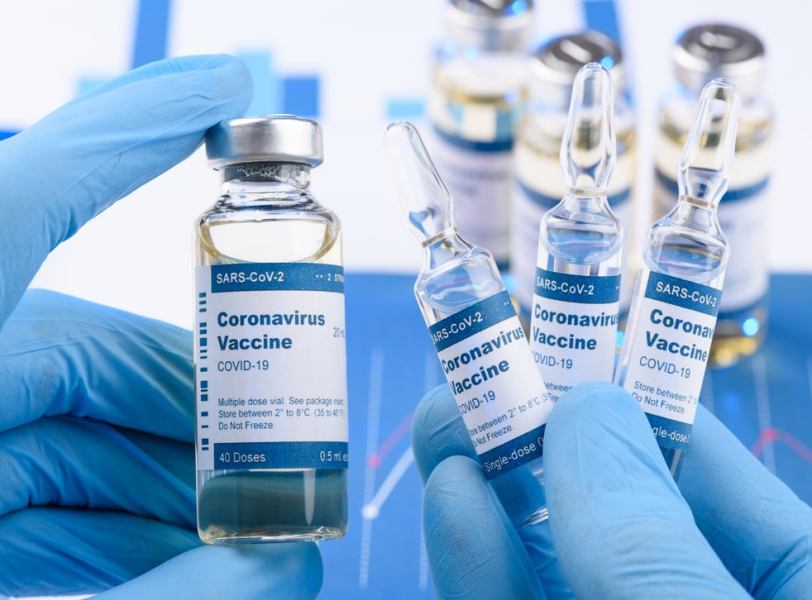
On Saturday, Prime Minister Narendra Modi went to three different pharma plants to take stock of the Coronavirus Inn being built in the country. In which Zayeds Cadella of Ahmedabad, Serum Institute of Pune, Bharat Biotech of Hyderabad visited and reviewed the corona vaccine.


Zahids Kedela (Ahmedabad) – The vaccine produced here is completely indigenous. The company’s chairman Pankaj Patel said that, our target is to complete the trial by March 2021.

Bharat Biotech (Hyderabad) – The vaccine produced here is completely indigenous. A third trial of the vaccine is underway. The vaccine produced here is 60% effective.

Serum Institute (Pune) – Serum Institute is the most looked after in India. Because this vaccine is in the final stage and is effective from 70% to 90%. With that, the company has made a vaccine by with Oxford. The CEO of Serum Institute said that, our first goal is to give vaccine to India and then to other country. The company is going to produce 40 crore doses by June – July.

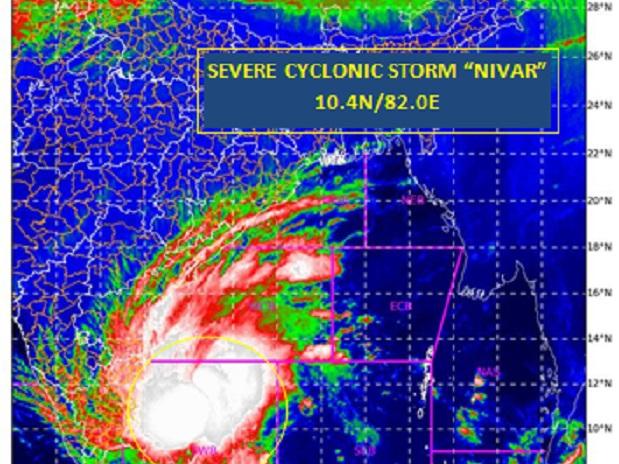
Nivar storm will hit in few hours.

Due to low pressure in the Bay of Bengal, the storm is going to hit in southeast India. Whose name is nivar.Which can have the highest impact in Tamil Nadu, Pondicherry, and Andhra Pradesh.

The effect of which is already visible. some trees have fallen on top, winds have intensified in some places. Today 6 trains have been canceled due to preventive storm.According to the Meteorological Department, the storm is moving at a speed of 6km / hr. Prime Minister has spoken to the Chief Minister of Andhra Pradesh, Pondicherry, Tamil Nadu and assured of all possible help. There has been complete preparation from the government. 1200 and other 800 people of ndrf have been deployed in rescue operations. Simultaneously, orange alert has been declared in the coastal areas. It is believed that a hurricane may hit Mallapuram in Tamil Nadu on the coastal areas of Konackarai. The storm is likely to hit mallapuram to konackarai coastal areas.

We need to be cautious: PM

Tuesday, the Honorable Prime Minister of the country, Shri Narendra Modi, held a meeting with the Chief Minister of all the states about the growing cases of corona. In which the Prime Minister reviewed the situation of the states and also learned about the preparations for dealing with the states from Corona.

The Prime Minister said about how the growing case of corona in the country can be stopped. In which the Prime Minister said about PM gas, how oxygen and ventilater were arranged in the country. More than 160 oxygen plants were constructed at different places in the country. Funds of Rs 2000 crores were allocated for the ventilater only through PM care. Simultaneously, the Prime Minister gave instructions to increase the rt-pcr test. Emphasized about bringing vigilance among the people from the states. Simultaneously speaking to the states about future arrangements, the state said that the state should make arrangements for cold storage for the vaccine. At the same time, the state should work with the task force for the delivery of the vaccine and the entire task was asked to be put in the hands of one person.

Increasing cases in some states of India

The situation of Corona in some states of the country is becoming uncontrollable. Which includes the states of Delhi, Maharashtra, Gujarat, and Assam. Even in the metropolis of these states, curfew is being imposed at night. Curfew is being imposed from 09 pm to 06 am in Ahmedabad, Surat, Rajkot, and Vadodara in Gujarat. Yesterday, the Maharashtra government said that lockdown could be imposed again in Maharashtra if needed. Along with that, it will be necessary to show the Corona report to enter Maharashtra from Gujarat, Madhya Pradesh, Rajasthan.

Third Party Images

The Supreme Court has yesterday asked the governments of Gujarat, Maharashtra, Delhi, and Assam to report in two days. In which what is their policy from governments? What kind of preparation is there to prevent corona? Answers to these questions have been sought. Simultaneously, a response has also been sought from the Central Government, in which Solicitor General tushar Mehta replied that, the State and Central Government are working together and the Central Government is providing all possible help to the State Government.

Covid vaccine will be provided by linking Aadhaar.

Corona vaccine is being tested in the country and the world. Because cases of corona in the world are constantly increasing. However, it is a challenge to the government not only to corona but to whom to give corona vaccine first ? and how to distribute it?

In India, the corona vaccine may come early next year. According to Healthy Minister Dr. Harsh Vardhan 25-30 crore people will be given corona vaccine by June – July of next year. The person will be linked to the Aadhaar card while giving veccine. For which there will be no Aadhar card, the government has not given any kind of information.Simultaneously, the government will use schools, panchayats, and anganwadis to distribute the vaccine and the state government will identify the places from where the vaccine will be given.

How will the covid app work?

While moving the veccine from one place to another, there is no change in the environment of the veccine so the covid app will be taken.

After giving the covid vaccine the person will be given a certificate. in which who, when, and where the vaccine is given will be given information which can be severely reduced in digi locker.

Genetic Mutations: Gender Partiality?

India has a very distinct gender gap. On a very basic level, it boils down to chromosomes. Imagine, having one different chromosome can alter your life completely, both from a biological and social vantage. Phew! And though times are changing, but still there is no secret in the fact that men are still at a better positions in life generally, all thanks to their gender. But Nature sometimes, does not favour the men. Yup, it comes down to chromosomes, the genetic indicative of a gender. Now, you must be thinking, how can just two strands of genetic material have that drastic difference in someone’s life? Well, the answers lies in the genetics only, more specifically in some genetic mutations. Let’s see what are those….

Back To The Basics…

Genes are the primary units that determine any physical or other physiological traits in a human being. One gene can affect multiple factors within the body. Similarly, one factor can have the results of various genes acting in relation to it. And the genes, in turn, are contained in the chromosomes. So, the chromosomes are a centre point controlling various factors and activities across the body. Genetic mutation refers to the permanent alteration of the DNA sequence, which are the building blocks of a gene. So, needless to say, it will affect the chromosomes, and in turn, the individual who is subjected to these mutations. Mutations often produce new traits, sometimes for the better, other times for the worse.

That being established, now comes the role of chromosomes in gender determination. The human species has 46 chromosomes, out of which 44 chromosomes have absolutely NO role in determining the gender of an individual. The remaining 2 chromosomes, X and Y, also known as the sex chromosomes, are the main functional units here. A biological female will have XX chromosome combination and a biological male will have XY pair. 

Now, the adverse mutations, both in the X and Y chromosome put the males into a tight spot. Since they have one of each chromosome, so if they acquire the mutated chromosome, they would definitely have that trait. The term trait also includes genetic diseases. Good luck guys!

Hemophilia (X-chromosome mutation)

Hemophilia is a blood related disorder. In such cases, the blood has difficulties in clotting. Individuals with this disorder often suffer from spontaneous bleeding or prolonged and heavy bleeding from injuries. Over the majority of cases, factors VIII and IX, which play a crucial role in blood coagulation, has been identified to be insufficient.

In terms of genetics, this disorder occurs when a gene on the X chromosome, which has a function in the production of blood coagulation factors, undergoes mutation to stop working effectively or does not have any function at all. In such cases, the male child begets this gene from his mother. The female child will be a carrier if she gets one affected X chromosome. But if the father is also homophilic, then only the girl child will have this disorder. In case if the father has both chromosomes sans the mutation and if the mother has one mutated chromosome, then there is still a probability of having a fully unaffected male child, and a non carrier female child.

Website Reference:

https://www.cdc.gov/ncbddd/hemophilia/facts.html

Sanitary Napkins: Saviour Of The Day, But Not In The Long Run

Menstruation can be very bothersome all by themselves. Period (No pun intended!). More for some people than others. And any conversation about menstruation is bound to include the topic of menstrual products. And for a large chunk of the female population, their go-to menstrual products are the sanitary napkins. Or as more commonly known, pads. Pads provide binding experience amongst the ladies. No kidding there. So many advantages of pads, doesn’t it seem too good to be true? Well, there is some news for you. Pads can be harmful too!

Under The Surface

Sanitary napkins, or more specifically the synthetic pads, are made up of components which are far from organic. Also, the organic compounds are not fool proof safe either. Going through these components, we have:

  • Dioxin: Contrary to the popular belief, the pure white colour of the pads are not due to cotton. Rather, the extra shine white is the final product of chlorine bleached fibres. A byproduct of this process, dioxin, has been pinpointed as a substantially damaging toxin for the human body, if in contact for a long period of time. The pelvic region has a quite sensitive skin, which has a higher absorption rate in comparison to the other regions. This makes the body more susceptible to absorbing dioxin, which also happens to be a carcinogen. Yup, cancer alerts! Substantial buildup of dioxin in the body increases the probability of having various forms of cancer. Another mention worthy fact is that dioxin stays in the body via fats and may remain upto 20 years. Apart from cancer, it is also the cause of pelvic inflammation, hormone dysfunction and some other problems.
  • Pesticides: Now, the first question that might pop in your head might be, where would pesticides be used in making pads? Well, the answer is, no, it is not used in the actual manufacturing process. But the cotton used to fill the pads sometimes has a substantial amount of synthetic pesticides in them, which unfortunately, is not totally removed during the making of sanitary napkins. Needless to say, they have their own set of adverse effects on the body, especially on the internal organs. On the gynaecological front, it may cause thyroid, hormonal malfunction, endometriosis or diabetes.
  • Plastic: The main purpose of using plastic is to make the pads leakproof and able to withstand a heavy blood flow. But sealing up the pad doesnt let the moisture escape, and combined with the body heat, it makes an ideal place for growth and multiplication of various microorganisms, most common of them being some bacterias and yeast. This in turn, leads to cases of vaginal allergies or infections. Apart from that, plastic is the main cause of period rashes and chafing.
  • Artificial fragrance enhancers: Blood in itself can be a gory sight. Adding unpleasant odour to this equation is a sure formula to have a bad mood through one’s menses. So, producers add odour neutralisers or artificial perfumes to the pads to provide a feeling of freshness. But at the end of the day, they too are harmful for the body. Apart from causing rashes, soreness or chaffing in the pelvic region, it can seriously interfere with one’s fertility, as for they are found to interfere with the foetal development.

All the components, by themselves and together, are also a threat to the environment. Every year, a sizable chunk of plastic pollution is contributed by the used pads. 

Tampons too, have some similar environmental and health effects. Apart from that, tampon use increases the risk of Toxic Shock Syndrome (TSS), which happens to be a rare but serious complication, caused by some particular bacterial infections.

The Alternate End

Obviously, all this information may distraught anyone who swore by these products. Now the next big question is, if not this, then what other options are there? To answer that, at present, menstrual cups, organic pads and reusable cloth pads are some alternatives available, to save the day! 

Smoking: A Harmful Habit

Undoubtedly the worse & harmful habit, as it’s injurious to one’s health. This evil habit generally takes a toll during adolescence or while passing out school or prime stage of college life. Peer pressure may be one of the key reasons to get habituated. But this harmful indulgence in smoking makes one cigarette addict. And this becomes really difficult to get over this habit. Sometimes people start smoking in order to imitate his favourite heroes who smoke on the TV screen. On the cigarette packet, cigarette companies issue the warning — ‘Cigarette smoking is injurious to health’. Yet the proneness to smoking is on the rise at an alarming state. 

 Sometimes smokers have so many please in favour of smoking. Some say without smoking they suffer constipation & prolonged tension & worries of modern life. But these are only lane excuses on their part of the part of drug addicts. 

 Constant or a habitual smoker runs the risk of suffering from some very acute & dangerous diseases & ailments. These are lung cancer, throat cancer, tuberculosis, asthma & high blood pressure. Heart diseases & respiratory troubles & ailments result in stroke or paralysis in the advanced stage or later life. Most smokers suffer from the bad throat, weak lungs & persistent cough & respiratory troubles throughout the year, particularly in the Rainy or Winter season. Moreover, direct smoking gives rise to passive smokers all around them. These passive smokers are compelled to suffer the evil habit of direct smokers, even against their will. 

 When you smoke your family suffers. As cigarettes are growing costlier gradually, it leads to heavy drainage of the hard-earned money of the smoker. Strict laws should be imposed on smoking in public, in offices, vehicles, streets, movie theatres, and in presence of children, family members & evening presence of those who dislike this evil habit. Smokers should be socially boycotted when all other possible ways to persuade go in vain them to abstain from this bad habit. The use of tobacco may be channelized into other sorts of financial pursuits like making insecticides & other things helpful to mankind rather than in making cigarettes & bidis. 

Pollen Allergy: What Made It A Human Contributed Problem ?

Season changes are hard to deal with for many individuals. And just because of the change in humidity and temperature, but also due to the reproductive cycle of the plants. Yup, the infamous ‘allergen’ pollen, which causes pollen allergy. Infact, some people tend to have allergies across a large period over the year, as for various plants release pollen at different seasons. And a serious thing to note is that allergic reactions can get real bad real fast. Especially for people with respiratory problems. And you know what’s funny, we humans might be contributing to this problem. Now, I know what are you thinking, those are plants, how are we responsible? But in a way we are. And I would like to explain how….

Basic Biology

Since plants cannot move, they have altogether different mechanisms for reproduction and species continuation. On the basis of presence and functionality of the reproductive parts on a plant, they can be divided into monoecious (same plant has both male and female flowers, may or may not self fertilize) and dioecious (plant can have only one type of flower male or female). Flowers, in turn, can be classified into three categories: staminate (contains only male reproductive structures), pistillate/carpellate (contains only female reproductive structures) and hermaphrodite (contains both in the same flower). So, needless to day, some monoecious and all the dioecious plants have to have some methods involving external agencies for the male gametes to reach the female ones.

One of the most common dispersive factors for plant reproduction is air. Since the male gametes, better known as pollen, tend to be quite smaller in comparison to the female gamete, ovule. Hence, the pollen are usually the ones that commute for the fertilization to happen. And the air borne pollen is very light, for they sometimes need to travel large distances. Needless to say, they tend to remain in the atmosphere for long periods of time. Pollens are also dispersed by animals, a lion’s share of them being insects. Again, indirectly, they go back in the atmosphere. The inclusion and buildup of pollen in the atmosphere increases the susceptibility to the pollen allergy.

Rampant Pollens

Plantation drives are now being organized on large scales to preserve the environment. Plants in the commercial and residential areas are a must now. And in planned cities, especially in developed countries, separate areas are demarcated for developing a natural ecosystem. Apart from the uses to the human beings, these are also inviting grounds for the local fauna. But human beings can be honest, sometimes to comfort seeking. Hence, when the arborists discovered that having male plants in the urban regions will be less maintenance costly and easier to clean up (in comparison to female trees shedding flowers and seeds), male plants became an immediate and dominant presence in the urban botanical landscape.

This phenomenon of ‘Botanical Sexism’, as termed by the horticultural expert Tom Ogren, has taken an ugly turn in U.S. Male plants were given that much of preference that the monoecious plants were altered as to produce only male reproductive counterparts. Due to overpopulation of male trees, tons and tons of unchecked pollen is dispersed in the atmosphere. And with no female trees in the vicinity to trap these pollen grains, things went awry. An overdose of pollen has triggered an increase in the amount of population suffering from allergic reactions, and also has contributed to a rising number of cases of hayfever and asthma patients in many developed nations.

Whew, the things favoritism might do…

Website Reference:

https://www.youris.com/environment/biodiversity/sexism-also-exists-in-botany.kl

Amazing Uses for Aloe Vera

Aloe Vera Gel for Face and Hair - LA Organo

Aloe vera has been known for its healing properties for at least 6,000 years. In the early days, the plant was known for being a “plant of immortality” and was presented to Egyptian pharaohs as a funeral gift.These days, aloe has an entire industry behind it. Its juices are used in cosmetics and personal-care products such as moisturizers, soap, shaving cream, and suntan lotion. The aloe vera product that probably comes to mind most easily is the bright green gel that’s stocked on drugstore shelves. You’ve probably used it to soothe a nasty sunburn.Aloe vera is also available in supplement form, which is said to offer the same possible benefits to the skin and digestive system as other versions of the plant.

The latest in aloe vera trends is the introduction of aloe-based drinks, such as aloe vera juice and aloe vera water. The plant juices are usually mixed with citrusy juice to make aloe vera juice or water to make aloe vera water.Aloe vera on its own can taste a little bitter, so many brands will add flavor or sweeteners to the bottle. Take a look at the bottle’s ingredients list to make sure it’s not packed with loads of added sugars.

What Are the Potential Health Benefits of Aloe Vera?

There’s not enough evidence to prove that aloe vera can treat all the health issues it’s said to help with. (2) But the plant has been linked to many potential benefits, including:

  • Digestive help Aloe latex contains aloin, which is an anthraquinone that gives aloe vera its laxative properties.
  • Treating skin conditions, such as acne Aloe creams have a calming effect on the skin and have been shown to help reduce itchiness and inflammation.
  • Sunburn relief Some people swear by aloe to calm a sunburn. You might have experienced the gel’s cooling effect yourself, but the research backing up the claim that it can speed skin recovery is lacking. One small study, for instance, found aloe vera didn’t have any effect on treating a sunburn when compared with a placebo.
  • Wound healing Aloe gel may help expedite the healing process of burns or cuts on the skin.
  • Heartburn relief Researchers found aloe vera helped lessen several symptoms, including heartburn, belching, and vomiting.
  • Lower blood sugar A study found drinking two tablespoons of aloe vera juice every day for two weeks helped lower the blood sugar levels among people with type 2 diabetes.  developing heart disease.

You can use aloe vera to keep your skin clear and hydrated. This may be because the plant thrives in dry, unstable climates. To survive the harsh conditions, the plant’s leaves store water. These water-dense leaves, combined with special plant compounds called complex carbohydrates, make it an effective face moisturizer and pain reliever.

A new study published in Evidence-Based Complementary and Alternative Medicine looked at the therapeutic properties of aloe emodin, a compound in the plant’s leaves. The authors suggest that the succulent shows potential in slowing the growth of breast cancer. However, more studies are needed to further advance this theory.There are a number of ways to use the aloe vera plant and the various gels and extracts that can be made from it. Researchers are continuing to discover new methods to put this succulent to use. Be sure to consult your doctor if you plan to use aloe vera in a medicinal manner, especially if you take medication.

Reasons to Eat More Citrus Fruits

Hello readers I am the intern of HARYALI NGO and want to share this post so that you may get some informative knowledge.

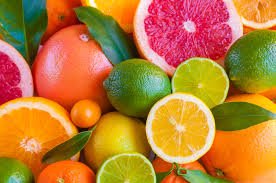
Sweet, brightly colored citrus fruits bring a burst of sunshine into winter days. But citrus fruits are not only flavorful and pretty — they’re also good for you.This class of fruits includes lemons, limes, oranges and grapefruit, as well as many more hybrids and varieties.They have a bunch of health benefits, from boosting immunity to fighting cancer.

21 Superfoods For Boosting Your Immune System — Fitbod

These 10 foods will help to boost your immune system | Yorkshire Post

What Are Citrus Fruits?

Citrus fruits grow on flowering trees and shrubs. They are characterized by a leathery rind and white pith that encases juicy segments.

They’re native to Australia, New Guinea, New Caledonia and possibly Southeast Asia .Nowadays, they are cultivated in tropical and subtropical climates all over the world. Major production hubs include Spain, Brazil, China, the US, Mexico and India .Interestingly, nearly a third of all citrus fruits are used to make juice .You can find all kinds of citrus fruits year round. The peak season for oranges and grapefruits in the Northern Hemisphere is between mid-December and April.

Here are some popular varieties of citrus fruits:

  • Sweet oranges: Valencia, navel, blood orange, cara cara
  • Mandarins: Satsuma, clementine, tangor, tangelo
  • Limes: Persian, key lime, kaffir
  • Grapefruit: White, ruby red, oroblanco
  • Lemons: Eureka, Meyer
  • Other kinds: Citron, sudachi, yuzu, pomelos

Read on for reasons to add these fruits to your diet.

1. They’re Rich in Vitamins and Plant Compounds

Citrus fruits are an excellent source of Vitamin C, a nutrient that strengthens the immune system and keeps your skin smooth and elastic.In fact, just one medium orange has all the vitamin C you need in a day.Additionally, they are rich in plant compounds that have various health benefits.These compounds include over 60 varieties of flavonoids, carotenoids and essential oils, and they are responsible for many of citrus fruit’s health benefits

2. Good Fibre

Citrus fruits are a good source of fibre. Just one cup of orange segments contains four grams of fiber.To put that in perspective, it’s recommended that you consume 14 grams of fiber for every 1,000 calories you eat. It’s estimated that only 4% of men and 13% of women in the US get that amount Compared to other fruits and vegetables, citrus fruits are unique in that they have a higher ratio of soluble to insoluble fiber.

3.Low Calories

They’re low in calories, yet their water and fiber contents help fill you up.Here’s how many calories the main kinds of citrus fruits contain.

  • 1 small clementine: 35
  • 1 medium orange: 62
  • 1/2 pink grapefruit: 52
  • 1/2 white grapefruit: 39
  • Juice from 1 lemon: 12

What’s more, a 2015 study that looked at people’s eating habits and weight over 24 years found that eating citrus fruits was linked to weight loss.

4.Protect against Cancer

Many studies have linked citrus fruits to a reduced risk of certain cancers.In one study, people who ate one grapefruit or drank one serving of grapefruit juice daily had a lower risk of lung cancer.Other studies have suggested that citrus fruits may also protect against esophageal, stomach, breast and pancreatic cancers .These fruits contain a host of plant compounds, including flavonoids, that may help protect against cancer.

A pandemic to forget, but learnings to remember forever

Future generations deserve to be in the best position possible to deal with the next inevitable pandemic. This preparation includes regular reminders about what happened in 2020.

Government agencies such as the Centers for Disease Control and Prevention and the World Health Organization seemingly have the power to capture the public’s attention. Yet even well-intentioned agencies can become manipulated for other purposes. Among the reminders to keep alive is that these institutions must be guarded from corruption, and the prospect of defunding or reorganizing them cannot be taken lightly.

In 1924 Encyclopædia Britannica published a two-volume history of the 20th century thus far. More than 80 authors—professors and politicians, soldiers and scientists—contributed chapters to These Eventful Years: The Twentieth Century in the Making as Told by Many of Its Makers. But the book’s sprawling 1,300 pages never mention the catastrophic influenza pandemic that had killed between 50 million and 100 million people worldwide only five years earlier. And many history textbooks in subsequent decades just note the 1918–1919 flu pandemic as an aside when discussing World War I, if at all.

Photographs, too, could help to build a collective memory of COVID-19. Psychological research has consistently shown that humans’ visual memory is much stronger than our recollection of words or abstract ideas. Thus, widely distributed images can form the backbone of a collective memory, Roediger says.

History is filled with such iconic imagery: American troops raising the flag on Iwo Jima; the Twin Towers collapsing on 9/11; Colin Kaepernick kneeling during the national anthem. But “the cameras tend to stop at the door of the sick room or of the hospital,” Spinney notes. “We tend to not go into that space.” Few images show the dramatic symptoms, such as a blue face and bleeding from the ears, suffered by many who contracted the 1918 flu. Similarly, striking photographs that could reinforce collective memory are scarce in today’s news reports of hospitals running over capacity, shortages of personal protective equipment and high death tolls in nursing homes.

To conclude, people who have been forced to live a life that they did not want are in many ways forgotten today. While everyone deals with their own problems and every country tries to protect its own citizens, vulnerable groups such as refugees remain marginalised. No matter what the conditions are around the world, these people must always be supported and kept in mind in order for humanity to win.

we should demonstrate our value and contribution every day, helping to motivate and unify our staff and working with leadership to drive our organizations forward. We will need to fight harder and be more creative in order to sustain interest and engagement once there is less focus on coronavirus and a return to more normal subject matter.  It is essential we do not consign the handling of the coronavirus to the status of a mere case study.

At last, as tagline suggests, we all each and every human in the world would like to forget and get over this COVID-19 as the bygones. Just as we tell ourselves after a bad day to start afresh again. However, this hit is so deep and impactful that, generations will feel affected in one way or another manner.