KERALA’S BIGGEST SOLAR FLOATING POWER PLANTS COMMISSIONED AT COCHIN INTERNATIONAL AIRPORT

Cochin International Airport, the largest and busiest airport in Kerala which handles about 10 million passenger movements in and out the state annually, is located at Nedumbassery in the outskirts of Cochin city. With the inauguration of a dedicated solar plant in 2015, Cochin International airport won the title of world’s first fully solar-powered airport. The CIAL solar power project comprises 92,150 solar panels laid across 94 acres, generating 100,000 units of electricity on a daily basis. The airport authority has been honoured with the Champion of Earth award by the United Nations in 2018 for their excellence in the large-scale introduction of sustainable energy sources.

On 17th January 2021, CIAL crossed yet another glorious milestone with the commission of one of the biggest floating solar power plants in Kerala. The cost-effective high-density polyethylene floats, using most modern French technology, are laid over two artificial lakes in the CIAL golf course. The floats consist of 1300 photovoltaic cells and have a capacity of 452 KWh helping the airport to produce around 1.60 lakh units of power a day as against its daily consumption stands around 1.30 lakh units, the authorities said.

CIAL sets an example of Total Sustainability Management by treating the sewage water for water harvesting in its golf course with the help of 12 artificial lakes. The water from these lakes was earlier used for irrigating the lawns but now with the installation of these floating solar panels, they have taken another step forward in sustainable and environment friendly resource management.

The Managing Director of CIAL, Mr V J Kurian said, “The pre-commissioning trials showed that these panels which cost around Rs 2 crore to the company are producing power with maximum output efficiency among the eight solar power plants installed by CIAL at various locations in the airport premises. CIAL has been reinventing itself since its formative days. One of our innovations which proved that relying upon green energy is possible even for the high energy consumers like an airport has won us the champions of the earth award instituted by the United Nations. We are committed to the protection of nature and trying our best to reduce carbon footprints.” 

The installation of floating solar panels are usually very expensive when compared to the ground-mounted and rooftop ones. CIAL was able to overcome these limitations and bring down the cost using the novel technology as the  French company CIEL TERRA provided technical assistance. The solar panels are also connected to the KSEB power grid which helps them to bank the excess energy produced.
KOCHI TO GET AN INFRASTRUCTURAL FACELIFT IN 2021

The year 2021 will be witnessing a grandiose infrastructural facelift of Kochi, the stupendous port city of Kerala. Kochi has undergone a massive transformation during the past decade, with the launch of Cochin International Airport, Cochin Shipyard, Infopark, Kochi Metro etc which has uplifted it from a tiny port city to a metropolitan urban city we see today. Enormous investment in the construction and expansion of roads and bridges has increased the pace of life in the city. 

With the inauguration of the Vytilla and Kundannor flyovers, the two major projects which Kochi has been anticipating for a long time; the city has kickstarted its infrastructural facelift of 2021. The Vytilla Kundanoor flyovers built under the supervision of  Roads and Bridges Development Corporation of Kerala (RBDCK) are expected to reduce the traffic congestion at the busiest junctions of the city. With the completion of the Palarivattom flyover by Delhi Metro Rail Corporation in the coming months, commutation through and within the city will become facile.

The first phase of Kochi Water Metro, a project introduced as an alternative public transport system to reduce traffic congestion within the city with minimal pollution is expected to be completed by mid-2021 under the supervision of Kochi Metro Rail Limited. Kochi will become the first city in the country to have an integrated road, metro rail and water transport system under one roof with the launch of this project. The Phase I extension of the Kochi Metro to Tripunithura is expected to be completed this year. 

Efforts to resolve the waterlogging and flooding in Kochi during monsoon season as a follow up to Operation Breakthrough is said to begin in March 2021. Several innovative projects such as rooftop solar panel projects and Intelligent Traffic Management System have been rolled out by Cochin Smart Mission Limited (CMRL). A walkway development project, an open-air theatre and renovation of Dutch Palace premises in the Fort Kochi area will also be carried out this year.

The Ernakulam Medical College Hospital was transformed earlier this year into a state-of-the-art healthcare hub that the state can be proud of. The commissioning of the GAIL pipeline in January by the Prime Minister marked a historical achievement as the city and the government had to tackle numerous hard knocks to make the project a reality. With the launch of numerous infrastructural and economically uplifting projects, Kochi is expected to become one of the leading metropolitan cities in the coming decade.

WHY MENSTRUAL CUPS ARE A NEED OF THE DAY?

Menstruation is one of the most natural and healthy affairs of a woman’s life. Though we live in a modern society, menstruation is still considered as a taboo and menstrual hygiene is of great concern. Majority of the women have been depending on menstrual products like sanitary pads, tampons etc for decades without knowing the health hazards behind their use. 

Sanitary napkin is one of the most widely used feminine hygiene products due to its convenience in usage and availability at an affordable cost. This ‘easy to use’ product is not only a potential threat to the environment but also causes severe health problems. These sanitary pads are made up of 90 per cent plastic that is non-biodegradable and non-recyclable which makes it difficult to be disposed of. The chemicals that are added for increasing absorption and reducing the odour can cause significant impacts on one’s health. Over time, the BPA present in the sanitary napkins and tampons along with other chemicals can enter one’s body and increase the risk of cancer in reproductive organs. The deodorants and fragrances directly enter the bloodstream and interfere with the embryonic development thus affecting one’s fertility.

Tampons are equally or more dangerous than sanitary napkins. The strings and applicators of tampons are made from polyethylene and polypropylene which makes them non-biodegradable. Studies have shown that longtime use of highly absorbent tampons can cause bacterial infections leading to fatal conditions like toxic shock syndrome. The disposal of the sanitary wastes is a big crisis as an average person who menstruates throws away up to 200 kg of menstrual products in their lifetime and they end up in landfills, on beaches or polluting our oceans for decades.

Menstrual cups come as an alternative for various problems generated by sanitary napkins and tampons. Unlike other products which absorb the menstrual blood, menstrual cups instead collect the discharge. They are made of medical-grade silicone or rubber which makes them easy to clean and durable for more than 5 years. This reusability of the menstrual cup itself is its major advantage which enables it to be cost beneficiary and eco-friendly. The proper use of a menstrual cup can reduce the chances of period hassles, rashes, skin infections and allows more physical movements without leakage. It can collect almost double the amount of blood than any other method making it more convenient to be used while travelling. Menstrual cups are getting more popular in western countries accounting its reusability and comfort. Proper practice and maintenance of hygiene can reduce the chances of risk caused by menstrual cups. The benefits of menstrual cups over other products makes it clear that they are a sustainable alternative barring certain drawbacks.

CNG: A SINE QUA NON OF THE PRESENT DAY

In the current rapidly evolving world where exploitation of nature and its resources are taking place under the tag of development, what we need is sustainable development through which we can meet the needs of today without compromising the needs of tomorrow. Developing countries like India are more prone to severe air pollution compared to developed countries accounting to the rapid urbanization, fast-paced industrial development, underdeveloped combustion technologies and continued use of traditional fuels. The deterioration of ambient air quality has been attributed with 1.24 million premature deaths and 38.7 million disability-adjusted life-years (DALYs) loss in India resulting in a national public health crisis. The national capital New Delhi is one of the most polluted cities in the world where the population is literally living in a gas chamber with noxious air quality. According to studies, 28 % of the total pollution in Delhi is contributed by vehicular emissions which necessitated the monitoring of PM measurement of outdoor air pollution. The air quality index of Delhi hit an all-time low as the pollution levels crossed seventy times the safe limit last year.

Several management plans were implemented to better the air quality of the city and various control measures were introduced to minimize the pollution. The Delhi government launched a broad CNG programme to convert the city’s public transportation to CNG and the national capital ended up the cleanest public transportation system in the world by replacing the diesel buses with CNG by 2002. This transformation has brought a significant impact on air quality and pollution levels as it helped reduce the premature death rate in the city.

CNG (Compressed Natural Gas) is one of the least toxic and cleanest burning eco-friendly fuel available.  The use of CNG reduces carbon monoxide emissions up to 97 per cent as it is processed from biological waste, marking it as a sustainable replacement to fossil fuels. When compared to other fuels, CNG is safe to store and transport. Besides being eco friendly, CNG provides numerous economic benefits as well. The cost of CNG when compared to other traditional fuels is considerably low and its abundant presence in nature promises its availability for future purposes. 
India is setting an example of sustainable development by reducing the use of fossil fuels and shifting to eco-friendly fuels like CNG. On Tuesday, Prime Minister Narendra Modi has inaugurated a 450 km natural gas pipeline between Kochi and Mangalore built by Gas Authority of India Limited, which will supply safe and affordable fuel to households in the form of piped natural gas (PNG) and compressed natural gas (CNG) to the transportation sector. The pipeline is a part of the country’s journey towards ‘one nation-one gas grid’, said the Prime Minister. A total of 1,544 km pipeline had been laid as part of the National Gas Grid in 2020. India plans to spend $60 billion in creating gas infrastructure till 2024. These projects are incorporated as India plans on developing a gas-based economy, reducing the use of traditional fossil fuels and thereby aiming to cut down its greenhouse gas emission levels to improve the environmental and climatic conditions.

LIFE AFTER COVID: THE NEW NORMAL

The government of Kerala has decided to reopen schools, colleges and movie theatres in the state starting from the first week of January 2021 as the final phase of unlocking process of the lockdown imposed due to the COVID 19 pandemic. Schools and colleges were among those institutions which were closed down earlier in March 2020 even before the lockdown was declared and movie theatres were closed down when the Prime Minister affirmed a nationwide lockdown on 24th March 2020.

The reopening of schools on 1st of January strictly adhering to the COVID 19 protocols is the initial step towards unlocking in the education sector. With limited hours of functioning, the classes for 10th and 12th standard would begin with a restricted number of students. Only 50 per cent of students will be allowed at a time and in schools having more than 300 students, the number will be reduced to 25 per cent as per directions from the General Education Department. The school management is supposed to ensure safety by providing masks, sanitisers, soap, digital thermometer etc in the institutions. Social distancing has to be maintained and if necessary, the classes will be conducted in shifts. Each school should constitute a COVID-19 cell, chaired by the principal or headmaster. The cell should meet once a week to review the situation.

The colleges will be reopened for final year graduates, postgraduates and research scholars with a limited number of students similar to schools. Students, teachers and other staff with COVID-19 symptoms and those in quarantine should complete the days stipulated by the Health Department. The premises of the institution, furniture, stationery, staff room, water tank, kitchen, canteen, laboratory, library, and toilets should be disinfected before reopening. Each student is ensured to have five class hours in college as the government is putting efforts to compensate for the time lost owing to the pandemic. Online classes will be continued for the rest of the students.

Chief Minister Pinarayi Vijayan has announced that the movie theatres can function from the 5th of January 2021 which was shut down for almost a year though film shootings have resumed in the state by June 2020. All COVID 19 restrictions issued by the health department have to be followed with a 50 per cent occupancy of seats. Stringent measures will be taken against the theatres violating the prescribed protocols. Fifty per cent occupancy, staggered show timings, social distancing, thermal screening, adequate protection gear for the staff, and compulsorily providing phone numbers for “contact tracing” were some of the changes that were called for.

Even though we’ve entered into the final phase of unlocking, the government is directing adequate safety measures to prevent another wave of the pandemic. The tourism, entertainment, sports and education sectors have started their path back to normal. With the COVID 19 vaccine expected to be made available in the next two weeks, the government is expecting things to get normal in the coming months.

Dr E SREEDHARAN: THE MAN WHO ADDED WHEELS TO INDIA’S METRO DREAMS

Dr Elattuvalapil Sreedharan, popularly known as the “Metro Man”, is primarily credited for changing the face of public transportation in India through his leadership in building Konkan Railway, designed and built in a record time of eight years and Delhi Metro, the largest and busiest metro in India, when he served as its managing director between 1995 and 2012. He is well known for his exceptional leadership qualities and unwavering determination in shouldering arduous responsibilities. During the national railway strike by about 1.7 million workers in 1974 which spanned over 20 days, he was resolute to work on the Metro rail network in Calcutta without a halt. The construction of Konkan Railway headed by Sreedharan was the only project in India which managed to overcome all the adversities faced during the first Gulf War while many countries around the globe including India suffered excessive fuel shortage. These incidents stand out as a testimony for his clairvoyant and exhilarating personality.

Dr E Sreedharan was born on 12th  June 1932, in Palakkad district of Kerala. He completed his primary education and college from Kerala before moving to Andhra Pradesh from where he had his education of Civil Engineering from Government Engineering College in Kakinada. After completing his education, he joined the Government Polytechnic in Kozhikode where he taught Civil Engineering subjects. He passed the Indian Engineering Service (IES) examination in 1953 while working as a trainee in Bombay Port Trust and was further appointed as the Probationary Assistant Engineer in Southern Railways in 1954. 

Dr E. Sreedharan played a key role in bringing a revolution in the country as a metro. Country’s first Metro project, Kolkata Metro was entrusted to him and its foundations were laid in 1970. Cochin Shipyard got rejuvenated under his guidance and several projects which were hanging for a long time gained momentum. The construction of Konkan Railway, the biggest railway construction endeavour in independent India was carried out under the watchful eyes of Dr Sreedharan. Its construction effectively connected the southwestern coast of India with the rest of the country in a point-to-point straight line. The Delhi Metro Rail Project is another example of architectural marvel constructed under his excellency connecting Delhi and its satellite cities of Faridabad, Gurgaon etc. Being the chief advisor of major metro rail projects of Kochi, Lucknow and Jaipur, he is also associated with numerous metro rail projects across the country. The latest endeavour Dr Sreedharan has undertaken is the reconstruction of Palarivattom flyover in Ernakulam district of Kerala, which he promised to construct within 8 months using the leftover budget of other four bridges constructed by Kochi Metro Rail Corporation. The government of Kerala doesn’t need to spend a penny on the bridge’s reconstruction.
Dr E. Sreedharan, a man so dedicated to his cause and service was honoured with Padma Shri and Padma Vibhushan by the country for his exceptional and unfathomable services. He was also awarded Chevalier légion d’honneur by the French government in 2005.

ARYA RAJENDRAN: YOUNGEST MAYOR IN THE HISTORY OF INDIA

On Monday 28th December 2020, Arya Rajendran a 21-year-old graduate student from Kerala created history becoming the youngest Mayor in the country. She was elected as the Mayor of Thiruvananthapuram corporation, the largest urban body in Kerala. Arya, a second-year BSc Mathematicss student of the All Saints College here, won from the Mudavanmughal ward of the city corporation, bagging 2,872 votes, 549 more than the rival Congress candidate. The Thiruvananthapuram district secretariat of the ruling CPI(M) had recommended Arya Rajendran’s name for the post of Mayor as two of their Mayor candidates of CPI(M) failed to win the election from their respective wards. After she was elected Mayor, Arya took the oath administered by  Collector Navjot Khosa inside the closely packed council hall of Thiruvananthapuram Corporation.

Arya Rajendran began her political journey as a child activist in Balasangam, the children’s wing of CPI(M) in Kerala. At present, she is the state president of Balasangam and state committee member of Student’s Federation of India (SFI). 

As a staunch party activist hailing from a hardcore Marxist family, she said: “I have faced the election with confidence and courage. I am ready to shoulder any responsibility entrusted with me by my party. My dream is to take forward politics and my studies together.”

Arya being elected as the mayor of the capital city of Kerala in itself is a declaration from CPI(M), that age and gender will never be used as a constraint in determining a true leader. She is redefining the existing norms by setting an example to the youth, especially girls who are reluctant to come to the forefront of politics at a young age. 

When asked about her role model, Arya was quick and clear with her answer. 

“When it is a party like the LDF (Left Democratic Front) there will be many people to be cited as models – it is a party of cadres. Like our respected Chief Minister who has proven to be a crisis manager during these difficult times, and the influence he’s had on the common man. It is very important to be a leader who stands with the people at times of crisis,” she said.

Arya being elected as the Mayor of the capital city can be seen as the first of many changes from CPI(M) in Kerala ahead of the forthcoming assembly elections. After a stunning victory in the civic election across the state, CPI(M) is aiming to continue their winning streak to the upcoming assembly elections and thereby creating the history of becoming the first government to continue for two consecutive terms since its inception in 1950.

FEARLESS BLASTERS WINS FIRST OF THE SEASON

After a continuous winless run of six games, Blasters tasted victory in their seventh game of the season against Hyderabad FC. In the fierce fight between two strong Indian contingents, Blasters came on top after the action-packed 90 minutes.

Kerala Blasters, one of the most followed football clubs in Asia were yet to taste their first victory in the 7th edition of Hero Indian Super League after completing six games. Today’s win was very important for the players and the coach as questions were raised from corners regarding the recruitment policy of Blasters management and the inability of Kibu Vicuna, the head coach of Kerala Blasters in finding out a perfect starting line up out of the squad.

Blasters started with five changes from their match against East Bengal FC as the Malayalee boys Sahal Abdul Samad and Abdul Hakku had their first start of the season along with Sandeep Singh, Jeakson Singh and the Australian Jordan Murray. The foreign centre back pair of Bakary Kone and Costa Nhamoinesu were dropped along with the English striker Gary Hooper and the Indians Seityasen Singh and Rohith Kumar to give way for some fresh legs.

Kerala started with not so lousy momentum and Kibu’s bold move was rewarded well when the local boy Abdul Hakku netted their first goal of the game in the 29th minute from Facundo Pereyra’s well-directed corner. The Argentine’s corner kick found the unmarked Kerala lad inside the box who brought joy to the Blaster’s camp with a stunning bullet header. On the other side, Hyderabad FC’s attempts to level the score went in vain as their strikers couldn’t find the back of the net with a disciplined Blasters defence at the back and vigilant Albino Gomez on the goal. 

It was 1-0 in favour of Blasters at half time and they started the second half with more intensity expecting high pressing from Hyderabad, and this move turned well as Hyderabad was forced back to their defensive duties with Murray and Rahul testing the opponent goalkeeper in regular intervals. The 34-year-old Hyderabad Goalkeeper Subrata Paul was kept on his toes all along the second half by Rahul and Murray. Hyderabad’s poor finishing and final third progression cost them the game as Jordan Murray netted the final nail on their coffin at the 88th minute to win the game for the Blasters 2-0. Sahal, Jeakson and Facundo were booked by the referee in their battle for the ball as the Blasters played and won as a team. This win should serve as a launchpad for the Blasters for the coming games. No one deserved this win more than the Blaster’s coach Kibu Vicuna who brushed aside his personal loss, stuck with the team and made personnel and philosophical changes to win with a clean sheet.

WHEN THE GATEWAY FOR INDIANS TO HOLLYWOOD CLOSES

After their two decades of service, the renowned English film channel HBO which served as a gateway for Indians to Hollywood Movies, has discontinued its airing in India on 15th December 2020. WarnerMedia International has already announced that they will be shutting down HBO and WB movies in other South Asian countries including Pakistan, Bangladesh, and Maldives along with India by the end of the year 2020. This decision was taken as a result of the shifting market dynamics with the introduction of OTT streaming platforms like Amazon Prime, Netflix e.t.c. Even though there was an exponential growth in the number of viewers preferring to view contents in english, TV channels like HBO and WB were unable to capitalize on this, but to loose their grounds owing to the stringent competition from the on demand streaming platforms.

“After 20 years of successes for the HBO linear movie channel in South Asia and more than a decade with the WB linear movie channel, this was a difficult decision to make. The pay-TV industry landscape and the market dynamics have shifted dramatically, and the Covid-19 pandemic has accelerated the need for further change,” said Siddharth Jain, senior vice president and managing director for WarnerMedia’s entertainment networks in South Asia. 

WarnerMedia International is planning for a resurgence to the South Asian market through launching their own streaming service named HBO Max. But for the time being, they will be offering their content through Disney’s streaming platform. They have also declared that their entertainment organization will continue its broadcasting in popular kids channels like Cartoon Network, POGO e.t.c in the South Asian region. They are planning to invest more in this stream, with a focus on local animation production.

For Gen Z Indians, HBO has always been a part of their childhood. They were introduced to the world of Hollywood movies through the channel. Though the newly introduced OTT platforms provide great contents, for most of the Indians who grew up watching the likes of Harry Potter, Home Alone series, e.t.c, the shutdown of HBO will be considered as a great loss.

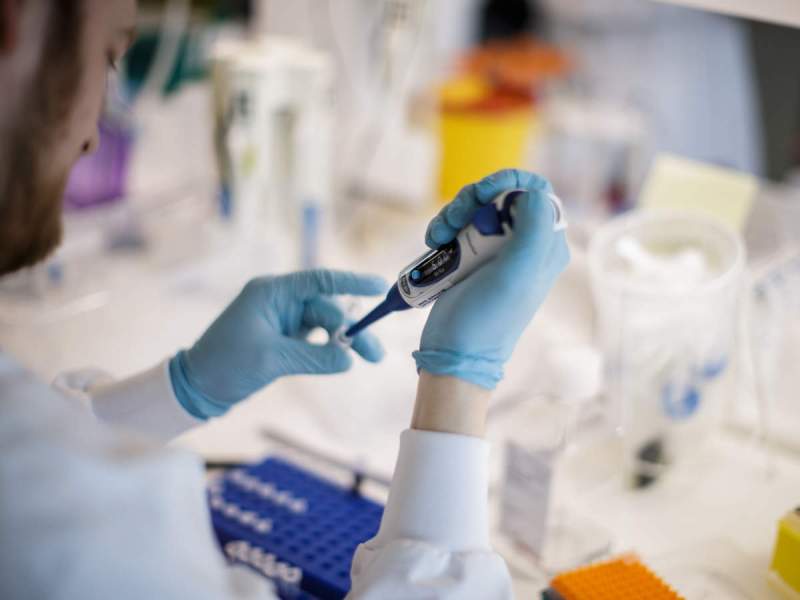
Will soon get the corona vaccine.

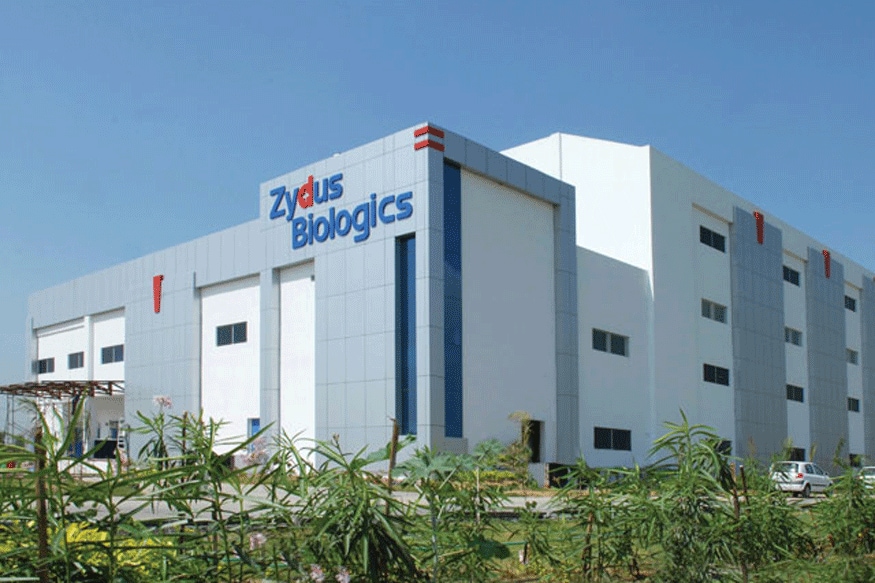
On Saturday, Prime Minister Narendra Modi went to three different pharma plants to take stock of the Coronavirus Inn being built in the country. In which Zayeds Cadella of Ahmedabad, Serum Institute of Pune, Bharat Biotech of Hyderabad visited and reviewed the corona vaccine.


Zahids Kedela (Ahmedabad) – The vaccine produced here is completely indigenous. The company’s chairman Pankaj Patel said that, our target is to complete the trial by March 2021.

Bharat Biotech (Hyderabad) – The vaccine produced here is completely indigenous. A third trial of the vaccine is underway. The vaccine produced here is 60% effective.

Serum Institute (Pune) – Serum Institute is the most looked after in India. Because this vaccine is in the final stage and is effective from 70% to 90%. With that, the company has made a vaccine by with Oxford. The CEO of Serum Institute said that, our first goal is to give vaccine to India and then to other country. The company is going to produce 40 crore doses by June – July.

Farmer’s protest silent or violent ?

Ever since the Central Government Agriculture Bill has come, farmers of Punjab and Haryana have been opposing this bill.  That is why the farmers of Punjab and Haryana started the movement from Punjab to Delhi.  That is why the Delhi Police also stopped the farmers on the Delhi border.  Later the Delhi Police allowed the agitation to take place peacefully

Government ready to talk: Narendra Singh Tomar Union Agriculture Minister Narendra Singh Tomar said that the government is ready to negotiate with the farmers.  For which he invited farmers on 3 December.  With that, he said that the bill that the central government has brought in Parliament is in the farmers’ fields.Punjab Chief Minister Captain Amarinder Singh said tightly to the central government that why 3 December?  Why not today ?

Pakistan once again violated ceasefire. 2 soldiers martyrs.

In Jammu and Kashmir, elections to the District Development Council (DDC) are held in a few hours. But again Pakistan violated the ceasefire. In which 2 soldiers were martyred. The attack took place in Sunderbani sector of Rajouri. In which Prem Bahadur Khatri and Sukhbir Singh have been martyred.

Although this is not the first time. yesterday, terrorists attacked the patrolling troop of Srinagar’s security force from Pakistan. Due to which 2 soldiers were martyred. Three militants fired indiscriminately on the Baramulla highway in Srinagar. resulting in injuries to two soldiers. He was then admitted to the hospital and after that he martyred within a few hours. However, the entire area has been sealed. And the Indian Army has given a befitting reply to the terrorists. On November 28, the elections to the DDC of Jammu and Kashmir.

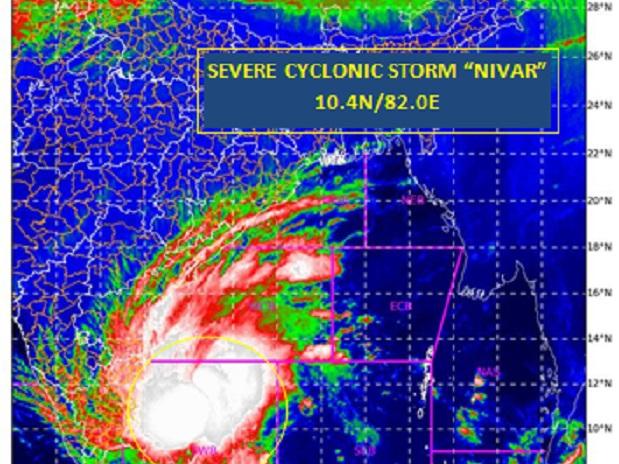
Nivar storm will hit in few hours.

Due to low pressure in the Bay of Bengal, the storm is going to hit in southeast India. Whose name is nivar.Which can have the highest impact in Tamil Nadu, Pondicherry, and Andhra Pradesh.

The effect of which is already visible. some trees have fallen on top, winds have intensified in some places. Today 6 trains have been canceled due to preventive storm.According to the Meteorological Department, the storm is moving at a speed of 6km / hr. Prime Minister has spoken to the Chief Minister of Andhra Pradesh, Pondicherry, Tamil Nadu and assured of all possible help. There has been complete preparation from the government. 1200 and other 800 people of ndrf have been deployed in rescue operations. Simultaneously, orange alert has been declared in the coastal areas. It is believed that a hurricane may hit Mallapuram in Tamil Nadu on the coastal areas of Konackarai. The storm is likely to hit mallapuram to konackarai coastal areas.

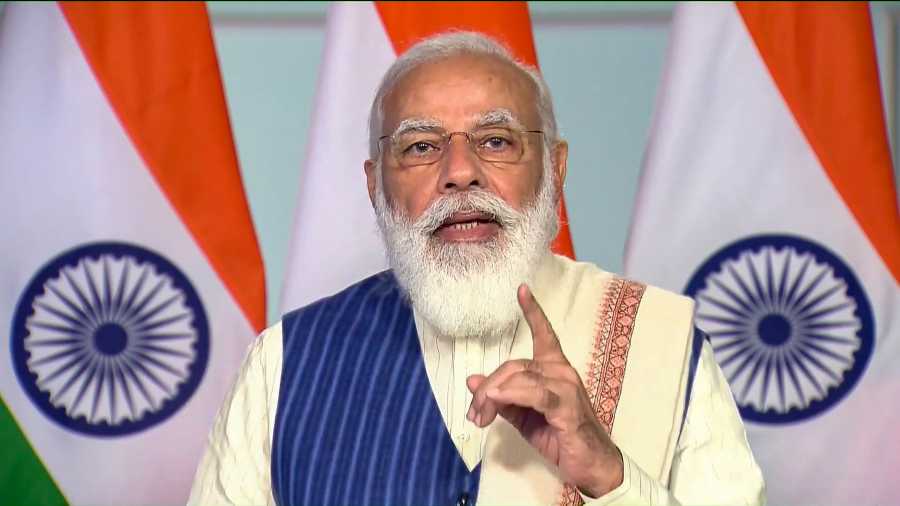
We need to be cautious: PM

Tuesday, the Honorable Prime Minister of the country, Shri Narendra Modi, held a meeting with the Chief Minister of all the states about the growing cases of corona. In which the Prime Minister reviewed the situation of the states and also learned about the preparations for dealing with the states from Corona.

The Prime Minister said about how the growing case of corona in the country can be stopped. In which the Prime Minister said about PM gas, how oxygen and ventilater were arranged in the country. More than 160 oxygen plants were constructed at different places in the country. Funds of Rs 2000 crores were allocated for the ventilater only through PM care. Simultaneously, the Prime Minister gave instructions to increase the rt-pcr test. Emphasized about bringing vigilance among the people from the states. Simultaneously speaking to the states about future arrangements, the state said that the state should make arrangements for cold storage for the vaccine. At the same time, the state should work with the task force for the delivery of the vaccine and the entire task was asked to be put in the hands of one person.

Increasing cases in some states of India

The situation of Corona in some states of the country is becoming uncontrollable. Which includes the states of Delhi, Maharashtra, Gujarat, and Assam. Even in the metropolis of these states, curfew is being imposed at night. Curfew is being imposed from 09 pm to 06 am in Ahmedabad, Surat, Rajkot, and Vadodara in Gujarat. Yesterday, the Maharashtra government said that lockdown could be imposed again in Maharashtra if needed. Along with that, it will be necessary to show the Corona report to enter Maharashtra from Gujarat, Madhya Pradesh, Rajasthan.

Third Party Images

The Supreme Court has yesterday asked the governments of Gujarat, Maharashtra, Delhi, and Assam to report in two days. In which what is their policy from governments? What kind of preparation is there to prevent corona? Answers to these questions have been sought. Simultaneously, a response has also been sought from the Central Government, in which Solicitor General tushar Mehta replied that, the State and Central Government are working together and the Central Government is providing all possible help to the State Government.