India’s Shifting Export Market and Global Economy Change Under Pandemic

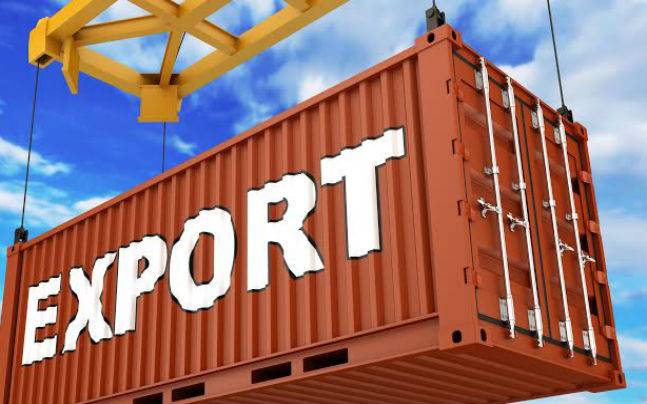
India the only major Asian economy that’s grown its export share since the start of the tariff wars in 2018 is the one with the fewest trade links to China. India’s share of world exports rose to 1.71% in the first quarter of 2019 from 1.58% in the fourth quarter of 2017, data compiled by Bloomberg show. The share of every other economy among Asia’s 10 biggest exporting nations fell in the same period.

The two largest goods traded by India are mineral fuels (refined or unrefined) and gold (finished gold ware or gold metal). In the year 2013-14, mineral fuels (HS code 27) were the largest traded item with 181 billion USD worth imports and 64.685 billion USD worth re-exports after refining. In the year 2013-14, gold and its finished items (HS code 71) were the second largest traded items with 58.465 billion USD worth imports and 41.692 billion USD worth re-exports after value addition. These two goods constitute 53 per cent total imports, 34 per cent total exports and nearly 100 per cent of total trade deficit (136 billion USD) of India in the financial year 2013-14. The services trade (exports and imports) are not part of commodities trade. The trade surplus in services trade is 70 billion USD in the year 2017-18.

Part of the reason for India’s outperformance is that it’s not as integrated into global manufacturing supply chains as peers, which means exporters are cushioned from rising trade tensions in the region.

It’s a sentiment that was flagged by central bank Governor Shaktikanta Das in an interview.

“India is not part of the global value chain,” he said. “So, U.S.-China trade tension does not impact India as much as several other economies.”

China is the biggest buyer of goods from South Korea and Japan, whose share of world exports have fallen the most in Asia. For India, China is the third-largest market, after the U.S. and the U.A.E.

“Our biggest advantage is that our product basket and market basket are both quite diversified,” said Rakesh Mohan Joshi, a professor at the Indian Institute of Foreign Trade in Delhi.

Trade tensions between the U.S. and China have given India an opportunity to ramp up exports to both countries, according to Ajay Sahai, director general and chief executive officer of the Federation of Indian Export Organisations.

India’s exports to the U.S. grew at the fastest pace in six years in the year ended March 2018, while exports to China surged 31%, the second highest annual pace of growth in more than a decade, data from India’s Ministry of Commerce show.

“China is more willing to give market access to India than ever before,” said Sahai, pointing to increased access for products such as rice, fruits and vegetables, with potential for greater exports of pharmaceuticals and automobile components to China.

On the other hand, India’s exports to the U.S. could lose momentum. President Donald Trump has criticized India for its tariffs on U.S. products, and withdrew trade concessions on $6.3 billion of Indian goods on June 1. India responded with higher tariffs on about 30 American products.

India stands at number 16 in the list of global trading partners and the nation is running with its pace to reach under top 10 in the list but the covid-19 pandemic has hit not just Indian economy but the entire world economy. The all of world would take steep financial dive with this epidemic before reaching on its initial status, till then let’s hope for the betterment of not just India, but the whole of world and the severely impacted victims of this contagious virus.

Poverty; the silent killer of Indian society

Haven’t we heard this word too often or have we stopped listening? We have all felt a shortage of cash at times. That is an individual experience. It is not the same as the social problem of poverty. While money is a measure of wealth, lack of cash can be a measure of lack of wealth, but it is not the social problem of poverty.

Poverty as a social problem is a deeply embedded wound that permeates every dimension of culture and society. It includes sustained low levels of income for members of a community. It includes a lack of access to services like education, markets, health care, lack of decision making ability, and lack of communal facilities like water, sanitation, roads, transportation, and communications. Furthermore, it is a “poverty of spirit,” that allows members of that community to believe in and share despair, hopelessness, apathy, and timidity. Poverty, especially the factors that contribute to it, is a social problem, and its solution is social

Poverty is a peculiar problem from which various countries of the world, particularly the Third World, have been suffering. There cannot be a common definition of poverty which can be broadly accepted everywhere. Thus there are large differences between the definitions of poverty accepted in various countries of the world.

Poverty is considered as the greatest challenge faced by the societies in the third world countries. Poverty is also concerned with the comparison with respect to a fixed line—known as poverty line. However, the poverty line is fixed extraneously and, therefore, remains fixed for a certain period.

Poverty Line:

Normally poverty is defined with poverty line. Now the question which is relevant at this point is what the poverty line is and how is it fixed? The answer to the question is that the poverty line is a cut-off point on the line of distribution, which usually divides the population of the country as poor and non-poor.

Accordingly, people having income below the poverty line are called poor and people with income above poverty line are called non-poor. Accordingly, this measure, i.e., the percentage of people living below the poverty line is known as head count ratio.

In India, broadly accepted definition of poverty emphasises more on minimum level of living rather than on reasonable level of living. Accordingly, it is broadly agreed that poverty can be termed as a situation where a section of the population fails to reach a certain minimum consumption standard. Differences arise with the fixing of this minimum consumption standard.

After a thorough examination, the study group set up by the Planning Commission in July 1962 recommended a standard of private consumption expenditure of Rupees 20 (at 1960-61 prices) per capita per month as the bare minimum amount common to both rural and urban areas.

Top 7 Causes of Poverty in India

1. Lack of Inclusive Economic Growth:

The first important reason for mass poverty prevailing in India is lack of adequate economic growth in India. In the first three decades of planned development (1951-81) in India, annual average growth in national income had been 3.6 per cent. With 2.1 per cent per cent per annum growth in population, per capita income grew by only 1.5 per cent per annum during this period. In addition, with the increase in saving rate from about 9 per cent in 1950-1951 to 20 per cent of GDP in 1979-80, increase in per capita consumption expenditure was too small to make any significant dent on the problem of poverty. Besides, because of prevailing income inequalities per capita consumption expenditure of the poor could have hardly risen.

2. Sluggish Agricultural Performance and Poverty:

Many economists have pointed out that in the year of good agricultural output, poverty ratio declines. Good performance in agriculture leads to more employment opportunities and fall in prices of food grains. More employment opportunities and lower food price cause poverty ratio to decline. The experience of Punjab and Haryana shows that with agricultural growth through use of new high yielding technology (popularly called green revolution); poverty ratio can be significantly reduced. However, in various states of the country such as Orissa, Bihar, Madhya Pradesh, Assam, East Uttar Pradesh, where poverty ratio is still very high new high-yielding technology has not been adopted on a significant scale and as a result agricultural performance has not been good. As a result, poverty prevails to a larger extent in them.

3. Non-implementation of Land Reforms:

Equitable access to land is an important measure of poverty reduction. Access to adequate land, a productive asset, is necessary for fuller employment of members of an agricultural household. Most of the rural poor are agricultural labourers (who are generally landless) and self-employed small farmers owning less than 2 acres of land.They are unable to find employment throughout the year. As a result, they remain unemployed and under-employed for a large number of days in a year. No wonder that these landless agricultural labourers and self- employed small farmers remain poor. Land-reforms were intended to provide them equitable access to land.

4. Rapid Population Growth:

Rapid population growth since 1951 is another important factor responsible for persisting poverty in India. Population in India has increased from 36 crores in 1951 to 102.7 crores in 2001, that is, 66 crores people have been added to the Indian population in the last about 50 years since independence. Rapid population growth causes excessive sub-division and fragmentation of holdings. As a result, per person available land has greatly declined so that households do not have access to sufficient land to produce enough output and income for them.

Further, rapid growth of population increases the dependency ratio, that is, an earning member has more persons to support. This causes lower per capita consumption expenditure which is not enough even to meet the basic needs.

5. Unemployment and Under-employment:

The existence of unemployment and under­employment in the Indian economy is another cause of poverty in India. Unemployment prevails more among casual labour whose proportion in labour force has been increasing and in their case unemployment and poverty go together.

The unemployment has been caused by rapid growth of population and labour force on the one hand and relatively low rate of capital formation and economic growth on the other. Besides, the generation of employment opportunities by the organised sector has been quite insignificant.

As a result, the demographic reassure on land has been increasing resulting in unemployment, and disguised unemployment in agriculture and the informal sector. Thus has caused low productivity, low incomes and poverty.

6. Slow Growth of Employment:

In the beginning of the planning era it was thought the organised sector over a period of 20 years will generate sufficient employment opportunities for the unemployed poor. The actual experience has belied these hopes. Take, for instance, the experience of the last decade (1990-2000) of economic development.

7. Inflation and Food Prices:

Rate of inflation and level of food prices is an important factor that causes poverty. Inflation, especially rise in food prices, raises the cost of minimum consumption expenditure required to meet the basic needs. Thus, inflation especially raises in food prices pushes down many households below the poverty line.

Global Programmes Impacting against Poverty in India

Many initiatives are being taken up at the global front as well to help solve the problem of hunger and poverty. Some of these are:

1.      Ending Child Hunger and Undernutrition Initiative (ECHUI)-

This is a global initiative started by World Food Programme (WFP) that ensues global partnership and aims at reducing the causes and effects of child hunger and undernutrition. It aims to mobilise resources for actions on national levels to build awareness and address the issue on a global scale. On any given day, WFP has 5,000 trucks, 20 ships and 92 planes on the move, delivering food and other assistance to those in most need. Every year, they distribute more than 15 billion rations at an estimated average cost per ration of US$ 0.31.

2.      Agenda 2030-

Agenda 2030 is the shortened name given to the Sustainable Development Goals (SDGs) is 17 goals set by the UN General Assembly in 2015. The top two goals of the agenda are to “End Poverty in all its forms, everywhere” and “End Hunger, achieve food security and improved nutrition, and promote sustainable agriculture”. This shows that the need of the hour is focusing on the poverty and its most drastic side effect of hunger. Most countries lack data on poverty and especially child poverty and thus it makes it difficult to make projections for the future.

3.      US Government Global Food Security Strategy (2017-2021)-

After the Global Food Security Act on 2016, the US Government, in partnership with other governments, universities, research institutes, civil societies and private sector built this strategy to focus on challenges like poverty and hunger. The vision of this strategy is “A world free from hunger, malnutrition and extreme poverty.”

Mercy Corps worked closely with private sector partners, other NGOs, academic and research institutions, the faith community and Members of Congress to help pass H.R. 5129 and S. 2269 amendment bills. This bill ensures the Global Food Security Act’s improvements to the Global Food Security Strategy and the Feed the Future Initiative will continue beyond 2018.


TRANS FAT: METABOLIC POISON

Quotes about Trans fat (29 quotes)

Fats are mostly just a chain of carbons, usually about 12-16 carbons long. Normally each carbon had a single bond to the carbon before and after it and to two hydrogens (four bonds total).

Saturated fats have this design on every single carbon. It’s called saturated, because it is saturated with the maximum possible hydrogens attached to it.

Unsaturated fats are missing some of the hydrogens and have a second bond between the carbons missing those hydrogens. Since double bonds don’t allow the bound atoms to rotate these fats can either line up with the rest of the chain or it creates a permanent Kink in the chain. The kinked ones are called cis and the straight are called trans. Trans only happen in large quantities when we manipulate them, and not much in nature. It’s specifically partially hydrogenated oils that result in trans fats in any notable quantity, as fully hydrogenated oils results in saturated fats only.

As far as how they effect human health, they generally behave in a similar way as saturated fats, except for the extent. This is because they are straight like saturated fats and enzymes that work with saturated fats also latch onto trans fats, but can’t get past the double bond resulting in them taking much longer to break down.

There are list all, the things trans fats do in the body, but in general terms they are negatively effect blood pressure, raise LDL cholesterol (the bad kind), and seems to increase the risk for heart disease and diabetes.

It must also be noted that amount is an important factor as a tiny amount, such as what you encounter from natural foods, doesn’t have too much of an effect. It’s only the higher levels of trans fats of partially hydrogenated oils that seems to be too much for the body to take care of.

According to experts, trans fats should be avoided completely. The World Health Organization even advocated a ban on trans fats in food, as they would pose an enormous health hazard. The following products contain many trans fats:

  • Baked goods such as croissants
  • Cookies
  • Chips, flips, popcorn
  • Fast food
  • Ready meals like French fries and pizza

The list of ingredients of finished products provides information: The descriptions ” vegetable fat, partially hardened” or “unsaturated fatty acids, contains hardened fats ” stand for trans fats. In order to avoid this, you should also take care when shopping to avoid declared vegetable fat as hardened, partially hardened or hydrogenated. When frying and deep frying, you should use clarified butter, extra virgin olive oil, peanut oil or refined oils from corn, sunflowers, peanuts, soybeans and rapeseed. 

Now the question, government should ban the use the ban the use of the Trans-Fats in food items.

This is not only the government, but I think it is us, who should the first corrective step in this matter. We must ourselves understand the bad of Transfats on our health try to improve the awareness of common man on the subject to avoid Transfats contain food.

Trans Fat Free Vector Art - (5 Free Downloads)

Above is the Trans-Fats Free logo provides a boost to the ‘ Eat Right India’ movement of FSSAI.

The Eat Right India Movement is inspired by the vision of PM Narendra Modi for a ‘NEW INDIA’ by 2022 which is healthier with proper Nutrition and social security. Considering that the food plays an important role in insuring good health, FSSAI pledged to eliminate the Trans Fats from food supplements through its ‘Eat Right India’ movement.

pib] “Eat Right India” Movement – Civilsdaily

So now the question of banning Transfats will be a difficult step intially, but our government is definitely working on the subject, by bringing awareness in general that this type of fats are silent killer and should not be used. Lots has to be done before banning Transfats.

Below are some ways to avoid eating foods that contain trans fats:

  1. Eat more whole foods like fruits, vegetables, whole grains, beans, lean meats, fish, nuts, and lean poultry. Shop the perimeter of the grocery store and avoid inner aisles where you’re more likely to find processed foods that may contain trans fats.
  2. Cut back on consumption of processed foods. Eat these foods less often and in smaller portions.
  3. Not all processed foods contain trans fats. When you do eat processed foods, avoid processed foods known to contain trans fats such as chips, cookies, donuts, icing, cakes, biscuits, microwave popcorn, crackers, fried fast foods and frozen pizzas.
  4. Read food labels and avoid foods with partially hydrogenated oil listed as an ingredient.
  5. Avoid stick margarine and vegetable shortening. Swap this for olive oil, grape seed oil, canola oil, soybean oil, corn oil, or sunflower oil when baking or preparing meals at home.
  6. Whether dining in or out, avoid fried foods. Choose foods that are baked, steamed, broiled, or grilled.
3 Ways to Avoid Trans Fats - wikiHow

12 Great Inventions you didn’t know were made in INDIA

Indian inventions and discoveries have been instrumental in shaping the face of the current modern world. I have picked 12 such interesting findings out of a whole bunch that will make you go, “I didn’t know that”.

Shampoo

12 Best Drugstore Shampoos 2020 Under $10

The word ‘Shampoo’ is derived from chāmpo (चाँपो). It was initially used as a head massage oil for the Nawabs of Bengal during the Mughal Empire around 1762. It evolved into shampoo over the years. Yes, you have India to thank for shampoo.

Buttons

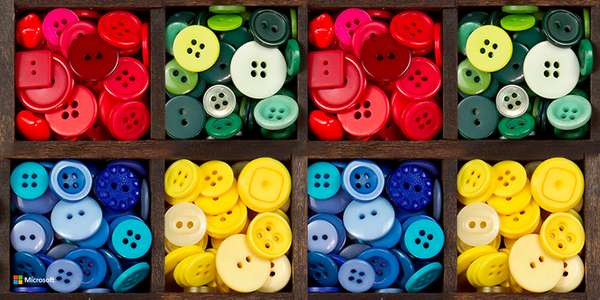
Microsoft Store on Twitter: "Did you know Count Your Buttons Day ...

Buttons were first used in Mohenjo-daro for ornamental purpose rather than for fastening. They were first used in the Indus Valley Civilization by 2000 BCE.

The Chess Game

1st FIDE World Corporate Championship

Chess developed out of Chaturanga, which is an ancient strategy board game developed during the Gupta Empire in India around the 6th century AD. Now you know why Vishwanathan Anand is such a pro. It is simply in our roots.

Ruler / Scale

11 Online Rulers To Use When You Can't Find A Physical One

Rulers were first used by the Indus Valley Civilization prior to 1500 BCE. Made of ivory, the rulers found during excavation, reveal the amazing accuracy of decimal subdivisions on it.

Radio / Wire-less Communication

Why India has only 179 community radio stations instead of the ...

We all know that Marconi received a Nobel Prize in Physics in 1909 for contribution to the development of wireless telegraphy. But the first public demonstration of radio waves for communication was made by Sir Jagdish Chandra Bose in 1895, two years prior to Marconi’s similar demonstration in England.

Sir Bose was posthumously credited (more than a century later) for his achievement. The fact remains that this discovery truly shaped the face of modern wireless communication.

Ink

Pin on Writing

Many ancient cultures and civilizations independently discovered and prepared ink for writing purposes. The source of carbon pigment used in Indian Ink (called musi) used in ancient India, was India. Since 4th century BC, the practice of writing with ink with a sharp pointed needle was common in South India.

Flush in Toilets

Why Toddlers Go Potty at Day Care but Not at Home

Flush toilets were first used in the Indus Valley Civilization. These existed in most homes and were connected to a sophisticated sewage mechanism. The civilization was prominent in hydraulic engineering.

Diamond Mining

Diamonds

Worldwide, India was the only source of diamonds until the discovery of mines in Brazil in the 18th century. Almost 5000 years ago, diamonds were first recognized and mined in central India.

Cotton – so basically we clothed the World!

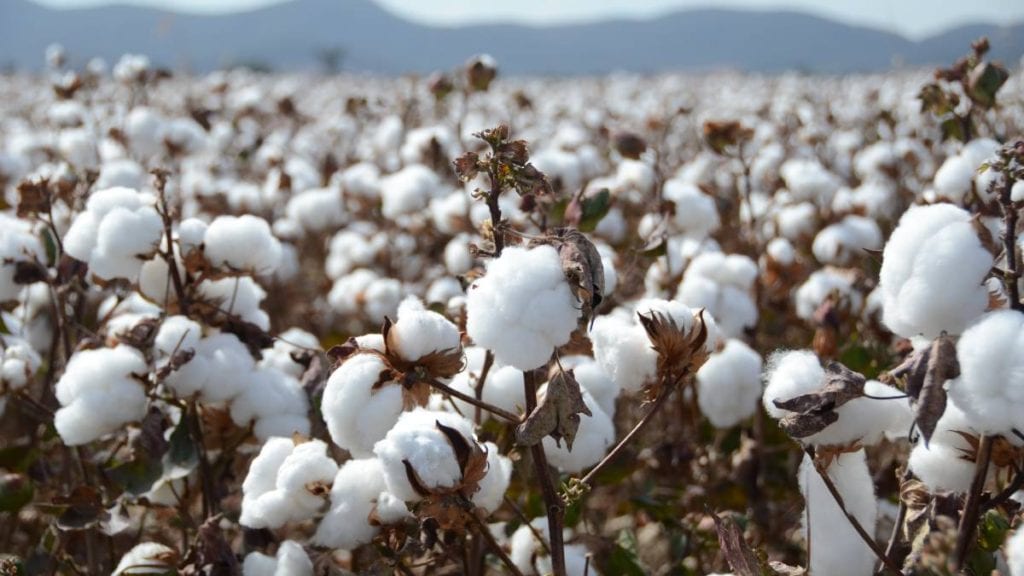
Cotton-Ancient and Modern Fiber | Memory Foam Mattress

The ancient Greeks used to wear animal skins and were not even aware of cotton. But Indians were sort of cool and started cultivating cotton during the 5th – 4th millennium BCE in the Indus Valley Civilization. The word spread to the Mediterranean and beyond and soon everyone was ordering one from Flipkart. Well, pretty much.

Steel and Metal Works

How to build a working iron man suit! - YouTube

Ancient Indians were pioneers in metallurgy. High quality steel was produced, almost two thousand years before it was understood by the West. One of the most remarkable feat in metallurgy: creating a seamless celestial globe, was invented in Kashmir. It was earlier considered impossible to create a metal globe without seams.

So thanks to India, Iron Man can wear his suit now.

Plastic Surgery & Cataract Surgery

Geetika Swami on Twitter: "Sushruta,father of Plastic surgery ...

Yes, you heard it right. Indians were pioneers in Plastic Surgery and Cataract surgery, too. It was carried out in India as early as 2000 BCE by Rishi Sushruta also known as the father of surgery.

Snakes & Ladders

Snakes & Ladders ! - YouTube

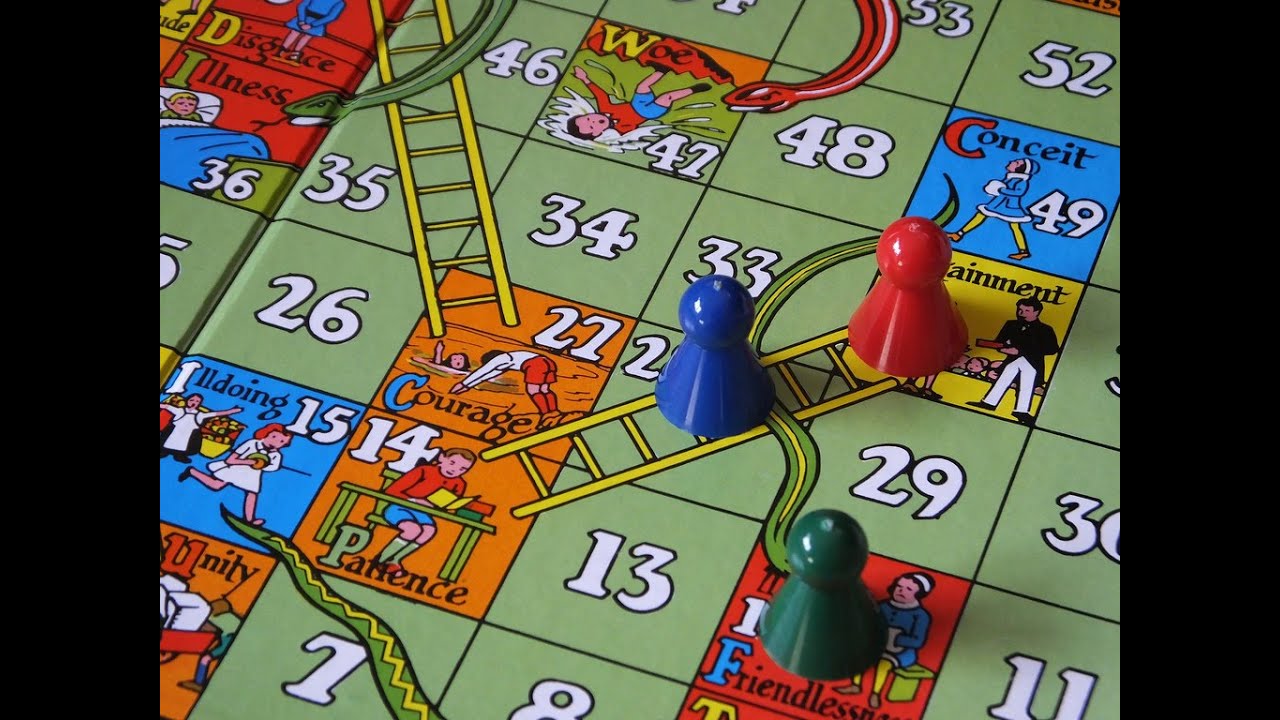
The game, Snakes & Ladders,  was invented in India as a game of morals. Later it spread to England and eventually introduced in the USA by game pioneer Milton Bradley in 1943.

Being one of the oldest civilizations in the world, complete with a rich history and culture as well as a strong and long scientific and technological tradition, it comes as no surprise that many significant inventions have come out of INDIA. 

Firecrackers: An alternative to the law, sentiments and labour

Firecrackers are merely constituents of gunpowder comprising of various elements which gives rise to prolong combustion. In India, it means a lot more than that. It has aesthetic purposes since it has been believed that ‘Agnichurna’ was used in ancient times to fight enemies during wars. Be it marriages, birth or festivals, firecrackers are a form of awakening light by defeating the darkness. One such prevalent case has been of Diwali, where the entire country lights up together and celebrates the mythological victory of good over evil.

Firecrackers believably have grown during the end of Mughal dynasty and start of British East India Company and are burst like any other ritual in the country. Apart from acting as a ritual, there are also scientific reasons why the bursting has become so prevalent. Diwali comes after the monsoon season, at a time when the population of insects increases rapidly and encroaches various human habitats, be it cities or villages. That is also why most houses paint homes. Crackers then act like city wide fogging which cleans these insects, making a healthy and safe home for its residents throughout the year. This act of bursting crackers has been set on the hearts of people igniting homes and binding people all over the country. Firecrackers in a way, signals the entire country that everyone is celebrating a festival together. The bursting of crackers has been serving a ritual since decades across India. The religious sentiments that are aligned with the act are huge.

Focusing on the origin of Diwali, it is not only a specific event but the entire country actually has its varied forms of celebrating it. Like Ma Kali is worshipped in Bengal, Lord Ganesha is also worshipped in many homes, Jains specifically devote their day to Lord Mahavira. Lighting diyas and bursting crackers has been going on since time immemorial and along with it is lies belief of most Indians. These rituals significantly have stories to tell upon which India bases its heart. The sound of firecrackers, according to the older generation, is an example and indication of joy in people’s heart which makes the Gods aware of their state in their devotees’ lives. Hence, it clearly foreplays as an act of worship to satisfy the God as well. Most people in the country who cannot be in their homes during these times depend on the sound of crackers and lights around to feel complete.

Apart from these sentiments, there are various real-life problems attached to this. The firecracker industry gives employment to a large segment of people. Amidst the lack of employment scarcity already observed in the country, banning firecrackers can give rise to a different issue altogether. The claims of pollution due to crackers is a valid argument but pollution is also caused due to automobiles. And it is impossible to point out which act causes more harm. At this point of time, the firecracker industry is worth of 6000 crores and the economic aspect stands as the biggest reason why India cannot afford banning firecrackers. What can also not be ignored is the fact that the people who are working under such sites and have become skilled for this specific business have a family to support. Most of them found security in this industry and gave a major part of their lives to excel in it. With complete ban will come the threat to such workers who would face situations to start new amidst crisis until their death. There is also a relevance of economic aspect aligned with the fundamental rights. The extended jurisdiction of Article 21 guaranteed under the Constitution of India gives the right of livelihood to manufacturers. It is important to realise that crackers are not the only factor of pollution and respiratory problems, there are other factors involved like the wind and temperature which contributes to it. Until and unless, there is proper data on how much pollution and harm has been caused due to firecrackers, the industry cannot be strictly banned. Any violation of this would also be a violation of their right to business.

However, the way forward is certainly not dull as it sounds now. There can be terms where both of the situations can be kept under control. Some of the ideas that can be implemented as alternatives to the current scenario are as follows:

  • On adopting the various laws as introduced in the developing countries such as Washington, Switzerland etc, the idea is of having a regulation on the bursting of crackers. There can be only specific occasions on which the use of firecrackers shall be allowed and only up to a certain time. It would help preserve the religious sentiments as such.
  • Green crackers shall be developed which would not fall under these regulations. Claims on the pollution levels would not be affected by Green Crackers, they shall be environment friendly. It would help keep the industry intact along with the socio-economic affects.
  • The industry shall not favour child labour but at the end of the day, child labour happens in the need of money. So, there shall be job securities given to the skilled labourers who have given at least five years to the same industry.
  • In order to support the sale and good flow in the industry, there shall be one day sponsored by the Government when there shall be a firecracker show in an inner area. The show shall be open to all but at own’s risk.
  • The license of selling firecrackers shall be issued by the Government.

The perpetual war between the two countries

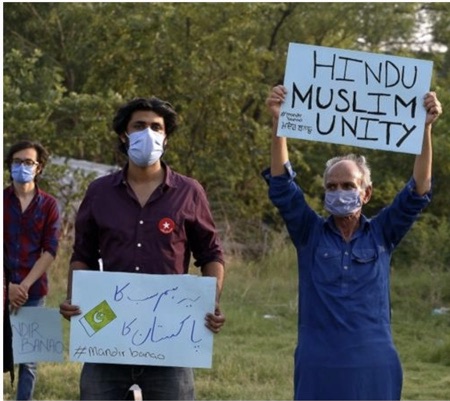
You must have seen a video which got viral few days back where a boy was seen damaging the walls of a temple that is currently being built in Islamabad(Pakistan). Another example like this was where a five year old boy was seen warning the Pakistani Prime Minister Imran Khan that if he will allow the the temples to be built, he will “kill all the Hindus”. Imagine a five year child speaking in his childish voice and warning such higher authority which may seem funny, but on the other hand this is a very important matter for the society that some people of Pakistan are filling up their children’s mind with filth and not showing them the right way where they should treat everyone as equal irrespective of caste, colour, gender plus nationality. I do agree with some of the things that the conflict between India and Pakistan is never ending but at least we can try to change the minds of the youth who will take the country forward.

Let me begin with the actual story where the Pakistani Government has decided to release funds for the Hindu temple to be built in Islamabad. This decision was made for the Minority class- the Hindu’s in Pakistan who also have the right to worship God in the temples. This plan was committed in the year 2017 by Nawaz Sharif’s government but it got delayed due to some issues. This is not the first time where the government has taken such step, before this the government took many initiatives for Hindu pilgrimage like they renovated Katas Raj Temple– a buddhist temple for the Hindus to worship. The Government has also helped the Sikh community with building gurudwaras for them like The Peshawar Gurudwara and the Nankana Sahib in Sailkot which was renovated for the sikhs.

aljazeera.com

Well, all of these things are small stepping stones by the Government for the minority so that they can also live like normal people without the barriers of religion. But on the other hand some projects have been backlashed by the Muslims of Pakistan where in a recent example the Pakistani government was planning to celebrate the legacy of Maharaja Ranjit Singh with statue, but it ended up causing a controversy on social media and in less than two months the statue was vandalised by the people. How will the country progress like this where the people are still not agreeing to some basic terms of accepting their fellow citizens as equal, building a temple or a gurudwara will never harm the other religion in fact all of these initiatives will bring the conflicts to an end. I am not saying that we Indians are the best and we don’t do such things, we are still facing major conflicts between Hindu and Muslim and there is no other solution to bring an end to this but there are Gurudwaras, Temples, Mosque and Church which are built together on the same lane and people respect that.

But why are these issues still arising, why can’t the soldiers just guard the country peacefully? The major reason for this is ‘Education‘ where the children are taught some facts which are against Hindus and Muslims, the facts which are putting them apart instead of living in tranquility and in harmony. The youth is being taught the wrong subjects with wrong facts and the society is also playing a major role in this, where they term minority people with funny names, where they are always referred to as a ‘minority class‘ instead of terming them as equal citizens.

All these examples and statements are not to hurt anyone be it from any religion or country. Building a temple or a gurudwara or even a mosque will never help the people to understand and have respect for the other religious sentiments, but education is and will be the only factor to bring everyone together and to treat everyone as equal, not becoming religion bias.

“My religion is ver simple, my religion is Kindness.” -Dalai Lama

BULLYING; a known DEVIL

One of the biggest problems that people face these days is bullying. Right from children to adults everyone has faced bullying some or the other way. Bullying is unwanted, aggressive behaviour among school-aged children that involves a real or perceived power imbalance. The behaviour is repeated, or has the potential to be repeated, over time. Both kids who are bullied and who bully others may have serious, lasting problems.

To be considered bullying, the behaviour must be aggressive and include:

  • An Imbalance of Power: Kids who bully use their power—such as physical strength, access to embarrassing information, or popularity—to control or harm others. Power imbalances can change over time and in different situations, even if they involve the same people.
  • Repetition: Bullying behaviours happen more than once or have the potential to happen more than once.

Bullying includes actions such as making threats, spreading rumours, attacking someone physically or verbally, and excluding someone from a group on purpose.

Bullying can occur during or after school hours. While most reported bullying happens in the school building, a significant percentage also happens in places like on the playground or the bus. It can also happen travelling to or from school, in the youth’s neighbourhood, or on the Internet. People usually think of bullying as taking place between children at school. However, it can also occur at work and include aggressive behaviour’s like verbal abuse, sabotaging the victim’s job or work relationship, or misusing authority. Adult bullies who engage in these behaviours are males 60% of the time. While men who bully tend to victimize both genders equally, women bullies target other women about 80% of the time.

Types of Bullying

There are three types of bullying:

  • Verbal bullying is saying or writing means things. Verbal bullying includes:
    • Teasing
    • Name-calling
    • Inappropriate sexual comments
    • Taunting
    • Threatening to cause harm
  • Social bullying, sometimes referred to as relational bullying, involves hurting someone’s reputation or relationships. Social bullying includes:
    • Leaving someone out on purpose
    • Telling other children not to be friends with someone
    • Spreading rumours about someone
    • Embarrassing someone in public
  • Physical bullying involves hurting a person’s body or possessions. Physical bullying includes:
    • Hitting/kicking/pinching
    • Spitting
    • Tripping/pushing
    • Taking or breaking someone’s things
    • Making mean or rude hand gestures

Cyberbullying

As the social life of young people has moved onto the internet, so has bullying, with electronic bullying becoming a significant new problem in the past decade. Whereas bullying was once largely confined to school, the ubiquity of hand-held devices affords bullies constant access to their prey. Cyber harassment can be especially disturbing because it can often be carried out anonymously; victims may have no idea who the perpetrators are.

How has the internet changed bullying?

The anonymity of cyberbullying removes many restraints on meanness and amplifies the ferocity of aggression. It’s easier to inflict pain and suffering on others when you don’t have to look them in the eye. Constantly evolving digital technologies enable new ways of spreading false information about targets.

How do bullies harm others on the internet?

Both direct harassment and relational aggression thrive on the internet. Cyberbullies can spread false rumours with viral speed on social media. They can falsely impersonate someone and conduct all manner of mischief in someone else’s name. Sexual harassment and cyberstalking particularly target women. And long after the active bullying has stopped, malicious information can linger on the internet and continue to harm.

How can people reduce their risk for being bullied?

Since low self-esteem tends to be a risk factor for becoming the victim of bullying, interventions that promote confidence and self-esteem are important ways to reduce the risk of being bullied. Confidence builders can range from engaging in activities at which the person excels (for example, theatrical performances, sports teams, and special work projects) to engaging in psychotherapy. As isolation is both a risk factor and result of bullying, helping the person feel less alone by lending a listening ear and/or engaging in a support group can go a long way toward providing the community needed to prevent a person from being bullied. The government has launched a helpline to take care of bullying please do not hesitate to take help.

Patriarchy

It refers to the hierarchical relations between men and women whereby men dominates and control over women’s sexuality. 

Structures of patriarchy

According to Sylvia walby patriarchy as a system of social structure where men are in the dominant position to exploit and opress women.

She talks about six structures of patriarchy;

1. Patriarchal mode of production,

2. Patriarchal relations in paid work,

3. Patriarchal relations in the state,

4. Male Violence,

5. Patriarchal relations in sexuality,

6. Patriarchy relations in cultural      institutions. 

Now, let us study some of the institutions, practices and norms that maintain patriarchal set up of the society.

Family

Kate millets says “patriarchy’s chief institution is the family”. Family is the main agent of socialization where young boys and girls first encounter patriarchal power.generally, whatever is taught by the patriarchal ideology running in the family is accepted as natural and unchallengeable.

School 

Women need to go to the school to receive education, in order to achieve freedom in true sense. The patriarchal belief system rests on the assumption that there’s no need to enrich women with higher level of education as they just have to remain inside the four walls.patriarchy is able to make women ignorant of her capabilities and makes them highly dependent on the menfolk.

Marriage

Marriage is practiced and institutionalised in our society keeping in mind tha patriarchal ideology and it’s structure. Our society has put certain Norms and values that a man and woman have to follow to make their marriage acceptable by people at large for instance , in the marriage between a man and woman a man should be elder to woman.

Conclusion

Many forms of violence and Crimes against women take place in our society for the sake and defence of patriarchal. Structure and ideology. Other structures like that of caste , class and religion collaborate with patriarchy that leads to violence and oppression like honour killing, female foeticide, forced marriages, control over modes of contraception etc. As a result women and other weaker sections of the society get caught in a vicious circle that leads to never ending modes of domination and suppression. If women and other suffering group identify and acknowledge the source of domination, it would be a great achievement in its own way, this is because the invisibility and acceptability of patriarchy at large is the main reason behind its very existence. So, we may conclude by saying that patriarchy forms the governing ideology that device our experiences when we are born as a girl or as a boy. It directs our socialization and provides us position of submission and domination. 

Red fort

There are many historical structures in Delhi. Red Fort is one of them. It is renowned all over the world. It is a sign of Mughal power and majesty. The Emperor Shah Jahan built Red fort in 1648. It is built of red stone. It is located on the west bank of the river Yamuna opposite the famous Chandni Chowk market.

Significance of The Red Fort

Everyone knows Red Fort as one of the several wonders in India. Though it has witnessed many centuries that has a treasured history of our country, Red Fort stands young always.  Every year on 15th August, that is our independence day the Prime Minister of India addresses its country about its virtue and purpose of life. It is one of the greatest and most significant historical formations in India. Thus, we can say that this monument embraces together the walls that have witnessed the Mughal dynasty, imprisoned India during British empowerment to now a democracy.

Origin of Red Fort

This monument embraces the utmost significance in Modern Indian History. It is made of Red Sandstone alone. Sited in central Delhi it was placed where the Mughal emperors lived for many periods. Red Fort was a magnificent castle coated with precious jewels but the Britishers looted these precious jewels during their empowerment over India.

Since Delhi was the capital of India until the British men shifted it, Red Fort was the control place for the whole nation. Built on the banks of Yamuna River, the walls of this magnificence fort have been built from 30 meters high Sandstone. It is supposed that Red Fort was made after 9 years of hard work of numerous masons for day and night during all seasons.

Architecture of Red Fort

The architecture of Red Fort is amazing and appreciable for its creations of five centuries ago without any modern-day technologies and methodologies. It is built with typical Mughal art and view. It has a Dewan-e-Am which is courtroom for all. The king held a hearing from common men about their complaints.

The Red Fort is built right beside the Fort of Islam Shah Suri, namely- Shalimar Fort. He built it in 1546 as his fortified Palace. Both the forts are combined together by a water channel, namely- Stream of Paradise, or Nahr-i-Behisht.

Prominent Structures within the Fort

Though as many as 66% of the buildings within the fort were either broken or badly damaged, the Red Fort still houses many historic structures and some prominent ones are listed below:

  • Mumtaz Mahal – Located in the women’s quarters (zenana) of the fort, Mumtaz Mahal was one of the six palaces inside the fort. All these palaces were constructed along the banks of Yamuna River and the Stream of Paradise.
  • Khas Mahal – The Khas Mahal used as the king’s private residence. The palace was separated into three parts namely the chamber of telling beads, sitting room and sleeping chamber.
  • Rang Mahal – The Rang Mahal which literally means ‘Palace of Colors’ was built to house the emperor’s mistresses and wives. Thus, the palace was built to look colorful with bright paints and ostentatious decorations.
  • Hira Mahal – Bahadur Shah II built it in 1842. the Hira Mahal is probably one of the last constructions of a Mughal emperor before the invasion of the British. It is only a pavilion but has an interesting legend related to it.
  • Moti Masjid – Moti Masjid which literally means to ‘Pearl Mosque’. Aurangzeb built this for his personal use. Therefore, the inhabitants of the Zenana also used the mosque. It is constructed using white marble, Moti Masjid has three domes and three arches
  • Hammam – The Hammam is mainly a building that housed the baths, for the emperors. On the eastern apartment, was the dressing room. In the western apartment, hot water came through the taps.

Red Fort is not only a building but a true witness of the national movement of Indian freedom. Thus, it is a symbol of the great and golden history of India. So the Indian republic, as well as every citizen of India, have great affection and respect towards the Red fort. Undoubtedly it will always be a symbol of great Indian history. Also, it holds a special place in Indian history because Jawaharlal Nehru announced the independence of India from Red Fort.

Waterfalls to visit on your next trip to India

India is a beautiful country with waterfalls originating both from the ice glaciers to the waterfall that caters their way into the sea.  Waterfalls have always been inspiring forces of nature and people travel from all over the world to experience these natural wonders on Earth. However, there are hundreds of beautiful waterfalls in the world but India and its waterfall beauty have something unique in them. They have a charm that can attract a huge number of viewers in and around.

Iruppu Falls, Coorg –

Irpu Waterfalls | Kodagu District, Government of Karnataka | India

Iruppu Falls is located in the Kodagu district of Karnataka. Coorg is one of the most popular hill stations of South India. The Iruppu Falls is located close to Nagarhole National Park. This beauty of Nature attracts a lot of people from all over the world especially during Maha  Shivratri- a festival celebrated in honour of the Lord Shiva probably in the month of February or March every year.

Nohkalikai Falls Meghalaya –

Nohkalikai Waterfalls East Khasi Hills - Timings, Entry Fees ...

Meghalaya is a small state situated in the Northeast of India. It is the wettest region in India. Meghalaya fully justifies its name as “The Abode of Clouds” as this beautiful place situated in the East Khasi Hills District of Meghalaya enjoys rain cats and dogs throughout the year. The seven sister states is the home to India’s tallest waterfall – Nohkalikai Falls. Nohkalikai Falls is located near Cheerapunji Meghalaya and is also known as the seven sister falls because of the seven streams cascading side-by-side.

Bhimlat Falls, Rajasthan –

Bhimlat water falls - Picture of Hotel The Hadoti Palace Bundi ...

Rajasthan is a place known for the extreme temperature, and it is a place where the sun does not hesitate to shine brightly throughout the year. Having one of the top ten waterfalls in such a dry state is no less than a wonder. You would be surprise to know that the Bhimlat Falls crash this stereotypical image of Rajasthan. Bhimlat Falls is just 60 meters high, but for a dry state like Rajasthan and for the people residing there it is no less than a jewel.

Dudhsagar Falls, Goa –

Goa Dudhsagar Waterfall with Spice Plantation Trip -

Goa is the smallest state in India known for a huge tourist spot. It is one of the most beautiful states with one of the top ten waterfalls, Dudhsagar Falls in India. No wonder it is also called as the” Ocean of Milk”. This beauty of the world is 310 meters tall, surrounded by the deciduous forest which is simply worth its see.

Kempty Falls, Uttarkhand –

Kempty Falls 2020, #1 top things to do in mussoorie, uttarakhand ...

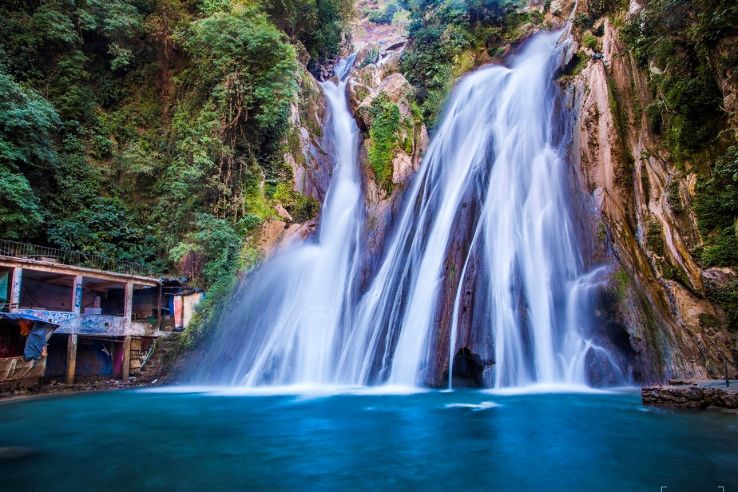
Kempty Falls, situated in a northern part of India “Uttarkhand”. It is nearly 1364 meters above sea level, surrounded by the high mountain ranges deserves to be among the top ten waterfalls in India. You can visit it at any time of the year and explore this beauty of Nature.

Chitrakote Falls, Chhattisgarh –

13 Best Waterfalls In India That Would Make You Wanna Forget About ...

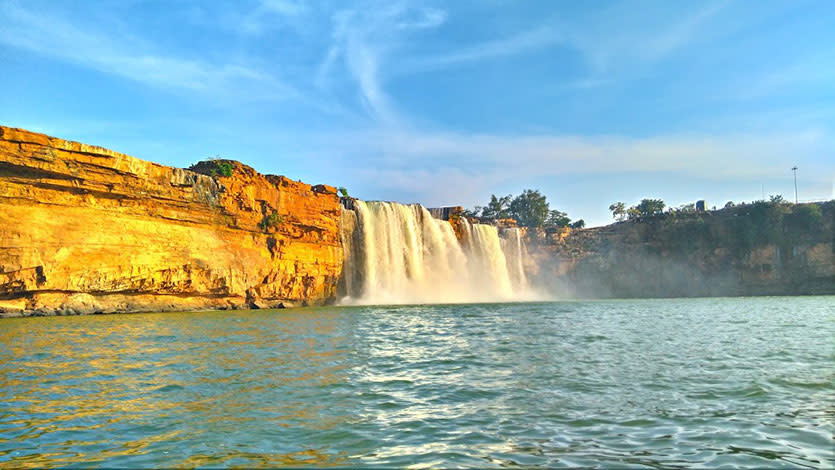
The Chirakote Falls is located to the west of the Jagdalpur in Bastar district in Chhattisgarh. It is also known as the Nigara Falls of India, with this waterfall being 29 meters tall, surrounded by dense forest makes it fit in the top ten waterfalls in India.

Jog Falls, Shimoga, Karnataka –

Jog Falls Tourism (2020) - Karnataka > Best Time, Top Things To Do

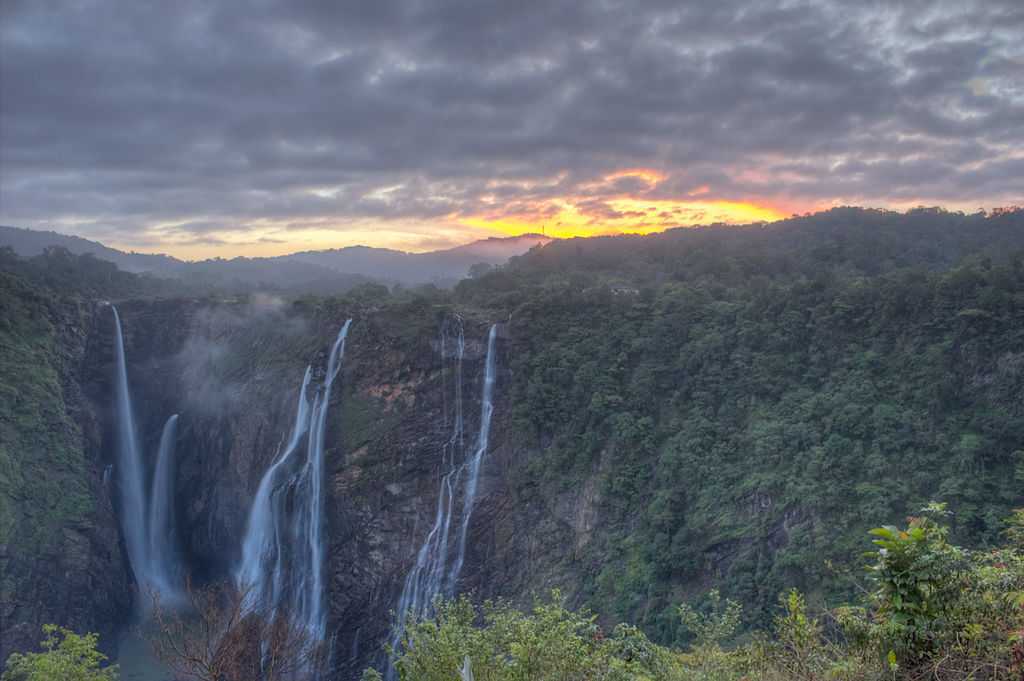
Jog falls is located near Sagara taluk, Shimoga district in the state of Karnataka. Karnataka is a state which is blessed with some of the highest waterfalls in India. Jog Falls is the second highest waterfall in India. It is a treat to watch this 253 meters tall waterfall as it can almost make you feel the force of it against the rock. This beauty of Nature is also on the 13th number in the world by the waterfall database.

Jang Falls, Tawang, Arunachal Pradesh –

Nuranang Falls Tawang | Experience Northeast India

Arunachal Pradesh has yet another beauty of the Northeast India, which holds the maximum number of population among the states in the Northeast region of India. This beautiful crashing water scares can attract both souls and minds. The beauty of nature is yet not known to many and only came into notice after a song from the movie Koyla, featuring Madhuri Dixit was shot in here.

Athirappilly Waterfall Kerala –

Athirapally Waterfalls Trekking -best time to visit falls-seasonz ...

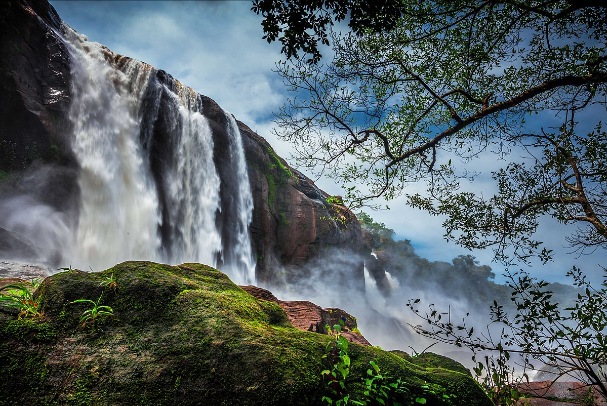
Kerala is the Land of Gods, situated in South India on the Malabar Coast. Athirappilly falls is situated at Athirappilly Panchayat of Thrissur district. You can visit Athirappilly Falls during the monsoon in Kerala and experience the beauty of this 80 ft. tall waterfall. Athirappilly Waterfalls passes through a landscape of winding roads, small villages and dense green trees.

Domestic Violence

Domestic violence is an issue that no one takes seriously. Many Indian households don’t have any knowledge on domestic violence or its laws and the punishment awarded for offending the law. The prevalence of domestic violence is arguably one of the top health concerns in the country. Understanding its definition can help you to take more effective action against its many manifestations of abuse. In some cases, abusers may not even realize that they’re inflicting domestic violence on someone else. On the flipside, victims may not take action against their abusers if they don’t realize that the behaviour they’re experiencing is indeed domestic violence.

Also important is that friends and loved ones of victims are in a better place to help if they understand what domestic violence looks like. Therefore, it’s important that people understand the definition of domestic violence and the many forms it can take.

Definition of Domestic Violence: Types of Abuse

According to the United States Department of Justice Office on Violence Against Women, the definition of domestic violence is a pattern of abusive behaviour in any relationship that is used by one partner to gain or maintain control over another intimate partner. Many types of abuse are included in the definition of domestic violence:

  • Physical abuse can include hitting, biting, slapping, battering, shoving, punching, pulling hair, burning, cutting, pinching, etc. (any type of violent behaviour inflicted on the victim). Physical abuse also includes denying someone medical treatment and forcing drug/alcohol use on someone.

  • Sexual abuse occurs when the abuser coerces or attempts to coerce the victim into having sexual contact or sexual behaviour without the victim’s consent. This often takes the form of marital rape, attacking sexual body parts, physical violence that is followed by forcing sex, sexually demeaning the victim, or even telling sexual jokes at the victim’s expense.

  • Emotional abuse involves invalidating or deflating the victim’s sense of self-worth and/or self-esteem. Emotional abuse often takes the form of constant criticism, name-calling, injuring the victim’s relationship with his/her children, or interfering with the victim’s abilities.

  • Economic abuse takes place when the abuser makes or tries to make the victim financially reliant. Economic abusers often seek to maintain total control over financial resources, withhold the victims’ access to funds, or prohibit the victim from going to school or work.

  • Psychological abuse involves the abuser invoking fear through intimidation; threatening to physically hurt himself/herself, the victim, children, the victim’s family or friends, or the pets; destruction of property; injuring the pets; isolating the victim from loved ones; and prohibiting the victim from going to school or work.

  • Threats to hit injure, or use a weapon is a form of psychological abuse.

  • Stalking can include following the victim, spying, watching, harassing, showing up at the victim’s home or work, sending gifts, collecting information, making phone calls, leaving written messages, or appearing at a person’s home or workplace. These acts individually are typically legal, but any of these behaviours done continuously results in a stalking crime.

  • Cyberstalking refers to online action or repeated emailing that inflicts substantial emotional distress in the recipient.

Domestic violence is not physical violence alone. Domestic violence is any behaviour the purpose of which is to gain power and control over a spouse, partner, girl/boyfriend or intimate family member. Abuse is a learned behaviour; it is not caused by anger, mental problems, drugs or alcohol, or other common excuses. Recently a Bollywood movie named ‘Thappad’, it spoke about domestic violence and how disrespecting someone you love is unacceptable under any circumstance. So do not hesitate to call out on anyone disrespecting you, if they love you they should definitely respect you.

Democracy

India is a democratic country. But do we all know what democracy actually is?What it is all about?

Democracy is the most significant topic in political science as well as political philosophy, and a generally accepted view. Democracy, or rule by the people, is an unrestricted form of government in which all the inhabitants of a nation determine public policy, the laws, and the actions of their state together. Democracy requires that all citizens have an equal opportunity to express their opinion. Practically, democracy is the extent to which a given system approximates this ideal, and a given political system is referred to as a democracy if it allows a certain approximation to ideal democracy. Although no country has ever granted all its citizens the right to vote, most countries today hold regular elections based on egalitarian principles, at least in theory.


Features of Democracy:

  1. Citizen Rule
    A democratic government grants adult citizens the right to elect their representatives. It also establishes clear guidelines for election cycles and term limits so that key positions are contested at regular intervals. Through this process of voting, citizens are regularly given the ability to hire or fire their representatives.
  2. Majority Rule and Minority Rights
    The principle of majority rule is an important part of the democratic system. The majority rules in the election process, but individual rights are protected by the maintenance of decentralized, local government bodies. In a democracy, all levels of government should be accessible to, and representative of, the people.
  3. Individual Rights
    Democracies value the protection of individual rights. The word freedom is used synonymously with democracy to describe individual liberties afforded in this type of government. In the U.S., the Bill of Rights serves as a summary of individual liberties. Freedom of speech and religion, protection from unlawful search and seizure and the right to bear arms are examples of individual liberties, afforded in a democracy. Equal treatment, under the law, is assured for everyone in a democratic society.
  4. Free and Fair Elections
    The key to the exercise of democracy is the election process. Free and fair elections are held at regular intervals for the election of representatives at all levels of government. In a free, democratic election, all adult citizens are given the right to cast votes which, in theory, ensures that the will of the people will be expressed.
  5. Citizen Participation
    Citizens of a democracy not only have the right to vote, but also the responsibility to participate. Informed participation is key in a democracy. When the people elect their representatives, they are ensuring the preservation of the democratic process Engaged citizenship is essential in a healthy democracy.
  6. Cooperation and Compromise
    Democracies also value cooperation and compromise to protect individual rights. To adequately safeguard diversity, and accurately represent all communities, a democracy must protect the right to be different. Anti-discrimination is at the heart of a true democracy. The freedom to assemble and voice opinion drives government accountability to ensure that underrepresented people have the same rights as the majority.
    Types of Democracy

Direct Democracy
A direct democracy is when citizens get to vote for a policy directly, without any intermediate representatives or houses of parliament. If the government has to pass a certain law or policy, it goes to the people. They vote on the issue and decide the fate of their own countries. The people can even bring up issues themselves, as long as they have a substantial consensus on the issue. Even taxes cannot be raised without the public support!
When the population is small, educated and mostly homogeneous (at least politically), a direct democracy doesn’t seem like a bad idea. Switzerland, for example, has had a long history of a successful direct democracy.

Representative Democracy


Representative democracy is type of democracy founded on the norm of elected people representing a group of people, as opposed to direct democracy. In modern democratic states, representatives are voted for by, and are ultimately accountable to the electorate. Different methods of selecting representatives are described in the article on electoral systems, but often a number of representatives are elected by, and responsible to, a particular subset of the total electorate: this is called his or her constituency. The representatives form an independent ruling body charged with the responsibility of acting in the people’s interest, with enough authority to exercise swift and resolute initiative in the face of changing circumstances.
Representative Democracy is typically associated with Liberal Democracy which describes the political system which originated in the USA and Western Europe and has subsequently been adopted in numerous Third World countries and may gradually be well established in the former USSR and its former satellites in Eastern Europe. Liberal Democratic regimes may be classified as either Presidential or Parliamentary systems and there are also important variations within these broad categories.

Participatory Democracy


The exact opposite of an authoritarian democracy is the participatory form of democracy. There are different types of participatory democracy, but all of them yearn to create opportunities for all members of a population to make meaningful contributions to the decision-making process. It empowers the dis-empowered by breaking up the state into small networks and prefers to empower community-based grassroots politics. It values deliberation and discussion, rather than merely voting.
Today, no country actively practices this form of democracy. Although the theories behind it are sound, the real-life application of this approach is fraught with complications. However, many social movements, like the international Occupy movement, the Bolivarian movement in Venezuela and the Narmada Bachao Andolan in India organize themselves around a participatory model of democracy.

Social Democracy


Social Democracy arose as a reaction to neoliberal policies in international economics. Under neoliberalism, profit-making entities like multinational corporations can easily infiltrate other political states. They maintain a level of sovereignty and mobility that no government can counter. The power of the political state seems flimsy in comparison.
Social Democracy aims at empowering the state over the mere whims of the neoliberal market. The state can increase its expenditure by providing free alternatives to overpriced private ventures. It may focus on providing free education or free healthcare, so that people don’t have to depend on profit-making corporations.

Differences between Democracy and Dictatorship:

  1. In a democracy the leaders of the party control most of their votes, but they still have to answer to their political party and the voters. In a dictatorship there is just one leader who has total control over the party and the country. Often propaganda, as well as genuine support, may paint them as the people’s hero.
  2. In a democracy political parties represent different points of view and compete for the votes of the electorate. In a democracy political power is secured by winning a fair election. In a dictatorship the government strictly control all the aspects of the state.
  3. In a democracy newspapers are free to print the truth and can criticise the government when mistakes are made or if there is disagreement. A dictatorship completely disregards the rights of individual citizens. The government and state will try to control all citizens through laws, police, spying and force. The government and state is the most important thing to a dictatorship.
  4. In a democracy there is usually less control over the films and books people can enjoy. In a dictatorship there is only one party, all opposition is destroyed and banned. Totalitarian states don’t allow opposition or elections.
  5. In a democracy the government has less control over people’s choice and belief. People are free to join clubs, political parties and other groups. The government in a dictatorship controls every element of people’s lives, including radio, cinema and newspapers.

Understanding Criminal Conspiracy

To prove criminal conspiracy, the prosecution provide evidence to prove that:

1. The accused agreed to the act or caused it to act;

2. The Act was unlawful or done in illegal ways as defined under the IPC;

3. Whether any overt act was done by any one of the accused in pursuance of the same.

Under Sec. 120A of the IPC, the offense of criminal conspiracy is an exception to the criminal law when intent alone does not constitute a crime. It is the intention to commit a crime and to join hands with individuals with the same intention which is taken into consideration. An agreement has to be made to carry the object of intent. It would not suffice for a crime of conspiracy when some of the accused merely entertained a will, whatever it may be, reduced the crime.

An allegation of conspiracy may prejudice the prosecutors because it compels them into a joint trial and the court may consider the entire mass of evidence against each accused. It is stated that a criminal conspiracy is a partnership in a crime, and that each conspiracy has a joint or mutual agency for the prosecution of a shared arrangement. Thus, if two or more persons enter into a conspiracy, any act done by either of them according to the agreement is in contemplation of the law. This would be an act of each of them and they are therefore jointly responsible. This means that everything written or done by any conspirator in a general-purpose execution or further conspiracy is said to be known, done or written by them. And this joint responsibility is not only carried out by any conspirator pursuing the original agreement, but also to end the incident and move beyond it for the original purpose. A conspirator is not responsible, however, for acts committed by a co-conspirator after the plot is concluded. The joining of a plot by a new member does not create a new conspiracy nor does it change the status of other conspirators, and the mere fact that conspiracies carry out different actions individually or in groups to a common end. It would not divide a conspiracy into several different conspiracies.

A criminal conspiracy is a meeting in the minds of two or more individuals to commit an unlawful act that is non-qualified legally, but it is not possible to prove it by direct evidence. Therefore, the conspiracy and its purpose can be understood from the surrounding circumstances and the conduct of the accused. Furthermore, it is also relevant to note that the plot continues until it is executed or saved or frustrated by the choice of necessity. It is not necessary that all conspirators agree to the general objective at the same time. They can join with other conspirators at any time before the intended purpose is consumed, and all are equally responsible. Everyone may not know which part each conspirator has to play or the fact that when a conspirator joined the conspiracy and left. A person can be involved in a conspiracy by word or deed. However, criminal responsibility for a plot requires more than a passive approach to an existing conspiracy. An overworker with knowledge of the conspiracy is guilty. And one who accepts the purpose of a conspiracy and goes with the other conspirators, in fact while others keep the conspiracy in effect, is guilty, though he does not want to take any active part in the crime.

Any person who is found to be the guilty of committing criminal conspiracy is governed by Section 120B which prescribes punishments for the same to the person. It sentences the conspired party of an offence punishable with death, life imprisonment or rigorous imprisonment for a term  of  two  years  or  more if no specific mention is  made  in  that regard. This specific Code  for  the  punishment  of  such  a conspiracy punishes  in  the  same  manner  as  if  the person had abetted  the particular offence. The Code also prescribes punishment to the party  of  a  criminal conspiracy  even if not under a  criminal  conspiracy  to  commit  an offence   punishable   as   mentioned above  with imprisonment  of  not more than six months, or often just with fine. Mostly with both.

MOST CHEAP & AFFORDABLE CITIES FOR STUDENTS in the WORLD

Students are already drowning in student loan and upon that they have miscellaneous expenses to cover. Many of you would have lost hopes of studying in prestigious Universities thinking about the expensive cos of living there. However there are cities in the world which offer cheap and affordable living especially for students.

This article derives results based on the average costs indicated on the Mercer Cost of Living Survey. Each of these cities contain not only cheap living but also some of the top universities one might be delighted to get into.

Kuala Lumpur

Kuala Lumpur, Malaysia’s capital and largest city, ranks second in the world for affordability. Also featuring in joint 29th place overall in the best student cities this year, tuition fees at one of Kuala Lumpur’s five ranked universities will cost an average of only US$2,500 per year for international students. For those looking to live in the city center, a one-bedroom apartment will cost an average of US$568 per month.

IHG to develop new Holiday Inn in Kuala Lumpur, Malaysia | Hotel ...

Kuala Lumpur also ranks well for affordability in the Mercer Cost of Living Survey, coming 141st of 209 countries in terms of expense.

Bangalore

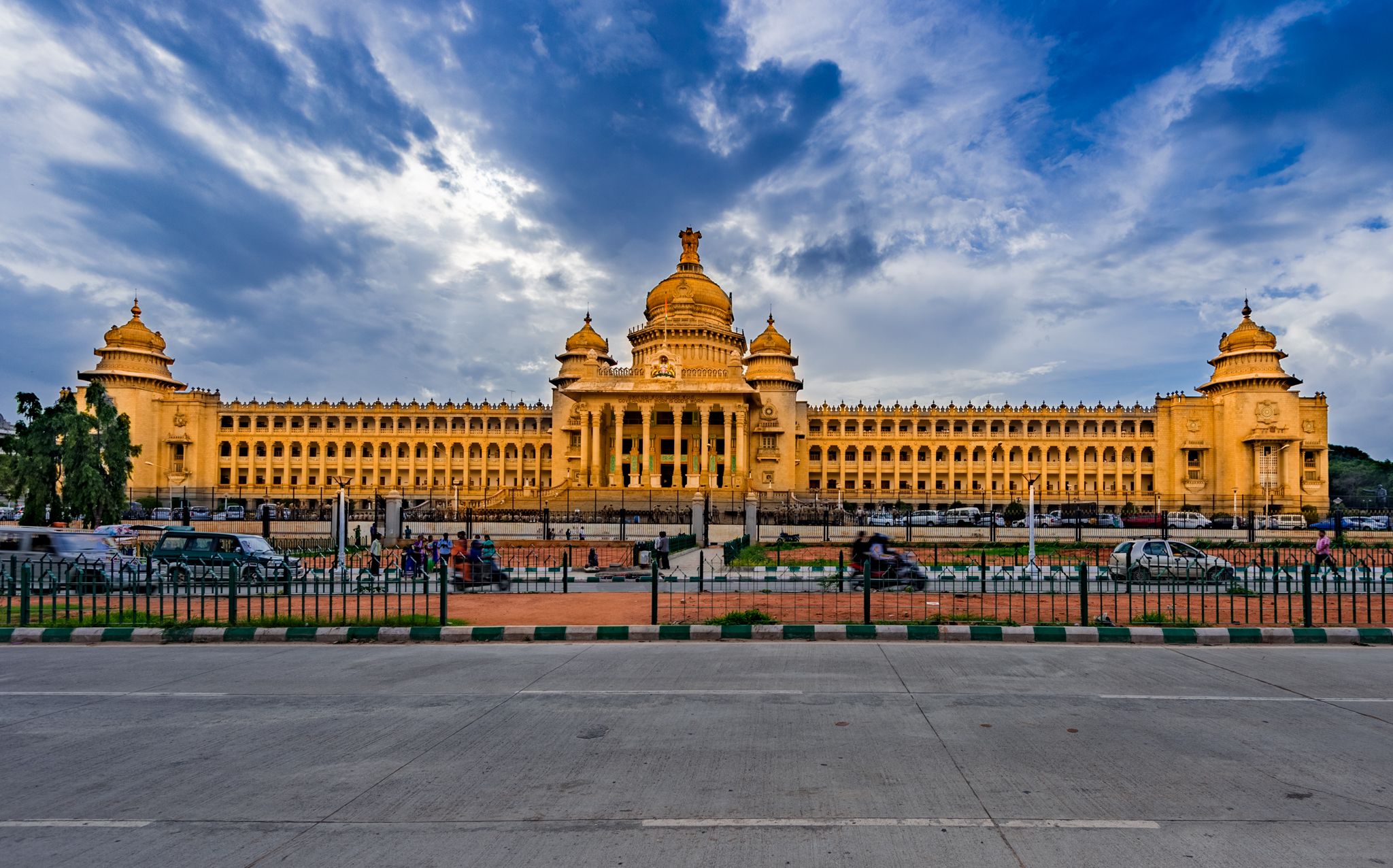
the Indian city of Bangalore, a new entry in this year’s Best Student Cities index at 81st, has the lowest tuition fees of all the cities on this list (only costing US$100 per year on average.) The city also has extremely low living costs , a one bedroom apartment in the city center, for example, will cost you an average of US$250 — this is extremely low compared to cities such as London, where you’d be paying a monthly average of US$2,132.

Bengaluru Smart City Project: Free Wi-Fi, E-Toilets, Water ATMs ...

Bangalore has two universities currently featuring in the world university rankings. It also ranks highly in both the student view indicator and the employer activity indicator, suggesting that Bangalore’s graduates are viewed highly among graduate employers.

Johannesburg

Coming in at ninth worldwide for affordability in 2019, individuals in Johannesburg’s city center can expect to pay an average of US$471 in rent per month for a one bedroom apartment, excluding bills and annual tuition fees of around US$2,300. The city also ranks 185th out of 209 cities in the Mercer Cost of Living Survey (where first place is the most expensive).

The Ultimate Guide To Cheap Hotels in Johannesburg - Hotels.ng Guides

This sunny South African city is ranked 78th overall in the Best Student Cities and climbed six places this year in the affordability indicator. The city is home to two institutions featured among the world’s top 550 in the world university rankings.

Budapest

Boasting three world leading universities, and home to over three million people, Hungary’s capital ranks first once again for the affordability category in 2019. Budapest also comes 43rd overall in the Best Student Cities, rising six places his year due to its improved scores in the desirability and student mix indicators (appearing in the global top 60 for both).

Traveling to Budapest in October

Budapest will cost international students an average of US$1,400 in tuition fees per year (much lower than many other study destinations). The city also ranks 164th out of 209 countries in the Mercer Cost of Living Survey.

Tomsk

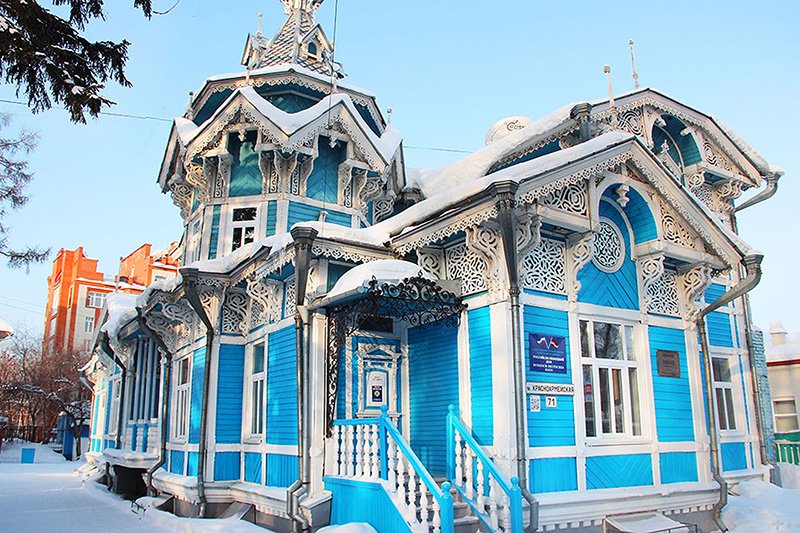
Ranking 73rd overall in the Best Student Cities index, Tomsk places joint fourth for affordability in 2019 along with fellow Russian cities Novosibirsk and St. Petersburg. Tomsk gained the title of the ‘cultural capital of Siberia’ from the 1960s, when it was fill of artists, writers and film directors, and is still known today as a major educational, scientific and innovation center in Siberia. 

Siberian IT exchange – Software cluster in Tomsk in 2017 ...

If you’re interested in studying at one of Tomsk’s leading institutions, international undergraduate tuition fees cost an average of US$2,600 per year.

St. Petersburg

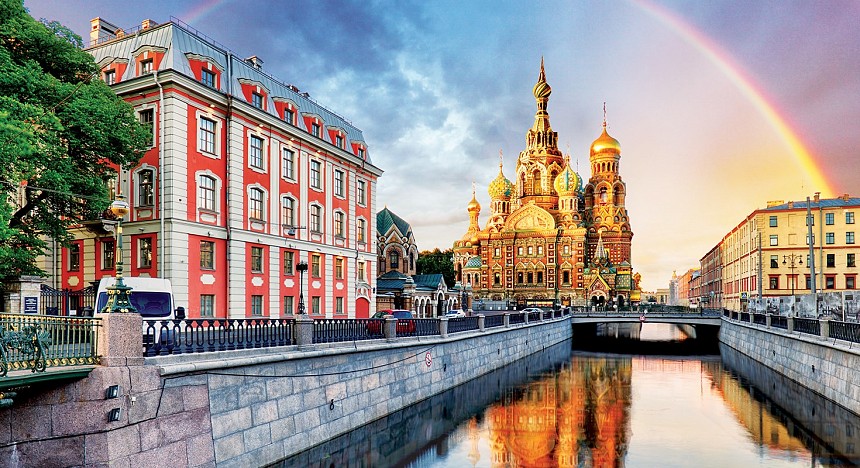
St. Petersburg is Russia’s second largest city (after Moscow, of course) and home to over five million people. Ranked 66th in the city ranking in 2019, it’s climbed four places in the affordability indicator to claim joint fourth place, with tuition fees at its three leading universities costing an average of US$2,600 per year.

48 hours in St. Petersburg, Russia | Luxury Travel Magazine ...

Students looking to study in this awe-inspiring city will be pleased to find out that the city’s cost of living is 28.2 percent cheaper than in Russia’s capital, Moscow. And although St Petersburg’s best score overall is for its affordability, its biggest improvement this year is in the student view indicator, rising 16 places in 2019, reflecting its popularity among students.

Manila

The capital city of the Philippines and one of the oldest cities in the world, Manila is ranked eighth in the world for affordability this year, as well as joint 85th overall in the Best Student Cities index. Manila contains four excellent universities, led by the University of Philippines, which places joint 356th in the world.

Experience the Best of Spain by Train | Railbookers

With tuition fees averaging out at around US$2,400, and the city ranking 109th out of 209 in the Mercer Cost of Living Survey, Manila is a great place to get a top-quality education without breaking the bank. On top of this, Manila earns its best score in Student View this year, based on student’s experiences whilst studying in the city, and their perceptions of the availability and quantity of graduate employment.

Wroclaw

With sensational architecture and a plethora of diverse cafés and restaurants, Wroclaw, the fourth-largest city in Poland, comes third in the affordability indicator and is a new entry in the Best Student Cities index in 2019 at 108th. Students looking to study in Wroclaw will be pleased to hear that higher education is free for Polish students, and for international students willing to take the same entrance exams and to study a course taught in Polish.

Wroclaw | L.E.K. Consulting

However, if you’d prefer to study in English, tuition fees are still much lower than you’ll find elsewhere. The cost of living in Wroclaw is also relatively low, estimating that the monthly rent for a single person living in the center will cost on average around US$597.

Novosibirsk

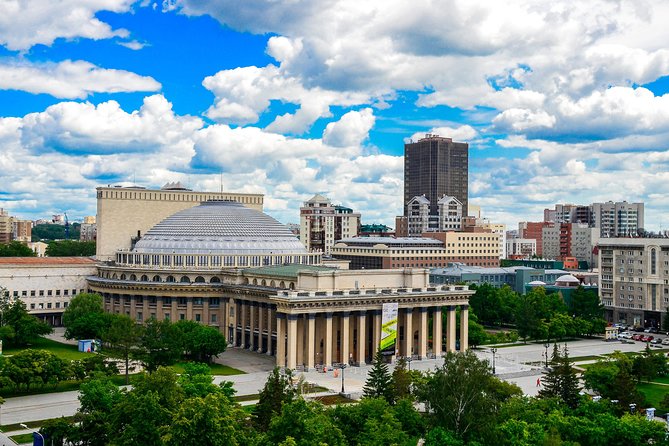
Russia’s third largest city, Novosibirsk is packed full of parks and tree lined avenues, as well as being a major manufacturing and administrative center.

Novosibirsk travel | Western Siberia, Russia - Lonely Planet

It climbed six places to rank 92nd in the Best Student Cities ranking this year and is rated joint fourth for affordability, with tuition fees averaging at US$2,600 per year for international students. Living costs are lower here than in Moscow, with a single metro ticket for example only costing 22 rubles (the equivalent to only 35 US cents).

Hsinchu

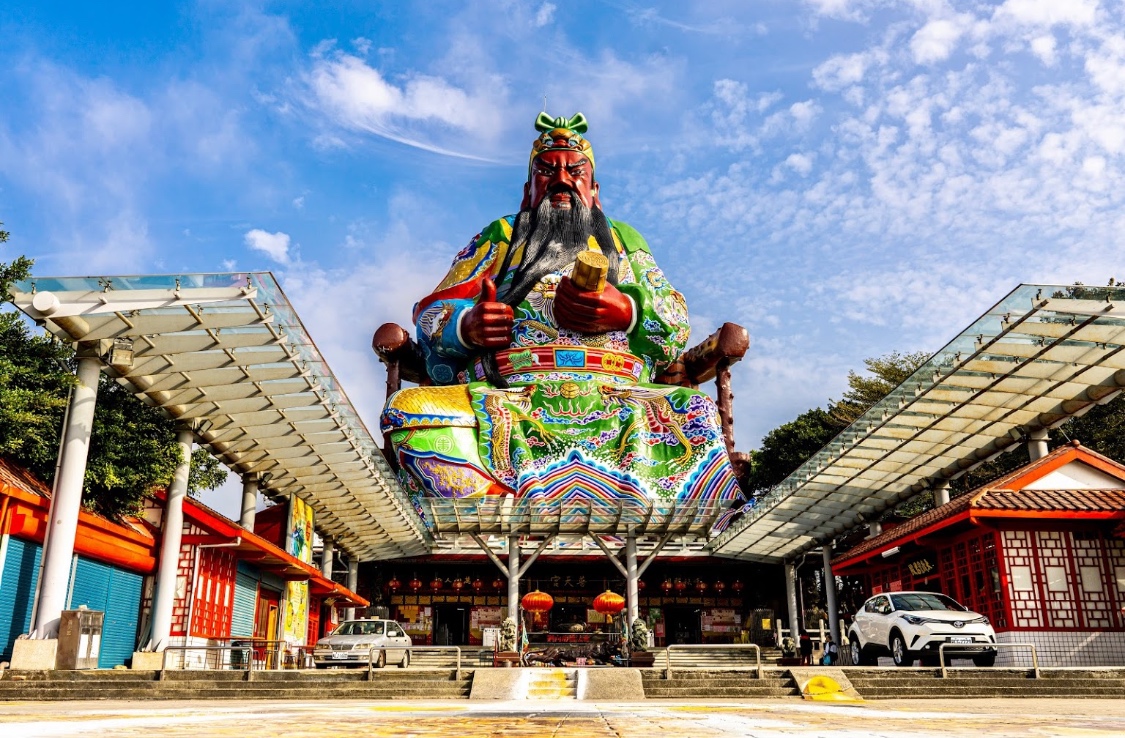
Putian Temple in Hsinchu tells your fortune, makes relationship ...

Perhaps those of you looking for a great place to study abroad will be blown away by Hsinchu, the second city laying claim to the title, ‘The Windy City’ (the first, of course, being Chicago). Coming 10th for affordability this year and joint 68th overall in the Best Student Cities index, Hsinchu is an excellent option for those who want to study in Taiwan without all the hustle and bustle of a big city.

Gold breaks 50000 Rs barrier as U.S-China row drives flight to safety

Safe haven gold surged the fresh new high 50000 per 10 gram on Friday for the first time since 2011 as a worsening U.S-China row added to fears over the hit to a global economy already reeling from the coronavirus pandemic.

Spot Gold climbed 0.5% 50960 per 10 gram by 09:45 Pm IST, having earlier hit its highest since Sep 2011.

The top US pandemics expert Anthony earlier said the US coronavirus cases could grow to 100,000 daily without proper social-distancing and other safety measures and that’s going to hit economy badly.

The bullion metal is also getting support from uncertainty on the Hong Kong issue, rising COVID cases and increasing distress in the market.

Concerns about more global economic slowing due to the increasingly acerbic U.S.-China spat is seen as likely to keep global government and monetary support going even longer.

In yet another escalation, China ordered the United States to close its consulate in the city of Chengdu, responding to a U.S. demand for China to close its Houston consulate.

US Treasury Secretary Steven Mnuchin and Fed Governor Powell pledged to do more for the US economy as it battles the enormous fallout from the virus outbreak. Today market participants will focus on PMI numbers from major economies globally and private payroll numbers from the US which will give a hint on the situation of the jobs market in the country.

Non-yielding gold has surged 24% this year, underpinned by low interest rates and stimulus from central banks, which benefits bullion since it is a perceived hedge against inflation and currency debasement.