A Roller Coaster of the LAST DAYS OF COLLEGE

This year has been unpredictable in many ways. We have seen terrible occurrences right from the very beginning of the year. What with the bushfires that started around south wales, Australia that a third state emergency had to be called. This was just day 2 of the New Year 2020. Then we saw war threats between the United States of Americas military and Iran. And I don’t even need to mention the corona virus pandemic that took over the entire world. A lot experienced in such a short span of time. We didn’t know what more to expect from this year.

But as everything came to a standstill with complete shutdowns and lockdown and social distancing taking over, many panicked on how they will be handling this new normal. I am focusing on the student community especially the final year students who were supposed to be having farewell parties and reminiscing their college years that had come to an end.

With this sudden take-over of the pandemic, all colleges shutdown adhering to the government issued guidelines. Mid-March that’s when it started in India. We however did not know how long this would be and honestly no one took this serious enough. We underestimated this issue to a great extent.

As time progressed colleges started taking classes online and giving out assignments. As this was happening, simultaneously the corona cases started rapidly increasing. Despite the best efforts taken by the government and the frontline and essential workers the cases were blowing out of proportion. This delayed the time as lockdown kept getting extended. As time was running short, colleges were forced to conduct online exams especially to the final year students. The UGC issued guidelines regarding this and gave the colleges the authority to conduct online exams for the final years.

Online exams were conducted and the results declared. This was a major change for the students as they had least expected the turn of events. They definitely exercised something new and scary. They would not in their wildest dreams imagine that they’ll take up their final exams of their college in this manner.

The most important part was that during a crisis like this the placements were not welcoming. With loyal employees being forcefully terminated and the market crashing, it was not a favourable situation to the fresh graduates. Unemployment was peaking with major layoffs from even reputed companies.

These young adults had to go through so much unprecedented activities during their last days of college life. They missed on some cherishable memories of farewell parties, the final exams with their friends, hanging out around the college campus and remembering fond memories of their college life in the campus. But what’s more important for them now is how they take their career and move forward. I’m sure this is not what they expected at the end of their carefree college times but I’m very sure that they have the ability and capacity to take failures in their stride and come up in life. I wish all of you the very best.

Patriarchy

Patriarchy refers to a society dominated by men i.e. society, state and the economy are characterised by systematic, institutionalised and pervasive gender oppression.

Patriarchy is a system – a dynamic web – of particular ideas and relationships. Patriarchy can be updated and modernized. It is stunningly adaptable. That is the sense in which it is useful to talk about patriarchy as ‘sustainable’.

In a literal sense, patriarchy means rule by the father. A patriarchal family is therefore dominated by the father with power transferred down the male line, whereas a patriarchal society is based upon male dominance.

It is a social system that values masculinity over femininity. This type of social system dictates that men are entitled to be in charge and dominate women. And it implies the nature state of gender relations is a dynamic of dominance and submission. According to patriarchal society, women are seen weak, submissive and an extension of men, and the highest accomplishment a woman can hope to attain is marriage and child birthing.


On the reverse end of the spectrum, men are expected to be physically and emotionally strong, dominating, and the breadwinner and protector of his family. Although the domination of women today might not be as bad as, say, a couple hundred years ago when women had no legal rights and were considered their husbands property. Gender is still something that is strictly enforces on people today. In patriarchal society’s, cisgender men are typically valued over cisgender women.


However the system forces people into strict boxes called ‘gender roles’, and gender roles hurt everybody. If someone who is assigned a certain gender at birth doesn’t fit into the social norms expected of that gender, they’re often ostracized by society. In the past hundred years or so we’ve seen a loosening of gender roles for women but not so much for men. Women can act or dress in a more masculine fashion with less repercussions that if a man were to act or dress in a feminine way. This stems from the valuing of masculine traits over feminine traits and the association of femininity with weakness. It’s more okay for a woman to ”act like a man”, or whatever that means, than it is for a man to ”act like a woman”. However, the patriarchy doesn’t just harm cis women and cis men. It also hurts trans identities and everyone who doesn’t identify with the gender binary. Being transgender is almost like the ultimate slap in the face to patriarchy and gender roles because you’re stepping outside of the gender you were assigned to birth and saying ” to hell with that”. A lot of trans phobia that we see is based in sexism and the fact that someone is refusing to stay in the gender box that society put them in.

In every Indian household there is a common stereotype thinking of men working and women handling the kitchen. Baby girls are offered soft toys and baby boys are offered guns to play. When the girl hits puberty she’s forbidden to go outside alone. A sister is expected to help her mother in kitchen. Also, the society has fixed some “Code Of Conducts” how a girl should behave. There are some common sexist misconception also, like a girl earns more than her husband. Well, there are much more.

Characteristics of a Patriarchal System

Some characteristics of a patriarchal system include:

  • Male Dominance: In a patriarchal system, men make all decisions in both society and in their family unit, hold all positions of power and authority, and are considered superior.
  • Male Identification: Men are concerned with identification that includes qualities of control, strength, forcefulness, rationality, strong work ethic, and competitiveness. Each of these qualities contribute to male identification in a patriarchal system.
  • Male Centeredness: In a patriarchal system, the center of activity and progression is on men and what they do to move the society forward. In any patriarchal system, men will be the focus and developer of all events and inventions, men will be the heroes in all situations, and men will be the center of social engagement, fun, and entertainment.
  • Obsession with Control: Men living in a patriarchal system or society must be in control at all times. They have a desire to control all social and family situations and must make all decisions regarding finances and education.

Additionally, in a patriarchal society, the oppression of women is emphasized. The term oppression means to push down or restrict; therefore, women are not allowed to rise up to leadership levels or make decisions. Women are also not allowed to demonstrate independence or suggest changes to any social order.

In essence, women also have a role in a patriarchal society, but only in a sense that is submissive and subservient to men. Let’s look at some cultures and societies that recently or still operate under the patriarchal system.

Examples of Patriarchy

Well, there are countless examples of Patriarchy. From thinking like “Women should know cooking”, “Women should always serve her husband and children and they are perfect for a 9-5 job” to “A man has to be financially and emotionally stable else he is not a man” and “Women are too weak to work in armed forces” everything is a example of Patriarchy.

Patriarchal institutions and practices have to some extent been challenged in recent years via legislative measures and changing social attitudes. In the context of the former, workplaces who employ a specific number of employees are under a legal obligation to publish the pay gap between men and women. There are also laws to prevent sexual discrimination in the workplace with employers liable if found guilty. Cases are often heard in employment tribunals in which grievances may be resolved. In terms of the latter, there is also a greater level of sensitivity towards sexist attitudes in the public sphere.

Impact of Corona Pandemic on India’s Economy

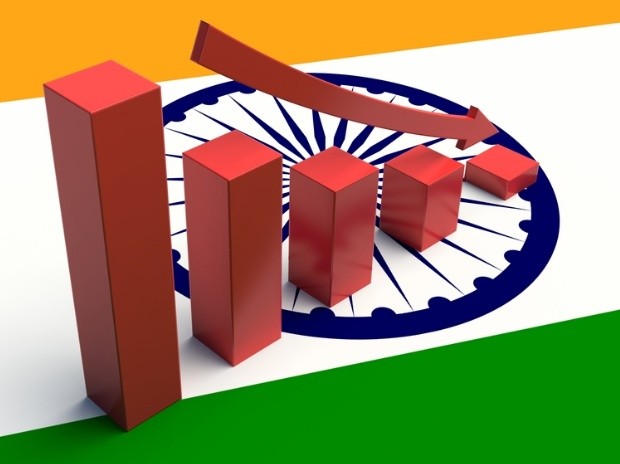
The economic impact of the Covid-19 pandemic in India has been largely disruptive. India’s growth in the fourth quarter of the fiscal year 2020 went down to 3.1% according to the Ministry of Statistics. The Chief Economic Adviser to the Government of India said that this drop is mainly due to the coronavirus pandemic effect on the Indian economy. Notably India had also been witnessing a pre-pandemic slowdown, and according to the World Bank, the current pandemic has “magnified pre-existing risks to India’s economic outlook”.

Economists slashed GDP rates for the predictable future due to the obvious impact of the lockdown. However, it was also estimated that the country might bounce back quickly because its industry composition, with unorganized markets being largely dominant. Losses from organized sectors amounted to an estimated nine trillion rupees in late March, projected to increase with the prolonging of the lockdown. As expected, the most affected industries included services and manufacturing, specifically travel & tourism, financial services, mining and construction, with declining rates of up to 23 percent between April and June 2020.

Recently an industry survey that is jointly conducted by industry body Ficci and tax consultancy Dhruva advisors and took responses from about 380 companies across the sectors. It is said that businesses are grappling with “tremendous uncertainty” about their future.

According to the survey, COVID-19 is having a ‘deep impact’ on Indian businesses, over the coming month’s jobs are at high risk because firms are looking for some reduction in manpower. Further, it is added that already COVID-19 crisis has caused an unprecedented collapse in economic activities over the last few weeks.

The present situation is having a “high to very high” level impact on their business according to almost 72 per cent respondents. Further, 70 per cent of the surveyed firms are expecting a negative growth sales in the fiscal year 2020-21.

Ficci said in a statement, “The survey clearly highlights that unless a substantive economic package is announced by the government immediately, we could see a permanent impairment of a large section of the industry, which may lose the opportunity to come back to life again.”

The survey found:

–In respect to the approved expansion plans, around 61 per cent of the respondents expect to postpone such expansions for a period of up to 6 or 12 months, while 33 per cent expect it to for more than 12 months.

–Surveyed firms of around 60 per cent have postponed their fund-raising plans for the next 6-12 months. Also, nearly 25 per cent of the firms have decided the same.

–Surveyed firms around 43 per cent have reported that they do not predict an impact on exports. Further, 34 per cent said that exports would take a hit by more than 10 per cent.

According to Du  & Bradstreet, COVID-19 no doubt disrupted human lives and global supply chain but the pandemic is a severe demand shock which has offset the green shoots of recovery of the Indian economy that was visible towards the end of 2019 and early 2020.

Almost four months has passed, 1.3 Billion Indians have gradually adjusted to the new normal and its completely alright because there isn’t any option left for us. Health workers, security services are working tirelessly to ensure our safety. Centre and State government machinery along with supply chains for essential goods & services are doing best to ensure that food & financial security is available for those who need it the most. Let us all do a favour to our Incredible Nation by helping to constrain the virus, make wise use of unlock period to avoid another lock-down period.

Bio-terrorism

Bio-terrorism is the intentional arrival of infections, microscopic organisms, poisons or other hurtful operators to cause ailment or passing in individuals, creatures, or plants. These operators are normally found in nature, yet could be transformed or modified to build their capacity to cause sickness, make them impervious to current medications, or to expand their capacity to be spread into the earth. Natural specialists can be spread through the air, water, or in food. Organic specialists are appealing to fear mongers since they are very hard to distinguish and don’t make ailment for a few hours a few days. Some bio-terrorism specialists, similar to the smallpox infection, can be spread from individual to individual and a few, similar to Bacillus anthracite

Bioterrorism might be supported in light of the fact that organic operators are generally simple and cheap to acquire, can be effectively scattered, and can cause broad dread and frenzy past the real physical harm. Military pioneers, be that as it may, have discovered that, as a military resource, bioterrorism has some significant confinements; it is hard to utilize a bioweapon such that solitary influences the foe and not agreeable powers. A natural weapon is valuable to fear mongers chiefly as a technique for making mass frenzy and disturbance to a state or a nation. In any case, technologists, for example, Bill Joy have cautioned of the potential force which hereditary designing may put in the possession of future bio-psychological militants.

The utilization of specialists that don’t make hurt people, yet upset the economy, have additionally been talked about. One such pathogen is the foot-and-mouth malady (FMD) infection, which is fit for causing across the board financial harm and open worry (as saw in the 2001 and 2007 FMD episodes in the UK), while having basically no ability to taint people.

Use of bio-terrorism in history was when World War I started, endeavors to use anthrax were aimed at creature populaces. This for the most part end up being insufficient. Soon after the beginning of World War I, Germany propelled an organic damage crusade in the United States, Russia, Romania, and France. Around then, Anton Dilger lived in Germany, yet in 1915 he was sent to the United States conveying societies of glanders, a destructive malady of horse and mules. Dilger set up a research facility in his home in Chevy Chase, Maryland. He utilized stevedores working the harbors in Baltimore to contaminate ponies with glanders while they were holding back to be dispatched to Britain. Dilger was under doubt similar to a German specialist, yet was never captured. Dilger in the long run fled to Madrid, Spain, where he kicked the bucket during the Influenza Pandemic of 1918. In 1916, the Russians captured a German operator with comparable goals. Germany and its partners tainted French rangers ponies and huge numbers of Russia’s donkeys and ponies on the Eastern Front. These activities prevented cannons and troop developments, just as gracefully escorts.

Tom Inglesy, the CEO and executive of the Center for Health Security at the Johns Hopkins Bloomberg School of Public Health and a universally perceived master on general well being readiness, pandemic and rising irresistible infection said in 2017 that the absence of an internationally standardized approval process that could be utilized to manage nations in directing general well being tests for reviving an illness that has just been killed builds the hazard that the ailment could be utilized in bio-terrorism.

Malnutrition In India

Malnutrition is one of the world’s highly overlooked issues. Many still believe that malnutrition is restricted to the African continent, which is the biggest myth this article will bust. If the first image that pops into your mind when you think of malnutrition is a scrawny African kid, this is the article to educate you about our world.

Malnutrition, as the name suggests, is the deficiency of the required nutrients in one’s body. A properly balanced diet should constitute sufficient energy/calorie requirements and also meet our diverse nutritional requirements. Our biology tells us more about our ailments than our body weight and structure.

Another myth associated with malnutrition is that only those without timely meals are malnourished. Malnourishment exists in three main forms: under-nourished, over-nourished, and targeted nourishment.

  • Under-Nourished: A person who is not consuming a timely balanced diet
  • Over-Nourished: A person consuming more nutrients than needed, they are over-nourished, or obese
  • Targeted Under-Nourishment: A person consuming timely food, but lacking a balanced food intake

Malnourishment is less about how much you eat and more about what you eat. To further bust the myth, Africa might be the continent with the highest malnourished population, but the country with the highest malnourished population is, Yemen.

The Double-Burden of Malnourishment is a crisis that almost all countries are facing, trying to end under-nourishment while tackling an increasingly obese population.

Food Security is the availability of food and one’s access to it. Food insecurity is when there’s an infrequent availability and one’s eating habits are disrupted as a result of lack of money and other resources.

9.2% of the world was severely affected by food insecurity, and 1-in-4 are moderately affected by food insecurity in 2018.

As a result of this, many people fail to avail of the basic requirement, food.

Over 1 billion people were undernourished in 1990, 795 million as of 2014. The number soon reaching 821 million by 2017.

Contrary to popular belief, India is one of the highest-ranking countries in the world worst affected by malnutrition amongst children. About 30% of Indian children are underweight, almost twice than in Sub-Saharan Africa.

Over 5% of the Indian population is morbidly obese. Processed, sugar-free, and other un-healthy options have substituted our diets. Organic options have become a thing of luxury. The National capital surpasses every other state and union territory with 45.5% men and 49.8% women obese population (Transgender data not given). While Madhya Pradesh and Rajasthan exceed in the undernourished population.

Fad Diets promising quick weight shedding are part of the problem. While you may shed the “few extra pounds,” they leave you with a malnourished body. Omitting fats from our diets does us more harm than good. Take, for instance, potatoes and sugars, high in starch and carbohydrates, are still vital for our body.

Each year, enough food is produced to feed more than 12 billion people. The world population is 7 billion!

A country as a whole very rarely struggles with food insecurity. It is a group or even a marginalized community that struggles with finding proper access. Haddad in their article, “Lifting the Curse: Overcoming Persistent Undernutrition in India” wrote, “A poor capacity to deliver the right services at the right time to the right populations, an inability to respond to citizens’ needs and weak accountability are all features of weak nutrition governance.” While government officials claim that it is a challenge for every country to provide people with access to healthy food.

While it is debatable as to how much the government does or can do, many factors come into play. To name a few, the socio-economic status, region, religion, and relationships.

One strong link to malnutrition in India is domestic violence. Domestic violence brings with it emotional and physical abuse. The dual-abuse affects one’s oxidative stress, hemoglobin blood levels, and produce anemic malnutrition.

Another link is that of religion, scientific studies prove that in India, Hindus and Muslims tend to be more malnourished than those from Christian, Sikh or Jain backgrounds.

Each type of malnutrition brings with it many diseases and high mortality rates. Visible signs of malnutrition and dehydration are most common include, including moon face, dry eyes, periorbital edema, glossitis, enamel mottling, dull-sparse-brittle hair, alopecia, thin and soft nail plates, muscles wasting, calcium-vitamin D-vitamin C deficiencies, and more.

With the ongoing pandemic and the related lockdown, many families have lost their source of income. People are struggling to choose between food and rent. The malnutrition rates have been higher in the last few months than last year. UNICEF’s plan to achieve Zero Hunger by 2030 seems unlikely.

Mob lynching: Politics, Law and Solution

A bare reading of the definition of lynching states,

“To punish (a person) without legal process or authority, especially by hanging, for a perceived offense or as an act of bigotry”

One clear understanding from the above-mentioned definition is that there is no place for Mob lynching in a civilized land and especially in the world’s largest democracy.

The drafters of the Indian Constitution knew that laws in the country could be twisted to challenge the Fundamental Rights which were assured to the citizens and that’s exactly why The Right to Constitutional Remedies, that is, a process to seek justice through courts, was included in it.

Also going to through the epics, it holds no substantial, memorable or any quoted reference to this stated vicious practice.

Thus, in today’s world, Lynching stands as an exception.

The biggest irony and misfortune of our country is that everything and anything is politicized for insignificant political interests and vote bank. The same is true with most inhuman and abominable activity of mob lynching.

Early political context has been witnessed in the Kherlanji massacre in 2006. It was when four people were lynched over a land dispute at Kherlanji in Maharashtra. A mob of at least 50 villagers captured Bhaiyyalal Bhotmange’s house, and lynched four members of his family. Bhotmange’s wife and their daughter were marched naked in the village and sexually abused before being brutally murdered. The attack was after these women filed a police complaint against 15 villages who thrashed a relative. And despite such chaos, there were efforts to normalise the lynching later saying it was a casteist outrage against Dalits by the politically dominant Kumbi caste.

The next lynching that shocked the nation happened in Dimapur in 2015. A mob of least 7,000 to 8,000 infuriated people broke into Dimapur Central Jail, dragged Syed Farid Khan accused in a rape case out, marched him naked, stoned him, thrashed him, dragged him for over seven kilometres. There were attempts of tying a rope to his waist from a motorcycle. Ultimately, killing him and displaying his body on a clock tower. The brutal punishment was for the rape on a superficial level but what the mob thought was that they were lynching a Bangladeshi migrant. Khan, originally from Assam, had been living in for over Dimapur eight years. What is conflicting in this case is that the medical reports about the rape initially said the woman, who filed the complaint, was raped and then denying the same. Khan’s family claimed he was framed and said that the woman invited Khan to a hotel, forced him to drink and demanded Rs 2,00,000 from him. Ironically, this horrific mob violence executed was quoted by many as an example of serving justice.

Not much time later, Dadri lynching was witnessed. A 52-year-old Muslim man, Mohammad Akhlaq and his son, were attacked by a village mob with sticks and bricks, accusing them of stealing and slaughtering a cow calf and storing and consuming beef. The son was severely injured in the attack. Akhlaq was beaten till he died. This incident in Uttar Pradesh’s Bisara village near Dadri, was the first case of a Muslim lynched by a Hindu mob in the name of cow and beef. A primary inquiry by the Uttar Pradesh Veterinary Department said the meat recovered from Akhlaq’s refrigerator was not beef but of “goat progeny”. After a year in Mathura’s forensic department, the report said that the meat was of a cow or its progeny. And not much to surprise, the report was said to be politically motivated to normalise the lynching saying the mob was “emotionally charged” since cow slaughter is an extremely emotional issue for Hindus.

India is a multi-religious, multi-cultural, multi-ethnic, multi-dimensional and diverse country where people belonging to various faiths and religious denominations live together in peace and tranquillity. In such a diverse country, mob lynching in the name of protecting cow has the potential of leading to communal disharmony which may lead to national disintegration when national integration is badly required for peace, economic development and societal upliftment of the country.

Even since, Government imposed a ban on the sale and purchase of cattle for slaughter at animal markets across India, under Prevention of Cruelty to Animals statutes in 2017, it flashed a new wave of cow vigilante throughout the country. Though the SC suspended the ban on the sale of cattle in its judgment in 2017, giving relief to the multi dollar beef and leather industries and several states where beef is one among the primary foods, there was a rise in attacks on Muslims accusing them as beef eaters. Several innocent Muslims were murdered in such mob attack.

Law and order is a state subject and therefore all State Governments should deal with this inhuman activity strictly to maintain the rule of law and its supremacy. No one should be allowed to tinker with the law and the law violators and unruly mobs that resort to mob lynching should be put behind bars and severe punishment should be given to them so that this issue will be curbed and the country is saved from disturbance and violence. The primitive mindset and mob lynching are alien to our culture and should as such be discouraged and the secular democracy saved for the welfare of its citizens without any distinction of caste, creed, color or sex. Otherwise we will stoop to the 18th century which will take us back to the days of ignorance and illiteracy.

The government, though, has taken initiatives as it has asked States to appoint a nodal officer in each district to prevent the incidents of mob lynching. It has also asked to set up a special task force to procure intelligence reports about the people who are likely to commit such crimes or who are involved in spreading hate speeches, provocative statements and fake news.

Two high-level committees have also been constituted by the Centre to suggest ways to deal with incidents of mob lynching. One of the committees is being headed by Union Home Minister and the other by Union Home Secretary. The move came a week after the SC asked the Centre to enact a law to deal with incidents of lynching and take action on mob violence. The government respecting the directions of the Apex Court on the issue of mob lynching has issued an advisory to the State governments urging them to take effective measures to prevent such incidents, and also take severe actions as per the law.

Mob lynching should be dealt with an iron hand as it has the ramification of disturbing communal amity and peace in the diverse society and as such should not be tolerated and no one should be allowed to take law into his or her hands. It cannot be associated with any particular religion as it is a criminal activity and the criminal mindset does not come into people of any specific community. Thus to associate it with majority community is unjustified. But the majority community has the moral responsibility to protect and safeguard the minorities and supplement the efforts of the Government in this regard otherwise we cannot claim to build a new India where everyone irrespective of religion and faith will be safe and sound. We can rebuild new India only when there will be peace and the sectarian and communal violence will be things of yesteryears.

Thus, mob lynching should be condemned, discouraged and curbed if we have to build a strong and new India as a big economic power.

Is this what we call a “Revolution”?

The world has been divided into groups, sub-groups in which the people are categorised by either caste or religion and now on the basis of colour also. All of this is a very abstract topic and we just can’t argue on this but can we at least not work like the society, can we just look everyone with the same mindset, treat them equally, respect them equally. Our society has been ruled and judged by the superiors and is still being judged by our so called politicians who have manipulated the minds of the people and have turned off the ‘Humanity’ mode in them.

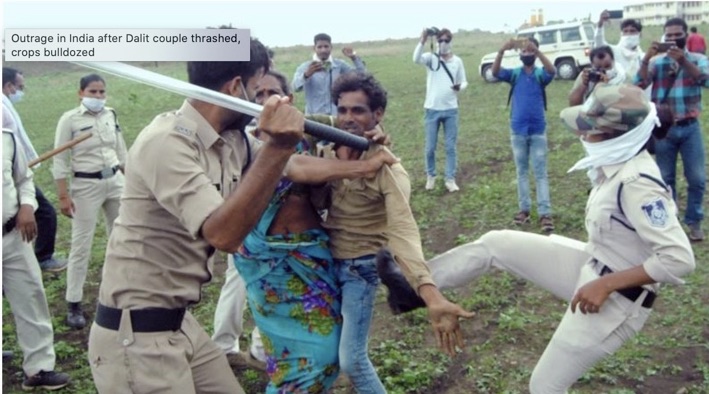
Things have turned really outrageous where people still haven’t learnt the real meaning of helping each other and treating everyone as equal. A recent example of “A Dalit couple” in Madhya Pradesh who have committed suicide because their crops were thrashed and they were being beaten up from the cops. This was a very brutal act against the marginalised sections of our society where those two were crying out for help and were begging to the police to stop and spare them, but nothing happened because it was an order from the government. This cruel and shameful act took place after the couple were seen growing crops on the land which was being inherited by the government. They were quickly rushed to the hospital after both of them consumed pesticides, and now they are in a normal condition.

Al Jazeera

“When our standing crop has been destroyed, we don’t have the option but to kill ourselves” Devi quoted.

All of this took place because the Government wants to build a college at the same spot where the couple had their farms and the government wanted them to leave everything and clear the land, but they didn’t accept their order because they were in debt and farming was the only source of living for their family. But in this also again the Political parties have started their war where they are blaming each other for this incident. This issue has come up weeks after that brutal and senseless incident where a son and a father were beaten up to death in Tamil Nadu by the cops.

What are we doing? where is the world going? On one hand where the policemen/policewomen are given the authority to serve for the country and work for the civilians, protect them, prevent all the evil things which are taking place in the society and on the other hand the police is beating up their people. Please stop, we are already having multiple issues in our society, people are dealing with numerous problems and above all Farmers are the fruit givers to the society, they feed us, how can we take their land and built something in place of a farm. This issue is something very serious and we have to fight against this, we have to fight against the rights of the farmers because they work for the Primary sector of the society. I hope this article will ring a bell of humanity in each one of us and will force us to make an initiative and stop the evil doings of this society, if not this at least we can pray for the farmers, for their health and well-being.

https://www.tribuneindia.com/news/nation/uproar-over-video-showing-madhya-pradesh-cops-beating-up-couple-mercilessly-for-resisting-land-eviction-113744

Republic day

India celebrates Republic Day on January 26 annually with a lot of pride and fervor. It is a day that is important to every Indian citizen. It marks the day when India became truly independent and embraced democracy. In other words, it celebrates the day on which our constitution came into effect. On 26 January 1950, almost 3 years post-independence, we became a sovereign, secular, socialist, democratic republic.

History of Republic Day

While we got independence from British rule on August 15, 1947, our country was still lacking a concrete constitution. Moreover, India also did not have any experts and political powers which would help in the functioning of the state affairs smoothly.  Up until then, the 1935 Government of India Act was basically modified in order to govern, however, that act was more bent towards the colonial rule. Therefore, there was a dire need to form an exclusive constitution that would reflect all that India stands for. Thus, Dr. B.R. Ambedkar led a constitutional drafting committee on August 28, 1947.  After drafting, it was presented to the Constituent Assembly by the same committee on November 4, 1947. This whole procedure was very elaborate and took up to 166 days to complete. Moreover, the committee organized sessions were kept open to the public. No matter the challenges and hardships, our constitutional committee left no stone unturned to include rights for all. It aimed to create the perfect balance so all citizens of the country could enjoy equal rights pertaining to their religions, culture, caste, sex, creed and more. At last, they presented the official Indian constitution to the country on January 26, 1950.

Moreover, the first session of the India Parliament was also conducted on this day. In addition to that, 26th January also witnessed the swearing-in of India’s first president, Dr. Rajendra Prasad. Thus, this day is very important as it marks the end of the British rule and birth of India as a Republic State.

Republic Day Celebrations

Indians celebrate January 26 each year with lots of enthusiasm and zeal. On this day, people forget their religion, caste, creed, sex, and more. It brings together the country as a whole. It truly shows the diversity of our country. The capital city of India, New Delhi, celebrates it with a Republic Day Parade that showcases the might of the Indian Military and the cultural diversity of our country.

These parades take place in other cities as well, where a lot of schools participate in. It is a delight to watch the children and professionals put in so much effort. The way they grace the parade makes one proud of their country.  We also do National Flag Hoisting on this day. In New Delhi, after the President of India hoists our National Flag, 21 guns salute follow it with the national anthem played by the military band.

Further, in schools, March Past takes place and it is mandatory for every student to attend the celebrations. In many schools, they distribute sweets on this day as well. While it is a very joyous day, we must not forget the struggle of freedom that our forefathers took part in. Moreover, it is a day to celebrate the spirit of freedom and make sure to help India reach greater heights in the future.

India’s Caste Based Reservation, is it actually helping Indians?

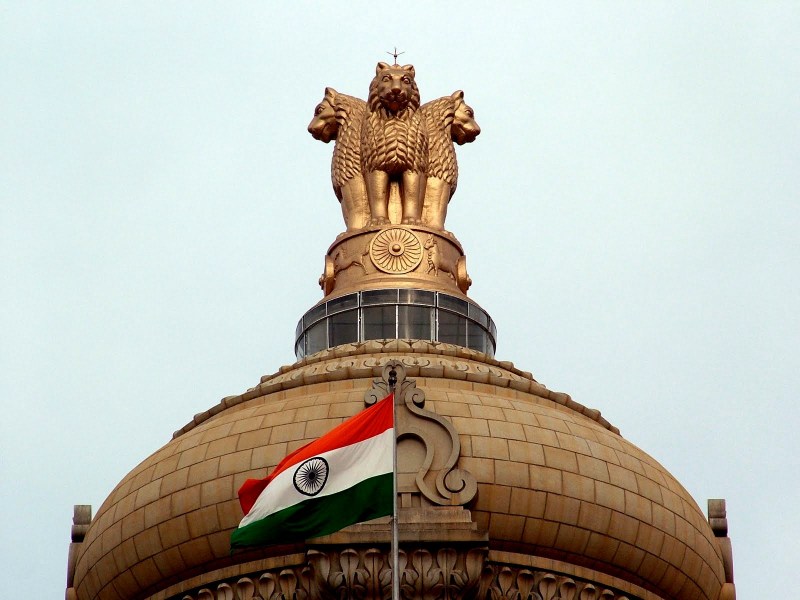
The national emblem of the Republic of India

Does caste based reservation in India violates the constitutional and fundamental right of equality?

This is an obvious question that arises whenever we think of caste based reservation in India. Whether we agree or disagree, truth cannot be denied that reservations had slowed the progress of India and its people. Obviously the implementation of reservation act in the early 1950’s was to uplift the suppressed castes of India and it was indeed for a Nobel cause, in the end India’s citizens should be called as just Indians. This is what constitution refers to when it starts with ‘we the people of India’, isn’t it?

Was it just India having caste based discrimination among people of society? Actually it’s not the case. There have been so many countries facing this issue among its society, where people terribly discriminate towards a certain group of community.

Discrimination is in the genes of Humans, specifically on the grounds of superior and inferior. In today’s modernization this isn’t required when already there have been a class of rich and poor, we need no more classes of people. With distinctive efforts worldwide, many countries could stop it, close to zero. But India as nation couldn’t stop it, people tend to discriminate and when certain group or family of people are classified as lower class, the things start getting difficult. The plan India took to solve this issue, doesn’t seem to be helping. In the past seven decades of Independent India all it did was increasing the gap between general caste (termed as upper) and the reserved castes of Dalits, SC,ST and OBCs. With certain strict implementation of reservations in schools, government colleges, Jobs and promotions too and all this with no economic status consideration leads to divided society of India. The poor dalits who sincerely need these reservations would rarely get these benefits when rich and already uplifted dalits/SCs/STs get them. The Honourable supreme court of India had time to time stated and also ruled the decision to implement creamy layer concept in the reservations for the SCs and ST (acronym for Scheduled castes and scheduled tribes of India). The creamy layer in relation to reservations means if certain community who enjoys the benefit of reservations would not get these benefits, if crossed a certain limit of annual income. Reserved communities falling below that specified annual income fall into non-creamy layer. This concept is already implemented for OBC (other backward castes) reservations in India.

Discrimination in other countries

United States of America (USA)

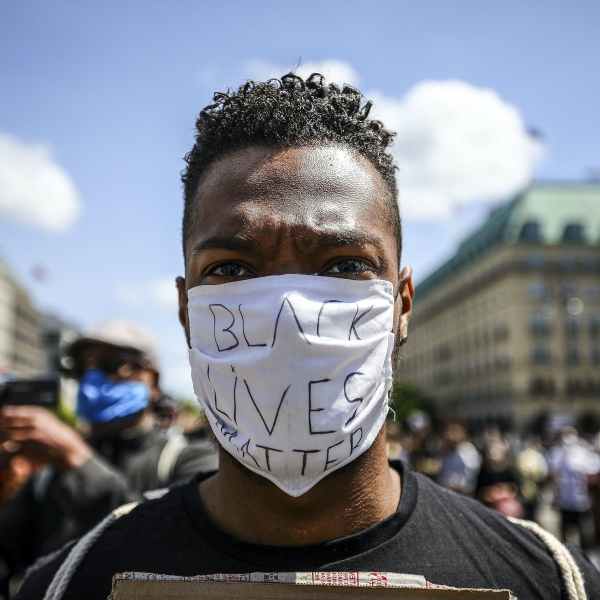
Protester during the protest for George Floyd’s Murder by US Police

Discrimination of race among:

  • Black & White
  • Native Americans (Tribal Americans) and Modern Americans (British descended)

Racism in the United States has existed since the colonial era, and involved laws, practices and action that discriminated or otherwise adversely impacted various groups based on their race or ethnicity, while most white Americans enjoyed legally or socially sanctioned privileges and rights which were denied to other races and communities of African Americans.

The recent killing of Black American namely George Floyd by the US state police is a pure example of still existing racial discrimination in USA.

Japan

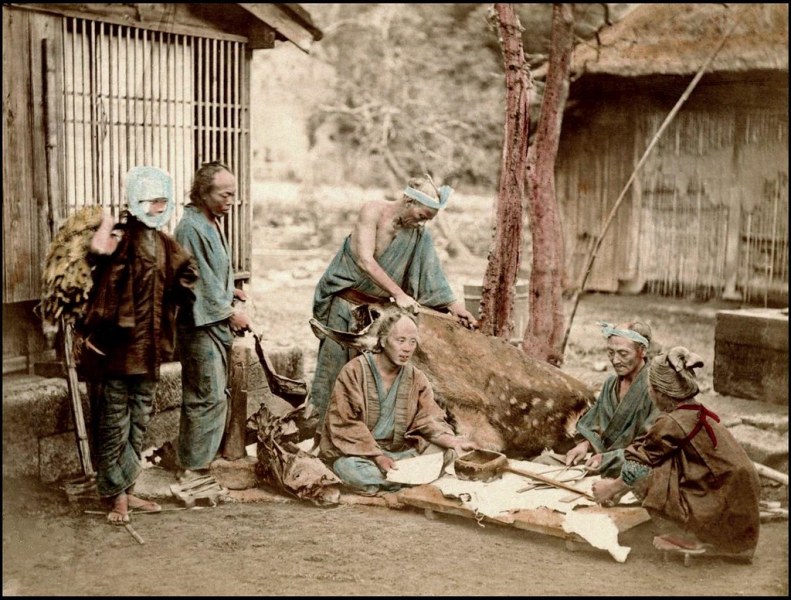
The untouchable of Japan, Burakumin caste

The Burakumin caste in japan faces huge amount of discrimination, even in today’s extremely modernised Japan. The Burakumin (from the words buraku, meaning community or hamlet and min, meaning people) are not an ethnic minority, but rather a caste- or descent-based group. They therefore share with other Japanese the same language, religion, customs and physical appearances.

Burakumin caste originates from a now-defunct caste system that existed in the Edo Period (1603-1867). At the bottom of the hierarchy was a cohort of outcasts consigned to jobs stigmatized by death, such as executions or animal slaughter. Hence their derogatory class categories, including eta (filthy mass) or hinin (nonhuman). The burakumin are the modern-day descendants of these feudal age pariahs.

The caste system came to an end in tandem with Japan’s breakneck shift to modernization at the outset of the Meiji Era (1868-1912), with the government ostensibly declaring the outcasts “emancipated” in 1871.

But the burakumin remained largely segregated from society and stuck in ghettos. Even today, discrimination against people from these hamlets, or buraku, runs deep, activists say, despite efforts by the government in the late 1990s to encourage their assimilation into mainstream society.

What could be the possible solution?

Providing special reservations and status above than the general segment of the society could work for uplifting the supressed communities but it’s definitely not an ideal solution. This would never help in bridging the gaps among different segments of society. This is how caste based reservation in India was initially implemented and the founder of Indian constitution B.R. Ambedkar himself said that this reservation system should be abrogated in few years. Unfortunately, this could never happen due to deeply engraved caste and religion based politics of India. Governments one after another could not dare to upset certain parts of society and used them as their vote banks. In return to continuous renewing of reservation duration (set for 10 years in the Indian constitution), governments in India formed NO effective policies which could actually solve India’s poverty crisis and kept on getting votes just by luring people of India by reservations. In reality, reservations are hollowing India’s strength and calibre, reducing technological advancements and increasing India’s dependency over rest of the world.

In many developed nations reservations were implemented in a manner that it expired on its own. One such example is by providing reservations only on the basis of financial income and if provided towards a certain community, it should be for only one generation because it is obvious and natural to understand that if one generation is uplifted then their next generation would get all the benefits of early education and other privileges to sustain an earnings or to get a job on their own.

Juvenile Justice Act, 2015: Unconstitutionality of the Amendment

The unconstitutional amendment of Juvenile Justice Act, 2015 begins its contradictions from the initial provisions itself. The section 2(12) of the main Act states that a juvenile means a person who has not completed the age of 18 years and on the other side this amended version contradicts its own law as it states that children from 16-18 years of age can be tried as adult criminals. It also reflects how arbitrary it is on testified along with the tests under Art. 14.

The test of Intelligible differentia, another test under Art. 14, is found unreasonable too due to the logic and the reasons behind the Act. Firstly, it replaces the word juvenile with child in conflict with law which was supposedly more humane. But this very child in conflict with law is meant to be tried for adult offences and this inhumane idea is conceived by the Government. Furthermore, the terms child alleged to be in conflict with law and child found to be in conflict with the law are not defined clearly and are used interchangeably in the Act. It stands as a great flaw due to the general understanding of the evident difference between alleged to be and found to be.

In the second test, the nexus between the classification and the object is absent as the authorities have acted without following the procedure to unequal treatment. The object or the purpose of the Juvenile Justice Act is to provide care, protection and child friendly approach but the approach suddenly disappears towards the child between the ages of 16-18 years. The objective of Juvenile Justice Act is not being fulfilled as Juveniles are being treated as adult criminals and sent to the prison where they would be influenced to be more hardened criminals since the purpose of the Act is to protect the juvenile from committing further crimes and evidently not fulfilled with the amendment. Instead the government through this specific provision is giving a hand in converting the juveniles into hardened criminals unlikely of the main idea which stands to reform the juveniles so that they could be accepted into the society.

There is also a violation of fundamental right under Art. 21 as the rights of opportunity to be heard and right of fair trial are infringed. The right of the juvenile to be tried infront of the Children’s Court gets him infront of the Session court with the other hardened criminals and consequently, the degree of punishment is harsher.

Section 15 of the Act seeks to repeal and replace the existing Juvenile Justice Act, 2002 with a draconian and unconstitutional amendment which instead of providing care and protection to the children deems them as an adult in cases where the alleged commission of crime by them is heinous in nature. It seeks to punish the child in conflict with the law for the failure of the society at large in providing the child with adequate care and protection. Juveniles in conflict with the law are more capable of change given the fact that their brains are still learning. Honest efforts made towards rehabilitation — including visits by a mental health professional three-four times a month — will have a significant positive impact on them. Unfortunately, there is no psychiatric screening in Indian prisons. No mental health professional would meet the juvenile convicted in any case and would lead to its worser development, totally against the objective of the Act. Every child develops in different background factors and considering to bring most of them into a similar set would be unethical since their mental faculty would not be equal.

The provision does not necessarily decide on the child in respect to his psychological or social factors but only governs on his mental faculty while committing the crime. It is totally undermined by the government that the mental faculty actually develops through these factors. More often than not the children who are put into rehabilitation centres come through as a changed human being. Under the existing law of a child in conflict with law between the age of 16-18 years who were found to have committed an offence by Juvenile Justice Board, there was an arrangement of rehabilitation supposition that could be passed by the Board. This rehabilitation disposition includes admonition community service, imposition of fine, probation group counselling and an extreme measure of deprivation of liberty by way of placement of the child in the special home for three years. The same facilities however could take a drastic turn in for cases when they are handed over the sessions court.

There are many further circumstances under the Indian law a person under the age is not allowed to vote, is considered minor for entering into a contract, a girl of age less than eighteen years cannot give consent for sexual relationships, a child of age less than eighteen years cannot marry. Yet by the amended Act that child can be tried as an adult after a preliminary assessment, the child shall be presumed to have the knowledge and understanding of the alleged crime that he has committed. Such a scenario would be travesty of justice. The idea behind treating a certain age group as children is to protect the most vulnerable section of the society where the government would have analysed in such matters that they are not mature enough to deal with these things. It is unjust and against the well-established principle lex iniusta non est lex that states that unjust law is not a law.

 Section 15 of Juvenile Justice Act, 2015 is hence against natural conscience, unjustified and unconstitutional to which we hope, no child falls as prey.

INFERTILITY HURTS!

6 Things to Know Before Starting Infertility Treatments
source: www.chicagohealthonline.com

Infertility means not being able to get pregnant after one year of trying (or six months if a woman is 35 or older). Women who can get pregnant but are unable to stay pregnant may also be infertile.

Pregnancy is the result of a process that has many steps. To get pregnant:

  • A woman’s body must release an egg from one of her ovaries (ovulation).
  • The egg must go through a fallopian tube toward the uterus(womb).
  • A man’s sperm must join with (fertilize) the egg along the way.
  • The fertilized egg must attach to the inside of the uterus (implantation).

Infertility can happen if there are problems with any of these steps.

Is infertility a women problem?

No, infertility is not always a woman’s problem. Both women and men can have problems that cause infertility. About one-third of infertility cases are caused by women’s problems. Another one third of fertility problems are due to the man. The other cases are caused by a mixture of male and female problems or by unknown problems.

Most cases of female infertility are caused by problems with ovulation. Without ovulation, there are no eggs to be fertilized. Some signs that a woman is not ovulating normally include irregular or absent menstrual periods.

Ovulation problems are often caused by polycystic ovarian syndrome (PCOS). PCOS is a hormone imbalance problem which can interfere with normal ovulation. PCOS is the most common cause of female infertility. Primary ovarian insufficiency (POI) is another cause of ovulation problems. POI occurs when a woman’s ovaries stop working normally before she is 40. POI is not the same as early menopause.

Less common causes of fertility problems in women include:

  • Blocked fallopian tubes due to pelvic inflammatory disease, endometriosis, or surgery for ectopic pregnancy
  • Physical problems with the uterus
  • Uterine fibroids, which are non-cancerous clumps of tissue and muscle on the walls of the uterus.

Many things can change a woman’s ability to have a baby. These include:

  • Age
  • Smoking
  • Excess alcohol use
  • Stress
  • Poor diet
  • Athletic training
  • Being overweight or underweight
  • Sexually transmitted infections (STIs)
  • Health problems that cause hormonal changes, such as polycystic ovarian syndrome and primary ovarian insufficiency.

Infertility in men is most often caused by:

  • A problem called varicocele. This happens when the veins on a man’s testicle(s) are too large. This heats the testicles. The heat can affect the number or shape of the sperm.
  • Other factors that cause a man to make too few sperm or none at all.
  • Movement of the sperm. This may be caused by the shape of the sperm. Sometimes injuries or other damage to the reproductive system block the sperm.

Sometimes a man is born with the problems that affect his sperm. Other times problems start later in life due to illness or injury. For example, cystic fibrosis often causes infertility in men.

A man’s sperm can be changed by his overall health and lifestyle. Some things that may reduce the health or number of sperm include:

  • Heavy alcohol use
  • Drugs
  • Smoking cigarettes
  • Age
  • Environmental toxins, including pesticides and lead
  • Health problems such as mumps, serious conditions like kidney disease, or hormone problems
  • Medicines
  • Radiation treatment and chemotherapy for cancer

Infertility can be treated with medicine, surgery, artificial insemination, or assisted reproductive technology. Many times these treatments are combined. In most cases infertility is treated with drugs or surgery.

Doctors recommend specific treatments for infertility based on:

  • Test results
  • How long the couple has been trying to get pregnant
  • The age of both the man and woman
  • The overall health of the partners
  • Preference of the partners

Doctors often treat infertility in men in the following ways:

  • Sexual problems: Doctors can help men deal with impotence or premature ejaculation. Behavioral therapy and/or medicines can be used in these cases.
  • Too few sperm: Sometimes surgery can correct the cause of the problem. In other cases, doctors surgically remove sperm directly from the male reproductive tract. Antibiotics can also be used to clear up infections affecting sperm count.
  • Sperm movement: Sometimes semen has no sperm because of a block in the man’s system. In some cases, surgery can correct the problem.

In women, some physical problems can also be corrected with surgery.

A number of fertility medicines are used to treat women with ovulation problems. It is important to talk with your doctor about the pros and cons of these medicines. You should understand the possible dangers, benefits, and side effects.

Intrauterine insemination (IUI) is an infertility treatment that is often called artificial insemination. In this procedure, the woman is injected with specially prepared sperm. Sometimes the woman is also treated with medicines that stimulate ovulation before IUI.

IUI is often used to treat:

  • Mild male factor infertility
  • Women who have problems with their cervical mucus
  • Couples with unexplained infertility

Intrauterine insemination (IUI) is an infertility treatment that is often called artificial insemination. In this procedure, the woman is injected with specially prepared sperm. Sometimes the woman is also treated with medicines that stimulate ovulation before IUI.

IUI is often used to treat:

  • Mild male factor infertility
  • Women who have problems with their cervical mucus
  • Couples with unexplained infertility

Intrauterine insemination (IUI) is an infertility treatment that is often called artificial insemination. In this procedure, the woman is injected with specially prepared sperm. Sometimes the woman is also treated with medicines that stimulate ovulation before IUI.

IUI is often used to treat:

  • Mild male factor infertility
  • Women who have problems with their cervical mucus
  • Couples with unexplained infertility

Intrauterine insemination (IUI) is an infertility treatment that is often called artificial insemination. In this procedure, the woman is injected with specially prepared sperm. Sometimes the woman is also treated with medicines that stimulate ovulation before IUI.

IUI is often used to treat:

  • Mild male factor infertility
  • Women who have problems with their cervical mucus
  • Couples with unexplained infertility

Assisted reproductive technology (ART) is a group of different methods used to help infertile couples. ART works by removing eggs from a woman’s body. The eggs are then mixed with sperm to make embryos. The embryos are then put back in the woman’s body.

Common methods of ART include:

  • In vitro fertilization (IVF) means fertilization outside of the body. IVF is the most effective ART. It is often used when a woman’s fallopian tubes are blocked or when a man produces too few sperm. Doctors treat the woman with a drug that causes the ovaries to produce multiple eggs. Once mature, the eggs are removed from the woman. They are put in a dish in the lab along with the man’s sperm for fertilization. After 3 to 5 days, healthy embryos are implanted in the woman’s uterus.
  • Zygote intrafallopian transfer (ZIFT) or Tubal Embryo Transfer is similar to IVF. Fertilization occurs in the laboratory. Then the very young embryo is transferred to the fallopian tube instead of the uterus.
  • Gamete intrafallopian transfer (GIFT) involves transferring eggs and sperm into the woman’s fallopian tube. So fertilization occurs in the woman’s body. Few practices offer GIFT as an option.
  • Intracytoplasmic sperm injection (ICSI) is often used for couples in which there are serious problems with the sperm. Sometimes it is also used for older couples or for those with failed IVF attempts. In ICSI, a single sperm is injected into a mature egg. Then the embryo is transferred to the uterus or fallopian tube

Assisted reproductive technology procedures sometimes involve the use of donor eggs (eggs from another woman), donor sperm, or previously frozen embryos.

Donor eggs are sometimes used for women who cannot produce eggs. Also, donor eggs or donor sperm are sometimes used when the woman or man has a genetic disease that can be passed on to the baby.

An infertile woman or couple may also use donor embryos. These are embryos that were either created by couples in infertility treatment or were created from donor sperm and donor eggs. The donated embryo is transferred to the uterus. The child will not be genetically related to either parent.

Surrogacy

Women with no eggs or unhealthy eggs might also want to consider surrogacy. A surrogate is a woman who agrees to become pregnant using the man’s sperm and her own egg. The child will be genetically related to the surrogate and the male partner.

Gestational Carrier

Women with ovaries but no uterus may be able to use a gestational carrier. This may also be an option for women who shouldn’t become pregnant because of a serious health problem. In this case, a woman uses her own egg. It is fertilized by her partner’s sperm and the embryo is placed inside the carrier’s uterus.

Just because something isn’t happening for you right now doesn’t mean that will never happen. Even miracles take little time.

RDDBI, SARFAESI AND IBC

RDDBI 1993

Banks and financial institutions have been experiencing considerable difficulties in recovering loans and enforcement of securities charge with them. The procedure for recovery of debts due to the banks and financial institutions, which is being followed, has resulted in a significant portion of the funds being blocked.

The Committee on the Financial System has considered the setting up of the Special Tribunals with special powers for adjudication of such matters and speedy recovery as critical to the successful implementation of the financial sector reforms. An urgent need was, therefore, felt to work out a suitable mechanism through which the dues, to the banks and financial institutions could be realised. In 1981 a committee had examined the legal and other difficulties, faced by banks and financial institutions and suggested remedial measures including changes in law. This committee also suggested setting up of Special Tribunals for recovery of dues of the banks and financial institutions by following a summary procedure. Keeping in view the recommendations of the above Committees, the Recovery of Debts due to Bank and Financial Institutions Bill, 1993 was introduced in the Parliament.

THE RECOVERY OF DEBTS DUE TO BANKS AND FINANCIAL INSTITUTIONS ACT, 1993

An Act to provide for the establishment of Tribunals for expeditious adjudication and recovery of debts due to banks and financial institutions and for matters connected therewith or incidental thereto.

After a decade or working of the (RDDBI ACT) it was felt that RDDBI act was unable to achieve the desired result of efficiently recovering money from the borrower’s. This led to the enactment of the Securitization and reconstruction of final assets and enforcement of security interest act 2002.

SARFAESI 2002

The SARFAESI Act was passed on December 17, 2002, in order to lay down processes to help Indian lenders recover their dues quickly. The SARFAESI Act essentially empowers banks and other financial institutions to directly auction residential or commercial properties that have been pledged with them to recover loans from borrowers. Before this Act took effect, financial institutions had to take recourse to civil suits in the courts to recover their dues, which is a lengthy and time-consuming process.

As per the SARFAESI Act, if a borrower defaults on a loan financed by a bank against collateral, then the bank gets sweeping powers to recover its dues from the borrower. After giving a notice period of 60 days, the lender can take possession of the pledged assets of the borrower, take over the management of such assets, appoint any person to manage them or ask debtors of the borrower to pay their dues too, with respect to the asset. This recovery procedure saves banks and financial institutions a lot of time which otherwise would be long drawn out due to the intervention of courts.

With an attempt to revamp the slow pace of recovery of defaulting loans and mounting levels or non performing assets of banks and financial institutions. The SARFAESI act provides the secured creditor the right to enforce the security without the intervention of either court or tribunal by following procedure prescribed under section 13 of SARFEASI act. Thereafter the constitutional validity of SARFAESI act was challenged in Mardia chemicals Ltd V Union of India.

In the landmark judgement delivered in Mardia chemicals V Union of India the hon’ble supreme court held that provision of the securitization and reconstruction of financial assets and enforcement of security interest act 2002, SARFAESI ACT 2002, are valid except section 17 (2). Which is ultra vires of article 14 of the constitution of India.

It’s a new weapon to strengthen the hands of co-operative banks, but a small one still.

IBC 2016

The Insolvency and Bankruptcy Code 2016 offers a uniform comprehensive insolvency legislation to Corporations, Firms and Individuals (other than financial firms).

One of the fundamental features of the Code is that it allows creditors to assess the viability of a debtor as a business decision, and agree upon a plan for its revival or a speedy liquidation.

The IBC creates a new institutional framework, consisting of a regulator, insolvency professionals, information utilities and adjudicatory mechanisms, that will facilitate a formal and time bound insolvency resolution process and liquidation.

Insolvency and Bankruptcy code is a sound legal framework of bankruptcy law is required for achieving the following objectives:-

Improved handling of conflicts between creditors and the debtor It can provide procedural certainty about the process of negotiation, in such a way as to reduce problems of common property and reduce information asymmetry for all economic participants.

To consolidate and amend the laws relating to re-organization and insolvency resolution of corporate persons, partnership firms, and individuals. To fix time periods for execution of the law in a time-bound settlement of insolvency (i.e. 180 days).To maximize the value of assets of interested persons.

To establish higher levels of debt financing across a wide variety of debt instruments. To deal with cross-border insolvency .To resolve India’s bad debt problem by creating a database of defaulter list.

In short we can say that SARFAESI is upgraded version of RDDBI, and IBC is upgraded version of SARFAESI.

FINITE SECULARISM?

INTRODUCTION

The word ‘secular’ is derived from the Latin word ‘saeculum’ which means a generation or an age or span of a century. The term arose from the European context of politics and derived from the attempt to prohibit the State and its property from the control of Church. A religious element was embedded in the meaning of word secular. In the Europe and other regions, secularism was closely related to the theory of progress. Over time the meaning of secularism has evolved and now the term secular means being ‘separate’ from religion, or having no religious bias. For many years the word ‘secular’ or ‘secularism’ was nowhere to be found in India (even though all the religions co-existed in harmony since ancient times). The foundation of Indian morality has been core unity, forbearance and even inter-weaving of religion. It is a definite fact that large population of Indians is associated to diverse religion lived in compassion. Slogans like – “Hindu Muslim Sikh Isaai, aapas mein hai bhai bhai(Hindus Muslims Sikhs and Christians all are brothers) are resonated down on the streets of India and binds us to moments of fraternity. This slogan expresses the essence of ‘secularism’. In year 1976 (after independence) the word ‘secular’ was added in the Preamble of the Constitution by 42nd Amendment Act. When the hon’ble Supreme Court declared the preamble as the basic structure of the Constitution of India, the word ‘secularism’ acquired a whole new status. Hence the Indian constitution stands for a secular state (there is no official religion of our country).

What is Secularism?                                                         

Secularism is a normative doctrine which seeks to realise a secular society. It is free from inter-religious and intra religious domination. It promotes freedom to practice their religion and equality between religions as well as within religions. As secularism is opposed to all forms of institutionalized religious domination, it challenges not merely interreligious but also intra-religious domination. The idea of secularism possesses a normative doctrine which seeks to realise a secular society, i.e., one devoid of either inter-religious or intra-religious domination. Put positively, it promotes freedom within religions, and equality between, as well as within, religions.[1]

CONTEMPORARY SECULARISM

Secularism is something which is argued since past and persist. Due to its direct relation with religion it is prevalent, pervasive and persuasive in community and human life. Society and culture of country evolves creating new issues and

Current Situation in India

The idea of Secularism assumes an essential job in India. Secularism here binds every one of the nexus following religion. Indian secularism remarks the connotation of godly and devout sentiment in life of human. It expects and hopes that no other religion has the confining or constraining framework of reflective knowledge; it allows all religions to discharge their scope under their true words.

The Constitution of India explicitly recognized Hindus, Muslims, Christians, Sikhs, and Parsis as different societies each with individual and free culture, pious activities and special laws. Treating the acknowledged religious societies as equals meant that they would enjoy more or less the same level of religious liberty. While religious practices and activities of religious societies were subject to few limits, it was said that the religious liberty of each of these societies would be equally conserved and defended.

India is known for its multiculturality as for its language and religion. The Indian subcontinent is the birthplace of four major world religions—Hinduism, Buddhism, Sikhism, and Jainism. According to reported 2011 census data, 79.80% of the population of India is Hindu, 14.23% Muslim, 2.30% Christian, 1.72% Sikh, 0.70% Buddhist, and 0.37% Jain.[2] Hereby, Hindus (inclusive of Sikhs, Jains and Buddhists) establish the majority and Muslims create a minority.

IS SECULARISM LIMITED TO HINDU-MUSLIM!?

Hindu- Muslim fights has taken place during historic period in India and are still continuing (Communal riots due to Aurangzeb’s religious policy in 17th Century and now the riots and protests against Citizenship Ammendment Act). Some major ones such as Bombay riots of 1993 and Gujarat riots of 2002 has led to death of 1500+ people across the country. 

Extensive issue between both the religions has always been Babri Masjid in Ayodhya, in 1992 which was claimed by Hindus that the mosque was erected over the birthplace of the archaic god Rama. Tens of Thousands people were evicted from their homes and there was tremendous annihilation of lives and casualties in the country due to this before the Supreme Court passed a neutral and satisfactory judgement in November 2019 in the case: M. Siddiq (D) Thr Lrs v. Mahant Suresh Das & Ors.

Today, considerable controversy on secularism is Anti CAA protests and riots in several states of the country. This Act seeks to grant Indian Citizenship to persons affiliated to Hindu, Sikh, Buddhist, Jain, Parsi and Christian communities on the ground of religious minorities persecution in states of Pakistan, Afghanistan and Bangladesh. As these countries have Muslim majority, they weren’t given citizenship under the Act. The enactment of such law of government was criticised by many and led to bisection of society on the basis of religion. Also the protests have led to the deaths of quite a few rioters, casualty to protesters and police personnel, harm and loss to public and private property, the confinement of hundreds of people, and termination of local internet and phone connectivity in specified areas. The Central Government in a preliminary affidavit point by-point replied to the criticism against the Citizenship Amendment Act (CAA) and pronounced India is constitutionally secular, and also notified the Supreme Court that the CAA does not infringe any fundamental right and provisions of the constitution and therefore, the query of infringement of constitutional morality does not have to originate.

Both of these religions has been and are engaged in a vicious cycle of gaining advantage or predominance over the other. In other words, both Hindus and Muslims have developed animosity and hostility against each other which is leading to antagonistic behaviour of people. Therefore, in order to maintain better circumstances in the religion based society of ours, further steps are taken such as proscription of practices of both the religions (untouchability, triple talaq, beef ban, proselytization etc.) which is a hefty secular normative attack on both the religions.

Indian secularism has two distinct and conflicting aspects, one is complete detachment between government and religion and the other that strongly appeal government to treat each religion without discrimination. Rajeev Bhargava has explained what secularism in the Indian setting calls for is the maintenance of a “principled distance” between state and religion. This does not mean that the state cannot intervene in religion and its affairs, but that any intervention should be within the limitations prescribed by the Constitution. Sometimes this might even call for differential treatment across religions, which would be valid so long as such differentiation, as Mr. Bhargava explains, can be justified on the grounds that it “promotes freedom, equality, or any other value integral to secularism.” But Indian state i.e. government has total intervention into the matters of religion through communal politics. In other words, vote bank politics is followed by the government and the political parties in the race to form the government. Even this has led to inundation of discrete political bodies for Hindu and Muslim community, be it Bhartiya Janta Party, Aam Aadmi Party, Indian National Congress etc. whoever is instigating the idea of ‘hindutva’ and so on.

CONCLUSION

Indian secularism is the by-product of a whole civilization, as a senior literary figure, Nayantara Sahgal, remarked recently: “We are unique in the world that we are enriched by so many cultures, religions. Now they want to squash us into one culture. So it is a dangerous time. We do not want to lose our richness. We do not want to lose anything . . . all that Islam has brought us, what Christianity has brought us, what Sikhism has brought us. Why should we lose all this? We are not all Hindus but we are all Hindustani.” As mentioned above it is important for us to understand that we all are Indians and not just only a Hindu, Muslim or Christian. A sense of brotherhood is important to ensure development and growth of our country. Otherwise if religious violence continues then for sure our country will be doomed.


[1]https://indianexpress.com/article/cities/mumbai/nayantara-sahgal-we-should-not-lose-our-hindustaniyat-5560427/


[1] https://www.thehindu.com/opinion/lead/the-secular-condition/article22347527.ece


WORK FROM HOME; the New Reality

Work from home sounds familiar right? After all that’s what most of us have been up to for the past four months. Before this pandemic, work from home used to be a delight for many. It used almost feel like a day off. There was no need of waking up early, getting ready and most importantly travelling in the peak hour traffic. It was indeed a something that office goers looked forward to. Not anymore though. We have had enough in these four months that we don’t want to work from home for at least a year now. So many things that we took for granted during the normal times we realise now. Waking up early, having a routine, cursing the traffic on the way to and back from work, those hour long meetings, coffee breaks in between with your office gang, just waiting for Friday and making crazy weekend plans that would probably not happen. These are just a few things that we hated then but now we really miss these times. Working from home is not exciting anymore. We have lost a sense of routine and social life. And the workload seems to have multiplied a hundred times more. Working alone with no one that you could ask suggestions from or clear a doubt immediately. Of course we can text or call but having someone right next to you feels different. You feel that you’re not alone, there is someone right next to you going through something similar and handling the same kind of pressure, it gives you a sense of confidence. Also working from home does not provide you a favourable atmosphere. Office atmosphere makes you more productive and in the mood to get work done. But at home you tend to feel more lazy and unproductive. There are also a whole lot of distractions. You are also staring at the digital screens more which is not good for your eyes. Zoom call after zoom call, clearing your inbox, working around projects is just too much for your eyes to handle. And most of us go on social media for a break or watch a movie on Netflix. This is not healthy for us. For the name of it we are working from home and with our family but we are more distant from them.

However in these unprecedented times, not much is in our own hands now. We have to make the most of what we can. Try to have a daily routine; this really helps bring a sense of normalcy. Have a fixed sleep schedule. Make sure to follow a good and healthy diet. Don’t forget to exercise because keeping your body and mind fit is very important. Do give your eyes some break form the screens it will be of great help. Try to find hobbies that you like and pursue something instead of bingeing shows or going on social media. Try your best to make something productive and worthy of your free time and boredom. Finally, we might not get a chance like this in the future so make the most of what you’ve got folks.

Fiscal federalism

Fiscal Federalism refers to the division of responsibilities with regards to public expenditure and taxation between the different levels of the government. The Government of India Act 1919 and 1935 formalized the tenets of fiscal federalism and revenue sharing between the Centre and the states. It allows the government to optimize their costs on economies. The Constitution has provided provisions which enable the Union and the States to work in coordination and to levy and collect these taxes through systematic arrangements, provisions like-

  1. Taxes levied and collected by the Centre but assigned to the States.
  2. Taxes levied by the Centre but collected and kept by the States.

Like in other countries, the fiscal dimensions of federalism are a reflection of the political federal structure in India. The traditional subjects of concern of fiscal federalism, such as the assignment of taxes and responsibilities as well as the correction of vertical and horizontal imbalances, continue to remain important in India. Devolution of taxes and duties still constitutes the most significant dimension of fiscal federalism in India (Krishna, 2004). Fiscal federalism in India unlike in many rich countries has to satisfy the competing demands to deliver a number of essential and basic socio-economic services. As a paramount objective, fiscal federalism is expected to enable the national and sub-national governments to operate in such a way that leads to efficiency in the use of resources – not only in terms of the quality of services provided by the various levels of government but also in terms of creating the environment in which all economic agents use resources efficiently. Political environment is important in determining contours of fiscal federalism. After Independence, there was a single and same party rule at the Centre and in almost all states for many decades. There are now telltale signs that India is moving away from an era of cooperative federalism towards competitive federalism, due to multi-party polity, and predominance of regional parties at the state level, and coalition governments at the centre. The existence of competition brings-in the importance of transaction cost of coordinating policies and their implementation
(a) vertically between different levels of government and (b) horizontally between different units within each of the levels.


Many challenges, therefore, lie ahead for fiscal federalism in the country. Bulk of literature on federalism in India had focused on economic aspects of fiscal federalism. There is a little work done in the area of environmental policy and its influence on intergovernmental financial relations in India. Within the context of Indian Federalism, what remains important is to take into account the social diversity in a general sense and the diverse ways in which each member state is able to relate to the federal system as a whole and to other member states (Thornton, 1995). The existing cultural, economic, social, environmental and political factors combining to produce asymmetrical variations in the country, if not handled properly, have the potential to affect harmony within the federal structure of the country.


EVOLUTION OF FISCAL FEDERALISM

The history of fiscal federalism in modern India goes back to the government of India Acts of 1919 and 1935. While the Act of 1919 provided for a separation of revenue heads between the Center and the provinces, the 1935 Act allowed for the sharing of Center’s revenues and for the provision of grants-in-aid to provinces. The salient features of Government of India Acts of 1919 and 1935.
After independence, the Indian Constitution that came into existence in 1950 is widely known as basically ‘federal’ in nature, but with striking ‘unitary’ features, owing to the circumstances of the times when ‘unity and integrity’ of the country was of prime concern (Basu, 1980). Fiscal relations in India had evolved over time through political, institutional and functional changes within the ambit of the provisions of Indian Constitution. The Finance Commission had played an important role in this evolving structure because resource sharing, based on constitutional division of functions and finances between the Centre and states, is a critical element in the Indian federal system (Rangarajan, 2004). The Indian Constitution has not only provided a frame work for social and political development but also established the national ideals and, laid down the manner in which they were to be pursued. The members of the Constituent Assembly “skillfully selected and modified the provisions they borrowed” and “applied to their task two concepts – ‘accommodation’ and ‘consensus’. Accommodation was applied to the principles to be embodied in the Constitution. Consensus was the aim of the decision making process, the single most important source of the constituent Assembly effectiveness” (Granville, 1966). While the spirit of accommodation has been evident not only in the finalization of the provisions of Constitution but also in the manner in which Indian union and the constituent states have discharged their responsibilities of serving an ever increasing population within the democratic framework of governance. The profile of Federal India has undergone significant changes over the last six decades, with the population increasing from 36.10 million 1951 to 1027 million in 2001, and with the number of states emerging in 1956 in a major way and at subsequent points of time in a minor way. What has been significant is the remarkable continuity even while political and institutional changes had taken place in India.
Division of functions and resource asymmetry The Indian Constitution has, under Article 246 and Seventh Schedule, distributed powers and allotted subjects to the Union and the states with a threefold classification of subjects: (i) List I invests the Union with all functions of national importance such as defence, external affairs, communications, constitution, organization of the supreme court and the High courts, elections etc


(ii) List II invests the states with a number of important functions touching on the life and welfare of the people such as public order, police, local government, public health, agriculture, water land etc.

(iii) List III is the Concurrent list, which includes administration of justice (excluding Supreme Court and High Courts), economic and social planning, trade and commerce, etc. It is of interest to note that higher education; forests and population control were all added to this list in 1977 during the emergency when it was felt that the states were not doing justice to these subjects of national importance. Accordingly, the Parliament has exclusive powers to make laws regarding matters enumerated in List I. On the other hand, the Legislature of any state has exclusive power to make laws for that state regarding any of the matters enumerated in List II, subject to other clauses of Article 246. With regard to List III, both the Parliament and State Legislature can make laws but in case of any conflict, the law made by Parliament will prevail (Article 254). The residuary functions, that is, those not included in either lists I or II, vest with the Union. The Union and State lists include the powers of taxation as well. The enumeration of taxation powers placed in the Union List includes: tax on income other than agricultural income, excise duties, customs and corporate tax. Recently service tax had been included in view of diminishing importance of customs. The State List contains land revenue, excise on alcoholic liquor, tax on agricultural income, estate duty, tax on sale or purchase of goods, tax on vehicles, tax on professions, luxuries, entertainment, stamp duties etc. However, due to political reasons, none of the states had imposed tax on agriculture income. The Concurrent List does not include any tax power. The distribution of revenues between the Union and the States and approaches for determining grants as per various Articles of the Indian Constitution is given at Box – 3.3. Distribution of resources between the Centre and the states together with the perceived mismatch between the functional responsibilities and revenue raising powers assigned by the Constitution to the two layers of Governments i.e., Centre and states, has been the subject of considerable discussion and debate in the relevant literature. Two points have been made in this regard: (i) that there is mismatch between the functions allocated to the centre and to the states, their powers of taxation and (ii) that the more buoyant tax areas have been assigned to the centre. But, it has also been pointed out that “the Constitution recognizes that the division of resources and functions between the Union and the states was such that there would be imbalance between them” and that “the Finance Commission periodically corrects the imbalance bringing about an alignment between them” A moot point is whether relative responsibilities of the Centre and states could be defined and worked out in financial terms. The Indian Constitution had given a workable solution that has been able to sustain the federal spirit and provide the framework for many years to come. Many scholars are of the view that in the context of the changes in a growing economy, it is good that they did not freeze the financial relations in a tight frame; they rather chose to provide an institutional mechanism like the Finance Commission to be appointed every five years with powers to make recommendations for statutory devolution and grants.


Vertical and horizontal imbalances


Adequacy and elasticity are the essential elements of federal finance. Adequacy implies sufficient resources for discharging constitutional responsibilities and elasticity implies an expansion of resources in response to the growing needs of Government. The practical effect of the division of tax powers has been to deny both these characteristics in the case of states in India . A vertical imbalance between the Centre and states is built into the Constitution by the provisions relating to powers of taxation. This arises, not out of any consideration of making the centre stronger, but out of the desire to build a common economic space in the country and out of an apprehension that with more powers the states may put up ‘barriers’ within this space. The vertical imbalance is further accentuated by the assignment of several responsibilities involving the public expenditure to the states on the grounds that tiers of government nearer to the people would be more sensitive to their needs and thus be better able to discharge such responsibilities. Since states differ in their resource endowments, levels of development and standards of delivery of public services, there are sharp horizontal imbalances among the states in India.


Inter-governmental transfers

In order to correct built-in vertical and horizontal imbalances for an even and equitable development of the entire country, the main instrument for achieving this is fiscal transfers from the Centre to states through different channels and the mechanisms as provided in the Constitution). Fiscal transfers to the third tier of government through subsequent Constitutional Amendments (73rd and 74th) had also been envisaged in India. Accordingly, there are both mandatory and enabling provisions facilitating a wide ranging transfer of resources from Union to states, arranged in a systematic manner as given in.


CONSTITUTIONAL PROVISIONS FOR DISTRIBUTION OF REVENUES BETWEEN THE UNION AND THE STATES IN INDIA


Article 268: Duties levied by the Union but collected and appropriated by the States.
Article 268 (A): Taxes on services shall be levied by the GoI and such tax can be
collected and appropriated by GoI and the States. (88th Amendment) Article 269: Taxes levied and collected by the Union but assigned to the States. Article 270: Taxes levied and collected by the Union and distributed between the Union and the States.


Article 271: Surcharge on certain duties and taxes for purposes of the Union.


Article 272: Taxes which are levied and collected by the Union and may be distributed between the Union and the States.

Article 275: Grants from the Union to certain States. Article 276: Taxes on professions, trades, callings and employments.


APPROACHES FOR DETERMINING GRANTS


Article 280 (3) (b): Finance Commission to make recommendations as to the “principles” which should govern such grants in aid.

Article 275 (1): Specific “sums” to be paid to the states which are assessed to be in “need of assistance”.


The Indian Constitution, having provided for a certain division of the powers of taxation between the Union and states, also gives the states a share in the resources available to the Centre as contained in Articles in part XII of the Constitution. Any amendment to the List from which the Union and the states erive their power of taxation is covered by the proviso to Article 368. This requires ratification by the Legislatures of not less than one-half of the states. On the other hand, if any of provisions of part XII are to be amended, this can be done under Article 268(2) which requires the approval of only half of the members of each house of Parliament. This means that the share of the Union resources that the states are entitled to, can be altered by Parliament by its powers of amendment.


Mechanism of Transfers


Over the last six decades, an overarching institutional framework had emerged to deal with Centre-state financial relations in India. The main pillars of this frame work are:


(a) Finance Commission appointed periodically as per Article 280 of the Constitution of India, intended to address the vertical imbalance in financial resources between the centre and states and to address the horizontal distribution of resources among the states.
(b) Planning Commission set up by a Resolution of the Government of India dated 15th March 1950 to make an assessment of the material, capital and human resources of the country, and to formulate a plan for effective and balanced utilization of the country’s resources.

(c) National Development Council set up in August 1952 to strengthen and mobilize the effort and resources of the nation in support of the Five year plans. The financial provisions of the Constitution are in accordance with what experts would consider acceptable principles for a federal constitution and a desirable attribute of inter-governmental tax power assignment (Bagchi, 2001). However, it is the actual working of the scheme that has revealed deficiencies that seriously detract from much of its supposed merits. Bagchi (2001) cites the under utilization of Article 269 by the Union Government, the abridgement of the scope of Article 275, and, consequently, the extensive use of Article 282 by the Union to make extensive grants to the states as examples of the original constitutional scheme being distorted in actual practice over the years. It is the combination of all three agencies, namely, the Finance Commission, Planning Commission and the various Ministries of Government of India, that has taken, over several years, qualitatively significant and quantitatively demanding decisions resulting in an increasing level of transfer of resources from the Centre to states. Federal transfers to the states in India, are made in three streams, as (1) Devolution of states share in Central Taxes (2) Grants from Central to the states (classified as statutory or non statutory; and plan as well as non-plan) covering (i) Non-Plan grants, comprising – i. Statutory grants recommended by the Finance Commission to cover gap in revenue; ii. Assistance for relief measures after natural calamities (ii) Non Statutory grants, comprising – i. Plan grants- (a) State plan schemes
(b) Central plan schemes (c) Centrally sponsored schemes (d) Special schemes for North Eastern council etc (3) Loans from Centre a. Plan loans b. Non Plan loans including Ways and Means Advance.

So that was it about fiscal federalism.