Jhunjhunwala, who is considered to be investing 35 dollar million and would own 40% of the carrier, is expected to get a no-objection certificate from the aviation ministry in the next 15 days, he said in an interview on wednesday.
The ultra low cost airline will be called Akasa Air and the team, which includes a former senior executive of Delta Air Lines Inc is looking at planes that can carry 180 passengers, he said.
Its a bold bet by Jhunjhunwala, who’s known locally as India’s Warren Buffett, in a market that has seen some airlines collapse in the face of intense fare wars and high costs.
Still, what was once the world’s fastest -growing aviation market holds an allure and Jhunjhunwala is looking at opportunities to woo flyers with a brand new carrier offering low fares.
All of these facts, however, do not prevent Jhunjhunwala from investing in the aviation industry, as he is well-versed in the reality of doing business in this area. “I believe some of the increment players will not recover,” he remarked, but he praised his partners, saying, “I have some of the best airline people in the world as my partners.”
Jhunjhunwala is investing $35 million in Akasa and expects the Aviation Ministry to provide a no-objection certificate (NOC) soon. A fleet of 70 planes is planned. The new arrival into India’s aviation sector comes at a time when the COVID-19 pandemic is having a significant influence on the industry.
The All India Council for Technical Education (AICTE) gave its consent for the NRI Institute of Technology, a private autonomous engineering college in Krishna district, to introduce the programme in Telugu.
It is the only institution in Andhra Pradesh and Telangana to get the permission for BTech Telugu medium with a 60-student intake into the computer science engineering stream.
In all, the AICTE allowed 14 engineering colleges across the country to offer the engineering programmes in Hindi, Tamil, Telugu and other native languages from the 2021-22 academic year.
The move is expected to provide a level playing field for the students, particularly from the rural and tribal areas who have studied in their native languages since childhood.
One of the major recommendations of the National Education Policy 2020 is to promote regional languages in education.
While the NEET exam is currently being conducted in 11 languages, the Union Ministry of Education is holding the JEE (Main) in 13 languages.
Speaking to TOI, principal, NRI Institute of Technology, Dr C Naga Bhaskar, said that the AICTE has chosen the 14 autonomous and NAAC- and NBA-accredited colleges to give permission to offer engineering courses in native languages.
Students to have option of Telugu, Eng for exams
“The move would definitely improve the grasp, creativity, and comprehension levels of the students. Several advanced countries like Japan, Germany and China impart education in their mother tongue. Students would be given the option of writing exams in Telugu or English. The Board of Studies of our college will finalise the syllabus and other components of the programme,” said Dr Bhaskar.
Dr Bhaskar said that it is generally believed that the English medium students would be in an advantageous position compared to their Telugu counterparts. “But, several exams like NEET, JEE and UPSP are currently being conducted in various regional languages. It may be further extended to exams like the engineering services examination in the coming years. This would give an impetus to professional education in local languages,” said Dr Bhaskar.
In a recent Facebook post titled ‘Engineering courses in mother language – A step in the right direction’, posted in 11 Indian languages Vice-President M Venkaiah Naidu lauded the move of 14 engineering colleges across eight states to offer engineering courses in regional language. “It is my desire to see the day when all vocational and professional courses like engineering, medicine and law are taught in mother languages,” said the Vice-President in the post.
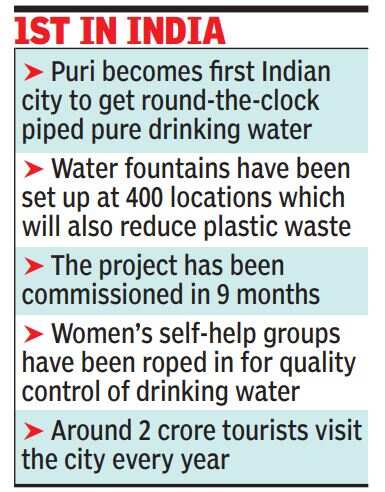
Puri is one of the major heritage cities of the country and every year more than 2 crore tourists visit every year. And this month the city earned an unique distinction of becoming the first Indian city to provide 24X7 pure drinking water. This is the landmark achievement for the city and state and is one of the major contributors for enhancing the status of sanitation and hygiene in Puri, Odisha. The city has become the first city to offer safe drinking water directly from taps to the residents and the tourists visiting the city every year and now has joined the group of global metropolitans like London and New York for providing safe drinking water.
The government launches “Sujal: Drink from Tap Mission” which has the goal of providing all time safe drinking water to all the residents and people visiting the cities directly through taps. The city has fulfilled and achieved the credentials of the ambitious mission and has achieved the goal of the mission. The 24 hour drink from tap facility provides water which can be used directly without filtration for different purposes such as drinking, cooking etc. This move is beneficial for the 2.5 lakh people residing in the city and the 2 crore tourists visiting the city every year. And the people don’t need to carry water bottles with them and can directly rely on the taps. This type of facility is present in very limited number of cities globally and Puri has established its place. Furthermore, the state government had installed 400 water fountains in different locations of the city with the aim of reducing the reliance and usage of plastic bottles in Puri. This will eventually reduce the amount of plastic wastes being can be reduced.
The government uses 5T initiative for increasing the efficiency and effectivity of the services being delivered across the city. The Chief Minister of the state emphasized on the linkage between safe drinking water with health, living standards and the economy, thereby, urging the people not to waste or pollute water. Transparency, teamwork, technology, time-frame and transformation form the 5Ts which has been adopted by the government for improving its governance. The budget for drinking water has been doubled in 5 years from Rs 200 crore to Rs 4000 crore thereby making the city the first heritage town in the country to get this facility. It is expected that the initiative will have great contribution in reducing the amount of plastic wastes generated. It is estimated that the amount of plastic waste being generated by the city will reduce by 400 tonne per annum. 1100 Stand posts were already present in the city and the state government has established additional 110 modern public stand posts along the Grand Road (Badadanda) and nine by the sea beach area have been installed. Old stand posts are being replaced with steel pipes and taps and at present 36 MLD clean water is being supplied everyday in the city. About 135 – 140 liters of drinking water per head per day is being provided to the residents everyday.
We are in day 5 of Olympics and toady I will discuss about the performances of Indian athletes so far. India had sent 127 athletes in Tokyo Olympics 2021. but performance so far is as usual its not been up to the mark and according to expectations of fans.
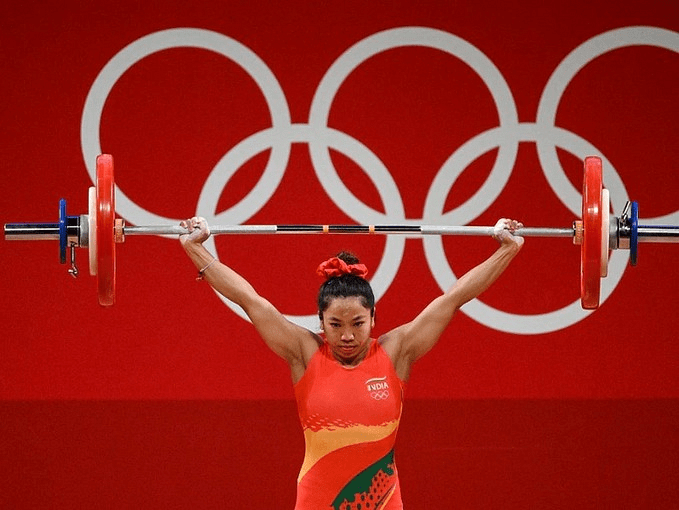
India got a perfect start on day 1 of the Tokyo Olympics as weightlifter Mirabhai chanu won Silver medal and created history of become just 2nd women weightlifter to win a medal in Olympics for India after Karnam Malleswari. there were many events but some of them were as:- After winning qualification round easily, Saurabh Chaudhary finished seventh in the 10m air pistol final. In archery, the pair of Deepika Kumari and Pravin Jadhav qualified for the finals but lost the next round from south korean archers. Our Mens hockey team won the first match of Olympics and defeated New Zealand by 3-2.
On day 2, India could not improve their medal tally. However, it was a good day for the Indian rowing team of Arjun Lal and Arvind Singh that were qualified for the semifinals. Shuttler PV Sindhu won her opener in a perfect start to better Rio campaign. Paddler Manika Batra moved to the third round.later, Mary Kom opened her Tokyo 2020 campaign with a round of 32 win in the 51kg category but all o us were shocked by India’s disappointment in shooting as Manu Bhaker, Yashaswini Deswal and Deepak Kumar, Divyansh Panwar failed to qualify for 10m air pistol in their respective categories. senior tennis player Sania Mirza and Ankita Raina were knocked out of the women’s doubles after losing 6-0, 6-7(0), 8-10 to the Kichenok twins of Ukraine. and India’s lone gymnast Pranati Nayak also failed to qualify.
Day 3 also didn’t bought any smile on Indian fans as Indian shooters dissapointed again and the hockey team were hammered by australia 1-7 but badminton star player P V Sindhu, boxing great M C Mary Kom and table tennis star Manika Batra won their respective matches. The 38-year-old Mary Kom, who is already an 2012 Olympic bronze-medallist, prevailed 4-1 against a rival who is 15 years her junior to start her pursuit of a second medal but apart from these 2-3 small success other athletes dissappointed.
on day 4,Team India had a heartbreaking day in Badminton and Shooting on Tuesday. Initially the day was good for India as Indian shooters Manu Bhaker, Saurabh Chaudhary topped their mixed team air pistol qualification Stage 1 but were unable to go ahead after that. The day then continued to worsen for Indian shooting as Divyansh/Elavenil and Anjum/Deepak also failed to make it to rifle final. but it was not enough as Divyansh/Elavenil and Anjum/Deepak also failed to make it to rifle final. Indian men hockey team made a terrific comeback and defeated Spain 3-0 after getting hammered by Australia. Meanwhile, boxer Lovlina Borgohain made indian fans smile was qualified to quarterfinals and is a step away from winning a medal. She will face Nien-Chin Chen of Chinese Taipei in the quarterfinal on Friday (July 30). (Stats source: https://indianexpress.com/article/olympics/tokyo-olympics-2020-day-4-live-updates-7423748/)
Apart from weightlifter Mirabhai chanu, India had really disappointed so far but we will continue to support our athletes and will expect a medal very soon. as many events our still remaining.
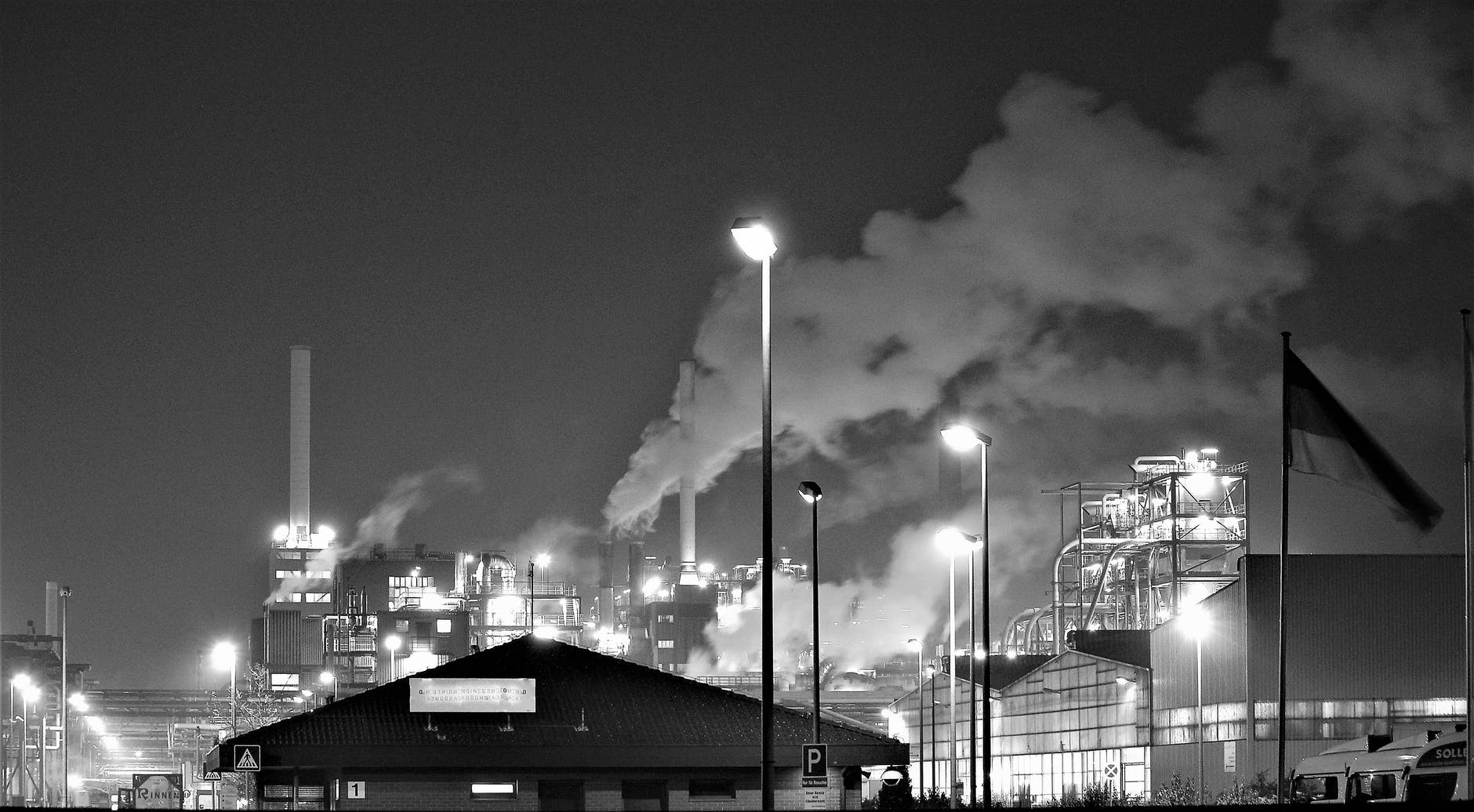
Our climate is changing around us faster than predicted. From more frequent and extreme storms to unprecedented heatwaves, from landslides to earthquake , we’re feeling the impacts of human-caused global warming. Global warming is the long-term heating of Earth’s climate system observed since the pre-industrial period (between 1850 and 1900) due to human activities, primarily fossil fuel burning, which increases heat-trapping greenhouse gas levels in Earth’s atmosphere. Certain gases in the atmosphere block heat from escaping. Long-lived gases that remain semi-permanently in the atmosphere and do not respond physically or chemically to changes in temperature are described as “forcing” climate change. Gases, such as water vapor, which respond physically or chemically to changes in temperature are seen as “feedbacks.”
SOME OF THE GASSES THAT CONTRIBUTE TO CLIMATE CHANGE ARE :
Water vapor. The most abundant greenhouse gas, but importantly, it acts as a feedback to the climate. Water vapor increases as the Earth’s atmosphere warms, but so does the possibility of clouds and precipitation, making these some of the most important feedback mechanisms to the greenhouse effect.
Carbon dioxide (CO2). A minor but very important component of the atmosphere, carbon dioxide is released through natural processes such as respiration and volcano eruptions and through human activities such as deforestation, land use changes, and burning fossil fuels. Humans have increased atmospheric CO2 concentration by 48% since the Industrial Revolution began. This is the most important long-lived “forcing” of climate change.
Methane. A hydrocarbon gas produced both through natural sources and human activities, including the decomposition of wastes in landfills, agriculture, and especially rice cultivation, as well as ruminant digestion and manure management associated with domestic livestock. On a molecule-for-molecule basis, methane is a far more active greenhouse gas than carbon dioxide, but also one which is much less abundant in the atmosphere.
Nitrous oxide. A powerful greenhouse gas produced by soil cultivation practices, especially the use of commercial and organic fertilizers, fossil fuel combustion, nitric acid production, and biomass burning.
Chlorofluorocarbons (CFCs). Synthetic compounds entirely of industrial origin used in a number of applications, but now largely regulated in production and release to the atmosphere by international agreement for their ability to contribute to destruction of the ozone layer. They are also greenhouse gases.
The consequences of changing the natural atmospheric greenhouse are difficult to predict, but some effects seem likely:
Earth becomes warmer .
Stronger green house effect will warm the earth , melt the glaciers , increasing sea levels
Outside of a greenhouse, higher atmospheric carbon dioxide (CO2) levels can have both positive and negative effects on crop yields. Some laboratory experiments suggest that elevated CO2 levels can increase plant growth. However, other factors, such as changing temperatures, ozone, and water and nutrient constraints, may more than counteract any potential increase in yield.
Every year, monsoon season occurs in various parts of the world. It has been coming sooner in recent years, accompanied by rising amounts of rainfall, or later than normal, with a considerably drier start. While monsoon-affected nations plan for the monsoons on a yearly basis, the changes due to covid-19 are making it more difficult for them to respond without help.
Recently, the heavens have opened up in the highlands of north India and along the coasts of western India in the last ten days, unleashing severe weather phenomena. More than 150 people have died because of landslides and flash floods across Himachal Pradesh, Uttarakhand, Maharashtra, and parts of Karnataka. At least 53 people were killed when a hilltop collapsed south of the city in Raigad, Maharashtra’s hardest-hit district. The floods in Goa are the worst since 1982. The Indian monsoon is rapidly becoming known for its unpredictable behavior of the elements. However, the country’s weather forecasters, planners, and lawmakers have yet to accept climate change as a threat.
Most Indian cities, including Delhi and Mumbai, are ill-equipped to deal with such severe rains, with drainage systems blocked at many locations. The defense of city residents against weather oddities is jeopardized by urbanization that is uninformed by basic hydrological principles.
Farmers in several areas have discovered that rain is falling in torrents rather than being evenly distributed throughout the season, resulting in floods and erosion, followed by times of drought. Increasing automation, on the other hand, entails heavy machinery tamping down soil and producing rutting, all of which are detrimental to the orchard and vineyard floor. Furthermore, Aquifers that used to recharge groundwater and convey rainfall to bigger water bodies have been replaced by concrete in most cities.
Therefore, it is vital to tackle this problem as soon as possible because these disasters affect the poor in return. The scale of the devastation witnessed in the preceding examples, as well as what occurred in the Bay of Bengal last year, demonstrate a lack of disaster preparedness and mitigation, an issue that affects most of the country’s metropolitan areas.
We propose that the government develop long-term disaster management plans to reduce the impact of floods in Indian states. It is critical to enhance flood-forecasting techniques and install flood-warning systems in low-lying areas as a first step in this direction. Second, the government should devote greater resources to flood prevention, mitigation, and preparation. Third, river connection and the development of multifunctional structures and flood shelters in low-lying regions should be done on a mission-mode scale to assist minimize flood-related deaths. However, these methods will go a long way toward reducing and avoiding flood damage in Indian states. But its better to do something to prevent it all rather than sitting and watching the god’s show.
Scholars in development studies have written on these issues, but in ecologically vulnerable places, the political costs of altering the current development paradigm are frequently substantial. The Gadgil committee report on the Western Ghats, for example, which recommended for controlling development operations, was met with opposition in the region and largely ignored by mainstream political parties.
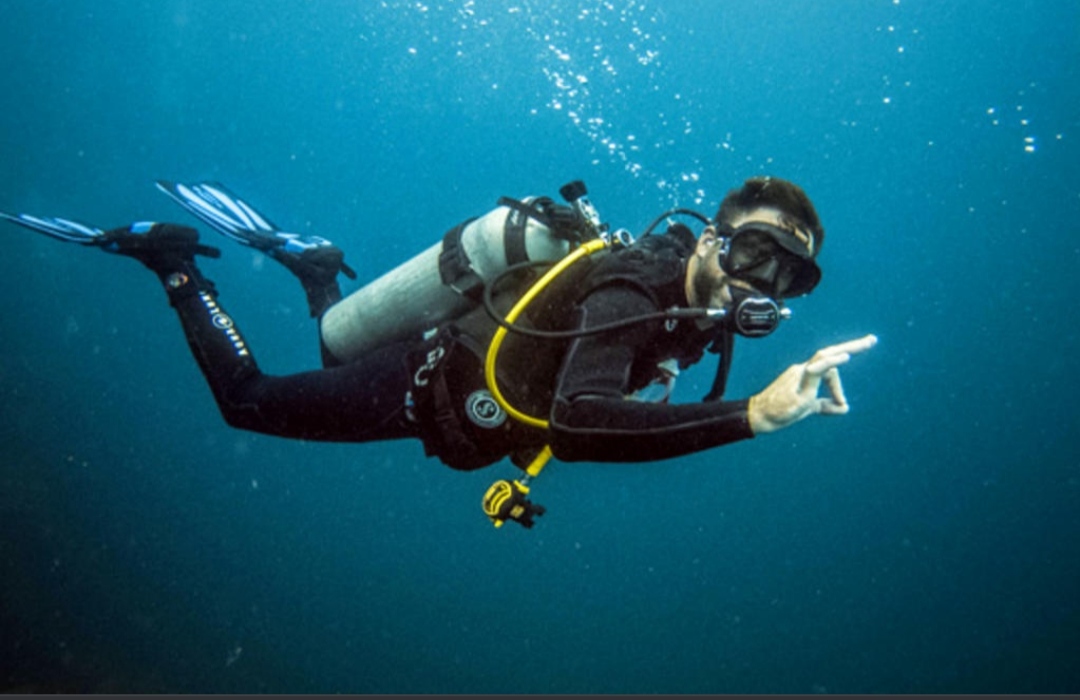
Here is some good news for all the watersport lovers in Vizag. A scuba diving academy will be coming up soon in the district, at Chintapalli. The city of beaches has been into the watersports trend, with activities like kayaking, snorkeling, jet skiing and scuba diving. Among these four, scuba diving is the more popular watersport. This watersport is not available at places in India such as Goa, Pondicherry, and the Andaman and Nicobar Islands. But fortunately, Vizag has adopted this highly thrilling and mesmerising underwater activity.
Taking a big step towards promoting tourism in Vizag, a scuba diving academy at Chintapalli village in Visakhapatnam District. The academy will be started by Livein Adventures, a Vizag-based adventure sports firm, which operates water sports activities in the city with the support of the Andhra Pradesh Tourism Development Corporation (APTDC). This will be a first-of-its-kind scuba diving academy in Andhra Pradesh and one among very few such academies in India. The academy will come up on four acres of land at chintapalli and will be built at an estimated budget of Rs 2 crore.
Speaking to Yo! Vizag, Balaram Naidu, of Livein Adventures, revealed, “The academy will have courses on basic diving, kayaking, and boating from October 2021. The courses will range from two days to 6 months in duration. Interested individuals, swimmers and non-swimmers, will be able to take globally certified courses on open water diving, rescue diving and advanced diving.”
What is hepatitis? Theme this year, few symptoms, about types of Hep, and how to contribute?
THEME 2021 : “Hepatitis Can’t Wait”
What is Hepatitis:
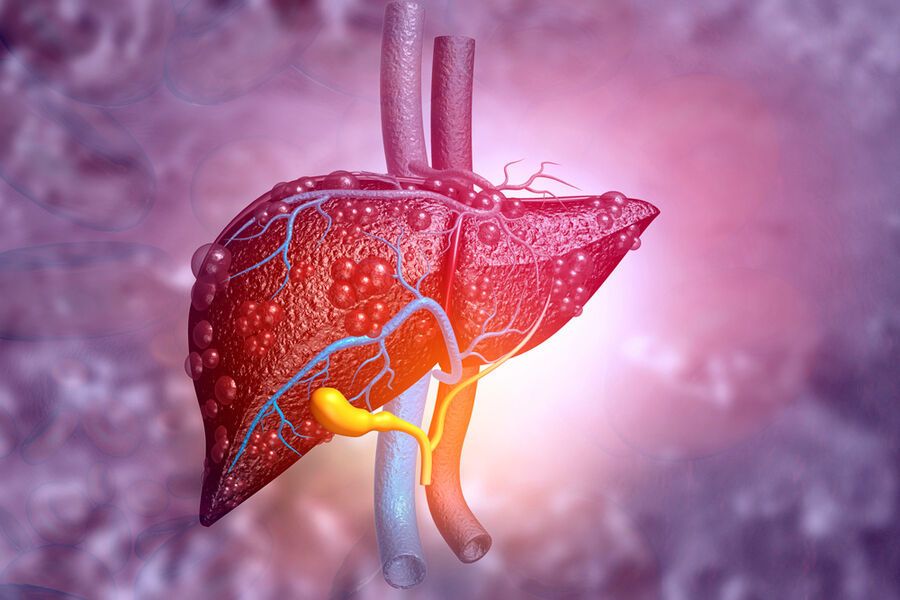
Hepatitis means inflammation of the liver. It can lead to scarring, cirrhosis, and liver cancer. There are 5 main hepatitis viruses: –
Types A, B, C, D and E. These 5 types are very serious since they cause severe illness, even leading to death. They can also cause outbreaks and spread of epidemic.
A person dying every 30 seconds from a hepatitis related illness
Causes :
Heavy alcohol use, toxins, some medications, autoimmune diseases can cause hepatitis
Ways of transmission: Have contact or receiving of contaminated blood or blood products, invasive medical procedures using contaminated equipment. Hepatitis B can transfer from mother to baby at birth, from family member to child, and by sexual contact.
Main symptoms:
Jaundice (yellowing of the skin and eyes)
Dark urine,
Extreme fatigue
Nausea
Vomiting
Abdominal pain.
Types ofhepatitis:
1 Hepatitis A Virus (HAV) : –
Transmitted through consumption of contaminated water, food; sometimes sexual contact. It’s trace is present in faeces. In most of the cases, it is usually mild and when treated properly it can make one immune from further infections. But, left untreated it can turn life threatening.
Additional symptoms :
Abdominal pain or discomfort, (by your liver)
Clay-colored bowel movements
Severe itching
Safe, effective vaccines are available to prevent HAV.
2 Hepatitis B Virus (HBV): –
Transmitted through exposure to infective blood, semen, and other body fluids, mother to baby, family member to a child during early childhood, transfusions of HBV-contaminated blood and blood products, contaminated injections during medical procedures, and through injection drug use. Medical workers have a greater chance of exposure.
Add Symptoms:
Fever
Joint pain
Loss of appetite
Safe, effective vaccines are available to prevent HAV.
IT HAS NO CURE, BUT JUST CAN BE PREVENTED
3 Hepatitis C Virus :-
Transmitted through exposure to infective blood, instruments during surgeries; even though the chance is low, sexual transmission is possible. If detected soon it can be treated. But, most of them have no idea they have Hep C starts with it’s acute form which rarely shows symptoms.
Add. symptoms:
Bleeding easily
Bruising easily
Itchy skin
Fluid buildup in your abdomen (ascites)
Swelling in your legs
Spiderlike blood vessels on your skin
NO Vaccine yet
4 Hepatitis D Virus : –
It can transmit through blood and body fluids but it only occurs when the person is already affected with Hepatitis B. IT IS MOST SEVERE FORM OF HEPATITIS. It can lead to lifelong liver damage and even death. HBV vaccine gives protection from Hepatitis D virus. If you have HBV, haven’t taken HBV vaccine and live where HDV is more prevalent; the chance of contracting HDV is higher.
Add. Symptoms:
Not feeling hungry
Joint pain
Dark urine
Light-colored stool
NO CURE
5 Hepatitis E Virus (HEV): –
Transmission through contaminated food like undercooked meat from infected animals, such as pigs or deer, or water. The one that causes most outbreaks. It can get better by practicing hygiene, but pregnant women and people with weak immune system are at a risk.
Add. symptoms:
Light-colored poop
Skin rash or itching
Joint pain
Less hunger and throwing up
Safe and effective vaccines to prevent HEV infection have been developed but are not widely available.
Why 28th July?
It is the birthday of Dr Baruch Blumberg, the Nobel-laurate scientist discovered the Hepatitis B virus (HBV), diagnostic tests and vaccine for Hep B.
How to contribute:
Practice hygiene for yourself and encourage those around you.
Join drives which support sanitation of unhygienic, neglected areas.
Educate yourself and people around you.
Donate to legit Hep donations.
Before travelling to areas where Hep prevails, get yourself vaccinated against Hep.
Spread awareness, because it might help someone one day. (Learning about symptoms encourages one to go to Doctor)
The Atlantic Charter was a joint statement published by the United States and the United Kingdom during World War II (1939–45) that laid forth a vision for the postwar world. It set forth a wide set of objectives of U.S and British war such as:-
1. the desire for no territorial changes without the consent of the peoples affected.
2. They believed that every people had the right to select their own type of government and that those who had been stripped of their sovereign rights and self-governance should have them restored.
3. They would work to ensure that all states had equitable access to commerce and raw commodities.
4. They aimed to enhance labor standards, economic growth, and social security by promoting global collaboration.
5. They would seek a peace in which all countries could live peacefully inside their borders, without fear or want, after the “Nazi tyranny” (Germany) was destroyed.
Now, u must be wondering about why we are discussing the year-old charter now. That is because recently, The President of the United States and the Prime Minister of the United Kingdom have signed a revised version of the 80-year-old Atlantic Charter.
This revised version is a 604-word declaration which is an attempt to lay out a grand vision for global relations in the twenty-first century, much like the original charter was a declaration of a Western commitment to democracy and territorial integrity just months before the United States entered World War II. It’s a declaration of principles, a pledge that the United Kingdom and the United States will work together to meet the challenges of their time. It also emphasizes climate change and the need of biodiversity preservation. With references to new technology, cyberspace, and global development that is sustainable.
It urges Western partners to fight electoral meddling, particularly through misinformation and other harmful activities. In a technology era, it rates the risks to democratic states. It also declared that that the North Atlantic Treaty Organization (NATO) will remain a nuclear alliance as long as nuclear weapons exist.
Now, what will this new version of Atlantic charter holds the opportunity for India. Comparing the old and new version of Atlantic charter, the previous Atlantic Charter alienated Indian nationalism from the West, but the new Charter, as well as the rebooting of western institutions, could pave the way for a fruitful period of India’s collaboration with the US and its allies.
In 1941, the United Kingdom maintained that the charter’s self-determination concept did not apply to India. However, the inclusion of India and South Africa, as well as Australia and South Korea (as guests) at the G-7 meeting in 2021, demonstrates the urgent need to broaden the West’s base in dealing with global issues. Furthermore, The present Anglo-American initiative to formalize western talks with India is long overdue.
The Indian Prime Minister, who is participating in the G-7 meeting from afar, has the chance to demonstrate a commitment to both addressing views of decreasing democratic freedoms in India and offering genuine partnership with western democracies on global issues.
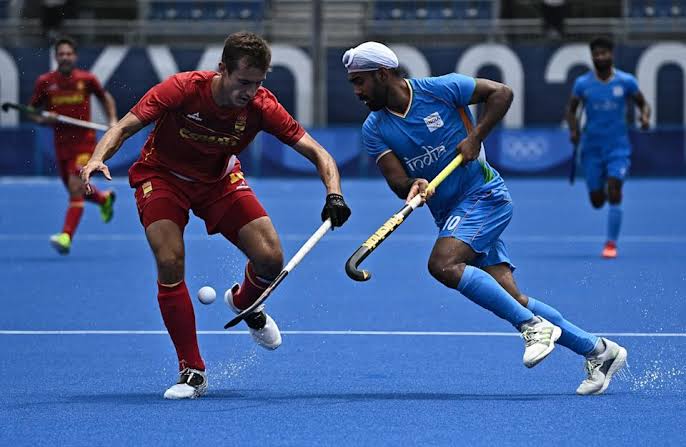
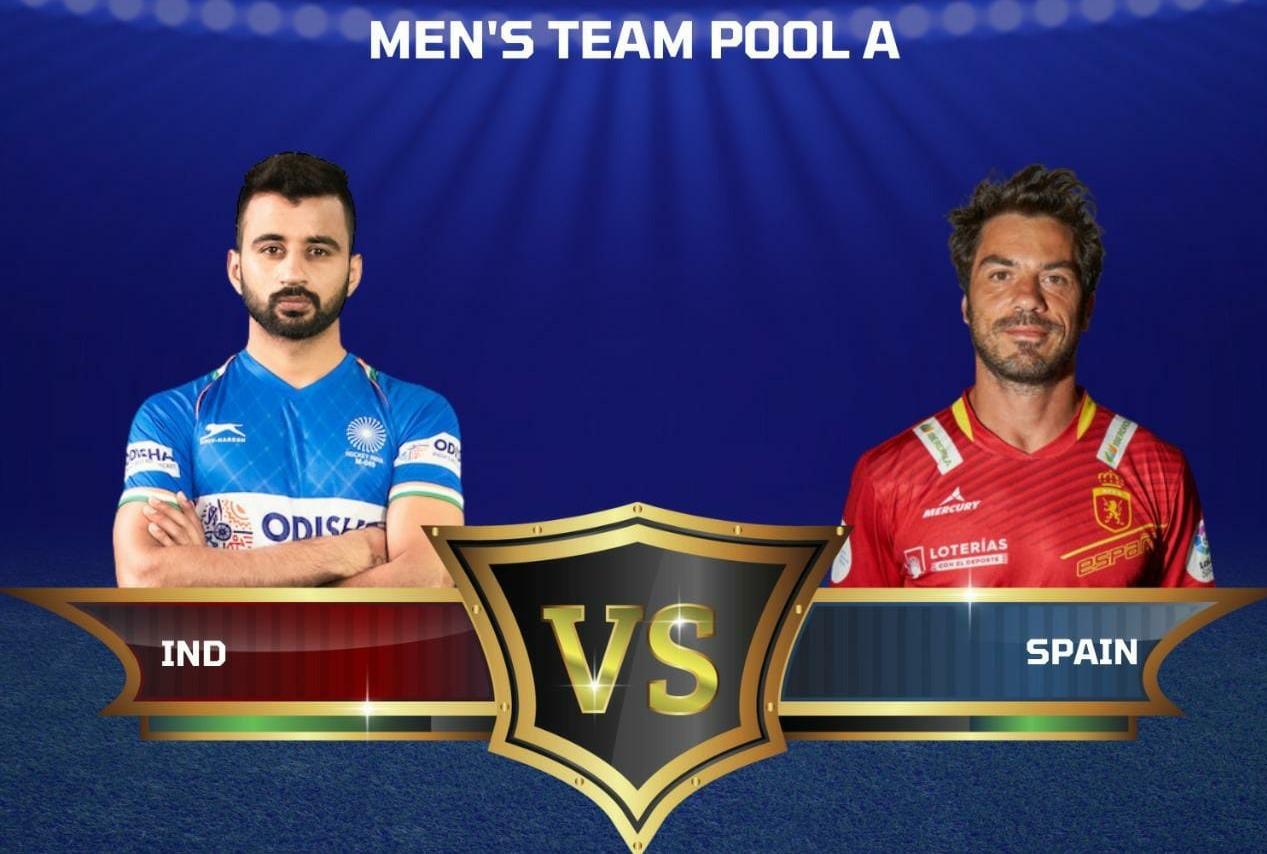
In Pool A today,Spanish side lead by Miguel Delas locked horns with the Indian side lead by Manpreet Singh.
Spain in their first match leveled 1-1 against defending champions Argentina. In their next match they lost 4-3 to New Zealand. They conceded 2 goals in the last quarter and eventually lost their lead and match too.
India on the other hand started their campaign with defeating New Zealand 3-2, vice-captain Harmanpreet singh scored 2 goals and Rupinder pal singh scored 1 goal. In their next match, India encountered the number 1 team Australia. Australia defeated India by a margin of 7-1 and it’s one of the worst defeat for the Indian Hockey team in Olympics.
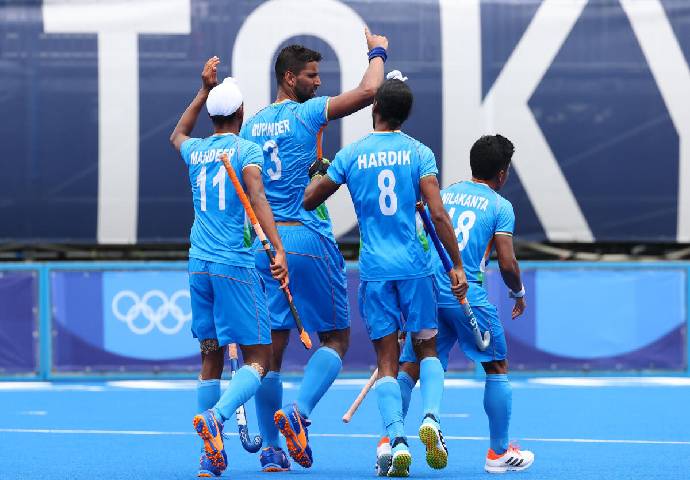
Rupinder pal and simranjeet singh handed Spain a 3-0 defeat
Today morning in OI Hockey Stadium, India and Spain locked horns and India dominated throughout the game and handed Spain a 3-0 defeat.
India’s Rupinder Pal Singh celebrates after scoring against Spain
Simranjeet Singh scored in 14th minute and Rupinder Pal Singh was hero of the match and he striked twice in 15th and 51st minute.
Spain side got many chances but they failed to convert them into goals. With this win India have inched closer to a quarterfinal berth. India have moved to the second spot in Pool A of the Tokyo Olympics. India will face Olympic champion Argentina on Thursday. Spain are yet to register their first win.
No country in the world has succeeded in closing the gender gap. Its undeniably true that there’s never been a finer moment for women to be born because there are some sexist laws which are still prevailing. In this article we will know about the discriminatory laws against the women.
In India Wives can be raped by their husbands with no repercussions.
Starting with our very own country, non-consensual sex inside marriage is not considered a criminal offence or a kind of rape as long as the woman is over a particular age i.e 18 years old. Indian Government in a press release stated that due to various factors, such as levels of education/illiteracy, poverty, myriad social customs and values, religious beliefs, and the society’s mindset to treat marriage as a sacrament, the concept of marital rape, as understood internationally, cannot be appropriately applied in the Indian context.
2. Women may be slaughtered in the sake of “honor” in Jordan
There is no honor in murdering a spouse, daughter, sister, or niece for a supposed moral violation, yet far too many nations like Jordan continue to look the other way when killers use this as an excuse.Articles 340 and 98 of Jordan’s penal code allow judges to lower penalties in situations of murder committed in retaliation for adultery or in a fit of rage.
3. In Northern Nigeria, a man is permitted to strike his wife in order to “correct” her.
Intimate partner violence is legal as long as a husband can show that the beating is “for the purpose of correcting his wife” and does not cause “grievous physical harm.” Surprisingly, the same phrase defines “bodily damage” as injuries that need more than 21 days in the hospital. The Russian government just approved on a measure to decriminalize domes across the world. According to the new rule, first-time offenders would no longer face criminal penalties, while repeat offenders will be granted mercy if the abuse occurs “no more than once a year.”
4. Women in Saudi Arabia are still unable to get a passport without the consent of a man.
Saudi Arabia may have been elected to the United Nations Women’s Council and recently reversed a prohibition on women driving, but it remains one of the least gender-equal countries in the world. Women in Saudi Arabia are still barred from getting a passport, marrying, or using some government services unless they get permission from a male guardian.
5.A lady may be imprisoned in Iran for disobeying the country’s stringent clothing code.
An instance can be highlighted on this issue when an Iranian lady was detained in 2016 after sharing a selfie of herself on Instagram without a hijab. The arrest drew increased attention to Iran’s stringent dress code, which mandates that women wear a hijab in public or face fines and up to a two-month prison sentence. In recent years, a website called My Stealthy Freedom has encouraged Iranian women to submit photographs of themselves with their heads uncovered in protest of the government’s policies.
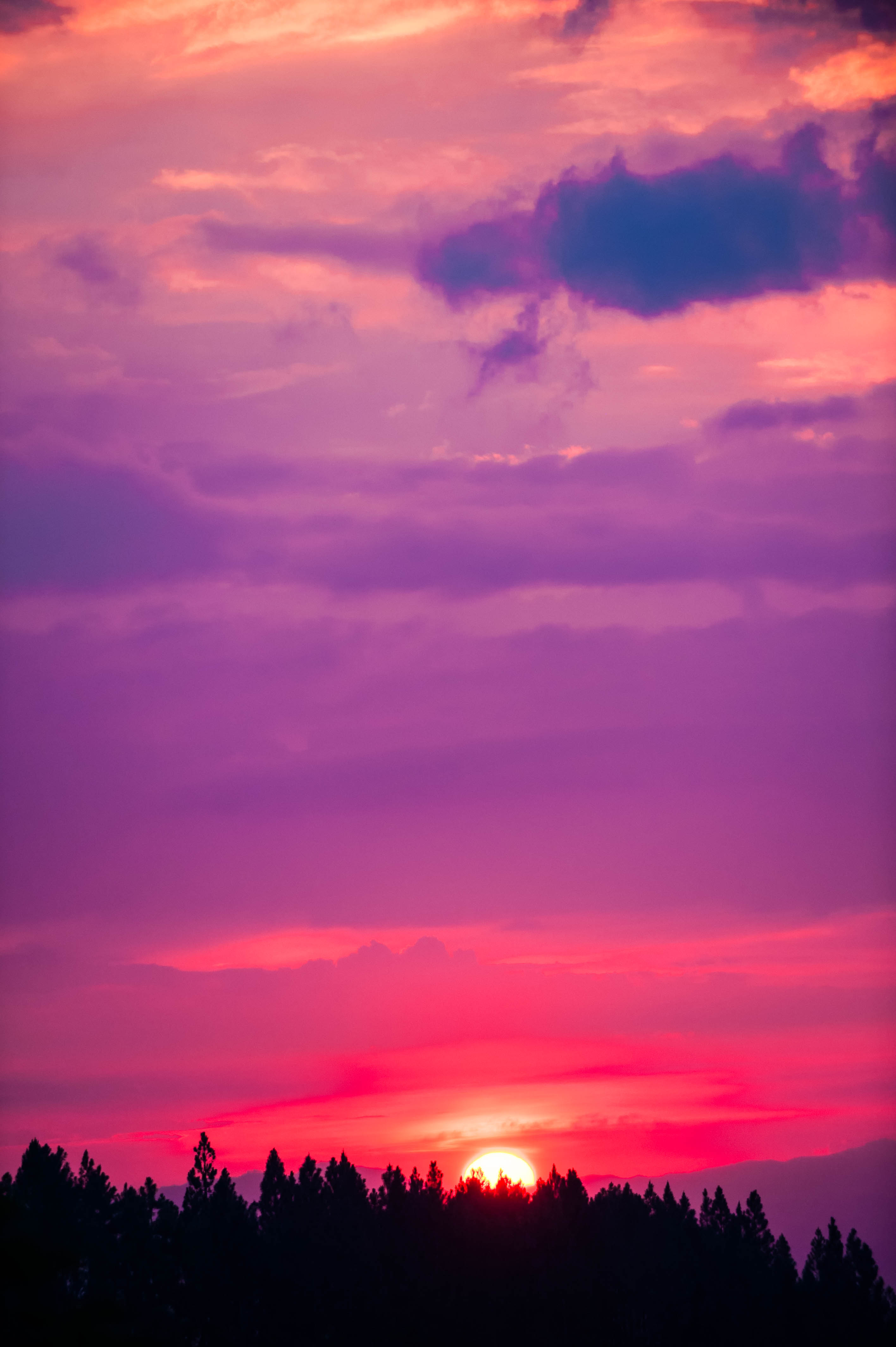
Like SRK said if the ending is not happy ending then, “Picture abhi baki hai mere dost”. When the sky is in it’s beautiful colours and the sun is going down, may be they are trying to say us that look, “the endings can be beautiful too”, may be they are giving us hope, hope for better and beautiful future, may be, they are trying to say us that, let go what happened today, just forgot what happened in the past by looking at this beautiful sunset skies and look forward to every sunrise, it’s your golden opportunity to “RESET”.
It’s the nature of life that things don’t stay the same but sunsets are the proof that, they can end beautifully, so don’t give up, just keep going no matter what happens the end gonna be beautiful. After entire day work just you, a cup of coffee and beautiful sunset with your favourite music will help you to forgot about all your worries and you’ll just want to live in that moment forever when the sky is in it’s beautiful colours. The world is fighting against the virus and we are too young to dealing with all this, so much has happened, so much is happening, at some point in our life we all feel depressed, sad and lonely, sometimes we just want to give up and it’s a life but, DON’T, comfort yourself by looking at these beautiful sunset skies.
Some people may sound like that, you need to do something special in life, and that’s not true. They will judge you at every point in your life but, don’t think, don’t put so much thoughts into what you’re doing and what others are saying or what others will say, you just have to keep going. Start doing things for yourself let them call you selfish sometimes it’s really okay to be selfish.
Also always remember, you are just a little bit doubtful of your potential and unsure of your worth but you are as amazing as these sunset skies.
Would you like if anyone secretly hacks your phone Or keeps a watch on you via your smartphones. If they see all your personal data, messages, pictures etc. Basically, if you’re spied on!? No right. But what if it’s your own government or some agency doing it for them, while you are absolutely unaware about it. It’s possible. Let me tell you how.
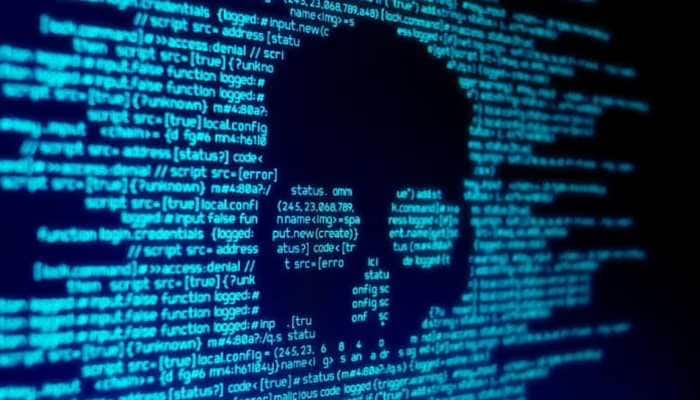
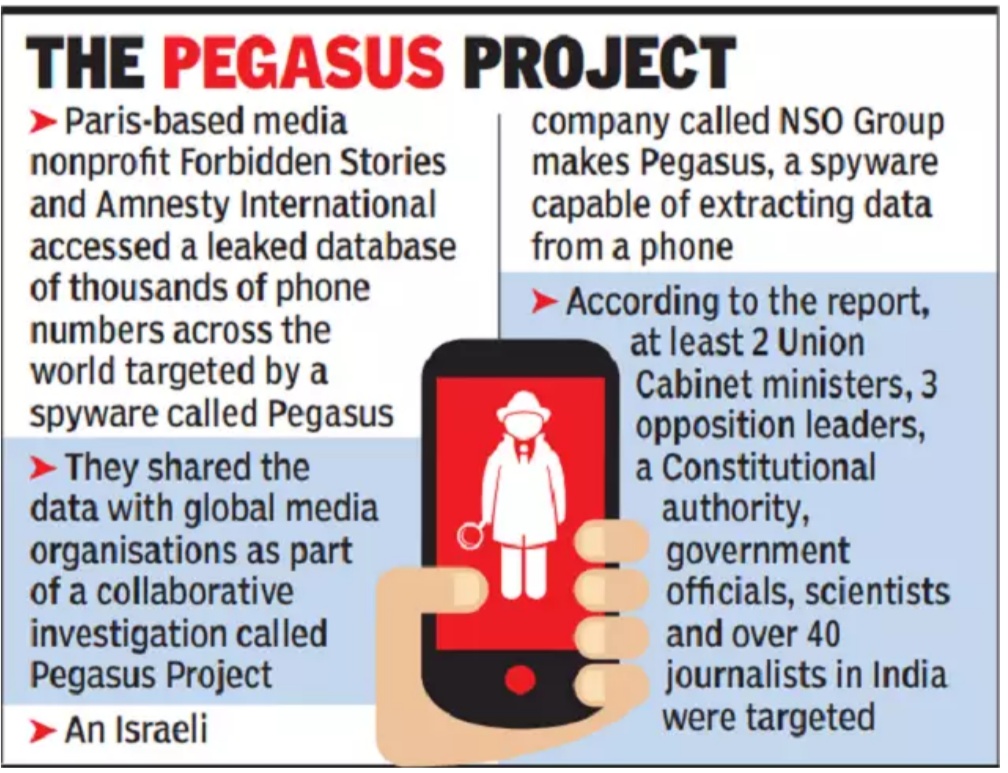
As per the information of En. M. Wikipedia. Org Pegasus is a spyware developed by the Israeli cyberarms firm NSO Group that can be covertly installed on mobile phones (and other devices) running most versions of iOS and Android. The 2021 Project Pegasus revelations suggest that the current Pegasus software can exploit all recent iOS versions up to iOS 14.6. As of 2016, Pegasus was capable of reading text messages, tracking calls, collecting passwords, location tracking, accessing the target device’s microphone and camera, and harvesting information from apps. The spyware is named after the mythical winged horse Pegasus—it is a Trojan horse that can be sent “flying through the air” to infect phones. NSO Group has published sections of contracts which require customers to use its products only for criminal and national security investigations and has stated that it has an industry-leading approach to human rights. Rather than being a specific exploit, Pegasus is a suite of exploits that uses many vulnerabilities in the system. Infection vectors include clicking links, the Photos app, the Apple Music app, and iMessage. Some of the exploits Pegasus uses are zero-click- attacks that is, they can run without any interaction from the victim. Once installed, Pegasus has been reported to be able to run arbitrary code, extract contacts, call logs, messages, photos, web browsing history, settings,[22] as well as gather information from apps including but not limited to communications apps iMessage, Gmail, Viber, Facebook, WhatsApp, Telegram, and Skype.
HISTORY.
Pegasus was discovered in August 2016 after a failed installation attempt on the iPhone of a human rights activist led to an investigation revealing details about the spyware, its abilities, and the security vulnerabilities it exploited. News of the spyware caused significant media coverage. It was called the “most sophisticated” smartphone attack ever, and marked the first time that a malicious remote exploit using jailbreak to gain unrestricted access to an iPhone had been detected. On August 23, 2020, according to intelligence obtained by the Israeli newspaper Haaretz, NSO Group sold Pegasus spyware software for hundreds of millions of US dollars to the United Arab Emirates and the other Gulf States, for surveillance of anti-regime activists, journalists, and political leaders from rival nations, with encouragement and mediation by the Israeli government. Later, in December 2020, the Al Jazeera investigative show The Tip of the Iceberg, Spy partners, exclusively covered Pegasus and its penetration into the phones of media professionals and activists; and its use by Israel to eavesdrop on both opponents and allies. In late 2019, Facebook initiated a suit against NSO, claiming that Pegasus had been used to intercept the WhatsApp communications of a number of activists, journalists, and bureaucrats in India, leading to accusations that the Indian government was involved.
A leak of a list of over 50,000 phone numbers believed to have been identified as those of people of interest by clients of NSO since 2016 became available to Paris-based media nonprofit organisation Forbidden Stories and Amnesty International. They shared the information with seventeen news media organisations in what has been called “Project Pegasus”, and a months-long investigation was carried out, which reported from mid-July 2021. A total of 300 Phone numbers including that of Indian ministers, opposition leaders, ex-election commissioners and journalists were allegedly found on a database of NSO hacking targets by Project Pegasus in mid July. Independent digital forensic analysis conducted on 10 Indian phones whose numbers were present in the data showed signs of either an attempted or successful Pegasus hack. The results of the forensic analysis threw up shows sequential correlations between the time and date a phone number is entered in the list and the beginning of surveillance. The gap usually ranges between a few minutes and a couple of hours. 11 phone numbers associated with a female employee of the Supreme Court of India and her immediate family, who accused the former Chief Justice of India, Ranjan Gogoi, of sexual harrasment, are also allegedly found on a database indicating possibility of their phones being snooped. However, the crucial investigations are still being carried forward by officials.
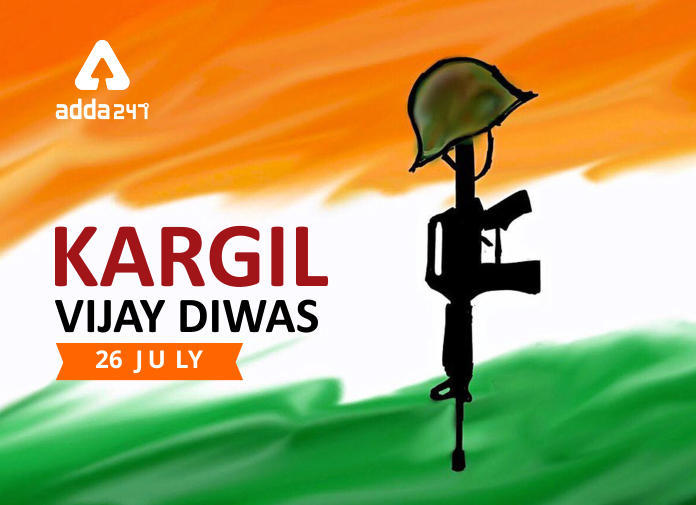
July 26 is celebrated as the Kargil Vijay Diwas to cerebrate the victory of Operation Vijay, the moment which was launched by Indian army to recapture Indian Territories from Pakistani Army and Pakistani militants .Since 1999,This day is celebrated to show respect and gratitude to our brave soldiers who laid down their life to recapture the seized position from Pakistani Army.
The Kargil war was fought in 1999 between India and Pakistan. Kargil war was fought for more than 60 days and ended on 26 July 1999. however Indian prime minister at that time declared operation successful on 14 July. This war started when Pakistani troops silently occupied some Indian posts. However, Pakistani army denied their involvement . But later their Prime minister and other big officials revealed about the involvement of Pakistani forces, that was led by general Ashraf rashid.to give a response Indian army launched operation Vijay to clear the Pakistani Forces and militants.
Atal Bihari Vajpayee was the prime minister of India at that time. This war was not an easy war to be a part of. because this war was in high attitude in mountaineous terrain. Initially Pakistan captured various important Indian posts and India very well responded with recapturing the posts and pushing Pakistani troops back to their country.
To respond back ,India sent 5 infantory divisions, 44 battalions of Paramilitary forces in Kashmir and 73000 Indian troops. and after that deployment of 60 frontline aircrafts was also done. But all these things were not so easy.it was a high altitude region and very few tracks were connected with main roads. and snow was also a factor. Pakistan had occupied those posts keeping these factors in mind. The Pakistani army was trying to take a strong position in Kashmir by doing this. They were divided into many groups of intruders in Kargil. There total strength was considered to be 1000. with heavily armed with guns like AK-47, mortars, artillery and many other weapons.(Source:https://m.jagranjosh.com/general-knowledge/kargil-war-history-1595672853-1)
But soon Indian army detected the intruders occupying , and without wasting much time Indian army operations were planned in may 1999,’ operation Vijay’ was launched by Indian army. Indian army was successful in clearing of Drass sector. and many of those were pushed back to Batalik sector. Indian army with the help of Indian Air force attacked those intruders. Thousands of guns, bombs artillery guns were used which created havoc in kargil. Indian troops destroyed their positions and forced them to leave .till July 1999, Tiger hill was recaptured.In July 7,mashkoh valley was also re-captured. Gradually many were recaptured by our army. Air force also made a huge rule in the kargil war , over 300 aircrafts were used.It was believed that 700 intruders were killed by aircrafts.
The war was concluded on July 26,1999. with Indian army regaining all occupied posts by Pakistani Forces, but India also had to sacrifice a lot in Kargil war. More than 500 soldiers laid down their life in Kargil war, and more than 1300 were injured. Today is 22 nd Anniversary of Kargil Vijay Diwas and today whole nation is remembering soldiers’ Sacrifice for the country.
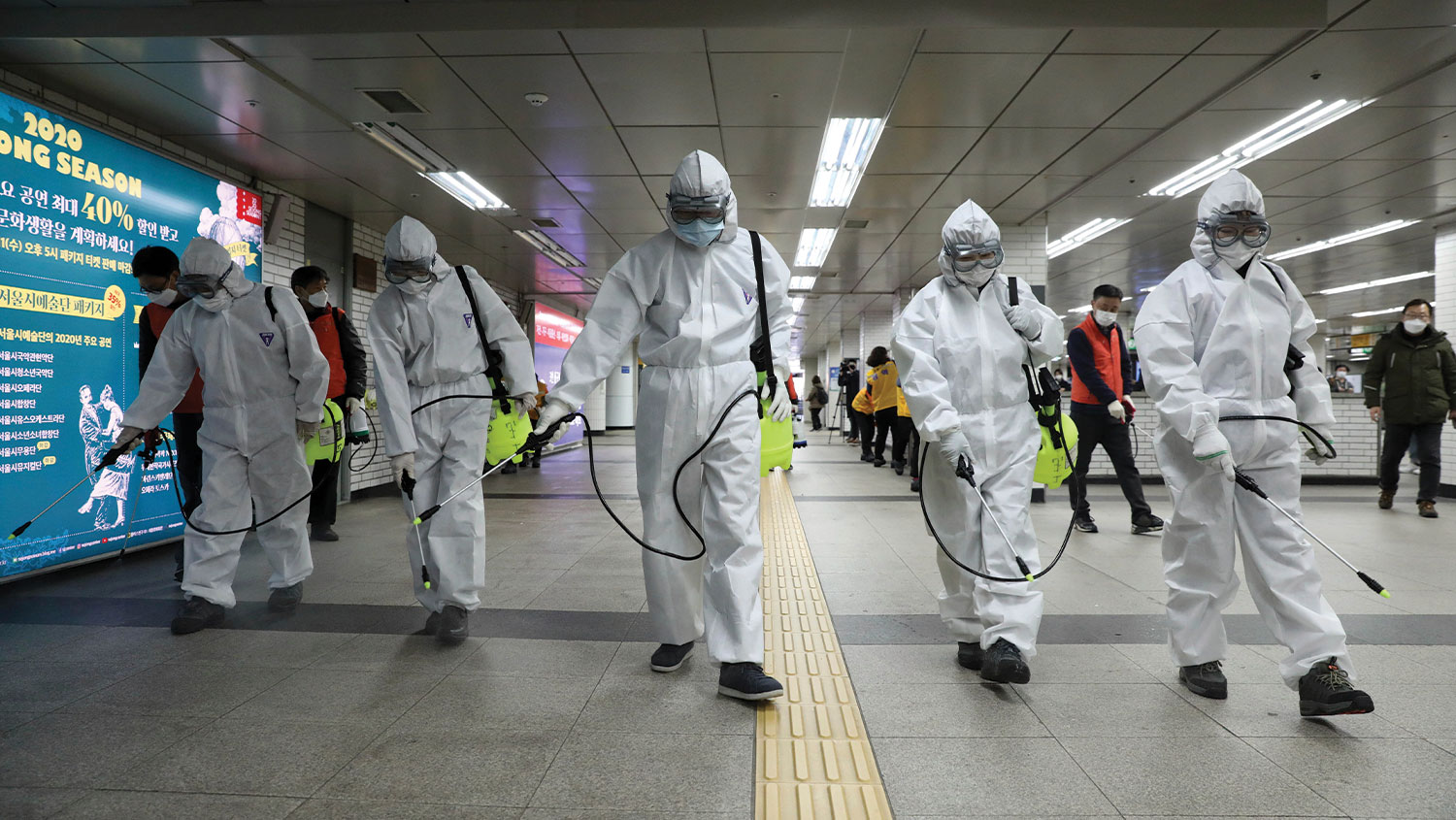
COVID-19 will reverse both of those trends, increasing the space both between countries and among people. Some will laud these changes for increasing safety and resilience. But a world that’s less global and fewer urban would even be less prosperous, less stable and fewer fulfilling. Future is shrouded in clouds of uncertainty, as resilient leaders steel oneself against all possible global outcomes, few are more prominent than others. These are two most predicted and certain scenarios of how the planet would begin of COVID 19. Less global, more isolated. Even before COVID-19, the decades-long trend toward ever-more globalization of trade, investment, supply chains and other people flow were starting to grind to a halt. We began to seem closer to range in terms of the products we produce and consume, the people with whom we interact, and where we get our energy and our money. In retrospect, we’ll come to look at the years right before the 2008 financial crisis as “peak globalization.” Since then, the mixture of recession, inequality and populism has created a growing anti-globalization and anti-immigration consensus in western countries, exemplified by the U.S. trade war with China. The reaction of developed economies to the coronavirus will only strengthen this consensus, as all things international are going to be viewed as incurring unnecessary and dangerous risks.
What was a growing “anti-globalization” consensus is poised to crystalize into a “de-globalization” reality. We are being told this de-globalization will make us all more resilient. But it’ll also make us less prosperous — with less choice and better prices. it’s going to also make us less secure, as international cooperation will decrease and therefore the potential for international conflict will increase. Less density, more distance. Urbanization is probably going to be the opposite major casualty of the coronavirus. Unlike globalization, the trend of ever greater-urbanization was unaffected by the worldwide financial crisis. Even America — the land of all things suburban — joined the worldwide march into cities. People were interested in cities not just for economic opportunity but also for the urban lifestyle. After coronavirus, people are going to be more scared of crowded trains and buses, cafes and restaurants, theaters and stadiums, supermarkets and offices. Crowded spaces are the lifeblood of cities. But now crowds are seen as major health risks. People that have the power to exit the town will increasingly be tempted to try to do so. people that cannot leave will feel at increased risk, hunker down, and reduce their movements and contacts. it’s hard to believe Manhattan without the subway and 10-deep pedestrians on Fifth Avenue. But that will be the increasing post-COVID reality. De-urbanization would harm the economic process because cities generate enormous scale economies and have proved to be remarkably effective incubators of creativity and innovation. This might be particularly true in developing economies where the movement of individuals from rural areas to rapidly expanding cities has been perhaps the key driver of poverty reduction. But the shrinking of cities will produce other adverse effects too, from reducing cultural vibrancy and cosmopolitanism to exacerbating global climate change. Additionally, to be more productive, cities also tend to be more environmentally sustainable. A world that’s less global and fewer urban would be far less appealing to me, personally. But it’s also a world that might hurt economic prosperity, reduce shared understanding among disparate people, and increase the prospect of conflict among them. Our immediate reactions to COVID-19 will lead us to require both to de-globalize and to de-urbanize. But we must take fully under consideration the profound longer-term costs of doing so. Globalization and urbanization generate challenges we must confront, all the more so during a post-coronavirus world. the answer is to manage them, to not reverse them.










 Eduindex
You must be logged in to post a comment.