Learning, Leadership, and Scholarship in the Age of Social Media

By Sunday Obro

Learning in the twenty-first century is no longer confined to classrooms, libraries, or formally prescribed curricula. It increasingly unfolds within digital ecosystems where social media platforms mediate communication, collaboration, and knowledge exchange. For students and educators alike, these platforms have become spaces where learning practices intersect with research skills, leadership development, and professional identity formation. Understanding social media as a learning environment therefore requires situating it within broader debates on research methodology, educational leadership, and professional education.

From a methodological standpoint, social media has introduced new pathways for engaging with knowledge and conducting scholarly inquiry. Dehalwar (2024), in Basics of Research Methodology: Writing and Publication, emphasizes that contemporary research competence extends beyond technical skills such as data collection and referencing. It also involves information literacy, ethical engagement with sources, and the ability to communicate ideas clearly across platforms. Social media, when used judiciously, supports these competencies by enabling learners to encounter diverse research outputs, follow academic debates, and practice scholarly writing in semi-public digital spaces. Blog posts, discussion threads, and academic networking platforms encourage early-career researchers to articulate ideas, receive feedback, and refine arguments—activities central to methodological learning.

Empirical research further underscores the academic relevance of social media use. The study by Edore Clifford Ogheneakoke and colleagues (2025), published in St. Theresa Journal of Humanities and Social Sciences, demonstrates a clear relationship between the utilization of social network sites and the scholarly performance of Social Studies undergraduates. Their findings suggest that students who actively use social media for academic discussions, sharing learning resources, and peer collaboration tend to perform better than those who engage with these platforms only for social or recreational purposes. This evidence challenges the common perception of social media as inherently distracting and instead frames it as a potential cognitive and social resource when aligned with learning goals.

Leadership in education plays a decisive role in shaping how social media is integrated into learning environments. Sharma and Adeoye (2024), in New Perspectives on Transformative Leadership in Education, argue that transformative leaders must recognize and harness digital tools to foster inclusive, adaptive, and future-oriented learning cultures. Social media, from this perspective, is not merely a technological add-on but a space where leadership is enacted through dialogue, mentoring, and shared vision. Educators who model responsible digital engagement, encourage critical reflection, and facilitate meaningful online interaction help students develop both academic competence and digital citizenship.

The question of professional education further deepens this discussion. Sharma and Dehalwar (2023), writing in the Journal of Planning Education and Research, highlight the importance of institutional frameworks—such as councils and professional bodies—in promoting planning education and supporting planning professionals. Although their focus is on planning, the argument is transferable across disciplines: professional learning increasingly depends on continuous interaction, networking, and knowledge exchange beyond formal institutional boundaries. Social media platforms often function as informal extensions of such councils, enabling students and professionals to engage with policy debates, professional standards, and global best practices in real time.

Despite these opportunities, the educational use of social media also demands caution and critical awareness. Unstructured engagement can result in fragmented attention, misinformation, and surface-level learning. Dehalwar (2024) cautions that rigorous research and writing require discipline, critical evaluation of sources, and ethical responsibility—qualities that can be undermined if social media use remains unreflective. This reinforces the need for pedagogical guidance that helps learners distinguish between credible and non-credible information, manage digital time effectively, and integrate online learning with formal academic requirements.

At the same time, social media offers unique possibilities for equity and participation. Students who may feel marginalized in traditional classroom settings often find a voice in digital spaces, where hierarchies are less visible and interaction can be asynchronous. This aligns with the ideals of transformative educational leadership outlined by Sharma and Adeoye (2024), where empowerment, dialogue, and shared learning are central. When thoughtfully guided, social media can support not only academic achievement but also confidence, collaboration, and leadership capacity among learners.

In conclusion, social media occupies an increasingly influential position at the intersection of learning, research methodology, and educational leadership. Evidence from recent scholarship shows that its impact on learning outcomes depends largely on how it is used, structured, and guided. When integrated with sound research practices, transformative leadership, and professional educational frameworks, social media can enhance scholarly performance and enrich learning experiences. Rather than resisting these platforms, contemporary education must critically engage with them, ensuring that digital spaces become sites of meaningful learning, ethical scholarship, and inclusive academic growth.

Dehalwar, K. (2024). Basics of research methodology: Writing and publication. EduPub. https://doi.org/10.5281/zenodo.12654218

Edore Clifford Ogheneakoke, Onyenka Destiny Ukor, Sunday  Obro, Shashikant Nishant Sharma, and Williams Pius Akpochafo 2025 Utilisation of Social Network Sites and Social Studies Undergraduates’Scholarly Performance St. Theresa Journal of Humanities and Social Sciences 11 178–91

Sharma, S. N., & Adeoye, M. A. (2024). New perspectives on transformative leadership in education (pp. 1–176). EduPub. https://doi.org/10.5281/zenodo.10970922

Sharma, S. N., & Dehalwar, K. (2023). Council of planning for promoting planning education and planning professionals. Journal of Planning Education and Research, 43(4), 748–749. https://doi.org/10.1177/0739456X231204568

 

Keyword Research for YouTube: Finding Topics That Actually Convert

Creating content for YouTube isn’t just about posting videos and hoping for views. With over two billion users worldwide, the platform is crowded, and standing out requires a strategy. One of the most critical elements of that strategy is keyword research. Knowing which topics to target ensures your videos reach the right audience and, more importantly, convert viewers into subscribers, customers or clients.

For businesses in Dubai, partnering with an experienced digital marketing agency like Dominate Online can help optimise YouTube campaigns while aligning them with broader SEO goals. Their expertise in SEO services in Dubai ensures your content doesn’t just get views; it delivers results.

Why Keyword Research Matters on YouTube

YouTube is the second-largest search engine after Google, meaning people actively search for content they want to watch. Posting videos without considering search intent is like shouting in a crowded room. You might be heard, but likely by the wrong people.

Keyword research allows you to:

  • Understand what your audience is searching for.
  • Identify gaps in existing content.
  • Target queries that drive engagement and conversions.

When done correctly, keyword research turns your YouTube strategy from guesswork into a structured plan that aligns with your business objectives.

Tools for YouTube Keyword Research

Several tools can simplify the process of finding high-performing keywords:

  • YouTube Autocomplete: Typing a search query in the YouTube search bar reveals suggestions based on real user searches.
  • Google Trends: Helps identify trending topics and compare search volume for different queries.
  • TubeBuddy & VidIQ: Paid tools that offer detailed keyword analytics, competition scores and topic suggestions.
  • Keyword Planner (Google Ads): Provides search volume data and insights that can be applied to YouTube content planning.

Using these tools in combination gives you both a broad overview of trends and detailed data for targeting specific queries.

How to Identify Topics That Convert

Not all keywords are created equal. Some generate views, others drive engagement or conversions. To find topics that actually convert, consider these factors:

1. Search Intent
Focus on the ‘why’ behind a search. Are viewers looking for tutorials, reviews, comparisons or entertainment? Align your video format with intent to increase the likelihood of engagement.

2. Competition
High search volume is great, but it often comes with fierce competition. Look for mid-volume keywords with lower competition, which are easier to rank for and often attract more targeted viewers.

3. Relevance
The topic should align with your brand and the audience you want to attract. Irrelevant content might generate views, but it won’t lead to meaningful results.

4. Engagement Potential
Keywords tied to topics that spark comments, shares or subscriptions are highly valuable. Consider trending topics or content gaps where your unique perspective can stand out.

Structuring Content Around Keywords

Once you identify the right keywords, integrating them naturally into your video content is key. Include primary keywords in:

  • Video title
  • Description
  • Tags (sparingly)
  • Video script (spoken naturally)
  • Thumbnail text

For example, a Dubai-based marketing agency producing a video on SEO could title it: ‘Keyword Research for YouTube: How Dubai Businesses Can Dominate Online’. Including location-based keywords, along with branded mentions, helps the video reach both local and targeted audiences.

Using Analytics to Refine Your Strategy

Keyword research isn’t a one-and-done task. Monitor analytics for:

  • Watch time
  • Click-through rate (CTR)
  • Engagement metrics (likes, comments, shares)
  • Subscriber growth

These insights show which keywords and topics perform best, allowing you to adjust future content and focus on what actually converts.

For businesses aiming to grow their online presence in Dubai, leveraging Dominate Online SEO services in Dubai ensures your YouTube strategy aligns with overall digital marketing goals, maximising both visibility and ROI.

Tips for Consistent YouTube Growth

  1. Plan Content Calendars Around Keywords: Map out weekly or monthly content based on high-performing search queries.
  2. Mix Evergreen and Trending Topics: Evergreen content provides long-term value, while trending topics capture timely interest.
  3. Engage With Your Audience: Encourage comments and respond promptly. This engagement signals to YouTube that your content is valuable.
  4. Cross-Promote Content: Share videos across social media and embed them on your website to increase reach and backlinks.
  5. Test and Iterate: Use analytics to determine what works and refine your approach continuously.

Conclusion

Keyword research is the cornerstone of YouTube success. By understanding search intent, evaluating competition and targeting relevant topics, businesses can create videos that attract viewers and convert them into loyal subscribers or customers.

Partnering with experts like Dominate Online ensures your content strategy is optimised from the ground up. With Dominate Online SEO services in Dubai, your YouTube efforts align with broader marketing goals, ensuring visibility, engagement and measurable results.

Invest time in proper keyword research, structure your content carefully, and continually refine your approach. With the right strategy, your YouTube channel can go beyond views and clicks, it can become a powerful engine for growth.

2 PhD Candidates for the project “Climate Citizenship

Daily writing prompt
What experiences in life helped you grow the most?

Vacancy

2 PhD Candidates for the project “Climate Citizenship

Vacancy number15477Job typePhD positionsHours (in fte)1,0External/ internalExternalLocationLeidenPlaced on18 February 2025Closing date31 March 2025 38 more days to apply

Apply now

Leiden University’s Institute of Cultural Anthropology and Development Sociology (CADS) is looking for

2 PhD Candidates for the project “Climate Citizenship (4 years, full time)

We welcome applications for two PHD candidates for the research project “Climate Citizenship: Infrastructures, Environments, and Democracy in the Era of Climate Change,” funded by a European Research Council Starting Grant (ERC-StG).

Climate Citizenship explores how adapting environments to climate change through new forms of nature-based infrastructure reshapes people’s relationships with each other and the state. Examples range from green roofs and vertical gardens to urban parks, flood plains and more ambitious efforts to transform landscapes. The project treats these infrastructures as social and political as well as environmental experiments. It asks: when and how do they stimulate behavioural change, create new alliances between stakeholders, or transform the division of rights and responsibilities within a society?

As a PhD candidate, you will conduct ethnographic research on these questions in either the Louisiana Delta (the United States) or the Tokyo Bay area (Japan). You will employ an “ecographic” research design, combining ethnographic methods with those from the ecological sciences in order to track how new forms of climate adaptation alter both environment and society. Your primary supervisor will be the project’s Principal Investigator, Dr. Andrew Littlejohn. The project is hosted by Leiden University’s Institute of Cultural Anthropology & Development Sociology.

What you will do
You will conduct independent ethnographic research in either the Louisiana Delta (the United States) or Tokyo Bay area (Japan) within the frame of this project:

  • You will conduct ethnographic research, entailing at least 10 months of fieldwork in one of the two research sites, using an “ecographic” protocol developed together with the Postdoc;
  • Submit a PhD thesis, publish at least one peer-reviewed journal article, and produce one work of audio-visual media;
  • Co-produce a podcast series designed for a public audience on the results of the project;
  • Participate in the meetings and proceedings of the project (e.g. reading groups, seminars, workshops) and wider activities of the Institute of Cultural Anthropology & Development Sociology, including training requirements of the institute and faculty;
  • Co-organise and participate in academic and public events, such as an international conference organized by the project.


You will be part of a team comprising two PhD candidates, a postdoctoral researcher, and the PI. The entire team is expected to reside in the Netherlands and work from Leiden for the duration of the project, except during fieldwork.

Where you will work
The Faculty of Social and Behavioural Sciences consists of five institutes: Centre for Science and Technology Studies, Cultural Anthropology and Development Sociology, Education and Child Studies, Political Science, and Psychology. The faculty has approximately 7000 students and 1000 staff members. Within the institutes, not only education is provided but also groundbreaking research is conducted that pushes the boundaries of our understanding of human behaviour and societal structures. What makes our faculty unique is the diversity of research topics, the various styles of teaching, and the way professional support is organized; this provides you with the opportunity to explore and develop your interests and expertise. Visit our website for an impression: Welcome to the Leiden Faculty of Social and Behavioural Sciences – Leiden University.

Leiden University’s Institute of Cultural Anthropology and Development Sociology (CADS)
Leiden University’s Institute of Cultural Anthropology and Development Sociology concentrates on ‘global vulnerability and social resilience’. The institute has three main themes: diversity, sustainability, and digitalisation. CADS is dedicated to making a real-world impact, not just studying change, but also working with communities to promote positive change through education and research. We use a unique approach that blends qualitative, quantitative, audiovisual, and digital methods based on ethnographic fieldwork.

With our unique blend of interdisciplinary interests, comparative regional studies, and social science research methods, we emphasize our role in the extensive collaborative network within Leiden University. In both our research and education, we engage in extensive interdisciplinary and international networks.

What you bring

  • (Research) Master’s degree in Cultural Anthropology or another relevant social science;
  • Excellent research skills as demonstrated by an outstanding master’s thesis or research papers;
  • Enthusiasm, passion, and commitment for long-term fieldwork in the United States or Japan;
  • Speaking, reading, and writing skills in Japanese in the case of research in Japan, for example as demonstrated by the Japanese-Language Proficiency Test;
  • Excellent command of English (speaking and writing);
  • Independent work attitude and demonstrable ability to work in a team.

Some interest and/or experience in ecological and acoustic research methods and outputs is an advantage but not a requirement.

What we offer
Our goal is to work together to create a transparent and inclusive work environment in which everyone feels welcome and appreciated. Our organisation is always evolving, and we need your ideas for improvement and innovation to take us further. We want to devote attention to your personal development.

You can expect an enjoyable job within the socially relevant world of education and research. The University’s challenging and international work environment is located just steps away from Leiden’s lively city centre or the bustling city centre of The Hague. We also want to work with you to devote attention to your health and vitality, for example with the fun activities we organise through Healthy University.

We also offer:

  • A temporary employment contract for (38 hours per week) as a PhD candidate, initially for a period of 1 year, with the possibility of extension for 3 years after a positive evaluation. This contract falls under the Collective Labour Agreements (CLA) of Dutch Universities;
  • A salary of a minimum of € 2,901 and a maximum of € 3,707 gross per month, based on a full-time appointment (38 hours) (scale P); with increments based on the CLA.
  • A holiday allowance (8%), an end-of-year bonus (8,3%), and an attractive pension scheme at ABP;
  • Flexible working hours: as a standard, you are entitled to a minimum of 29 leave days on the basis of a full-time working week of 38 hours;
  • If your work allows it, hybrid working is possible within the Netherlands;
  • A home-working allowance (day and internet allowance) and attention for good workplaces. The University will also provide you with a laptop and a mobile telephone (if applicable for the position).


For more information about employment conditions, see:
https://www.universiteitleiden.nl/werken-bij/sollicitatieprocedure-en-arbeidsvoorwaarden

What we find important
Promoting an inclusive community is central to Leiden University’s values and vision. Leiden University aims to be an inclusive community in which all students and staff members feel valued and respected and are able to develop to their full potential. Diversity in experiences and perspectives enriches our teaching and strengthens our research. High-quality education and research mean inclusive education and research.

Want to apply or find out more?
If you want to apply straight away, click the application button.
If you would like more information about what the job entails, please contact: Dr. Andrew Littlejohn, Assistant Professor at a.l.littlejohn@fsw.leidenuniv.nl

You can apply until March 31, 2025; applications will be processed immediately.
Online interviews will be held with shortlisted candidates in April 2025. The intended starting date is August 2025.

To apply, please submit:

  • A motivation letter (maximum 2 pages), explaining your motivation for pursuing a PhD and for working in the climate citizenship project, indicating where you would like to do research (U.S. or Japan) and how your experience and skills make you suitable;
  • A curriculum vitae (CV) (maximum 2 pages);
  • Copies of academic transcripts from prior study at Bachelor’s and Master’s levels;
  • A short research statement, explaining how you imagine addressing the subproject’s questions (maximum 500 words);
  • Names and contact details of two referees.


To help us get to know each other better, we follow a number of steps in the application procedure. For more information, see:
https://www.universiteitleiden.nl/werken-bij/sollicitatieprocedure-en-arbeidsvoorwaarden

  • A pre-employment screening (references, diplomas, certificate of good conduct (VOG) may be part of the selection procedure.
  • Acquisition in response to this vacancy is not appreciated. If you nevertheless choose to send us CVs, no rights can be derived from this. -Hybrid

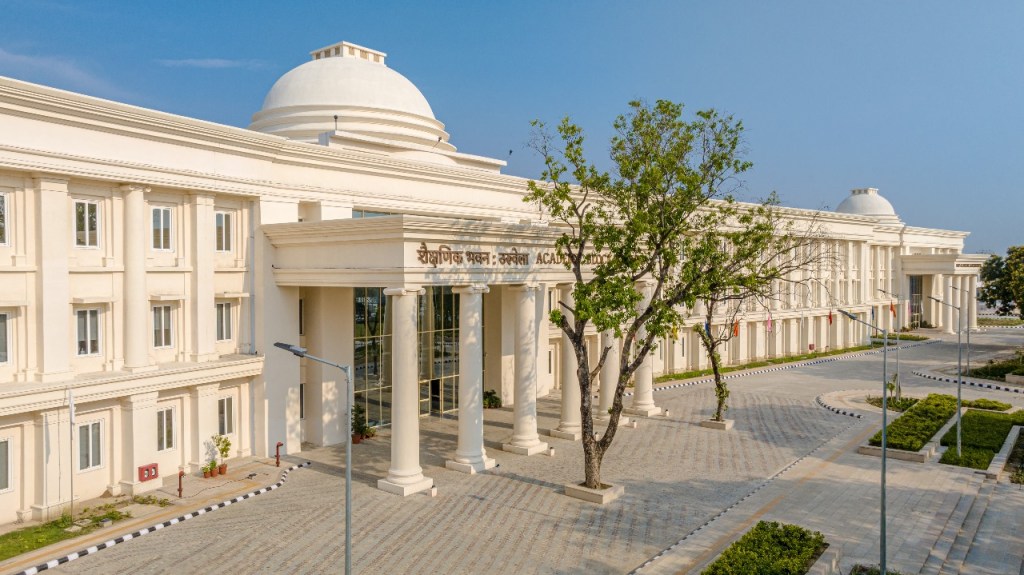
Shaping the Future: Why a PhD at IIM Bodh Gaya Is a Game-Changer

Daily writing prompt
Describe an item you were incredibly attached to as a youth. What became of it?

India’s education sector is undergoing a transformation, with an urgent demand for skilled faculty and researchers. According to the HRD Ministry’s report, over 14,500 faculty positions remain unfilled across leading institutions, including IITs and IIMs. Addressing this gap, IIM Bodh Gaya invites applications for its PhD program starting July 2025, offering an unparalleled opportunity for aspiring scholars to lead in academia and industry.

Beyond Academia: The Real Power of a PhD

A PhD equips scholars with more than just academic credentials. Graduates often step into leadership roles in multinational corporations, government advisory boards, think tanks, and research organizations. The degree hones critical thinking, analytical rigor, and innovative problem-solving skills, making PhD holders indispensable in shaping sustainable business practices, public policy, and global strategies.

IIM Bodh Gaya’s PhD Program: Where Excellence Meets Opportunity

Launched in 2020, the PhD program at IIM Bodh Gaya provides world-class training in eight specializations:

  • Marketing
  • Economics
  • Finance and Accounting
  • Information Technology and Analytics
  • Operations Management and Quantitative Techniques
  • Human Resource Management and Organizational Behaviour
  • Business Communication
  • Strategy Management

The program is designed to foster cutting-edge research in a supportive environment, backed by a team of experienced faculty and state-of-the-art resources, including advanced analytics tools and well-stocked libraries.

Competitive Scholarships and Global Exposure

A key highlight of IIM Bodh Gaya’s PhD program is its financial support. Scholars receive a stipend starting at ₹50,000 per month, increasing to ₹60,000 post-comprehensive exams—one of the highest among IIMs. Additionally, the program ensures global exposure through specialized training at IIM Bangalore and collaboration opportunities with QS 200-ranked international universities.

Eligibility and Application Details

To be eligible, candidates must meet one of the following criteria:

  • A Master’s degree with 60% marks or equivalent.
  • Professional qualifications such as CA, ICWA, or CS with 60% marks or equivalent.
  • A Five-year Integrated Master’s degree program with 60% marks.
  • A Four-Year Bachelor’s degree in Engineering with 65% marks or equivalent.

Candidates should also have valid scores in CAT (2022/23/24), GRE, GMAT, GATE, JRF (UGC/CSIR), or the IIMB Test. Applications close on March 31, 2025.

Why Choose IIM Bodh Gaya?

Pursuing a PhD at IIM Bodh Gaya is more than an academic endeavor—it’s a gateway to global opportunities and impactful research. With exceptional financial aid, a nurturing research ecosystem, and unmatched international exposure, IIM Bodh Gaya empowers scholars to become changemakers in their fields.

If you’re ready to redefine your career and make a lasting impact, apply to IIM Bodh Gaya’s PhD program today. Visit their website for more details and take the first step toward unlocking a future of excellence.

Link to Apply Now

The application deadline is March 31, 2025. For more details, visit IIM Bodh Gaya’s PhD page.

PhD Guidance Service

Eduindex News: Your Trusted Partner for Comprehensive PhD Guidance Services

Embarking on a PhD journey is an intellectually rewarding but highly challenging endeavor. It requires not only academic excellence but also meticulous planning, rigorous research, and a disciplined approach. Recognizing the unique challenges faced by scholars, Eduindex News offers a comprehensive range of PhD guidance services designed to make this journey smoother and more successful.

Whether you’re just beginning to conceptualize your research topic or preparing for your thesis defense, Eduindex News provides end-to-end support to help scholars achieve their academic goals. Here’s a detailed overview of how their services can transform your PhD journey.

1. Assistance in Research Topic Selection

Choosing the right research topic is one of the most critical steps in a PhD journey. Eduindex News offers:

Expert Consultation: Guidance from experienced academicians and subject-matter experts to help you identify a unique and impactful research topic.

Trend Analysis: Insights into emerging trends and gaps in your field to ensure your research adds value.

Feasibility Assessment: Evaluating the practicality and scope of your chosen topic based on available resources and time constraints.

2. Proposal Writing Support

A well-crafted research proposal lays the foundation for your PhD. Eduindex News helps scholars in:

Drafting Proposals: Structuring your proposal with clear objectives, methodologies, and expected outcomes.

Formatting and Compliance: Ensuring the proposal aligns with your university’s guidelines and academic standards.

Review and Refinement: Providing feedback to make your proposal concise, compelling, and research-worthy.

3. Thesis Writing and Structuring

Writing a PhD thesis is a time-consuming and labor-intensive task. Eduindex News offers:

Chapter-Wise Guidance: Detailed support for each chapter, including literature review, methodology, results, and discussion.

Content Development: Assisting in framing arguments, presenting data, and drawing meaningful conclusions.

Editing and Proofreading: Ensuring your thesis is free from grammatical errors, redundancies, and formatting issues.

4. Research and Data Analysis

Analyzing data and presenting it effectively is crucial for a successful PhD. Eduindex News provides:

Quantitative and Qualitative Analysis: Assistance in analyzing data using statistical tools such as SPSS, R, and Python.

Survey Design and Execution: Guidance on designing surveys and collecting data effectively.

Interpretation of Results: Helping scholars draw accurate conclusions and present their findings coherently.

5. Journal Publication Assistance

Publishing research papers in reputed journals is a key requirement for many PhD scholars. Eduindex News supports you in:

Journal Selection: Identifying the most suitable journals in your field of study.

Manuscript Preparation: Formatting and editing manuscripts to meet journal standards.

Submission Support: Managing the submission process and addressing reviewer comments.

6. Preparing for Viva Voce

The thesis defense is often a nerve-wracking experience for scholars. Eduindex News helps you prepare through:

Mock Viva Sessions: Conducting practice sessions to boost your confidence and refine your presentation skills.

Question Preparation: Anticipating potential questions and helping you craft convincing answers.

Presentation Design: Creating professional slides to effectively showcase your research work.

7. Ethical and Plagiarism Compliance

Maintaining academic integrity is paramount in PhD research. Eduindex News ensures:

Plagiarism Checks: Utilizing advanced software to ensure originality.

Ethical Compliance: Guiding you on ethical research practices and ensuring adherence to institutional norms.

Citations and Referencing: Providing support in accurate citation and bibliography creation using tools like EndNote and Zotero.

8. Transforming Thesis into Books

For scholars who wish to share their research with a broader audience, Eduindex News offers:

Content Refinement: Adapting your thesis into a publishable book format.

Publishing Support: Guiding you through the book publishing process, including ISBN allocation and distribution.

Marketing Assistance: Promoting your book to reach a wider academic and general audience.

Why Choose Eduindex News for PhD Guidance?

Eduindex News stands out as a trusted partner for PhD scholars due to its:

Experienced Team: A panel of academicians, editors, and research experts with vast experience in various domains.

Customized Services: Tailored solutions to meet the specific needs of each scholar.

Global Reach: Supporting scholars across diverse fields and institutions worldwide.

Timely Delivery: Commitment to meeting deadlines without compromising on quality.

Affordable Pricing: Competitive rates to make high-quality guidance accessible to all scholars.

Conclusion

Completing a PhD is no small feat, and having the right guidance can make a world of difference. Eduindex News offers a holistic suite of services that cover every aspect of your PhD journey—from selecting a topic to publishing your work. With their expert support, you can overcome challenges, meet academic standards, and achieve your scholarly aspirations with confidence.

Let Eduindex News be your partner in academic success and unlock the full potential of your PhD journey!

Writing a Good Case Study: A Comprehensive Guide

Case studies are powerful tools used across various fields to provide real-world examples, demonstrate the application of theories, or offer detailed insights into specific scenarios. A well-written case study can inform, persuade, and educate its audience effectively. This article outlines the essential steps and tips for crafting an engaging and informative case study.

What is a Case Study?

A case study is an in-depth analysis of a particular situation, event, or individual. It often focuses on solving a problem, exploring an idea, or showcasing success stories. Case studies are widely used in academia, business, medicine, social sciences, and other fields to provide detailed insights that might not be evident through general research.

Key Elements of a Good Case Study

1. Clear Objectives
Define the purpose of your case study. Are you aiming to educate, persuade, or analyze? A clear objective ensures the case study remains focused and relevant.

2. Relevant Subject Matter
Choose a topic or case that resonates with your target audience and aligns with your objectives. For businesses, this could mean selecting a client or project that showcases your strengths.

3. Well-Defined Problem
Clearly articulate the problem or challenge faced by the subject of the case study. This creates context and sets the stage for your analysis.

4. Evidence-Based Analysis
Use reliable data, research, and testimonials to back up your claims. The evidence should be presented in a logical manner to support your conclusions.

5. Structured Format
A well-organized case study is easy to read and understand. The typical structure includes:

Introduction: Overview of the case and objectives.

Background: Context and setting.

Problem Statement: Clear identification of the issue.

Solution: Detailed explanation of the approach taken.

Results: Outcomes supported by data or testimonials.

Conclusion: Summary and key takeaways.

6. Engaging Narrative
Tell a compelling story. A case study should not only inform but also engage the reader. Use a narrative style that connects with the audience emotionally and intellectually.

Steps to Write a Good Case Study

1. Research and Preparation

Identify the subject or case.

Gather all relevant information, including data, interviews, and documents.

Understand the audience and tailor the content to their needs.

2. Define the Core Message

Focus on the main takeaway you want the readers to have. This will guide the narrative and ensure the case study is cohesive.

3. Create an Outline

Plan the structure of your case study. An outline helps organize thoughts and ensures all critical elements are included.

4. Write the Draft

Start with a compelling introduction to grab attention.

Provide sufficient background information for context.

Clearly define the problem.

Explain the solution in detail, highlighting its unique aspects.

Present the results with supporting evidence, such as charts, quotes, or before-and-after comparisons.

5. Edit and Refine

Review for clarity, accuracy, and coherence.

Remove unnecessary details and jargon.

Proofread for grammatical errors and typos.

6. Add Visuals

Incorporate images, graphs, and infographics to enhance understanding and break up the text.

7. Finalize and Format

Use headings, subheadings, and bullet points for readability.

Ensure the formatting aligns with your branding or style guidelines.

Tips for Writing an Impactful Case Study

1. Use Real Data: Authentic data builds credibility and reinforces the case study’s effectiveness.

2. Focus on Results: Highlight measurable outcomes to demonstrate the success of the solution.

3. Be Concise: Avoid unnecessary details that may overwhelm the reader.

4. Include Quotes and Testimonials: Real voices add authenticity and depth.

5. Use a Conversational Tone: Engage the reader with a friendly yet professional tone.

Examples of Good Case Studies

1. Business Case Study
How a small business increased revenue by 50% using a specific marketing strategy.
Focus on the challenges, strategic steps, and results.

2. Medical Case Study
A unique diagnosis and treatment plan for a rare condition.
Include patient history, diagnostic process, treatment, and outcomes.

3. Academic Case Study
Analyzing the impact of a policy change in a community.
Provide a balanced view with supporting research.

Conclusion

Writing a good case study requires a balance of storytelling, analytical thinking, and clarity. By focusing on the problem, solution, and results while maintaining a structured and engaging narrative, you can create a case study that educates, persuades, and leaves a lasting impression on your audience. Whether for academic purposes or professional use, the principles outlined in this guide will help you craft a compelling case study that stands out.

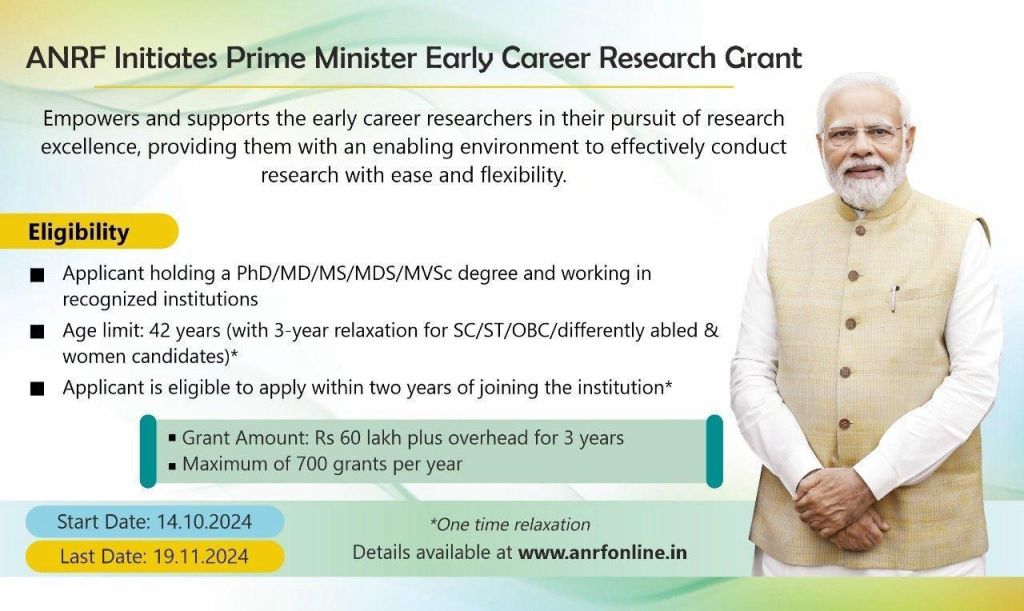
Prime Minister Early Career Research Fund

The Prime Minister’s Early Career Research Award (PMECRA) is a prestigious grant designed to support young researchers in India, encouraging them to pursue innovative and groundbreaking research in various fields of science, technology, and other disciplines. The program was introduced as part of the Indian government’s broader effort to promote research and innovation, especially among early-career scientists and academicians.

Objectives of the PMECRA:

1. Promote Young Talent: PMECRA aims to recognize and support young researchers with strong academic credentials and innovative ideas, providing them the necessary financial resources to carry out cutting-edge research.

2. Encourage Independent Research: The program enables early-career scientists to establish themselves as independent researchers, free from the constraints of traditional academic hierarchies, and fosters self-driven innovation.

3. Boost Research Capacity in India: The program is part of a larger national strategy to bolster research output in India, contributing to India’s standing as a global hub of scientific and technological advancement.

4. Support Interdisciplinary Research: PMECRA encourages interdisciplinary research that has the potential for high societal impact, covering a broad range of fields such as biotechnology, environmental sciences, information technology, and more.

Eligibility Criteria:

1. Age Limit: The applicant must generally be below the age of 40 years.

2. Academic Qualifications: Applicants should have a Ph.D. or equivalent degree in their respective fields of research.

3. Employment: The researcher must hold a regular academic or research position in a recognized university, institute, or laboratory in India.

4. Experience: Early career typically refers to researchers with 2–8 years of post-Ph.D. experience.

5. Research Focus: The applicant’s research proposal must align with the scientific priorities of the government, focusing on high-impact research areas with potential applications.

Funding and Benefits:

Research Grant: PMECRA offers substantial funding, typically ranging from ₹25 lakhs to ₹1 crore, depending on the scope of the research project. This grant can be used for various research-related activities such as purchasing equipment, hiring research assistants, covering travel expenses, and publishing research results.

Duration: The funding is usually provided for a period of three to five years, allowing researchers adequate time to develop their ideas and produce meaningful results.

Flexibility: The fund supports both basic and applied research, giving researchers flexibility in their approach while focusing on areas of national importance.

Selection Process:

1. Call for Proposals: The program typically invites research proposals annually. Interested candidates must submit detailed proposals outlining their research objectives, methodologies, expected outcomes, and budget estimates.

2. Evaluation: Proposals are evaluated by a panel of experts from various academic and scientific fields. The evaluation criteria include the novelty of the research, its feasibility, the researcher’s track record, and the potential impact of the project on society or industry.

3. Interview: Shortlisted candidates may be called for an interview, where they will present their research ideas to a panel of experts.

4. Final Selection: Based on the review process, a select number of candidates are awarded the grant, which is disbursed in installments depending on the research progress.

Importance of PMECRA:

Empowering Early Career Researchers: PMECRA provides a vital platform for early-career researchers to establish themselves in the competitive academic world, gain visibility, and build a solid foundation for future research opportunities.

Addressing National Challenges: By supporting research in areas of national importance, PMECRA helps address key challenges faced by India in sectors such as healthcare, agriculture, energy, and environmental sustainability.

Promoting Innovation and Creativity: The grant fosters a culture of innovation by encouraging researchers to explore new ideas, technologies, and methodologies that can lead to significant scientific breakthroughs or technological innovations.

Challenges:

Competition: Due to its prestigious nature, PMECRA is highly competitive, with only a small percentage of applicants receiving funding.

Grant Utilization: Managing large grants and ensuring that funds are used efficiently for research purposes can be a challenge, especially for those with limited administrative experience.

Conclusion:

The Prime Minister’s Early Career Research Award is a pivotal initiative aimed at fostering the next generation of researchers in India. By providing financial resources, mentorship, and independence, the PMECRA program serves as a cornerstone in shaping India’s future scientific and technological landscape. The award not only benefits individual researchers but also contributes to the broader goal of making India a leader in innovation and research on the global stage.

Empower Your Insights with Julius: AI-Driven Analysis and Visualization Support

Daily writing prompt
What snack would you eat right now?

In today’s data-driven world, making sense of vast amounts of information is both a necessity and a challenge. Whether you’re a researcher, educator, business strategist, or data enthusiast, effective analysis and visualization can unlock new perspectives and drive impactful decisions. Meet Julius, your AI-powered assistant, designed to transform complex data into clear insights and visually compelling narratives.

Why Choose Julius?

Julius bridges the gap between raw data and actionable insights with cutting-edge AI capabilities. Here’s how Julius stands out:

  1. Comprehensive Data Analysis:
    Julius processes structured and unstructured datasets to uncover patterns, trends, and anomalies. From statistical summaries to advanced modeling, it caters to diverse analytical needs.
  2. Dynamic Visualization:
    Presenting data effectively is as crucial as analyzing it. Julius generates visually appealing and interactive charts, graphs, and infographics that are customizable and tailored to your objectives.
  3. User-Friendly Interface:
    No technical expertise? No problem. Julius simplifies complex analysis with intuitive commands, making it accessible for beginners while robust enough for experts.
  4. Domain-Specific Insights:
    Whether you’re analyzing educational trends, financial performance, healthcare data, or market research, Julius offers tailored insights based on the context of your dataset.
  5. Real-Time Collaboration:
    Work collaboratively with your team by sharing live insights, visualizations, and reports. Julius integrates seamlessly with popular tools to ensure a smooth workflow.

How Julius Can Help

  • For Educators and Researchers: Analyze enrollment trends, publication data, or institutional performance. Julius can turn raw academic data into insights that influence policy and teaching practices.
  • For Businesses: Optimize marketing campaigns, sales strategies, and operational efficiency with data-backed recommendations.
  • For NGOs and Social Impact Projects: Use Julius to visualize the impact of initiatives, track progress, and make data-driven funding proposals.
  • For Individuals: Simplify personal finance tracking, investment planning, or academic projects with Julius’s user-friendly tools.

Example in Action:

Imagine you’re working with education data to measure the impact of a policy like the National Education Policy (NEP). Julius can:

  • Analyze enrollment growth before and after NEP implementation.
  • Visualize growth trends in universities, colleges, and GER over time.
  • Generate interactive dashboards that allow policymakers to explore data by region, gender, or discipline.

Get Started with Julius

Unleash the power of AI in your analysis and visualizations with Julius. Whether you’re dealing with complex datasets or just need a clear visual representation of your findings, Julius is here to assist.