High time we forget caste system

Caste discrimination is a highly politicised and sensitive issue in India. Despite constitutional safeguards and special legislation for the protection of the country’s 201 million ‘scheduled castes’ (the official term for Hindu, Sikh and Buddhist Dalits), violations of their fundamental human rights continue on a massive scale. Key issues include access to justice and rising violence against Dalits, multiple discrimination against Dalit women, slavery and child labour, discrimination in education, untouchability and access to basic services including humanitarian aid, social and economic rights and shrinking space for Dalit human rights defenders

Caste is both a historical truth of the Indian subcontinent, and a reality of modern-day India. Some of us are still unaware of the extent to which caste remains an ordering principle in our society today. Caste is present in a massive way in most of India and caste-based discrimination and violence takes place across the nation. In metropolitan cities too, caste has its ugly presence, even if not in obvious ways.

After India achieved independence, quotas on employment- known as ‘reservations’ were introduced into the Constitution, and discriminating against the lower castes was made illegal. By 1990, the quota rose to about 49%, and it applied to groups that were classified as “Other Backward Classes”, “Scheduled Castes,” and “Scheduled Tribes” (groups of historically disadvantaged indigenous Indians).

A major misunderstanding is that there are only four castes: Brahmin, Kshatriya, Vaishya and Shudra. These are the Varna’s, which are considered ‘super castes’. However, castes are often regional, and divided based on not just profession. Profession is a minor part of the division that is mainly hereditary, based on different traditions and social status, and degrees of untouchability. And the “untouchable” castes: the main victims of this system of oppression, are not even mentioned in the Vedas. The Dalits, or Scheduled Castes as the government recognises them, form a fifth Varna kept out of the system.  

In the caste system, the women were utterly neglected. They enjoyed a very conservative and traditional type of status. They were denied the privilege of higher education. They could not voice their opinion in public affairs.

The women belonging to the higher castes led a still more precarious life due to the practice of child marriage and prohibition of widow remarriage. The desire for male made women produces more and more children which affected their physical and mental condition. Sometimes the lower caste women were sexually harassed by the higher caste males but they could not protest against them due to the prevailing social pattern. In a nutshell, women enjoyed a very low status in the caste system.

Leaders in India must continue to challenge the mindset of those who seek to maintain the status quo. Of the Dalit children who stay in education, the majority are still forced to sit in the back of class and banned from touching mid-day meals. Similarly, a recent survey found that 65% of health workers still refuse to visit SC and ST settlements at all, denying basic care to some of India’s most vulnerable people. Violence against Dalits remains rife. As long as this kind of prejudice remains progress will continue to stall. Modi, himself a member of an Other Backwards Class but at risk of alienating his core support of Gujarati Patels, has been very reluctant to challenge prejudicial language during these recent anti-reservation protests. If the Indian government remains committed to tackling extreme poverty then they must find long term solutions to caste inequality than are currently in place.  

Raising an ECO-FRIENDLY Generation

We as a generation were born with resources available to us at a switch of a button. But would that be the same considering our irresponsible usage?

Let’s make a few lifestyle changes and teach our kids to become eco-friendly and live in a sustainable environment and household.

  • WATER CONSERVATION:
Cropped image of woman putting toothbrush under water - Stock ...

Do not encorage your kids to take long showers. Teach them to take a bucket water bath and advice them on keeping the taps shut. If they brush their teeth with running tap water, show them how water is needed only while rinsing the mouth. Tell them the importance of water in our lives and how it is essential to survive.

  • PAPER WASTAGE:
Using Technology To Reduce Paper Waste - Food & Nutrition Magazine

Encourage your children to use both sides of the paper. Tell them how papers are made from trees and the importance of trees in our lives. Adopt paper savvy techniques like using of eco-friendly notebooks and e-newspapers instead of hardback papers.

  • PLANT TREES, INHALE FRESH:
How to start your own tree planting project — TreeSisters

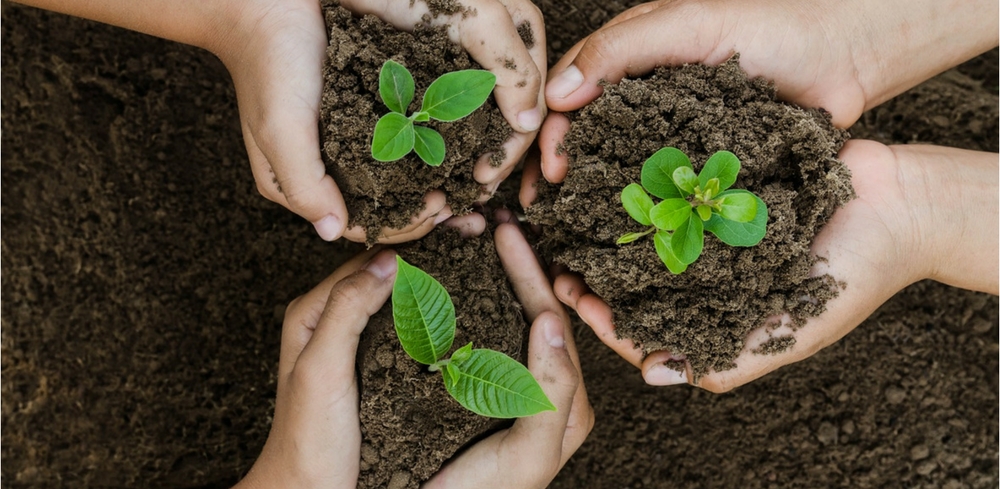
Plant trees in your backyard with them. You can teach them the art of gardening and also tell them about compost pits. It is a good hobby for your kids to row up nurturing a living organism and to be compasssionate towards others.

  • BEST OUT OF WASTE:
Best Out Of Waste Ideas : Best Things Made From Car Tyres

Making interesting and useful objects at home from waste will be a good bonding activity. One can make creative items like newspaper wall hangings, old plastic bottles can be made into show pieces or pen stands,etc.Show them how to reusee than discarding and hence creating less wastage.

  • REUSE- REDUCE -RECYCLE:
Reduce, Reuse, Recycle - Knowledge Bank - Solar Schools

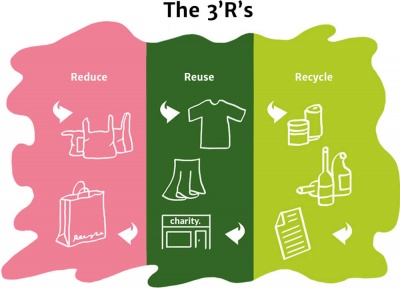
Use tote bags or bins when shopping, say no to the plastic shopping bag. Select packaging that does not have a lot of excess waste. Use dinnerware that can be washed instead of paper plates and plastic ware. Only buy things that you will use in the immediate future.

Give your discards a chance at a second life by holding a yard sale or donating items to Goodwill, the Salvation Army, Habitat for Humanity, or other charitable outlets.  Contact schools and nursery schools to find out different types of items they reuse for art projects.  Donate used books to the Library.  Several organizations take used cars and even boats. 

Child Rights equally important

Children and childhood across the world, have broadly been construed in terms of a ‘golden age’ that is synonymous with innocence, freedom, joy, play and the like. It is the time when, spared the rigours of adult life, one hardly shoulders any kind of responsibility or obligations. But, then, it is also true that children are vulnerable, especially when very young. The fact that children are vulnerable, they need to be cared for and protected from ‘the harshness of the world outside’ and around.

This being so, the adult-child relation, parents, in particular, is said to provide ‘care and protection’ – serving thereby the ‘best interests of the child’ and meeting their day-to-day ‘needs of survival and development’. The adult is presumed to be the guardian and in that respect expected to take the responsibility of a child’s welfare and development. Whether or not, the premise underlying this is correct or not, the childhood ‘reality’ on the whole is questionable, demanding critical evaluation. Accordingly, idealistic notions and representations associated with children and childhood have been challenged, especially concerning poverty, disease, exploitation and abuse rife across the globe. Many also believe that childhood is that period during which children are subject to a set of rules and regulations unique to them, and one that does not apply to members of other social categories. It is indeed a period in a person’s life during which she/he is neither expected nor allowed to fully participate in various domains of social life. It is thus not a world of freedom and opportunity but one of confinement and limitation in which children are ‘wholly subservient and dependent’. This being so, childhood is nothing short of a world of isolation, sadness, exploitation, oppression, cruelty and abuse.

The UNCRC outlines the fundamental human rights that should be afforded to children in four broad classifications that suitably cover all civil, political, social, economic and cultural rights of every child:

Right to Survival:

• Right to be born

• Right to minimum standards of food, shelter and clothing

• Right to live with dignity

• Right to health care, to safe drinking water, nutritious food, a clean and safe environment, and information to help them stay healthy

Right to Protection:

• Right to be protected from all sorts of violence

• Right to be protected from neglect

• Right to be protected from physical and sexual abuse

• Right to be protected from dangerous drugs

Right to Participation:

• Right to freedom of opinion

• Right to freedom of expression

• Right to freedom of association

• Right to information

• Right to participate in any decision making that involves him/her directly or indirectly

Right to Development:

• Right to education

• Right to learn

• Right to relax and play

• Right to all forms of development – emotional, mental and physical

CRC and India

Adopted by the United Nations in 1989, the CRC is an international agreement legally binding on the parties signatory to it. It has incorporated in its various articles rights of children without any discrimination whatsoever. It was ratified by India on 11 December 1992. It has a preamble setting out different principles the CRC is built upon.

It is based on four basic principles:

1.  Non-discrimination (Article 2)

2.  Best Interest of the Child (Article 3)

3.  Right to Life Survival and Development (Article 6)

4.  Right to be Heard (Article 12)

Steps that can be taken to improve the lives of children.

·         Strengthen the reporting mechanism on violence against children by making it more accessible to children.

·         Develop a framework for the protection of children from online abuse and ensuring privacy, safety and confidentiality of data shared on digital platforms.

·         Enhance financial investment on child protection components

·         Sensitise parents, service providers and community for early identification and management of children facing abuse and violence; and sensitisation of children, parents and caregivers on gender issues.

·         Create awareness amongst children on safe usage of online platforms and protection from cyber abuse.

·         Strengthen the juvenile justice system in India and provide care, support and rehabilitation to survivors, particularly of sexual violence.

·         Ensure safe schools by integrating safe school principles in curricula, conduct awareness-raising workshops and develop capacities of teachers and other staffs

·         Emphasise on vocational training for children especially those involved in labour after they complete the age of 15 years.

Title – Being Women

Introduction –
‘It has never been a good time to be a woman.’ Shackled at home, deprived of rights in society, and subjected to gender bias at the workplace, women have borne the brunt of being the weaker sex all through history. Though the skew in rights and treatment haven’t quite corrected itself, women are possibly in a better place today than ever before. This is because of rising awareness, availability of global forums, and social media to voice their anguish and angst, changes in laws to empower them, and proactive governments to implement gender-neutral law. Still, there are many areas that can do with a nudge to empower them, one being the succession, inheritance laws, Marriage, Divorce (especially in Muslim law), Maintenance, Protection, Equal rights, and freedom. The share of inheritance of a woman is half that of a man. Since upon marriage, a woman receives mahr and maintenance from the husband, as well as inheritance, while a man only has the inherited property, it is generally considered that the woman should have a lesser share in the inherited property.
When all these things get over, there comes lack of freedom to choose what to wear, whom to marry, Pursuing career is war-like situation for a woman and when she fights with all this taboo she fears walking on the road with a sense of Security. She faces Eve Teasing, Assault, Violence, Rape, Trafficking, and whatnot. She even needs to prove to the law that she doesn’t bleed by choice, but that’s natural and sanitary napkins, taprooms are not luxurious but essential commodities. 

Though there are multiple amendments as of 2019 for women’s wellbeing still there is wide scope for development in the following fields – 
1 – Right to Education and pursue  job to make them self-reliant
2 – Equal Share in Inheritance Property 
3 – Protection against Unconstitutional way of divorce.
4 – Gender Equality 
5 – Protection against men doing four Nikhas (marriage) and get entitlement under uniform civil code and such act shall get published under bigamy or polygamy as the case may be. 
6 – Freedom to choose a life partner from other caste as well, as India is Secular country hence prohibiting adults to choose a partner to get married from same cast shall be offense. 7 – Age of puberty shall not be same as Age of maturity hence At least till women attain age of 18 she shall not be forced to get married as she should be given chance to develop mentally and physically for becoming part of married life and having sexual intercourse or say conceiving child.(under Muslim Law) 

Article 44 of Indian Constitution – Uniform Civil Code v. Women’s Right – 
Because none of the politician want to loosen their vote banks, they never actually give a try for uniform civil code for all citizens irrespective of Gender or Caste. But unfortunately Womans specially Muslim Sisters are suffering alot to get justice because of their own septate Muslim Act (not being against their Act but raising voice for equal opportunity and justice for both gender) I feel it’s peak time to make uniform law in practicality and end this controversy of applicability of Article 44.

“Women don’t need special treatment they just need protected environment with equal opportunity to develop as a human and enjoy Right to Life and Personal liberty provide under Article 21 of Constitution.”

#woman #Article44 #Article21 #righttobleed #righttosafety

                                                                                                                       By Sonu Chaturvedi 

The birth of ROMO

Till the time when everything was ‘normal’, there existed a phenomenon that was quite common and that which caused stress. Termed as ‘FOMO’, and acronym for ‘Fear of Missing Out’ which describes a perception that others are having a better life, experiencing better things and are having much more fun and you are leading just a regular life. This phenomenon has existed for many years, but with the advent and excessive use of social media, this phenomenon has gained too much importance. FOMO usually occurs when a bunch of your ‘social media’ friends post some photos of some event without you (usually displaying the positive aspect while hiding the negative aspect), you tend to measure your life on their scale and you consider your life to be very ‘normal’. You feel like you are missing out on all the fun. Over the years, FOMO has manifested itself due to ‘posts’ on Facebook and Instagram.

But wait, times have changed. COVID-19 has practically faded the phenomenon ‘FOMO’ which concurrently gave birth to ‘ROMO’, an acronym of ‘Reality of Missing Out.’ Not only this pandemic has paralysed the world, it has also erased the feelings of missing out on fun considering the fact that everyone is locked indoors. With ROMO, you know that it is not cool to go outdoors and have fun with friends while breaking the rules of isolation.

ROMO gives a feeling of despair while losing out to go on to even the simplest of things. Like going out for dinner to a nearby restaurant, missing out for an ice-cream treat at park, going out for grocery shopping or even simply just going out for a stroll. The usual feeling of ‘getting bored’ is now substituted by different conflicting feelings such as – ‘Will I die?’, ‘Will my parents be alive?’, ‘Will I ever be able to go out for a nice dinner?’, ‘Will I be able to enjoy life as before?’. Apparently, such questions keep on running across my or anyone’s mind.

Isolation and quarantine has practically crippled the entire world. Everything around us seems to be on hold – like we are waiting for some kind of a miracle to lift the veil of such darkness. Events like religious festivals, sports tournaments, summer parades at my school, convocation at my B-School, to name among a few, got cancelled. It is very heart wrenching to see that life is just pacing forward and we are actually missing our present and that is a very harsh reality. Family members waiting to receive their ‘chemotherapy’ sessions, pre-final year students waiting to get back to their college and grand-parents waiting to visit their children, and we all are waiting, running desperately to reach the end of the tunnel. Our present is fleeting like sand sifting through our fingers, waiting for everything to end.

It is rather funny to think that just a few months back, we all had the opportunity to make choices, deciding where to go and which options need to be thrown out of the window. But think about now. Do we actually have any opportunities to even think over?

Source: https://www.bloomberg.com/opinion/articles/2020-04-26/covid-19-has-taken-us-from-fomo-to-romo

Shift in the workplace legal structure

COVID-19 has completely revolutionized the workplace by pushing most of the organizations and the businesses to quickly switch from ‘office model’ to ‘work-from-home’ model. While working under the roof of an office, there existed legislations and legal framework to monitor the behaviour, but those existing policies need to be adjusted so as to incorporate the WFH scenario.

Some key areas where the legal framework needs to be adjusted are:

  1.  Women working at night. Previously as per the Shops and Establishment Act of each state, women employees were prohibited to work during some specified hours at night or they have to arrange for transport services along with escort to make sure that they reach their home safely. So employers had to face compliance issue with regard to women employees. But now since most female employees have moved to WFH, so the employers are free from such compliance issues and at the same time, the floor is open for the employers to look out for those women population who could not previously access the jobs due to geographical and other constraints.
  2. Change in compensation structure. Previously many allowances such as conveyance allowance, meal allowance or food coupons were given out to employees as a part of hardship allowance. But this might not be attractive now considering the WFH scenario. Instead, employers should provide other allowances such as internet reimbursement, ergonomic allowances, IT expenses etc.
  3. Sexual harassment at the new workplace. POSH Act was passed in the year 2013 for the prevention of sexual misconduct at office. But now as the workplace has changed, new forms of misconduct such as repeated phone calls at inappropriate and ungodly hours, forcing to switch on videos, playfully passing lewd remarks and over-discussion of work are creeping up with time. Considering the face that the boundary between work and home has become blurred, POSH needs to incorporate some new rules to prevent such misconduct.
  4. Overtime work. Just a few months back, employers used to measure productivity by checking the entry and exit times of an employee. They used to do so by either swiping their cards or by biometric screening. So if an associate is doing overtime work, usually it was thought that the person is very hardworking. But now the associates are working from home, so performance should now be measured depending on the outcome of the employees rather than on the time spent on doing the work.
  5. Security and compliance threats. SEZ does not have guidelines for WFH facility but STPI has it. As per them, it is necessary for the employees to work on Virtual Private Network. So employees should spend on securing a robust and private WiFi so that that IT security is not compromised on the local system and confidentiality is maintained.
  6. Modification of labour laws like maternity benefits and compensation laws. Previously associates can claim compensation from the employers if any accident occurs at the workplace, but now with the WFH arrangement, the existing compensation laws need to be modified so as to arrange for any compensation if any accident occurs at home.

Our workplace dynamics have completely changed and to enable smooth transition, employers also need to look into the existing legal structure so that eventually the employees does not feel to be disadvantaged. Our home is the new workplace and so laws have to be adjusted taking our ‘home-office’ into consideration.

Source – Self

Is death sentence a solution?

All punishments are based on the same proposition i.e. there must be a penalty for wrongdoing. There are two main reasons for inflicting the punishment. One is the belief that it is both right and just that a person who has done wrong should suffer for it; the other is the belief that inflicting punishment on wrongdoers discourages others from doing wrong. The capital punishment also rests on the same proposition as other punishments. The capital punishment debate is the most generally relevant, keeping in mind the situation that has been brought about by today. Capital punishment is an integral part of the Indian criminal justice system. The increasing strength of the human rights movement in India, the existence of capital punishment is questioned as immoral. However this is an odd argument as keeping one person alive at the cost of the lives of numerous members or potential victims in the society is unbelievable and in fact, that is morally wrong.

MEANING OF CAPITAL PUNISHMENT Capital punishment, also called the death penalty, execution of an offender sentenced to death after conviction by a court of law for a criminal offence. Capital punishment should be distinguished from extrajudicial executions carried out without due process of law. The term death penalty is sometimes used interchangeably with capital punishment, though the imposition of the penalty is not always followed by execution (even when it is upheld on appeal), because of the possibility of commutation to life imprisonment. The term “Capital Punishment” stands for the most severe form of punishment. It is the punishment which is to be awarded for the most heinous, grievous and detestable crimes against humanity. While the definition and extent of such crimes vary from country to country, state to state, age to age, the implication of capital punishment has always been the death sentence. By common usage in jurisprudence, criminology and penology, the capital sentence means a sentence of death.

POLITICAL COMMITMENTS REGARDING CAPITAL PUNISHMENT GLOBALLY

Ø  Several resolutions of the UN General Assembly (UNGA) have called for a moratorium on the use of the death penalty. In 2007, the UNGA called on states to “progressively restrict the use of the death penalty, reduce the number of offences for which it may be imposed” and “establish a moratorium on executions to abolish the death penalty.” In 2008, the GA reaffirmed this resolution, which was reinforced in subsequent resolutions in 2010, 2012, and 2014. Many of these resolutions noted that “a moratorium on the use of the death penalty contributes to respect for human dignity and to the enhancement and progressive development of human rights.” In 2014, 117 States had voted in favour of the most recent resolution. India has not voted in favour of these resolutions.

Ø  In a 2013 resolution, the UN Human Rights Council acknowledged “the negative impact of a parent’s death sentence and his or her execution on his or her children,” and urged “States to provide those children with the protection and assistance they may require,” Human Rights Council resolution, 2014 noted that “States with different legal systems, traditions, cultures and religious backgrounds have abolished the death penalty or are applying a moratorium on its use” and deplored the fact that “the use of the death penalty leads to violations of the human rights of those facing the death penalty and of other affected persons.” The Human Rights Council urged states to ratify the Second Optional Protocol to the International Covenant on Civil and Political Rights.

Ø  The law of extradition has been another tool for countries pushing for the abolition of the death penalty. Several abolitionist countries either require assurances that retentions-extraditing countries not impose the death penalty, or have included such a clause in bilateral extradition treaties.

CAPITAL PUNISHMENT: THE CURRENT STATUS Supreme Court on Validity of Capital Punishment in India Article 21 of the Indian Constitution ensures the Fundamental Right to life and liberty for all persons. It adds no person shall be deprived of his life or personal liberty except according to procedure established by law. This has been legally construed to mean if there is a procedure, which is fair and valid, then the state by framing a law can deprive a person of his life. While the central government has consistently maintained it would keep the death penalty in the statute books to act as a deterrent, and for those who are a threat to society, the Supreme Court to has upheld the constitutional validity of capital punishment in “rarest of rare” cases. In Jagmohan Singh vs State of Uttar Pradesh (1973), then in Rajendra Prasad vs State of Uttar Pradesh (1979), and finally in Bachan Singh vs State of Punjab (1980), the Supreme Court affirmed the constitutional validity of the death penalty. It said that if capital punishment is provided in the law and the procedure is a fair, just and reasonable one, the death sentence can be awarded to a convict. This will, however, only be in the “rarest of rare” cases, and the courts should render “special reasons” while sending a person to the gallows.

JUDICIAL REVIEW OF EXERCISE OF MERCY POWERS

The Supreme Court in Shatrughan Chauhan case has recorded that the Home Ministry considers the following factors while deciding mercy petitions:

a)      Personality of the accused (such as age, sex or mental deficiency) or circumstances of the case (such as provocation or similar justification);

b)      Cases in which the appellate court expressed doubt as to the reliability of evidence but has nevertheless decided on conviction;

c)       Cases where it is alleged that fresh evidence is obtainable mainly to see whether a fresh enquiry is justified;

d)      Where the High Court on appeal reversed acquittal or an appeal enhanced the sentence;

e)      Is there any difference of opinion in the Bench of High Court Judges necessitating reference to a larger Bench;

f)       Consideration of evidence in fixation of responsibility in gang murder case;

g)      Long delays in investigation and trial etc.

I cannot comment on if the death sentence is right or not. But I do believe that India gives enough chances for an accused to prove his innocence. Our judicial system does not take decisions on convicting or acquitting an accused hurriedly. So I feel awarding death sentence in rarest of rare cases isn’t too unfair.

Child Trafficking


Trafficking of children is a form of human trafficking and is defined as the “recruitment, transportation, transfer, harboring, and/or receipt” of a child for the purpose of exploitation. The first major international instrument dealing with the trafficking of children is part of the 2000 United Nations Palermo protocols, titled the Protocol to Prevent, Suppress and Punish Trafficking in Persons, especially Women and Children. Article 3(a) of this document defines child trafficking as the “recruitment, transportation, transfer, harboring and/or receipt” of a child for the purpose of exploitation. The definition for child trafficking given here applies only to cases of trafficking that are transnational and/or involve organized criminal groups; in spite of this, child trafficking is now typically recognized well outside these parameters. The International Labour Organization expands upon this definition by asserting that movement and exploitation are key aspects of child trafficking. The definition of “child” used here is that listed in the 1989 U.N. Convention on the Rights of the Child which states, “a child means every human being below the age of 18 years, unless, under the law applicable to the child, majority is attained earlier.” The distinction outlined in this definition is important, because some countries have chosen to set the “age of majority” lower than 18, thus influencing exactly what legally constitutes child trafficking. Though statistics regarding the magnitude of child trafficking are difficult to obtain, the International Labour Organization estimates that 1.2 million children are trafficked each year. The trafficking of children has been internationally recognized as a serious crime that exists in every region of the world and which often has human rights implications. Yet, it is only within the past decade that the prevalence and ramifications of this practice have risen to international prominence, due to a dramatic increase in research and public action. A variety of potential solutions have accordingly been suggested and implemented, which can be categorized as four types of action: broad protection, prevention, law enforcement, and victim assistance.


OBJECTIVE OF CHILD TRAFFICKING IS OFTEN FORCED LABOUR


Children are trafficked for various reasons like children are trafficked for sexual exploitation, begging, child labour, etc.The objective of child trafficking is often forced child labour. Child labour refers specifically to children under a stipulated minimum age, usually 14 at the lowest, being required to work. UNICEF estimates that, in 2011, 150 million children aged 5–14 in developing countries were involved in child labour. Within this number, the International Labour Organization reports that 60% of child workers work in agriculture. The ILO also estimates that 115 million children are engaged in hazardous work, such as the sex or drug trade. Overall, child labor can take many forms, including domestic servitude, work in agriculture, service, and manufacturing industries. Also, according to several researchers, most children are forced into cheap and controllable labor, and work in homes, farms, factories, restaurants, and much more. Trafficked children may be sexually exploited, used in the armed forces and drug trades, and in child begging. In terms of global trends, the ILO estimates that in 2004–2008, there was a 3% reduction in the incidence of child labor; this stands in contrast to a previous ILO report which found that in 2000–2004, there was a 10% reduction in child labor. The ILO contends that, globally, child labour is slowly declining, except in sub-Saharan Africa, where the number of child workers has remained relatively constant: 1 in 4 children aged 5–17 work in this region. Another major global trend concerns the number of child laborers in the 15-17 age group: in the past five years, a 20% increase in the number of these child workers has been reported. A surprised example has occurred in the United States as McCabe (2008) indicates that in the 1990s, huge companies such as Gap and Nike were using industries “sweatshops” that use trafficked children to make their desired products.


CHILD LABOUR


Child labour refers to any work or activity that deprives children of their childhood. In effect, these are activities that are detrimental to the physical and mental health of children and that hinder their proper development. The International Labour Organization (ILO) defines child labor as work that is mentally, physically, socially or morally dangerous and harmful to children; and interferes with their schooling by: depriving them of the opportunity to attend school; obliging them to leave school prematurely; or requiring them to attempt to combine school attendance with excessively long and heavy work.
Child labour includes:
• Child labour before the minimum legal age : The basic minimum legal age at which children are authorized to work is 15 years (14 in developing countries). For light work (only a few hours from time to time) the limit is fixed at 13 to 15 years (12-14 in developing countries). Finally, for hazardous work, the limit is pushed up to 18 years (16 years under certain conditions in developing countries).
• The worst forms of child labour :This encompasses all forms of slavery or similar practices such as forced labour, trafficking, debt bondage, serfdom. It also includes illicit activities and/or activities likely to endanger the safety, health, and morals of children, such as prostitution, pornography, forced or compulsory recruitment for armed conflict, drug trafficking, etc.
• Hazardous work : This encompasses domestic tasks carried out over long hours in an unhealthy environment, in dangerous places requiring the use of dangerous tools or materials, or forcing the child to carry objects that are too heavy.
Certain activities are not considered labour or exploitation. Activities which simply involve helping parents to complete everyday family chores, to which children can dedicate a few hours a week and which permit them to earn some pocket money, are not considered child exploitation because they do not hinder their well being.


Child labour in India:
The use of child labour is very prevalence in India and the cause is deep rooted with poverty. UNICEF India has estimated 28 million children aged five to fourteen involved in work (UNICEF,2011) Child labour is not a new phenomenon in India where children has always worked. During the industrial revolution child labour increased, due to the shift of labour movements to colonial countries. Children can be found in every sector of the informal economy (Molanka,2008).The incidence of working children in India are engaged in hazardous occupations such as factories manufacturing diamonds, fireworks, silk and carpets, glass and bricks. There are several factors that force children to work such as inadequate economic growth, poverty, unemployment over population and lack of education and health care.
On school attendance in India a large number of children between ten to fourteen years of age are not enrolled in school because of household economic condition. Attendance in school or dropout differs for male and female while boys are more likely to provide financial income for the family, girls are more involved in household chores (Kakoli & Sayeed ,2013).High illiteracy and dropout rates are high in India due to inadequacy of the educational system. Even through many poor families don’t see education as a benefit to society, they consider that work develops skills that can be used to earn income (Ahmed, 2012).


NEGATIVE EFFECTS OF CHILD LABOUR


The difficulty of tasks and harsh working are the following:
• Working conditions create a number of problems such as premature ageing, malnutrition, depression, drug dependency etc.
• From disadvantaged backgrounds, minority groups, or abducted from their families, these children have no protection. Their employers do whatever necessary to make them completely invisible and are thus able to exercise an absolute control over them. These children work in degrading conditions, undermining all the principles and fundamental rights based in human nature.
• Additionally, a child who works will not be able to have a normal education and will be doomed to become an illiterate adult, having no possibility to grow in his or her professional and social life.
• In certain cases, child labour also endangers a child’s dignity and morals, especially when sexual exploitation is involved, such as prostitution and child pornography.
• Furthermore, a child who works will be more exposed to malnutrition. These children are often victims of physical, mental, and sexual violence.

INTERNATIONAL INSTRUMENTS CONCERNING THE TRAFFICKING OF CHILDREN
Some international instruments have specific provisions concerning the trafficking of children. The Convention on the Rights of the Child (1989), and the Optional Protocol on the Sale of Children, Child Prostitution, and Child Pornography (2000), prohibit trafficking in children for any purpose, including for exploitive and forced labour. Article 39 of the CRC requires States to “take all appropriate measures to promote physical and psychological recovery and social reintegration of a child victim of: any form of neglect, exploitation, or abuse.” The CRC also requires States to recognize the right of every child to education (Article 28) and “to facilities for the treatment of illness and rehabilitation of health” (Article 24). The Optional Protocol to the Convention on the Sale of Children specifies particular forms of protection and assistance to be made available to child victims.
Additionally, the ILO’s Worst Forms of Child Labour Convention (Convention No. 182 of 1999) prohibits perpetrators from using children under 18 years of age for all forms of slavery or practices similar to slavery, trafficking, debt bondage, serfdom, forced or compulsory labour, and prostitution. Article 7(2)(b) and (c) requires States to take effective and timely measures to provide for the rehabilitation and social integration of former victims of the worst forms of child labour, including trafficking, as well as to ensure their access to free basic education, and, wherever possible and appropriate, vocational training.


NATIONAL CONCERN FOR PREVENTION OF CHILD TRAFFICKING


Constitutional Provision
The Indian Constitution specifically bans the traffic in persons. Article 23, in the Fundamental Rights section of the constitution, prohibits “traffic in human beings and other similar forms of forced labor”. Though there is no concrete definition of trafficking, it could be said that trafficking necessarily involves movement /transportation, of a person by means of coercion or deceit, and consequent exploitation leading to commercialization. The abusers, including the traffickers, the recruiters, the transporters, the sellers, the buyers, the end-users etc., exploit the vulnerability of the trafficked person.
Anti Child Trafficking Laws
The 1949 Convention against trafficking gave rise to the first Indian law against trafficking-
The Suppression of Immoral Traffic Women & Girls Act 1956. Other legislation relations to child trafficking are:

1. Children (Pledging of Labor) Act, 1933

2. Immoral Trafficking (Prevention) Act 1956

3. Child Labor (Prohibition And Regulation) Act, 1986

4. Section 366,360B,372,373,370 of Indian Penal Code.

The judiciary has interpreted the aforesaid laws, in following landmark cases. It was categorically stated in Public at Large Vs. The State of Maharashtra and Ors by H’onble High Court of Bombay that the traffic in children is not confined only to what larger scale than innocent Members of this House may be aware – in what is known as White Slave traffic, namely, the buying and selling of young women including minor girl for export or import, from one set of countries to another; and their permanent enslavement or servitude to an owner or proprietor of the establishments of commercialized. In addition to this it was held by H’onble Supreme Court that a proper cell be created by Women and Child Welfare Department of the State of Maharashtra in order to rehabilitated victim of trafficking in society. On the same thought of line, it was observed in the Prerana Vs. State of Maharashtra & Ors that children who are being likely to be grossly abused, tortured or sold for the purpose of sexual abuse or illegal acts they will have to be produced before the Child Welfare Committee. Furthermore, the H’onble High Court of Bombay gave directions to state for Rehabilitation these victims of trafficking. In Vishal Jeet vs. Union of India H’onble Supreme Court issued directions to the state Government for setting up rehabilitate homes for children found begging in streets and also the minor girls pushed into ‘flesh trade’ to protective homes.

LEGAL FRAMEWORK AND POLICIES TO CONTROL CHILD LABOUR IN INDIA


The India government has established various proactive policies towards elimination of child labour. India has not yet ratified ILO Conventions 138 and 182 on banning child labour and eliminating the worst forms of exploitation. However the government of India implemented a child labour law in 1986(The Child Labour Prohibition and Regulation Act) the legislation sets a minimum age for employment of children at fourteen years and forbid child labour in dangerous sectors. The Government prohibits forced and bonded child labour but is not able to enforce this prohibition. The Child Labour Prohibition and Regulation Act does not forbid child labour but consider about regulating it.But indeed the law does not eliminate all forms of child labour specially when the vast majority of children under the age of fourteen are working in family farms or doing households (Venkatarangaiya Foundation;2005).


India has a number of child labour projects which have been implemented to help children from hazardous occupations and provide them an education. Including the National Child Labour Policy (NCLP) started in 1987. The aim of NCLP is to help children in hazardous activities and provide non-formal education, vocational training, supplementary nutrition etc. The ILO IPEC (International Programme on the Elimination of Child Labour) is also another progarmme which eliminate child labour, the programme sponsors 175 projects in India(Padmanabhan,2010 )
Furthermore, several NGOs like Care India, Child Rights and You, Global March against Child Labour, etc. have taken up the task to get the children back to school and also volunteers along with villagers. The MV Foundation is non-governmental organisation (NGO) whose mission is to tackle child labour through promoting elementary education, even approaching parents to send their children to school. In spite of various laws regarding child labour and much efforts done by the non-governmental organizations, nonetheless children continue to work on a massive scale in most parts of the country. This is a problem because most child labour laws in India do not cover all types of work such as agriculture, wholesale trade, restaurants and domestic works. Usually these children are the most vulnerable child labourers (Venkatarangaiya Foundation;2005).
Despite these efforts, child labour legislation to protect children has been unsuccessful, this is because of the majority of Indian population lives in rural areas with lack of infrastructure and is difficult to enforcement of laws and policies in rural areas. Many of the policies and legislative tools in India are rooted deeply in defection, allowing for illegal behaviours to take advantage of flaws. Many people believe that the cause of these behaviours is something technical, it will be shown that there is a relative heavy percentage of human omitting factor involved, often arising from the mentioned attitudes.


Mini-lockdown in West Bengal

5 days back on July 20, the Chief Minister of West Bengal, Mamata Bannerjee and the Home Secretary, Alapan Bandopadhyay conducted a meeting where it was jointly decided to impose a 2-day lockdown for every week in West Bengal. The sole reason for this lockdown is community transmission at some places in West Bengal. Due to such high rise of spread of infection, it was came as a verdict that offices, transports services and all the local shops will be closed on these 2 days. For this week 19th July to 25th July, those 2 days were Thursday (23rd July) and Saturday (25th July).

Due to the increase in the number of positive cases in west Bengal, our state minister had to take such a drastic step to contain the transmission. It was also decided that there will be further reviews if there arises any change in decision. To promote the mandatory 2-day lockdown, the city police have also undertaken quite a few steps to ensure compliance. They have released a mask-wearing awareness anthem, sung by Usha Utthup. At the same time, an awareness campaign ‘Mask-up Kolkata’ was promoted by Anuj Sharma, Police Commissioner.

West Bengal Lockdown 4.0 Guidelines: State to issue notification ...
Police raiding the streets of Kolkata

For one, the cases in West Bengal have been rising at an alarming rate. Apparently, Monday recorded 2,282 new cases, taking the total to 44,769. So to take this under control, the West Bengal police is also taking very strict steps to ensure that the citizens are following the lockdown rules. Around 10,000 policemen have hit the streets of West Bengal at around 5:30 am to curb the normal trends. Throughout the day, multiple cases came out where the house maids were trying to reach their places of work, shop owners even tried to open their shops with much disregard for the policemen and so much so, people just wandered off to the street saying that they were not aware of the rules of this new lockdown. But sadly, this time the police was there to check their behaviour and to make sure that there is no relaxation of the rules. The state ensured to circulate drones so as to prohibit people from leaving their homes. Cases arose where the bike riders tried to get away from the situation or where the shop owners forcefully tried to open their shops, ultimately resulting in police booking.

Yes at the end of the day, police cases arose from the places which had been declared as containment zones. As per Thursday’s report, 256 FIRs were registered, 1,273 people were arrested, 19 vehicles were seized, 665 people were booked for not wearing the masks and 128 people were caught for spitting openly on the roads. But in most of the cases, the victims complained that they were not aware of the exact conditions of this 2-day lockdown.

West Bengal, especially Kolkata, is doing a great job while trying to combat the increased transmission. But it is very necessary for Kolkata to stick to its own words to achieve success in this mission. And more importantly, we, the citizens should be cooperative enough to make this mission successful.

Source: https://www.timesnownews.com/kolkata/article/kolkata-west-bengal-govt-imposes-2-day-lockdown-every-week-after-community-transmission-detected-in-few-areas/625057

https://timesofindia.indiatimes.com/city/kolkata/kolkata-all-boxes-ticked-for-lockdown-day-ii/articleshow/77161203.cms

Steps to finding the Right Career for You

While it will likely change over time, focusing on a certain career path can help inform your decisions about your professional growth as you gain skills and experience. It’s important to reflect on your interests, skills and career goals as you make certain life choices such as which school to apply for, which entry-level job is right for you, whether to get a post-graduate degree or specialized certification and more.

In this article, I will focus on how to identify your key skills and interests, match those qualities to a potential job field and start a career.

1- WRITE DOWN CAREER GOALS

Before selecting a career, start with self-reflection by asking and answering certain questions. Active reflection helps narrows your choices into something more specific.

Consider asking yourself:

  • What do I want from my career?
  • What are my core values?
  • What activities do I most enjoy, professionally or in my free time?
  • What are my interests?
  • What are my strengths and aptitudes? Soft skills? Hard skills?
  • Do I want to specialize in certain technical skills or take on management roles?

Once you answer questions like these (and any others that are important to you), you can better research potential careers paths. It’s also important to revisit your career goals as you grow personally and professionally to ensure your goals remain achievable and aligned with your interests.

2- Set one short term & one long term goal

Once you have narrowed down your options, consider establishing milestones for your career. Research where other people in your field are at five or ten years into their career, and make note of the job titles they have. Decide what title or advancements you want to have at these future points. Then research what you can do to reach those goals. You may need to undergo training programs, take on specific responsibilities or hold prerequisite positions.

By establishing career goals five or ten years in the future, you can plan based on what progress you should expect every year. Schedule time regularly to reflect on your career and goals.

3- Identify your Personality Type

A personality type is a set of personality traits that can be grouped together. There are multiple methods for discovering your personality type, many of which focus on your responses to different situations. Different personality types may naturally gravitate toward different interests and develop different strengths, including careers.

Different tests list common career choices for each personality type. If you take a variety of tests and one or two careers appear across multiple tests, that specific career is likely worth researching.

4- Did you enjoy your previous job/internship?

Your job satisfaction in previous roles can also help guide your career choices. Identify trends in your previous positions, such as focusing on a specific technical skill. Also, review your job history to identify positions that you felt fulfilled in.

5- Educate yourself with the Job requirements – skills, knowledge, interests,etc

Many jobs have specific education requirements for applicants and new hires, such as obtaining a high school diploma, completing a bachelor’s degree program or having a master’s degree. Some positions also require applicants to have their degrees in a specific field related to the position.

Review the education requirements for jobs you are interested in, and apply for jobs that accept your current level of education or research additionally degrees or certifications you may need.

6- Work on gaining expertise in the skills you already possess

Make a list of your current skills, certifications and areas of expertise. Also ask for feedback about your technical, interpersonal and people management skills from coworkers and colleagues. This evaluation can help you find careers that match what you are best at.

7- If you can choose your interest as your career,what will it be?

Depending on your personality, you may have interests that lend themselves to different careers. Examine your hobbies, past volunteer experiences and interests to identify activities or fields you enjoy. While this information is outside of a professional context, creating a list of activities you like can help you focus a career search. For example, you may enjoy a career in cybersecurity if you enjoy logic puzzles, or you may enjoy a traveling sales role if you like meeting new people.

Use this knowledge to apply for short-term positions or volunteer opportunities to explore new career options. This first-hand experience allows you to test your suitability for a career. If you are currently in school or have a job, consider taking a course or certification program that is required for a field that interests you. This experience can help you determine if the career’s skills and content are something you enjoy.

8- Consider your salary needs

Depending on your lifestyle, you may require a certain salary. Find average salaries by job title, company and location on salaries. This can be a good starting point for determining how much money you may have when first starting out, as well as your earning potential after you’ve gained a certain amount of time and experience. While salary certainly does not equal an engaging, satisfying job, it is an important factor to consider when mapping out your career path.

Poverty; the silent killer of Indian society

Haven’t we heard this word too often or have we stopped listening? We have all felt a shortage of cash at times. That is an individual experience. It is not the same as the social problem of poverty. While money is a measure of wealth, lack of cash can be a measure of lack of wealth, but it is not the social problem of poverty.

Poverty as a social problem is a deeply embedded wound that permeates every dimension of culture and society. It includes sustained low levels of income for members of a community. It includes a lack of access to services like education, markets, health care, lack of decision making ability, and lack of communal facilities like water, sanitation, roads, transportation, and communications. Furthermore, it is a “poverty of spirit,” that allows members of that community to believe in and share despair, hopelessness, apathy, and timidity. Poverty, especially the factors that contribute to it, is a social problem, and its solution is social

Poverty is a peculiar problem from which various countries of the world, particularly the Third World, have been suffering. There cannot be a common definition of poverty which can be broadly accepted everywhere. Thus there are large differences between the definitions of poverty accepted in various countries of the world.

Poverty is considered as the greatest challenge faced by the societies in the third world countries. Poverty is also concerned with the comparison with respect to a fixed line—known as poverty line. However, the poverty line is fixed extraneously and, therefore, remains fixed for a certain period.

Poverty Line:

Normally poverty is defined with poverty line. Now the question which is relevant at this point is what the poverty line is and how is it fixed? The answer to the question is that the poverty line is a cut-off point on the line of distribution, which usually divides the population of the country as poor and non-poor.

Accordingly, people having income below the poverty line are called poor and people with income above poverty line are called non-poor. Accordingly, this measure, i.e., the percentage of people living below the poverty line is known as head count ratio.

In India, broadly accepted definition of poverty emphasises more on minimum level of living rather than on reasonable level of living. Accordingly, it is broadly agreed that poverty can be termed as a situation where a section of the population fails to reach a certain minimum consumption standard. Differences arise with the fixing of this minimum consumption standard.

After a thorough examination, the study group set up by the Planning Commission in July 1962 recommended a standard of private consumption expenditure of Rupees 20 (at 1960-61 prices) per capita per month as the bare minimum amount common to both rural and urban areas.

Top 7 Causes of Poverty in India

1. Lack of Inclusive Economic Growth:

The first important reason for mass poverty prevailing in India is lack of adequate economic growth in India. In the first three decades of planned development (1951-81) in India, annual average growth in national income had been 3.6 per cent. With 2.1 per cent per cent per annum growth in population, per capita income grew by only 1.5 per cent per annum during this period. In addition, with the increase in saving rate from about 9 per cent in 1950-1951 to 20 per cent of GDP in 1979-80, increase in per capita consumption expenditure was too small to make any significant dent on the problem of poverty. Besides, because of prevailing income inequalities per capita consumption expenditure of the poor could have hardly risen.

2. Sluggish Agricultural Performance and Poverty:

Many economists have pointed out that in the year of good agricultural output, poverty ratio declines. Good performance in agriculture leads to more employment opportunities and fall in prices of food grains. More employment opportunities and lower food price cause poverty ratio to decline. The experience of Punjab and Haryana shows that with agricultural growth through use of new high yielding technology (popularly called green revolution); poverty ratio can be significantly reduced. However, in various states of the country such as Orissa, Bihar, Madhya Pradesh, Assam, East Uttar Pradesh, where poverty ratio is still very high new high-yielding technology has not been adopted on a significant scale and as a result agricultural performance has not been good. As a result, poverty prevails to a larger extent in them.

3. Non-implementation of Land Reforms:

Equitable access to land is an important measure of poverty reduction. Access to adequate land, a productive asset, is necessary for fuller employment of members of an agricultural household. Most of the rural poor are agricultural labourers (who are generally landless) and self-employed small farmers owning less than 2 acres of land.They are unable to find employment throughout the year. As a result, they remain unemployed and under-employed for a large number of days in a year. No wonder that these landless agricultural labourers and self- employed small farmers remain poor. Land-reforms were intended to provide them equitable access to land.

4. Rapid Population Growth:

Rapid population growth since 1951 is another important factor responsible for persisting poverty in India. Population in India has increased from 36 crores in 1951 to 102.7 crores in 2001, that is, 66 crores people have been added to the Indian population in the last about 50 years since independence. Rapid population growth causes excessive sub-division and fragmentation of holdings. As a result, per person available land has greatly declined so that households do not have access to sufficient land to produce enough output and income for them.

Further, rapid growth of population increases the dependency ratio, that is, an earning member has more persons to support. This causes lower per capita consumption expenditure which is not enough even to meet the basic needs.

5. Unemployment and Under-employment:

The existence of unemployment and under­employment in the Indian economy is another cause of poverty in India. Unemployment prevails more among casual labour whose proportion in labour force has been increasing and in their case unemployment and poverty go together.

The unemployment has been caused by rapid growth of population and labour force on the one hand and relatively low rate of capital formation and economic growth on the other. Besides, the generation of employment opportunities by the organised sector has been quite insignificant.

As a result, the demographic reassure on land has been increasing resulting in unemployment, and disguised unemployment in agriculture and the informal sector. Thus has caused low productivity, low incomes and poverty.

6. Slow Growth of Employment:

In the beginning of the planning era it was thought the organised sector over a period of 20 years will generate sufficient employment opportunities for the unemployed poor. The actual experience has belied these hopes. Take, for instance, the experience of the last decade (1990-2000) of economic development.

7. Inflation and Food Prices:

Rate of inflation and level of food prices is an important factor that causes poverty. Inflation, especially rise in food prices, raises the cost of minimum consumption expenditure required to meet the basic needs. Thus, inflation especially raises in food prices pushes down many households below the poverty line.

Global Programmes Impacting against Poverty in India

Many initiatives are being taken up at the global front as well to help solve the problem of hunger and poverty. Some of these are:

1.      Ending Child Hunger and Undernutrition Initiative (ECHUI)-

This is a global initiative started by World Food Programme (WFP) that ensues global partnership and aims at reducing the causes and effects of child hunger and undernutrition. It aims to mobilise resources for actions on national levels to build awareness and address the issue on a global scale. On any given day, WFP has 5,000 trucks, 20 ships and 92 planes on the move, delivering food and other assistance to those in most need. Every year, they distribute more than 15 billion rations at an estimated average cost per ration of US$ 0.31.

2.      Agenda 2030-

Agenda 2030 is the shortened name given to the Sustainable Development Goals (SDGs) is 17 goals set by the UN General Assembly in 2015. The top two goals of the agenda are to “End Poverty in all its forms, everywhere” and “End Hunger, achieve food security and improved nutrition, and promote sustainable agriculture”. This shows that the need of the hour is focusing on the poverty and its most drastic side effect of hunger. Most countries lack data on poverty and especially child poverty and thus it makes it difficult to make projections for the future.

3.      US Government Global Food Security Strategy (2017-2021)-

After the Global Food Security Act on 2016, the US Government, in partnership with other governments, universities, research institutes, civil societies and private sector built this strategy to focus on challenges like poverty and hunger. The vision of this strategy is “A world free from hunger, malnutrition and extreme poverty.”

Mercy Corps worked closely with private sector partners, other NGOs, academic and research institutions, the faith community and Members of Congress to help pass H.R. 5129 and S. 2269 amendment bills. This bill ensures the Global Food Security Act’s improvements to the Global Food Security Strategy and the Feed the Future Initiative will continue beyond 2018.

12 Great Inventions you didn’t know were made in INDIA

Indian inventions and discoveries have been instrumental in shaping the face of the current modern world. I have picked 12 such interesting findings out of a whole bunch that will make you go, “I didn’t know that”.

Shampoo

12 Best Drugstore Shampoos 2020 Under $10

The word ‘Shampoo’ is derived from chāmpo (चाँपो). It was initially used as a head massage oil for the Nawabs of Bengal during the Mughal Empire around 1762. It evolved into shampoo over the years. Yes, you have India to thank for shampoo.

Buttons

Microsoft Store on Twitter: "Did you know Count Your Buttons Day ...

Buttons were first used in Mohenjo-daro for ornamental purpose rather than for fastening. They were first used in the Indus Valley Civilization by 2000 BCE.

The Chess Game

1st FIDE World Corporate Championship

Chess developed out of Chaturanga, which is an ancient strategy board game developed during the Gupta Empire in India around the 6th century AD. Now you know why Vishwanathan Anand is such a pro. It is simply in our roots.

Ruler / Scale

11 Online Rulers To Use When You Can't Find A Physical One

Rulers were first used by the Indus Valley Civilization prior to 1500 BCE. Made of ivory, the rulers found during excavation, reveal the amazing accuracy of decimal subdivisions on it.

Radio / Wire-less Communication

Why India has only 179 community radio stations instead of the ...

We all know that Marconi received a Nobel Prize in Physics in 1909 for contribution to the development of wireless telegraphy. But the first public demonstration of radio waves for communication was made by Sir Jagdish Chandra Bose in 1895, two years prior to Marconi’s similar demonstration in England.

Sir Bose was posthumously credited (more than a century later) for his achievement. The fact remains that this discovery truly shaped the face of modern wireless communication.

Ink

Pin on Writing

Many ancient cultures and civilizations independently discovered and prepared ink for writing purposes. The source of carbon pigment used in Indian Ink (called musi) used in ancient India, was India. Since 4th century BC, the practice of writing with ink with a sharp pointed needle was common in South India.

Flush in Toilets

Why Toddlers Go Potty at Day Care but Not at Home

Flush toilets were first used in the Indus Valley Civilization. These existed in most homes and were connected to a sophisticated sewage mechanism. The civilization was prominent in hydraulic engineering.

Diamond Mining

Diamonds

Worldwide, India was the only source of diamonds until the discovery of mines in Brazil in the 18th century. Almost 5000 years ago, diamonds were first recognized and mined in central India.

Cotton – so basically we clothed the World!

Cotton-Ancient and Modern Fiber | Memory Foam Mattress

The ancient Greeks used to wear animal skins and were not even aware of cotton. But Indians were sort of cool and started cultivating cotton during the 5th – 4th millennium BCE in the Indus Valley Civilization. The word spread to the Mediterranean and beyond and soon everyone was ordering one from Flipkart. Well, pretty much.

Steel and Metal Works

How to build a working iron man suit! - YouTube

Ancient Indians were pioneers in metallurgy. High quality steel was produced, almost two thousand years before it was understood by the West. One of the most remarkable feat in metallurgy: creating a seamless celestial globe, was invented in Kashmir. It was earlier considered impossible to create a metal globe without seams.

So thanks to India, Iron Man can wear his suit now.

Plastic Surgery & Cataract Surgery

Geetika Swami on Twitter: "Sushruta,father of Plastic surgery ...

Yes, you heard it right. Indians were pioneers in Plastic Surgery and Cataract surgery, too. It was carried out in India as early as 2000 BCE by Rishi Sushruta also known as the father of surgery.

Snakes & Ladders

Snakes & Ladders ! - YouTube

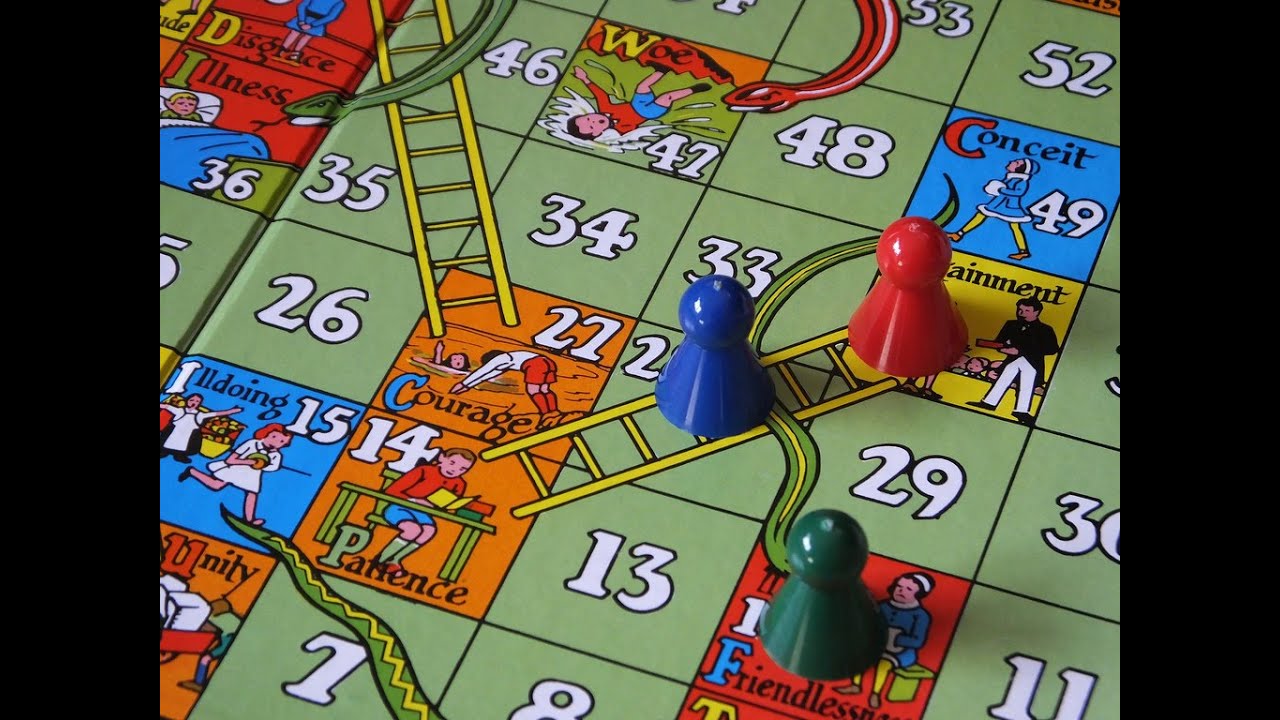
The game, Snakes & Ladders,  was invented in India as a game of morals. Later it spread to England and eventually introduced in the USA by game pioneer Milton Bradley in 1943.

Being one of the oldest civilizations in the world, complete with a rich history and culture as well as a strong and long scientific and technological tradition, it comes as no surprise that many significant inventions have come out of INDIA. 

BULLYING; a known DEVIL

One of the biggest problems that people face these days is bullying. Right from children to adults everyone has faced bullying some or the other way. Bullying is unwanted, aggressive behaviour among school-aged children that involves a real or perceived power imbalance. The behaviour is repeated, or has the potential to be repeated, over time. Both kids who are bullied and who bully others may have serious, lasting problems.

To be considered bullying, the behaviour must be aggressive and include:

  • An Imbalance of Power: Kids who bully use their power—such as physical strength, access to embarrassing information, or popularity—to control or harm others. Power imbalances can change over time and in different situations, even if they involve the same people.
  • Repetition: Bullying behaviours happen more than once or have the potential to happen more than once.

Bullying includes actions such as making threats, spreading rumours, attacking someone physically or verbally, and excluding someone from a group on purpose.

Bullying can occur during or after school hours. While most reported bullying happens in the school building, a significant percentage also happens in places like on the playground or the bus. It can also happen travelling to or from school, in the youth’s neighbourhood, or on the Internet. People usually think of bullying as taking place between children at school. However, it can also occur at work and include aggressive behaviour’s like verbal abuse, sabotaging the victim’s job or work relationship, or misusing authority. Adult bullies who engage in these behaviours are males 60% of the time. While men who bully tend to victimize both genders equally, women bullies target other women about 80% of the time.

Types of Bullying

There are three types of bullying:

  • Verbal bullying is saying or writing means things. Verbal bullying includes:
    • Teasing
    • Name-calling
    • Inappropriate sexual comments
    • Taunting
    • Threatening to cause harm
  • Social bullying, sometimes referred to as relational bullying, involves hurting someone’s reputation or relationships. Social bullying includes:
    • Leaving someone out on purpose
    • Telling other children not to be friends with someone
    • Spreading rumours about someone
    • Embarrassing someone in public
  • Physical bullying involves hurting a person’s body or possessions. Physical bullying includes:
    • Hitting/kicking/pinching
    • Spitting
    • Tripping/pushing
    • Taking or breaking someone’s things
    • Making mean or rude hand gestures

Cyberbullying

As the social life of young people has moved onto the internet, so has bullying, with electronic bullying becoming a significant new problem in the past decade. Whereas bullying was once largely confined to school, the ubiquity of hand-held devices affords bullies constant access to their prey. Cyber harassment can be especially disturbing because it can often be carried out anonymously; victims may have no idea who the perpetrators are.

How has the internet changed bullying?

The anonymity of cyberbullying removes many restraints on meanness and amplifies the ferocity of aggression. It’s easier to inflict pain and suffering on others when you don’t have to look them in the eye. Constantly evolving digital technologies enable new ways of spreading false information about targets.

How do bullies harm others on the internet?

Both direct harassment and relational aggression thrive on the internet. Cyberbullies can spread false rumours with viral speed on social media. They can falsely impersonate someone and conduct all manner of mischief in someone else’s name. Sexual harassment and cyberstalking particularly target women. And long after the active bullying has stopped, malicious information can linger on the internet and continue to harm.

How can people reduce their risk for being bullied?

Since low self-esteem tends to be a risk factor for becoming the victim of bullying, interventions that promote confidence and self-esteem are important ways to reduce the risk of being bullied. Confidence builders can range from engaging in activities at which the person excels (for example, theatrical performances, sports teams, and special work projects) to engaging in psychotherapy. As isolation is both a risk factor and result of bullying, helping the person feel less alone by lending a listening ear and/or engaging in a support group can go a long way toward providing the community needed to prevent a person from being bullied. The government has launched a helpline to take care of bullying please do not hesitate to take help.

Patriarchy

It refers to the hierarchical relations between men and women whereby men dominates and control over women’s sexuality. 

Structures of patriarchy

According to Sylvia walby patriarchy as a system of social structure where men are in the dominant position to exploit and opress women.

She talks about six structures of patriarchy;

1. Patriarchal mode of production,

2. Patriarchal relations in paid work,

3. Patriarchal relations in the state,

4. Male Violence,

5. Patriarchal relations in sexuality,

6. Patriarchy relations in cultural      institutions. 

Now, let us study some of the institutions, practices and norms that maintain patriarchal set up of the society.

Family

Kate millets says “patriarchy’s chief institution is the family”. Family is the main agent of socialization where young boys and girls first encounter patriarchal power.generally, whatever is taught by the patriarchal ideology running in the family is accepted as natural and unchallengeable.

School 

Women need to go to the school to receive education, in order to achieve freedom in true sense. The patriarchal belief system rests on the assumption that there’s no need to enrich women with higher level of education as they just have to remain inside the four walls.patriarchy is able to make women ignorant of her capabilities and makes them highly dependent on the menfolk.

Marriage

Marriage is practiced and institutionalised in our society keeping in mind tha patriarchal ideology and it’s structure. Our society has put certain Norms and values that a man and woman have to follow to make their marriage acceptable by people at large for instance , in the marriage between a man and woman a man should be elder to woman.

Conclusion

Many forms of violence and Crimes against women take place in our society for the sake and defence of patriarchal. Structure and ideology. Other structures like that of caste , class and religion collaborate with patriarchy that leads to violence and oppression like honour killing, female foeticide, forced marriages, control over modes of contraception etc. As a result women and other weaker sections of the society get caught in a vicious circle that leads to never ending modes of domination and suppression. If women and other suffering group identify and acknowledge the source of domination, it would be a great achievement in its own way, this is because the invisibility and acceptability of patriarchy at large is the main reason behind its very existence. So, we may conclude by saying that patriarchy forms the governing ideology that device our experiences when we are born as a girl or as a boy. It directs our socialization and provides us position of submission and domination. 

Domestic Violence

Domestic violence is an issue that no one takes seriously. Many Indian households don’t have any knowledge on domestic violence or its laws and the punishment awarded for offending the law. The prevalence of domestic violence is arguably one of the top health concerns in the country. Understanding its definition can help you to take more effective action against its many manifestations of abuse. In some cases, abusers may not even realize that they’re inflicting domestic violence on someone else. On the flipside, victims may not take action against their abusers if they don’t realize that the behaviour they’re experiencing is indeed domestic violence.

Also important is that friends and loved ones of victims are in a better place to help if they understand what domestic violence looks like. Therefore, it’s important that people understand the definition of domestic violence and the many forms it can take.

Definition of Domestic Violence: Types of Abuse

According to the United States Department of Justice Office on Violence Against Women, the definition of domestic violence is a pattern of abusive behaviour in any relationship that is used by one partner to gain or maintain control over another intimate partner. Many types of abuse are included in the definition of domestic violence:

  • Physical abuse can include hitting, biting, slapping, battering, shoving, punching, pulling hair, burning, cutting, pinching, etc. (any type of violent behaviour inflicted on the victim). Physical abuse also includes denying someone medical treatment and forcing drug/alcohol use on someone.

  • Sexual abuse occurs when the abuser coerces or attempts to coerce the victim into having sexual contact or sexual behaviour without the victim’s consent. This often takes the form of marital rape, attacking sexual body parts, physical violence that is followed by forcing sex, sexually demeaning the victim, or even telling sexual jokes at the victim’s expense.

  • Emotional abuse involves invalidating or deflating the victim’s sense of self-worth and/or self-esteem. Emotional abuse often takes the form of constant criticism, name-calling, injuring the victim’s relationship with his/her children, or interfering with the victim’s abilities.

  • Economic abuse takes place when the abuser makes or tries to make the victim financially reliant. Economic abusers often seek to maintain total control over financial resources, withhold the victims’ access to funds, or prohibit the victim from going to school or work.

  • Psychological abuse involves the abuser invoking fear through intimidation; threatening to physically hurt himself/herself, the victim, children, the victim’s family or friends, or the pets; destruction of property; injuring the pets; isolating the victim from loved ones; and prohibiting the victim from going to school or work.

  • Threats to hit injure, or use a weapon is a form of psychological abuse.

  • Stalking can include following the victim, spying, watching, harassing, showing up at the victim’s home or work, sending gifts, collecting information, making phone calls, leaving written messages, or appearing at a person’s home or workplace. These acts individually are typically legal, but any of these behaviours done continuously results in a stalking crime.

  • Cyberstalking refers to online action or repeated emailing that inflicts substantial emotional distress in the recipient.

Domestic violence is not physical violence alone. Domestic violence is any behaviour the purpose of which is to gain power and control over a spouse, partner, girl/boyfriend or intimate family member. Abuse is a learned behaviour; it is not caused by anger, mental problems, drugs or alcohol, or other common excuses. Recently a Bollywood movie named ‘Thappad’, it spoke about domestic violence and how disrespecting someone you love is unacceptable under any circumstance. So do not hesitate to call out on anyone disrespecting you, if they love you they should definitely respect you.