The Indian rupee ended 2022 as the worst-performing Asian currency with a fall of 10.14%, its biggest annual decline since 2013, as the dollar rocketed on the U.S. Federal Reserve’s aggressive monetary policy stance to tame inflation.
The rupee finished the year at 82.72 to the U.S. currency, down from 74.33 at the end of 2021, while the dollar index was headed for its biggest yearly gain since 2015.
A rise in oil prices brought on by the crisis between Russia and Ukraine also hurt the rupee and resulted in India’s current account deficit reaching an absolute record high in the third quarter of that year.
Market participants anticipate that the rupee will trade with an appreciation bias in 2023.finding comfort in declining commodity prices and holding out hope that foreign investors will continue to purchase Indian stocks.
Heading into 2023, market participants believe the rupee would trade with an appreciation bias, finding relief from easing commodity prices and hopeful of foreign investors continuing to buy Indian equities.
Vostro accounts are accounts a bank holds on behalf of another, often foreign bank, and this forms a key part of correspondent banking.’
In July 2022, the Reserve Bank of India introduced a new mechanism for international trade settlements in rupees, aiming to promote exports and facilitate imports.
Rupee Vostro Accounts keep a foreign entity’s holdings in the Indian bank, in Indian rupees. When an Indian importer wants to make a payment to a foreign trader in rupees, the amount will be credited to this Vostro account, and when an Indian exporter needs to be paid for supplying goods or services, this Vostro account will be deducted, and the amount will be credited to the exporter’s account.
“The banks are acting in a fiduciary relationship and they share a principal-agent relationship. The correspondent foreign bank is a financial intermediary in the transactions that they are involved in. The foreign bank acts as an agent that provides services such as executing wire transfers, performing foreign exchange, enabling deposits, enabling withdrawals, expediting international trade on behalf of the domestic bank. It is most used in settlement of foreign exchanges or foreign trade. No interest will be paid on the vostro account maintained, as per the directives that have been issued by the RBI in India. An overdraft facility can only be availed if it is specifically sanctioned,” explained tax experts at Clear.
“In order to promote growth of global trade with emphasis on exports from India and to support the increasing interest of global trading community in INR, it has been decided to put in place an additional arrangement for invoicing, payment, and settlement of exports / imports in INR,” the RBI had said in a statement.
The test-firing of the missile from the APJ Abdul Kalam Island off Odisha coast came amid India’s lingering border row with China.
The Agni-V project is aimed at boosting India’s nuclear deterrence against China which is known to have missiles like Dongfeng-41 having ranges between 12,000-15,000 km.
Agni-V can bring almost the entire Asia including the northernmost part of China as well as some regions in Europe under its striking range.
While the test was carried out days after the clashes, it had been planned earlier. India had announced its intention to test a long-range missile and issued a NOTAM or Notice to Airmen well before the incident in Arunachal’s Tawang.
Notably, Agni-5 is the most advanced missile in the Agni series with a strike range of over 5000 kms. Apart from Intercontinental Ballistic Missiles (ICBMs) Agni-5, the Indian armoury of the Agni series includes Agni-1 with a 700 km range, Agni-2 with a 2,000 km range, Agni-3 and Agni-4 with a 2500 km to more than 3500km range.
India, with 20 of the most valuable companies in the world, has moved into the fifth position among countries that are home to the world’s top 500 firms. Last year, it ranked ninth with eight companies. The US continued to top the charts, according to the 2022 Hurun Global 500 list.
Of the 20 Indian companies featuring on the list this year, 11 are based in Mumbai, four in Ahmedabad and one each in Noida, New Delhi, Bengaluru and Kolkata. The list, released by the Hurun Research Institute, is a compilation of the 500 most valuable non-state-controlled companies in the world. Companies were ranked according to their market capitalisation (for listed companies) and valuations for non-listed companies.
Led by energy giant Reliance Industries with market capitalisation of $202 billion, the list includes Tata Consultancy ($139 billion) and HDFC Bank ($97 billion).
Billionaire Gautam Adani controlled Adani Group has debuted in the global top 500 companies list with four companies — Adani Enterprises ($63 billion), Adani Transmission ($44 billion), Adani Total Gas ($43 billion) and Adani Green Energy ($40 billion). The other new entrants in the list from India include ITC ($52 billion), Avenue Supermarts ($33 billion), Axis Bank ($33 billion), Bajaj Finserv ($32 billion) and Larson & Toubro ($32 billion)
Last week, Pakistan expresses strong exception to the United States recent decision to add the country to its religious freedom blacklist and exclude India from it, saying the decision is “detached from ground realities of Pakistan”.
Last week, the US added Pakistan, China and Latin American adversaries Cuba and Nicaragua, among others, to a blacklist — Countries of Particular Concern from 2021 — on international religious freedom, opening the path to potential sanctions.
Secretary of State Antony Blinken took no action against India, ignoring a recommendation by the autonomous US Commission on International Religious Freedom (USCRIF), which said that treatment of minorities was “significantly” worsening under Prime Minister Narendra Modi´s Hindu nationalist government. India is seen by the US as a key emerging ally.
Washington: India, which has a unique strategic character, will not be an ally of the US, but another great power, a top White House official has said, asserting there is no other bilateral relationship that is being “deepened and strengthened” more rapidly than between the two countries over the last 20 years.
Responding to a question on India during his appearance at the Aspen Security Forum meeting here on Thursday, Kurt Campbell, the White House Asia Coordinator, said that in his view India is the most important bilateral relationship for the United States in the 21st century.
“The fact is, I don’t know of any bilateral relationship that is being deepened and strengthened more rapidly than the United States and India over the last 20 years,” he told a Washington audience.
The United States needs to invest even more of its capacity, and build in people-to-people ties, working together on technology and other issues, he said.
“India has a unique strategic character. It will not be an ally of the United States. It has the desire to be an independent, powerful state and it will be another great power. But I think there are reasons to believe that our strategic alignment is growing across the board in almost every arena,” Campbell said.
Indonesian President Joko Widodo officially handed over the G20 presidency to India on November 16 this year at the summit in Bali. The year-long presidency assumed by India comes at a time when the world is struck with uncertainties about recovery from a pandemic-hit economy. Prime Minister Narendra Modi, in a series of tweets, highlighted the country’s commitment towards resolving challenges of “climate change, terrorism and pandemic” through international cooperation.
The main objectives of G20, according to the Council on Foreign Relations (CFR), includes policy discussion and coordination on economic and financial issues around the globe. However, over the years, the meeting has extended its aims to cover global terrorism, health and sustainable development.
The leadership of G20 rotates annually among nations, where the President nation determines the agenda of the summit held every year. Non-members, namely, the International Monetary Fund (IMF), the World Bank, the United Nations (UN), World Trade Organization (WTO), among others participate regularly in the G20 proceedings.
The world population surged past 8 billion people on Tuesday, the United Nations said, warning that more hardship is in store for regions already facing resource scarcity due to climate change.
Whether its food or water, batteries or gasoline, there will be less to go around as the global population adds another 2.4 billion people by the 2080s, according to U.N. projections.
Resource pressure will be especially daunting in African nations, where populations are expected to boom, experts say. These are also among the countries most vulnerable to climate impacts, and most in need of climate finance.
In sub-Saharan Africa, where some 738 million people already live without adequate food supplies, the population is projected to jump by 95% by mid-century, according to the Institute for Economics and Peace. The think tank warned in an October report that much of sub-Saharan Africa will be unsustainable by mid-century.
Globally, the 8 billion population milestone represents 1 billion people added to the planet in just the last 11 years.
Reaching 8 billion people is“a sign of human success, but it’s also a great risk for our future,” said John Wilmoth, director of the U.N.’s population division.
Middle-income countries, mostly in Asia, accounted for most of that growth, gaining some 700 million people since 2011. India added about 180 million people, and is set to surpass China as the world’s most populous nation next year.
However, births have been steadily declining in the United States, Europe, and Japan. China, too, has struggled with the legacy of its One Child Policy program and last year urged families to have a second and even third child as it also limited access to non-medical abortions.
Rishi Sunak has scripted history by becoming Britain’s first Indian-origin Prime Minister. His former boss Boris Johnson and Penny Mordaunt could not gather the support of 100 MPs needed to stand in the elections. The former U.K. Treasury chief was runner-up to Ms. Liz Truss in the contest to replace the scandal-plagued Mr. Boris Johnson as Conservative Party leader and Prime Minister. But Ms. Truss quit after a turbulent 45-day term, and Mr. Johnson has abandoned a comeback attempt, leaving Mr. Sunak a strong favorite to finally assume the office he missed out on less than two months ago.
Rishi Sunak will become Britain’s next prime minister after he won the race to lead the Conservative Party, leaving him with the task of steering a deeply divided country through an economic downturn set to leave millions of people poorer.
Sunak, one of the wealthiest politicians in Westminster and set to be the country’s first leader of colour, will be asked to form a government by King Charles, replacing Liz Truss, the outgoing leader who only lasted 44 days in the job before she resigned.
Sunak, the 42-year-old former finance minister, becomes Britain’s third prime minister in less than two months, tasked with restoring stability to a country reeling from years of political and economic turmoil. The multi-millionaire former hedge fund boss will be expected to launch deep spending cuts to try to rebuild Britain’s fiscal reputation, just as the country slides into a recession, dragged down by the surging cost of energy and food.
The Federal Reserve is laser-focused on stemming price increases in the United States, but countries thousands of miles away are reeling from its hardball campaign to strangle inflation, as their central banks are forced to hike interest rates faster and higher and a runaway dollar pushes down the value of their currencies, reported CNN this month.
The Fed’s decision to raise rates by three-quarters of a percentage point at three consecutive meetings, while signalling more large hikes are on the way, has pushed its counterparts around the world to get tougher, too, according to the report.
The dollar is up 18% this year and last month hit a 20-year high, according to the benchmark ICE U.S. Dollar Index, which measures the dollar against a basket of key currencies.
The reasons for the dollar’s rise are no mystery. To combat soaring U.S. inflation, the Federal Reserve has raised its benchmark short-term interest rate five times this year and is signalling more hikes are likely. That has led to higher rates on a wide range of U.S. government and corporate bonds, luring investors and driving up the U.S. currency.
In effect, the US has been exporting inflation during its pandemic rebound. That underscores a profound change in the global economy. In the pre-Covid world, goods were abundant and the challenge was finding buyers.
In the new age of scarcity, that story has been flipped on its head.
Now there are signs that American consumers are dialing it back as the Federal Reserve ratchets up interest rates to cool the economy and combat inflation.
For the rest of the world, that may just create a different headache as the US switches to exporting inflation through another channel: the super-strong dollar.
With rates in the US rising much faster than in the euro zone and Japan, the dollar is soaring.
To be sure, consumer demand is just one cause of the worldwide spike in inflation—arguably not the main one even in the US, where Covid stimulus was largest.
During this week UN Human Rights Council was holding a debate on the human rights situation in China’s restive Xinjiang region. Human rights groups have been sounding the alarm over what is happening in the resource-rich north-western Chinese province for years, alleging that more than one million Uyghurs had been detained against their will in a large network of what Beijing calls “re-education camps”.
The efforts of the US and Western countries to bring a resolution against China on the situation of Uighur Muslims in the United Nations Human Rights Council (UNHRC) suffered a setback when 11 countries, including India and Ukraine, indirectly helped China by abstaining to vote at the time of voting.
This is only the second time in the UNHRC’s 16-year history that a US resolution has been rejected. It also explains the changing global equations. Most of the discussion after the UNHRC vote is about India’s stand. Given the current state of relations with China, the US expected support from India. However, India said that it has stuck to its policy of not voting against any country in institutions like the UNHRC.
However, it is believed that India has taken this step due to the apprehension of a UN vote on Jammu and Kashmir in future.
India has overtaken the UK to become the fifth-largest economy in the world. Economists and business executives anticipated that India’s position would continue to improve in the years to come due to greater economic growth.
According to figures from the International Monetary Fund (IMF), India passed the United Kingdom (UK) to become the fifth-largest economy in the world in the last quarter of 2021. India’s economy currently ranks just four nations ahead of it in terms of size in dollars. The United States, China, Japan, and Germany are the only nations with economies larger than India’s. The UK is currently in sixth place, just behind India.
IMF’s own forecasts show India overtaking the UK in dollar terms on an annual basis this year, putting the Asian powerhouse behind the US, China, Japan and Germany. A decade ago, India ranked 11th among the largest economies, while the UK was fifth. The government is expecting the economy to grow at 7-7.5 per cent in 2022-23, in line with its projections made at the beginning of this financial year. India registered a growth of 8.7 per cent in 2021-22.
While India has overtaken the United Kingdom in terms of the size of the economy, the per capita income in India remains very low. When it comes to per capita income, which is a measure of how much money is made per person in a country, India is ranked 122 out of 190 countries.
India is set to become the third largest economy in the world by 2029. A State Bank of India report said India will surpass Germany in 2027 and most likely Japan by 2029 at the current rate of growth. The report said that the country has undergone a large structural shift since 2014 and is now the 5th largest economy overtaking the United Kingdom.
India is home to some of the most stunning natural attractions and historical sites in the world. With so many places to visit and things to do, it’s hard to know where to start. But if you want something off-the-beaten path, these 10 destinations are sure to satisfy your wanderlust.
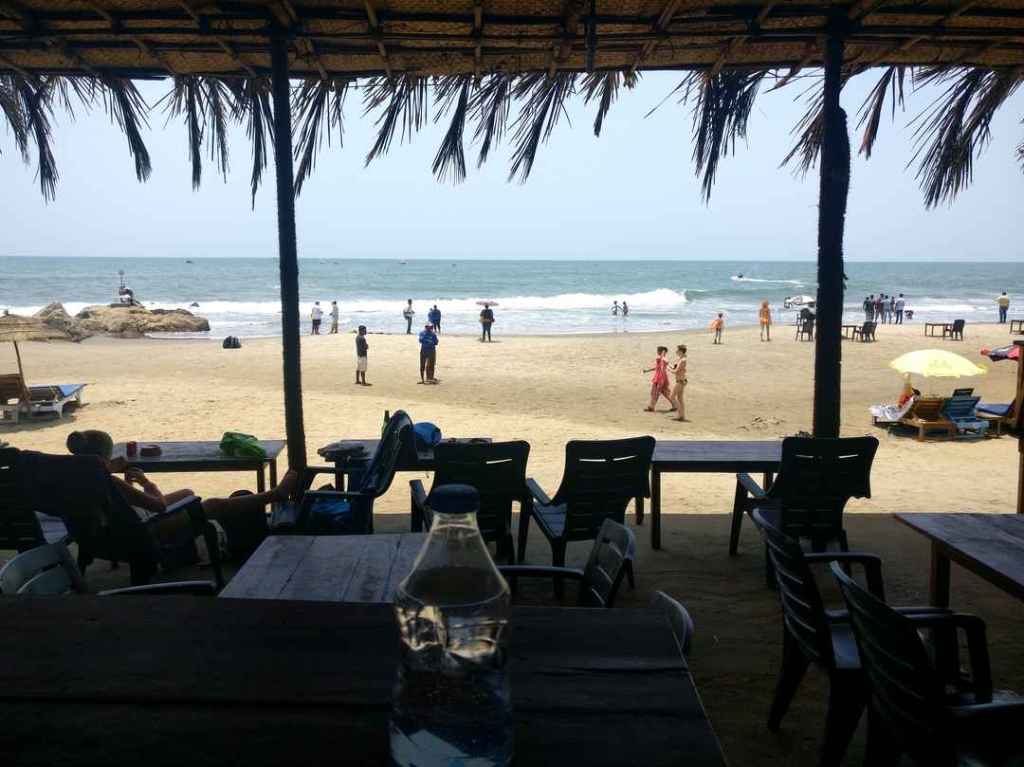
1. Goa
Vagator Beach, Goa
Goa is a popular tourist destination in India and has been attracting visitors for years. It’s known for its beaches, which are clean and have plenty of space to relax on them.
Goa also has great food, music and culture. The best way to experience all this is by staying at an airbnb or other bed & breakfast type place that hosts travelers from around the world!
2. Kerala
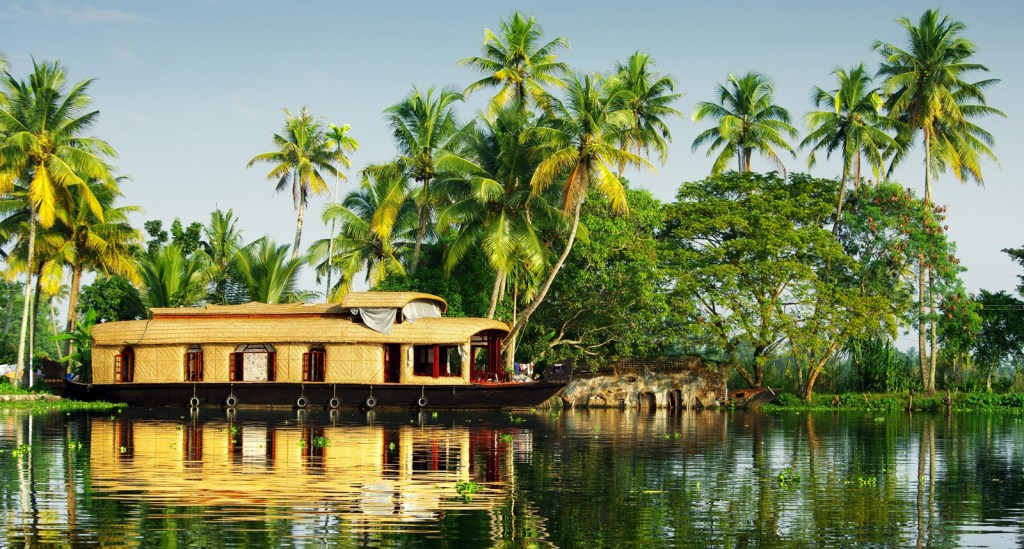
Kumarakom, Kerala
Kerala is a beautiful place to visit in India. It has many beaches, backwaters and historical sites. One of its most famous attractions is the backwaters of Alleppey that are home to some interesting wildlife sanctuaries. The state also has many temples which are a must-see during your trip here.
3. Andaman and Nicobar Islands
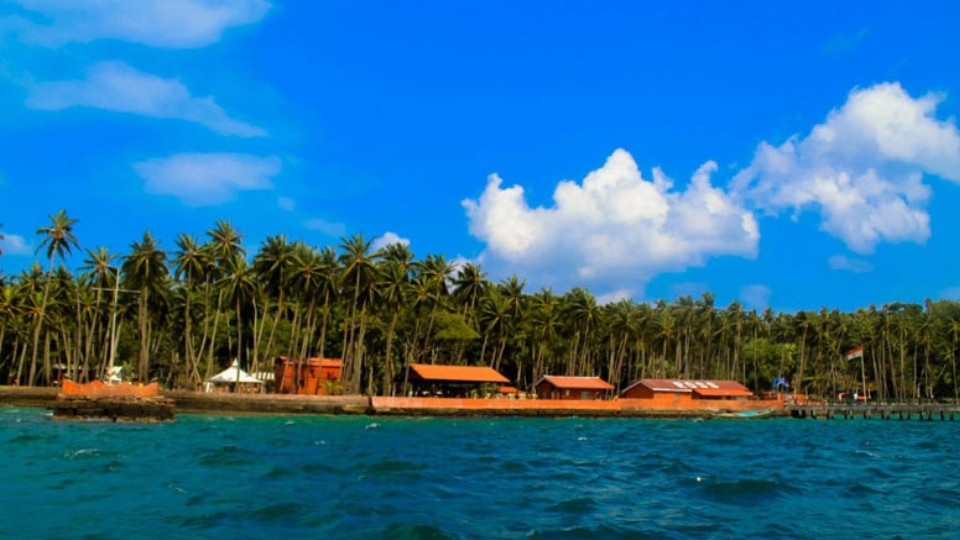
Andaman
The Andaman and Nicobar Islands are located in the Bay of Bengal, just off India’s coast. These islands are a part of India and home to many different tribes. The islands have a great climate for relaxation, as well as beaches with white sand.
4. Pondicherry
Serenity beach, Pondicherry
Pondicherry is a city in the union territory of Puducherry. It was formerly known as Pondicherry and it is located on the Coromandel Coast, India’s east coast, which is known for its beaches and resorts. The city has an old-world feel to it with buildings that date back to French rule over India during the 19th century.
Pondicherry has many beaches where you can go swimming or just relax on your day off from work.
5. Leh Ladakh
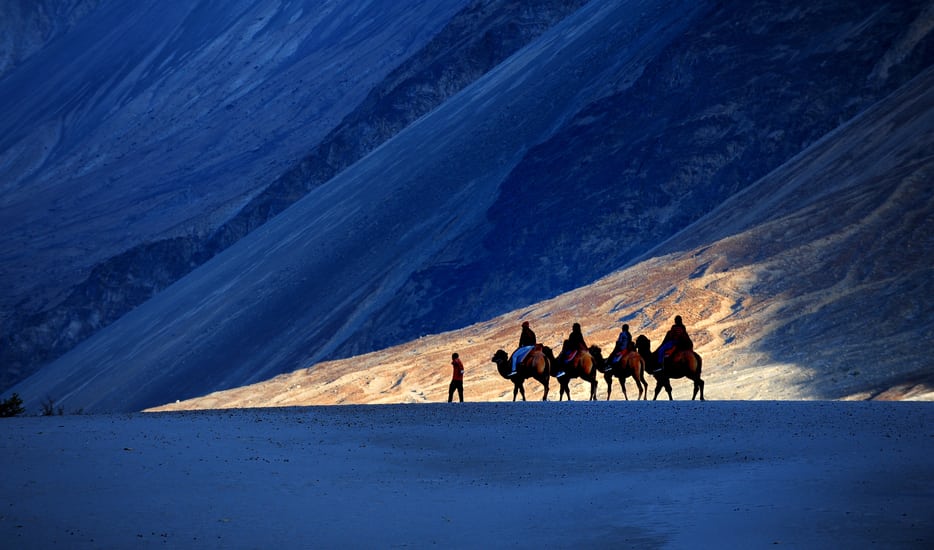
Nubra Valley, Ladakh
Leh Ladakh is a cold desert in the Himalayas, close to the Chinese border. It’s a great place to visit if you want to see the mountains and enjoy some hiking or trekking. There are many places where you can go for this activity, but one of them is called “Nubra Valley”. In this valley there are many different things that you can do: horseback riding (on horses), skiing down from a mountain peak or just walking around looking at all those beautiful views.
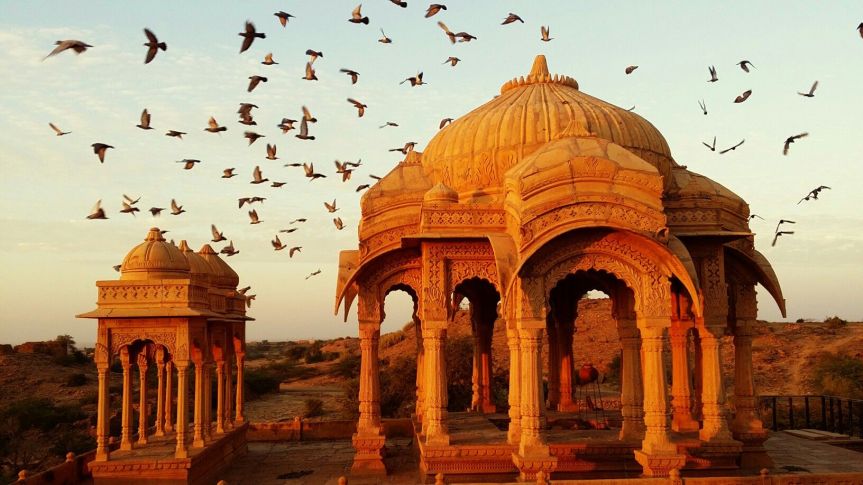
6. Rajasthan
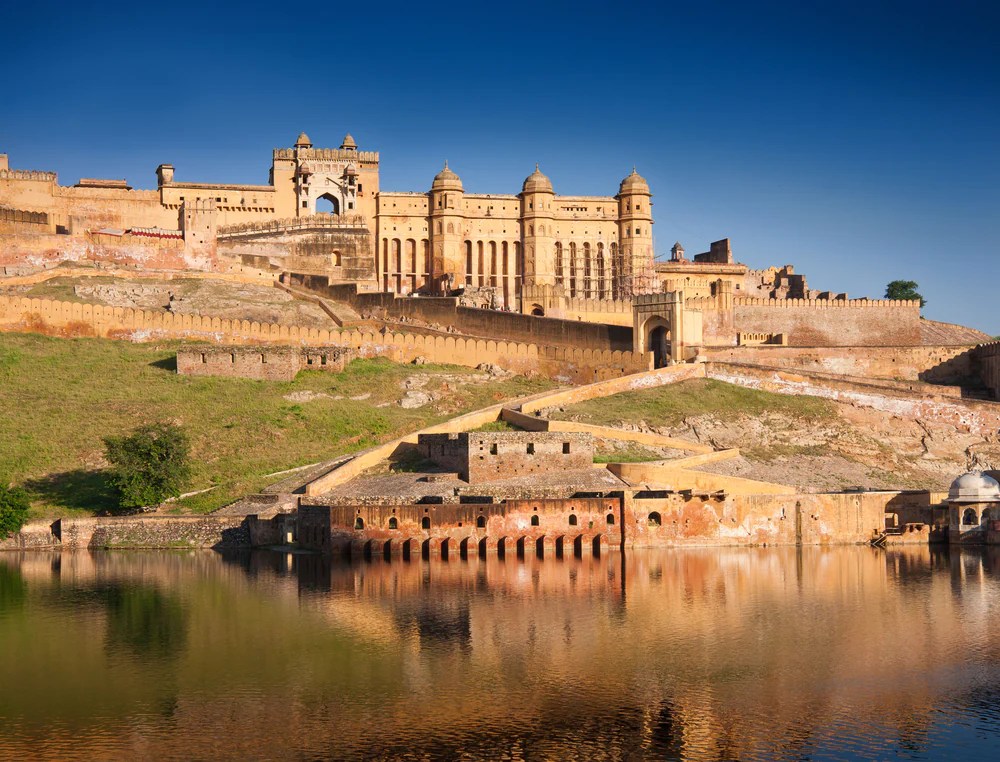
Amer fort, jaipur
Rajasthan is a state in northern India. It has a desert climate, but it’s also known for its palaces and forts. The city of Jaipur is home to several of these attractions, including the Amber Fort and Jantar Mantar Observatory. It also has many lakes, some famous (Lake Pichola) and some not so much (Kumbhalgarh). Some people visit these lakes during wintertime because they’re warm then; others go there in summer because it looks like an ice skating rink. There are plenty of temples as well: we’re talking about hundreds of them.
7. Darjeeling
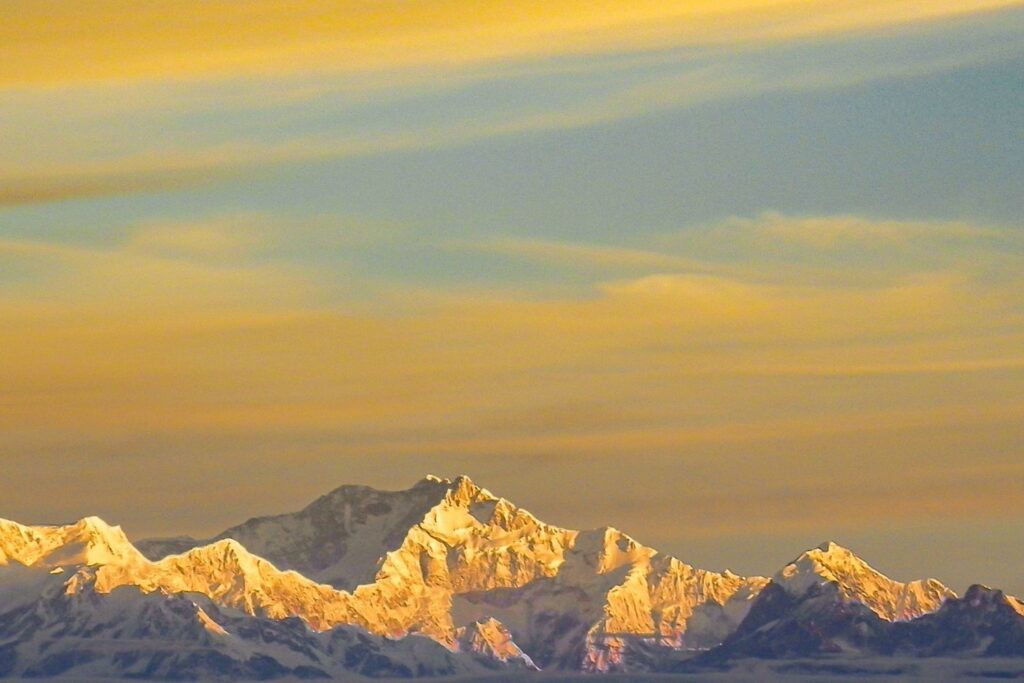
The Kanchenjunga
Darjeeling is a hill station in West Bengal. The city is located on the foothills of the Himalayas and offers panoramic views of the plains below.
The town has been known for its tea plantations since 1834 when it was first discovered by British colonists. It’s also a popular destination for trekkers, who can choose from several trails to explore this beautiful area along with its rich history and natural beauty.
8. Varanasi
A ghat in varanasi
Varanasi is a religious, cultural and historical city located on the banks of River Ganges. It has been called one of the most sacred places in India as it’s believed that Lord Shiva resided here for some time before passing away.
The city is known for its ghats (steps leading down to the river), temples and food which are all part of its rich history. Varanasi offers tourists everything they need during their stay – from budget accommodation options to luxury hotels & resorts offering everything from pampering spa treatments to yoga classes at sunrise. Not only this but there are plenty of things to do when you visit Varanasi including visiting one or more ghat sites where pilgrims perform rituals during monsoon season when temperatures rise up high enough so visitors can bathe in freezing waters without getting cold feet.
9. Rishikesh
Rafting in Rishikesh
Rishikesh is full of amazing sights—from its spectacular natural surroundings to its historic temples and churches. Other sights include Lakshman Jhula Bridge built between 1822–1823 across River Ganges near Yamuna Sagar Lake during British rule; Vishwanath Temple dedicated specifically because he was considered Hindu god Vishnu’s favorite son; Kedarnath Temple built by King Bhagwan Nand Lal in memory of his father who died while building this temple during his lifetime. River rafting and other fun activities are organised here.
10. Gulmarg, Jammu and Kashmir
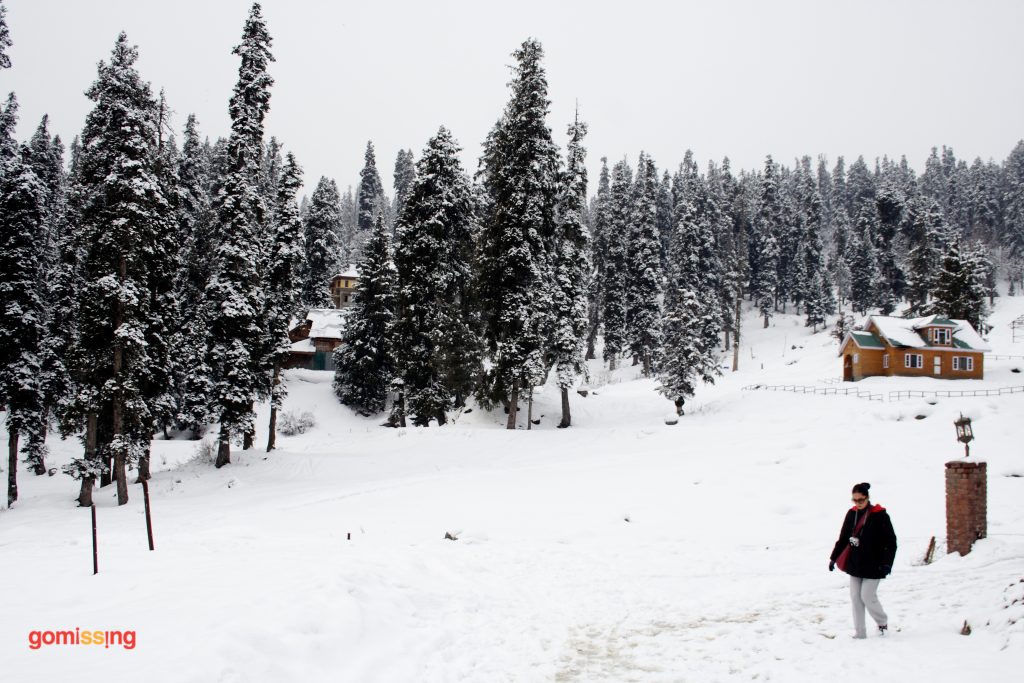
Gulmarg Golf Club area
Gulmarg is a ski resort in Kashmir, located at an altitude of 11,500 feet. It is one of the oldest and most popular tourist destinations in Jammu and Kashmir. The area has 300 km of pistes that can be reached by cable cars or snowshoes. Gulmarg also hosts many other activities like skiing, heli-skiing, snowboarding and more.
These are just a few of the travel destinations in India that you can experience and enjoy.
SpaceX has said its U.S.-based Starlink customers will see their broadband service badly disrupted if Dish Network is allowed to use the 12GHz band for its 5G cellular network.
The decision is in the hands of the Federal Communications Commission (FCC) as Dish Network and others such as New York-based RS Access lobby the agency to let them use the 12GHz band. But SpaceX isn’t happy.
“If Dish’s lobbying efforts succeed, our study shows that Starlink customers will experience harmful interference more than 77% of the time and total outage of service 74% of the time, rendering Starlink unusable for most Americans,” the company said in a message posted on its website on Tuesday, June 21.
The long-running dispute involves a number of companies that are trying to gain access to the 12GHz band that SpaceX already uses for its internet-from-space Starlink service.
Dish has previously published data suggesting that ground-based 5G networks could comfortably share the frequency with low-Earth orbit satellite networks operated by the likes of SpaceX for its Starlink service.
But this week, SpaceX said that technical studies “dating back as far as 2016” suggest that opening up the band to ground-based 5G networks could adversely impact its Starlink service, and it even accused Dish of attempting to “mislead the FCC with faulty analysis in hopes of obscuring the truth.”
The company led by billionaire entrepreneur Elon Musk also shared a 12-page technical analysis explaining how mobile services envisioned by Dish would “cause massive disruptions to users of next-generation satellite services,” such as Starlink.
It explained that a high-gain antenna, like the SpaceX user terminal, is “designed with sufficient sensitivity to receive very weak signals coming from a desired transmitter,” adding that “such antennas do not, however, ‘reject’ interference coming from other directions.” The result is that interference would “completely wipe out the desired signal.”
In widely reported comments, a Dish spokesperson said its “expert engineers are evaluating SpaceX’s claims.”
Dish announced last week that it has launched commercial 5G services in more than 100 U.S. Cities — covering around 20% of the nation’s population — by using frequencies in other spectrum bands. But whether it can access the 12GHz band as part of its 5G rollout remains to be seen.
SpaceX has launched more than 2,500 Starlink satellites into orbit for its broadband service, which currently serves more than 400,000 customers in 34 countries.
BTS recently stood up for the Asian community and spoke to the US presidant about Anti-Asian hate. RM, the leader of BTS and a global icon was himself a victim of hate and negativity. He was ridiculed for his looks and the negativity was so intense that he even started to hate himself too. At the age of 16, RM left his family, his good grades, and his more secured future to become a K-pop Idol. But, unlike other trainees, he didn’t have an experience with dancing and even after practising for longer hours and pushing his limits, he would still make a lot of mistakes. He started to blame himself for not being as good as others and even almost quit being a trainee. Luckily, his fellow member J- hope and his dance teachers encouraged him to stay and the rest was history, BTS succeeded. RM thought everything would be better once he debuted but it only made things worse for him. When BTS was starting, netizens called RM ugly and talentless and even asked him to leave the group. We live in a world where beauty, money and perfection are the standards of success. And those of us who fall short in comparison turn to self-hate and RM too fell into that trap. So, how did RM with so much strong self-hate and negativity around him lead the biggest boyband in the world? First, he used his insecurities to fuel his passion for music. Then he apologised for his mistakes and strived to be better. All of this taught him to stand up for himself, stand up for BTS and stand up for the Asian Community. RM chose to be defined by his hard work and passion rather than his faults and limitations. He learned to accept the imperfect. His empowering journey with self love has been changing the world. He inspires his bandmates to make music about the importance of accepting oneself. He inspires their fans, the Army’s to find beauty in their imperfections and just recently, his self love became so powerful that it created a movememt for people to love others as well.









 Eduindex
You must be logged in to post a comment.