Perfume: The Story of A Murderer Book Review

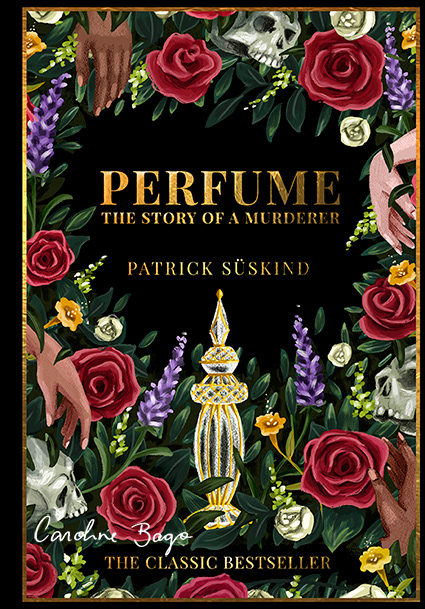
Cover of Perfume: The Story of A Murderer (1985)

Introduction

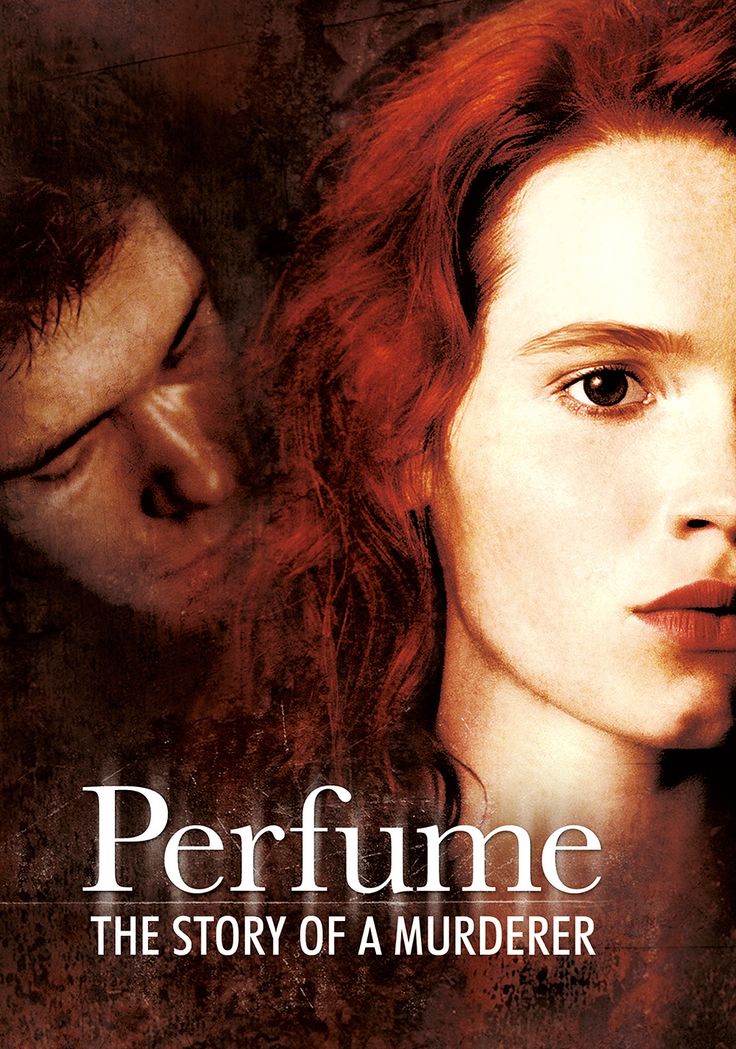
 Perfume: The Story of a Murderer (German: Das Parfum: Die Geschichte eines Mörders ) is a 1985 literary historical  fantasy novel by German writer Patrick Süskind. The novel explores the sense of smell and its relationship with the emotional meanings that scents may have. An acclaimed bestseller and international sensation, Patrick Suskind‘s classic novel provokes a terrifying examination of what happens when one man’s indulgence in his greatest passion – his sense of smell – leads to murder. This novel was later adapted into a famous movie in 2006 with the same name, starring Ben Whishaw, Alan Rickman, Karolina Herfurth and others.
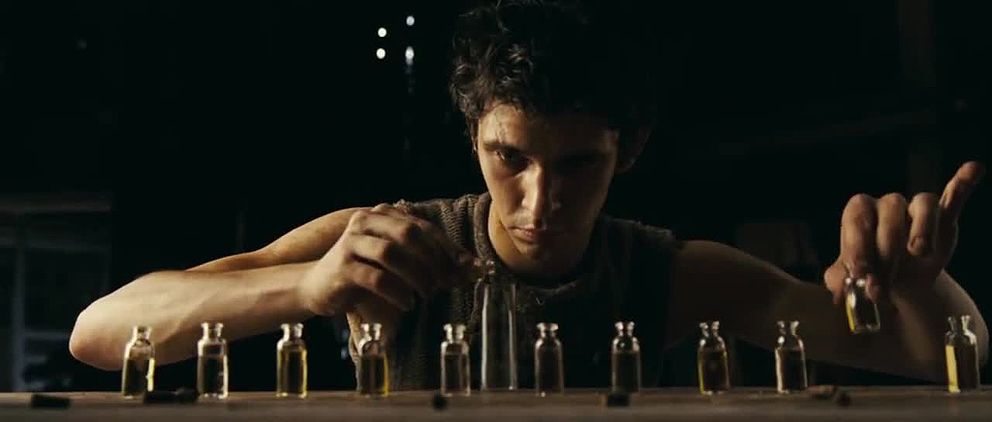
Ben Whishaw as Grenouille in Perfume: The Story of A Murderer (2006)

About The Author

Patrick Süskind ( born 26 March 1949) is a German writer and screenwriter, known best for his novel Perfume: The Story of a Murderer, first published in 1985. Süskind lives as a recluse in Munich, in Seeheim , and in France at Montolieu. After spending the 1970s writing what he has characterized as “short unpublished prose pieces and longer un-produced screenplays”, Patrick Süskind was catapulted to fame in the 1980s by the monodrama Der Kontrabass [The Double Bass, 1981:], which became an instant success and a favourite of the German stage. In 1985 his status as literary wunderkind was confirmed with the publication of the novel Das Parfüm. Die Geschichte eines Mörders [Perfume. The Story of a Murderer], which quickly topped the European best-seller list and eventually sold millions of copies worldwide.The public knows little about him; he has withdrawn from literary society and does not grant interviews or allow himself to be photographed.
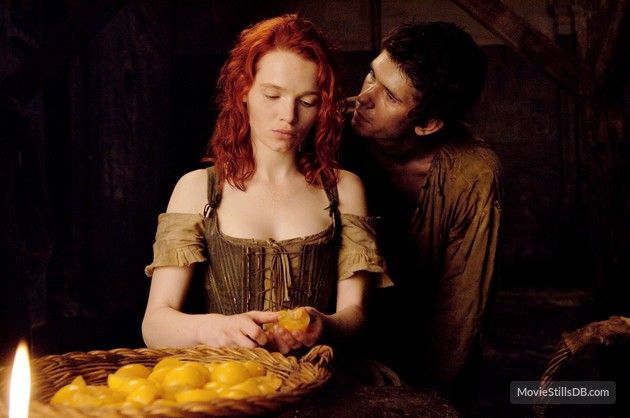
Ben Whishaw as Grenouille and Karolina Herfurth as Girl with Plums in Perfume: The Story of A Murderer (2006)

Storyline of The Novel

The novel is set in Paris in the 1700’s and follows the life of a man named Jean-Baptiste Grenouille who is born with an incredibly strong sense of smell. His nose is so keen that he is able to smell people coming, can locate lost items simply by their scent, and can catalogue smells in his mind. Whilst his sense of smell may be keen, his heart is empty and he seems to be completely unrestrained by everyday emotions. As a young lad, Grenouille encounters the irresistible smell of a young girl entering puberty. He promptly murders her and sniffs every inch of her body to catalogue the unique scent. Believing it is his destiny to bottle such a scent, Grenouille decides to pursue a career as a master perfumer, he works as an apprentice where his unique skills quickly make him the best perfumers in France. The story then follows Grenouille as he becomes a famed perfumer and experiments in scents that allow him to either go unnoticed or incite various emotions among those who smell it. His obsession with scents goes on to reaches a head with extreme consequences for all.

Ben Whishaw as Grenouille in Perfume: The Story of A Murderer (2006)

Analysis of The Storyline

A book about the sense of smell could have been a dull affair, were it not for the excellent way it is written by Suskind. His use of language is beautiful and his descriptions make even some with a dull nose like mine feel like they can smell the essences on the page. It’s not hard to see why this book has become such a modern classic given how excellent Suskind’s prose is. I challenge anyone not to read this and not then start using their nose a little more.
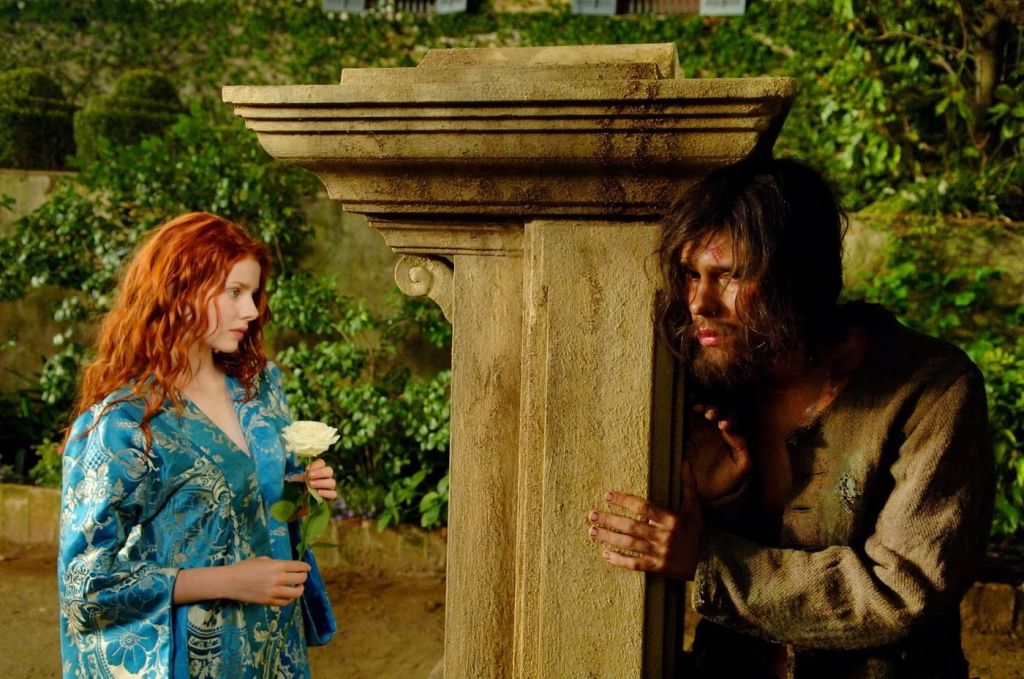
Scene from Perfume:The Story of A Murderer (2006)

The character of Grenouille is both fascinating, sympathetic, and yet also repulsive. In early life he is beat down at every corner and one can’t help but root for the character as he tries to rise above his terrible beginnings. As he becomes more in control of his life, Grenouille quickly becomes insidious and deceptive and there’s something very creepy in the way he is described as living like a tick. Grenouille does indeed live like a parasite, taking whatever he needs from people. As he becomes more unstable, eventually resorting to killing a young virgin, Grenouille turns into a monster, but a compelling one nonetheless. Like Humbert Humbert from Lolita, he’s a character you feel bad for sympathising with, though Grenouille may be a little more redeemable.
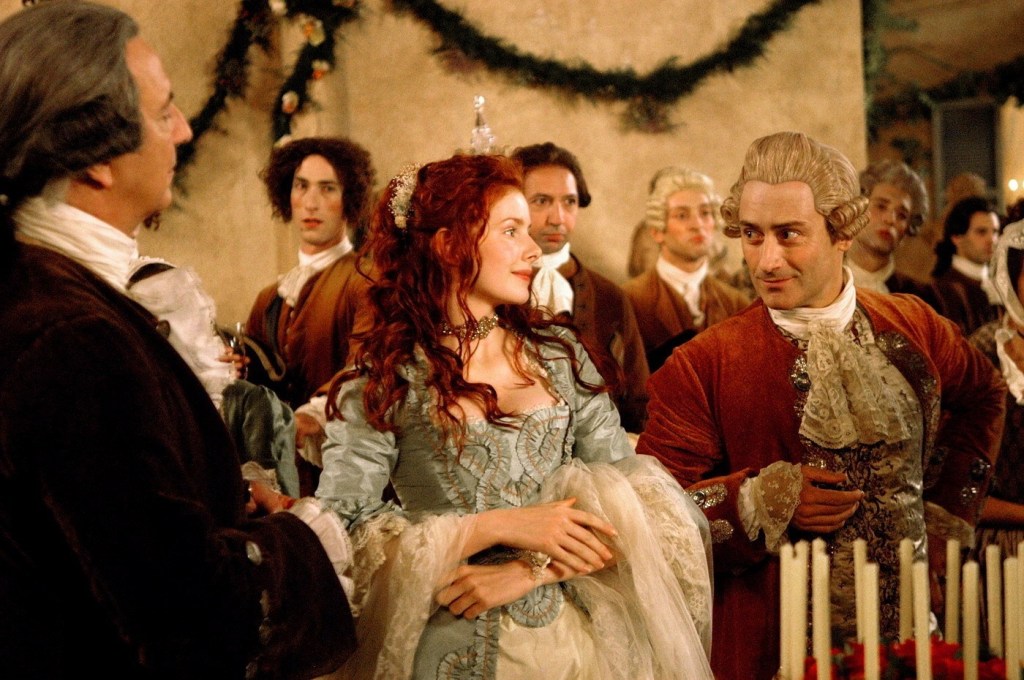
Scene from Perfume: The Story of A Murderer (2006)

Criticism of The Storyline

this is in every sense an olfactory novel gives a striking sensory immediacy to the fiction itself. ”Perfume” is a historical novel but one in which the sheer physicality of its theme lends it an honorary present tense. And if Grenouille is the hero of the novel, his obsessions are also its informing presence. Just as he has difficulty with words ”designating non-smelling objects, with abstract ideas and the like,” so the novel itself creates an elemental world in which such abstract matters are only of token significance. The nose is defined here by a priest as ”the primitive organ of smell, the basest of the senses,” with its powers springing from ”the darkest days of paganism”; but it flourishes in Grenouille, even in an age of ”enlightenment,” and the unspoken message of ”Perfume” is that it flourishes still. The point about genuine historical fiction is that it is primarily concerned with the contemporary world. This is not a historical romance, full of ”Prithees!” and strange objects known as poniards, but a meditation on the nature of death, desire and decay.

Scene from Perfume: The Story of A Murderer (2006)

Conclusion

The story of perfume made us really re-evaluate the importance of scents and how certain smells can influence us on a subconscious level. It makes one wonder how much of our everyday lives are dictated by scents without us even realising it. Throughout the book, you get the feeling pressure is mounting and it ends in a finale that sees an orgy of scents come together in one hell of an ending that isn’t likely to leave you any time soon.
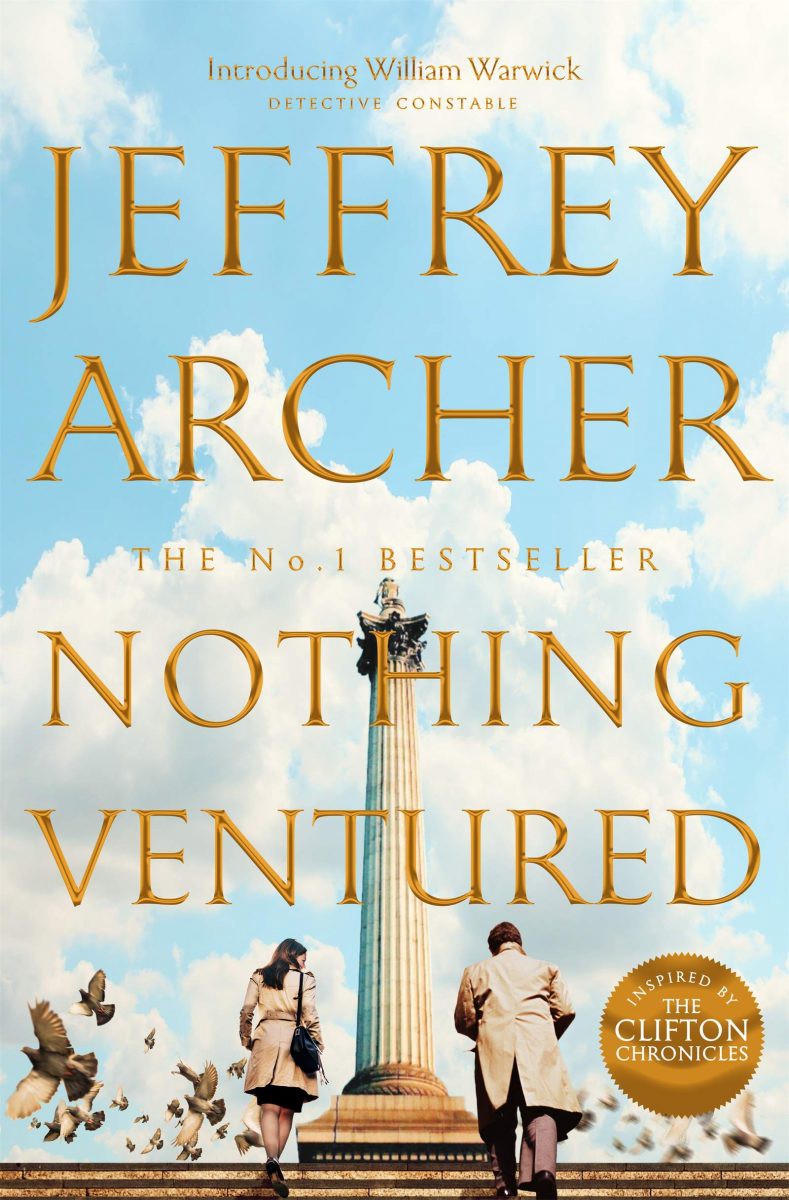
Nothing Ventured: The Book Review

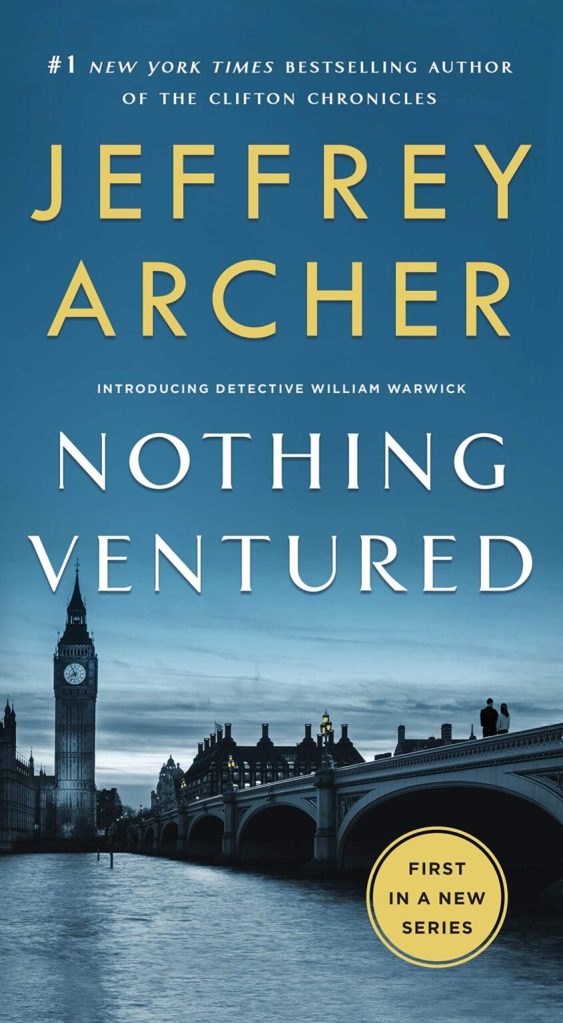
Cover of Jeffrey Archer’s Nothing Ventured (2019)

Introduction

Nothing Ventured heralds the start of a brand-new series in the style of Jeffrey Archer’s #1 New York Times bestselling Clifton Chronicles: introducing Detective William Warwick. But this is not a detective story, this is a story about the making of a detective. The novel was originally published on 3rd September,2019.

About the Author

Jeffrey Howard Archer is an English novelist, life peer and former politician. His work includes novels and short stories such as Kane and Abel & A prisoner of Birth. He is the only author ever to have been a number one bestseller in fiction, short stories, and non-fiction.
Jeffery Archer

Storyline of The Novel

Jeffery Archer starts a new series of books that entails the story of a detective choirboy who fights the city crime against all odds. This new series introduces William Warwick, a family man and a detective who will battle throughout his career against a powerful criminal nemesis. Through twists, triumph and tragedy, this series will show that William Warwick is destined to become one of Jeffrey Archer’s most enduring legacies.

William Warwick has always wanted to be a detective, and decides, much to his father’s dismay, that rather than become a lawyer like his father, Sir Julian Warwick QC, and his sister Grace, he will join London’s Metropolitan Police Force. William Warwick after graduation from Kings’ college reveal to his father, sir Julian Warwick, that he wants to be a copper and has no intention to serve Her Majesty’s court. Under the attentive mentorship of Fred Yates, William begins his life on the beat. After some eighteen months on the beat, William becomes a neophyte detective in Scotland Yard’s Arts and Antiquities squad where one of his cases involves the hunt for a Rembrandt painting stolen some seven years earlier from the Fitzmoleon Museum. His career, both with the Met and with Scotland Yard, will define his life. On his journey to Scotland yard’s William is assigned tasks of Investigating the theft of Rembrandt painting. During his chase of the Rembrandt, he meets the love of his life and the Fitzmolean Museum’s gallery assistant Beth Rainsford. While putting the clues together he comes across a self-styled farmer and suave art collector Miles Faulkner, his friend and lawyer Booth Watson, and Christina (Miles’s wife). Along with the story Christina befriends William and Beth but on whose side is she on, remains a suspense.  

Nothing Ventured (2019)

Analysis of The Storyline

The book starts with William revealing to his father that he’ll not be working in his chambers instead he’s interested in becoming a cop and would like to pursue the same. The author carves the character of William as honest, loyal, and hardworking. We fellow him from his childhood to becoming a successful & ambitions cop. He joins the beat at Scotland yard under the mentorship of Fred Yates who with his oft-repeated pearls of wisdom taught valuable lessons which were far more useful than MET’s handbook. Soon William was assigned to the task of finding a precious/expensive painting on his journey. The book takes you through various twists in the plot which keeps the readers on the edge of their seats. Through the story, each character grows both in their personal and professional lives as well. The end of the book is the lead into its next part “Hidden in Plain Sight”, after a series of twist and turn in the story the Rembrandt finally hangs in Fitzmolean with another prestigious painting named Rubens. The author leaves the reader with a bit of a surprise when the conman Miles invites Constable Warwick to his New York’s apartment “Should you ever find yourself in New York, do give me a call because I would like to invite you round to my apartment to show you the Originals”.

Criticism of The Storyline

Serving as the inaugural book for a new series, “Nothing Ventured” is a genial introduction to William Warwick. With likable characters and some interesting twists in the plot, the narrative keeps the reader’s interest. Throughout the telling of the tale, William grows, both in his career and in his personal life. And then there’s the ending that, while certainly designed to serve as a lead-in to the next book in the series, is sure to leave readers wondering why, given the circumstances, Miles Faulkner would ever voluntarily make such a comment to William. It seems completely out of character for a suave, clever, resourceful man.
Conclusion

The book takes us through the story of a detective, Courtroom, Museum and Conman. The storyline is well rounded with good narratives and less paragraph chunks. Any reader of The Clifton Chronicles will remember Harry Clifton’s work as an author and creator of William Warwick, now Archer has brought Warwick and those books to life by writing them.
Analyzing Alfred Hitchcock: The Psychological Genius Mind

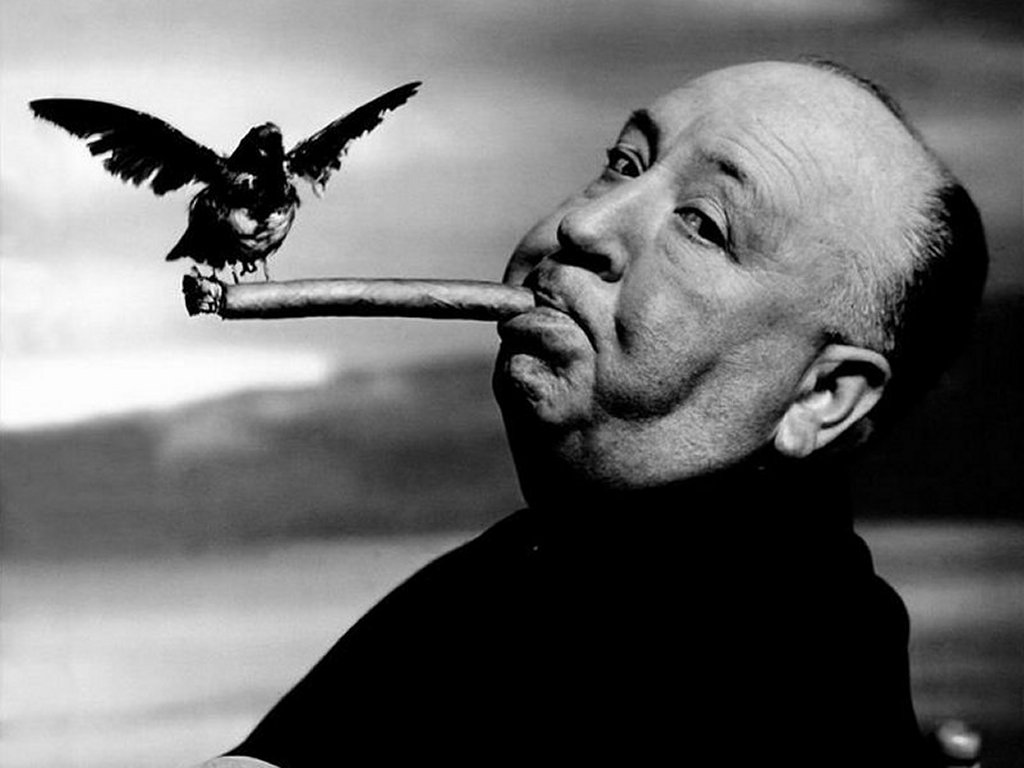
Sir Alfred Hitchcock

Introduction

The movies of Alfred Hitchcock, seem to have a permanent place in both American and Global Cinematic history. He is a common topic to turn when discussing auteur directors, film history,  suspense and psychoanalysis. His visual style is very distinct, the close-ups, subjective camerawork, unusual camera angles and the list goes on. Today, in this article, we intend to analysis the visual choices of Hitchcock’s most well known works including Vertigo, Rear Window and Psycho.

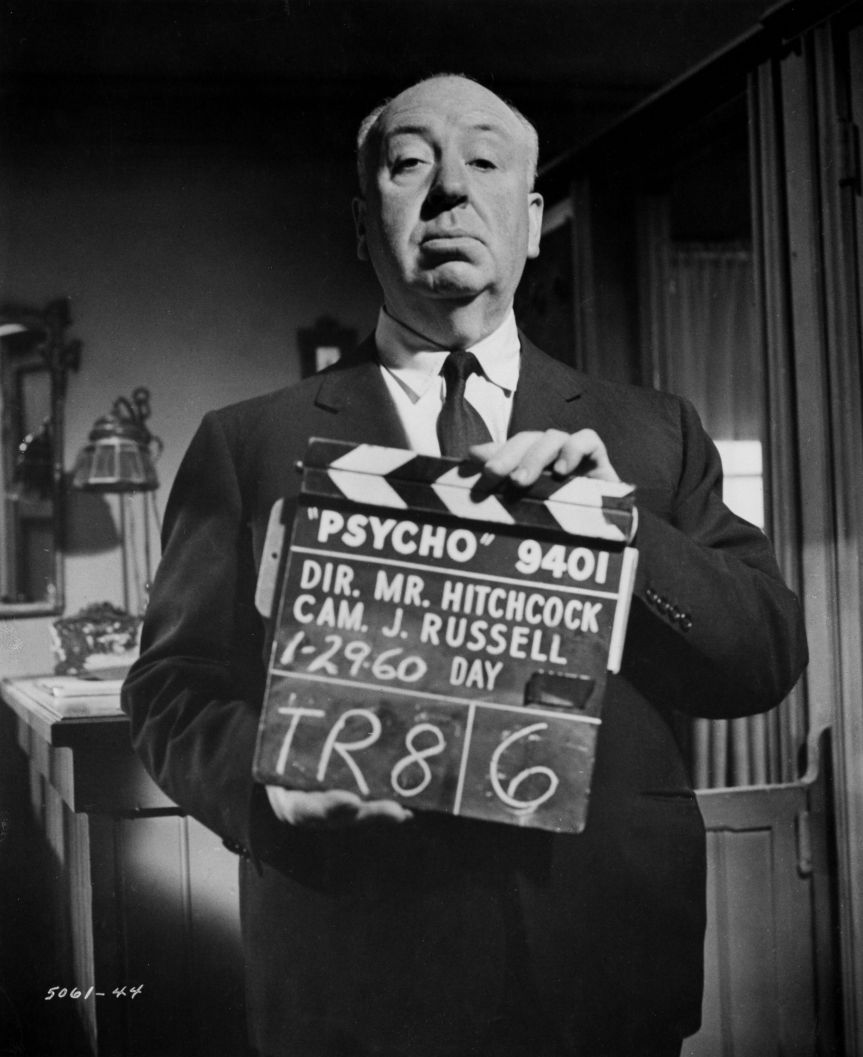
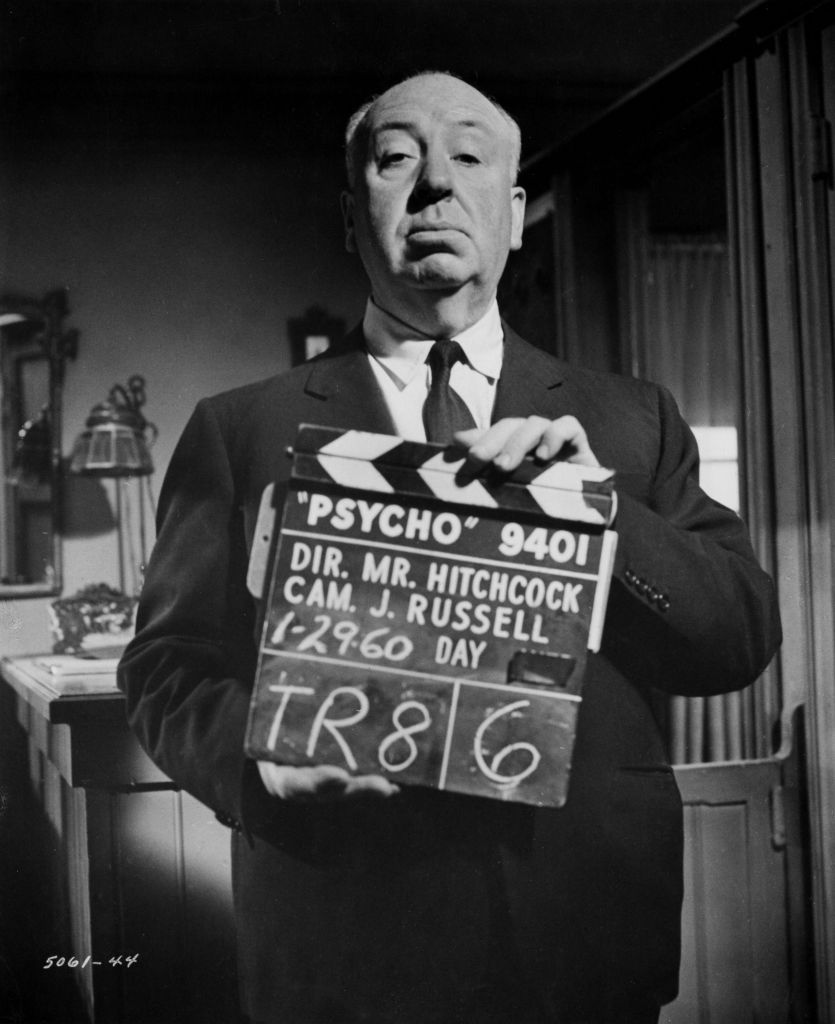
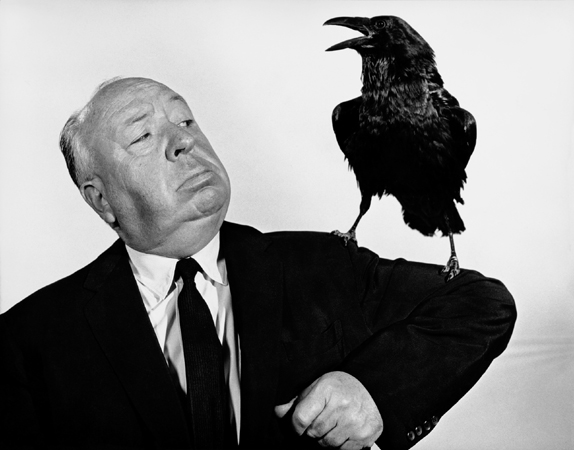
Sir Hitchcock before the shooting for Psycho (1960)

About Alfred Hitchcock

Sir Alfred Joseph Hitchcock  (13 August 1899 – 29 April 1980) was an English filmmaker who was one of the most influential figures in the history of cinema. In a career spanning six decades, he directed over 50 feature films, many of which are still widely watched and studied today. Known as the “Master of Suspense“, he became as well known as any of his actors thanks to his many interviews, his cameo roles  in most of his films, and his hosting and producing the television anthology Alfred Hitchcock Presents  (1955–65). His films garnered 46 Academy Awards nominations, including six wins, although he never won the award for Best Director despite five nominations.

Sir Hitchcock

Techniques and Methodology of Hitchcock’s Works

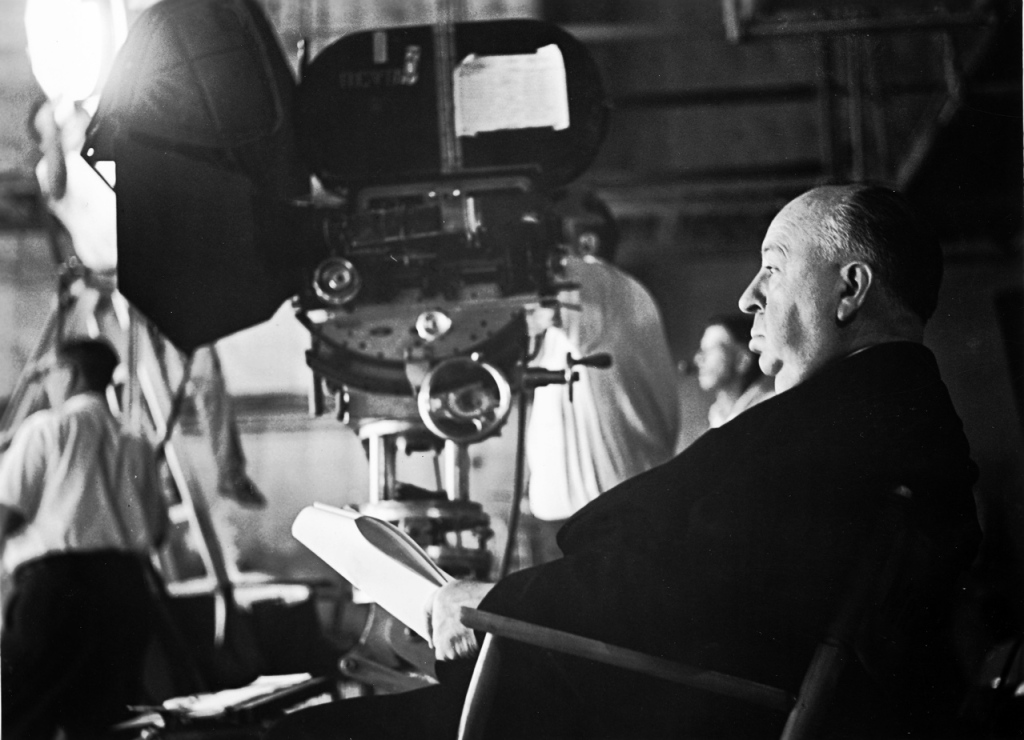
Alfred Hitchcock’s attention to detail in his films is one of the many things that makes him one of the most recognized film auteurs of all time. He was very particular what about he wanted seen on screen and how he wanted to get those shots. From camera movements to the things found in the mise-en-scène, Hitchcock was very precise about every little thing that is seen in his on screen worlds. He would strategically place objects throughout the mise-en-scène and have characters wear certain clothing. By doing this, Hitchcock is able to let the audience know things about the characters and the plot without it having to be said on camera. Hitchcock once said that “If it’s a good movie, the sound could go off and the audience would still have a perfectly clear idea of what was going on” . To Hitchcock, the conversations in his films were not important.  Visuals were of the utmost importance.  He loved point of view shots, which showed a shot of the actor and then cut to a shot of what the actor was looking at in order to convey what the actor is looking at; pretty much, the Kuleshov effect.

Sir Alfred Hitchcock on the set of one of his movies

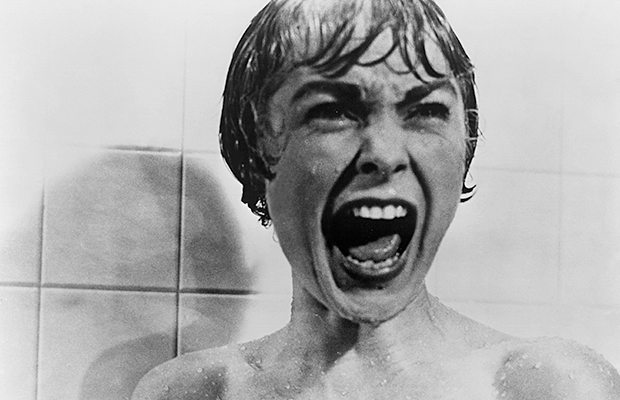
The soundtrack was extremely important to Alfred Hitchcock, as he managed to sync the music with the actions of the scenes.  His most famous scene would be the shower scene in Psycho, where the orchestra is perfectly correlated with the murder.  In his famous film, Hitchcock also incorporated the use of shot/reverse shot, a standard shot pattern that directors use to film conversations between two characters. In general, the actors avoid speaking directly to the viewer, because doing so acknowledges the audience’s presence and destroys the illusion of a naturally unfolding story. From panning shots, to tracking shots Alfred Hitchcock used his techniques in filming and editing in order to create great products that continue to intrigue audiences to this day.

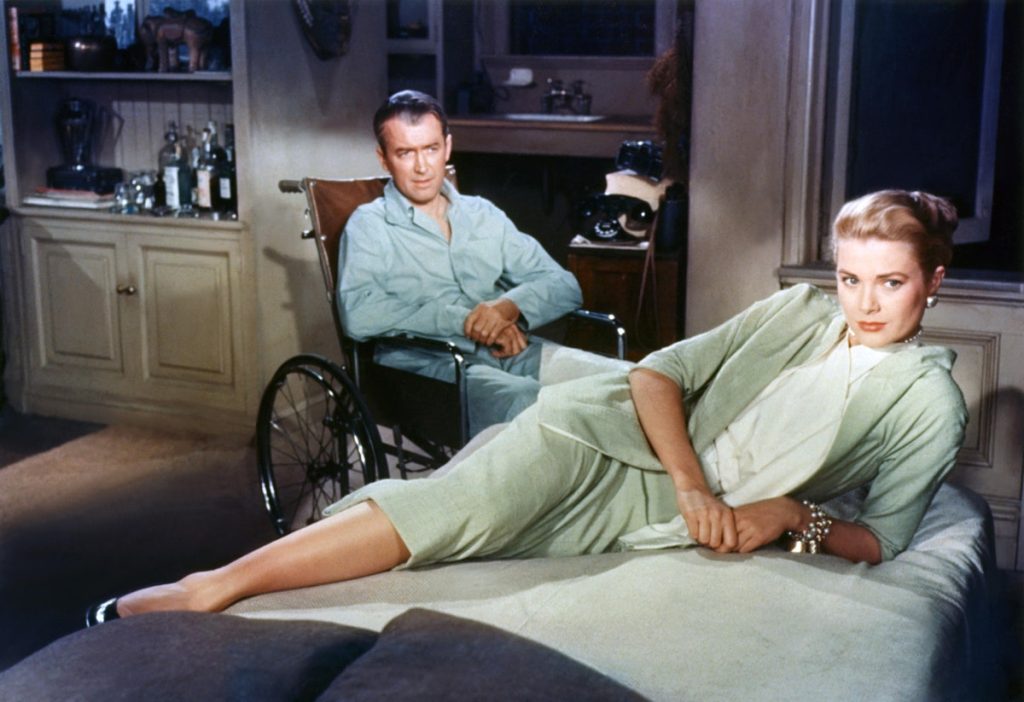
James Stewart as Jeff and Grace Kelly as Lisa Carol in Hitchcock’s Rear Window (1954) movie

Analysis of The Film “Rear Window” (1954)

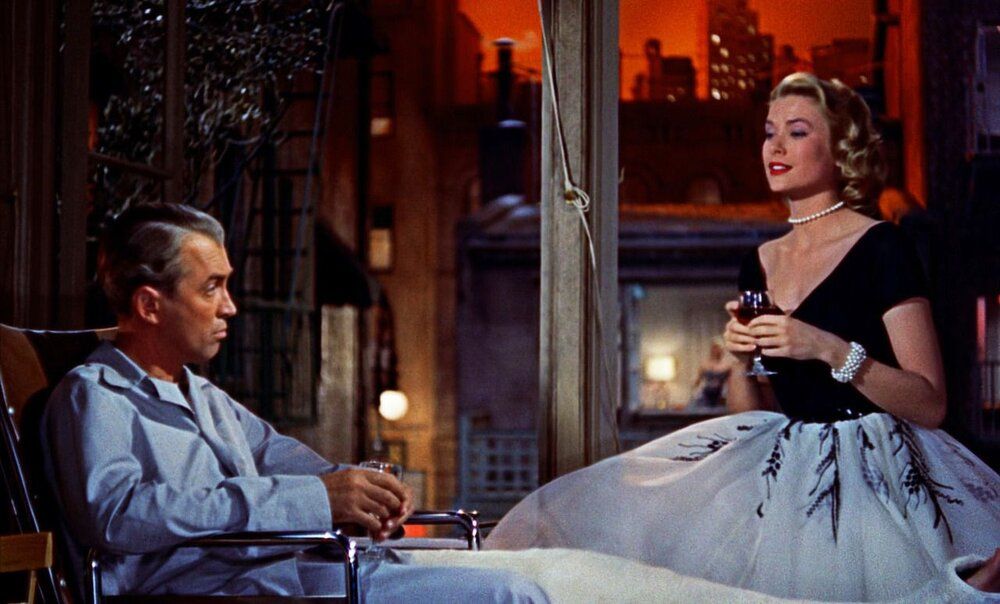
The cinematography of Rear Window mainly focuses on the use of lighting and shadows. With the darkness and mystery of the film, Alfred Hitchcock was able to use his lighting to his best advantage. The light always is picking up on important symbols or messages in the scene. Such as the scene when the salesman finally comes into Jeff‘s room, the light only picks up on Jeff’s most valuable senses; his hands and eyes. Along with the lighting, the interesting angles are very common.  Not only did it create suspense, it creates confusion and the viewer wants to see more. Mise en Scene was very important in this film, as all of the scenes happened in the same group of apartments. In the city of New York, everything is very tight because of the huge population. The use of the differently decorated rooms also created personality and character for the roles who didn’t even speak

Scene from Hitchcock’s Rear Window (1954) movie

Although sound and music weren’t always in the film, it was there when it needed to be. The traffic and sounds of the city were placed delicately to remind the viewer of the area. The mix of piano from the songwriter in one apartment, from the screeching violins during nail-biting moments, created emotions for the viewer. Editing was evident everywhere, especially during a fight scene, or used very consciously during high suspense. The fades were apparent from day to day, which helped the viewer better understand the passage of time.

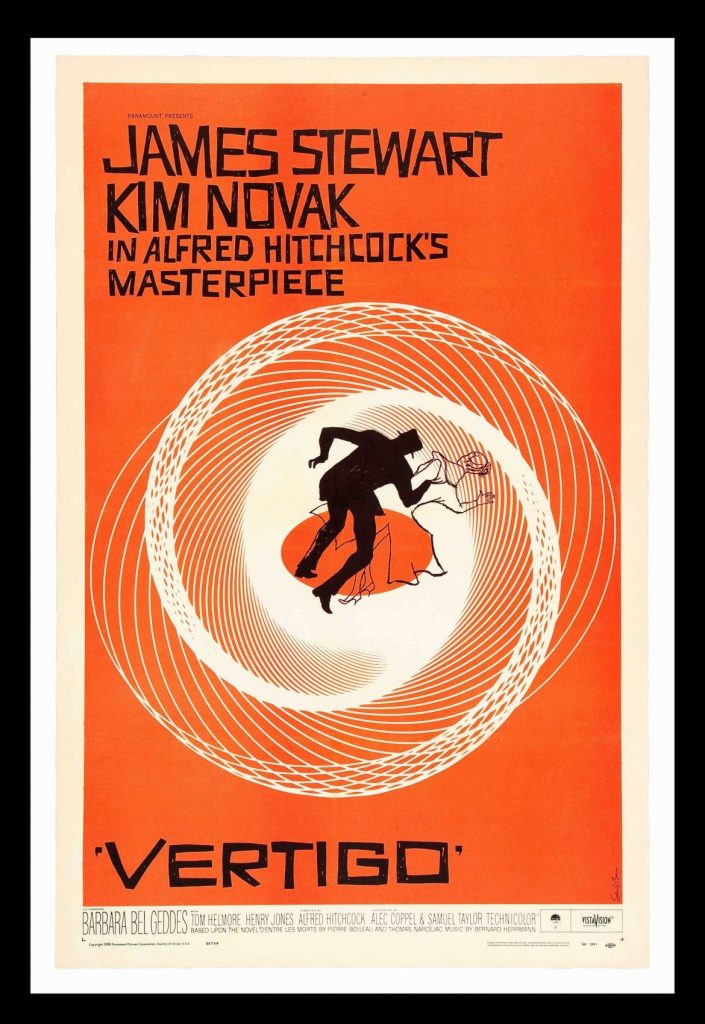
Poster of Hitchcock’s Vertigo (1958) movie

Analysis of The Film “Vertigo” (1958)

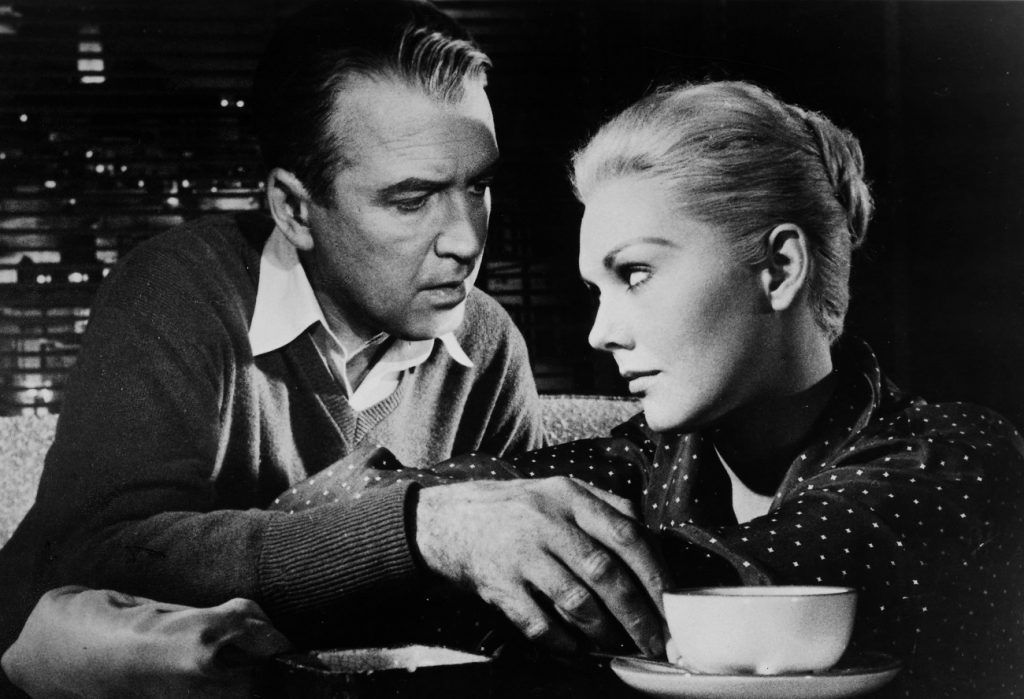
Vertigo is a 1958 suspense thriller directed by Alfred Hitchcock, written by Alec Coppel and Samuel Taylor and based upon the 1954 novel ‘D’entre Les Morts’ by Pierre Boileau and Thomas Narcejac. Starring James Stewart, Kim Novak and co-starring Barbara Bel Geddes.

James Stewart as John Ferguson and Kim Novak as Madeleine in Hitchcock’s Vertigo (1958) movie

Vertigo is a film which functions on multiple levels simultaneously. On literal level it’s a mystery suspense story of a man hoodwinked into acting as an accomplice in a murder, his discovery of a hoax, and the unravelling of the threads of the murder plot. On a Psychological level, the film traces the twisted , circuitous routes of a psyche burdened down with guilt, desperately searching for an object on which to concentrate its repressed energy. Finally, on an allegorical or figurative level, it is a retelling of a immemorial tale of a man who has lost his love to the death and in hope of redeeming her descends into the underworld,  the most famous of these stories being that of Orpheus and Eurydice in Greek Mythology. Vertigo’s complexity however does not end with this multilevel approach to its tale, the film also succeeds in blurring the already fine line between objectivity and subjectivity . It takes the viewers so far into the mind of its main characters ( Scottie, played by Hitchcock veteran James Stewart), that audiences’ own objectivity, at least initially, is lost and replaced by complete identification with Scottie’s fantasies and obsessions.

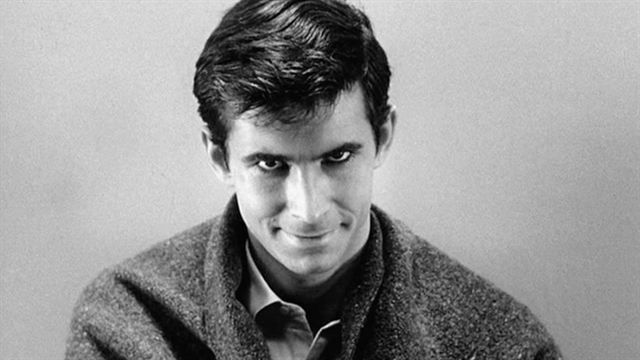
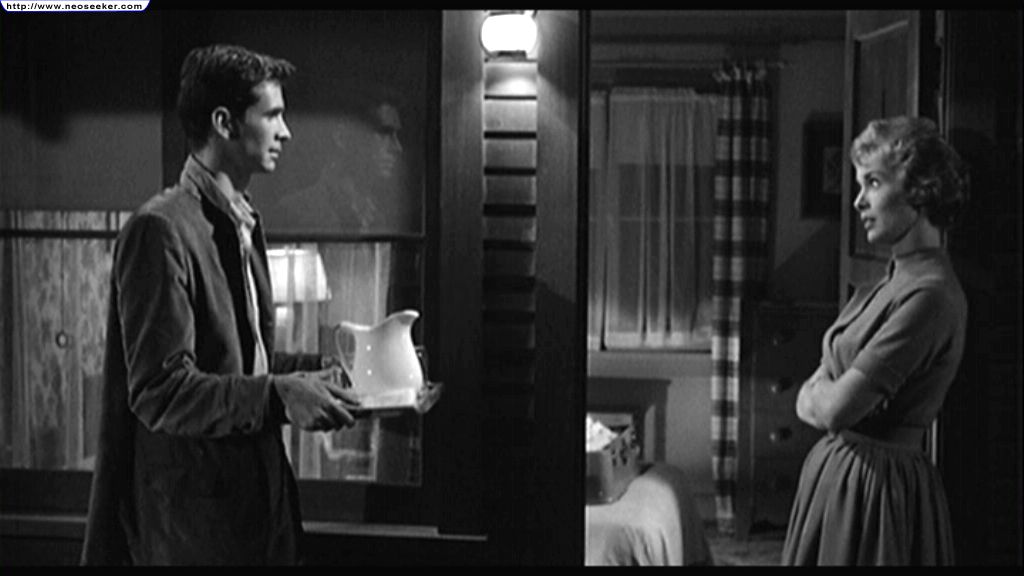
Anthony Perkins as Norman Bates in Hitchcock’s Psycho (1960) movie

Analysis of The Film “Psycho” (1960)

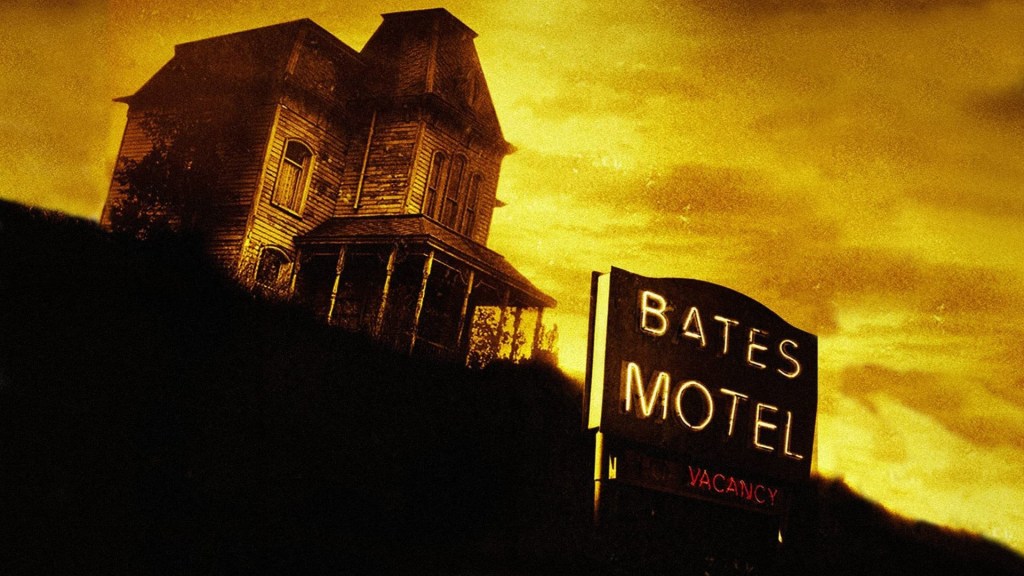
Hitchcock’s Psycho has been commended for forming the archetypical basis of all horror films that followed its 1960 release. The mass appeal that Psycho has maintained for over three decades can undoubtedly be attributed to its universality.

Scene from Hitchcock’s Psycho (1960) movie

In Psycho, Hitchcock allows the audience to become a subjective character within the plot to enhance the film’s psychological effects for an audience that is forced to recognize its own neurosis and psychological inadequacies as it is compelled to identify, for varying lengths of time, with the contrasting personalities of the film’s main characters. Hitchcock conveys an intensifying theme in Psycho, that bases itself on the unending subconscious battle between good and evil that exists in everyone through the audience’s subjective participation and implicit character parallels. The initial confrontation between Marion and Norman Bates is used by Hitchcock to subtly and slowly sway the audience’s sympathy from Marion to Norman. Hitchcock compels the audience to identify with the quiet and shy character whose devotion to his invalid mother has cost him his own identity. Upon the introduction of Norman, Hitchcock introduces the first of several character parallels within Psycho. The clash between Marion and Norman, although not apparent to the audience until the end of the film, is one of neurosis versus psychosis.

Anthony Perkins as Norman Bates and Janet Leigh as Marion Crane in Hitchcock’s Psycho (1960) movie

The fear that Psycho creates for the audience does not arise from the brutality of the murders but from the subconscious identification with the film’s characters who all reflect one side of a collective character. Hitchcock enforces the idea that all the basic emotions and sentiments derived from the film can be felt by anyone as the unending battle between good and evil exists in all aspects of life.The effective use of character parallels and the creation of the audience’s subjective role in the plot allows Hitchcock to entice terror and convey a lingering sense of anxiety within the audience through a progressively intensifying theme. Hitchcock’s brilliance as a director has consolidated Psycho’s place among the most reputable and profound horror films ever made.

Scene from Hitchcock’s Psycho (1960) movie

Conclusion

Alfred Hitchcock who has been entitled to the master of apprehension, suspense and fear, entices the audience to discern his unknown inner in a simulation over cinema curtain. Human, sets back his instincts for years; withholds sex and anger and wrap it in his inner depths where even is impenetrable for himself. But there is always probability of arising it in the society as a coarse event. Eruption of anger from sub-consciousness of Hitchcock’s characters brings along murder, crime and often imagination, tragic psychic disturbances. Anyone might be involved with the condition of these characters in real world. Most of Hitchcock’s movies create suspense in very first minutes of the show. The propensity to know arouses in him. He limits and draws attention of the audience to the film.Dark spaces, long and fearsome roads, deserted places and empty of habitat, are signs and symbols which sometimes refers to unaware and its inner events. Making use of sharp-pointed lines and thorn-shaped edges in locations and shades, which are taken from Gothic style, makes the movies horror and terror. Hitchcock through increasing vigilance, guides the audience toward making a powerful “ego” against incidents which mostly indicates determinism.

Frida Kahlo: Unconventional, Uncompromising and Unibrows

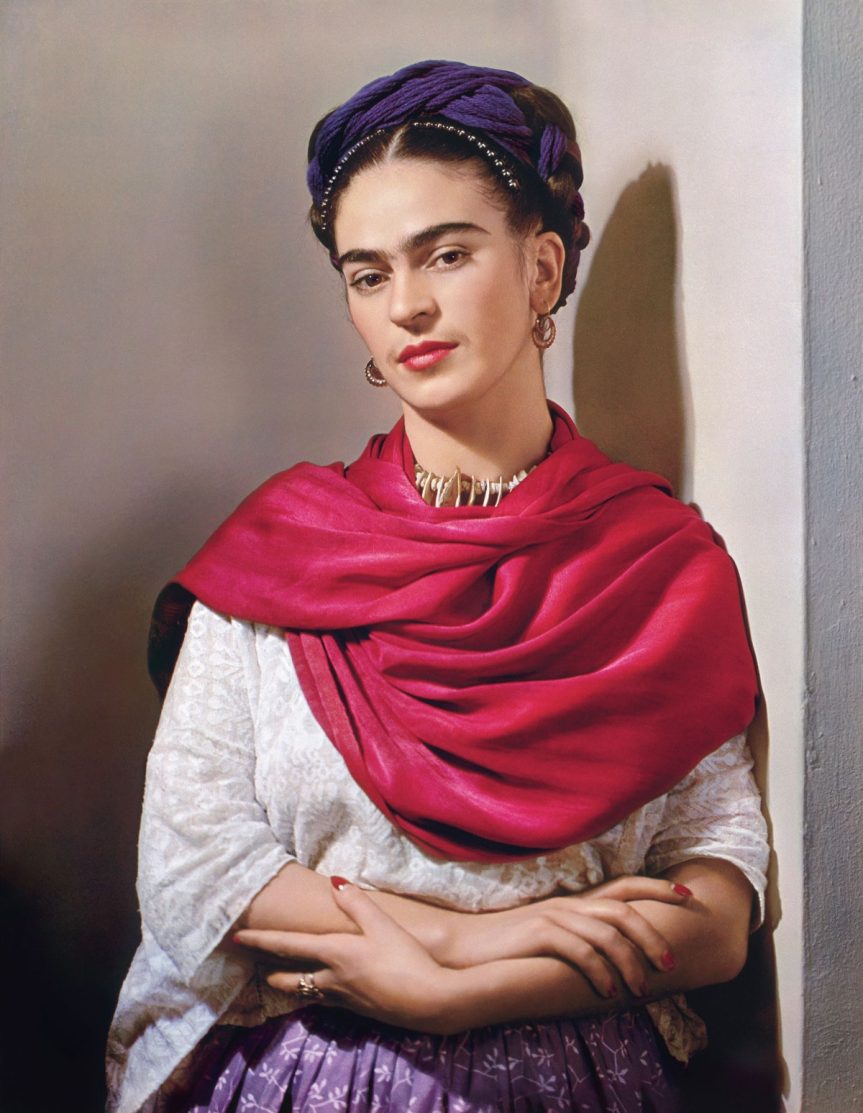
Frida Kahlo

Introduction

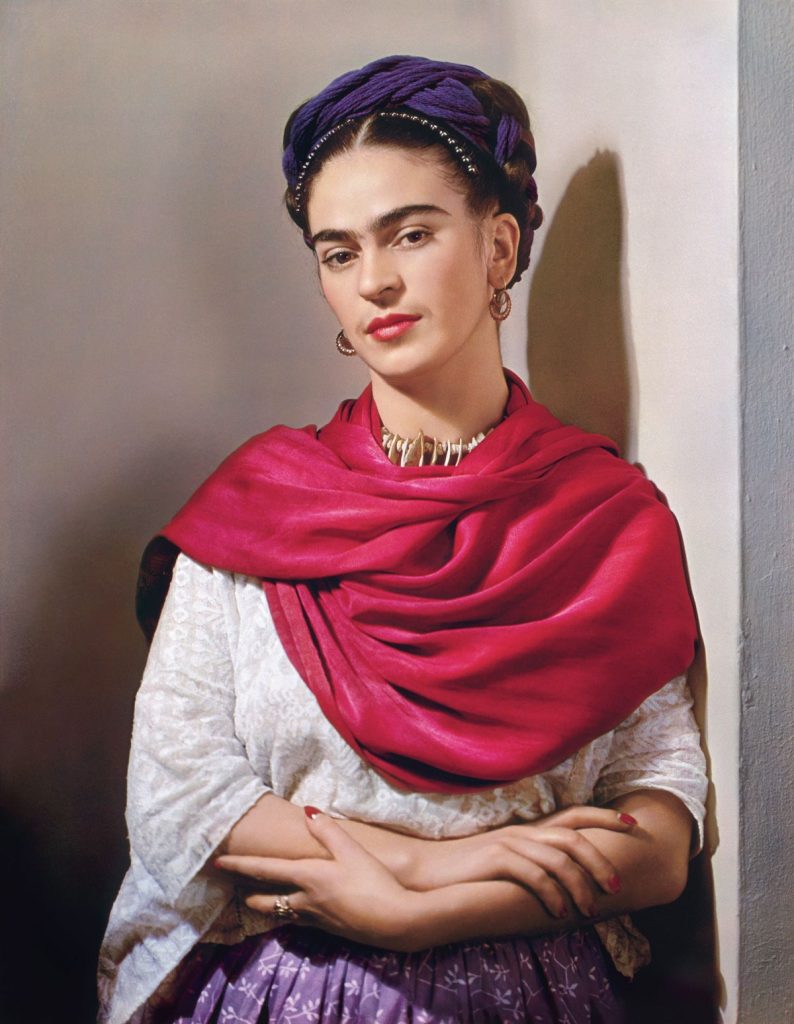
Even after years since Frida Kahlo’s demise, her charisma and powerful sense of style continue to captivate the world. The Mexican artist, famed for her self-portraits, is celebrated in her home country for her attention to indigenous culture, and by feminists worldwide for her depiction of the female experience and form. In fact, she was an advocate of feminism way before it became a staple in the social media age.

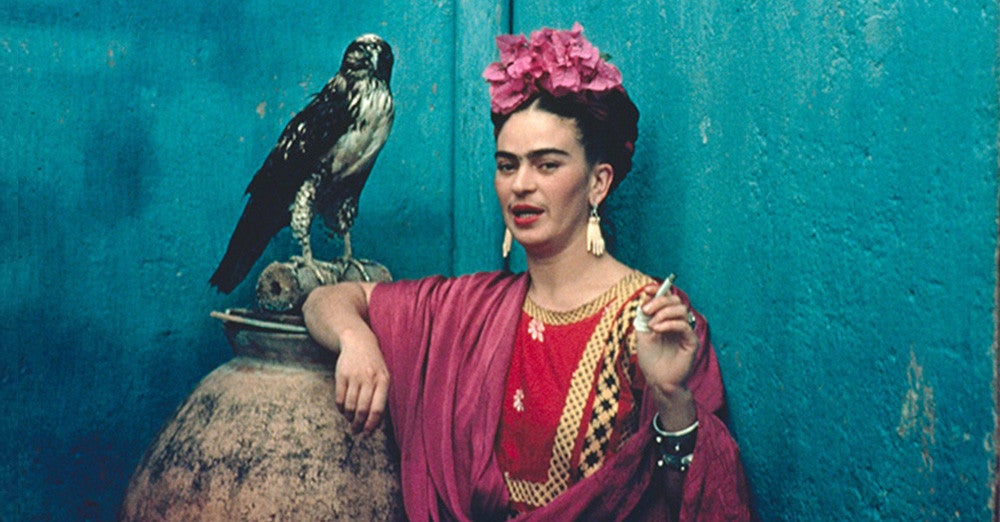
Frida

Early Life of Frida Kahlo

Magdalena Carmen Frida Kahlo y Calderón was born on 6 July 1907 in Coyoacán, a village on the outskirts of Mexico City. Born to a German father and a Mestiza  mother, Kahlo spent most of her childhood and adult life at La Casa Azul, her family home in Coyoacán  – now publicly accessible as the Frida Kahlo Museum. Although she was disabled by polio as a child, Kahlo had been a promising student headed for medical school until she suffered a bus accident at the age of 18, which caused her lifelong pain and medical problems. During her recovery, she returned to her childhood interest in art with the idea of becoming an artist.

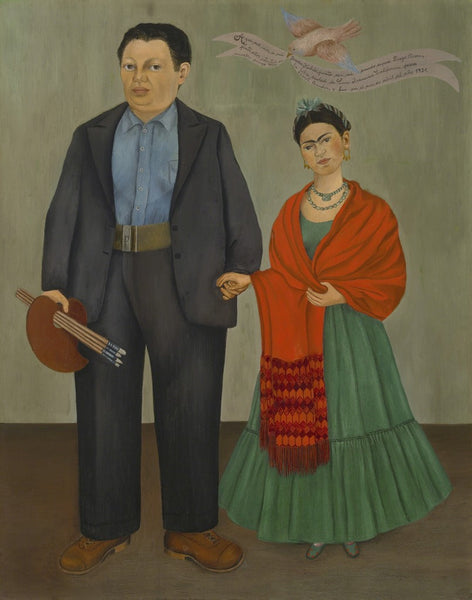
Diego and Frida, Self-Portrait With her Husband

Art Works of Frida Kahlo

Mexican artist Frida Kahlo is remembered for her self-portraits, pain and passion, and bold, vibrant colors. She is celebrated in Mexico for her attention to Mexican and indigenous culture and by feminists for her depiction of the female experience and form.

Life experience is a common theme in Kahlo’s approximately 200 paintings, sketches and drawings. Her physical and emotional pain are depicted starkly on canvases, because of her traumatic bus accident and multiple miscarriages depriving her of Motherhood and leading turbulent relationship with her husband, Mexican Mural artist Diego Rivera, who she married twice. Of her 143 paintings, 55 are self-portraits. She quoted, “I paint self-portraits because I am so often alone, because I am the person I know best.”

Kahlo’s first self-portrait was Self-Portrait in a velvet dress in 1926. It was painted in the style of 19th Century Mexican portrait painters who themselves were greatly influenced by the European Renaissance masters. She also sometimes drew from the Mexican painters in her use of a background of tied-back drapes. Self-Portrait Time Flies  (1929), Portrait of a Woman in White  (1930) and Self-Portrait  (1937) all bear this background.

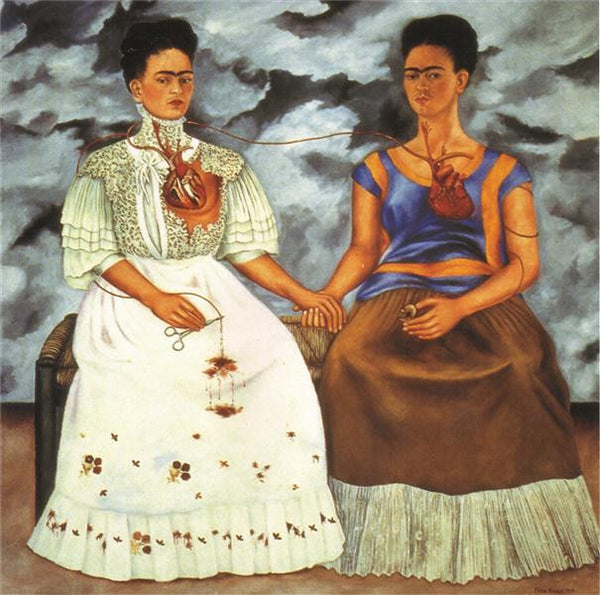
Two Fridas

Self-Portrait With cropped hair (1940), Kahlo is depicted in a man’s suit, holding a pair of scissors, with her fallen hair around the chair in which she sits. This represents the times she would cut the hair Rivera loved when he had affairs. The 1937 painting Memory, The Heart, shows Kahlo’s pain over her husband’s affair with her younger sister Christina. A large broken heart at her feet shows the intensity of Kahlo’s anguish. Frida Kahlo and Diego Rivera divorced in 1939, but reunited a year later and remarried. The Two Fridas  (1939) depicts Kahlo twice, shortly after the divorce. One Frida wears a costume from the Tehuana region of Mexico, representing the Frida that Diego loved. The other Frida wears a European dress as the woman who Diego betrayed and rejected. Later, she is back in Tehuana dress in Self-Portrait as a Tehuana  (1943). Pre-Columbian artifacts were common both in the Kahlo/Rivera home (Diego collected sculptures and idols, and Frida collected Jewelry) and in Kahlo’s paintings. She wore jewelry from this period in Self-Portrait Time Flies  (1926), Self-Portrait With Monkeys  (1938) and Self-Portrait With Braid  (1941), among others. Other Pre-Columbian artifacts are found in The Four Inhabitants of Mexico City  (1938), Girl With Death Mask  (1938).

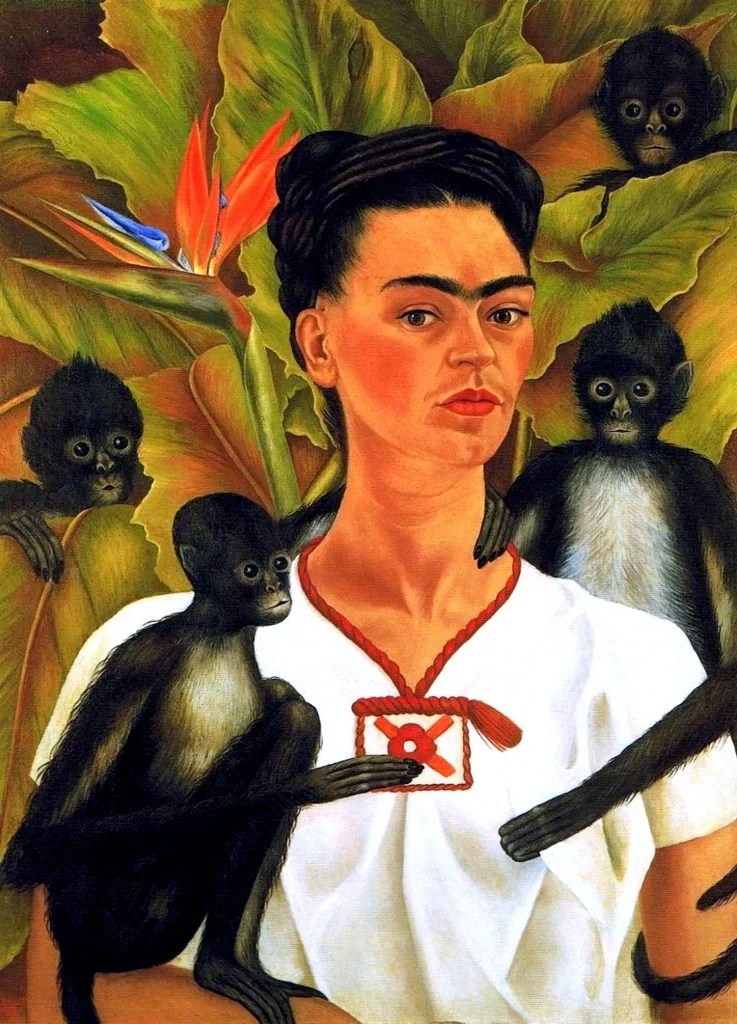
Frida‘s Self-Portrait With Monkeys

Analysis of Frida’s Artworks: Mexican Nationalism

Frida Kahlo was heavily influenced by the Mexicayotl movement, which sprung from the colonialist mindset that native Mexican culture is inferior and that Mexico should emulate Europe. The Mexicayotl movement aimed at protecting the indigenous culture and traditions among the Mexican people. In most of Kahlo’s self-portraits, she paints herself in traditional indigenous Mexican dress. She wears long, colourful skirts, huiplis (loose-fitting tunic), rebozos (shawls) and elaborate headdresses. Painting herself in the Tehuana dress was a chance for Kahlo to express her anti-colonialist ideas and pay homage to her indigenous ancestry.

Frida‘s Portrait of Deer with Human Face

Symbolism and Surrealism

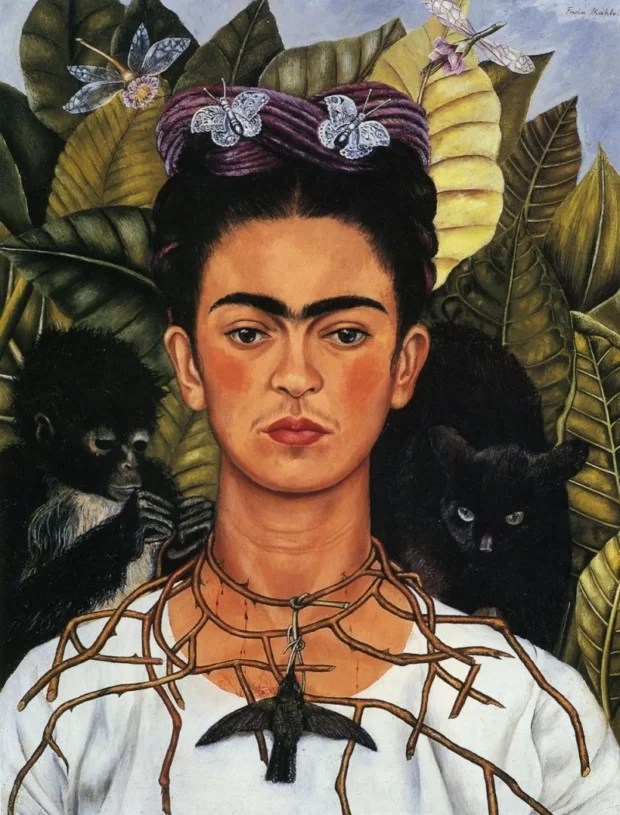
After periods of depression and miscarriages in her life she gave herself to pets around her. She liked to use animals as models in her artworks. Her paintings are domesticated by monkeys, hummingbirds, dogs, and cats. One of her self-portraits depicts her with three spider monkeys. The animals became protective and tender symbols to Kahlo. On the contrary, Mexican Mythology suggests monkeys are symbols of lust. Frida’s significant self-portrait was Self- Portrait with Thorn Necklace and Hummingbird. According to some art historians, Kahlo wanted to show that she had been resurrected and had started a new life with this painting. As a symbol of this idea, the hummingbird was placed in her necklace. The hummingbird symbolizes hope and good luck in Mexican culture. However, the audience may notice the black cat – known as a symbol of bad luck – taking its place behind the right shoulder of Kahlo. Different interpretations say that the hummingbird pendant refers to Huitzilopochtli. It is the Aztec god of war and may refer to the pain Kahlo suffered all her life internally. Other important symbols of the painting were butterflies and the thorn necklace. Butterflies symbolize resurrection and it may refer to her rebirth in life after the accident. Furthermore, the thorn necklace she wears may be the symbol of Jesus’ crown of thorns, which he bore while being dragged to his crucifixion. In addition to these symbols, Kahlo created a painting that both uses Christianity and animal symbolism in one subject matter. Painting The Little Deer, 1946 made by Frida  depicts her as a deer with a human face. The artist portrayed herself in this painting. However, there is a much more important detail in this artwork – the deer wounded by the arrows reminds us of Andrea Mantegna’s depiction of Saint Sebastian from 1480. It may also be a reference to crucifixion and resurrection.

Frida‘s Self-Portrait With Thorn Necklace and Hummingbird

Conclusion

Women prior to Kahlo who had attempted to communicate the wildest and deepest of emotions were often labelled hysterical or condemned insane – while men were aligned with the ‘melancholy’ character type. By remaining artistically active under the weight of sadness, Kahlo revealed that women too can be melancholy rather than depressed, and that these terms should not be thought of as gendered.

The Girl With a Pearl Earring: What Made It So Famous

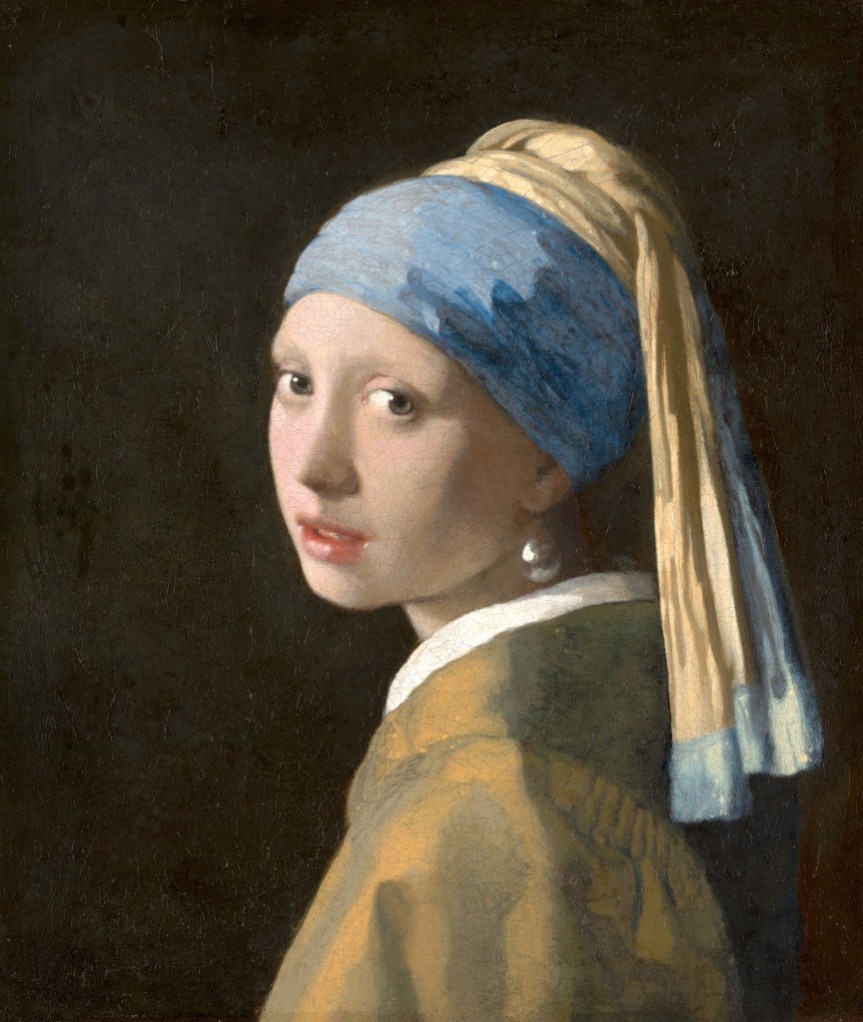
The Girl With a Pearl Earring (1665) by Johannes Vermeer

Introduction

Nicknamed the “Mona Lisa of the North“,the Girl with a Pearl Earring, is one of the masterpieces by famed Dutch painter, Johannes Vermeer. It hauntingly engages the viewer with enhanced realism, showcasing the electrifying gaze of a young girl adorned with a blue and gold turban. Created by Vermeer in 1665 during the Baroque period, the upper bust of the girl against a dark background has a three-dimensional effect that sets off her glowing appearance.

Historic Background

In Vermeer’s era, paintings were considered to be craftsmanship instead of art. Vermeer, a Dutch master painter at his peak, dedicated his life to developing his craft. By 1665, when the Girl with a Pearl Earring was created, Vermeer had begun to depict women, demonstrating a deep interest in their socio-cultural roles. The subject in this painting is believed to be Vermeer’s daughter, Maria.

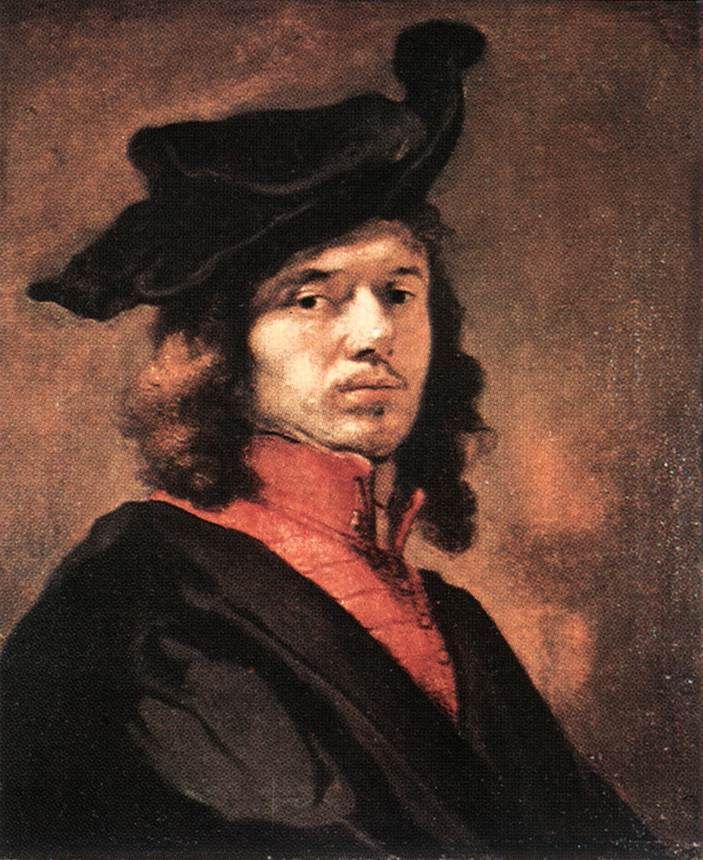
Self-Portrait of Johannes Vermeer

Subject of The Painting

The Painting was basically crafted with oil Painting on canvas and is categorized in Dutch Realism Movement arts. Although many art critics contend that the Girl with a Pearl Earring is a portrait, the prevailing argument is that it is a tronie, which is a study of the facial expressions of a living model. The composition of Girl with a Pearl Earring is delightfully simple. Unlike most of the other paintings by the Delft master, the subject here is only a simple head of a girl looking over her shoulder at the viewer. In Girl With a Pearl Earring, the young female model appears to be startled by something, while glancing taciturnly over her shoulder.No hint of a setting is provided, other than its atmospherically dark tone. This too is unusual for the mature Vermeer. The unusually direct contact between subject and spectator, and the slightly parted position of the lips, presents a sense of immediacy so great as to imply significant intimacy. The girl is wearing a simple brownish-yellow top, which contrasts strongly with her bright white collar. A further contrast is offered by her blue and yellow or turban (or chaperon) which gives the picture a distinctly exotic effect. During Vermeer’s time, the turban was a popular prop for tronies because of its deep folds and robust shades, which allowed artists to show off their skills and abilities.

Discussing the Painting: The uniqueness

Utilizing the technique of under-painting, or a monochromatic ground, Vermeer made the Girl with a Pearl Earring seem to lift from the canvas. Through careful use of his palette, he created the deep, rich tones of the girl’s headdress and gown. Then, to give her skin a glowing appearance, he used pigments to create light and shadow effect that contrasted the background. The Pearl Earring, status symbol of the period , worn by the subject, composed by only two brush strokes. The two whites, one on each corner of her mouth, helped to enliven the subject’s pensive smile.

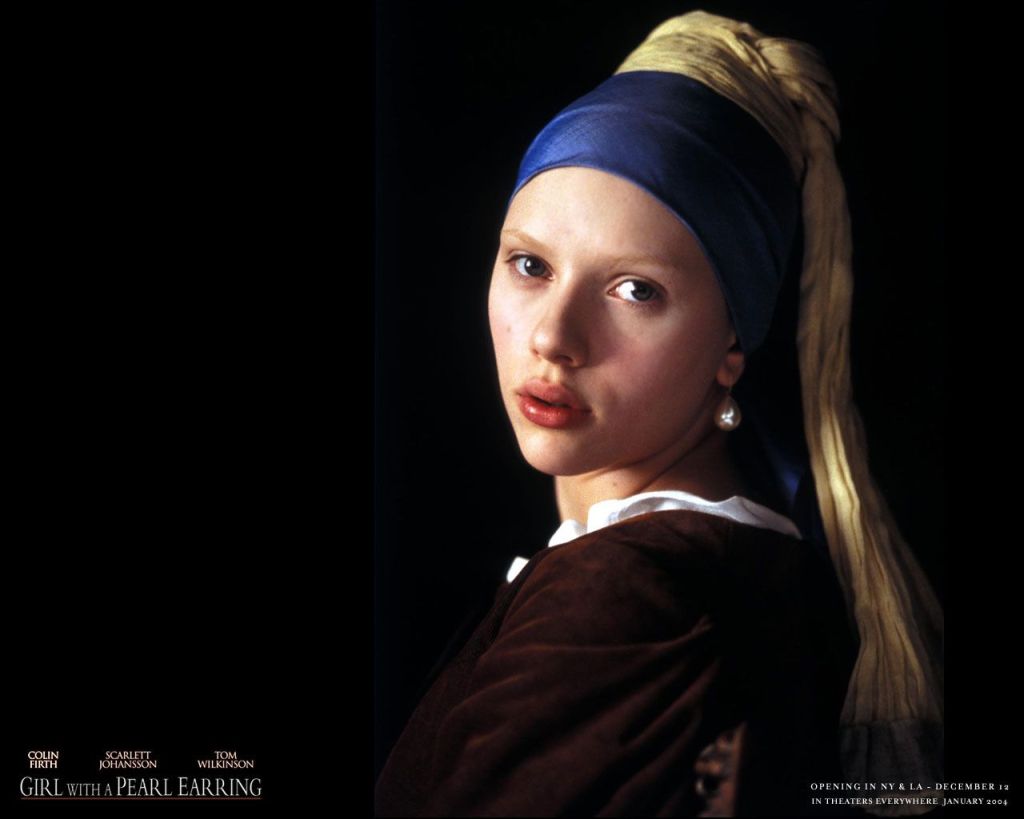
Scarlett Johansson in Girl With a Pearl Earring movie (2003)

The Painter’s Touch: The Cinematic Adoption

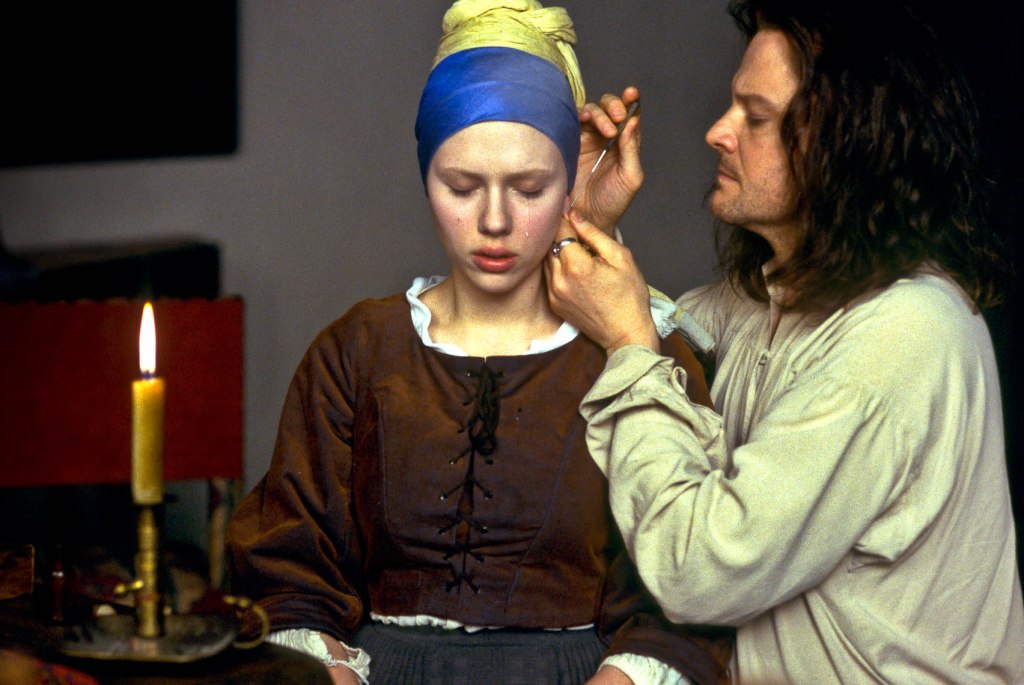
Although now a highly regarded artist, Vermeer was not well known outside of his native city of Delft during his lifetime or in the decades after. Historians credit the 19th-century French critic Étienne-Joseph-Théophile-Thoré (under the pseudonym of William Bürger) for reassessing the artist’s work, which eventually led to Vermeer’s distinguished reputation. Even so, Girl with a Pearl Earring became one of Vermeer’s more famous pieces only around the turn of the 21st century, with the 1995 blockbuster exhibition at the National Gallery of Art, Washington,D.C. and the publication of the best-selling novel Girl with a Pearl Earring by Tracy Chevalier in 1999. The book fashioned the painting’s subject into a housemaid named Griet who works in Vermeer’s home and becomes his paint mixer. It was adapted into an Oscar nominated movie in 2003 starring Scarlett Johansson as the fictional Griet and Colin Firth as Vermeer.

Scarlett Johansson as Griet and Colin Firth as Vermeer in Girl With a Pearl Earring movie (2003)

Where at Present Day

Mauritshuis, Den Haag, Netherlands

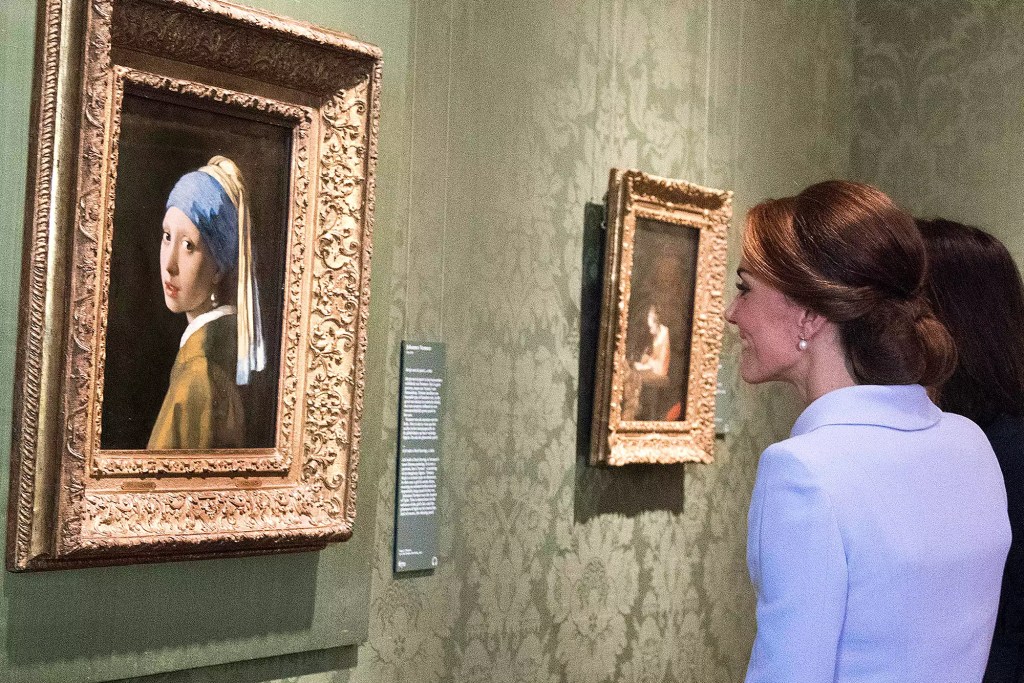
As the buildings of Mauritshuis Museum ,Hague underwent renovation in 2012, Girl with the Pearl Earring travelled to Japan, Italy, and the United States. It drew crowds in each location, attesting to its now firm place in audience regard. When Girl returned to the Netherlands in 2014, the Mauritshuis announced it would no longer lend out the painting, assuring visitors that the museum’s main attraction would always be in its home.

Princess Kate Middleton of England came face-to-face with one of the best-loved paintings in the world — “Girl with a Pearl Earring” — during a visit to the Mauritshuis museum in The Hague.
 

Conclusion

Humans have always adored paintings as one of the highest form of visual arts, and few of such arts can truly surpasses the inertness of still lives and remains immortal forever. The Girl With a Pearl Earring, poses the appeal of simplicity to rethink of life and consider the fact that beauty of life can also be found in the simplest joys around us.

To Kill A Mockingbird: The Book Review

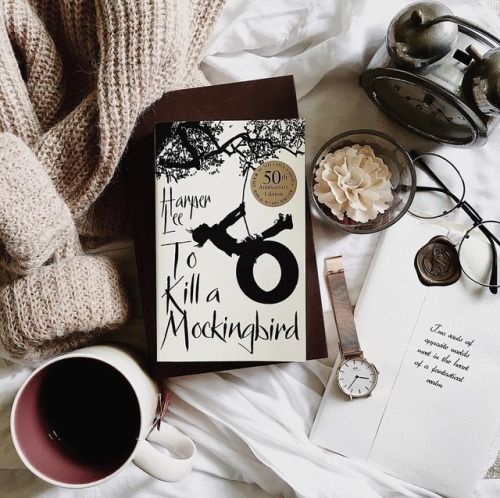
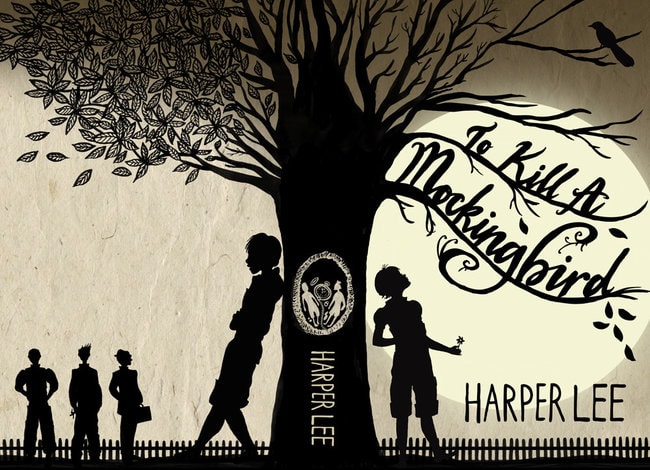
Cover of To Kill A Mockingbird novel (1960)

Introduction

To Kill a Mockingbird is a very popular modern classic by the American author Harper Lee, that narrates a coming-of-age story with a theme of social equality and prejudice. It was published in 1960 and was instantly successful. The unforgettable novel of a childhood in a sleepy Southern town and the crisis of conscience that rocked it. In the United States, it is widely read in high schools and middle schools. To Kill A Mockingbird  has become a classic of modern American Literature, winning the Pulitzer Prize in1961 and was later made into an Academy Award-winning film, also a classic.

About The Author

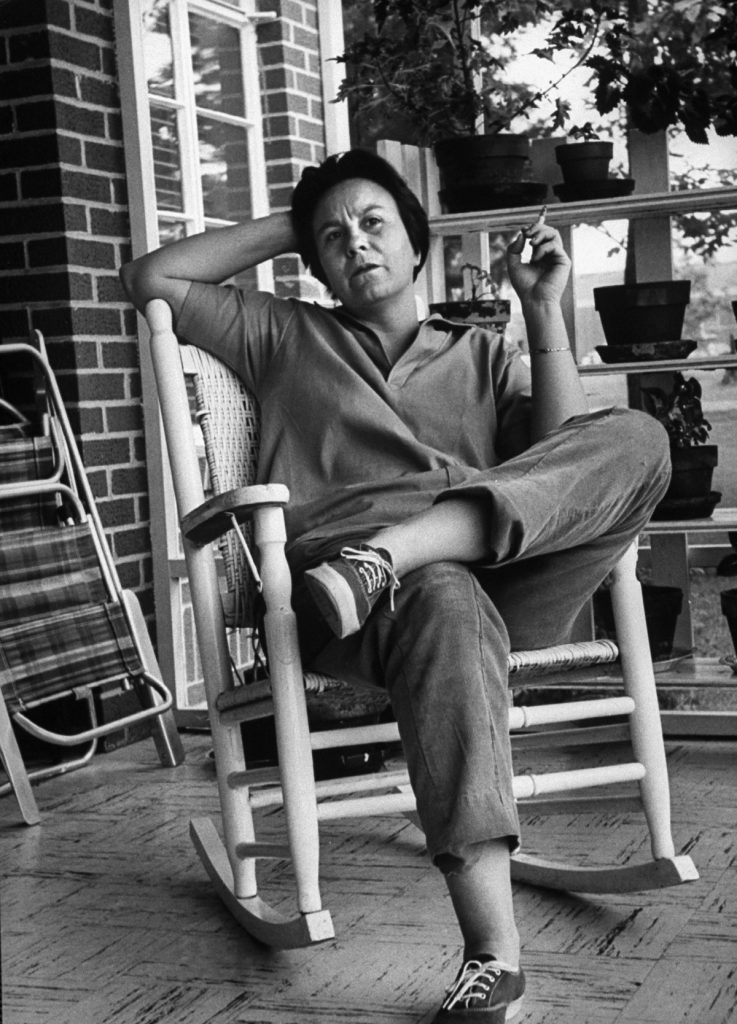
Nelle Harper Lee (April 28, 1926 – February 19, 2016) was an American novelist best known for her 1960 novel To Kill A Mockingbird. Lee has received numerous accolades and honorary degrees, including the Presidential Medal of Freedom  in 2007 which was awarded for her contribution to literature. She assisted her close friend Truman Capote  in his research for the book In Cold Blood (1966). Capote was the basis for the character Dill Harris in To Kill a Mockingbird.

Harper Lee

Storyline of The Novel

The novel follows the story of a black man in the 1930s, convicted for the rape of a white girl. It is written from the perspective of two young children and their confusion at topics like race and the discriminatory ways of adults around them. Despite been written in a child’s perspective, the story does not diminish the meaningful themes of the novel in any way. Even after 80 years of its publication, the book is still popular and highly relates to our society.

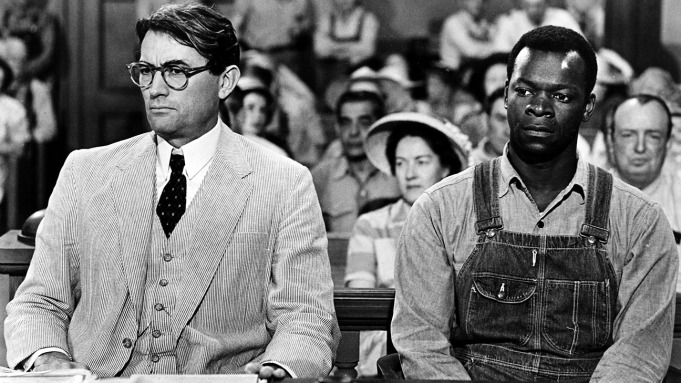
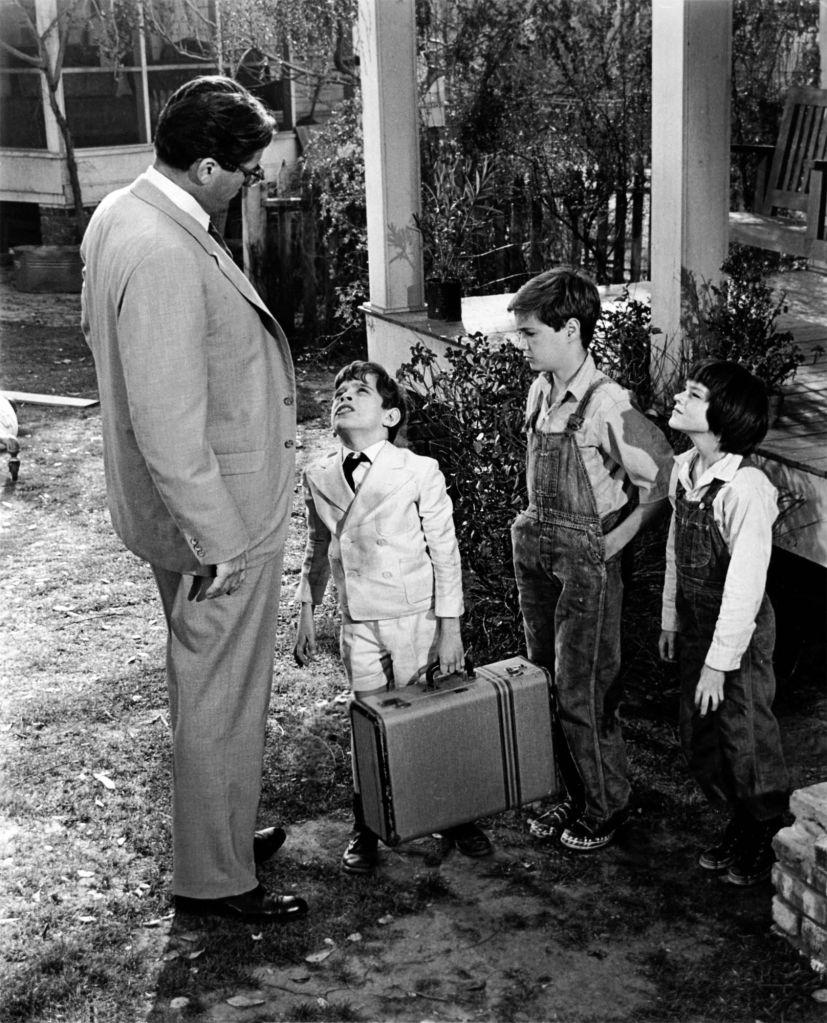
Gregory Peck as Atticus Finch and Brock Peters as Tom Robinson in To Kill A Mockingbird movie(1962)

The story evolves around six-year-old Scout Finch is living in the small town of Maycomb, Alabama during the Great Depression. Raised by Atticus Finch, Scout and her brother, Jem, are very comfortable with Maycomb and understand the well being of their neighbours, except the house of the mysterious Arthur Radley, whom they obsess over. Half the book is basically about Scout, Jem, and Dill (their new friend) trying to lure Arthur Radley out of his house. However, when Atticus, a lawyer, decides to take the case of a black man named Tom Robinson, tensions become high and the trial to see whether Tom Robinson is guilty or innocent based on his crime and, especially, his skin colour is at stake. 

Analysis of The Storyline

To Kill a Mockingbird focuses on that gut instinct of right and wrong, and distinguishes it from just following the law. Even the titular quote: “Shoot all the blue jays you want, if you can hit ’em, but remember it’s a sin to kill a mockingbird” is in itself an allegory for this message. Being in itself a generic message, the idea of ‘doing what’s right’ obviously has a different meaning depending on when and where you’re reading the book. If you take 1960, when the book was written, America was in a state of ethical development as social inequality was – very – gradually being overcome. Women’s rights and black rights movements were beginning to emerge and some campaigned through violence. Would Atticus Finch condone this?

In the 1930s, when the book was set, America was in the midst of the Great Depression. This was a time when economic difficulties meant that the American Dream was receding further and further away. We could consider that Atticus Finch felt that his own dream of an equal, morally decent society was also heading in the wrong direction.

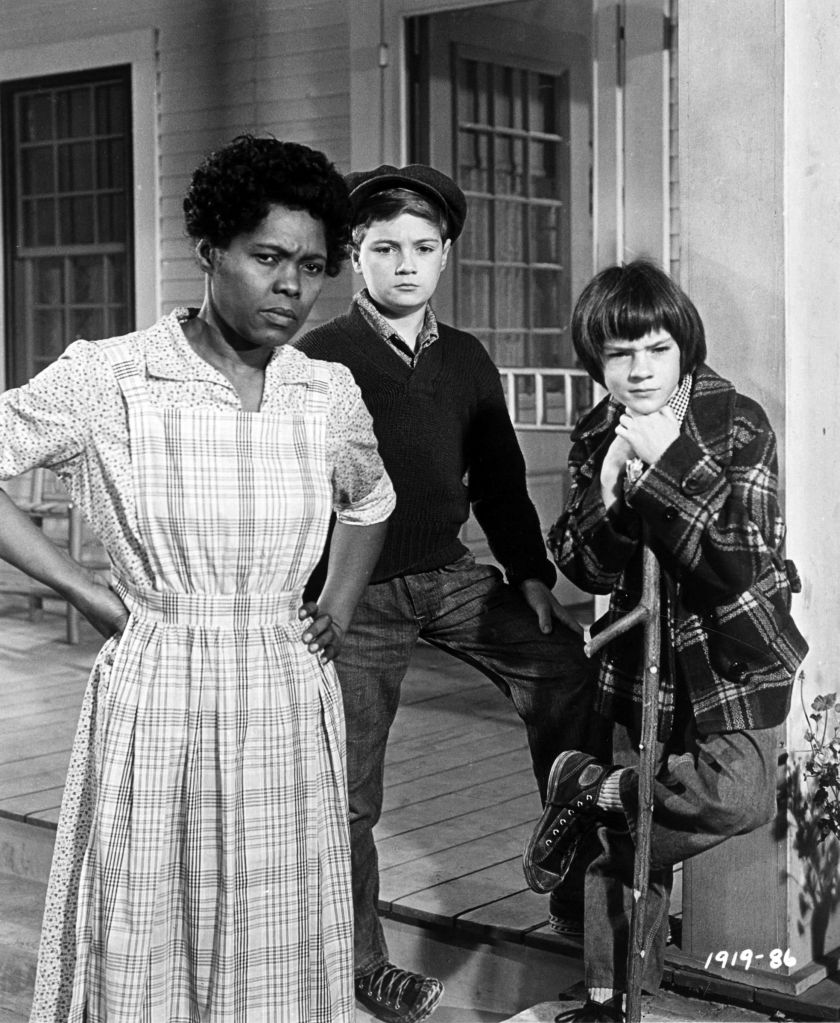
Scene from To Kill A Mockingbird movie (1962)

Criticism and Relevance of The Storyline

This 1960 novel is ahead of its time; carrying a message that is still needed by today’s world, Harper Lee’s debut novel is regarded as one of the best contemporary classics. Prejudice against the black community is the main theme of this novel. The lives of the main character revolve around this. Standing up for what’s right, defending the weak, swimming against the current; all these righteous acts comes at a huge price, sometimes even risking the lives and dignity of our loved ones. The novel gives us a strong message to the readers. It so skilfully presents the vulnerability of a minority community and how they fall prey to prejudice. The author very skilfully brings forth the sub of racism, that too very tenderly through characters who peacefully struggle against this evil. Harper Lee shows us that in every society, there are some people who would stay firmly at the side of justice, though they may face severe consequences.

scene from To Kill A Mockingbird movie (1962)

Conclusion

Without denying the constancy of the moral message, and the pure ingenuity of the book, it’s still open to debate whether, as with all classics, schoolchildren should be forced to read the novel and go over it page-by-page. Therefore everyone who reads it can take something out of it which no one has before. Let it not be forgotten that a true piece of literature, like To Kill a Mockingbird, is meaningful in every period and that today, Atticus Finch’s message should be heard in the midst of all the global conflicts that we hear of on the news every day and night.

Lolita: The Book Review

Introduction

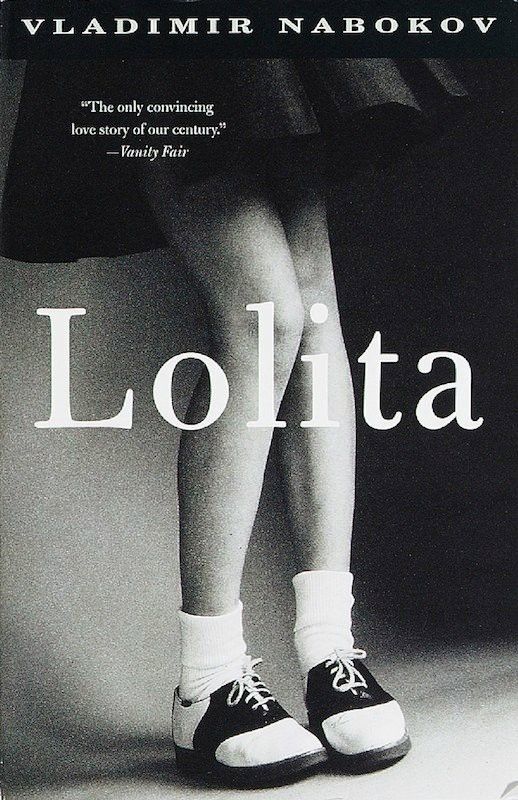
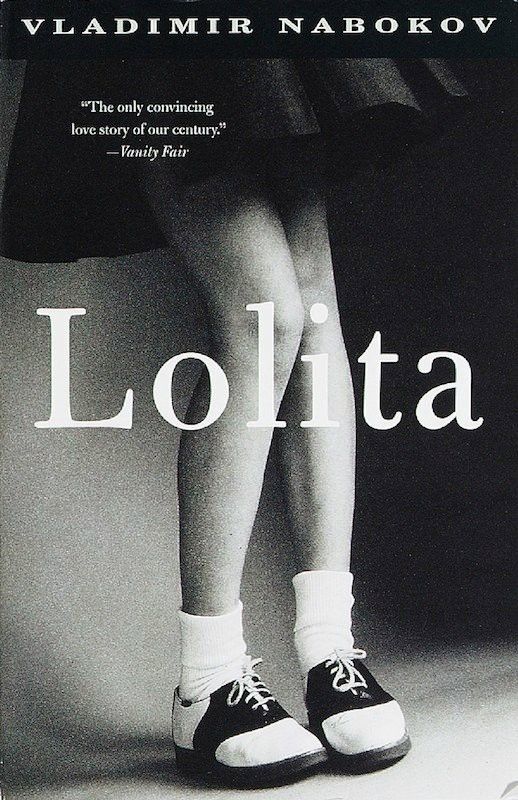
The cover of Lolita (1955)

Lolita  is a 1955 novel written by Russian-American novelist Vladimir Nabokov. The novel is notable for its controversial subject, which engages an unethical relationship between a middle aged man and a minor girl. First issued in 1955 by an unorthodox Paris press after being rejected by a string of American publishers; banned by the French government, presumably out of solicitude for immature English-speaking readers (the ban was later quashed by the French High Court); pronounced unobjectionable by that blue-nosed body, the U. S. Customs office; and heralded by ovations from writers, professors, and critics on both sides of the Atlantic, became a near-instant bestseller in the US, shifting over 100,000 copies in its first three weeks alone. The shocking subject matter, gleefully punning unreliable narrator, and Nabokov’s spellbinding sentence-level prowess combined to create a book as repulsive as it was inviting—comic and horrific and utterly absorbing. The novel was later adapted in two movies with the same name of the novel, Lolita(1962) and Lolita(1997) .

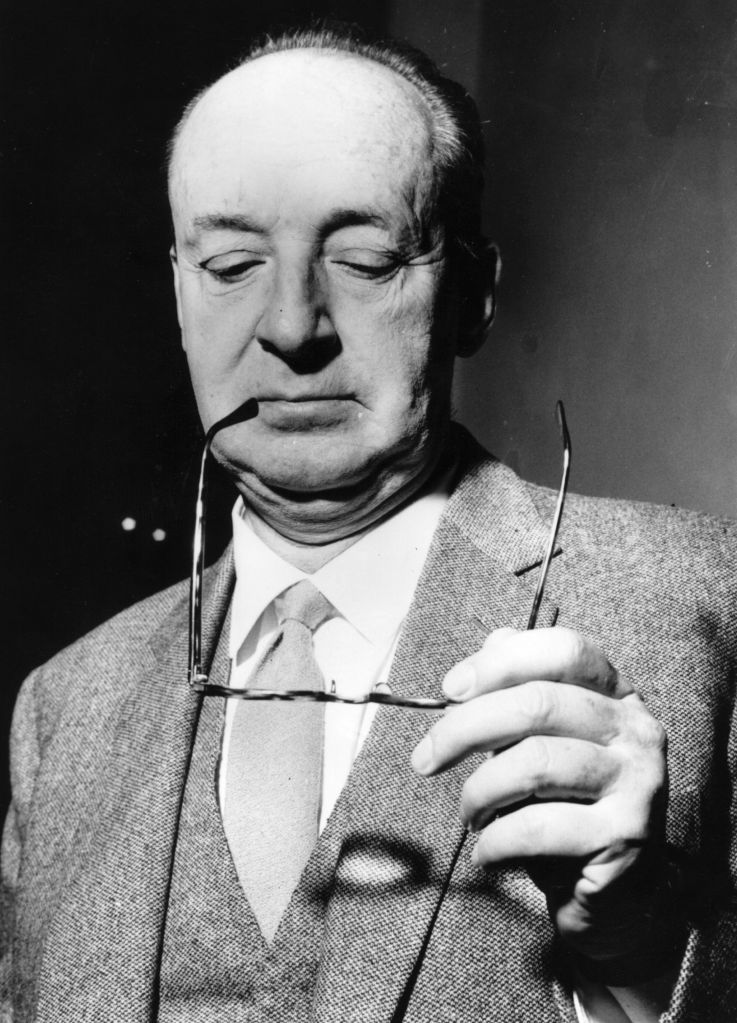
Russian writer Vladimir Nabokov (1899 – 1977) in Rome to work on the film screenplay of his most famous book, ‘Lolita‘.

About The Author

Vladimir Vladimirovich Nabokov , also known by the pen name  Vladimir Sirin, was a Russian-American novelist, poet, translator, and entomologist. Born in Russia, he wrote his first nine novels in Russian (1926–1938) while living in Berlin. He achieved international acclaim and prominence after moving to the United States and beginning to write in English. Nabokov became an American citizen in 1945, but he and his wife returned to Europe in 1961, settling in Montreux, Switzerland.

Nabokov’s Lolita  (1955) was ranked fourth in the list of the Modern Library 100 Best Novel  in 2007, Pale Fire  (1962) was ranked 53rd on the same list; and his memoir, Speak Memory (1951), was listed eighth on publisher Random House list of the 20th century’s greatest nonfiction. He was a seven-time finalist for the National Book Award for Fiction.

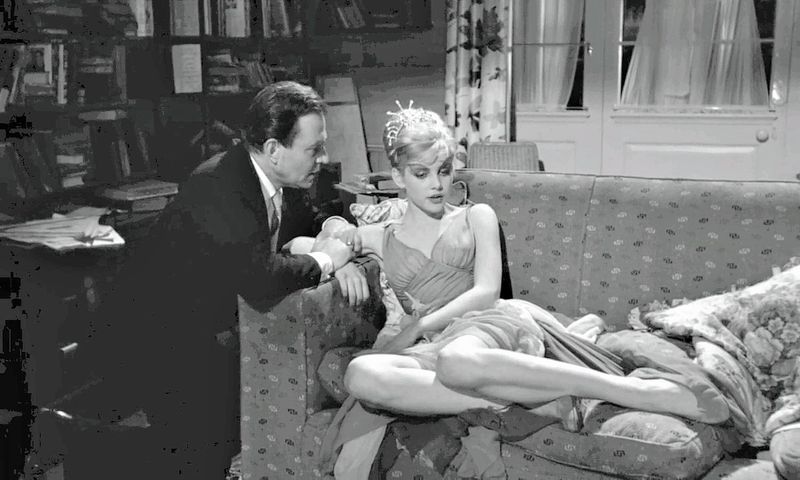
Cinematic Adaptation of Lolita (1962), starring James Mason as Humbert Humbert and Sue Lyon as Lolita

Storyline of The Novel

Lolita, Vladimir Nabokov’s immaculate and disturbing masterpiece, is the story of middle-aged paedophile man Humbert Humbert—a handsome, French-born intellectual on the one hand, and unapologetic sexual predator on the other and his tragic love affair with his 12-year-old, bubble-gum popping stepdaughter Dolores Haze, who is fondly called Lolita by Humbert. It’s a post-war road novel, the odyssey of a venerable European man and a prepubescent American girl bouncing across the United States, trying to outrun the past and find a future that doesn’t exist.

Lolita (1962)

Humbert’s sociopathic behaviour might be traced back to a sexual experience when he was 13, when he meets his “first love” Annabel—a 12-year old girl who is travelling with her parents. They lust for each other fervently, with an intensity that leaves a permanent impression on Humbert. He describes his passion with a cannibalistic “frenzy of mutual possession [that] might have been assuaged only by our actually imbibing and assimilating every particle of each other’s soul and flesh.” Their failure to complete the dirty deed leaves an indelible, unresolved tension in Humbert—an impoverished thirst for early-pubescent girls that carries through to adulthood, which he is forced to lie about . He gets married to a widow who he physically abuses to get his own way. He constantly admits himself to sanatoriums, but finds the doctors ridiculous and uses his intelligence to mislead them. He swings from “ashamed and frightened” to “recklessly optimistic,” craving hedonistic intercourse with 11 to 14 year-old girls, but living in the wrong country and century. He tries to justify his urges by recounting accepted paedophilia throughout history, but even his vindications are half-hearted and remorseless—he’s a grown man who wants to have intercourse with children, and there’s nothing to be done about it. He’s an “artist and a madman, with a bubble of hot poison in his loins.” His anguish is illustrated beautifully by Russian-born Nabokov, whose mastery of English is mind-blowing. The animalistic language that he uses is both shocking and enthralling, and some sentences are appalling in their vividness.

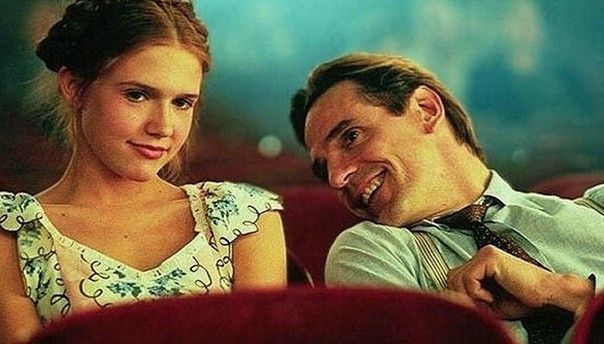
Cinematic Adaptation of Lolita (1997), starring Jeremy Irons as Humbert Humbert and Dominique Swain as Lolita

Humbert understands the precariousness of his attachment to Dolores. She’s a hostage who he appeases with countless and expensive bribes, spawning a crippling jealousy that his nymphet will run away with someone else, especially because of her flirtatious nature. The juvenile sensuality of Dolores Haze makes a paedophile and a green-eyed monster of Humbert, who becomes more and more paranoid as the story unfolds. 

Analysis of The Novel

To be sure, this novel isn’t for the faint of heart, but neither should prospective readers retreat to any kind of moral high ground. Nabokov, in fact, threads an unexpected and affirming emotional serenity through his portrait of obsession. His enigmatic narrator leaves us in spellbound rapture. Because for all of its linguistic pyrotechnics — as Humbert confesses, “you can always count on a murderer for a fancy prose style” — and for all its controversial subject matter, Lolita is one of the most beautiful love stories you’ll ever read. It may be one of the only love stories you’ll ever read. This is the most thrilling and beautiful and most deeply disturbing aspect of the novel — and it’s what most persuasively recommends the book — that in addition to finding Humbert’s soul on the page, we also find, like it or not, a little of our own.

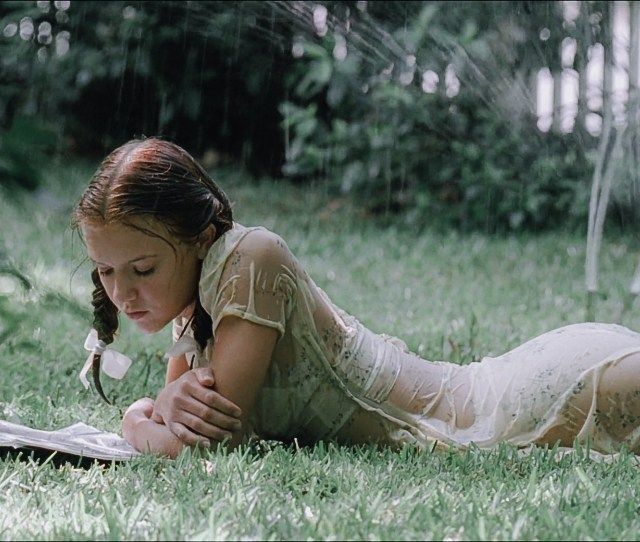
Lolita (1997)

The Author has afflicted poor Humbert with a special and taboo variety for a couple of contradictory reasons. In the first place, its illicit nature will both shock the reader into paying attention and prevent sentimentally false sympathy from distorting his judgment. Contrariwise, I believe, Mr. Nabokov is slyly exploiting the American emphasis on the attraction of youth and the importance devoted to the ‘teen-ager’ in order to promote an unconscious identification with Humbert’s agonies. 

Criticism of The Novel

The art that palliates Humbert’s misery has not notably relieved the distress of reviewers, most of whom have felt obliged to ask themselves, how the author could come up with such horrific storyline. Some have concluded, rather desperately, that he hasn’t done it at all. According to one interpretation, Mr. Nabokov has merely written an allegory of a European intellectual who falls in love with America and discovers, to his gentle sorrow, that the country is still a trifle immature. Aside from the difficulty of assigning roles, the fact that the author is obviously capable of writing such a story without the aid of a nympholeptic allegory throws considerable doubt on the argument. It has also been suggested, ingeniously, that Mr. Nabokov really wanted to write a tale of romantic passion in the grand, or nineteenth-century, manner, and found that the only way to make such a passion interesting to the contemporary reader was to disguise it as psychopathology. If this interpretation is correct, one can only say that Mr. Nabokov has beautifully concealed his disappointment at having to portray his heroine as a child.

Lolita (1997)

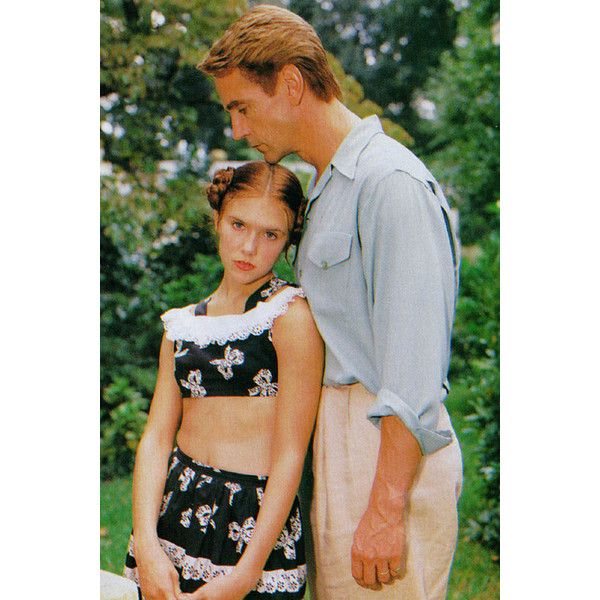
Despite Humbert’s evil, the fallout from the relationship is heartbreaking. Our empathy for the odious rogue is Nabokov’s greatest achievement in the novel. We both detest and sympathise with him, leaving us feeling confused and perhaps a little guilty. Humbert’s vile actions and fantasies, in which he dreams of painting a mural and re-live hopelessness of falling in love with a girl who could never love him back. Like Humbert’s love for DoloresLolita felt like a forbidden fruit, breaking the sturdiest of taboos to illuminate the mind of an infatuated, sociopathic paedophile, which is a mind we rarely get to see. 

Lolita (1997)

Conclusion

Lolita is old enough and infamous enough to be known as a story of unhinged paedophilia. But it’s also a beautiful and depressing love story, with a tortured antagonist who despite his crimes, and due to the skill of the book’s author Vladimir Nabokov, we can eventually empathise with.

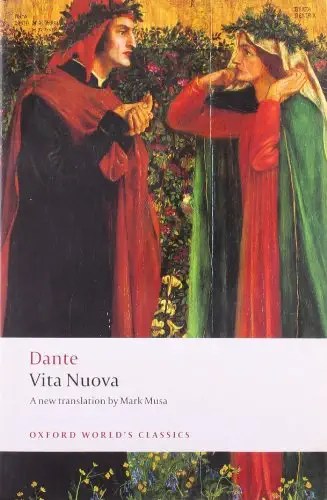
Dante Aligheiri: Connecting His Life, Love and Literature

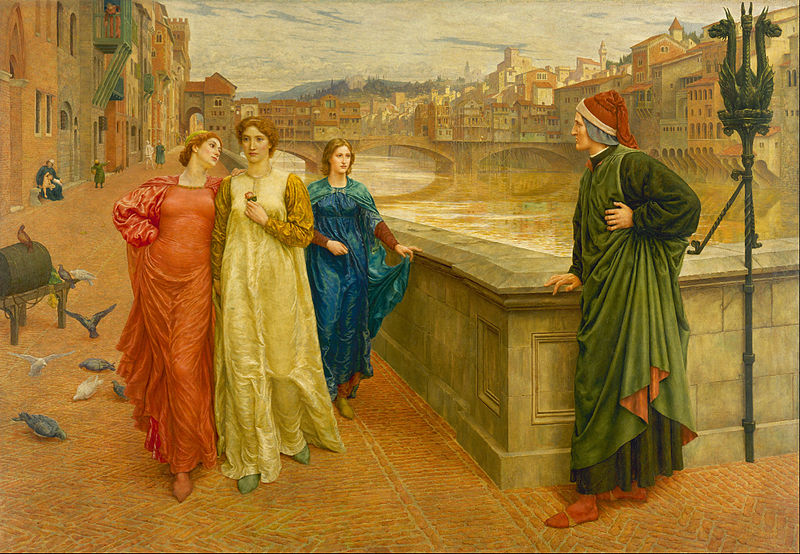
Dante, looking at Beatrice passing by (Art Work)

Introduction

Dante Aligheiri, the famous Italian poet, is without any debate, one of the most passionate poets of all time who believed in and lived by the true meaning of Love through his exceptional writings . His works are still considered as the Canvases of Human Mind, sparkling and expressing love through words. Though, the love of his own life remained unrequited and that agony fueled his journey of writing as a neverhealed wound, creating some masterpieces of Romantic Literature.

Early Life of Dante

Born in Florence, Italy around 1265, Dante was the son of Alighiero di Bellincione Alighieri and Bella di Abati, and he grew up among Florentine aristocracy. Scholars surmise that he received formal instruction in grammar, language, and philosophy at one of the Franciscan schools in the city. 

Dante’s Love : Beatrice Portinari

Dante first met Beatrice Portinari, daughter of Folco Portinari, when he was only nine years old and he claimed to have fallen in love with her “at first sight”, apparently without even talking with her. He would later write about his instant love for her in “Vita Nuova”, saying “Behold, a deity stronger than I; who coming, shall rule over me.”

When he was 12, however, he was promised in marriage to Gemma di Manetto Donati, daughter of Manetto Donati, member of the powerful Donati family. Contracting marriages for children at such an early age was quite common and involved a formal ceremony, including contracts signed before a notary. Dante claimed to have seen Beatrice again frequently after he turned 18, exchanging greetings with her in the streets of Florence, though he never knew her well.

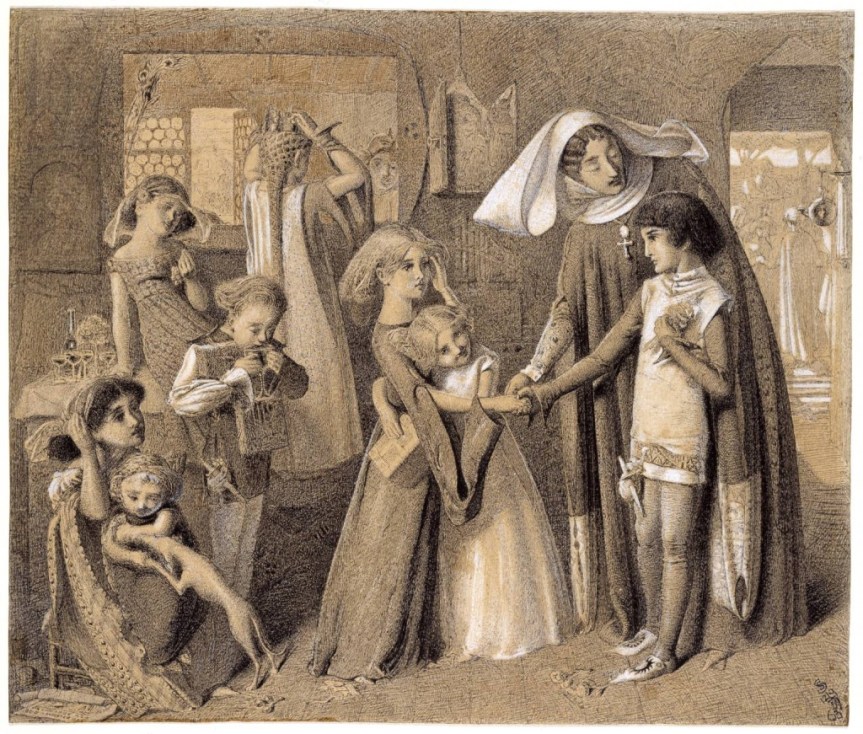
Dante meeting Beatrice for the first time (Art work)

Beatrice’s Death: Presence in Dante’s work

Beatrice died in 1290 at age twenty four. Beatrice probably never had any idea of the depth of his passion for her, yet she was to become one of literature’s most famous figures.

After Beatrice’s death, Dante withdrew into intense study and began composing poems dedicated to her memory. The collection of these poems, along with others he had previously written in his journal in awe of Beatrice, became La Vita Nuova, a prose work interlaced with lyrics.
Dante describes his meetings with her, praises her beauty and goodness, describes his own intense reactions to her kindness or lack thereof, tells of events in both their lives, and explains the nature of his feelings for her. She represents an idealized love, the kind of love that transcends physicality. Alighieri included her in both La Vita Nuova and Divine Comedy. She is his salvation; the “gentilissima” (most kind) and “benedetta”(blessed). It is Beatrice who serves as his guide in Heaven in Divine Comedy. La Vita Nuova also relates of the day when Dante was informed of her death and contains several anguished poems written after that event. In the final chapter, Dante vows to write nothing further of Beatrice until he writes “concerning her what hath not before been written of any woman.”

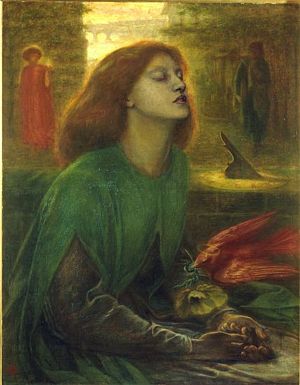
Portrait of Beatrice

Analysis of Dante’s Love and Literature

The promise is fulfilled in the epic poem The Divine Comedy, which he composed many years later. In that poem, he expresses his exalted and spiritual love for Beatrice, who is his intercessor in the Inferno, his purpose in traveling through Purgatorio, and his guide through Paradiso.

Beatrice addresses Dante, the author and a character himself, for the first time in Canto 2 of Dante’s “Inferno”: she descends into Limbo and prays that the poet Virgil can rescue Dante. She then reappears in Canto 30 of Purgatorio, when Virgil disappears.

At first sight of her in Purgatorio, he is as overwhelmed as he was at the age of nine and is dazzled by her presence throughout the journey until she ascends again to her place in heaven, the point closest to God that he is allowed to reach.
This expression of sublimated and spiritualized love ends with Dante’s total absorption into the divine.
Their last meeting is set among the blessed in Heaven at the end of their journey into the afterlife.

Dante’s work Vita Nuova, heavily influenced by Beatrice

Conclusion

Dante’s love for Beatrice may have been idealized and unattainable, but at the core of that love is admiration, goodness, and respect. That’s a type of love that we don’t see much of in the media of today’s world. We prize the scintillating and love has become synonymous with physical lust.Dante’s love transcends the physical. It is a love of the heart and the intellect. She represented the ideal of beauty and grace, but was also a real woman.
Beatrice appeared to Dante as the woman/angel that guides him through Paradise, but also remained a real woman who made his heart beat in the streets of Florence.

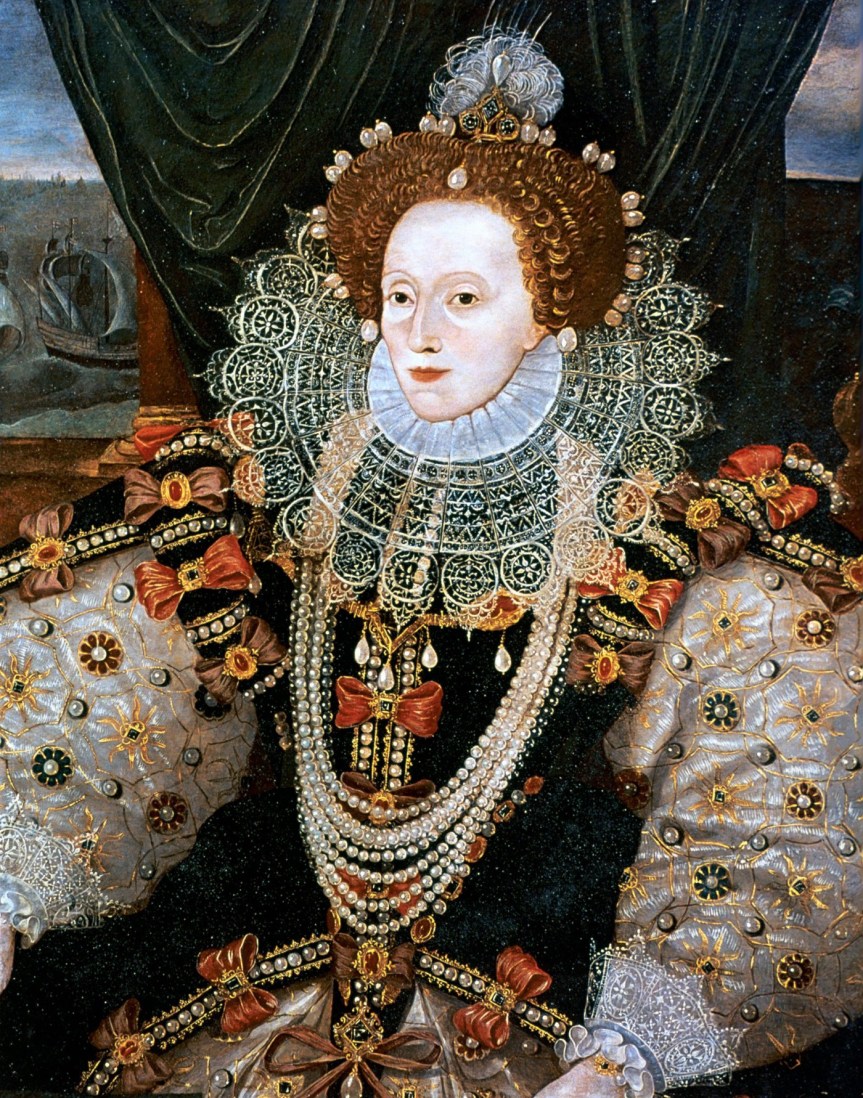
The Toxic Beauty: How Cosmetics Killed Her Highness Queen Elizabeth I

Queen Elizabeth I of England and Ireland

Introduction

Beauty has always been the greatest concern for women since ages. Women , all over the world did what not, to look pretty and presentable throughout the history of Human Civilization. And to address the need of looking flawlessly beautiful, the practice of using cosmetic or make-up came to the play. Women, sometimes, followed bizarre rituals to enhance their look, but sometimes, to their worst, the cosmetic turned out to be toxic and endangered their lives. To look beautiful it cost them a fatal price. Royalties and Elites were victims of the same death trap, including the Great Queen Elizabeth I.

Queen Elizabeth: The Beginning

Elizabeth I was the fifth and last monarch of the House of Tudor. She was born in the Palace of Placentia on 7 September 1533 and was died on 24 March 1603 at the age of 69. Her father was Henry VIII and her mother was Anne Boleyn who was her father’s second wife. On 17 November 1558, she became the Queen of England and Ireland and ruled it for 44 years until her death. She was also called the Virgin Queen and Good Queen Bess. Elizabeth was third in line to become the monarch and she was not even destined to be queen. She was behind her half younger brother Edward VI and half elder sister Mary I. As her father Henry VIII died, on 28 January 1547, her younger brother Edward VI became the monarch at age nine and ruled for six years, dying at the age of 15 because of tuberculosis. After, Mary I became queen and ruled for five years, dying at age 42 on 17 November 1558. Finally, Elizabeth was the last child of Henry VIII to rule England and became the Queen of England, ruling for 44 years.

The Scars in Her Beauty : What Led Her to Toxic Cosmetics

During her 20’s the Queen got infected with smallpox. Though the young queen survived smallpox but the disease left scars and blemishes on her skin and in order to hide those she started using the makeup more vigorously.

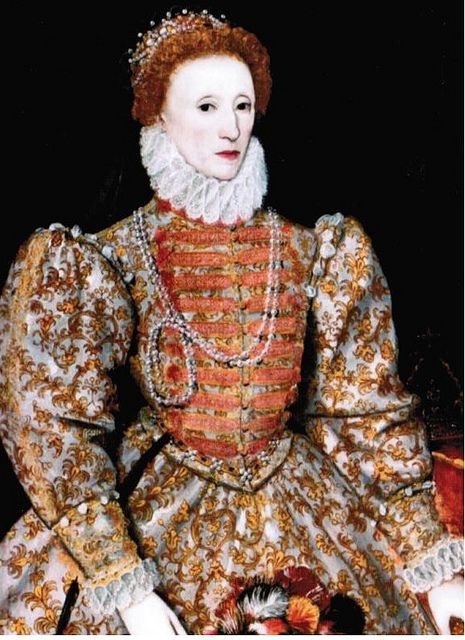
Portrait of the Queen

Bizarre Beauty Standards

The cosmetics that were worn by women in the time of Queen Elizabeth are drastically different from those we wear today. Not only were the materials they used very different but the look they were trying to achieve was very different as well. Standards of beauty change all the time. To understand the cosmetics worn by Elizabethan women, it’s important to understand the effect they were trying to achieve—that “ideal” beauty they wanted to imitate. The ideal Elizabethan female had bright wide-set eyes, snow white skin, rosy cheeks, red lips and fair hair. Pale skin was a sign of nobility, wealth and delicacy was sought after by many. In a time where sunscreen was unheard of, skin problems and pox was a common thing smooth, unblemished skin was a rarity. The pale skin women (and men) wanted was achieved by a number of ways. The most popular being Venetian Ceruse (also known as Spirits of Saturn), a mixture of white lead and vinegar. This white foundation was applied to the face, neck and bosom. Naturally, smearing lead all over one’s skin caused some serious skin damage not only did it make the skin look “grey and shrivelled” there was lead poisoning, hair loss and if used over an extended period of time could cause death. They lined their eyes with black kohl to make them look darker and belladonna eyedrops (used to dilate women’s pupils, an effect considered to be attractive and seductive). Fashion required eyebrows to be thin and arched which would create a high forehead it was considered to be a sign of aristocracy. Rouged cheeks and red lips were very popular. This was obtained with plants and animal dyes.

Her Majesty’ s Royal Makeup

She used ingredients like lead and vinegar in her makeup which is called — “Venetian ceruse. It is said that she was the only monarch that always took a long time to get ready. She used multiple layers of lead and vinegar and applied a thick white mask to her face and neck. The white skin was not a part of racism but it depicted that a woman was of a higher class. she applied was from If you have seen a portrait of Queen Elizabeth you may have noticed that her lips are very red. The red colour cinnabar, a mercury. poisonous substance that contains She used to remove it with a mixture of elements like eggshells, alum, and mercury. Thus, this leads to another use of poison in her makeup. People at that time would say that her skin became soft after makeup re moval but basically, it was peeling one layer at a time. All these caused wrinkles, aging, and the deterioration of her health. And it is assumed by the historians, that continuous use of those deadly chemicals as Cosmetics, led to her death.

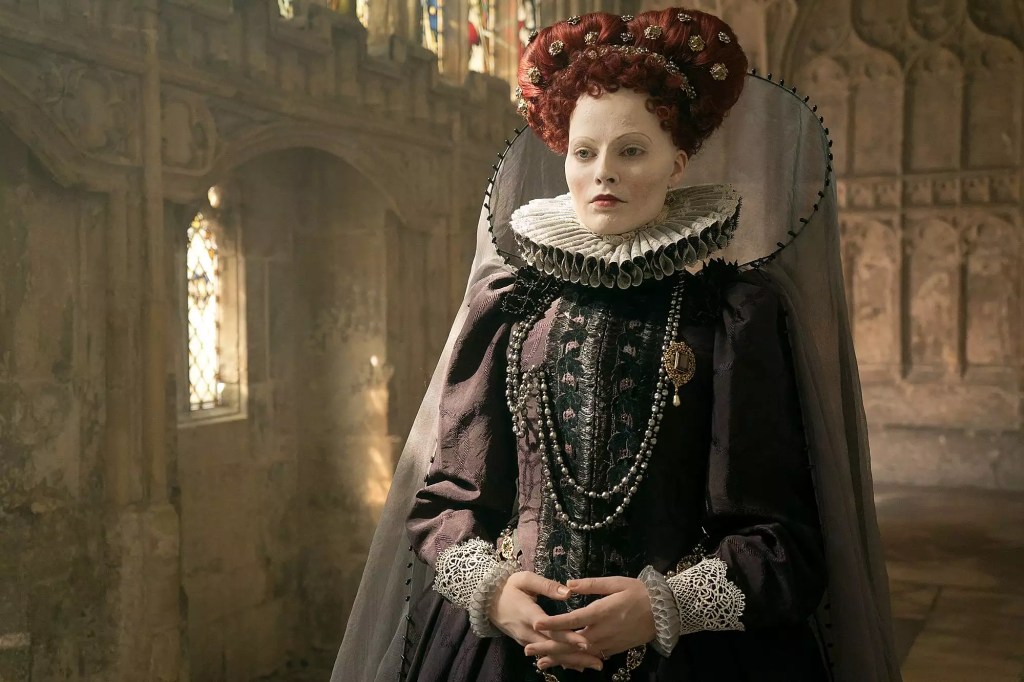
Cinematic Portrait of the Queen, played by actress Margot Robbie

Conclusion

The urge of looking beautiful , sometimes proves hard on women’s overall health. body and The obsession of being perfect, has killed many women, including such Royalties like Queen Elizabeth I. Even today, women are insure about their natural beauty and sometimes find it hard to accept body positivity. We should learn to feel confident in our skin first, and the glow then comes from within as our flaws make us Earthly and more humane.

Light Academia book recommendations .

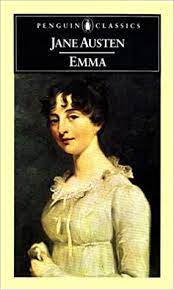
Emma by Jane Austen.

Emma Woodhouse is a fascinating and vivid character in Jane Austen’s novels. Emma organises the lives of the residents of her sleepy little village and plays matchmaker with terrible effect. She is beautiful, pampered, vain, and irrepressibly clever.

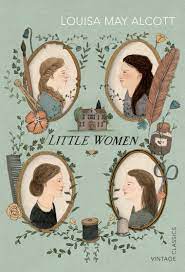
Little Women by Louisa May Alcott.

The March sisters, Jo, a bright tomboy and aspiring author, Beth, who is terribly frail, Meg, who is lovely, and romantic, spoilt Amy, are bonded in their love for one another and their battles to survive in New England during the Civil War.
It’s no secret that Little Women was inspired by Alcott’s own childhood. While her father, the freethinking reformer and abolitionist Bronson Alcott, mingled with the likes of Emerson, Thoreau, and Hawthorne, Louisa supported herself and her sisters with her own writing “Sewing, doing laundry, and serving as a household servant are examples of “women’s work.” She soon learned, however, that she could earn more money by writing. Little Women brought her fame and fortune for the rest of her life, and it wasn’t just because she was a woman “It explores such timeless themes as love and death, war and peace, the conflict between personal ambition and family responsibilities, and the clash of cultures between Europe and America, as requested by her publisher.

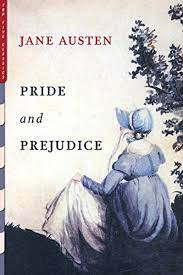
Pride and Prejudice by Jane Austen.

Pride and Prejudice has been one of the most popular novels in the English language since its early success in 1813. This great masterpiece was dubbed “her own beloved child” by Jane Austen, and its vivacious protagonist, Elizabeth Bennet, was described as “as charming a creature as ever appeared in literature.” The romantic conflict between Elizabeth and her pompous beau, Mr. Darcy, is a brilliant display of civilised sparring. Jane Austen’s dazzling wit gleams as her characters dance a delicate quadrille of flirting and intrigue, making this the finest comedy of manners in Regency England.

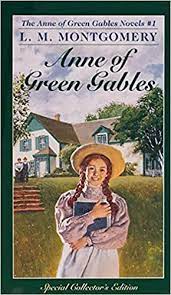
Anne of Green Gables by L. M. Montgomery.

Green Gables, an old-fashioned farm outside of Avonlea, has enticed generations of readers into the wonderful world of Green Gables. Anne Shirley, an eleven-year-old orphan, arrives in this lush corner of Prince Edward Island only to learn that the Cuthberts—elderly Matthew and his severe sister, Marilla—wish to adopt a boy rather than a fiery redhead girl. But, before they can send her back, Anne, who needs more room for her ideas and a genuine home, fully converts them. Anne of Green Gables is a beloved classic that examines all of a child’s fragility, expectations, and hopes as they grow up. It’s also a magnificent portrayal of a time, a location, and a family… and, above all, love

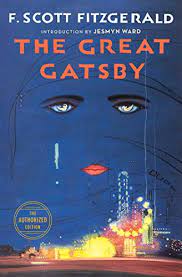
The Great Gatsby by F. Scott Fitzgerald.

F. Scott Fitzgerald’s third book, The Great Gatsby, is often regarded as his greatest achievement. This classic Jazz Age novel has been praised by generations of readers. It’s a wonderfully constructed narrative of America in the 1920s about the fantastically affluent Jay Gatsby and his new love for the beautiful Daisy Buchanan, of opulent parties on Long Island at a time when “gin was the national drink and sex was the national obsession,” according to The New York Times.

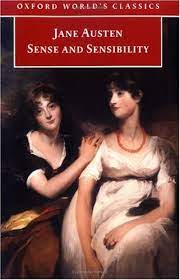
Sense and Sensibility by Jane Austen.

Marianne Dashwood wears her heart on her sleeve, and she rejects her sister Elinor’s warning that her rash behaviour exposes her to gossip and innuendo when she falls in love with the handsome but unsuitable John Willoughby. Meanwhile, Elinor, who is usually conscious of social convention, is fighting to hide her amorous disappointment even from her closest friends. The sisters learn that sense must combine with sensibility if they are to discover genuine pleasure in a culture where rank and money dominate the rules of love through their simultaneous experiences of love—and its potential loss.

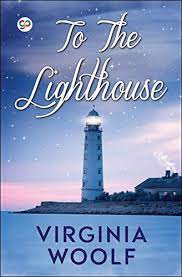
To the Lighthouse by Virginia Woolf.

On the Isle of Skye, the tranquil and maternal Mrs. Ramsay, the tragic yet absurd Mr. Ramsay, their children, and many guests are on vacation. Woolf creates a magnificent, emotional analysis of the complicated tensions and allegiances of family life, as well as the battle between men and women, from the seemingly little postponement of a visit to a local lighthouse.

As time passes, the Ramsays face the greatest of human obstacles as well as its greatest triumph—the human ability for change—alone and simultaneously.

Dark Academia book recommendations.

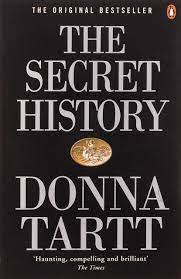
The Secret History by Donna Tartt.

A group of bright, eccentric misfits at a prestigious New England college discover a way of thinking and living that is a world away from their classmates thanks to the influence of their charismatic classics professor. When they cross the line into normal morality, however, they progress from infatuation to corruption and betrayal, and finally—inexorably—to evil.

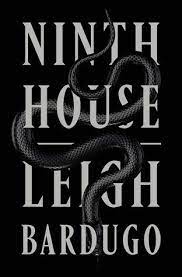
Ninth House by Leigh Bardugo.

Galaxy “Alex” Stern is the most unusual freshman in Yale’s class. Alex was raised by a hippie mother in the Los Angeles suburbs and dropped out of school early, plunging into a world of sketchy drug dealer boyfriends, dead-end jobs, and much, much worse. She is the solitary survivor of a brutal, unsolved multiple homicide by the age of twenty. Some could claim she’s squandered her life. But, from her hospital bed, Alex is given a second chance: a full scholarship to one of the world’s most prestigious colleges. What’s the catch, and why is she involved? Alex arrives in New Haven charged by her mysterious donors with monitoring the activities of Yale’s hidden clubs, still searching for answers. The future rich and powerful, from high-ranking politicians to Wall Street and Hollywood’s top players, are known to frequent these eight windowless “tombs.” Their esoteric operations, however, are revealed to be far more evil and fantastic than any paranoid imagination could imagine.

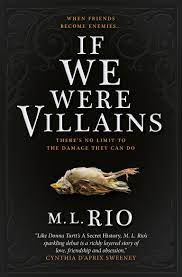
If We Were Villains by M. L. Rio.

Oliver Marks was just released from prison after a ten-year sentence for a murder he may or may not have committed. He is greeted by the man who put him in prison on the day he is released. Detective Colborne is planning to retire, but first he wants to get the truth about what happened a decade ago.

Oliver and his buddies play the same roles onstage and off as heroes, villains, tyrants, temptresses, ingenues, and extras as part of a group of seven teenage actors studying Shakespeare at an elite arts institution. However, when the cast changes and the supporting characters take over, the plays become dangerously alive, and one of them is discovered dead. The rest of the cast faces their most difficult acting task yet: persuading the cops, as well as themselves, that they are blameless.

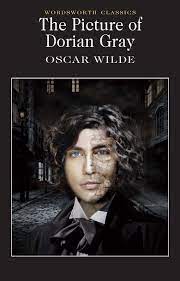
The Picture of Dorian Gray by Oscar Wilde.

Oscar Wilde’s storey of a fashionable young man who sells his soul for eternal youth and beauty is the author’s most popular work, written in his distinctly sparkling style. When the storey of Dorian Gray’s moral decay first came out in 1890, it caused a stir, but when Wilde was chastised for the novel’s corrupting influence, he remarked that “there is a horrible moral in Dorian Gray.” Only a few years later, the book and the aesthetic/moral conflict it posed were used as evidence in the trials resulting from Wilde’s gay liaisons, which led to his imprisonment. “Basil Hallward is what I think I am: Lord Henry is what the world considers me: Dorian is what I would like to be—in other ages, maybe,” Wilde wrote in a letter about Dorian Gray’s relationship to autobiography.

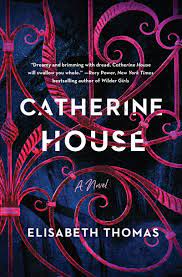
Catherine House by Elisabeth Thomas.

Catherine House is a unique institution of higher learning. With its experimental curriculum, highly selective admissions criteria, and substantial endowment, this furnace of reformer liberal arts study has produced some of the world’s brightest minds: prize-winning authors, painters, inventors, Supreme Court judges, and presidents. Tuition, lodging, and board are all provided for those chosen. Acceptance, however, comes at a cost. Students must spend three years in the House, including the summers, completely cut off from the outside world. They must leave behind their family, friends, television, music, and even their attire. In exchange, the school promises its pupils a future of supreme power and distinction, as well as the ability to transform into anyone or anything they wish. Ines, a member of this year’s new class, expects to trade the blurry nights of parties, narcotics, harsh friends, and dangerous men for rigorous intellectual discipline—only to find a culture of sanctioned revelry instead. Viktória, the enigmatic director of the school, urges the kids to explore, to broaden their minds, to discover themselves and their position within Catherine’s intimidating black iron gates.Catherine is the closest thing Ines has ever had to a home, and her serious, shy roommate, Baby, quickly becomes an unusual friend. Despite its aged velvet and weathered leather, the House’s peculiar rituals make this haven feel more and more like a gilded jail. And when Baby’s obsession with acceptance ends in tragedy, Ines begins to suspect that the school—in all its shabby splendour, hallowed history, advanced theories, and controlled decadence—may be concealing a dangerous agenda linked to a secretive, tightly knit group of students chosen to study its most promising and mysterious curriculum.

YA Retellings.

Beauty and the beast:

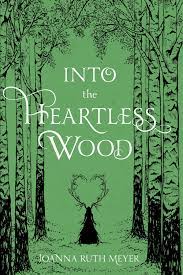
Into the heartless wood by Joanna Ruth Meyer.

The woodland is a deadly place where men and women are lured to their deaths by siren song. A witch has been harvesting souls to feed the callous tree for ages, harnessing its power to expand her realm.

Seren, one of the witch’s tree-siren daughters, saves Owen Merrick’s life rather than ending it after he is led into the witch’s wood. Every night, he climbs over the garden wall to see her, and her desire to be human becomes stronger. Seren’s desire to become human will take them into an old struggle waging between the witch and the king who is trying to stop her, as a shift in the constellations foreshadows a dreadful curse.

Romeo and Juliet

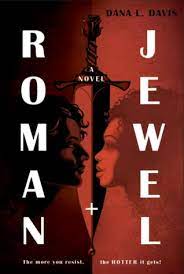
Roman and Jewel by Dana L. Davis

Who would play the leads in a Hamilton remake of Romeo and Juliet? This is the storey of a young woman who believes she has what it takes…and the rest of the world agrees.

Jerzie Jhames will go to any length to get the main role in Roman and Jewel, Broadway’s hottest new show, a Romeo and Juliet inspired hip-hopera with a diverse cast and current twists on the play. Her aspirations are dashed, however, when she discovers that Cinny, the mega-star, has won the lead…and Jerzie is her understudy.

It’s a bad idea for Jerzie to fall for male lead Zeppelin Reid, especially after she knows Cinny wants him for herself. Star-crossed love is doomed to fail. When a video of Jerzie and Zepp practising goes online and the entire world votes on who should play Jewel, Jerzie realises that while fame is expensive, friendship, family, and love are invaluable.

The phantom of the Opera:

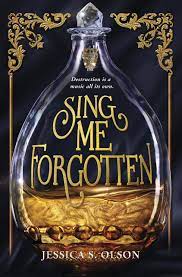
Sing Me Forgotten by Jessica S. Olson.

There is no such thing as Isda. At least not beyond the opera house’s ornate walls.

Cyril, the opera house’s owner, protected her from being cast into a well at birth for being one of the magical few who can modify memories when people sing. He has protected her from the violent world outside since that day. He only requests that she use her influence to keep ticket sales high—and that she stay hidden. Isda and Cyril would pay the price if it was discovered she had survived.

But when Isda meets Emeric Rodin, a handsome boy who upsets her tranquil, isolated life, she defies Cyril’s cardinal rule. His voice is unlike any she’s ever heard, but the true shock comes when she discovers glimpses of a way out of her gilded prison in his recollections.Isda spends more and more time with Emeric, haunted by the potential, searching for answers in his music and his past. But the cost of liberty is far greater than Isda could ever imagine. Even as she battles with her growing affections for Emeric, she realises that the only way she can control her own future is to become the monster the world sought to drown in the first place.

Pride and Prejudice:

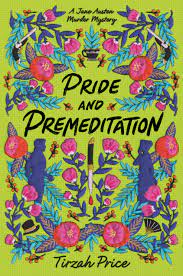
Pride and Premeditation by Tirzah Price

Despite the meddling of Mr. Fitzwilliam Darcy, the stern young heir to the prominent company Pemberley Associates, seventeen-year-old aspiring lawyer Lizzie Bennet seizes the opportunity to establish herself when a shocking murder shakes London high society.

Lizzie vows to solve the murder on her own, convinced that the authorities have imprisoned the wrong person. However, as the case—and her feelings for Darcy—become more convoluted, Lizzie realises that her ideal career may make her happy, but it may also lead to her death.

Rapunzel:

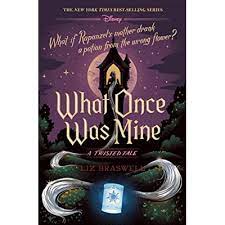
What Once Was Mine by Liz Braswell

The virtuous people of Corona search for the all-healing Sundrop flower to cure their queen and her unborn child in a desperate attempt to preserve their queen’s life—but instead obtain the sparkling Moondrop flower. Regardless, it heals the queen, and she gives birth to a healthy baby girl with moon-like silver and grey hair. It brings with it perilous magical abilities: the ability to harm rather than cure. Rapunzel is imprisoned in a tower and placed in the care of Mother Gothel, a powerful goodwife, for her own and the kingdom’s safety.

Rapunzel has been kept away for eighteen years, knowing she must protect people from her miraculous hair. However, when she leaves the only home she’s ever known in order to witness the floating lights that emerge on her birthday, she becomes entangled in an adventure with two robbers that takes her throughout the kingdom. Rapunzel discovers that there may be more to her storey, and her miraculous tresses, than she ever imagined before she reaches her happy ending.

Murder mysteries recommendations, you cannot put down.

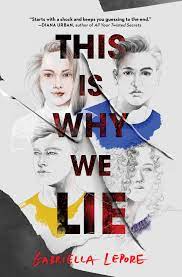
This is Why We Lie by Gabriella Lepore.

In Gardiners Bay, everyone has a secret. The population of Gardiners Bay is disturbed when Jenna Dallas and Adam Cole discover Colleen O’Dell’s death drifting off the coastline of their seaside village. The fact that her drowning was not an accident is even more surprising.Jenna begins her own investigation as her closest friend becomes a crucial suspect. She knows she needs Adam on her side when she discovers scandals at Preston Prep School that link back to Rookwood reform school.Adam is used to receiving critical stares as a student at Rookwood, but now his pals are being probed by the police. Even if it means trusting Jenna, Adam will do whatever he can to keep them safe.The truth begins to distort as the falsehoods unfold. Only one thing is certain: someone will have to pay the price.

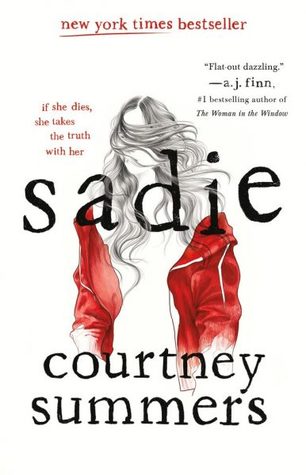
Sadie by Courtney Summers.

A search for a missing girl leads to a quest of vengeance. A podcast that follows the clues she’s left behind, similar to Serial. And a cliffhanger that you won’t be able to forget.Sadie’s life hasn’t been easy. She’s been raising her sister Mattie in an isolated tiny town since she was a child, doing her best to create a decent life for them and keep their heads above water.When Mattie is found dead, however, Sadie’s entire life falls apart. After a bungled police investigation, Sadie is desperate to discover her sister’s killer and sets out on the road with only a few hints to guide her.When West McCray overhears Sadie’s tale at a local gas station while working on a feature about little, forgotten villages in America, he becomes obsessed with recovering the missing child. He launches his own podcast while he follows Sadie’s trail, attempting to figure out what occurred and finding her before it’s too late.Courtney Summers has authored her career-defining book. Sadie is a fast-paced, suspenseful novel that will have you engrossed until the very last page.

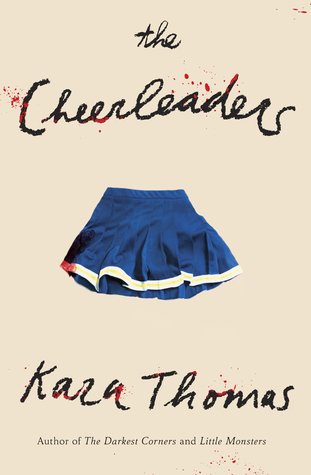
The Cheerleaders by Kara Thomas.

In Sunnybrook, there are no longer any cheerleaders.Then there was the automobile tragedy, in which two girls died after colliding with a tree on a wet night. The killings occurred not long after. The man next door murdered those two young ladies. Because he was shot by the cops, no one will ever know why he did it. The final cheerleader to die was Monica’s sister. Sunnybrook High School dissolved the cheer squad after she committed herself. Nobody wanted to think about the females they’d lost.It had been five years since then. Sunnybrook High’s professors and students now wish to honour the fallen cheerleaders. Monica, on the other hand, finds it difficult. She only want to forget. Monica’s world, meanwhile, is beginning to fall apart. There are the letters in her stepfather’s desk, an unearthed, years-old mobile phone, and a weird new classmate. It doesn’t matter what occurred five years ago. Some locals know more than they’re letting on. Monica is somehow in the core of it all.Sunnybrook may no longer have cheerleaders, but it doesn’t mean no one else is in danger.

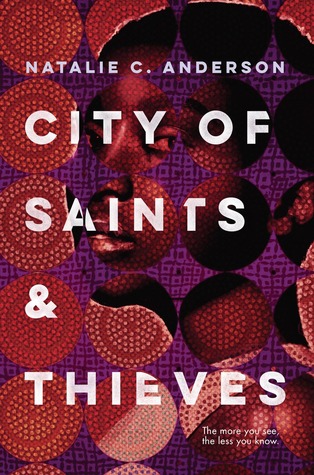
City of Saints and Thieves by Natalie C. Anderson.

A girl who doesn’t exist dwells in the shadows of Sangui City. Tina and her mother arrived in Kenya as refugees hoping for a new life and a place to call home after leaving the Congo. Her mother swiftly got employment as a maid for a wealthy household, including Roland Greyhill, one of the city’s most powerful businessmen. Tina quickly discovers, however, that the Greyhill fortune was built on a life of corruption and criminality. So when her mother is found shot to death in Mr. Greyhill’s study, she knows who’s to blame.Tina spends the next four years alone on the streets, working as a master thief for the Goondas, Sangui City’s local gang, with vengeance on her mind. Tina returns to the Greyhill estate thanks to a work for the Goondas, giving her the opportunity for retribution she’s been waiting for. But the sorrow of previous scars and the draw of old connections overcome Tina as soon as she enters the magnificent mansion, putting in motion a hazardous chain of events that might cost Tina her life at any moment. But in this fast-paced, nail-biting thriller, she holds on because she ultimately discovers the horrific truth about who killed her mother—and why.

They Wish They Were Us by Jessica Goodman.

A murder mystery set in the setting of a prestigious Long Island prep school. Everything on Gold Coast, Long Island, appears flawless, from the posh downtown stores to the perfectly groomed beaches to Jill Newman’s and her friends’ polished uniforms. Nothing is as it appears, as Jill discovered three years ago.Jill’s closest friend from freshman year, the smart and dazzling Shaila Arnold, was murdered by her lover. Graham confessed, the matter was closed, and Jill tried to move on after that awful night on the beach.Now that Jill is in her senior year, she is determined to make it the finest one yet. She is, after all, a senior and a Player, a member of Gold Coast Prep’s exclusive, not-so-secret society. Senior Players have the nicest parties, the finest grades, and the entire school’s adulation. Jill is going to have a great year. She is certain of it.When Jill begins to receive messages professing Graham’s innocence, her plans for a flawless senior year begin to fall apart. Who killed Shaila if it wasn’t Graham? Jill swears to find out, but doing so might jeopardise her friendships as well as her future.

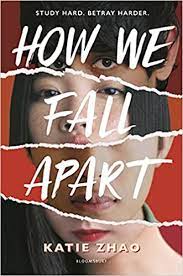
How We Fall Apart by Katie Zhao.

Nancy Luo is taken aback when her former closest friend, Jamie Ruan, a top-ranked junior at Sinclair Prep, vanishes and is later discovered dead. Nancy is even more taken aback when word gets out that she and her friends—Krystal, Akil, and Alexander—are potential suspects, courtesy to “The Proctor,” a student who anonymously incriminated them using the school’s social networking app.Jamie used to be friends with all of them, and she knew all of their deepest, darkest secrets. Now The Proctor is aware of them as well. The four must find the genuine killer before The Proctor exposes them to too much and costs them too much, such as Nancy’s entire scholarship.Nancy begins to think that her pals are holding secrets from her as well. When their ex-best buddy comes up dead, students at an elite prep school are compelled to confront their secrets.

Liars Inc. by Paula Stokes.

Max Cantrell has never been a big believer in telling the truth, so when the chance to sell fake permission slips and cover stories to his classmates emerges, it seems like a decent way to make some money and spice up a dull senior year. Max creates Liars, Inc. with the aid of his buddies Preston and Parvati. Suddenly, everyone requires something, and money begins to flow in. Who’d have guessed that lying could be so lucrative?When Preston requests his own cover storey to visit a girl he met online, Max is more than happy to oblige. Until Preston does not return home. Then the evidence piles up, horrifying hints leading the detectives to Preston’s body. Numerous hints that lead to Max as the culprit. Will Max be able to track out the true killer before going to prison for a crime he didn’t commit?

A book for every romance trope. (part 2)

Soulmates.

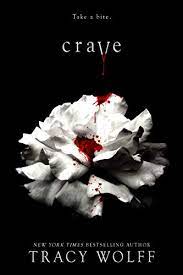
Crave by Tracy Wolff.

When Grace walked inside the academy, her entire life altered. Nothing about this facility or the other students there is right. Among gods…or monsters, she is a simple mortal. She’s still undecided about which of the warring sides she belongs to, if she even does.
There’s also Jaxon Vega. A dangerous vampire who hasn’t felt anything in a hundred years. But there’s something about him that appeals to me, something damaged in him that matches what’s broken in her in some way.Because Jaxon built a barrier around himself for a purpose. And now someone wants to awaken a sleeping monster, and she’s starting to wonder if she was deliberately sent here as bait.

Arranged marriage.

The Bridge Kingdom by Danielle L. Jensen.

Lara, a warrior princess who was raised in seclusion, is guided by two certainties. The first is that the Bridge Kingdom’s King Aren is her foe. The second is that she will be the one to force him to kneel.The Bridge Kingdom enriches itself while depriving its rivals, including Lara’s hometown, by being the sole passage through a storm-ravaged planet. So when she’s sent as a bride under the pretence of peace, Lara is ready to go to any length to pierce its impenetrable fortifications. As well as its king’s defences.However, when she infiltrates her new home and learns more about the battle over the bridge, Lara begins to doubt if she is the hero or the villain.And when Lara’s feelings for Aren shift from icy animosity to ferocious love, she must decide whose country she will preserve… and which kingdom she will annihilate.

Childhood friends to lovers.

Lady Midnight by Cassandra Clare.

It’s been five years since the events of City of Heavenly Fire pushed the Shadowhunters close to extinction. Emma Carstairs is no longer a grieving girl, but a young lady hell-bent on figuring out who killed her parents and exacting vengeance.Emma must learn to trust her mind and her love as she explores a diabolical scheme that runs from the Sunset Strip to the magical waves that pound the beaches of Santa Monica with her parabatai Julian Blackthorn. If only her heart didn’t led her down the wrong path.Julian’s brother Mark, who was kidnapped by the faeries five years ago, has been returned as a negotiating chip, further complicating matters. The faeries are frantic to figure out who is killing their kind, and they need the Shadowhunters’ aid. In faerie, however, time moves at a different pace, thus Mark has hardly matured and doesn’t recognise his family. Is he ever going to come back to them? Will the faeries actually let it happen?

Love Square.

Renegades by Marissa Meyer.

The Renegades are a group of prodigies — people with exceptional powers — who rose from the wreckage of a crumbling society to bring peace and order to a place where chaos ruled. Except for the criminals they once toppled, they remain a symbol of hope and courage as advocates of justice.Nova has a grudge against the Renegades, and she’s out for vengeance. She meets Adrian, a Renegade youngster who believes in justice — and in Nova — as she comes closer to her target. Nova’s devotion, on the other hand, is to a villain who has the power to destroy them both.

The guy falls first.

The Selection by Kiera Cass.

The Selection is a once-in-a-lifetime opportunity for thirty-five females. The chance to break out from the life that has been carved out for them since birth. To be immersed in a world of gilded dresses and expensive gems. To live in a palace and fight for Prince Maxon’s affections.Being Selected, on the other hand, is a nightmare for America Singer. It means abandoning her hidden love for Aspen, a member of a lower caste. Leaving her home to compete for a crown she doesn’t desire in a heated competition. Living in a palace where deadly rebel attacks are a continuous concern.Then there’s America’s meeting with Prince Maxon. Gradually, she begins to doubt all of her expectations for herself, realising that the life she’s always envisaged may pale in comparison to a future she’s never imagined.

Friends to lovers.

Anna and the French Kiss by Stephanie Perkins.

Anna is looking forward to her senior year in Atlanta, where she has a terrific job, a supportive best friend, and a growing crush. That’s why she’s not happy to be sent to boarding school in Paris—until she meets Étienne St. Clair, that is. Étienne is smart, charming, and gorgeous, and he also has a serious relationship. However, in the City of Light, desires do come true. Will their long-awaited French kiss put a stop to a year of romantic near-misses?

A book for every romance trope. (part 1)

Love triangle.

The Inheritance Games by Jennifer Lynn Barnes.

Avery Grambs has a plan for a brighter future: go through high school, obtain a scholarship, and leave. When millionaire Tobias Hawthorne dies and gives Avery almost his entire wealth, her fortunes shift in an instant. What’s the catch? Avery doesn’t know why, or who Tobias Hawthorne is. Avery must move into the huge, hidden passage-filled Hawthorne House to accept her inheritance, where every room bears the old man’s touch—and his love of puzzles, riddles, and codes.Unfortunately for Avery, Hawthorne House is also home to the family that Tobias Hawthorne has recently evicted. The four Hawthorne grandchildren are among them: dangerous, charismatic, smart guys who grew up with the expectation of inheriting billions one day. Grayson Hawthorne, the heir apparent, is convinced that Avery is a scam artist and is determined to bring her down. Jameson, their grandfather’s final hurrah, sees her as a twisted conundrum, a puzzle to be solved. Avery will have to play the game herself to survive in a world of money and power, with danger lurking around every corner.

Grumpy and sunshine.

Dash and Lily’s Book of Dares by Rachel Cohn and David Levithan.

So starts the newest whirlwind romance from the bestselling writers of Nick & Norah’s Infinite Playlist, the latest whirlwind romance from the bestselling authors of Nick & Norah’s Infinite Playlist. Lily has placed a red notebook full of dares on the shelf of a favourite bookshop, waiting for the right person to come along and accept them. Is Dash, however, the ideal person for the job? Or are Dash and Lily doomed to swap dares, aspirations, and wishes in a notebook they pass back and forth at various spots across New York? Could their real-life selves relate as well as their virtual ones? Or will they be a hilarious mismatch of epic proportions? Rachel Cohn and David Levithan have crafted a love storey that will have readers hunting for love on bookshop shelves.

Star-crossed lovers.

Six of Crows by Leigh Bardugo.

Ketterdam is a busy crossroads of international trade where anything can be gotten for the right price—a fact that criminal prodigy Kaz Brekker is well aware of. Kaz is offered the opportunity to take part in a dangerous robbery that may make him wealthy beyond his wildest dreams. But he won’t be able to do it alone…

A convicted criminal with a hunger for vengeance

A sniper who can’t afford to lose a bet

A fugitive from justice with a privileged past

The Wraith is a sassy spy.

A Heartrender uses her abilities to keep herself alive amid the slums.

A criminal with a knack for improbable escapes

If they don’t murder each other first, Kaz’s crew may be the only thing standing between the Earth and disaster.

Fake dating.

The Deal by Elle Kennedy.

Hannah Wells has finally met someone who makes her want to turn on. However, while she may be self-assured in other areas of her life, she carries a lot of baggage. She’ll have to push herself out of her comfort zone if she wants to capture her crush’s attention… even if it means teaching the obnoxious, juvenile, conceited captain of the hockey team in return for a fake date.Garrett Graham’s only ambition after graduation has always been to play professional hockey, but his slipping GPA is jeopardising everything he’s fought so hard for. He’s all for helping a caustic brunette make another guy envious if it means keeping his spot on the squad. Garrett quickly realises that pretending isn’t going to cut it as one unexpected kiss. Now all he needs to do is persuade Hannah that the man she desires resembles him.

I’m here to kill you.

The Wrath and The Dawn by Renée Ahdieh.

Each morning brings misery to a new family in a kingdom controlled by a bloodthirsty boy-king. Khalid, Khorasan’s eighteen-year-old Caliph, is a monster. He takes a new wife every night, only to have a silk chain tied around her throat the next morning. When Shahrzad’s sixteen-year-old best friend is murdered by Khalid, he swears revenge and offers to be his next wife. Shahrzad is determined not just to survive, but also to put a stop to the caliph’s reign of terror.Shahrzad seduces Khalid night after night, telling him enthralling stories and securing her survival, despite the fact that she knows each morning may be her last. But then something unexpected happens: Khalid turns out to be nothing like she had imagined him to be. This monster is a young boy who has a broken heart. Surprisingly, Shahrzad finds herself in love. What gives that this is possible? It’s a heinous act of treachery. Even nevertheless, Shahrzad has come to realise that not everything in this marble and stone mansion is as it appears. She vows to find whatever secrets are hidden and, despite her love for him, to kill Khalid in retaliation for the numerous lives he has stolen. Will their love be able to endure in this world of secrets and stories?

Enemies to lovers.

The Cruel Prince by Holly Black.

When ude’s parents were slain, she and her two sisters were kidnapped and taken to the perilous High Court of Faerie. Jude, despite her mortality, wants nothing more than to belong there ten years later. However, many fey loathe humans. Especially Prince Cardan, the High King’s youngest and most vicious son.She must resist him–and bear the consequences–in order to get a seat on the Court.Jude finds her own propensity for deception and slaughter as she becomes further immersed in palace intrigues and deceptions. But, when treason threatens to drown the Faerie Courts in bloodshed, Jude will have to put her life on the line in a hazardous partnership to preserve her sisters and Faeri.

The Prince and the Commonner.

Red Queen by Victoria Aveyard.

This is a universe where blood is separated into two types: red and silver. The Reds are commoners who are dominated by a Silver elite who wield godlike abilities. And it appears that nothing will ever change for Mare Barrow, a seventeen-year-old Red girl from the impoverished Stilts. That is, until she is offered a job at the Silver Palace. Mare realises that, despite her crimson blood, she wields a lethal power of her own here, surrounded by the individuals she despises the most. One that poses a challenge to the power equilibrium. Fearful of Mare’s potential, the Silvers declare her a long-lost Silver princess who is now betrothed to a Silver prince and conceal her in plain sight.Mare works quietly to aid the Red Guard, a militant opposition group, in overthrowing the Silver dictatorship, despite the fact that one error would result in her execution. Mare has engaged a hazardous dance—Reds against Silvers, prince against prince, and Mare against her own heart—in this realm of treachery and deception.