The Girl With a Pearl Earring: What Made It So Famous

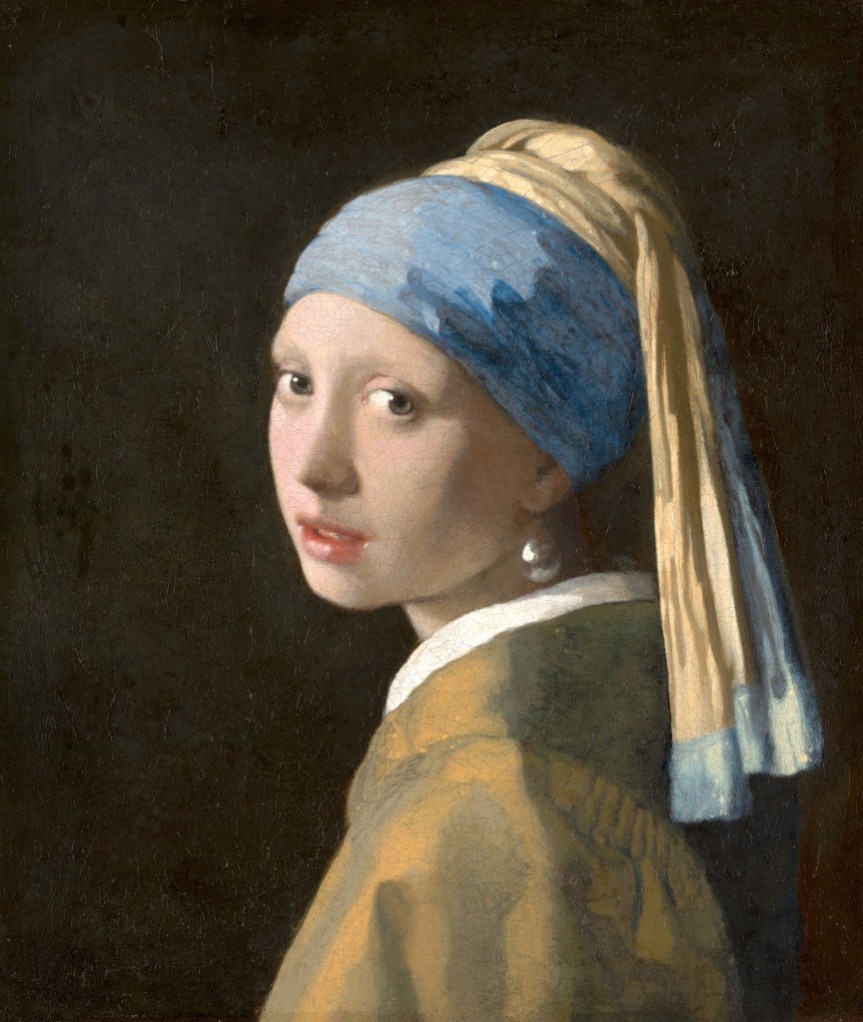
The Girl With a Pearl Earring (1665) by Johannes Vermeer

Introduction

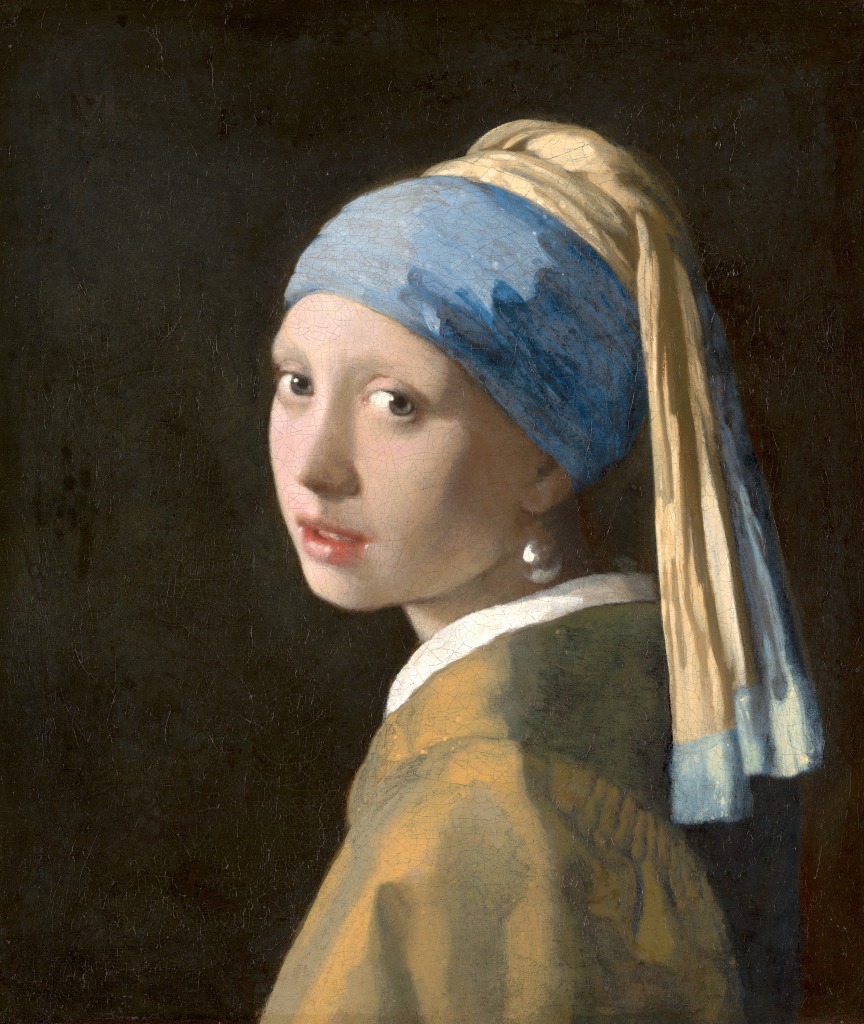
Nicknamed the “Mona Lisa of the North“,the Girl with a Pearl Earring, is one of the masterpieces by famed Dutch painter, Johannes Vermeer. It hauntingly engages the viewer with enhanced realism, showcasing the electrifying gaze of a young girl adorned with a blue and gold turban. Created by Vermeer in 1665 during the Baroque period, the upper bust of the girl against a dark background has a three-dimensional effect that sets off her glowing appearance.

Historic Background

In Vermeer’s era, paintings were considered to be craftsmanship instead of art. Vermeer, a Dutch master painter at his peak, dedicated his life to developing his craft. By 1665, when the Girl with a Pearl Earring was created, Vermeer had begun to depict women, demonstrating a deep interest in their socio-cultural roles. The subject in this painting is believed to be Vermeer’s daughter, Maria.
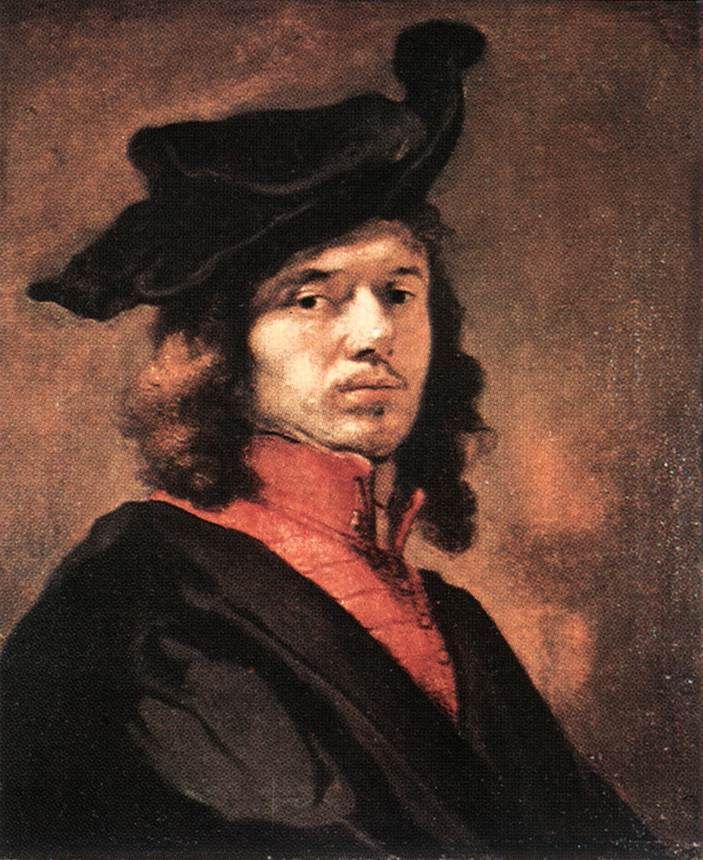
Self-Portrait of Johannes Vermeer

Subject of The Painting

The Painting was basically crafted with oil Painting on canvas and is categorized in Dutch Realism Movement arts. Although many art critics contend that the Girl with a Pearl Earring is a portrait, the prevailing argument is that it is a tronie, which is a study of the facial expressions of a living model. The composition of Girl with a Pearl Earring is delightfully simple. Unlike most of the other paintings by the Delft master, the subject here is only a simple head of a girl looking over her shoulder at the viewer. In Girl With a Pearl Earring, the young female model appears to be startled by something, while glancing taciturnly over her shoulder.No hint of a setting is provided, other than its atmospherically dark tone. This too is unusual for the mature Vermeer. The unusually direct contact between subject and spectator, and the slightly parted position of the lips, presents a sense of immediacy so great as to imply significant intimacy. The girl is wearing a simple brownish-yellow top, which contrasts strongly with her bright white collar. A further contrast is offered by her blue and yellow or turban (or chaperon) which gives the picture a distinctly exotic effect. During Vermeer’s time, the turban was a popular prop for tronies because of its deep folds and robust shades, which allowed artists to show off their skills and abilities.

Discussing the Painting: The uniqueness

Utilizing the technique of under-painting, or a monochromatic ground, Vermeer made the Girl with a Pearl Earring seem to lift from the canvas. Through careful use of his palette, he created the deep, rich tones of the girl’s headdress and gown. Then, to give her skin a glowing appearance, he used pigments to create light and shadow effect that contrasted the background. The Pearl Earring, status symbol of the period , worn by the subject, composed by only two brush strokes. The two whites, one on each corner of her mouth, helped to enliven the subject’s pensive smile.
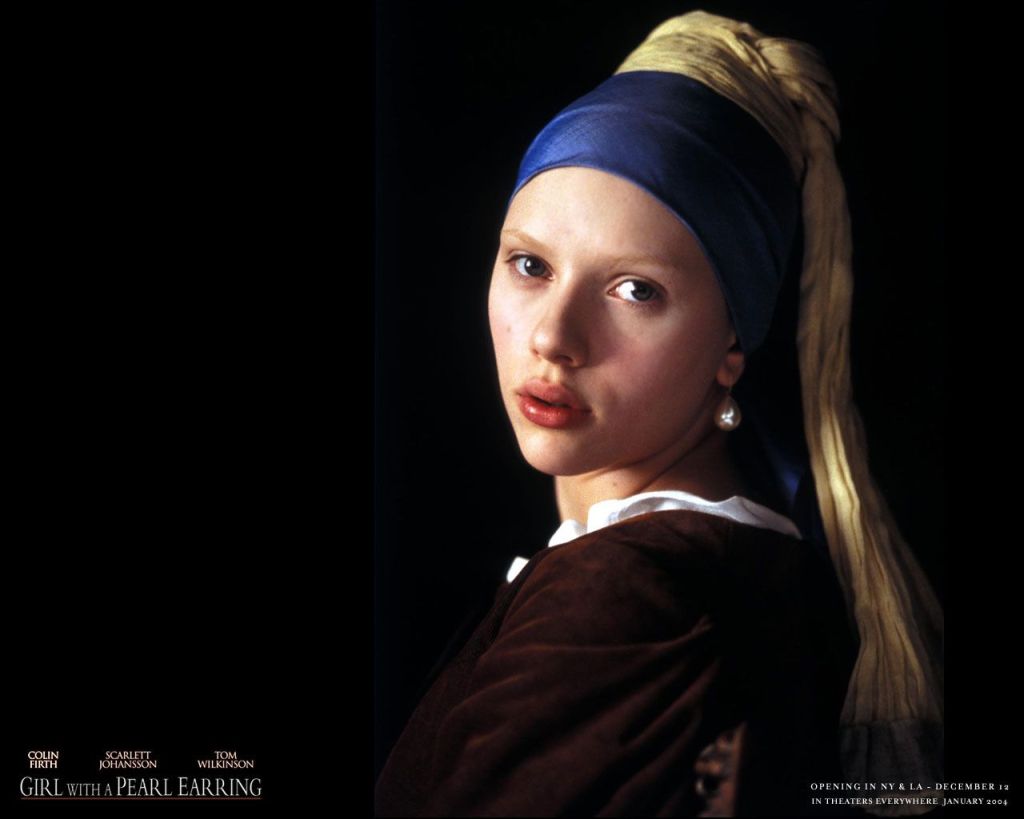
Scarlett Johansson in Girl With a Pearl Earring movie (2003)

The Painter’s Touch: The Cinematic Adoption

Although now a highly regarded artist, Vermeer was not well known outside of his native city of Delft during his lifetime or in the decades after. Historians credit the 19th-century French critic Étienne-Joseph-Théophile-Thoré (under the pseudonym of William Bürger) for reassessing the artist’s work, which eventually led to Vermeer’s distinguished reputation. Even so, Girl with a Pearl Earring became one of Vermeer’s more famous pieces only around the turn of the 21st century, with the 1995 blockbuster exhibition at the National Gallery of Art, Washington,D.C. and the publication of the best-selling novel Girl with a Pearl Earring by Tracy Chevalier in 1999. The book fashioned the painting’s subject into a housemaid named Griet who works in Vermeer’s home and becomes his paint mixer. It was adapted into an Oscar nominated movie in 2003 starring Scarlett Johansson as the fictional Griet and Colin Firth as Vermeer.
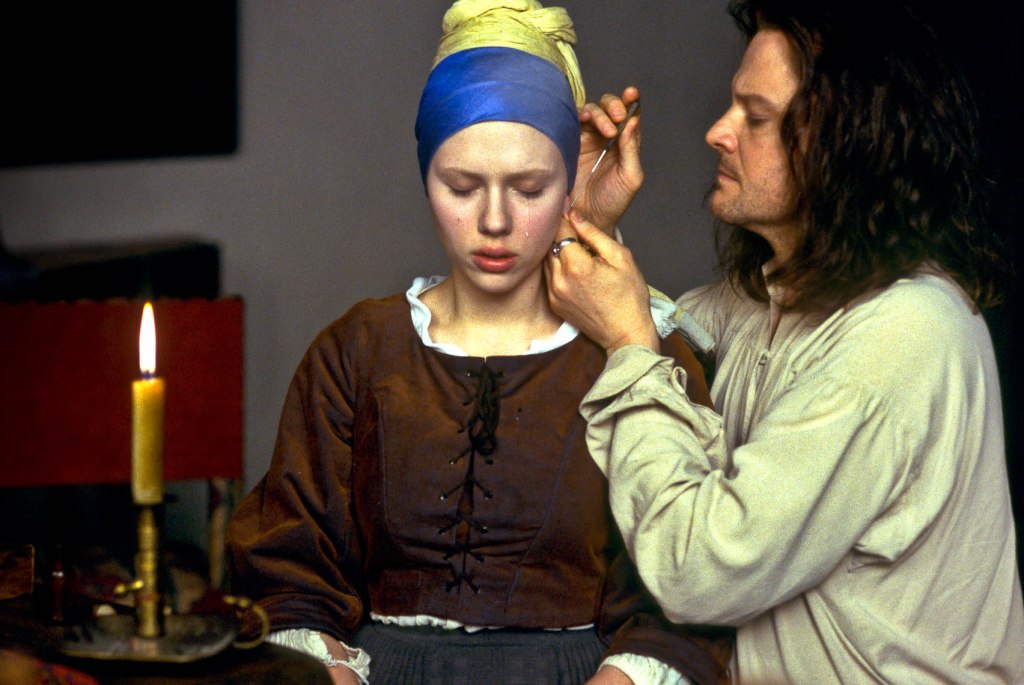
Scarlett Johansson as Griet and Colin Firth as Vermeer in Girl With a Pearl Earring movie (2003)

Where at Present Day

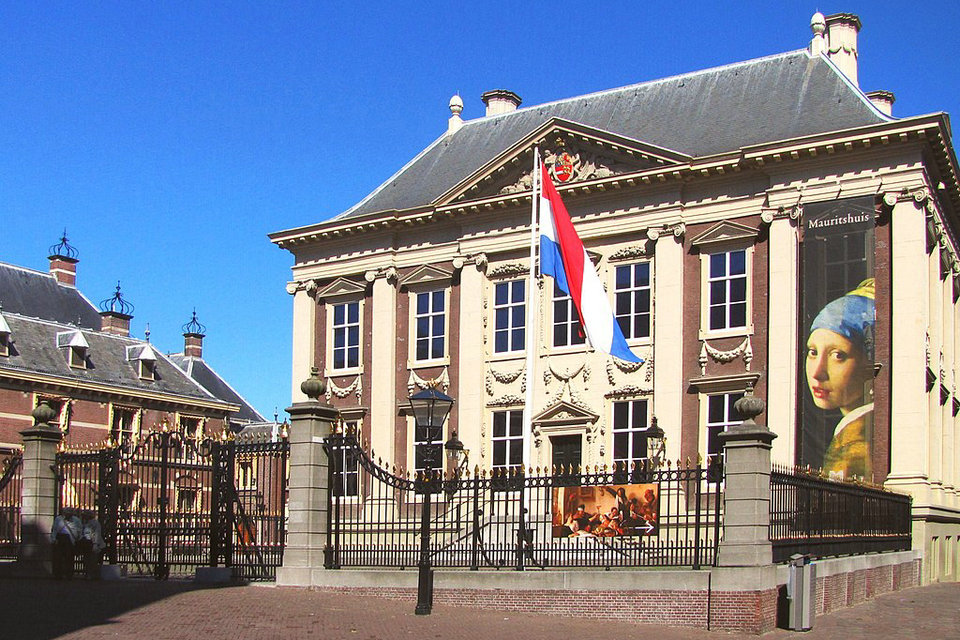
Mauritshuis, Den Haag, Netherlands

As the buildings of Mauritshuis Museum ,Hague underwent renovation in 2012, Girl with the Pearl Earring travelled to Japan, Italy, and the United States. It drew crowds in each location, attesting to its now firm place in audience regard. When Girl returned to the Netherlands in 2014, the Mauritshuis announced it would no longer lend out the painting, assuring visitors that the museum’s main attraction would always be in its home.
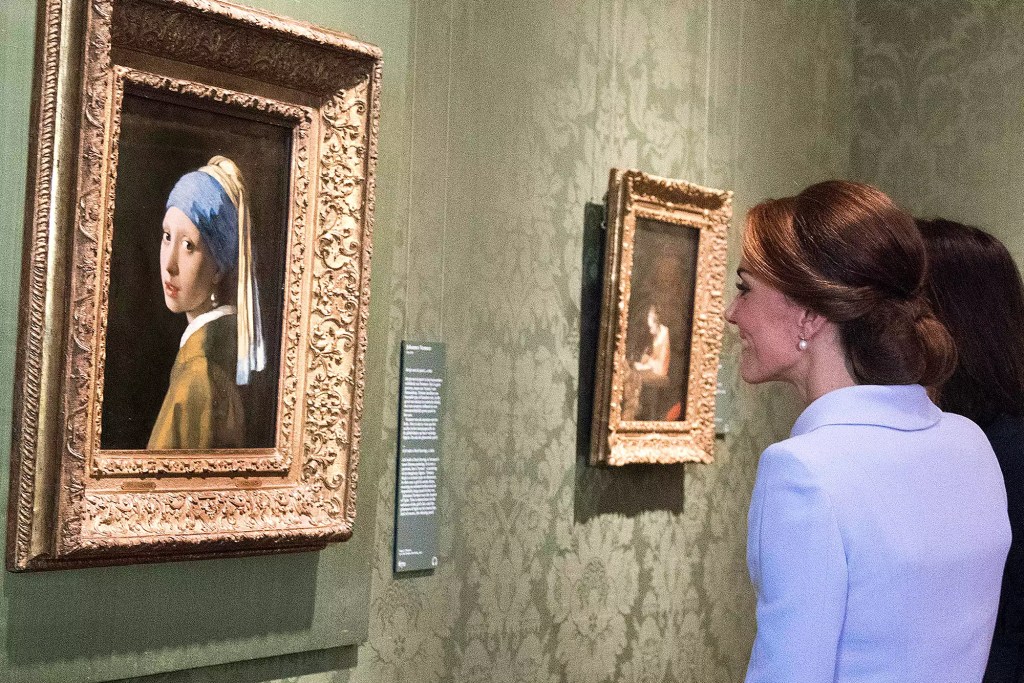
Princess Kate Middleton of England came face-to-face with one of the best-loved paintings in the world — “Girl with a Pearl Earring” — during a visit to the Mauritshuis museum in The Hague.
 

Conclusion

Humans have always adored paintings as one of the highest form of visual arts, and few of such arts can truly surpasses the inertness of still lives and remains immortal forever. The Girl With a Pearl Earring, poses the appeal of simplicity to rethink of life and consider the fact that beauty of life can also be found in the simplest joys around us.

To Kill A Mockingbird: The Book Review

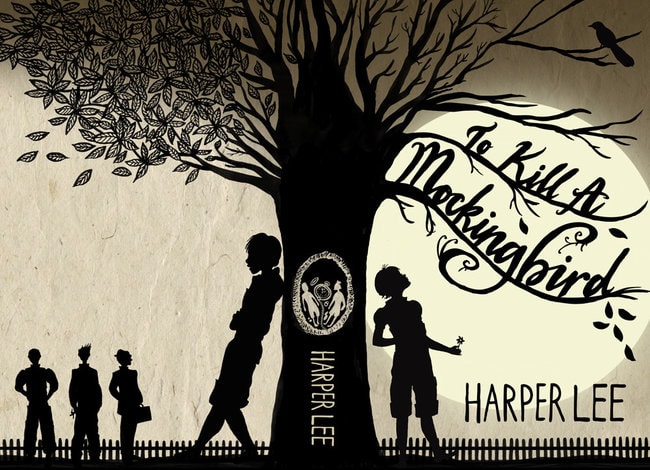
Cover of To Kill A Mockingbird novel (1960)

Introduction

To Kill a Mockingbird is a very popular modern classic by the American author Harper Lee, that narrates a coming-of-age story with a theme of social equality and prejudice. It was published in 1960 and was instantly successful. The unforgettable novel of a childhood in a sleepy Southern town and the crisis of conscience that rocked it. In the United States, it is widely read in high schools and middle schools. To Kill A Mockingbird  has become a classic of modern American Literature, winning the Pulitzer Prize in1961 and was later made into an Academy Award-winning film, also a classic.

About The Author

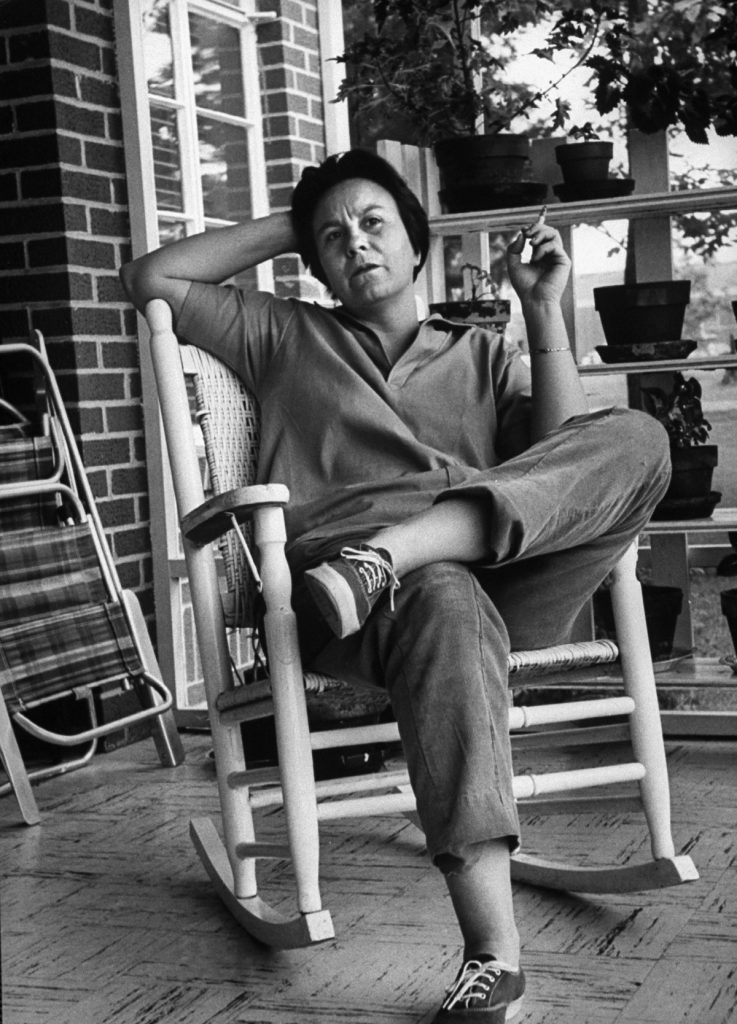
Nelle Harper Lee (April 28, 1926 – February 19, 2016) was an American novelist best known for her 1960 novel To Kill A Mockingbird. Lee has received numerous accolades and honorary degrees, including the Presidential Medal of Freedom  in 2007 which was awarded for her contribution to literature. She assisted her close friend Truman Capote  in his research for the book In Cold Blood (1966). Capote was the basis for the character Dill Harris in To Kill a Mockingbird.

Harper Lee

Storyline of The Novel

The novel follows the story of a black man in the 1930s, convicted for the rape of a white girl. It is written from the perspective of two young children and their confusion at topics like race and the discriminatory ways of adults around them. Despite been written in a child’s perspective, the story does not diminish the meaningful themes of the novel in any way. Even after 80 years of its publication, the book is still popular and highly relates to our society.

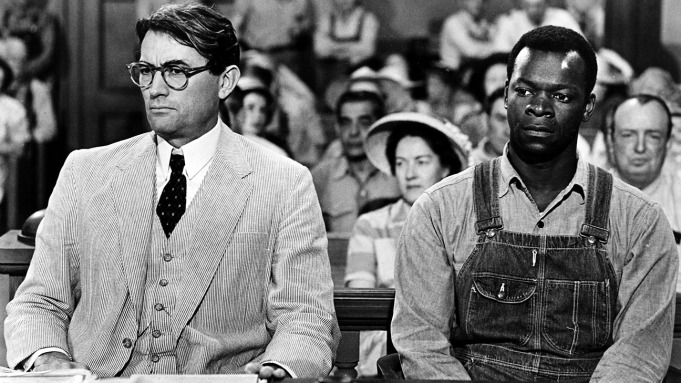
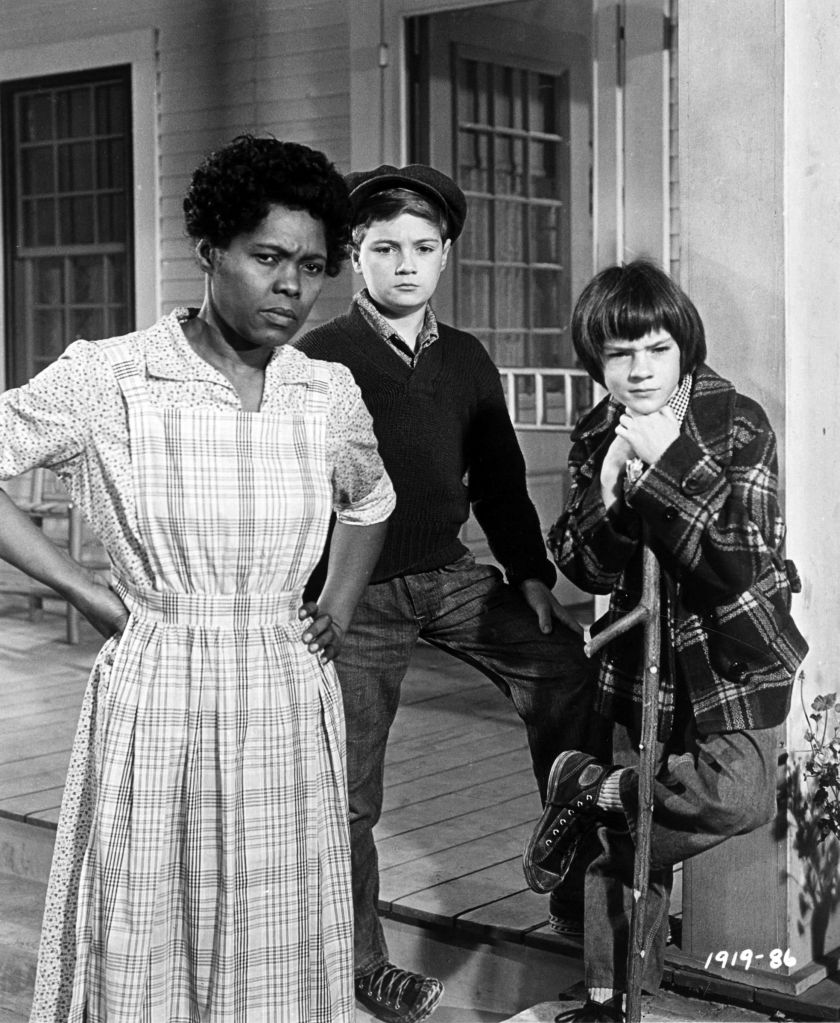
Gregory Peck as Atticus Finch and Brock Peters as Tom Robinson in To Kill A Mockingbird movie(1962)

The story evolves around six-year-old Scout Finch is living in the small town of Maycomb, Alabama during the Great Depression. Raised by Atticus Finch, Scout and her brother, Jem, are very comfortable with Maycomb and understand the well being of their neighbours, except the house of the mysterious Arthur Radley, whom they obsess over. Half the book is basically about Scout, Jem, and Dill (their new friend) trying to lure Arthur Radley out of his house. However, when Atticus, a lawyer, decides to take the case of a black man named Tom Robinson, tensions become high and the trial to see whether Tom Robinson is guilty or innocent based on his crime and, especially, his skin colour is at stake. 

Analysis of The Storyline

To Kill a Mockingbird focuses on that gut instinct of right and wrong, and distinguishes it from just following the law. Even the titular quote: “Shoot all the blue jays you want, if you can hit ’em, but remember it’s a sin to kill a mockingbird” is in itself an allegory for this message. Being in itself a generic message, the idea of ‘doing what’s right’ obviously has a different meaning depending on when and where you’re reading the book. If you take 1960, when the book was written, America was in a state of ethical development as social inequality was – very – gradually being overcome. Women’s rights and black rights movements were beginning to emerge and some campaigned through violence. Would Atticus Finch condone this?

In the 1930s, when the book was set, America was in the midst of the Great Depression. This was a time when economic difficulties meant that the American Dream was receding further and further away. We could consider that Atticus Finch felt that his own dream of an equal, morally decent society was also heading in the wrong direction.

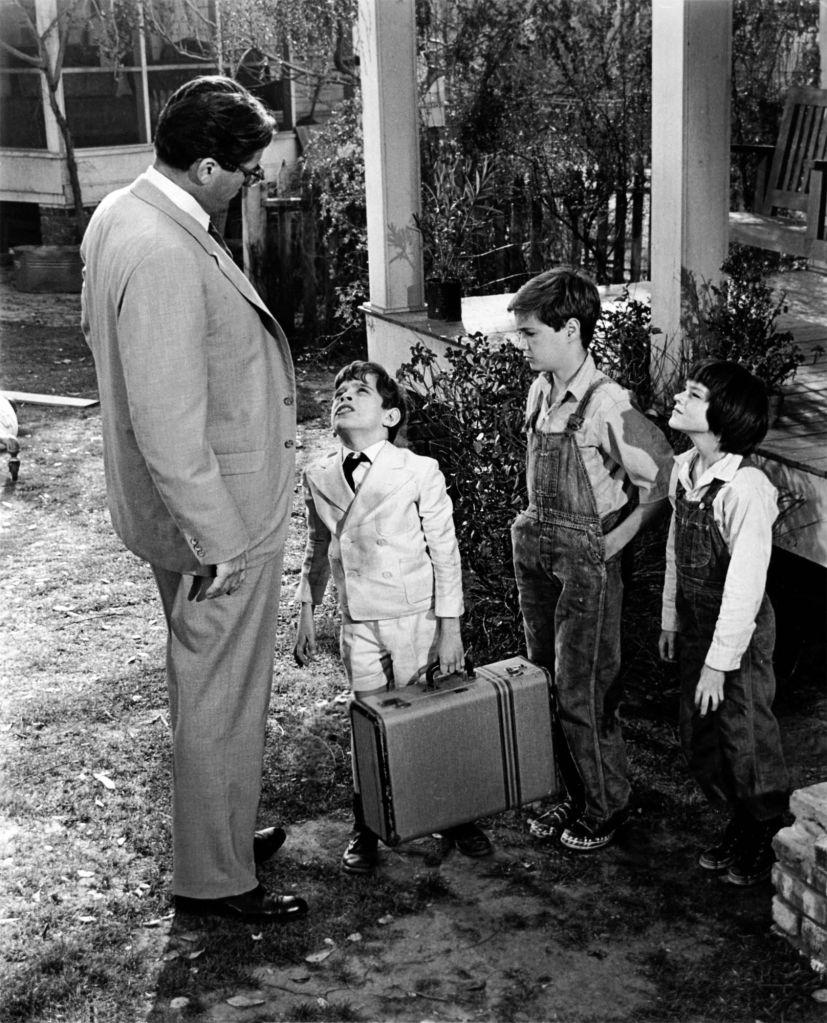
Scene from To Kill A Mockingbird movie (1962)

Criticism and Relevance of The Storyline

This 1960 novel is ahead of its time; carrying a message that is still needed by today’s world, Harper Lee’s debut novel is regarded as one of the best contemporary classics. Prejudice against the black community is the main theme of this novel. The lives of the main character revolve around this. Standing up for what’s right, defending the weak, swimming against the current; all these righteous acts comes at a huge price, sometimes even risking the lives and dignity of our loved ones. The novel gives us a strong message to the readers. It so skilfully presents the vulnerability of a minority community and how they fall prey to prejudice. The author very skilfully brings forth the sub of racism, that too very tenderly through characters who peacefully struggle against this evil. Harper Lee shows us that in every society, there are some people who would stay firmly at the side of justice, though they may face severe consequences.

scene from To Kill A Mockingbird movie (1962)

Conclusion

Without denying the constancy of the moral message, and the pure ingenuity of the book, it’s still open to debate whether, as with all classics, schoolchildren should be forced to read the novel and go over it page-by-page. Therefore everyone who reads it can take something out of it which no one has before. Let it not be forgotten that a true piece of literature, like To Kill a Mockingbird, is meaningful in every period and that today, Atticus Finch’s message should be heard in the midst of all the global conflicts that we hear of on the news every day and night.

Canada Day, A Day of significance

Canada day (157 years), on July 1, 1867, A federal statutory holiday, it celebrates the anniversary of Canadian Confederation where the three separate colonies the official Union of provinces Canada, Nova Scotia and New Brunswick were united into a single Dominion within the British Empire called Canada. Until 1982, the Act served as Canada’s constitution, and July 1st was celebrated as Dominion Day. The British North America Act was repatriated from the British to the Canadian parliament under the conditions of the Canada Act of 1982, and Canada became a fully independent country. At the same time, the name of the national holiday was changed to Canada Day.

Canada Day showcases an important national milestone on the way to the country’s full independence. The day signifies the spirit of Canadian patriotism. And July 1st is also known as moving in day. It’s a tradition that goes a long way and has an interesting history. It begins as “a humanitarian” action by French colonial government on its New France colony (which is now Quebec), preventing the Feudal Lords from explaining the rural workers during winter. Shortly after, a 1750 law made it mandatory for all urban rentals to be one year, beginning May 1 and ending April 30. It was the birth of their Day of Change, but on a different date. In 1973, the Government of Quebec changed the Change Day to July 1.

Most communities in Canada host celebration organized for date, happening at public outdoor events with music, parades, thematic festivals, free concerts, displays of the flag, the singing of the national anthem, ‘O Canada’ and many fireworks and plenty of respect for the history of Canadian people. And you know what’s the best part? Everyone is welcome in the celebration. Multicultural and full of opportunity for foreigners, Canada is recognized for its diversity and for welcoming students from other countries.

Lolita: The Book Review

Introduction

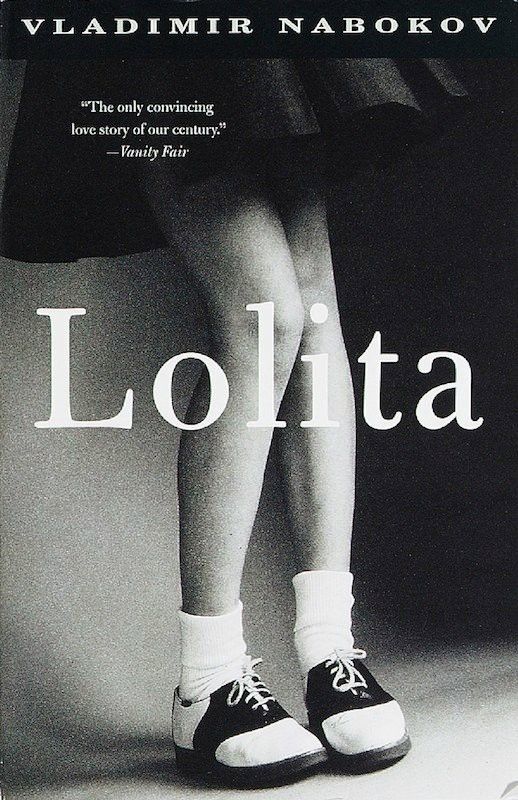
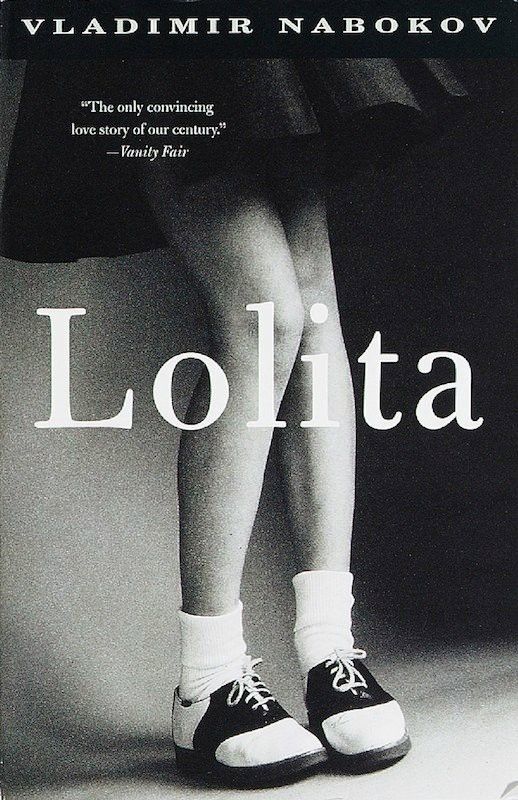
The cover of Lolita (1955)

Lolita  is a 1955 novel written by Russian-American novelist Vladimir Nabokov. The novel is notable for its controversial subject, which engages an unethical relationship between a middle aged man and a minor girl. First issued in 1955 by an unorthodox Paris press after being rejected by a string of American publishers; banned by the French government, presumably out of solicitude for immature English-speaking readers (the ban was later quashed by the French High Court); pronounced unobjectionable by that blue-nosed body, the U. S. Customs office; and heralded by ovations from writers, professors, and critics on both sides of the Atlantic, became a near-instant bestseller in the US, shifting over 100,000 copies in its first three weeks alone. The shocking subject matter, gleefully punning unreliable narrator, and Nabokov’s spellbinding sentence-level prowess combined to create a book as repulsive as it was inviting—comic and horrific and utterly absorbing. The novel was later adapted in two movies with the same name of the novel, Lolita(1962) and Lolita(1997) .

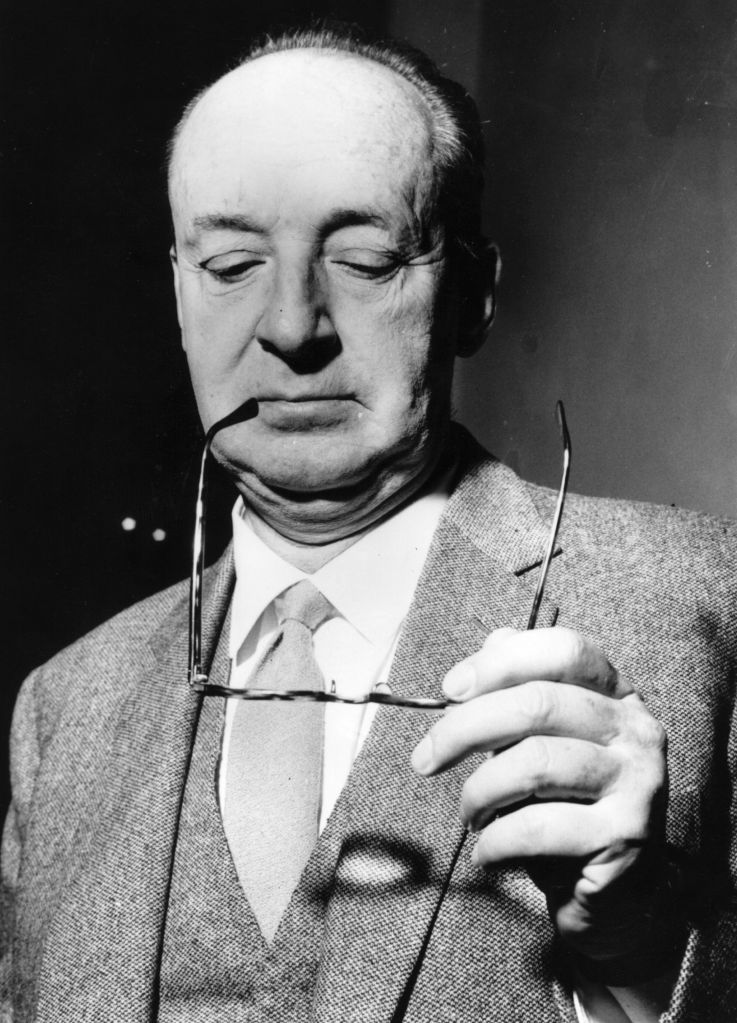
Russian writer Vladimir Nabokov (1899 – 1977) in Rome to work on the film screenplay of his most famous book, ‘Lolita‘.

About The Author

Vladimir Vladimirovich Nabokov , also known by the pen name  Vladimir Sirin, was a Russian-American novelist, poet, translator, and entomologist. Born in Russia, he wrote his first nine novels in Russian (1926–1938) while living in Berlin. He achieved international acclaim and prominence after moving to the United States and beginning to write in English. Nabokov became an American citizen in 1945, but he and his wife returned to Europe in 1961, settling in Montreux, Switzerland.

Nabokov’s Lolita  (1955) was ranked fourth in the list of the Modern Library 100 Best Novel  in 2007, Pale Fire  (1962) was ranked 53rd on the same list; and his memoir, Speak Memory (1951), was listed eighth on publisher Random House list of the 20th century’s greatest nonfiction. He was a seven-time finalist for the National Book Award for Fiction.

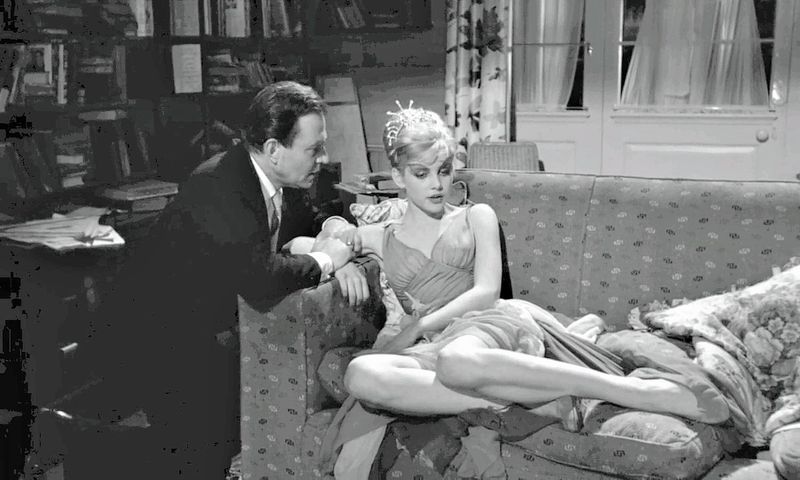
Cinematic Adaptation of Lolita (1962), starring James Mason as Humbert Humbert and Sue Lyon as Lolita

Storyline of The Novel

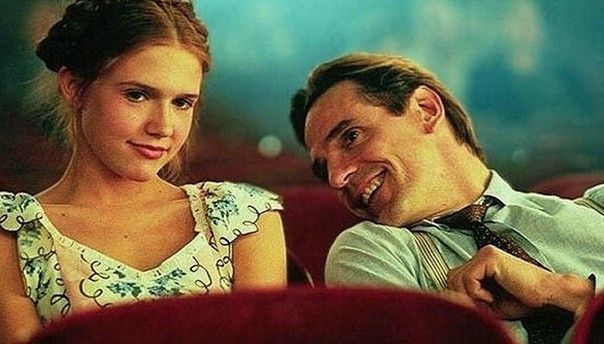
Lolita, Vladimir Nabokov’s immaculate and disturbing masterpiece, is the story of middle-aged paedophile man Humbert Humbert—a handsome, French-born intellectual on the one hand, and unapologetic sexual predator on the other and his tragic love affair with his 12-year-old, bubble-gum popping stepdaughter Dolores Haze, who is fondly called Lolita by Humbert. It’s a post-war road novel, the odyssey of a venerable European man and a prepubescent American girl bouncing across the United States, trying to outrun the past and find a future that doesn’t exist.

Lolita (1962)

Humbert’s sociopathic behaviour might be traced back to a sexual experience when he was 13, when he meets his “first love” Annabel—a 12-year old girl who is travelling with her parents. They lust for each other fervently, with an intensity that leaves a permanent impression on Humbert. He describes his passion with a cannibalistic “frenzy of mutual possession [that] might have been assuaged only by our actually imbibing and assimilating every particle of each other’s soul and flesh.” Their failure to complete the dirty deed leaves an indelible, unresolved tension in Humbert—an impoverished thirst for early-pubescent girls that carries through to adulthood, which he is forced to lie about . He gets married to a widow who he physically abuses to get his own way. He constantly admits himself to sanatoriums, but finds the doctors ridiculous and uses his intelligence to mislead them. He swings from “ashamed and frightened” to “recklessly optimistic,” craving hedonistic intercourse with 11 to 14 year-old girls, but living in the wrong country and century. He tries to justify his urges by recounting accepted paedophilia throughout history, but even his vindications are half-hearted and remorseless—he’s a grown man who wants to have intercourse with children, and there’s nothing to be done about it. He’s an “artist and a madman, with a bubble of hot poison in his loins.” His anguish is illustrated beautifully by Russian-born Nabokov, whose mastery of English is mind-blowing. The animalistic language that he uses is both shocking and enthralling, and some sentences are appalling in their vividness.

Cinematic Adaptation of Lolita (1997), starring Jeremy Irons as Humbert Humbert and Dominique Swain as Lolita

Humbert understands the precariousness of his attachment to Dolores. She’s a hostage who he appeases with countless and expensive bribes, spawning a crippling jealousy that his nymphet will run away with someone else, especially because of her flirtatious nature. The juvenile sensuality of Dolores Haze makes a paedophile and a green-eyed monster of Humbert, who becomes more and more paranoid as the story unfolds. 

Analysis of The Novel

To be sure, this novel isn’t for the faint of heart, but neither should prospective readers retreat to any kind of moral high ground. Nabokov, in fact, threads an unexpected and affirming emotional serenity through his portrait of obsession. His enigmatic narrator leaves us in spellbound rapture. Because for all of its linguistic pyrotechnics — as Humbert confesses, “you can always count on a murderer for a fancy prose style” — and for all its controversial subject matter, Lolita is one of the most beautiful love stories you’ll ever read. It may be one of the only love stories you’ll ever read. This is the most thrilling and beautiful and most deeply disturbing aspect of the novel — and it’s what most persuasively recommends the book — that in addition to finding Humbert’s soul on the page, we also find, like it or not, a little of our own.

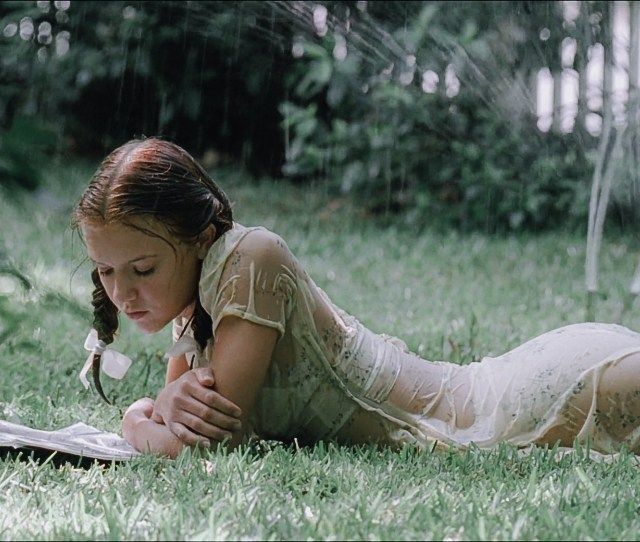
Lolita (1997)

The Author has afflicted poor Humbert with a special and taboo variety for a couple of contradictory reasons. In the first place, its illicit nature will both shock the reader into paying attention and prevent sentimentally false sympathy from distorting his judgment. Contrariwise, I believe, Mr. Nabokov is slyly exploiting the American emphasis on the attraction of youth and the importance devoted to the ‘teen-ager’ in order to promote an unconscious identification with Humbert’s agonies. 

Criticism of The Novel

The art that palliates Humbert’s misery has not notably relieved the distress of reviewers, most of whom have felt obliged to ask themselves, how the author could come up with such horrific storyline. Some have concluded, rather desperately, that he hasn’t done it at all. According to one interpretation, Mr. Nabokov has merely written an allegory of a European intellectual who falls in love with America and discovers, to his gentle sorrow, that the country is still a trifle immature. Aside from the difficulty of assigning roles, the fact that the author is obviously capable of writing such a story without the aid of a nympholeptic allegory throws considerable doubt on the argument. It has also been suggested, ingeniously, that Mr. Nabokov really wanted to write a tale of romantic passion in the grand, or nineteenth-century, manner, and found that the only way to make such a passion interesting to the contemporary reader was to disguise it as psychopathology. If this interpretation is correct, one can only say that Mr. Nabokov has beautifully concealed his disappointment at having to portray his heroine as a child.

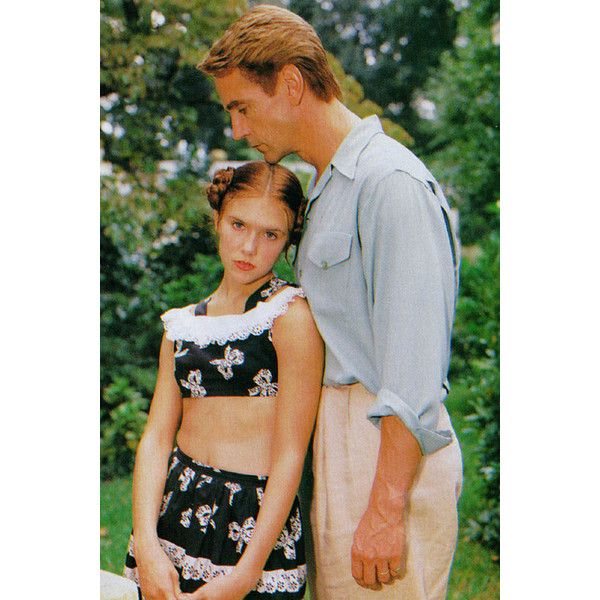
Lolita (1997)

Despite Humbert’s evil, the fallout from the relationship is heartbreaking. Our empathy for the odious rogue is Nabokov’s greatest achievement in the novel. We both detest and sympathise with him, leaving us feeling confused and perhaps a little guilty. Humbert’s vile actions and fantasies, in which he dreams of painting a mural and re-live hopelessness of falling in love with a girl who could never love him back. Like Humbert’s love for DoloresLolita felt like a forbidden fruit, breaking the sturdiest of taboos to illuminate the mind of an infatuated, sociopathic paedophile, which is a mind we rarely get to see. 

Lolita (1997)

Conclusion

Lolita is old enough and infamous enough to be known as a story of unhinged paedophilia. But it’s also a beautiful and depressing love story, with a tortured antagonist who despite his crimes, and due to the skill of the book’s author Vladimir Nabokov, we can eventually empathise with.

The Perks of Being A Wallflower: The Book Review

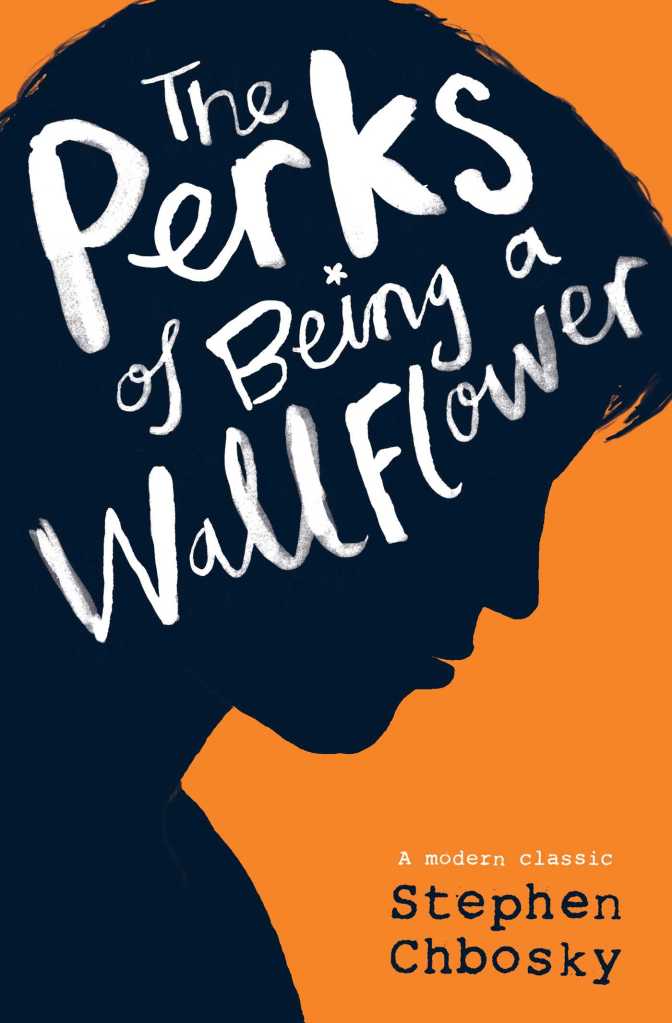
Cover of Perks of Being A Wallflower (1999)

Introduction

The Perks of Being A Wallflower(1999), is a modern age novel written by Stephen Chbosky. The novel is about the dilemma of passivity vs passion that marks the stunning debut of a provocative new voice in contemporary fiction. Stephen Chbosky has created this deeply affecting coming-of-age story, a powerful novel that would spirit the readers back to those wild and poignant roller coaster days known as growing up. The novel is later adapted to a movie under the same title in 2012.

About The Author

Stephen Chbosky is an American screenwriter, film producer, film director, novelist, television writer, and television producer. He is best-known for writing the bestseller The Perks of Being A Wallflower(1999), as well as for writing and directing the 2012 film adaptation of the book. Most recently, he directed the 2017 drama Wonder and the 2021 film adaptation of Dear Evan Hansen. His first psychological horror novel, Imaginary Friend, was published in October 2019.

Stephen Chbosky

Storyline of The Novel

The Perks of Being a Wallflower by Stephen Chbosky is narrated by fifteen-years-old Charlie, the titular ‘wallflower’, in a series of letters that he writes to a stranger, beginning the night before he starts his freshman year of high school in 1991. These letters catalogue Charlie’s attempts to “participate”, as he wanders wide eyed through a series of house parties and Rocky Horror Picture Show productions with his new, older friends. Along the way, Chbosky intelligently explores stock Young Adult themes such as mental health, substance abuse and sexuality, whilst simultaneously reminding the reader about how exciting it is to be young and idealistic.

Logan Lerman as Charlie in Perks of Being A Wallflower (2012) movie

           Though shy and sensitive in nature, Charlie is an intelligent boy with unconventional thinking capabilities. His first letters starts with Charlie mentioning about suicide of his Middle School’s friend and death of his favourite aunt Helen and how these tragic incidents have took toll in his life. Charlie befriends two seniors Patrick and Sam and ends up indulging in alcohol and other drugs with Sam. In the meantime, Charlie also learns about his sister having relationship with an abusive guy and eventually getting pregnant. The flashback of his aunt dying in car crash stops haunting Charlie, as he starts enjoying company of his friends and Sam. While playing Truth and Dare, he is asked to kiss the prettiest girl in the room; he kisses Sam for which he faces neglect from the group. Overall this is a story filled with drama and lots of emotions, including, friendship, first love and teenage sexuality.

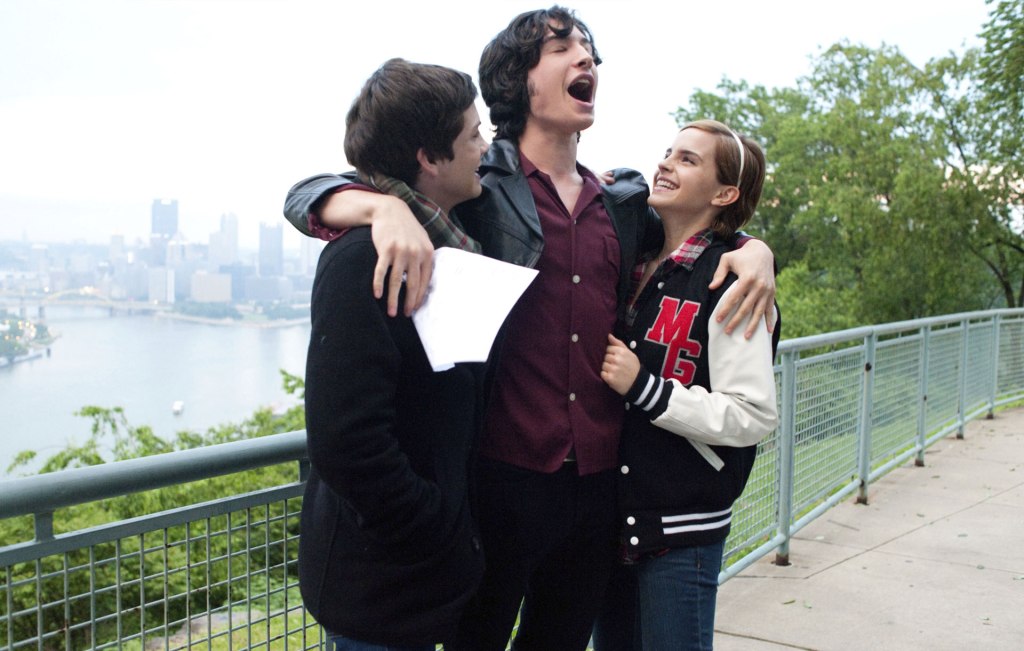
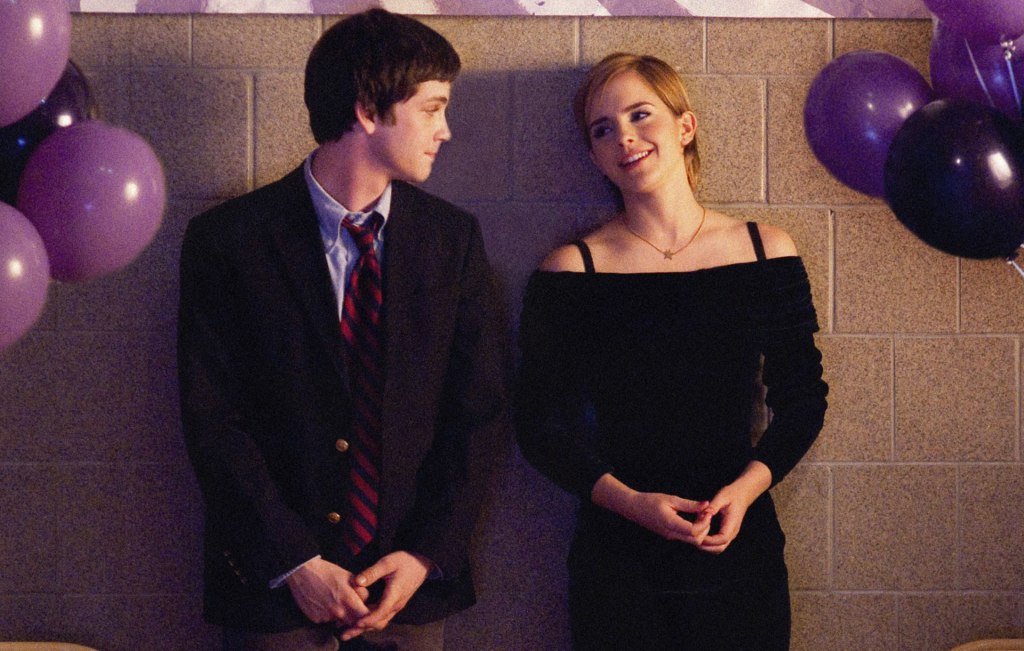
Logan Lerman as Charlie, Emma Watson as Sam and Ezra Miller as Patrick in Perks of Being A Wallflower movie

Analysis of The Storyline

Throughout the book, through the characters, the author seems to be attempting to answer some of the questions we all face at some time in our life. The author seems to be trying to find the reason why some good people chose bad people to love. This question is raised by Charlie to Mr. Bill and the answer he gives seems to be the central theme of the book “We accept the love we think we deserve”. This can be seen in various characters. Sam is in a relationship with a guy, who seems to consider that everything that is good about her, is good because of him. She seems to have gone through some tough times in her life, and the fact that she didn’t consider herself worthy, seems to have played a role in this.

Scene from Perks of Being A Wallflower movie

The whole book seems to be asking the reader to love themselves. The author, by writing the story as a series of letters, seems to be trying to speak to the readers, as if speaking to a friend, a friend he sees in high regard, no matter how they see themselves.

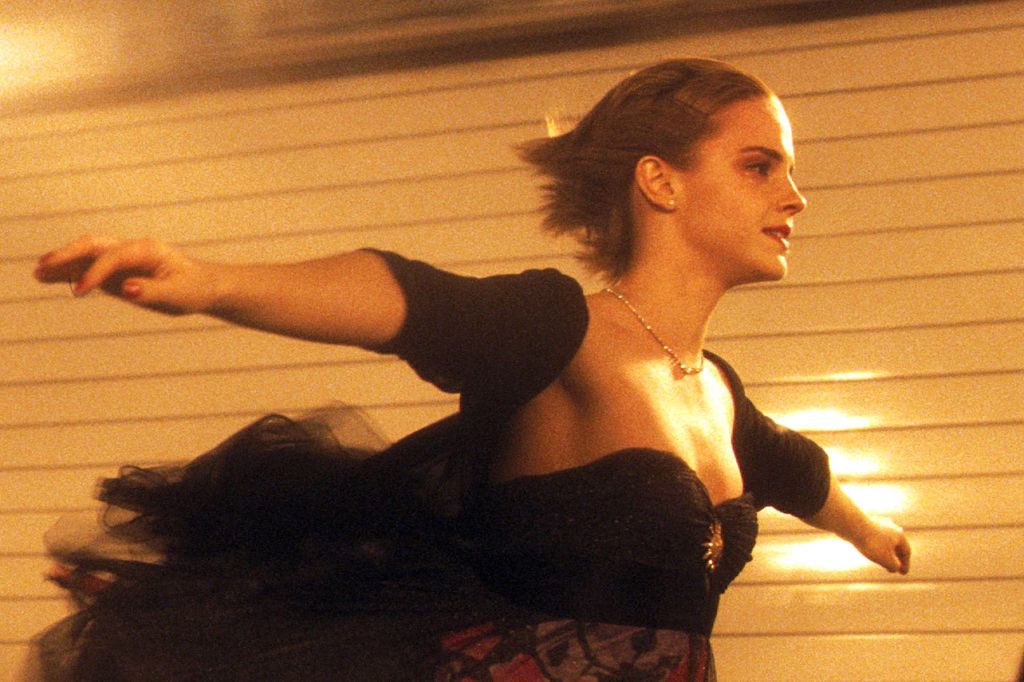
Iconic scene of Emma Watson in Perks of Being A Wallflower movie

Criticism of The Storyline

Charlie, the protagonist of the novel suffers extreme teenage crisis that sometimes breaks the readers’ hearts that all he had to handle alone inside his head. The book shows all the sides of being a teenager and isn’t afraid to cover mature themes. The book uses its more mature situations in order to relate to teenagers. Many teenagers have experienced these hardships either first hand or by hearing about them. The characters partake in activities that some may see as unwise. These are in the book however to add realism not to encourage or promote these acts. This book will most likely only be fully appreciated by older teenagers due to its unflinching depiction of teenage life. Before reading this book readers should know there are themes of sexual abuse and those that are sensitive to that topic should be cautious about reading this book. 

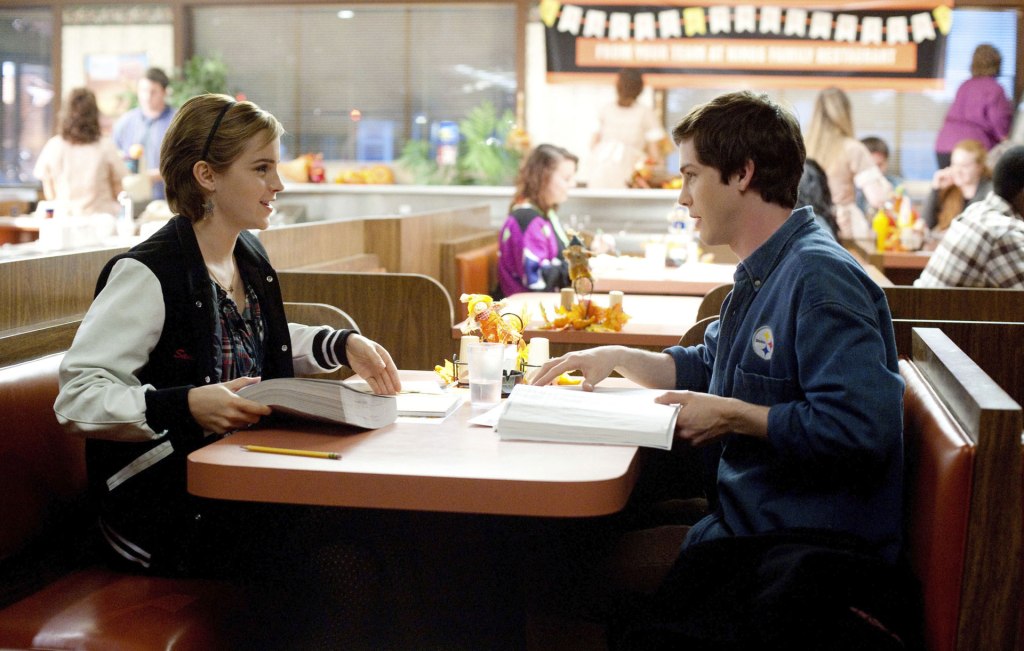
Logan Lerman and Emma Watson in Perks of Being A Wallflower (2012)

Conclusion

The book has received love all over from many of its readers for its very realistic portrayal of teenage life, complex characters, and thought-provoking commentary from Charlie. This book displays a wide range of emotions. Its relatable and complex characters allow the readers to feel the same emotions the characters are feeling. The book’s use of journal entries to tell its story helps the reader connect to Charlie and it adds to the realism, which makes this book an absolute winner.

Call Me By Your Name: The Book Review

Call Me By Your Name, Cinematic Adaptation

Introduction

Call Me By Your Name is a book that throbs with desire. André Aciman’s 2007 novel (and the basis for the film of the same franchise in 2017) is a portrait of adolescent love and lust, experienced for the first time with an intensity that’s almost frightening in how all-consuming it feels. And Aciman devotes himself to chronicling every fleeting fantasy, every caress, with a fervour that matches what his characters are feeling.

About The Author

André Aciman is an Italian-American writer. Born and raised in Alexandria,Egypt, he is currently distinguished professor at the Graduate Center of City University of NewYork, where he teaches the history of literary theory  and the works of Marcel  Proust.

He is the author of several novels, including Call Me By Your Name and a 1995 memoir, Out of Egypt, which won a Whiting Award.  Although best known for Call Me by Your Name, Aciman stated in an interview in 2019 that his best book is the novel Eight White Nights.

André Aciman

Storyline of The Novel

It tells the story of a blooming romance between 17-year-old Elio Perlman, and 24-year-old visiting scholar Oliver, who comes to the summer home of Elio’s parents in Italy, 1983.

The story is told in retrospect, with grown-up Elio recalling the events of that fateful summer. He always resented his parents’ tradition of taking a doctorate student into their home for six weeks each year, forcing him to vacate his bedroom (that sacred space of a teenage boy) to make room for their guest. That all changed when Oliver, a Harvard graduate student comes to stay with the academic expat family in the Italian Riviera, where he will oversee the translation of his dissertation on Heraclitus. As he wins the family over with his breezy charm and preppy insouciance, Oliver also inspires the adoration of the professor’s teenage son, Elio, who relays to us each stage of his infatuation.
Elio catalogues every aspect of Oliver—his gazes, his phrases—and even augurs meaning from his clothing: “He had, it took me a while to realize, four personalities depending on which bathing suit he was wearing.” Elio, in turn, dazzles Oliver with his precocity—he’s a virtuoso on piano and on an enviously easy footing with literature from Ovid to Celan. But he is unsure and untested in carnal matters. His desire for Oliver literally false-starts when he accidentally (and discreetly) ejaculates in his presence (the scene recalls Marcel’s embarrassing tussle with Gilberte). But when Oliver starts sleeping with a local girl, it seems that Elio’s fantasies of consummation will never be realized. He muses about killing, or at least crippling, Oliver: “If he were in a wheelchair, I would always know where he was, and he’d be easy to find.”
But then, just as Elio has given up hope, it happens: He slips into Oliver’s room one night and so begins their five-week love affair. They have adventurous, almost incessant sex, during which, at Oliver’s prompting, they call each other by the other’s name. As a strategy for subsuming the other’s self, this verbal masquerade is strikingly successful. At first shameful for Elio, their passion quickly becomes all-consuming. The lovers revel in their sameness—they are both young Jews, “brothers in the desert”; they experience the same sexual pains and pleasures; their minds travel along the same currents to catch the right literary references.

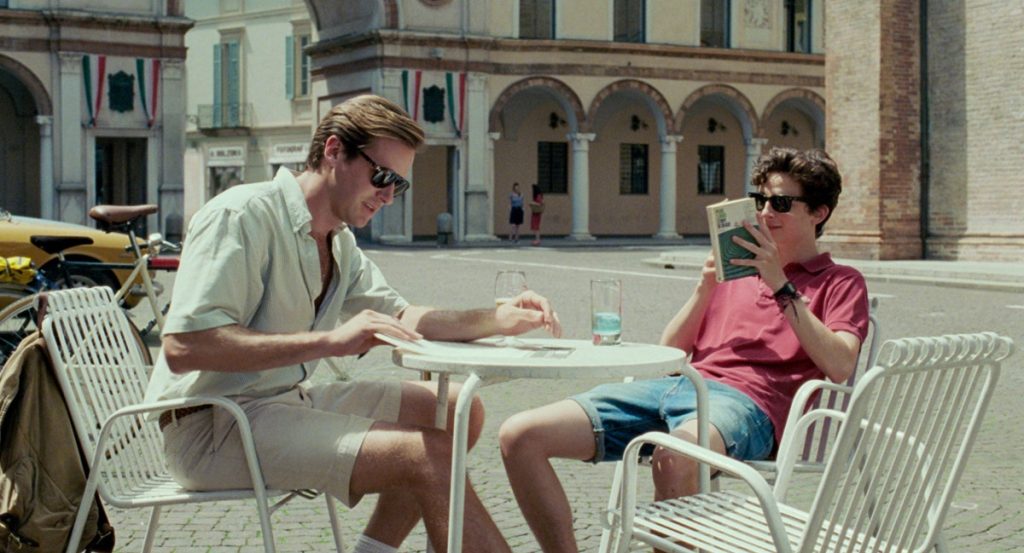
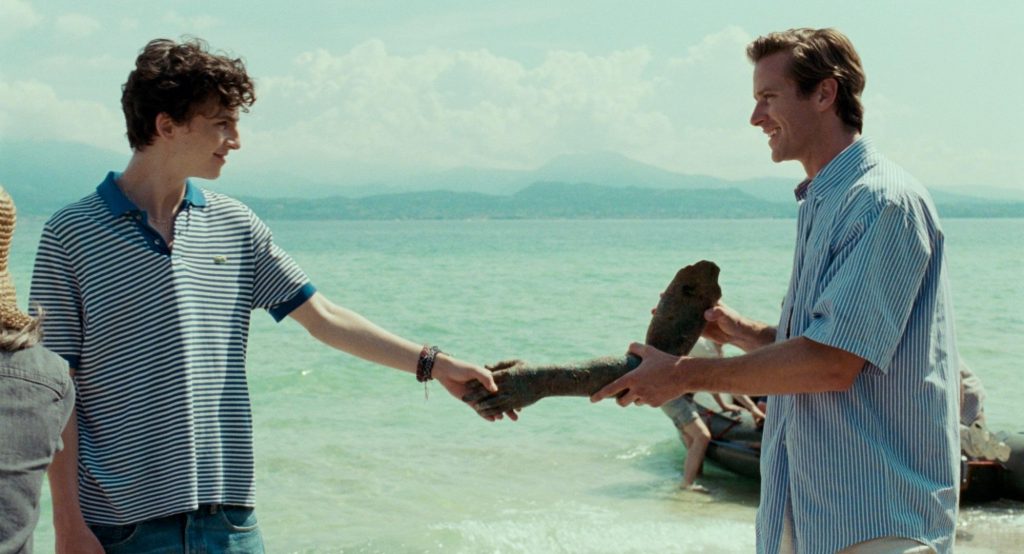
Timotheé Chalamet as Elio Perlman and Armie Hammer as Oliver, in Call Me By Your Name (2017)

Analysis of The Story

Call Me by Your Name is the story of a sudden and powerful romance that blossoms between an adolescent boy and a summer guest at his parents’ cliff-side mansion on the Italian Riviera. Unprepared for the consequences of their attraction, at first each feigns indifference. But during the restless summer weeks that follow, unrelenting buried currents of obsession and fear, fascination and desire, intensify their passion as they test the charged ground between them. What grows from the depths of their spirits is a romance of scarcely six weeks’ duration and an experience that marks them for a lifetime. For what the two discover on the Riviera and during a sultry evening in Rome is the one thing both already fear they may never truly find again: total intimacy.

The psychological manoeuvres that accompany attraction have seldom been more shrewdly captured than in André Aciman’s frank, unsentimental, heartrending elegy to human passion. Call Me by Your Name is clear-eyed, bare-knuckled, and ultimately unforgettable.

Timotheé Chalamet as Elio Perlman

Criticism of The Story

Despite the fact that it’s a coming-of-age story, Call Me By Your Name is hardly a young adult book. For one, it’s quite erotic, albeit in a highly literary way. All of the sexual encounters (including one truly smutty incident with a peach) are depicted in detail, but not to titillate. It feels more like Aciman is simply demonstrating the depth and desperation of Elio and Oliver’s desire.

Call Me by Your Name ends with a series of unsatisfactory but still charged meetings between Elio and Oliver later in life. They have a rendezvous in New England, where Elio is traveling and where Oliver teaches and lives with his family. The novel, despite its melancholy send-off, ultimately holds out an extremely un-Proustian, optimistic promise: Love and understanding can endure hand in hand. Elio can still say of Oliver, “This was my favourite Oliver: the one who thought exactly like me.” Twenty years later, when they return to one of their cherished spots in Italy, Elio asks only to be called once more by the name Oliver—as if to imply that nothing has changed. For Proust, such naming is inevitably fraught with failure (Marcel at one point wishes he could give a different name to each of the Albertines he knows). The notion that the past could ever obey such a summons, that anyone could ever be so static, suggests that Elio has breached, but finally resisted, Proustian knowledge. This shying away leaves us with something less than we might have expected from Aciman’s previous reckonings with time.

Scene from the Movie Call Me By Your Name

Conclusion

Even with all the critical analysis, the storyline wins millions of hearts with the sweet message of love, that can happen to anyone under any circumstance. The story broke some stereotypes about how the meaning of Love is mostly depicted in society. It normalizes the simplicity, the beauty and the agony of love between two men, in a never seen before way. And that makes the book an ultimate winner for its modern day readers.

Dante Aligheiri: Connecting His Life, Love and Literature

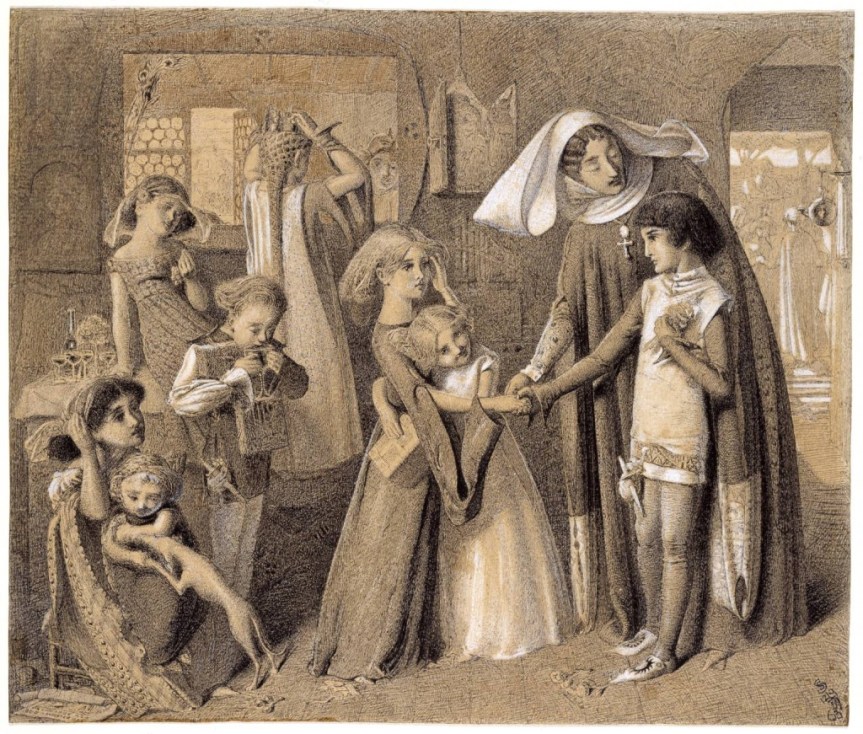
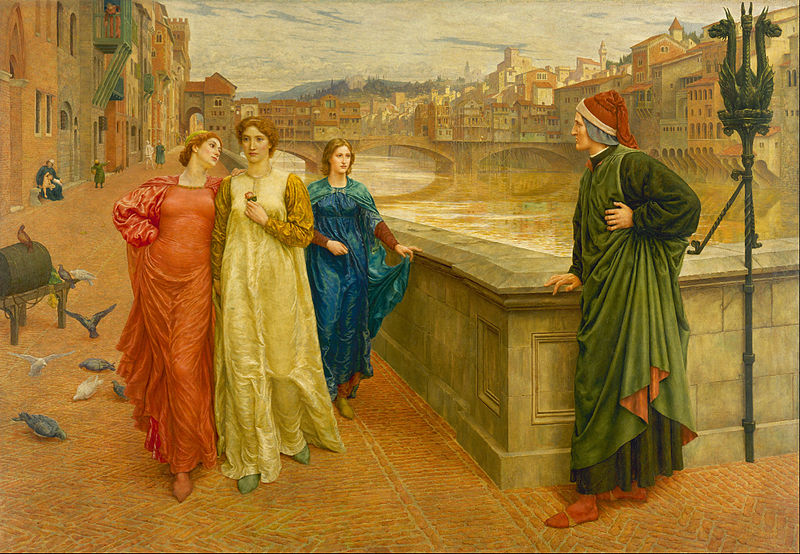
Dante, looking at Beatrice passing by (Art Work)

Introduction

Dante Aligheiri, the famous Italian poet, is without any debate, one of the most passionate poets of all time who believed in and lived by the true meaning of Love through his exceptional writings . His works are still considered as the Canvases of Human Mind, sparkling and expressing love through words. Though, the love of his own life remained unrequited and that agony fueled his journey of writing as a neverhealed wound, creating some masterpieces of Romantic Literature.

Early Life of Dante

Born in Florence, Italy around 1265, Dante was the son of Alighiero di Bellincione Alighieri and Bella di Abati, and he grew up among Florentine aristocracy. Scholars surmise that he received formal instruction in grammar, language, and philosophy at one of the Franciscan schools in the city. 

Dante’s Love : Beatrice Portinari

Dante first met Beatrice Portinari, daughter of Folco Portinari, when he was only nine years old and he claimed to have fallen in love with her “at first sight”, apparently without even talking with her. He would later write about his instant love for her in “Vita Nuova”, saying “Behold, a deity stronger than I; who coming, shall rule over me.”

When he was 12, however, he was promised in marriage to Gemma di Manetto Donati, daughter of Manetto Donati, member of the powerful Donati family. Contracting marriages for children at such an early age was quite common and involved a formal ceremony, including contracts signed before a notary. Dante claimed to have seen Beatrice again frequently after he turned 18, exchanging greetings with her in the streets of Florence, though he never knew her well.

Dante meeting Beatrice for the first time (Art work)

Beatrice’s Death: Presence in Dante’s work

Beatrice died in 1290 at age twenty four. Beatrice probably never had any idea of the depth of his passion for her, yet she was to become one of literature’s most famous figures.

After Beatrice’s death, Dante withdrew into intense study and began composing poems dedicated to her memory. The collection of these poems, along with others he had previously written in his journal in awe of Beatrice, became La Vita Nuova, a prose work interlaced with lyrics.
Dante describes his meetings with her, praises her beauty and goodness, describes his own intense reactions to her kindness or lack thereof, tells of events in both their lives, and explains the nature of his feelings for her. She represents an idealized love, the kind of love that transcends physicality. Alighieri included her in both La Vita Nuova and Divine Comedy. She is his salvation; the “gentilissima” (most kind) and “benedetta”(blessed). It is Beatrice who serves as his guide in Heaven in Divine Comedy. La Vita Nuova also relates of the day when Dante was informed of her death and contains several anguished poems written after that event. In the final chapter, Dante vows to write nothing further of Beatrice until he writes “concerning her what hath not before been written of any woman.”

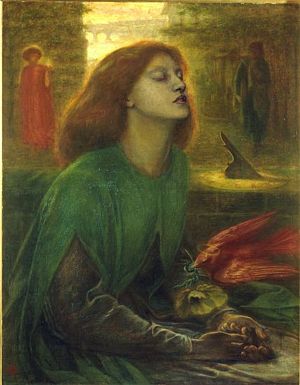
Portrait of Beatrice

Analysis of Dante’s Love and Literature

The promise is fulfilled in the epic poem The Divine Comedy, which he composed many years later. In that poem, he expresses his exalted and spiritual love for Beatrice, who is his intercessor in the Inferno, his purpose in traveling through Purgatorio, and his guide through Paradiso.

Beatrice addresses Dante, the author and a character himself, for the first time in Canto 2 of Dante’s “Inferno”: she descends into Limbo and prays that the poet Virgil can rescue Dante. She then reappears in Canto 30 of Purgatorio, when Virgil disappears.

At first sight of her in Purgatorio, he is as overwhelmed as he was at the age of nine and is dazzled by her presence throughout the journey until she ascends again to her place in heaven, the point closest to God that he is allowed to reach.
This expression of sublimated and spiritualized love ends with Dante’s total absorption into the divine.
Their last meeting is set among the blessed in Heaven at the end of their journey into the afterlife.

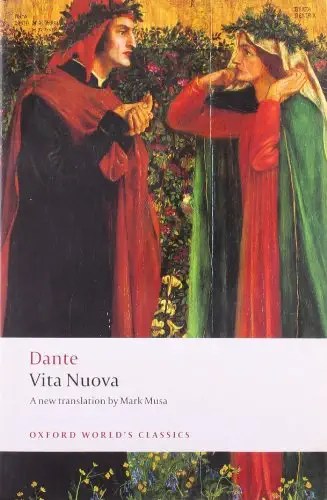
Dante’s work Vita Nuova, heavily influenced by Beatrice

Conclusion

Dante’s love for Beatrice may have been idealized and unattainable, but at the core of that love is admiration, goodness, and respect. That’s a type of love that we don’t see much of in the media of today’s world. We prize the scintillating and love has become synonymous with physical lust.Dante’s love transcends the physical. It is a love of the heart and the intellect. She represented the ideal of beauty and grace, but was also a real woman.
Beatrice appeared to Dante as the woman/angel that guides him through Paradise, but also remained a real woman who made his heart beat in the streets of Florence.

The Toxic Beauty: How Cosmetics Killed Her Highness Queen Elizabeth I

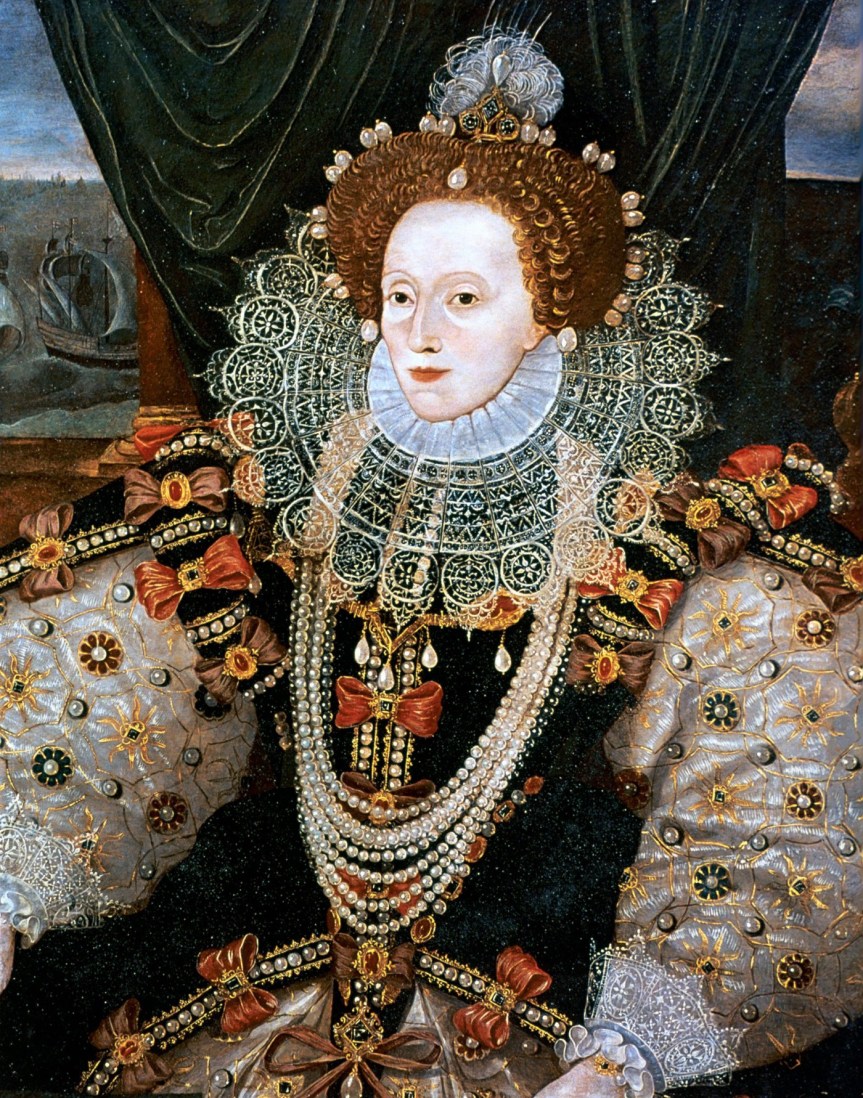
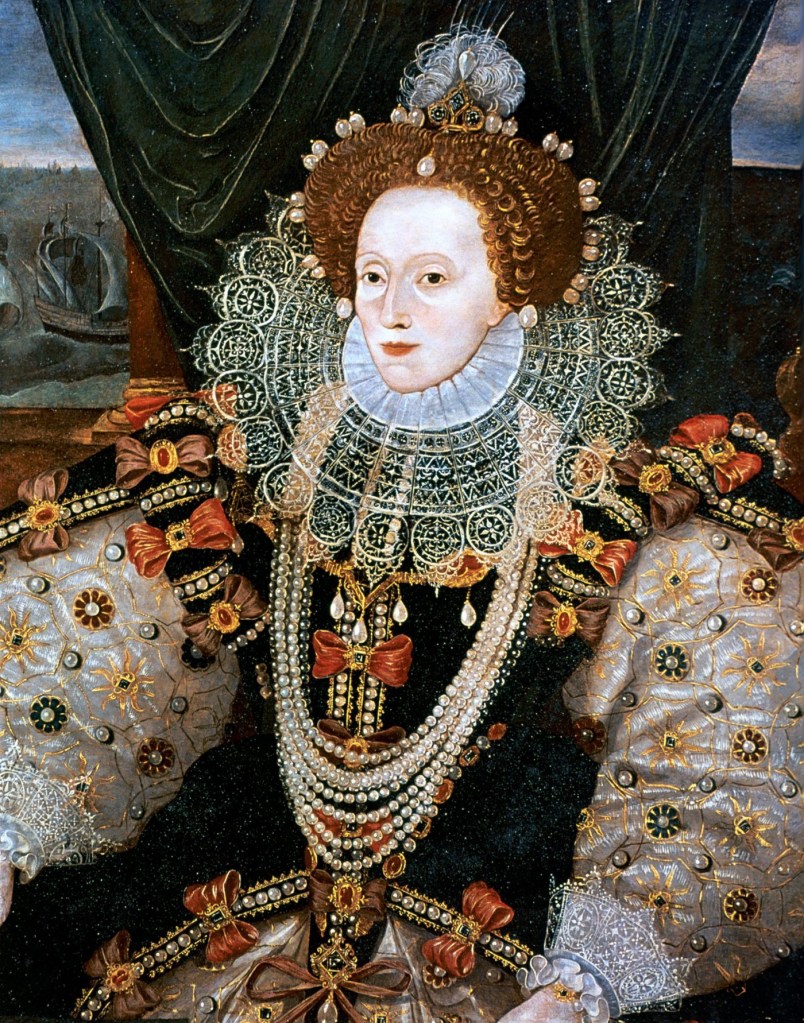
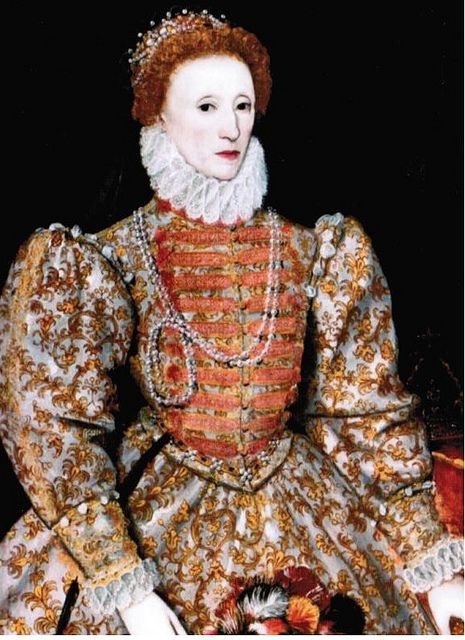
Queen Elizabeth I of England and Ireland

Introduction

Beauty has always been the greatest concern for women since ages. Women , all over the world did what not, to look pretty and presentable throughout the history of Human Civilization. And to address the need of looking flawlessly beautiful, the practice of using cosmetic or make-up came to the play. Women, sometimes, followed bizarre rituals to enhance their look, but sometimes, to their worst, the cosmetic turned out to be toxic and endangered their lives. To look beautiful it cost them a fatal price. Royalties and Elites were victims of the same death trap, including the Great Queen Elizabeth I.

Queen Elizabeth: The Beginning

Elizabeth I was the fifth and last monarch of the House of Tudor. She was born in the Palace of Placentia on 7 September 1533 and was died on 24 March 1603 at the age of 69. Her father was Henry VIII and her mother was Anne Boleyn who was her father’s second wife. On 17 November 1558, she became the Queen of England and Ireland and ruled it for 44 years until her death. She was also called the Virgin Queen and Good Queen Bess. Elizabeth was third in line to become the monarch and she was not even destined to be queen. She was behind her half younger brother Edward VI and half elder sister Mary I. As her father Henry VIII died, on 28 January 1547, her younger brother Edward VI became the monarch at age nine and ruled for six years, dying at the age of 15 because of tuberculosis. After, Mary I became queen and ruled for five years, dying at age 42 on 17 November 1558. Finally, Elizabeth was the last child of Henry VIII to rule England and became the Queen of England, ruling for 44 years.

The Scars in Her Beauty : What Led Her to Toxic Cosmetics

During her 20’s the Queen got infected with smallpox. Though the young queen survived smallpox but the disease left scars and blemishes on her skin and in order to hide those she started using the makeup more vigorously.

Portrait of the Queen

Bizarre Beauty Standards

The cosmetics that were worn by women in the time of Queen Elizabeth are drastically different from those we wear today. Not only were the materials they used very different but the look they were trying to achieve was very different as well. Standards of beauty change all the time. To understand the cosmetics worn by Elizabethan women, it’s important to understand the effect they were trying to achieve—that “ideal” beauty they wanted to imitate. The ideal Elizabethan female had bright wide-set eyes, snow white skin, rosy cheeks, red lips and fair hair. Pale skin was a sign of nobility, wealth and delicacy was sought after by many. In a time where sunscreen was unheard of, skin problems and pox was a common thing smooth, unblemished skin was a rarity. The pale skin women (and men) wanted was achieved by a number of ways. The most popular being Venetian Ceruse (also known as Spirits of Saturn), a mixture of white lead and vinegar. This white foundation was applied to the face, neck and bosom. Naturally, smearing lead all over one’s skin caused some serious skin damage not only did it make the skin look “grey and shrivelled” there was lead poisoning, hair loss and if used over an extended period of time could cause death. They lined their eyes with black kohl to make them look darker and belladonna eyedrops (used to dilate women’s pupils, an effect considered to be attractive and seductive). Fashion required eyebrows to be thin and arched which would create a high forehead it was considered to be a sign of aristocracy. Rouged cheeks and red lips were very popular. This was obtained with plants and animal dyes.

Her Majesty’ s Royal Makeup

She used ingredients like lead and vinegar in her makeup which is called — “Venetian ceruse. It is said that she was the only monarch that always took a long time to get ready. She used multiple layers of lead and vinegar and applied a thick white mask to her face and neck. The white skin was not a part of racism but it depicted that a woman was of a higher class. she applied was from If you have seen a portrait of Queen Elizabeth you may have noticed that her lips are very red. The red colour cinnabar, a mercury. poisonous substance that contains She used to remove it with a mixture of elements like eggshells, alum, and mercury. Thus, this leads to another use of poison in her makeup. People at that time would say that her skin became soft after makeup re moval but basically, it was peeling one layer at a time. All these caused wrinkles, aging, and the deterioration of her health. And it is assumed by the historians, that continuous use of those deadly chemicals as Cosmetics, led to her death.

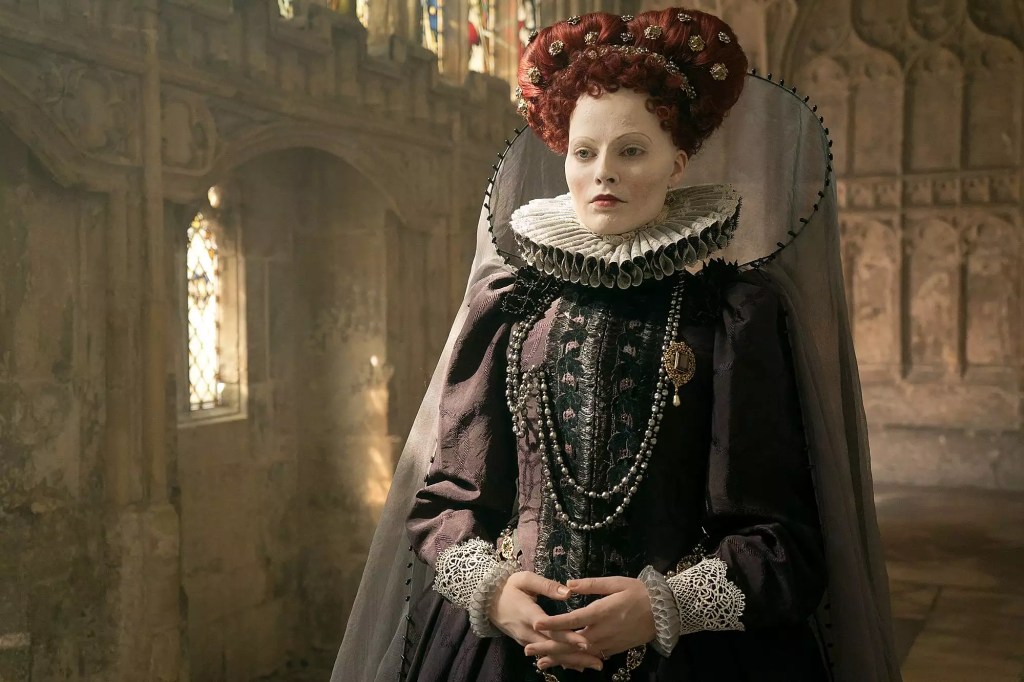
Cinematic Portrait of the Queen, played by actress Margot Robbie

Conclusion

The urge of looking beautiful , sometimes proves hard on women’s overall health. body and The obsession of being perfect, has killed many women, including such Royalties like Queen Elizabeth I. Even today, women are insure about their natural beauty and sometimes find it hard to accept body positivity. We should learn to feel confident in our skin first, and the glow then comes from within as our flaws make us Earthly and more humane.

Facts about Yagnaseni- Draupadi

Draupadi’s birth

Draupadi was the daughter of King Drupada of Panchala. Draupadi was an unwanted child born to him. She was not born from her mother’s womb. Instead, it is said that Draupadi was born out of revenge as an adult. King Drupada was defeated by the Pandava prince Arjuna on behalf of Drona, who then took half of his kingdom. By burning the fire of revenge, king Draupada performed tapas followed by a Yajna to obtain a boy child as a means of blessing who can take revenge from Guru Drona. Draupadi appeared as a beautiful dark-skinned young woman from the sacrificial fire after her sibling Dhrishtadyumna.

Various names of Draupadi

Draupadi is one of the leading characters of Mahabharata. Draupadi is known by several names and each name defines her different qualities.

  • Drupadi – daughter of king Drupad
  • Panchali – Princess of the kingdom of Panchala
  • Parshati – Granddaughter of Prishata
  • Yagnaseni – Born from the sacrificial fire
  • Sairandhri – An expert maid
  • Nityayuvani – One who remains young forever and never becomes old.
  • Malini – One who makes garlands.
  • Krishnaa – Represent for her dark complexion and pure skin, radiating purity, honor, and principality.

Draupadi condition for Pandavas

Draupadi agreed to become the wife of five Pandavas on one condition, i.e., she would never share her household with any other women, which means the Pandavas had no right to bring their other wives to Indraprastha.

Draupadi cursed the Dogs

Draupadi mentioned a condition in front of Pandavas that only one brother was allowed to enter her chamber at a time. The Pandava who will enter her chamber will keep his shoes outside the chamber. The one who will violate this condition will be sent to long-term exile.

But one day, when Yudhisthar was in her chamber, the dog stole his shoes. Unaware of the fact Arjun entered the chamber of Draupadi seeing no shoes outside and saw his brother Yudhisthir with Draupadi copulating. Arjun was sent to exile as per the condition of Draupadi. Embarrassed Draupadi cursed dogs by saying: “All the world will see you copulate in public, stripped of all shame.”

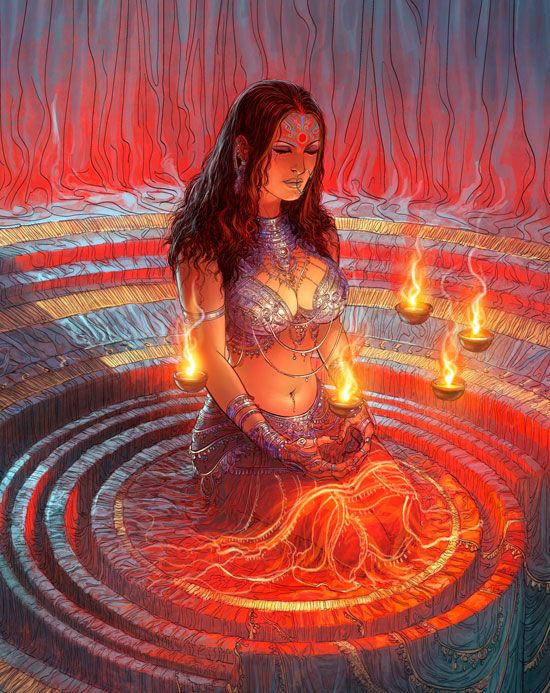
Incarnation of Kali

There is a common belief in South India that Draupadi was also an incarnation of Maha Kali. She was born to assist Lord Krishna to destroy all the arrogant Kings. That is why they are considered brothers and sisters although Draupadi was born from fire.

Avatars of Draupadi

As per Narada Purana and Vayu Purana, she is the combined avatar of;

Goddess Shyamala (wife of Dharma)

Bharati (wife of Vayu)

Shachi (wife of Indra)

Usha (wife of Ashwin)

Parvati (wife of Shiva)

Draupadi blessed to be a virgin

Draupadi is one of Panchakanyas including- Sita( Kunti), Ahalya, Draupadi, Tara, and Mandodari , known as five virgins. She used to walk through fire to regain her virginity and purity before she moved to the next Husband.  Such rules were never perceived before this. Pandavas have other wives, but these wives used to stay with their parents and they used to travel to them to visit their wives in four years.

How ‘ The Great Himalayas ’ were formed?

The Himalayan mountain range stretches from Brahmaputra to the Indus River. It ranges over 2500 km and about 250 km thick. So how were these Great Himalayas built?

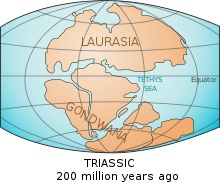
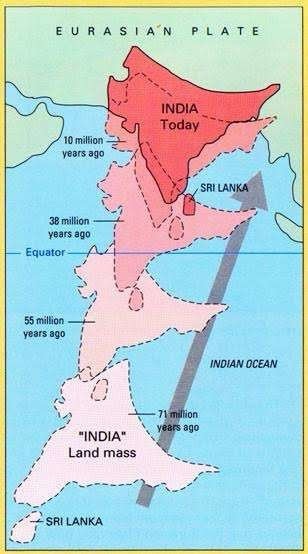
During the late Neoprotozoic era (1000mya-541mya) and early Palaeozoic (541-252mya) , the Indian tectonic plate was a part of the southern Gondwana land .This was separated by the Eurasian plate by the large Tethys ocean . In the early Carboniferous period , an early stage of rifting developed between the Indian subcontinent and the Gondwana land.

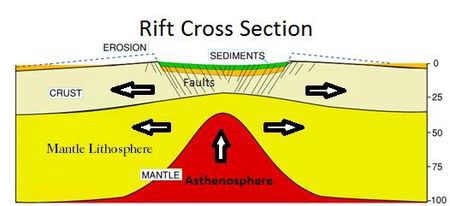
What is a Rift?

A rift is a zone where the lithosphere layer is stretched or pulled apart. In the early stage ,the upper part of the lithosphere starts to extend . As it evolves,some of the fault zones start to connect with each other and become even larger bounding faults .The crust becomes thin causing the rise of Asthenosphere. This way two new tectonic plates are formed from the older single one.

In the Norian period(210 mya), after a major drifting episode the Gondwana land split into two parts. The Indian subcontinent became a part of East Gondwana along with Australia and Antarctica. Later in the early Cretaceous(130 -125 mya), the Indian plate broke off from Australia and Antarctica with the ‘formation’ of Southern Indian Ocean.

At the end of Cretaceous period ,the Indian plate started drifting northward at speeds of about 18 to 20 cm per year which is the highest among all the continental drifts. It covered a distance of more than 6000 km in that time and rotated about 45° counterclockwise relative to the Eurasian plate. Interaction of the Eurasian plate with the coming Indian plate started at about 65 million years ago with the oceanic crust of the latter subducting under the Eurasian plate.

This started the formation of the youngest mountain ranges of the world , The Great Himalayas . This collision was so strong that till present also the Indian plate is colliding northward and the Himalayas continue to rise more than 5 mm a year but due to the stretching of Eurasian plate horizontally and effect of gravity this rising is affected.

Effect on Climate

According to a report of ‘Nature’ magazine, the Himalayan range ormation may have also started Asia’s monsoon about 8 million years ago and contributed to several ice ages that began 2.5 million years ago. The mountain’s and Tibetan Plateau’s uplift gave rise to a dry Central Asia that resulted in the formation of Gobi and Mongolian deserts.

This may have caused a dustier phase in the earth’s atmosphere . The Himalayan range obstructs the passage of cold continental air from north into India in winter and also forces the south westerly monsoon winds to give up most of their moisture before crossing the range northward.

The Himalayas are gigantic and lively and on the other hand they are calm and tranquil, perfect for the soul to grow spiritually.

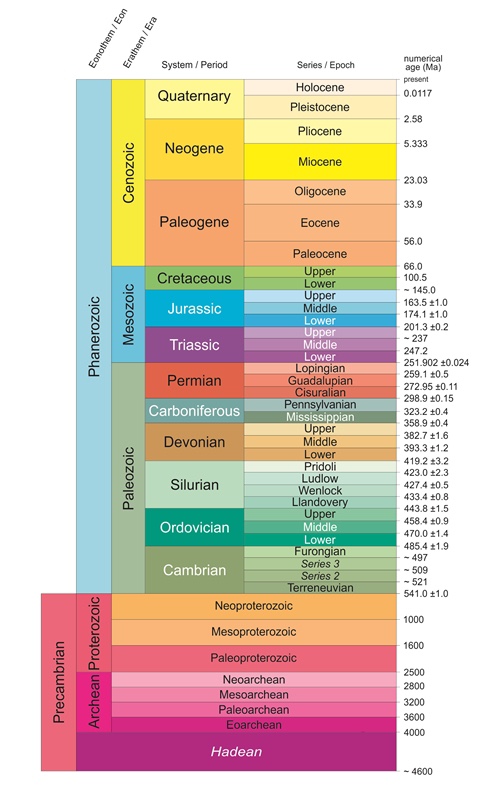
The Geological time scale

Geologists subdivide timescale by events that happened in geological history . These time intervals are unequal in length, geological timescale describes the timings and relationship of those events that changed Earth’s geology. This time scale is developed by carefully studying and analysing the rock layers ,evolution of species, rock dating, fossil samples and atmosphere.

Eons

Eons are the largest divisions in geological Time and span to millions of years . There are four eons catalogued till present day, these are — Hadean, Archean, Protozoic and Phenerozoic eon . The first three eons are collectively referred to as the Precambrian super eon.

Hadean Eon

The Hadean eon began when the earth formed about 4.6 billion years ago and ended 4 billion years ago . The planet’s condition was very dynamic , earth was still very hot and frequently collided with other planetary bodies.

Archean Eon

It began about 4 billion years ago till 2.5 billion years . The earth’s crust slowly started cooling and stabilising to form landmass .The earliest lifeform probably anaerobic microbes called stromatolites survived. example – Cyanobacteria, Proteo bacteria , microbial mats. Volcanic activity was very high and Archean rocks were often metamorphosised water segments like volcanic segments and mud rocks.

It is further divided into eras:

Eoarchean

( 4000 mya-3600 mya)

(mya- million years ago)

  • The first Supercontinent Vaalbara appeared.
  • Earth possessed a firm crust for the first time.
  • Prokaryotic microbes called Archaea appeared.

Paleoarchean

( 3600-3200mya)
  • Earliest confirmed evidence of life.
  • Stromatolites may have been created.
  • Microbial mats work present.

Mesoarchean

( 3200-2800mya)
  • Tectonic plates subduction.
  • Expansion of microbial life.
  • Ocean temperatures around 55-85°C
  • High levels of methane and carbon dioxide in the atmosphere.

Neoarchean

(2800-2500 mya)
  • Major development in complex life and continued formation.
  • Rise of oxygen in the atmosphere.

Proterozoic Eon

It spanned the interval from 2500-541 mya . For the first time oxygen appeared in the earth’s atmosphere . Mountain formation activity began because of the continuation of continental accretion .Glaciers began to form . Processes like subduction were active due to high tectonic plate movement. It is further divided into 3 eras-

Paleoproterozoic era

(2500-1600 mya)
  • Longest era
  • Continents stabilised
  • One day duration was 20 hours.
  • Enormous increase in oxygen.
  • Anaerobic life form largely died because oxygen was highly toxic for them.
  • First mass extinction happened.
  • Eukaryotes emerged.
  • Periods in which this era is divided- Siderian, Phyacean and Orosirian.

Mesoproterozoic era

( 1600-1000 mya)
  • Evolution of sexual reproduction.
  • Development of multi cellular organisms.
  • Break up of Columbia supercontinent.
  • Periods – Ectasian and Stenian .

Neoproterozoic era

( 1000-541 mya)
  • Most glaciation.
  • Ice sheets reached equator.
  • Snowball Earth formed.
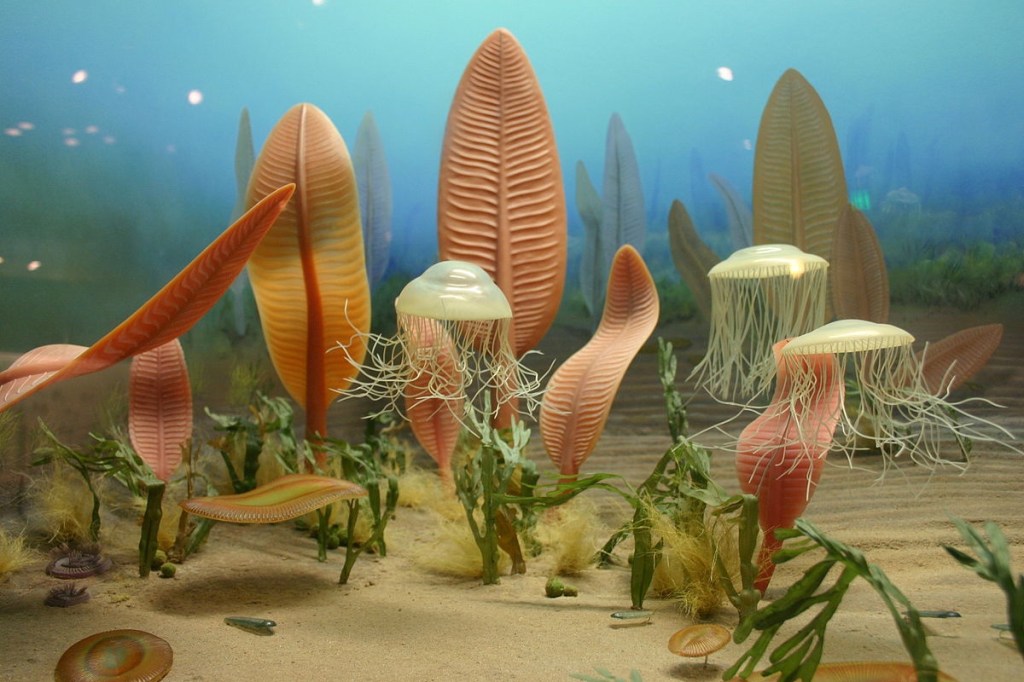
  • First appearance of Trilobites ans Sponges.
  • Periods- Tonian, Cryogenian and Ediacaran.

Phanerozoic Eon

It covers timeline from 541 million years ago to the present. At the start of this eon , complex plants and multi cellular organisms with hardshells appeared . There was a single landmass known as Pangaea. It is divided into 4 eras:

Paleozoic era

(541-252 mya)
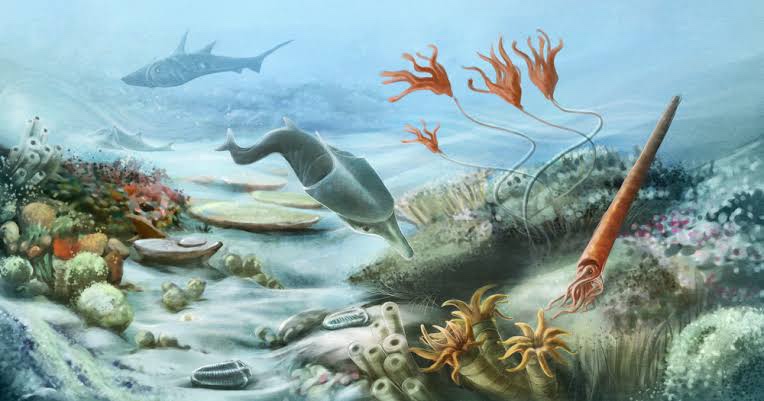
  • Most rapid diversification of life called Cambrian explosion.
  • Evolution of arthropods ,fish and amphibians.
  • Life transition to the land.
  • Forests of primitive plants appeared.
  • Largest extinction event called Permian- Triassic extinction event happened.
  • Appearance of invertebrate animals phyla.
  • Reptiles prospered.
  • Periods- Cambrian, Ordovian, Silurian, Devonian, Carboniferrous and Permian.

Mesozoic era

(252-66 mya)
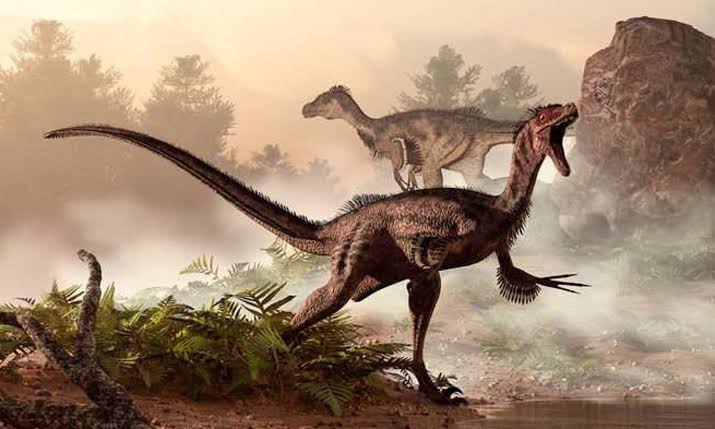
  • Dominance of reptiles like dinosaurs.
  • Abundance of Conifers and Ferns.
  • Breakup of Pangaea.
  • Dinosaurs appeared in mid Triassic period and remained till early Jurassic period (about 150-135 mya).
  • Archaic birds appeared in Jurassic period.
  • Flowering plants appeared in early Cretaceous period.
  • Periods- Triassic, Jurassic and Cretaceous.

Cenozoic era

( 66 mya – present)
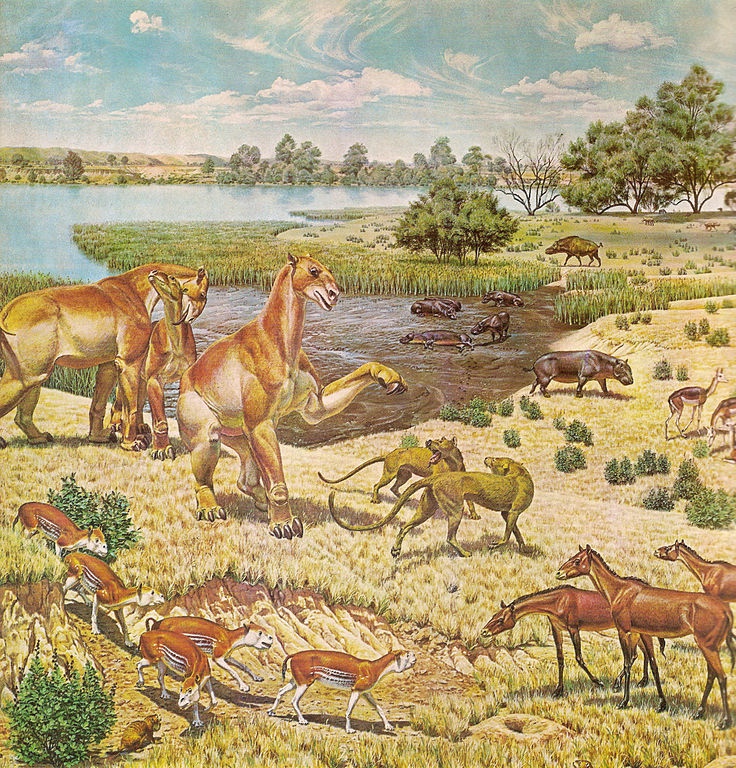
  • Dominance of mammals , birds and flowering plants.
  • Cool and dry climate.
  • Complex life evolved.
  • This error started with mass extinction event called Cretaceous spell Eugene extension event in which many species including non-even dinosaurs became extinct possibly due to a large asteroid impact
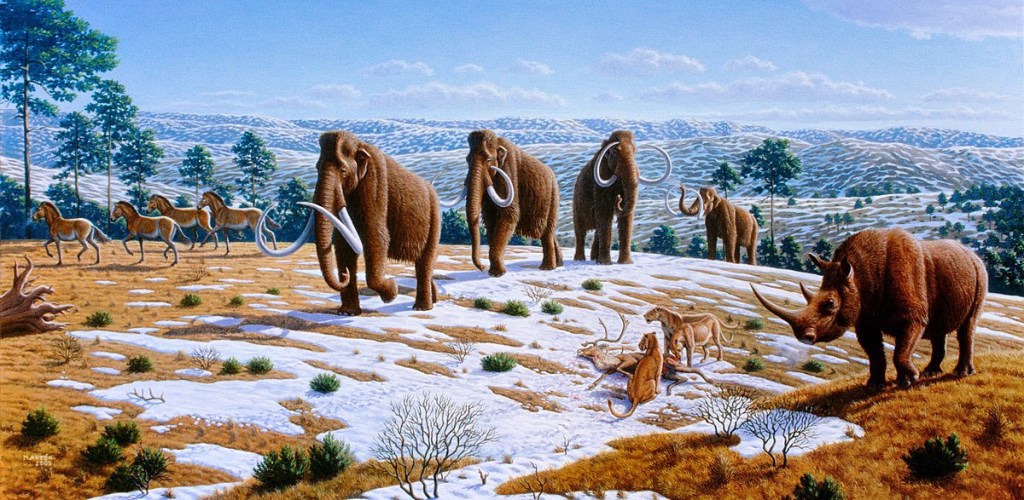
  • The Quarternary period saw Mammoths and wooly animals. It was marked by ice ages due to the cooling trend of earth.
  • Around 50 million years ago , Earth entered a cooling period mainly due to the collision of Indian tectonic plate with Eurasia. This caused the rise in the Himalayas.
  • Periods- Paleogene, Neogene and Quaternary.
The  Earth went through many violent and beautiful events before Homosapians arrived . We must make sure to protect and cherish our dear planet . 

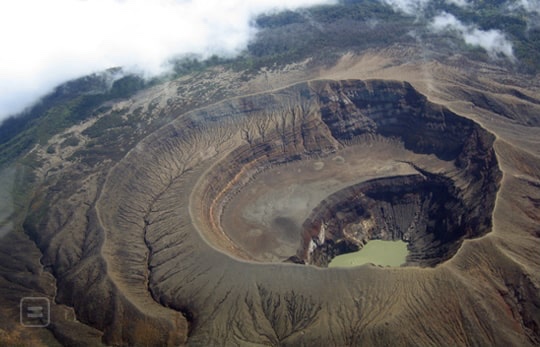
What’s a Caldera?

A Caldera is a large depression or a hollow area that forms when a volcano erupts and the magma chamber below it empties. This results in the collapse of side and top of the volcano.Without any structural support below the area, the erupting volcano vent collapses inwardly due to gravity creating a bowl shaped Caldera. There is a difference between a Caldera and crater. Craters form by the outward explosion of materials from a volcano. Craters are more circular than a caldera because in the latter the land collapses unevenly.

Magma chamber

It is a large pool of molten rock or magma below the surface of earth or under the existing volcano . The density of magma is less than that of the surrounding hard rocks so it starts to rise through cracks beneath the crust. When the magma is not able to find its way to the surface of the earth ,it is collected and pools into a magma chamber . Over the passage of time , this magma chamber grows in size due to the successive injections from horizontal and vertical magma and thus the pressure inside the chamber increases.

The magma chamber bears the weight of the volcano above it due to the buoyant forces which are acted upon the chamber by the surrounding rocks . The buoyant force gives a resultant upward push to the pool of magma chamber .

Sometimes when a volcano erupts, the whole pool of magma beneath it empties and this results in a void . Now there is nothing to support the weight of volcano. This causes volcano to collapse and form a caldera . Calderas are rare ; only 7-8 of them have known to occur in the last century. They are more than 25 kms in diameter and several kms deep.

Magma chamber ( pool of magma at the bottom)

Types of calderas

Explosive calderas

Explosive caldera forms when large magma chambers filled with silica (highly viscous)and gas move upwards. The high viscosity silica holds the gas bubbles under high pressures but as the material rises to the surface, due to decrease in the pressure the gas expands . This causes an enormous explosion which throws away rocks and magma to form a caldera . eg. Yellowstone caldera ,Toba caldera.

Toba caldera lake

Non-explosive calderas

When the matter is composed of basalt , which is much less viscous, the magma chamber is gradually drained by large lava flows rather than a single explosive eruption. eg. caldera atop Fernandina Island and Mauna Loa caldera.

Mauna Loa caldera

Calderas are not limited to Earth . Other planets like Venus and mars or our moon also has caldera formations.

Caldera of Olympus Mons( Volcano on Mars- largest volcano known in the Solar System)

If I Ran The World

Now go to Daisy at Home to get the If Kids Ran the World themed menu. We invite you to share your dinner photos with us any time of the month on our Family Dinner Book Club Facebook page. If Kids Ruled the World Leo and Diane Dillon is a story about kids helping make our world a better place. .If it’s so inspiring that kids rule the world, read it aloud and it will impact your student community.

This book is a true celebration of childhood, play and imagination. This is the pinnacle of Dr. Seuss, celebrating the young imagination and creating a fantasy world that will delight and captivate readers of all ages. Description Leo and Diane Dillon, two-time Caldecott Medalists, show children how to create a more generous and peaceful world through play where everyone can share with each other. Two-time Caldecott Medalists Leo and Diane Dillon show how children can use play to create a more generous and peaceful world for all.

Diane Dillon lives in Brooklyn, New York. Leo and Diane Dillon are two of the most famous illustrators of our time. Leo and Diane created award-winning picture books, book covers, magazines and other works of art until Leo’s death in 2012. This is their last collaboration. Their long list of awards includes two Caldecott Medals, a NAACP Image Award, five Coretta Scott King Awards and Honors, four Boston Globe-Horn Book Awards, and induction into the Society of Illustrators Hall of Fame. They also won Coretta Scott King awards in 2003 for Rap a Tap Tap Heres Bojangles – Think of That and in 2005 for Virginia Hamilton’s People Could Fly – Picture Book.

The Dillons’ contributions to art and illustration, and their lifelong dedication to the diversity of children’s books, makes it uncomfortable to criticize If Kids Ruled the World. Criticism is further tempered by the fact that the book was the last edition the couple created together: Leo died before the book was finished.

Particularly helpful is the emphasis on sharing all the good things that come alive in the world the child has created. The story presents idealistic opportunities for global camaraderie and justice for all people – if only children ruled the world. In the colorful tree house, the children’s rainbow identifies the most important needs in our complex world, while the following branches feature boys and girls who happily help others.

If kids rule the world, even adults are better off. I like that the author points out that if children rule the world, then there will be more kindness and harmony. They say that if children rule the world, young people will make sure everyone has enough to eat and everyone can wear whatever they want without being ridiculed.

The book enlightens the reader about what would happen if children were in charge of the world. This book has so little to do with the world in which real children live, and it seems that this is a gesture, not a call to action. Leo Dillon’s latest book with Diane Dillon imagines what the world would be like if kids were in charge.

The Dillons, in their latest collaboration (Leo died in 2012), are turning the creation of this ideal world into a game; no holiness, no sense of tiresome duty. Perhaps Dillon’s intent was to show diversity, but a scene like this suggests that the past is irrelevant to the present.

They do not think about the poor and do not think about the proper development of the nation and the world as a whole, which shows how self-centered and selfish the rulers of the world are. In the current world scenario, every person who wants to be the president or prime minister of a country has only one goal – to rule the country or the world for the sake of money and power. The world cannot depend only on the rich; the poor also play a very important role in the whole environment.

I would just like to be a guiding light for the world and not impose thoughts on people that are not suitable for me as a ruler or even the people of the world as citizens. Seriously, if I really ruled this world, I would make sure that every person is happy in everything they do, and also respect each other or even the life of the other. That when you leave, you will be a better person than when you started.

It makes us doubt everything and in some cases robs us of the will to live. Our idea of ​​what looks good in the context of work no longer matches.

This means that in a world where we work more independently of others, there will be less feedback. Many agencies will move to campus or shared workspaces instead of a store front. Sarah and I take turns showing the children table decoration crafts.

On the 15th of each month, we share the title of the featured book. Satisfy your voracious literary appetite with a lifetime supply of free books in all formats and genres, as well as books, videos, and audiobooks that don’t wait. Pair it with ever-expanding shelf space so you never have room for your collection.

All people, regardless of gender or socioeconomic status, have the opportunity to learn to read and write. At birth, new mothers will be encouraged to attend parenting courses to learn how to care for their baby, including feeding and accompanying the baby through the various stages of his or her young life. If the child is out of wedlock, the mother will receive additional advice on how to cope emotionally and financially if she does not have family support.

Organize a conversation for the company’s senior management (both men and women) so that you can also share it with your boss, team, or HR. Women leaders can create ROI in their organizations, industries and the world right now. And putting the world in the hands of women would be too simplistic.

If you have a solid idea of ​​how to make a difference and are brave enough to lead the way, then I believe the world needs you right now. Because I’m willing to bet that your ideas, talents and drive can make the world a better place, and I love being a woman who supports you.

But I can’t do all this work alone, so I’m going to select a few key senators, representatives, and governors to serve as my advisory committee. But I suspect that after experiencing all the upgrades and upgrades to our core services, I will garner the most votes.

Finally, to say that I would do all this if I had to manage this world is easier than to actually implement them. I also understand that you may be the type of woman who wants to better understand what they’re getting into before jumping into a conversation. do not worry.

Philosophy in different parts of the world

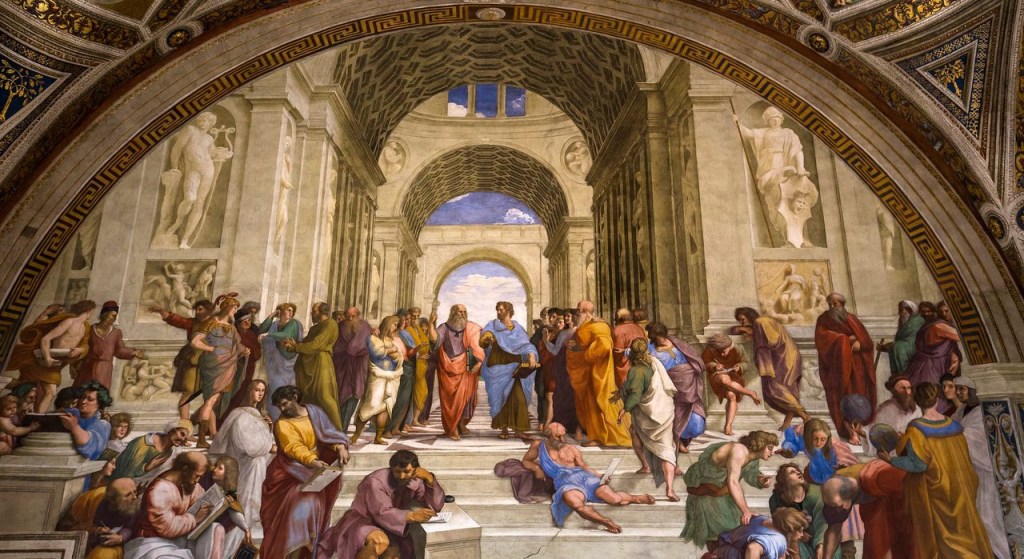
The word philosophy means ‘ love of wisdom ’ in Greek. It is the pursuit of wisdom , truth and knowledge. It is the study of life’s fundamental questions involving truth, morality, ethics, reasons, logic and existence. A human being , at some point in his life , has wondered upon questions such as ‘ why am I here’ , ‘what is truth’, ‘what is reality’ , ‘is there a free will’ , ‘ what is right and wrong’ etc. These questions come in the realm of philosophy. It is closely related to natural sciences.

History of philosophy

Western philosophy

The ancient western era was dominated by Greek philosophical school of thoughts. This era was largely influenced by Socrates and Aristotle. The common topics discussed included metaphysics, cosmology, atomism and monism . In the medieval period , with the rise of the Roman Empire and Christianity , questions such as mature of God , evil & good were pondered upon. Modern philosophy concerned with developing a secular foundation and discarded the authority of religion.

Islamic Philosophy

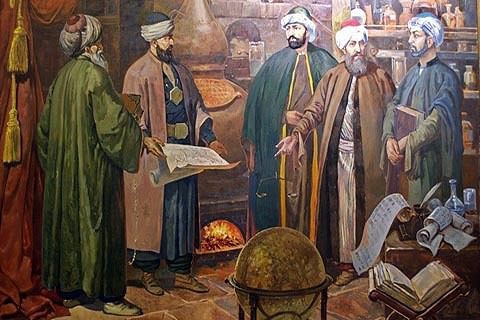
Islamic philosophy is mostly done in Arabic . Two main schools of thought were Kalam ( which focused on Islamic theology) and Falsafa. Philosophers such as Al Kindi , Avicenna and Averroes were greatly influenced by the work of Aristotle whereas Al Ghazali was highly critical of him. The 19th and 20th century Arab world witnessed Nahda movement ( The Awakening or The Arab Renaissance). This shaped the modern Islamic philosophy.

Indian Philosophy

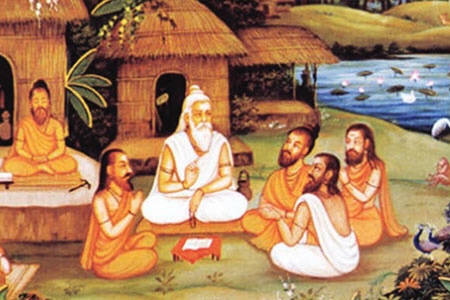
Indian philosophy included concepts like dharma , karma, pramana , dukha-sukha and moksh. It is grouped based on teachings of Vedas and Upanishads . The Himdu philosophers of various orthodox ( astika) schools investigated topics such as metaphysics, ethics , psychology. These schools presented different interpretation within the framework of Vedic knowledge. On the other side , the unorthodox (nastika) traditions rejected the ideas of Atman , Brahman and Ishwara . Jainism accepted atman bit discarded ishwara, vedas and brahman. Buddhism only accepted concept of rebirth and karma.

East Asian Philosophy

The Chinese philosophy saw the rise of schools such as Confucianism , Legalism and Taoism. These traditions developed metaphysical , political and ethical theories such as Tao, Yin & Yang , Ren & Li. Buddhism arrived in China through Silk route and transformed into Chinese form Zen. Many different philosophies such as that of Korea, Japan and Vietnam were influenced by the Chinese philosophy. In modern era, China and Japan philosophers have incorporated ideas of western philosophy. Kokugaku thinker from Japan returned to pure traditions called Shinto that is untainted by foreign influence.

Indigenous American Philosophy

This consists of variety of beliefs including principle of presence of ‘ The Great Spirit’ and concept of Orenda or spiritual power. The practices to access the transcendental experiences of mind came to known as Shamanism. The Nahua metaphysics proposed the concept of an ultimate universal energy which it says is single, vital , self generating sacred force.

Impact Of Increasing Oil Prices On Indian Economy

The latter will come true as more than half of India’s remittances will go through the Gulf countries, which are likely to see better economic conditions with higher oil prices. In terms of numbers, a $10-a-barrel rise in crude oil prices would increase spending on commodity imports by about $20 billion, offset in part by a $6-billion increase in oil exports and dollars in workers’ remittances. The cost of imports will be halved if the price of crude oil continues to hover around $30 a barrel. In addition, every $10 increase in crude oil prices has a direct impact on a country’s current account (CAD) deficit.

Thus, when crude oil reaches $85 per barrel, the oil deficit will rise to $106.4 billion, or 3.61% of India’s GDP. According to a report by the Reserve Bank of India (RBI), every $10/barrel rise in crude oil prices would lead to an additional deficit of $12.5 billion, equivalent to 43 basis points of India’s GDP. According to an analysis by the Reserve Bank of India, every $10-a-barrel rise in crude oil prices would result in an additional $12.5 billion deficit. Higher prices affect the current account deficit, which means that the value of imported goods and services exceeds the value of exports.

Changes in commodity prices can affect the economic ecosystem at all levels, from family budgets to corporate income and national GDP. Rising oil prices have a negative impact on several factors such as the stock market, currency, inflation, transportation and manufacturing sectors, and government spending. Rising oil prices will drive up the cost of energy, which, combined with the oncoming winter and increased commercial activity as the pandemic eases, will have a major impact on the economies of most countries of the world. India, which relies on imports for more than 80% of its fuel consumption and already has fuel prices above Rs 100 for both petrol and diesel in most cities, will be no exception.

Rising crude oil prices have helped lift the price of gasoline and diesel in India to record highs. High crude oil prices are the result of less drilling by shale gas producers in the United States, disruptions to crude oil supplies due to hurricanes in the Gulf of Mexico, and runaway fuel demand as the global economy stabilizes. -19 pandemic, which significantly reduced economic activity. With the global economic recovery following COVID-19, global demand for crude oil increased in 2021, driving prices up sharply. Crude oil prices have risen steadily since early 2021, when Brent crude traded at around $52 a barrel, fueled both by hopes of improved demand thanks to regional economic recovery and reduced supply from major oil producing countries.

Crude oil prices hit a two-year high, with Brent oil rising above $71 a barrel on Wednesday, reaching its highest level since May 2019, when major oil-producing countries announced they were joining plans to gradually increase crude oil production. World crude oil prices rose to their highest level in 13 months, driven by strong demand prospects amid a global economic recovery and supply disruptions in the Middle East. In February and March 2020, crude oil prices accelerated their decline in response to the coronavirus pandemic and the expected sharp decline in oil demand. The fall in prices is associated with an increase in supply due to hydraulic fracturing.

This was followed by price increases again since 2004, and this upward trend in the cost of oil continues to this day. In addition, since 1996 there have been high fluctuations in oil prices. If we look at the evolution of crude oil prices since the 1950s (see attached chart), price spikes have mostly been accompanied by geopolitical tensions or other factors. leading to a supply shortage.

Due to the pandemic, these oil-producing countries continue to slowly increase production, which leads to higher oil and gas prices. According to the IEA, oil production in non-OPEC Plus countries will increase by 710,000 bpd in 2021. 5.4 million bpd in 2021 and another 3.1 million bpd in 2022.

Since none of the largest oil-producing countries in the world is likely to increase oil supplies, experts predict that by 2019 the price could even reach $100 per barrel. Despite a 430% jump in Brent oil prices since March 2020, oil seems cheap. long term vision. Goldman Sachs expects Brent oil prices to exceed $80 on average in the third quarter of this calendar year, with peaks above that price; JP Morgan expects crude oil to top $80 in the last quarter of 2021, and Bank of America expects Brent oil prices to hit $100 by next summer.

Any rise in global crude oil prices directly affects India as the country imports over 80% of its oil. India paid over $110 billion for oil imports in 2017. Thus, if oil prices double within a year, a country’s import spending will also double over the same period.

Since India imports most of its fuel, it needs more dollars to buy crude oil, which results in liquidity being squeezed. This is bad news for India, which depends on imports for 85% of its crude oil needs and is the third largest importer of fossil fuels in the world.

Given India’s dependence on oil imports and the current pressure on the country, New Delhi is pushing OPEC to increase oil production to contain prices. Analysts say a rise in production by major oil producers is probably India’s biggest hope for a short-term solution, as some economists warn of the risk that crude oil prices could approach $100 a barrel by the end of this year. At the same time, oil-producing countries will be careful enough to maintain a balance in production so that prices do not collapse.

There will also be a significant impact on the Consumer Price Index (CPI) and the CPI inflation rate could be 5% in FY23 due to higher oil prices. The report predicts that rising oil prices could also lead to WPI-based inflation rates of 12% and 6% in FY22 and FY23 respectively. % of crude oil will lead to an increase in India’s Wholesale Price Index (WPI). by almost 0.9%.

An increase in oil prices by 15-25% within one year will affect the Indian economy in different ways. As a general rule, a $10 per barrel increase in crude oil prices would have a negative impact on the current account deficit of $10-11 billion (or 0.4% of GDP). Therefore, rising crude oil prices could increase India’s spending, thereby negatively impacting India’s budget deficit, the difference between total government revenue and total spending.