IMMUNOLOGY SERIES-PART 5- INTRODUCTION TO THE IMMUNE CELLS

The previous article was about the acquired immunity. This article is all about the immune cells, the warriors of the human body.

These cells play a major role in protecting the body from infections. Some of them contribute directly and some contribute indirectly. Despite the methods, all of them are required in optimum amounts so as to live a healthy life.

All of these cells are derived from a specific type of cell found in the blood. The blood is a freely flowing interstitial fluid that transports oxygen, nutrients, etc. to the cells of the body. There are two components in the blood in which the first one is called plasma. The plasma is the liquid carrying water, salts, enzymes, and proteins. There are three specialized proteins in the plasma-

Albumin- to maintain water balance

Globulin- for immunity (it is a part of immunoglobulin)

Fibrinogen- for clotting

Hence the plasma also contributes to immunity. This plasma constitutes about 55% of the blood. The rest 45% of the blood is constituted by the formed elements or corpuscles. There are three elements in it namely-

Erythrocyte or Red Blood Corpuscle- transport of oxygen

Leucocyte or White Blood Corpuscle- fight infections

Thrombocyte or platelets- for clotting

Out of these, the WBC is the one primarily contributing to immunity. A healthy person must have a WBC count from 4000-11000. Count less than 4000 means leukopenia meaning that the immune system is weak. If the count is more than 11000 then it means the condition of autoimmunity known as leucocytosis. There are some further classifications in the WBC which are displayed through the flowchart below.

There are two types of cells in the WBC namely the granulocytes and agranulocytes.

The granulocytes, as the name specifies have granules in their cytoplasm. There are three different cells in this.

The neutrophil constitutes to about 55-70% of the total WBC and they are ones involved in most of the fights against the infections. These defend against bacterial and fungal infections. These cells are mostly found in the epidermal regions and are in the first line of defense.  These cells engulf the pathogens by the process of phagocytosis. These cells have multiple nuclei hence these are also known as PMN (Poly Morpho Neutrophils). Neutrophils help prevent infections by blocking, disabling, and digesting off invading particles and microorganisms. They also communicate with other cells to help them repair cells and mount a proper immune response. The death of these cells often results in the formation of pus (suppuration).

neutrophil

The eosinophil constitutes about 2-4% of the total WBC. These cells are very little in the body but can increase in the case of allergic reactions, parasite infection, and so on. The functions of the eosinophil include movement to inflamed areas, trapping substances, killing cells, anti-parasitic and bactericidal activity, participating in immediate allergic reactions, and modulating inflammatory responses.

eosinophil

The basophil is present in the least concentration of all (0.2%) in total WBC. These cells play an important role in allergic reactions in which their count can increase. The basophil contains inflammatory mediators like histamine and heparin. The release of the compounds results in dilation of the blood vessels. Hence these cells regulate the inflammation process.

The agranulocytes are those which lack granules in their cytoplasm. There are two types in this. The lymphocyte can be called as the memory of the immune system. There are two types of lymphocytes namely T and B lymphocytes. These lymphocytes recognize the incoming pathogens and based on their memory it produces a suitable response in a short amount of time. These cells are involved in the secondary response in the acquired immunity.

B cells make antibodies that can bind to pathogens, block pathogen invasion, activate the complement system, and enhance pathogen destruction. The T cells mostly known as CD4+ T helper cells produce the cytokines (proteins in cell signaling) and coordinate with the immune system. There is another form called CD8+ cytotoxic T cells which is opposite to the previous type, they help in the destruction of tumors and pathogens.

The monocyte is the largest of all the cells in WBC. They function similarly to that of the neutrophils (phagocytosis of the pathogens). These cells present the pathogen to the memory cells upon which a response is generated. Once they leave the blood, they turn into macrophages which help in clearing cell debris and killing pathogens. These are known as the vacuum cleaners of immunity.

Hence all these cells work in different mechanisms and they coordinate together to make sure that we do not fall prey to the disease-causing microorganisms.

HAPPY LEARNING!!

DEBATE CONCEPTS IN OSTEOARTHRITIS

This article deals with some of the concepts related to the progression of osteoarthritis. These statements were given by prominent researchers and resulted in a debate between two prominent groups of researchers against each other. All of these took place actively in the 19th century where the publications of research scholars were opposed to that of the scholars in the other group.

William Bauer told that mechanical trauma can result in OA directly or indirectly. By the 20th century ideologies were majorly split into two ‘inflammation’ and ‘no inflammation’. Henry Fuller and Robert Todd suggested that OA occurred due to disruption to nutrients required for knee development and doesn’t occur through inflammation. On the other hand, Garrod and others stated that OA is partly degenerative and partly inflammative. Hence the study for OA continued under these two domains and each group of scientists trying to prove the other is false. But this situation can be compared to two sides of a coin where both the situations cannot be neglected. Hence both the domains of OA cannot be neglected.

Some others say that OA is a neurogenic immune homeostatic disorder. Garrod in 1988 stated that OA is associated with lesions in CNS in a peculiar manner. CNS refers to the central nervous system which constitutes the brain and spinal cord. The brain is the mastermind of the body which generates electrochemical signals to simulate several neurons in the body. The spinal cord is known as a warehouse of reflexes. Reflex is an involuntary (cannot be controlled by conscience) rapid sequence of actions. Reflex can be best explained by several experiments.

When someone comes to hit you; you will either duck or catch his hand spontaneously and this is known as a reflex and the spinal cord or vertebral column is responsible for this.

The reflex of the knee is tested by the doctor who takes a rubber mallet and taps it on the knee and what interestingly happens is that the knee starts to retract and the patient can feel the pain. In case of OA or any knee-related diseases, the patient cannot experience any pain and hence the doctor understands that there is some abnormality in the knee. Hence we can understand that there is a connection between the knee’s ability and CNS and an interruption in this connection can lead to knee diseases.

We have to understand that this is a basic relation and there are other complex associations between them and require more complex methods like electrophysiology and pharmacology to understand them. Later it was proposed that changes in the sympathetic nervous system can also lead to OA.

The sympathetic nervous system is a part of the autonomic nervous system. This can be correlated to the word ‘increase’. The sympathetic nervous system works in response to stimuli like emotions and increases some parameters of the human body like heart rate, eye dilation, blood sugar, blood pressure, etc. this proposal paved the way for using micro-circuitry to correct it.

There is also another field on which the world is divided into two namely ‘nociceptive’ and ‘neuropathic’ where nociceptive refers to pain resulted due to receptors. These are present at target and send signals to the brain via the spine more or less like the reflex. On the other hand neuropathic refers to the condition where pain occurs due to nerves. The following table shows the difference between these two. 

NociceptiveNeuropathic
Receptor-mediated painNerve mediated pain
Doesn’t affect nervesAffects the nerves
Due to painful stimuliDue to inflammation

However, some of the debate topics have not been resolved even till now but a lot of research articles about the progression of the disease and its underlying phenomena have been published. This is one of the cases in which a debate has done some good to the field of science!

HAPPY READING!!

WHAT!! FACTS????

. PANDORA’S BOX

According to Greek mythology, Pandora was the first ever women created by Zeus as a punishment for humankind after Prometheus stole fire for human use. Zeus then asked all the other gods and goddesses to shower gifts on her. She was also presented with a jar which contained all the evils & illness which she was not suppose to open. However she couldn’t resist the urge to open the container which resulted in unleashing evils into the world. Then onwards Pandora box signifies as the origin of troubles or complications. Morden generation criticised the myth an example of misogyny.

. HAPLODIPLOID SEX DETERMINATION

What does halpodiploid sex determination means? This type of sex determination is scene in honey bees. I’m this the sex of an individual is determined by the number of set of chromosomes received. An offspring formed from the the union of sperm and an egg developed into a female (queen or worker) and the unfertilized egg is developed into a male by parthenogenesis, which implies males have half the number of chromosomes that of a female. The female gets differentiated on the basis of food they consume during the development. The female that consumes royal jelly grows into a queen bee and others developes into a worker bees(sterile). The males produces sperms by mitosis so they do not have father and thus cannot have son’s but have a grandfather and can have grandsons.

. LIFE WITHOUT STOMACH?

Do you know that it’s possible to live without stomach? Let’s understand how; suppose a person is having a stomach cancer the recommended treatment would be partial or total removal of stomach termed as gastrectomy. When a person’s stomach is removed completely the esophagus is directly connected to intestine. A person is advised to consume a lot of calories in small bites/meals more times a day to prevent weight loss. A person may experience Dumping Syndrome (experience of nausea, diarrhoea, vomiting, sweats) as the the work of stomach is transfer to intestine, so a person is suggested to sit upright after having their food for sometime. It is difficult to adjust to changes but this is how a human tendency to survive.

Organ Donation Live Life.Give Life.

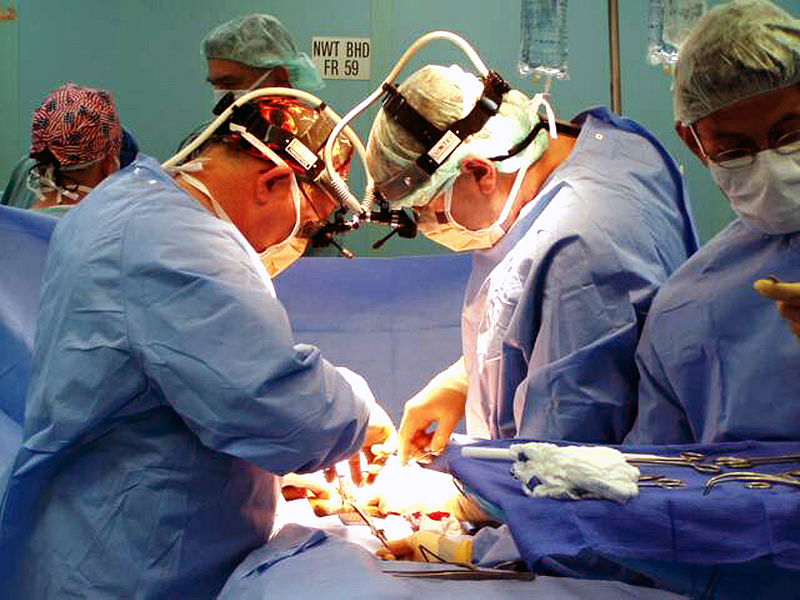
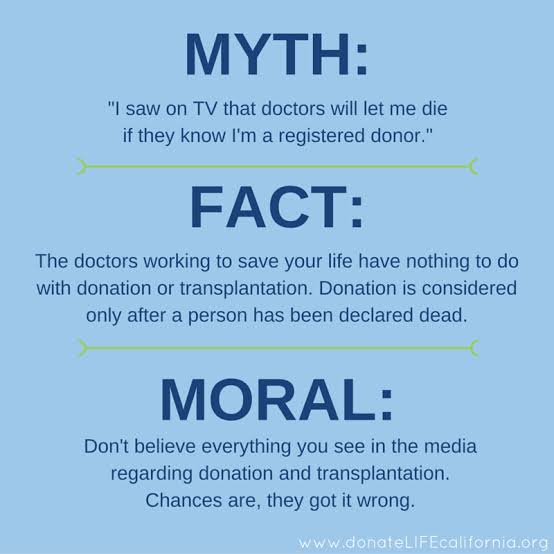
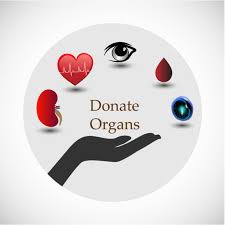
Organ donation is a process in which a person willingly donates an organ of his body to another person. Furthermore, it is the process of allowing the removal of one’s organ for its transplanting in another person. Moreover, organ donation can legally take place by the consent of the donor when he is alive. Also, organ donation can also take place by the assent of the next of kin of a dead person. There has been a significant increase in organ donations due to the advancement of medical science.

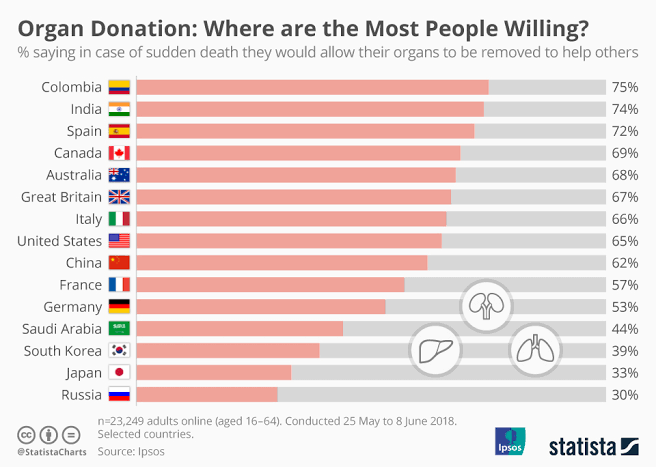
Organ Donation in Different Countries

First of all, India follows the opt-in system regarding organ donation. Furthermore, any person wishing to donate an organ must fill a compulsory form. Most noteworthy, this form is available on the website of the Ministry of Health and Family Welfare Government of India. Also, The Transplantation of Human Organs Act 1994, controls organ donation in India.

The need for organ donation in the United States is growing at a considerable rate. Furthermore, there has also been a significant rise in the number of organ donors in the United States. Most noteworthy, organ donation in the United States takes place only by the consent of the donor or their family. Nevertheless, plenty of organizations are pushing for opt-out organ donation.

Within the European Union, the regulation of organ donation takes place by the member states. Furthermore, many European countries have some form of an opt-out system. Moreover, the most prominent opt-out systems are in Austria, Spain, and Belgium. In England, no consent is presumed and organ donation is a voluntary process.

Argentina is a country that has plenty of awareness regarding organ donation. Most noteworthy, the congress of Argentina introduced an opt-out organ donation policy. Moreover, this means that every person over 18 years of age will be a donor unless they or their family state their negative. However, in 2018, another law was passed by congress. Under the new law, the family requirement was removed. Consequently, this means that the organ donor is the only person who can state their negative.

Benefits of Organ Donation

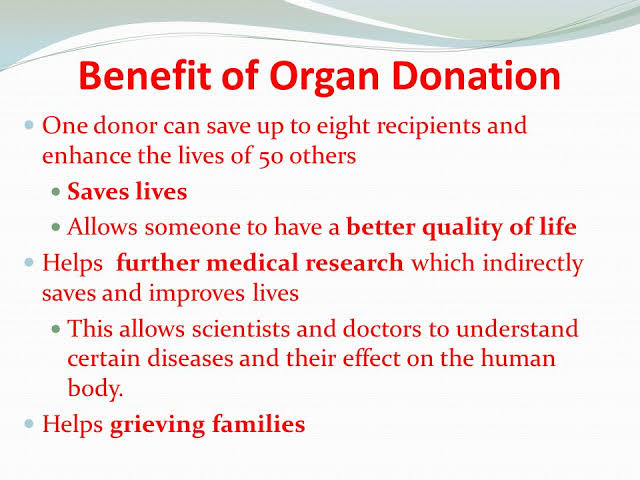
First of all, organ donation is very helpful for the grieving process. Furthermore, many donor families take relief and consolation due to organ donation. This is because they understand that their loved one has helped save the life of other people. Most noteworthy, a single donor can save up to eight lives.

Organ donation can also improve the quality of life of many people. An eye transplant could mean the ability to see again for a blind person. Similarly, donating organs could mean removing the depression and pain of others. Most noteworthy, organ donation could also remove the dependency on costly routine treatments.

Organ donation is significantly beneficial for medical science research. Donated organs offer an excellent tool for conducting scientific researches and experiments. Furthermore, many medical students can greatly benefit from these organs. Most noteworthy, beneficial medical discoveries could result due to organ donation. Organ donation would also contribute to the field of Biotechnology.

To sum it up, organ donation is a noble deed. Furthermore, it shows the contribution of an individual even after death. Most noteworthy, organ donation can save plenty of lives. Extensive awareness regarding organ donation must certainly be spread among the people.

“THE GIFT THAT HAS BEEN GIVEN TO ME SAYS MUCH ABOUT OUR CAPACITY FOR GREAT COMPASSION AND GENEROSITY, AND I HOPE IT SENDS AN INSPIRING MESSAGE TO OTHERS ABOUT THE IMPORTANCE OF ORGAN DONATION.”

. —STEVEN COJOCARU

India Of My Dreams.

The India of my dream would be a country where women are safe and walk freely on road. Also, it will be a place where there is freedom of equality to all and everyone can enjoy it in their true sense. Furthermore, it would be a place where there is no discrimination of caste, color, gender, creed, social or economic status, and race. In addition, I see it as a place that sees an abundance of development and growth.

Women Empowerment

There is a lot of discrimination against women. But, still, the women are stepping out of their houses and making a mark on different fields and on society. In addition, there are a lot of areas that need to be worked upon whether it is female feticide or restricting them to the household task. Besides, many NGO and social groups have come forward to promote women empowerment.

However, we have to work hard to change the mindset of society. I dream India as a country that sees women as its assets, not as liabilities. Also, I want to place women on an equal level as men.

Education.

Though there are many initiatives by the government to promote education. But there are many people who do not realize its true importance. The India of my dream will be a place where education will be mandatory for all.

Employment Opportunities.

Although there are many educated people in India. But, due to corruption and many other reasons they are unable to get a decent job. Besides, there are many employment opportunities in the country but they are either limited or don’t pay well enough. One of the reasons for this is weak industrial growth in the country.

In addition, reservation is a hindrance in this path as most of the deserving candidates lose their good opportunity because of it. Many of these deserving candidates go abroad and work for the economic growth of other countries. The Indian of My dream will be a place where the deserving candidate will get the job first rather than reserved candidates.

Caste Discrimination

Though India got independence in 1947, still we are not able to get complete independence from the caste, religion, and creed discrimination. It is shameful to see how in certain parts of the country the people of the lower section of the society are denied the basic rights.

However, there are various social groups that speak for their rights and help them to oppose this oppression. Besides, I dream of an India where there is no discrimination of any kind.

Corruption.

Corruption is one of the major reasons that are hindering the growth of the nation. Instead of making an effort to serve the growth of the country the officials and politicians are busy filling their own pockets. So, I dream of an India where the minister and official are dedicated to their work and wholly for the development of the country.

In conclusion, the India of my dream will be an ideal country where every citizen will be equal. Also, there is no discrimination of any type. In addition, it will be a place where women are seen as equals to men and respected equally.

India of my dreams……… Where the bell of happiness rings,where the birds in harmony sings.

. —“Shumayla Mallick”………

Surgical Strike

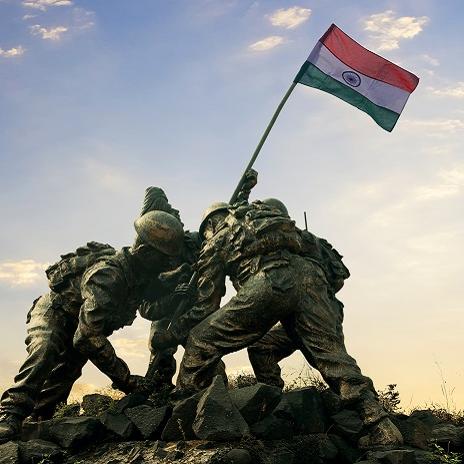
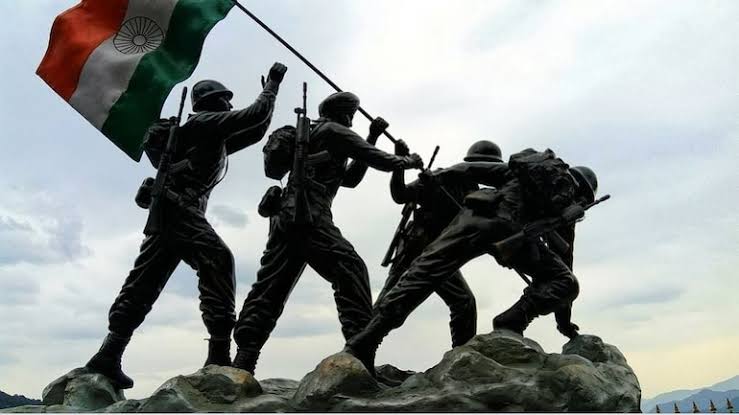
We sleep because our soldiers wake. We live in peace because they guard and protect us. What army does is always and only for the country. Surgical strike is a well planned militant affair of crossing the borders of their nation and destroying the camps, and arms and kill terrorists. In a surgical strike, the forces do no harm to the innocent people and to the public property. The army performs it with proper guidance and instructions of Defence Ministry and Army authorities. That surgical strike was held by Indian Army against Pakistan on 28th and 29th September 2016.

Surgical Strike of 2016

Since 1947, the Indo-Pak cold war is one of the most talked-about rivalries in the world. After that Pakistan has always sought ways to attack our nation. The events leading to surgical strike can be dated back to 18th September 2016 when four Pakistani attacked Indian army at Uri-base in Jammu and Kashmir. It was Jaish-e-Mohammad Fidayeen group of Pakistan who planned the attack.

On 21st September India gave a protest letter to Pakistan High Commissioner Abdul Basit regarding the involvement of Pakistan in those attacks. It, in turn, back-fired India as Pakistani Defence minister blamed us of carrying Uri attack to grab the attention from protestors group in Jammu and Kashmir. These events offended India and consequently led to its outbreak in the form of surgical strike.

On 28th September 2016, at 12.30 am, the commandos of Indian Army were dropped at Line of Control (LoC) in the region of Pakistan. The surgical operation was conducted in Bhimber, Hotspring, Kel and Lipa sectors. India claims that during the surgical strike 7 military launch pads with 38 terrorists and 2 Pakistani soldiers were killed and destroyed.

Before the attack was held the army forces walked for 1-3 km destroying terrorist bases. This kind of operation or strike always requires coordination among the government, intelligence agencies and the security forces for the success.

After Effect of Surgical Strike

After the surgical strike, there was a heated discussion on the political grounds. Pakistan claimed that there had been no surgical strike conducted by India. The formation of allied groups in Pakistan was also seen and they feared another attack by India on a larger scale.

The Modi government got support from the neighboring countries like Japan and Germany whereas Pakistan tried to improve their relationship with China. In today’s political scenario every country is trying to strengthen its powers.

Conclusion.

A nation with no terrorism, extortion, black money and murders is a dream of every citizen. Whereas peace and harmony is yet the ultimate desire of every being. No matter how we justify the cause of destruction which these attacks create on either side of the border, can never be reasonable. At the end of the day what anyone aspires from life is immense happiness, peace, and satisfaction. If every civilian adheres to it the world would be a happy and peaceful place to live in.

The phrase surgical strike might be more acceptable if it were common practice to perform surgery with high explosives.

—Gesnge Carlin

Benefits of Regular Exercise

Exercise is defined as any movement that makes your muscles work and requires your body to burn calories.

There are many types of physical activity, including swimming, running, jogging, walking, and dancing, to name a few.

Here are the fews ways regular exercise benefits your body and brain.

It can make you feel happier

Exercise has been shown to improve your mood and decrease feelings of depression, anxiety, and stress.

It produces changes in the parts of the brain that regulate stress and anxiety. It can also increase brain sensitivity for the hormones serotonin and norepinephrine, which relieve feelings of depression.

Additionally, exercise can increase the production of endorphins, which are known to help produce positive feelings and reduce the perception of pain.

It can help with weight loss

Some studies have shown that inactivity is a major factor in weight gain and obesity.

To understand the effect of exercise on weight reduction, it is important to understand the relationship between exercise and energy expenditure.

Your body spends energy in three ways:

👉digesting food
👉exercising
👉maintaining body functions like your heartbeat and breathing
While dieting, a reduced calorie intake will lower your metabolic rate, which can delay weight loss. On the contrary, regular exercise has been shown to increase your metabolic rate, which can burn more calories to help you lose weight.

It can help skin health

Your skin can be affected by the amount of oxidative stress in your body.

Oxidative stress occurs when the body’s antioxidant defenses cannot completely repair the cell damage caused by compounds known as free radicals. This can damage the structure of the cells and negatively impact your skin.

Even though intense and exhaustive physical activity can contribute to oxidative damage, regular moderate exercise can actually increase your body’s production of natural antioxidants, which help protect cells.

“Good things come to those who sweat.”

How to become A Leader

Photo by Rebrand Cities on Pexels.com

Transformational leaders are positive, empowering, and inspiring. They value followers and inspire them to perform better. So what can you do to embrace these valued leadership qualities and become a stronger and more effective leader?

Understand Your Leadership Style: Understanding your current leadership style is essential. What are your strengths? Which areas need some improvement? One way to start assessing your skills is to take this leadership style quiz to get a general idea of how you lead.

Once you have completed the quiz, read about the major characteristics of your dominant style. Are these qualities helping or hindering your leadership? Once you’ve determined which areas need some work, you can begin looking for ways to improve your leadership abilities.

Encourage Creativity: One way to foster creativity is to offer challenges to group members, making sure that the goals are within the grasp of their abilities. The purpose of this type of exercise is to get people to stretch their limits but not become discouraged by barriers to success.

Show Passion: You can develop this leadership quality by thinking of different ways that you can express your zeal. Let people know that you care about their progress. When one person shares something with the rest of the group, be sure to tell them how much you appreciate such contributions.

Communicate Effectively: Another important quality of transformational leadership involves a focus on providing one-on-one communication with group members. Transformational leadership is effective when leaders are able to communicate their vision to followers, who then feel inspired and motivated by this vision.

Part of the trust-building process is creating an environment where it’s safe to take risks and allows you and your employees to comfortably exchange candid, honest and direct feedback without the fear of being punished.

It’s important you provide ample channels for two-way communication between employees and managers, and also solicit and reward them for their ideas and contributions. This facilitates progress toward reaching organizational goals. As a leader, you should foster trust and cooperation. Leaders can paint a vision of the future that inspires the team to do whatever it takes to get there.

And as a coach, you have to inspire action that will help execute that goal. Reinforce an honest and candid environment without taking information personally. Equally treat everyone like you would want to be treated.

Give credit where credit is due. Say “thank you,” be encouraging, and try to put yourself in their shoes to better understand their everyday challenges.

You have to support and assist your team. Give them the confidence to take risks and speak up without being punished.

When the mistake is yours, take ownership. Don’t try to blame someone else, the situation or a circumstance.

Be credible – people want to follow an honest leader. Be candid about why things didn’t work out, learn from the mistake and move on. People will trust someone who actively displays honesty. As you work toward developing some of these leadership qualities, don’t forget to look to your followers for feedback and inspiration. Pay attention to the things that have been effective in the past and always be on the lookout for new ways to inspire, motivate, and reward group members.

OSTEOARTHRITIS GRADING SYSTEM

Osteoarthritis can be mainly classified into two. They are primary and secondary. The criterion for this classification is based on the different types of risk factors. Primary OA is mainly due to age where the reason for cartilage breakdown is not known or maybe due to genetics. Secondary OA is due to direct injury through sports or trauma, stress, inflammation, or other metabolic diseases. In this case, the cause may localize.

OA grading

Grading is the process of classifying the disease based on its extent or severity. OA has been graded into 5 from grade 0 to grade 4

Stage numberCondition
 0Normal
1Minor
2Mild
3Moderate
4Severe

This was proposed by Kellgren and Lawrence and it is known as KL grading. The five grades have been proposed based on radiographic analysis of subjects. This was accepted as a standard measure by WHO in 1961. The grading has been done based on the narrowing of joint space and the formation of osteophytes.

  • grade 0 (normal): no changes in knee x-ray
  • grade 1 (minor): minimalistic joint space narrowing with possible osteophyte lipping
  • grade 2 (mild): definite osteophytes and  joint space narrowing
  • grade 3 (moderate): multiple osteophytes, definite narrowing of joint space and some sclerosis and possible deformity of bone ends
  • grade 4 (severe): large osteophytes, marked narrowing of joint space, severe sclerosis and definite deformity of bone ends

Grade 0

Grade 0 is considered normal. The subject will not exhibit any features for OA. The x-ray image from this grade is taken as a standard and the other grades are compared with this grade.

Credit:- Häggström, M (2014). “Medical gallery of Mikael Häggström 2014“. WikiJournal of Medicine 1 (2). doi:10.15347/wjm/2014.008. ISSN 2002-4436. Creative Commons CC0 1.0 Universal Public Domain Dedication
X-ray of a healthy knee 
Credit:- Häggström, M (2014). “Medical gallery of Mikael Häggström 2014“. WikiJournal of Medicine 1 (2). doi:10.15347/wjm/2014.008. ISSN 2002-4436. Creative Commons CC0 1.0 Universal Public Domain Dedication
This is the joint space which is observed in healthy patients.

Grade 1

Grade 1 is known as the minor. It can be considered as the initial grade. The joint space has just started to decrease. Osteophyte refers to excess bone growth. It is also known as bone spurs since spur refers to kind to sharp material. This bone growth can be observed as sharp spikes. Here there is very minimal growth of excess bone. Bone spurs occur only at the bones adjacent to the joint. There will be very minor loss of cartilage but this does not contribute to the narrowing of the joint space. Subject in this stage is not confirmed with osteoarthritis. However, subjects having any of the risk factors become more prone to the disease

Grade 2

Grade 2 is known as mild. In this grade, the narrowing of the joint space is more and is visible through the x-ray. There will be also more formation of osteophytes. This grade can be considered as the precursor to many complications like bone dislocation and rubbing. None of these complications are seen in this grade but these complications are soon to occur. The subject in this grade is confirmed with osteoarthritis. Special care has to be taken by those in this grade and through proper medications, they can prevent those further complications.

Grade 3

Grade 3 is known as moderate. Obvious damage occurs to the cartilage and the joint space narrows even at a faster rate. Swelling of the joints starts to occur in this stage. Erosion of cartilage becomes prominent in this stage. The joints become rougher due to spurs leading to stiffness. Inflammation occurs at regular intervals. Subjects can experience popping sounds from the knee.

Grade 4

Grade 4 is known as severe. It is the worst and highest grade of all. The changes become prominent and occur at larger scales. There will be no gap literally meaning the joint is absent. The bones start to rub over each other causing pain. The joint becomes stiff like a rock. The cartilage wears down and maximum growth of osteophyte is seen. Various cytokines are released at cartilage resulting in further death. Life would be dreadful for those in this grade. The arrow in the given X-ray indicates the bones are touching each other and there is no gap in between them.

Grade 4 osteoarthritis
Courtesy: – James Heilman, MD Osteoarthritis of the left knee. Note the osteophytes, narrowing of
 the joint space (arrow), and increased subchondral bone density (arrow). the joint space (arrow), and increased subchondral bone density (arrow). Creative Commons Attribution-Share Alike 3.0

HAPPY READING!!

THE DREADFUL DISEASE FOR THE AGED- THE OSTEOARTHRITIS

Osteoarthritis is the most well-known type of joint pain, influencing a huge number of individuals in the world. It occurs as a result of the wearing down of the cartilage that cushions the ends of your bone over time. It is a complex disease that integrates biomechanics and biochemistry associated with the knee. This is the standard way of defining OA which will be difficult to understand. Hence let us try to understand what OA is. The best way is by splitting the word and analyzing it part by part

Osteo- bone

Arth- joint                        

It is- inflammation    

Knee, Old, Care, Injury, Pain, Knee Pain
x-ray of the osteoarthritic knee joint


As mentioned earlier, the unit of bone is called osteon and any word ending with itis refers to inflammation. Also, arthro term refers to joints in general. Hence the combination of the terms corresponds to inflammation of bones in the joint. This rather sounds simplified. The previous definition had complex terms like biomechanics and biochemistry. Biomechanics refers to the study of movement in living beings. Biochemistry refers to the study of the reactions occurring in living things. So in short, osteoarthritis is such a disease that results in inflammation of joints that occur due to wearing down of the bones surrounding the joint hence affecting the movement and chemical reactions which used to occur properly during normal conditions.

Osteoarthritis can occur in any joint in the human body like elbows, hips, knees, etc. Since our primary focus is on the knee, we will take a deep dive into it. In view of its expectancy and the tolerance that goes with sickness in the knee osteoarthritis represents more prevalence with daily activities like climbing steps and walking when compared to other diseases. Osteoarthritis is the most standardized reason for total knee replacement. As a result of the frequency of this disease especially in middle-aged people, osteoarthritis can act as an extensive barrier towards work and can lead to early retirement.

Coining of OA

Many say that the term osteoarthritis was coined by the British physician John Kent Spender but it was Richard Von Volkmann who tried to separate it from rheumatoid arthritis. The other names which were offered to this disease were ‘chronical rheumatism’

‘senile arthritis’

‘hypertrophic arthritis’

‘arthritis deformans’.

Effect of age

Osteoarthritis can affect people of any age group but it majorly affects old age people. National Library of Medicine suggests that people with an age greater than 70 have more risk to get osteoarthritis. The reason lies in the definition of osteoarthritis. The definition says that disease occurs due to the wearing down of bones. So the bones don’t get worn down the next instant a baby is born. Every process requires time to occur. A mother has to wait for a minimum of 9 months to give birth to a healthy baby. A student must wait for 4 years to get a degree from college. Similarly, it takes time for the bones in the knee to get worn down.

This disease has always troubled old aged people in their lives. Living with osteoarthritis is dreadful. Even climbing the stairs will be a difficult task for them. Hence it is worth knowing about the disease.

HAPPY READING!!

“Poverty is the worst form of violence”. – Mahatma Gandhi.

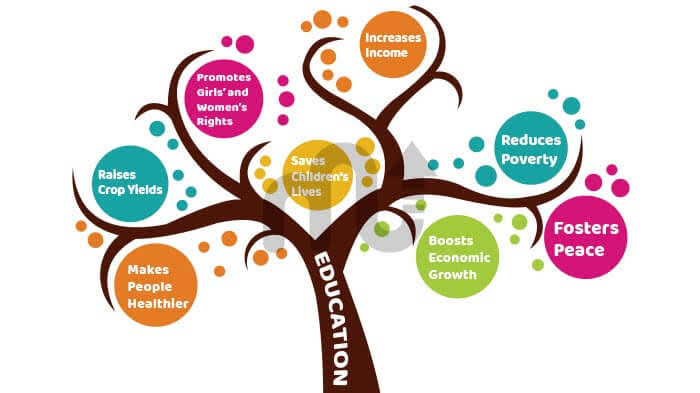
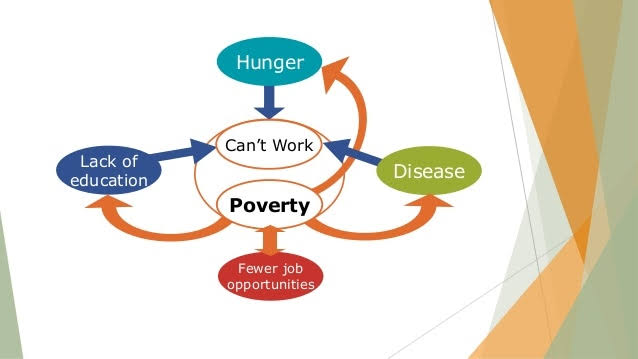
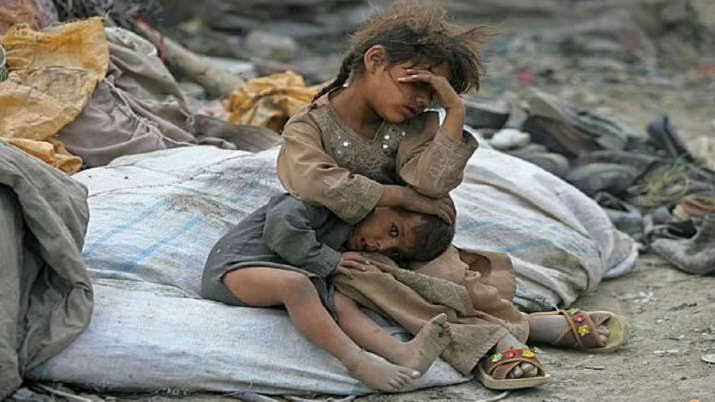
We can define poverty as the condition where the basic needs of a family, like food, shelter, clothing, and education are not fulfilled. It can lead to other problems like poor literacy, unemployment, malnutrition, etc. A poor person is not able to get education due to lack of money and therefore remains unemployed. An unemployed person is not able to buy enough & nutritious food for his family and their health decline. A weak person lacks the energy required for the job. A jobless person remains poor only. Thus we can say that poverty is the root cause of other problems.

How Poverty is Measured?

For measuring poverty United nations have devised two measures of poverty – Absolute & relative poverty. Absolute poverty is used to measure poverty in developing countries like India. Relative poverty is used to measure poverty in developed countries like the USA. In absolute poverty, a line based on the minimum level of income has been created & is called a poverty line. If per day income of a family is below this level, then it is poor or below the poverty line. If per day income of a family is above this level, then it is non-poor or above the poverty line. In India, the new poverty line is Rs 32 in rural areas and Rs 47 in urban areas.

Causes of Poverty

According to the Noble prize winner South African leader, Nelson Mandela – “Poverty is not natural, it is manmade”. The above statement is true as the causes of poverty are generally man-made. There are various causes of poverty but the most important is population. Rising population is putting the burden on the resources & budget of countries. Governments are finding difficult to provide food, shelter & employment to the rising population.

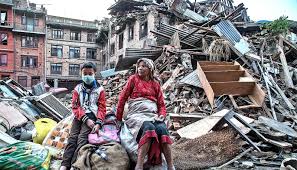
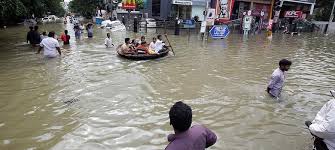
The other causes are- lack of education, war, natural disaster, lack of employment, lack of infrastructure, political instability, etc. For instance- lack of employment opportunities makes a person jobless & he is not able to earn enough to fulfill the basic necessities of his family & becomes poor. Lack of education compels a person for less paying jobs & it makes him poorer. Lack of infrastructure means there are no industries, banks, etc. in a country resulting in lack of employment opportunities. Natural disasters like flood, earthquake also contribute to poverty.

In some countries, especially African countries like Somalia, a long period of civil war has made poverty widespread. This is because all the resources & money is being spent in war instead of public welfare. Countries like India, Pakistan, Bangladesh, etc. are prone to natural disasters like cyclone, etc. These disasters occur every year causing poverty to rise.

Ill Effects of Poverty

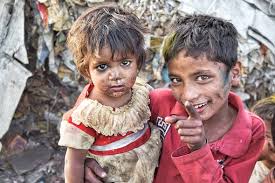
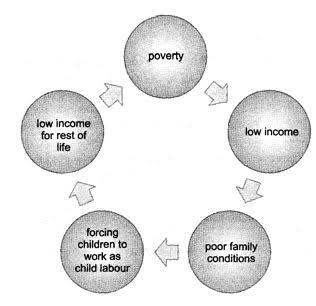
Poverty affects the life of a poor family. A poor person is not able to take proper food & nutrition &his capacity to work reduces. Reduced capacity to work further reduces his income, making him poorer. Children from poor family never get proper schooling & proper nutrition. They have to work to support their family & this destroys their childhood. Some of them may also involve in crimes like theft, murder, robbery, etc. A poor person remains uneducated & is forced to live under unhygienic conditions in slums. There are no proper sanitation & drinking water facility in slums & he falls ill often & his health deteriorates. A poor person generally dies an early death. So, all social evils are related to poverty.

Government Schemes to Remove Poverty

The government of India also took several measures to eradicate poverty from India. Some of them are – creating employment opportunities, controlling population, etc. In India, about 60% of the population is still dependent on agriculture for its livelihood. Government has taken certain measures to promote agriculture in India. The government constructed certain dams & canals in our country to provide easy availability of water for irrigation. Government has also taken steps for the cheap availability of seeds & farming equipment to promote agriculture. Government is also promoting farming of cash crops like cotton, instead of food crops. In cities, the government is promoting industrialization to create more jobs. Government has also opened ‘Ration shops’. Other measures include providing free & compulsory education for children up to 14 years of age, scholarship to deserving students from a poor background, providing subsidized houses to poor people, etc.

Poverty is a social evil, we can also contribute to control it. For example- we can simply donate old clothes to poor people, we can also sponsor the education of a poor child or we can utilize our free time by teaching poor students. Remember before wasting food, somebody is still sleeping hungry.

Overcoming poverty is not a gesture of charity. It is an act of justice.

—nelsen mandela

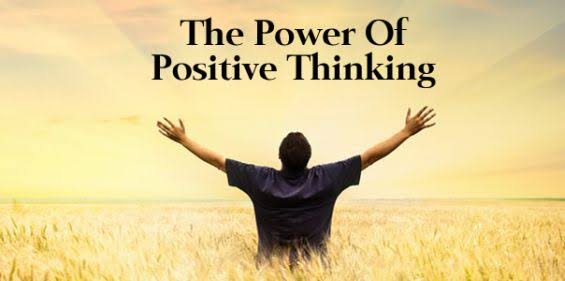
Said “I love you” more -Positive thinking

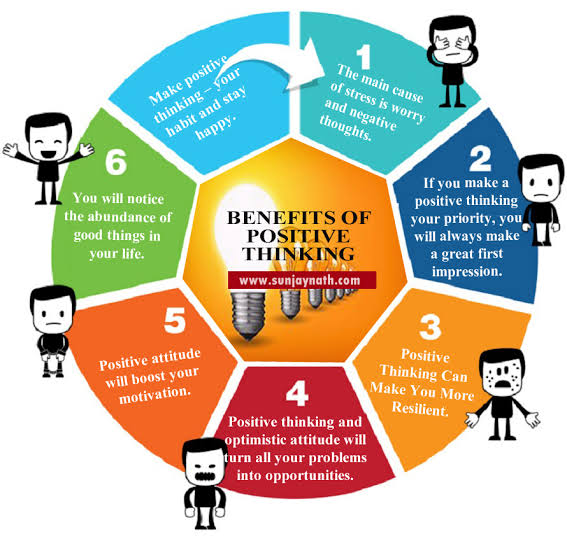
Positive thinking refers to a belief or mental attitude which makes us think that good things will happen eventually and our efforts will pay off sooner or later. It is the opposite of negative thinking which makes our mind full of stress and fear. Thus, an essay on positive thinking will show us how it reinforces thoughts like optimism and hope and works wonders.

Benefits of Positive Thinking

Let it be clear that positive thinking does not mean you do not notice the bad things in life. It means you try to find a solution in a productive way instead of whining about it. There are many benefits of positive thinking.

The first one is better health. Negative thinking gives rise to anxiety, stress, frustration and more. However, positive thinking helps you avoid all this and focus on staying healthy and doing better in life.

Further, it is essential for us to fight depression which positive thinking helps with. Similarly, it will also help us to relieve stress. Positive thinking overwhelms stress and it will allow you to get rid of stress.

As a result, positive thinking helps you live longer. It is because you will be free from diseases that form due to stress, anxiety and more. Moreover, it is also the key to success. Meaning to say, success becomes easier when you don’t bash yourself up.

Similarly, it also gives us more confidence. It boosts our self-esteem and helps in becoming more confident and self-assured. Therefore, we must certainly adopt positive thinking to make the most of our lives.

How to Build a Positive Thinking

There are many ways through which we can build positive thinking. To begin with, we must inculcate the habit of reading motivational and inspiring stories of people who are successful.

All this will help in motivating and inspiring you and showing you the right path. Moreover, it is important to never let negative thoughts thrive in your mind and work towards putting end to this habit.

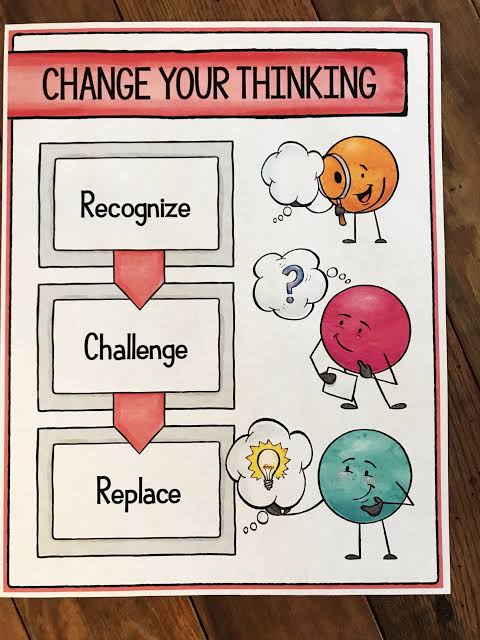
You can do so by replacing your negative thoughts with constructive and positive reviews. Start to pay attention to your ideas and don’t pay heed to negative thoughts. Further, it is helpful to use affirmations.

These positive statements will truly sink into your subconscious mind and guide you to take better action. It will also help in visualising your dreams and getting the right means to achieve them fast.

Finally, always stay guard and gatekeep your mind to make important changes in life. In other words, do not be afraid to take actions. Keep yourself busy and do different things to avoid becoming cynical and remaining positive.

Conclusion of the Essay on Positive Thinking

To conclude, we must change our attitude and believe that we will succeed one day. Moreover, we also need to implement positive thinking techniques which will help us learn from our failures and stay focused. As positive thinking plays an essential role in our lives, we must make sure to adopt in our lives.

Positive thinking helps you stand back up again when you are knocked down by bad luck or negativity.

. —Tom Laurie

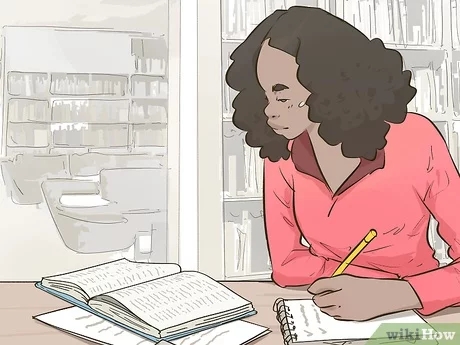
HOW TO MAKE BETTER NOTES IN CLASS

“The more content you try to capture during a lecture or a meeting, the less you’re thinking about what’s being said. You burn through most of your attention parroting the source.”

Do you sometimes struggle to determine what to write down during lectures? Have you ever found yourself wishing you could take better or more effective notes? Whether you are sitting in a lecture hall or watching a lecture online, note-taking in class can be intimidating, but with a few strategic practices, anyone can take clear, effective notes. This handout will discuss the importance of note-taking, qualities of good notes, and tips for becoming a better note-taker.

In-class benefits

Taking good notes in class is an important part of academic success in college. Actively taking notes during class can help you focus and better understand main concepts. In many classes, you may be asked to watch an instructional video before a class discussion. Good note-taking will improve your active listening, comprehension of material, and retention. Taking notes on both synchronous and asynchronous material will help you better remember what you hear and see.

Post-class benefits

After class, good notes are crucial for reviewing and studying class material so that you better understand it and can prepare appropriately for exams. Efficient and concise notes can save you time, energy, and confusion that often results from trying to make sense of disorganized, overwhelming, insufficient, or wordy notes. When watching a video, taking good notes can save you from the hassle of pausing, rewinding, and re watching large chunks of a lecture. Good notes can provide a great resource for creating outlines and studying.

  1. Gather your note-taking materials. It may sound pretty basic, but it’s important to have all of your note-taking materials organized and ready to go before the start of any class, meeting or lecture.
  2. Come prepared. Before you come to a class, lecture, or meeting, make sure to review your notes from the last time round. This will bring you fully up to speed and ready to pick up where you left off.
  3. Be an active listener. When note-taking, many people make the mistake of mindlessly taking down every word, without really comprehending what is being said. Instead, make an effort to understand the topic while you’re in class. Focus on what’s really being said, then ask questions if you don’t understand
  4. Take notes by hand. Although taking notes on your laptop is convenient, research shows note takers actually retain information better when they take notes by hand. This may be because people typing on a laptop tend to transcribe every word without understanding the meaning, while people writing by hand are forced to pick out relevant information in order to keep up
  5. Don’t be afraid to ask questions. When you come across something you don’t understand, don’t just jot it down and tell yourself that you’ll worry about it later — ask the teacher/lecturer for clarification.

FINALLY

Follow up after class

Part of good note-taking includes revisiting your notes a day or so after class. During this time, check for clarity, fill in definitions of key terms, organize, and figure out any concepts you may have missed or not fully understood in class. Figure out what may be missing and what you may need to add or even ask about. If your lecture is recorded, you may be able to take advantage of the captions to review.

REFERENCES

https://learningcenter.unc.edu/tips-and-tools/effective-note-taking-in-classes

https://www.wikihow.com/Take-Better-Notes

Television and Video Games are Corrupting the Minds of Youngs.

Mankind has a great history of inventions, and one of it’s greatest inventions were ‘Television’. This word is well known to us. Entertainment was the major reason for the invention of television, but it’s said “Every coin has two sides” even television has its demerits.

Viewing television has become a popular culture and every one enjoys it. One of the most used technological commodity ,has become a threatening problem for the today’s youth. It is Corrupting the young minds and leading them to dark future. The young mind’s are not able to sense the negative impact of this entertainment gadget.

Watching television is waste of time. Youth’s are not able to distinguish between good and bad content for their minds. Most of the programmes casted on the television illustrates distruction, violence, sex , bullying and many other negative things. Young minds are brainstormed in such a way that they try to implement the depicted things in their real life.

Watching crime shows influence the young mind in a negative way as they are not able to pick up the positive aspects of it. Psychologically the wrongdoer is shown in a good light and this in turn encourages the youth to get inspired from them lead them to actually becoming a criminal.

Now days television shows comes with variations like drama, comedy, suspense and many other. The show producers are minting money out of the illogical shows and destroying the young minds imagination. They are detached from the reality and are made to believe and imagine what they show is correct, superstition are also encouraged. Gradually the people get addictive to this type of content and the imaginative power, IQ level is reduced to nothing. Hence Roald Dahl has rightly said,” It clots the child’s mind, it makes the mind as soft as cheese.”

Television are not the only component that corrupts the youth’s mind but video games are one of them. In this modern generation not only an adult but also children know how to used different electronic devices. Video games are basically a person’s imagination which they make them into reality through technology. These games make a person’s mind habitual to play it. Their minds are completely focused in this unreal world that they forget they have a real world, which in turn make them less social and creates a lonely environment. They lose their interest in other important things like studying, etc.

Author John Leo has explained that ” Children who are heavy viewers of television are more aggressive”. Watching television and playing video games makes a person prone to obesity and mental disorders and affects their personality. So we should take care before it’s too late , as they say “Prevention is better than cure.”

Writing Good Articles Article Submission Tips And Writing

It is no secret that a good way to gain publicity and visitors for your website is to submit articles on quality sites. At the same time I strongly believe that submitting your articles on sites which share the same niche (or category) as yours is a better way to indicate search engines about the category of your article. For example it does not make a lot of sense to publish an article of travel or tourism on a finance website or a technology blog. The visitors of a travel website are likely to be in a mindset of vacation ideas, hotels, airline deals, events and travel attractions. Now if a visitor comes across your article on a travel site, it not only provides a reference link back to your website but most important the person is actually interested in that niche.

We will briefly put together a few points which one should consider while submitting their articles. We have selected travel niche as an example for these article writing tips.

1. Basic strategy of writing articles:

Your article should be written in simple English and easily understandable my most users. It does not need to be too long but usually recommended no little than 300 words, preferably more around 500 words. Clearly state what the travel article is about, use short paragraphs and bullet points. Always provide true facts, good or bad. Consider using use numbers and figures in the text in your articles wherever applicable.

2. Title:

Always use good attention-grabbing titles which not only contain your main keywords, but also give the brief idea to the users that what your travel article is about.

3. Keyword density:

Well if your article is about New York tourism then we recommended that you should have it in your title and multiple times in the body of your article. There are several free tools available on the internet to evaluate your article’s keyword density.

4. Link to your site:

If you have a website, then you should certainly provide a link back to your site, if this article is about a section inside your site then consider giving the inner link over your homepage.

5. Bookmark your article with Sites: Once submit travel article and it is published you should consider it book marking using Delicious, Reddit, Digg and Stumble upon. Since these are social bookmark sites, this will also deliver significant traffic to your website. Similarly subscribing to the RSS feed using sites like bloglines and netvibes has similar advantages.

6. Write often: People and search engines are always looking for new articles. You will not only have more links pointing back to your site but also real organic traffic.