
How do children learn playfully on courses from CodaKid?

Daily writing prompt
What is your favorite drink?

In today’s rapidly evolving world, acquiring essential skills and knowledge is crucial for children to thrive in the future. However, traditional teaching methods often fail to engage and inspire young learners. That’s where CodaKid steps in, offering a unique and playful learning experience that captivates children’s imaginations while nurturing their technical skills. In this article, we will explore how children can learn playfully on courses from CodaKid.

Photo by Julia M Cameron on Pexels.com

Playful Learning at Its Best

CodaKid understands that learning should be enjoyable and engaging, especially for children. They have designed their courses to harness the power of play, making learning a fun and interactive experience. Here’s how they achieve this:

  1. Gamified Learning: CodaKid transforms learning into an exciting adventure by gamifying the curriculum. Children complete coding challenges, build projects, and earn badges as they progress. This game-like environment motivates them to keep learning and leveling up their skills.
  2. Real-world Projects: CodaKid’s courses focus on hands-on, project-based learning. Rather than passively absorbing information, children actively apply what they learn to create their apps, games, and websites. This practical approach not only reinforces their understanding but also empowers them to build real-world solutions.
  3. Interactive Lessons: CodaKid’s instructors break down complex concepts into easy-to-understand lessons. They use interactive tools, videos, and quizzes to keep children engaged and ensure they grasp each topic thoroughly. This dynamic learning environment promotes active participation and enhances retention.
  4. Personalized Learning: Every child is unique, and CodaKid recognizes this. They offer personalized learning pathways, allowing children to choose the courses and projects that align with their interests and abilities. This flexibility fosters a sense of ownership over their learning journey.

Empowering Future Innovators

CodaKid’s playful approach to education goes beyond just teaching coding. It instills essential skills that prepare children for the future, such as problem-solving, critical thinking, and creativity. Here’s how CodaKid empowers young innovators:

  • Coding for All Ages: CodaKid offers courses suitable for children aged 7 and up. Whether your child is a beginner or already has some coding experience, there is a course tailored to their skill level and age group.
  • Tech Trends: In a world driven by technology, CodaKid ensures children are well-versed in relevant programming languages and technologies. They stay updated with the latest industry trends, equipping children with the skills needed for future careers.
  • Parental Involvement: CodaKid understands the importance of parents’ involvement in their child’s education. They provide parents with progress reports and support, allowing them to track their child’s growth and actively participate in their learning journey.

Conclusion

CodaKid has redefined the way children learn by infusing playfulness into education. Their gamified, interactive, and personalized approach to learning not only equips children with valuable technical skills but also cultivates essential life skills. By offering courses that cater to various age groups and skill levels, CodaKid ensures that every child can embark on a playful learning journey tailored to their needs. With CodaKid, the future looks brighter for young innovators, as they learn, create, and thrive in a world driven by technology and creativity. Embrace the power of playful learning with CodaKid and unlock your child’s full potential.
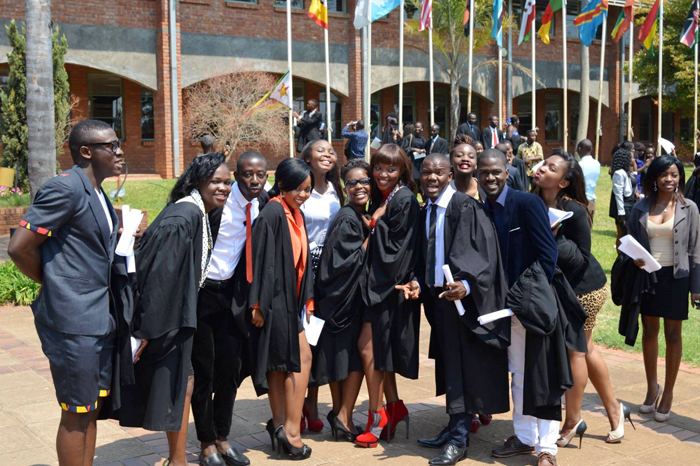
Top 10 Universities of Africa

 Here are ten prominent universities in Africa:

  1. University of Cape Town (UCT) – South Africa
  2. University of the Witwatersrand (Wits) – South Africa
  3. Stellenbosch University – South Africa
  4. Cairo University – Egypt
  5. University of Pretoria – South Africa
  6. University of Nairobi – Kenya
  7. Makerere University – Uganda
  8. American University in Cairo (AUC) – Egypt
  9. University of Ibadan – Nigeria
  10. University of Ghana – Ghana

These universities are recognized for their academic excellence, research contributions, and overall reputation. Keep in mind that rankings can vary depending on the criteria used, and there are many other excellent universities across the continent. Always refer to the latest rankings and consider specific programs or departments when evaluating universities for your academic

The privileged human race

“Life is as dear to a mute creature as it is to a man. Just as one wants happiness and fears pain, just as one wants to live and not to die, so do other creatures.”
– Dalai Lama

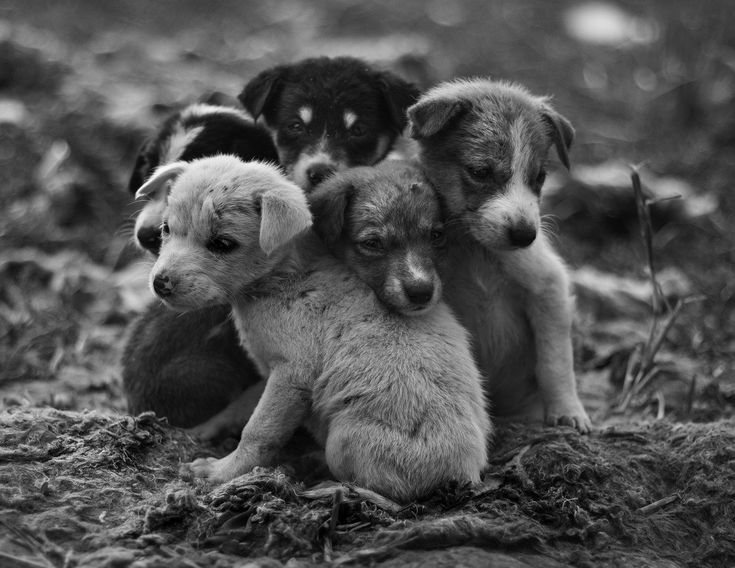
Is being human a privilege? This is the question that strikes the mind when regular occurrences of animal abuse are brought into the news, the recent one being the violent assault of a dog at a pet clinic in Mumbai.

We, humans, the species with highly evolved minds, the backbone of existence, and yet so oblivious about how futile our existence is for the world at large. Millions of years of evolution and here we are, assaulting helpless creatures for establishing the supremacy of our race. Why do we think so highly of ourselves? Do we inherently believe that the earth would stop revolving around the sun if humans ceased to exist? How come are we so fixated on this bubble of denial that all the lifeforms, the flora and fauna, and the whole of nature were barely striving to survive without us and would not flourish on their own?

The recent cases can shake a normal human to the core- a dog being mercilessly punched by two groomers, a lactating mother beaten to death by a mob of people, a street dog tied by a doctor to his car and dragged along for miles, doctors- who apparently should be recognized as Gods and to top them all- animals being raped by deranged humans. These cases give a reality check about the standard of society to which we are heading. Cinema constantly loves to reflect on the idea of a dystopian future for the human race, where freely breathing would be beyond the realm of reason and meanwhile, every species has been cursed to live its present in this constant dystopia owing to our actions, the actions of the most supreme beings.

The laws punishing the abuse of animals in our country are so fragile that one with sadistic tendencies ought to commit the crime repeatedly, for a few moments of amusement.

In India, it is the fundamental duty of every citizen to have compassion for all living creatures. The Indian Constitution recognizes animal rights under Article 51(A)(g) and Article 48(A), which mandate every Indian citizen to show compassion towards animals and wildlife.

  1. Article 48A: The state shall endeavour to protect and improve the environment and safeguard the wildlife.
  2. Article 51(A)(g): To protect and improve the natural environment, including forests, lakes, rivers, and wildlife, and to have compassion for living creatures.

Fundamental duties in the constitution of India are not legally binding upon the citizens, hence these are as good as the textbooks of moral values of a primary student. You won’t get punished if you refuse to follow these duties.

Under the Prevention of Cruelty to Animal Act, of 1960, The punishments can vary from a fine of Rs.10 to a fine of Rs.50 and sometimes the culprit may also be imprisoned for a period of three months or more. Section 428 states that any person who commits a cruel act such as killing, poisoning, or rendering useless any animal of the value of Rs.10 or more shall be imprisoned for 2 years including a fine in most cases.

It is to be noted that imprisonment rarely occurs in these cases and usually the culprits are out on bail, the same day they are arrested by paying a “hefty” fine of Rs.50. This is the cost of the life of an animal- mere Rs. 50.

The silent, voiceless beings around us ask for nothing- not your sympathy, not your mercy. Just for you to live and let them live. Is it too much to ask for? It is not arduous and certainly not incomprehensible for us to respect the lifeforms that were initially responsible for the creation of the whole of life as it is today. Live and let live.

“There is little that separates humans from other sentient beings. We all feel joy, we all crave to be alive and to live freely and we all share this planet together.” – Mahatma Gandhi

Reputed Awards in the Field of Technology

Nobel Prize in Physics: While not exclusively a technology award, it often recognizes groundbreaking discoveries in technology-related fields like electronics, optics, and materials science.

  • Turing Award: Presented annually by the Association for Computing Machinery (ACM), it recognizes individuals for contributions of lasting and major technical importance to the computing field.

  • IEEE Medal of Honor: Awarded by the Institute of Electrical and Electronics Engineers (IEEE), it is the highest recognition of the institute, honoring exceptional contributions to technology and society.

  • National Medal of Technology and Innovation (USA): Presented by the President of the United States, it honors individuals and companies for their outstanding contributions to technological innovation, promoting American competitiveness.

  • European Inventor Award: Organized by the European Patent Office, it celebrates inventors from around the world who have made outstanding contributions to technological progress, society, and economic growth.

  • Breakthrough Prize in Fundamental Physics: Recognizing advancements in the understanding of the universe at its deepest levels, this prize honors groundbreaking achievements in physics, including those with technological implications.

  • Edison Awards: Honoring innovation and excellence in the development of new products and services, named after Thomas Edison, this award spans various technological domains from consumer electronics to healthcare.

  • TechCrunch Crunchies: Presented by the technology news website TechCrunch, these awards recognize startups, products, and technologies that have made significant impacts in the tech industry.

  • SXSW Innovation Awards: Part of the South by Southwest (SXSW) festival, these awards celebrate the most exciting and innovative developments in the connected world, spanning categories like AI, robotics, and health tech.

  • Red Dot Design Award: Though not solely for technology, this prestigious award recognizes excellence in design, including technological products such as smartphones, appliances, and gadgets.

  • Webby Awards: Recognizing excellence on the internet, including websites, apps, social media, podcasts, and digital innovation, this award showcases the best in technological creativity and user experience.

  • Good Design Award: Presented by the Chicago Athenaeum Museum of Architecture and Design, it honors innovative and cutting-edge product design across various industries, including technology and electronics.

  • Gordon Bell Prize: Awarded by the Association for Computing Machinery (ACM), this prize recognizes outstanding achievements in high-performance computing applications that address real-world problems.

  • World Technology Awards: Celebrating innovators from across the globe, these awards recognize individuals and organizations that are making substantial contributions to technology and its intersection with other fields.

  • MIT Technology Review Innovators Under 35: Recognizing young innovators who are driving technology forward and creating new solutions to global challenges, this award highlights breakthroughs in various fields including AI, biotechnology, and energy.

  • CES Innovation Awards: Held annually at the Consumer Electronics Show (CES), these awards honor outstanding design and engineering in consumer technology products across various categories such as robotics, smart home, and wearables.

  • World Summit Awards: Recognizing digital innovation with a focus on societal impact and sustainable development goals, this award highlights groundbreaking projects and initiatives from around the world.

  • XPRIZE: Offering large-scale incentive prizes to drive technological breakthroughs that benefit humanity, XPRIZE competitions tackle grand challenges in areas like space exploration, healthcare, and environmental sustainability.

  • Tech Women Heroes Awards: Recognizing women who are leading innovation in technology and inspiring the next generation of female technologists, this award celebrates diversity and inclusion in the tech industry.

  • Frost & Sullivan Technology Innovation Leadership Award: Acknowledging companies that demonstrate excellence in technology innovation and strategic product development, this award highlights industry leaders driving technological advancement and market growth.

    table showcasing the top 20 awards in the field of technology along with their respective websites:

    Award Website
    Nobel Prize in Physics Nobel Prize
    Turing Award ACM Turing Award
    IEEE Medal of Honor IEEE Medal of Honor
    National Medal of Technology and Innovation National Medal of Technology and Innovation
    European Inventor Award European Inventor Award
    Breakthrough Prize in Fundamental Physics Breakthrough Prize
    Edison Awards Edison Awards
    TechCrunch Crunchies TechCrunch Crunchies
    SXSW Innovation Awards SXSW Innovation Awards
    Red Dot Design Award Red Dot Design Award
    Webby Awards Webby Awards
    Good Design Award Good Design Award
    Gordon Bell Prize Gordon Bell Prize
    World Technology Awards World Technology Awards
    MIT Technology Review Innovators Under 35 MIT TR Innovators Under 35
    CES Innovation Awards CES Innovation Awards
    World Summit Awards World Summit Awards
    XPRIZE XPRIZE
    Tech Women Heroes Awards Tech Women Heroes Awards
    Frost & Sullivan Technology Innovation Leadership Award Frost & Sullivan

    These websites provide more information about each award, including criteria, past winners, and how to nominate or apply.

    table showcasing the top 20 awards in the field of technology along with their respective websites:

    These websites provide more information about each award, including criteria, past winners, and how to nominate or apply.

  • These awards play a crucial role in acknowledging and celebrating the advancements and innovations that shape the technological landscape, inspiring future generations of technologists and entrepreneurs.

    Natural Fibres ; Backbone of Indian Textile Industry

     By Yoshika Sharma

    Did you know in 1st century CE Roman Noble women were been given india cotton to wear and for this the Roman Empire used to spend 2 crore gold coin. 

    Natural fibers are the fibres that come from natural sources like plants and anmals . India was always home natural fibers . In about  5000 BCE farmers in the Indus valley civilization used to cultivated cotton which was India’ s first natural fibre , they were also the first ones who started the spinning and weaving of cotton . The vedas include unlimited texts regarding spinning , weaving and dress designing .

    In Rigveda male weaver were termed as ”vaya” and female weaver were termed as ”vayatri” . Threads , shuttle , loom, were one of the important object in this industry.

    In 327 BCE when Alexander attacked India , the soldiers of his army started to like india cotton wear instead of their wool uniform , as cotton was breathable, allowed coolig and drying airflow , and made it a summer staple. other than cotton , India is a home to many  other natural fibers like jute , coir etc . 

    Coir ; coir is made from extracting the action hair of coconut , it was used to made ropes and threads . In chola empire coir was used in ship building which made this fibre more prominent . 

    In 16th century during Akbar’s regin . Akbar considering the warm climate of india introduced cotton to the nobility instead of silk . Due to the boost in textile industry the Mughal era was termed as the golden period for the indian textile industry. 

    Like cotton jute is also a natural fibre , which was usedby the Indus valley civilization from 3rd millennium BCE for manufacturing of clothes . Jute is most prominently grown in West Bengal and Assam . Rope , twine  , Mat , and sack are some of the  articles made from jute .

    During the 17th century the Dutch and french merchants started the jute trade from Bengal to Europe . In the British colonial rule the Britishers established jute factory in eastern India and cotton factory in western India . The Britishers started the first jute mill in the 1855 kolkata from which Burlap ( a special white jute cloth) got its place in the iternationa market . During the 1880 the manufacturing rate of jute in India was 50%  of the world jute production.

    During early 18th century a fibres made century a fibre made from cotton named Calico ( a cheap fabric rom Calicut ) was gaining market iin Britain . Seeing the increasing demand for Calico , Britain passed  a Calico law 1700 to stop the import of Calico from India , and England started the export its synthetic fibres  to India  which made Indian weavers unemployed and made Indian textile industry flattered for years , there was no coming  back  of the indian natural fibres . But then in 1918 at the sabarmati ashram in Gujrat , Khadi cloth was weaved and thus this gain marked the begining of start of new era . Seeing this boost , Mahatma Gandhi initiated the Khadi movement in which synthetic fibres from Britishers were boycotted and people were encouraged to use Desi goods and khadi and other natural fibres . 

    Natural fibres are considered the backbone of Indian textile industry which is projected to reach $195 billion by 2025

    References

    Ahmed, F., & Mondal, M. I. H. (2021). Introduction to natural fibres and textiles. In Fundamentals of natural fibres and textiles (pp. 1-32). Woodhead Publishing.

    Kumar, P. S., & Suganya, S. (2017). Introduction to sustainable fibres and textiles. In Sustainable fibres and textiles (pp. 1-18). Woodhead Publishing.

    Olhan, S., Khatkar, V., & Behera, B. K. (2021). Textile-based natural fibre-reinforced polymeric composites in automotive lightweighting. Journal of Materials Science, 1-44.

    Thomas, S., Paul, S. A., Pothan, L. A., & Deepa, B. (2011). Natural fibres: structure, properties and applications. Cellulose Fibers: Bio-and Nano-Polymer Composites: Green Chemistry and Technology, 3-42.


    Nation has more than 180 GW installed renewable energy capacity

     le purchase obligation (RPO) for the respective electricity distribution utilities (DISCOMs). The Ministry of Power has also issued guidelines on RPO trajectory from time to time.

    Further, the Section 14 (x) of the Energy Conservation Act, 2001, as amended by Energy Conservation (Amendment) Act, 2022, delegate powers to the Central Government to specify minimum share of consumption of non-fossil resources by designated consumers as energy or feed stock and specify different shares of consumption for different types of non-fossil resources for different designated consumers. The distribution licensees have also been notified as designated consumers under the Energy Conservation Act, 2001.

    In terms of Section 14 (x) of the amended Energy Conservation Act, 2001, the Ministry of Power through notification dated 20.10.2023, has specified following minimum share of consumption of renewable energy by the electricity distribution licensees as a percentage of total share of energy consumption, with certain conditions: 

    S/N

    Year

    Wind RE

    Hydro RE

    Distributed RE

    Other RE

    Total RE

    1.

    2024-25

    0.67%

    0.38%

    1.50%

    27.35%

    29.91%

    2.

    2025-26

    1.45%

    1.22%

    2.10%

    28.24%

    33.01%

    3.

    2026-27

    1.97%

    1.34%

    2.70%

    29.94%

    35.95%

    4.

    2027-28

    2.45%

    1.42%

    3.30%

    31.64%

    38.81%

    5.

    2028-29

    2.95%

    1.42%

    3.90%

    33.10%

    41.36%

    6.

    2029-30

    3.48%

    1.33%

    4.50%

    34.02%

    43.33%


    The above notification will come into force on 1st April 2024 and therefore the distribution licensees will have to comply with the specified renewable energy consumption norms w.e.f. FY 2024-25.

    All schemes being implemented by the Ministry of New and Renewable Energy aim to promote the utilization of renewable energy sources in all regions of the country, including the tribal areas.

    The source and state-wise details of the renewable energy capacity installed in the country as on 31.12.2023 are given below.

    State-wise installed capacity of Renewable Power as on 31.12.2023

    S. No.

    STATES / UTs

    Small Hydro Power

    Wind Power

    Bio Power

    Solar Power

    Large Hydro Power

    Total Capacity


    (MW)

    (MW)

    (MW)

    (MW)

    (MW)

    (MW)

    1

    Andhra Pradesh

    163.31

    4096.65

    566.39

    4565.60

    1610.00

    11001.95

    2

    Arunachal Pradesh

    133.11


    0.00

    11.79

    1115.00

    1259.90

    3

    Assam

    34.11


    2.00

    155.81

    350.00

    541.92

    4

    Bihar

    70.70


    126.02

    223.54


    420.26

    5

    Chhattisgarh

    76.00


    275.00

    1072.24

    120.00

    1543.24

    6

    Goa

    0.05


    1.94

    35.76


    37.75

    7

    Gujarat

    91.64

    11223.82

    112.48

    10549.07

    1990.00

    23967.01

    8

    Haryana

    73.50


    265.70

    1240.47


    1579.67

    9

    Himachal Pradesh

    969.71


    10.20

    111.55

    10263.02

    11354.48

    10

    Jammu & Kashmir

    161.43


    0.00

    54.98

    3360.00

    3576.41

    11

    Jharkhand

    4.05


    14.10

    121.77

    210.00

    349.92

    12

    Karnataka

    1280.73

    5595.91

    1907.72

    9412.71

    3689.20

    21886.27

    13

    Kerala

    270.52

    62.50

    2.50

    859.01

    1864.15

    3058.68

    14

    Ladakh

    40.99


    0.00

    7.80

    89.00

    137.79

    15

    Madhya Pradesh

    123.71

    2844.29

    134.94

    3170.05

    2235.00

    8507.99

    16

    Maharashtra

    382.28

    5157.98

    2643.19

    5080.28

    3047.00

    16310.73

    17

    Manipur

    5.45


    0.00

    13.04

    105.00

    123.49

    18

    Meghalaya

    55.03


    13.80

    4.19

    322.00

    395.02

    19

    Mizoram

    45.47


    0.00

    30.43

    60.00

    135.90

    20

    Nagaland

    32.67


    0.00

    3.17

    75.00

    110.84

    21

    Odisha

    115.63


    59.22

    473.03

    2154.55

    2802.43

    22

    Punjab

    176.10


    530.95

    1266.55

    1096.30

    3069.90

    23

    Rajasthan

    23.85

    5193.42

    125.64

    18777.14

    411.00

    24531.05

    24

    Sikkim

    55.11


    0.00

    4.69

    2282.00

    2341.80

    25

    Tamil Nadu

    123.05

    10429.27

    1043.70

    7360.94

    2178.20

    21135.16

    26

    Telangana

    90.87

    128.10

    220.37

    4712.98

    2405.60

    7557.92

    27

    Tripura

    16.01


    0.00

    18.47


    34.48

    28

    Uttar Pradesh

    49.10


    2221.64

    2740.87

    501.60

    5513.21

    29

    Uttarakhand

    218.82


    139.74

    575.53

    4035.35

    4969.44

    30

    West Bengal

    98.50


    343.46

    194.06

    1341.20

    1977.22

    31

    Andaman & Nicobar

    5.25


    0.00

    29.91


    35.16

    32

    Chandigarh


    0.00

    64.05


    64.05

    33

    Dadar & Nagar Haveli/ Daman & Diu


    0.00

    46.47


    46.47

    34

    Delhi


    84.00

    237.29


    321.29

    35

    Lakshadweep


    0.00

    4.97


    4.97

    36

    Pondicherry


    0.00

    43.27


    43.27

    37

    Others


    4.30

    0.00

    45.01


    49.31


    Total (MW)

    4986.75

    44736.24

    10844.70

    73318.49

    46910.17

    180796.35


    The state-wise details of power generation from various renewable energy sources during the current year i.e. 2023-24 (upto Dec 2023) are given below.

    State-wise details of power generation from various renewable energy sources during the current year i.e. 2023-24 (up to Dec 2023)

    (All fig. in MUs)

    Name of State/UT

    Wind

    Solar

    Biomass

    Bagasse

    Small Hydro

    Others

    Renewable Energy Total

    Large Hydro*

    Total RE including Large Hydro

    Chandigarh

    0.00

    9.99

    0.00

    0.00

    0.00

    0.00

    9.99

    0.00

    9.99

    Delhi

    0.00

    154.90

    0.00

    0.00

    0.00

    382.05

    536.95

    0.00

    536.95

    Haryana

    0.00

    701.62

    218.99

    57.46

    178.80

    44.91

    1201.78

    0.00

    1201.78

    HP

    0.00

    44.94

    0.00

    0.00

    2314.92

    0.00

    2359.86

    32268.80

    34628.66

    J & K

    0.00

    0.00

    0.00

    0.00

    347.34

    0.00

    347.34

    13926.66

    14274.00

    Ladkh

    0.00

    0.00

    0.00

    0.00

    0.00

    0.00

    0.00

    347.39

    347.39

    Punjab

    0.00

    2403.38

    440.49

    83.69

    545.28

    0.00

    3472.84

    3875.17

    7348.01

    Rajasthan

    6861.59

    28274.90

    279.48

    0.00

    2.56

    0.00

    35418.53

    609.78

    36028.31

    Uttar Pradesh

    0.00

    2966.98

    24.39

    1486.24

    126.03

    76.69

    4680.33

    666.83

    5347.16

    Uttarakhand

    0.00

    248.85

    0.00

    186.39

    265.05

    0.00

    700.29

    11884.86

    12585.15

    Chhattisgarh

    0.00

    622.30

    1038.31

    8.85

    134.17

    0.00

    1803.63

    257.93

    2061.56

    Gujarat

    19804.55

    9499.73

    0.00

    0.74

    145.11

    0.00

    29450.12

    3717.09

    33167.21

    Madhya Pradesh

    3946.61

    2696.29

    64.85

    27.28

    355.13

    19.86

    7110.02

    5313.27

    12423.29

    Maharashtra

    7121.00

    4130.21

    228.17

    1561.09

    684.92

    13.92

    13739.31

    4293.19

    18032.50

    Dadra and Nagar Haveli and Daman and Diu

    0.00

    11.10

    9.71

    0.00

    0.00

    0.00

    20.81

    0.00

    20.81

    Goa

    0.00

    45.72

    0.00

    0.00

    0.00

    5.92

    51.64

    0.00

    51.64

    Andhra Pradesh

    7257.52

    5990.90

    13.38

    32.57

    95.97

    230.68

    13621.02

    1112.50

    14733.52

    Telangana

    242.92

    4988.87

    3.88

    38.82

    50.16

    108.33

    5432.98

    1071.77

    6504.75

    Karnataka

    9216.22

    11119.16

    44.20

    1637.40

    1297.11

    0.00

    23314.08

    7262.83

    30576.91

    Kerala

    196.72

    840.23

    0.00

    60.45

    612.62

    0.03

    1710.05

    3895.44

    5605.49

    Tamil Nadu

    15177.48

    8468.41

    95.56

    423.43

    142.21

    0.00

    24307.08

    2860.98

    27168.06

    Lakshadweep

    0.00

    0.07

    0.00

    0.00

    0.00

    0.00

    0.07

    0.00

    0.07

    Puducherry

    0.00

    9.18

    0.00

    0.00

    0.00

    0.00

    9.18

    0.00

    9.18

    Andaman Nicobar

    0.00

    18.10

    0.00

    0.00

    9.31

    0.00

    27.41

    0.00

    27.41

    Bihar

    0.00

    140.65

    0.00

    72.73

    5.51

    0.00

    218.89

    0.00

    218.89

    Jharkhand

    0.00

    13.23

    0.00

    0.00

    0.00

    0.00

    13.23

    179.21

    192.44

    Orissa

    0.00

    548.77

    73.21

    0.00

    350.59

    0.00

    972.57

    4897.38

    5869.95

    Sikkim

    0.00

    0.00

    0.00

    0.00

    9.27

    0.00

    9.27

    8492.36

    8501.63

    West Bengal

    0.00

    119.30

    0.00

    0.00

    163.65

    1157.18

    1440.13

    2352.76

    3792.89

    Arunachal Pradesh

    0.00

    1.59

    0.00

    0.00

    0.52

    0.00

    2.11

    3752.98

    3755.09

    Assam

    0.00

    238.47

    0.00

    0.00

    56.58

    0.39

    295.44

    518.52

    813.96

    Manipur

    0.00

    5.79

    0.00

    0.00

    0.00

    1.23

    7.02

    248.72

    255.74

    Meghalaya

    0.00

    0.00

    0.00

    0.00

    53.60

    0.00

    53.60

    714.12

    767.72

    Mizoram

    0.00

    2.39

    0.00

    0.00

    71.95

    0.00

    74.34

    81.71

    156.05

    Nagaland

    0.00

    0.00

    0.00

    0.00

    72.93

    0.00

    72.93

    155.53

    228.46

    Tripura

    0.00

    3.58

    0.00

    0.00

    0.00

    0.00

    3.58

    0.00

    3.58

    All India Total

    69824.59

    84319.58

    2534.61

    5677.13

    8091.27

    2041.21

    172488.40

    114757.78

    287246.18

    * Large hydro generation Excluding Import from Bhutan


    The details of provisions in place for encouraging the installation of Renewable Energy Plants are as follows:

    1. Permitting Foreign Direct Investment (FDI) up to 100 percent under the automatic route.
    2.     Waiver of Inter State Transmission System (ISTS) charges for inter-state sale of solar and wind power for projects to be commissioned by 30th June 2025.
    3.      As per MoEFCC’s provisions of the EIA Notification 2006 Solar PV Power Projects, Wind Power Projects are exempted from Environment Impact Assessment (EIA).
    4.      Accelerated Depreciation at the rate of 40% is available on Solar and Wind Power Projects.
    5.      Central pollution control board has included Solar Power generation through solar photovoltaic cell plants of all capacities, Wind Power Plants of all capacities and hydel Power Plants upto and including capacity of 25 MW under white category.

    GPS-based toll collection

     By EduPub Team 

    Government has appointed a consultant to provide advisory services on implementation of new technologies like Global Navigation Satellite System (GNSS) based barrier less free flow tolling.

    It has been decided to Initially implement GNSS based Electronic Toll Collection (ETC) System at selected sections of National Highways on pilot basis as an added facility along with FAS Tag.

    National Highways Authority of India (NHAI) is encouraging FAS Tag users with incomplete KYC to complete their ‘Know Your Customer’ (KYC) process as per RBI Guidelines.

    FAS Tags with incomplete KYC are liable to be blacklisted by Banks beyond 29.02.24. National Payments Corporation of India (NPCI) had earlier issued directions to all issuer banks to complete KYC of all FAS Tag  users before 01.03.23 however, the 100% compliance was not achieved. NHAI’s recent initiative aims to make the FAS Tag system 100% KYC compliant in order to avoid inconvenience to road users at fee Plazas. Under the “One Vehicle One FAS Tag” NHAI aims to deactivate/blacklist multiple FAS Tags issued on a single Vehicle.

    Instances have been reported when FAS Tag issued to a different vehicle are carried in another vehicle(s) without fixing it on the windscreen of the vehicle. This also results in deduction of User Fee even if that vehicle has not crossed fee Plaza. With One Vehicle One FAS Tag initiative, such misuse of FAS Tag will be minimized.

    One Vehicle One FAS Tag initiative aims to increase the efficiency and strengthen the Electronic Toll Collection by:

    1. Reducing transaction processing delays
    2. Removing large volume of inactive/blacklisted FAS Tag from the system
    3. Prevention of unauthorized handling of FAS Tags which are not affixed to vehicle windscreen
    4. Enhancing overall reliability of the system by minimizing chances of

    Misuse of other vehicle’s FAS Tag and other fraudulent activities

    1. Creating unique identifier of a vehicle for Tolling purpose.

    The guidelines as issued by RBI through Master Direction – Know Your Customer (KYC) Direction, 2016 (Updated as on January 04, 2024) RBI/DBR/2015-16/18 Master Direction DBR.AML.BC.No.81/14.01.001/2015-16 is applicable to all Prepaid Payment Instruments (PPI) including FAS Tag customers.

    The Guidelines requires KYC of all PPI like FAS Tag to be fully KYC compliant. The Guidelines also require periodic updation of KYC which ranges from at least once in every two years for high-risk customers, once in every eight years for medium risk customers and once in every ten years for low-risk customers from the date of opening of the account / last KY C updation.

    NHAI, through the recent initiative aims to make the FAS Tag system 100% KYC compliant in order to avoid inconvenience to road users at fee Plazas.

    Steps taken by the government to make power sector viable and profitable

     The Union Minister for Power and New & Renewable Energy has informed about the steps taken by the government for the modernization of the nation’s electricity market.

    The power demand in the country has gone up by 50.8 percent in energy terms from 2013-14 to 2022-23. The peak demand has gone up from 135,918 MW in 2013-14 to 243,271 MW in September 2023. We have been able to meet the increase in demand because we added 196,558 MW of capacity between 2014 to 2023 which includes 104,059 MW of renewable energy capacity.  The details of the quantum of power generated in the country during the last three years and the current year 2023-24 (till December 2023) are given below.

    The details of total quantity of power produced in the country in the last three years and the current year 2023-24 (till December 2023)


     (All figures are in Million Units)

    Fuel

    2020-21

    2021-22

    2022-23

    2023-24 (up to Dec)

    THERMAL

    COAL

    950937.55

    1041487.43

    1145907.58

    932258.66

    DIESEL

    126.31

    117.24

    229.71

    300.5

    HIGH SPEED DIESEL

    0

    0

    0

    0

    LIGNITE

    30505.68

    37094.04

    36188.34

    24324.57

    MULTI FUEL


    NAPTHA

    101.41

    0

    0.83

    0

    NATURAL GAS

    50842.59

    36015.77

    23884.21

    23903.53

    THERMAL Total

    1032513.54

    1114714.48

    1206210.67

    980787.26

    NUCLEAR

    43029.08

    47112.06

    45861.09

    36263.36

    HYDRO

    150299.52

    151627.33

    162098.77

    114757.77

    Bhutan Import

    8765.5

    7493.2

    6742.4

    4672.1

    Renewable Energy Sources (excluding large hydro)

    147247.508

    170912.297

    203552.685

    172488.39

    Grand Total

    1381855.15

    1491859.37

    1624465.61

    1308968.88


    In order to accommodate the substantial capacity addition, the Government of India planned and added 1,89,052 circuit kilometers (ckm) of transmission lines, in the same period (2013-14 to 2022-23) connecting the whole country into one grid running on one frequency with the capability of transferring 1,16,540 MW from one corner of the country to another, also further integrating the whole country into one national market.


    We have introduced new products in the Exchange for Renewable Energy such as the Green Day Ahead Market and the Green Term Ahead Market.


    India has one of the fastest growing Renewable Energy Capacities in the world and has emerged as the most favoured destination for investment in Renewables in the world.  Government has constructed Green Energy Corridors and put in place 13 Renewable Energy Management Centres. Presently, Renewable Energy Capacity is 180,800 MW and 103,660 MW is under installation.


    Government has made concerted efforts to make Power Sector viable. The AT&C losses have come down from 25.72% in 2014-15 to 15.40% in 2022-23.  All current payment of Gencos are up-to-date and the legacy dues of Gencos have come down from Rs. 1,39,947 crores as on 03.06.2022 to Rs. 49,451 crores as on 31.01.2024.  The subsidy payment to DISCOMS on account of subsidies announced by State Government are up-to-date.


    In order to reduce the AT&C losses, the Government of India has implemented the following steps:


    1. Provided funds under DDUGJY and IPDS to install meter on unmetered connections; and installed covered wire in loss prone areas to make theft difficult;


    1. Put in place energy accounting and energy audit system;
    2. Revised prudential norms to ensure that no loans are given by REC/PFC to DISCOMs which are making losses, unless they draw up a plan to reduce the losses, get their State Government approval on it and file it with the Government of India; and follow up on these steps;


    1. Put in place a merit order despatch system to ensure that cheaper power is despatched first;


    1. Reduced the late payment surcharge to reduce the burden on the DISCOMs;


    1. Put in place rules to ensure that if the Genco is not paid for the power supplied, the access to the power exchange of the defaulting DISCOMs is automatically cut off;


    1. Put in place an incentive of an additional borrowing space of 0.5% of GDP for the State, if the DISCOMs puts in place loss reduction measures;


    1. Provided that no funds will be given under RDSS to loss making DISCOMs unless they put in place measures to reduce their losses; and


    1. Put in place Rules to ensure that the tariff is up-to-date.


    As a result of the above measures, the power sector has become viable and profitable.

    Terms


    Terms and Conditions of EduPub Website, Products, and Services

    1. Acceptance of Terms

    By accessing or using the EduPub website, products, or services, you agree to comply with and be bound by these Terms and Conditions. If you do not agree with any part of these terms, please refrain from using our website, products, or services.

    2. Use of Services

    • Eligibility: You must be of legal age and capacity to use our services. Users below the age of 13 require parental or guardian consent.
    • Account: Some services may require account creation. You are responsible for maintaining the confidentiality of your account information and agree to accept responsibility for all activities that occur under your account.

    3. Intellectual Property

    • Ownership: All content, materials, trademarks, and intellectual property rights on the EduPub website belong to EduPub or its licensors.
    • Use of Materials: Users may access and use materials provided by EduPub for personal, non-commercial use only. Reproduction, distribution, or modification of any content without authorization is prohibited.

    4. User Conduct

    • Prohibited Activities: Users agree not to engage in activities that violate these Terms and Conditions, infringe upon others’ rights, or are unlawful, abusive, or disruptive.
    • Accuracy of Information: Users are responsible for the accuracy of the information provided and agree not to submit false or misleading information.

    5. Privacy Policy

    • EduPub’s Privacy Policy governs the collection, use, and disclosure of user information. By using our services, you consent to the practices described in the Privacy Policy.

    6. Limitation of Liability

    • EduPub is not liable for any direct, indirect, incidental, or consequential damages resulting from the use or inability to use our website, products, or services.

    7. Modifications to Services

    • EduPub reserves the right to modify, suspend, or discontinue any part of the website, products, or services at any time without prior notice.

    8. Governing Law

    • These Terms and Conditions are governed by and construed in accordance with the laws of [Jurisdiction], and any disputes arising out of these terms will be subject to the exclusive jurisdiction of the courts of Delhi, India.

    9. Termination

    • EduPub reserves the right to terminate or suspend access to our services without notice for any violation of these Terms and Conditions.

    10. Contact Information

    • For inquiries or concerns regarding these Terms and Conditions or our services, users can contact us at editor@pen2print.org

    These terms provide a framework for users engaging with EduPub’s website, products, and services.

    Privacy

     At EduPub, we are committed to protecting the privacy and confidentiality of our website users’ personal information. This Privacy Policy outlines how we collect, use, and safeguard your data when you visit our website or interact with our services.

    1. Information Collection:

      • Personal Information: We may collect personal information such as name, email address, contact details, and similar data voluntarily provided by users when they interact with our website, subscribe to newsletters, or fill out forms for inquiries.
      • Automatically Collected Information: We may gather non-personal information such as IP addresses, browser types, operating systems, and website usage patterns through cookies and similar technologies to enhance user experience and for analytical purposes.
    2. Use of Information:

      • Personalization: We may use the collected information to personalize user experience, provide relevant content, respond to inquiries, and improve our services.
      • Communication: We may use contact information to send updates, newsletters, marketing materials, or important notices related to our services. Users can opt out of these communications at any time.
      • Analytics: Non-personal information may be used for analytics, such as tracking website traffic, user interactions, and trends to improve our website’s performance and user experience.
    3. Information Sharing:

      • Third-party Services: We may engage trusted third-party service providers to assist us in delivering our services. These providers are obligated to maintain the confidentiality of the information and are prohibited from using it for other purposes.
      • Legal Compliance: We may disclose personal information if required to comply with legal obligations, protect our rights, or ensure the safety of our users.
    4. Data Security:

      • We implement industry-standard security measures to protect user data from unauthorized access, misuse, alteration, or disclosure.
    5. Cookies and Tracking Technologies:

      • Our website may use cookies and similar technologies to enhance user experience and collect non-personal information. Users can manage cookie preferences through their browser settings.
    6. Third-party Links:

      • Our website may contain links to third-party websites. We are not responsible for the privacy practices or content of these external sites.
    7. Children’s Privacy:

      • Our services are not directed at children under the age of 13. We do not knowingly collect personal information from children. Parents or guardians should supervise their children’s online activities.
    8. Updates to Privacy Policy:

      • We reserve the right to update our Privacy Policy. Users will be notified of any significant changes. Continued use of our website implies acceptance of these changes.
    9. Contact Information:

      • For any inquiries or concerns regarding this Privacy Policy or our data practices, users can contact us at [contact email/phone number].

    By using our website, you agree to the terms outlined in this Privacy Policy. It is advisable to review this policy periodically for any updates or changes. Last Updated 1 January 2024.

    About

     A scholar’s profile is a comprehensive summary or dossier that encapsulates an individual’s academic achievements, intellectual contributions, research interests, and professional experiences within a particular field of study. This profile serves as a detailed representation of an individual’s scholarly journey and contributions to academia.

    Typically, a scholar’s profile includes:

    1. Educational Background: This section outlines the academic journey, including degrees earned, institutions attended, areas of specialization, honors, awards, and scholarships received.

    2. Research Interests: Scholars often highlight their specific areas of interest and expertise within their field, showcasing the themes or topics they focus on in their research work.

    3. Publications: A list of published works such as books, journal articles, conference papers, and other scholarly publications. It often includes details like the title, co-authors, publication venue, and citations.

    4. Presentations and Lectures: Information about presentations given at conferences, seminars, workshops, or public lectures, including the topics covered and the venues where these presentations were delivered.

    5. Teaching Experience: Details about teaching roles, courses taught, academic institutions where the individual has served as an educator, and any teaching-related achievements or innovations.

    6. Professional Experience: Beyond teaching and research, this section may include administrative roles, consulting positions, collaborations with industry, or any relevant professional experience.

    7. Grants and Funding: Information about grants, fellowships, or research funding received, showcasing the ability to secure resources for scholarly endeavors.

    8. Professional Memberships: Affiliations with academic organizations, societies, or committees relevant to the scholar’s field of expertise.

    9. Awards and Honors: Recognition received for outstanding contributions to the field, including prestigious awards, fellowships, or honors bestowed by academic institutions or professional bodies.

    10. Media Appearances and Outreach Activities: Any involvement in media interviews, public engagement, or outreach activities that contribute to the dissemination of scholarly knowledge to a broader audience.

    Scholars often curate and update their profiles regularly to reflect their latest achievements and contributions. These profiles are instrumental in showcasing the depth of their expertise, establishing credibility within their academic community, and attracting potential collaborations, research opportunities, or academic positions.

    Internship at EduPub

      Interning at www.edupub.org can offer a range of benefits, providing a valuable and enriching experience for individuals seeking professional growth in the field of publishing, education, and research. Here are some key advantages of doing an internship at Edupedia Publications Pvt Ltd:

    1. Insight into Academic Publishing: Gain firsthand experience in the dynamic world of academic publishing. Edupedia Publications Pvt Ltd is a reputable platform, allowing interns to understand the intricacies of the publishing process, from manuscript submission to the final publication.

    2. Exposure to Diverse Content: Work with a variety of academic content, including research papers, books, and educational materials. Exposure to diverse topics and disciplines enhances your understanding of different subject areas.

    3. Networking Opportunities: Connect with professionals in the academic and publishing industry. The internship provides opportunities to build a network of contacts, fostering relationships that can be beneficial for future career endeavors.

    4. Skill Development: Develop and enhance essential skills such as editorial skills, manuscript review, content formatting, and quality control. Interns at Edupedia Publications Pvt Ltd often acquire proficiency in using publishing tools and platforms.

    5. Understanding of Academic Standards: Gain a deep understanding of academic standards and guidelines for publication. This experience is valuable for individuals aspiring to work in academia, research, or related fields.

    6. Portfolio Building: Contribute to real-world projects and build a portfolio showcasing your work. This tangible evidence of your contributions can be a valuable asset when seeking future employment opportunities.

    7. Professional Development: Receive mentorship and guidance from experienced professionals in the field. The internship provides a platform for continuous learning and professional development.

    8. Exposure to Open Access Publishing: Edupedia Publications Pvt Ltd is known for its commitment to open access publishing. Interns have the opportunity to understand the principles and advantages of open access, contributing to the dissemination of knowledge.

    9. Team Collaboration: Work collaboratively with a diverse team, gaining experience in a professional work environment. Learn to effectively communicate and collaborate with colleagues, editors, and authors.

    10. Enhanced Research and Critical Thinking Skills: Engage in the critical evaluation of academic content, honing your research and analytical skills. Interns often find that their ability to assess the quality and relevance of scholarly work improves significantly during their time at Edupedia Publications Pvt Ltd.

    Interning at Edupedia Publications Pvt Ltd is a rewarding experience that offers a unique blend of academic exposure and professional development, making it an ideal opportunity for individuals passionate about education, research, and publishing.

    Benefits of Private Jobs

      Private jobs offer various benefits, which contribute to their popularity among job seekers. Here are some common advantages associated with private sector employment:

    1. Higher Salaries: Private companies often provide competitive salaries and performance-based incentives. Employees may have the potential to earn more than their counterparts in similar roles in the public sector.

    2. Career Advancement Opportunities: Private companies typically have more fluid organizational structures, allowing employees to climb the career ladder more quickly based on merit and performance.

    3. Innovative Work Environment: Private sector organizations often focus on innovation and efficiency to stay competitive. This can create a dynamic and challenging work environment that encourages employees to think creatively and stay up-to-date with industry trends.

    4. Flexible Work Arrangements: Many private companies are more open to flexible work schedules, remote work options, and other work-life balance initiatives, providing employees with greater flexibility in managing their professional and personal lives.

    5. Employee Benefits and Perks: Private sector employers often offer comprehensive benefits packages, including health insurance, retirement plans, and various other perks such as gym memberships, wellness programs, and more.

    6. Merit-Based Compensation: Performance and merit are often key factors in salary increases, bonuses, and promotions in the private sector. Employees who consistently perform well may see faster career progression and financial rewards.

    7. Diverse Job Opportunities: The private sector encompasses a wide range of industries and job roles, offering employees the chance to explore diverse career paths and industries throughout their working lives.

    8. Investment in Training and Development: Private companies tend to invest in the continuous training and development of their employees to keep them updated with the latest skills and technologies, benefiting both the individual and the company.

    9. Innovative and Dynamic Industries: Private sector companies are often at the forefront of technological advancements and market innovations. Working in such industries allows employees to be part of groundbreaking developments.

    10. Job Security through Performance: While private sector jobs may not offer the same level of job security as some public sector roles, strong performance and adaptability to changing market conditions can contribute to long-term job security and career stability.

    It’s important to note that the specific benefits can vary widely depending on the industry, company size, and individual circumstances. Additionally, job satisfaction is subjective, and what may be considered a benefit for one person may not be the same for another.

    Bridging Continents: Opportunities for African Scholars in Asian Scholarships

     In recent years, the global landscape of higher education has witnessed a surge in opportunities for international students, particularly African scholars, seeking to broaden their academic horizons. Asia, with its diverse cultures, rich history, and rapid economic development, has become a hub for educational exchange. This essay explores the various scholarship opportunities available for African scholars in different Asian countries, highlighting the unique offerings each destination provides.

    Scholarships in Singapore:

    Singapore, a thriving city-state known for its innovation and technological prowess, has emerged as a beacon for African scholars. The government of Singapore, in collaboration with prestigious institutions like the National University of Singapore (NUS) and Nanyang Technological University (NTU), offers scholarships covering a wide array of disciplines. These scholarships not only support academic pursuits but also provide exposure to cutting-edge research and technology.

    Opportunities in China:

    China, with its ancient civilization and modern dynamism, presents an array of scholarships for African scholars. The Chinese government, through initiatives like the Belt and Road Scholarship, invites students from Africa to study in fields such as engineering, medicine, and the humanities. Renowned institutions like Tsinghua University and Peking University actively engage in fostering international collaboration, creating a melting pot of knowledge and cultural exchange.

    Scholarly Pursuits in Japan:

    Japan, a nation known for its technological innovations and traditional values, attracts African scholars through various scholarship programs. The Japanese Government (MEXT) Scholarship, offered at multiple levels, supports students in diverse fields. Additionally, universities like the University of Tokyo and Kyoto University provide research opportunities and academic mentorship, fostering a rich learning environment.

    Educational Avenues in India:

    India, with its vast and diverse academic landscape, welcomes African scholars through numerous scholarship schemes. The Indian Council for Cultural Relations (ICCR) Scholarship and various programs from Indian universities open doors in fields ranging from science and technology to arts and humanities. Institutions like the Indian Institutes of Technology (IITs) and Indian Institutes of Management (IIMs) offer world-class education and research facilities.

    Malaysia’s Melting Pot of Cultures:

    Malaysia, known for its multicultural society and economic vibrancy, invites African scholars through scholarship programs such as the Malaysia International Scholarship (MIS). Universities like the University of Malaya and Universiti Teknologi Malaysia offer opportunities in fields like business, engineering, and social sciences, contributing to a rich cross-cultural academic experience.

    While I can provide information on some well-known scholarships, it’s essential to note that scholarship offerings may change, and it’s advisable to visit official websites for the most up-to-date information. Here are a few scholarship programs for international students, including those from Africa, along with their official links:

    1. Chinese Government Scholarship:

    2. Japanese Government (MEXT) Scholarship:

    3. Singapore International Graduate Award (SINGA):

    4. Indian Council for Cultural Relations (ICCR) Scholarship:

    5. Malaysia International Scholarship (MIS):

      • Official Link: MIS
    6. Taiwan Scholarship Program:

    7. South Korean Government Scholarship Program (KGSP):

    8. Commonwealth Scholarship and Fellowship Plan (CSFP):

    9. Australia Awards Scholarships:

    10. New Zealand Scholarships:

    Please note that this list is not exhaustive, and there may be additional scholarship opportunities available. Always refer to the official websites for the most accurate and current information. Additionally, consider checking with specific universities in the respective countries, as they often offer their scholarship programs for international students.

    Conclusion:

    The diverse scholarship opportunities for African scholars in Asia reflect the continent’s commitment to fostering global collaboration in education. Each country, with its unique cultural tapestry and academic strengths, provides a platform for African scholars to not only gain knowledge but also contribute to the global academic community. As these scholarship programs continue to flourish, they build bridges across continents, creating a harmonious exchange of ideas, cultures, and perspectives. The future of education lies in such collaborative endeavors, where scholars from Africa and Asia come together to shape a world enriched by diversity and intellectual synergy.