National Media Award for best campaign on voter’s education & awareness-2022

 Election Commission of India invites entries from Media Houses for the National Media Award for best campaign on Voter’s Education and Awareness during the year 2022. There shall be four awards, one each for Print media, Television (Electronic), Radio (Electronic) and Online (Internet)/Social media.       

The awards are to recognise the outstanding contribution by Media Houses to promote electoral participation by creating awareness about accessible elections, educating people about the electoral process and raising awareness among the general public about the relevance and importance of voting and registration.

The awards will be in the form of a citation, plaque and cash prize and will be presented on the National Voter’s Day (25th January, 2023).

Criteria

The Jury will base their assessment on the following criteria:

  • Quality of Voter awareness campaign

· Extent of coverage/quantity

· Evidence of impact on the public

· Coverage on awareness about Accessible Elections

· Any other relevant factor(s)

Conditions of entry

Entries must have been published or broadcast/telecast during the relevant period.

Print entries must include:

  1. Summary of the work carried out during the relevant period which should include
  1. number of news items/articles
  2. total print area in sqcms


  1. A PDF soft copy OR a link to a relevant web address OR a full size photocopy/print copy of the newspaper/articles;
  2. Detail of any other activity like direct public engagement etc.
  3. Any other information

Broadcast Television (Electronic) and Radio (Electronic) entries must include:

  1. A brief on the campaign/work carried out during the relevant period which should include
  1. Material (in a CD or DVD or Pen drive) with duration and frequency of broadcast/telecast and total time of such broadcast of each spot during the period
  2. Sum of the total broadcast time for all spots/news
  3. News features or programmes on Voter awareness in a CD or DVD or Pen drive or other digital media, along with duration, telecast/broadcast date and time and frequency
  1. Any other activity like direct public engagement etc.
  2. Any other information

Online (Internet)/Social media entries must include:

  1. Summary of the work carried out during the relevant period which should include number of posts/blogs/campaigns/articles etc.
  2. A PDF soft copy of concerned articles OR a link to a relevant web address:
  3. Detail of any other like direct public engagement etc.
  4. Impact of online activity (details)
  5. Any other information

Important

  1. Entries submitted in a language other than English/Hindi will require an accompany English translation, failing which subject to rejection.
  2. Entrants submitting broadcast material should be aware that Jury may use only the first ten minutes of features/programme.
  3. The Commission’s decision will be final and no correspondence will be entertained. The Commission reserves all the rights in this regard.
  4. Entries should carry the name, address, telephone and fax numbers and email of the Media House.
  5. Due date: Entries must reach before 30th November, 2022 at the following address:

Shri Love Kush Yadav, Under Secretary (Communication)

Election Commission of India, Nirvachan Sadan, Ashoka Road, New Delhi 110001.

Email: media-division@eci.in

Ph. No.: 011-23052033


The awards will be given in following four categories:

  1. Print Media
  2. Electronic (Television) Media
  3. Electronic (Radio) Media and
  4. Online (Internet)/Social Media


All such recommendations/submissions must reach to the Election Commission of India latest by 30th November, 2022 positively.
Goodwill Ambassador

A Goodwill Ambassador is an individual, often a public figure or celebrity, appointed by an organization, typically a United Nations agency, non-governmental organization (NGO), or humanitarian group, to advocate and promote specific causes, raise awareness, and support the organization’s mission through their influence and public presence.

Key aspects of a Goodwill Ambassador:

  1. Advocacy and Representation: Goodwill Ambassadors represent an organization or cause, using their public platform, visibility, and influence to raise awareness about critical issues such as human rights, education, health, environmental conservation, or humanitarian crises.

  2. Awareness Campaigns: They participate in campaigns, events, and initiatives to draw attention to important issues, delivering speeches, conducting media interviews, and engaging with the public to promote understanding and action.

  3. Fundraising and Support: Goodwill Ambassadors may assist in fundraising efforts, mobilizing resources, and rallying support from individuals, corporations, and governments to support the organization’s initiatives.

  4. Field Visits and Engagement: They often visit project sites, communities, or regions affected by issues they advocate for, witnessing firsthand the challenges and successes related to the cause they support.

  5. Bridge between Organizations and Public: Goodwill Ambassadors act as a bridge between the organization they represent and the public, conveying the organization’s messages, goals, and impact to a broader audience.

  6. Long-term Commitment: Many Goodwill Ambassadors maintain long-term commitments to their causes, advocating for sustained action and working closely with organizations over extended periods.

Examples of prominent Goodwill Ambassadors include celebrities, activists, athletes, and influential personalities who leverage their fame and status to drive positive change. They contribute significantly to raising awareness, garnering support, and generating momentum for social, environmental, and humanitarian causes globally.

Goodwill Ambassadors play a crucial role in amplifying the impact of organizations and campaigns, using their platforms to advocate for positive change and mobilize resources toward addressing some of the world’s most pressing issues.

Australian Industry delegates at Industry Roundtable conference focusing on partnership & collaboration between India and Australia

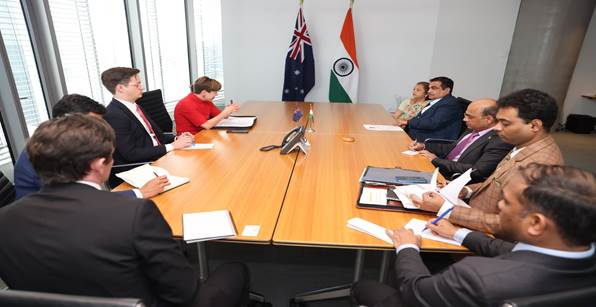
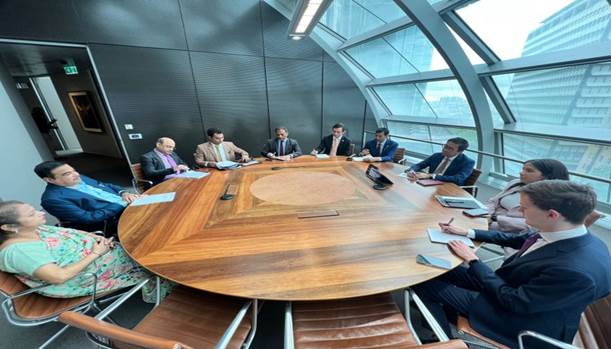
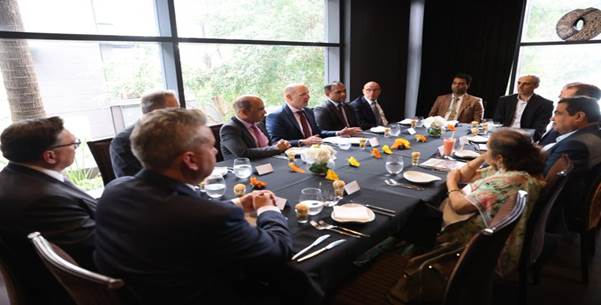
  Union Minister for Road Transport and Highways Shri Nitin Gadkari had a fruitful interaction & discussion with the Australian Industry delegates at Industry Roundtable conference, organized by Austrade in Sydney today.The roundtable conference focused on partnership & collaboration between India and Australia in emerging opportunities such as Infrastructure Firms, Road safety, IT Solutions and Road Infrastructure.

Image

Shri Gadkari had  interaction with the Australian Senator Ms. Jenny McAllister, Assistant Minister for Climate Change & Energy. Shri Gadkari  & Ms. McAllister  discussed about the opportunities to deepen the bilateral investment ties between India & Australia especially in the field of net zero emission, transportation and related infrastructure development.

Image

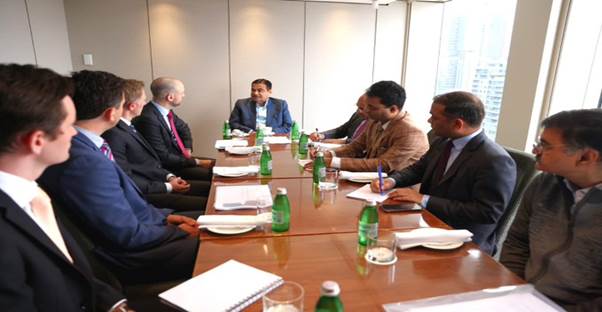
Shri Gadkari had an interactive discussion with Mr. Frank Kwok, Asia Pacific Head, Macquarie Asset Management & his team .The investment landscape & potential collaboration between the two countries were discussed.

Image

Shri Nitin Gadkari held a meeting with Mr. Adam Copp, Chief Executive, Infrastructure Australia and his team wherein the opportunities and potential collaborations in Indian Infrastructure and Transport Sector with the Australian infrastructure industry leaders were discussed.

Image

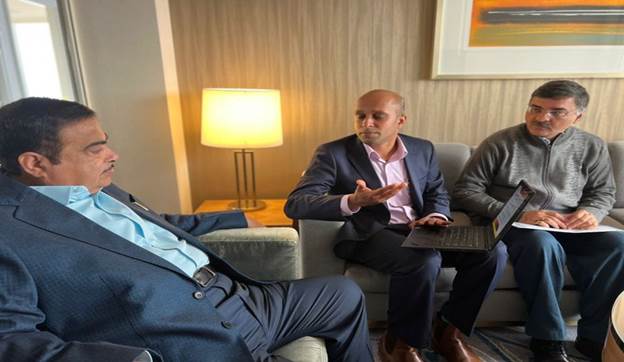
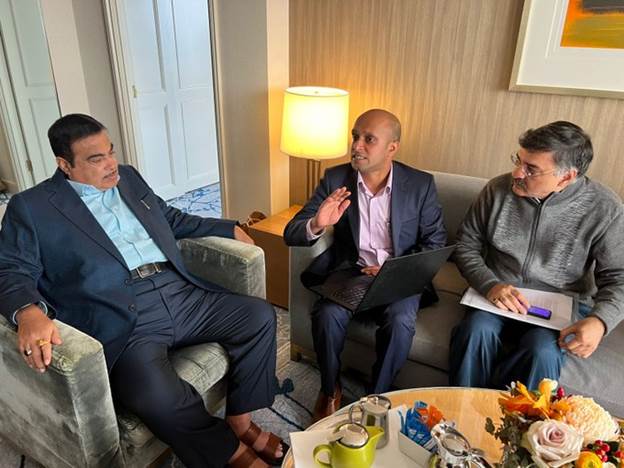
Shri Gadkari also held a meeting with UNSW Professor Shri Vinayak Dixit  & IAHE Director Shri Sanjeev Kumar .The Minister was briefed on the progress of Centre for Advanced Transportation Technology and Systems (CATTS) that ensued after IAHE had signed a pact with University of New South Wales (UNSW) for setting up this Centre of Excellence at IAHE in Noida.This project will help to improve the road safety scenario in our Country.

Image 

Image


Bangladesh and India complement, not compete in garment sector export

Absolutely, Bangladesh and India often complement each other rather than directly compete in the garment sector export despite both being major players in the global textile and apparel industry. Here’s how they do so:

  1. Different Niches: Bangladesh primarily focuses on ready-made garments, especially knitwear, and is known for its cost-effective manufacturing processes. India, on the other hand, has a diverse textile industry, excelling in various segments like traditional textiles, technical textiles, and high-end fashion.

  2. Different Markets: Both countries serve different markets and have distinct strengths. Bangladesh often caters to mass-market retailers and has been a key supplier for fast-fashion brands due to its cost competitiveness. India targets a more diverse market, including luxury, high-end fashion, and technical textiles, leveraging its quality, craftsmanship, and diverse product range.

  3. Supply Chain Collaboration: There are instances where companies in both countries collaborate within the textile supply chain. Indian companies might supply raw materials, textiles, or machinery to Bangladesh for garment manufacturing, fostering a collaborative rather than competitive relationship.

  4. Complementary Factors: Factors like labor costs, infrastructure, and specific expertise in certain garment types or processes differ between the two countries, allowing them to complement each other rather than directly compete.

  5. Trade and Investment: Both countries engage in trade and investment partnerships within the textile industry. Indian companies might invest in or collaborate with Bangladeshi garment manufacturers to leverage each other’s strengths and markets.

  6. Global Industry Dynamics: The global textile and apparel industry is vast and diverse, allowing room for both Bangladesh and India to thrive without intense direct competition. Factors like consumer preferences, geopolitical situations, and trade policies influence their respective positions in the global market.

Overall, while there might be some level of competition, the textile and garment industries of Bangladesh and India often find ways to complement each other by capitalizing on their unique strengths, targeting different market segments, and collaborating within the global supply chain. This collaboration often proves more beneficial than direct competition in the highly dynamic and diverse textile industry.

Swachh Sarvekshan Awards

The Swachh Survekshan (Cleanliness Survey) Awards are part of the Swachh Bharat Abhiyan (Clean India Mission), an initiative launched by the Government of India to promote cleanliness, sanitation, and hygiene across the country. The awards are aimed at encouraging cities and towns to improve their cleanliness standards and promote healthy competition among them.

Key aspects of the Swachh Survekshan Awards:

  1. Objective: The awards aim to assess and rank cities and towns based on their cleanliness and sanitation efforts, including waste management, open defecation-free initiatives, public and household toilet availability, and overall cleanliness practices.

  2. Annual Survey: The Swachh Survekshan survey is conducted annually by the Ministry of Housing and Urban Affairs, Government of India. It involves extensive assessments, surveys, and data collection across participating cities.

  3. Parameters for Evaluation: The evaluation criteria include waste collection and processing, waste segregation, construction of public and community toilets, availability of sanitation infrastructure, citizen feedback, innovation and best practices, and overall progress in cleanliness initiatives.

  4. Categories of Awards: The awards are categorized based on city population, promoting competition within different population brackets, ensuring both large and small cities have a chance to be recognized for their efforts.

  5. Recognition and Incentives: Winning cities receive recognition for their efforts in the form of awards, certificates, and public acknowledgment. Additionally, these awards often lead to increased funding or incentives for further sanitation and cleanliness projects.

  6. Promotion of Cleanliness: The awards aim to promote a culture of cleanliness, encourage citizen participation, and incentivize municipalities and local bodies to improve their sanitation infrastructure and practices.

  7. Transparency and Accountability: The survey process is designed to be transparent, with publicly available rankings and assessments to encourage accountability and encourage cities to strive for continuous improvement.

The Swachh Survekshan Awards serve as a means to not only recognize the achievements of cities in maintaining cleanliness but also to motivate and incentivize ongoing efforts towards achieving the goals of the Swachh Bharat Abhiyan, ultimately contributing to a cleaner and healthier India.

Rajmata Vijayaraje Scindia Gwalior Airport

The Rajmata Vijayaraje Scindia Airport, formerly known as the Gwalior Airport, is an important airport located in the city of Gwalior in the Indian state of Madhya Pradesh. The airport was renamed in honor of Rajmata Vijayaraje Scindia, a prominent political figure and royal member of the Scindia family.

Key features of the Rajmata Vijayaraje Scindia Airport:

  1. Location: The airport is situated approximately 10 kilometers to the southeast of Gwalior’s city center, facilitating convenient access for travelers.

  2. Connectivity: It serves as a domestic airport, connecting Gwalior to various cities across India. It handles a mix of scheduled commercial flights and charter services.

  3. Facilities: The airport offers basic facilities for passengers, including waiting lounges, baggage handling services, check-in counters, and other essential amenities for travelers.

  4. Air Traffic: It primarily handles domestic flights operated by various airlines, providing connections to major cities such as Delhi, Mumbai, Indore, and others.

  5. Renaming: The airport was renamed in honor of Rajmata Vijayaraje Scindia to commemorate her contributions to politics and her significance in the region’s history.

The Rajmata Vijayaraje Scindia Airport plays a crucial role in providing air connectivity to the city of Gwalior and the surrounding regions, contributing to regional development, tourism, and transportation accessibility.

Showcasing Technological Advancements

Showcasing technological advancements can be done in various ways depending on the specific industry, innovation, or technology being highlighted. Here are some effective methods:

  1. Tech Exhibitions and Conferences: Participate in or organize tech exhibitions, trade shows, and conferences where companies, innovators, and researchers showcase their latest technologies, products, and advancements. Events like CES (Consumer Electronics Show) and TechCrunch Disrupt are examples.

  2. Demonstrations and Workshops: Conduct live demonstrations or workshops to showcase how a technology works, its applications, and its benefits. These can be virtual or physical events where attendees can interact with the technology.

  3. Online Platforms and Webinars: Utilize online platforms to host webinars, live streams, or virtual tours demonstrating technological advancements. This allows a global audience to engage and learn about innovations remotely.

  4. Case Studies and Success Stories: Share case studies and success stories of how technological advancements have positively impacted industries or society. Highlighting real-world applications can effectively showcase the value of the technology.

  5. Media Coverage and Press Releases: Engage with media outlets to cover technological advancements through articles, press releases, interviews, or features. This helps reach a wider audience and gain visibility.

  6. Open Houses and Innovation Centers: Establish innovation centers or open houses where visitors can explore and interact with cutting-edge technologies firsthand. This provides a more immersive experience.

  7. Collaborations and Partnerships: Collaborate with other organizations, universities, or research institutions to showcase joint technological advancements or projects. This fosters credibility and expands the audience base.

  8. Social Media and Online Content: Leverage social media platforms, blogs, videos, and infographics to share information about technological advancements. Engaging content can go viral and attract attention.

  9. Industry Reports and Whitepapers: Publish industry reports, whitepapers, or research findings detailing technological advancements, their impact, and future trends. This establishes authority and informs stakeholders.

  10. Interactive Tools and Apps: Develop interactive tools, apps, or simulations that allow users to experience the technology virtually, providing a hands-on understanding of its capabilities.

The key is to tailor the showcasing method to the audience, ensuring that the technological advancements are presented in a way that’s informative, engaging, and relevant to their interests or needs.

Rupee slides to record low at 83 against US dollar.

The rupee plunged 61 paise to decline below the 83-mark for the first time against the US dollar on today amid unabated foreign capital outflows and a strong dollar in the overseas markets.

Besides, rising crude prices in the international markets and risk-averse sentiment among investors weighed on the local currency, traders said.

The consumer price index rose 10.1 per cent, compared with 9.9 per cent the previous month, the Office for National Statistics said Wednesday. The new data shows inflation returned to the July peak and is once again at the highest since early 1982. The increase was driven by food prices, which leapt by 14.5 per cent from a year earlier, the biggest jump since 1980, the ONS said.

The US dollar held at a 32-year peak against the yen and rose from a two-week trough against a basket of major peers, underpinned by expectations of aggressive US Federal Reserve interest rate hikes.

Rupee slides to record low at 83 against US dollar.

The rupee plunged 61 paise to decline below the 83-mark for the first time against the US dollar on today amid unabated foreign capital outflows and a strong dollar in the overseas markets.

Besides, rising crude prices in the international markets and risk-averse sentiment among investors weighed on the local currency, traders said.

The consumer price index rose 10.1 per cent, compared with 9.9 per cent the previous month, the Office for National Statistics said Wednesday. The new data shows inflation returned to the July peak and is once again at the highest since early 1982. The increase was driven by food prices, which leapt by 14.5 per cent from a year earlier, the biggest jump since 1980, the ONS said.

The US dollar held at a 32-year peak against the yen and rose from a two-week trough against a basket of major peers, underpinned by expectations of aggressive US Federal Reserve interest rate hikes.

Swachh Sarvekshan Awards 2022

The survey typically involves comprehensive assessments, data collection, and citizen feedback mechanisms to evaluate the cleanliness and sanitation initiatives undertaken by cities across India. The results are used to rank cities and incentivize them to improve their sanitation infrastructure and practices.

CSIR-NIScPR Organises Fit India Freedom Run 3.0

 National Institute of Science Communication and Policy Research NIScPR), New Delhi is a constituent laboratory of the Council of Scientific & Industrial Research (CSIR) which serves the Nation with its mandates of policy research and science communication related studies. To strengthen the ‘Fit India Mission’ of Government of India, CSIR-NIScPR is organizing ‘Fit India Activities during 2-31 October 2022. Many sports activities are scheduled under this endeavor.

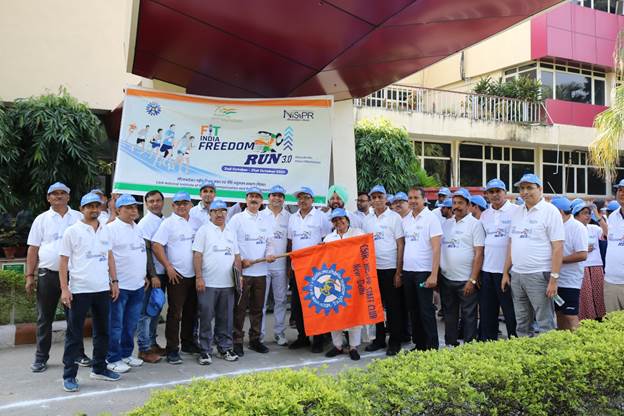
Dr. Sujit Bhattacharye, Director In-Charge, CSIR-NIScPR flagging off ‘Fit India Freedom Run 3.0’

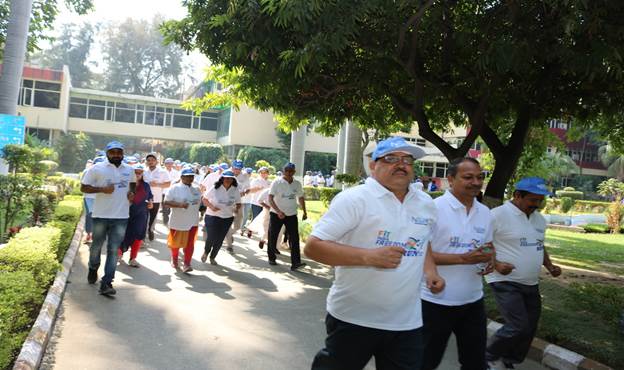
Today, CSIR-NIScPR organizes ‘Fit India Freedom Run 3.0’ of 3 Kilometer distance for its staff members, Project Associates, Research Interns, AcSIR Students, Outsource manpower, friends and family members. NIScPR’s Director In-Charge Dr. Sujit Bhattacharya flagged off this Fit India Freedom Run from its New Delhi Pusa Campus at 10:30 AM. On the occasion, Dr. Bhattacharya says that Fit India Run is an innovative gesture to make aware the staff members and other human resources of the institute for health and fitness. The Chairman of CSIR-NIScPR Committee for the Fit India Mission, Shri Ashwani Kumar Brahmi briefed all the participants of Fit India Freedom Run about the concerned guidelines of the Govt. of India. In this activity, Dr. Mohammad Rais, Dr. Naresh Kumar, Dr. L. Pulamte, Dr. B. L. Garg, Dr. Sandhya Wakdikar, Dr. Madhulika Bhati, Dr. Suman Ray, Dr. Puspanjali Tripathy, Dr. Shiv Narayan Nishad, Dr. Arvind Meena, Dr. Manish Mohan Gore, Dr. Meher Wan, Dr. Paramananda Barman (Scientists of CSIR-NIScPR), Shri Rajesh Kumar Singh Roshan, Controller of Administration, Shri Ajay Kumar, Controller of Finance & Accounts, Shri Pankaj Goswami, Administrative officer and other staff members of the Institute actively participated in this Fit India Run. The number of participants was more than 200.

Staff members of CSIR-NIScPR are participating in Fit India Freedom Run

CSIR-NIScPR is very active in sports activities and it regularly participates in Shanti Swarup Bhatnagar Memorial Tournaments (SSBMT) along with the in-house sports activities. The SSBMT is a platform created by CSIR Sports Promotion Board to bring together the participation of different CSIR institutes to build a committed CSIR family and create team spirit, leadership and zeal to excel against all odds. Under SSBMT, competitions in games of Cricket, Volleyball, Table Tennis, Badminton, Chess, Carrom and Bridge are organized. CSIR-NIScPR is an active member of SSBMT.


under-utilization of CRMs and application of bio-decomposer in Punjab

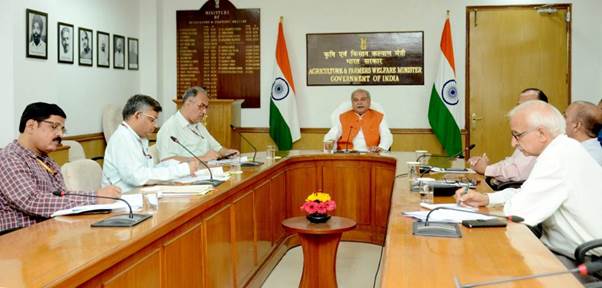
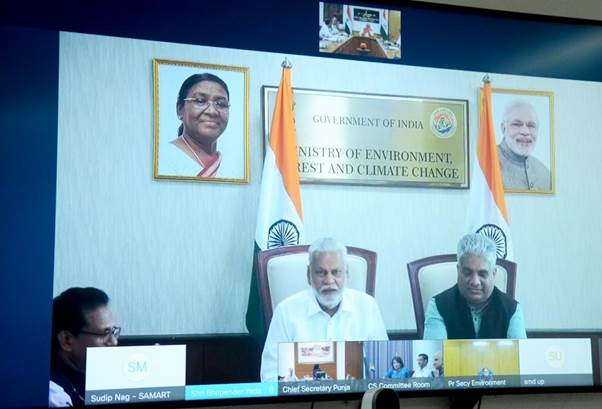
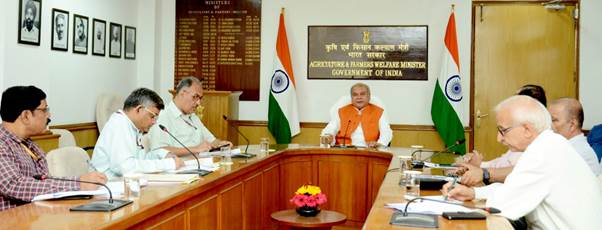
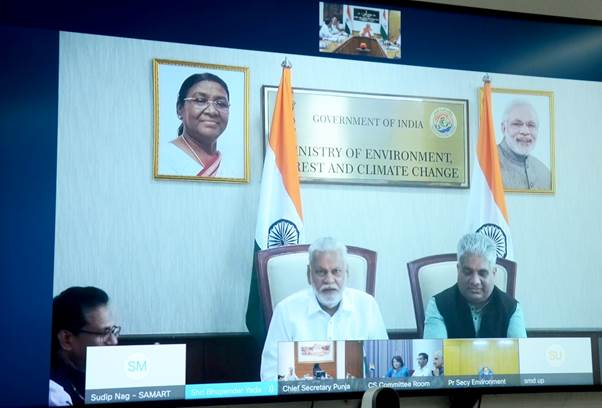
 An Inter-Ministerial meeting under the co-chairmanship of Minister of Agriculture and Farmers Welfare, Union Minister of Environment, Forest and Climate Change and the Minister of Fisheries, Animal Husbandry & Dairying on the issue of Parali Management of crop residue burning in Delhi NCR, was held today.


Discussions were held regarding status of implementation of the respective action plans of the NCR States and NCTD, utilization of machinery for in-situ and ex-situ management, extensive use of bio-decomposers for in-situ management of paddy straw, arrangement for supply of paddy straw to various industrial, commercial, bio-energy and other applications, facilitation of farmers, aggregators, manufacturers, entrepreneurs for setting up of paddy straw baling / raking operations, storage, pelletizing and transport infrastructures, co-firing in Thermal Power Plants (TPPs), using non-basmati Parali as Fodder in Fodder deficient areas in Gujarat and Rajasthan among others.  Monitoring and control action taken by States on the reported fire incidences etc. were also discussed.

MoA&FW made a brief presentation on the actions taken by DoAH&D for Management of Crop Residue Burning. He highlighted that the status of Parali management in Haryana is significantly better than that in Punjab. 9 out of 22 districts in Punjab and 4 out of 22 district in Haryana are major contributors of stubble burning in these states. So, these 13 districts need to be focused upon more.  Sangrur, Moga, Tarn Taran and Fatehabad are among them. Till 15th October, the trend for fire events was less as compared to last year but now it has started growing rapidly, especially in Punjab. Early harvesting is the reason for high fire counts in Amritsar and Tarn Taran. It was also apprised that the coverage of land for the application of Pusa decomposer is less in Punjab which needs to be promoted and enhanced.

Representative of Ministry of Power informed that it has mandated 5% blending of biomass pellets with the coal for co-firing in Thermal Power Plants (TPPs). The co-firing also helps to prevent CO2 emissions. Till now, 0.1 million MT CO2 emissions have been prevented.

Chairman, CAQM informed that they have prepared a detailed framework for in-situ and ex-situ management of parali and the States have been advised to implement the same to contain stubble burning. It was mentioned in the meeting that in spite of several meetings and efforts by CAQM, the steps taken by Punjab are inadequate.   

It was mentioned in the meeting that one of the main concerns is the delayed delivery of CRM Machines in Punjab and Haryana. The NCT of Delhi and NCR States are expected to utilize the funds effectively and for the maintenance of the provided CRM machines. Pusa decomposer application needs to be promoted. A proper supply chain management also needs to be developed by the States for utilization of pellets in TPPs. 

 For reducing the paddy straw generation, promotion of basmati variety and crop diversification are effective ways to reduce the menace. The State’s Comprehensive Action Plans to curb air pollution need to be strictly implemented. There must be a coordinated ecosystem for collection, aggregation, storage and transportation of the paddy straw for effective ex-situ management of parali, as discussed in the meeting.

It was informed that efforts of ISRO and MoA&FW have helped to get the accurate data on co-firing by TPPs.

Chief Secretary, Govt. of Punjab was asked to enhance the application of Pusa decomposer and control the increasing rate of Active Fire Events in Amritsar and to ensure 50% reduction in cases of Active Fire Events in the State in comparison to last year.

Chief Secretary, Govt. of Haryana reported a 55% reduction in Active Fire Events in the state in comparison to last year. With the help of Remote sensing monitoring and experts from Haryana Agriculture University (HAU), the farmers are being trained about the desired farm practices and prevention of stubble burning.

Chief Secretary, Govt. of UP was advised to carry on with their positive efforts and ensure maintenance of progress achieved so far in the field of parali management.

Chief Secretary, NCT of Delhi informed about the increase in the coverage of land area under Pusa application coverage.

Minister of Fisheries and Animal Husbandry & Dairying mentioned that there is a shortage of fodder in various part of the country and suggested that an efficient system is essential to be developed for transportation of the stubble available in NCR region to the fodder deficient regions.

Minister of Agriculture and Farmers Welfare further informed that an event on Pusa decomposer application is being organized on 4th November 2022 for educating the famers about the details. The event is likely to include an open discussion with the scientist of ICAR.


Speaking during the meeting Shri Bhupender Yadav, Minister of Environment, Forest and Climate Change said that it is heartening to note that Government of Haryana and Uttar Pradesh have done remarkable work towards control of stubble burning. They have implemented the framework in the States which includes in-situ management, ex-situ management, effective monitoring and enforcement and IEC activities which have resulted in less events of stubble burning. 

Shri Yadav expressed concern that Government of Punjab had not been able to take coordinated actions to contain stubble burning in the state. He reiterated that the State had been provided sufficient number of equipment and farm machineries under CRM scheme of MoA&FW and also adequate funds have been provided yet there has not been sufficient progress in implementation of the action plan.

HMEF&CC stated that sufficient number of machineries have been distributed for parali management. He further directed Government of Haryana to ensure 24 hour supply of electricity in Sonipat, Panipat, Faridabad and Gurugram.

HMEF&CC hoped that coordinated actions will lead to significant improvement of air quality in the region.

The Senior officers of Ministry of Agriculture and Farmers Welfare, Ministry of Environment Forest and Climate Change, CAQM and Chief Secretaries and officers from Haryana, Delhi, Rajasthan, Punjab and Uttar Pradesh, NTPC etc. attended the meeting.

*****

Crop Residue Management

 The Union Inter-Ministerial Meeting with the States on the issues of Crop Residue Management was chaired by the Union Minister for Agriculture and Farmers Welfare, Shri Narendra Singh Tomar with the Union Minister for Environment, Forest and Climate Change, Shri Bhupendra Yadav and the Union Minister for Fisheries, Animal Husbandry and Dairying, Shri Parshottam Rupala in co-chair. The three ministers held intense discussions with the states to check the burning of stubble. Shri Tomar said that there is a need to fix the accountability of the collectors in the affected districts by the respective State Governments, while Shri Yadav said that the states should implement effective measures immediately. Shri Rupala stressed on proactive steps, especially for the problem of stubble burning in Punjab.


In the high-level review meeting, senior officials of Punjab, Haryana, Uttar Pradesh and Delhi state government and top officials of all the three central ministries as well as the Indian Council of Agricultural Research, Central Pollution Control Board, Commission for Air Quality Management in National Capital Region and Adjoining Areas, Ministry of Power and senior officials of other central ministries and departments participated. It was informed in the meeting that the states need to ensure effective utilization of 2.07 lakh machines already supplied by the Center during the last 4 years and 47,000 machines being provided during the current year. Under the Central Scheme on Crop Residue Management, the Government is already providing financial assistance to Punjab, Haryana, U.P. and NCT Delhi to combat air pollution in Delhi NCR due to stubble burning. Rs. 601.53 crore has already been released by the Center during the current year so far. Also, out of the amount given in the last four years, about Rs 900 crore is available with the states. The need for effective utilization of funds provided by the Government of India to the states for stubble management was emphasized in the meeting.

Shri Tomar said that the states should promote widespread use of bio-decomposer developed by the Pusa Institute for effective in-situ decomposition of stubble. He said that the Central Government has tried its best to fulfil the expectations of states. If the state governments also work diligently in the same way, it will bring good results. Especially, if effective checking is done on stubble burning in Amritsar and Tarn Taran districts of Punjab, then half the job will be done, because these two districts are facing the maximum problem. Effective control in these four states will also help contain the problem from spreading to other states. If we work with holistic efforts in a planned manner, the availability of fodder for cattle will also be easy. Shri Tomar said that a workshop is being organized in Pusa, Delhi on 4th November, in which farmers from Punjab and adjoining areas have been called for this purpose, senior officers of Punjab should also participate in this workshop so that their doubts regarding the Pusa decomposer are cleared. Shri Tomar said that Pusa decomposer is the cheapest and most effective solution for Crop Residue Management, which needs to be promoted.


Environment Minister Shri Yadav said that more than two lakh machines given by the Center are sufficient, it is necessary that they should be fully utilized for addressing the problem. Other contributing factors of pollution have also been considered by the Center. Emphasizing on effective control to prevent stubble burning, especially in Punjab, Shri Yadav called upon the state’s Chief Secretary to take immediate and appropriate action as well as to promote the use of Pusa decomposer.

During the meeting, explaining the need to implement appropriate IEC activities for the targeted farmers, the states have been advised to make a strategic plan by deploying all the necessary resources and deal with the situation. Considering the benefits of bio decomposer, states have been advised to demonstrate this technology in farmers’ fields on a large scale. During the current year, a target has been set to bring more than 8.15 lakh hectares of land in the states under the ambit of this technology. To promote and disseminate the ex-situ use of stubble by mapping the demand of stubble from biomass-based power plants, bioethanol plants and nearby industries as well as to reach out to all the stakeholders through Kisan Melas, publications, seminars, consultations, it has been urged to undertake IEC activities for awareness among farmers through intensive campaigns with their participation. This will effectively control stubble burning.

*****