10 popular sports in India


10 Popular Sports In India

Sports have been an integral part of the world culture dating back as far as ancient civilizations. The most eminent example of sports culture and society, the Olympic Games are more than 3,000 years old. Sports have always had an extraordinary impact on society, culture, economy, and every other facet of a nation. For those engaged in sports, sports are the epitome of diligence, hard work, and dedication. The popularity of sports culture can be determined by the fan base football and cricket enjoy worldwide. Sports help people maintain the best of their physical, mental and psychological health. Owing to the widespread popularity of the internet and television, people consume sports on a massive scale. The celebrity status of top sportspersons validates the importance associated with sporting events.

The Global Association of International Sports Federations (GAISF) (previously Sport Accord) is the umbrella organization for all international sports federations, and has developed a definition of sport to determine whether an applicant federation qualifies as an international sports federation. 

The GAISF’s definition of sport is as follows:

  • The sport proposed should include an element of competition.

  • The sport should not rely on any element of “luck” specifically integrated into the sport.

  • The sport should not be judged to pose an undue risk to the health and safety of its athletes or participants.

  • The sport proposed should in no way be harmful to any living creature.

  • The sport should not rely on equipment that is provided by a single supplier.

In layman’s language sport is …

  1. A human activity involving physical skill and exertion.

  2. Governed by a set of rules/procedures or customs.

  3. Undertaken competitively and capable of achieving a result.

India is one of the largest countries in the world in both area and population. India is also one of the few countries that have retained the popularity of their indigenous games among its people. Games like gilli-danda, kabaddi, pehlwani and kho kho. India is also where some of the oldest forms of martial arts originated like musti yuddha, kalerippayattu, silambam as well as marma adi. India also has a few board games, most popular of which is the chaturanga, believed to be the origin of modern chess. This is further reinforced with the rise of a number of chess grandmasters from the country. 

 Popular sports in India

1.Cricket;

Cricket has been the most popular sport in India, the country has hosted and won the Cricket World Cup on multiple occasions. Field Hockey is the most successful sport for India at the Olympic Games; the Indian men’s team have won twelve Olympic medals including eight gold medals.


 It is one of the most popular sports in India that holds the interest of worldwide viewers. Cricket is not just a game; it’s an emotion for Indians, and cricketers have a huge fan base than any other country on the earth. Sachin Tendulkar, the former cricketer, is considered the ‘God of cricket’, and such lifetime achievements have been rarely seen in other sports around the world.

The Indian cricket team is one of the best in the world and has won many prestigious tournaments, including the Cricket World Cup. The game was invented by the Britishers and adopted by India with love. It consists of 11 players on each team and played on a 22-yard field. Also called a gentleman’s game that teaches us about discipline.

2. Hockey

Hockey is another popular sport in India and is the national game of the country. Hockey is a team sport that is played with a stick and a ball. The game is played between two teams of 11 players each.

The aim of the game is to score goals by hitting the ball into the other team’s net. The team that scores the most goals in the match wins. Hockey is a very fast-paced and exciting game to watch.

The Indian Hockey team was one of the strongest team in the world. Under the leadership of Dhyan Chand, the team once dominated the international player and consecutively received eight gold medals in the Olympics. 


3.Football

Football is another popular sport in India and is played by people of all ages. Football is a team sport that is played with a ball. The game is played between two teams of 11 players each.

The aim of the game is to score goals by kicking the ball into the other team’s net. The team that scores the most goals in the match wins. Football is a very exciting and popular sport to watch. The Indian football team is not as successful as the cricket or hockey teams, but it is still this sport has a substantial fanbase among the youth of the country. India currently ranks 108 in FIFA rankings. Players like Baichung Bhutia and Sunil Chetri have excelled in the sport and also done promotional activities for football in India. Indian Super League (ISL) was started in India on the lines of IPL.

4.Tennis

Tennis is a popular sport in India and is played by people of all ages. Tennis is a racket and ball sport that is played between two players or two teams of two players each. In this game, you hit the ball over the net into the other player’s court. The aim of the game is to score points by hitting the ball in such a way that the other player cannot return it. The first player to reach four points wins the game.


Tennis is a very popular sport in India and there are many professional players from the country. These include Sania Mirza, Leander Paes, and Mahesh Bhupathi.

5.Badminton

Badminton is another popular sport in India and is played by people of all ages. Badminton is a racket and shuttlecock sport that is played between two players or two teams of two players each.

In this game, you hit the shuttlecock over the net into the other player’s court. The aim of the game is to score points by hitting the shuttlecock in such a way that the other player cannot return it. The first player to reach 21 points wins the game.

Badminton is a popular sport among the general public but never gained popularity internationally. However, the game slowly started catching fire over the last few decades, and it was the year 2012 when a well-known sports personality in today’s time won the first bronze medal in London Olympics.

It was Saina Nehwal, who made us proud by winning the medal in the Olympic games for the first time in Badminton.

The story didn’t end here, as, in 2016, PV Sindhu won a silver medal at the Rio Olympics and proved that Badminton is not only a general sport but a name that can be made in this field. Other shutters who have brought him major honours include K Srikant, Jwala Gutta, Ashwini Ponnappa, and yesteryear giants Prakash Padukone and Pulella Gopichand, in addition to Olympic medals.

6.Kabaddi

Kabaddi is undoubtedly one of the most popular sports presents in India. It is also believed to have originated in India. Indian people are very fond of this contact sport. Amar, Suranjeevi, huttuttoo, and Gaminee are the four forms of kabaddi played in India. The dominance of the Indian National team is evident from the fact that the Men’s team has won all 3 World Cups organised till date, 7 Gold medals in Asian Games. The Women’s National Kabaddi team has also won 2 Gold medals in Asian Games. In 2014, Pro Kabaddi League was started in India to promote kabaddi.

With the unexpected rise of the Pro-Kabaddi League (PKL), which is conducted annually in several locations across India, Kabaddi has gained mainstream recognition among the traditional sports of India.

The PKL became India’s second most popular league in 2014, which is just next only to the Indian Premier League (IPL).

Kabaddi is positioned well to boost audiences in rural areas of India. Due to its clear appeal and establishing new viewers who are steadily learning more about the sport. Kabaddi has created a strong viewer base and a set of willing sponsors.

At present, India and Iran are the two world’s best kabaddi teams. Until 2017, India has created records and won all Kabaddi World Cups and international tournaments.


7.Wrestling

Wrestling has been a very famous sport in India, especially in the rural region. It is better known as ‘Kushti or Pehlwani’ in India. The culture of wrestling in India includes the ‘Akhara’ which is the place where it is practised. India has won medals in different styles of wrestling in various tournaments ranging from Olympics, Asian Games, Commonwealth Games, World Championships. The famous Indians in this sport are Dara Singh, K.D. Jadhav, Sushil Kumar, Geeta Phogat, Yogeshwar Dutt.

8.Boxing

A big reason for the popularity of Boxing in India is MC Mary kom, who has won 6 World Championships, Bronze in Olympics, Gold in Asian and Commonwealth games. Taking inspiration from her, many sportspersons have emerged in this sport. Vijender Singh, Akhil Kumar, Sarita Devi are the other famous players of the sport.

 9.Chess

This indigenous game has also got immense popularity in India. This is because a lot of mind work is involved while playing the game. Former World Champion Viswanathan Anand got fame after becoming a grand master in the game. Undoubtedly, youngsters and teenagers are taking an interest in this game because of this man who has gained an excellent reputation in the world. The All-India Chess Federation is the official body for it.

10. Table Tennis

This is actually the fastest racquet game in the world. It is popular among youth as it improves the reaction time of a person. It is played in various categories like cadet, sub-junior, junior, senior. Some of the famous international Indian players in this sport are Sharath Kamal, Manika Batra, Sathiyan Gnanasekaran.


Censorship of Indian Films

N kavya

In India, films are censored by the Central Board of Film Certification (CBFC), a statutory censorship and classification body under the Ministry of Information and Broadcasting, Government of India. Films should be certified by the board to be publicly exhibited it in India, including films shown on television.

History -:

Film censorship, the control of the content and presentation of a film, has been a part of the film industry for almost as long as it has been around. The activists of current society continue to broaden the First Amendment rights for the film industry allowing the art to be restricted to a certain limit.[24] Britain established film censorship in 1912 and the United States followed a decade later. Other early efforts of censoring the film industry include the Hays Code of 1922 and the Motion Picture Production Code of 1930.

The Film Fraternity – :

Films are considered a great medium of communication with people. With the development and progress of society and also with the progress in the field of science and technology, films have undergone a sea change and by adopting all the available technologies, have been able to reach the masses and are also significantly contributing to the social and cultural development of the country. In this way, the films are equated with the Press as Press is also considered a great medium of communication.

The Constitution-:

Article 19(1) of the Indian constitution ensures the right to freedom of speech and expression for all. Hence, this right is also applicable to moviemakers as well as writers. Article 19(2) specifies that freedom of expression should not threaten the sovereignty and integrity of the Nation. Censor Board was established based on this principle.

Central Board of Film Certification (CBFC) -:

A motion film is certified by CBFC, the regulatory authority in India, under Sections 5A and B of the Cinematograph Act, 1952. CBFC certifies and differentiates movies as ‘U (Unrestricted Public Exhibition)’, ‘U/A (Parental Guidance for children below the age of 12 years)’, A (Restricted to adults), and S (Restricted to any special class of persons).

NECESSITY OF CENSORSHIP -:

1. Influences the young -:
Nowadays, most movies have unrealistic scenes. Violent scenes that motivate young viewers to copy the tasks their heroes perform on screen may cost them their lives. movies that claim that the consumption of drugs is injurious to health are promoting the use of drugs as young minds grow curious to try them in real life. It is better if such scenes are censored. Children are also watching ‘A’ certified movies, filled with full of violence. The accessibility to movies has increased considerably. So there is a need to remove scenes of too much violence and vulgarity.

2. Tackles the unacceptable -:
If a part of a movie contains scenes or language that cannot be accepted by people of all religions, then there will be calls to ban the movie and a riot may break out. So, to avoid them, the government has set up a board that will censor those unacceptable parts. If there is no censorship, there are dangers that movies that hurt the sentiments of certain sections will be out in public. This can lead to violence and threatens public order.

3. Keeps children safe -:
Censoring certain parts of movies helps keep children away from hearing and seeing inappropriate things. Nowadays, children are addicted to watching TV. When a movie is shown on TV — and most movies are these days — children are exposed to it. Inappropriate scenes or a string of wrong words can teach them all the wrong things and have a bad influence. As a society, we have a responsibility to protect children from being exposed to dangerous content.

4. Maintains harmony -:
Scenes that make a travesty of history or create friction amongst people should be completely removed. The case of the movie, Padmaavat, which was released in January 2018, is the perfect example of the need of censoring movies to maintain communal harmony.

DISADVANTAGES OF CENSORSHIP -:

1. An art -:
The arts do not influence people’s thoughts and feelings, let alone their actions unless they connect with something already present in those people’s personalities or experiences. People choose what art they will look at, what movies they will watch, what games they will play, or what sites they will visit, because of who they already are. Cinema, like other art forms, is a medium for expression. Filmmakers translate their vision onto the big screen through months or years of hard work. Thus, to snip off portions that are undesirable in a movie is unfair.

2. Obstructs creativity -:
Censoring parts of movies obstructs their creative flow and nullifies the effect of the narrative. It is always up to us if we want to watch a movie or not. Censoring parts of it means breaking the million thoughts and ideas that go into building that movie. Documentaries, which are meant to expose truths, are also undergoing many cuts. Filmmakers spend a lot of money and time making movies. If parts of the movie are cut in the name of censorship, they will be discouraged to make more movies.

3. Essence lost-:
Be it a plot or sub-plot, every part of a movie is crucial. So, with a part missing, the entire essence of the movie is lost. It’s time to leave movies in the hands of the movie’s crew and not the certification board. People have the mental ability to decide what to watch and what not to watch. Government has no right to decide what people are allowed to watch.

Is censorship a necessary evil?

Censorship can be considered a necessary evil, but that doesn’t negate the freedom of speech and expression completely. The chief problem is that it seems that Censor Board doesn’t look into alternative options before banning a movie and fails to take into account a lot of mitigating factors involved in the making of the movies. While public interest needs to be protected, the private interest of the parties involved cutely be forgotten.

Loss of time and money :

Right from the script to music, to production and advertising, a lot of effort and money has gone into the movies which when banned enormously impacts the economic status of people involved, which in turn comes under the ambit of their fundamental right of livelihood. This repeated pattern of Board or Government banning or halting the release of movies, thereby consequently an appeal being filed to High Courts and Supreme Court where the ban is lifted is getting quite tedious.

Conclusion :

The Certification Board must take a balanced approach while reviewing movies and must take into account that the harmony between freedom of expression and a sense of security and peace in society is maintained. In a perfect world, censorship would not be necessary. Children wouldn’t be exposed to movies inappropriate for their age and every person would have the mental stability to recognize the boundary between movies and reality. But we don’t live in a perfect world – so while we can’t always monitor what our children watch, or predict what could inspire violent behavior, we can take steps to protect the unguarded things in society through classification and censorship.

YOUTUBE MARKETING

N kavya

YouTube Marketing is the practice of promoting businesses and products on YouTube’s platform, by uploading valuable videos on a company’s YouTube channel or using YouTube ads. more and more companies are including YouTube as part of their digital marketing strategy.

That’s partly because YouTube as a platform is growing insanely fast. But it’s also because the video is an extremely powerful medium.

The truth about youtube marketing -:

YouTube is an opportunity to get more traffic and customers. YouTube can be a very competitive place. This means you can’t just start uploading videos and expect to see results. Countless “big brands” have jumped into YouTube marketing head-first… with only a handful of views and subscribers to show for it.

The truth is, to succeed on YouTube, you need to have a winning strategy, the ability to create great videos, and the SEO know-how to optimize those videos around keywords and topics that people on YouTube care about.

Why youtube is considered a major market for advertising – :

1. YouTube is the 2nd most-visited website in the world.
2. 2 billion people log in to YouTube every month.
3. 68% of YouTube users state that videos help them make a “purchasing decision”.
4. The number of SMBs advertising on YouTube has doubled over the last 2 years.

What is the main goal of YouTube marketing?

One of your objectives for your YouTube marketing should be to help your customer find you. A catchy slogan or prominent company name throughout the video can keep you on people’s minds long after they’ve seen your message online. They can then do an online search and find you.

Objectives of Youtube marketing –:

YouTube videos should have clear objectives that align with your company goals. focus all of your efforts on gimmicks that will get the attention of viewers and help your video go viral, you may overlook the reason you market on YouTube to get more business. Make sure your attention-getting videos help you move toward your company objectives.

1. Reaching Your Target Customer -:

If your target demographic is women between the ages of 35 and 45, and your video catches on with teenagers, you may be popular, but you won’t be effective. Think about the kinds of images and messages that would appeal to your customer, and make it one of your objectives to use as many of those images as possible.

2. Making It Easy to Find You -:

One of your objectives for your YouTube marketing should be to help your customer find you. A catchy slogan or prominent company name throughout the video can keep you on people’s minds long after they’ve seen your message online. They can then do an online search and find you. You should include a link to your website, along with any other contact information, such as an email address, business address, or phone number. Don’t lose sight of your objective of helping customers contact you.

3. Establishing a Relationship -:

You should evaluate the relationship you want with your customers, and create a video that helps them feel you are one of them. You can convey a sense of trust, lightheartedness, sophistication, down-to-earth values, or even anger, to name a few relationship starters.

4. Keeping Your Product in Mind -:

Don’t get so involved with making an interesting video that you lose sight of your number-one objective: letting people know about your product or service. Feature your product prominently and clearly, so that viewers won’t have to wonder what you are marketing.

Importance of YouTube to Business -:

1. Advertising -: the largest video-sharing website on the Internet, according to NBC, YouTube also doubles as one of the largest video search engines in the world
2. Customer Communication -: YouTube provides an array of channels for businesses to communicate with customers and prospects.
3. Internal Communication -: YouTube provides a convenient and easy-to-use video hosting service, it can serve as an inexpensive way to post instructional videos, announcements, and other internal communications.
4. Complaints –: As a business owner, you should carefully monitor YouTube for customer feedback and complaints.
5. Considerations -: YouTube can offer numerous important benefits to businesses, but you should keep some considerations in mind when using this resource.

Advantages of YouTube Marketing –:

1. Heavy Traffic
2. Higher Visibility on Google
3. Build Your Email List on YouTube
4. Higher Conversion Rates
5. Multiple Video Types
6. Massive Media Library

Disadvantages of Youtube Marketing –:

1. Control
2. Targeting
3. Ad Bypass
4. Auctions
5. Sales Conversion

YouTube provides every business with an insane opportunity to get more traffic and customers. However, it is also a very competitive place as well. This means that you can’t just start uploading videos and expect to see results overnight. Many big businesses jump into YouTube marketing with no strategy – their lack of views and subscribers show for it. The truth is that to succeed on YouTube is not just about creating great videos. It’s knowing how to optimize those videos around keywords that people on YouTube are searching for.

SEO for E-Commerce websites

 SEO for E-Commerce websites

what is an E-Commerce website? it simply refers to those websites which are built for doing business online like buying or selling products as already around 20 million e-commerce are present over the internet and there is an anticipation that this number will increase by more than 90% in the next couple of years if we talk about today market leader in e-commerce website then there are end no of players among them amazon, Flipkart has captured almost entire e-commerce business. Day by day people are now shifting to online shopping so its demands are flourishing which is generating opportunities for everyone but the work is not finished till the website makes the works starts here because there is no usage of developing a website until it is not appearing on SERP so today we will discuss some strategy of SEO for e-commerce websites.

SEO works differently for every website as often we try to rank our website on a particular keyword for generating traffic but in the case of e-commerce, it is quite difficult as people do search for a product so it’s highly important when the users search for any products your website should appear on the result page otherwise its a wastage of time, money and efforts.

How to do SEO for an E-Commerce website:

  • Keyword Research 

It is the first and foremost thing that any digital business owner needs to do when they start an online business it simply means you need to do really well research about keywords that the people searching for and then optimize the website as per the result basically it is known as on-page SEO which means optimize meta title, description, title tag, alt tag as it will help the google bots to read your website easily so there will be a higher chance of rankings of a website in SERP.

  • Blog post

the purpose of SEO is to get a ranking of your website in search engines so here blog can help into that for driving traffic to the website you can write blogs on the keywords on which you want to rank your website and additionally it will help in building new customers as nowadays people prefer reading blogs so you should start posting blogs and optimize it properly as per google bots.

  • backlink 

the backing is also a technique of SEO for driving traffic from another website into ours but it is only beneficial when the sites from where you take links for your website are not spammed otherwise it will fall down your website ranking on SERP so be beware when choosing any site for link building.

important key points:

  • use good quality words
  • use more long-tail keywords
  • don’t do keyword stuffing
  • give a good product description 
  • use long articles for traffic generation

Arpita Agrahari

 Articles written by Arpita Agrahari

Sourabh Jain

 Articles written by – Sourabh Jain


http://track2training.com/2022/07/07/end-of-the-revolutionary-morgan-era-and-the-future-of-england-team/


http://track2training.com/2022/07/08/decoding-kenyas-police-brutality-and-the-core-reasons-behind-it/


http://track2training.com/2022/07/09/evolution-of-indian-cinema/


http://track2training.com/2022/07/10/extra-fly/


http://track2training.com/2022/07/11/exciting-films-and-shows-to-come-out-this-year/


http://track2training.com/2022/07/12/trying-to-make-sense-of-virats-lacklustre-form/


http://track2training.com/2022/07/13/psychedelics-substances-and-their-magic/


http://track2training.com/2022/07/14/the-night-of-another-show-where-riz-ahmed-shows-his-quality-as-an-actor/


http://track2training.com/2022/07/15/importance-of-seeking-a-spiritual-experience/


http://track2training.com/2022/07/16/micro-learning/


http://track2training.com/2022/07/17/taoism-finding-your-own-way/


http://track2training.com/2022/07/19/the-christianmuslim-conundrum/


http://track2training.com/2022/07/20/as-frank-as-the-ocean/


http://track2training.com/2022/07/21/inculcating-stoicism-in-your-life/


http://track2training.com/2022/07/22/the-pre-socratic-era-origins-of-western-philosophy/


http://track2training.com/2022/07/23/plato-and-his-allegory-of-the-cave/


http://track2training.com/2022/07/24/citizenship-journalism/


http://track2training.com/2022/07/26/stating-the-importance-of-fundamental-rights/


http://track2training.com/2022/07/27/existentialism-philosophy-of-human-experience/


http://track2training.com/2022/07/28/aristotle-the-peripatetic-thought/


http://track2training.com/2022/07/30/the-imbalance-in-crickets-ecosystem/


http://track2training.com/2022/08/01/ship-of-theseus-what-makes-you/


http://track2training.com/2022/08/02/infidelity/


http://track2training.com/2022/08/03/how-the-lamestream-media-perceives-gaming/


http://track2training.com/2022/08/04/marital-rape/


http://track2training.com/2022/08/06/development-of-rural-women-in-vidarbha-region-maharashtra/


http://track2training.com/2022/08/06/its-tough-being-a-dalit/


http://track2training.com/2022/08/08/air-pollution-a-global-issue/


http://track2training.com/2022/08/12/the-cow-in-the-field/


http://track2training.com/2022/08/26/property-frauds-and-how-to-stop-them/


GEMMOLOGY

 GEMMOLOGY

Gemmology is the scientific study of gemstones. Identifying gemstones, testing methods, cutting and polishing synthetically manufactured gems, grading and uprising. Gemmologist study the quality characteristics and value of gemstones, jewellery do the handiwork required to produce a piece of jewellery . In jewellery identification is the key element of the business. 

Candidates who have qualified 10+2 or equivalent from a recognized educational institution can apply for degree or diploma or certificate course in gemmology. The qualifications for research in the field are degrees in geology , chemistry and physics. The NIFT( National Institute of Fashion Technology) offers intensive diploma program in accessory designing that include jewellery designing. Indian Institute of Gemmology (IIG, Delhi) offers various courses in gemmology. Gemmology and Jewellery design is a profession with immense potential.


GENETIC ENGINEERING

 GENETIC ENGINEERING 

Through Genetic engineering one can modify the characters of an organism by manipulation of its genetic material. It comes under the broad heading of biotechnology. Genetic engineering involve extracting the DNA out of one organism, changing it using chemicals or radiation and subsequently putting it back into the same or different organism. One can also study how traits and characteristics are transmitted through the generations and how genetic disorders are caused. The research in the field involves inquiring into the cause and discovering potential remedies. Genetic engineering in plants and animals is to improve certain natural characteristics of value, to increase resistance to disease or damage, to develop new characteristics etc. It is used to change the color, size, texture etc of plants also known as( Genetically Modified ) GM foods. Genetic engineering in humans can correct severe hereditary defects. 

To become a Genetic engineer, one must have a graduate or postgraduate degree in genetics or related fields like biotechnology, molecular biology, microbiology, biochemistry or PhD from recognized university. Research in modern medicine and medical technology requires more trained personnel in biotechnology and genetic engineering. Genetic engineers are mainly employed in medical and pharmaceutical industries, agricultural sector, teachers, research and development departments of the government and private sectors. 

Know all about Mutual funds

 Mutual fund is a pool of money managed by a professional Fund Manager. It is a trust that collects money from a number of investors who share a common investment objective and invests the same in equities, bonds, money market instruments and/or other securities. 

The combined holdings of the mutual fund are known as its portfolio. Investors buy shares in mutual funds. Each share represents an investor’s part ownership in the fund and the income it generates.

And the income / gains generated from this collective investment is distributed proportionately amongst the investors after deducting applicable expenses and levies, by calculating a scheme’s “Net Asset Value” or NAV. 

What is “Net Asset Value” or NAV. Just like an equity share has a traded price, a mutual fund unit has Net Asset Value per Unit. The NAV is the combined market value of the shares, bonds and securities held by a fund on any particular day (as reduced by permitted expenses and charges). NAV per Unit represents the market value of all the Units in a mutual fund scheme on a given day, net of all expenses and liabilities plus income accrued, divided by the outstanding number of Units in the scheme.

Mutual funds are ideal for investors who either lack large sums for investment, or for those who neither have the inclination nor the time to research the market, yet want to grow their wealth. The money collected in mutual funds is invested by professional fund managers in line with the scheme’s stated objective. In return, the fund house charges a small fee which is deducted from the investment. The fees charged by mutual funds are regulated and are subject to certain limits specified by the Securities and Exchange Board of India (SEBI).

Mutual funds offer multiple product choices for investment across the financial spectrum. As investment goals vary – post-retirement expenses, money for children’s education or marriage, house purchase, etc. – the products required to achieve these goals vary too. The Indian mutual fund industry offers a plethora of schemes and caters to all types of investor needs.

Mutual funds offer an excellent avenue for retail investors to participate and benefit from the uptrends in capital markets. While investing in mutual funds can be beneficial, selecting the right fund can be challenging. Hence, investors should do proper due diligence of the fund and take into consideration the risk-return trade-off and time horizon or consult a professional investment adviser. Further, in order to reap maximum benefit from mutual fund investments, it is important for investors to diversify across different categories of funds. 

While investors of all categories can invest in securities market on their own, a mutual fund is a better choice for the only reason that all benefits come in a package.

TYPE OF MUTUAL FUND SCHEMES

Mutual Fund schemes could be ‘open ended’ or close-ended’ and actively managed or passively managed.

OPEN-ENDED AND CLOSED-END FUNDS

An open-end fund is a mutual fund scheme that is available for subscription and redemption on every business throughout the year, (akin to a savings bank account, wherein one may deposit and withdraw money every day). An open-ended scheme is perpetual and does not have any maturity date.

A closed-end fund is open for subscription only during the initial offer period and has a specified tenor and fixed maturity date (akin to a fixed term deposit). Units of Closed-end funds can be redeemed only on maturity (i.e., pre-mature redemption is not permitted). Hence, the Units of a closed-end fund are compulsorily listed on a stock exchange after the new fund offer, and are traded on the stock exchange just like other stocks, so that investors seeking to exit the scheme before maturity may sell their Units on the exchange.

ACTIVELY MANAGED AND PASSIVELY MANAGED FUNDS

An actively managed fund is a mutual fund scheme in which the fund manager “actively” manages the portfolio and continuously monitors the fund’s portfolio, deciding on which stocks to buy/sell/hold and when, using his professional judgement, backed by analytical research. In an active fund, the fund manager’s aim is to generate maximum returns and out-perform the scheme’s bench mark.

A passively managed fund, contrast, simply follows a market index, i.e., in a passive fund, the fund manager remains inactive or passive inasmuch as, she does not use her judgement or discretion to decide as to which stocks to buy/sell/hold, but simply replicates / tracks the scheme’s benchmark index in exactly the same proportion. Examples of Index funds are an Index Fund and all Exchange Traded Funds. In a passive fund, the fund manager’s task is to simply replicate the scheme’s benchmark index i.e., generate the same returns as the index, and not to out-perform the schemes benchmark.


 Mutual funds can be further classified as ;

1.money market funds, have relatively low risks. By law, they can invest only in certain high-quality, short-term investments issued by U.S. corporations, and federal, state and local governments.

2.Bond funds, have higher risks than money market funds because they typically aim to produce higher returns. Because there are many different types of bonds, the risks and rewards of bond funds can vary dramatically.

3.Stock funds, invest in corporate stocks. Not all stock funds are the same.

4. Target date funds hold a mix of stocks, bonds, and other investments. Over time, the mix gradually shifts according to the fund’s strategy. Target date funds, sometimes known as lifecycle funds, are designed for individuals with particular retirement dates in mind.


Mutual Funds are then further categorised depending on the investment goal the fund is trying to fulfil. While some investors seek capital protection and safe returns, others have a strong risk appetite and look for high returns.

Growth funds or capital protection funds

Income funds – These schemes aim to provide income for the investors.

Liquid funds – These funds invest in fixed-income securities such as bonds and government securities.

Balanced funds – These funds invest both in equity as well as fixed-income securities to provide returns while trying to keep the risks to a minimum.

Mutual Funds based on geography

Domestic funds – These invest in securities traded within the country.

International or foreign funds

Global funds Examples: Emerging market funds, regional funds

These funds are further classified based on the investments made.

1 Equity funds

2 Large-cap / Mid-cap / Small-cap funds

3 Aggressive / growth funds

4 Value funds

5 Dividend-yield funds

6 Index funds

7 Diversified equity funds

8 Sectoral funds

9 Debt funds / Fixed-income funds

10 Income funds

11 Gilt funds

12 Dynamic bond funds

Money market funds or liquid funds

Ultra-short-term funds or treasury management funds

Floating-rate funds Short-term / Medium-term income funds corporate bond funds Fixed Maturity Plans (FMPs) (they are close-ended) Hybrid funds / Balanced funds Monthly Income Plans (MIPs)Capital Protection Funds (these are close-ended)

Other categories include

Tax-saving funds Pension funds Fund of funds Exchange Traded Funds (ETFs)Leverage funds


Why do people buy mutual funds?


Mutual funds are a popular choice among investors because they generally offer the following features:

1 Professional Management. The fund managers do the research for you. They select the securities and monitor the performance.

2 Diversification or “Don’t put all your eggs in one basket.” Mutual funds typically invest in a range of companies and industries. This helps to lower your risk if one company fails.

3 Affordability. Most mutual funds set a relatively low dollar amount for initial investment and subsequent purchases.

4 Liquidity. Mutual fund investors can easily redeem their shares at any time, for the current net asset value (NAV) plus any redemption fees.

What are the benefits of mutual funds?

Mutual funds offer professional investment management and potential diversification. They also offer three ways to earn money:

Dividend Payments. A fund may earn income from dividends on stock or interest on bonds. The fund then pays the shareholders nearly all the income, less expenses.

Capital Gains Distributions. The price of the securities in a fund may increase. When a fund sells a security that has increased in price, the fund has a capital gain. At the end of the year, the fund distributes these capital gains, minus any capital losses, to investors.

Increased NAV. If the market value of a fund’s portfolio increases, after deducting expenses, then the value of the fund and its shares increases. The higher NAV reflects the higher value of your investment.

Risk involved with Mutual Funds

 All funds carry some level of risk. With mutual funds, you may lose some or all of the money you invest because the securities held by a fund can go down in value. Dividends or interest payments may also change as market conditions change.


A fund’s past performance is not as important as you might think because past performance does not predict future returns. But past performance can tell you how volatile or stable a fund has been over a period of time. The more volatile the fund, the higher the investment risk.

Structure of a Mutual Fund

Mutual Funds in India are created as trusts. The parties involved are:

Sponsor – This is the one who sets up the Mutual Fund or trust. A sponsor is similar to a promoter of a company. The sponsor of a Mutual Fund appoints / sets up the board of trustees, the asset management company or fund house and appoints the custodian.

Board of trustees – The role of the trustees is to ensure that the interests of Mutual Fund holders are protected. The board of trustees also needs to ensure that the fund house complies with all the rules laid down by the Securities Exchange Board of India (SEBI). The board needs to have at least four independent directors. The trustees act according to the Trust Deed executed by the sponsor. The board sees to it that the fund house has established the required infrastructure and ensures that processes are in place to operate and manage the fund effectively. The board appoints the main members of the fund house including the board of directors and fund managers (scheme-wise). They also devise the fund house’s internal control and audit processes including the rules for enrolling and dealing with brokers / agents.

Asset Management Company (AMC)/Fund house – An AMC or fund house will act as the investment manager for the trust. It will be responsible for the day-to-day operations. This means that it is be taking care of all the money put in by investors. The AMC or fund house is appointed by the sponsor or the board of trustees. SEBI approval is required for setting up the AMC. 40% of its net worth should be contributed by the sponsor.

Custodian – A custodian is one who has custody of all the shares and securities invested in by the AMC. The custodian is responsible for the investment account of a fund house.


Savita

 Articles written by Savita

1.     https://www.eindex.org/2022/08/importance-and-type-of-insurance.html

2.     https://www.eindex.org/2022/08/the-challenges-and-prospects-of-women.html

3.     https://www.eindex.org/2022/08/print-media-as-oldest-mean-of.html

4.     https://www.eindex.org/2022/08/academic-degree-and-its-types.html

5.     https://www.eindex.org/2022/08/adoption-under-hindu-law.html

6.     https://www.eindex.org/2022/08/amritsar-holy-city.html

7.     https://www.eindex.org/2022/08/business-software-and-its-types.html

8.     https://www.eindex.org/2022/08/indias-performance-in-commonwealth-game.html

9.     https://www.eindex.org/2022/08/different-aspects-of-journalism.html

10.  https://www.eindex.org/2022/08/different-ways-to-do-advertisement.html

11.  https://www.eindex.org/2022/08/e-learning-platforms.html

12.  https://www.eindex.org/2022/08/electronic-media-change-tradition-of.html

13.  https://www.eindex.org/2022/08/entrepreneurship.html

14.  https://www.eindex.org/2022/08/glimpse-of-new-education-policy.html

15.  https://www.eindex.org/2022/08/kashmir-heaven-on-earth.html

16.  https://www.eindex.org/2022/08/key-skills-for-professionals.html

17.  https://www.eindex.org/2022/08/and-its-type-loan-is-amount-of-money.html

18.  https://www.eindex.org/2022/08/make-in-india-great-initiative.html

19.  https://www.eindex.org/2022/08/media-as-fourth-pillar-of-democracy.html

20.  https://www.eindex.org/2022/08/online-banking.html

21.  https://www.eindex.org/2022/08/online-courses-by-swayam.html

22.  https://www.eindex.org/2022/08/photography-and-its-types.html

23.  https://www.eindex.org/2022/08/quality-education-part-of-sustainable.html

24.  https://www.eindex.org/2022/08/everything-you-need-to-know-about-real.html

25.  https://www.eindex.org/2022/08/role-of-branding-and-marketing-in.html

26.  https://www.eindex.org/2022/08/role-of-ngos-in-india.html

27.  https://www.eindex.org/2022/08/rural-development-for-better-nation.html

28.  https://www.eindex.org/2022/08/social-media-and-marketing.html

29.  https://www.eindex.org/2022/08/the-real-heroes.html

30.  https://www.eindex.org/2022/08/top-10-engineering-collage-in-india.html


10 travel destinations in india

India is home to some of the most stunning natural attractions and historical sites in the world. With so many places to visit and things to do, it’s hard to know where to start. But if you want something off-the-beaten path, these 10 destinations are sure to satisfy your wanderlust.

1. Goa

Vagator Beach, Goa

Goa is a popular tourist destination in India and has been attracting visitors for years. It’s known for its beaches, which are clean and have plenty of space to relax on them.

Goa also has great food, music and culture. The best way to experience all this is by staying at an airbnb or other bed & breakfast type place that hosts travelers from around the world!

2. Kerala

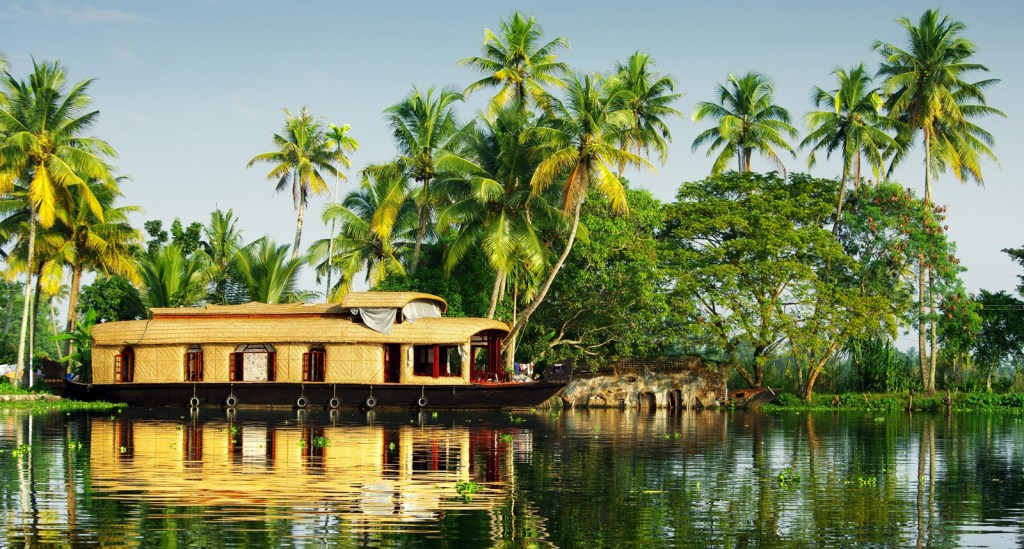
Kumarakom, Kerala

Kerala is a beautiful place to visit in India. It has many beaches, backwaters and historical sites. One of its most famous attractions is the backwaters of Alleppey that are home to some interesting wildlife sanctuaries. The state also has many temples which are a must-see during your trip here.

3. Andaman and Nicobar Islands

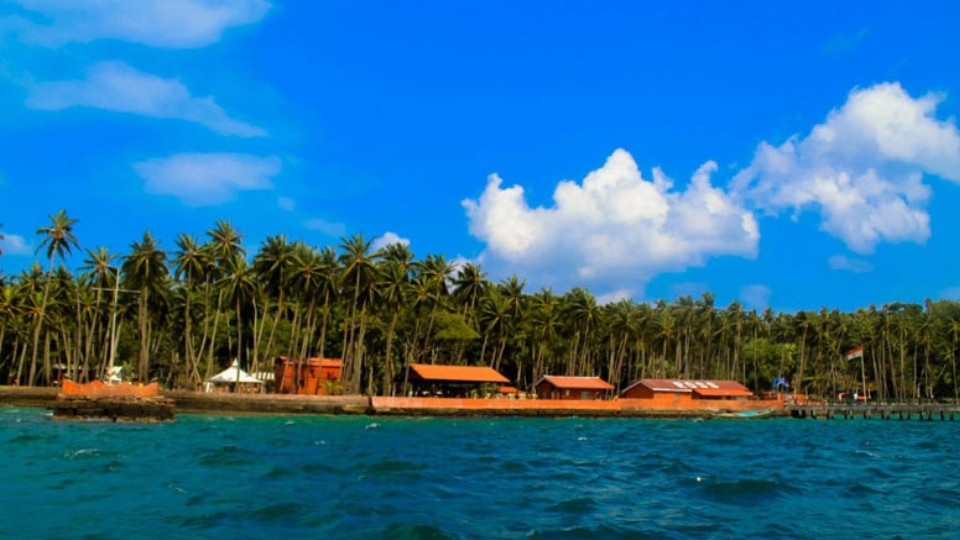
Andaman

The Andaman and Nicobar Islands are located in the Bay of Bengal, just off India’s coast. These islands are a part of India and home to many different tribes. The islands have a great climate for relaxation, as well as beaches with white sand.

4. Pondicherry

Serenity beach, Pondicherry

Pondicherry is a city in the union territory of Puducherry. It was formerly known as Pondicherry and it is located on the Coromandel Coast, India’s east coast, which is known for its beaches and resorts. The city has an old-world feel to it with buildings that date back to French rule over India during the 19th century.

Pondicherry has many beaches where you can go swimming or just relax on your day off from work.

5. Leh Ladakh

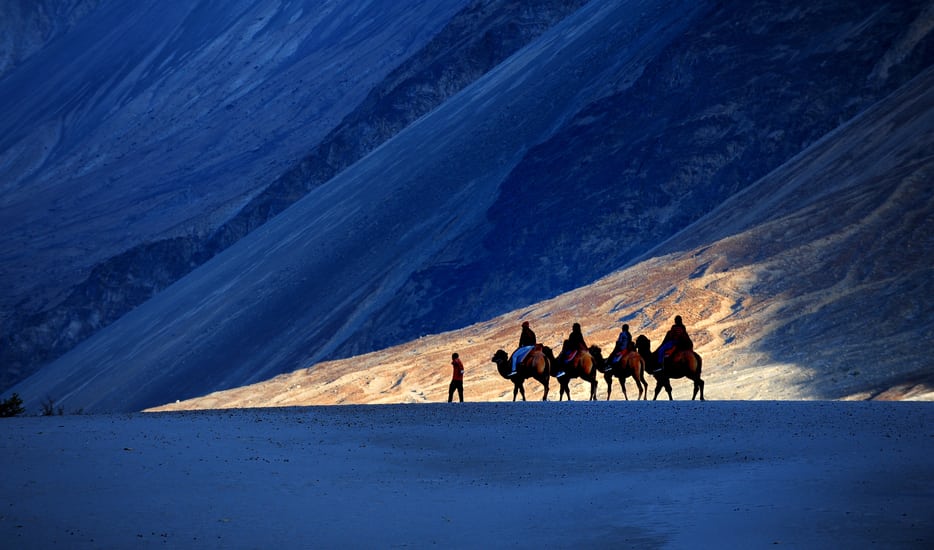
Nubra Valley, Ladakh

Leh Ladakh is a cold desert in the Himalayas, close to the Chinese border. It’s a great place to visit if you want to see the mountains and enjoy some hiking or trekking. There are many places where you can go for this activity, but one of them is called “Nubra Valley”. In this valley there are many different things that you can do: horseback riding (on horses), skiing down from a mountain peak or just walking around looking at all those beautiful views.

6. Rajasthan

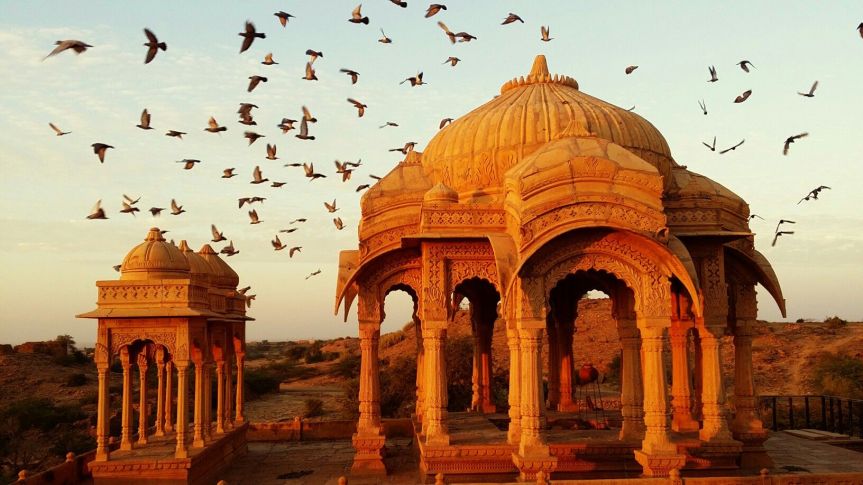
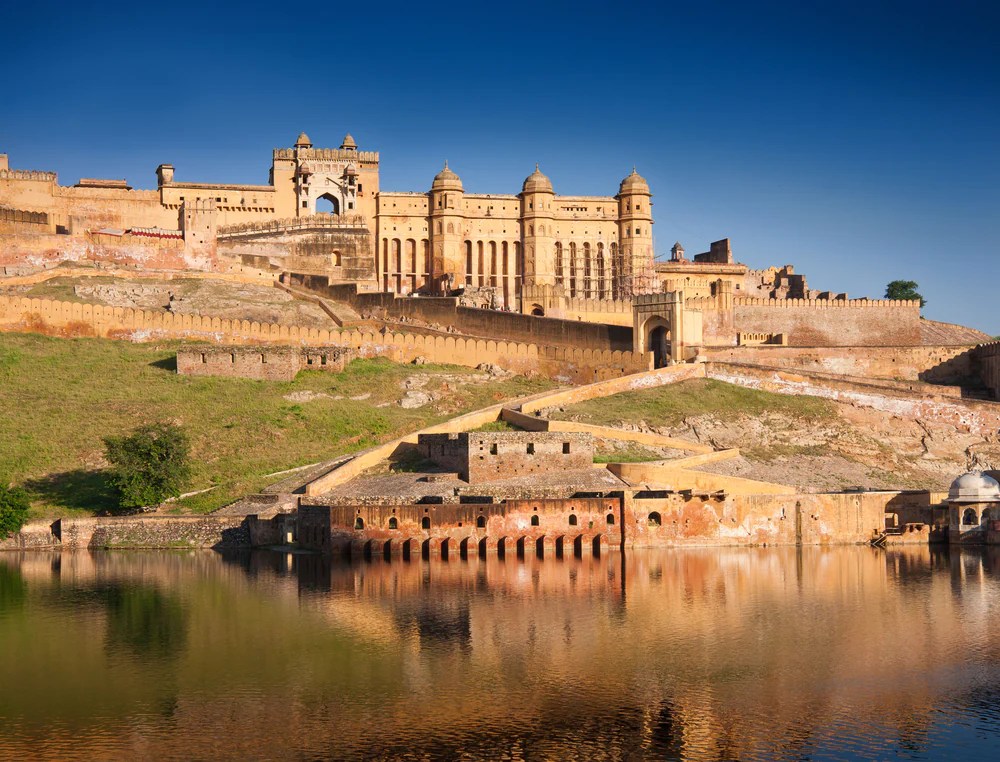
Amer fort, jaipur

Rajasthan is a state in northern India. It has a desert climate, but it’s also known for its palaces and forts. The city of Jaipur is home to several of these attractions, including the Amber Fort and Jantar Mantar Observatory. It also has many lakes, some famous (Lake Pichola) and some not so much (Kumbhalgarh). Some people visit these lakes during wintertime because they’re warm then; others go there in summer because it looks like an ice skating rink. There are plenty of temples as well: we’re talking about hundreds of them.

7. Darjeeling

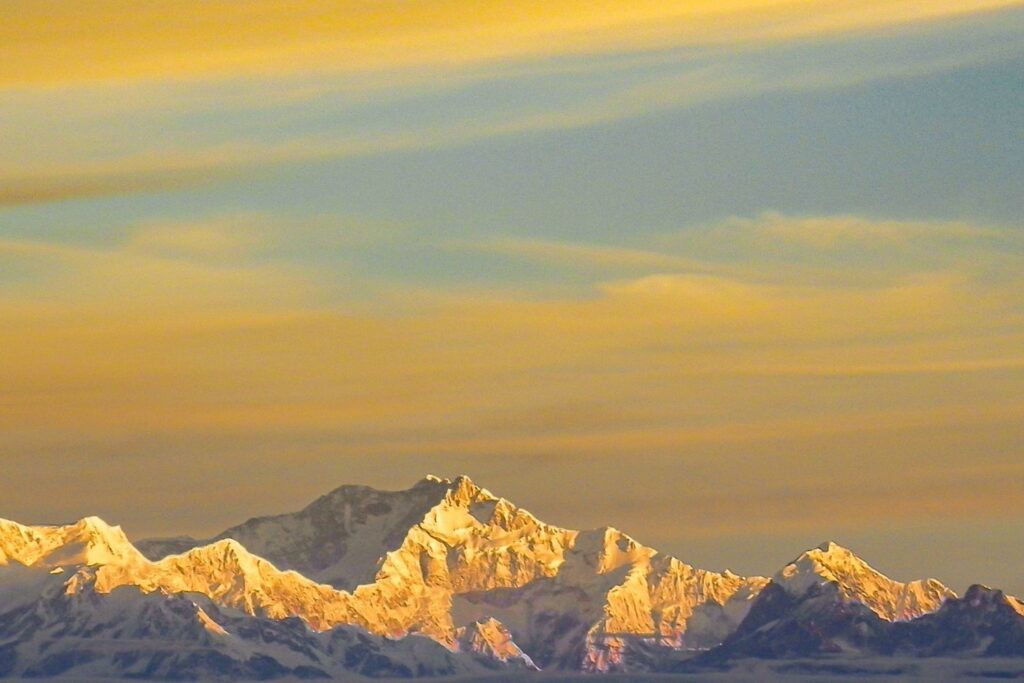
The Kanchenjunga

Darjeeling is a hill station in West Bengal. The city is located on the foothills of the Himalayas and offers panoramic views of the plains below.

The town has been known for its tea plantations since 1834 when it was first discovered by British colonists. It’s also a popular destination for trekkers, who can choose from several trails to explore this beautiful area along with its rich history and natural beauty.

8. Varanasi

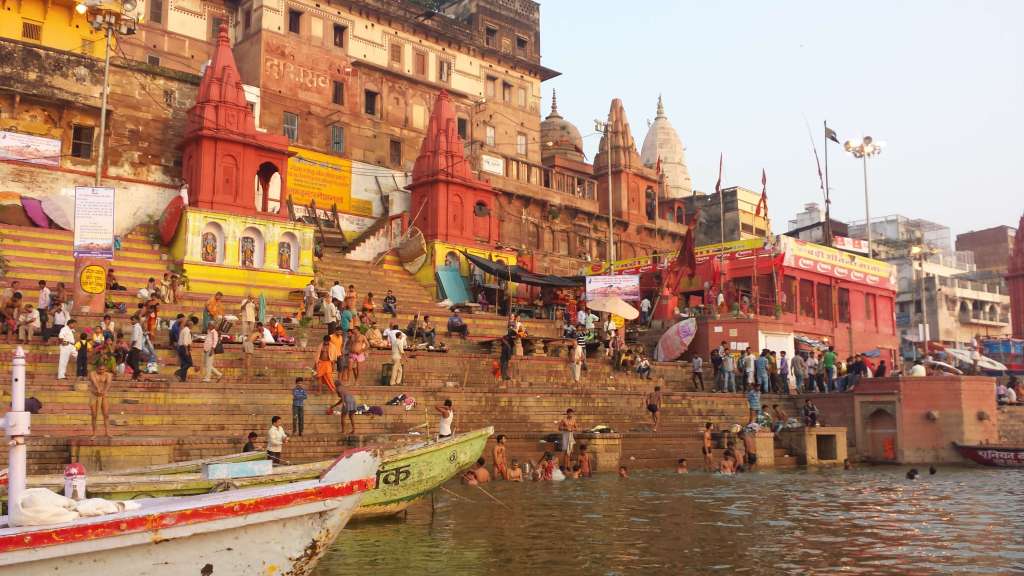
A ghat in varanasi

Varanasi is a religious, cultural and historical city located on the banks of River Ganges. It has been called one of the most sacred places in India as it’s believed that Lord Shiva resided here for some time before passing away.

The city is known for its ghats (steps leading down to the river), temples and food which are all part of its rich history. Varanasi offers tourists everything they need during their stay – from budget accommodation options to luxury hotels & resorts offering everything from pampering spa treatments to yoga classes at sunrise. Not only this but there are plenty of things to do when you visit Varanasi including visiting one or more ghat sites where pilgrims perform rituals during monsoon season when temperatures rise up high enough so visitors can bathe in freezing waters without getting cold feet.

9. Rishikesh

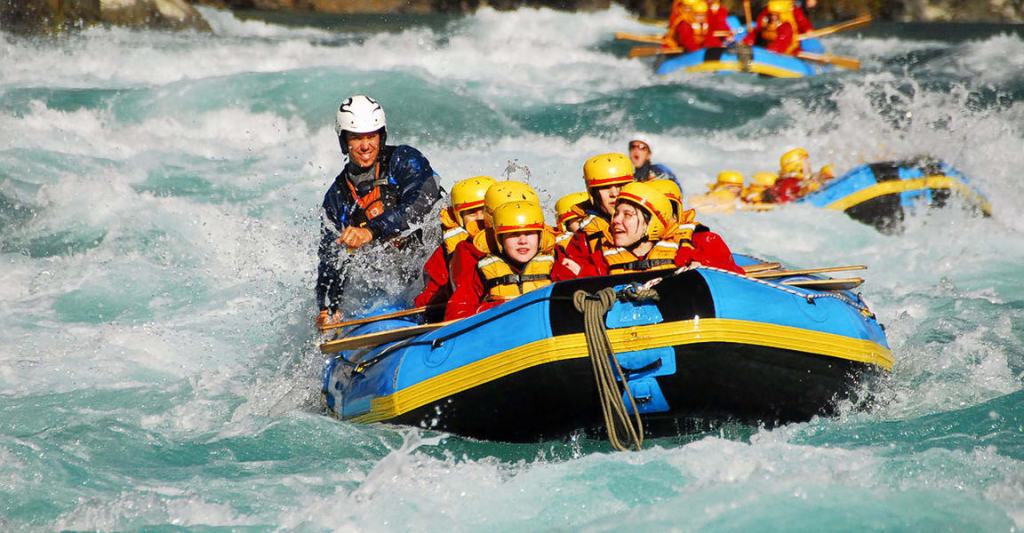
Rafting in Rishikesh

Rishikesh is full of amazing sights—from its spectacular natural surroundings to its historic temples and churches. Other sights include Lakshman Jhula Bridge built between 1822–1823 across River Ganges near Yamuna Sagar Lake during British rule; Vishwanath Temple dedicated specifically because he was considered Hindu god Vishnu’s favorite son; Kedarnath Temple built by King Bhagwan Nand Lal in memory of his father who died while building this temple during his lifetime. River rafting and other fun activities are organised here.

10. Gulmarg, Jammu and Kashmir

Gulmarg Golf Club area

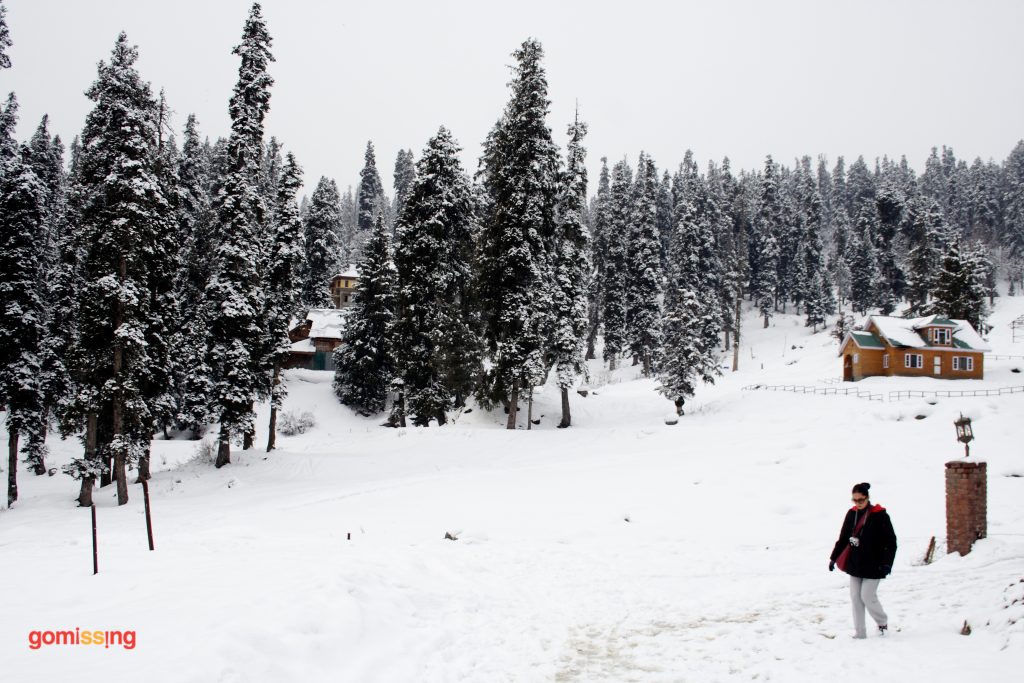
Gulmarg is a ski resort in Kashmir, located at an altitude of 11,500 feet. It is one of the oldest and most popular tourist destinations in Jammu and Kashmir. The area has 300 km of pistes that can be reached by cable cars or snowshoes. Gulmarg also hosts many other activities like skiing, heli-skiing, snowboarding and more.

These are just a few of the travel destinations in India that you can experience and enjoy.

10 travel destinations in india

India is home to some of the most stunning natural attractions and historical sites in the world. With so many places to visit and things to do, it’s hard to know where to start. But if you want something off-the-beaten path, these 10 destinations are sure to satisfy your wanderlust.

1. Goa

Vagator Beach, Goa

Goa is a popular tourist destination in India and has been attracting visitors for years. It’s known for its beaches, which are clean and have plenty of space to relax on them.

Goa also has great food, music and culture. The best way to experience all this is by staying at an airbnb or other bed & breakfast type place that hosts travelers from around the world!

2. Kerala

Kumarakom, Kerala

Kerala is a beautiful place to visit in India. It has many beaches, backwaters and historical sites. One of its most famous attractions is the backwaters of Alleppey that are home to some interesting wildlife sanctuaries. The state also has many temples which are a must-see during your trip here.

3. Andaman and Nicobar Islands

Andaman

The Andaman and Nicobar Islands are located in the Bay of Bengal, just off India’s coast. These islands are a part of India and home to many different tribes. The islands have a great climate for relaxation, as well as beaches with white sand.

4. Pondicherry

Serenity beach, Pondicherry

Pondicherry is a city in the union territory of Puducherry. It was formerly known as Pondicherry and it is located on the Coromandel Coast, India’s east coast, which is known for its beaches and resorts. The city has an old-world feel to it with buildings that date back to French rule over India during the 19th century.

Pondicherry has many beaches where you can go swimming or just relax on your day off from work.

5. Leh Ladakh

Nubra Valley, Ladakh

Leh Ladakh is a cold desert in the Himalayas, close to the Chinese border. It’s a great place to visit if you want to see the mountains and enjoy some hiking or trekking. There are many places where you can go for this activity, but one of them is called “Nubra Valley”. In this valley there are many different things that you can do: horseback riding (on horses), skiing down from a mountain peak or just walking around looking at all those beautiful views.

6. Rajasthan

Amer fort, jaipur

Rajasthan is a state in northern India. It has a desert climate, but it’s also known for its palaces and forts. The city of Jaipur is home to several of these attractions, including the Amber Fort and Jantar Mantar Observatory. It also has many lakes, some famous (Lake Pichola) and some not so much (Kumbhalgarh). Some people visit these lakes during wintertime because they’re warm then; others go there in summer because it looks like an ice skating rink. There are plenty of temples as well: we’re talking about hundreds of them.

7. Darjeeling

The Kanchenjunga

Darjeeling is a hill station in West Bengal. The city is located on the foothills of the Himalayas and offers panoramic views of the plains below.

The town has been known for its tea plantations since 1834 when it was first discovered by British colonists. It’s also a popular destination for trekkers, who can choose from several trails to explore this beautiful area along with its rich history and natural beauty.

8. Varanasi

A ghat in varanasi

Varanasi is a religious, cultural and historical city located on the banks of River Ganges. It has been called one of the most sacred places in India as it’s believed that Lord Shiva resided here for some time before passing away.

The city is known for its ghats (steps leading down to the river), temples and food which are all part of its rich history. Varanasi offers tourists everything they need during their stay – from budget accommodation options to luxury hotels & resorts offering everything from pampering spa treatments to yoga classes at sunrise. Not only this but there are plenty of things to do when you visit Varanasi including visiting one or more ghat sites where pilgrims perform rituals during monsoon season when temperatures rise up high enough so visitors can bathe in freezing waters without getting cold feet.

9. Rishikesh

Rafting in Rishikesh

Rishikesh is full of amazing sights—from its spectacular natural surroundings to its historic temples and churches. Other sights include Lakshman Jhula Bridge built between 1822–1823 across River Ganges near Yamuna Sagar Lake during British rule; Vishwanath Temple dedicated specifically because he was considered Hindu god Vishnu’s favorite son; Kedarnath Temple built by King Bhagwan Nand Lal in memory of his father who died while building this temple during his lifetime. River rafting and other fun activities are organised here.

10. Gulmarg, Jammu and Kashmir

Gulmarg Golf Club area

Gulmarg is a ski resort in Kashmir, located at an altitude of 11,500 feet. It is one of the oldest and most popular tourist destinations in Jammu and Kashmir. The area has 300 km of pistes that can be reached by cable cars or snowshoes. Gulmarg also hosts many other activities like skiing, heli-skiing, snowboarding and more.

These are just a few of the travel destinations in India that you can experience and enjoy.

Government Initiated Educational Policies

Government Initiated Educational Policies That Are Modifying The Education Sector

Major changes have been made to India’s educational system.
Over the years, the Indian government has implemented a number of initiatives to support skill development and education. Private institutions can adopt these policies’ concepts and use them to increase their revenues.
Here are a few of the key educational policies that have lately been established.
Digital Payment
Prakash Javadekar, the Union HRD minister, promoted the advantages of digital payment by implementing cashless payment across all centrally-aided institutions.
No Detention Policy
For all students in grades 5th to 8th, the HRD Ministry amended the previous rule to allow for promotion to the following class. The new policy makes passing every exam necessary in order to advance to the following class.
Male Students can also file for sexual harassment
The number of incidents of sexual harassment against male students has significantly increased. Male students may now report instances of sexual harassment thanks to new rules established by the UGC.
Gender Education Must Be Required
Telangana’s government mandated gender education as a requirement for graduation. Along with doing so, it was the first state in India to do so, and it also brought in multilingual textbooks.
Yoga classes 
Yoga sessions are now required in all ICSE and ISC institutions, according the Council for the Indian School Certificate Examinations (CISCE).
Free higher education for students with disabilities
The government of Guwahati has established a programme that will provide these kids with free education from Class 9 to the university level in all government-run institutions of higher learning.

No homework for students of class 1st and 2nd
No homework may soon become reality. Prakash Javade, the minister of human resource development (HRD), suggested that students in grades 1 and 2 might no longer have homework.
New guidelines for girls’ education
A “modern education policy” is something the government wants to implement. The new education policy’s (NEP) main emphasis will be on females’ education. It intends to eliminate educational inequity.
Eklavya schools 
By 2022, Scheduled Caste (SC) and Schedule Tribe (ST) students will have access to Eklavya schools, which will be modelled after Navodaya schools. It will offer athletic instruction and skill development. Additionally, it will contain unique spaces for conserving regional art and culture.
Diksha scheme 
The Indian government will soon introduce the integrated B.Ed programme and develop the learning portal “DIKSHA” to improve teaching abilities.
Sports Education
The government of India is proposing to make sports education a component of the Fundamental Rights and to promote it countrywide.
Reducing the bag’s weight
For lower primary classes, the Department of Primary and Secondary Education intends to implement ideas like “no bag day” and a lighter bag requirement.

Government Initiated Educational  Policies 

Government Initiated Educational  Policies That Are Modifying The Education Sector

Major changes have been made to India’s educational system.
Over the years, the Indian government has implemented a number of initiatives to support skill development and education. Private institutions can adopt these policies’ concepts and use them to increase their revenues.
Here are a few of the key educational policies that have lately been established.
Digital Payment
Prakash Javadekar, the Union HRD minister, promoted the advantages of digital payment by implementing cashless payment across all centrally-aided institutions.
No Detention Policy
For all students in grades 5th to 8th, the HRD Ministry amended the previous rule to allow for promotion to the following class. The new policy makes passing every exam necessary in order to advance to the following class.
Male Students can also file for sexual harassment
The number of incidents of sexual harassment against male students has significantly increased. Male students may now report instances of sexual harassment thanks to new rules established by the UGC.
Gender Education Must Be Required
Telangana’s government mandated gender education as a requirement for graduation. Along with doing so, it was the first state in India to do so, and it also brought in multilingual textbooks.
Yoga classes 
Yoga sessions are now required in all ICSE and ISC institutions, according the Council for the Indian School Certificate Examinations (CISCE).
Free higher education for students with disabilities
The government of Guwahati has established a programme that will provide these kids with free education from Class 9 to the university level in all government-run institutions of higher learning.
No homework for students of class 1st and 2nd
No homework may soon become reality. Prakash Javade, the minister of human resource development (HRD), suggested that students in grades 1 and 2 might no longer have homework.
New guidelines for girls’ education
A “modern education policy” is something the government wants to implement. The new education policy’s (NEP) main emphasis will be on females’ education. It intends to eliminate educational inequity.
Eklavya schools 
By 2022, Scheduled Caste (SC) and Schedule Tribe (ST) students will have access to Eklavya schools, which will be modelled after Navodaya schools. It will offer athletic instruction and skill development. Additionally, it will contain unique spaces for conserving regional art and culture.
Diksha scheme 
The Indian government will soon introduce the integrated B.Ed programme and develop the learning portal “DIKSHA” to improve teaching abilities.
Sports Education
The government of India is proposing to make sports education a component of the Fundamental Rights and to promote it countrywide.
 Reducing the bag’s weight
For lower primary classes, the Department of Primary and Secondary Education intends to implement ideas like “no bag day” and a lighter bag requirement.

RainWater Harvesting

N kavya

Rainwater harvesting is a sustainable process that helps in preserving water for future needs. Water scarcity is a major concern in today’s scenario. The process of rainwater harvesting is a good way to conserve water. Rainwater Harvesting is one of the most used methods to save water. It refers to storing rainwater for various uses. The notion behind rainwater harvesting is to not waste the rainwater and prevent it from running off. In other words, it is done to collect rainwater using simple mechanisms. It is usually collected at the place the rain falls from the ground or rooftops. Rainwater harvesting is an alternative to reduce the stress of public water supply sources. The recharge of rainwater to the ground in the coastal regions prevents seawater immersion into the freshwater. Finally, rainwater harvesting reduces water supply bills.

Rainwater Filtration -:

Rainwater can be harvested or purified in multiple ways. The catch area before harvesting must be cleaned thoroughly, and the pipelined must be flushed regularly. Initially, the water flow is diverted to wash or rinse the area.
Rainwater contains contaminants or other waste materials that affect the quality of the water. Contaminants such as dust, Bird excreta, pollution, leaves, and sand particles can affect water quality.


Filtration removes contaminants and other impurities and purifies rainwater for drinking and other purposes. However, the harvested water must be treated and tested before consumption to ensure the right quality check.
Industries use the practice of pre-filtration to ensure that the purified water is directed water to the tank. The pre-filtration measure is a vital step that the water supply system should not compromise in terms of water quality.


Some techniques of rainwater purification are solar sterilization, the use of chemicals like iodine or chlorine, or sediment filtration. However, harvested rainwater used for drinking purposes can be filtered through Reverse Osmosis (RO).

Favorable aspects of Rainwater Harvesting -:

Rainwater Harvesting positively affects underground water quality. It dilutes the number of nitrates, fluorides, and salinity of the underground water. It contains zero hardness and almost neutral pH, making it highly suitable for industries, homes, institutions, industries, and other commercial establishments. Rainwater Harvesting reduces water supply bills. It is an excellent method that solves the water shortage crisis and lessens the energy consumption in water disturbance. Rooftop Rainwater harvesting controls urban flooding. The recharge of rainwater to the ground in the coastal regions prevents seawater immersion into the freshwater. Rainwater harvesting is an alternative to reduce the stress of public water supply sources. Construction of deeper wells can damage the natural environment as well as upscale. Therefore, the source of rainwater is highly effective and dependable. Stored harvested rainwater can be used as an alternative to municipal water and used during the water crisis.

Rainwater harvesting can be done in a variety of methods, including -:

1. A watershed is a region where precipitation flows directly into a river or another reservoir.
2. There are two ways to keep water: on the roof or the ground.
3. Normally, rainwater is collected on the rooftops. The rainwater from the roof is usually collected in PVC pipes and stored in a sump (a deep pit dug into the earth) or a tank.
4. The water in the tank can then be used for home purposes after it has been filtered.
5. Rainwater collection also helps to restore natural aquifers.

The two types of rainwater harvesting -:

1. Surface runoff harvesting -:

In this method, rainwater flows away as surface runoff and can be stored for future use. Surface water can be stored by diverting the flow of small creeks and streams into reservoirs on the surface or underground. It can provide water for farming, cattle, and for general domestic use. Surface runoff harvesting is most suitable in urban areas.
Rooftop rainwater/storm runoff can be harvested in urban areas through:
• Recharge Pit
• Recharge Trench
• Tubewell
• Recharge Well

Groundwater recharge -:

Groundwater recharge is a hydrologic process where water moves downward from surface water to groundwater. Recharge is the primary method through which water enters an aquifer. The aquifer also serves as a distribution system. The surplus rainwater can then be used to recharge Grothe underwater aquifer through artificial recharge techniques.

3. Rainwater in rural areas can be harvested through -:

• Gully Plug
• Contour Bund
• Dugwell Recharge
• Percolation Tank
• Check Dam/Cement Plug/Nala Bund
• Recharge Shaft


Although rainwater harvesting measure is deemed to be a desirable concept for the last few years, it is rarely implemented in rural India. Different regions of the country practiced a variety of rainwater harvesting and artificial recharge methods. Some ancient rainwater harvesting methods followed in India includes Madaras, Ahar Pynes, Surangas, Taankas, etc.

Advantages of Rainwater Harvesting -:

1. Less cost.
2. Helps in reducing the water bill.
3. Decreases the water demand.
4. Reduces the need for imported water.
5. Promotes both water and energy conservation.
6. Improves the quality and quantity of groundwater.
7. Does not require a filtration system for landscape irrigation.
8. This technology is simple and easy to install and operate.
9. It reduces soil erosion, stormwater runoff, flooding, and pollution of surface water with fertilizers, pesticides, metals, and other sediments.
10. It is an excellent source of water for landscape irrigation with no chemicals, or dissolved salts, and is free from all minerals.

Disadvantages of Rainwater Harvesting-:

1. In addition to the great advantages, the rainwater harvesting system has a few disadvantages like unpredictable rainfall, unavailability of the proper storage system, etc.
2. Listed below are a few more disadvantages of the rainwater harvesting process.
3. Regular maintenance is required.
4. Requires some technical skills for installation.
5. Limited and no rainfall can limit the supply of rainwater.
6. If not installed correctly, it may attract mosquitoes and other waterborne diseases. 7. One of the significant drawbacks of the rainwater harvesting system is storage limits.

The world faces an increasingly critical need to address climate change, and the impact that water conservation has on a sustainable environment is undeniable. Groundwater is the primary source of freshwater that caters to the demand of the ever-growing domestic, agrarian, and industrial sectors of the country. Over the years, it has been observed that the necessity for the exploitation of groundwater resources for various everyday needs, like toileting, bathing, cleaning, agriculture, drinking water, industrial and ever-changing lifestyles with modernization is leading to tremendous water wastage. Harvesting and collecting rainwater is an adequate strategy that can be used to address the problem of water crisis globally. The use of a rainwater harvesting system provides excellent merits for every community. This simple water conservation method can be a boost to an incredible solution in areas where there is enough rainfall but not enough supply of groundwater. It will not only provide the most sustainable and efficient means of water management but also unlock the vista of several other economic activities leading to the Empowerment of people at the grass-root level.

For this, the Government should come out with an appropriate incentive structure and logistic assistance to make it a real success. Rainwater harvesting is something that thousands of families across the world should participate in rather than pinning hopes on the administration to fight the water crisis. This water conservation method is a simple and effective process with numerous benefits that can be easily practiced in individual homes, apartments, parks, and across the world. As we all know that charity begins at home, likewise, a contribution to society’s welfare must be initiated from one’s home.