NDMA Guidelines


S No. Title Release Date Download
1 National Guidelines For Preparation of Action plan – Prevention and Management of Cold Wave and Frost 2021 Oct 2021 Download(7 MB)
2 Simplified Guideline for Earthquake Safety of Building from National Building Code of India 2016 May 2021 Download(10 MB)
3 Cool Roof : House Owners’ Guide to alternate roof cooling solutions May 2021 Download(8.30 MB)
4 Guidelines on Management of Glacial Lake Outburst Floods (GLOFs) Oct 2020 Download(11.21 MB)
4.a Compendium of Task Force Report on NDMA Guidelines on Management of Glacial Lake Outburst Floods (GLOFs) Oct 2020 Download(12.70 MB)
4.b Summary for Policy Makers on NDMA Guidelines on Management of GLOFs Oct 2020 Download(04.01 MB)
5 Guidelines for Preparation of Action Plan – Prevention and Management of Heat Wave Oct 2019 Download(45.74 MB) 
6 Landslide Risk Management Strategy Sept 2019 Download(12.48 MB) 
7 Guidelines on Disability Inclusive Disaster Risk Reduction Sept 2019 Download(64.63 MB) 
8 Guidelines on Temporary Shelters for Disaster-Affected Families Sept 2019 Download(09.86 MB)
9 Guidelines on Prevention & Management of Thunderstorm & Lightning/Squall/Dust/Hailstorm & Strong Winds March 2019 Download(09.55 MB)
10 Guidelines on Boat Safety Sept 2017 Download(04.40 MB)
11 Guidelines on Cultural Heritage Sites and Precincts Sept 2017 Download(21.45 MB)
12 Guidelines on Museums May 2017 Download(02.12 MB)
13 Guidelines on Minimum Standards of Relief Feb 2016 Download(03.00 MB)
14 Guidelines on Hospital Safety Feb 2016 Download(03.22 MB)
15 Guidelines on School Safety Policy Feb 2016 Download(02.50 MB)
16 Guidelines on Seismic Retrofitting of Deficient Buildings and Structures. June 2014 Download(01.25 MB)
17 Guidelines on Scaling, Type of Equipment and Training of Fire Services April 2012 Download(02.61 MB)
18 Guidelines on National Disaster Management Information and Communication System Feb 2012 Download(06.00 MB)
19 Guidelines on Management of Drought Sept 2010 Download(01.40 MB)
20 Guidelines on Management of Urban Flooding Sept 2010 Download(14.35 MB)
21 Guidelines on Management of Dead in the Aftermath of Disaster Aug 2010 Download(01.40 MB)
22 Guidelines on Management of Tsunamis Aug 2010 Download(01.40 MB)
23 Guidelines on Incident Response System  July 2010 Download(08.97 MB)
24 Guidelines on Psycho-Social Support and Mental Health Services in Disasters Dec 2009 Download(0748 KB)
25 Guidelines on Management of Landslides and Snow Avalanches June 2009 Download(03.39 MB)
26 Guidelines on Management of Nuclear and Radiological Emergencies Feb 2009 Download(01.65 MB)
27 Guidelines on Management of Biological Disasters July 2008 Download(03.23 MB)
28 Guidelines on Management of Cyclones April 2008  Download(04.52 MB)
29 Guidelines on Management of Floods Jan 2008 Download(05.84 MB)
30 Guidelines on Medical Preparedness and Mass Casualty Management Oct 2007 Download(60.24 MB)
31 Guidelines on Preparation of State Disaster Management Plans July 2007 Download(05.84 MB)
32 Guidelines on Chemical Disasters April 2007 Download(01.67 MB)
33 Guidelines on Management of Earthquakes April 2007 Download(03.16 MB)

16th FICCI Higher Education Summit 2021

 Union Education Minister Shri Ramesh Pokhriyal ‘Nishank’ delivered the inaugural address at the 16th FICCI Higher Education Summit 2021 today. The 16th edition of FICCI higher Education Summit is being organised virtually by Federation of Indian Chambers of Commerce and Industry in collaboration with Ministry of Education and Ministry of Commerce and Industry. The theme of the summit is ‘‘Higher Education @ 2030: R.I.S.E. – Resilience. Innovation. Sustainability. Enterprise.’

Addressing on the occasion, Shri Pokhriyal said that National Education Policy 2020 lays out the path for transforming Indian education landscape suited to 21st century needs. He further said while the government has formulated the policy, private sector participation will play a key role in implementing the same.

Shri Pokhriyal said, “Built on the foundational pillars of access, equity, quality, affordability and accountability, NEP 2020 is aligned to the 2030 Agenda for Sustainable Development and aims to transform India into a vibrant knowledge society and a global knowledge superpower”.

The Minister remarked that in the next 20-30 years, the energy and talent of young India will be used in advancing the world as 21st century belongs to Young India. India is poised to become the R & D capital of the world not because of the cost advantage but due to the rich and intelligent human capital that the country is bestowed with.

Lauding the FICCI Higher Education Summit, Shri Pokhriyal said that over the years, the Summit has evolved into a thought leadership forum and brings together key stakeholders including, policymakers, academicians, industry and students for deliberations and knowledge sharing at both national and international levels.

The Inaugural session also witnessed the release of FICCI- EY report ‘Higher Education in India: Vision 2040. The report, while defining Education 4.0 in the current context, has highlighted the significant emerging trends within the higher education sector and drawn learnings and highlighted global best practices. 

Dr R A Mashelkar, National Research Professor and Chancellor of Institute of Chemical Technology, Dr Vidya Yeravdekar, Chair-FICCI Higher Education Committee Mr Uday Shankar, President, FICCI and Mr Dilip Chenoy, Secretary General, FICCI and other dignitaries graced the occasion.

****


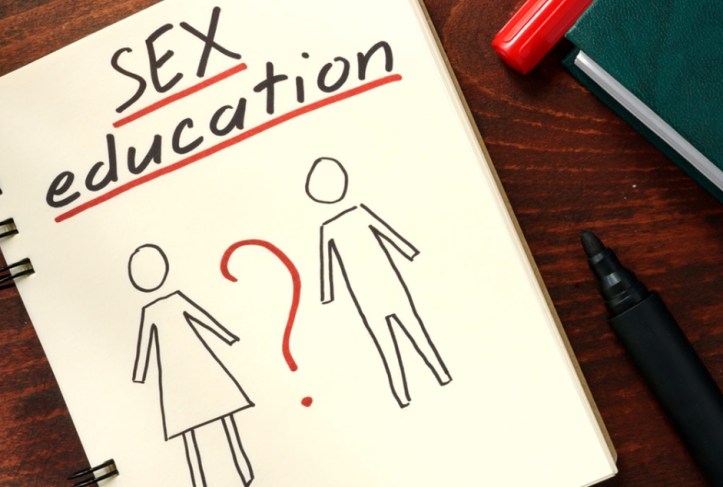
IMPORTANCE OF SEX EDUCATION

INTRODUCTION:

Knowing about our own body is our right and parents have the responsibility to provide them the knowledge and awareness a young mind needs to know. Access to comprehensive sex education is a human right. The society can longer passively leave it to streets or the internet to brainwash the kids mind with incomplete knowledge or set sexual standard values.

MEANING:

Sex Education is a comprehensive set of knowledge and process of learning the emotional, physical and social aspects of sexuality. Sex education should include information about puberty, menstruation, condoms, contraceptives, sexual violence prevention, sexual orientation, gender identity and body image. Sex education will provide the importance of self well being and health to one and others.People have so many different conceptions about sex education.

Many people think teaching children sex education is equivalent to permitting them to engage in sexual intercourse which is not true. Engaging in sexual intercourse is a personal choice nevertheless one should always be clear about the consequences and be aware on how to prevent diseases and unintended pregnancy. Sex education should treat sexual development as a normal human development.Sex education will help kids to adopt healthy decisions. But this is not enough, Children are perplexed and demand honest answers. Comprehensive sex education should provide honest, age appropriate informations.

IMPORTANCE OF SEX EDUCATION:

  • It is important in consideration of health and well being and dignity of not only themselves but also others. Health related problems and teenage unintentional pregnancy leads to absenteeism and dropping out of studies.
  • Developing respectful social relationships and sexual relationships will enhance quality of life. Some people choose to be in a relationship while some don’t. Some people feel an attraction towards somebody who could also be of the same gender as theirs and that’s okay.
  • Sexual health can affects the academic development of a student. Reportedly a student who has not engaged in sexual activities tends to be better at studies.
  • Good sex education helps students differentiate between intentions and also knows about sexual violence.

ROLE OF PARENTS IN SEX EDUCATION:

Sex is already taught all over internet in a very poor manner. Children are curious about gathering information about sex much before parents can even imagine. Therefore, parents should take the initiative of education their children about sex from a younger age and educate them further with the growth in their minds and age. It also creates a secure relationship between the child and the parents. Parents need to ensure right information is given to their kids. Parents remaining silent about sex can lead to children trying to figure it out on their own from internet or from their peers.

Sex education helps the kids understand their bodies and feel optimistic about the body. Many parents prepare their daughter for menstrual periods and son for his nocturnal emission. Therefore, parents should be the first source of information to the kids. Boys should also be taught about periods as later on in life it helps to deal with their wife’s mood swings or pain.

RULES TO BE FOLLOWED:

Sex education works best when there is mutual trust and comfort and safety among themselves. Sex education should be taught according to the Childs age and development stage.

Here are some ground rules which are to be followed:

  • Asking questions indicates the want to gather knowledge
  • Respect for each other
  • Correct use of body terms and activities
  • It is possible for the teacher to not know all the answers
  • Gender equality should be taught
  • Students should be given right and primitive information
  • Students should be open to discuss any issue in the class related to sexuality
  • Listen to what the teacher has to say because it might be of use in the future
  • Always speak for yourself

CURRENT PERSPECTIVE:

Looking at the current situation of India, sex education has a far more distance to cover in terms of Indian society understanding and accepting its importance in every Childs life. Sex education is still not to be seen in many schools. Currently many organisations have taken the responsibility to personally approach the school for teaching girls about menstrual or personal hygiene. Boys are still left to collect information the streets and internet.

Many parents believe that with age their child will learn about it anyway therefore they don’t bother to talk about it at all. Some parents are shy to even pronounce the word in front of their kids. Parents refer to ignorance as assurance but now the times have changed, somehow children acquire inaccurate knowledge about sexuality. It is the responsibility of parents and teachers to make sure the kids are socially and sexually aware.

CONCLUSION:

Sex education should be made compulsory in school curriculum. Comprehensive sex education is important for young people to prepare themselves for any bodily changes and maintain their healthy and hygienic being. Sex education doesn’t promote having sex, which should be realised by parents. Knowing about your sexuality gives altogether a better and productive mindset and relationship in the future.

The Pros and Cons of Drones (UAVs)

What is Drone technology ? 

By definition, drones are unmanned aerial vehicles that are operated and navigated by a smartphone or a remote control.

As per records, the earliest version of drones was launched in 1849. Since then, drones have primarily been used for military purposes. Only a few years ago, the miniaturization of drones allowed different businesses to start utilizing drone technology.

Now, the drone industry is rapidly expanding. Drone technology is increasingly being used by organizations to manage their business and deliver services. In the near future drones may be used to deliver items and services. With this new technology, drones have their own set of benefits and drawbacks.

Pros of drone technology

  • Drones are used in a various sectors. They go to places that people find difficult to get.  For example, they can be used to quickly deliver medicines in hilly areas.
  • During natural disasters, drones can be used to deliver food. Not only can drones be used to distribute food, but they may also be used to locate and rescue those who are stuck. Drones can thereby save lives.
  • They can also be used in agriculture to disperse seeds, pollinate flowers, and identify crop diseases, and so on.
  • They can reduce human workload by performing monotonous chores such as delivering goods, sowing seeds, and so on.
  • Drones are extremely useful in substituting humans  for working in dangerous places such as mining.
  • Drones are being used in the military. By replacing humans, they can prevent or reduce the loss of life during wars.
  • They can also be used to provide internet access in remote areas.
  • Drones can replace various jobs, especially those that are monotonous. However, the good news is that drone technology is generating a lot more jobs in different sectors.
  • Drones are cost-effective. Many people who buy drones for personal use, for example, use them to take aerial shots. Taking aerial pictures used to be quite expensive before drones were affordable to the general people.

Cons of drone technology

  • Drones are vulnerable to cyber-attacks.
  • It’s possible that they’ll crash with flights.
  • Drones can be misused to stalk people, vandalize homes and  engage in a variety of other anti-social behaviour. There have been numerous instances where drones have posed a security threat.

Conclusion

Unmanned Aerial Vehicles (UAVs) have a wide range of applications. Drones have the potential to transform a variety of industries. Many industries, including agriculture, construction, mining, and filmmaking, are already using them.

“Language is not only a means of communication but also a tool by which we think”

Language is an essential part of human connection. Although different species have their different ways of communicating, humans are the only ones to have mastered language as a mode communication as it allows us to express share our ideas, feelings, and thoughts with others. So basically humans are made by the language. For most of the people language comes naturally whereas learning a language, say some foreign language means one has mastered the system of complex words, structure, and grammar to communicate efficiently with people of different cultures and societies. Language also plays an important role in the business field as without language one cannot share ideas and grow them into something better. Language also has the power to build or sometimes even destroy the societies.

As language can show our perspective, our understanding, the origin of the nation, our levels of education, and sometimes even our characters. Thus language acts as a mirror of us .Therefore for the communication to well both the parties that involves the sender and the receiver needs to have a proper command over their language.

Language is considered a basic tool of communication but it does not end here as it also acts a tool by which we think. Language indeed influences what we think. One such theory that supports this idea is the linguistic determinism.The concept of linguistic determinism is that language and its structures limit and determine human knowledge or thought, as well as thought processes such as categorization, memory, and perception. This term implies that people’s native languages will affect their thought process and way of thinking therefore people will have different thought processes based on their mother tongues. The differences in the conduction of how the different speakers of different origin such as Mandarin Chinese and English think and talk about time and this was included in one of the illustrations related to this phenomenon. In order to talk about time, the speaker of English origin tends to use terms that explains horizontal changes along the dimension. For example, the phrases used by him were “I’m running behind schedule” or “Don’t get ahead of yourself”. Meanwhile the speaker of Mandarin Chinese explained time in horizontal terms, the vertical arrangement of terms is not unusual to be used. According to the speaker, “up” might be used to describe past and “down” to describe future. It proves that variation in performance is interpreted by the variation language on tests planned with respect to the ordered relation between a mentioned event and an expression of time. The purpose of the test was to evaluate how rapidly one can acknowledge the said relation. Although Language does not completely establishes our thoughts as our thoughts are far too flexible, but habitual use of language can surely influence our habit of thought and action.

Apart from these, the relationship between communication and culture can be noticed from our daily ways of communication or interaction with individuals or a group of people. As the language we use must have been influenced by places we live and the society in which we are born and brought up in which has it own unique culture and identity. Therefore culture in regarded to way of life lived by human beings. Humans learn, think, feel, believe, and even look for whats appropriate according to their culture. Apart from Language, friendships, social and economic activity, politics, and even technologies are based on the various culturals. As for people who speak English, Hindi, Bengali, Gujarati, Telugu etc, this is all because they have been raised in a culture that contains these characteristics. Their actions are a response to their cultural functions. Therefore culture and communication cannot be disassociated as it not only gives an idea about the persons who are having the communication and the topic of communication but also helps to encode the meaning of the messages.

Still there a lot of debate about language being a part of culture and language and culture being different, but they have a very close relationship, so it cannot be separated as most of the things in the culture are reflected in the language as well. If there is diversity in culture, there are also various communication practices. Even the background of a person can also be determined by the language he speaks or the way he speaks. Thus, it can be said that language used is influenced by the culture and vice versa.

66th Convocation of IIT Kharagpur

 Prime Minister Shri Narendra Modi addressed the 66th Convocation of IIT Kharagpur today as Chief Guest through a video conference. Union Education Minister Shri Ramesh Pokhriyal ‘Nishank’ and Union Minister of State for Education Shri Sanjay Dhotre were present on the occasion as Guests of Honour.

The Prime Minister said this day is not only important for the parents and teachers of the IIT but also for the New India as the students represent the entire country. He urged the students passing out, as they embark a new journey of life, to work towards creating startups and innovating things that can change the lives of crores of people in the country. He said the degree they won today represents the aspiration of millions of people, which they have to fulfill.

The Prime Minister said the need of the day is to work while anticipating the needs of the future, to make innovations for tomorrow. He said an engineer has the capability to see things in more detail and this understanding forms the basis of new discoveries and new breakthroughs in future. He urged the students to find solutions which can improve and save the lives of millions and can save the country’s resources.

Shri Narendra Modi asked the students to adopt the mantra of Self 3 to overcome their self doubts and obstacles in the future. He said Self 3 is Self-awareness, Self-confidence and Selflessness. He advised the students to recognize their potential and move forward, move ahead with full confidence, move ahead with selflessness.

The Prime Minister said that there is no place for hastiness in the field of science and technology. He added you may not get complete success in the innovation you are working on. But that failure of yours will also be considered a success, because you will learn something from that as well. He said in the 21st century the IITs need to be taken to the next level from Indian Institutes of Technology to Institutes of Indigenous Technologies to meet the changing demands and aspirations of New India.

Shri Modi said at a time when the world is struggling with the challenges of climate change, India has come up with the idea of International Solar Alliance (ISA) and embodied it. He said today India is one of those countries where the cost of solar power is very low per unit. But there are still many challenges to deliver solar power from door to door. He added India needs technology that minimizes damage to the environment, is durable and user friendly.

The Prime Minister said Disaster management is a subject which the world has looked up to India. During major disasters, along with life, infrastructure is the most affected. He added realizing this two years ago, India took the initiative of establishing Coalition for Disaster Resilient Infrastructure in the United Nations,

The Prime Minister emphasized the need for significant innovation for Industry 4.0. He lauded the efforts of IIT Kharagpur to transform academic research related to AI at industrial level, Internet of things and modern construction technology. He said IIT Kharagpur’s software solutions were also useful in the fight against Corona. He urged the institute to work fast on futuristic solutions in Health Technology. He said a huge market has emerged for personal healthcare equipment. He said the market for Health and Fitness related Equipments is also increasing. He said technology has to be developed to provide for Personal Healthcare Equipments in India which are affordable and accurate.

The Prime Minister said after Corona, India has emerged as a major global player in the field of Science, Technology, Research and Innovation. He said with that inspiration, there has been a major increase in the budget for science and research. He said a few days ago, the government has freed Map and Geospatial Data from control. This step will give a lot of strength to the Tech Startup Ecosystem, intensify the campaign for self-reliant India and also give new freedom to young start-ups and innovators of the country.

The Prime Minister lauded the efforts of IIT Kharagpur on the implementation of the new National Education Policy. He praised the institute for the way they were exploring knowledge and science as the strength of our future innovation. He urged the institute to compile 75 major innovations made by the institute to coincide with the 75th year of India’s independence and make them reach the country and the world. He said these inspirations would give a new boost to the country and inspire confidence.

Union Education Minister Shri Ramesh Pokhriyal ‘Nishank’ spoke about the students aiming to become entrepreneurs and job-creators instead of job-seekers. He emphasized how the National Technology Forum will improve research infrastructure in the country. He urged students to work on realising the vision of self-reliant India.

Union Minister of State for Education Shri Sanjay Dhotre highlighted the importance of the fields like agriculture, energy, water for further R&D. He called ideation, innovation, incubation and development of technological solutions in technology sectors like Telecom, auto-tech, solar cells, defence to strengthen the goal of Atmanirbhar Bharat.

2815 students were awarded degrees today of whom 75 students were invited to receive the gold and silver medals conferred by the Institute. In addition, several dignitaries were present to receive DSc (Honoris Causa), Life Fellow and Distinguished Alumnus Awards.

The Director Prof. V K Tewari, while presenting the report took pride in the recent innovations such as COVIRAP and telemedicine application which are bringing hope to the people of the country. He pledged to work more on product-development-oriented projects to support the cause of Atmanirbhar Bharat. He also talked about setting up more awards for faculty and staff for them to pursue excellence.  

*****

DEPRESSION

Depression exists on a range of severity ranging from relatively mind to transient states of low mood to severe, long term symptoms that have a major impact on a persons quality of life. When a persons symptoms have reached the chronic end of the spectrum and require professional treatment, its typically referred to as clinical depression.

CAUSES OF DEPRESSION:

The causes of depression are not completely understood, but its believed that there are several key factors, including genetics and environment, that make a person more likely to become depressed.

Certain factors which make it more likely are :

  • A family history of depression
  • Experiencing a major traumatic experience
  • Financial troubles

CO-OCCURING CONDITIONS:

There are some conditions which quite often occur to people suffering from depression. The commonly occurring conditions in people are:

  • Anxiety Disorders
  • Obsessive Compulsive Disorder (OCD)
  • Post Traumatic Stress Disorder(PTSD)
  • Phobias
  • Eating Disorders
  • Alcohol and drug use
  • Sleep disorders
  • Headaches
  • Chronic Pain

SYMPTOMS:

People Experience depression in different ways. Some people only have a few symptoms while others have many. Some symptoms may get better overnight while others may get worse. For each type of Depression there are different symptoms or features that are common in those who experience it.

MAJOR DEPRESSION:

Also known as major depressive disorder or unipolar depression this form is most people think of when they hear “depression”. Major depression is typically characterised by the following symptoms:

  • Sadness, feelings of emptiness
  • Loss of enjoyment of hobbies, work, other activities.
  • Appetite changes, weight loss or gain
  • Trouble sleeping
  • Tiredness, fatigue, lack of energy
  • Feelings of worthlessness or guilt
  • Poor decision making skills
  • Planning or attempting suicide

PSYCHOTIC DEPRESSION:

People who have psychotic depression are considered in the spectrum of unipolar depression. People who have this kind of depression usually experience hallucinations or delusions may also have a form of depression. Psychotic depression can manifest with hallucinations that are focused on death and gravely ill.

BIPOLAR DISORDER:

People of bipolar depression tend to alternate between periods of depression and periods of greatly elevated mood called mania.In the depressive phase, symptoms can be very similar to major depression. During the manic phase, symptoms at the opposite end of the spectrum are more likely such as :

  • Increased energy
  • Sleeplessness
  • Irritability
  • Rapid Speech
  • Hyper-sexual Behaviour
  • Racing thoughts
  • Impulsivity
  • Poor judgment

POSTPARTUM DEPRESSION:

Postpartum depression is depression that occurs after a person gives birth and can persist well into the first year postpartum. While it is common and treatable it also needs to be diagnosed earlier.

SITUATIONAL DEPRESSION:

Many people will experience a period of depression in their lifetime in response to a specific event. Unlike more persistent forms of depression, situational depression can usually be treated and improves in response to positive changes in that persons situation

DEPRESSION AMONG KIDS AND TEENS:

t was believed that kids also can be having depression but turns out that it was wrong. Depression can take place in teens or kids but is not as similar as in adults. Symptoms of depression among school kids could be due to school activities, studies or friendships. As teens and adults children who are experiencing depression may also have trouble sleeping, lose in their appetite or have unexplained headaches and stomach-aches

COPING MECHANISMS:

Medications and therapy can be valuable components of depression treatment but each individual person with depression will need to find their own ways of coping with the condition.If you have depression then there are a set of ways which you can cope up with your mental health like the use of physical activity which states that a little bit of physical activity everyday enhances your mood and makes you feel better in numerable ways. Having hobbies and also being creative in your own favourite way will also help you get through this as it helps you to keep yourself engaged instead of your mind wandering about onto less important subjects.

Staying connected to yourself is also very important. Since in depression it becomes very difficult to take care of your physical and mental health’s ways like grocery shopping, cleaning, cooking or anything else which you find therapeutic. Therefore, its very important for each and every individual to find their own point of comfort where its easier for them to deal with depression. It shouldn’t be neglected.

Non-Fungible Tokens (NFTs)

What are Non-Fungible Tokens?

NFTs (Non-Fungible Tokens) are units of data that are stored on a blockchain.  They are non-fungible, which means they cannot be replaced by another identical item, which means they are unique.

 For example, if an artist wishes to sell digital art online, he or she can convert it to NFT and then sell it. People can buy this artwork using cryptocurrency.  They will be the official owners of digital artworks if they buy them as NFTs. They can resell it to someone else for a higher price. So, there will be only one official owner for NFT at a time.

Any digital work/art can be converted into NFTs. Music, video clips, photos, URLs, tickets, and metaverse virtual lands are just a few examples of the things that are being converted into NFTs.

Ethereum was the first blockchain to support NFTs. That’s why the Ethereum blockchain is mostly used for NFTs. Because of their growing popularity, several other blockchains are now adding support for NFTs.

The present situation

People are buying and selling NFTs through NFT marketplaces.Currently, the majority of NFTs are digital arts.

Bitcoin and Ethereum are cryptocurrencies that cannot be used for regular purchases. Only a few platforms, such as Xbox games and Overstock, accept cryptocurrency as a payment method. At present, cryptocurrencies are mostly used for trading.  So, people who own cryptocurrencies now have something to invest in: NFTs. So, some NFTs were sold for millions of dollars.  In February 2021, a Nyan cat gif that had been converted to NFT was sold for $58000. Another example is Jack Dorsey, the co-founder of Twitter, who sold his first tweet for $2.9 million. In August 2021, clip art of rock was sold for 400 ether  ($1.3 million).

They are digital assets, according to some. Several people who have bought NFTs have stated that they bought these as an investment in the hope that their value will increase in the coming days.

Benefits of Non-Fungible Tokens

  • NFTs enable artists to sell their paintings, music, and other works for a high price, which may not be possible before NFTs.
  • Even though at present NFTs are mostly used to sell digital artworks and video clips, they can also be used for a variety of other reasons such as preserving important documents.

Problems with Non-Fungible Tokens

  • The transaction of selling or buying an NFT consumes a lot of electricity. Because we are already fighting against climate change, this massive energy consumption is a serious problem.
  • The copies of digital artworks that were sold as NFTs are now available online and can be seen for free by anyone.
  • In the hope of becoming rich, many people are burning money to buy these overhyped digital artworks. Many will lose money when people lose interest in buying these NFTs. According to some, NFTs are a bubble that is going to burst.
  • The non-financial-transactions sector is mostly unregulated.
  • Hackers are stealing NFTs. They’re also sending malicious NFTs to steal cryptocurrencies. Recently, hackers stole $150k worth of crypto from Twitch co-founder’s Fractal NFT project.

The future of Non-Fungible Tokens

The technology offers a wide range of applications for storing and transferring digital assets. NFTs are still new and the technology is still in its early phases. So, with the new developments, the energy consumption of NFT transactions may also be reduced.  Furthermore, the use of NFTs may increase.

Conclusion

Non-fungible tokens are unique pieces of data that are stored on a blockchain. Digital art, music, video clips, and tickets are just a few examples of the digital assets that are being transformed into NFTs. Some believe that this is a bubble  that will burst, while others believe that NFTs will drive the digital economy. The technology is still in its early phases, so we must wait and see how it evolves.

IGNORANTIA JURIS NON EXCUSAT

Ignorantia juris non excusat is maxim of law which in Latin term means ignorance of the law is no excuse. In terms of law, ignorance of fact can be excused but ignorance of law can never be excused. The main motive behind the maxim is that if any accusation of offence is made against an individual, then the person cannot avoid the accountability by claiming that he was not familiar with the law.

In accordance to the maxim, if the law is ignored, it cannot be considered as an excuse to not comply it. If there is lack of facts in a case, one can ignore it but in case of ignorance of law. Every individual must be well acquainted by the laws of the particular inhabitant country and if the individual is unknown to the laws then it cannot be regarded as a cause to not follow it. If an individual is living in a different country, not his inhabitant one, then he is also required to be familiar with the country laws in which he is temporarily living and obey them accordingly. In criminal law, this maxim is often in use. As a warning, this maxim states that if the law is violated by any person then that particular person is liable to be punished irrespective of the fact of whether he knew or was unaware of the particular law and this would be considered as a criminal offence.

In order to avoid the consequences of unlawful actions, ignorance of law cannot be put into application as a protection. The basis logic behind the doctrine of ignorance was that if it was to be considered as an excuse, then a person charged under any criminal offence or issue related to civil suit of law would have successfully been able to escape the liability claiming that he was not aware of the law. If ignorance of law would have been used as defence, then the individual though being completely familiar to the law and its consequences yet could use the maxim effortlessly. The machinery of the enforcement of law would have been immobilized. As the maxim lacks many properties, it is thus a negative fact and evidences cannot be appealed by the court. In such case, a rigorous evaluation of the state of mind of the wrongdoer is required, which in itself is a challenging task to perform. If there is relaxation of the maxim, then it would be pleaded on the part of every accused that the law was unknown to him. Thus, taking into consideration the stated reasons, the claims under the ignorance of law is rejected by the legal authorities.

In India, we have a variety of laws such as contract, family, civil, criminal etc. If any individual ignores any of the following laws, he is held responsible under the law. For example, a wild buffalo is shot by a man in India. The man assumed it to be a domestic buffalo and was unaware of the law of wild protection which states that hunting of wild buffalo is considered illegal in India. Thus, the man is said to be portraying in ignorance of law. Thus, the claim under the ignorance of law is rejected by the legal authorities. Ignorance of law simply means lack of understanding of the general laws which are supposed to be known to everyone not taking into account whether the whole fact is known to him or not. Every individual must be well acquainted by the laws of the particular inhabitant country and if the individual is unknown to the laws than it cannot be regarded as a cause to not follow it. The main motive behind the maxim is that if any accusation of offence is made against an individual, then the person cannot avoid the accountability by claiming that he was not familiar with the law.

For example, a rifle is owned by a woman without license. She is caught by the police as possession of any weapon without license is illegal. She claims her defence by stating that she was unaware of the law. However, she was held liable for the same because it is assumed that every individual of a particular country should be acquainted by the rules of its nation.

Therefore, it can be inferred that from the maxim “ignorantia juris non excusat’ that an individual who disobeys the law shall be held liable irrespective of whether they are familiar to the laws or not. The people are also warned by this maxim. The main principle is the effective judicial administration that is enable by the good in common.

SINGLE USE PLASTIC BAN

Apart from water and environmental pollution, single use of plastic is also one of the most common causes of pollution. The use of plastic has been proved to have highly destructive impact on water bodies especially on hydrophytes and sea animals. Thus, ban on single use plastic has become a beneficiary need today. In many countries including India, the government has started a number of campaigns to cease the single use of plastic and initiated the use of carry bags which are environment friendly.

Every year, million of tons of single use plastic are produced, out of which many cannot ne reused or reprocessed. Polythene, plastic bags, plastic glass, straws, water bottles, etc. are included in single use plastics. Single use plastics are meant to be used only once and then thrown away as trash or waste for recycle. Most of such single use plastics that are thrown away as trash are not recycled. These plastics are not capable of decomposing by bacteria or any other organism and are usually buried in the dumping ground or sometimes it gets into the water and at times it also reaches the ocean, polluting the water bodies. They come in contact with water and soil and crumble up into small fragments but remain undecomposed. They remain intact in the soil and water for hundreds of years releasing lethal chemicals and causing damage to the surrounding environment. Thus, it is considered to be non environment friendly. The major cause of the water pollution is the lodging of plastic bags in the water bodies. The ecology and the surrounding environment is greatly affected by these plastics in every possible way.

The use of single plastics has been proved to be hazardous to animals, human beings, hydrophytes and marine organisms. Highly toxic chemicals are released by the the plastic bags as well as plastic items which causes grave diseases to those involved in its production. At times, the aquatic creatures in a mistaken way consume particles of plastic along with food. Plastics are also found sometimes inside the stomach of marine animals like, turtles, fishes etc. These plastics block the digestive system and the organs of the animals are also perforated resulting in serious health issues and death at the end. The use of plastics also affect the environmental imbalance causing pollution. The single use plastics when burnt releases smoke which increases the risk of heart disease and make worse the ailments of respiration such as emphysema and asthma. Nausea, rashes, headaches and damage to nervous system are also caused by it.

Various measures have been taken by the government to prevent the use of plastics. A multi-ministerial plan has been laid out by the government of India to prevent the use of single use of plastics across the nation to make India free of plastics by 2022. In order to eliminate the use of single use plastics in urban as well as rural areas, the ban on plastic bags, water bottles, plates, straws and all plastic items have already began on October 2, 2019.

A great number of serious problems are caused by the single use plastics. Thus, it becomes essential to take effective measures to terminate the use of plastics and look forward towards a healthy and friendly environment. In order to protect the living creature and the environment, it is our duty to come up with advance technologies with time to recycle the plastics more efficiently so that the wastes of plastics are recycled and reused.

Benefits of Apple Cider vinegar

Apple cider vinegar is mostly apple juice, but adding yeast turns the sugar in the juice into alcohol. This is a process called fermentation. Bacteria turn the alcohol into acetic acid. That’s what gives vinegar its sour taste and strong smell.

Apple cider vinegar has a long history as a home remedy, used to treat things like sore throat and varicose veins. There isn’t much science to support the claims. But in recent years, some researchers have been taking a closer look at apple cider vinegar and its possible benefits.

Some people say the “mother,” the cloud of yeast and bacteria you might see in a bottle of apple cider vinegar, is what makes it healthy. These things are probiotic, meaning they might give your digestive system a boost, but there isn’t enough research to back up the other claims.

Apple Cider Vinegar Uses and Dosage

Vinegar is used in cooking, baking, and salad dressings and as a preservative. There’s a lot of acid in it, so drinking vinegar straight isn’t recommended. It can cause problems, like eroding the enamel of your teeth, if you get too much.

If you’re looking to use it for health reasons, most people say to add 1 to 2 tablespoons to water or tea.

Apple Cider Vinegar Benefits

Vinegar has been used as a remedy for centuries. The ancient Greeks treated wounds with it. In recent years, people have explored apple cider vinegar as a way to lose weight, improve heart health, and even treat dandruff.

Research doesn’t back most of these claims. But some studies have found that acetic acid may help with a variety of conditions:

  • Japanese scientists found that drinking vinegar might help fight obesity.
  • One small study found that vinegar improved blood sugar and insulin levels in a group of people with type 2 diabetes.

Vinegar also has chemicals known as polyphenols. They help stop the cell damage that can lead to other diseases, like cancer. But studies on whether vinegar actually lowers your chances of having cancer are mixed.

Lowering blood sugar

One of the biggest health claims for apple cider vinegar is related to diabetes and blood sugar control. A few small studies found that consuming apple cider vinegar after a meal could lower your blood glucose (sugar). This could be helpful for people with Type 2 diabetes or prediabetes.

But don’t expect vinegar alone to keep your blood sugar levels in check. “Apple cider vinegar might lower your glucose a little, but not enough,” says Czerwony. “To prevent or manage diabetes, follow a healthy diet and exercise plan.”

Calming acid reflux

Gastroesophageal reflux disease, GERD, acid reflux — no matter what you call it, it’s unpleasant. Many people swear by apple cider vinegar as an acid reflux remedy.

There’s no science to back up apple cider vinegar’s anti-heartburn power. But if your doctor says it’s OK, there’s likely no harm, either. Read what a gastroenterologist says about using apple cider vinegar for acid reflux. 

Weight loss

If you’re trying to lose weight, every little boost can help. And apple cider vinegar may help with weight loss.

One small study showed that adding apple cider vinegar to a healthy diet might help people lose more weight. But these findings haven’t been proven with large, controlled studies. Find out what a Czerwony says about the apple cider vinegar diet.

To make all purpose cleaner

Apple cider vinegar is often a popular choice for a natural alternative to commercial cleaning agents. This is because of its antibacterial properties.

Mix 1 cup of water with half a cup of apple cider vinegar, and you’ll have a natural all-purpose cleaner.

However, it’s worth noting that although vinegar, including apple cider vinegar, can kill some bacteria, they aren’t as effective at killing harmful bacteria as commercial cleaning agents.

To soothe a sore throat

Gargling with apple cider vinegar is a popular home remedy for sore throats.

It’s anecdotally thought that its antibacterial properties could help kill off the bacteria that could be causing the sore throat. However, there is no evidence to support its use in this way.

If you try this at home, make sure you mix the vinegar with water before gargling.

This is because apple cider vinegar is very acidic and has been known to cause throat burns when consumed undiluted.

As a facial toner

Anecdotally, apple cider vinegar is claimed to help remedy skin conditions and provide graceful ageing support.

As such, many people like to use apple cider vinegar to make a skin tonic.

The general recipe is 1 part apple cider vinegar to 2 parts water. You can then apply this to your skin using a cotton pad. However, if you have sensitive skin, you may want to make a more diluted solution by adding more water.

There’s an insufficient amount of research supporting the safety of using apple cider vinegar for this purpose.

To trap fruit flies

Fruit flies can be pests, and it’s really easy to use apple cider vinegar to make a cheap fruit fly trap.

Simply pour some apple cider vinegar into a cup, add a few drops of dish soap (so that any trapped flies sink), and you’re good to go.

To boil better eggs

Adding vinegar to the water you use to boil or poach eggs can help you produce consistently good eggs. This is because the protein in egg whites firms up more quickly when exposed to a more acidic liquid.

When you’re poaching eggs, you want the egg whites to firm up as quickly as possible so the eggs keep their shape.

Using vinegar when boiling eggs can also speed up the coagulation, or clotting, of the egg whites. This can be useful if the shell cracks while the egg is being boiled.


How to start preparing for UPSC Civil Services Examination?

Indian Administrative Service (IAS) is a dream career for lakhs of aspirants in India. Who doesn’t want to work in the largest bureaucratic network in the world! More than 8 lakh students apply for the exam yet merely a thousand get their dream job. The difference? UPSC Preparation Strategy! Hence, one difficult question that every fresh aspirant has in his mind – How to start preparing for UPSC – needs to be answered!

In this article, we have tried explaining everything that a fresher must do to kickstart their preparation journey. And if you think you’re faint-hearted, well start EARLY! Need a tip? Start off with reading this article on “How to prepare for UPSC 2022”!

How to start preparing for UPSC CSE 2022?

Here’s a list of things that you should do BEFORE beginning your preparation journey!

Step 1: Know the dates of the exam: 

It’s no surprise that you should ideally know the dates beforehand. It will help you organize your study schedule in terms of the number of hours that you want to dedicate. Decide on when you want to appear for the exam. A maximum of 6 attempts for general category candidates is allowed. Hence, don’t sit for the exam unprepared. Have at least 12-14 months of time to study rigorously if you’re a fresher. 

Step 2: Contemplate on WHY you want to prepare

It takes about a year to prepare for UPSC and another year to complete the UPSC exam process! So, even if you crack it on the first attempt, it will be a two-year-long process. Hence it is important to have enough reasons to keep yourself motivated throughout the preparation journey.

Step 3: How much time is required for UPSC preparation? 

It is a very subjective question and will depend on how well you strategize, what is your IAS preparation strategy, who you choose to be your mentor, whether you’re completely new to the preparation scenario or have a fair bit of idea about different subjects and how much time can you devote per day to the preparation! Ideally, 12-14 months of time is more than enough for preparation for this coveted exam.

Step 4:  Do a SWOT Analysis

It is pertinent that you do a SWOT analysis before you begin with your UPSC  exam preparation. It will help you in identifying your strengths and weaknesses; the opportunities that you will be able to tap and the threats that may be there. It will allow you to know the stakes that are associated with your preparation.

Once you have done all of these and you are ready to take the plunge, here’s a concrete IAS Preparation Strategy that you can take inspiration from to devise your own. Always remember that all the experts, mentors, toppers or your friends who may already be in the preparation phase can only tell you what they think should be done. It is YOU  who should devise your own IAS Preparation Strategy for a simple reason – Nobody knows you better than YOU!

IAS Preparation Strategy For UPSC CSE 2022

Here’s a list of basic things that all the toppers and mentors swear by in order to prepare the foundation for UPSC CSE. Let’s how to start preparing for UPSC:

Step 1: Build The Foundation – Read NCERTs

NCERTs from 8th to 12th are wonderful sources of information, especially for beginners. They are an-important not only because questions are asked directly from them but also because they are very introductory yet very informative. So, start out with reading and re-reading NCERTs and get an outline of every subject. You can either purchase NCERT books or get them from the NCERT website. If you are running short on time or don’t have that much time to go through the NCERT’s you can check out this basic NCERT course that Career Launcher offers.

Step 2: Stay Updated – Start reading newspapers

Newspapers such as The Hindu or The Indian Express should be a must-read! It will help you in keeping a tab over the recent happenings and will also enhance your reading, writing and comprehending skills. Hence, do not skip reading newspapers. You can read the important news article in the linked article. Monthly magazines in the likes of Kurukshetra and Yojna must make a place in your reading list. Even if you’re not getting time to read it cover to cover, go for reading its analysis or synopsis to not miss out on any important article!

Step 3: Build On the Foundation – Standard Books

Once you’re done reading NCERTs, start reading the prescribed UPSC standard booklist Make sure you do not increase the number of resources, rather focus on revising one resource multiple times. While preparing for Geography, it is crucial to study maps. Maps are yet another important scoring area when it comes to IAS Preparation. Map-based questions are asked both in UPSC Prelims and Mains. Hence, always keep in mind to prepare maps in your IAS Preparation journey. If you find it confusing, you can check out the Map-focussed Course that is entirely dedicated to preparation through maps.

Step 4: Understanding of Union Budget

UPSC Prelims is always scheduled around the last week of May or the first week of June. And questions related to the budget that is announced in February always find their way in the Prelims. If you’re thorough with the understanding of the budget, you can also include the snippets to make your answers look more informative and substantive in the Mains.

Step 5: Practice for CSAT

Although CSAT is qualifying in nature, don’t take it for granted. You still need to get above 33% or 66 marks in the CSAT to be able to write Mains. Hence keep practising for CSAT simultaneously. Alternatively, you can enrol yourself in a CSAT course or test series from a trusted test-prep institution like Career Launcher to ensure you qualify for the CSAT paper.

Apart from this answer-writing practice and revision are two important pillars of UPSC preparation. No IAS preparation strategy can be complete without mock-test based preparation and answer-writing practice.

Why You Should Know IAS Preparation Syllabus Beforehand?

Knowing the exam pattern and syllabus will help you in making a proper study schedule. Keep in mind the time that you have for the exam and plan accordingly.

We hope that we have answered “How to start preparing for UPSC” for you! For further guidance on our courses and preparation strategy that you must employ to make your aspirations come true, get in touch with our course counsellors for free! Career Launcher offers extensive online programs that will help you in starting your preparation for UPSC seamlessly.

Review of the book ‘Homecoming’ by Cathy Kelly

Homecoming by Cathy Kelly is a book written by an Irish author. It felt so good to finally read a good book. This is the kind of book that I would take to the couch with me on a rainy Friday night with a hot mug of goodness (mostly tea these days, not so much coffee anymore) and a plate of cookies. Or perhaps to the nearest cafe with a steaming cup of green tea latte.

Sometimes the only way forward . . .

They say you can’t go home again, and truth be told, Eleanor Levine never planned to. Yet here she is, back in Ireland after a lifetime in New York, moving her treasured possessions—including her mother’s handwritten book of recipes for living—into a cozy Dublin apartment. With its picturesque Georgian villas, redbrick houses, and central garden, the Golden Square is just large enough for anonymity. At least, that’s what actress Megan Bouchier hopes, when a tabloid scandal sends her fleeing the paparazzi, back to the place she felt safest as a child.

. . . is the road that takes you home.

Rae, manager of the local cafÉ, has noticed the lovely, sad-eyed girl. There’s little Rae doesn’t notice, and every customer feels nourished by her food and her kindness, yet Rae’s own secret remains hidden. Connie O’Callaghan—with her fortieth birthday looming—has a secure teaching job, an abundance of blessings . . . and a deep-seated loneliness only her new neighbor Eleanor understands. And as the lives of the four women intertwine, each in her own way is learning about love, letting go—and that finding your way can lead to the last place you expected.

The story began with Eleanor Levine, a retired psychoanalyst who returned to Ireland on a whim in a bid to escape the death of her husband, Ralf, from New York. She left behind their daughter, Naomi, and granddaughter, Gillian, in hopes of searching for herself and recovering from the shock of her husband’s death, while trying to come to grips with reality.

It then follows the journey made by Megan Bouchier, an actress who had everything – fame and fortune – only to throw it away when she messed up big time. Her affair with one of Hollywood’s leading actors shattered her career and she had to make herself scarce in Ireland by hiding in her aunt’s home.

Rae Kerrigan and Connie O’Callaghan were naturally Irish by birth and they have no reason to run from anything. Except that they had their own share of personal problems that were already there with them. Rae Kerrigan, having been pregnant at the age of sixteen had given up her daughter for adoption because she was unable to care for her. She felt as though her world had crumbled and tore herself into pieces ever since then. Connie O’Callaghan, on the other hand, had her happily-ever-after shredded when her then-fiance, Keith, had called off the engagement and left her broken-hearted. Closing in on her forties, she was worried that she would never find another man who could mend the broken heart.

Each chapter tells the tale of each woman, with ample space for her background story to grow. There is the occasional flashback brought forward so the reader will know what had transpired in the past and why the woman was nowhere in Golden Square. This is good because I don’t like books that don’t care to tell me what happened in the past and why. I don’t particularly enjoy wracking my brains and trying to solve the puzzle. If I wanted a book like that, I’d have gone for mysteries and thrillers.

These four women have vastly different backgrounds, yet at some point in the story, they all end up coming together and getting very involved in each other’s lives. They start off as strangers before moving on to being acquaintances and then becoming fast friends. Each of them will find that neither is immune to the challenges that life is about to throw at them and that the only way to move forward is to stop thinking about the past. What’s done is done.

Author Cathy Kelly even managed to find a way to weave a lesson amidst the tale that tells you this: You can never run away from your problems because no matter where you go, your problem(s) will go with you too. Which is true. You can’t just sweep it under the carpet and pretend it never existed. You have to either stay and face the music or forever be someone else by making a permanent change. Even so, there is no way that you can find peace with yourself unless you acknowledge and accept the mistake(s) that you have made and take the first step to make amends.

How to crack JEE Main in a month?

It is that time of year when the JEE aspirants are wondering if it is possible to prepare for jee mains in 1 month. It is nothing short of magic for JEE fraternity if a student can crack JEE mains by 1-month preparation. A number of Students on the internet looking for the answer to one question: “How to crack JEE Mains in 1 Month” in this piece of writing let’s try and decode how to prepare for JEE Mains in 1 Month what is that you can include in your preparing recipe and what to avoid. Without further delay, let’s find out how to crack JEE Main in 1 month.

Preparing by the Chunks

The first point we need to take into consideration while our JEE mains preparation in 1 month is that we have a disadvantage of a short time. And the cleverest thing to do to answer the question of how to crack JEE mains in 1 month is to prepare by chunks, now what you mean by that and how to do it. While planning for JEE mains preparation in 1 month make it a habit or mindset that one chapter a day will not work out or is certainly not the answer to the question of how to prepare for JEE Mains in 1 Month. Failing to establish this habit will not complete our goal of JEE mains Preparation in 1 month. The syllabus to be covered for JEE Mains is overwhelming and if the preparation is not planned according to the volume of the syllabus it will hamper the JEE Mains preparation in a 1-month plan. Hence the first and basic tip to answer the question: How to prepare for JEE Mains in 1 month is to prepare in large chunks.

Skimming Skills

The next important skill that we need to complete JEE Mains preparation in 1 month is skimming. it may come as a surprise to many JEE aspirants, but it is the demand of the time and an important tool to answer how to crack JEE Mains in 1 month. It is imperative to skim wisely though, before sitting train your brain to focus only on necessary information while JEE mains preparation in 1 month, physics, maths as well as in chemistry you will find a lot of chapters which are skimming friendly, meaning quick scan is enough to identify the important topic in that chapter and increase your learning speed. You can achieve this easily if you had done a thorough research of NCERT Books earlier with a proper set of  NCERT Solutions handy. This is again very important to know how to prepare for JEE Mains in 1 month as time is very limited.

Sprint Time-Table

Learning is upgraded in speed, but the timetable is not coping up will generate a situation similar to a ship without a caption. While JEE mains preparation in 1 month it is very necessary to trim your timetable hours according to the amount of syllabus. Students who want to know how to prepare for JEE mains in 1 month will certainly have to know how to trim their timetable for JEE Mains preparation in 1 month. One way to do it while skimming and preparing by chunks you can note down the amount of time required for both exercises while JEE Mains preparation in 1 month. And after a day or two observations adjust the timetable accordingly. However, it is imperative to sync your timetable with the number of exact days and categorically divide time for each subject. Hence, to answer the question How to prepare for JEE Mains in 1 Month one of the main elements is a customized time-table or better a sprint time-table.

Procrastination will Cost You

Students often face the issue of procrastination while JEE Mains preparation in 1-month mission, the reason behind this is the JEE Main syllabus is too comprehensive and for our mind, it is easier to procrastinate than to seek the answer to the question of how to crack JEE Mains in 1 Month? Then while your JEE preparation is in 1 month how do we maintain our focus? one way to avoid procrastination is writing it down, writing down all the random and irrelevant thoughts that occur while JEE mains preparation in 1 month and getting them out of your head. It will eliminate distractive thoughts and might also work as a study break activity. On How to prepare for JEE Mains in 1 month we advise to imitate the feeling of success, try to feel the happiness of achieving a JEE AIR 1, this will stop many distractive thoughts while JEE preparation in 1 month.

Train Your Mind

The question How to crack JEE Mains in 1 Month in itself is stressful as it is lucrative, isn’t it? Hence it is imperative to develop a strategy that will help us avoid all the stress and negativity which comes with the answer to the question of how to prepare for JEE Mains in 1 Month. As the syllabus is comprehensive and time is limited if JEE Aspirants waste their time in stress they will end up foiling their plan of JEE Mains Preparation 1 Month. Then how do we crack this nut? Stress is caused when we are unable to achieve a sizeable objective in a given time. In our case, How to prepare for JEE mains in 1 month is the sizeable objective we need to achieve. Hence what we can do here is reinforce that through JEE mains preparation in 1 month is possible and you are going to make it possible. This will eventually lead you to the answer to the question – “How to crack JEE Mains in 1 month?”.

Revision is the King

Limited-time revisions are not effective however JEE Aspirants who are on uncover the secret of How to prepare for JEE Mains in 1 month should tie revision to their sprint timetable without fail. How much ever you skim or prepare by chunk if there is an absence of revision


Weak Concepts First

As a rule of thumb, always make sure you start with weak concepts while JEE Mains preparation in 1 month. if you keep revising or learning the concepts you are good at, the time you are going to spend on weaker concepts will decrease drastically which means JEE aspirants will attempt the paper with half the preparation. Hence our objective question of how to prepare for JEE Mains in 1 Month will lose all its merit. Make a list of all the concept you feel needs extra attention and devise a skimming and chunk preparing a plan for the same.

From the above-mentioned points, what we can infer is, though the IIT JEE appears an uphill battle to students, proper preparation with a blend of all the necessary points can really make a significant difference in your rankings. Try to implement all of them and see the difference!

Free Trade Agreement Between The Republic of India and The United Kingdom

 the Republic of India and the United Kingdom concluded the first round of talks for an India-UK Free Trade Agreement (FTA). Both sides acknowledge the importance of ensuring this first round – held virtually over 2 weeks – could proceed despite the challenges presented by the COVID pandemic.

During this round, technical experts from both sides came together for discussions in 32 separate sessions covering 26 policy areas including: Trade in Goods, Trade in Services including Financial Services & Telecommunications, Investment, Intellectual Property, Customs and Trade Facilitation, Sanitary and Phytosanitary Measures, Technical Barriers to Trade, Competition, Gender, Government Procurement, SMEs, Sustainability, Transparency, Trade and Development, Geographical Indicators and Digital.

The negotiations were productive and reflected our shared ambition to secure a comprehensive deal to boost trade between the 5th and 6th largest economies in the world. The positive discussions in round one have laid the groundwork for the UK and India to make positive and efficient progress.

The second round of negotiations is due to take place on 7-18 March 2022. Both teams maintain a shared ambition to conclude negotiations by the end of 2022 – as part of both sides’ efforts to secure a comprehensive agreement, Chief Negotiators will continue to consider the benefits of an Interim Agreement.

*****