Student unrest is one of the problems of the day. The problem, however, cannot be analyzed properly unless we view it in the larger context of general unrest and discontentment in the country. As the things are, there is growing dissatisfaction everywhere. Prices are soaring and the burden of taxation is growing heavier. Corruption is rampant everywhere. Academic institutions are no exception to it these have polluted the student’s minds and created unrest in their hearts. Growing frustration is the root cause of student’s unrest. An average student has nothing but frustration in store for him, especially in the matter of employment. He joins one or the other course of study without any definite aim of his life, so he is frustrated.
Political exploitation is another cause of student unrest. The vested interests in all political parties try to use the force of students for their personal ends. They patronize the student leaders in times of their union elections and ultimately use the academic atmosphere. They often instigate the students to indulge in anti-social and subversive activities.
The teacher-taught relationship has undergone tremendous change in recent years. Materialism has stuck deep roots in our thoughts and our teachers are more concerned about their own prospects than about those of their students. As a result, the student feels let down and confused, unable to find anyone to give him proper guidance. Maladministration of academic institutions is also responsible for indiscipline among students. The uncertainty of the future caused by unemployment instigates the students to indulge in anti-social and subversive activities.
We cannot neglect the effects of mass media on students. With the fast-developing means of communication the world is coming closer day by day and the developments in one corner of the globe do not fail to affect others. If a student-led revolution takes place in some countries, their actions will naturally influence their counterparts in India. Students have been at the forefront in bringing about political upheavals in different parts of the world, no wonder; the Indian students feel they can do something similar here too. Student unrest is a social problem. It is to be tackled by responsible leaders and public-spirited men of society. The important remedy to the problem is that efforts should be made to increase opportunities for employment and education should be, as such, geared towards more of the professional career than mere academic pursuits. The academic environment should be improved and closer parent-teacher contact assure. The energies of the students should de-channelized towards a purposeful life. It should be a combined effort of educationists, parents, and leaders.
<
p style=”background-color: white;color: #070707;padding: 7px 0px”>Thank You!
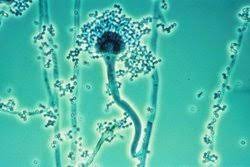
Pier Antonio Micheli, a priest and scientist, named Aspergillus while documenting moulds in 1729. The mould looked like an aspergillum, which is a type of holy water sprinkler. Physician Georg W. Fresenius described the species fumigatus for the first time in 1863.
Apergillus spp., found in abundance of nature, can be found in soil, decomposing materials, water sources, and air particle. Aspergillus-related disease is uncommon, although it has a significant death rate. The majority of people are exposed to spores (conidia) during their lives, although illness development occurs mostly in people with compromised immune systems, as well as during construction and yard activities. In patients with leukaemia, asthma, cystic fibrosis, and hematopoietic stem cell transplant recipients, A.fumigatus is the most frequent invasive mould infection, with death rates exceeding 50 percent in these high-risk populations.
Around the apex, the stipes are grey in colour. They feature a slick finish. Their globule is tiny and columnar. The conidia’s texture is either smooth or spinose.
WHERE IT CAN BE FOUND?
Aspergillus is commonly found in rotting plant matter. After considerable environmental exposure to Aspergillus spores, such as when handling tree-bark chipping, Aspergillosis can develop in healthy hosts.
Aspergillus can be found in soil, compost piles, and damp grain in outdoor settings. Aspergillus may be found within buildings in wet insulation, fireproofing material, beds , behind couches, in damp rooms’ corners, dust, and air conditioning systems. In the Northern Hemisphere, most research studying seasonal changes in fungal exposure show an increase in airborne Aspergillus throughout the cold season.
TYPES OF ASPERGILLOSIS
Allergic bronchopulmonary aspergillosis (ABPA) is a multifaceted hypersensitivity reaction to inhaled Aspergillus fumigatus. Although it produces lung irritation and allergy symptoms, it does not cause infection. Aspergillus sinusitis is caused by an allergic reaction to the fungus Aspergillus, which produces inflammation in the sinuses and the symptoms of a sinus infection but does not cause an infection. A fungus ball is also known as an Aspergilloma. It forms in the lungs or sinuses but seldom spreads to other regions of the body, as the name implies.
Aspergillosis of the lungs (chronic pulmonary aspergillosis) Aspergilloma, chronic cavitary pulmonary aspergillosis (CCPA), chronic fibrosing pulmonary aspergillosis (CFPA), and Aspergillus nodules are all illnesses classified as chronic pulmonary aspergillosis (CPA). CPA is a lung infection that develops over time.
INVASIVE PULMONARY ASPERGILLOSIS
Inhaled conidia are removed by epithelial cells and alveolar macrophages in normal host lungs. Aspergillus becomes invasive when conidia escape these host defences and develop into branching filaments called hyphae. Alveolar macrophages generate inflammatory mediators, which attract neutrophils, which can destroy the hyphae.
CUTANEOUS SKIN ASPERGILLOS
Aspergillus comes in contact through a breach in the skin (for example, after surgery or a burn wound) and infects persons with weaker immune systems. Cutaneous Aspergillosis can also develop if invasive Aspergillosis moves from another part of the body, such as the lungs, to the skin.
LIFE CYCLE
Aspergillus begins its infectious life cycle by producing conidia (asexual spores) that are easily transported into the atmosphere, ensuring its ubiquity in both habitats. Inhalation of these conidia is the most common way to become infected, followed by conidial deposition in the bronchiole spaces. The phagocytosis and destruction of Aspergillus conidia is largely carried out by macrophages. The danger of infection stems largely from a breakdown in these host defences, as well as fungal characteristics that allow A. fumigatus to survive and flourish in this pulmonary habitat.
SYMPTOMS
The symptoms of Aspergillosis are:
Wheezing, chest pain
Shortness of breath, stuffiness, runny nose and reduced ability to smell
Cough (sometimes blood)
Fever (in rare cases), headache, fatigue
Weight loss
• The length of time that an illness lasts depends on the underlying health concerns, the intensity or location of infection, and the kind of sickness.
• Allergic forms, may require steroid and antifungal treatment for a few months, possibly longer sometimes.
• Invasive pulmonary Aspergillosis may need at least 6 to 12 weeks of antifungal therapy. Severe cases may need therapy for lifetime and monitoring to keep the illness under control.
• If the infection spreads from the lungs to other areas of the body, additional symptoms may appear.
• Red to purple plaques or papules are common symptoms of cutaneous Aspergillosis.
DIAGONOSIS
Because the symptoms of Aspergillosis might be confused with those of other lung diseases, diagnosing it can be challenging. In order to make a diagnosis, your healthcare practitioner will look at your medical history, risk factors, symptoms, physical examinations, and lab testing.
An Aspergilloma, a fungal tumour, or the symptoms of invasive Aspergillosis and ABPA can be found on a chest X-Ray or a chest CT scan.
• A sample of your sputum is stained with a dye and examined for the presence of Aspergillus filaments in a respiratory secretion (sputum) test.
• Tissue and blood testing may be used to confirm the presence of ABPA.
• To confirm invasive aspergillosis, a biopsy of tissues from your lungs or sinuses is performed, as well as blood testing.
TREATMENT
In addition to early diagnosis, early treatment is critical in managing aspergillosis. Depending on the type of disease, one may have the following treatments:
• Observation- If you have a single aspergilloma, you may not need treatment; instead, you may be monitored with regular chest X-rays or CT scans. The doctor may prescribe antifungal medication if your disease worsens.
• Antifungal medicines may be used in combination with corticosteroids to reduce the need of steroids, improve lung function, and prevent existing asthma or cystic fibrosis from deteriorating. Some examples are prednisone (Deltasone), prednisolone (Orapred), and methylprednisolone (Medrol).
• Invasive pulmonary aspergillosis is treated with antifungal medications. Voriconazole (VFEND) and amphotericin B are two of these drugs (Amphocin, Fungizone).
• Surgery- as antifungal medicines have a hard time penetrating an aspergilloma, surgery may be required to remove the fungal mass if the aspergilloma causes pulmonary haemorrhage.
Embolization of the Arteries -This technique can be used to temporarily halt aspergilloma-related bleeding. A radiologist uses a catheter to inject a substance into an artery supplying a lung cavity where an aspergilloma is causing blood loss. The injected substance solidifies, cutting off the area’s blood supply and halting the bleeding. This therapy works for a while, but the bleeding will most likely return.
England 183 and 303 (Root 109, Curran 32, Bumrah 5-64) drew with India 278 and 52 for 1 (Rahul 26, Broad 1-18)
The promised grandstand finish to the Trent Bridge Test never materialised as it rained all morning and all afternoon in Nottingham to force a draw.
India came into the day slight favourites, needing a further 157 runs with nine wickets in hand on a quick-scoring ground whose pitch seemed to have settled down from the treacherous pit it had been in the first innings.
We will never know which team really lost out because of the rain, but they will both take four World Test Championship points each from the match.
Second Test
Kohli’s men go 1-0 up after hosts fold for 120, chasing 272, in the last hour India 364 (Rahul 129, Rohit 83, Anderson 5-62) & 298 for 8 dec. (Rahane 61, Shami 56, Wood 3-51) beat England 391 (Root 180, Bairstow 57, Siraj 4-94) & 120 (Root 33, Siraj 4-32, Bumrah 3-33) by 151 runs Another overseas Test, another flourish from India’s lower order. Jasprit Bumrah’s day began as a batter in a hostile environment; by the end of the day, he and Mohammed Shami had turned the pressure around on England so swiftly and clinically that the hosts, who were in control of the game coming into the last day, folded in the final hour as India went 1-0 up in the series. India were 154 ahead when the day began, with Rishabh Pant and the bowlers left to contend with the second new ball. For the first half an hour, everything went according to plan for England. Their relentless, disciplined attack at India on Sunday evening had set them up to go all guns blazing. Pant has foiled a plan or two this year, including on England’s tour of India in February, and he was priority number one. They got him early, when he nicked behind on the forward defensive. India were 167 ahead then, with three wickets in hand. India had 60 overs to bowl out England and the task was made possible by an all-round effort from the pacers. Mohammad Siraj was the pick of the bowlers with four wickets including the final one. India’s long tail wagged as Mohammad Shami and Jasprit Bumrah shared an unbeaten 89-run stand to take India to 298 for eight before declaration came shortly after lunch.
So time to value our natural resources. Today we will know about the Mountains and Rivers of India. Great poets have sung songs in the praise of mountains and rivers of India. They are a boon for us. The rivers and mountains are source of great pride and joy for every Indian. India is blessed with the natural beauty as a whole which makes it different from other countries.
If we look at the map of the country, we find long ranges of mountains in the North. They are the Himalayas .They remain covered with snow throughout the year. They have some of the highest peak of the world. In Central India also we find big mountains. They are the Vindhyanchal and Satpura range. They separate Southern and Northern India. Besides these, Araveli and Nilgiri Hills are slow famous.
Mountains are useful from various points of view. First the high Himalayas are called “The Sentry of India ” they are so high that go enemy could invade India by crossing them. So they are like a natural wall which separates India from Tibet. Sharpa Tenzing an Indian citizen was the first to conquer the highest mountain peak of the world MOUNT EVEREST. He made history and so did Bichendri Pal the first woman to conquer this peak.
Like mountain and their ranges, our rivers are also world famous and well known. In the North, we have the Ganga (Ganges), the Yamuna, the Brahmaputra and their numerous tributaries, the Ganga is regarded as sacred by the Hindus and thus called Ganga Maa. South has famous rivers like Krishna, Kaveri, Narmada. Many of our big cities are situated on the banks of these rivers. Varanasi, Haridwar and Allahabad are important pilgrimage sites.
Rivers and mountains are real wealth of the country. Thanks to them. We are sure to make great progress in the near future. These natural resources should be fully utilised according to the necessary needs and try to save them. Hope you will like reading it.
So I think you must have the name by the title…. Yes you are absolutely right none other than Ur. A.P.J Abdul Kalam. Dr. Avul Pakir Jainul Abideen Abdul Kayam, the missile magician who became the President of India (2002-2007). His name is synonymous with India’s technological development in satellite launch vehicles missile, main battle tank and light combat aircraft.
He was born on 15th October, 1931 in Rameshwaram in Tamil Nadu. He graduated from St. Joseph in Trichy and later specialized in aero – engineering at the Madras Institute of Technology . His only stunt abroad was a four month visit to NASA in the United States. In 1958 , he joined the Defence Research Organization (DRDO) and five years later he joined the Indian Space Research Organization (ISRO).
Dr. Kalam left the Vikram Sarabhai Space Centre in 1982 and joined the Research and Development Establishment Hyderabad as Director. It was here he conceived Integrated Guided Missile Development Programme and laid a solid foundation for indigenous design development of critical technology projects. In 1986 the Guided Missile Board took the decision to take up Missile Technology Control Regime from there on the short range anti tank Nag, surface to air Trishul and Akash 250 km, range Prithvi and Intermediate Range Ballistic Missile (IRDM) Agni came into existence.
Over the 15 years the Kalam team has delivered five missile to the nation of gradually improved efficiency and this was primarily due to the kind of leadership and vision that, Kalam provided. The nuclear test conducted on May 11 and 13, 1998 by the joint efforts of DRDO team led by Dr. Abdul Kalam and the atomic energy team had made India the 6th nuclear in the world.
He was awarded the Bharat Ratna, highest civilian award of the country in 1997. He was a man of victory who was at peace with himself. He never changed himself. His simplicity, politeness, humility and thoughtfulness is still remembered and alive among us. On 27 July, 2015 while delivering a lecture at Indian Institute of management, Shillong he was collapsed and then died of sudden cardiac arrest. Dr. Kalam was basically a man of peace.
Friendship is one of the greatest treasure bestowed on a person by time , it’s one of the significant bond one can ever wish for. A friendship stands on the pillars of trust like other relationship. The bond has to be cultivated for years so that it’s roots become strong and it can stand through every thick and thin of life. Friendship has no age, gender or cast. The most important part of this bond is acceptance, there is no judgement. And it’s them with whom u forget all the worries of your life as you know they will be the one to whom you will go to seek shelter in the rain of pain and difficulties.
Let me dedicate a poem to friendship;
THE THING I AM CURIOUS ABOUT; FRIENDSHIP.
A bestfriend say’s hastag forever!
But who know’s what future beholds,
Today you might be as close as winning a race,
But within a blink the future may change.
Yes! I am curious about my friendship.
I fear, I might lose it in a second:
Friendship is supported by the pillars of trust,
But trust is as delicate as glass.
Friendship is a circle that never ends,
But what if friendship takes 360 degree spin.
The circle can be broken into an arch,
But you can’t lose, only mourn.
The longing can be as painful as knife through heart,
I hope the crescent moon phase never arrives;
The crescent moon is a beautiful sight, but not in friendship.
The friendship circle shines like a moon in the darkest night.
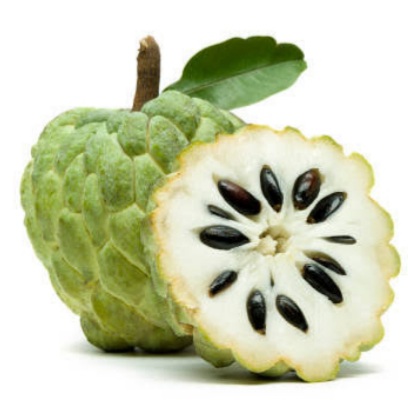
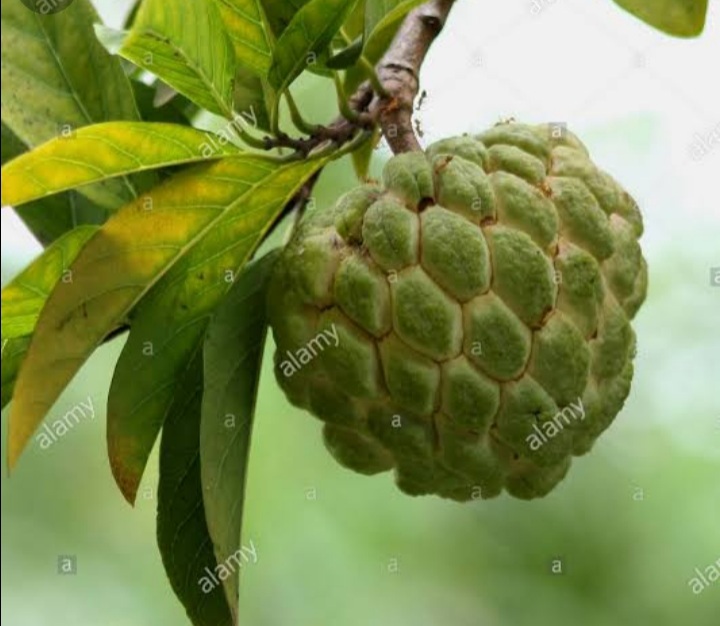
Custard apple, also known as “sitaphal” in Hindi, is a delicious fruit that is popular for its creamy, sweet flesh. This soft and creamy fruit has a hard rind and is full of nutrients. The fruit contains antioxidants and is high in nutrients like magnesium and potassium, offering a plethora of health benefits. In this post, we have outlined some of the most amazing health benefits of custard apple along with its nutritional value, and an easy recipe to go with.
Nutrition Value of Custard Apple
Custard apples are a rich source of nutrients and minerals required by the body. Let’s take a look at the table below to understand the nutritional values of the fruit.
A fresh, 100-gram custard apple contains:
Calories – 94
Proteins – 2.1 gms
Dietary Fiber – 4.4 gms
Total Fat – 0.0 gms
Carbohydrates – 23.6 gms
With that in mind, let’s discuss the potential health benefits of consuming custard apples.
Health Benefits of Custard Apple
There are several advantages to eating custard apples. Various research and studies have proven the potential health benefits of custard apples. Listed below are some of the known health benefits of consuming custard apples.
1. Better cardiovascular health
Custard apple is one of the few fruits that contain a well-balanced ratio of potassium and sodium that helps in regulating and controlling blood pressure fluctuations in the body. The high magnesium content in custard apple relaxes the smooth heart muscles, thus preventing stroke and heart attack. Moreover, fiber and niacin in the fruit help in lowering bad cholesterol while increasing good cholesterol in the body. Most importantly it helps in preventing the absorption of cholesterol in the gut and averts the free radicals from affecting lipid.
2. Helps fight fatigue
Fatigue can result from a number of factors, including daily lifestyle as well as diseases. A 100-gram serving of custard apple contains 101 kilo calories (Kcal), which is roughly around 5% of the recommended dietary allowance. The fruit will keep you going with your day to day activities without any hassle.
3. Boosts eyesight
Custard apple is a rich source of vitamin C and riboflavin, two most essential nutrients that are responsible for keeping the eyes healthy. They also help in fighting free radicals from damaging the cells. As we age, weak eyesight is a common problem. In this day and age where we are glued to the screens of our phone, TV, tablets, and laptops, it is important to take good care of your eyes. The essential nutrients in custard apple prevent your eyes from drying out allowing them to function properly.
4. Boasts natural anti-cancerous properties
Custard apples are rich in flavonoids which are helpful in treating numerous types of tumors and cancers. The fruit also contains elements like alkaloids and acetogenin that are known to reduce the risk of renal failure and cancer. The antioxidant properties of custard apple act against cancer-causing cells, without affecting the healthy cells. Bullatacin and asimicin are two antioxidant compounds that have anti-helminths and anti-cancer properties. They help in counteracting the effects of free radicals, thus avoiding cancer.
5. Lowers the risk of arthritis
Custard apples are a rich source of magnesium. When consumed, magnesium helps in equalizing the water balance in the body, therefore eradicating acids from the joints. This ultimately helps in reducing the symptoms of arthritis and rheumatism. According to experts, regular consumption of the fruit also helps in fighting muscle weakness. Custard apples also contain calcium which is essential for bone health.
6. Custard apple for better brain health
Custard apples contain B complex vitamins in abundance. B complex vitamins are known for controlling your brain’s GABA (gamma-aminobutyric acid) neuron chemical levels. This is what influences different emotions, including depression, irritability, tension, and stress. The B complex vitamins help the brain to calm down, especially when you are stressed about something or are depressed. According to experts, it is a great food to have to protect against Parkinson’s disease. 100 gms of custard apple contains 0.6 gms of Vitamin B6 which is 15-20% of the daily recommended value.
7. Remedy for inflammatory diseases
Custard apple is a highly recommended fruit for people suffering from inflammatory diseases like gout and rheumatoid arthritis. The antioxidants present in the fruit can help curb pain related to auto-inflammatory diseases and conditions. Not only the fruit, but the leaves of custard apple have also been known to possess anti-inflammatory properties.
8. Keeps skin youthful and delays aging
Eating custard apple has shown to stimulate and increase collagen production in the body. Collagen is a protein that gives the skin its elasticity, plumpness, and smoothness. As we age, collagen production becomes slow. This results in the formation of crease lines on the skin, sagginess of the skin, and wrinkly skin. Consuming custard apple thickens and stimulates the production of collagen, therefore reducing the fine lines and wrinkles. The compounds present in custard apple slow down the breakdown of collagen, improving the elasticity of the skin and keeping the skin hydrated. The presence of antioxidants in the fruit ensures that signs like blemishes and age spots are delayed. Last but not least, it is essential for the regeneration of the skin cells, which keeps the skin look youthful all the time.
9. Prevents anemia
Anemia occurs due to a disorder within the body. It leads to the body having less than regular amounts of hemoglobin or red blood cells in the body. The red blood cells use hemoglobin for transporting oxygen all around the body, allowing the body to perform numerous functions. Lower amounts of red blood cells or hemoglobin result in the blood lacking an adequate amount of oxygen. This makes the lungs and the heart work harder to produce more oxygen. Custard apple is known as a haematinic as well as an expectorant, which helps in dealing with conditions like anemia.
Best Ways to Consume Custard Apple
While custard apple is better served raw and fresh, it can be used as seasonings or dressings. You can mix the white creamy pulp with other fruits in salads or can use the pulp as a topping for your ice cream.
Custard apples are not only delicious but also boast several health benefits. From lowering the risks of arthritis to fighting cancer-causing cells, preventing inflammation, boosting brain health, and more. Custard apple is among the top foods that can help you lead a healthy life. It is filled with mineral, nutrients, and vitamins in the right amounts that make up for your daily recommended intake. You can have it raw or as dressing for salad and shakes.
A friend is someone who can take us from a bad day at work to a crazy day at the breaks, so what if you can find this type of friendship in every relationship you have around yourself?
Won’t it be a good day start when you have someone to come home for aside from your parents and spouse of course?
That friend, the same friend you can find in the name of the species we call animal but wait why in that category if we could have one in human only right? You must be thinking about this so don’t worry let me answer this for you.
Right away in the article!
Packed Answers
We might think that as we humans are superior species then we can’t get anything out of those animals but it’s not all true though you might think you know everything about the tail, it’s contrary to the truth and there might be few facts about the faithful friend here I am referring that can leave you in awe with it.
So, here are few facts that can leave you surprised and might be you will be going for the adoption of another one of faithful friends after knowing these.
Be aware: Though it may sound gibberish but your dog or any dog can sense the difference in the time. They can even predict with regular practice of the same event that this is going to happen without you telling them about it.
They feel: A study has shown that even dogs can tell the difference in your affection meter as you behave with other creatures and they can become jealous of that creatures as well.
As smart as “US”: In Russia, even stray dogs are learning to ride subways and they carefully stop at the desired location in search of food as we all do in the search of jobs or any other task.
Carrying from the past: when it was not so normal to breed dogs as pet dogs used to stay in wild and from that they have learned this thing we see today in them when they curl up and sleep to protect their internal organs.
Sniffing it all: The power or strength of the sniffing over of the dogs are on the other level, according to some studies they can sniff the cancer cells production in our body as they release different types of waste and it can be sniffed by the dog if they are trained enough.
Alignment with magnetic field: Don’t be too shocked if you find your dog being picky for pooping as they tend to discrete the waste out of their system by finding the place in perfect alignment with the magnetic field of the earth.
Unique Print: Just like us humans they also have something unique other than height weight and appearance to brag about. They have a unique nose print that stays always wet as they can sniff all the scents around them or almost anything they can sniff.
Before thinking about how to be more creative, let me begin point out some real barriers that some people seem to have when wanting to enhance creativity, have a think if any of these things are applicable to you and your life;
1. Lack of time. This is not as major as you may think. Linking thoughts and ideas only takes seconds. It can happen anytime, anywhere. Provided you are in the right state and pay attention to your own experience.
Creativity in my opinion is more about the quality of the time you have and being receptive to yourself. Though this does take some time.
2. Fear of being judged. When I worked for a national newspaper and we had brainstorming sessions, individuals were often scared of expressing ideas. Creativity results in unusual ideas and perhaps even being different in some way. They can be thought of as strange, odd or challenging. Fear of being considered weird, stupid or just different often kills creativity. If I feared people thinking any of those things about me, I would not bother getting out of bed in the mornings; I love the fact that people think I am all of those things!!
3. Lack of self-esteem. When you do something creative, you go beyond the bounds of what has been safe and familiar in the past, to yourself and maybe even others. When you are not sure about yourself, being different in any way can feel risky or make you feel vulnerable. The danger is that you give up your new insight to just blend in. Smash out of those shackles!
4. Fear of failure. This inhibits us. If you are making a new connection in your brain there can be no inherent “right” or “wrong” about it. Failure can only have two meanings really; firstly, that it didn’t work in the way you wanted it to. Secondly, Someone else did not like it. But so what??!! I have to tell you all that I get many comments on how I generate so many successful projects and am often asked how I do it. I always point out that these projects are actually only about 10% of what I have imagined. The other 90% didn’t work or didn’t get out of my brain.
Creativity is not reserved for genius only. Einstein was brilliant but he is not necessarily the best model of creativity for us. You do not need specialist expertise to be creative. The fruits of your creativity may manifest in many, many differing ways, in fact I expect so.
If at any time you doubt your ability to be creative, remind yourself that several times every night you create an entirely new dream, which you script, act in and watch, which involves all your senses and has effects that can last long after they are over. This creation is so very effortless most people don’t even recognise it as such.
How to be more creative.
Ok, so how does one actually go about getting more creative. Let me give you some ideas;
1. Find the right frame of mind. Explore what states you associate with being creative. Discover properly what it is that triggers and maintains you being creative. What’s your best time of day? The best environment? Do you need to be alone or with others or alone in the midst of others? Do you need sounds or silence or background sounds? Build a profile of your creativity state, then make time and space for it on a regular basis instead of waiting for some divine intervention and for it to just happen on its own.
2. Cultivate dreaming. Pay attention to your experience of life and attention to your existing creativity rather than dismissing day-dreams and dreams. Don’t allow yourself to waste what you may already be discovering by ignoring it.
3. Ask yourself “What if?” and “What else?” and “How else?” Always go beyond what you fist thought, find more and more different ideas.
4. When and/or if you hit a problem, pretend your usual solution is not available. This can work in many different ways. If your PC crashes today, how else might you do your work? If you usually argue face to face, what would happen if you wrote your feelings down instead? Some solutions may be no better than the ones you’re used to: others may offer you brilliant new opportunities. Do something different. I wrote about that idea in an earlier article entitled Do something Different, go check it out.
5. See how many different results you can get with the same ingredients. I am sure many of you know that there is a cookbook called “Recipes 1-2-3″ by Rozanne Gold, in which every recipe is made out of only three ingredients.
Some recipes use the same three ingredients but different processes or quantities come up with different results.
You can have some great fun by taking an every day object and imagine or think about how many other uses it can have, you can even think about how to combine them with other objects.
6. Think of different ways to do the familiar. Change the order in which you do things, use different things, use your less favoured hand; as soon as we break routine, we move from a state where we are on auto-pilot to one where we are alive and alert. You exercise unfamiliar brain connections and help build new links in your brain. A glorious feeling!
7. Look out for the difference that makes the difference. When you encounter something that strikes you as different, ask yourself what it is about it that is so different or new or unusual. Where does the key difference actually lie?
I want to mention a strategy that is well talked about in NLP circles and that I have used for many years and that is the Disney Creativity Strategy.
The Disney creativity strategy is for developing your dreams and giving them the best possible chance of becoming reality. It is named after Walt Disney, who often took on three different roles when his team was developing an idea; the dreamer, the realist and the critic. Robert Dilts, an NLP pioneer, modelled and developed this strategy as an NLP tools. Some of Robert’s articles that he kindly donated can be found at my website.
The strategy separates out these three vital roles involved in the process of translating creative ideas into reality so that they can be explored separately for maximum clarity and effect.
Many companies have specialists in each of the three fields and I have done consultancy work with companies myself whereby I have asked different team members to take on one of the roles. You can also play all three roles yourself as I often do in coaching or business consultancy, with your own wants, needs and goals.
However, the usual way to use it is to allocate three roles to different people (realist, dreamer and critic) to assess plans or tasks. Ask someone to act as the dreamer and tell you all the possibilities of the idea. Ask someone else to examine exactly what would be involved in putting it into practice (realist), and someone to take a hard look at it and really evaluate its strengths and weaknesses (critic). You may want to rotate the roles. If doing it on your own, be sure to keep the roles very separate and write them down. I do this with lots of my own ideas and with changes I want to make in my life.
You can even use this in a meeting broken down into three stages; Each role as a separate stage. Get everyone brainstorming and being creative first; then get them thinking about what would actually have to happen in practical terms; then get them critically evaluating the possibilities.
I suggest that you have some fun being creative and doing things differently to generate more creativity. It feels wonderful and if you have found that your progress to success or the outcomes you desire has been blocked or gone stagnant, then think about being more creative in how and what you are doing.
Humanity, something that should always be treasured more than anything else in the world prevails when someone actually carries it in their work.
So did the wonder women of needy people, our Mother Teresa, she was the epitome of kindness, this is the story of the woman who was an extraordinary mother of the whole nation who proved that no matter how many obstacles are going to be there on the path she would never deviate and will always abide by the utmost dedication and indomitable courage.
She might be the only one when she started this wave but she comes out to be a much bigger inspiration for many others out there who all are in the path of dedication and peace.
Undying Spirit
The call of God is something that every one of us gets at least once in our whole day still are we able to grasp it clearly without the disturbance of the world’s attachment?
No, most of us don’t even have time to spare for the things which could deliver peace to our soul, to our society, and everyone else around us because we are living in a speedy world after all.
If we talk about the 19’s then the things were different and difficult for everyone out there but women, it would be an understatement that it was tough for them, they were going through much evil practice of the society at that time, and even if times like that couldn’t stop the will of a girl named Agnes Gonxha.
A girl so young and pure devoted her whole life to spread the message of humanity and love too far lands without the attachment yet feeling the pain of every poor and needy out there.
The capacity and ability of one’s soul to dedicate the whole life without even thinking for yourself even for once is a virtue not many of us can ever achieve.
Yet there she left her home and parents to give us the message, No not to leave home but to not stop till you achieve what you think is right and peace bearer for the upliftment of the society.
Born as a Mother
In the young age of Agnes when her father died, she was just 8 years of age and that was the time Agnes’s mother stilled the deep compassion and love for the whole of humanity. She taught her daughter that one need not be wealthy to help others one needs to be considerate and compassionate to help.
When Agnes was young her mother even set an example to teach her daughter how to be a human above every caste, creed, color.
Even when not stable enough her mother invited every destitute to din with them and taught Agnes that you don’t unless they do and that was the point and learning she took which changes Agnes to Mother Teresa, a symbol of peace for humanity, an epitome of boundless love and care for the poor.













 Eduindex
You must be logged in to post a comment.