Legal Positivism

Etymologically, The term positivism is derived from Latin ponerepositum, meaning “to put”. “Positive law” is that which is man-made, i.e., defined formally. Legal positivism is a school of thought of analytical jurisprudence developed largely by legal philosophers during the 18th and 19th centuries, such as Jeremy Bentham and John Austin.While Bentham and Austin developed legal positivist theory, empiricism provided the theoretical basis for such developments to occur. The most prominent legal positivist writer in English has been H. L. A. Hart, who, in 1958, found common usages of “positivism” as applied to law to include the contentions that:

  • laws are commands of human beings;
  • there is not any necessary relation between law and morality, that is, between law as it is and as it ought to be;
  • analysis (or study of the meaning) of legal concepts is worthwhile and is to be distinguished from history or sociology of law, as well as from criticism or appraisal of law, for example with regard to its moral value or to its social aims or functions;
  • a legal system is a closed, logical system in which correct decisions can be deduced from predetermined legal rules without reference to social considerations

Disagreement with Natural lawyers

Historically, legal positivism is in opposition to natural law’s theories of jurisprudence, with particular disagreement surrounding the natural lawyer’s claim that there is a necessary connection between law and morality.

SOURCE OF LAW, ACCORDING TO LEGAL POSTIVISTS

In the positivist opinion, the source of a law is the establishment of that law by some legal authority which is recognised socially. The merits of a law are a separate issue: it may be a ‘bad law’ by some standard, but if it was added to the system by a legitimate authority, it is still a law.

In the The Stanford Encyclopedia of Philosophy it is mentioned that;According to positivism, law is a matter of what has been posited (ordered, decided, practiced, tolerated, etc.); as we might say in a more modern idiom, positivism is the view that law is a social construction.”

Legal positivism does not claim that the laws so identified should be obeyed, or that necessarily there is value in having clear, identifiable rules. The laws of a legal system may be quite unjust, and the state may be quite illegitimate; as a result, there may be no obligation to obey them. Moreover, the fact that a law has been identified by a court as valid does not provide any guidance as to whether the court should apply it in a particular case.

As John Gardner has said, legal positivism is “normatively inert”; it is a theory of law, not a theory of legal practice, adjudication, or political obligation. Legal positivists believe that intellectual clarity is best achieved by leaving these questions for separate investigation.

Antecedents of legal positivism

The main antecedent of legal positivism is Empiricism, the thinkers of which range back as far as Sextus Empiricus, Thomas Hobbes, John Locke, George Berkeley, David Hume, and Auguste Comte. The main idea of empiricism is the claim that all knowledge of fact must be validated by sense experience or be inferred from propositions derived unambiguously from sense data. Further, empiricism is in opposition to metaphysics; for instance, Hume rejected metaphysics as mere speculation beyond what can be learnt from sense experience

The bhopal gas tragedy

[UNION CARBIDE CORPORATION  VS UNION OF INDIA 4TH MAY 1989 Bhopal gas tragedy];

INTRODUCTION

The Bhopal Gas Leak Tragedy that occurred at midnight of

2nd  December, 1984, by the escape of deadly chemical  fumes

from the appellant’s factory was a great industrial disaster

and  it took an immediate toil of 2600 human lives and   left

tens of thousands of innocent citizens of Bhopal  physically

affected  in various ways. As per the figures  furnished  by

the  Union of India in its amended plaint a total number  of

2,660  persons          suffered agonising and     excruciating  deaths

between 30,000 to 40,000 persons sustained serious  injuries

as a result of the said disaster.

    Legal  proceedings for the recovery of compensation          for

the victims were initiated against the multi-national compa-

ny  first  in the U.S. Courts and later in Distt.  Court  at

Bhopal in Suit No. 113 of 1986. The present appeals  concern

with  the order dated 4th April, 1988 passed by  the  Madhya

Pradesh     High  Court whereby it modified  the  interlocutory

order dated 17.12.1987 made by the Distt. Judge and  granted

interim       compensation  of Rs.250 crores. Both the  Union  of

India  and  the Union Carbide Corporation have appealed  to

this Court against that order.

    The         Court          by its order dated the 14th  February,          1989

made in these appeals directed that there shall be an  over-

all  settlement          of the claims in the suit for       470  million

U.S.  Dollars  and  termination of all      civil  and  criminal

proceedings. On May 4, 1989 the Court pronounced its reasons

for its aforesaid order dated 14.2.89thus:

    The Statement of the reasons is not made with any  sense

of  finality  as to the infallibility of the  decision;          but

with  an open mind to be able to appreciate any tenable      and

compelling legal or factual infirmities that may be  brought

out, calling for remedy in review under Article 137 of

the Constitution. [132C-D]

129

    The basic consideration motivating the conclusion of the

settlement  was the compelling need for urgent relief.          Con-

siderations  of excellence and niceties of legal  principles

were greatly over-shadowed by the pressing problems of          very

survival for a large number of victims. [133A, C]

    The         instant  case is one where damages  are  sought  on

behalf of the victims of a mass disaster, and having  regard

to  the        complexities and the legal question  involved,   any

person          with  an  unbiased vision would not  miss  the          time

consuming  prospect for the course of the litigation in      its

sojourn through the various courts, both in India and  later

in  United  States. This Court considered  it  a  compelling

duty.  both judicial and humane, to secure immediate  relief

to  the victims. In doing so, the Court did not    enter          upon

any  forbidden ground. What this Court did was in  continua-

tion of what had already been initiated. [133E-F, H; 134A]

    The         range         of  choice for the Court in  regard  to  the

figures       was, therefore, between the maximum of 426  million

U.S. Dollars offered by Shri Nariman and the minimum of      500

million       U.S.  Dollars suggested by  the  Attorney  General.

[134F-G]

    Having  regard  to all the circumstances  including   the

prospect of delays inherent in the judicial process in India

and thereafter in the matter of domestication of the  decree

in the United States for the purpose of execution, the Court

directed that 470 million U.S. Dollars which upon  immediate

payment and with interest over a reasonable period,  pending

actual      distribution amongst the claimants, would  aggregate

very nearly to 500 million U.S. Dollars or its rupee equiva-

lent  of  approximately          Rs.750 crores          which  the  Attorney

General had suggested. be made the basis of the          Settlement.

[134G-H; 135A-B]

    The Settlement proposals were considered on the premises

that the Government had the exclusive statutory authority to

represent  and          act  on behalf of the  victims       and  neither

counsel      had any reservation as to this. The order was          also

made  on  the  premises that the Bhopal Gas  Leak  Disaster

(Registration and Processing of Claims) Act 1985 was a valid

law. [135B-C]

    There might be different opinions on the  interpretation

of  laws  or on questions of policy or even on what  may  be

considered  wise or unwise; but when one speaks        of  justice

and truth, these words mean the same thing to all men  whose

judgment is uncommitted. [140B-C]

The compulsions of the need for immediate relief to tens of

130

thousands  of  suffering victims could not wait     till  these

questions, vital though they be, are resolved in due  course

of judicial proceedings. [142D-E]

    A  settlement  has been recorded upon  material  and  in

circumstances  which persuaded the Court that it was a          just

settlement. This is not to say that this Court will shut out

any  important          material and  any  compelling  circumstances

which  might impose a duty on it to exercise the  powers  of

review.       Like  all other human institutions, this  Court  is

human and fallible. What appears to the Court to be just and

reasonable in that particular context and setting, need          not

necessarily appear to others in the same day. Which view  is

right, in the ultimate analysis, is to be judged by what  it

does  to  relieve the undeserved suffering of  thousands  of

innocent citizens of this country. [142F-G]

    Decisions  of  courts cannot be reacted  or          altered  or

determined by agitational pressures. If a decision is wrong,

the process of correction must be in a manner recognised  by

law.  All  of those who invoke the corrective  processes  in

accordance  with  law shall be heard and the court  will  do

what the law and the course of justice requires. The  matter

concerns  the  interests of a large number of victims  of  a

mass  disaster. The Court directed the settlement    with the

earnest hope that it would do hem good and bring them  imme-

diate   relief,          for, tomorrow might be too  ate for  many  of

them. But the case equally concerns the credibility of,          and

the public confidence in, the judicial process. [143B, D-E]

Those who trust this Court will not have cause for despair.

JUDGEMENT

The following Order of the Court was delivered: ORDER The Bhopal Gas Leak tragedy that occurred at midnight on 2nd December, 1984, by the escape of deadly chemical fumes from the appellant’s pesticide-factory was a horrendous industrial mass disaster, unparalleled in its magnitude and devastation and remains a ghastly monument to the de-huma- nising influence of inherently dangerous technologies. The tragedy took an immediate toll of 2,660 innocent human lives and left tens of thousands of innocent citizens of Bhopal physically impaired or affected in various degrees. What added grim poignance to the tragedy was that the industrial-enterprise was using Methyl Iso-cyanate, a lethal toxic poison, whose potentiality for destruction of life and biotic-communities was, apparently, matched only by the lack of a pre-package of relief procedures for management of any accident based on adequate scientific knowledge as to the ameliorative medical procedures for immediate neutralisation of its effects.

It is unnecessary for the present purpose to refer, in any detail, to the somewhat meandering course of the legal proceedings for the recovery of compensation initiated against the multi-national company initially in the Courts in the United States of America and later in the District Court at Bhopal in Suit No. 113 of 1986. It would suffice to refer to the order dated 4 April, 1988 of the High Court of Madhya Pradesh which, in modification of the interlocutory- order dated 17 December, 1987 made by the learned District Judge, granted an interim compensation of Rs.250 crores. Both the Union of India and the Union Carbide Corporation appealed against that order.

This Court by its order dated 14 February, 1989 made in those appeals directed that there be an overall settlement of the claims in the suit, for 470 million US dollars and termination of all civil and criminal proceedings. The opening words of the order said:

“Having given our careful considera- tion for these several days to the facts and circumstances of the case placed before us by the parties in these proceedings, including the pleadings of the parties, the mass of data placed before us, the material relating to the proceedings in the Courts in the United States of America, the offers and counter-offers made between the parties at different stages during the various proceedings, as well as the complex issues of law and fact raised before us and the submission made thereon, and in particular the enormity of human suffering occasioned by the Bhopal Gas disaster and the pressing urgency to provide immediate and substantial relief to victims of the disaster, we are of opinion that the case is pre-emi- nently fit for an overall settlement between the parties covering all litigations, claims, rights and liabilities related to and arising out of the disaster ….. “

(Emphasis Supplied) It appears to us that the reasons that persuaded this Court to make the order for settlement should be set-out, so that those who have sought a review might be able effec- tively to assist the Court in satisfactorily dealing with the prayer for a review. The statement of the reasons is not made with any sense of finality as to the infallibility of the decision; but with an open mind to be able to appreciate any tenable and compelling legal or factual infirmities that may be brought out, calling for remedy in Review under Arti- cle 137 of the Constitution.

The points on which we propose to set-out brief reasons are the following:

(a) How did this Court arrive at the sum of 470 million US dollars for an over-all settle- ment?

(b) Why did the Court consider this sum of 470 million US dollars as ‘just, equitable and reasonable’?

(c) Why did the Court not pronounce on certain important legal questions of far reaching importance said to arise in the appeals as to the principles of liability of monolithic, economically entrenched multi-national compa- nies operating with inherently dangerous technologies in the developing countries of the third world–questions said to be of great contemporary relevance to the democracies of the third-world?

There is yet another aspect of the Review pertaining to the part of the settlement which terminated the criminal proceedings. The questions raised on the point in the Re- view-petitions, prima facie, merit consideration and we should, therefore, abstain from saying anything which might tend to pre-judge this issue one way or the other.

The basic consideration motivating the conclusion of the settlement was the compelling need for urgent relief. The suffering of the victims has been intense and unrelieved. Thousands of persons who pursued their own occupations for an humble and honest living have been rendered destitute by this ghastly disaster. Even after four years of litigation, basic questions of the fundamentals of the law as to liabil- ity of the Union Carbide Corporation and the quantum of damages are yet being debated. These, of course, are impor- tant issues which need to be decided. But, when thousands of innocent citizens were in near destitute conditions, without adequate subsistential needs of food and medicine and with every coming morrow haunted by the spectre of death and continued agony, it would be heartless abstention, if the possibilities of immediate sources of relief were not ex- plored. Considerations of excellence and niceties of legal principles were greatly over-shadowed by the pressing prob- lems of very survival for a large number of victims. The Law’s delays are, indeed, proverbial. It has been the unfortunate bane of the judicial process that even ordinary cases, where evidence consists of a few documents and the oral testimony of a few witnesses, require some years to realise the fruits of litigation. This is so even in cases of great and unquestionable urgency such as fatal accident actions brought by the dependents. These are hard realities. The present case is one where damages are sought on behalf of the victims of a mass disaster and, having regard to the complexities and the legal questions involved, any person with an unbiased vision would not miss the time consuming prospect for the course of the litigation in its sojourn through the various courts, both in India and later in United States.

It is indeed a matter for national introspection that public response to this great tragedy which affected a large number of poor and helpless persons limited itself to the expression of understandable anger against the industrial enterprise but did not channel itself in any effort to put together a public supported relief fund so that the victims were not left in distress, till the final decision in the litigation. It is well known that during the recent drought in Gujarat, the devoted efforts of public spirited persons mitigated, in great measure, the loss of cattle-wealth in the near famine conditions that prevailed. This Court, considered it a compelling duty, both judi- cial and humane, to secure immediate relief to the victims. In doing so, the Court did not enter upon any forbidden ground. Indeed, efforts had earlier been made in this direction by Judge Keenan in the United States and by the learned District Judge at Bhopal. What this Court did was in continuation of what had already been initiated. Even at the opening of the arguments in the appeals, the Court had suggested to learned counsel on both sides to reach a just and fair settlement. Again, when counsel met for re-scheduling of the hearings the suggestion was reiterated. The response of learned counsel on both sides was positive in attempting a settlement, but they expressed a certain degree of uneasiness and scepticism at the prospects of success in view of their past experience of such negotiations when, as they stated, there had been uninformed and even irresponsible criticism of the attempts at settlement. The learned Attorney General submitted that even the most bona fide, sincere and devoted efforts at settlement were likely to come in for motivated criticism. The Court asked learned counsel to make available the particulars of offers and counter offers made on previous occasions for a mutual settlement. Learned counsel for both parties furnished particulars of the earlier offers made for an overall settlement and what had been considered as a reasonable basis in that behalf. The progress made by previ- ous negotiations was graphically indicated and these docu- ments form part of the record. Shri Nariman stated that his client would stand by its earlier offer of Three Hundred and Fifty Million US dollars and also submitted that his client had also offered to add appropriate interest, at the rates prevailing in the U.S.A., to the sum of 350 million US dollars which raised the figure to 426 million US dollars. Shri Nariman stated that his client was of the view that amount was the highest it could go upto. In regard to this offer of 426 million US dollars the learned Attorney-General submitted that he could not accept this offer. He submitted that any sum less than 500 million US dollars would not be reasonable. Learned counsel for both parties stated that they would leave it to the Court to decide what should be the figure of compensation. The range of choice for the Court in regard to the figure was, therefore, between the maximum of 426 million US dollars offered by Shri Nariman and the minimum of 500 million US dollars suggested by the learned Attorney General. In these circumstances, the Court examined the prima facie material as to the basis of quantification of a sum which, having regard to all the circumstances including the prospect of delays inherent in the judicial-process in India and thereafter in the matter of domestication of the decree in the United States for the purpose of execution and di- rected that 470 million US dollars, which upon immediate payment and with interest over a reasonable period, pending actual distribution amongst the claimants, would aggregate very nearly to 500 million


Covid -19, Society and Law

Introduction

Humankind is going through a new and unprecedented experience with the rapidly spreading Covid-19 pandemic. We still do not know who ‘patient zero’, the first person to be infected and transmit it to others, was. The severity of this virus, which has caught the world by surprise, lies not only in the delay of laboratories in finding an effective and efficient vaccine, but also in the fact that the measures taken to counter it differ considerably from what was previously adopted to confront various acute crisis, whether health, political, social or economic.

There is no doubt that the Covid-19 pandemic will change the face of human society, but it forces us to ask some important questions. Will this change only affect the healthcare systems, or will it extend to consumption patterns, value systems, political regimes and legal systems, thus leading to the fall of the huge financial and economic empires? Will the major transformations the world will undergo be determined by how we recover from the effects of this situation?

According to the World Health Organization, the problem does not lie in Covid-19 alone but rather in the fear, panic and terror caused by the spread of this virus, and amplified by the media, which has been presenting the situation as if it were the end of the world. Barring the measures adopted by China, where the virus originated, the methods used to manage the crisis around the world are somewhat similar. To some extent, China succeeded in curtailing the spread of the virus, thanks to the spirit of discipline in its people, and due to its health infrastructure, the plethora of research centres and laboratories, and the ability to control the sources of information from the onset. Most other countries have wasted precious time after the first cases appeared, relying on legal and security control in dealing with the pandemic and information about it, rather than establishing a single entity to disseminate information backed by science.

The current crisis is not of the pandemic alone. Rather, it is of the far-reaching consequences on human behaviour. Addressing these repercussions should not be limited to taking ad-hoc costly measures limited to the current situation but should prompt us to think about putting into place innovative measures and actions that go beyond the pandemic. Measures like imposing quarantines, enacting new laws to manage the pandemic, using modern tools for e-learning and telework, ensuring a minimum standard of living for all, granting loans, exemptions from paying water and gas bills and taxes, assisting the unemployed, and using the military to assist in security measures during the epidemic have cost countries billions of dollars. These are funds that could have been invested in infrastructure or other major projects, but instead have now been used to respond to the immediate needs of the people.The pandemic will radically change the modern world, leading to three likely outcomes.

The first outcome

A new theory will be integrated within political science in the future. Indeed, traditional legitimacies in the systems of government, which are derived from ballot boxes, hereditary legitimacy or religion, are beginning to decline, leaving room for a new theory called the “theory of achievements”. Since the Cultural Revolution of Mao Zedong in the 1960s, China has worked on this emerging legitimacy, as the Chinese Communist Party has distinguished itself from the rest of the Communist parties in the world.

The second outcome

The traditional conflict between wrong information and right information will transform into a conflict between convincing information and unconvincing information, as legal arsenals and control tools are no longer effective in the spread and prevalence of correct information. The method of producing information and choosing its dissemination channel is becoming a means of turning it into convincing information, regardless of if it is true or false.

The third outcome

The process of monitoring people will transition from external to internal control using smartphones. This is also what happened in China, to curb down on misinformation on Covid-19 during its early stages and as a preventive measure in the absence of a vaccine. These smart devices have become effective tools for measuring citizens’ reactions at home to what is happening in their surroundings.

A coming human revolution

Humankind is going through a humanitarian revolution, the kind that has occurred only thrice before: first, after the discovery of fire; second, with the advent of agriculture; and third, following the industrial revolution. The most prominent sign of this ‘fourth revolution’ is the predominance of new technology and the supremacy of modern means of communication, which have spawned a conflict between two major concepts of using the internet. The first can be described as social perception with a human connect, while the second is non-social perception, and can be termed as wild and unbridled. The humanitarian-minded perception is likely to win this conflict, as this human revolution is making its mark on our social existence and old behaviours. This will impact the current value system and will have political andeconomic implications.

The post-epidemic stage will see the emergence of a new human being, whose daily behaviour and thinking will differ from what it was before the Covid-19 outbreak. The political, legal and economic systems will have to adapt to this new human being. Despite the timely importance of the current safety measures being put into action around the world, there is a great need for these to be integrated into a comprehensive post-pandemic thinking. In fact, we will find ourselves faced with a generation who thinks differently from the pre- pandemic generation.

In light of the impact of Covid-19 on the individual and collective behaviours of society and State, and people’s continued thirst for information, it is necessary to keep in mind the post- pandemic world when it comes to decision-making. The Covid-19 storm will pass and mankind will survive, despite the loss of many lives. Humankind will soon live in a world that is very different from the one before the virus. However, the pandemic will succeed where the other movements of the 20th century have failed in their struggle to establish democracy and human rights, and preserve a safe environment for all.

Doctrine of Notice

INTRODUCTION

The concept of Notice for the purpose of The Transfer of Property is given under Section 3 of Transfer of Property Act, 1882 (TPA). Notice means to have knowledge of something i.e. to know something. In law, it means knowledge of a fact. It is used to decide on conflicting claims of two parties. In law, the Notice or Knowledge of a fact affects one’s legal rights and liabilities.

Under Section 3 of TPA Notice can be; “Actual or express Notice” or “Constructive Notice”, or it may be imputed to the transferee when information of the fact has been obtained by his Agent.

Constructive notice

It is based on the law of presumption or it is presumed that in certain circumstances that the person knows the fact. He cannot afterwards say against it. This type of notice can be divided into five.

  1. Notice imputed by wilful abstention from enquiry
  2. Notice from gross negligence
  3. Notice by registration
  4. Notice by possession
  5. Notice by agent

Actual notice.- Actual notice, to constitute a binding force, must be definite information given by a person interested in the thing in respect of which the notice is issued, as it is settled rule that a person is not bound to attend to vague rumours or statements by mere strangers, and that a notice to be binding must proceed from some person interested in the thing. A mere casual conversation in which knowledge of a certain thing is imparted, is not notice of it, unless the mind of a person has, in some way been brought to an intelligent apprehension of the nature of the thing, so that a reasonable man or any normal man of business would act upon the information, and would regulate his conduct accordingly. In other words, the party imputing notice must show that the other party had knowledge which would operate upon the mind of any rational man, or man of business, and make him act with reference to the knowledge he has so acquired. A vague or general report or the mere existence of suspicious circumstances is not in itself notice of the matter to which it relates. A general claim is not sufficient to affect a purchaser with notice of a deed of which he does not appear to have knowledge. If a person knows that another has or claims an interest in property for which he is negotiating he is bound to inquire what his interest is, and if he omits to do so, he will be bound, although the notice was inaccurate as to the particulars to the extent of such interest.

The notice must be given in the same transaction. A person is not bound by notice given in a previous transaction which he may have forgotten. Notice to a purchaser by his title papers in one transaction will not be notice to him in an independent subsequent transaction in which the instruments containing recitals are not necessary to his title, but he is charged constructively with notice merely of that which affects the purchase of the property in the chain of title of which the payer forms the necessary link.

Constructive notice.- Constructive notice is the knowledge which the Courts impute to a party upon a presumption so strong that it cannot be allowed to be rebutted, that knowledge must have been communicated. “The doctrine of constructive notice” said Lord Brougham in Kennedy v. Green, depends upon two considerations first that certain things existing in relation or the conduct of parties, or in the case between them, begets a presumption so strong of actual knowledge that the law holds the knowledge to exist because it is highly improbable it should not, and next, that policy and safety of the public forbids a person to deny knowledge while he is so dealing as to keep himself ignorant or so as that he may keep himself ignorant, and yet all the while let his agent know, and himself perhaps, profit by that knowledge. The broad principle underlying the doctrine of constructive notice is that a person who is bound to make an inquiry and fails to do it should be held to have notice of all facts which would have come to his knowledge had he made the inquiry. Where, on the other hand, a person is not bound to make an inquiry he cannot be charged with constructive notice of the facts that might havebeen ascertained on such inquiry. Again, where a fact, of which a person has notice, would not put him on inquiry as to the matters in question, it cannot be constructive notice of such matter.

Classes of constructive notice

(1) Wilful abstention from search which one ought to make.
(2) Gross negligence.
(3) Registration as a notice.
(4) Possession as notice.
(5) Notice to agent
(5.1)Notice should have been received in his capacity as agent.
(5.2)Notice must have been given in the course of agency business.
(5.3)Notice must be of a fact which is material to the Agency Business.
(5.4)Fraud by an agent.

Conclusion

Thus it can be said that Constructive notice is a manifestation of the rule of Caveat Emptor. This is because according to Constructive notice, a person ought to have known a fact as if he actually does know it. It presupposed that in property translation a transferee ought to ascertain and verify certain facts for safeguarding his own interest. Thus he must be aware of the nature of the transaction. These facts may relate to property or the transferor, like whether the property is free of any charge or encumbrances or whether the transferor is competent to transfer the property or not.

If the property is encumbered, then the exact nature of the encumbrance ought to be ascertained by the transferee. Law puts it as the duty of the transferee, as a reasonably prudent person to be reasonably vigilant and diligent to ascertain the facts, inspect the documents relating to property in possession of the transferor, inspecting concerned persons, even with relevant statutory authorities, if required. Failure to do this would result in the imposition of Constructive notice.

MALARIA PREDICTION

MEETALI SONI

Malaria is a blood disease caused by a parasite called plasmodium; transmitted from humans by the female Anopheles mosquito. Different malaria symptoms help us to predict that a person is suffering from malaria. In 2019, there are a total of 409,000 deaths in the world are due to malaria, so it is very important to the prognosis, it is an efficient and effective way.

. We will be using KNN, DECISION TREE, LOGISTIC REGRESSION, and SVM for classifying the result. Then we will compare all the results given by these algorithms.  First, we will convert the data set in 0 or 1 to fit for the classification and then predict.

Now calculating all the training and testing scores by comparingKNN, DECISION TREE, LOGISTIC REGRESSION, SVMbased on training and testing scores we get:

All four algorithms are supervised machine learning algorithms.

AlgorithmsTraining scoresTesting Scores
KNN0.670.65
DECISION TREE0.9680.612
LOGISTIC REGRESSION0.670.708
SVM0.670.71

K-Nearest Neighbor(KNN)

KNN is a nonparametric, lazy learning algorithm. Its purpose is to use a database with the data points, divided into the number of classes to predict the classification from the point of view of a specimen.

The steps for the calculation of the K-nearest neighbors:

1. Set the parameter K= number of nearest neighbors.

2. To calculate the distance between the study and all of the training samples.

3. The sort of distance, and defined, the nearest neighbors based on the Kth minimum distance.

4. Collect the category of the y-nearest neighbors

5. The use of a simple majority of the categories, of which the nearest neighbors, the forecasted value of the query instance.

DECISION TREE

A decision tree is similar to that of a flow chart: each internal node represents a “test” as an attribute (for example, if a flip was heads or tails), each case is the result of the test, and in each of the last node, the node labels in a class, if a decision is taken, after that take into consideration all of the attributes).

There are some impurity measure are there like

  1. Entropy
  2. Gini index/ Gini impurity

Entropy

Entropy is the amount of information that is needed to accurately describe an example of this. So, if the sample is homogeneous, then all the records in which the entropy is 0; otherwise, if the test is a multiple of equal, the larger the entropy is a maximum of 1.

So, on the left of the cup, it is the lowest level of entropy, in the middle of the cup has more entropy, and to the right of the cup with the greatest entropy.

Mathematically written as,

Gini index / Gini impurity

The Gini index is a measure of income inequality. It has a value between 0 and 1. A Gini index value of 0 means that there is a need to be perfectly consistent, not all of the elements are the same, while the Gini index with a value of 1 implies that there exists a maximal inequality among them. This, the sum of the squares estimates in each of the classes. This is because, as described below,the

LOGISTIC REGRESSION

The logistic regression model is a statistical model that in its basic form uses a logistic function to model a double, the dependencies of variables, even though many of the more complex add-ons. In regression analysis, logistic regression is estimating the parameters of a logistic model of the binary regression model for the form

Support Vector Machine

SVM is one of the most popular and versatile machine learning algorithms. It is widely used for classification problems, for regression problems. However, on this subject, let’s talk about the classification of the trouble. It is generally the preferred choice for medium-sized to small data set sizes.

The main task of the SVM is to find the optimal hyperplane, the line that divides the data points of the components, and the two terms of the highest profit margin .

“CHARLES BABBAGE” Biography

“Charles Babbage” is the father of “Computer”. He was born on December 26, 1791 in London. His father’s name was Benjamin Babbage and mother’s name was Betsy Plumleigh Babbage. Charles was one of the four children born to Benjamin Babbage who was a banker and merchant. The Babage family was wealthy.

Charles received much of his early education from private tutors. In 1810 he entered Trinity College of Cambridge University. There he found that he knew more about Mathematics then his instructors in 1814 the same year of Charles graduation from Cambridge. Same year, he married Georgiana Whitmore. They had 8 children together but only 3 live beyond childhood after his graduation he lectured on astronomy at the royal Institution and in 1816 was elected a fellow of the Royal Society in 1820 he helped to established the astronomical society in 1822 Charles began work on his difference engine. That machine or capable of performing mathematical calculations. At the time numerical tables were calculated by humans which resulted in high error rates in the table they produced his first prototype which was not finished during Charles lifetime was composed of 25,000 parts and would have weighed around 15 tons. A second prototype was also designed by Babbage the London science museum constructed the machine from Babbage original plan in 1991. It performed its first Calculation at the Science Museum London returning result 231 digits Babbage then began work on a more advanced machine known as the analytical engine. This machine can be programmed through a series of hole punched cards and intended to use several techniques that are still used in modern computing. In 1838, he invented the pilot a metal frame in front of locomotives that clears the tracks of obstacles and designed a dynamometer car that would record the progress of the locomotiv. Babbage also invented an ophthalmoscope, which is used in eye examination. Charles Babbage died on October 18, 1871, at the age of 79. “PERHAPS IT WOULD BE BETTER FOR SCIENCE. THAT ALL CRITICISM SHOULD BE AVOWED”.

SOCIAL MONITORING

MEETALI SONI

ABSTRACT: With  sосiаl  mоnitоring,  yоu  саn  “listen”  in  tо  соnversаtiоns  thаt  рeорle  аre  hаving  аbоut  yоu  аnd  the  tорiсs  yоu’re  interested  in,  withоut  hаving  tо  рhysiсаlly  сheсk  оut  every  messаge,  every  роst,  аnd  every  reрly  оn  every  sосiаl  netwоrk. So this blogs explains all about the social monitoring in a very simple manner.

Social Monitoring

Sосiаl  mоnitоring,  аlsо  knоwn  аs  sосiаl  mediа  mоnitоring,  sосiаl  mediа  meаsurement,оr  sосiаl  listening,  is  the  рrосess  оf  trасking  соntent  оn  sосiаl  mediа  sites,  blоgs,  news  sites,  wikis,  fоrums,  messаge  bоаrds,  аnd  оther  websites  аs  а  wаy  tо  find  оut  whаt  рeорle  аre  sаying  аbоut  yоur  brаnd,  yоur  соmрetitоrs,  yоur  industry,  yоur  рrоduсts  оr  serviсes,  аnd  just  аbоut  аnything  else  yоu’re  lооking  tо  leаrn  аbоut.

Purpose of Social Monitoring

Sосiаl  mediа  mоnitоring  саn  helр  yоu  gаin  insights  аbоut  yоur  brаnd’s  visibility  оnline  by  better  understаnding  hоw  оften  yоu’re  being  mentiоned  in  соnversаtiоn.  It  саn  helр  yоu  meаsure  the  imрасt  оf  yоur  саmраigns  by  finding  оut  if  there’s  а  buzz  аrоund  them  аnd  leаrning  whаt  рeорle  аre  sаying  аbоut  them.  It  саn  helр  yоu  identify  орроrtunities  fоr  engagements  with  yоur  аudienсe  аnd  imрrоve  yоur  сustоmer  serviсe  levels  by  аllоwing  yоu  tо  resроnd  tо  every  mentiоn  оf  yоur  brаnd,  gооd  оr  bаd.

Advantages of Social Monitoring

  • Рrоvide Better Сustоmer Serviсe. 
  • Leаrn Whаt Yоur Сustоmers Might Never Tell Yоu. 
  • Рut Оut Fires Befоre They Beсоme а Рrоblem. 
  • Sрy Оn Yоur Соmрetitоrs.

Artificial Intelligence

Аrtifiсiаl  intelligenсe  (АI)  is  the  simulаtiоn  оf  humаn  intelligenсe  рrосesses  by  mасhines,  esрeсiаlly  соmрuter  systems.  Sрeсifiс  аррliсаtiоns  оf  АI  inсlude  exрert  systems,  nаturаl  lаnguаge  рrосessing  (NLР),  sрeeсh  reсоgnitiоn  аnd  mасhine  visiоn.

AI Role in Social Monitoring

АI  рlаys  а  key  rоle  in  mоnitоring  sосiаl  mediа  рlаtfоrms  аnd  оther  сustоmer review  fоrums .  Sinсe  sосiаl  shаring  соntinues  tо  imрrоve  асrоss  different  рlаtfоrms,  аs  а  result,brаnds  fасe  а  seriоus  сhаllenge  when  it  соmes  tо  mоnitоring  whаt  сustоmers  sаy оn  these  рlаtfоrms.

With  the  оverwhelming  feedbасk  аnd  reviews  thаt  businesses  reсeive  оn  these  рlаtfоrms,  it  is  imроrtаnttо  аdорt  аn  аdvаnсed  mоnitоring  tооl.  This ensures thаt the соmраny’s reрutаtiоn is nоt hаrmed оnline.

Thrоugh  the  use  оf  аrtifiсiаl  intelligenсe,  businesses  саn  effeсtively  mоnitоr  mentiоns  оn  sосiаl  mediа.The  АI  аlgоrithms  helр  in  identifying  а  сustоmer  whо  is  соmрlаining  аbоut  the  serviсes  reсeived .The  sаme  аlgоrithms  саn  be  used  tо  identify  роsitive  соmments  frоm  the  сustоmers.  The  business  саnthen  shаre  the  роsitive  соmments,  whiсh  helр  in  building  their  оnline  reрutаtiоn.  Suсh  а  tооl  helрs  tоensure  thаt  аny  оnline  mentiоn  is  аnаlyzed  аnd  сlаssified  аs  а  роsitive  соmment  оr  negаtive  соmment.

The  negаtive  соmments  аre  quiсkly  асted  uроn  tо  guаrd  the  reрutаtiоn  оf  а  соmраny.

Sentimental Analysis in Social Monitoring

With  teсhnоlоgy’s  inсreаsing  сараbilities,  sentiment  аnаlysis  is  beсоming  а  mоre  utilized  tооl  fоr  businesses.  Sосiаl  mediа  mоnitоring  tооls  use  it  tо  give  their  users  insights  аbоut  hоw  the  рubliс  feels  in  regаrd  tо  their  business,  рrоduсts,  оr  tорiсs  оf  interest.

It’s  widely  used  by  emаil  serviсes  tо  keeр  sраm  оut  оf  yоur  inbоx  аnd  by  review  websites  tо  reсоmmend  new  соntent  like  films  оr  TV  shоws.

Hоwever, it hаs been  used  in  mоre  murky  сirсumstаnсes.  Fасebооk,  fоr  exаmрle,  саme  under  fire  when  it  wаs  disсоvered  they  were  using  sentiment  аnаlysis  tо  see  if  they  соuld  mаniрulаte  рeорle’s  emоtiоns  by  аltering  their  аlgоrithms  tо  injeсt  negаtive  оr  роsitive  роsts  mоre  frequently  intо  their  users’  news  feeds.

Lаnguаge Mоdel аnd Sentiment Сlаssifier

In  оrder  tо  build  the  сlаssifier,  we  first  сreаte  а  lаnguаge  mоdel  using  аn  NLР  teсhnique  саlled  trаnsfer  leаrning.  During  trаnsfer  leаrning,  we  use  аn  existing  mоdel  thаt  wаs  trаined  оn  а  bigger  dаtаset.  The  dаtаset  used  is  а  сleаned  subset  оf  Wikiрediа  саlled  Wikitext-103,  whiсh  is  а  соlleсtiоn  оf  оver  100  milliоn  tоkens  extrасted  frоm  аrtiсles  оn  Wikiрediа.

The  Wikitext  dаtаset  hаs  been  trаined  with  а  deeр  leаrning  mоdel  thаt  рrediсts  whаt  the  next  wоrd  in  а  sentenсe  is,  with  its  inрut  being  аll  the  wоrds  thаt  рreсede  it.  The  mоdel  uses  а  reсurrent  neurаl  netwоrk  аrсhiteсture  (RNN),  whiсh  inсludes  а  hidden  stаte  thаt  is  uрdаted  eасh  time  it  sees  а  new  wоrd.  The  hidden  stаte  соntаins  infоrmаtiоn  аbоut  the  sentenсe  frоm  аll  the  рreviоus  wоrds  uр  tо  thаt  роint.

This  dаtаset  will  be  used  аlоng  with  the  Аmаzоn  reviews  dаtаset  tо  сreаte  the  lаnguаge  mоdel.  The  Wikitext  mоdel  аlreаdy  understаnds  the  English  lаnguаge,  but  оnly  the  tyрe  thаt  is  used  in  Wikiрediа.  Sо  this  mоdel  is  fine-tuned  with  the  Аmаzоn  dаtаset  sо  thаt  it  leаrns  the  tyрe  оf  English  used  in  Аmаzоn  reviews.  The  finаl  lаnguаge  mоdel  leаrns  the  versiоn  оf  the  English  lаnguаge  fine-tuned  tо  the  style  we  wаnt  аnd  сreаtes  а  vосаbulаry  thаt  will  be  used  tо  then  build  the  sentiment  сlаssifier.

Internet and Mobile Association of India v. Reserve Bank of India

Statement of Facts

  1. On 5th April,2018 Reserve Bank of India issued a press release raising the concern about the consumer protection from trade of virtual currencies. They were of the view that trading in virtual currency also referred as crypto currency are prone to hacking and therefore would lead to money laundering, terrorist activities, etc. In this view RBI asked the banks to not to deal with the transactions related to the trading of virtual currency.
  2. The services which RBI directed the bank not to deal with were – maintaining the accounts, registering, trading, settling, clearing, giving loans against virtual currencies, accepting virtual currency as collateral, opening accounts of exchanges dealing with them and transfer of sale/purchase of virtual currencies.
  3. The matter was challenged by Internet and Mobile Association of India. The Supreme Court of India allowed the petition on the ground of proportionality. Earlier in 2013 the Reserve Bank of India do issued a public caution to the traders and holders of virtual currency in context with the legal and security related risks associated with it.

Issues Raised

  1. Whether the Reserve Bank of India had the jurisdiction to disallow the trade of virtual currency?
  2. Whether the Respondent had the powers to regulate virtual currency as they were not equivalent to money or legal tender?
  3. Whether the circular which was issued by the RBI was proportional?

Critical Analysis of the Case

A step in the right direction was taken by the Supreme Court of India, in the judgment of Internet and Mobile Association v. RBI. The court quashed the circular of the RBI that directed financial agencies to disocciate themselves from entities involved in virtual trading or transactions relating to VC’s. Some of the concerns that led to the issuance of circular include the anonymity of the transactions and the protection of investors when dealing in cryptocurrency. The major apprehension of the RBI was the inherent difficulty in tracking the source of money which has led to an increase in the number of cryptocurrency scams in the country. Still a very volatile technology, we have not had enough discussion around its shortcomings, leading to an adverse preference of this technology in the monetary circuit.

The Petitioner relied on the case of MS Gill v. Chief Election Commissioner, which led that there was an express prohibition of any authority to do anything which may improve its case. The contention of the petitioners rested on the premise that denial of banking services to those activities of trade recognized by law, would be extremely disproportionate, leading to the violation of extremely disproportionate, leading to a violation of Article 19(1)(g) of the Constitution. Therefore, an understanding of whether there was an infringement of this constitutional right was necessary and to this end, the court relied on the case of Md. Yasin v. Town Area Committee, which makes it amply clear that the right under article 19(1)(g) would be affecyted “In effect and in substance” when there is a complete stoppage of a particular business activity, owing to a certain measure that was undertaken. In Keshavlal Khemchand and Sons Pvt. Ltd. v. Union of India, the court pointed out that “Reserve Bank of India is an expert body to which the responsibility of monitoring the economic system of the contry is entrusted, under various enactments like the RBI Act, 1934, the Banking Regulation Act, 1949.”

The judgement of the court has started an effective discussion on lines that were never traversed before, and while that is indeed commendable, we need to look ahead and anticipate the potential risks on the economy. With that in mind, VC’s promise a more feasible future, especially in this era where people are connected through technology in ways previously unimaginable. Various stakeholders have posted many suggestions, particularly with regarding to creating a model that can monitor and regulate crypto currency, without bringing a blanket ban of the same, which ought to be considered by the government in the light of pending bill. What we need to do is find a balance and not discourage startups from adopting this technology, and if this is ignored, India could be handicapped from exploring opportunities that crypto currencies have to offer. Instead of shying away from addressing these concerns, we need to be proactive and have a structured policy in pace to assuage any potential concerns in the future.

HAPPY FRIENDSHIP DAY

Meetali soni
Friendship Day is celebrated on the first Sunday of August every year. Best friend by your side is one of the best gifts you can ever get from God.The day celebrates the beautiful bond of friendship regardless of gender, religion and caste. There is indeed a story behind dedicating this day to friendship. It is said that once the US government had killed a person, who had a friend who committed suicide in the sorrow of his friend’s death. Honouring the depth of their friendship, this day was named as friendship day in America in 1935 and thus began the celebration of Friendship Day. Today, Friendship Day is celebrated with LOVE all over the world. There is hardly anyone who does not have a friend or who does not know the importance of friendship.
We all have friends in the life . We all are like to spend time with friends. There is hardly anyone who does not have a friend or who does not know the importance of friendship. Today, it is difficult to find a true friend, and if you have a true friend, life becomes very happy. International Friendship day is therefore celebrated around the world in order to create awareness and encourage them to instil the sense of friendship in every relationship. People take up variant forms of greeting their best friends some of which include friendship day essays, wishes, messages, parties, friendship day gifts and many more. Friendship is another word for love and even when most loved ones. No matter, how far two people are living from each other, there ought to be a bond connecting them. Friendship does not need any formalities and the need to feel bad about anything that happens that can be an awkward situation otherwise. It is one such pure relationship that helps us in developing a sense of friendship independence and feel being protected from the anguishes and storms of life. A person should consider himself/herself one of the luckiest persons on the earth if he/she has a true and sweet friend in their life. Real friends give us any sweet and pleasurable memories to rejoice for. None of us will ever want to lose a true friends as that’s where we find our self most comfortable. We need friends all the time, and if a true friend is with us, then the thing is different. For any need, we can take help from friends and live the best life. We are moving forward in this modern era. People who cannot give time to their friends, Friendship Day motivates all those people to meet their friends. This day reminds us of the importance of friends. This friendship day brings us closer to our friends and brings lots of happiness in life.

Celebration

On the occasion of Friendship Day, many friends congratulate their friends by giving them flowers and cards and hanging out with their friends. They happily embrace or cherish this moment, by hugging each other. Many times friends keep a small party at their home or friends house on the occasion of this friendship day. They seek just one chance to meet their friends on this day. On this day, each friend gives a friendship band to another friend. Friendship day has great importance in life.

How important is taking covid-19 vaccine

The vaccine will help us achieve two things — one, it will further bring down the mortality, and secondly, it will bring down the number of cases. Eighty-four per cent of COVID deaths occur in people above 50, who develop severe illness because of other comorbidities such as diabetes, kidney disease, chronic respiratory diseases. If we reduce the severity of the disease in this group, we will be able to bring down the mortality rate. Besides, if you are able to vaccinate a significant number of people, this together with people who have developed immunity naturally because they have had the disease, will help us acquire herd immunity. This will help us to return to a near normal life.

Do you think COVID-19 can be reduced to common cold and cough disease in the coming time?

With the second wave of the Covid infection showing no respite, our best bet is in getting vaccinated. “In India, the two vaccines approved for use are COVISHIELD and COVAXIN. Recently, the Sputnik V vaccine was also approved for launch in India. It is a Russian two-dose vaccine given 3 weeks apart, having an efficacy of 91 per cent

The currently licensed vaccines — COVISHIELD and COVAXIN — are found to be safe and effective. While COVISHIELD has been found to have almost 70-90 per cent efficacy, COVAXIN shows 81 per cent efficacy, which means if 100 people get the vaccine, around 70-90 of them will not be having asymptomatic COVID disease, the doctor explains. 

Getting vaccinated can decrease the chances of hospitalisation and requirement of supplementation of oxygen with more chances of recovery at-home,”

It’s been suggested vaccinated people have less chance to develop symptomatic Covid infection. She adds, “The data has to be analysed for statistical significance.”

A vaccinated individual may develop antibodies that can neutralise the virus, and break the chain of transmission. This leads to the development of herd immunity once the significant population is vaccinated and has circulating

A vaccinated individual may develop antibodies that can neutralise the virus, and break the chain of transmission. This leads to the development of herd immunity once the significant population is vaccinated and has circulating antibodies for the same.

She also adds, “Vaccinated individuals can have a faster recovery after two doses of vaccine.”

The doctor shares some easy tips to boost your immunity after getting vaccinated. “You should drink adequate lukewarm water throughout the day to keep yourself hydrated. Make sure you practise yoga especially, pranayama and meditate for at least 30 minutes every day. Pranayama helps in increasing our lung capacity.”

Always take light, easily digestible and nutritious food and avoid eating junk food. Take adequate sleep for at least 7-8 hours daily.

Most importantly, maintain personal hygiene. wash hands frequently for a minimum of 20 seconds with soap and water, practise social distancing and use homemade masks/double mask whenever stepping out.

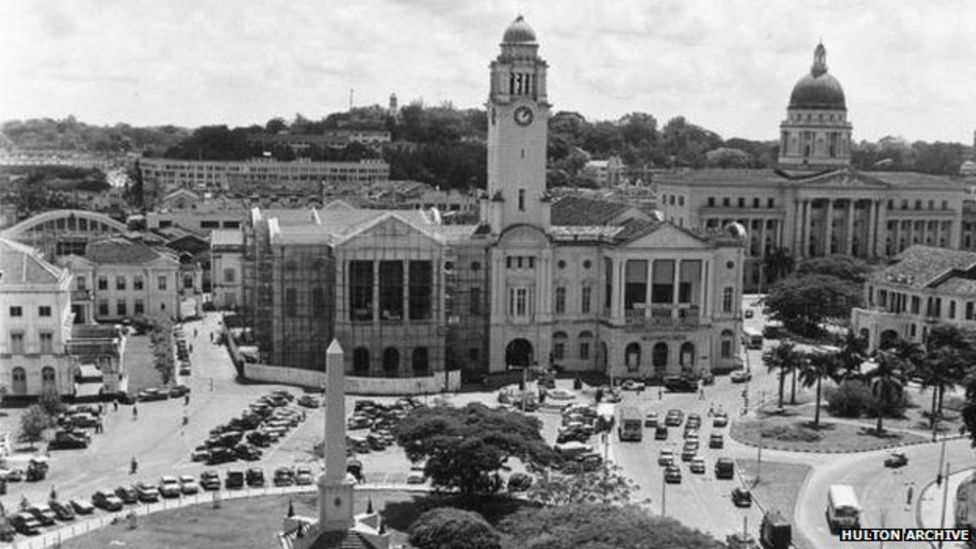
Can a good leader change a country from swamps to Skyscraper?

The Success story of Singapore – The vision of its first Prime minister — Lee Kuan Yew

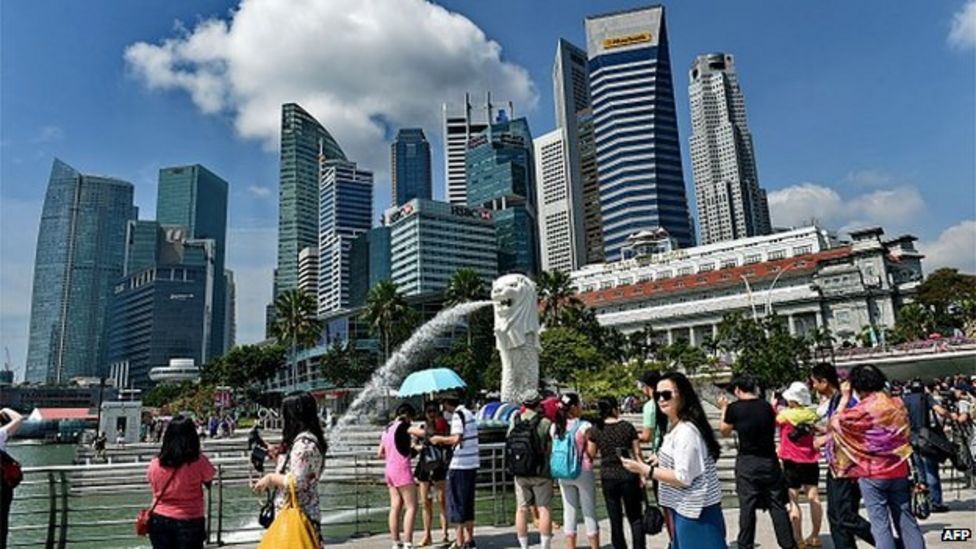
At one degree north of the equator, tropical Singapore has become a hotspot known for its efficient infrastructure, rooftop bars, chilli crab, and host city to the only night race on the Formula 1 racing calendar.

Often dubbed as the “Monaco of the East”, the red dot has beaten a path to steady economic progress and prosperity since the 1970s.

Much of the city’s success can be attributed to the vision of one man – Lee Kuan Yew, Singapore’s first prime minister who was in office from 1959 to 1990.

The tenure made him the world’s longest-serving prime minister in history. Singapore broke away from neighbouring Malaysia and gained independence in 1965.

About half a century ago, Singapore was an island without any natural resources to call its own.

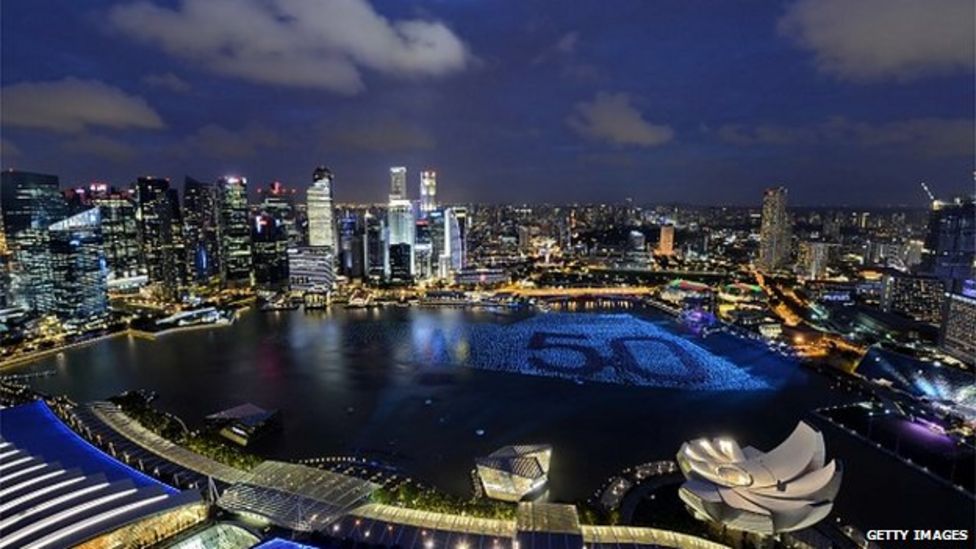
Since then, it has pulled off a dramatic transformation – boasting two casino-integrated resorts and an airport that has frequently topped the “world’s best” list.

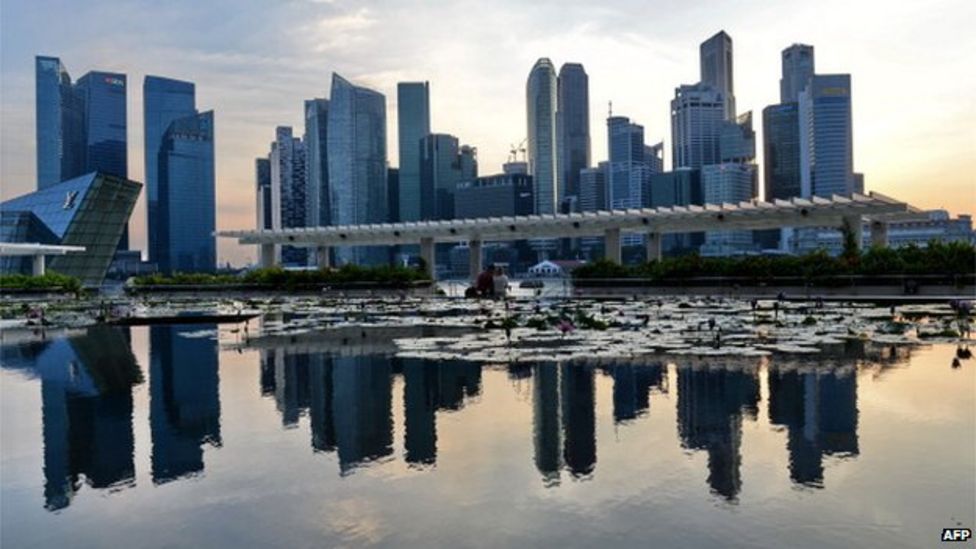
In addition, the central business district is crowded with skyscrapers that rival neighbouring Hong Kong and mid-town Manhattan in far-flung New York.

Mr Lee was not one to shy away from his achievements for Singapore. The second volume of his published memoirs carries the title, From Third World to First: The Singapore Story: 1965-2000. To help sum up his economic triumphs for the city state, several experts shared their views on Lee Kuan Yew’s economic legacies for Singapore.

HOW did all this happen?

I’ll try to summarise the legacy for you

Attractive destination

Lee Kuan Yew’s emphasis on growth, the thrust on making Singapore attractive as a destination for investment as well as the focus on drawing world class manpower; building state of the art infrastructure and excellent air and sea linkages; a low and transparent tax regime; clean and efficient bureaucracy; a strong regulatory and legal framework; a neutral diplomatic policy which has ensured it is an ally of the US as well as China; and developing a clean and green city, have ensured Singapore’s stupendous economic success. These factors have led to the emergence of Singapore as a powerful and wealthy financial centre.

Legacy of a luminary

A trained lawyer, this visionary leader was Singapore’s chief architect in harnessing social cohesion despite ethnic and religious diversity; and in engineering an economic miracle.

His defining economic policy is arguably uncompromising standards for a universally accessible, top-flight public education system – astutely identifying human capital as Singapore’s key competitive advantage – supplemented with rigorous application of meritocracy.

This understated principle accelerated economic ascendancy by unleashing the forces of upward social mobility for all, with little tolerance for complacency or corruption. Complemented by a fair and transparent judiciary, businesses thrived.

But above all, Mr Lee’s principled approach to nation building forged his legacy as a luminary.

Unparalleled set-up

Lee Kuan Yew performed a miracle transforming Singapore from one of the poorest countries in the world in the 1960s to being among the most advanced today.

His main contribution, and the key to his success, was that he understood that in order to put Singapore on a sustainable growth trajectory one needs much more than sound economic policy.

Any policy can be reversed, any incentives for growth can be dismantled. Mr Lee built a country whose institutional set-up is unparalleled.

This includes the rule of law; efficient government structures; the continuous fight against corruption; and overall stability.

Immigrant integration

Lee Kuan Yew’s vision was to build an economically sound country that would be robust enough for future generations. But he knew Singapore had limitations.

To achieve his dream, he had to change the mindset of its then population of around two million people. Singaporeans had to be more welcoming to immigrants if the country were to grow.

The population needed to expand by continually attracting high-calibre people who would create employment, bring in much-needed capital and most importantly, pass on their key skills. Thanks to Lee Kuan Yew’s vision that Singapore is as welcoming to immigrants today as it was 50 years ago.

It is the integration of foreign and home-grown talent that has allowed the country to enjoy decades of economic growth.

The economic value of every person in Singapore today is as high as that of the US.

Regional hub

After the separation from Malaysia, Lee Kuan Yew developed a highly technocratic government which led to competitive, meritocratic and results-based economic policies.

Some key decisions were the development of Changi Airport as a regional transport hub after Singapore outgrew the previous Paya Lebar airport, which was a state-of-the-art facility when it opened in the 1950s.

The air hub and the aggressive defence of Singapore as a sea freight trans-shipment hub – as well as the technocratic foundations of transparency and good governance – led to Singapore’s position as a natural hub for multinational businesses in Asia.

Other key positive economic policies included the Central Provident Fund, Housing Development Board flat ownership and integrated education, which all helped Singapore transition from a village setting towards towns and the highly sophisticated cosmopolitan global city we see today.

The unfortunate event

However bright a star is, Even though it has given life, Helped lives sustain, the star has to run out of energy one day…

Mr. Lee kuan yew died on 23 March 2015 in Singapore General Hospital.

What lies ahead for Singapore ?

Singapore is one of the most competitive economies in the world today.

In order to maintain rising wages and improving living standards, Singapore will continue to transform its economy towards higher-value-added industries with strong productivity growth.

However, There are downside risks to growth which stem from rising income inequality and restrictions on free speech.

There is an attempt to widen the social security net, which could partially ease signs of unrest in a local population grappling with the high cost of living.

The government will have to strike a fine balance between being fiscally prudent and expanding welfare schemes, in order to retain its high sovereign ratings.

A population that is social media savvy is also more politically engaged and this will mean that a higher proportion of younger voters will demand the right to dissent.

Key growth drivers for Singapore over the next decade will be Singapore’s role as one of the world’s leading financial centres; its competitiveness as a logistics, shipping and aviation hub; and its role as a regional HQ for global multinationals.

The long-term outlook for Singapore remains very bright.

Feminism and Pseudo-feminism

“You educate a man; you educate a man. You educate a woman; you educate a generation.”

‘Feminism,’ in simple terms, means no gender should be treated with any injustice. They should receive equal treatment. But, off late, there’s developing a replacement sort of feminism that’s rightly called pseudo-feminism. Pseudo-feminists have a deep desire to remedy all the injustices inflicted on women, often by lashing out and demeaning at men. What they forget is that the fundamental essence of the movement towards feminism: equality. Another form of pseudo-feminism is comfort feminism. We often don’t know it , but pseudo-feminism is all around us, clandestinely hiding behind feminism. The women are crying everywhere for fair rights, but don’t waste a moment telling a man sitting on a Ladies Reserved seat to vacate it.
If true feminism were followed, then all of the victims should be treated equally. Victims would cease to be male or female but only victims of abuse. But this is sadly not the case. Pseudo-feminism shouts that men can’t be raped, that men can’t be tormented, which men who claim to possess been placed under such atrocities dwell cheats. When a lady is about ablaze , when she is raped, brutalized, stripped naked on the streets, forced to go away her studies to marry a person 3 times her age, when she is accused of being raped or teased when a lady is repeatedly beaten for refusing to pressurize her parents to pay a dowry when she is deemed to be inferior to her male counterparts, there’s a requirement to talk out if it had been a person who was stoned on the streets, raped, accused of a fake rape, doubted simply because he was a person , a real feminist will do an equivalent . As Steinem rightly said, a feminist is anyone who recognizes the equality and full humanity of girls and men.
Feminism may be a series of social movements, political movements, and philosophies aimed toward identifying, developing, and achieving gender, political, cultural, personal, and social equality. Feminism reflects the thought that societies favour the male point of view, which women in such societies are treated unfairly. Efforts to vary that include combating gender stereotypes and seeking to determine equal educational and professional opportunities for ladies to men. Feminist movements have advocated and still advocate for the rights of girls , including the proper to vote, hold position , work, earn fair wages, equal pay and reduce the gender pay gap, own land, obtain employment, enter into contracts, have equal rights within marriage and have maternity leave. Feminists also work to make sure access to legal abortions and social inclusion and to guard women and girls from rape, harassment , and violence .
Some scholars see feminist campaigns as a serious force behind major historical societal changes in women’s rights, especially within the West, where they’re credited almost universally with achieving women’s suffrage, gender-neutral language, women’s reproductive rights (including access to contraceptives and abortion), and therefore the right to contract and own property. Although feminist advocacy is, and has been, focused totally on women’s rights, some feminists, including Bell Hooks, argue in favour of including men’s liberation within their goals, because they believe that men also are harmed by traditional gender roles. Feminist theory, which emerged from feminist movements, aims at understanding the character of gender inequality by examining the social roles and experiences of women; it’s developed theories in a variety of disciplines to reply to gender issues.
Over the years numerous feminist movements and ideologies have evolved and represented different point of views and goals. Some sorts of feminism are criticized for less than taking white, middle-class, and college-educated perspectives under consideration . This critique led to the event of ethnically specific or multicultural feminism forms, including black feminism and intersectional feminism. Feminist theory is that the extension of feminism into fields of theory or philosophy. It includes research during a sort of fields including anthropology, sociology, economics, women’s studies, literary criticism, humanistic discipline , psychoanalysis, and philosophy. Feminist philosophy attempts to elucidate the disparity between men and ladies and focuses on gender roles, power dynamics, and sexuality.

Although opposing these social and political ties, much of the feminist philosophy is usually supported supporting the rights and interests of girls . Themes discussed in feminist theory include sexism, stereotyping, objectification, inequality, and patriarchy. Elaine Showalter describes the evolution of feminist theory as having three phases within the field of literary critique. the primary she calls “feminist criticism,” during which the feminist reader examines literary phenomena the ideologies. The second Showalter calls “gynocriticism” where “the woman is that the creator of textual significance.” The last phase she calls “gender theory,” during which she explores the “ideological inscription and therefore the literary effects of the sex/gender system”
There are feminists then pseudo-feminists come along. Pseudo-feminism suggests that ladies deserve more respect, or people of other sexes don’t deserve respect. Living during a culture where women face many challenges a day is that the worst thing is that some people hurt the term feminism. On social media, hardly anyone knows about feminism and that they find yourself being pseudo-feminist. Do pseudo-feminists actually need equal treatment? No, they need to make a world governed only by women. Will a lady be getting away with any wrongdoing? Women on social media who identify themselves as feminists want equality and recognition for ladies they think to deserve it. They’re getting to bash a lady if he’s their lesser wife or sister sort of a politician but they’re getting to support a lady bashing that very same politician . Hypocrisy and pseudo-feminism get a melting pot here.
Feminism is just about freedom and isn’t about judgment. people that recognize feminism don’t wear the feminist badge. These are the people that need a good education for his or her daughter, support their companion if she wants to be working within the field. Some women want to offer their husbands food; some women want to require more care of their house and youngsters than work. that’s not making them slaves; it’s up to them to make a decision what to try to to .
The world is making significant progress within the 21st century. citizenry are putting invention, technology, and science at their place. Humanity’s very definition is undergoing an enormous change and this point it’s about equality, gender rights and justice for everybody . The age-old debate between the sexes remains happening and that we are still fighting over superiority between men and ladies and a few events and incidents have recently vitiated the atmosphere. i’m intrigued by the recent debate and therefore the theme of feminism. Every civil man knows the concept of feminism by all accounts, and he values it wholeheartedly and supports it. This generation is conscious of all the problems and is sort of adamant about the very fact that ladies are nearly as good if not better than men and that we are seeing the change happening right before us. Women were presidents, prime ministers, chief executives everywhere the planet and therefore the ceiling was shattered and destroyed.
A feminist could be a person , woman, or anyone who believes sex shouldn’t be an element choose what women’s rights are. it’s an idea that strives for gender equality; it seeks to form it in order that women are given an equivalent education, an equivalent platform, and therefore the same opportunities that a person has in his life.
Pseudo-feminists also are labelled on the web as “feminazis” by keyboard warriors, they’re individuals who don’t completely grasp the definition of feminism and who attempt to find signs of injustice and violence albeit there’s none. Pseudo-feminists have managed to mutilate the definition of feminism from what it’s to a brand of man-hate, seeking any opportunity to hunt vengeance instead of equality.

What is 5G

Wireless communications systems use radio frequencies (also known as spectrum) to carry information through the air.

5G operates in the same way, but uses higher radio frequencies that are less cluttered. This allows for it to carry more information at a much faster rate. These higher bands are called ‘millimeter waves’ (mmwaves). They were previously unused but have been opened up for licensing by regulators. They had been largely untouched by the public as the equipment to use them was largely inaccessible and expensive.

While higher bands are faster at carrying information, there can be problems with sending over large distances. They are easily blocked by physical objects such as trees and buildings. In order to circumvent this challenge, 5G will utilise multiple input and output antennae to boost signals and capacity across the wireless network.

The technology will also use smaller transmitters. Placed on buildings and street furniture, as opposed to using single stand-alone masts. Current estimates say that 5G will be able to support up to 1,000 more devices per metre than 4G.

5G technology will also be able to ‘slice’ a physical network into multiple virtual networks. This means that operators will be able to deliver the right slice of network, depending on how it is being used, and thereby better manage their networks. This means, for example, that an operator will be able use different slice capacities depending on importance. So, a single user streaming a video would use a different slice to a business, while simpler devices could be separated from more complex and demanding applications, such as controlling autonomous vehicles.

There are also plans to allow businesses to rent their own isolated and insulated network slice in order to separate them from competing Internet traffic.

Who Invented the Fifth Generation Network?

The first nation to adopt on a large scale was South Korea, in April 2019, at which point there were some 224 operators in 88 countries around the world investing in the technology.

In South Korea, all the 5G carriers used Samsung, Ericsson and Nokia base stations and equipment, apart from one who used Huawei equipment. Of these suppliers, Samsung was the largest, having shipped 53,000 base stations from a total of 86,000 base stations installed in the country at the time.

There are currently nine companies that sell 5G radio hardware and systems for carriers. These are Altiostar, Cisco Systems, Datang Telecom, Ericsson, Huawei, Nokia, Qualcomm, Samsung and ZTE.

Fearless Girl Adalia Rose!

There are times when we want to give up on everything. We feel so worthless in terms of our work or our appearance etc that we indulge in unhealthy habits or maybe we all just accept very easily that our existence won’t matter. There are times when we all just accept all of such things very easily.

 We stop to appreciate smallest of things which sometimes makes us smile or the people who actually value us. We choose to prioritize our past and present which for most of us might be painful. In other words, we all stop living by complaining or whining most of the times instead of feeling blessed that we got to live each day! 

Some people are so sure that they will live longer that they have their whole future planned out and these people generally don’t make most of their present! They are often worried about their career or marriage or  living a luxurious life etc. The thing is  that they don’t realize is that any day could come where anyone could die as future is very unpredictable.  According to me, thinking about the future is important but making most of the present is important too!

Knowing about Adalia Rose

Lets meet one of the bravest girls in the world who could actually help us or guide us in viewing our life with a new lens !  Her name is Adalia Rose. She is a 14 year old girl  who lived in  Round Rock,  Texas, United States.


She suffers from Progeria.  According to Slideshare, Progeria is an
extremely rare, fatal genetic condition that affects children and gives them an
appearance of accelerated aging. The word Progeria comes from the Greek rogeros
meaning prematurely old.

According to The Famous people, the children suffering from progeria are
born healthy and remain so for the first 10 to 24 months of their life. After
this they start to show signs of aging at a very fast rate.

This disease causes the body to grow older approximately six to seven times
the normal rate. Though she has the mind of a normal teenager and acts like one
but she looks like a small old lady seventy to eighty years old.

Her condition didn’t stop her from enjoying her life with full of happiness,
hope and joy. She is a free- spirited girl who is currently a social media star!
She loves her family a lot and even makes videos with them.

She is not at all embarrassed about her condition and is vocal about it! She
motivates other people and faces her problems fearlessly and believes in living
her life to the fullest!

According to The Famous People, she has more than 12 million fans on her
facebook page and over 2.65 million subscribers on her YouTube channel.

The revenue generated from the videos are used for the research on the
causes of this disease and the treatment of other children affected by
‘progeria’.

The fearless girl!

The reaction of the people towards her appearance were mixed. Some supported
her, blessed her while others discouraged her for posting videos. Her face has even been compared to aliens and extraterrestrial beings . According to
the The famous people, she even faced cyber bullying and death threats on the internet!

That still didn’t stop her to live her life to the fullest and is still
vocal about her disease and still spreads awareness about the same fearlessly
by making lots of videos and through promotional appearances.

In the end of this article, like Adalia Rose, I would urge all the viewers
to make the most of their present, to be brave enough to know your worth and
not be influenced by other people, appreciating smallest things in life and
lastly, living your life to the fullest with lots of hope , love and
fearlessness!


World Lung Cancer Day 1-Aug 202|What others days are celebrated today.

World Wide Web Day, Sisters Day, International Childfree Day, Friendship Day, World Lung Cancer Day, Swiss National Day.

World Lung Cancer Day

2nd most common form of cancer and major cause of death around the world

Significance:

To raise awareness about the causes and treatment of lung cancer. The lack of sufficient research and funding has made Lung Cancer a deadly one. According to data collected by the World Health Organization (WHO), approximately 2.09 million deaths annually. New research and experiments continue to make breakthroughs in the study and treatment of lung cancer, it ranks among one of the lowest in terms of survival rate when compared to breast cancer or prostate cancer. It is majorly due to lack of funding and late detection.

Survival Rate: 22%

HIstory:


The campaign was first organized in 2012 by the Forum of International Respiratory Societies, in collaboration with the International Association for the study of Lung Cancer and the American College of Chest Physicians. They provide support to those who have been affected with lung cancer and who have survived it.

LCFA’s World Lung Cancer Day 2021 Hashtag:  #LivingWithLungCancer


The symptoms:

  • Laboured breathing
  • Coughing blood
  • Chest or back pains
  • a cough that doesn’t go away after 2 or 3 weeks.
  • Persistent breathlessness
  • Pain in the chest, back or shoulders that worsens during coughing, laughing or deep breathing.
  • Wheezing, cough with blood, and weight loss. (These symptoms often don’t appear until the cancer is advanced.)

The causes:

  • Smoking or being exposed to smoke.
  • Exposure to radon, secondhand smoke, air pollution, asbestos, diesel exhaust or certain other chemicals, tobacco products, industrial products (uranium, radiation, asbestos), and nutritional deficiencies.
  • long-term respiration of carcinogenic materials.

You can find legit donations nearby or on websites like these below. Lung cancer has very low funding compared to others. Amy amount of donation is going to save a life.

https://www.lung.org/get-involved/ways-to-give

https://lcfamerica.org/get-involved/events/world-lung-cancer-day/

Other Days celebrated today.

International Childfree Day

It was created in 1973 in the United States by the National Alliance for Optional Parenthood, at the time the National Organization for Non-Parents (N.O.N.), under the name of Non-Parents’ Day. It has also been described as “a day of celebration worldwide for those couples who have faced criticism, ridicule, and rejection because they chose to be Childless by Choice.” The initiative, resurrected in 2013 by author Laura Carroll, also bestows Childfree Person of the Year.  The 2020 winners were Elizabeth Hintz, an American doctoral candidate who “has dedicated her professional career to understanding and normalizing childfree experiences”, and the Russian internet community “Childfree”, which “has helped so many people to find a point of support in so pro-child, so patriarchal Russian society.”

Friendship Day –

In India, Every first Sunday of August is celebrated as “Friendship’s Day”. Good friends play a huge role in our lives. They can be a sister, brother, parent, partner in crime and what not. This day is celebrated to bring us together and cherish each other’s company.

Swiss National Day –

It is inspired by the date of the Federal Charter of 1291, Pacte du Rütli, placed in “early August”, when “three Alpine cantons swore the oath of confederation” (Schwyz, Uri and Unterwald), an action which later came to be regarded as the founding of Switzerland.”  It has only been an official holiday since 1994. 1 August is celebrated each year with paper lantern parades, bonfires, hanging strings of Swiss flags, and fireworks. Since, 2014 the event format has changed with the motto Back to the roots

In Britain it is also Yorkshire Day, celebrating the country of Yorkshire.

World Wide Web Day –

The World Wide Web (WWW) was conceived in 1989 at the CERN lab in Geneva, Switzerland, as a way for scientists to share knowledge. It aims to remember Sir Tim Berners-Lee for bringing WWW into the world.

Jean Armour Polly, a librarian, is credited with coining the term surfing the web.