Swami Vivekananda: A Detailed Biography

 Early Life and Education

Birth and Family
Swami Vivekananda was born as Narendranath Datta on January 12, 1863, in Kolkata (then Calcutta), British India. His father, Vishwanath Datta, was an attorney at the Calcutta High Court and his mother, Bhuvaneshwari Devi, was a devout housewife with strong spiritual inclinations. The family was well-off and deeply respected in the community.

Education and Youth
Narendranath was a bright student with a keen intellect and an insatiable curiosity. He attended the Metropolitan Institution, where he excelled in his studies, particularly in philosophy and literature. Later, he enrolled at the Scottish Church College in Calcutta, where he studied Western logic, philosophy, history, and social sciences. His interest in spirituality and religion was nurtured during this time, influenced by a variety of philosophical texts, including the Vedas and Upanishads.

Spiritual Quest

Meeting Ramakrishna
Narendranath’s spiritual journey took a decisive turn when he met Sri Ramakrishna Paramahamsa, a revered mystic and saint, in 1881. Initially skeptical of Ramakrishna’s teachings, Narendranath was deeply influenced by his profound spirituality and intense devotion. Ramakrishna’s simple yet profound teachings on the unity of all religions and the direct experience of God greatly impacted Narendranath.

Becoming a Disciple
Under Ramakrishna’s guidance, Narendranath underwent a transformative spiritual journey, embracing the ideals of renunciation and service to humanity. He became one of Ramakrishna’s most dedicated disciples, adopting the name Vivekananda, meaning “the bliss of discernment.”

Monastic Life and Wanderings

Ramakrishna’s Death and Formation of the Ramakrishna Order
After Ramakrishna’s death in 1886, Vivekananda and other disciples took monastic vows, forming the Ramakrishna Order. Vivekananda embarked on a life of renunciation, traveling extensively across India to understand the plight of the common people and the diverse spiritual practices of the land.

Wandering Monk
From 1888 to 1893, Vivekananda traveled across India as a wandering monk. He visited historical and spiritual sites, engaged with scholars and laypeople, and observed the conditions of the masses. His travels deepened his understanding of India’s strengths and weaknesses, and he developed a vision of upliftment through spiritual awakening and social reform.

World Parliament of Religions

Journey to the West
In 1893, with the encouragement of his followers, Vivekananda traveled to the United States to represent Hinduism at the World Parliament of Religions in Chicago. He faced numerous challenges, including financial difficulties and cultural barriers, but his determination and faith sustained him.

Chicago Address
On September 11, 1893, Vivekananda delivered his historic address at the Parliament, beginning with the words, “Sisters and brothers of America.” His speech, which emphasized the universality of all religions and the need for mutual respect and understanding, received a standing ovation and established him as a prominent spiritual leader in the West.

Contribution to the West

Lectures and Establishment of Vedanta Societies
Following the Parliament, Vivekananda spent several years lecturing across the United States and Europe. He established Vedanta Societies in New York and London, where he introduced Western audiences to the principles of Vedanta and the practical aspects of spirituality.

Influence on Western Thought
Vivekananda’s teachings had a profound impact on Western thinkers and intellectuals. He emphasized the practical application of spiritual principles in everyday life and promoted the idea of religious harmony. His interactions with leading figures of the time, including Nikola Tesla and William James, influenced the development of Western spiritual and philosophical thought.

Return to India and Later Life

Return to India
Vivekananda returned to India in 1897, where he received a hero’s welcome. He embarked on a mission to revitalize Indian society through education, social service, and spiritual upliftment. He established the Ramakrishna Mission in 1897, dedicated to social service and the promotion of Vedanta.

Educational and Social Initiatives
Vivekananda emphasized the importance of education in empowering the masses. He founded schools and colleges, promoted scientific and technical education, and worked towards the upliftment of the poor and marginalized. His efforts in promoting women’s education and social equality were particularly noteworthy.

Final Years and Legacy
Vivekananda spent his final years focusing on the consolidation of the Ramakrishna Mission and its activities. He continued to inspire people through his teachings, writings, and personal example. Swami Vivekananda passed away on July 4, 1902, at the age of 39, leaving behind a legacy of spiritual and social transformation.

Philosophical and Spiritual Contributions

Vedanta and Universal Religion
Vivekananda’s teachings emphasized the universal nature of spiritual truth and the essential unity of all religions. He advocated for the Vedantic philosophy, which holds that the soul is divine and the ultimate goal of life is to realize this divinity through self-discipline, service, and devotion.

Practical Vedanta
He introduced the concept of “Practical Vedanta,” which advocates applying spiritual principles to solve real-world problems. He encouraged individuals to see God in every person and to work for the welfare of humanity as a form of worship.

Empowerment and Social Reform
Vivekananda believed in the potential of every individual to achieve greatness. He championed the cause of social reform, advocating for the upliftment of the poor, the education of women, and the eradication of social evils like caste discrimination. His teachings inspired a generation of social and political leaders, including Mahatma Gandhi and Subhas Chandra Bose.

Legacy

Global Impact
Swami Vivekananda’s legacy extends far beyond India. His teachings continue to inspire individuals and organizations worldwide. The Ramakrishna Mission and Vedanta Societies established by him remain active in promoting education, healthcare, and spiritual growth.

Cultural Renaissance
In India, Vivekananda is revered as a key figure in the country’s cultural and spiritual renaissance. His message of self-confidence, national pride, and social responsibility resonates with people across generations. National Youth Day is celebrated in India on his birthday to honor his contributions and inspire the youth.

Philosophical Contributions
Vivekananda’s philosophical writings, including his works on Vedanta, Raja Yoga, and Karma Yoga, remain influential texts in the study of Indian philosophy and spirituality. His teachings continue to be a source of inspiration for seekers of truth and practitioners of various religious traditions.

Swami Vivekananda’s life and teachings continue to inspire millions across the globe, promoting a message of unity, peace, and selfless service. His vision of a spiritually awakened and socially responsible humanity remains as relevant today as it was during his lifetime.


Further Reading and Resources

  1. Books

    • “The Complete Works of Swami Vivekananda” – A collection of his lectures, writings, and letters.
    • “Swami Vivekananda: A Biography” by Swami Nikhilananda.
  2. Online Resources

    • The Ramakrishna Mission official website: www.ramakrishna.org
    • The Vedanta Society websites in various countries provide information and resources on Vivekananda’s teachings.
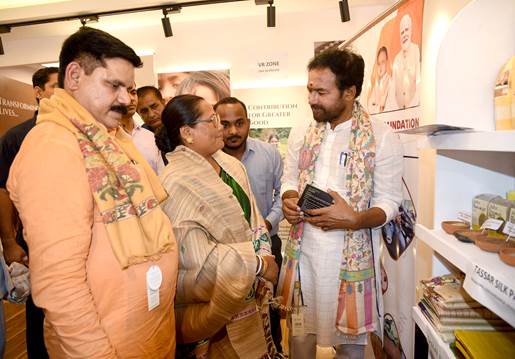
DMF Gallery in Shastri Bhawan

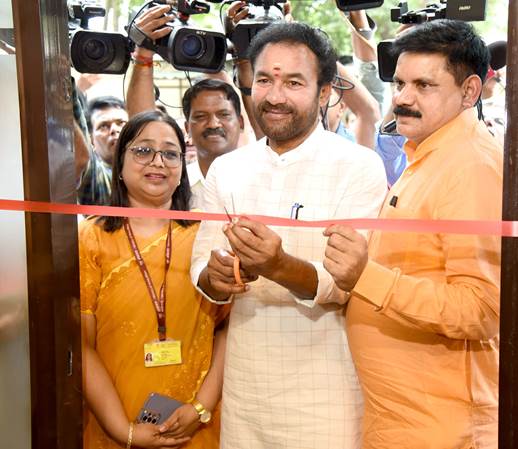
 Union Minister of Coal and Mines, Shri G. Kishan Reddy inaugurated DMF gallery in Shastri Bhawan today. Minister of State Shri Satish Chandra Dubey was also present. The DMF gallery will showcase products of Self-Help Groups (SHGs) formed under District Mineral Foundation/Pradan Mantri Khanij Kshetra Kalyan Yojna & SHGs supported by Mining companies under their Corporate Social Responsibility, in the premises of Shastri Bhawan.

The Ministers interacted with SHGs and appreciated their products prepared by SHGs of DMF Keonjhar and Koraput from Odisha and applauded the commendable efforts of Hindustan Copper Limited & HINDALCO for supporting SHGs in different districts of the country.

Krishna Self Help Group funded by DMF Keonjhar is showcasing Millet food items, seeds & Tasar Silk products and Mahima Self Help Group funded by DMF Koraput is showcasing Lemongrass, Japanese Mint Oil products, this week. 25 SHGs supported by Hindustan Copper Ltd (HCL) will showcase their products in the DMF gallery on rotation basis.


In accordance to Sustainable Mining Charter Mandate, HINDALCO is supporting several SHGs in which more than 3000 artisans are directly benefited where Kosala –  rejuvenating Chhattisgarh Kosa weaves, Trina an initiative for kashi grass woven art, Jirhul – novel gel sanitary napkin, Vamshala – bamboo and kashi grass craft, Kathautia and Vivartana – Lantana weed to bio-composite artefacts among other products are produced.

Ministry of Mines, through the amendment in Mines & Minerals (Development & Regulation) (MMDR) Act, in 2015, has made a provision for the establishment of District Mineral Foundation (DMF) in all the districts affected by mining. The objective of DMF is to work for the interest and benefit of persons and areas affected by mining related operations. Through DMF, various districts have set up self-help groups producing various local products.

****

Global IndiaAI Summit 2024

 Global IndiaAI Summit 2024 is scheduled to be held on July 3rd and 4th, 2024 as the Ministry of Electronics and Information Technology (MeitY) is all set to host an esteemed gathering of international delegates, AI experts, and policymakers at the summit. This summit marks a pivotal moment for India as it underscores its commitment to fostering responsible artificial intelligence (AI) development on a global scale.

The Global IndiaAI Summit will be inaugurated by Shri Ashwini Vaishnaw, Union Minister for Ministry of Electronics and Information Technology , Railways, and Information & Broadcasting and Shri Jitin Prasad, Minister of State for Electronics and IT, Commerce and Industry will also be speaking at the inauguration.

A commitment to responsible AI development

Organized against the backdrop of India’s leadership role in the Global Partnership on Artificial Intelligence (GPAI), the summit aims to set new benchmarks in addressing the multifaceted challenges and opportunities presented by AI. With a thematic focus on Compute Capacity, Foundational Models, Datasets, Application Development, Future Skills, Startup Financing, and Safe and Trusted AI, the event promises comprehensive discussions that span the entire AI spectrum.

Day 1: Setting the Stage

The Day 1 of the summit will feature a diverse array of sessions designed to delve deep into critical aspects of AI application and governance. Notable sessions include “IndiaAI: Large Language Models” exploring how advanced AI models can navigate India’s linguistic diversity while upholding ethical standards. Concurrently, the GPAI Convening on Global Health and AI will gather insights into leveraging AI for healthcare in underserved regions, positioning India as a catalyst for inclusive healthcare innovation.

Real World AI Solutions” and “India’s Infrastructure Readiness for AI” will spotlight practical AI implementations and the foundational infrastructure needed to support AI-driven initiatives across sectors. Meanwhile, discussions on “Ensuring Safety, Trust, and Governance in the AI Age” will underscore India’s commitment to ethical AI deployment, emphasizing global cooperation and regulatory frameworks.

Day 2: Empowering the Future

The second day will pivot towards nurturing talent and scaling AI innovations. “Empowering Talent through AI Education & Skilling” aims to bridge the AI skills gap by spotlighting educational strategies and career pathways. Simultaneously, “AI for Global Good: Empowering the Global South” will facilitate dialogues on inclusive AI development, echoing India’s advocacy for equitable global AI access.

From Seed to Scale—Empowering India’s Startup Ecosystem” will highlight initiatives that foster AI entrepreneurship, crucial for propelling India’s startup ecosystem onto the global stage. Discussions on “Data Ecosystem” and “AI Competency Framework for Public Sector” will explore robust data governance and AI readiness in public administration, which are essential for effective policy formulation and implementation.

Detailed agenda for Global IndiaAI Summit 2024 can be accessed here.

Charting the course for responsible AI

The Global IndiaAI Summit 2024 serves as a pivotal platform for global stakeholders to collaborate, innovate, and shape the future of AI. India reiterates its commitment to harnessing AI’s transformative potential by prioritizing responsible AI development while safeguarding ethical standards and inclusivity. As the summit unfolds, it is poised to reinforce India’s leadership in the global AI landscape, paving the way for a future where AI benefits are accessible to all and contribute significantly to socio-economic advancement worldwide.

*****

Self-nominations open for National Teachers’ Award 2024 till 15th July 2024

 Online self-nominations from eligible teachers for National Teachers’ Awards 2024 are being invited with effect from 27 June 2024 on the Ministry of Education’s portal http://nationalawardstoteachers.education.gov.in. The last date for receiving online nominations is 15 July 2024. This year, 50 teachers will be selected through the three-stage selection process, i.e., at the District, State and National level. The award will be conferred by the President of India on 5th September 2024 at a ceremony held at Vigyan Bhawan, New Delhi.

The Department of School Education & Literacy, Ministry of Education, organizes a national level function on Teachers Day, i.e., 5th September every year to confer the National Awards to the best teachers of the country selected through a rigorous, transparent, and online selection process. The purpose of the National Teachers’ Award is to celebrate the unique contribution of some of the finest teachers in the country and to honour those teachers who, through their commitment and industry, have not only improved the quality of school education but also enriched the lives of their students.

Eligibility conditions:

School teachers and Heads of Schools working in recognized primary/middle/high/higher secondary schools run by State Govt./UT Administrations, local bodies, and Private schools affiliated with the State/UTs Board are eligible for the Award.

  • Central Govt. Schools, i.e., Kendriya Vidyalayas (KVs), Jawahar Navodaya Vidyalayas (JNVs), Sainik Schools run by Ministry of Defence (MoD), schools run by Atomic Energy Education Society (AEES), and Eklavya Model Residential Schools (EMRS) run by Ministry of Tribal Affairs; and
  • Schools affiliated with the Central Board of Secondary Education (CBSE) and Council for Indian Schools Certificate Examination (CISCE).

******

Opening of National Scholarship Portal (NSP) to submit applications (Fresh/Renewal) under NMMSS for AY 2024-25 (w.e.f. 30th June 2024 onwards)

 The One-Time Registration (OTR) application, featuring a redesigned home page, a new mobile app, and an updated web version has been launched and is now live and accessible to the public, allowing students to conveniently register online for OTR on the National Scholarship Portal (NSP). The NSP application, including OTR, leverages cutting-edge technologies and boasts of an enhanced user interface. The NSP portal is now open for one-time registration as well as application for fresh and renewal scholarships.

OTR is required on NSP for submission of fresh and renewal applications. The OTR Module will be available to students across the year. OTR is a unique 14-digit number issued based on the Aadhaar/Aadhaar Enrolment ID (EID). OTR is required to apply for the scholarship on NSP. On successful completion of OTR, an OTR_ID will be issued which will remain valid for the entire academic lifecycle of the student. On submission of an application, the System will generate an Application ID against the OTR_ID. The system will ensure that not more than one Application_ID remains active against an OTR_ID at any point in time. The last date for submission of fresh/renewal applications for NMMSS by students for 2024-25 on NSP is 31st August 2024.

The students, who have applied on the NSP in AY 2023-24 have been allotted the OTR/Reference number through the portal and intimated through SMS. OTR-related instruction to the students who have applied on the NSP in AY 2023-24 is as follows:

A.        Instructions to the students who have received the OTR No.

I.          NSP earlier launched the face-authentication service in AY 2023-24 and it was optional for the students to perform their face authentication.

II.         NSP has generated the OTR No. for the students who have performed the face-authentication in AY 2023-24 and the same has been sent to the applicant through SMS on their registered Mobile No.

III.       Students who have received the OTR No. can directly apply for the scholarship on the NSP portal.

IV.        In case, the student has not received the OTR No. through SMS, it can be retrieved using “Know your OTR” available on the NSP.


B.        Instructions to the students who have received Reference No.


I.          The NSP has allotted reference No. to the students who have completed the OTP-based eKYC and have not completed their face-authentication in AY 2023-24.

II.         The OTR No. can now be obtained by completing face-authentication on the NSP.

III.       Following steps are required to generate the OTR No.:

a.         Download and install Aadhaar Face RD services on the Android device. (link: https://play.google.com/store/apps/details?id=in.gov.uidai.facerd)


b.         Download and install the NSP OTR App from the Google Play Store. (link: https://play.google.com/store/apps/details?id=in.gov.scholarships.nspotr&pli=1)


c.         After opening the mobile app. Select the option “eKYC with FaceAuth” highlighted in red.


There are two levels of verification for NMMSS on the NSP portal: Level-1 verification is by the Institute Nodal Officer (INO) and Level-2 verification is by the District level Nodal Officer (DNO). The last date for INO level (L1) verification is 15th September 2024 and for the DNO level (L2) verification is 30th September 2024.

The Central Sector ‘National Means-cum-Merit Scholarship Scheme’ (NMMSS) was launched, with the objective to award scholarships to meritorious students of economically weaker sections to arrest their dropout at class VIII and encourage them to continue their education at the secondary stage. One lakh fresh scholarships are awarded to selected students of class IX every year and their continuation/renewal in classes X to XII for study in State Government, Government-aided, and Local body schools under the scheme. The NMMSS scheme is onboarded on the National Scholarship Portal.

*****

WEAPON SYSTEMS SCHOOL INAUGURATED BY THE CHIEF OF THE AIR STAFF AT BEGUMPET, HYDERABAD

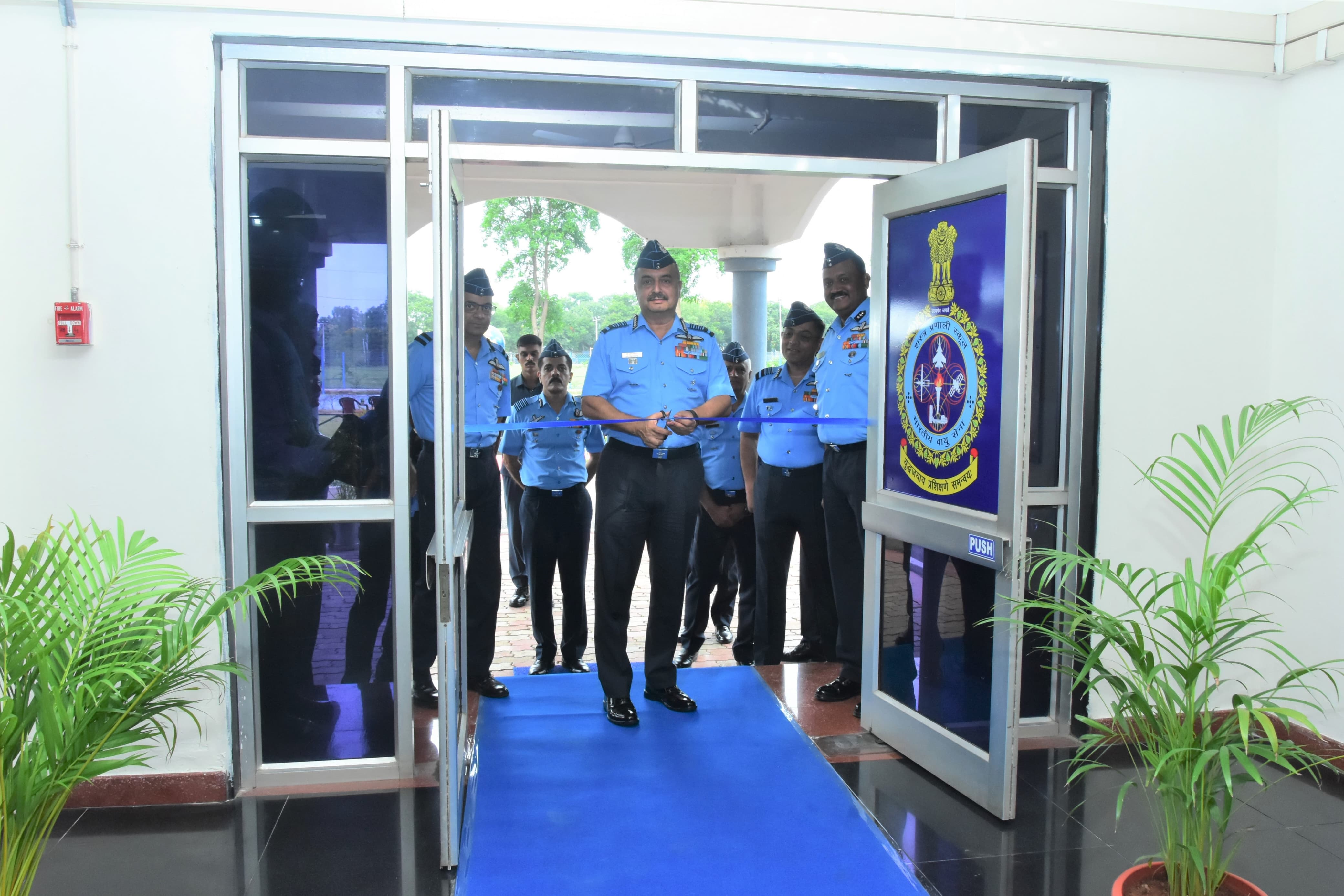
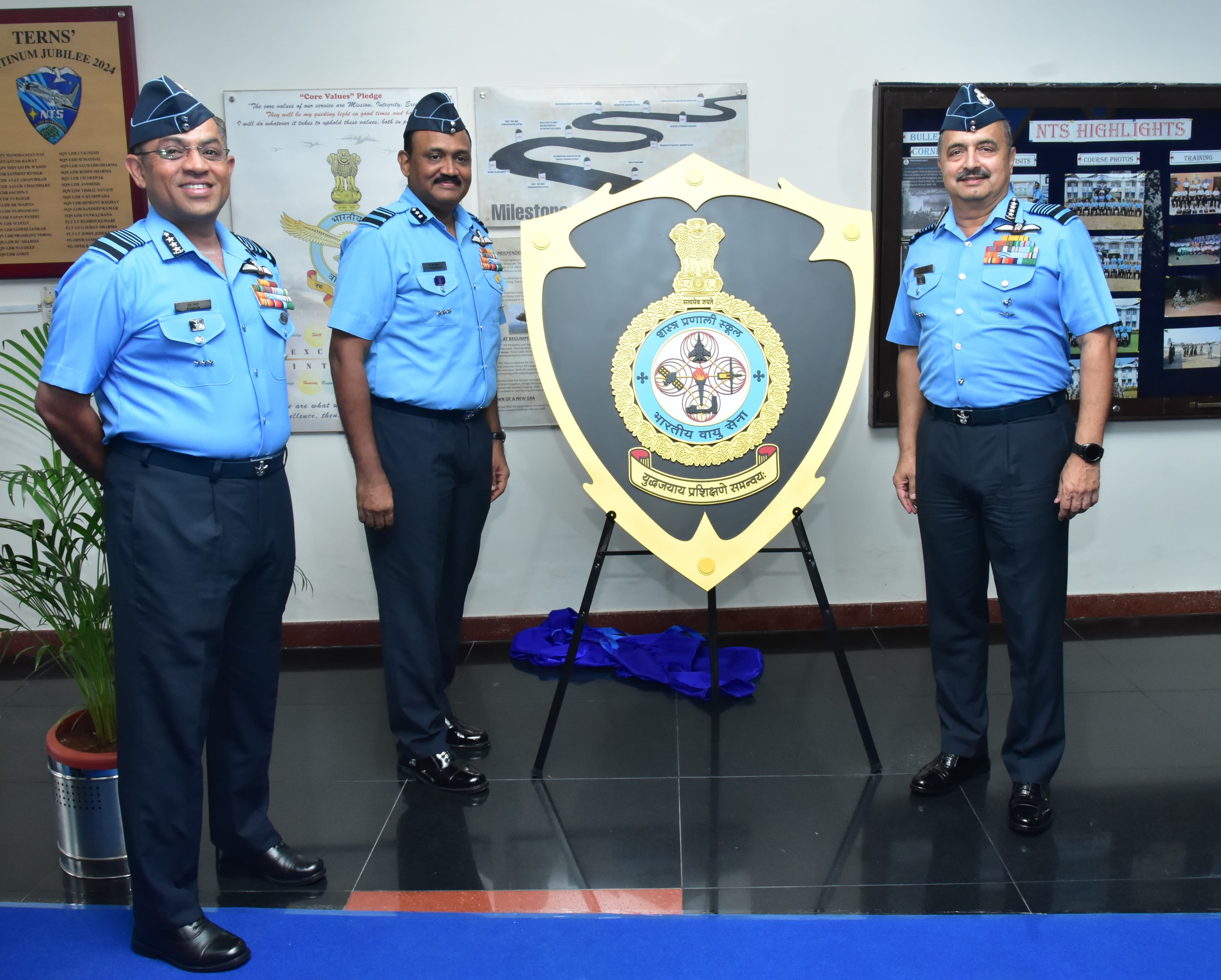
 A new chapter has been introduced in the history of the Indian Air Force (IAF) with the inauguration of the Weapon Systems School (WSS) by Air Chief Marshal VR Chaudhari, Chief of the Air Staff (CAS), at Air Force Station Begumpet, Hyderabad on 01 July 24. This follows the approval of a new branch of officers in the IAF, the Weapon System (WS) branch in 2022. Aimed at recalibrating and transforming the Indian Air Force as a future-oriented force, the formation of this new training establishment is a gigantic leap for the Armed Forces in general, and Indian Air Force in particular.

The CAS was welcomed by Air Vice Marshal Premkumar Krishnaswamy. Commandant, Weapon Systems School. The inauguration ceremony was also graced by the presence of Air Marshal Nagesh Kapoor, Air Officer Commanding-in-Chief, Training Command, and other senior officers of the IAF including Commandant, Air Force Academy, Commandant, College of Air Warfare, Air Office Commanding, Air Force Station Hakimpet, and Station Commander, Air Force Station Begumpet.

The WSS will impart effect based training that is contemporary in nature and prepare officers of the newly formed branch in line with the requirements of the IAF. With inauguration of the WSS, Flight Cadets of WS Branch will undergo their second semester of training at this institute. The new branch will have four streams; Flying stream to operate the weapons and systems in airborne platforms like the Sukhoi-30 MKI and C-130J; Remote stream to operate Remotely Piloted Aircraft; Mission Commanders and operators for Surface to Air and Surface-to-Surface weapon systems, and Intelligence stream for handling space-based intelligence and imagery.

During the interaction, the CAS highlighted that with the creation of WS Branch, operators of ground based and specialist weapon systems will come under one umbrella, enhancing war fighting capabilities of the IAF significantly. He exhorted the instructors that being pioneers in a newly formed branch, they were the pillars on which the entire edifice of the envisioned training regime would stand firmly and deliver decisive air power. While complimenting the founding members of the School, the CAS urged all personnel to establish the School as a nodal centre for weapon systems training in the country.

The creation of the WS branch was announced by the CAS during the Air Force Day Parade celebrations on 08 October 2022.

***

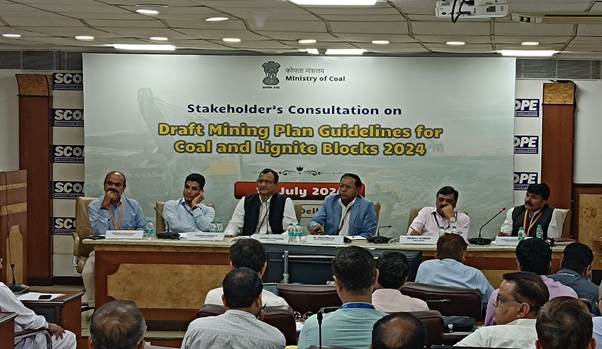
Stakeholders’ Consultation on Draft Mining Plan Guidelines for Coal and Lignite Mines- 2024

 Coal Ministry held Stakeholders’ Consultation on Draft Mining Plan Guidelines for Coal and Lignite Blocks, 2024 on 1st July 2024 under the Chairmanship of Additional Secretary and Nominated Authority Shri M. Nagaraju. The event witnessed the participation of 25 coal and lignite mining companies including PSUs, captive/commercial miners, and representatives from the State Govt. of Tamil Nadu, Chhattisgarh, Jharkhand, Meghalaya and Uttar Pradesh.

In his address, Shri M. Nagaraju highlighted the Ministry’s dedication to enhancing the regulatory framework governing coal and lignite mining. He emphasized the importance of balancing flexibility for coal mine owners with heightened responsibility and accountability. The revised Mining Plan Guidelines aim to introduce stringent measures designed to optimize coal extraction while ensuring comprehensive applicability for all stakeholders.

Advisor (Project), Ministry of Coal presented the detailed presentation on draft guidelines. New guidelines represent a significant stride towards fostering a sustainable approach to coal mining. The new guidelines emphasize responsible mining practices that support industry growth while prioritizing ecosystem preservation. The Key elements include the mandatory inclusion of restoration, remediation, and regeneration measures in mining plans to ensure sustainable natural resource management. These measures aim to minimize environmental impacts, address community concerns, and promote continuous improvement in water quality monitoring.

By raising accountability standards and optimizing extraction techniques, the Ministry of Coal seeks to align the interests of all parties, advancing sustainable development within the sector. The stakeholders’ consultation provided a platform for in-depth discussions and feedback from industry leaders and experts, setting the stage for a comprehensive regulatory framework that addresses contemporary challenges and aligns with global best practices in mining governance.

Looking ahead, the Ministry of Coal is committed to driving these initiatives forward in close collaboration with stakeholders. The forthcoming Mining Plan Guidelines will uphold the highest standards of environmental stewardship, operational efficiency, and ethical mining practices, ensuring a sustainable future for the sector.

****

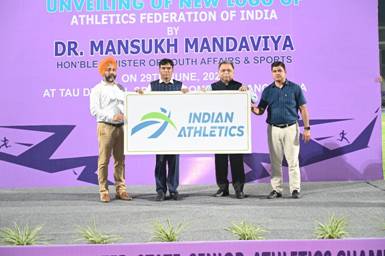
Union Minister of Youth Affairs & Sports unveils new AFI logo and meets Olympics-bound athletes in Panchkula

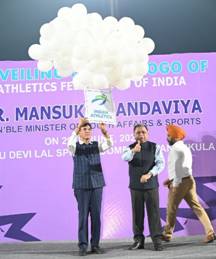
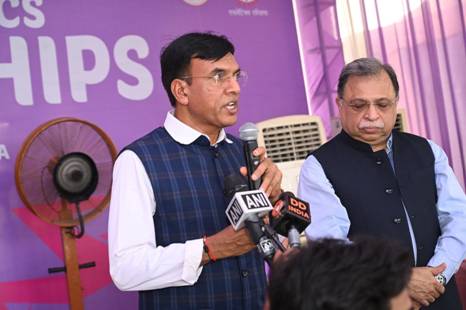
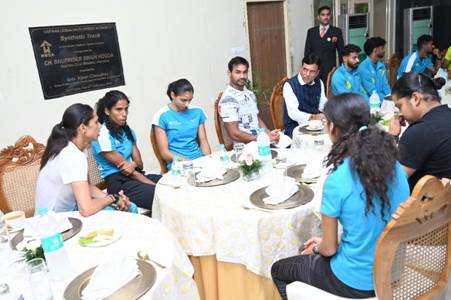
 Hon’ble Minister for Youth Affairs and Sports and Labour & Employment Dr.Mansukh Mandaviya unveiled the Athletics Federation of India’s new logo and interacted with Paris 2024 Olympic Games-bound track and field athletes competing in the National Inter-State Athletics Championships at the Tau Devi Lal Stadium here on Saturday.


Addressing the athletes heading to the Olympic Games and encouraging them, he said that all necessary help have been provided to all athletes for Paris Olympics.

“Under Prime Minister Shri Narendra Modi ji’s leadership, Government is working to strengthen the sports infrastructure. The progress made in the field of sports in the last 10 years has been very encouraging,” he said. “I am confident that our athletes will perform their best in the Paris Olympic Games,” he said.

The Union Sports Minister also presented medals to the winners of the National Interstate Athletics Championships.


Earlier in the day, Dr. Mandaviya visited the Netaji Subhash National Institute of Sports in Patiala and interacted with weightlifter MirabaiChanu, Javelin Thrower Annu Rani and Shot Putter AbhaKhatua as well as a number of other athletes and coaches in the National Centre of Excellence.


****

Pragya Paliwal Gaur/ Himanshu Pathak

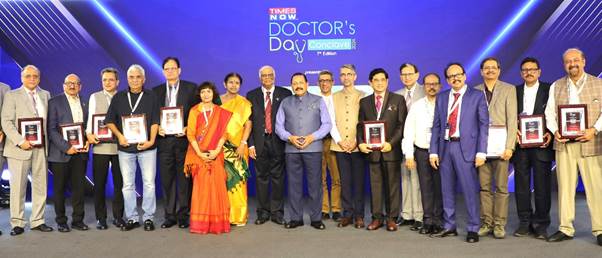
"Times Now" Doctor Awards to eminent medical professionals in different specialties from across the country

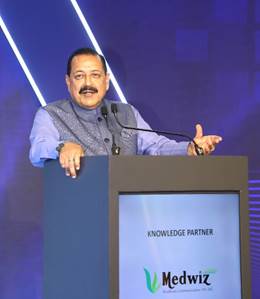
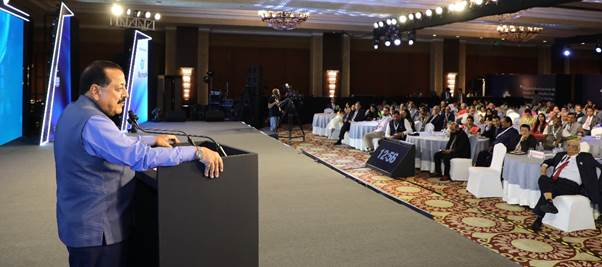
 Union Minister of State (Independent Charge) for Science and Technology, Minister of State (Independent Charge) for Earth Sciences, MoS PMO, Department of Atomic Energy, Department of Space, Personnel, Public Grievances and Pensions, Dr. Jitendra Singh, as chief guest, today presented “Times Now” Doctor Awards to eminent medical professionals in different specialties from across the country. The programme was organized by “Times Now” media group on the eve of Doctor’s Day.

Speaking on the occasion and later in an exclusive media interaction with “Times Now”, Dr. Jitendra Singh emphasized preventive healthcare in young. He said, increasing prevalence of morbidities of later age happening in younger age like, Type 2 Diabetes Mellitus, young Heart attacks, malignancies etc are not only a health challenge but also threaten to drain away the vital youth energy and youth potential which would otherwise be contributing to the task of nation building and realizing the vision of India 2047.

Dr. Jitendra Singh lauded “Times Now” for having started the practice of honoring the medical professionals and offering them a media slot which is otherwise not commonly available to doctors.

“Doctors are prime movers of Prime Minister Narendra Modi’ vision of Universal Healthcare for all,” said Union Minister Dr. Jitendra Singh.The Minister expressed his happiness and fortune to be a part of the medical fraternity on doctors’ day. Dr. Jitendra Singh said “It’s a rare occasion to have some of the best brains in medicine coming together under one roof.”


Dr. Jitendra Singh, who is himself a professor of medicine & endocrinology, expressed gratitude on meeting his teacher B.C. Roy award winner Prof Dr V. Seshiah, founder-head of India’s first-ever Department of Diabetology that was started at Madras Medical College, Chennai. who was felicitated at the event. He also appreciated the organizers for bringing three generations of doctors together under the same room. The Union minister also felicitated the doctors in ‘Legends of Medicine’ Category.

The Science and Technology Minister said “India acknowledges the sacrifices made by doctors, especially during challenging times such as the COVID-19 pandemic” and Doctors’ Day is a special occasion to honor the tireless dedication and invaluable contributions of our doctors and medical professionals, he added. He also highlighted the critical role that doctors play in ensuring the health and well-being of our society.

Highlighting India’s progress in the last decade in the health sector, Dr. Jitendra Singh said “India became a global leader not just in curative healthcare but also in preventive healthcare.” He categorically mentioned the role of digital healthcare and its impact on reaching the remotest location by telemedicine. He also shared that India played a pivotal role in ensuring availability of vaccines and other healthcare services to our neighboring countries.


Emphasizing the cooperation and collaboration of both the Government and Private sector to provide best services to citizens and promote ease of healthy living . He also highlighted the government’s initiatives and policies aimed at supporting and improving the healthcare system.

Speaking on development of medical infrastructure the minister recalled the number of AIIMS before 2014 compared to the number in 2024.He shared that health care should not limit itself to allopathic medicine but it should be seen holistically with integration of AYUSH and other systems. He also mentioned that the government is committed to providing better working conditions, continuous education and research opportunities for medical professionals.

****

18th “Statistics Day” celebrated today with the theme "Use of Data for Decision-Making"

 In recognition of the notable contributions made by Professor (late) Prasanta Chandra Mahalanobis in the fields of statistics and economic planning, Government of India has designated June 29 every year, coinciding with his birth anniversary, as “Statistics Day” in the category of Special Days to be celebrated at the national level. The main objective of celebrating Statistics Day is creation of public awareness, especially among the younger generation, on the role and importance of statistics in socio-economic planning and policy formulation for development of the country.

Since 2007, Statistics Day is celebrated every year with a theme of contemporary national importance. The theme for Statistics Day, 2024 is “Use of data for decision-making”. The concept of data driven decision making is important for making informed decisions in any field, and it is one of the pre-requisites for better understanding of statistical information, emanating from official statistics and for facilitating evidence-based decision making.

The main event of Statistics Day, 2024 was organized at Manekshaw Centre, Delhi Cantt., New Delhi. The Chief Guest, Dr. Arvind Panagariya, Chairman, 16th Finance Commission addressed the gathering. He narrated the role played by Prof. P.C.Mahalanobis in shaping the Indian Statistical System. He also urged that India should continue its data driven policy making in order to move along its development trajectory.  

Prof. Rajeeva Laxman Karandikar, Chairman, National Statistical Commission and Dr. Saurabh Garg, Secretary, MoSPI also addressed the participants on this occasion. Chairman, NSC, emphasized the need to make the data more accessible and usable, and suggested that Ministry’s efforts on leveraging Information Technology for producing data needs to continue. He also stressed upon the need of the interoperability and linking of databases generated by various agencies through coordination among stakeholders. Secretary, MoSPI while addressing the audience highlighted the recent initiatives of the Ministry for reducing time-lag in survey data like Computer-Aided Personal Interview (CAPI), new surveys, user engagement exercise and the newly launched eSankhyiki portal. He hoped the spirit of Statistics Day will continue to inspire the statistical personnel and planners for data driven decision making.

Senior officers of Central Ministries/Departments, State/UT Governments, representatives of international organizations viz. UN agencies, World Bank, etc. and other stakeholders also participated in the event. The event was also web-cast/live streamed through the social media handles of the Ministry. On this occasion, the winners of ‘On the Spot Essay Writing Competition, 2024’ for Post- Graduate Students were also felicitated.

During the technical session, Dr. Ajay Kumar, ex-Secretary, Ministry of Defence, Government of India, addressed the gathering on the importance of data in governance. He highlighted the importance of data in the dynamically changing digital age and the increasing role and scope of MoSPI. This was followed by a presentation on global experience of using data for decision making by Mr. Luis Felipe Lopez-Calva, Global Director for the World Bank Group’s poverty and equity global practice.  He emphasized that data is an essential infrastructure for effective policy making, while sharing prevalent global practices.

Based on the updated Sustainable Development Goals – National Indicator Framework (SDGs- NIF), every year MoSPI releases the Progress Report on SDGs with time series data on Statistics Day (i.e., on 29th June) along with two handbooks which are derived from the progress report. Accordingly, following three reports were released during the event:

  1. Sustainable Development Goals – National Indicator Framework Progress Report, 2024’
  2. ‘Data Snapshot on Sustainable Development Goals- National Indicator Framework, 2024’
  3. ‘Sustainable Development Goals- National Indicator Framework, 2024’

These reports can be accessed at the MoSPI’s website (www.mospi.gov.in). The time series data on the SDG indicators are downloadable in MS excel format from the report.

The Ministry launched an eSankhyiki portal (https://esankhyiki.mospi.gov.in) with the objective to establish a comprehensive data management and sharing system for ease of dissemination of official statistics in the country. The portal can also be accessed through the website of MoSPI (https://mospi.gov.in/). It is to provide timely inputs for planners, policy-makers, researchers and the public at large. The eSankhyiki Portal has two sections facilitating easy access and re-use of data, namely:

  1. Data Catalogue: The catalogue lists the major data assets of the Ministry such as National Accounts Statistics, Consumer Price Index, Index of Industrial Production, Annual Survey of Industries, Periodic Labour Force Survey and Household Consumption Expenditure Survey at one place.
  2. Macro Indicators: It offers time series data of key macro indicators with features for filtering and visualization. It also allows users to download custom datasets, visualizations and accessing them through APIs, thereby increasing the re-usability of data. At present, this section includes four major products of MoSPI: National Accounts Statistics, Consumer Price Index, Index of Industrial Production, and Annual Survey of Industries, encompassing the data of last ten years.


***

Delhi Dehradun Expressway

 Union Minister of State of Corporate Affairs; Road, Transport and Highways Shri Harsh Malhotra made a site visit to review the progress of the Delhi Dehradun Expressway with Member of Parliament, Shri Manoj Tiwari, Member of Legislative Assembly, Shri Mohan Singh Bisht & Area Councilors of Municipal Corporation of Delhi and National Highways Authority of India officials on 29.06.2024. He also inspected National Highway 709B to address the water logging issue and other issues related to stretches on this National Highway.

The site visit started from Geeta Colony near shamshan ghat(chainage km 5+100) of the NH-709B and continued to Sonia vihar (chainage km 14+ 350) and Sabhapur village(chainage km 15+300).

The Minister expressed satisfaction with the progress of the Delhi Dehradun Expressway and stated that the expressway would be instrumental in decongesting East Delhi’s Gandhi Nagar area and would also reduce the load on Delhi Meerut Expressway. He directed for timely completion of the Expressway so that it would be opened for the general public as per the schedule.

Regarding water logging on National Highway-9, NHAI officials informed that there is a parallel master drain of MCD/PWD alongwith the NH which is stagnated and over flooded for many years. Further, surface drain of NH is also connected to the parallel master drain for disposal of surface water of highway portion. Since the parallel master drain of MCD/PWD is stagnated, the surface water of NH instead of going into master drain (which is already flooded because of stagnation and limited capacity) hits back and floods the service road of NHAI. The Minister directed the NHAI officials to take up this issue with MCD/PWD for taking necessary action by them.

The Minister took cognizance of the issues raised by the residents at the spot and directed the NHAI officials to ensure speedy progress of  the developments while ensuring  that the works do not cause any sort of problems to the local residents. He directed to provide two additional U turn to provided necessary access on both sides to LMVs in the proximity of two U turns which have already been proposed near shamshan ghat Geeta colony, Delhi (one near elevated flyover and one  near existing flyover). The Minister also assured the public that green belt area would be developed underneath the flyover which would in turn be a boon for environment.

In response to the request of Sonia Vihar residents for shifting of toll plaza, the Minister assured that the toll plaza will be shifted 300 meters towards Uttar Pradesh to ensure that local residents of Sonia Vihar, Delhi do not pay any toll tax. The Minister also assured that the drain from Uttar Pradesh side would be rechanelised.

In Sabhapur village, the Minister directed the NHAI officials for quick resolution of the water logging issues and to ensure that the work starts from today itself. Directions were also given to the officials for reviewing the pipelines there and resolve the issues as soon as possible. He further assured that the service road would be constructed so that the local residents do not face any hardship in commuting to nearby villages.

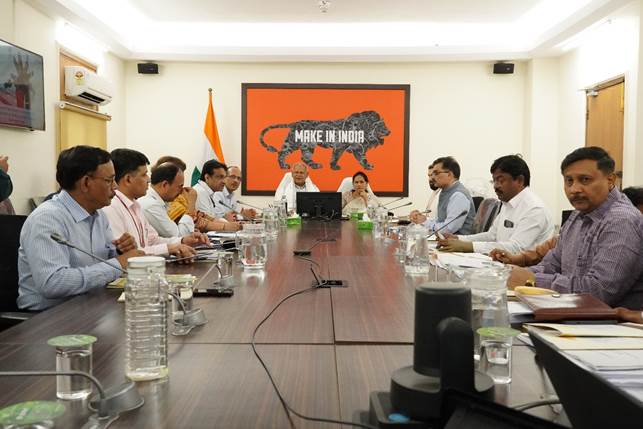
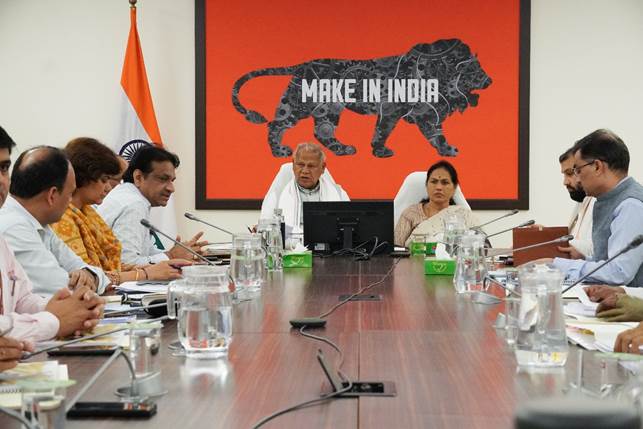
Shri Jitan Ram Manjhi reviews performance of the schemes/programmes run by Khadi and Village Industries Commission(KVIC)

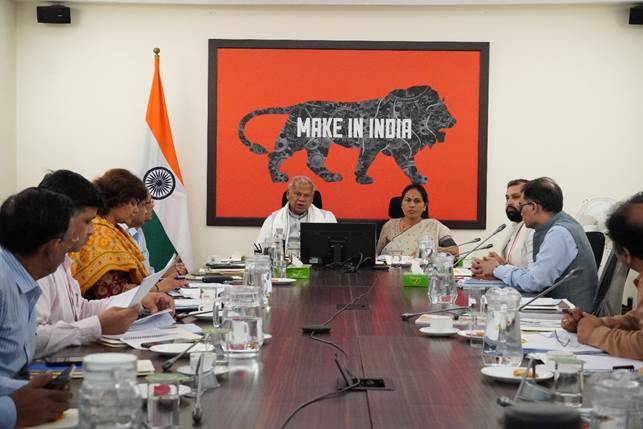
 Union Minister for MSME, Shri Jitan Ram Manjhi and Minister of State for MSME Ms. Shobha Karandlaje reviewed the performance of the Schemes/programmes run by Khadi and Village Industries Commission(KVIC) for the development of Khadi and Village Industries(KVI) Sector in the Country with Shri Manoj Kumar, Chairman, KVIC. Senior Officials of the Ministry of MSME and KVIC were also present.


Union Minister emphasized the need to deepen and broaden the efforts through focused approach on implementation of schemes for promotion of KVI Sector and supporting Khadi artisans.

CPGRAMS along with notable success stories

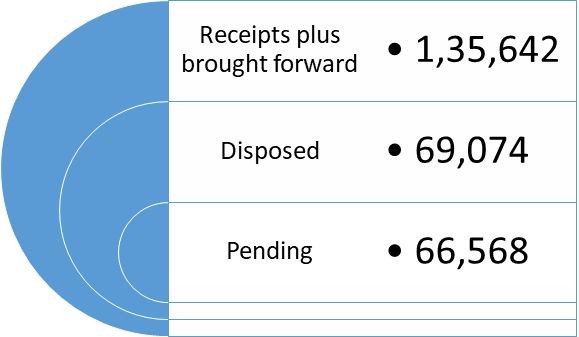
 The Department of Administrative Reforms and Public Grievances (DARPG) released a list of grievances redressed for the first 15 days of June 2024. According to the same 69,166 were redressed in the said period. The Top 5 Ministries/Departments in GOI for Grievance Redressal for the period from 1-15 June, 2024 are as follows:


Sno

Name of Organisation

Disposal

1

Department of Rural Development

21614

2

Ministry of Labour and Employment

7324

3

Department of Financial Services (Banking Division)

6206

4

Central Board of Direct Taxes (Income Tax)

2890

5

Ministry of Railways ( Railway Board)

2296


5 success stories of citizens using the CPGRAMS portal were also outlined by DARPG. These success stories are to be released weekly by DARPG to encourage citizen usage of CPGRAMS portal. The success stories range from issues like Pensions, disability cards, income tax refunds etc.

Success Stories List:

1. Grievance of Shri Rakesh Garg – Rectification of interest and the release of refund amount

Shri Rakesh Garg lodged a grievance on the CPGRAMS Portal with the Central Board of Direct Taxes regarding the incorrect computation of interest under Section 234C. The issue was resolved, resulting in a refund of Rs. 3,65,365, confirmed and verified by the taxpayer.

2. Grievance of Shri Vidyadhar Singh – Non-receipt of 4 installments under One Rank One Pension-II

Nike Vidyadhar Singh hadn’t received the 4 installments he was entitled to under OROP II until 4th April, 2024. He filed a grievance on the CPGRAMS Portal, and within 49 days, arrears amounting to Rs. 30,806/- were credited to his bank account.

3. Grievance of Shri SPR Shoav Ahmed – Non-payment of arrear amount of Rs. 1,03,412/-

Shri SPR Shoav Ahmed, a retired army soldier, lodged a grievance regarding the non-payment of his arrears amounting to Rs. 1,03,412/-. His arrears were processed and credited to his account within 8 days of filing the complaint on CPGRAMS.

4. Grievance of Shri Lovejit Singh – Incorrect Recovery from disability pension

Shri Lovejit Singh filed a grievance on CPGRAMS regarding incorrect deductions from his SPARSH pension account. The deductions were stopped, and a refund of Rs. 27,411/-, which was deducted for a period of 3 months, was provided.

5. Grievance of Shri Om Prakash Sharma – Refund against demand

Shri Om Prakash Sharma filed a grievance concerning his refund being adjusted against a demand. CPGRAMS Portal helped him secure a refund amount of Rs. 31,710/- for AY 2023-24 and Rs. 40,779 for AY 2012-13.


CPGRAMS STATUS 1.6.2024 TO 15.6.2024


These examples illustrate the utility of the CPGRAMS portal for the general public for everyday issues. Citizens can register and file a grievance on CPGRAMS by logging onto the portal www.pgportal.gov.in

****

16,000 NDRF personnel will get risk and hardship allowance at the rate of 40 per cent

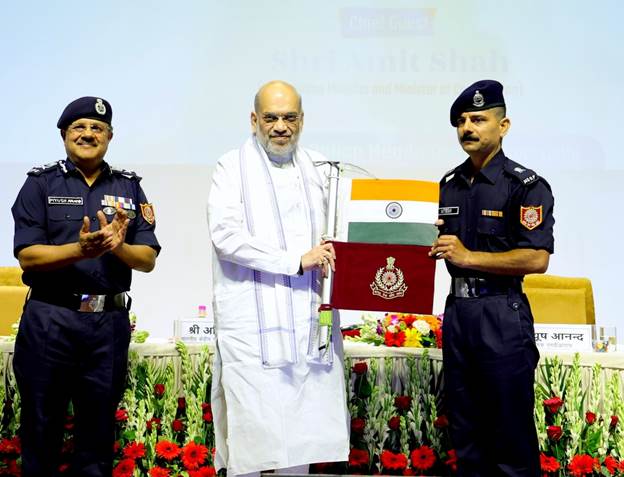
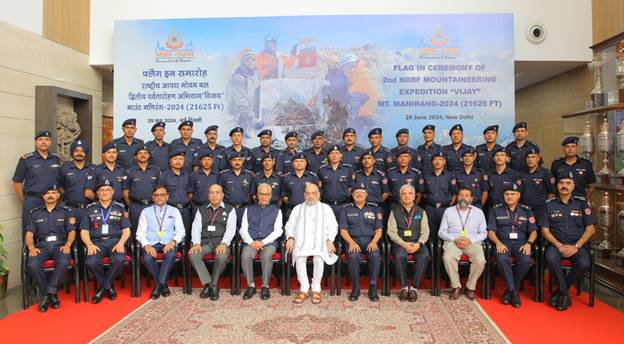
 The Union Home Minister and Minister of Cooperation, Shri Amit Shah, today welcomed the second mountaineering expedition of the National Disaster Response Force (NDRF), ‘Vijay’, in New Delhi, on its return from a successful climb to 21,625 feet high Mount Manirang.


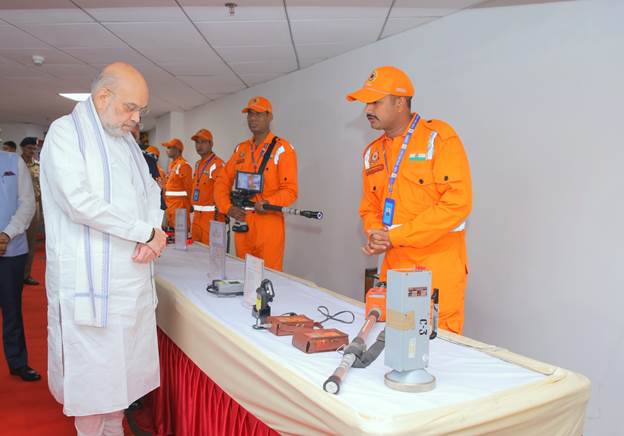
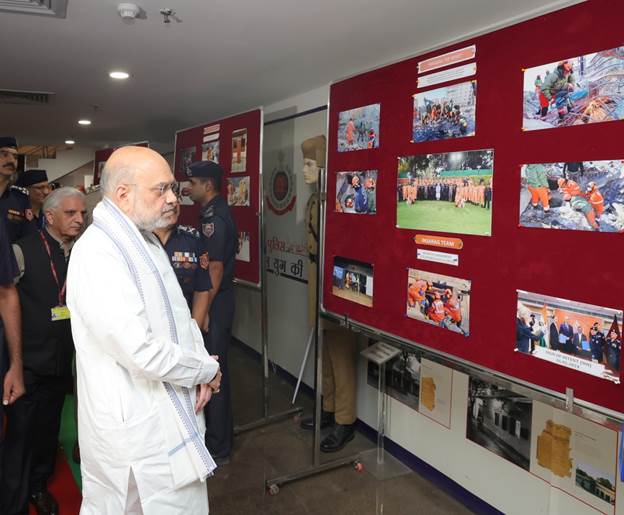
Home Minister also witnessed Photo and Disaster Management Equipment Gallery. The exhibition showcased the state-of-the-art equipment and technologies used by NDRF rescuers during operation. A briefing was also given by the team leaders who were involved in various disaster response incidents in India and Turkey. Union Home Minister took keen interest in various operations conducted by NDRF in flood water rescue, landslides, collapsed structure search and rescue, chemical biological radiological nuclear response mechanism (CBRN), mountain rescue, borewell rescue, cyclone response etc. He was also shown various initiative taken in improvising equipment by the NDRF for better utilisation. Several dignitaries, including the Union Home Secretary and Director General, NDRF, were present on the occasion.


Shri Amit Shah hailed NDRF jawans for their successful expedition to 21,625 high Mount Manirang. He said that such strenuous operations by our jawans, who have decided to show indomitable courage to go to such heights, increase the efficiency of both the individual and the force. Home Minister said that such arduous campaigns inculcate the habit of accomplishing goals, conquering and overcoming unimaginable difficulties to reach the goal. Shri Shah said that it is the habit of victory that makes a person and force great and it is the biggest source of walking on the right path in a person’s life, becoming victorious and increasing confidence.

The Union Home Minister said that some jawans have achieved success in this operation today, but in the true sense, this success belongs to the entire NDRF. He said that these jawans have not only conquered the heights of Mount Manirang but have worked to boost the morale of the entire force. He said that mountaineering is not just a skill but an art of living and mastering this art forms an education for the whole life. The Union Home Minister congratulated the 35 personnel who achieved success in Operation Vijay and the Director General, NDRF for the achievement as a symbol of the force. Shri Shah said that the unfurling of the Tricolour at a height of more than 21,600 feet by these jawans has been a matter of great achievement for the entire force. He said that if we have to reach the pinnacle of success, then we have to pursue a consistent goal throughout life, only then success is achieved.


Shri Amit Shah said that at one time, our approach to disaster in India was only relief-centric, but under the leadership of Prime Minister Shri Narendra Modi, now a zero casualty approach is being adopted for disaster management, not a relief-centric approach.

He said that this has been our great journey in terms of disaster management approach. Shri Shah added that in the last 10 years of Prime Minister Modi’s tenure, the best practices from around the world have been put in place in India to deal with disasters. He said that in these 10 years of the Modi government, the work of creating a winning alliance of NDRF and NDMA through training, raising the morale of the force, forming the force, providing adequate numbers of the force, ensuring the availability of the force’s personnel everywhere in such a large country and advance information for disaster assessment has been done. He said that today, if any disaster strikes anywhere in the country or the world, everyone looks up to the NDRF. Shri Shah also said that seeing the NDRF personnel increases the morale of the people trapped in the disaster manifold. He said that just as our 35 jawans have aligned themselves with the goal with moment-to-moment awareness to achieve success in this mountaineering expedition, our force must align itself with the goal of Zero Casualty. He said that achievement should never become a reason for satisfaction, but it should become a reason to set more difficult goals. Shri Shah said that whether it is Turkey or Syria, Biporjoy or Michaung, the ropeway incident or the rescue of climbers, the tunnel incident or the triple disaster in Japan or the earthquake in Nepal, wherever NDRF personnel have gone, they have returned with a good start and it is a matter of great pride for the entire country.

The Union Home Minister and Minister of Cooperation said that in the future, due to climate change, dangers like avalanches, landslides, floods and storms are going to increase everywhere and keeping this in mind, we should move firmly towards the goal of Zero Casualty by resorting to science. He said that we still have to increase our efficiency in many areas and also bring results, such as forest fires. He said that saving human lives is not our only objective during forest fires, but we have to bring experiments happening all over the world on how to save forests and what we can do so that there is no fire on the ground. Shri Shah said that we need to prepare ourselves more for the floods caused by cloudbursts.

Shri Amit Shah said that the Modi government has left no stone unturned and never looked at the budget for the development of the NDRF, training and providing modern resources to the force. He said that we should create a force in India that is first in the field of disaster management in the entire country. Shri Shah said that Prime Minister Shri Narendra Modi himself is very concerned and aware about disaster management and the success achieved by India in this field is the result of this. He said that in 10 years between 2004 and 2014, a total budget of Rs 66,000 crore was allocated to SDRF and NDRF for disaster relief, which increased to Rs 2 lakh crore in 10 years from 2014 to 2024. This, he said, shows how prepared the Indian government is for a disaster. Shri Shah said that the Modi government is providing scientific support to the NDRF in every way, be it Dial 112, Mausam, Damini, Meghdoot, such mobile applications or early warning systems.

The Union Home Minister said that there was a demand for Risk and Hardship Allowance for NDRF personnel for a long time and the Government of India under the leadership of Prime Minister Shri Narendra Modi has accepted this demand yesterday. He said that now 16,000 personnel of NDRF will get Risk and Hardship Allowance at the rate of 40%. Shri Shah said that the Modi government has also decided that now a team of Central Armed Police Forces (CAPFs) will participate in all outdoor and indoor games in national and international level sports competitions. He said that the entire roadmap for this has been prepared and soon the Government of India will come up with a model for its implementation. He said that the government wants to introduce and stabilize sports as a culture in CAPFs.


*****

“Yuga Yugeen Bharat Museum will stand as a testament to India’s rich heritage and it’s legacy as the mother of Democracy”

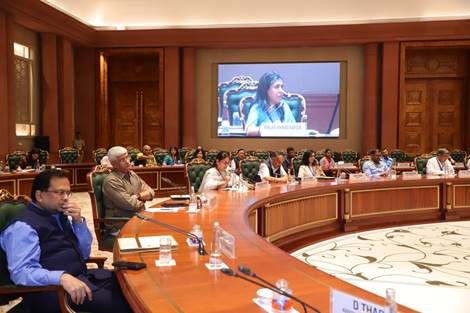
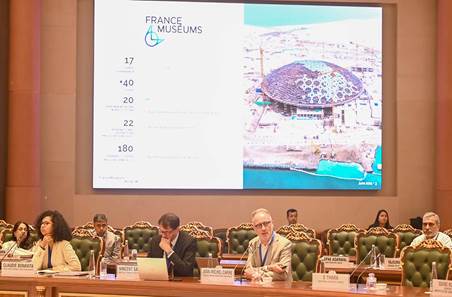
 Ministry of Culture organised a four-day inter-ministerial stakeholder consultation and capacity building workshop for upcoming Yuga Yugeen Bharat Museum, slated to be built in the North and South Block as part of the Central Vista Redevelopment Project. The workshop was held from 26th to 29th June 2024 at Bharat Mandapam in New Delhi. The final day of the deliberation was attended by the Union Minister for Culture and Tourism, Shri Gajendra Singh Shekhawat and senior Ministry officials such as the Secretary, Shri Govind Mohan as well as Dr. Thierry Mathou, French Ambassador to India.

The consultation engaged individuals from the museum ecosystem, both private and government to discuss the upcoming Yuga Yugeen Bharat (The timeless and eternal India) Museum. The Capacity Building was spearheaded by a team of experts from France Muséums, an international museum consultancy.

Image

IMG_5899.jpeg


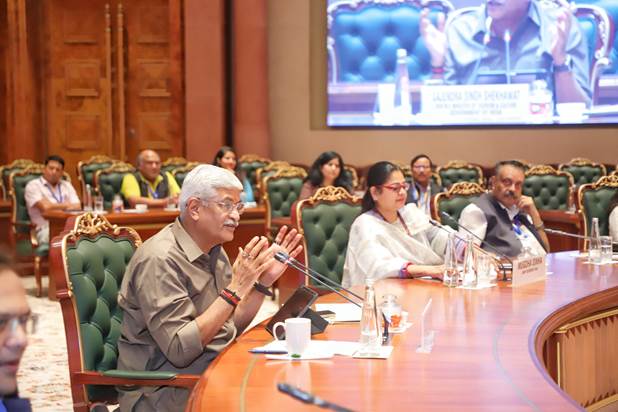
Union Minister for Culture and Tourism, Shri Gajendra Singh Shekhawat, on the concluding day of the four-day Capacity Building Workshop said This museum will stand as a testament to India’s rich heritage and its unwavering spirit of progress, as it draws inspiration from its past as a blueprint. The Yuga Yugeen Bharat Museum will transcend the traditional museum experience, embodying the spirit of inclusivity. It will be a museum of the people, centring community narratives – a testament to India’s legacy as the mother of Democracy.

Image


The new National Museum of India is set to come up at North and South Block as part of the Central Vista Redevelopment project that seeks to revamp India’s central administrative area located near Raisina Hill, New Delhi. The museum will be spread over 1,54,000 sqm, making it the largest museum in the world. The video walk through for the museum was first unveiled by the Prime Minister Shri Narendra Modi at the inauguration of the first International Museum Expo organized by the GLAM (Galleries, Libraries, Archives and Museums) Division of the Ministry of Culture on 18.05.2023 and was reiterated during the inauguration of the Bharat Mandapam in July 2023.

IMG_5901.jpeg

The Museum will be developed through Adaptive Reuse, in collaboration with France owing to their expertise in similar projects such as the Louvre, which too housed the French Ministry of Finance. The French are partners for this project owing to the long-standing friendship between the two countries, which had contributed to a Letter of Intent being signed between both governments in 2020 that emphasised Museum & Heritage Co-operation.

Pursuant to this, the GLAM Division spearheaded a series of capacity building workshops that aimed to foster critical objectives: alignment amongst stakeholders and generation of synergy for a unified vision. The first of these was a brainstorming session held on the 14th of June, bringing together other ministries and departments of the Government of India. This not only fosters interdepartmental coordination but also ensures the project resonates with various facets of Indian society.

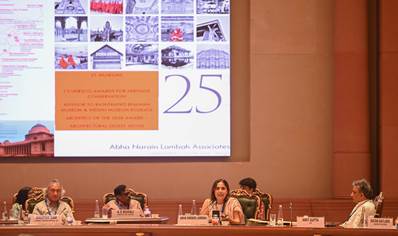
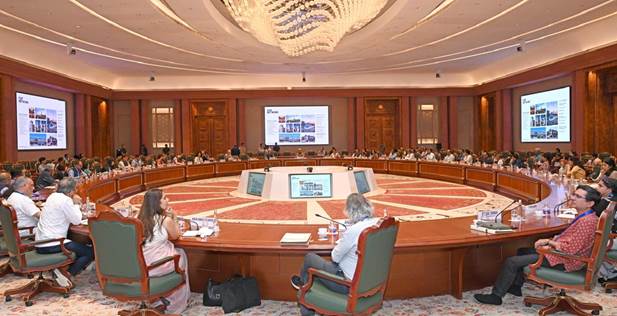
Following this, an intensive four-day brainstorming session was held at Bharat Mandapam from 26th to 29th June, amongst stakeholders of the museum ecosystem such as high-level management from government museums, private experts such as conservation architects, scenographers, exhibition designers, publishers, conservationists, educators and many others.

The intensive brainstorming session and workshops held over the past few days have provided invaluable insights into the core operational elements of a world-class museum. These sessions focused on critical areas such as collection management, curatorial practices, administrative best practices, and the strategic integration of technology. The knowledge gleaned will be instrumental in shaping the development of the Yuga Yugeen Bharat Museum.