Ladakh Achieves Full Functional Literacy

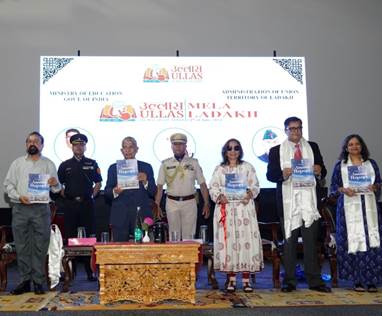
 Lieutenant Governor of Ladakh, Dr. B.D. Mishra, on 24 June 2024 declared Ladakh as the administrative unit to achieve Full Functional Literacy under the ULLAS – Nav Bharat Saaksharta Karyakram, after having achieved more than 97% literacy. This milestone reflects Ladakh’s commitment to empowering its citizens through Foundational Literacy and Numeracy, and Critical Life Skills for all. Dr. Mishra informed this in a celebration at Sindhu Sanskritik Kendra (SSK), Leh.


The declaration was made in the presence of Shri Sanjay Kumar, Secretary, Department of School Education and Literacy, Ministry of Education, Government of India; Smt. Archana Sharma Awasthi, Joint Secretary; Dr. Mohd. Jaffer Akhoon, Chairman, LAHDC, Kargil; Shri Sanjeev Khirwar, Principal Secretary, School Education, Ladakh; and more than 500 new literates and volunteers.

The ceremony included the felicitation of neo-literates and volunteer teachers and the launch of the Annual Achievement Report 2023 of the school department. dignitaries visited the ULLAS Mela.

While addressing the event Dr. Mishra motivated the new learners and volunteers to continue on the path of learning throughout their life. He said it is the parent’s responsibility to send their children to school. He also exhorted the students to not only look for jobs but also think of creating jobs. Praising Prime Minister Shri Narendra Modi for introducing the NEP 2020, he said that the policy paves the way for the future growth of the country.

While addressing the audience, Shri Sanjay Kumar congratulated the people of Ladakh on this momentous achievement and assured that the Ministry of Education will extend all possible support to improve the school education system of Ladakh. He reiterated that education has the power to change the world. As the name ULLAS suggests, it can bring immense joy to new learners, he said. He also highlighted that the entire ULLAS model is based on volunteerism in which volunteers register through the ULLAS Mobile App without any expectation of reward and simply teach the non-literates, which is the true beauty of this program. He also mentioned the inspiring stories of perseverance, such as taking exams in snowy conditions, underscore Ladakh’s passion for literacy. This achievement sets the stage for lasting positive change and endless opportunities in Ladakh, Shri Sanjay Kumar added.

ULLAS – Nav Bharat Saaksharta Karyakram or New India Literacy Programme (NILP) is a centrally sponsored scheme implemented from 2022-2027. The scheme aligns with the recommendations of the National Education Policy (NEP) 2020 and aims to empower those adults aged 15 years and above from all backgrounds who could not get due schooling and mainstream them with society to be able to contribute more to the growth story of the country. The scheme consists of five components – Foundational Literacy and Numeracy, Critical Life Skills, Basic Education, Vocational Skills, and Continuing Education. The vision of the ULLAS Scheme is to make Bharat – Jan Jan Saakshar and is based on the spirit of Kartvya Bodh and is being implemented on volunteerism. The scheme has benefitted more than 77 Lakhs people till now across the country. The ULLAS Mobile App has more than 1.29 Crore learners and 35 lakh volunteer teachers.

******

IAF CONCLUDES 3RD 'WARFARE & AEROSPACE STRATEGY PROGRAM' (WASP) WITH A CAPSTONE SEMINAR

 Indian Air Force today conducted a capstone seminar marking the culmination of the No. 3 Warfare & Aerospace Strategy Program (WASP) at the Air Force Auditorium, New Delhi. The seminar with the theme “India’s Strategic Culture and Imperative for Contemporary National Security’ was conducted under the aegis of the College of Air Warfare and Centre for Air Power Studies.

 WASP is a strategic education programme of 15 weeks duration which was started in 2022 to provide the participants with a deep understanding of geo-politics, grand strategy and Comprehensive National Power. The broader aim is to nurture critical thinkers who can blend cross-domain knowledge to generate policy-driving ideas at the strategic level.

This edition of WASP saw tri-services participation for the first time. The participants comprised fourteen officers from Indian Air Force, two officers from the Indian Navy, one officer from the Indian Army and a research scholar. The participants underwent intensive training in the fields of Strategy, Military History, Civil-Military relations, Higher Defence Organisation, Aerospace Power, Information Warfare, Technology and Hybrid Warfare. The program was guided by an external faculty consisting of accomplished practitioner-scholars with extensive teaching and research experience. The graduates of the program were awarded a PG diploma in Strategic Studies by Rashtriya Raksha University.

Air Chief Marshal VR Chaudhari, Chief of the Air Staff (CAS), delivered the keynote address of the seminar which was attended by Gen Anil Chauhan, Chief of the Defence Staff, Gen Manoj Pande, Chief of the Army Staff, senior officers from all three services, aerospace power scholars, academia and established defence correspondents. He highlighted that the dynamic environment of modern warfare demanded that military leaders not only be adept at combat, but also possess strategic thinking ability and grasp of the evolving geo-political landscape. The CAS congratulated the course participants for successfully completing the rigorous program. While concluding, the CAS complimented the mentors who guided the participants through the programme and urged them to continue with the same zeal in the forthcoming editions of the WASP.

In the first session of the Seminar, the participants presented their papers on the topics of ‘Examining International Relations through India’s Strategic Culture’ and ‘Military Outlook through Strategic Partnerships’. This was followed by the second session, which saw them discussing ‘Evolution of Civil-Military Relations in India’ and ‘Imperatives of Evolving Security Environment on Future Contours of Civil-Military Fusion (CMF).

***

CCRAS Hosts National Consultative Meet on Traditional Medicine

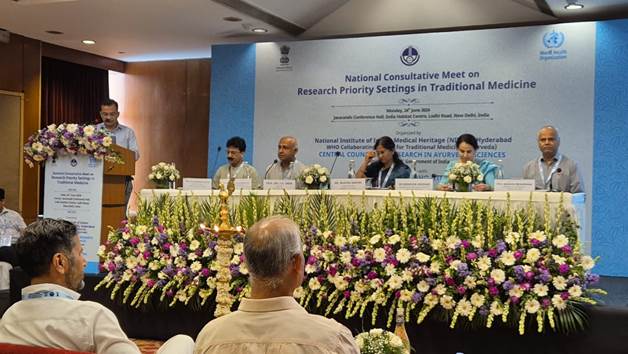
 Fostering a pioneering effort in aligning traditional medicine research with global standards and priorities the Central Council for Research in Ayurvedic Sciences (CCRAS), an apex autonomous organization under the Ministry of Ayush, has signed two MoU’s with Shri Krishna Ayush University, Kurukshetra & Dabur, a leading Ayurvedic company in India.  CCRAS also launched its new and updated website.

The first of its kind consultative meet brought together representatives from diverse domains of Traditional Medicine (TM) in India, including policymakers, academic institutions, researchers, patients, and industry stakeholders. The aim is to identify and prioritize key research areas across various traditional medicine systems such as Ayurveda, Siddha, Unani, and Homeopathy.

These announcements were made during the one-day National Consultative Meet on “Research Priority Settings in Traditional Medicine” on June 24, 2024, at the India Habitat Center, New Delhi, held in collaboration with the WHO-SEARO (World Health Organisation – South East Asia Region office) office and WHO-GTMC (World Health Organisation – Global Traditional Medicine Centre)

On this occasion,Vaidya, Secretary, Ministry of Ayush Rajesh Kotecha  said “The objective is to ensure effective utilization of funds and address critical areas of need within traditional medicine, including medicinal plant research, quality, safety, and efficacy studies, pre-clinical validations, rational use of traditional medicines, clinical trial monitoring, medical anthropology, and the digitalization of ancient medical literature and thereby supporting its global acceptance and integration”.

Director General, CCRAS, Prof. (Vaidya) Rabinarayan Acharya, said “We wanted to chart a research roadmap for the next decade and lay the groundwork for a decade-long research strategy in traditional medicine and align efforts with WHO guidelines. These two Mou’s with 

Dabur & Sri Krishna AYUSH University is a heathy start in this direction.

Vice Chancellor of Sri Krishna Ayush University, Kurukshetra, Haryana, Prof.  Kartar Singh Dhiman, emphasized the importance of MoU and under its ambit both parties will look at fostering the path for academic and research collaborations that provides opportunity to researchers and scientists for exchange of ideas through workshops, seminars. PhD Studies of CCRAS scientists.

Setting research priorities is a critical endeavor that guides the allocation of resources, shapes scientific agendas, and influences the direction of innovation and discovery. Setting research priorities in traditional medicine is need of the hour as increase in demand and the global accessibility and acceptability of systems fosters the need for same. The identified areas will shape the roadmap of policies for traditional medicine at regional or global level.

Around 150 stakeholders representing Ministry of Ayush, NITI Aayog, Heads of Research Councils from different streams of traditional medicine and homeopathy in India, Vice-chancellors of various reputed universities, Directors of National Institutes under ministry of Ayush, ICMR- NITM, CSIR, RIS-FITM, JNU New Delhi, WHO-SEARO, WHO-GTMC, policy makers, pharmacy representatives and media persons. The Round table discussions among Expert working groups shaped the prioritization exercise followed by a plenary session including the way forward. Dr. G P Prasad, Assistant Director (In-charge) of National Institute of Indian Medical heritage (NIIMH), a recently designated WHO Collaborating Center for Traditional Medicine in India and a co-organizer of this event points out that prioritization fosters the preservation and documentation of traditional knowledge, protecting cultural heritage and biodiversity associated with medicinal plants and indigenous healing practices.

****

India’s Nuclear Power generation capacity to increase by around 70 percent in the next 5 years

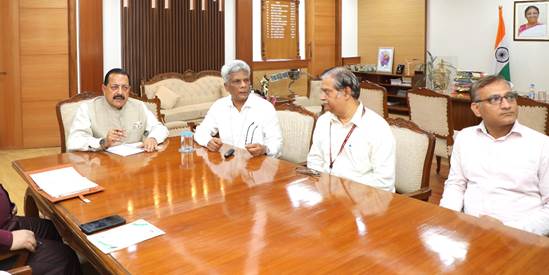
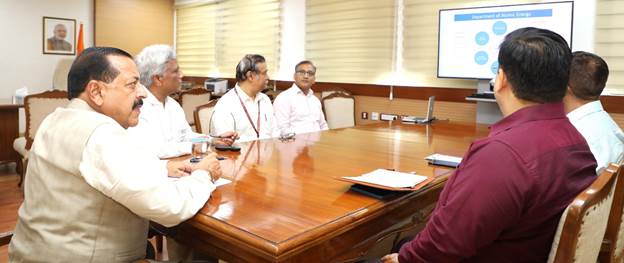
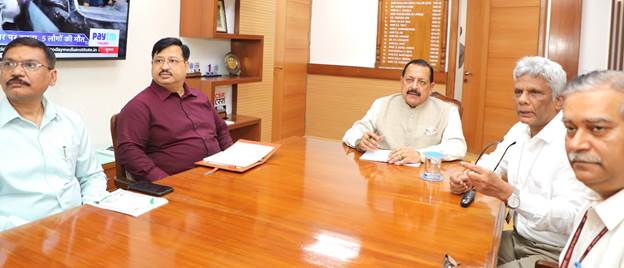
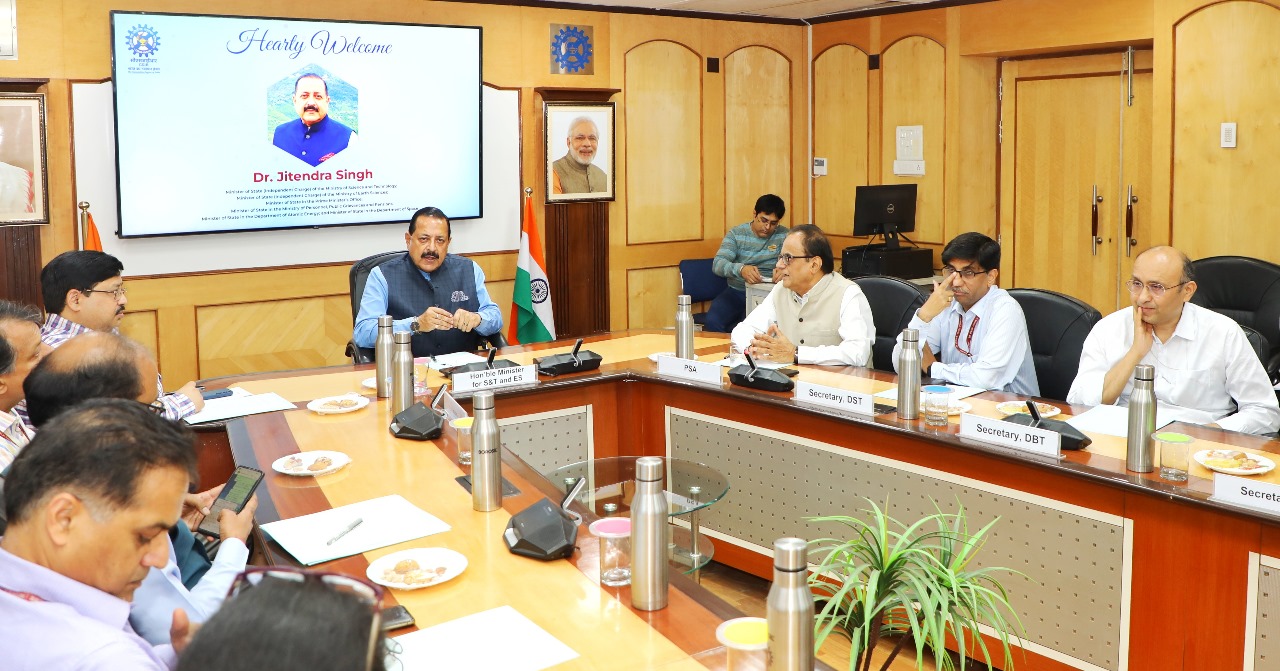
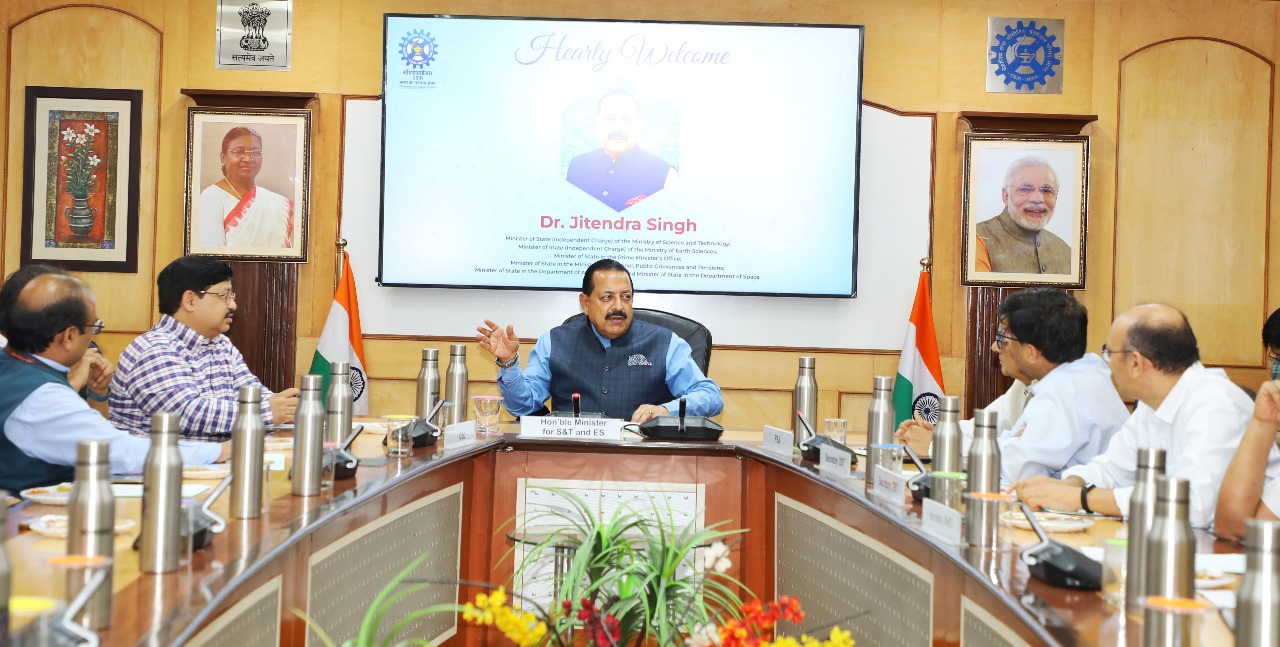
 India’s Nuclear Power generation capacity is to increase by around 70 percent in the next 5 years”, says Union Minister Dr. Jitendra Singh while convening a high-level meeting to review the 100 days Action Plan of the Department of Atomic Energy here today.

This is the first Atomic Energy related meeting convened by Union Minister of State (Independent Charge) for Science and Technology, Minister of State (Independent Charge) for Earth Sciences, MoS PMO, Department of Atomic Energy, Department of Space, Personnel, Public Grievances and Pensions, Dr Jitendra Singh after he reassumed charge as Minister in the Modi Govt 3.0.

Highlighting India’s progress in nuclear energy and renewable energy in the energy landscape, Dr Jitendra Singh said “Installed capacity of 7.48 GWe will become 13.08 GWe by 2029, which is over 70 percent increase with addition of 7 new reactors. He also took stock of the already operational projects and gave directions for upcoming plans.

Dr. Jitendra Singh directed the department to integrate and collaborate to harness full potential, by capacity building and sharing of knowledge, resources and expertise. The Minister emphasized on indigenous development of technology. He said, “Indigenous technology development and promoting energy security should be our priority.” He recalled that this government has allowed Joint Ventures with public sector units, increasing budget through collaboration, use of next generation technologies, and increasing cooperation. Speaking on the ease of doing research and scaling up activities he said we are giving single point approval to promote ease of science and promote ease of living for citizens by application of nuclear technology.

Dr. Jitendra Singh informed that the department is suitably designing the 220MW Pressurized Heavy Water Reactor (PHWR) to use a Bharat Small Reactor (BSR) for captive nuclear power generation. He also informed that DAE is also working on Bharat Small Modular Reactor (BSMR) 220 MW to use light water-based reactors by replacing Calandria by pressure vessel.

According to Dr, Jitendra Singh, BHAVINI, a public sector undertaking is in progress to complete initial fuel loading of Prototype Fast Breeder reactor and its 1st approach to criticality is expected in the coming months. This is the 1st fast breeder reactor to produce more fuel than it consumes.

The minister emphasized that along with energy security, health and food security, Radiopharmaceuticals & nuclear medicine, agriculture, and food preservation should also be focused. Adding further he said, development in radiation technology will lead to economic and societal benefit of common citizens and promote ease of living and promote research in basic, applied and translational sciences using subatomic particles.

Dr. Ajit Kumar Mohanty, Chairman, Atomic Energy Commission and Secretary, Department of Atomic Energy along with senior officials of the department were present for the review meeting.


****

 PK/PSM

Digital Marketing: A Comprehensive Guide

Daily writing prompt
If you were forced to wear one outfit over and over again, what would it be?

Digital marketing has revolutionized the way businesses engage with their audience, driving sales and building brand awareness in an increasingly digital world. This article explores the fundamentals of digital marketing, its various components, strategies for success, and the future trends shaping the industry.

What is Digital Marketing?

Digital marketing encompasses all marketing efforts that use electronic devices or the internet. It leverages online channels such as search engines, social media, email, websites, and mobile apps to connect with current and prospective customers. The goal is to reach consumers through the platforms they frequent and engage them with targeted content and personalized experiences.

Key Components of Digital Marketing

1. Search Engine Optimization (SEO)

SEO involves optimizing a website to rank higher in search engine results pages (SERPs), thereby increasing organic (non-paid) traffic. It includes on-page SEO (content and HTML source code optimization) and off-page SEO (backlinks and social signals). Key elements include keyword research, content creation, technical SEO, and link building.

2. Content Marketing

Content marketing focuses on creating, publishing, and distributing valuable and relevant content to attract and retain a target audience. This content can take various forms, including blog posts, videos, infographics, eBooks, and podcasts. The goal is to provide useful information that meets the needs of the audience, establishing the brand as an authority in its field.

3. Social Media Marketing

Social media marketing involves using platforms like Facebook, Instagram, Twitter, LinkedIn, and TikTok to promote products or services. It includes both organic activities (posting content, engaging with followers) and paid activities (advertising and sponsored posts). Social media marketing helps increase brand awareness, foster community engagement, and drive traffic to websites.

4. Pay-Per-Click (PPC) Advertising

PPC advertising is a model where advertisers pay a fee each time their ad is clicked. Google Ads is one of the most popular PPC platforms, allowing businesses to bid on keywords and display ads in search results. Other PPC platforms include social media channels (Facebook Ads, Instagram Ads) and display networks. PPC provides immediate visibility and is highly measurable.

5. Email Marketing

Email marketing involves sending targeted messages to a list of subscribers. It is used to nurture leads, promote products or services, and build relationships with customers. Effective email marketing strategies include segmenting the audience, personalizing messages, and creating compelling calls to action. Automation tools can streamline email campaigns, making them more efficient and effective.

6. Affiliate Marketing

Affiliate marketing is a performance-based strategy where businesses reward affiliates (partners) for driving traffic or sales to their website. Affiliates promote products or services through their own marketing channels, such as blogs, social media, or email lists. This approach expands the reach of a business and leverages the influence of affiliates to attract new customers.

7. Influencer Marketing

Influencer marketing involves partnering with influencers—individuals with a large following and high engagement on social media or other platforms—to promote products or services. Influencers can create authentic content that resonates with their audience, enhancing the brand’s credibility and visibility. This strategy relies on the influencer’s relationship with their followers to drive engagement and conversions.

8. Analytics and Data Insights

Data analytics is crucial for measuring the effectiveness of digital marketing efforts. Tools like Google Analytics, social media insights, and marketing automation platforms provide valuable data on website traffic, user behavior, conversion rates, and campaign performance. Analyzing this data helps marketers understand what works, optimize strategies, and make data-driven decisions.

Strategies for Successful Digital Marketing

Photo by Pixabay on Pexels.com

1. Understand Your Audience

Knowing your target audience is the foundation of any successful digital marketing strategy. Conduct market research to gather insights into their demographics, preferences, behaviors, and pain points. Creating buyer personas—detailed representations of your ideal customers—can help tailor your marketing efforts to meet their specific needs and interests.

2. Create High-Quality Content

Content is at the heart of digital marketing. Develop a content strategy that aligns with your business goals and addresses the interests of your audience. Focus on producing high-quality, engaging, and informative content that provides value. Regularly update your content to keep it relevant and leverage various formats to reach a broader audience.

3. Optimize for Search Engines

Implementing SEO best practices ensures that your content is discoverable by search engines. Conduct keyword research to identify terms your audience is searching for and integrate these keywords naturally into your content. Optimize your website’s technical aspects, such as page speed, mobile-friendliness, and URL structure, to improve your search rankings.

4. Utilize Social Media Effectively

Develop a social media strategy that includes posting regular, relevant content, engaging with your audience, and monitoring performance. Use social media analytics to track metrics such as reach, engagement, and conversion rates. Experiment with different types of content and formats to see what resonates most with your audience.

5. Invest in Paid Advertising

While organic reach is valuable, paid advertising can accelerate your results. Use PPC campaigns to target specific keywords and demographics, and retargeting ads to re-engage visitors who have shown interest in your site. Continuously monitor and adjust your ad campaigns to maximize ROI.

6. Focus on Mobile Optimization

With the increasing use of mobile devices, ensure that your digital marketing efforts are mobile-friendly. This includes having a responsive website design, optimizing email templates for mobile, and considering mobile-specific advertising. Mobile optimization improves user experience and boosts engagement and conversions.

7. Leverage Email Marketing

Build and maintain a robust email list by offering valuable content and incentives for sign-ups. Segment your email list to send personalized and relevant messages to different audience segments. Use email marketing automation to send timely and targeted emails, such as welcome series, abandoned cart reminders, and post-purchase follow-ups.

8. Measure and Analyze Results

Regularly track and analyze your digital marketing performance using analytics tools. Monitor key performance indicators (KPIs) such as website traffic, conversion rates, click-through rates, and ROI. Use these insights to refine your strategies, optimize campaigns, and make informed decisions to improve your marketing efforts.

Future Trends in Digital Marketing

1. Artificial Intelligence and Machine Learning

AI and machine learning are transforming digital marketing by enabling more personalized and efficient campaigns. AI can analyze vast amounts of data to predict consumer behavior, optimize ad targeting, and automate customer interactions through chatbots and virtual assistants.

2. Voice Search Optimization

With the rise of voice-activated devices like Amazon Echo and Google Home, optimizing for voice search is becoming increasingly important. This involves using natural language keywords, providing concise answers to common questions, and ensuring your website is mobile-friendly and fast-loading.

3. Video Marketing

Video content continues to grow in popularity, with platforms like YouTube, TikTok, and Instagram Reels offering opportunities for engaging storytelling. Live streaming and video ads are also becoming integral parts of digital marketing strategies, providing dynamic ways to connect with audiences.

4. Augmented Reality (AR) and Virtual Reality (VR)

AR and VR technologies are enhancing the customer experience by offering immersive and interactive content. Brands can use AR for virtual try-ons, product demonstrations, and interactive ads, while VR can create immersive brand experiences and virtual events.

5. Privacy and Data Security

With increasing concerns over data privacy, marketers must prioritize transparent data practices and compliance with regulations like GDPR and CCPA. Building trust with consumers through secure data handling and privacy-focused marketing will be crucial.

Conclusion

Digital marketing is a dynamic and multifaceted field that requires a strategic approach to effectively reach and engage with audiences. By understanding its key components, implementing effective strategies, and staying abreast of future trends, businesses can harness the power of digital marketing to drive growth and achieve their objectives. Embracing the digital landscape and continuously adapting to its changes will ensure long-term success in an ever-evolving market.

Human Capital Management: Enhancing Workforce Efficiency and Productivity

Daily writing prompt
How important is spirituality in your life?
Photo by Pixabay on Pexels.com

Key Takeaways

  • Human Capital Management (HCM) is essential for improving employee productivity and organizational efficiency.
  • Effective HCM strategies include talent acquisition, performance management, and employee development.
  • Data-driven decisions and technology integrations such as ERP systems are crucial in HCM.

Introduction

Human Capital Management (HCM) is a comprehensive approach to optimizing your workforce’s talents and skills. In today’s fast-paced business environment, effectively managing human resources is critical for staying competitive. Human capital management (HCM) is more than just a buzzword; it is a strategy that includes processes like talent acquisition, performance management, and employee development to ensure that an organization can meet its goals efficiently. By emphasizing HCM, companies can create a more adaptive and resilient workforce capable of navigating the complexities of modern business landscapes.

Why Human Capital Management Matters

At its core, HCM is all about managing employees as valuable assets. It includes everything from hiring the right people to ensuring they have the tools and skills to succeed. Companies that invest in HCM see significant improvements in employee engagement and productivity. Committed employees are more inclined to feel driven, leading to improved quality of work and innovation. Furthermore, companies prioritizing HCM enjoy lower turnover rates, translating into cost savings on recruitment and training. By focusing on HCM, organizations can create a more motivated, efficient, and productive workforce, ultimately leading to better financial performance and market position.

Core Components of HCM

  • Talent Acquisition: Attracting and recruiting top talent is the first step in effective HCM. Companies need to create robust hiring strategies that target highly qualified candidates. It involves using traditional recruitment methods and modern technologies like AI to identify and engage potential employees. Effective talent acquisition strategies include finding the right people and ensuring a good cultural fit to reduce turnover. Additionally, leveraging social media and professional networks can expand the talent pool and bring diverse candidates.
  • Performance Management: Regular performance reviews and feedback help employees stay on track and improve continuously. Companies can use performance management software to set goals, track progress, and provide timely feedback. It boosts employee morale and aligns individual performance with the organization’s strategic objectives. Effective performance management programs often incorporate quantitative metrics and qualitative assessments, ensuring a comprehensive employee performance evaluation. Continuous feedback loops and developmental plans help employees learn and grow, increasing organizational effectiveness.
  • Employee Development: Ongoing training and development programs ensure staff skills remain relevant and current. Providing employees with opportunities for professional growth leads to higher job satisfaction and retention rates. It’s essential to have a structured learning and development program in place to address both current and future skill gaps within the organization. Development programs can include internal training sessions, external courses, online modules, and mentorship opportunities. Investing in the development of employees enhances individual performance and promotes a culture of ongoing improvement and learning in the organization.

Integrating Technology in HCM

As technology evolves, so too does the approach to HCM. Many organizations now integrate advanced software solutions like ERP systems to streamline their HR processes. The growing importance of AI and ML in enhancing HCM approaches. These technologies can automate routine tasks, provide data-driven insights, and predict future workforce trends, making HCM more efficient and effective. For instance, AI can help screen resumes, reduce bias in hiring, and identify employee burnout before it leads to turnover.

Data-Driven Decision Making

Another critical aspect of modern HCM is the use of data analytics. By utilizing data, companies can make better-informed decisions regarding their employees. From identifying skill gaps to predicting turnover rates, data-driven insights are invaluable. Analytics can also help craft personalized employee experiences, which is crucial for retaining top talent. Companies that use data analytics in their HCM strategies often find they can respond more swiftly to changing market conditions and workforce needs. Moreover, data analytics can help organizations measure the ROI of their HCM initiatives, providing clear evidence of the value these programs bring to the company. Predictive analytics can also forecast hiring needs and talent shortages, allowing for proactive workforce planning.

Challenges in Human Capital Management

Although HCM offers numerous benefits, it also comes with its challenges. For instance, implementing an effective HCM strategy requires buy-in from all levels of the organization. With support from top management, it’s easier to achieve the organizational change necessary for HCM to be successful. Additionally, there can be significant upfront costs associated with technology integration and training programs. Companies must be willing to invest time and resources into their HCM initiatives to see meaningful results. Resistance to change is another common challenge, as employees and managers may hesitate to adopt new systems and processes. Overcoming these challenges requires clear communication, effective change management, and a commitment to continuous improvement.

Future Trends in HCM

The future of HCM looks promising, with numerous trends and innovations on the horizon. Companies increasingly focus on creating diverse and inclusive workplaces, enhancing employee well-being, and adopting flexible work arrangements. By staying proactive with these trends, organizations can improve their HCM strategies even more. For example, the shift towards remote work has led to new approaches in employee engagement and performance management, making it crucial for HCM strategies to adapt accordingly. Virtual reality (VR) and augmented reality (AR) in training and development are also emerging as powerful tools for providing immersive learning experiences. Furthermore, the increasing focus on mental health and well-being transforms HCM strategies as businesses introduce holistic wellness initiatives to aid their staff’s physical and psychological wellness.

Conclusion

In summary, human capital management is essential for any thriving organization. Businesses can enhance their staff’s capabilities by recruiting talent, managing performance, and nurturing employee growth. Embracing technology and data-driven decision-making further enhances these strategies. While challenges exist, the numerous benefits make HCM an indispensable practice for modern businesses. Organizations that successfully implement HCM stand to gain a competitive edge through a more engaged, skilled, and productive workforce. As the business landscape evolves, staying agile and adaptive through effective HCM practices will be critical to sustained success.

A Tribute to Professor V Devadas

 A tribute to Prof Devadas, a guiding light,

Whose teachings illuminated our path so bright.

System dynamics and urban planning, he did impart,

Rural development concepts, that touched our heart.

With dedication & passion, he taught through years,

Inspiring minds and shaping futures, dispelling fears.

His life’s devotion to education, a selfless deed,

A legacy that lives on, a treasure to read.

Through his lessons, we learned to analyze and see,

The complexities of systems, and the dynamics of society.

He showed us how to approach problems with a critical eye,

And find solutions that benefit all, in the urban and rural sky.

Prof Devdas, a mentor, a guide, a shining star,

Your impact on our lives, we will forever hold dear and far.

Your legacy continues, as we pass on what we’ve learned,

A tribute to your dedication, your teachings that have burned.

Thank you, Prof Devdas, for all that you’ve done,

Your contributions to our growth, will forever be won.

By Shashikant Nishant Sharma

(MURP-2013-2015) IIT Roorkee

Exploring Prop Trading Platforms: Learning Opportunities in Forex and Crypto Markets

 Exploring prop trading platforms will reveal numerous
learning opportunities in Forex and Crypto markets. You’ll benefit from higher
profit potential and sophisticated tools. The Forex market has a daily trading
volume exceeding $6 trillion, requiring you to understand currency pair
dynamics and session influences. In the Crypto market, grasp the significance
of blockchain technology and market capitalization. Choosing the right firm
involves evaluating risk management strategies and profit sharing models. Effective
risk management, essential trading tools like MetaTrader 4, and rigorous
strategy development will enhance your trading acumen. Dig deeper to uncover
detailed insights for maximizing your potential.

What Is Prop Trading?

Prop trading, or proprietary trading, involves firms
investing their own capital in financial markets to directly generate profit,
rather than earning from client commissions. Originating in the 1980s, prop
trading has evolved significantly with technological advancements enabling
high-frequency trading and algorithmic strategies. Understanding the regulatory
landscape is crucial as rules vary by jurisdiction but generally focus on
ensuring market stability and transparency. For instance, the Volcker Rule under
the Dodd-Frank Act restricted prop trading by banks in the U.S. after the 2008
financial crisis, aiming to reduce risk and prevent conflicts of interest. In
Europe, the Markets in Financial Instruments Directive (MiFID II) imposes
stringent reporting and transparency standards on trading activities,
influencing how Prop Trading Platforms operate by emphasizing
compliance and robust risk management practices.

Benefits of Prop Trading

Prop trading offers significant advantages:

     
Higher
Profit Potential:
By leveraging the firm’s capital, prop traders can
achieve returns up to 20% higher than typical retail traders.

     
Enhanced
Control Over Strategies:
Prop traders enjoy autonomy to tailor trading
strategies, fostering deeper market understanding and sharpening
decision-making skills.

     
Access to
Advanced Tools:
Prop trading firms provide access to sophisticated
analytics platforms, real-time data feeds, and risk management software,
enhancing trading efficiency.

     
Psychological
Resilience:
The high-stakes environment cultivates resilience, teaching
traders to manage stress, adapt quickly to market changes, and maintain focus—a
critical skillset for long-term success.

Forex Market Basics

The forex market, boasting a daily trading volume
exceeding $6 trillion globally, revolves around currency pairs and distinct
trading sessions across major financial hubs.

Currency Pair Dynamics

Currency pairs like EUR/USD or GBP/JPY reflect the
relative value between two currencies, denoted by exchange rates. Fluctuations
in these rates are influenced by economic indicators, geopolitical events, and
market sentiment. Traders track these changes using tools such as moving
averages, Bollinger Bands, and the Relative Strength Index (RSI) to inform
their strategies.

Market Trading Sessions

The forex market operates continuously, segmented into
four primary trading sessions: Sydney, Tokyo, London, and New York. Each
session’s unique timing impacts market liquidity and volatility, with peak
activity during overlapping periods like the London-New York session overlap
from 1 PM to 4 PM GMT. Understanding these sessions helps traders optimize
trading strategies and manage risk effectively.

Mastering these fundamentals equips traders to navigate
the dynamic forex market with precision and confidence.

Crypto Market Fundamentals

Understanding the crypto market involves key
principles: blockchain technology, market capitalization, and trading volumes.

Blockchain Technology

Blockchain serves as the secure, decentralized ledger
for cryptocurrencies, ensuring transparent transactions across a network of
computers. This structure minimizes fraud risks and enhances trust among users.
Digital wallets are essential for storing and managing cryptocurrencies
securely.

Market Capitalization

Market cap measures the scale and maturity of
cryptocurrencies, calculated by multiplying total supply by current price. High
market cap coins like Bitcoin and Ethereum tend to offer stability, while lower
cap alternatives may be riskier but potentially more rewarding.

Trading Volumes

Trading volumes reflect liquidity and interest in a
cryptocurrency. High volumes indicate active market participation and
contribute to accurate price discovery. Conversely, low volumes can lead to
higher volatility and less predictable price movements.

These fundamentals provide insights into navigating the
dynamic crypto market landscape effectively.

Choosing a Prop Trading Firm

Choosing a prop trading firm involves careful
evaluation of funding and capital allocation policies, risk management
strategies, and profit sharing models.

When assessing funding, consider the origin of
funds—whether internal, from external investors, or a combination.
Understanding equity allocation policies is crucial to foresee how much of your
earnings you can retain versus what the firm takes. Evaluate whether capital
allocations are fixed or performance-based, and ascertain if the firm offers
scalability options as your trading performance improves.

In terms of risk management, focus on the firm’s
position sizing guidelines and stop loss policies. Look for clear protocols
that limit your exposure per trade and enforce disciplined exit strategies to
mitigate potential losses. Assess whether the firm provides robust tools and
resources for real-time risk assessment and analytics, and seek out educational
support on effective risk management strategies.

Regarding profit sharing, examine the equity
distribution model—whether it’s a fixed percentage or tiered structure.
Understand the timing of profit allocations—whether they occur monthly,
quarterly, or upon reaching specific performance thresholds. Additionally,
clarify how the firm handles losses—whether they deduct losses from your equity
share or absorb initial losses up to a predefined limit.

Choosing the right prop trading firm involves weighing
these factors carefully to align with your trading objectives and maximize your
potential earnings in the Forex and crypto markets.

Risk Management Techniques

Effective risk management in prop trading involves
several key techniques to minimize losses and sustain profitability. Position
sizing is crucial, determining how much capital to allocate per trade based on
your risk tolerance. For example, risking 1% of your trading capital per trade
involves calculating the position size by dividing the dollar amount at risk by
the distance between your entry and stop loss points.

Stop losses are essential tools that automatically exit
positions when the market moves against you by a predefined amount. This
strategy helps mitigate emotional decision-making and limits potential losses,
aligning with data showing improved risk-adjusted returns with their consistent
use.

Diversification across asset classes, such as Forex and
crypto, is another vital technique. Analyzing historical volatility and
correlations between assets informs portfolio optimization, spreading risk more
effectively.

By implementing these disciplined risk management
techniques, prop traders can enhance their risk-adjusted returns, bolster
trading strategies, and sustain profitability over the long term.

Essential Trading Tools

Mastering risk management techniques is crucial, but
equipping yourself with essential trading tools further enhances
decision-making and execution efficiency. Charting software, like TradingView
and MetaTrader 4, offers real-time data visualization to pinpoint trends, price
movements, and entry/exit points in volatile Forex and crypto markets. These
platforms also provide customizable charts and extensive indicators.

Integrating backtesting tools into your toolkit is
equally essential. Platforms such as Amibroker and Forex Tester enable you to
test trading strategies against historical data without risking capital. This
process refines strategies, enhances predictive accuracy, and identifies
strengths and weaknesses, ensuring informed decision-making.

Both charting software and backtesting tools are
indispensable for maximizing efficiency and profitability in trading. They
establish the analytical foundation and practical insights necessary for
success in dynamic Forex and crypto markets. Mastering these tools
significantly enhances your trading experience and performance.

Strategy Development

Developing a strong trading strategy relies on
analyzing historical data, identifying patterns, and adapting to market
conditions with precision. Begin by gathering comprehensive historical data
relevant to your chosen Forex or crypto markets. This data serves as the basis
for backtesting, a crucial step in validating your strategy before live
trading.

Utilize software tools to simulate trades using
historical data, ensuring your strategy can handle diverse market scenarios.
Carefully select indicators that align with your trading objectives, such as
moving averages for trend analysis or the Relative Strength Index (RSI) for
identifying overbought or oversold conditions.

While combining multiple indicators can provide deeper
insights into market trends, avoid overfitting, which may yield unreliable
outcomes. Continuously refine your strategy by analyzing key performance
metrics like win rate, average return, and maximum drawdown. This data-driven
approach enables informed adjustments that strengthen your strategy over time.

Real-World Trading Experience

Once you’ve refined your strategy through rigorous
backtesting, gaining real-world trading experience is essential to validate its
effectiveness under live market conditions. Real-world trading introduces
variables like slippage, transaction costs, and emotional pressure, which
aren’t replicated in backtesting.

Mentorship programs can be invaluable at this stage,
offering insights from experienced traders to help navigate market nuances and
refine your strategy further. Developing psychological resilience is crucial in
real-world trading; studies show that managing emotions significantly improves
performance. Skills like stress management, discipline, and avoiding impulsive
decisions are essential for maintaining a consistent trading plan.

Additionally, prop trading platforms often provide
real-time analytics and performance reviews, allowing you to objectively assess
the effectiveness of your trades. Detailed reports can highlight areas for
improvement, such as timing of entries/exits and risk management strategies.

Conclusion

By delving into prop trading platforms, you’ll gain
invaluable experience in both forex and crypto markets. You’ll benefit from
thorough risk management techniques, essential trading tools, and strategic
development insights.

Evaluating prop trading firms carefully guarantees you
pick the right one to maximize your learning opportunities. Your analytical
approach will be honed through real-world trading experiences, enabling you to
make data-driven decisions.

Ultimately, this hands-on exposure will sharpen your
trading acumen, paving the way for future success.


Master the Magic: A Step-by-Step Guide to Using Your Wand Shoots Fire

AD_4nXf2e_Dn6XLQnbvkgxINEGmxH3gxinV0WnNhxWlS9kJ111ESeGRwwzfBKVnPKs3PlnxILCHYg7zC1syL9Z8RTaZZgmUpp4W_e8DaQ5lXWOfHlr9zt3eIhjW4PThASgqHJP8hC6ENtiBzB2DrHDTst540_rg?key=qK7hFZ4sNmOlmxefqIlSKQ

Welcome to the world of magic and enchantment! If you’ve ever dreamt of casting spells and shooting fireballs like your favorite wizards, you’re in the right place. The fireball throwing wand is not just a magical prop; it’s a gateway to experiencing the thrill of spellcasting. Let’s dive into how you can master this magical tool.

Understanding the Basics of Your Wand Shoots Fire

Before you start casting spells, it’s crucial to understand the fundamentals. This section covers the essential components and functions of the Wand Shoots Fire.

Components of the Wand Shoots Fire

Get to know the various parts of your wand, from the grip to the nozzle. Understanding each component will help you handle the wand with confidence. The grip ensures you have a firm hold, while the nozzle directs the fireball accurately.

How the Wand Shoots Fire Works

Learn the mechanics behind this magical device. Knowing how it operates will make your spellcasting experience smoother and safer. The wand uses a combination of compressed air and ignition to create a realistic fireball effect.

Preparing for Your First Spellcast

Preparation is key to successful spellcasting. This section will guide you through the steps to get ready for your first fireball.

Safety Precautions

Magic can be dangerous if not handled correctly. Here’s how to ensure your safety and the safety of those around you when using your Wand Shoots Fire. Always wear protective gear and keep a fire extinguisher nearby.

Setting Up Your Space

Creating a safe and controlled environment is crucial. Learn how to set up your spellcasting area to avoid accidents. Clear the area of any flammable materials and ensure you have plenty of space to move around.

Mastering Basic Fireball Casting

Now that you’re prepared, it’s time to cast your first fireball. Follow these steps to master the basic fireball spell.

Step-by-Step Guide to Casting a Fireball

A detailed guide to help you cast your first fireball successfully. From stance to incantation, we cover it all. Stand with your feet shoulder-width apart, hold the wand firmly, and speak the incantation clearly while focusing your energy.

Common Mistakes and How to Avoid Them

Avoid the pitfalls that many beginners face. Learn about common mistakes and how to correct them. Common errors include not holding the wand properly, mispronouncing the incantation, and losing focus.

Advanced Techniques for Spellcasting

Once you’ve mastered the basics, it’s time to take your spellcasting to the next level.

Enhancing Your Fireball

Learn how to make your fireballs bigger, brighter, and more impressive. Techniques include increasing the air pressure and fine-tuning your incantation for maximum effect.

Combining Spells

Combine your fireball with other spells to create unique magical effects. Experiment with adding wind or water elements to create spectacular displays.

Maintenance and Care of Your Wand Shoots Fire

Your wand requires proper care to function correctly. This section covers everything you need to know about maintaining your wand.

Cleaning Your Wand

Step-by-step instructions for cleaning your wand to ensure it remains in top condition. Regular cleaning prevents buildup that can affect performance.

Troubleshooting Common Issues

Solutions to common problems you might encounter with your wand. Issues like misfires or weak fireballs can often be fixed with simple adjustments.

The Cultural Impact of the Wand Shoots Fire

The Wand Shoots Fire has made a significant impact on modern culture. This section explores its influence and popularity.

Influence in Pop Culture

From movies to fan conventions, discover how the Wand Shoots Fire has become a cultural phenomenon. It’s a favorite at cosplay events and magic shows, bringing a touch of realism to fantasy.

Real-Life Stories of Magic and Enchantment

Read about real-life experiences and stories from people who have used the Wand Shoots Fire. These anecdotes highlight the joy and excitement it brings to users.

Customizing Your Wand Shoots Fire

Make your wand uniquely yours with these customization tips.

Personalizing Your Wand

Ideas for personalizing your wand to reflect your style and personality. Add decorations, paint, or engravings to make it stand out.

Adding Magical Enhancements

Learn about magical enhancements that can be added to your wand for more powerful spells. Enhance your wand with runes or crystals to boost its magical properties.

Conclusion

The Wand Shoots Fire is a magical tool that brings the world of spellcasting to life. With proper knowledge and practice, you can master the art of fireball casting and create magical moments that will amaze and enchant. Whether you’re a beginner or an experienced wizard, this guide will help you unleash your inner magic. You can buy your fire shooting magic wand at wandshootsfire.com.

Publishing a Book Chapter with Edupedia Publications Pvt Ltd: A Comprehensive Guide

Daily writing prompt
What are you passionate about?

In the evolving landscape of academic and professional publishing, contributing a book chapter has become an esteemed avenue for sharing knowledge, research findings, and innovative ideas. One platform that offers opportunities for such contributions is Edupedia Publications Pvt Ltd, a prominent name in the field of academic publishing.

Photo by Andrius La Rotta on Pexels.com

Overview of Edupedia Publications Pvt Ltd

Edupedia Publications Pvt Ltd, often referred to as Pen2Print, is an established publisher specializing in academic and scholarly content. The company provides a variety of publishing services, including books, research papers, journals, and conference proceedings. Known for its commitment to quality and accessibility, Edupedia aims to disseminate knowledge to a broad audience, including students, researchers, and professionals worldwide.

Why Publish a Book Chapter?

Publishing a book chapter can significantly bolster your academic credentials and professional reputation. It allows you to:

  1. Reach a Broader Audience: Your work can reach readers globally, extending beyond the confines of journal publications.
  2. Contribute to a Specific Field: Book chapters often focus on niche topics, providing a platform to delve deeply into specific areas of interest or research.
  3. Collaborate with Peers: It opens opportunities for collaboration with other experts in your field.
  4. Enhance Your CV: Adding a book chapter to your list of publications is a notable academic achievement.

How to Publish a Book Chapter with Edupedia

1. Identify Your Niche and Proposal

Before starting the publication process, identify a niche or topic you are passionate about and knowledgeable in. Draft a proposal outlining your chapter’s objectives, relevance, and how it fits within the broader theme of the book.

2. Submission Process

  • Contact Edupedia: Visit Edupedia’s website and reach out to their editorial team. You can inquire about ongoing projects or propose a new book idea.
  • Submit Your Proposal: You may need to submit a detailed chapter proposal or a complete draft. Ensure your proposal is well-structured and clearly communicates the value of your contribution.

3. Editorial Review

Once submitted, your proposal or chapter draft will undergo an editorial review process. The review aims to assess the content’s relevance, originality, and quality. Feedback may be provided, and revisions could be necessary.

4. Final Submission

After incorporating feedback and making necessary revisions, you will submit the final version of your chapter. This submission should adhere to Edupedia’s formatting guidelines, which typically include specific requirements for text layout, references, and figures.

5. Publication and Distribution

Upon acceptance, your chapter will be included in the book, which will then be published and made available through various channels. Edupedia ensures wide distribution across libraries, academic institutions, and online platforms, increasing the visibility and impact of your work.

Benefits of Publishing with Edupedia

1. Wide Reach and Impact

Edupedia Publications Pvt Ltd has a robust distribution network that includes major academic databases and libraries. This ensures that your work reaches a diverse and extensive audience, enhancing the potential impact of your research.

2. Professional Support

The editorial and publishing teams at Edupedia provide comprehensive support throughout the publishing process, from manuscript preparation to final publication. This includes editing, formatting, and marketing services, ensuring your work meets high standards of quality and accessibility.

3. Accessibility and Open Access Options

Edupedia supports open access publishing, which allows your work to be freely accessible to readers worldwide. This can significantly increase the visibility and citation of your work.

4. Author Recognition

Publishing with Edupedia comes with the benefit of author recognition in the academic community. Contributors are often invited to participate in future projects and conferences, providing ongoing opportunities for academic and professional development.

Tips for a Successful Chapter Submission

  • Focus on Originality: Ensure your chapter presents original research or a novel perspective on the topic.
  • Adhere to Guidelines: Follow the publisher’s submission and formatting guidelines meticulously to avoid delays.
  • Engage with the Theme: Make sure your chapter contributes meaningfully to the book’s overarching theme.
  • Be Open to Feedback: Constructive criticism is part of the process. Use it to enhance the quality of your work.

Conclusion

Publishing a book chapter with Edupedia Publications Pvt Ltd is a valuable opportunity for academics and professionals seeking to share their knowledge and contribute to their fields. By following the outlined steps and leveraging Edupedia’s comprehensive support, you can ensure your work reaches a wide audience and makes a lasting impact.

For more information and to start your publishing journey, visit Edupedia Publications Pvt Ltd.

ATL Tinkerpreneur 2024: Atal Innovation Mission calls for applications

 The Atal Innovation Mission (AIM), NITI Aayog, is pleased to announce the commencement of applications for the prestigious ‘ATL Tinkerpreneur 2024’- a flagship summer boot camp under AIM’s Atal Tinkering Labs program. This boot camp is now open to all schools across India including non ATL schools.

ATL Tinkerpreneur 2024 promises to be a transformative experience for participating students. Over a span of 40 days, from June to July, participants will embark on a virtual journey aimed at equipping them with essential digital skills and frameworks. By the end of the boot camp, students will have the tools and knowledge to conceptualize and develop their own online ventures.

The impact of ATL Tinkerpreneur is evident from its previous editions, which saw over 5000 team innovations. Notably, the top 100 teams from the last edition received coveted internship and funding opportunities from the prestigious Indian School of Business (ISB).

Registered teams will benefit from dedicated mentoring throughout the boot camp period by AIM’s dedicated mentors across the country under ‘Mentor India Initiative’. From June 20th to July 25th, students can engage in expert sessions covering digital, product, and entrepreneurship skills, supplemented by tailored handholding sessions for a more focused approach.

In an effort to enhance the participant experience this year, ATL Tinkerpreneur 2024 introduces several exciting additions. These include the Tinkerpreneur Comic Book series, designed to inspire and motivate, as well as flashcards for easy concept revision. Developed by TinkerChamps, a student-led non-profit club comprising 23 accomplished ‘tinkerpreneurs’, these enhancements promise a dynamic and enriching learning environment.

Mission Director AIM Dr. Chintan Vaishnav expressed his enthusiasm for the program, stating, “This is an exciting moment for all of us as.  We have seen some brilliant innovations in the previous three editions.  For students, ATL Tinkerpreneur is a great platform to traverse the journey from thought to implementation. I am especially delighted that we are partnering with TinkerChamps; what can be better than engaging services of our own Tinkerpreneur community”

Interested students are encouraged to register for ATL Tinkerpreneur 2024 via the provided link https://aimapp2.aim.gov.in/atp2024/index.php before the deadline on June 18, 2024.  For detailed brochure, click here  https://aim.gov.in/pdf/Tinkerpreneur-2024-Brochure.pdf.


***

Shri Gajendra Singh Shekhawat assumes charge of Ministry of Tourism

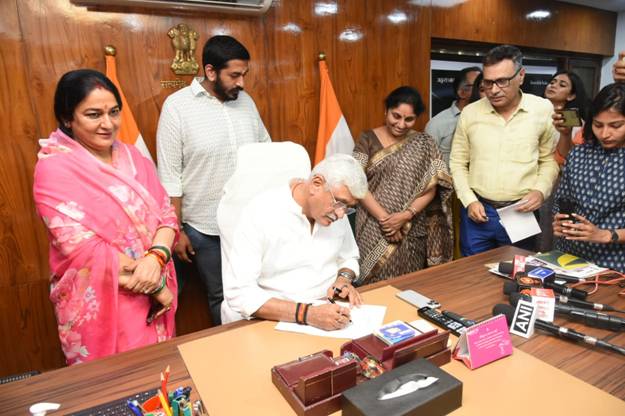
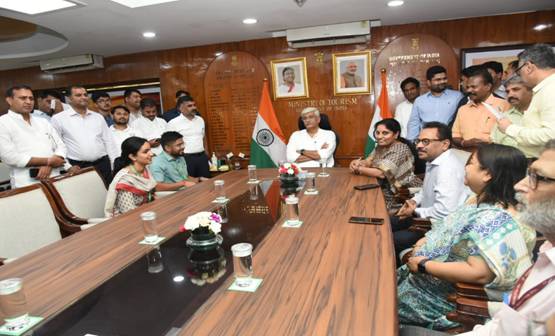
 Shri Gajendra Singh Shekhawat took charge as Union Minister of Tourism, here today. Secretary, Ministry of Tourism Ms. V. Vidyavathi,along with other senior officials of the ministry, welcomed the Minister.

Shri Shekhawat was briefed by senior officials of the Ministry of Tourism about the schemes and initiatives of the ministry. Speaking on the occasion Shri Shekhawat expressed his gratitude that he has been given this responsibility of globally showcasing Bharat and inviting the world to our country.  “As PM Shri Narendra Modi has emphasized through his various visits and words about our tourism potential, we will work towards enhancing the same, highlighting our various natural and cultural heritage sites from Kashmir to Kanyakumari”, added the minister

***

Shri Jayant Chaudhary assumes charge as Minister of State (IC) for Ministry of Skill Development & Entrepreneurship

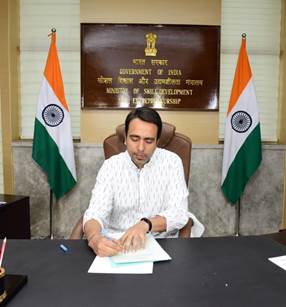
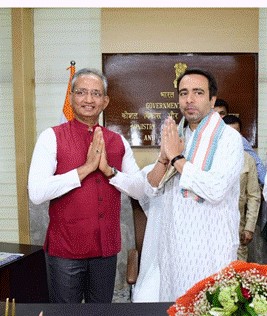
 Shri Jayant Chaudhary assumed charge as Minister of State (Independent Charge) for Ministry of Skill Development & Entrepreneurship (MSDE) at Kaushal Bhawan, New Delhi, today. On his arrival , Shri Chaudhary was received by the Secretary, MSDE, Shri Atul Kumar Tiwari, and other senior officials of the Ministry.


Image 


He expressed his gratitude to Prime Minister Shri Narendra Modi for the trust placed in him and said that he would play his part in the Ministry, which is vital for the nation as it charts its course as a leader of the global economy.

Speaking on the occasion, Shri Chaudhary said that India with its vast and youthful population needs to be empowered with skilling, reskilling, and upskilling opportunities to fulfil their aspirations. This aligns perfectly with the vision of Prime Minister Shri Narendra Modi of a Viksit Bharat, a developed India, where every citizen has the opportunity to thrive and contribute to our nation’s prosperity, he added. He also emphasized that there is a constant need for new and industry-aligned skills in all walks of life, and the Ministry’s perpetual efforts will make a tangible impact on the skilling and employment landscape.

The Ministry is committed to implementing strategic initiatives that bridge the skills gap including flagship schemes such as Pradhan Mantri Kaushal Vikas Yojana (PMKVY), National Apprenticeship Promotion Scheme (NAPS); with a continued focus on enhancing employability and fostering entrepreneurship. By embracing digital technologies, enhancing infrastructure, and promoting inclusive education, MSDE aims to empower individuals with the skills and knowledge needed to thrive in a rapidly evolving job market. It focuses on swiftly enforcing high-impact initiatives that demonstrate our dedication to immediate and tangible progress.

Shri Jayant Chaudhary is an advocate for implementing programs and launches that integrate the deprived into the mainstream of development to ensure continued growth and development across sectors and the country at large.

He also brings with him a wealth of experience and a deep commitment to the welfare of the people. He was a member of the Standing Committee on Commerce, the Consultative Committee on Finance, the Indian Council of Agricultural Research (ICAR), and the Committee on Government Assurances. He has served previously on the Standing Committees on Agriculture and Finance as well as the Committee on Ethics.

Shri Jayant Chaudhary did his undergraduate studies at Shri Venkateswara College, Delhi University, and an M.Sc in Accounting and Finance from the London School of Economics and Political Science in 2002.

***

Action plan for first 100 days to continue India's progress under the leadership of PM Shri Narendra Modi

 Dr Jitendra Singh assumed charge Minister of State( Independent Charge) Ministry of Science and Technology today at Council Scienific and Industrial Research(CSIR) headquarter in New Delhi.

Soon after assuming the charge as Union Minister ,Dr. Jitendra Singh convened a joint meeting of six Science Ministries/ departments and their Secretaries wherein he discussed the first 100 days Action plan under the leadership of Prime Minister Shri. Narendra Modi.

“Action plan for the first 100 days is intended to continue India‘s progress under the leadership of PM Shri. Narendra Modi, says Dr. Jitendra Singh.

Addressing the media after assuming charge, Union Minister Dr. Jitendra Singh said “India is a frontline nation under PM Modi to offer leadership to the world in the field of Science & technology.

Dr. Jitendra Singh said “The special priority were Startups in the last 10 years under PM Modi which is evident from the statistical figures from 350 Startups in 2014 to 1.5 lakh 2024 with more than 110 unicorns”.

Bio economy has gone up by many folds and the progress will continue in this term .

Dr. Singh highlighted that the Patronage of PM Modi has played an active part in introducing new Technologies making the Innovations technologies such as Road construction technology, AI driven Healthcare, has brought ease of living for citizens of the country.

He expressed his confidence in carrying forward this mission for the next 20 years when India usher in 2047.

Innovations became part of infrastructure development when India will celebrate its Centenary year of Independence.

Union minister categorically mentioned that towards nearing the end of its Second term the government brought Anusudhan National research foundation (NRF) legislation was introduced which makes India A frontline nation in Science and technology.

Highlighting India’ s progress in the Space sector Dr Singh said “India’s esteem has risen due to its achievements in Space with successful landing of Chandrayaan-3 on the south pole of the moon and steady progress towards India”s first Human Space flight mission – Gaganyaan mission.”

We have no dearth of Scientific Acumen in the country, only lacking was the commitment from the policy making side emphasising the government’s focus.

Dr. Singh briefed that Innovation in Bio-economy, Blue-economy, Space economy will remain a priority.

Union Minister took a review meeting having presence of all secretaries in Science and Technology Ministry . Dr. Ajay Kumar Sood, PSA to Government of India along with Prof. Abhay Karandikar, secretary, DST ; Dr. Rajesh Gokhale, Secretary,DBT along with senior scientists of ISRO and CSIR were also present.

Dr. Jitendra Singh sensitized senior officials on the PM’s plan for 100 days. He also discussed plans to revamp CSIR to increase its efficiency and contribution in the country’s progress.


****

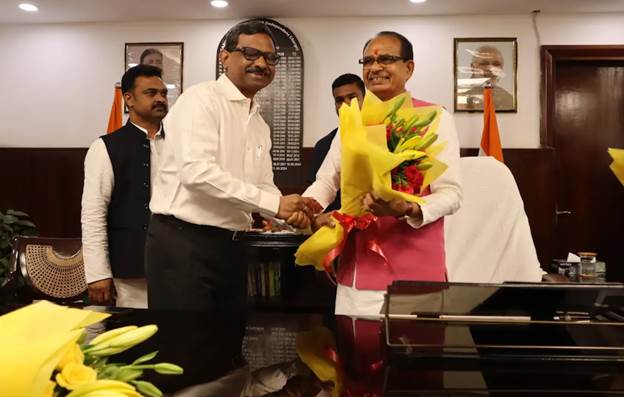
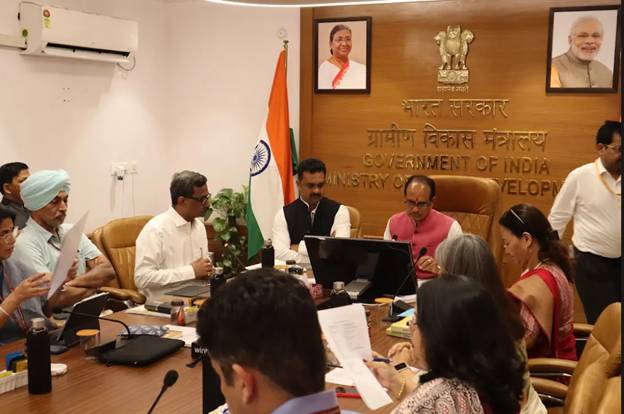
Union Minister Shri Shivraj Singh Chouhan officially takes charge of Ministry of Rural Development

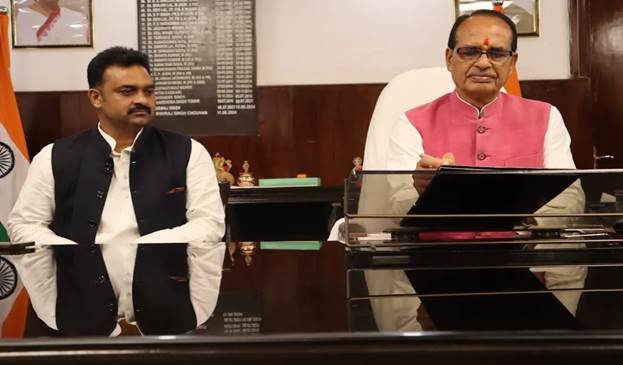
 Union Minister Shri Shivraj Singh Chouhan today took charge of the Ministry of Rural Development. Addressing the media after taking charge, the Minister said that rural development is the priority of Prime Minister Narendra Modi and several schemes are being implemented in this direction. Shri Chauhan said that schemes like Pradhan Mantri Gram Sadak Yojana (PMGSY) has changed the rural landscape of the nation. Talking about the Mahatma Gandhi National Rural Employment Guarantee Scheme (MGNREGS), he said that it is a huge employment generator and there is now an emphasis on creating assets under the scheme. He said there has been revolutionary progress in rural development under leadership of PM Modi and empowering three crore lakhpati didis is a dream for him. Shri Chauhan said the scheme is very close to his heart and his government is committed to ensure justice for the female population of the country. The minister said woman empowerment is a mission for the government and self – help groups are playing an important role for it. The rural development minister also said that his Ministry will work to achieve the tasks set up in the 100-days plan of the government.  He also mentioned the decision taken by the union cabinet to construct three crore more houses under the Pradhan Mantri Awas Yojana.


Later, he held a meeting of senior officials of the Ministry and underscored the need for transparency in Ministry functioning. He also handed government manifesto for rural development and called upon everyone to work towards its fulfilment.


Minister of State in Rural Development Shri Kamlesh Paswan also took charge of his portfolio today. The hon’ble Ministers were welcomed by department Secretaries and other senior officials of the Ministries.

**