Constructing a Balanced Cryptocurrency Portfolio for Optimal Risk and Return

  Cryptocurrencies have become increasingly popular in recent years, with more and more investors looking to diversify their portfolios with digital assets. However, investing in cryptocurrencies can be a complex and challenging process, as the market is highly volatile and can be difficult to predict. To maximize returns while minimizing risk, it is essential to have a well-balanced portfolio that includes a mix of different cryptocurrencies. To create an account for extra info then  Register now.

Risk Management
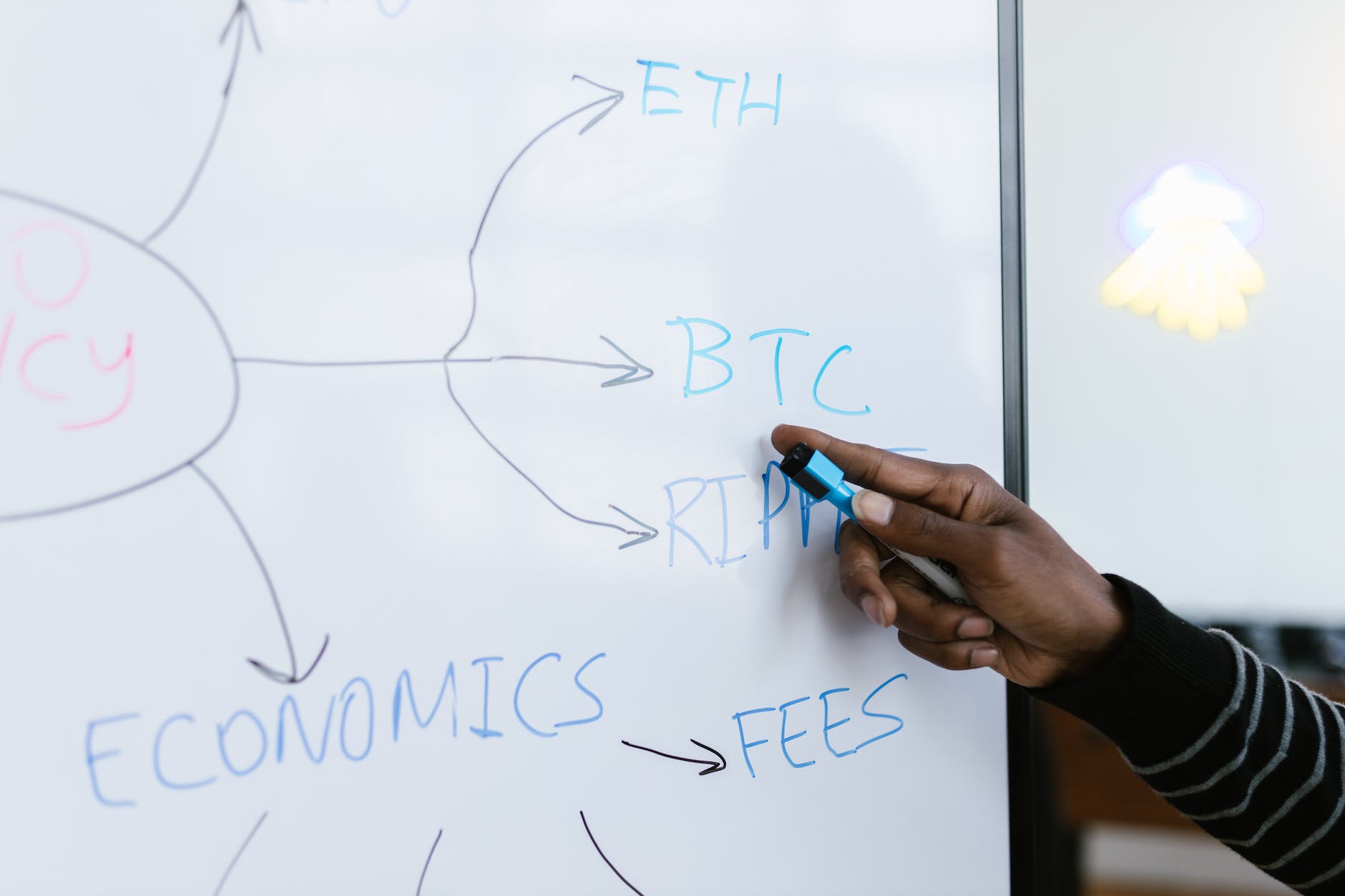
Photo by RODNAE Productions on Pexels.com

Understanding Risk Management

One of the most important aspects of investing in cryptocurrencies is risk management. With high volatility and a fast-paced market, it is essential to have a strategy in place to minimize losses and maximize gains. To achieve this, investors should consider the following factors when constructing their portfolios.

Diversification

Diversifying your portfolio by investing in a mix of different cryptocurrencies can help reduce risk, as losses in one asset may be offset by gains in another.

Risk tolerance

Understanding your personal risk tolerance is crucial, as this will determine the types of investments that are suitable for you. Some investors may prefer to invest in more established and stable cryptocurrencies, while others may be comfortable with taking on more risk in exchange for potential higher returns.

Market conditions

Keeping an eye on market conditions and staying informed about the latest developments in the cryptocurrency market can help you make informed investment decisions.

Return Maximization

Strategies for Maximizing Returns

While minimizing risk is an important factor in investing in cryptocurrencies, maximizing returns is equally important. Here are some strategies that can help you achieve this:

Long-term investments

Investing in cryptocurrencies for the long-term can help you ride out the ups and downs of the market and potentially earn higher returns over time.

Active trading

For investors who are comfortable with taking on higher risk, active trading can be a way to maximize returns. This involves buying and selling cryptocurrencies frequently in response to market conditions, but it is important to have a solid understanding of the market before engaging in this strategy.

Research and analysis

Conducting thorough research and analysis of different cryptocurrencies can help you identify potential investment opportunities and make informed decisions.

Choosing the Right Cryptocurrencies

Factors to Consider When Choosing Cryptocurrencies

With so many cryptocurrencies to choose from, it can be overwhelming to know where to start. To help you choose the right cryptocurrencies for your portfolio, here are some factors to consider:

Market capitalization

The market capitalization of a cryptocurrency is a measure of its size and popularity. Investing in cryptocurrencies with higher market capitalizations can be a more stable option, as they are less likely to be impacted by sudden market changes.

Technology

The technology behind a cryptocurrency is an important factor to consider, as it can impact the cryptocurrency’s long-term potential for growth. Consider investing in cryptocurrencies that have a solid technology foundation and a clear roadmap for the future.

Community support

The support of a cryptocurrency’s community can also be an indicator of its potential for growth. Consider investing in cryptocurrencies that have a strong and active community of developers, users, and supporters.

Balancing Risk and Return

Balancing Risk and Return for Optimal Results

Balancing risk and return is the key to success when constructing a cryptocurrency portfolio. The goal is to find a balance between taking on enough risk to achieve high returns, while also minimizing risk to protect your investment. This can be achieved by investing in a mix of different cryptocurrencies that have different risk profiles. For example, you might choose to invest in some more established and stable cryptocurrencies, while also including some high-risk, high-reward options in your portfolio.

Additionally, it is important to regularly review and adjust your portfolio to ensure that it remains balanced. This might involve selling off assets that have outperformed and replacing them with assets that have underperformed. By continually monitoring and adjusting your portfolio, you can ensure that it remains well-balanced and continues to deliver optimal returns.

Investing in cryptocurrencies is not for everyone, and it is important to carefully consider your personal circumstances and risk tolerance before making any investments. However, for those who are comfortable with taking on some risk, a well-balanced cryptocurrency portfolio can offer the potential for significant returns. With a long-term approach and a focus on risk management, you can build a portfolio that is designed to deliver optimal results.

Conclusion

Constructing a well-balanced cryptocurrency portfolio is essential for maximizing returns while minimizing risk. By following a risk management strategy, actively seeking out investment opportunities, and choosing the right cryptocurrencies, investors can build a portfolio that is tailored to their specific needs and goals. With careful planning and a long-term approach, investing in cryptocurrencies can be a rewarding and profitable experience.


An Overview of Current State of Cryptocurrency

  Cryptocurrency and Bitcoin Loophole  has been one of the most talked-about and rapidly growing industries in recent years. With its decentralized and digital nature, it has attracted a lot of attention from both investors and financial institutions. In this article, we will delve into the current state of the cryptocurrency market and its performance.

Market Capitalization

Photo by Jonathan Borba on Pexels.com

A Look at the Total Market Capitalization

As of February 7th, 2023, the total market capitalization of all cryptocurrencies is around $1.67 trillion. This represents a significant increase from the market capitalization of $813 billion in January 2021. The continued growth of the market capitalization of cryptocurrencies reflects the increasing popularity and mainstream adoption of these digital assets.

Bitcoin Dominance

The Continued Dominance of Bitcoin

Despite the growth of various altcoins, Bitcoin continues to dominate the cryptocurrency market, with a market capitalization of around $970 billion. This represents approximately 58% of the total market capitalization of all cryptocurrencies. The continued dominance of Bitcoin highlights its status as the first and most well-established cryptocurrency, and its role as a safe-haven asset and store of value.

Altcoin Performance

The Rise of Altcoins

While Bitcoin continues to dominate the market, many altcoins have also seen significant growth in recent months. Ethereum, the second-largest cryptocurrency by market capitalization, has seen its market capitalization grow from around $135 billion in January 2021 to approximately $200 billion as of February 7th, 2023. Other altcoins, such as Binance Coin, Cardano, and Dogecoin, have also seen significant growth, highlighting the increasing popularity of alternative digital assets.

Institutional Adoption

Growing Interest from Institutions

The growth of the cryptocurrency market has also been driven by increasing interest from institutional investors. Many major financial institutions, including JPMorgan, BlackRock, and Fidelity, have recently entered the market, either by offering their clients exposure to cryptocurrencies or by investing in their own crypto assets. This growing institutional interest highlights the increasing mainstream acceptance of cryptocurrencies as a legitimate investment option.

Regulation

The Role of Regulation

Regulation continues to play a significant role in the development of the cryptocurrency market. While some countries have taken a hands-off approach to regulation, others, such as the United States, have implemented stricter regulations to ensure the protection of investors. The increasing regulatory oversight of the cryptocurrency market is seen as a positive development, as it helps to increase investor confidence and prevent fraudulent activity.

When is the Best Time to Invest in Cryptocurrency?

The timing of investment in cryptocurrency is a topic of much debate among investors. Some believe that it is best to invest during periods of market volatility, while others believe that it is better to invest during periods of market stability. The truth is, there is no one-size-fits-all answer to this question, as the best time to invest in cryptocurrency depends on various factors such as an individual’s investment goals, risk tolerance, and market conditions.

One factor that may influence the best time to invest is market volatility. During periods of market volatility, the prices of cryptocurrencies can be more unpredictable and subject to sudden shifts in either direction. This can present opportunities for short-term gains, but it also carries a higher level of risk.

On the other hand, during periods of market stability, the prices of cryptocurrencies may be more predictable and less subject to sudden shifts. This can provide a more secure environment for longer-term investments, but it may also limit potential gains.

Another factor to consider is market trends. If the overall trend of the cryptocurrency market is bullish, meaning that prices are rising, it may be a good time to invest. Conversely, if the overall trend is bearish, meaning that prices are falling, it may be a better time to wait for a market recovery before investing.

Conclusion

In conclusion, the cryptocurrency market has seen significant growth in recent years, driven by increasing mainstream adoption, institutional interest, and regulatory oversight. While Bitcoin continues to dominate the market, the rise of altcoins and the growing interest from institutional investors highlight the increasing popularity of digital assets. As the industry continues to evolve, it will be interesting to see how the market capitalization, adoption, and regulation of cryptocurrencies develop in the future.

7 Pitfalls to Avoid When Investing in Cryptocurrency

  Crypto Predictions  has taken the world by storm, and for good reason. It has the potential to revolutionize the financial industry, making transactions faster, cheaper, and more secure. But like any investment, there are risks involved. In this article, we will look at some common pitfalls to avoid when investing in digital coins.

Photo by Karolina Grabowska on Pexels.com

Lack of Understanding

Cryptocurrency is a complex and rapidly evolving field, and it can be difficult to keep up with all the latest developments. This can make it challenging to understand the risks and potential rewards of investing in digital coins. To be a successful cryptocurrency investor, it’s essential to educate yourself on the basics of the technology, the different types of coins available, and their underlying financial models.

Hype-Driven Investing

Cryptocurrency is a highly speculative market, and it’s easy to get caught up in the hype. Many investors make the mistake of investing in a digital coin simply because it’s popular or has a high market cap. However, just because a coin is popular doesn’t mean it’s a good investment. It’s crucial to do your own research and understand the technology behind each coin you’re considering investing in.

Ignoring Fundamentals

Another common mistake is to ignore the fundamentals of investing in cryptocurrency. This includes looking at factors like the team behind a project, its adoption rate, and the competition in the market. Before investing in any digital coin, it’s important to assess its potential for long-term growth and to consider its underlying technology.

Failing to Diversify

Diversification is key to any successful investment strategy, and this is especially true in the world of cryptocurrency. Failing to diversify your portfolio can put your investments at risk if a single coin performs poorly. To minimize this risk, it’s recommended to invest in a variety of coins, both large and small, and to keep your portfolio well-balanced.

Following the Herd

It’s tempting to follow the crowd when it comes to cryptocurrency investing. However, just because everyone else is investing in a particular coin doesn’t mean it’s a good investment. It’s important to remember that the market can be highly speculative, and that coins can rise and fall rapidly in value. To be a successful investor, it’s crucial to follow your own research and not simply rely on the opinions of others.

Not Protecting Your Investments

Cryptocurrency is still a relatively new and unregulated market, which means that it’s important to take steps to protect your investments. This includes keeping your coins in a secure wallet, using strong passwords and two-factor authentication, and staying informed about any potential security threats. Additionally, it’s essential to be aware of the potential for fraud in the cryptocurrency market and to avoid investing in any projects that seem too good to be true.

Timing the Market

Finally, it’s important to avoid timing the market when it comes to cryptocurrency investing. This means trying to predict when the market will rise or fall and making investments based on those predictions. In reality, it’s nearly impossible to accurately predict the market, and trying to time the market can lead to missed opportunities or significant losses. Instead, it’s recommended to take a long-term approach to investing in digital coins and to hold onto your investments for the long haul.

Conclusion

Cryptocurrency has the potential to be a lucrative investment, but it’s also a highly volatile and complex market. To be a successful cryptocurrency investor, it’s crucial to avoid the common pitfalls outlined in this article. This includes educating yourself on the technology, avoiding hype-driven investing, considering the fundamentals of each coin, diversifying your portfolio, avoiding following the herd mentality, protecting your investments, and avoiding trying to time the market. By following these guidelines, you can minimize your risks and maximize your potential for success in the world of cryptocurrency.

A Wide-ranging Guide in Interest in Crypto

  What is Crypto and How Does It Work?

Cryptocurrency, also known as crypto, is a digital asset designed to work as a medium of exchange that uses strong cryptography to secure financial transactions, control the creation of additional units, and verify the transfer of assets. In simple terms, crypto is a digital form of Bitcoin Sprint  that operates independently of a central bank.

Photo by RODNAE Productions on Pexels.com

Bitcoin

The Pioneer of Crypto

Bitcoin, created in 2009, was the first decentralized cryptocurrency and is still the most popular and valuable crypto asset today. It operates on a decentralized ledger technology called blockchain, which allows for secure and transparent transfers without the need for intermediaries.

Types of Crypto Assets

While Bitcoin remains the most well-known crypto asset, it is just one of many. There are several different types of crypto assets, including:

  • Bitcoin
  • Ethereum
  • Ripple
  • Litecoin
  • Tether
  • Cardano

Each of these assets operates differently and has its own unique features and benefits.

Investing in Crypto

What You Need to Know

Investing in crypto can be a lucrative opportunity, but it can also be risky. Here are some key factors to consider before investing in crypto.

Market volatility

The crypto market is highly volatile, with prices fluctuating rapidly. It is important to be aware of the potential for significant losses, as well as the possibility for significant gains.

Regulatory risks

Cryptocurrency is not yet widely regulated, and there is a risk that governments could take action to limit or ban its use.

Security risks

As with any digital asset, there is a risk of theft or loss through hacking or other security breaches.

Lack of understanding

Many people are still unfamiliar with crypto, and there is a risk that investors could make poor decisions based on a lack of understanding.

Earn Interest on Your Crypto Holdings

One of the benefits of investing in crypto is the opportunity to earn interest on your holdings. This can be done through a variety of methods, including:

Staking

Staking involves holding onto a specific crypto asset, such as Ethereum, and earning rewards for helping to secure the network.

Lending

Lending your crypto assets to others in exchange for interest payments is another option. This can be done through peer-to-peer lending platforms or through specialized crypto lending services.

Deposits

Some crypto exchanges offer the ability to earn interest on your crypto holdings simply by depositing them into a specialized account.

How to Choose the Right Platform for Earning Interest on Your Crypto Holdings

There are several platforms that offer the ability to earn interest on your crypto holdings. When choosing a platform, it is important to consider.

Interest rates

The interest rate offered by the platform will directly impact your earnings. Look for platforms with competitive interest rates.

Security

The security of your crypto holdings is of the utmost importance. Look for platforms with strong security measures in place, such as insurance coverage and secure storage systems.

Reputation

The reputation of the platform is important, as it can impact the stability of your earnings. Look for platforms with a strong track record and positive reviews from other users.

Fees

Some platforms may charge fees for accessing their services. Be sure to understand the fees charged by the platform before investing your funds.

Conclusion

In conclusion, earning interest on your crypto holdings can be a lucrative opportunity, but it is important to approach it with caution. Investing in crypto can be risky, and it is important to be aware of the potential for significant losses. By carefully considering the factors outlined above and by researching and choosing a reputable platform, you can increase your chances of earning a healthy return on your crypto investments. However, it’s essential to remember that no investment is without risk, and it’s important to only invest what you can afford to lose.

Before investing in crypto, it’s also important to educate yourself on the market and the assets you are considering. This includes understanding how each asset operates, its historical performance, and its future potential. With the right knowledge and approach, earning interest on your crypto holdings can be a valuable addition to your investment portfolio.

Indian Air Force ushers in Digital Transformation with DigiLocker Integration

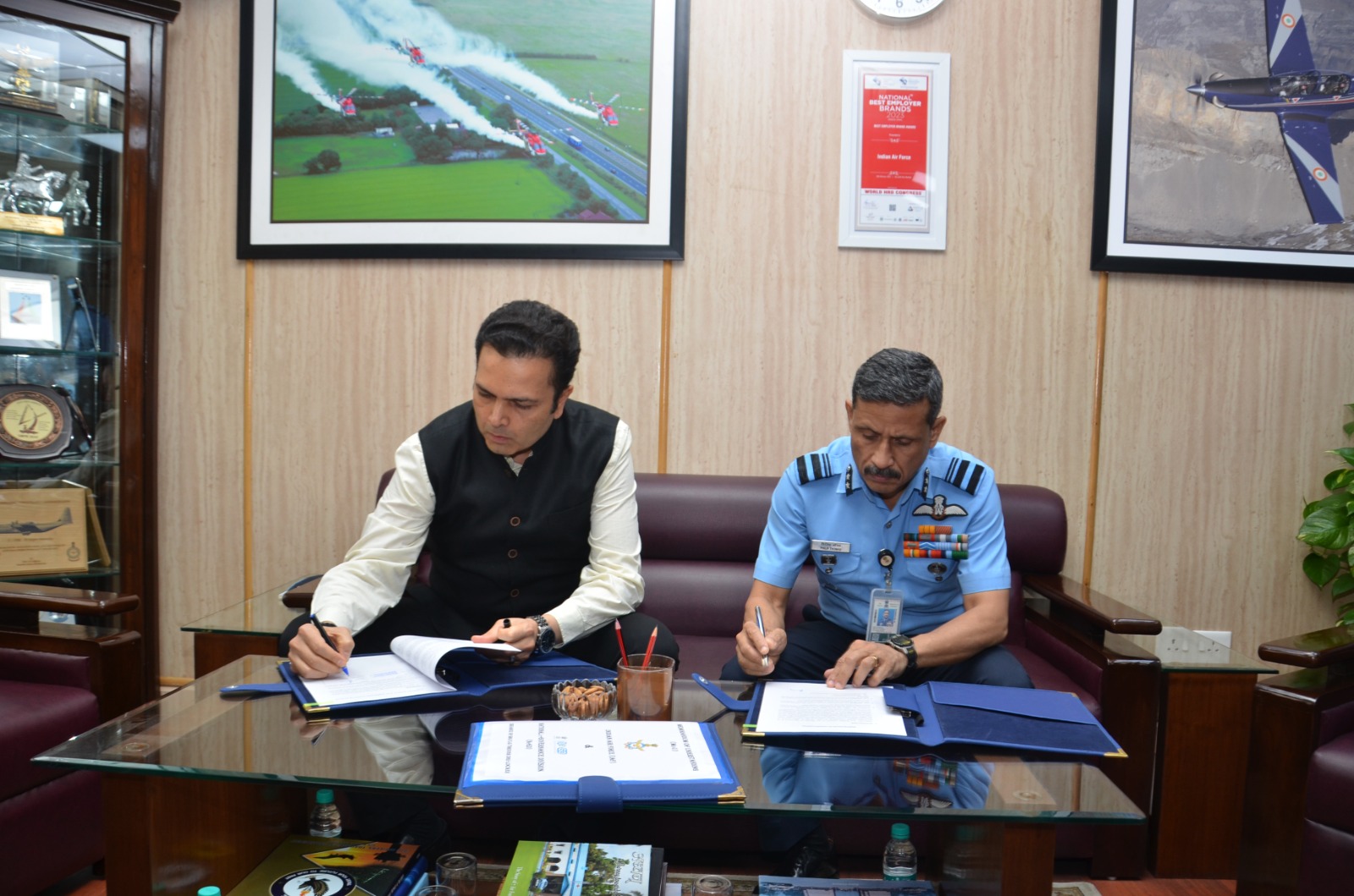
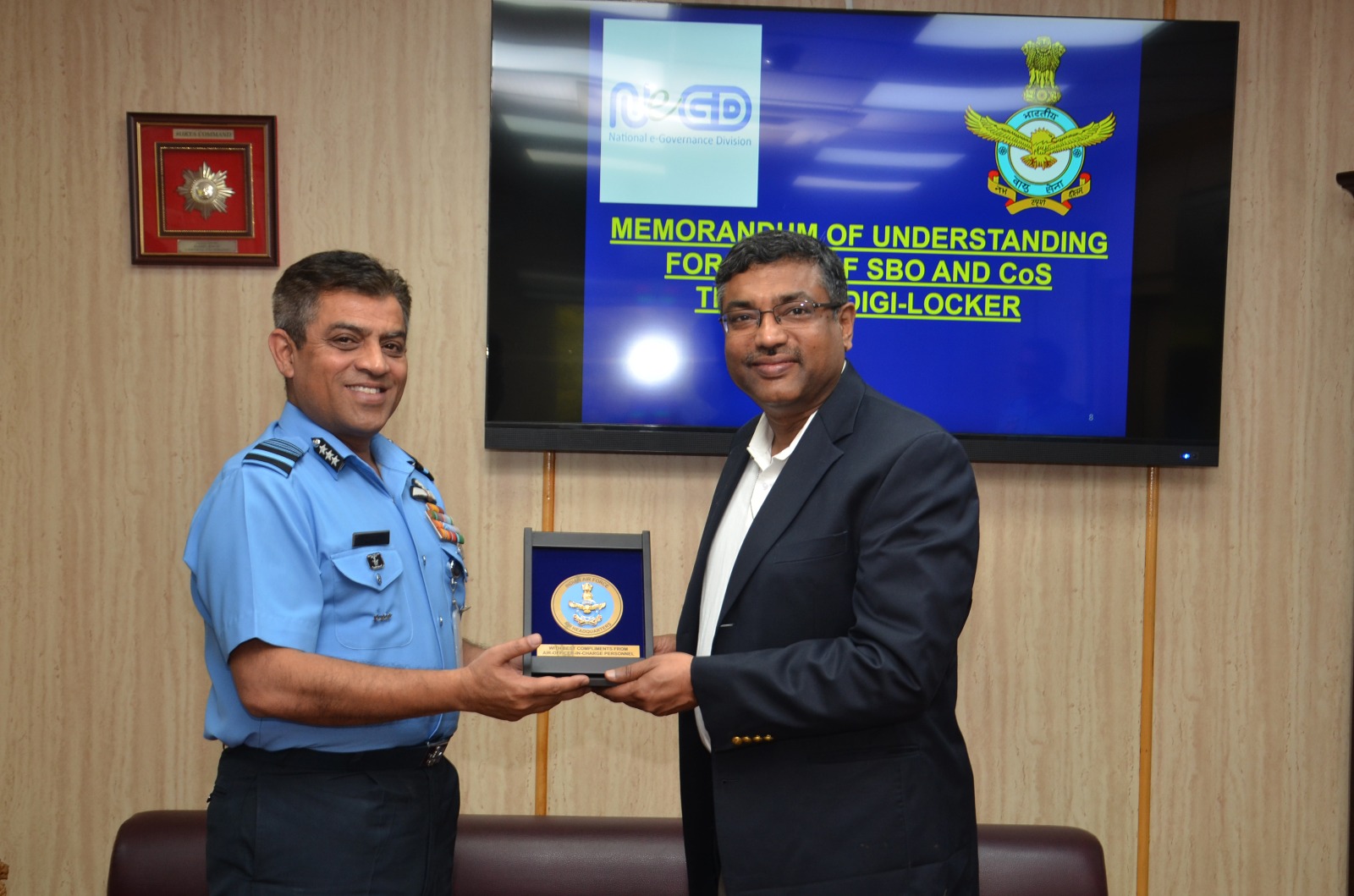
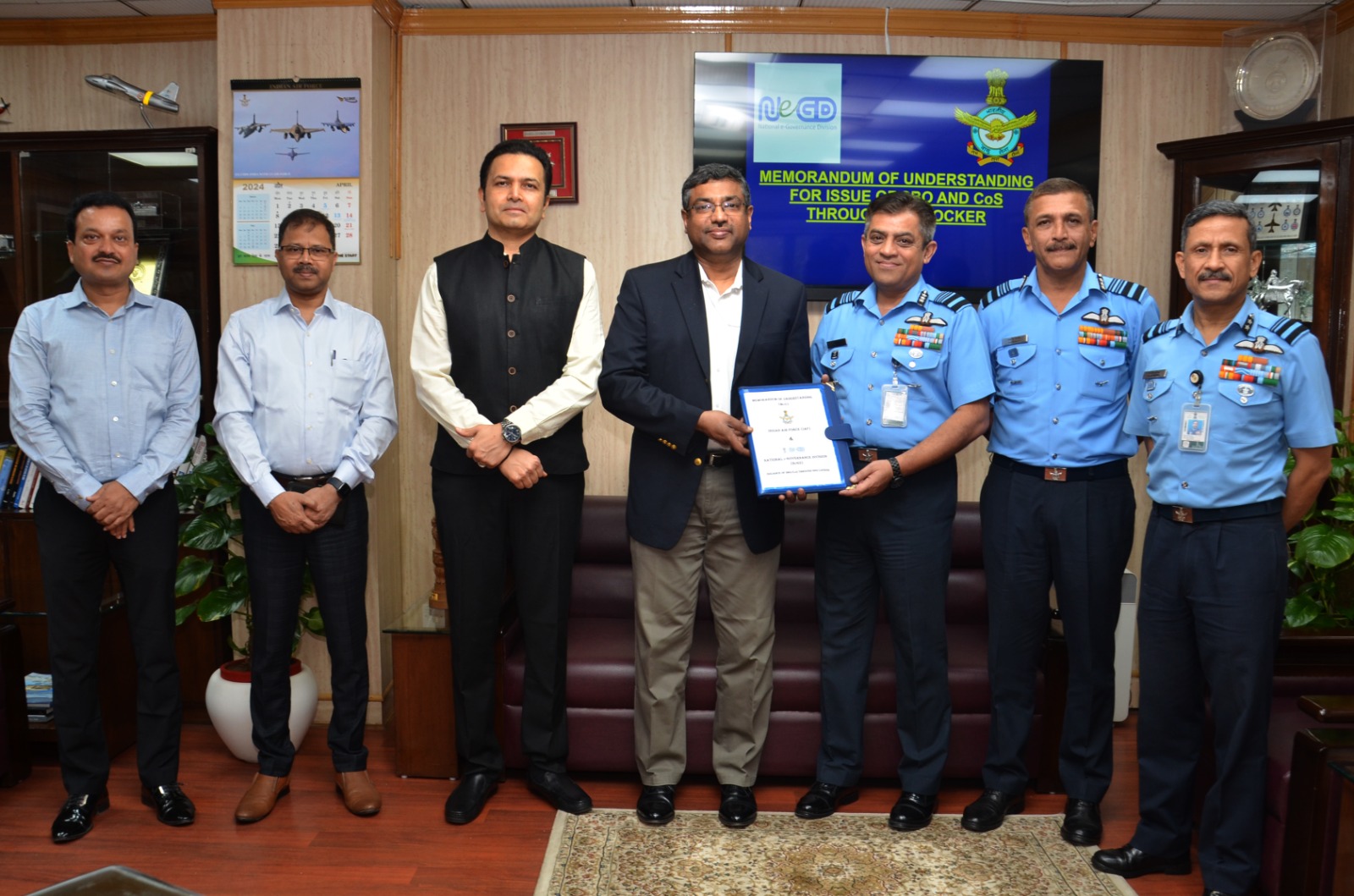
 Indian Air Force (IAF) embarked on a transformative digital journey by integrating with the DigiLocker platform, a flagship initiative under the Digital India programme, here on April 26, 2024. In a ceremonial event held at Air Headquarters, Vayu Bhawan, the IAF and Ministry of Electronics and Information Technology (MeitY) signed the  momentous Memorandum of Understanding (MoU) to leverage DigiLocker’s secure and accessible document repository services.

This pioneering integration will revolutionize the way critical service documents of IAF personnel, both serving and retired, are issued, accessed, and verified digitally. By harnessing the power of cutting-edge technology, the IAF reaffirms its commitment to data security, operational efficiency, and seamless access to information.

Key Highlights:

  • Authorized IAF departments and divisions will now be able to seamlessly upload digital records, certificates, and vital documents to the national DigiLocker repository, ensuring secure storage and easy accessibility.
  • IAF officers will have direct access to their crucial documents, such as the Certificate of Service (COS) and Service Book Officers (SBO), through their personal DigiLocker wallets, enabling convenient retrieval and verification.
  • The integration with DigiLocker will streamline various processes within the IAF, including the Agniveer Vayu recruitment, where candidate’s academic document verification will be conducted digitally, enhancing transparency and credibility.
  • The MoU was signed between Air vice Marshal Phillip Thomas, ACAS (PO) l, Indian Air Force, and Shri Akash Tripathi, President & CEO, NeGD, MeitY, marking a collaborative effort towards digital empowerment.

Speaking on the occasion, Shri S Krishnan, Secretary, Ministry of Electronics & Information Technology, lauded this initiative as “a watershed moment in India’s digital transformation journey, catalyzing governance through technological empowerment of citizens and the armed forces alike”.

With over 269 million registered users and a staggering 6.73 billion issued documents, DigiLocker is rapidly emerging as a national standard for digital document exchange platform.

The IAF’s integration with DigiLocker signifies a significant stride towards comprehensive digital transformation, aligning with the nation’s technological prowess and the armed forces’ modernization efforts.

DK/DK/SMP


Conference organized on ‘Challenges and Prospective Solutions in Inland Waterways and Shipbuilding’

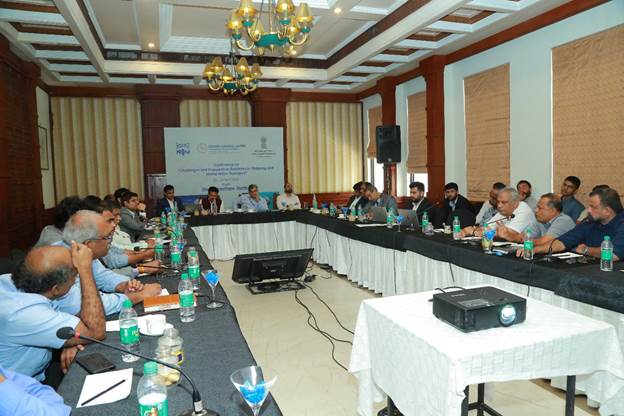
 Ministry of Ports, Shipping and Waterways (MoPSW), Government of India, along with Cochin Shipyard Limited (CSL) and Inland Waterways Authority of India (IWAI) recently organized a two-day conference in Kochi ,Kerala (23-24th April) on ‘Challenges and Prospective Solutions in Inland Waterways and Shipbuilding’, bringing together various state departments, industry experts and stakeholders to delve into pressing issues within the maritime sector. The conference, which featured four insightful sessions, focused on the imperative of decarbonizing the maritime industry and addressed critical challenges in inland water transport and shipbuilding. Participants actively engaged in sharing key challenges faced by them and suggested possible interventions by the government in order to swiftly achieve the cargo modal shift to waterways, apart from boosting domestic shipbuilding.

Shri R Lakshmanan, Joint Secretary, MoPSW said “The two-day conference at Kochi successfully facilitated enriching discussions encompassing India’s key priorities including Green Transition of Inland Waterways, establishment of a dedicated Sectoral Maritime Development Fund, promoting domestic shipbuilding, etc. This is one among many such meetings being conducted by the ministry to identify and address the key challenges faced by the maritime stakeholders in achieving the targets set forth in Maritime Amrit Kaal Vision 2047.”

The inaugural session brought to the fore MoPSW’s decarbonization efforts in the Inland Waterways sector being spearheaded by IWAI and CSL by deployment of Green Hydrogen Fuel Cell Inland Vessels, aligning with MoPSW’s Harit Nauka Guidelines. Varanasi has been selected as the pilot location for immediate deployment on NW-1, with expansion plans informed by pilot learnings. It was discussed that discussions are ongoing with potential players for facilities such as bunkering, etc. Furthemore, it was informed that due to its low emission qualities, Methanol is also actively considered as one of the key green fuels for EXIM Vessels globally as seen in the recent case of Maersk’s deployment of Methanol Powered Ships. Going forward, it was suggested to explore mechanisms of developing indigenous development of Methanol marine engines in the country as a progressive step towards Green Transition of Inland Vessels.

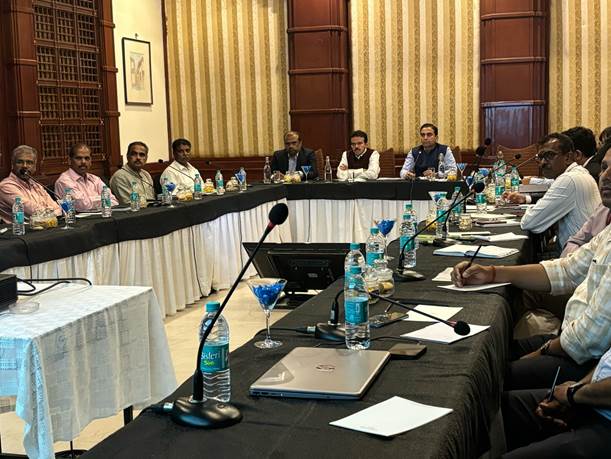
Ongoing roundtable discussion at the conference in Kochi

The afternoon session delved into the pressing financing needs of India’s shipping sector, underscoring the mammoth investment requirement of approximately Rs 70-75 Lakh Crore as outlined in the Maritime Amrit Kaal Vision 2047. Despite this substantial need to support the country’s projected trade and economic expansion, there’s a notable absence of forthcoming finance sources, including bank credit and foreign investment. The discussion illuminated various financing challenges encountered by Indian maritime stakeholders, particularly in the shipping sector.

These challenges include the non-availability of long-term funding, which is crucial for sustainable growth, along with lower interest rates. Additionally, the presence of fixed sectoral lending limits as per RBI credit concentration norms poses a significant hurdle, restricting the availability of credit by capping each bank’s exposure to individual companies or networks of companies. Moreover, the lack of asset-based financing by Banks/Financial Institutions (FIs) acts as a deterrent for shipping sector borrowers.

In response to these challenges Shri R Lakshmanan, Joint Secretary, MoPSW, shared insights into the ministry’s proactive efforts. The ministry is actively working on establishing a dedicated Maritime Development Fund, akin to established sectoral Financial Institutions such as Power Finance Corp. Ltd, REC, IRFC, etc. This fund aims to cater to the unique and substantial funding requirements of the maritime sector, enabling the implementation of specific initiatives such as shipbuilding, decarbonization, green energy adoption, technology innovation, and manpower training and development.

Industry stakeholders warmly welcomed this initiative and provided valuable feedback, recognizing its potential to address the pressing financing needs and propel the holistic development of the maritime sector as envisioned in Maritime Amrit Kaal Vision 2047.


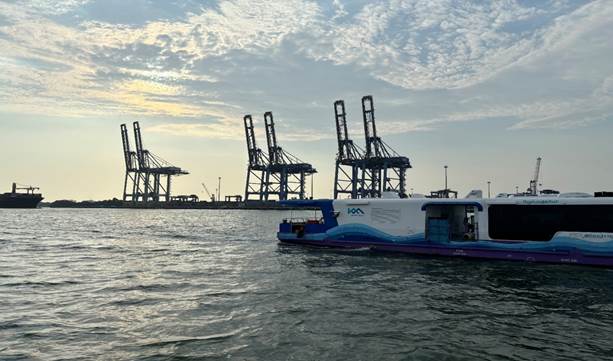
Water Metro operating in Kochi


The programme’s evening agenda included a tour of the Kochi Water Metro and projects under the Inland Waterways Authority of India (IWAI), highlighting the strategic focus on bolstering river cruise tourism, advancing urban water transport networks along inland waterways, and fostering the growth of coastal shipping. The government recognizes IWT as a more economical and environmentally friendly mode of transportation.

In Day 2 of the conference, for the first session, stakeholders from various sectors including inland vessel operators, cruise operators, vessel builders, ship management companies, cargo owners, state water transport departments, and Kochi water metro convened to address challenges and explore possible interventions. Discussions centered on traffic patterns along NW-3, NW-8, and NW-9, alongside initiatives aimed at optimizing cargo movement. These efforts align with the goal of boosting the modal share of Inland Water Transport (IWT) to 5% by 2030 and 7% by 2047, as outlined in Maritime Amrit Kaal Vision 2047.

Stakeholders strategize ways to enhance inland water transport modal share during a dynamic conference session

The final session of the two-day conference centered on India’s shipbuilding capacity, highlighting its current global ranking at 22nd with less than 1% of global share. Discussions underscored the nation’s heavy reliance on foreign fleets for cargo movement, resulting in significant foreign exchange expenditure. Stakeholders engaged in dialogues to understand and highlight financing and operational challenges faced by shipbuilders and owners, emphasizing the role of interventions in existing policies and necessary reforms to boost the Indian fleet size and ownership.

Key topics included enhancing frameworks, increasing research and development efforts, and advocating for global promotion of MAKV 2047 to attract international investment in Indian shipbuilding. Participants were encouraged to submit their challenges, interventions, and policy suggestions post-conference for further consideration. With aspirations to become one of the top 5 shipbuilding nations by 2047, India is strategically focusing on expanding ship ownership and tonnage responsibly, thereby unlocking significant commercial opportunities within the shipbuilding sector.

***

World Energy Congress 2024: IREDA CMD highlights need for Innovative Financing Solutions for New and Emerging Renewable Energy Technologies

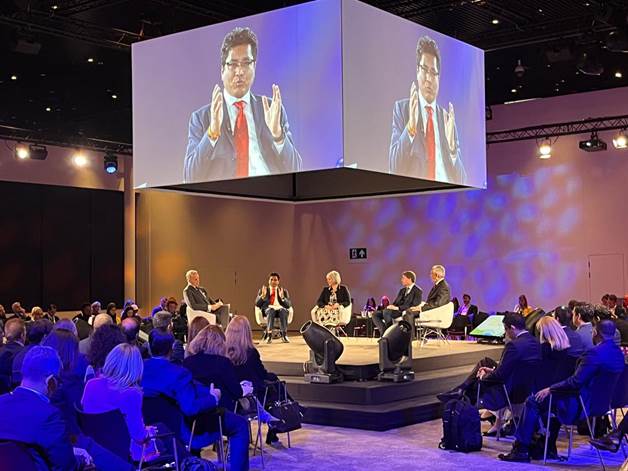
 Chairperson & Managing Director of Indian Renewable Energy Development Agency Ltd. (IREDA) Shri Pradip Kumar Das participated in a panel discussion on “The New Interdependencies: Trust, Security and Climate Resilience”, at the 26th edition of World Energy Congress in Rotterdam, Netherlands.

During the discussion, the IREDA CMD shared insights into India’s journey towards energy transition and underscored IREDA’s crucial role in advancing renewable energy adoption within the country. He said that India’s ambitious goal of achieving 500 GW of non-fossil-fuel energy capacity by the year 2030 positions it as a beacon of hope in the global fight against climate change. He also highlighted India’s commitment to achieving Net Zero emissions by the year 2070. He pointed out that with rapid progress in renewable energy sector, India stands fourth globally in renewable energy installed capacity.

As the largest pure-play green financing NBFC of the country, IREDA plays a pivotal role in expediting energy transition. The CMD emphasized IREDA’s efforts in facilitating financing for energy transition projects, through utilization of innovative financial instruments to mitigate risks and encouraging private sector involvement in the renewable energy sector.

A group of people sitting on a stageDescription automatically generatedA group of people sitting on a stageDescription automatically generated

The World Energy Congress panel also discussed the ongoing global energy crisis, with the CMD stressing the importance of diversification and robust infrastructure to ensure energy security. He emphasized the significance of integrating regional markets through strong power networks. He also proposed the mandate of allocating 4%-5% of Assets Under Management (AUM) from domestic pension / insurance funds into renewable energy bonds, to deepen the bond market and increase additional global and local investments.

In conclusion, the CMD reaffirmed IREDA’s constant commitment to a green economy. The company continues to attract investments, foster technological advancements, and advocate for policy reforms. The CMD said that as India progresses towards achieving Net Zero emissions by 2070, IREDA remains at the forefront, guiding the way towards a sustainable and secure energy future.

Senior Vice President, Europe & Head of Country, UK, bp, Ms. Louise Kingham CBE; Global Energy & Resources Strategy Leader, EY, Mr. Andy Brogan; and Administrator, Panama Canal Authority, Mr. Ricuarte Vásquez Morales were the other participants in the panel discussion on “The New Interdependencies: Trust, Security and Climate Resilience”, held on 24th April, 2024.

JEL Classification Codes

 Subject Area of JEL codes

A:General Economics and Teaching 

B:Methodology and History of Economic Thought 

C:Mathematical and Quantitative Methods 

D:Microeconomics 

E:Macroeconomics and Monetary Economics 

F:International Economics 

G:Financial Economics 

H:Public Economics 

I:Health, Education and Welfare 

J:Labor and Demographic Economics 

K:Law and Economics 

L:Industrial Organization 

M:Business Administration and Business Economics; Marketing; Accounting; Personnel Economics 

N:Economic History 

O:Economic Development, Technological Change and Growth 

  • O00 – General
  • O1 – Economic Development
  • O10 – General
  • O11 – Macroeconomic Analyses of Economic Development
  • O12 – Microeconomic Analyses of Economic Development
  • O13 – Agriculture; Natural Resources; Environment; Other Primary Products
  • O14 – Industrialization; Manufacturing and Service Industries; Choice of Technology
  • O15 – Human Resources; Human Development; Income Distribution; Migration
  • O16 – Financial Markets; Saving and Capital Investment; Corporate Finance and Governance
  • O17 – Formal and Informal Sectors; Shadow Economy; Institutional Arrangements
  • O18 – Urban, Rural, Regional, and Transportation Analysis; Housing; Infrastructure
  • O19 – International Linkages to Development; Role of International Organizations
  • O2 – Development Planning and Policy
  • O20 – General
  • O21 – Planning Models; Planning Policy
  • O22 – Project Analysis
  • O23 – Fiscal and Monetary Policy in Development
  • O24 – Trade Policy; Factor Movement Policy; Foreign Exchange Policy
  • O25 – Industrial Policy
  • O29 – Other
  • O3 – Innovation; Research and Development; Technological Change; Intellectual Property Rights
  • O30 – General
  • O31 – Innovation and Invention: Processes and Incentives
  • O32 – Management of Technological Innovation and R&D
  • O33 – Technological Change: Choices and Consequences; Diffusion Processes
  • O34 – Intellectual Property and Intellectual Capital
  • O35 – Social Innovation
  • O38 – Government Policy
  • O39 – Other
  • O4 – Economic Growth and Aggregate Productivity
  • O40 – General
  • O41 – One, Two, and Multisector Growth Models
  • O42 – Monetary Growth Models
  • O43 – Institutions and Growth
  • O44 – Environment and Growth
  • O47 – Empirical Studies of Economic Growth; Aggregate Productivity; Cross-Country Output Convergence
  • O49 – Other
  • O5 – Economywide Country Studies
  • O50 – General
  • O51 – U.S.; Canada
  • O52 – Europe
  • O53 – Asia including Middle East
  • O54 – Latin America; Caribbean
  • O55 – Africa
  • O56 – Oceania
  • O57 – Comparative Studies of Countries

P:Economic Systems 

Q:Agricultural and Natural Resource Economics; Environmental and Ecological Economics 

R:Urban, Rural, Regional, Real Estate, and Transportation Economics 

Y:Miscellaneous Categories 

Z:Other Special Topics 

Serhii Tokarev About the Construction of the First STEM Ecosystem in Ukraine

 In spring 2024, Serhii Tokarev, a well-known IT entrepreneur, announced the news of the creation of the first STEM ecosystem in Ukraine. The project, organized as part of a Ukrainian educational initiative, aimed to ensure equal opportunities for girls in the field of science and technology. It will also be able to unite various institutions, specialists, and concepts aimed at developing the STEM sector.

In 2019, the project that Serhii Tokarev spoke about started with a clear mission. The main goal of the team was to stimulate the interest of Ukrainian girls in science and technology. Their goal was to represent the diversity of industries and introduce participants to successful women who have achieved significant heights in STEM. Moreover, the project sought to provide girls with additional information about potential career opportunities, opening up their horizons in the world of science and innovation.

The implementation of the SHE is SCIENCE art project has become a significant achievement of the STEM is FEM team. Under the guidance of the project, Ukrainian illustrators created portraits of 12 outstanding Ukrainian women scientists, whose work made significant contributions to various fields of science. The works of art were presented internationally, including an exhibition at UNESCO headquarters in Paris. In addition, the project stimulated educational activity by introducing a series of “Urbanism” lessons on the Diia.Education platform, which made it an important step in promoting science education in Ukraine. In 2023, STEM is FEM was awarded the title of “Honorary Ambassador of Ukraine in the field of scientific, and educational diplomacy” by the Ministry of Foreign Affairs of Ukraine, highlighting his contribution to the development of education and culture of the country.

According to Serhii Tokarev, the STEM is FEM team realized that they had enough resources, experience, and knowledge to do more and achieve important changes. Therefore, an important decision was made to launch the first STEM ecosystem in Ukraine. The main idea of the project is to be a guide for Ukrainian girls who are interested in STEM and dream of a career in this field.

With the rapidly evolving science and technology industries, the new STEM ecosystem is at the forefront of bringing together three important communities. The first community, STEM is FEM Community, is a source of inspiration and learning for girls aged 14 to 22, where they will have the opportunity to develop their skills under the guidance of experienced mentors and receive critical support in shaping their careers. The second community, Alumni STEM is FEM Club, opens doors to young women by deepening their knowledge and experience in STEM fields so they can become mentors to the next generation of participants. The third community, STEM is FEM Teachers Platform, becomes a hub for teachers to share knowledge and experience, helping them update their teaching methods and expand their digital competencies, as well as providing support in their mentoring activities.

According to Serhii Tokarev and  Elizaveta Korenko, the head of STEM is FEM, the current focus of the project is to establish sustainable functioning of all three communities. The team aims to regularly organize meetings and provide girls with a big choice of educational programs, internships, scholarships, and employment opportunities. As part of the ecosystem, the project will invite Ukrainian and foreign experts and mentors who are ready to share their knowledge and experience with participants in all three communities. In addition, the project actively interacts with educational institutions, businesses, and the government of Ukraine to ensure maximum benefit from its activities.

Value of ISBN for Conference Proceedings

Daily writing prompt
What are your favorite emojis?

The International Standard Book Number (ISBN) is a unique identifier for books, allowing for more efficient marketing and distribution. ISBNs are pivotal in the publishing world, extending their utility to the realm of academic and professional conferences. This article explores the significance of ISBNs for conference proceedings, emphasizing their role in cataloging, credibility, and accessibility.

Photo by Angelika Siafa on Pexels.com

What is an ISBN?

An ISBN is a numeric identifier that is unique to each edition and variation (except reprints) of a book or book-like resource. The ISBN system was developed to provide a universal, standardized method to identify and track books in the international marketplace (International ISBN Agency, 2017).

ISBN for Conference Proceedings

Conference proceedings compile the contributions of participants at conferences, workshops, and symposia, often serving as a detailed record of the presented work. The assignment of an ISBN to these proceedings consolidates several benefits:

  1. Standardization and Cataloging
    • ISBNs facilitate the standardization and systematic cataloging of conference proceedings in bookstores, libraries, and databases. This standardization ensures that each entry is recognized globally and can be accessed through international library systems.
    • As explained by the U.S. ISBN Agency (n.d.), each ISBN corresponds to a specific publisher, title, edition, and format, aiding in efficient data management and retrieval.
  2. Accessibility and Distribution
    • With an ISBN, conference proceedings can be distributed more broadly, reaching a global audience. This distribution is not limited to physical copies; digital versions also benefit from ISBNs, making them readily available through e-book retailers and digital libraries (Smith, 2015).
    • The ease of access provided by ISBNs helps in disseminating knowledge shared during conferences, thus extending the educational impact and fostering further academic and professional collaboration.
  3. Credibility and Recognition
    • Assigning an ISBN to conference proceedings lends credibility and a sense of legitimacy to the published work (Thompson, 2019). It signals that the content has passed certain publishing standards and is worthy of public and academic recognition.
    • This credibility is crucial for researchers and professionals who cite these proceedings in further studies or use them as references, ensuring that their sources are reliable.
  4. Archival Value
    • ISBNs help in the archival process of conference proceedings, making them easier to catalog and store in academic archives and libraries. This archival is essential for historical documentation and longitudinal studies, providing a traceable record of academic progress and discourse over time (Johnson & Wilmington, 2018).
  5. Ease of Citation
    • For academic work, ease of citation is imperative. ISBNs provide a straightforward way to reference conference proceedings, which is essential for authors who need to cite these sources in subsequent publications (Davis, 2021).
    • Standard bibliographic details associated with ISBNs facilitate correct and consistent citations across various fields and publications.

Conclusion

The use of ISBNs for conference proceedings is more than a mere administrative formality; it is a strategic approach to enhancing the visibility, accessibility, and impact of scholarly work. By providing a standardized system for identification, ISBNs not only aid in the effective distribution and cataloging of academic materials but also enhance their credibility and archival quality. As the academic community continues to globalize, the importance of such standardization only grows, underlining the critical role of ISBNs in scholarly communication.

References

  • International ISBN Agency. (2017). ISBN Users’ Manual – International edition (7th ed.). Retrieved from [https://www.isbn-international.org/content/isbn-users-manual]
  • U.S. ISBN Agency. (n.d.). What is an ISBN? Retrieved from [https://www.isbn.org/what-is-an-isbn]
  • Smith, J. (2015). Digital distribution of academic journals and its impact on scholarly communication. Journal of Academic Publishing, 6(3), 95-112.
  • Thompson, R. (2019). The role of ISBNs in the promotion of academic knowledge. University of California Press.
  • Johnson, L., & Wilmington, S. (2018). Archiving and academic success: The role of digital repositories in preserving conference proceedings. Journal of Library Science, 44(2), 158-174.
  • Davis, M. (2021). Effective referencing of conference proceedings in academic papers. Journal of Academic Research, 11(1), 134-150.

Union Health Secretary visits pharmaceutical Bilthoven Biologicals, Netherlands; has engaging meeting with CEO

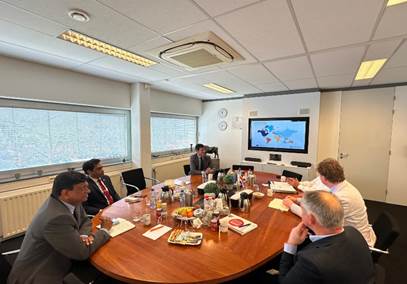
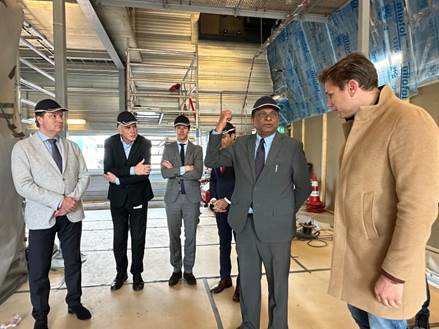
 Union Health Secretary Shri Apurva Chandra today visited the manufacturing unit of global pharmaceutical company Bilthoven Biologicals at Utrecht, Netherlands. He had an engaging meeting with CEO Mr. Juergen Kwik & CEO of Poonawalla Science Park (PSP) at Bilthoven Mr. Jef De Clercq on EU pandemic preparedness partnership and collaboration on production of vaccines. He met the senior management and was briefed on the various manufacturing units of the facility. A detailed presentation was made on their future manufacturing plans. Bilthoven Biologicals B.V. Co., manufactures pharmaceutical products such as vaccines for polio, diphtheria-tetanus-polio, and tetanus along with bacillus calmette-guerin (BCG).


The bioengineering and vaccine production firm Bilthoven Biologicals was purchased by Serum India Ltd., in 2012. This has strengthened its capacity of producing vaccines and also provided it with a valuable manufacturing base in Europe. Recently Serum and Bharat Biotech have announced collaboration for enhanced production of OPV. Bharat Biotech will collaborate with Netherlands-based Bilthoven Biologicals B.V, a wholly-owned arm of Serum Institute of India. An agreement has been signed under which Bharat Biotech will procure drug substances for manufacturing oral polio vaccines to be supplied within India and globally. This will contribute to supply security of oral polio vaccines. With this partnership, the capacity of BBIL to manufacture Oral Polio Vaccine (OPV) has increased to 500 million doses every year. 


Universal Immunisation Programme (UIP) of the Union Health Ministry is one of the key interventions for protection of children from life threatening conditions by providing vaccination, including vaccine against polio.  India has been certified free of Polio in March 2014. However, to maintain the polio-free status, polio vaccine is given to children as part of the high quality national and sub-national polio rounds across the country. A sustained supply of OPV is essential for keeping India polio free. The partnership between BBIL and Serum will contribute to providing a sustained supply of OPV in the country.

****

INDIAN ARMY CONDUCTS A SEMINAR CUM EXHIBITION ON THEME “YEAR OF TECH ABSORPTION, EMPOWERING THE SOLDIER”

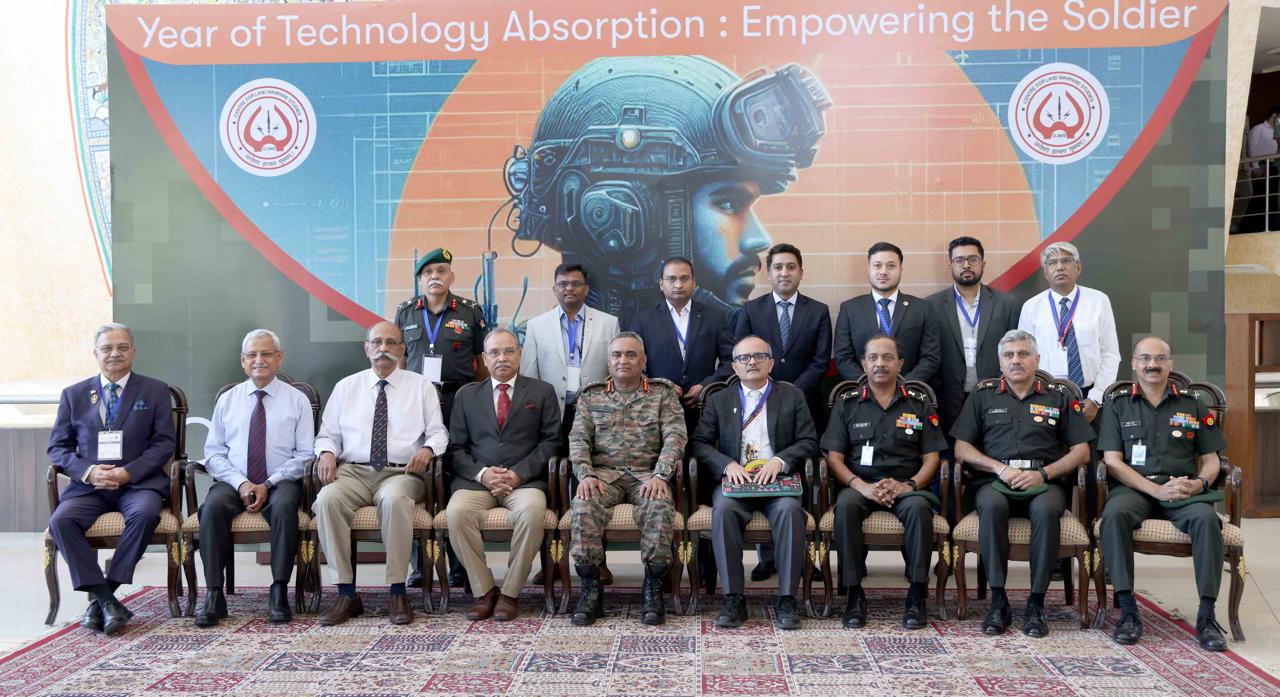
 A seminar cum exhibition was conducted today by the Indian Army on the theme “Year of Technology Absorption – Empowering the Soldier”. The event was conducted by the Centre for Land Warfare Studies (CLAWS), on behalf of the Indian Army in Manekshaw Centre.

The seminar brought together technology experts and industry professionals to deliberate on the adoption of modern technologies like Artificial Intelligence and advanced hardware in the military domain. It aimed at fostering a collaborative environment for academia and the defence industry to fast-pace the ongoing initiatives for technological absorption in the military.

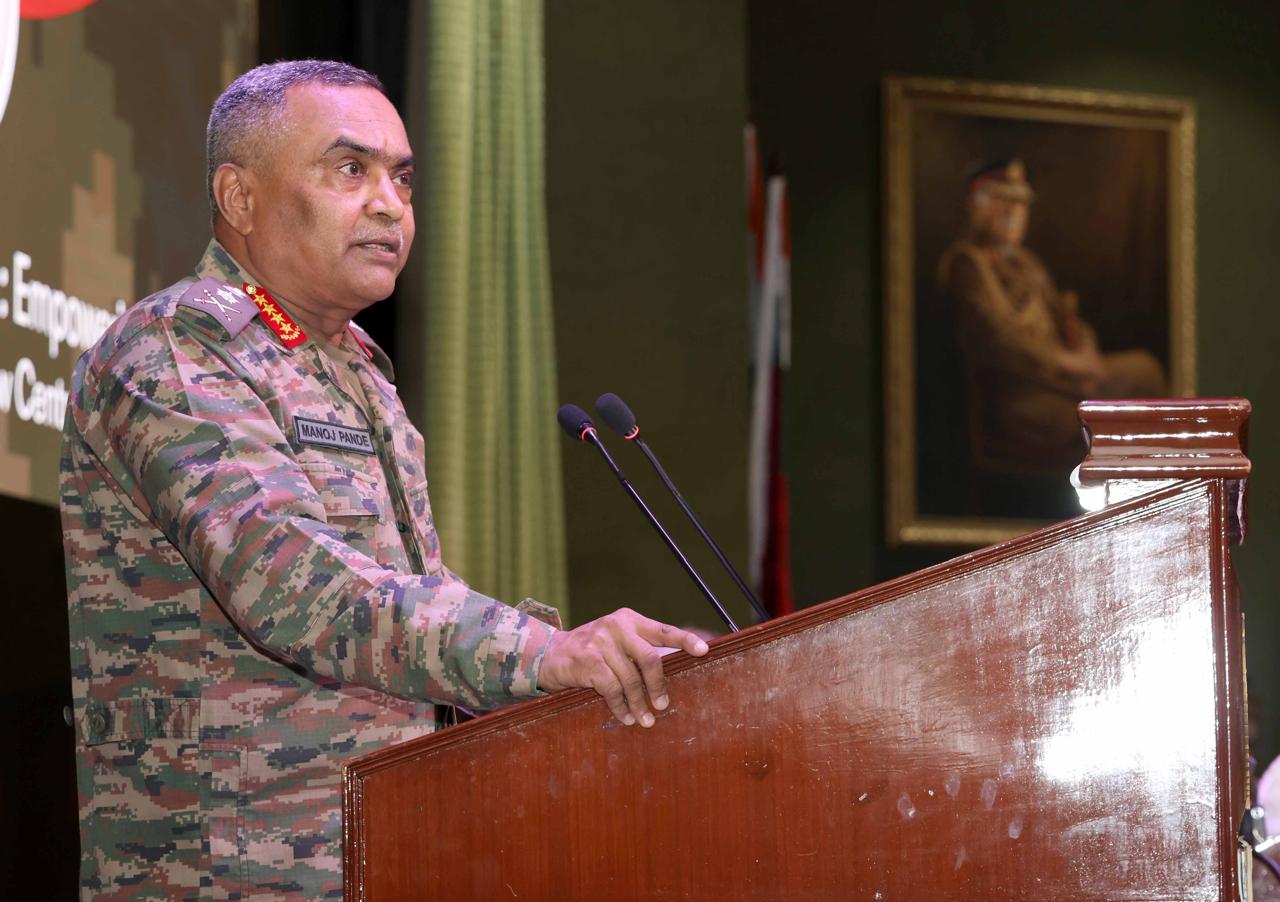
The event commenced with an inaugural address by General Manoj Pande, Chief of the Army Staff (COAS). Keynote Address was delivered by Dr Chintan Vaishnav, Mission Director, Atal Innovation Mission (AIM, NITI AAYOG). This was followed by an exhibition, demonstrating the progress and capabilities of India’s Defence Sector.

The COAS underscored the vital need of being self-reliant in warfighting platforms and systems besides achieving self-sufficiency in critical technologies through indigenous Research & Development. He emphasised that the Technology has emerged as the new strategic arena of competition which drives geo-political powerplay. He also said that technology is being leveraged for weaponisation of varied domains, ranging from Information to Supply Chains. Citing examples from recent conflicts, he mentioned that disruptive and dual use technologies are proliferating at unprecedented scale and transforming the Character of Modern Wars.  He mentioned that a suite of digital technologies encompassing Electronic Warfare, Micro-electronics, Drones, Precision Attack Systems, Loiter Munitions and Star-link Terminals are challenging traditional force multipliers.

The COAS reiterated the commitment of Indian Army to continue its pursuit towards transitioning into a modern, agile, adaptive and technology enabled future ready force. He urged all stakeholders, the Services, Industry Partners, Start-Ups, Research & Development institutions, Academia and Policy Makers to synergise their efforts and develop a vibrant national defence eco-system.           

The seminar was conducted in three sessions, with first session focussed on “Contemporary Technology and Industry Capabilities”. The session was moderated by Lieutenant General Vineet Gaur, Director General Capability Development and the speakers were eminent personalities from academia and industry such as Prof Mayank Vatsa (IIT Jodhpur), Dr Mandira Majumder, Shri Rajiv Mehrotra, Shri Vaibhav Gupta, and Colonel Karandeep Singh (Retired). This session analysed the emerging role of the Indian Defence Industry in strengthening of overall defence architecture. The speakers also deliberated upon the technology developed so far and future roadmap to build cutting-edge technologies for military usages.

The second session was moderated by Lieutenant General Subrata Saha (Retired) and focussed on “Empowering Soldiers: Amplifying Impact Through Modern Technologies”.  Major General Sunil Mehrotra from Signals Directorate and Shri SB Taneja from DRDO examined options to leverage present and next-generation technologies to enhance the capabilities of Indian Army. Looking beyond the domain of land, this session analysed the role of space and cyber domains in the present context and future scenarios.

The final session on “Maximising Technology Effectiveness & Soldier Preparedness” was moderated by Lieutenant General PR Shankar (Retired). The speakers were Lieutenant General Rajesh Pant (Retired), Mr Geo George Philip, Dr K Mohanavelu, and Major General Ajay Sharma. The participants brainstormed wide-ranging options ranging from military applications of cyberspace, impact of drones and satellites on the modern battlefield, besides delving upon hardware and software options to empower soldiers.

The seminar culminated with closing remarks by Lieutenant General Tarun Kumar Aich, Deputy Chief of the Army Staff (Strategy). Reflecting positive thoughts on impressive trajectory of Indian Army’s transformation, he reiterated that adoption of niche technology in tandem with agile doctrinal reforms is extremely crucial. He also stated that Indian Army will continue to foster a spirit of collaboration with the industry and academia to empower the soldiers.       

The proceedings underscored the importance of technology absorption in empowering soldiers besides providing a snapshot of available solutions and highlighted the contributions of the Indian Defence Industry, delineating their strengths, future trajectories, and their pivotal role in ensuring future ready armed forces. 

****

6th edition of International Conference on Disaster Resilient Infrastructure

 The Prime Minister, Shri Narendra Modi addressed the 6th edition of the International Conference on Disaster Resilient Infrastructure via video message today.

Addressing the gathering, the Prime Minister extended a warm welcome to all the dignitaries and said that their participation would strengthen the global discourse and decisions on the important issue of Disaster Resilient Infrastructure. Reflecting on the impressive growth of the Coalition for Disaster Resilient Infrastructure since its inception in 2019, the Prime Minister underlined that it is now a global coalition of 39 countries and 7 organizations. “This is a good sign for the future”, he added.

Noting the growing frequency and severity of natural disasters where the damage caused is usually evaluated in dollars, the Prime Minister highlighted that its true impact on people, families and communities is beyond numbers. Shri Modi drew attention to the impact of natural disasters on humans and mentioned earthquakes destroying houses making thousands of people homeless and natural disasters disrupting water and sewage systems putting people’s health at risk. He also touched upon natural disasters that can impact energy plants leading to potentially dangerous situations.

The Prime Minister emphasized, “We must invest in resilient infrastructure today for a better tomorrow.” He stressed that resilience must be factored into new infrastructure creation while also being a part of post-disaster rebuilding. The Prime Minister pointed out that the focus should shift towards resilience in infrastructure once relief and rehabilitation are carried out after a disaster strikes.

Underlining that nature and disasters have no borders, the Prime Minister said that disasters and disruptions cause widespread impact in a highly interconnected world. “The world can be resilient collectively, only when each country is resilient individually”, PM Modi said. He stressed the importance of shared resilience due to shared risks and said that CDRI and this conference will help the world come together for this collective mission.

“To achieve shared resilience, we must support the most vulnerable”, the Prime Minister remarked. Referring to the Small Island Developing States at high risk of disasters, Prime Minister Modi mentioned a CDRI program for funding projects across 13 such places. He gave examples of resilient housing in Dominica, resilient transport networks in Papua New Guinea, and enhanced early warning systems in the Dominican Republic and Fiji. He expressed satisfaction that CDRI also has a focus on the Global South.

The Prime Minister recalled the formation of a new Disaster Risk Reduction Working Group with financing at the heart of its discussions during India’s G20 Presidency and said that such steps will take the world to a resilient future along with the growth of CDRI. He concluded his address by expressing confidence about the fruitful deliberations at ICDRI over the next two days.

***

HUMAN SOCIETY IS MAKING THE MISTAKE OF FORGETTING THE IMPORTANCE OF FORESTS

 Human society is making the mistake of forgetting the importance of forests. Forests are life givers. The reality is that forests have preserved life on earth, said the President of India, Smt Droupadi Murmu while addressing the officer trainees of Indian Forest Service (2022 batch) at their convocation ceremony at the Indira Gandhi National Forest Academy, Dehradun today (April 24, 2024).

The President said that today we talk about the Anthropocene Age, which is the period of human-centric development. During this period, disastrous results have emerged along with development. Unsustainable exploitation of resources has brought humanity to a point where the standards of development have to be re-evaluated. She stressed on the importance of understanding that we are not the owners of the earth’s resources, but we are trustees. Our priorities should be ecocentric along with anthropocentric. In fact, only by being ecocentric we will be able to be truly anthropocentric, she stated.

The President said that in many parts of the world the loss of forest resources has occurred very rapidly. Destruction of forests is in a way – destruction of humanity. It is a well known fact that conservation of earth’s biodiversity and natural beauty is a very important task which we have to do very quickly.

The President said that human life can be saved from the crisis through conservation and promotion of forests and wildlife. We can repair the damage at a faster pace with the help of Science and Technology. For example, the Miyawaki Method is being adopted in many places. Artificial Intelligence can help in identifying suitable areas for afforestation and area specific tree species. She stated that there is a need to assess various such options and develop solutions suitable to the geographical conditions of India.

The President said that the chariot of development has two wheels – tradition and modernity. Today human society is bearing the brunt of many environmental problems. One of the main reasons for this is a special type of modernity, the root of which is the exploitation of nature. Traditional knowledge is neglected in this process.

The President said that tribal society has made the eternal laws of nature the basis of their life. People of this society conserve nature. But, under the impulse of unbalanced modernity, some people consider the tribal community and their collective wisdom primitive. Tribal society has no role in climate change but the burden of its ill effects is disproportionately more on them.

The President said that it is very important to understand the importance of the knowledge accumulated by tribal society over centuries and use it to improve the environment. She stated that their collective wisdom can help us move forward on an ecologically sustainable, ethically desirable and socially justifiable path. She stressed that we will have to unlearn many misconceptions and relearn from the ideals of a balanced lifestyle of the tribal society. We have to move forward with the spirit of climate justice.

The President said that the Industrial Revolution in the 18th and 19th centuries increased the demand for timber and other forest products. New rules, regulations and methods of forest use were adopted to cope with the demand. To implement such rules and regulations, the Imperial Forest Service, the predecessor service of the Indian Forest Service, was formed. The mandate of that service was not to protect the tribal society and forest wealth. Their mandate was to promote the objectives of the British Raj by exploiting India’s forest resources to the maximum.

Referring to the mass hunting of wild animals during the British period, the President said that when she visits museums where animal skins or severed heads adorn the walls, she feels that those exhibits are telling the story of the decline of human civilization.

The President said that she was confident that the officers of the Indian Forest Service had become completely free from the colonial mentality and outlook of the former Imperial Forest Service. She stated that IFS officers not only have to conserve and augment India’s natural resources but also use the traditional knowledge in the interest of humanity. They have to protect the forest wealth by synchronizing modernity and tradition and advancing the interests of the people whose life is based on forests. By doing this, they will be able to make a contribution that is truly inclusive and congenial to the environment.

The President said that the Indian Forest Service has given many officers to the country who have done unparalleled work for the environment. IFS officers such as Shri P. Srinivas, Shri Sanjay Kumar Singh, Shri S. Manikandan have sacrificed their lives in the line of duty. She urged the officer trainees to make such officers their role models and mentors and move forward on the ideals shown by them.

The President urged IFS officers to spend time among the tribal people in the field and earn their affection and trust. She said that they should learn from the good practices of the tribal society. She also urged them to take ownership of their responsibilities and become a role model.

Click here to see the President’s speech in Hindi.

***