
STOP BARRING THE VOICES OF NATION

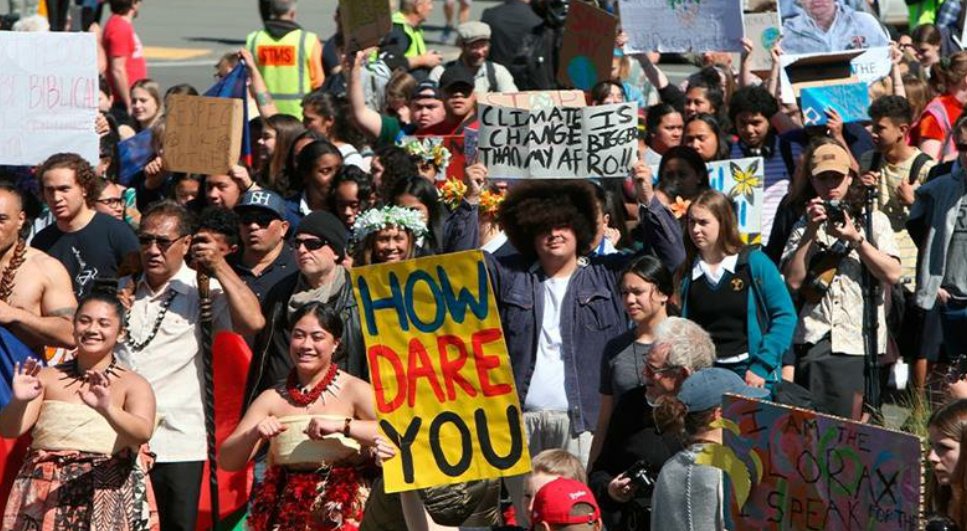
Source: The Guardian (New Zealand start climate change protest)

When countries are facing crisis in the form of protests that simply means government and others should focus on their needs. Protests emphasized on the fact that we do have problems in our countries which we need to address as early as possible. Protests are a wake call to the country.
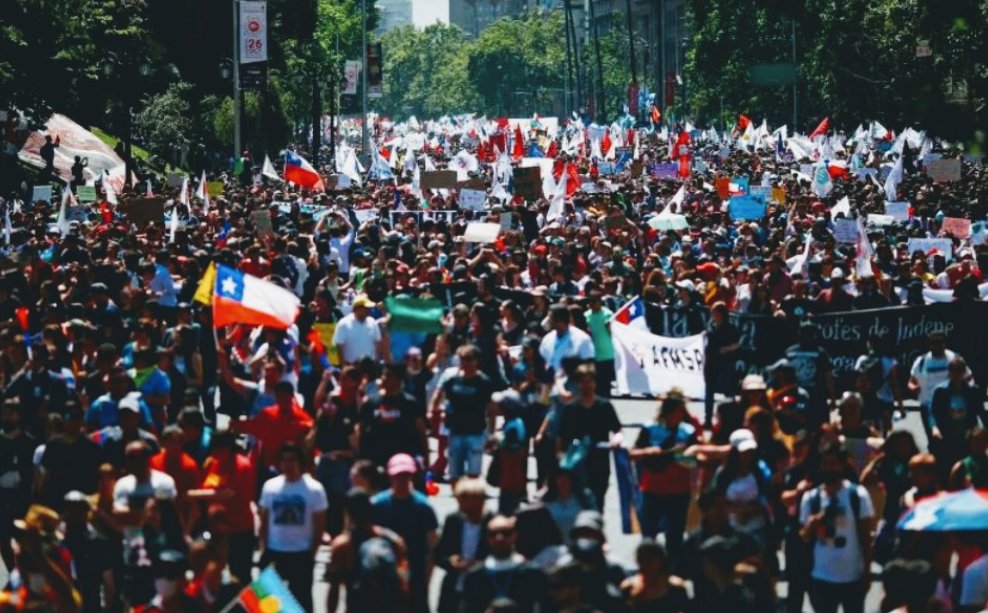
Source: The Washington Post (Chile demonstration March October 2019)

In Modern era protests become the vitality of the democracy. If government tries to shut the voices of the protests then we should raise our voices even more because if we don’t react today it will be become more dangerous to the Constitution, then their is no meaning to enjoying the ‘DEMOCRACY’.
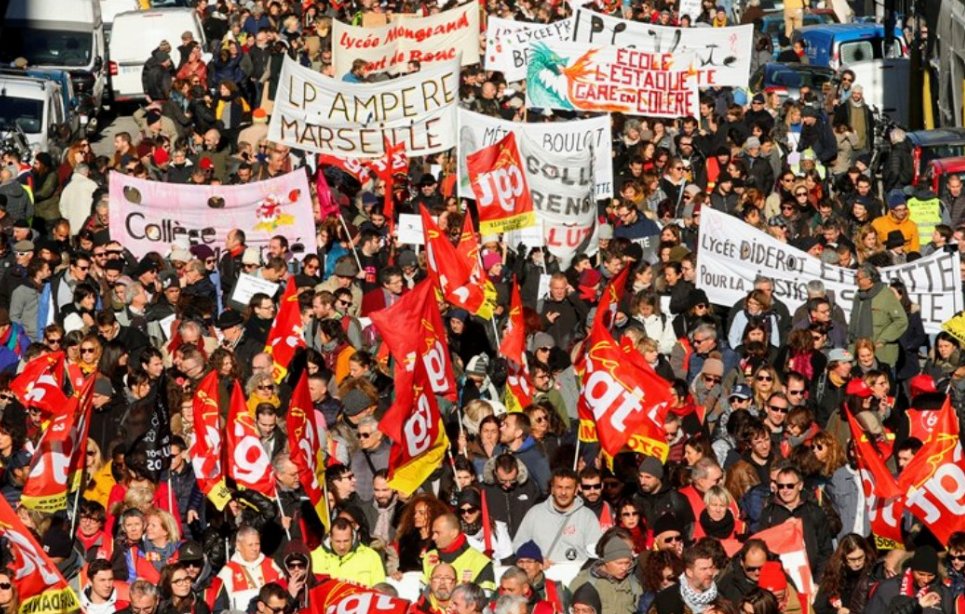
Source: New York times (French union workers strike against Government for pension reform Plan Dec 2019)

Protests are not just some voices against injustice or representing dissent. It is much more than this, more meaningful; it is AWAKENING. Awakening of people, awareness of surrounding. Awakening cannot die and it should not die because this is a combination of our consciousness or subconsciousness.
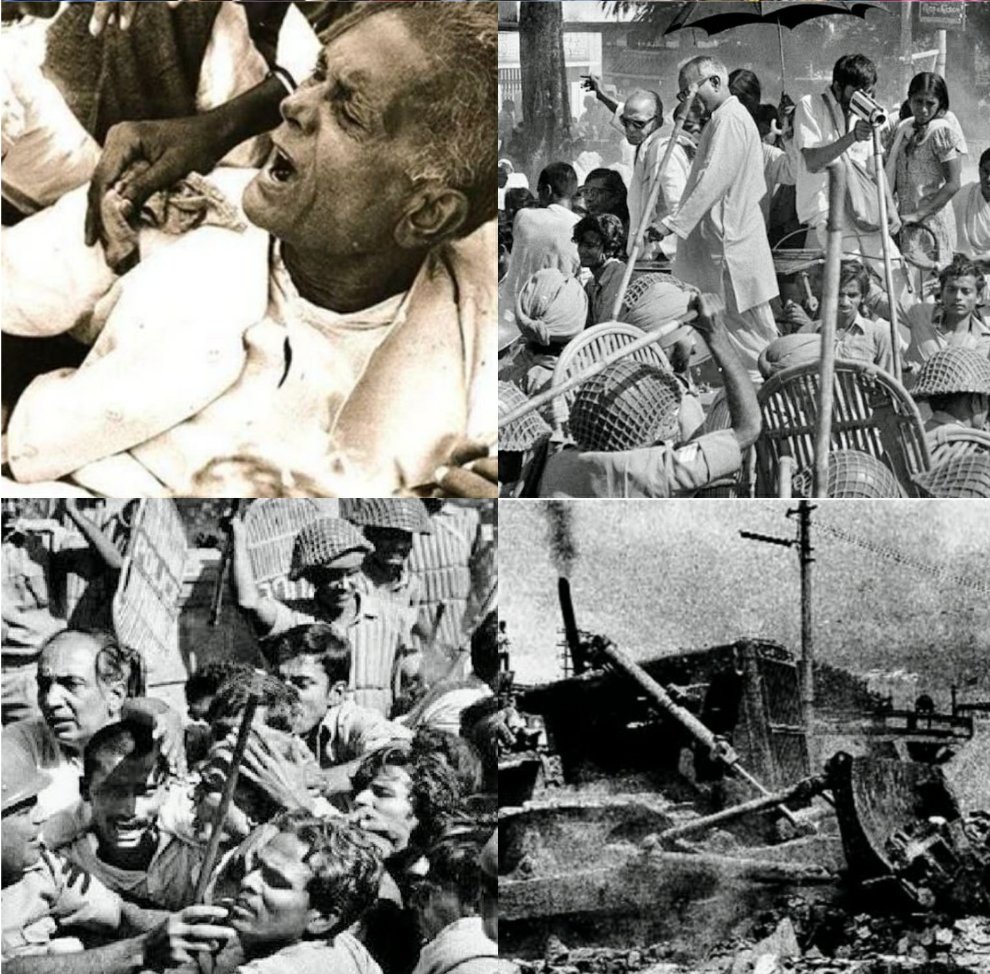
Source: TOI (Emergency in 1975)

Our history and freedom is a reflection of stand against the cruelty , knowing the fact if we don’t speak today, tomorrow will be in dark. JP Narayan movement which was started as protest against the government (Emergency) eventually become the movement for country. At the end of the movement what happened to “INDIRA” government was fallen Apart.
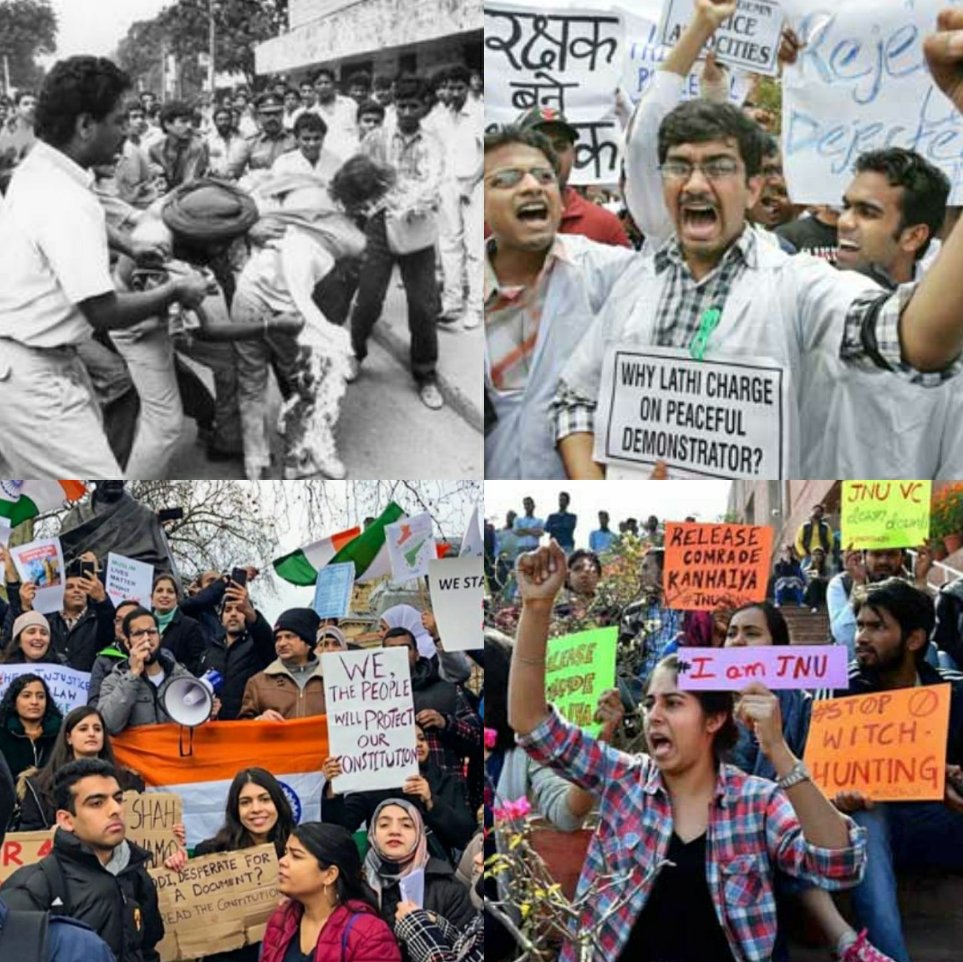
Source: TOI (From Right to Left Mandal commission, CAA Protests in foreign & Indian University)

Mandal commission another vicious mistake of government. This particular protest turned into violence. Commission introduced high reservation to Social and educationally backward classes in the central government and public sector.
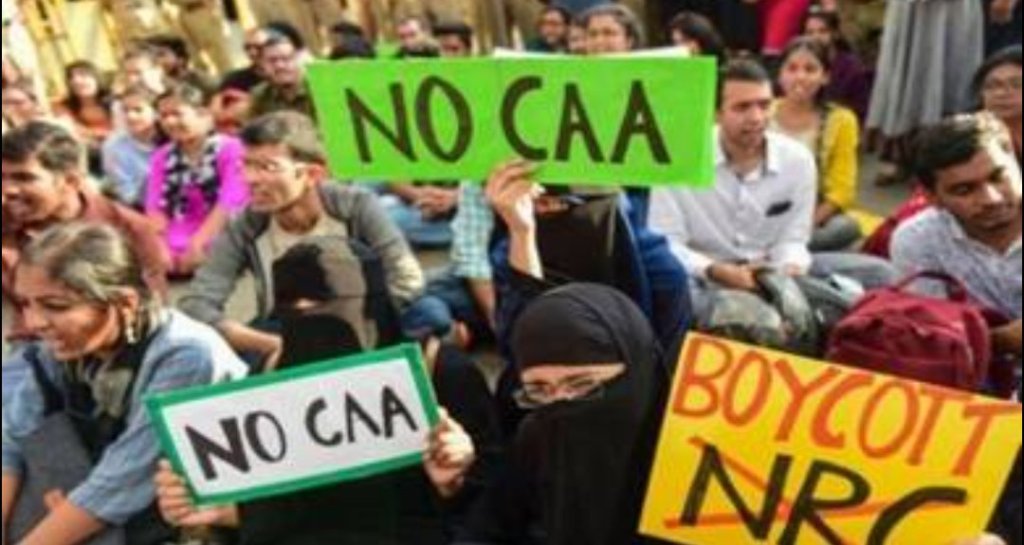
Source: Indian Express

Citizenship Amendment Act 2019 was passed by the parliament of India on December 11 2019. This act amended the 1995 citizenship Act by providing a pavement to indian citizen for persecuted religious minorities from the countries like Afghanistan, Bangladesh and Pakistan; who are only Hindus, Sikhs , Buddhist, Jains, Parsis or Christian, the law does not grant such eligibility to Muslims from these Muslim majority countries. The act was declared as first act in the history of India and lndian law that used religion as criterion for citizenship. The amendment has been criticized on the basis of religious discrimination which targets one community.

 United Nations Commissioner for Human Rights (OHCHR) called this act fundamentally discriminatory. The protests first began in Assam and spread swiftly in the other states such as Meghalaya, Arunachal Pradesh and Tripura. The CAA protests rests on 14 Match 2020 because of coronavirus. This protests led Police brutality at University campus, violence brokedown against protestors. Through Section 144 Curfew Internet shutdown and paramilitary forces were imposed in various parts of the country. According to Police record, more than 65 died, 175 injured and 3000+ we’re arrested.
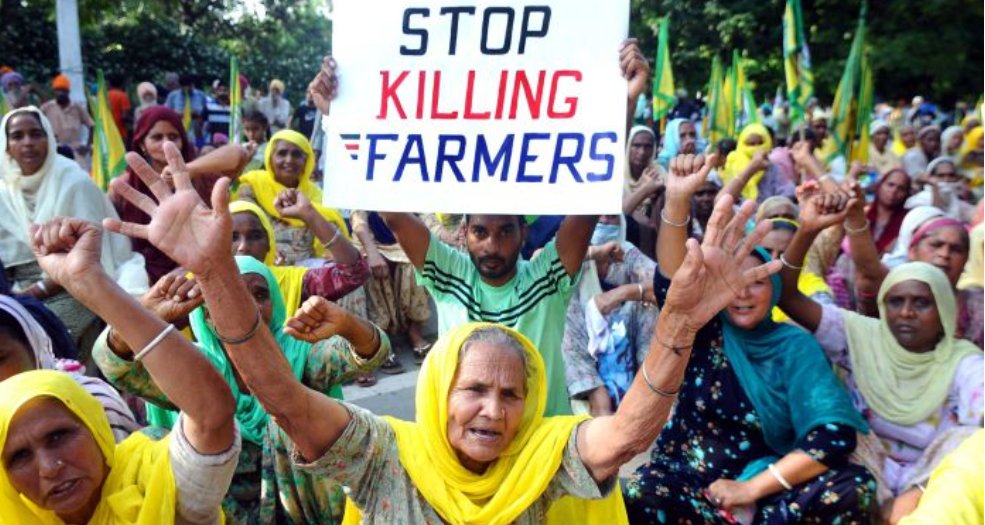
Source: abc

Thousands of farmers protest against three most problematic agricultural reform laws that they say government putting corporate interests over the country requirement. The 3 laws introduced to loosen the grip of rules around the sale, pricing and storage of farm produce in india. Government claimed that these changes make it easier for farmers to bypass regulatory farming market and sell their produce directly to Private buyers like supermarkets chains. As per Government, laws would benefit farmers and make investment to a agricultural sector that makes up nearly 15% of Indian $3.8 trillion economy.
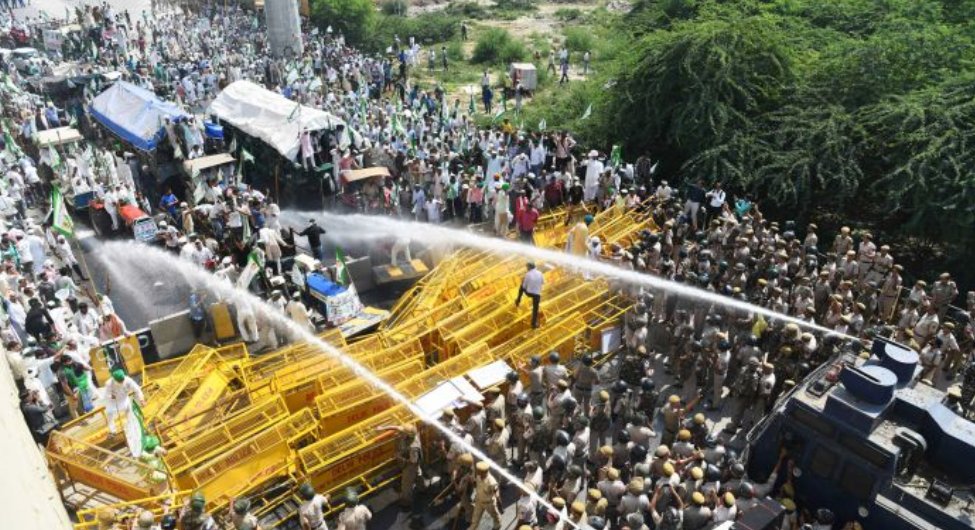
Source: Indian Express (Police use water canons to disperse & stop Farmer activits from marching into New Delhi)

Now discuss if laws sounds too accurate then where is a problem? Problem lies in Government’s intension. Farmers were worried that they don’t have enough bargaining powers to get the kinds of prices they want for their products especially when they are negotiating with bigger companies. There was one more tassel over MSP – Minimum Support Price which is a price the government guarantees for certain crops like wheat and rice. The protests were largely peaceful until 26 January after this it took drastic sight. The central government again shut down mobile internet services at several protest sites and putting the fundamentals rights of people’s on threshold.

Many socio – Political movements occurred in the past for instance Chipko movement, silent valley protest, Assam movement, Jungle bachao Andolan, Great Bombay strike, Narmada bachao Andolan, Dalit Agitation in Maharashtra (2006), Nandigram and singur protests in West Bengal (2007), Nirbhaya protest, FTII protest against chairman many more in different part of country, CAA Protest and widespread Farmer Protest.
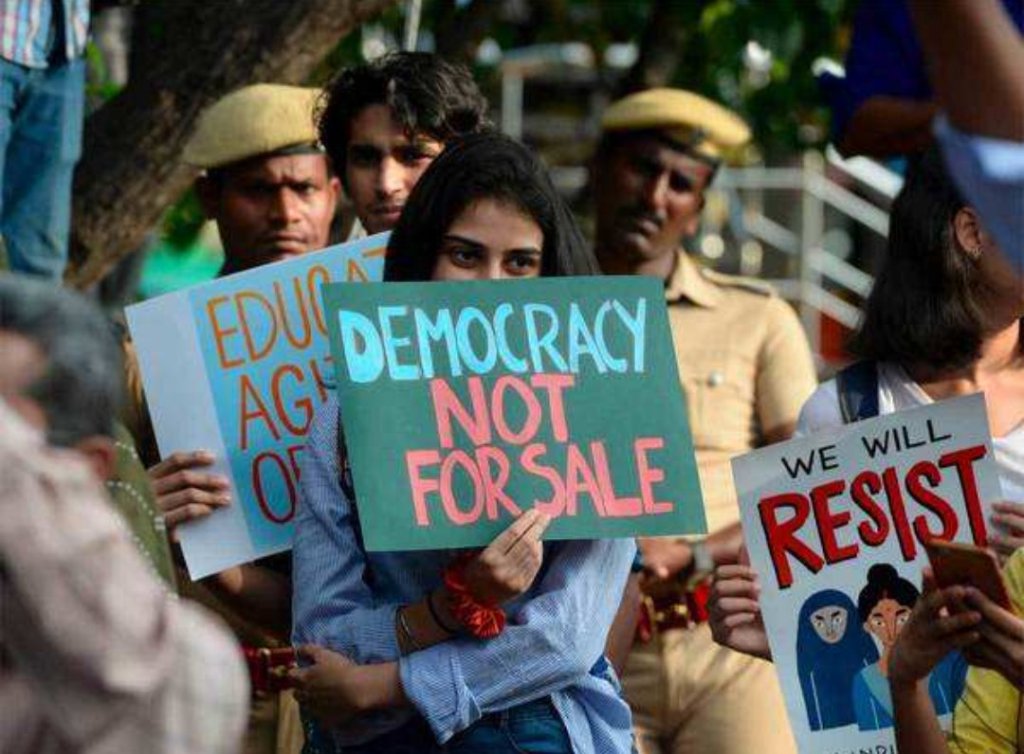
Source: The Economics Times

Now Remember, we living in the kind of society where we know when we have to pick up our placard, flags, slogans, singing songs and show our dissent.

What should government do in such situations is a biggest question – firstly they should not adopt such policy which go against the people. Even if it is beneficiary to few people but at the same time going against the numerous number of population. Take affective measure to control the situation; Use the effective power of bureaucracy. It is government responsibility that make sure people must believe the government and their style of policy implementation is good for nation; after all Our constitution stand on – OF THE PEOPLE, BY THE PEOPLE, FOR THE PEOPLE!!
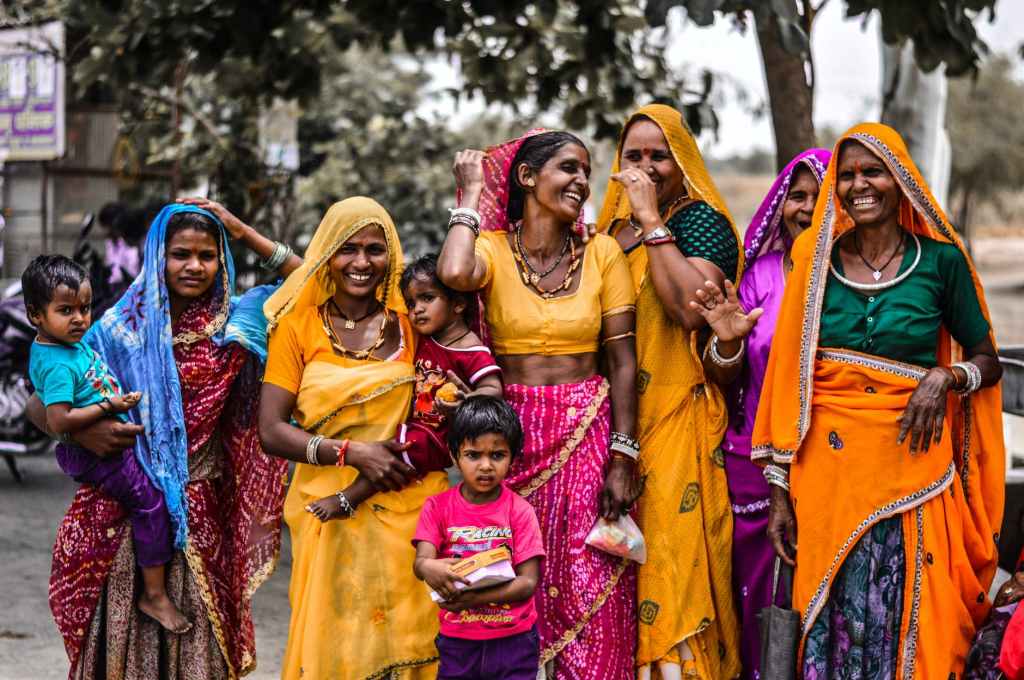
Child Marriage legalised on Rajsthan

Currently, Rajasthan govt released an amendment “Rajasthan compulsory Registration of Marriage Amendment Bill 2021” it allowed registration of child marriages, it’s 21 century and we all are aware of how heinous child marriage is, here are some of my views on this act

In my views law is not wrong
Those who commit or help in child marriage will still be punished, but those who already had marriage were not allowed to have registration and so they were not able to avail all govt schemes and benefits, those saying it will make it easier to do child marriage remember availing govt benefits are everyones fundamental rights.

Those saying it’s illegal look it like this rape is illegal but rape victim and culprit both have some rights that we can’t snatch, like culprit must be allowed to go court etc, ofcourse child marriage is as heinous as rape and here victims are both boy and girl but why they suffer whole life for it, they can’t get rashion, jobs, water, now as everything is more and more digitalizing and you can’t prove you’re married, it will become more hard to avail services like jacha bacha Suraksha and this are thee parents who most need it.

Also one negative point is it will make child marriage easier, but many people will not be able to avail fundamental rights isn’t it totally wrong also we can make child marriage hard by making strong rules. As we have data of child marriage we can ask govt employee who are posted there why they let it happen like police or magistrate, they will become more accountable this way.

If I’m missing some points or you want to share your views here’s my email soni362002@gmail.com

The law above partisan loyalty

Three later ‘dynamic’ decisions from a US Supreme Court that had dependably been considered greater part preservationist, after President Donald Trump pushed through the arrangement of Justice Neil Gorsuch, offers scope for reflection in the US as well as on faraway shores also. In scarcely any pieces of the world are legal arrangements as politically charged as in the US.

Be that as it may, there is an inclination for the higher legal executive to be overawed by the official, particularly when the official is driven by an incredible pioneer who has cleared to control riding a flood of fame.

On the off chance that a political deputy to the seat can challenge the ideological desires for the organization that named him to the seat, so as to be consistent with the legitimate rules that he is pledged to maintain, there is each explanation behind adjudicators whose arrangement is normatively above ideological contemplations to be guided by the law and by the law alone.

The US Supreme Court conveyed three decisions in progression that hurt preservationist supposition. One, it held that to fire somebody on grounds of their sexual direction is illegal; two, it struck down a Trump organization move to stop an Obama-time move to give a free go to unlawful workers who had shown up in the US as youngsters; and, three, it overruled certain limitations on fetus removal that the province of Louisiana had tried to present.

Not at all like in India, premature birth is disagreeable in the US and profoundly annoys strict preservationists. How could the court, with an agreeable larger part of moderate adjudicators, convey such a body hit to standard traditionalist concerns? The appropriate response is clear. While the adjudicators may be traditionalist in their governmental issues, they decide to be dedicated exactly and actual purpose of the law and the Constitution as they comprehend these to be.

In India, we have a marginally unique sort of issue. Judges will in general consent to hear cases that bring up issues of strategy as opposed to of legitimate rule. Strategy is the authentic space of the official, not of the legal executive. Whatever floats, its boat.

The torture culture in India needs to end now

Just the individuals, including the Bar, the media, common society and understudy gatherings, can ascend against torment rehearses.

At this point, everybody has known about the deplorable passings of P. Jayaraj and J. Benicks, a dad child couple in a modest community in Thoothukudi. Jayaraj, 58, was captured by the police following a squabble with them on keeping his child’s cell phone shop open infringing upon lockdown rules. After Benicks was additionally arrested, the two were cruelly whipped to death.

Being seen as blameworthy of the ‘offense’ of keeping a shop open during the lockdown would have customarily conceded Jayaraj and Benicks a limit of just three months of detainment. The story, tragically, doesn’t end with the police alone. Before the two men kicked the bucket, the police looked for their remand, which an appointed authority sitting in a court complex precisely appears to have in truth, while never observing the two men, or appearing to scrutinize the reason for their remand. The arrangement of occasions, beginning with the barbarous lockdown requirement strategies and finishing up with the totally abhorrent and altogether avoidable passings, is an indication that we are living with a totally violated arrangement of law authorization.

Endemic to police culture

The Tamil Nadu Police has gained reputation throughout the decades for utilizing unbearable strategies for law implementation. During my residency as Chief Justice of the Madras High Court, a few cases in such manner were brought to the court. Be that as it may, this issue isn’t confined to Tamil Nadu alone. Torment is, truth be told, a vital piece of police culture everywhere throughout the nation. Without a doubt, it would not be out of order to contend that this culture in India today is suggestive of the mercilessness of the provincial police powers that we are so quick to overlook.

Official information additionally acknowledge that police torment is a reality, yet the nature of such information is consistently suspect. The inescapability of police torment is best comprehended in the convincing case found in reports made by NGOs and onlookers throughout the years, including by the Asian Center for Human Rights, Amnesty International and People’s Union for Democratic Rights.

The information on torment show that it isn’t just a fundamental piece of India’s policing society; in certain examinations, (for example, fear cases), it is treated as the focal point. The truth of the matter is that the current laws encourage such torment, for example, through the acceptability of admissions as proof under the Terrorist and Disruptive Activities (Prevention) Act and the Prevention of Terrorism Act, which proceeds repaired as the Maharashtra Control of Organized Crime Act. Shockingly, policing has additionally not mainstreamed the move up to more current innovations, similar to DNA examination, which can legitimately affect law authorization rehearses.

What some have named as India’s “open mystery” is tread lightly around in the worldwide field. The official situation on state-supported or state-embraced torment can be found in a 2017 statement by India’s then Attorney-General. In his initial discourse in Geneva at the nation’s all inclusive intermittent audit at the United Nations Human Rights Council, the Attorney-General summoned Gandhi and Buddha, expressing that “India… believe[s] in harmony, peacefulness and maintaining human nobility. In that capacity, the idea of torment is totally strange to our way of life and it has no spot in the administration of the country. ” This would be a typical case of bad faith, if at any point.

Without a doubt, the culpable officials in the Thoothukudi case are being indicted, and some pay will likewise be paid to the casualties’ families. Be that as it may, such piecemeal activity isn’t what is required. What we truly need is an acknowledgment that torment is endemic and a fundamental issue, and the main answer lies in severe legitimate structure that is lined up with and focused on the standards of worldwide law under the UN Convention Against Torture (UNCAT) to which India has been a signatory since 1997, and a watertight requirement instrument that dissuades such practices.

Indeed, even before India marked the UNCAT, our Supreme Court had achieved magnificent statute featuring the numerous issues with the nation’s torment culture. In Raghbir Singh v. Province of Haryana (1980), the Court was “profoundly upset by the wicked repeat of police torment bringing about a horrendous panic in the psyches of basic residents that their lives and freedom are under another danger when the watchmen of the law gore human rights to death. ” These assumptions were returned to in Francis Coralie Mullin v. Association Territory of Delhi (1981) and Sheela Barse v. Territory of Maharashtra (1987), where the Court denounced savagery and torment as violative of Article 21. This understanding of Article 21 is reliable with the standards contained in the UNCAT. The UNCAT intends to forestall torment and different demonstrations of savage, cruel, or corrupting treatment or discipline far and wide.

In spite of the fact that India marked the UNCAT in 1997, it is yet to confirm it. In 2010, a feeble Prevention of Torture Bill was passed by the Lok Sabha, and the Rajya Sabha later sent it to a Select Committee for audit in arrangement with the UNCAT. (I, as well, showed up before this council in 2010 after retirement from legal office). Be that as it may, the Committee’s suggested law, submitted in 2012, never fructified, as the then UPA government permitted the Bill to slip by. In 2016, Ashwani Kumar, a senior backer and previous Union Minister of Law, looked for the sanctioning of a torment law by means of a Supreme Court request. By 2017, the Law Commission had presented its 273rd report and a going with draft torment law. Be that as it may, the Supreme Court excused the request on grounds that the legislature can’t be constrained to make a law by mandamus; settlement sanction was a political choice; and that it was an approach matter. A second request on the issue documented by Mr. Kumar likewise met a similar destiny as the first.

This dismissal was an indication of the Supreme Court betraying its own sublime statute, and its endeavors to help law-production previously, regardless of whether in utilizing the Convention on the Elimination of all Forms of Discrimination Against Women to change the law around work environment inappropriate behavior; or standard global law in ecological cases; or the privilege to protection — this long and differed list is brilliant of a proactive Court that considers itself to be liable for pushing Parliament into authoritative activity.

EndTortureToday

Neither the Home Ministry nor this legislature is probably going to take up the torment law. To be sure, the way where the torment bill has been dealt with uncovers a double-crossing of the individuals of India by progressive governments. There have been open doors for a long time to sanction a law on torment, yet they have been contemplatively dodged. State conference likewise has no significance. It is clear that all legislatures appreciate the state of affairs, where the police are utilized as an apparatus for self-conservation. Any disequilibrium isn’t politically alluring.

As crippling as this may appear, everything isn’t lost. There is a lot of motivation around us. Days after George Floyd was killed in Minneapolis in the U. S. , when a cop held him in a 8-minute-46-second-strangle hold, the #BlackLivesMatter development rose, with numerous Indians joining in as well. The development, drove by the individuals, began a national discussion in the U. S. on policing, including radical changes, for example, defunding and incapacitating the police. Seemingly we need a people’s development at home too that will realize the important administrative changes that the Law Commission has proposed, and that urges organizations to #EndTortureToday. Just the individuals can ascend against these practices, similarly as they are doing in different pieces of the world. Furthermore, by individuals, I incorporate significant partners like the Bar, the media, common society and understudy gatherings. Each of these have significant tasks to carry out in realizing the change we need to see. It is simply a matter of who chooses to get the mantle first.