ANIMAL TESTING SHOULD BE BANNED

Utilizing animals in research and to test the wellbeing of items has been a subject of warmed discussion for quite a long time. Individuals have various affections for animals; many view animals as companions while others see animals as a method for propelling clinical procedures or promoting trial research. However people see animals, the reality says that animals are being taken advantage of by research offices and beauty care products organizations the whole way across the nation and from one side of the planet to the other. Despite the fact that people frequently advantage from effective animal research, the aggravation, the torment, and the deaths of animals are not worth the conceivable human advantages. In this way, animals ought not be utilized in research or to test the wellbeing of items.

5 Reasons Why Animal Testing Should Ban Worldwide

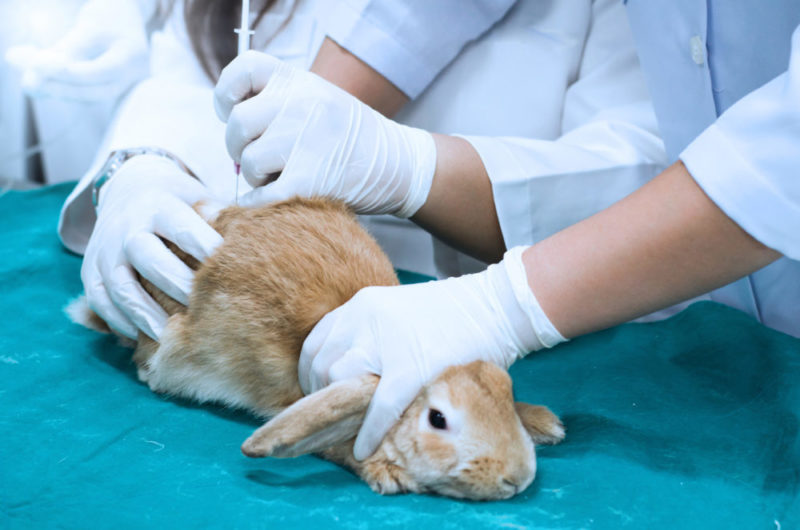
To start with, animals’ rights are abused when they are utilized in research. Animals and individuals are indistinguishable from various perspectives; the two of them feel, think, act, and experience torment. In this manner, animals ought to be treated with similar regard as people. However animals are abused when they are utilized in research since they are not given a decision. Animals are exposed to tests that are regularly difficult or cause extremely durable harm or passing, and they are never given the alternative of not partaking in the investigation. Animals don’t willingly sacrifice themselves for the progression of human government assistance and new innovation. Their choices are made for them since they can’t express their own inclinations and decisions.

Then, the agony and experiencing that exploratory animals are liable to does not merit any potential advantages to people. At the point when animals are utilized for item harmfulness testing or lab research, they are exposed to excruciating and as often as possible lethal analyses. Two of the most generally utilized harmfulness tests are the Draize test and the LD50 test, the two of which are scandalous for the extreme aggravation and enduring they curve upon test creatures. To play out these tests, the scientists connect the animals to tubes that siphon immense measures of the test item into their stomachs until they kick the bucket. This test is incredibly difficult to the animals since death can require days or even weeks.

Animal Testing of Beauty Products Now Banned in These Three States -  InVitro Intl

At long last, the testing of items on animals is totally pointless in light of the fact that practical options are accessible. Numerous corrective organizations have thought of thought of testing their items utilizing innovation or stunningly better they chose to make their items more regular and ecofriendly so it will not hurt anybody.

Notwithstanding, many individuals accept that animal testing is justified in light of the fact that the animals are forfeited to make items more secure for human use and utilization. The issue with this thinking is that the animals’ security, prosperity, and personal satisfaction is by and large not a thought. Animals are likewise living creatures since they can’t talk or battle for themselves doesn’t imply that we should take exploit them. Cruelty to animals should be banned and strict actions should be taken against people who do that or support this ideology.

Petition · Animal Testing should be banned · Change.org

Armadillo

Physical description

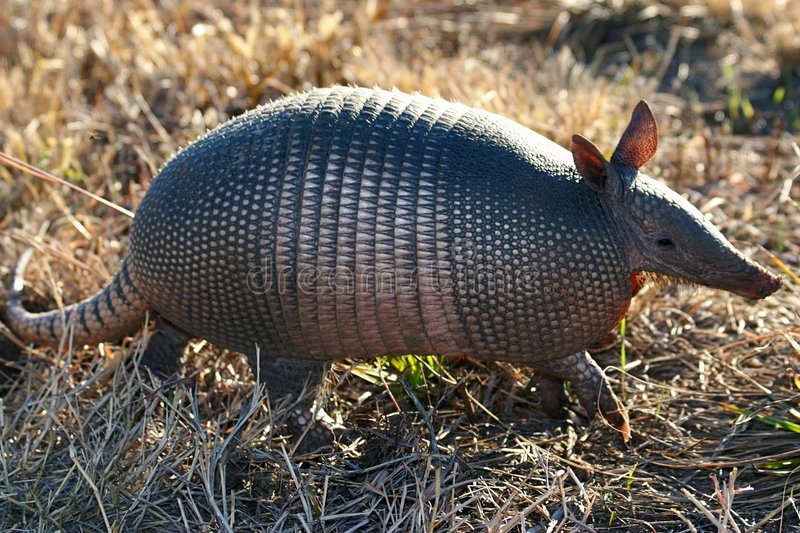
The armadillo, an ancient mammal that first appeared 65 million years ago, is currently represented by approximately 20 different species, the most common of which in the US is the nine-banded armadillo. It averages 0.75 m in length (including the tail) and 6 kg in weight. The armadillo boasts a unique carapace, or hard, protective outer shield encasing the body, covered with a dark brown keratin layer. Beneath this layer is a well organized arrangement of bony tiles that are closely compacted and connected by collagen fibers. The carapace is divided into five regions: head, pectoral, banded, pelvic shields and tail. The tiles are hexagonally shaped in the pectoral and pelvic regions and triangular along the mid-section.

Habitat

The nine-banded armadillo is distributed from northern Argentina to the southern US, living in a wide range of environmental conditions. The armadillo is most active at dusk and during the night in order to avoid predators and extremes of temperature, though this varies with climate and seasonality. The nine-banded armadillo, compared with most eutherian mammals, has an atypical endothermy characterized by low and variable metabolic rates and body temperatures. Some armadillos are insectivores, but many species, like those of the genus Dasypus, also feed on fruits, roots and small vegetables. Armadillos swallow their prey together with soil particles, which provide iron.

Behavior

Armadillos dig burrows for their homes or to escape predators, and a single armadillo can have several different burrows with multiple entrances. Pregnant females always give birth to identical quadruplets. She produces one egg that splits into four identical offspring that are either all female or all male. This trait differs from most other mammals.

Armadillos are fascinating in other respects. When they need to cross narrow water bodies, they often walk on the bottom underwater. If it is a wide body of water, they will inflate their stomach to twice its normal size, allowing for enough buoyancy to swim across. When startled, armadillos often leap high into the air, and then run quickly to a nearby burrow.

Feeding

Armadillos are largely insectivores but may consume fruit when available. Their skull, jaw and teeth are adapted to a specialized diet. Their tongue is sticky with rear facing hooks giving the tongue a rough texture. The armadillo’s diet consists mainly of invertebrates including insects (beetles, wasps, moth larvae) and also ants, millipedes, centipedes, snails, leeches, and earthworms. The exact composition varies by season, availability and geographic locations. Studies show they also consume fruit, seeds and other vegetable matter. They have been reported to consume newborn rabbits and at least one robin. It is unknown if they merely found these animals dead or not. Other items known to be consumed by armadillo include salamanders, toads, frogs, lizards, skinks, and small snakes.

Populations

The sex ratio by litter is 1 male litter (= 4 identical quadruplets) per 0.78 female litters in Florida. Armadillos probably live 6 to 7 years in the wild. Population density is about one animal per 4 acres but could range as high as two animals per acre.

Problems with armadillos

Armadillos prolific rooting and burrowing can damage lawns and flower-beds. To reduce armadillo damage to your lawn, keep watering and fertilization to a minimum.  Moist soil and lush vegetation bring earth worms and insect larvae to the surface of the soil.  Armadillos can sometimes be enticed to move on by watering areas adjacent to the damage site.  Also, watering gardens in the morning is preferable since the soil can dry out in the afternoon and not be as easily detected by noctournal armadillos. Armadillos can be excluded from small areas with extensive damage by using fencing at least 2 feet high and with an apron buried at least 18 inches deep. Armadillos are also particularly attracted to fermenting fruit. Remove fallen fruit to avoid attracting unwelcome wildlife.

The whale shark

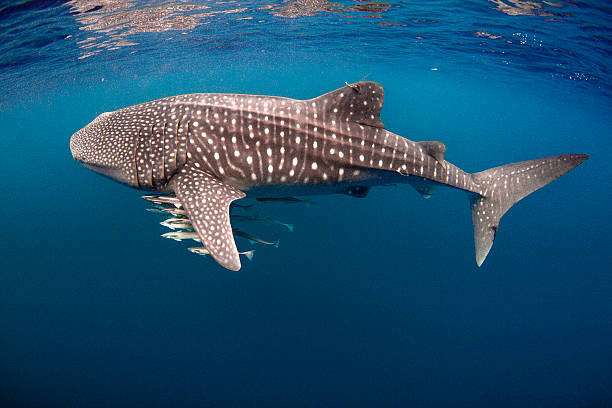
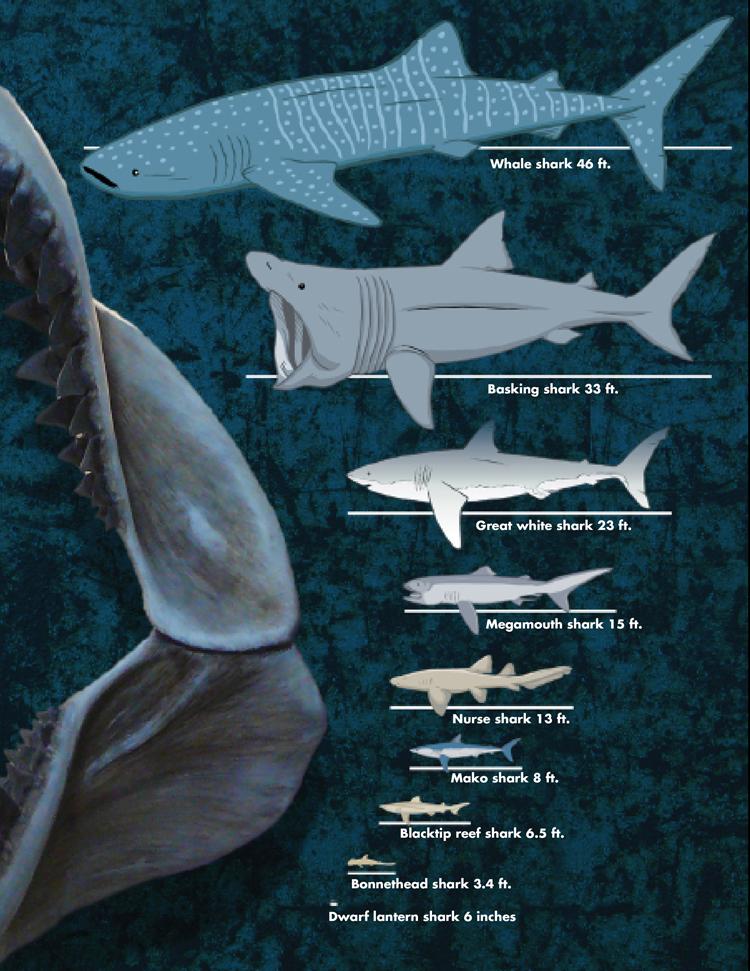
The whale shark (Rhincodon typus Smith, 1828) is the world’s largest fish, reaching 15 meters (m) and 18 metric tons (Colman 1997). The head is broad and flattened with a large terminal mouth, miniscule teeth, and large gill slits. The eyes are small and located just behind the mouth on each side of the head. There are three prominent ridges along the back. The first dorsal fin is larger than the second dorsal fin and is set midway back on the shark. Whale sharks have distinctive markings of pale white spots and stripes on their dark dorsal surface, which resembles a checkerboard pattern. It has been suggested that this checkerboard pattern functions as camouflage in the pelagic environment (Wilson and Martin, 2004). Since the arrangement of spots is specific to the individual, photographic identification libraries are being complied for whale shark populations around the world (ECOCEAN).

Habitat and diet

Though Whale Sharks have several hundred teeth, they don’t use them to eat. Instead, these fish are filter feeders, swimming forward to swallow prey. They are carnivorous, eating krill, crab and fish larvae, small schooling fish, and jellyfish. Humans are not on the menu. 

Whale Sharks live in all warm and tropical seas, are migratory, and swim more than 1,000 metres below the surface. Feeding aggregations occur seasonally at several locations, including Ningaloo Reef.

Where do whale sharks live?

What is well known is that whale sharks live in all of the world’s tropical and warm temperate seas and prefer surface water temperatures of 21 to 25 degrees Celsius. They are migratory, with individuals swimming thousands of kilometers to places where food “pulses,” like mass coral spawning events, at the same time every year. You’ll find no couch-potato habits among whale sharks, despite their size.

Whale sharks are considered to be highly migratory. Some moved over 8,000 miles in approximately three years (Eckert and Stewart 2001). In the Caribbean, specimens tagged off Belize moved westward to Honduras and others northward to the Yucatan peninsula (personal communication, R. Graham Wildlife Conservation Society). There are reports of a few sharks that have moved from Meso-American waters (e.g., Belize, Honduras) into the southern Gulf of Mexico (personal communication R. Graham, Wildlife Conservation Society). Two immature male whale sharks tagged off Holbox, Mexico, moved in different directions. One moved south to Honduras and the other moved north to Brownsville, Texas, (personal communication R. Hueter, Mote Marine Laboratory). There is no information on movements of whale sharks from the Caribbean Sea to the northern Gulf of Mexico.

Behaviour and reproduction

Whale Sharks do give birth to live young, but not in the way you’re thinking. The Whale Shark is oviparous, meaning the female sharks produce eggs that are hatched inside of her. These eggs are not all born at once, but are born in a steady stream over a certain period.

Able to birth around 300 young, Whale Sharks reach sexual maturity at 30 years and live to a total of around 70 to 100 years.

Threats

The Whale Shark population is at risk. Vessel strikes and being caught accidentally by commercial fishing vessels has led the Whale Shark to be considered a vulnerable species. 

Some Facts:

  • Whale Sharks can live up to 100 years.
  • Whale Sharks will often “cough” to clear particles from their filter pads.
  • Whale Sharks are covered in a pattern of spots that is unique to each shark, much like human fingerprints.
  • Sometimes, Whale Sharks allow swimmers to grab their fins and catch a ride!
  • A whale shark’s mouth is about 1.5 m wide. Inside, they have rows of over 300 teeth, but they don’t use these teeth to eat because they’re filter feeders.
  • While they are meat-loving carnivores, whale sharks do not attack humans. They are filter feeders and eat krill, crab and fish larvae, small schooling fish and jellyfish.
  • The whale shark is ovoviparous, meaning the female produces eggs that hatch insider her.
  • When the young are fully developed, the female gives birth to around 300 live young.

Giant pandas no longer endangered!

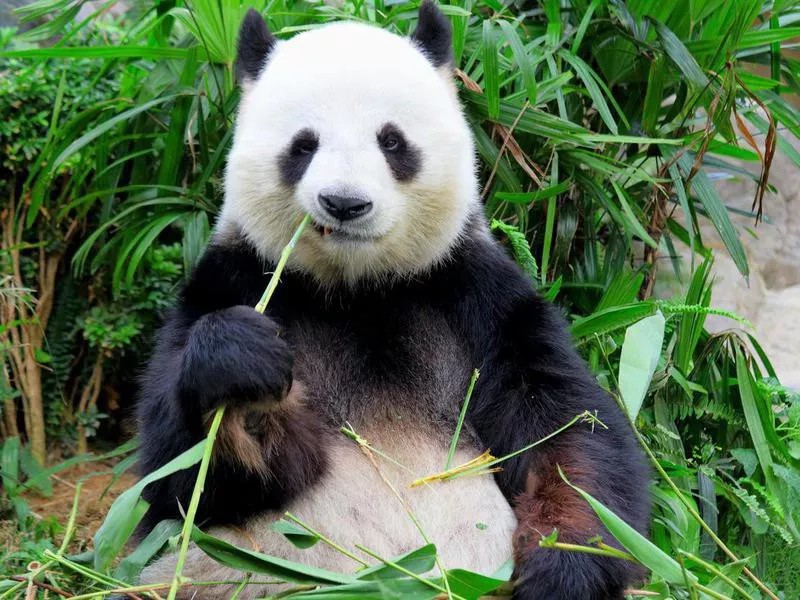
The giant panda (panda bear/ panda) can be found in South Central China, primarily they live in China’s Yangtze river basin. Pandas were actually belongs to group of carnivorous animals but still it eats more of bamboo leaves and shoots. They occasionally eat grasses, wild tubers and even meat of birds or rodents.

Why giant pandas became endangered species of animals?

They were endangered mainly because of habitat loss. During the year of 1984 people of China started to clear bamboo forests which is needed more in number for the survival of pandas because they live in forests, they cannot adapt to live outside the forests and they also eat the same. People used to hunt them to make money from their skins. in the year 1990 pandas were declared as endangered.

Why pandas were removed from list of endangered species now?

After nearly 30 years of struggle to preserve species of giant pandas. Now there is an evidence documenting the increase in population of the pandas. Now 25% China’s land designated for ecological protection according to China’s State Council Information Office.

>>Stay connected to eduindex.org for more updates 🙂

Curiosity (animals)

• Why don’t woodpeckers get a headache?

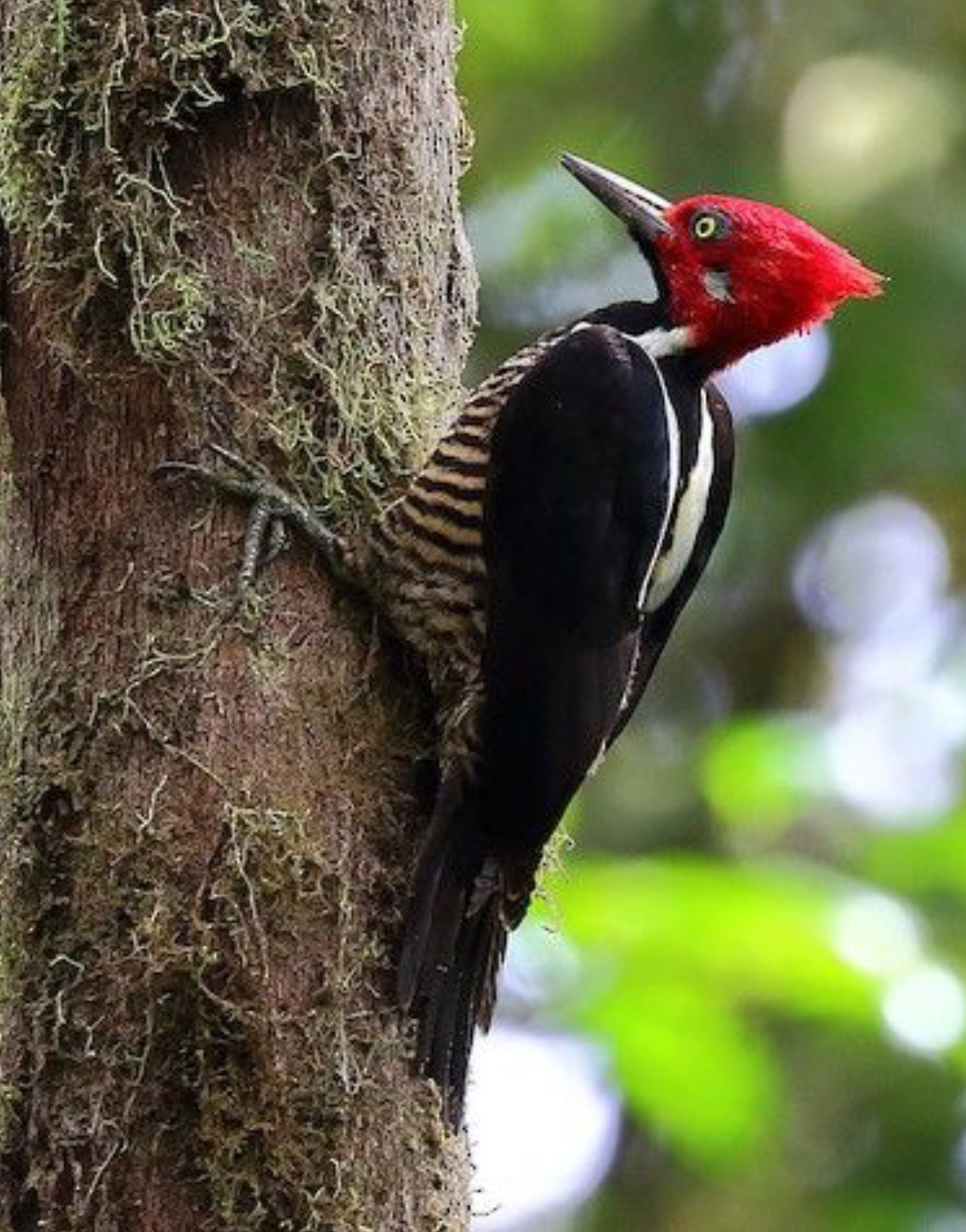
Have you ever seen woodpeckers striking trees with its long beaks? Woodpeckers hit the trees 20 times per second. Yet they don’t get a headache or any other head injury. The reason for thus is that woodpeckers are born with a helmet for the brain, which is formed of strong, thick muscles and sponge like bones in their skull. A woodpecker’s body too is specially designed to absorb the impact of the hit.

A millisecond before a woodpecker’s bill strikes on a tree dense muscles in the neck contract. Some of the force radiates down the neck muscles and protect the skull from a huge impact. A compressible bone in the skull offers a cushion effect too.

• Why aren’t spiders caught in their own webs?

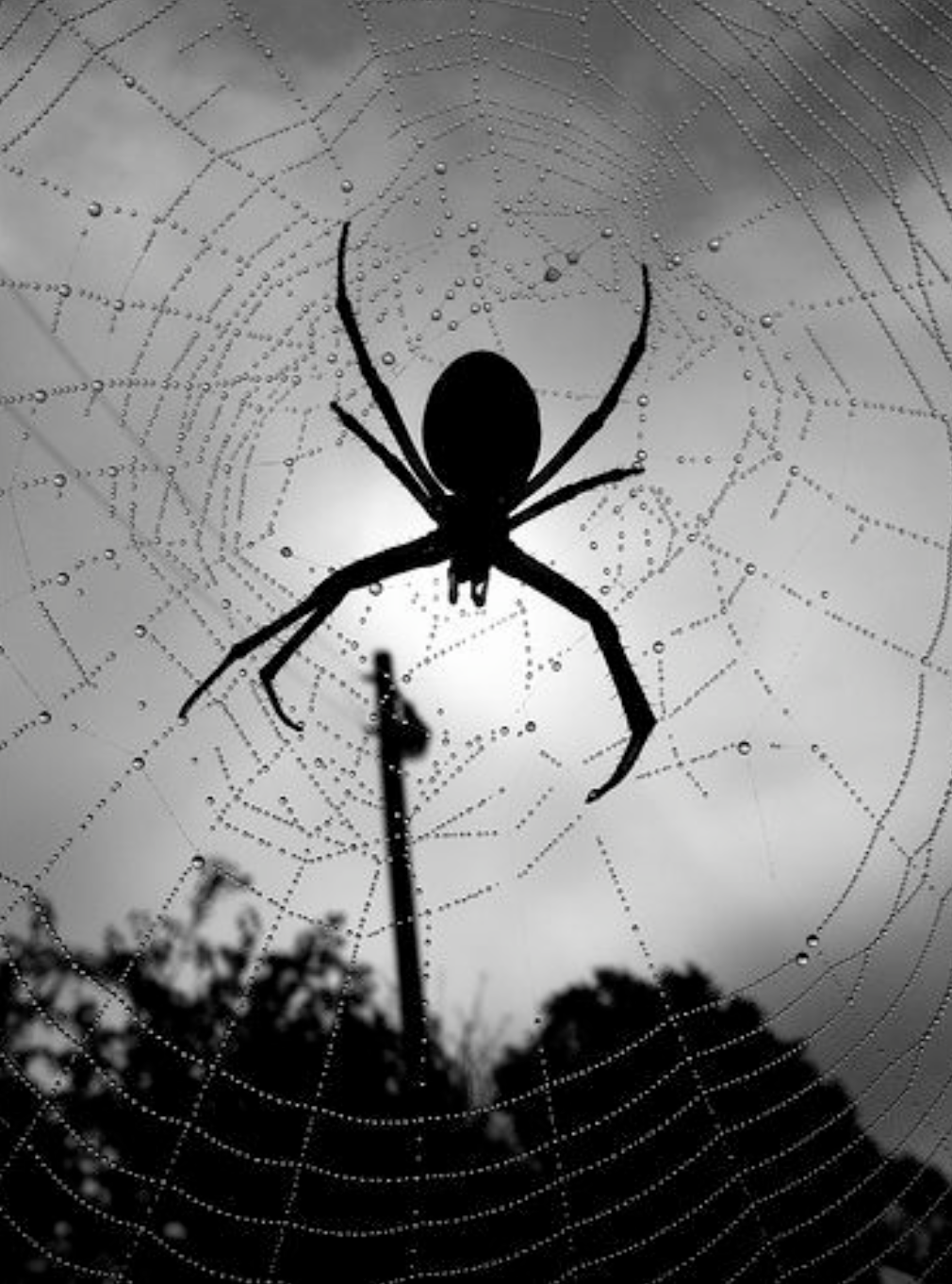
Spiders spin their webs in a circular pattern that is spotted with sticky glue. When an insect brushes against these drops – each thread can carry several dozen per millimetre – it gets stuck and the spider rushes over to inject it with venom or cocoon it in silk. The question of course is how does the spider escape its own glue tracks? The answer lies in the fact is that the web is the spider’s home and it knows its way around the glue traps. There are some threads in the web that have no glue on them and the spider is careful to move only on these threads. It is also believed that spiders use an oily coating on their legs to protect themselves from getting stuck in their own webs!

Colourless rainbow

There are some rainbows that are colourless. They are called fogbows and are formed when the sun shines through a fog. The drops of water in the fog are too small to split up light into it’s different colours, so the fogbow is white in colour.

• What do we know about left handed animals?

Most people are right handed, though about one in ten among us is left handed. Animals like chimps, hump back whales and even toads favour one hand, paw, claw or fin over the other. Chimpanzees use both hands with ease, but have a preference for the right hand. Toads also prefer their right side to perform differ functions. Polar bears on the other hand, are left handed.

Some species of parrot such as the sulphur- crested cockatoo are entirely left handed, while others, including the king parrot are mainly right handed. The majority of parrots – including the budgie, galah and rainbow lorikeet use both claws comfortably. Female cats are more inclined to be right handed while male cats favour their left paws. The same is true for dogs. Interestingly, dogs wag their tails to the right when relaxed and to the left when agitated!

Thank you for reading. Have a nice day!🌼

Zoo

The world is a huge place to see. It consists of so many living organisms that it is impossible to see each and every one of them. Especially for human beings, who are fascinated very much by animals. For the same reasons, zoos were created so that humans can interact better with animals. In other words, a zoo is a facility that has animals, birds, and reptiles of all kinds. They are confined to space where they are given food and medical facilities. The government has given strict guidelines to maintain a zoo. This is done keeping in mind the animal’s safety. In addition, zoos are made breeding grounds for animals to protect their species.

Benefits of Zoo

Zoos were made to bring wildlife closer to humans. It gave humans a better and up-close view of them. This allows various researchers and scientists to note the behavioral pattern of the animals. It helps them in their studies and discover new things. In addition, zoos are a great source of entertainment for kids. They love visiting zoos and interacting with animals. This helps them learn practical knowledge about the animal. It also gives them exposure to wildlife and widens their knowledge. Furthermore, zoos give us easy access to rare animals. Had it not been for zoos, we would have never been able to see what some animals looked like. We enjoy their behavior and it also creates awareness about the extinction of the rare species. Similarly, zoos are a safe breeding ground for animals. They ensure the animal breeds so they never go extinct. This helps in creating a good balance. Moreover, the zoos ensure the animals get all the nutrition in their bodies to lead a healthy life. This is beneficial as the animal may not get guaranteed meals in the forests.

Disadvantages of Zoo

While the zoo is a great place for entertainment, it is also very exploitive. It takes advantage of the poor animals to make a profit off them. The zoos keep animals in very bad conditions. It takes unethical methods just to create revenue.

Furthermore, zoos are very unfair to animals. They take the animals out of their natural habitats just for the sake of human entertainment. Why would the animals be put into cages as humans want them to? They are voiceless creatures who are being forced to live in poor conditions. Imagine putting humans into cages so animals could come to see them. It sounds inhumane the other way around but not when we do the same to animals.

Most importantly, zoos do not take proper care of exotic animals. They bring them over in their facility despite knowing that they cannot survive in that climate. Some zoos do not take enough precautionary measures to keep the animals safe. This has resulted in so many deaths of animals that it seems cruel.

In short, though zoos are very helpful to humans and animals to an extent. They must be monitored constantly to ensure the animals are safe. The unethical zoos must be shut down at once to prevent any further loss of animals.

The cat families… part 2

this is the continuation article of part 1

26.Maine Coon cat:

undefined
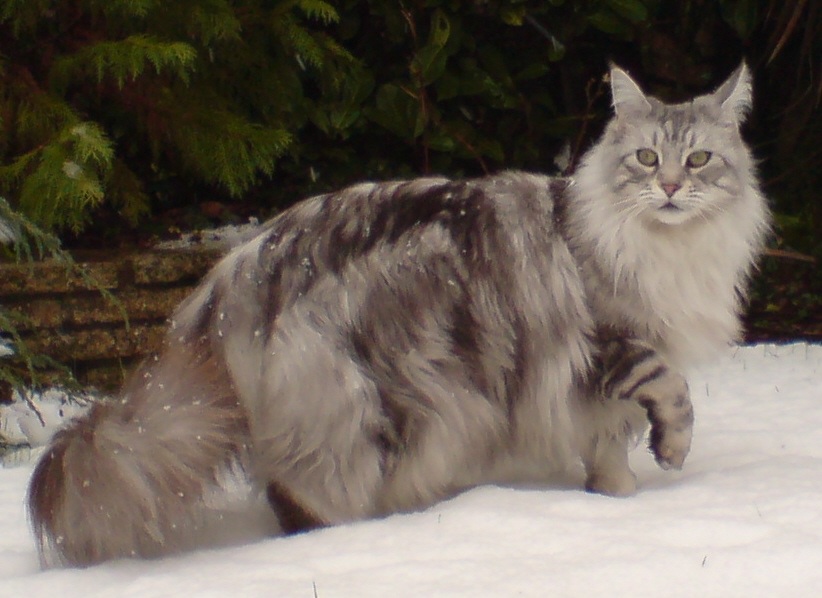
Maine coon cat, North America’s only native breed of the longhaired house cat . Though its origins are unknown, it had been first shown in Boston in 1878. Maines is large, muscular, and heavy-boned; they’ll are named for his or her raccoon-like tail. Excellent mousers, they’re known for his or her gentleness, intelligence, and type disposition, and are especially good with children and dogs. Most are brown tabbies.

27.Manx:

undefined
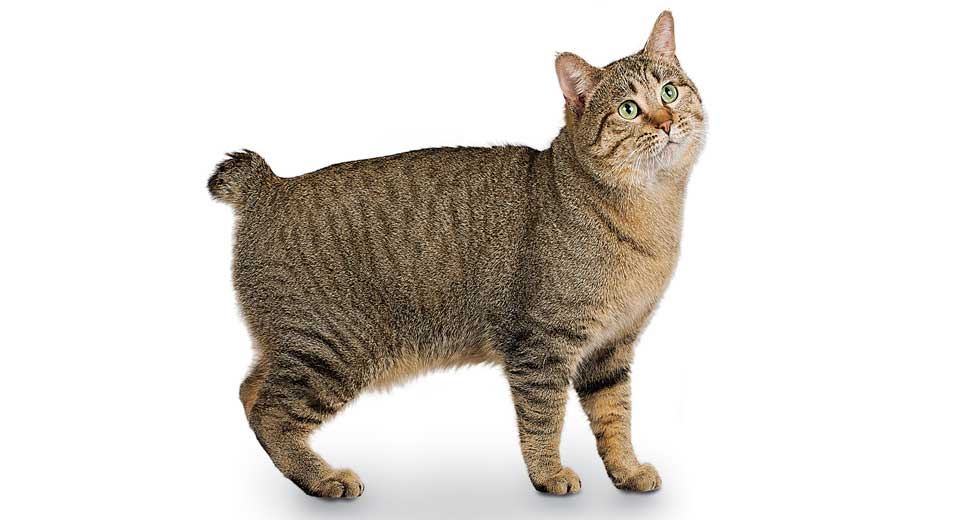
Manx, breed of the tailless house cat of unknown origin but presumed by tradition to possess come from the Isle of Man. Noted for being affectionate, loyal, and courageous, the Manx is distinguished both by its taillessness and by its characteristic hopping gait. it’s compactly built, with a rounded head; large, round eyes; and little , wide-set ears. The rump is additionally rounded and, because the hind legs are considerably longer than the forelegs, is distinctly above the shoulders. The Manx could also be born with a tail but ideally should be totally tailless with a hollow at the top of the backbone where the basis of the tail should be. The double coat could also be any solid, variegated, or tabby color.

28.marbled cat:

undefined
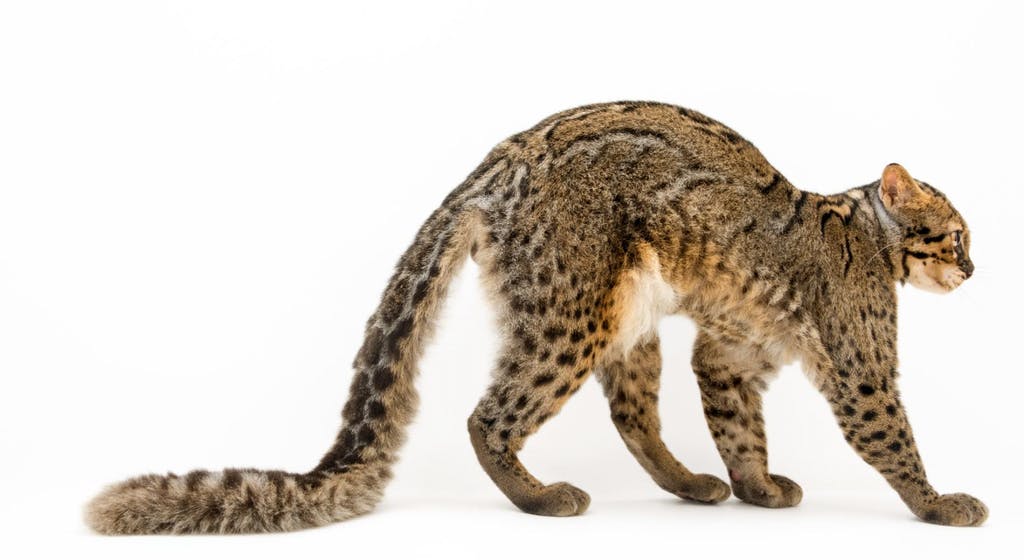
Marbled cat rare Southeast Asian cat, Felidae , often mentioned as a miniature version of the unrelated clouded leopard. The marbled cat is about the dimensions of a domestic cat; it measures roughly 45–60 cm long, excluding a tail of roughly an equivalent length. The coat is long, soft, and pale brown to brownish-gray, with large, dark-edged blotches on the body and smaller dark spots on the legs and tail. The marbled cat is nocturnal and lives in jungles, and should prey on small animals and birds.

29.margay:

undefined
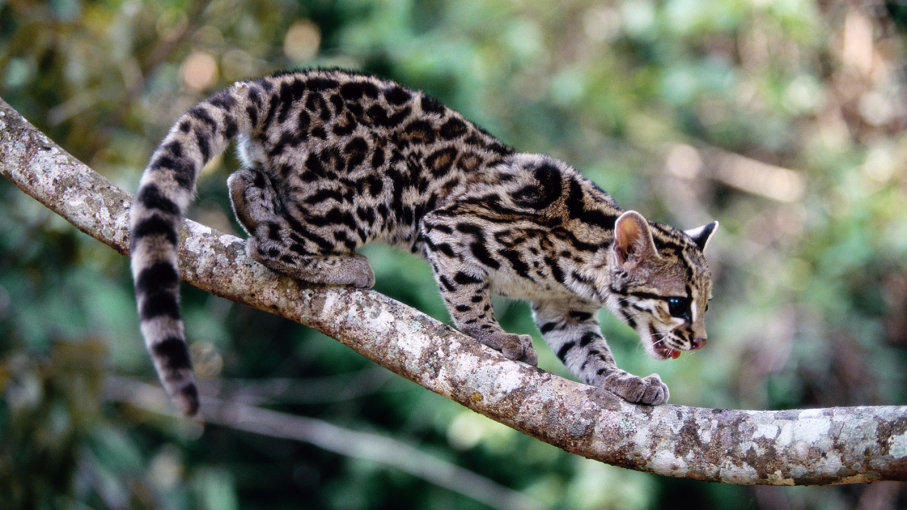
Margay also called tiger cat or tigrillo, alittle cat that ranges from South through Central America and, rarely, into the acute southern us . Little is understood about the habits of the margay. It lives in forests and presumably is nocturnal, feeding on small prey like birds, frogs, and insects. it’s largely arboreal and has specially adapted claws and feet that enable it to scamper up tree trunks and along branches with ease. The margay resembles the related ocelot but features a longer tail and fuller face, emphasized by large, dark eyes and rounded ears. The male attains a maximum length of about 1.1 meters, including a tail about 46 cm long, and weighs up to about 16 kg. the feminine is usually smaller and features a relatively long tail. Coloration varies from pale gray to chocolate with dark markings like spots, stripes, bands, and black-edged blotches. When hand-reared from a kitten, the margay reportedly is definitely tamed; as an adult, however, it’s going to become unpredictable.

30.ocelot:

undefined
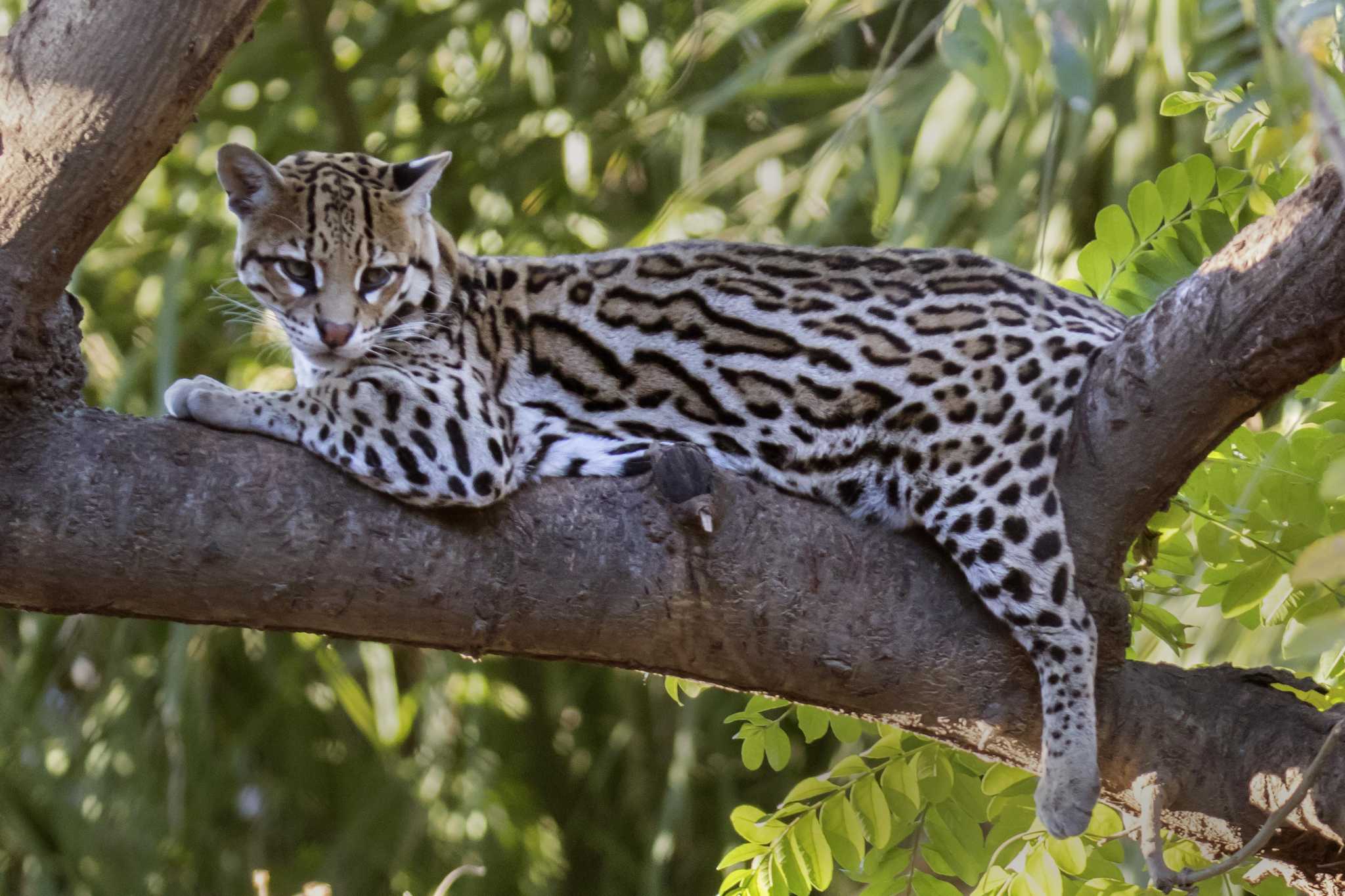
the spotted cat of the New World found in lowland areas from Texas southward to northern Argentina. The short, smooth fur is patterned with elongated, black-edged spots that are arranged in chainlike bands. The cat’s upper parts vary in color from light or tawny yellow to gray. There are small black spots on the top , two black stripes on each cheek, and 4 or five black stripes along the neck. The ocelot’s underparts are whitish, spotted with black, and therefore the tail is marked on the side with dark bars or blotches.

31.Pallas’s cat:

undefined
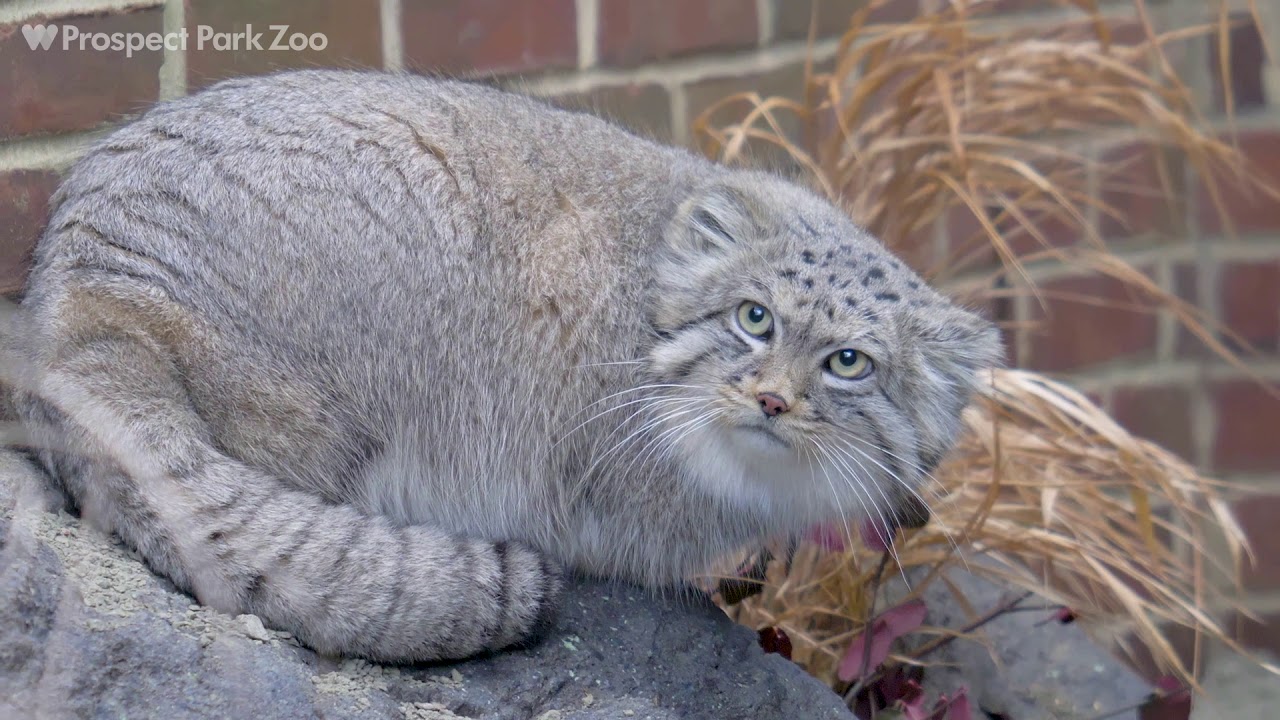
Pallas’s cat also called Steppe Cat, or Manul, small, long-haired cat native to deserts and rocky, mountainous regions from Tibet to Siberia. it had been named for the naturalist Peter Simon Pallas. The Pallas’s cat may be a soft-furred animal about the dimensions of a domestic cat and is pale silvery gray or brown in color. the top of its tail is ringed and tipped with black, and a few individuals have vague, dark markings on the body. The fur of the underparts is about twice as long as that of the upperparts and possibly represents an adaptation to the cat’s habitual lying and crouching on the cold ground.

32.pampas cat:

undefined
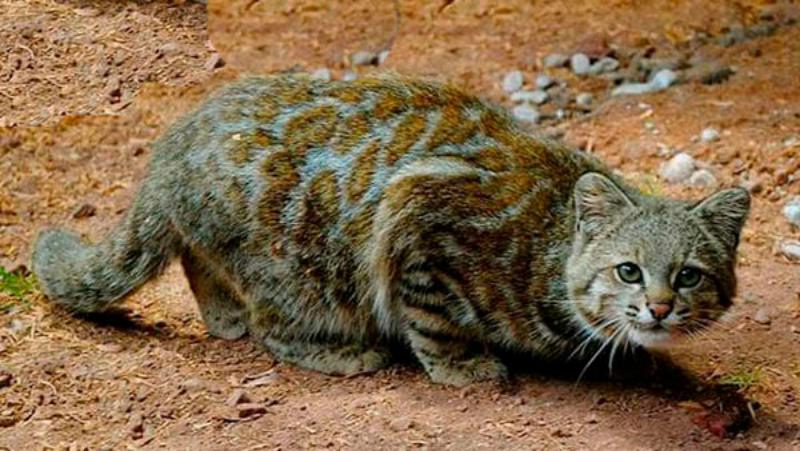
Pampas cat small cat, Felidae , native to South America. it’s about 60 cm long, including the 30-centimeter tail. The coat is long-haired and grayish with brown markings which in some individuals could also be indistinct. Little is understood about the habits of the pampas cat. it’s reported to measure in thick shrubbery and to hunt birds and little animals in the dark .

33.puma:

undefined
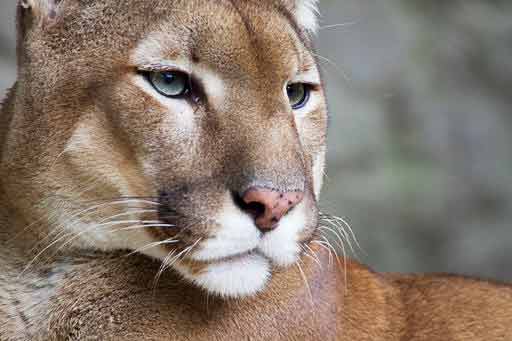
Puma also called cougar , cougar, panther, or catamount, large brownish New World cat comparable in size to the jaguar—the only other large cat of the occident . The puma, a member of the Felidae , has the widest distribution of any New World mammal, with a variety extending from southeastern Alaska to southern Argentina and Chile. Pumas sleep in a spread of habitats, including desert scrub, chaparral, swamps, and forests, but they avoid agricultural areas, flatlands, and other habitats lacking a canopy . Six subspecies of Puma concolor are recognized by most classifications.

34.Rex cat:

undefined
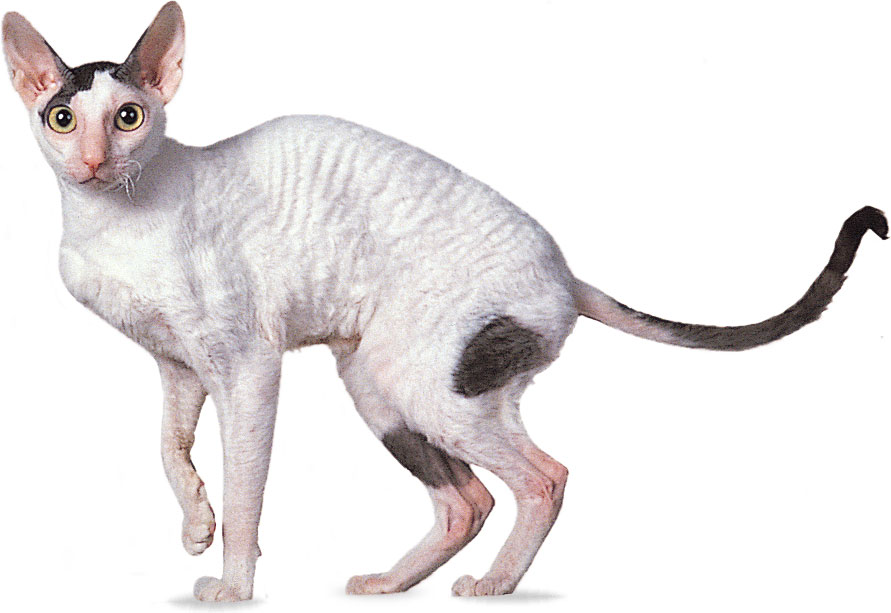
Rex cat, curly-coated breed of house cat that features a dense, soft coat lacking any projecting guard hairs, or outer coat. Except on the top , legs, and paws, the coat forms fairly deep waves, or crimps. The eyebrows and whiskers of the Rex cat are crinkled, the eyes are almond-shaped, and therefore the ears are large and high set. The adult Rex cat is slender and typically has long legs, an extended neck and head, and an extended , tapering tail. Show cats could also be any of the colours or patterns that are accepted for domestic cats.

35.tiger:

undefined
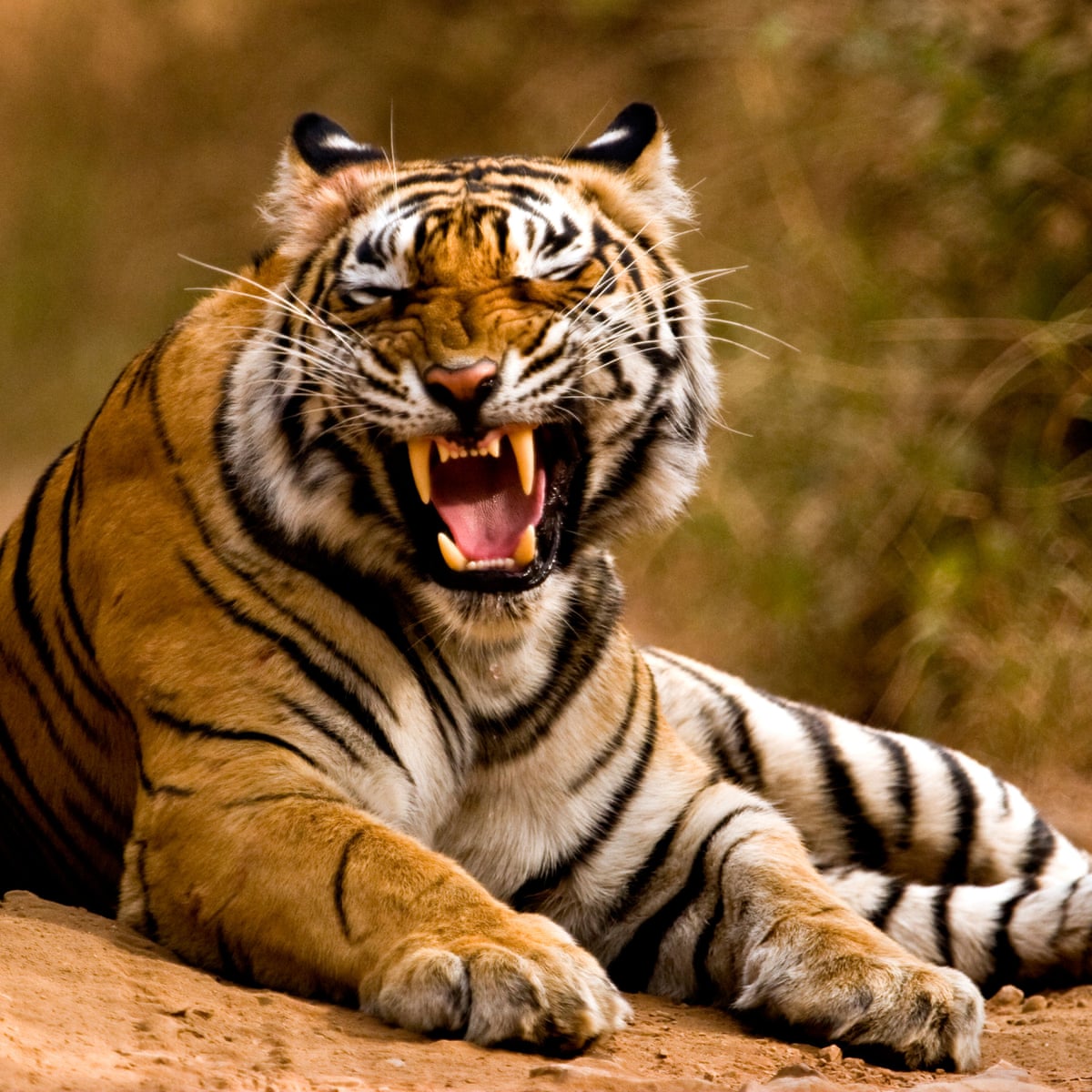
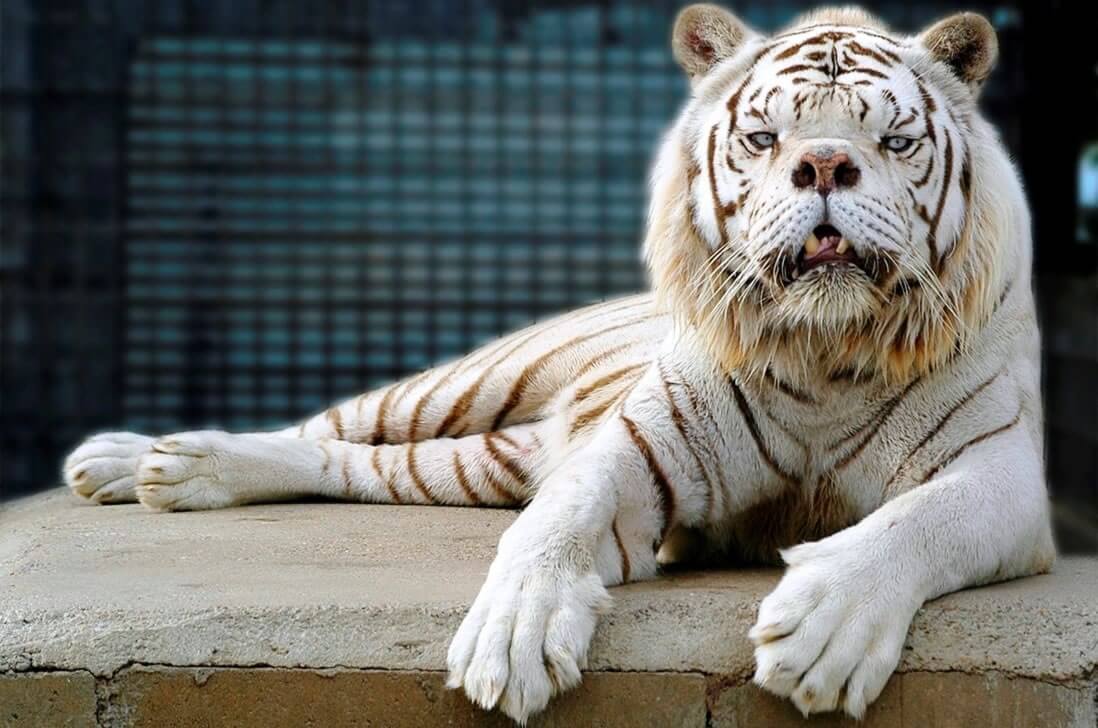
Tiger’s largest member of the cat family, rivaled only by the lion in strength and ferocity. The tiger is endangered throughout its range, which stretches from the Russian Far East through parts of North Korea , China, India, and Southeast Asia to the Indonesian island of Sumatra. The Siberian, or Amur, the tiger is that the largest, measuring up to 4 meters in total length and weighing up to 300 kg. The Indian, or Bengal, the tiger is that the most numerous and accounts for about half the entire tiger population. Males are larger than females and should attain a shoulder height of about 1 meter and a length of about 2.2 meters, excluding a tail of about 1 metre; weight is 160–230 kg, and tigers from the south are smaller than those of the north.

36.tigon:

undefined
Tigon, offspring of a tiger and a lioness. The tigon, or tiglon, may be a zoo-bred hybrid, as is that the liger, the merchandise of the reverse mating of a lion with a tigress.

The cat families…Part 1

Felis catus also called house cat or domestic cat, domesticated member of the family Felidae, order Carnivora, and the smallest member of that family. Like all felids, domestic cats are characterized by supple low-slung bodies, finely molded heads, long tails that aid in balance, and specialized teeth and claws that adapt them admirably to a life of active hunting. Cats possess other features of their wild relatives in being basically carnivorous, remarkably agile and powerful, and finely coordinated in movement.

there are more than, 45 types of cat family members are present around the globe, which include the king lion, tiger, leopard, and many more. Here is the information regarding it.

1.Abyssinian:
undefined
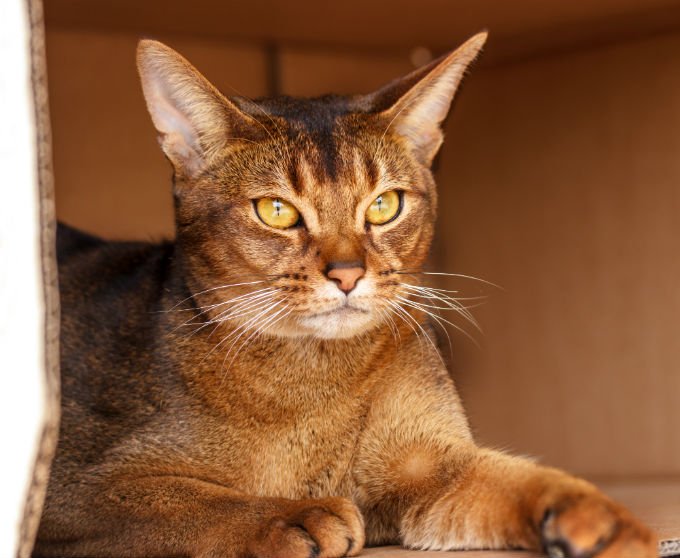
Abyssinian, breed of domestic cat, probably of Egyptian origin, has been considered to approximate the sacred cat of ancient Egypt more closely than any other living cat. The Abyssinian is a lithe cat with relatively slender legs and a long, tapering tail. The short, finely textured coat is ruddy reddish-brown, with individual hairs of the back, sides, chest, and tail distinctively ticked, or tipped, with bands of black or brown. The nose is red, the eyes are hazel, green, or gold, and the tail tip and backs of the hindlegs are black. The Abyssinian is noted for being affectionate and quiet, though generally shy with strangers.

2.African wildcat:
undefined
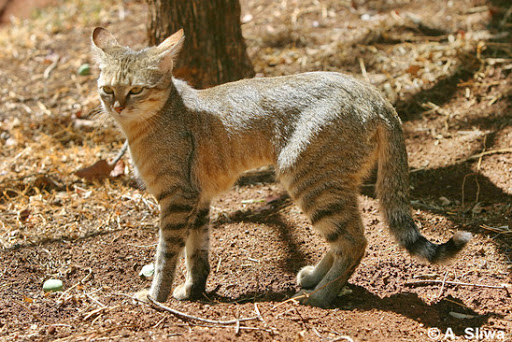
The African wildcat, also called Egyptian wildcat, small, tabby like a cat (family Felidae) found in open and forested regions of Africa and Asia. Likely the first cat to be domesticated, the African wildcat is somewhat larger and stockier than the modern house cat, with which it interbreeds readily. Its coat, paler in the female, is light or orange-brown with narrow dark stripes. The length of the animal is about 70 cm (28 inches), excluding the 40-cm tail; shoulder height averages 23 cm (9 inches), and the cat weighs about 3.5 kg (7.7 pounds). The African wildcat is a solitary nocturnal hunter that preys mainly on birds and small mammals. Mating generally occurs early in the year, and a litter of two to five kittens is born about 56 days later.

3.black panther:
undefined
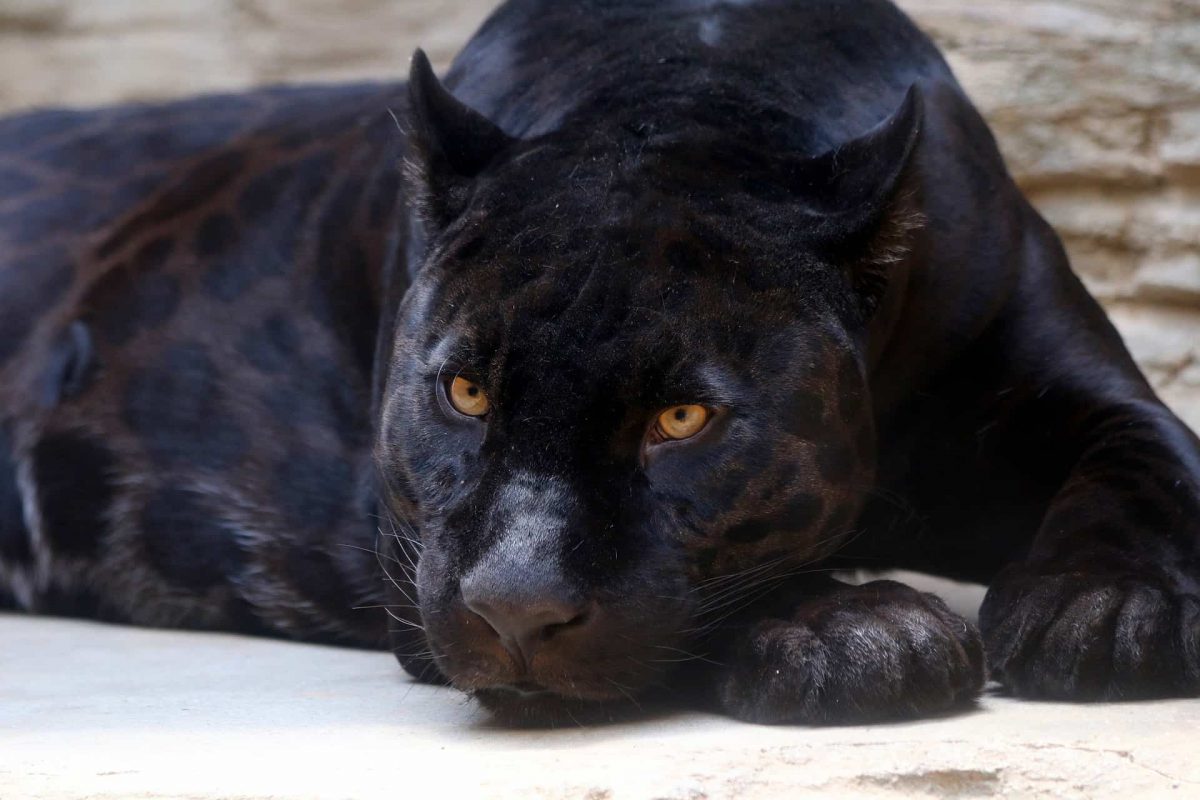
Black panther, colloquial term used to refer to large felines classified in the genus Panthera that are characterized by a coat of black fur or large concentrations of black spots set against a dark background. The term black panther is most frequently applied to black-coated leopard of Africa and Asia and jaguars of Central and South America; black-furred variants of these species are also called black leopards and black jaguars, respectively. Besides, the term is sometimes used to describe dark-colored bobcats, lynx, jaguarundis, tigers, and pumas, even though reports of black-colored representatives of some species, such as the puma, have not been confirmed.

4.bobcat:
undefined
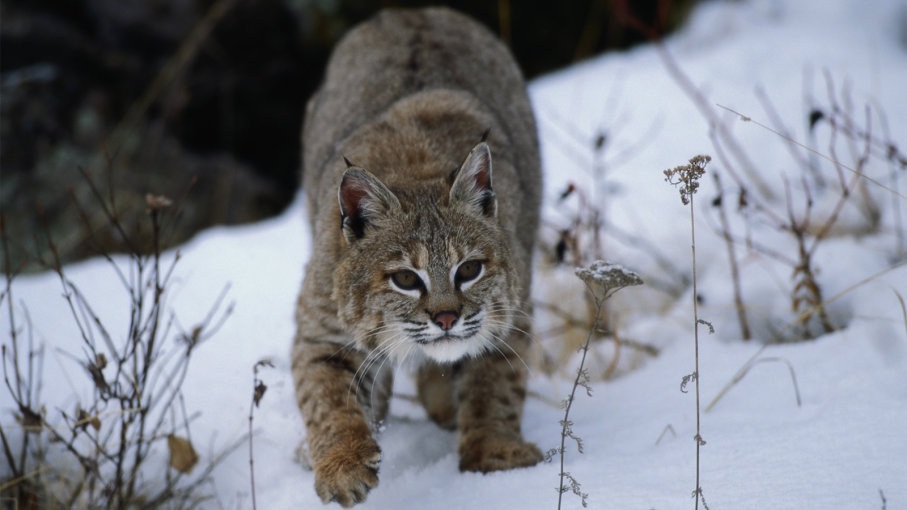
Bobcat, also called bay lynx or wildcat, bobtailed North American cat, found from southern Canada to southern Mexico. The bobcat is a close relative of the somewhat larger Canada lynx.

5.calico cat:
undefined
Burmese, breed of domestic cat, presumably of Asian origin. The Burmese are a compactly built cat with a small, rounded head and wide-set, round, yellow, or golden eyes. The short, finely textured, and glossy coat darkens from a milk-chocolate color in the kitten to a rich sable brown in the adult. The underside is paler than the coat; the ears, face, legs, and tail may be darker. The tail is tapered and may be either straight or kinked near the tip.

6.caracal:
undefined
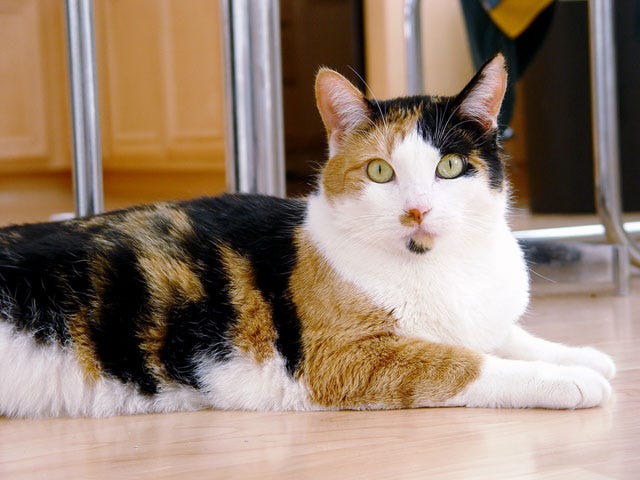
Calico cat, In North America, a blotched or spotted domestic cat, usually predominantly white with red and black patches (a pattern also called tortoiseshell-and-white). Because the genetic determination of some coat colors in cats is linked to the sex chromosome, calicoes are almost always female.

7.cat:
undefined
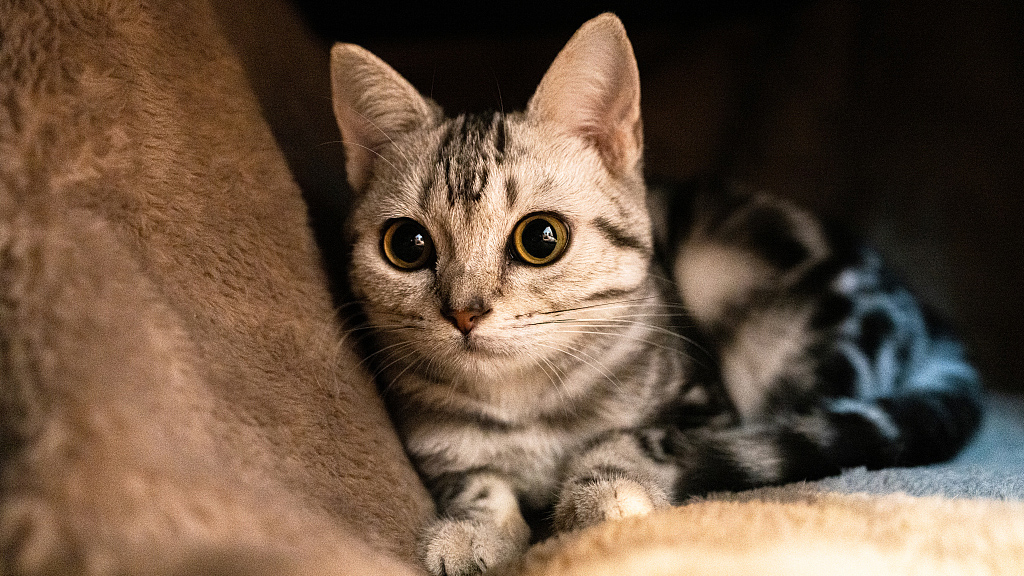
Cat also called house cat or domestic cat, domesticated member of the family Felidae, order Carnivora, and the smallest member of that family. Like all felids, domestic cats are characterized by supple low-slung bodies, finely molded heads, long tails that aid in balance, and specialized teeth and claws that adapt them admirably to a life of active hunting. Cats possess other features of their wild relatives in being basically carnivorous, remarkably agile and powerful, and finely coordinated in movement.

8.cheetah:
undefined
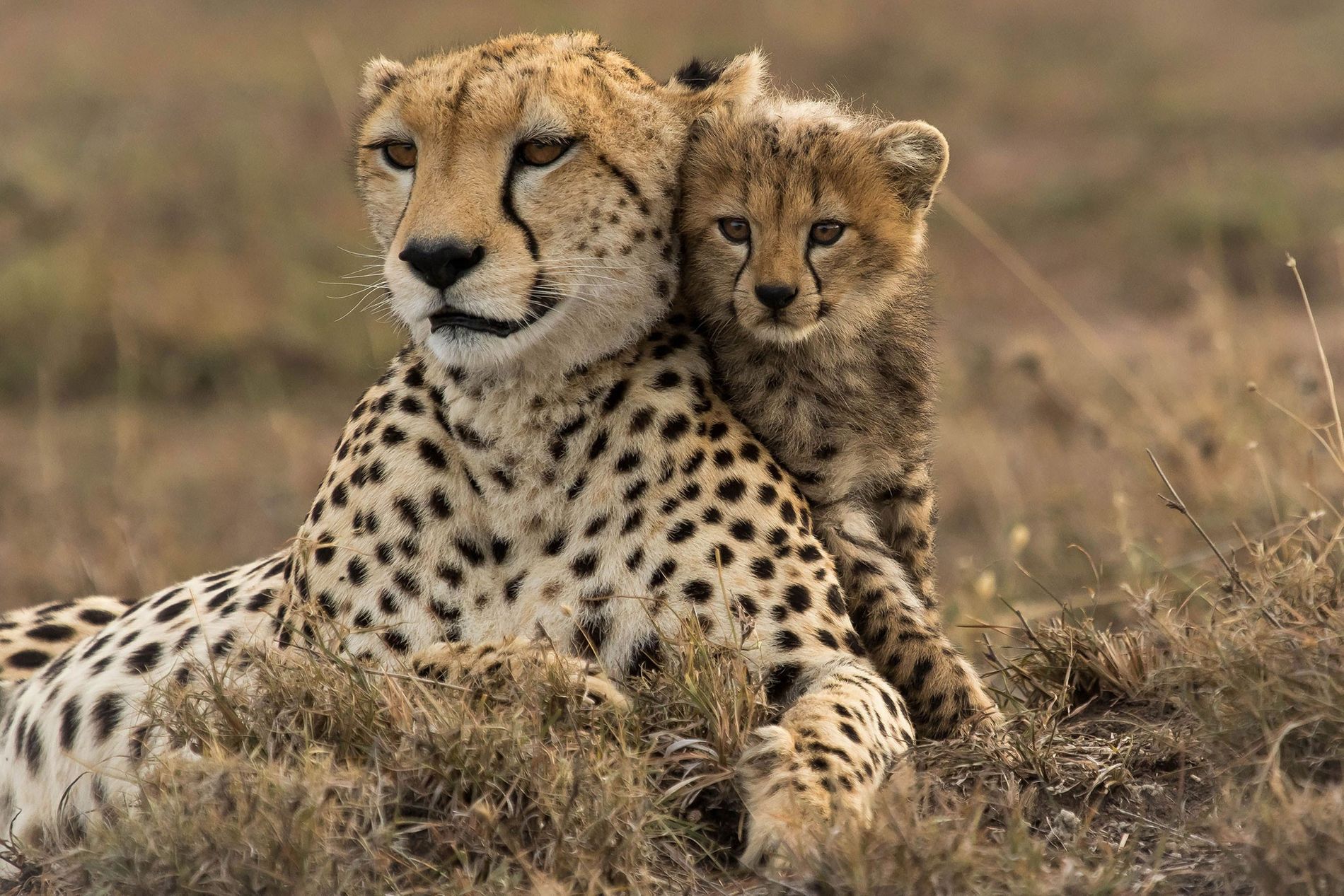
Cheetah, one of the world’s most-recognizable cats, known especially for its speed. Cheetahs’ sprints have been measured at a maximum of 114 km (71 miles) per hour, and they routinely reach velocities of 80–100 km per hour while pursuing prey. Nearly all the cheetahs remaining in the wildlife in Africa.

9.clouded leopard:
undefined
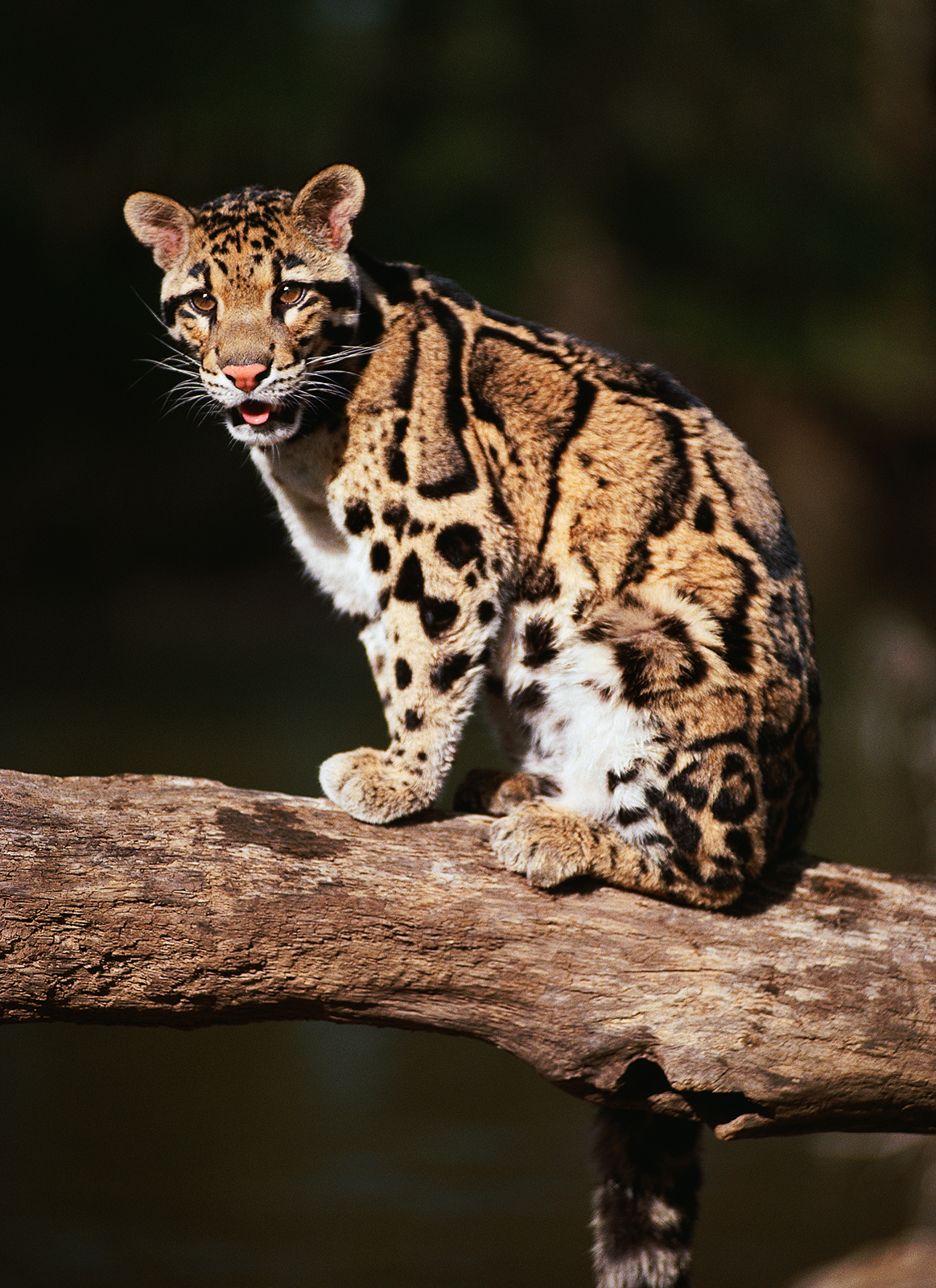
Clouded leopard, also called clouded tiger, strikingly marked cat, very similar in coloring and coat pattern to the smaller, unrelated marbled cat . There are two species of clouded leopard, which are genetically distinct from one another. Neofelis nebulosa, found on the mainland of southeastern Asia, particularly in forests and other wooded regions, and N. diardi, found on the islands of Sumatra and Borneo, are thought to have diverged about 1.4 million years ago. The population of clouded leopards declined sharply in the latter half of the 20th century as a result of hunting and deforestation. They are reported to be nocturnal and to live in trees; they prey on birds and small mammals, such as pigs and monkeys.

10.domestic shorthair:
undefined
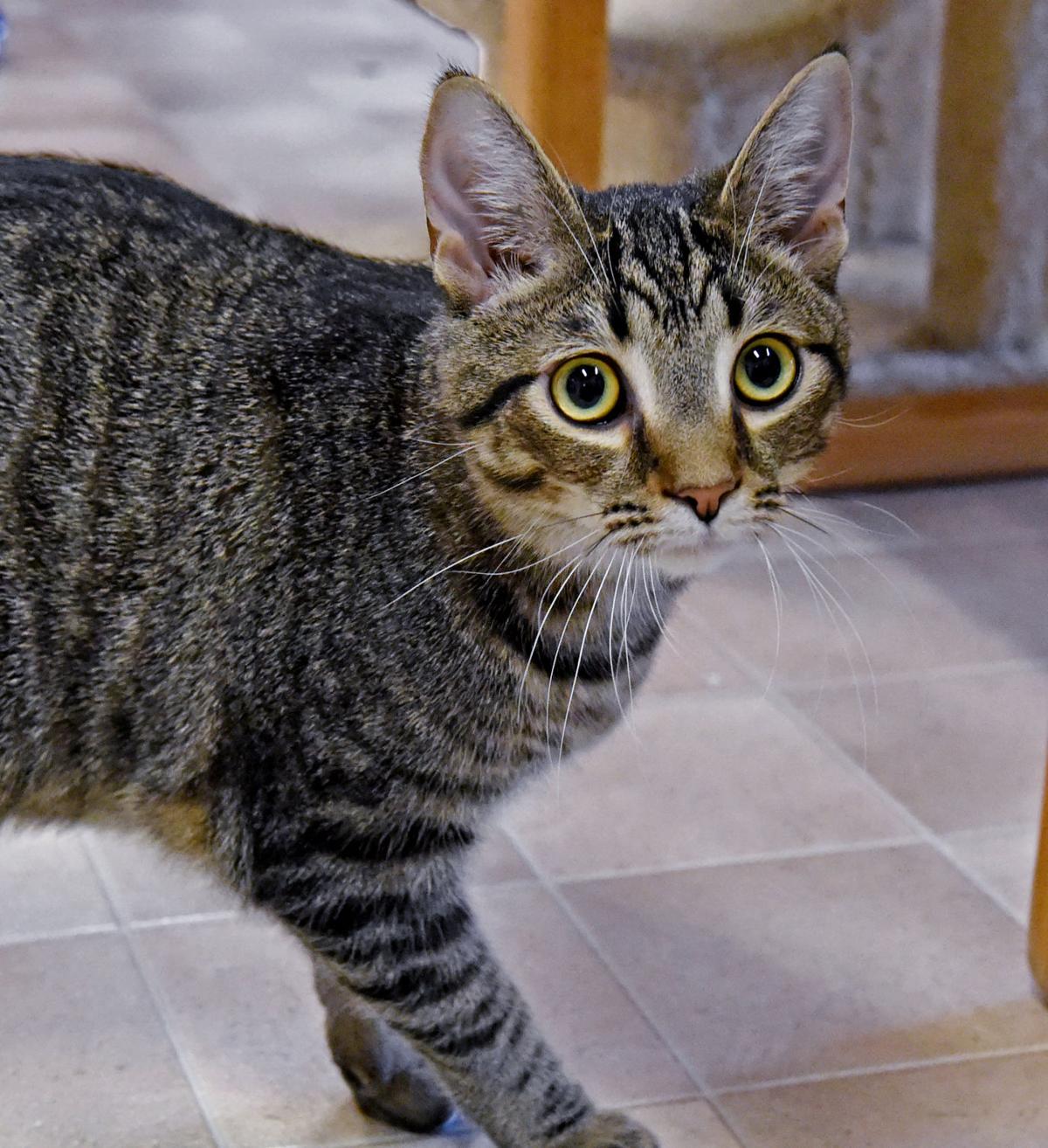
Domestic shorthair, also called British Shorthair, breed of a domestic cat often referred to as a common, or alley, cat; a good show animal, however, is purebred and pedigreed and has been carefully bred to conform to a set standard of appearance.

11.feline:
undefined
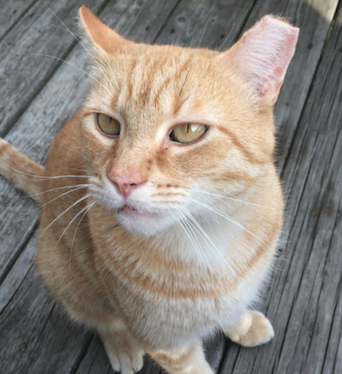
Feline any of 37 cat species that among others include the cheetah, puma, jaguar, leopard, lion, lynx, tiger, and a domestic cat. Cats are native to almost every region on Earth, except Australia and Antarctica. They are carnivorous mammals that live in a wide variety of habitats, but they are typically woodland animals.

12.fishing cat:
undefined
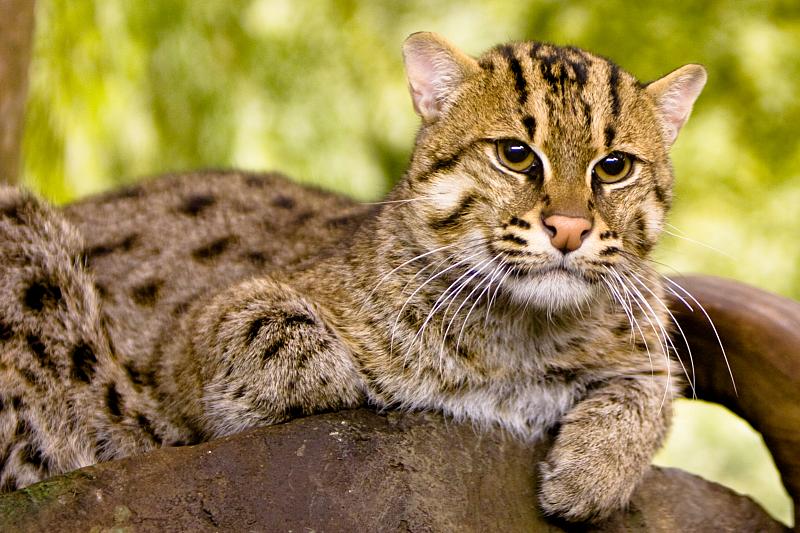
Fishing cat a tropical cat of the family Felidae, found in India and Southeast Asia. The coat of the fishing cat is pale gray to deep brownish-gray and marked with dark spots and streaks. The adult animal stands about 40 cm (16 inches) at the shoulder, weighs 8–11 kg (18–24 pounds), and is from 60 to 85 cm long, excluding the black-ringed tail, which accounts for an additional 25–30 cm. The fishing cat lives near water and in jungles, reed beds, and marshes. It is reported to fish by scooping its prey out of the water.

13.flat-headed cat:
undefined
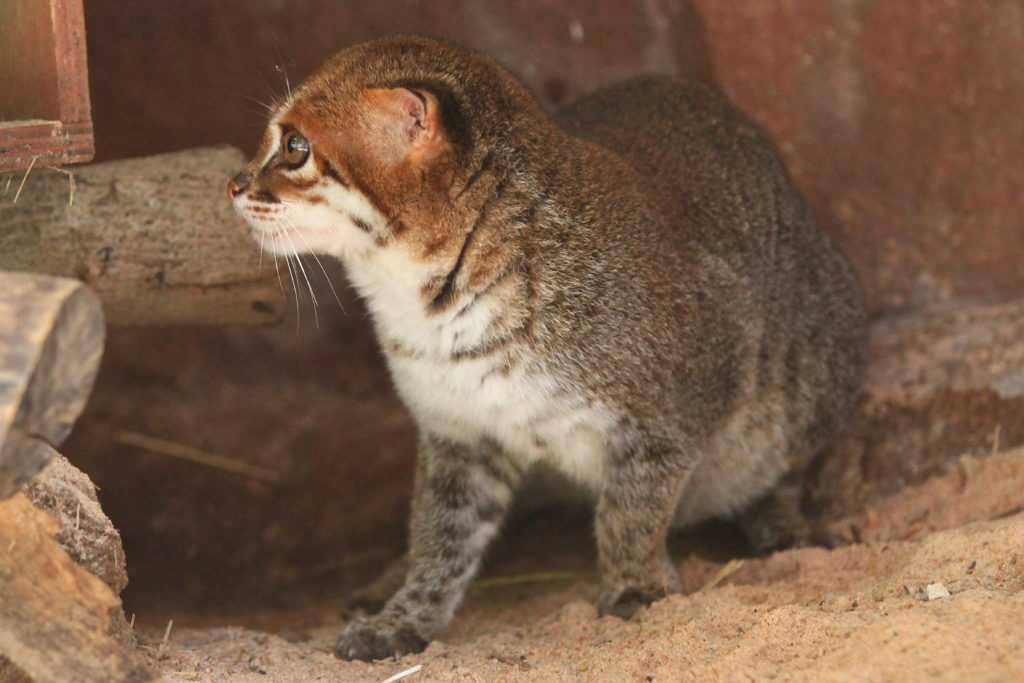
Flat-headed cat extremely rare Asian cat found in the Malay Peninsula, Sumatra, and Borneo. One of the smallest members of the cat family, Felidae, the adult is from 40 to 60 centimeters (16 to 24 inches) long without the 15–20-cm tail and weighs from 1.5 to 2.5 kilograms (3.3 to 5.5 pounds). Its coat is reddish above and white with red spots below; there are white markings around the eyes. It is the only felid known to include any substantial amount of vegetation in its diet, with a preference for fruit and, when available, sweet potatoes and similar foods. Little else is known about this cat, which is reported to be nocturnal and to hunt fish and frogs along rivers.

14.Florida panther:
undefined
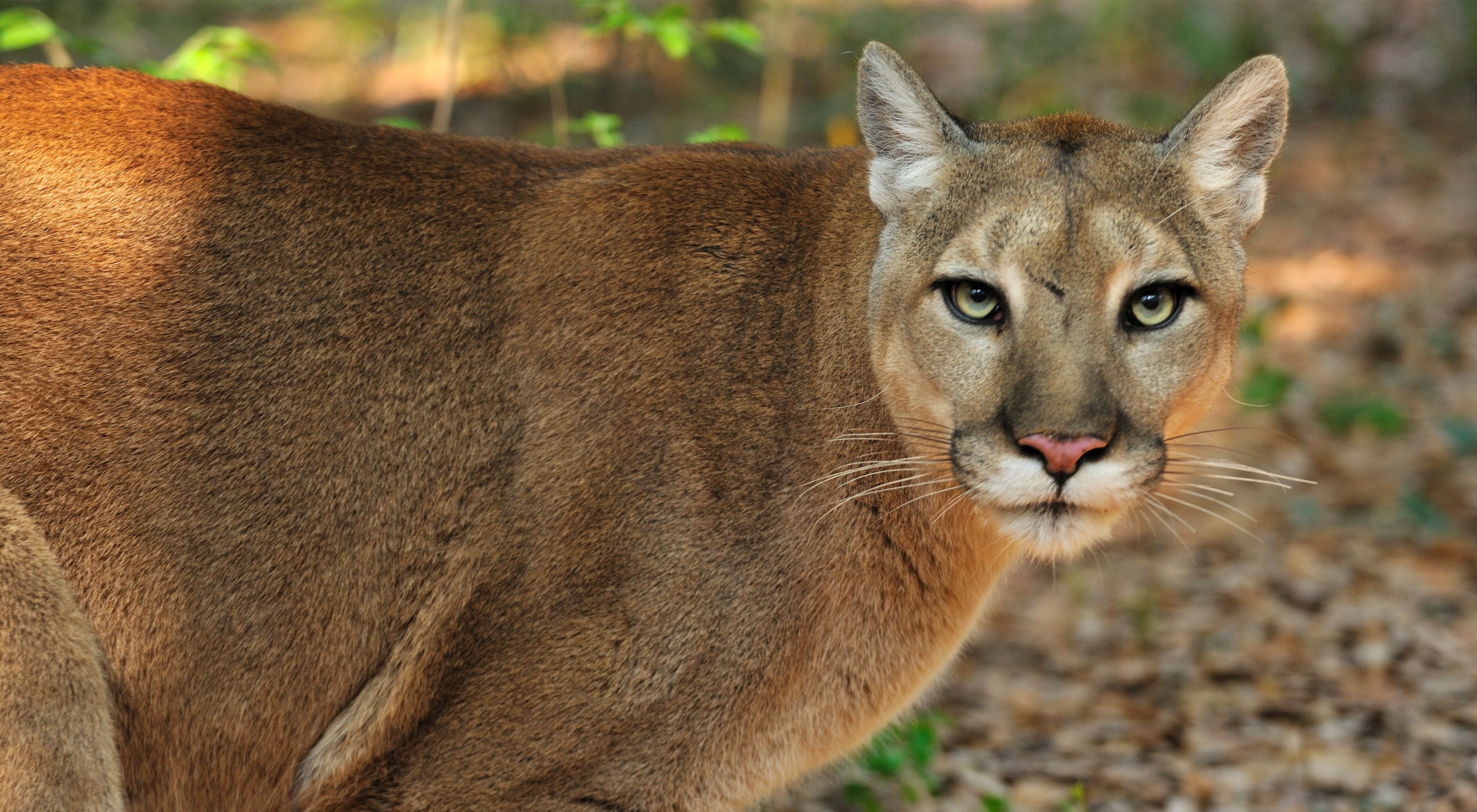
Florida panther, member of a population of large New World cats belonging to the species Puma concolor, family Felidae, confined to a small, isolated, and inbred group in southern Florida. This population is the only breeding group of pumas in the eastern United States. The Florida panther was traditionally classified as a distinct subspecies of puma and was reclassified as a population of the P. concolor cougar subspecies in 2017 after genetic analysis. The Florida panther was one of the first animals listed under the Endangered Species Act when the law first passed in 1973, and it is recognized as the state animal of Florida.

15.Geoffroy’s cat:
undefined
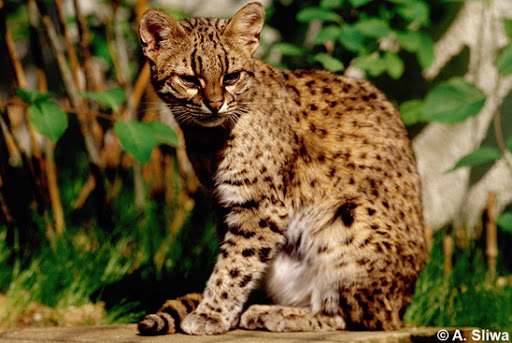
Geoffroy’s cat South American cat of the family Felidae, found in mountainous regions, especially in Argentina. It is gray or brown with black markings and grows to a length of about 90 cm (36 inches), including a tail of about 40 cm (16 inches). Geoffroy’s cat climbs well and preys on small mammals and birds. It breeds once a year; litters consist of two or three kittens.

17.Himalayan:
undefined
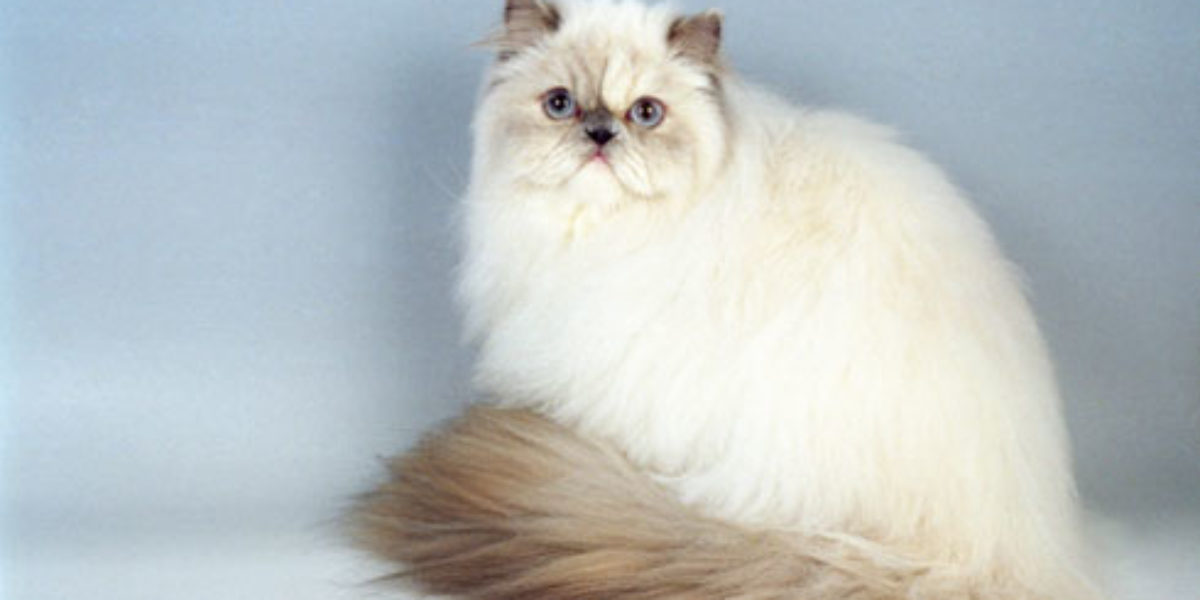
Himalayan, also called colorpoint, or colorpoint, breed of domestic cat with the coloring of the Siamese and the build and coat of the longhair, or Persian. The Himalayan is produced by matings between Siamese and longhairs followed by selected breeding of the offspring to bring out the proper coloring, coat, and build. A good Himalayan is cobby and short-legged with long, soft fur, a broad, rounded head, and round blue eyes. Born cream-colored, it later develops the darker points (ears, face, legs, and tail) of the Siamese. The points, as in the Siamese, maybe deep brown (seal point), lighter brown, blue-gray , pinkish-gray , or reddish-orange .

18.jaguar:
undefined
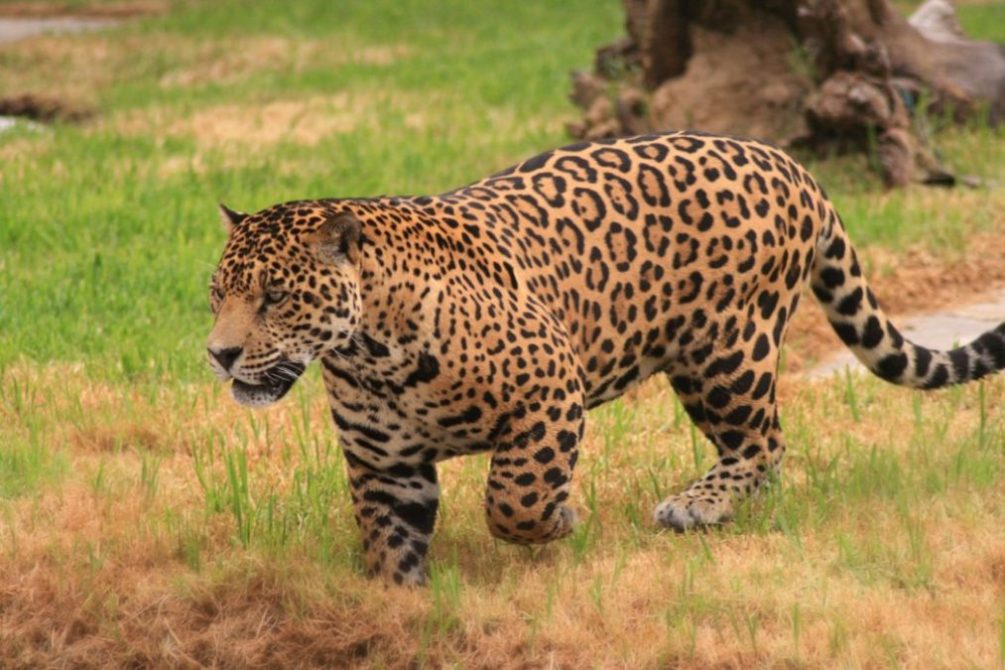
Jaguar also called el Tigre or Tigre americano, the largest New World member of the cat family, once found from the U.S.-Mexican border southward to Patagonia, Argentina. Its preferred habitats are usually swamps and wooded regions, but jaguars also live in scrublands and deserts. The jaguar is virtually extinct in the northern part of its original range and survives in reduced numbers only in remote areas of Central and South America; the largest known population exists in the Amazon rainforest.

19.jaguarundi:
undefined
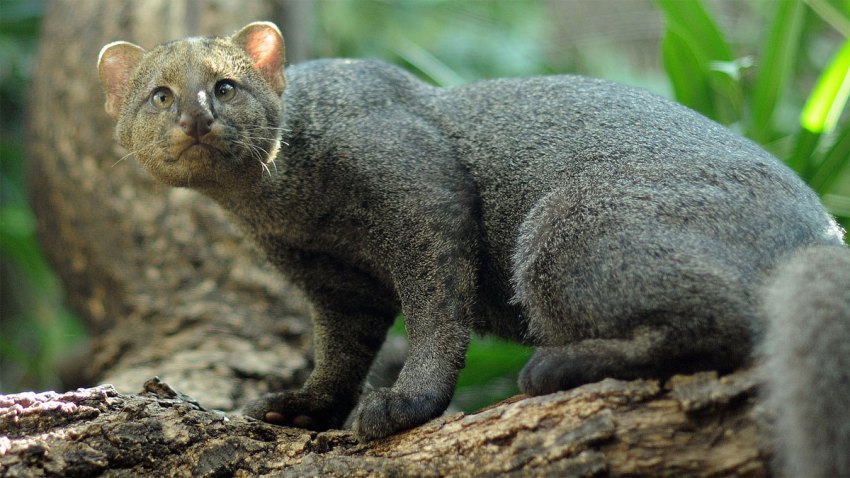
Jaguarundi, also spelled Jaguarondi small, unspotted New World cat (family Felidae), also known as the otter-cat because of its otterlike appearance and swimming ability. The jaguarundi is native to forested and brushy regions, especially those near water, from South America to the southwestern United States; it is, however, very rare north of Mexico.

20.leopard:
undefined
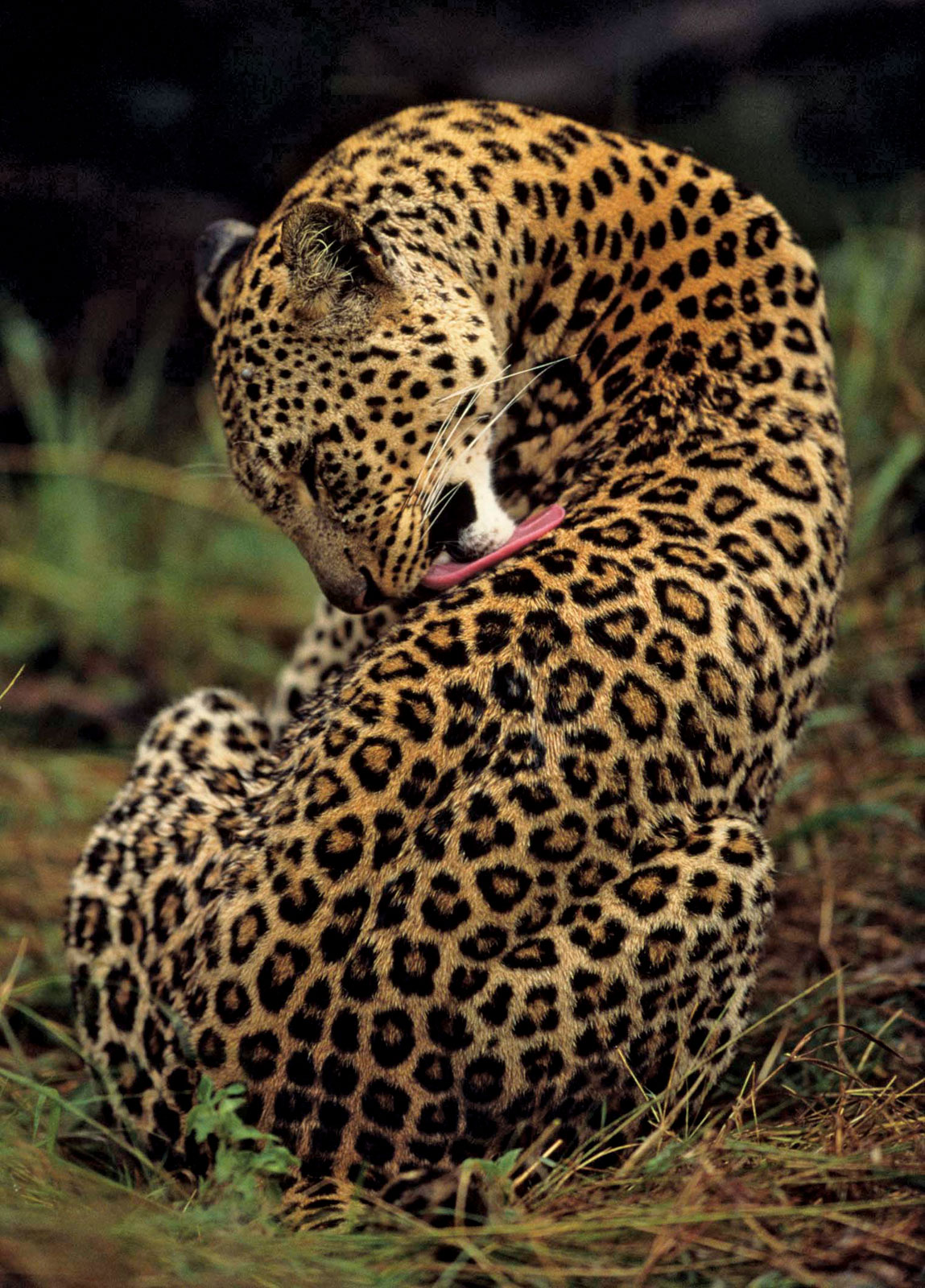
Leopard also called a panther, large cat closely related to the lion, tiger, and jaguar. The name leopard was originally given to the cat now called cheetah—the so-called hunting leopard—which was once thought to be a cross between the lion and the pard. The term pard was eventually replaced by the name leopard.

21.leopard cat:
undefined
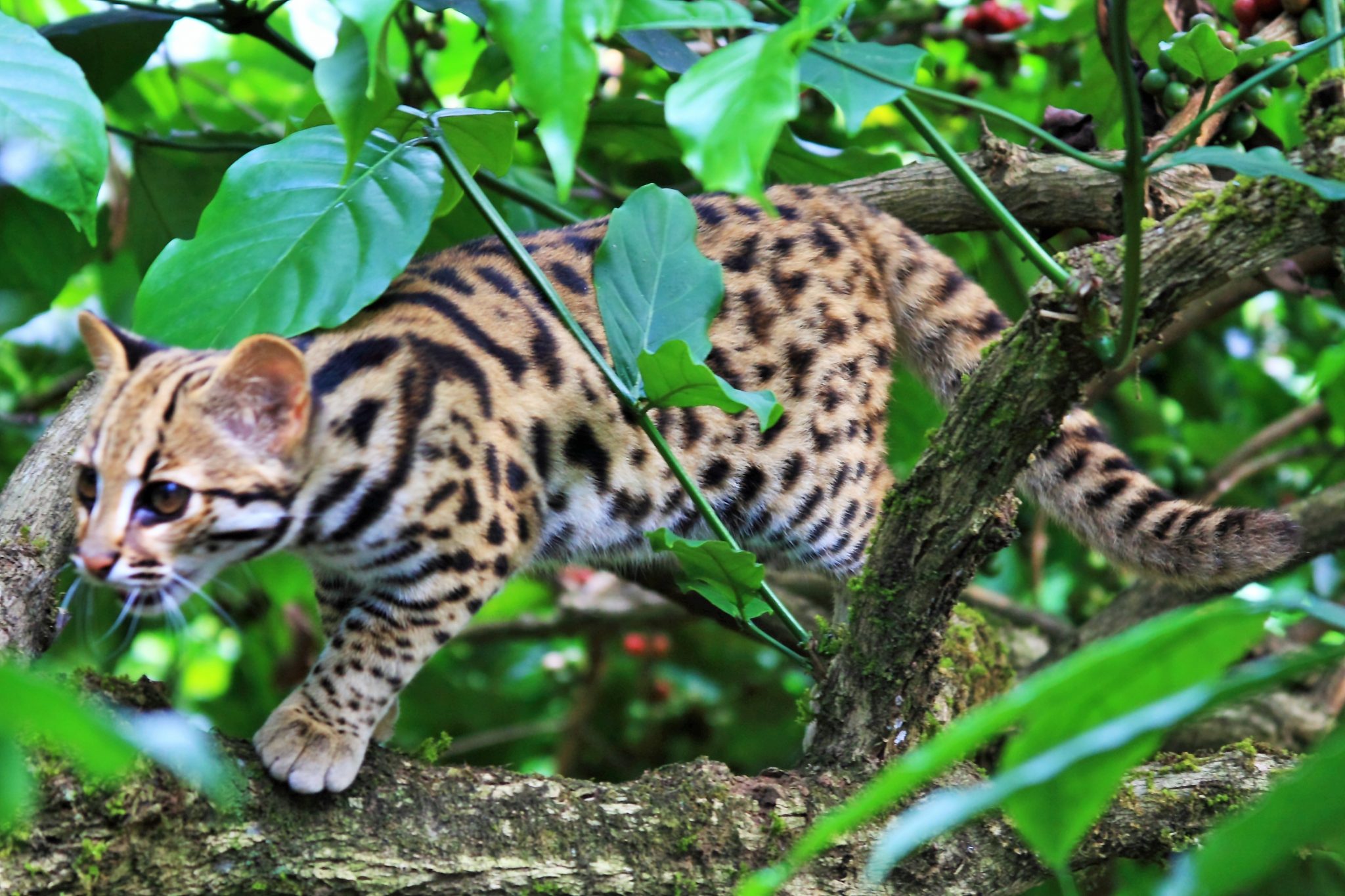
Leopard cat forest-dwelling cat, of the family Felidae, found across India, Southeast Asia, and nearby islands. The leopard cat is noted for its leopard-like coloring. The species is generally divided into one mainland subspecies, P. bengalensis bengalensis, and several island subspecies—including P. bengalensis borneoensis in Borneo, P. bengalensis Heaney on Palawan, P. bengalensis rabori on the Philippine islands of Cebu, Negros, and Panay, P. bengalensis javenensis on Bali and Java, and P. bengalensis sumatranus on Sumatra and Tebingtinggi.

22.liger:
undefined
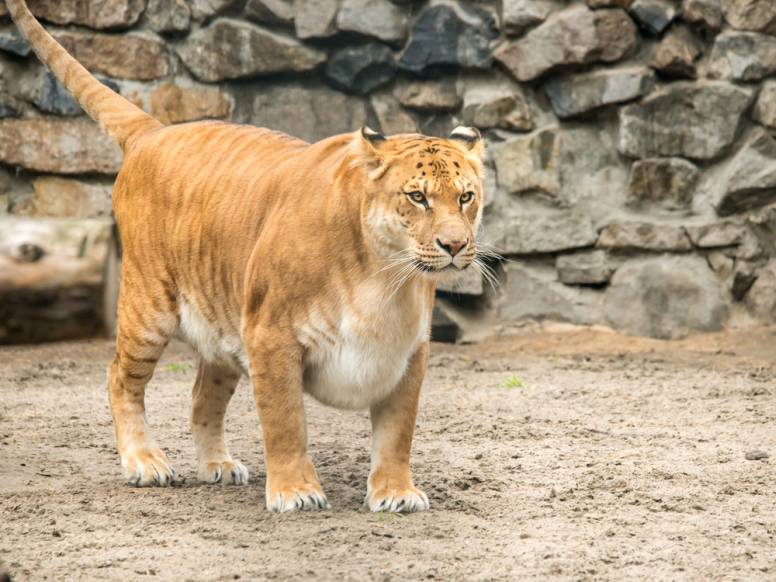
Liger, offspring of a male lion and a female tiger. The liger is a zoo-bred hybrid, as is the tigon, which is the result of mating a male tiger with a female lion. The liger and the tigon possess features of both parents, in variable proportions, but are generally larger than either. It is thought that most, if not all, male ligers and tigons are sterile. The females, however, on occasion, may be able to produce young. The terms liger and tigon are portmanteaus of the words lion and tiger.

23.lion:
undefined
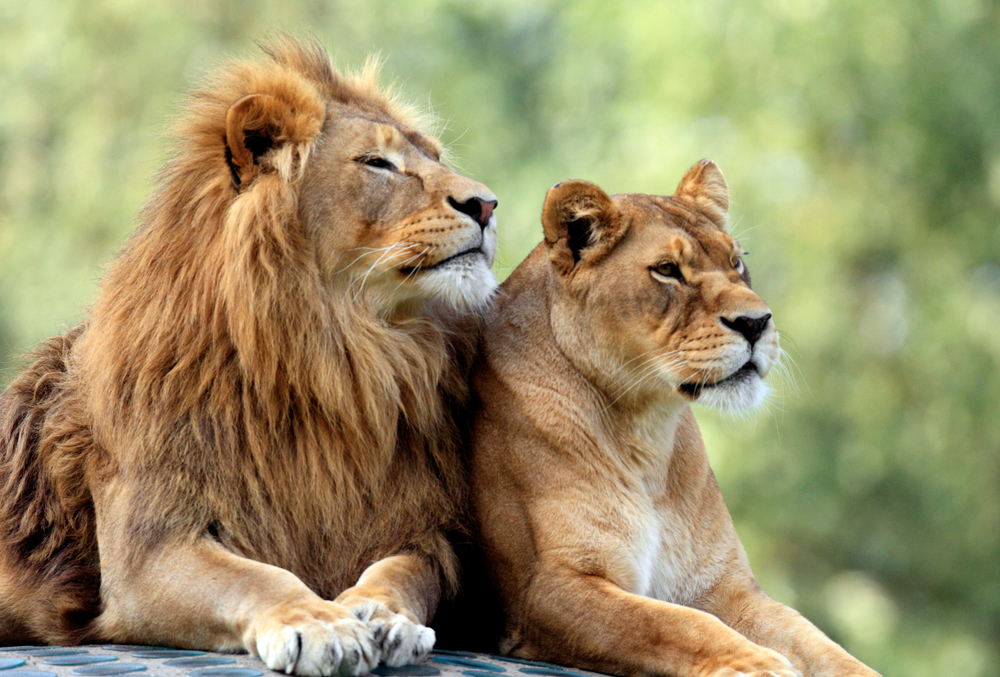
Lion is large, powerfully built cat that is second in size only to the tiger. The proverbial “king of beasts,” the lion has been one of the best-known wild animals since the earliest times. Lions are most active at night and live in a variety of habitats but prefer grassland, savanna, dense scrub, and open woodland. Historically, they ranged across much of Europe, Asia, and Africa, but now they are found mainly in parts of Africa south of the Sahara. An isolated population of about 650 Asiatic lions constitutes a slightly smaller race that lives under strict protection in India’s Gir National Park and Wildlife Sanctuary.

24.longhair:
undefined
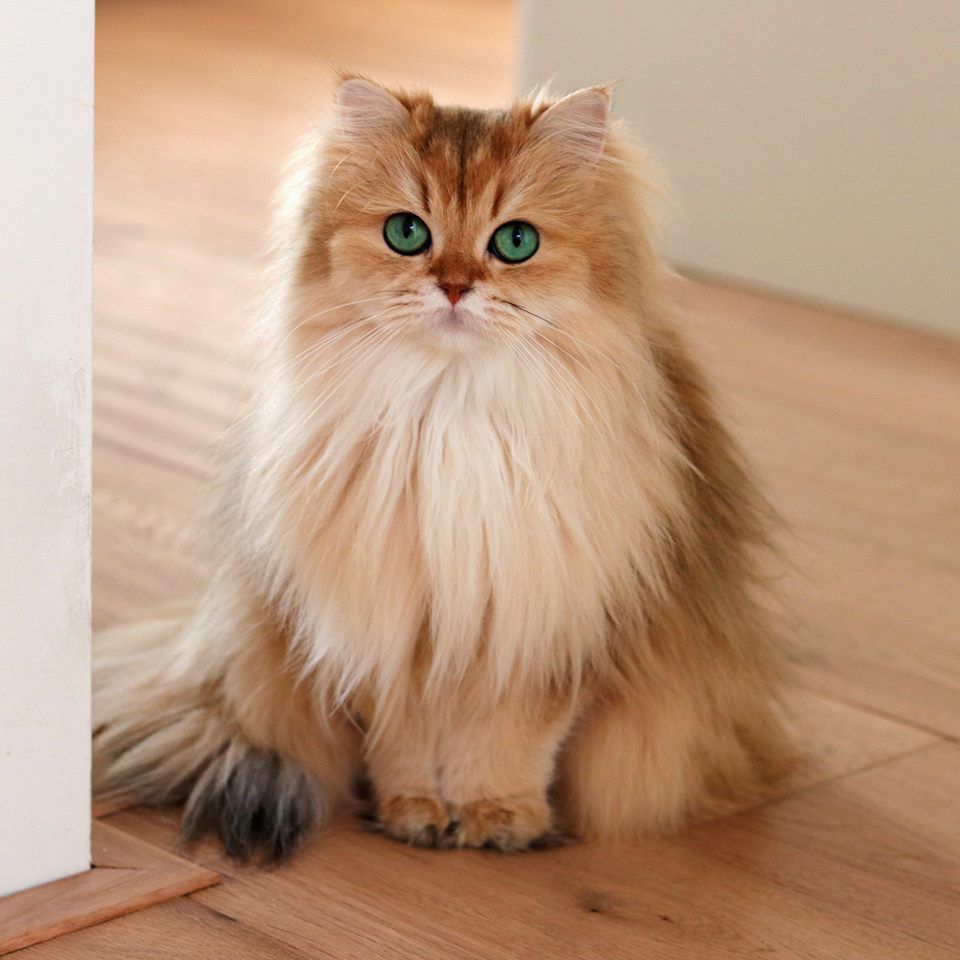
Longhair, also called Persian, breed of domestic cat noted for its long, soft, flowing coat. Long-haired cats were originally known as Persians or Angoras. These names were later discarded in favor of the name longhair, although the cats are still commonly called Persians in the United States. The longhair, a medium-sized or large cat with a cobby , short-legged body, has a broad, round head, a snub nose, and a short, heavily haired tail. The large, round eyes may be blue, orange, golden, green, or copper-colored, depending on the color of the cat. The soft, finely textured coat forms a heavy ruff about the neck.

25.lynx:
undefined
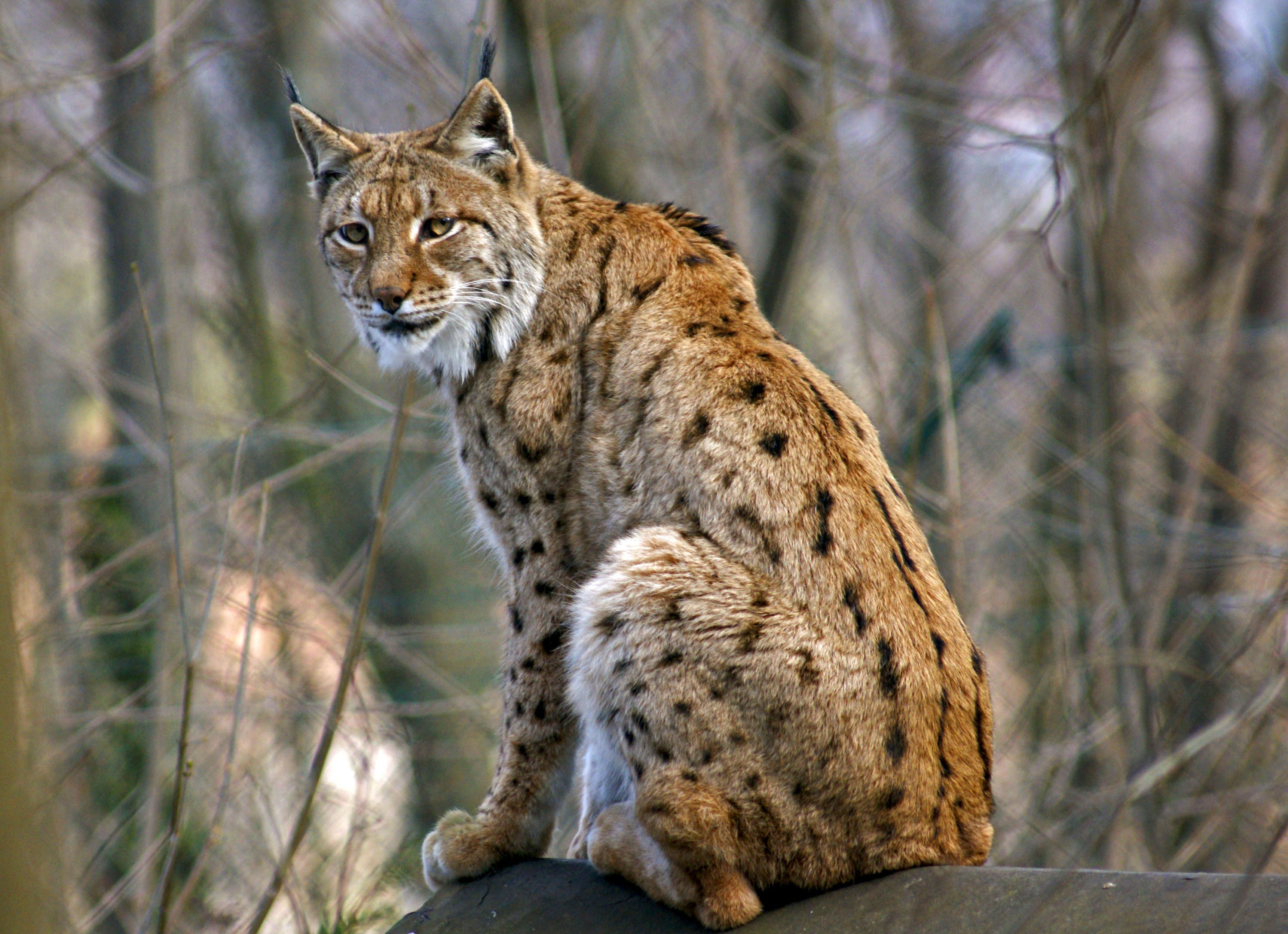
Lynx, (genus Lynx), any of four species of short-tailed cats found in the forests of Europe, Asia, and North America. The Canada lynx and the bobcat live in North America. The Eurasian lynx and the Iberian lynx are their European counterparts. The Iberian lynx is the most endangered feline; as of 2013, possibly fewer than 300 individuals remained in the mountainous scrubland of southern Spain.


Human – The Monsters

After the recent incident, where a pregnant elephant died in Kerala after a fruit filled with firecrackers burst in her mouth, triggered nation-wide outrage, a video of a pregnant cow injured in a similar fashion has been circulating on social media. In the video being shared online, one Gurdiyal Singh, a resident of Himachal Pradesh, who claims to be the owner of the injured pregnant cow, describes how the cow’s mouth had been injured after one Nandlal fed her explosives.

Owner of the preganant cow blames neighbour for the brutal act

Meanwhile, Gurdiyal Singh confirmed that Nandlal, the alleged accused, works as a mechanic in Singh’s neighbourhood. Singh said that Nandlal has no remorse for his action. Nandlal has said that he is not scared of the repercussions and that he will continue to do whatever he deems fit. “Even the village sarpanch cannot harm me”, challenged Nandlal when confronted by Singh.

The video of this brutal act was circulated soon after social media was aflutter with outrage and anger over the demise of an elephant in Kerala. Amid outrage, the district police on Thursday (June 4) constituted a special investigation team under a DSP-rank officer to probe the matter.

One suspect arrested in Kerala elephant killing case

The forest department in Kerala has arrested one suspect in the case of death of a pregnant wild elephant in Kerala. The person is being interrogated in the matter. The elephant had died after she was fed a pineapple filled with firecrackers by some villagers.

The autopsy report of the dead elephant has revealed that the crackers stuffed in the pineapple which was fed to the elephant burst in her mouth leading to severe injuries. The elephant was not able to eat anything due to the deep wounds, due to which she fell and drowned due to weakness. The elephant’s preliminary post-mortem examination was conducted at the Mannarkkad Forest Division. It revealed that the animal died as a result of drowning, followed by inhalation of water which led to lung failure. This has been identified as the immediate cause of the death of the elephant.

The investigation in the case has been moving on a faster pace and the forest department has started interrogating the suspect in custody. As per reports, three people are under suspicion of feeding the pineapple full of crackers.

Pregnant elephant dies in Kerala after cracker-filled pineapple burst in its mouth

Recently, in an act of utmost cruelty, a pregnant elephant had died after some locals fed her cracker-filled pineapple which later exploded in her mouth. The incident took place in Malappuram district of Kerala when the elephant had wandered into a village in search of food. It is being believed that some villagers stuffed pineapples filled with firecrackers on her tusks while she was walking on the streets.

From anybody who throws stones at stray dogs to anybody hurting a living soul,choose one face. A lot of these animals trust  humans because the have been helped by them in past. This is cruel beyond measure. When you lack empathy and kindness,you don’t deserve to be called a buman. To hurt someone is not human . Just stricter laws won’t help. We need a descent execution of law too.
Until the guilty are punished in the worst possible way, these wicked monsters will never fear law. Though it’s difficult, i hope they are able to find out the  one who committed this crime and  punish them  accordingly.