
Dance forms of India

India is a land of rich cultural diversity and heritage, and dance is an integral part of its culture. Indian dances have a long history, with some forms dating back several thousand years. Each dance form is unique in its own way, with its own distinct style, costume, and music.
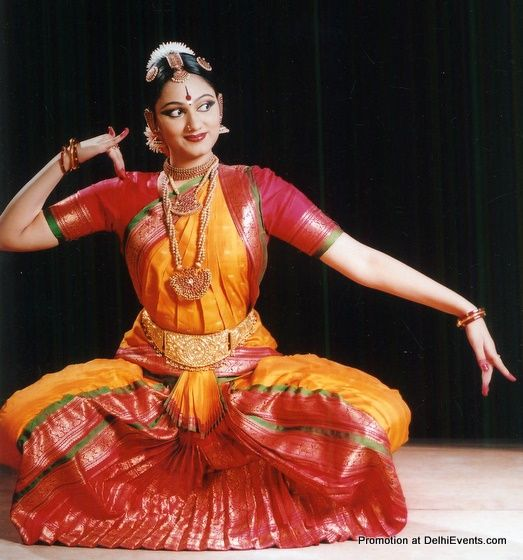
Source – Pinterest

Here are some of the most popular dance forms in India:

  1. Bharatanatyam: Bharatanatyam is a classical dance form from Tamil Nadu in South India. It is one of the oldest dance forms in India, with a history that dates back over 2,000 years. Bharatanatyam is known for its graceful movements, intricate footwork, and expressive hand gestures. The dance form is usually performed solo and is accompanied by Carnatic music.

  2. Kathak: Kathak is a classical dance form from North India that originated in the Mughal courts. It is characterized by fast footwork and intricate spins. The dance form tells stories through its movements, with the dancer using facial expressions, hand gestures, and body movements to convey different emotions. Kathak is usually accompanied by Hindustani music.

  3. Kuchipudi: Kuchipudi is a classical dance form from Andhra Pradesh in South India. It is known for its fluid movements and storytelling through dance. The dance form has a history that dates back over 2,000 years and is performed to both Carnatic and Hindustani music. Kuchipudi is usually performed by a group of dancers and is characterized by its use of colorful costumes and makeup.

  4. Manipuri: Manipuri is a classical dance form from Manipur in Northeast India. It is known for its graceful movements and use of vibrant costumes and props. Manipuri tells stories through its movements, with the dancer using facial expressions, hand gestures, and body movements to convey different emotions. The dance form is usually accompanied by classical Manipuri music.

  5. Mohiniattam: Mohiniattam is a classical dance form from Kerala in South India. It is known for its slow and graceful movements and storytelling through dance. The dance form is usually performed by a solo dancer and is accompanied by classical music. Mohiniattam is characterized by its use of white and gold costumes and jewelry.

  6. Kathakali: Kathakali is a classical dance form from Kerala in South India. It is known for its elaborate makeup, costumes, and facial expressions that tell stories from Hindu mythology. The dance form has a history that dates back over 500 years and is usually performed by a group of male dancers. Kathakali is accompanied by classical music and percussion.

  7. Bhangra: Bhangra is a folk dance form from Punjab in North India. It is characterized by energetic movements and is often performed to celebrate harvest festivals. Bhangra is usually performed by a group of dancers and is accompanied by traditional Punjabi music and instruments.

  8. Garba: Garba is a folk dance form from Gujarat in West India. It is performed in a circular formation and is known for its energetic movements and use of colorful costumes. Garba is usually performed during Navratri, a festival that celebrates the victory of good over evil.

  9. Odissi: Odissi is one of the famous classical Indian dances from Odisha. It is generally based on themes of Dashavatar, Lord Krishna’s love and Lord Jagannath’s Philosophy. It is a graceful and sensous dance style and involves tribhanga( three bends) posture. The Tribhanga posture symbolises the means to escape the limitations of the body.

In conclusion, India has a rich and diverse dance culture that is deeply rooted in its history and traditions. Each dance form is unique in its own way and reflects the cultural diversity of India. From classical dances to folk dances, India has something to offer for everyone who is interested in dance.

UNDERRATED ART FORMS OF INDIA

India is a land of different cultures where over 1.5 billion people belonging to different communities live together . Many years back when India was called the GOLDEN BIRD , which was then brutally plundered by the foreign invaders, was not only because of the monetary wealth but also due to the rich culture and art form which the land once inhabited. Today centuries later, when we are still reeling from the affect of past attacks and with modernization reigning over, it has become extremely difficult and also important to preserve the dying art forms to save a remainder of our rich heritage . Also these art forms have been a source of income for lakhs of people .

While the term ART includes dance, singing and the paintings , in this blog we will have a glimpse on the five lesser known and underrated art forms which are desperately needed to be saved.

Madhubani Paintings

Originated in Madhubani district of Mithila region of Bihar, these paintings are said to have been made on the walls of every house of all the villages to celebrate the wedding of Lord Ram and Goddess Sita. The paintings are made using fingers, twigs, nib pens , brushes and matchsticks as tools. The color in the original Madhubani painting is given using natural dyes and pigments. Originally done on a freshly plastered mud wall , now for the commercial purposes the paintings are being made on a canvas or cloth. The paintings generally represents mythological Hindu deities, court scenes , traditional weddings and social gatherings. The All India Handicrafts Board and the Government of India in order to promote these traditional art form have asked women from the non agricultural backgrounds to continue painting on canvas or cloth and this has also become a source of income for many families.

Miniature Paintings

The origin of these paintings darts back to 7th century under the patronage of the Palas of Bengal. It is a kaleidoscope of history, scriptures and lives of people through ages made by the use of delicate brushwork, mixture of different colors and graceful forms. The paintings are so delicately made that even today in this world of modernization the brushes used for these paintings are made from Squirrel’s hairs. This intense labor of love illustrating the ancient mythology is created on palm leaves, paper, wood , ivory panel and cloth using natural colors such as stone dust, silver dust and real gold

Chambal Rumaal

This art form is an embroidered handicraft promoted under the patronage of the rulers of Chamba and was a common gift item exchanged during the marriages in ancient times. It is said that the earliest reported form of this art was made by Bebe Nanaki , the sister of Guru Nanak in 16th century and is still preserved in the Hoshiarpur Gurudwara. The art form is now continued in various parts of Himachal Pradesh and is made on a square or rectangle shaped cut muslin or khaddar material. Embroider Lalita Vakil got the NARI SHAKTI AWARD by the President of India Mr. Ram Nath Kovind for promoting this art form and giving employment to many women.

Gond Art

This art form is the tribal art of the Gond tribe which is one of the largest tribes of Madhya Pradesh. The art form preserves and communicate the culture of the Gond Tribal Community. The paintings constitute of two main designs called DIGNA and BHITTICHIBA . While the DIGNA designs constitutes of traditional geometric patterns which were originally made on the floors and walls of the house , the BHITTICHIBA designs constitutes the animals , plants and trees which were made on the walls of the houses.

Pattachitra Art

The art form includes the ancient artworks of Odisha which were generally used for ritual purposes and as a souvenir for the pilgrims of Puri and other temples. The cloth based scroll painting captures mythological narratives and folktales which are inscribed on the cloth with intricate details. The painting is made on a traditional canvas which is made by coating a gauze like fine cotton cloth with white stone powder and gum made of tamarind seeds which makes the canvas ready to accept the paints made by natural means. it is basically a dominant icon painting and almost all the chitarakars of this community hails from Puri , a small village in the heart of Odisha . It is also the only village in the entire country where everyone is engaged in one art form or the other such as patta painting, wooden toys making and stone crafting.

The rich ancient heritage of Indian art forms cannot be contained anywhere. This blog was just a means to let people know of the beautiful things which we are missing on.