Impact of Financial Literacy on Retirement Planning of Women Employees in Public Electricity Companies in Telangana

By S. Kavitha Devi & M. Priyanka

Abstract:

The purpose of this research is to investigate the Impact of financial literacy on retirement planning of women employees in public Electricity companies in Telangana. The current research study is an investigative and exploratory research. It uses primary data. The study examined partial least square-structural equation modelling (PLS-SEM) obtained by sampling data from 406 women employees of Public Electricity Companies in Telangana. The findings of this study have important inferences for both researchers and practitioners in the field of personal finance. They highlight the significance of FL in influencing individuals’ Retirement Planning. Moreover, the role of psychological factors emphasizes the need to consider these factors when examining the relationship between FL and Retirement Planning. These findings suggest that interventions aimed at improving FL should also focus on enhancing individuals’ Psychological Factors and cultivating positive Retirement Planning Behavior.


Keywords:  financial literacy; financial risk tolerance; retirement planning; herding behavior.

Introduction

Financial education or financial literacy has gained relevance in recent years as a result of the rising complexity of the financial products and services available, as well as information asymmetry between financial service providers and consumers. Financial education is the process of obtaining the information and abilities needed to handle and use money in an educated and efficient manner. It is a lifelong process that assists people and households in becoming more knowledgeable about the financial goods and services offered in the market in order to make wise decisions regarding their use. Financial education is broadly defined as the understanding of financial market products, particularly rewards and risk, in order to make educated decisions. Organisation for Economic Co-operation and Development (OECD, 2013) has defined financial education as “the process by which financial consumers/ investors improve their understanding of financial products, concepts and risks through information, instruction and/or objective advice, develop the skills and confidence to become more aware of financial risks and opportunities, to make informed choices, to know where to go for help, and to take other effective actions to improve their financial well-being”. According to Standard & Poor’s Ratings Services Global Financial Literacy Survey, 2014 “76% of Indian adults do not understand key financial concepts like inflation, compounded interest rate, and risk diversification adequately. This finding says that financial literacy is lower than the worldwide average”. Authors Lusardi and Mitchell, 2011, Bucher-Koenen and Lusardi, 2011, Grohmann et al. have revealed in their papers that there is a positive impact of financial literacy on retirement planning.

The development and expansion of any country is heavily influenced by its economic condition. Proper capital formation is necessary to stimulate the process of economic growth. The financial market is crucial in accelerating capital development by encouraging savings and using investment alternatives, which contributes to speeding up the process of wealth creation.

Being a developing country, India needs rapid capital generation. This could only be accomplished by encouraging smart planning and guiding people’s financial habits. The Indian economy has expanded at a quicker rate from the previous decade, however in order to achieve the goal, economic growth alone is not enough must improve citizen living standards. According to Singh (2008) “development cannot be measured only in terms of growth, instead the objective must be to achieve the improvement in the standard living of people.”

According to Ahuwalia (2008) “Indians are poor investors but smart savers. They do not prepare for the long term and do not invest in long-term investment products. Furthermore, it was stated that Indians like to save their money into their houses instead of saving in banks or other investments. This will be a major issue in India, where social security is non-existent”.

Indian Population Context:


(Source: IMPORTANCE OF SAVINGS FOR RETIREMENT AND EARLY DECISION

MAKING IN HUMAN LIFE, N Sheikh & S Karnati – 2021)

India is young demographically with 90% of population under the age of 60 years but ageing gradually, it is estimated that persons above the age of 60 would increase from ~8.9% of the population now to ~15% by 2050. Those above 80 are likely to increase from ~0.9% to ~2.8%. According to United Nations World Population Prospects, India’s 60-plus population is expected to reach 323 million by 2050 – a number greater than US Population of 2012.

Figure above shows historical data and future forecasts on the Indian population’s dependency from 1980 to 2050. It can be seen that the percentage of dependent people gradually increased between1980 to 2015. However, the share of the dependent population is predicted to rise faster between 2015 and 2050. In 2050, 15% of India’s elderly population would be dependent on the working population.

Despite the fact that the transition from a young to an older age structure indicates a successful and satisfying outcome of health improvement, the rate of old and the size of the Older population with diverse requirements and resources creates various obstacles for health care providers and Government officials. The percentage of old age people has increased and is expected to increase further, while the percentage of the young age group is decreasing, resulting in a slow but continuous shift to an older population structure in the country. Furthermore, the transition from a young age structure is not uniform across the country. A rising old population requires increased quantity and quality of elder services, income security, and overall improved quality of life. The necessity for social pension payments and the resulting financial outlays to meet expanding old-age dependency and a decreasing support base is more demanding for policy consideration now and in the future.

Research Gap

According to the review of the literature, even though women’s literacy rates have improved significantly in recent years, there are still significant gender gaps in financial education in

India. More research is needed on the factors that contribute to these gaps and an apparent gap is observed in understanding the retirement financial planning of women in India. Previous research on financial literacy usually focuses on its potential effects on financial decision-making; however, little research is done on its effects on retirement planning. Therefore, the present study having spotlight on Financial Literacy and Retirement planning aimed and focused on women employees in electricity companies in Telangana. Majorly it considers respondents awareness levels towards financial literacy and retirement planning decisions of respondents using three components to calculate the financial literacy (financial knowledge, financial attitude and financial behaviour) of women employees to assess the holistic impact on retirement planning decisions. We examine the potential effects of financial literacy on retirement planning of women employees in Public electricity companies in Telangana. This study will fill in this research gap. 

Objectives of Research

1)         To find the relationship between financial literacy levels and retirement financial planning.

2)         To study the impact of psychological constructs variables on the retirement planning of women employees in public electricity companies of Telangana and analyses the financial literacy levels.

Hypotheses

Hypotheses are considered to be the most significant tool in a research study. It makes a difference in representing new tests and their views. Hypotheses are based on fundamental assumptions in every research study. Following a thorough analysis of the relevant literature, an attempt was made to create the conditional assumption in constructing the test and its reasonable consequences. The following hypotheses have been developed for the aim of the research.

H01: There is no significant relationship between financial literacy levels and retirement financial planning.

H02: There is no significant influence of psychological constructs on retirement financial planning.

H02a: There is no significant influence of Future time prospective on retirement financial planning.

H02b: There is no significant influence of Attitude towards Retirement on retirement financial planning.

H02c: There is no significant influence of Risk tolerance on retirement financial planning.

H02d: There is no significant influence of Retirement Goal Clarity on retirement financial planning.

Methodology

Primary Data

Primary Data collected through a Survey Questionnaire from the respondents of women employees in Public Electricity Companies in Telangana

For current study both convenience and snowball sampling methods (non-probability) sampling techniques were used to recruit potential samples for the achievement of the research objectives. Convenience sampling refers to the collection of data from immediately available representative respondents of the population of the study. Convenience sampling would help a researcher when he could not have access to the entire population of the study and/or when a researcher had difficulty identifying the representative sample of the study.

Snowball sampling refers to the researcher initially recruiting participants, and these initial participants help to recruit future respondents for the study. This technique helps the researcher when he is facing challenges or difficulties to collect data from the target potential population of the study. The researcher may be face difficulty due to unknown to the respondents and hesitate to give important personal information to strangers.

This study involved the collection of personal and financial information of the respondents. Some respondents may be unwilling to provide their personal and financial information.

Therefore, convenience and snowball sampling techniques were employed in this study to gather the data to evaluate the research hypothesis. The blend of convenience and snowball sampling methods helps to achieve reliable results for the research investigation.

Secondary Data:

Secondary data collected from various Publications, Journals, Articles, Newspapers and official websites Viz. RBI, SEBI, IRDAI, PFRDA, NCFE, etc.,

Period of the study is between July 2022 and November 2022.

Calculation of Sample Size

The present research study is an investigative in nature, the study is done based on four public electricity companies in Telangana selected on the basis of population as criteria. In order to study the perception of women employee’s financial retirement planning from each company, sample variables are selected proportionately. Hence the total sample size is 406.

Sl.

No.

Name of the        company

Population (women

employees)

1

TSSPDCL

1320

2

TSNPDCL

1182

3

TSGENCO

2429

4

TSTRANSCO

2125

TOTAL

7056

                          (Source: collected from respective HR Department by Researcher)


The total women employees of Public Electricity Companies in Telangana is 7056, out of that population the sample is detrained and drawn according to Krejcie Morgan table, at Confidence Level of 95%, Confidence Interval is 4%, Proportion is 5% and if Population is below 8000,

Sample size determined is 367 respondents. In present study 430 respondents sample size was taken, among them 406 were found to be relevant for study.

Proportionately the sample is determined from each company as follows:


Sl.


No.

Name        of        the company

Population

(womenemployees)

Proportionatesample

1

TSSPDCL

1320

80

2

TSNPDCL

1182

72

3

TSGENCO

2429

131

4

TSTRANSCO

2125

123

TOTAL

7056

406


Measurement of Reliability

Cronbach’s Alpha

No of Items

0.867

45

The degree of consistency between multiple measurements of variables was measured by the reliability test. Reliability calculates the accuracy and precision of a measurement procedure. Cronbach’s Alpha is widely used to measure thereliability of data. The coefficient of Cronbach’s Alpha value for financial literacy and retirement planning of womenemployees in public electricity companies of Telangana for 45 variables was 0.867 as presented in the above table.

Analytical Tools and Software

The current research study is an investigative and exploratory research. It uses primary data. Thus data would be analyzed through descriptive statistics, structural equation modeling, factor analysis and frequency tables etc, The software package like SmartPLS is used to analyze the data.

Data Analysis and Results:

Correlation Between Latent Constructs

Correlation refers to the extent to which two variables move together in a systematic way. It quantifies the strength and direction of the relationship between variables. Correlation coefficients, often represented as path coefficients in SEM, indicate the extent to which the latent constructs are related.

 Correlation between latent constructs

Constructs

Financial Literacy

FUTURE TIMEPERSPECTIVE

ATTITUDETOWARDSRETIREMENT

RISKTOLERANCE

RETIREMENTGOALCLARITY

SOCIALGROUPSUPPORT

PLANNINGACTIVITY

SAVINGS

Financial Literacy

1.000

0.320

0.303

0.417

0.272

0.449

0.443

0.268

FUTURE TIMEPERSPECTIVE

0.320

1.000

0.326

0.299

0.293

0.322

0.318

0.288

ATTITUDETOWARDSRETIREMENT

0.303

0.326

1.000

0.284

0.277

0.305

0.301

0.274

RISKTOLERANCE

0.417

0.299

0.284

1.000

0.255

0.420

0.414

0.251

RETIREMENTGOALCLARITY

0.272

0.293

0.277

0.255

1.000

0.274

0.270

0.245

SOCIALGROUPSUPPORT

0.449

0.322

0.305

0.420

0.274

1.000

0.445

0.270

PLANNINGACTIVITY

0.443

0.318

0.301

0.414

0.270

0.445

1.000

0.266

SAVINGS

0.268

0.288

0.274

0.251

0.245

0.270

0.266

1.000


These correlations provide insights into the relationships between the latent constructs. For example, Retirement Planning is positively associated with Financial Literacy. As well as, FTP, ATR, RT, RGC, SGS, PA and Savings shows positive associations with Financial Literacy. However, it’s important to note that correlation does not imply causation, and further analysis is needed to understand the underlying factors influencing these relationships.

Common Method Bais (CMB)

The Common method bias can be caused by different groups responding differently to the same questions or scales, leading to inaccurate results(Podsakoff & Organ, 1986). Another source of bias is the researcher’s own expectations or preconceptions about the data. This could lead to a researcher interpreting the data in a way inconsistent with the actual results. (MacKenzie & Podsakoff, 2012)  (Spector, 2006).

Inner Model VIF Values using Random Variable method

Constructs

Random Variable

Financial Literacy

1.720

Future Time perspective

1.303

Attitude Towards Retirement

1.507

Risk Tolerance 

1.635

Retirement Goal Clarity

1.121

Social Group Support

1.565

Planning Activity

1.626

Savings

1.747


To mitigate the CMB, used different anchors of constructs while collecting the data from respondents, different scales were also adopted, research instrument was pre-tested with two academicians in the field and six respondents. and report a full collinearity measure by reporting that all inner and Outer VIF values are less than 3.3(Kock & Lynn, 2012) (Kock, 2015). 

Hence the model is free from CMB.

Factor Loading and AVE ( From author collected data)


These results indicate that the indicators generally have strong to moderate relationships with their respective constructs, and the constructs explain a substantial amount of variance in their indicators.

Model Assessment Procedure:

The Model Assessment Procedure introduced by Hair et al. in 2017a is a methodology used to evaluate the performance and validity of a statistical model. This procedure involves several steps to ensure the accuracy and reliability of the model’s results. The Model Assessment Procedure by Hair et al. provides a systematic framework for developing and evaluating statistical models, ensuring that they are robust, reliable, and appropriate for the research objectives at hand.

1.     Evaluation of the Measurement Model:

1.1.Internal Consistency & Reliability: Internal consistency and reliability are important concepts in the field of measurement and psychometrics. They refer to the extent to which a measurement instrument, such as a questionnaire or a test, consistently and reliably measures a particular construct or attribute.


Reliability Thresholds

Constructs

Cronbach’s alpha

Composite reliability (rho_a)

Composite reliability (rho_c)

Future Time Prospective

0.702

0.783

0.812

Attitude Towards Retirement

0.700

0.711

0.752

Risk Tolerance

0.720

0.743

0.753

Retirement Goal Clarity

0.909

0.923

0.931

Social Group Support

0.702

0.719

0.749

Planning Activity

0.726

0.730

0.731

Savings

0.715

0.721

0.765

Cronbach’s alpha values greater than 0.60 for the early stages of the research, values of at least 0.70 required, values higher than 0.95 are not desirable(Nunnally,1978)

Cronbach’s alpha can be considered the lower bound and composite reliability(rho_c) the upper bound of the exact internal consistency and reliability.                               

1.2.Discriminant validityDiscriminant validity is a concept in measurement and psychometrics that assesses the extent to which different measures or indicators of distinct constructs are distinct or discriminate from each other. It examines whether measures designed to capture different constructs are truly measuring separate concepts and not converging or overlapping.

                                                Heterotrait-Monotrait Ratio (HTMT)

Constructs

Attitude Towards Retirement

F L

F T P

P A

R G C

R P

R T

Savings

Financial Literacy

0.61


Future Time Prospective

0.60

0.84


Planning Activity

0.57

0.83

0.86


Retirement Goal Clarity

0.52

0.76

0.41

0.80


Retirement Planning

0.51

0.65

0.54

0.72

0.74


Risk Tolerance

0.49

0.97

0.69

0.53

0.63

0.66


Savings

0.45

0.66

0.57

0.85

0.55

0.59

0.68


Social Group Support

0.44

0.71

0.60

0.65

0.54

0.62

0.61

0.78


Based on the HTMT values and their confidence intervals, it can be concluded that all the constructs (Financial Literacy, Future Time Prospective, Planning Activity, Retirement Goal Clarity, Retirement Planning, Risk Tolerance, Savings, Social Group support) exhibit discriminant validity. This suggests that these constructs are distinct from each other and do not overlap significantly in measurement.


2.     Evaluation of the Structural model:

Evaluation of the Structural Model involves assessing collinearity among constructs, significance and relevance of path coefficients, predictive accuracy (R-squared, F-squared, Q-squared, PLS predict), predictive model selection, and goodness-of-fit.

2.1. Collinearity among constructs:

The Variance Inflation Factor (VIF) is a measure of the degree of multicollinearity between predictor variables in a linear regression model. A VIF of 1 indicates no correlation between the predictor variable and other predictor variables in the model, while a VIF more significant than 1 indicates some degree of multicollinearity. Typically, a VIF value of 5 or greater indicates high multicollinearity and may require corrective action. The VIF values were, listed in Table 5.6, below 5 confirm there was non-existence of multi-collinearity between constructs in this study. . For this, we report a full collinearity measure by reporting that all inner VIF values are less than 3.3 (Kock & Lynn, 2012)(Kock, 2015).

Inner Model VIF Values

Constructs

Attitude Towards Retirement

F L

FTP

PA

RGC

RP

RT

Savings

SGS

Financial Literacy


1.458


Retirement Planning

1.659


1.885

1.215

1.632


1.145

1.745

1.656

Source: Calculated by Author

In summary, based on the VIF values provided, there is no substantial collinearity issue among the constructs in the model. The VIF values are all relatively low, indicating that the variables are not highly correlated, and the model is not affected by multicollinearity.

2.2.  Hypotheses Testing:


After confirmation of the reliability and validity of the outer model, the significance of research model (hypothesized) relationships was examined with standardized path coefficient (b) and critical value (T-Value) at the significant level of 5 % (P-Values) by using the PLS bootstrapping. 

The first hypothesis (H1) is supported by (β=0.626, P<0.05) Financial Literacy positively effects Retirement Planning.The second hypothesis (H2) is supported by (β=0.932, P<0.05) Retirement Planning positively effects Future Time Prospective.The third hypothesis(H3) is supported by (β=0.905, P<0.05)  Retirement Planning positively effects Savings. The fourth hypothesis(H4) is also supported (β=0.817, P<0.05) as Retirement Planning has a positive significant effect on ATR. The fifth hypothesis (H5) is also supported (β=0.874, P<0.05) as Retirement Planning has a positive significant effect on Planning Activity.

The sixth hypothesis (H6) is also supported (β=0.839, P<0.05) as Retirement Planning has a positive significant effect on Risk Tolerance. 

The seventh hypothesis (H7) is supported by (β=0.921, P<0.05), as Retirement Planning has a positive significant effect on Retirement Goal Clarity. 

The eighth hypothesis(H8) is supported by (β=0.892, P<0.05), as Retirement Planning has a positive significant effect on Social Group Support.

Hypothesis Results

Hypothesis

Relationship

Path Coefficients  (b)

Standard Deviation (STDEV)

T Value (|b/STDEV|)

P Values

Decision

H1

Financial Literacy – Retirement Planning

0.626

0.057

10.982

0.000

supported

H2

Retirement Planning Future Time Prospective

0.932

0.043

21.674

0.000

supported

H3

Retirement Planning –Savings

0.905

0.039

23.205

0.000

Supported

H4

Retirement Planning-> Attitude Towards Retirement

0.817

0.046

17.760

0.001

supported

H5

Retirement Planning-> Planning Activity

0.874

0.048

18.208

0.000

supported

H6

Retirement Planning- Risk Tolerance

0.839

0.071

11.816

0.012

supported

H7 

Retirement planning-Retirement Goal Clarity

0.921

0.083

11.096

0.000

supported

H8 

Retirement planning- Social Group Support

0.892

0.049

18.204

0.000

supported

2.3.Goodness-of-fit: For PLS-SEM SRMR will give a goodness-of-fit index.

Standardized root mean square residual (SRMR): squared discrepancy between the observed correlations and the model implied indicator correlations.

SRMR assessing the quality of the whole model results (i.e., jointly evaluating the outer and inner model results). It Should be less than 0.08 (Hair et al.,2019).

As per PLS algorithm results, the research model’s SRMR is 0.075, which is less than the threshold limit (0.08). Hence it is concluded as our model has a good fit.

Discussion:

The frequency statistics of age represent that most of the women working in Public Electricity companies in Telangana were aged between 31 to 40 years representing almost 32.5 %; aged between 41 to 50 years represented 29.3 %, 21.2 % of respondents were from the age group of 51-60 years and 7 % of respondents were above the age 60 who were near to retirement and 10.0% of individuals falls under the age group 20 to 30 years. All the respondents were below their retirement age. The Profession of the respondents were either financial or non-financial. Maximum respondents i.e., 61.33% respondents were from non-financial background. The rest 38.66% respondents were from financial background. Findings of the study reveal that most of the respondents were from non-financial background. 

The findings of this study have important inferences for both researchers and practitioners in the field of personal finance. They highlight the significance of FL in influencing individuals’ Retirement Planning. Moreover, the role of psychological factors emphasizes the need to consider these factors when examining the relationship between FL and Retirement Planning. From a practical standpoint, these findings suggest that interventions aimed at improving FL should also focus on enhancing individuals’ Psychological Factors and cultivating positive Retirement Planning Behavior. This could be achieved through targeted educational programs, financial counselling, and promoting a financial environment that fosters positive financial behaviors.

Conclusion:

Result shows that those who practice constructive financial habits tend to achieve good Retirement Planning. The well Retirement Planning can be enhanced through sound FL, FTP, ATR, SGS, RGC, Planning Activity, Savings. Among the predictors of Retirement Planning, Psychological factors has a higher impact followed by financial literacy of women employees. It is very important to understand the concepts like the impact of simple and compound interest rates, understands inflation, risk diversification, and the time value of money, have a positive perception of money, budget money in a planned manner, and explore financial products/services like a savings account, debit card, credit card, and insurance, to achieve the Retirement Planning of women employees.  The research model has explained 39.2% of the variance in financial wellbeing. So, it can be concluded as Retirement Panning is a long-term goal to achieve by admitting financial literacy, psychological factors. By prioritizing financial literacy, psychological factors individuals can achieve Retirement Planning and improve their overall quality of life.

References:

[1.]       Hogarth, R. M., & Karelaia, N. (2006). “Take-the-best” and other simple strategies: why and when they work “well” with binary cues. Theory and Decision61, 205-249.

[2.]       Lusardi, A., & Tufano, P. (2015). Debt literacy, financial experiences, and overindebtedness. Journal of Pension Economics & Finance14(4), 332-368.

[3.]       Lusardi, A. (2008). Financial literacy: an essential tool for informed consumer choice? (No. w14084). National Bureau of Economic Research.

[4.]       Lusardi, A. (2008). Household saving behavior: The role of financial literacy, information, and financial education programs (No. w13824). National Bureau of Economic Research.

[5.]       Thomson, S., De Bortoli, L., Underwood, C., & Schmid, M. (2020). PISA 2018: Financial Literacy in Australia.

[6.]       Awais, M., Laber, M. F., Rasheed, N., & Khursheed, A. (2016). Impact of financial literacy and investment experience on risk tolerance and investment decisions: Empirical evidence from Pakistan. International Journal of Economics and Financial Issues6(1).

[7.]       Garman, E. T., MacDicken, B., Hunt, H., Shatwell, P., Haynes, G., Hanson, K. C., … & Woehler, M. B. (2007). Progress in measuring changes in financial distress and financial well-being as a result of financial literacy programs. Consumer interests annual53, 199-211.

[8.]       Beal, D., & Delpachitra, S. (2003). Financial literacy among Australian university students. Economic Papers: A journal of applied economics and policy22(1), 65-78.

[9.]       Bianchi, M. (2018). Financial literacy and portfolio dynamics. The Journal of Finance73(2), 831-859.

[10.]    Bialowolski, P., Cwynar, A., Xiao, J. J., & Weziak‐Bialowolska, D. (2020). Consumer financial literacy and the efficiency of mortgage‐related decisions: New evidence from the Panel Study of Income dynamics. International Journal of Consumer Studies.

[11.]    Lusardi, A., & Tufano, P. (2015). Debt literacy, financial experiences, and overindebtedness. Journal of Pension Economics & Finance14(4), 332-368.

[12.]    Taft, M. K., Hosein, Z. Z., Mehrizi, S. M. T., & Roshan, A. (2013). The relation between financial literacy, financial wellbeing and financial concerns. International journal of business and management8(11), 63.

[13.]    Chu, Z., Wang, Z., Xiao, J. J., & Zhang, W. (2017). Financial literacy, portfolio choice and financial well-being. Social indicators research132(2), 799-820.

[14.]    Frijns, B., Gilbert, A., & Tourani-Rad, A. (2014). Learning by doing: The role of financial experience in financial literacy. Journal of Public Policy34(1), 123-154.

[15.]    Ameliawati, M., & Setiyani, R. (2018). The influence of financial attitude, financial socialization, and financial experience to financial management behavior with financial literacy as the mediation variable. KnE Social Sciences, 811-832.

[16.]    Khan, F., & Surisetti, S. (2020). Financial well-being of working women: mediating effect of cashless financial experience and digital financial self-socialization. Khan, F and Surisetti, s. Financial well-being of working women: mediating effect of cashless financial experience and digital financial self-socialization. MDIM Business Review, 1(2), 51-68.

[17.]    Nikolaos D. Philippas & Christos Avdoulas (2020) Financial literacy and financial well-being among generation-Z university students: Evidence from Greece, The European Journal of Finance, 26:4-5, 360-381, DOI:  10.1080/1351847X.2019.1701512

[18.]    Yakoboski, P. J., Lusardi, A., & Hasler, A. Financial literacy and well-being in a five generation America.

[19.]    Pandey, A., Ashta, A., Spiegelman, E., & Sutan, A. (2020). Catch them young: Impact of financial socialization, financial literacy and attitude towards money on financial well‐being of young adults. International Journal of Consumer Studies44(6), 531-541.

[20.]    Chhatwani, M. (2022). Mortgage delinquency during COVID-19: do financial literacy and personality traits matter?. International Journal of Bank Marketing.

[21.]    Thongrak, N., Chancharat, S., & Kijkasiwat, P. (2021). Financial Literacy: Does It Improve Well-being? A Case Study of Farmers in Khon Kaen, Thailand. In Environmental, Social, and Governance Perspectives on Economic Development in Asia. Emerald Publishing Limited

[22.]    Nunnally, J. C. (1978). Psychometric Theory 2nd ed. Mcgraw hill book company.

[23.]    Gutiérrez‐Nieto, B., Serrano‐Cinca, C., & de la CuestaߚGonzález, M. (2017). A multivariate study of over‐indebtedness’ causes and consequences. International Journal of Consumer Studies41(2), 188-198.

[24.]    Huston, S. J. (2010). Measuring financial literacy. Journal of consumer affairs44(2), 296-316.

[25.]    Fornero, E., Monticone, C., & Trucchi, S. (2011). The effect of financial literacy on mortgage choices.

[26.]    Lusardi, A., & Mitchell, O. S. (2014). The economic importance of financial literacy: Theory and evidence. Journal of economic literature52(1), 5-44.

[27.]    Bhalla, G. S., & Chadha, G. K. (1982). Green Revolution and the Small Peasant: A Study of Income Distribution in Punjab Agriculture: II. Economic and Political Weekly, 870-877.

[28.]    Madi, A., & Yusof, R. M. (2018). Financial Literacy and Behavioral Finance: Conceptual Foundations and Research Issues. Journal of Economics and Sustainable Development9(10), 81-89.

[29.]    Wolfe-Hayes, M. A. (2010). Financial literacy and education: An environmental scan. The International Information & Library Review42(2), 105-110.

[30.]    Amisi, S. A. R. A. H. (2012). The effect of financial literacy on investment decision making by pension fund managers in Kenya (Doctoral dissertation).

[31.]    Musundi, K. M. (2014). The effects of financial literacy on personal investment decisions in real estate in Nairobi count (Doctoral dissertation, University of Nairobi).

[32.]    Financial Express Bureau, November 24,2020

[33.]    Atkinson, A., & Messy, F. A. (2012). Measuring financial literacy: Results of the OECD/International Network on Financial Education (INFE) pilot study.



LINK to DOWNLOAD PDF

Benefits of Educational Videos

Educational videos have become an integral part of modern learning methodologies, offering a myriad of benefits that significantly enhance the educational experience:

  1. Visual Learning Aid: Videos engage visual and auditory senses simultaneously, making complex concepts more understandable and memorable. They cater to various learning styles, aiding visual learners by illustrating concepts in a tangible, relatable manner.

  2. Enhanced Comprehension: Abstract or intricate topics are simplified through animations, demonstrations, and real-life examples, fostering deeper understanding and comprehension among learners.

  3. Accessibility and Convenience: Educational videos can be accessed anytime, anywhere, making learning more convenient and flexible. Learners can revisit content, pause, rewind, or fast-forward at their own pace, facilitating self-paced learning.

  4. Engagement and Retention: Videos captivate attention and maintain engagement, reducing boredom and fatigue commonly associated with traditional lectures. Dynamic visuals, storytelling, and interactive elements help in retaining information more effectively.

  5. Global Reach and Diversity: They provide access to diverse perspectives, global experts, and resources that might not be readily available in a local setting. This exposure broadens horizons and enriches learning experiences.

  6. Adaptability and Personalization: Educational videos can be tailored to different proficiency levels, allowing educators to cater to individual learning needs. They offer the flexibility to modify content, language, and pace to suit diverse audiences.

  7. Facilitate Conceptualization and Application: Complex theories or practical subjects are made tangible through visual representations, aiding in the application of knowledge to real-world scenarios.

  8. Improved Collaboration and Interaction: Videos can be used as a catalyst for discussions, collaborative projects, or interactive activities among students, fostering a more engaging and participative learning environment.

  9. Cost-Effective and Sustainable: Compared to traditional teaching materials, educational videos can be a cost-effective solution for educational institutions. They can be reused, updated, and shared without significant additional expenses.

  10. Technological Integration: As technology advances, educational videos evolve with interactive elements, virtual reality, augmented reality, and gamification, making learning more immersive and interactive.

In essence, educational videos revolutionize learning by offering a dynamic, engaging, and versatile medium that empowers learners, educators, and institutions alike in the pursuit of knowledge acquisition and skill development.

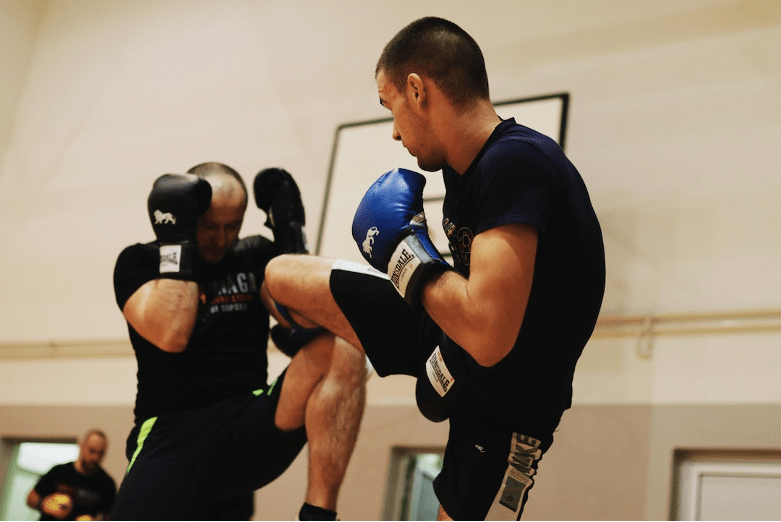
Muay Thai vs Kickboxing: What's the Difference?

 Are you looking for your new favorite way to workout? Click here to find out the difference between Muay Thai vs kickboxing to decide which is best for you.

Are you interested in martial arts and wondering what some of the benefits are? Want to know more about Muay Thai vs kickboxing differences?

Martial arts has numerous benefits if you have an open mind. You’ll improve your physical and mental health, gain discipline, and boost confidence. However, if you’ve yet to make up your mind, it’s worthwhile knowing the different martial arts.

Muay Thai vs kickboxing is a common discussion among martial arts fans. In this article, we have weighed up Muay Thai vs kickboxing’s differences. This will help you decide which martial art suits you. Read on.

Origins and Cultural Background

Muay Thai originated in Thailand and has deep cultural roots in the country. It has a long history and is considered the national sport of Thailand.

Kickboxing is a hybrid combat sport that evolved from various martial arts styles, including Muay Thai, karate, and boxing. It has gained popularity in different parts of the world, particularly in Japan and the United States.

Techniques

Muay Thai emphasizes the use of eight striking points: fists, elbows, knees, and shins. It allows the use of clinching techniques to control and strike opponents at close range. Muay Thai practitioners are known for their devastating knee and elbow strikes.

Kickboxing primarily focuses on punches and kicks. The use of elbows and knees for strikes is generally not allowed in most kickboxing rule sets. Kickboxing techniques are often derived from Western boxing and various kicking styles, such as karate and Taekwondo.

Master your fitness proficiency in cardio kickboxing techniques by becoming a certified trainer. Visit Americansportandfitness.com for more information on how to acquire your step aerobics and cardio kickboxing certification.

Rules and Competition Formats

In traditional Muay Thai competitions, fighters wear gloves and shorts. They can strike using all eight limbs and are allowed to clinch their opponents. Traditional Muay Thai matches are often accompanied by a ceremonial dance called the Wai Khru Ram Muay.

Kickboxing has various rule sets depending on the organization and country. Generally, fighters wear gloves and shorts, and they can use punches and kicks, but not elbows or knees. Some variations of kickboxing allow low kicks, while others restrict the target area to above the waist.

Fighting Stance

Muay Thai fighters typically adopt a squared-off stance, where their feet are positioned wider apart. This provides a strong base for delivering powerful strikes and maintaining balance during clinching.

Kickboxers often use a more bladed stance, with the lead foot turned slightly outward. This stance allows for better mobility, quicker lateral movement, and effective kicking techniques.

Muay Thai vs Kickboxing: A Comparison

The difference between Muay Thai vs Kickboxing is clear – both combative and athletic sports with a long and storied history. Muay Thai is more aggressive, whereas Kickboxing is more focused on striking.

Whether you are looking for a solid foundation or focused on fun fitness, both styles can help you achieve long-term training success. If you are looking for an exciting and challenging sport, why not try both and experience the difference for yourself?

For more helpful blog posts and advice on a range of topics, head to the blog now.

The Impact of Artificial Intelligence on the JobMarket

 The Impact of Artificial Intelligence on the JobMarket

In the ever-evolving landscape of technology, Artificial intelligence (AI) has become a potent force changing industries and economies in the ever-evolving technological world. The job market is one of the most important areas that AI is changing. The effect of AI on the workforce is a fascinating and worrisome subject. We’ll look at how AI is affecting the labor market in this blog post, as well as what it means for businesses and people.
1.Automation and Job Displacement
AI-powered automation is perhaps the most noticeable impact on the job market. Routine and repetitive tasks in various sectors are being automated at an unprecedented rate. Manufacturing, customer service, data entry, and even some aspects of healthcare have seen jobs replaced or augmented by AI-driven systems. While this improves efficiency and productivity, it also results in job displacement for certain roles.
2.The Rise of New Job Categories
While AI eliminates some jobs, it also creates new opportunities. AI and machine learning have opened up careers in data science, machine learning engineering, and AI ethics, among others. These fields require specialized skills and expertise, and they are experiencing significant growth. As AI becomes more integrated into our daily lives, the demand for professionals who can develop, maintain, and regulate these systems is expected to rise.
3.Enhanced Productivity and Skill Augmentation
AI is not just about replacing jobs; it’s about augmenting human capabilities. Many industries benefit from AI systems that assist workers in making better decisions and completing tasks more efficiently. For example, in healthcare, AI aids in diagnosing diseases and identifying treatment options, enhancing the abilities of healthcare professionals.
3.The Need for Upskilling and Reskilling
The rapid evolution of AI means that many workers will need to adapt to remain competitive in the job market. Upskilling and reskilling programs are becoming essential for individuals to stay relevant in their careers. Workers must learn to collaborate with AI systems and leverage them to their advantage. Lifelong learning will be crucial for career sustainability.
4.Job Market Polarization
The impact of AI is not uniform across all job sectors. Some highly specialized and skilled professions may see increased demand and wage growth due to AI’s complementary nature. Conversely, lower-skilled jobs with routine tasks are more susceptible to automation. This polarization of the job market can exacerbate income inequality if not properly addressed.
5.Ethical and Regulatory Challenges
As AI continues to infiltrate various industries, ethical concerns and the need for regulations are becoming more pronounced. Issues related to bias in AI algorithms, privacy, and accountability are hot topics. The job market will see the emergence of roles related to AI ethics and compliance, as organizations grapple with these challenges.
Artificial Intelligence is reshaping the job market in profound ways. While it poses challenges such as job displacement and ethical concerns, it also offers opportunities for those who are prepared to adapt and learn. The key to thriving in this AI-driven job market is a commitment to continuous learning and a willingness to embrace AI as a tool for enhancement rather than a threat to job security. As AI technologies continue to advance, individuals and industries that navigate this transformation wisely will be better positioned for success in the future job market. 
   By Aditi Chhetri 
 overhttps://www.cnbc.com/2023/02/20/artificial-intelligence-is-booming-but-will-it-impact-your-career-and-job.html

New policy of Education system 2022

The president of India Sri Ramnath Kovind inaugurated a virtual conference of governors on the role of national education policy NEP 2020 and transforming higher education in New Delhi. Today Prime Minister Narendra Modi addressed the inaugural session of the conference which was attended by union education minister sir Ramesh April Shank for Education Sri Sanjay Dutta governors lieutenant governor administrations of states and also some sat chief ministers and education ministers addressing the conference. 

Photo by Fox on Pexels.com

The president of India said that the national education policy NEP will take the country, especially the youth forward by the needs and aspirations of the 21st century congratulated the prime minister for his visionary leadership and inspiring role in shaping this historical document he also appreciated Dr. Kastura Runyan and ministers as well as the officials of education ministry for giving shape to NEP. Through an elaborate process that took into consideration more than two lack suggestions received 2.5 lakhs gram panchayats more than 12.5 thousand local bodies and about 675 districts if changes are effectively brought about India will emerge as an education superpower he added elaborating on the NEP. The president said that governors being chancellors of states Universities have a crucial role to play in the implementation of NEP there are some 400 states Universities with about 40k colleges affiliated with them hence it was imperative to establish coordination and dialogues with these universities which could be done by governors who are also the chancellors the president said that Education is the most effective way for social justice and hence the NEP calls for an investment of about 6 percentage of GDP  jointly by the center and the states. He said the NEP emphasized strengthening public educational institutions for a vibrant democratic society and at the same time inculcating respect among students for fundamental rights duties constitutional values and patriotism speaking on the occasion the prime minister said the education policy and education system are important means of fulfilling the aspirations of the country. The prime minister said that though the responsibility of education lies with the central state and local level governments their interference in the policy should be minimal. He said the relevance and effectiveness of the education policy will increase when more and more teachers, parents, and students get associated with it. He added that NEP 2020 was drafted after receiving feedback from millions of people across the country and from those related to the Education sector which is why there is a sense of ownership and an all round acceptance among people about this policy. The prime minister further said that NEP is not only directed at reforming the education system but also at giving a new direction to the social and economic fabric of 21st-century India. he said the policy aims at making India self-reliant or atma nirbhar by making our youth further ready in a rapidly changing world and equipping them with the knowledge and skills as per the requirements of the future. He added that NEP focuses on learning rather than studying and goes beyond the curriculum to emphasize his critical thinking he said there is more emphasis given on passion practically and performance than a process he said that the policy aims at making India a knowledge economy in the 21st century. He said that it also allows for offshore campuses of top international Universities in India which will address the issue of brain drain in his welcome remarks union education Minister Sri Rameshh’s portrayal of Shank touched upon the journey evolution and consultation process of the NEP. The minister said this policy is the result of a wide-ranging consultation process covering Laksa villages block districts’ academicians vice chancellor principal teachers and scientists he stressed the new direction and support to research that will be given through the national research foundation. He said the NEP will make our education system both flexible and stable he said the focus and the police are on reform transform and performance and hope the road to a swatch status act atma nirbhar and Ek Bharat Shrestha Bharat will go through this NEP policy the minister of State for Education Sri Sanjay dutra appreciated the entering insights from the governor’s conference and thanked all the participants of the conference discussion sessions with governors lieutenant governor and education minister of the states and union Territories were held during the conference the prospect of transformational reforms in higher education under the new NEP 2020 and the road ahead was elaborately discussed upon in the session the governors and lieutenant governors briefed the president and other participants about various issues with regards to their states and union Territories.

The New Education Policy is a comprehensive and all-encompassing policy that seeks to revamp the Indian education system in its entirety. One of the most significant changes proposed by the NEP is the switch from the 10+2 education structure to a new 5+3+3+4 education system.

Under the new system, students will spend five years in elementary school, three years in middle school, three years in high International schools, and four years in college. This will allow for a more well-rounded and holistic education, as students will be exposed to a broader range of subjects and disciplines.

In addition, the New Education Policy 2022 also proposes introducing multiple exit options so that students can choose to leave the education system after completing elementary school, middle school, or high school if they so desire.

The NEP 2022 is an ambitious and far-reaching policy that seeks to transform the Indian education system into one that is on par with the best in the world.

This national education policy focuses on students’ individual needs. It aims to create a more flexible and adaptive education system that can meet the needs of students and the economy.

Vocational Education is part of the new education policy. It includes teaching the mother tongue and provincial languages up to the 5th year of schooling. Training in vocational skills will be included from the 6th class onwards.

MARINE ECOSYSTEM

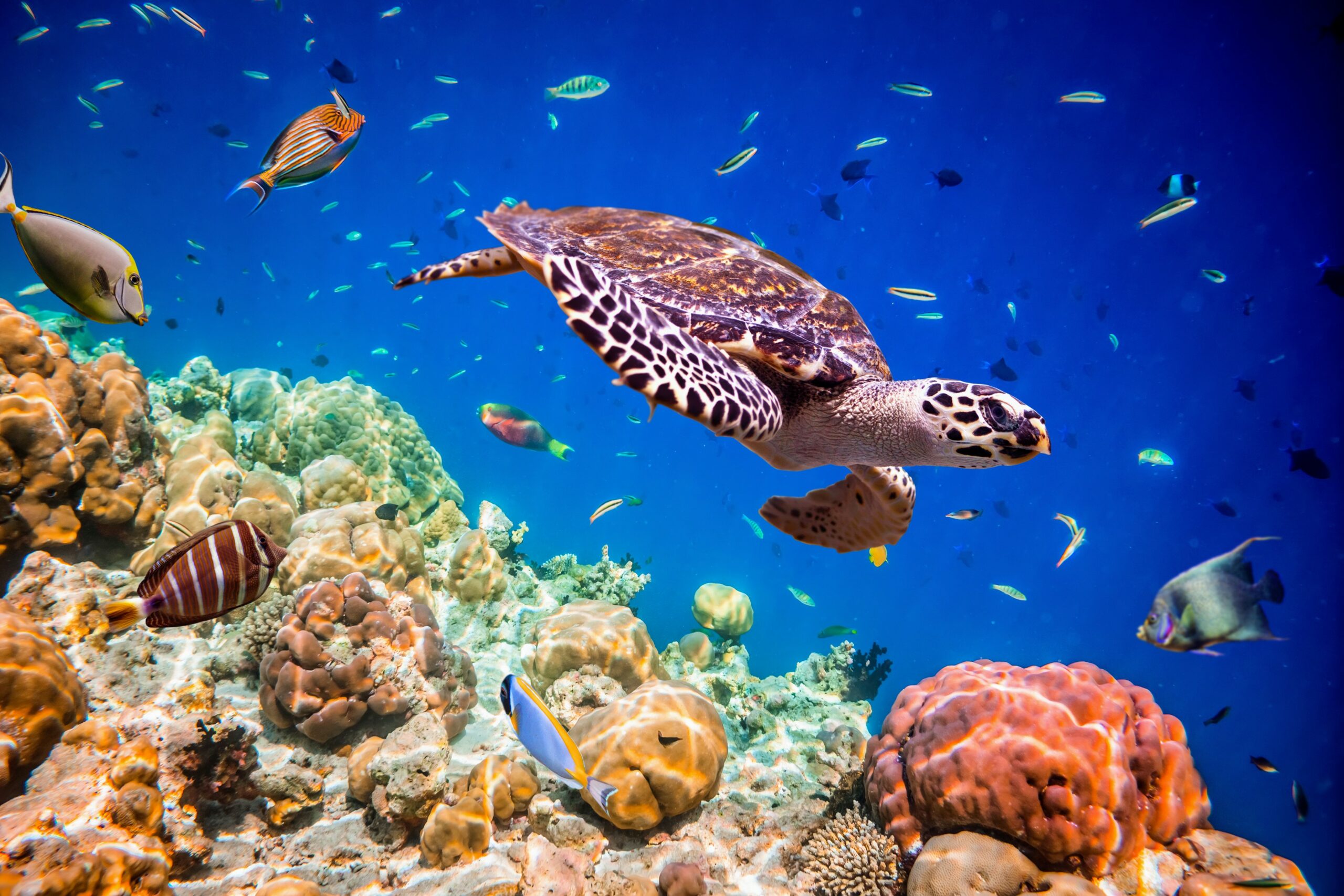
Marine ecosystems are aquatic environments with high levels of dissolved salt. These include the open ocean, the deep-sea ocean, and coastal marine ecosystems, each of which has different physical and biological characteristics. Marine ecosystems are defined by their unique biotic (living) and abiotic (nonliving) factors. Biotic factors include plants, animals, and microbes; important abiotic factors include the amount of sunlight in the ecosystem, the amount of oxygen and nutrients dissolved in the water, proximity to land, depth, and temperature.
Sunlight is one of the most important abiotic factors for marine ecosystems. It’s so important that scientists classify parts of marine ecosystems—up to three—by the amount of light they receive. The topmost part of a marine ecosystem is the euphotic zone, extending down as far as 200 meters (656 feet) below the surface. At this depth, there is sufficient light for regular photosynthetic activity. Most marine life inhabits this zone. Below the euphotic zone is the dysphotic zone, which can reach from 200 to as deep as 1,000 meters (656 to 3,280 feet) below the surface. At these depths, sunlight is still available, but only enough to facilitate some photosynthesis. Below the dysphotic zone lies the aphotic zone, which does not receive any sunlight.

Types of Marine Ecosystem

Marine ecosystems types include open deep sea, salt water wet-land, coral reefs, estuary, mangroves, sandy beach, kelp forest, polar marine and rocky marine ecosystem

Open Marine Ecosystem:
Whenever you think of the marine ecosystem, the first picture that comes to your mind is the open water surface. This open water surface is known as the marine ecosystem; This is the upper layer of the ocean where sun rays reach quite easily.
The open marine ecosystem extends up to 150 meters from the ocean surface. The open marine ecosystem provides habitat to various sea creatures such as plankton, algae, whales, jellyfish, etc.

Deep-Sea Marine Ecosystem:
The ecosystem deep inside the oceans at its floor is known as the deep sea marine ecosystem. Deep-sea marine ecosystem inhabiting various animal species in the seabed up to 1000 meters depth underwater.
Sunlight is one of the big challenges to penetrate at the seafloor; however, the species have adapted the marine environment of this region. A huge range of animal species is found in deep-sea marine ecosystems such as squids, fishes, elephant seals, sperm whales, crabs, worms, some sharks, etc.

Coral Reef Marine Ecosystem:
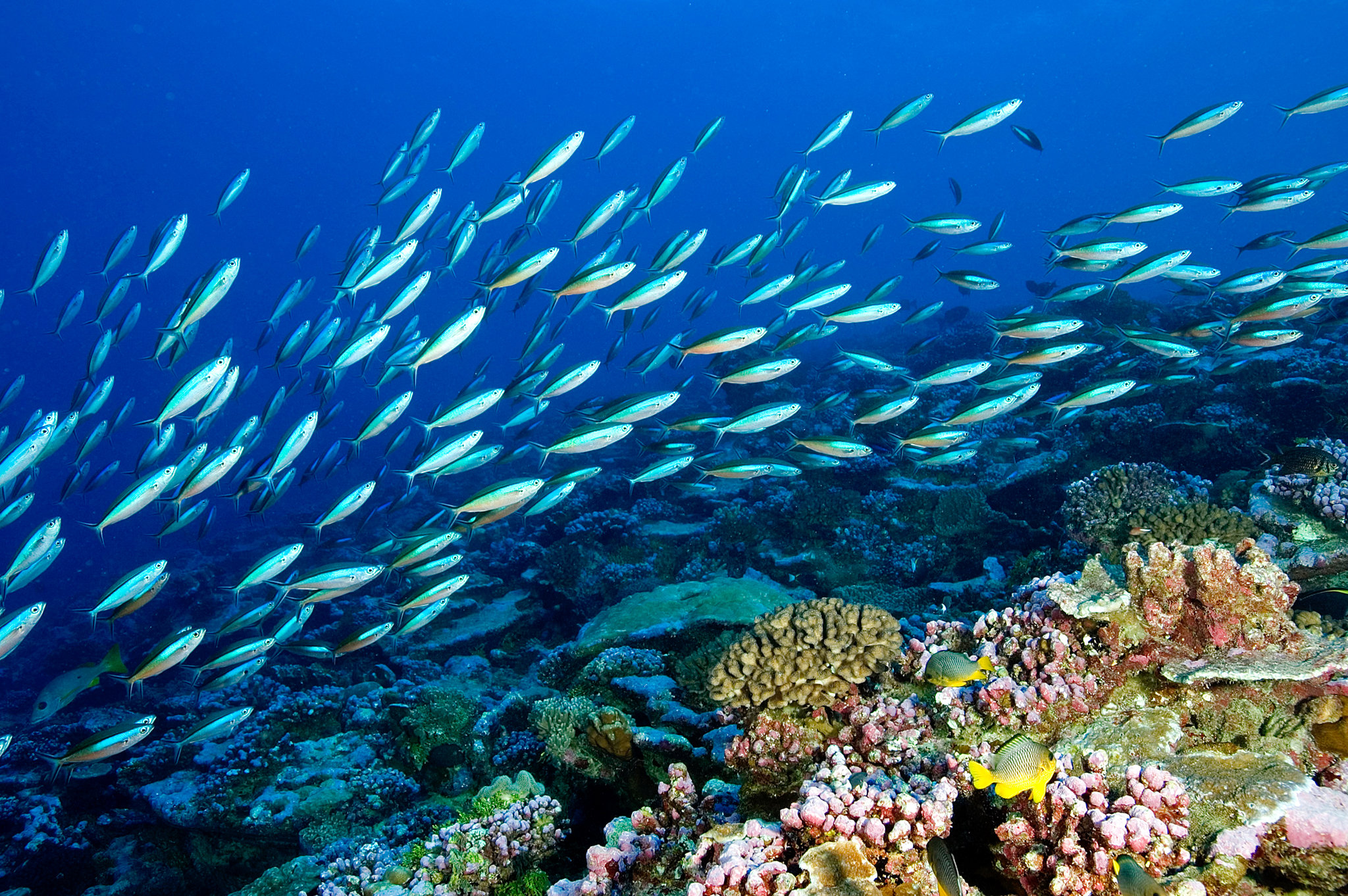
Coral reefs are special type of marine ecosystem found in the seafloor. This ecosystem is mostly found in tropical waters and is quite a productive ecosystem found on the Earth. The coral reefs are the skeleton made up of limestone i.e., calcium carbonate. The coral reef ecosystem provides food and shelter to almost ¼ of marine water species. Coral reefs attract exotic color fishes like sponges, snails, seahorses, sometimes large animals like sharks & dolphins, etc.

Saltwater Wetland Marine Ecosystem:
The coastal areas of oceans and seas are known as the saltwater wetland ecosystem. The saltwater wetland marine ecosystem is again classified into two types – saltwater swamps and salt marshes.
Saltwater swamps are regions dominated with trees, whereas salt marshes are covered with grasses. Commonly found water species of saltwater wetland ecosystem are amphibians, reptiles, some migratory birds, shellfishes, few fishes, etc.

Estuary Marine Ecosystem:
The area around the river mouth where it merges with marine water is usually termed as an estuary marine ecosystem. The salinity in this ecosystem varies with the tides. The estuary ecosystem does not support a variety of species.
Mostly the species of the neighbouring ecosystem are found in the Estuary marine ecosystem. This ecosystem also plays an essential role in nurseries for various kinds of fishes, shrimps, etc.

Mangrove Marine Ecosystem:
In some tropical and sub-tropical coastal regions, a special type of saltwater swamp is found, which is known as mangroves. Mangrove swamps are home for special types of trees that can survive in the saline ecosystem.
These mangroves are characterized by a special kind of roots to absorb oxygen to survive. The roots are extended above the water surface. Mangrove ecosystem provides shelter to various species such as shrimps, jellyfish, birds, sponges, crabs, fish, crocodiles, etc.

Sandy Beach Ecosystem:
Sandy’s ecosystem is quite poor in terms of biodiversity as compared to different marine ecosystems. The environment in the sandy beach ecosystem varies a lot. However, the species that are found in the sandy beach ecosystem are very much adapted to a constantly variable environment.

Kelp Forest Marine Ecosystem:
The kelp forest ecosystem is found in comparative cooler water. The average temperature of this ecosystem ranges from 42-72 degrees Fahrenheit with depth up to 60-90 feet.
Kelp forest ecosystem supports various animal species such as seabirds, shorebirds, invertebrates (like crabs, sea stars, snails, etc.), fishes, mammals (like sea lions, seals, whales, sea otter, etc.

Polar Marine Ecosystem:
As the climate of Polar Regions is extremely cold; thus, the temperature of this type of marine ecosystem is also too cold. The species found in the polar marine ecosystem have adapted to the adverse climatic conditions of this region.
The most common species found in the polar marine ecosystem includes planktons, algae, birds like penguins, polar bears, seals, walruses, etc.

Rocky Marine Ecosystem:
The rock shores, rock cliffs, boulders, tide pools, etc. combine to make rocky marine ecosystems. The biodiversity of rocky marine ecosystem generally have species like lichens, birds, invertebrate (lobsters, urchins, barnacles, sea stars, sea squirts, seal, etc.

The marine ecosystem is a unique ecosystem that supports various plant and animal lives. All these species set an excellent example of a great food chain as compared to other ecosystems.
The sad part is that we are spoiling such an amazing ecosystem by polluting it through disposing of unwanted wastes. We are disposing of our wastes into the oceans and seas that are affecting the marine ecology big time.

INDIAN NATIONAL MOVEMENT

The history of India and Indian national movement is resolvable in understanding. The Indian independence movement was a series of historic events during the British Raj with the ultimate aim of ending British rule in India on the Indian subcontinent. It lasted from 1857 to 1947.

The Revolt of 1857: The first movement for freedom first broke in Bengal.The Revolt of 1857 was started on May 10, 1857, at Meerut. It was the first-ever war for Indian Independence. It was the first large-scale rebellion against the East India Company. The Revolt was unsuccessful but it made a major impact on the public and stirred the entire Independence Movement in India. Mangal Pandey was one of the major parts of the revolution as he declared rebellion against his commanders and fired the first shot on the British officer.

Swadeshi Boycott Movement:
At the beginning of the 20th century, the Britishers announced the partition of Bengal with a motive to weaken the unity of nationalists. Amongst the prime Indian national movements, the Swadeshi Boycott Movement surfaced in the year 1903 as a reaction against the partition of Bengal but was formally announced in July 1905 and fully came into force from October 1905.

Anti-Partition Movement :
Led by moderates like Surendranath Benerjee, K.K.Mitra and Dada Bhai Naraoji, the initial stage of this Indian National Movement took place from 1903-1905. The Anti-partition movement was carried out through public meetings, memoranda, petitions etc.

Swadeshi and Boycott Movement:
From 1905 to 1908, the Swadeshi and Boycott movement was started by extremists like Bipin Chandra Pal, Tila, Lala Lajpat Rai and Aurobindo Ghosh. The general public was asked to refrain from the use of foreign goods and motivated to substitute them with the Indian homemade goods. Prominent events like Indian festivals, songs, poetries and paintings were used to propagate this Indian national movement.
Home Rule League Movement
To convey and propagate the feeling of self-governance into the common man, this Indian National movement was carried out in India as it simultaneously happened in Ireland. Majorly, the below-mentioned leagues pivotally contributed to the group of the Home Rule League Movement using newspapers, posters, pamphlets etc

Bal Gangadhar Tilak started this league in April 1916 and spread out to Maharashtra, Karnataka, Berar and Central Provinces.
Annie Besant’s League began in September 1916 in various other parts of the country.

Satyagraha movement:
The first Satyagraha Movement was led by Mahatma Gandhi in the Champaran District of Bihar in the year 1917. Champaran district had tens of thousands of landless serfs. One of the suppressed Indigo cultivators, Pandit Raj Kumar Shukla persuaded Gandhi to lead this movement. This led to other Satyagraha Movements.
Khilafat Non-Cooperation Movement
The Non-Cooperation Movement was one of the most famous and crucial phases in the Indian freedom struggle against the Britishers.
Ill-treatment of the Khalifa, the spiritual leader of the Muslims by the Britishers agitated the entire Muslim community in India and around the world.
Deteriorating economic conditions in the country along with the major incidents like Jallianwala Bagh Massacre, Rowlatt Act, etc were the main reasons behind how it emerged to be a pivotal Indian national movement.
This are the one of the important reason for the rise of this movement. The Non-Cooperation Movement was officially launched by the Khilafat Committee in August 1920. Also, the Indian National Congress adopted the movement in December 1920 after their Nagpur session. After which a complete boycott of government goods, schools, colleges, food, clothing etc happened and emphasis was laid on studying at national schools and khadi products were used.
On February 5, 1922, Chauri Chaura incident took place wherein the police station along with 22 policemen inside it was burnt. This led to call-off of this Indian National Movement by Mahatama Gandhi.

Civil Disobedience Movement :
One of the most prominent Indian national movements, the Civil Disobedience phase is classified into two stages:
First Civil Disobedience Movement
The Civil Disobedience Movement was launched along with the Dandi March by Mahatma Gandhi on 12th March 1930. Ultimately, it ended on April 6 when Gandhi broke the Salt Law at Dandi. Afterwards, the movement was proceeded by C.Raja Gopalachari.
Mass participation of women, peasants and merchants happened and was succeeded by salt satyagraha, no-tex movement and no-rent movement as this Indian national movement spread across the country. Later on, it got withdrawn in March 1931 because of the Gandhi-Irwin Pact.

Second Civil Disobedience Movement:
The failed treaty of the second roundtable conference led to the start of the second Civil Disobedience Movement stretching from December 1931 to April 1934. This lead to varied practices like protests in front of liquor stores, salt satyagraha, forest law violations happened. But the British Government was aware of the upcoming incidents, thus, it imposed martial law with a ban on gatherings outside Gandhi’s Ashrams.
Quit India Movement
The main reason behind the launch of the Quit India Movement in 1942 as it became one of the powerful Indian National Movements include:
The failure of the Cripps proposal become the awakening call for the Indians
The discontent of the general public with hardships brought by the world war.
After going through so many hardships in order to redeem the motherland from foreign and save the religion and self-esteem, India received it’s freedom from British on the night of 15th August 1947, 12:02 am from the British to become a Sovereign and Democratic country.

INSURANCE

Insurance is a legal agreement between the insurance company and the individual. When you buy Insurance it is a way you protect against unexpected financial losses. The insurance company pays your and your family, when some bad happens to you. When a person
pays a insurance company, the company promises to pay the money if the person becomes injured or passed away.The Insurance company pays the value of property lost damaged. If no insurance, then you might be the responsible for all related costs at hard time.

In India, the insurance types are classified to Life insurance, Health insurance, Educational insurance, Home insurance and Car insurance.

Health Insurance: Insurance is for
medical costs for expensive treatments. You can buy a generic health insurance policy. There are policies for specific diseases. The premium paid towards health insurance pay the hospital, treatment and medication costs.

Educational insurance: Educational insurance is specially designed as a save tool for children’s education. Education insurance provides a lump amount of money when your child reaches the age for higher education. The child’s life is assured under this is the insurance while the parent / legal guardian is the owner of the policy.

Home Insurance:Home insurance can help with covering the loss or damage of house by fire or other natural disasters like earthquake flood, and lighting

Car Insurance:Car insurance is important for every car owner.It protects you against any sudden incidents like accident.

Some policies compensate the damage towards your during natural disasters. It ensures your families financial stability. It reduces stress during our hard time of our life. Insurance are for safety and security. But apart from that there are also income tax benefits that are avail. It is our choice to choose the way to insurance.It is also our responsibility to keep our family in a safe guard even in a hard time.

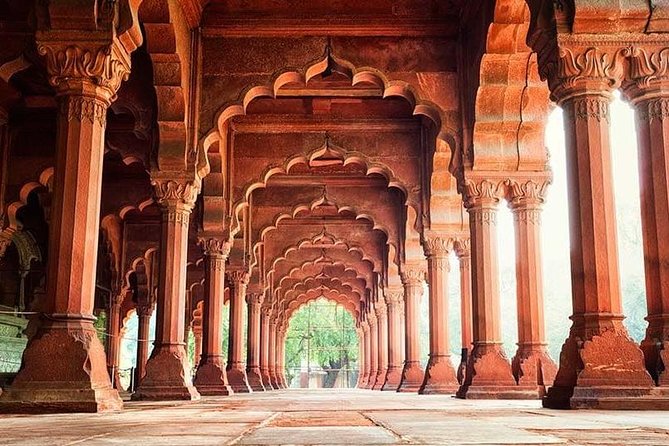
HISTORY OF RED FORT

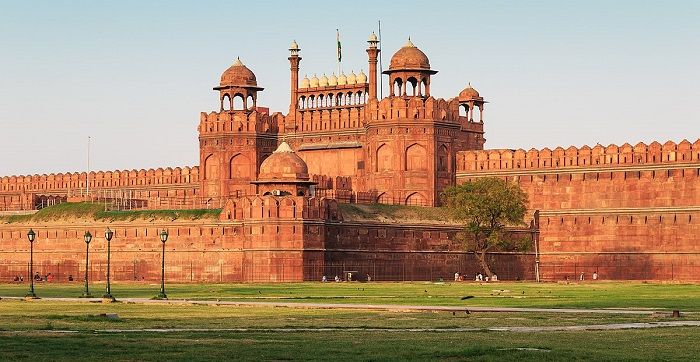
The Red Fort, which is also known as the Lal Qila, was constructed by one of the most famous Mughal emperors, Shah Jahan. Built on the banks of river Yamuna, the fortress-palace was designed by architect Ustad Ahmad Lahauri. It took 8 years and 10 months to build the magnificent fort. The fort served as the royal residence of the Mughal emperors from 1648 to 1857. It took over the honor of royal residence from the famous Agra Fort when Shah Jahan decided to shift his capital from Agra to Delhi.

The Red Fort derives its name from the red-sandstone walls, which make the fort almost impregnable. The fort, which is located at Old Delhi, is one of the massive and prominent structures of India and is a fine example of Mughal architecture. It is often considered as the pinnacle of Mughal creativity. In modern times, the fort is of importance to the people of India as the Indian Prime Minister delivers his Independence Day speech from the fort, every year on August 15. In 2007, it was declared as UNESCO World Heritage Site.

History
Shah Jahan, the then Mughal emperor decided to build the Red Fort as the citadel of Shahjahanabad, his new capital at Delhi. The fort, which was completely constructed in the year 1648, remained the residence of the Mughal emperors until 1857. Post the reign of Aurangzeb, the Mughal dynasty grew weaker in every aspect and that started taking a toll on the fort. When Farrukhsiyar, the ninth Mughal emperor, took over the reign from Jahandar Shah after murdering him, the fort began to lose its luster, quite literally. During his reign, the silver ceiling of the fort was replaced with copper in order to raise money. This was probably the beginning of the plunder that would go on for years to come. In 1739, Nadir Shah, the Persian emperor defeated the Mughals and took with him some of the valuables belonging to the fort, including the famous peacock throne, which had served as the royal throne of the Mughals. The weakened Mughals had no other option but to sign a treaty with the Marathas, who had promised to protect them and the fort. In 1760, when Ahmed Shah Durrani of the Durrani dynasty threatened to capture Delhi, the Marathas dug out the silver ceiling of Diwan-i-Khas to strengthen their army. However, Ahmed Shah Durrani defeated the Marathas in the third battle of Panipat and took over the fort. The Marathas reconquered the fort in 1771 and stalled Shah Alam II as the 16th Mughal emperor. In 1788, the Marathas occupied the fort and ruled over Delhi for the next 20 years before the British defeated them during the Second Anglo-Maratha War in 1803.
The fort now was occupied by the British, who even built a residence of their own within the fort. During the Indian rebellion of 1857, Bahadur Shah II, was arrested by the British and later exiled to Rangoon. With Bahadur Shah II, the Mughal Empire came to an end and this opened a window of opportunity for the British to loot valuables from the fort. Almost all furniture were either destroyed or shipped to England. Many edifices and landmarks within the fort were destroyed and barracks of stone replaced them. Many priceless possessions like the Koh-i-Noor diamond, the crown of Bahadur Shah and the wine cup of Shah Jahan were sent to the British government. After independence, the Indian Army occupied a major part of the fort before handing it over to the Archaeological Survey of India (ASA) for restoration purposes.
The Red Fort is the largest historical structure in Delhi. Every year, the Prime Minister of India hoists the tricolor flag on every Independence Day. Security around the fort during the Independence Day celebrations is tightened as the place was attacked by terrorists on 22 December in the year 2000. The fort also serves as a major tourist attraction and witnesses thousands of visitors throughout the year. Though many buildings are not in great shape, some are still in good condition and efforts are being taken to conserve what is left of the fort. Three museums namely the museum of blood paintings, war-memorial museum and archaeological museum have been set up inside the fort.In the newly released currency note of rupees 500, the fort appears on the back of the note, implying its importance even in the post-independence era.

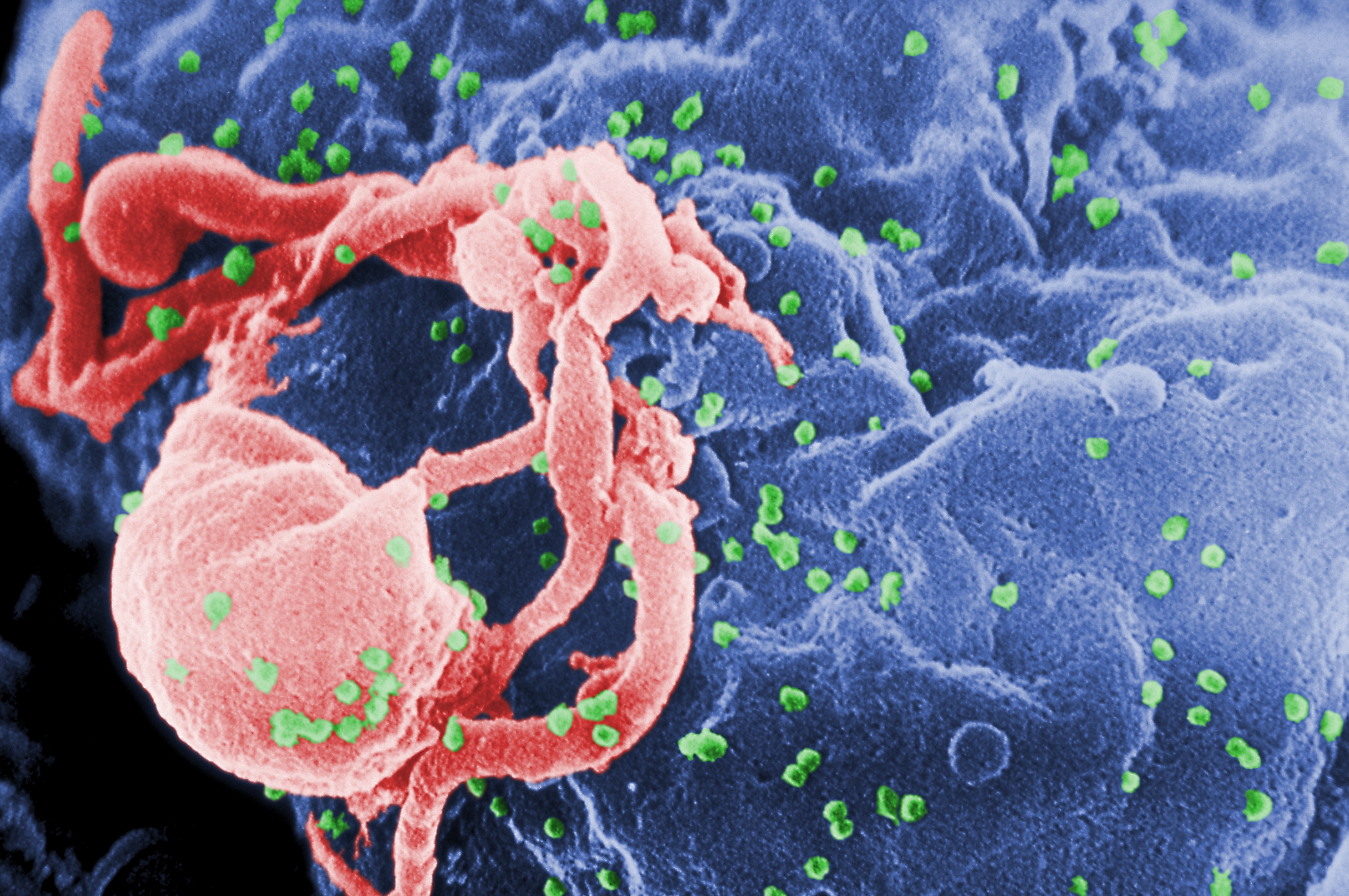
HUMAN IMMUNODEFICIENCY VIRUS(HIV): TRANSMISSION, SYMPTOMS AND PREVENTION

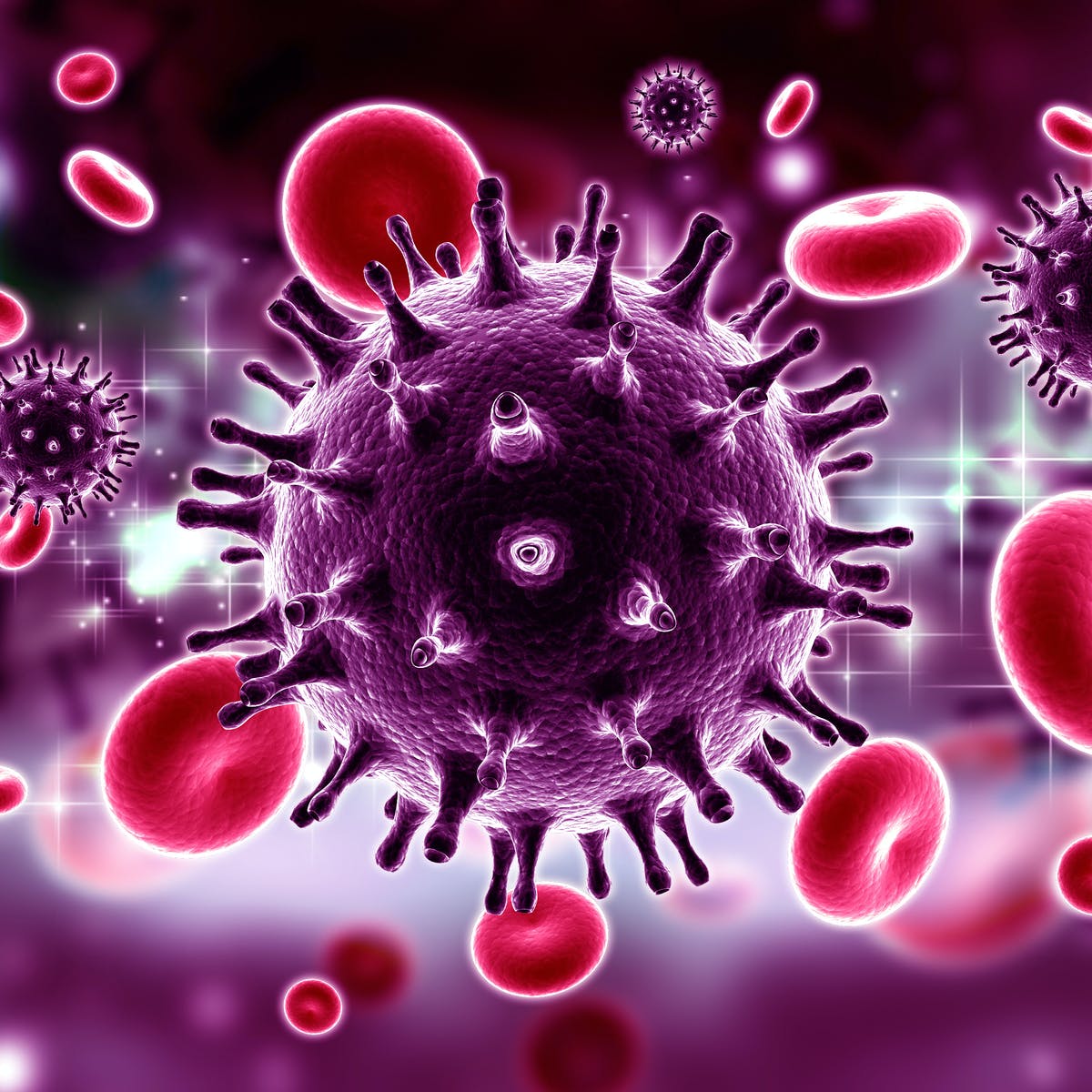
Human Immunodeficiency virus (HIV), a member of the retrovirus family, is the causative agent of Acquired immune deficiency syndrome (AIDS).
The human immunodeficiency virus (HIV) targets the immune system and weakens people’s defense against many infections and some types of cancer that people with healthy immune systems can more easily fight off. As the virus destroys and impairs the function of immune cells, infected individuals gradually become immunodeficient. Immune function is typically measured by CD4 cell count.
The most advanced stage of HIV infection is acquired immunodeficiency syndrome (AIDS), which can take many years to develop if not treated, depending on the individual. AIDS is defined by the development of certain cancers, infections or other severe long-term clinical manifestations.

Transmission:
HIV is a sexually transmitted infection (STI). It can also be spread by contact with infected blood and from illicit injection drug use or sharing needles. It can also be spread from mother to child during pregnancy, childbirth or breastfeeding. Without medication, it may take years before HIV weakens your immune system to the point that you have AIDS.
There’s no cure for HIV/AIDS, but medications can control the infection and prevent progression of the disease. Antiviral treatments for HIV have reduced AIDS deaths around the world, and international organizations are working to increase the availability of prevention measures and treatment in resource-poor countries.

Signs and symptoms:
The symptoms of HIV vary depending on the stage of infection. Though people living with HIV tend to be most infectious in the first few months after being infected, many are unaware of their status until the later stages. In the first few weeks after initial infection people may experience no symptoms or an influenza-like illness including fever, headache, rash or sore throat.
As the infection progressively weakens the immune system, they can develop other signs and symptoms, such as swollen lymph nodes, weight loss, fever, diarrhoea and cough. Without treatment, they could also develop severe illnesses such as tuberculosis (TB), cryptococcal meningitis, severe bacterial infections, and cancers such as lymphomas and Kaposi’s sarcoma.

Prevention
Individuals can reduce the risk of HIV infection by limiting exposure to risk factors. Key approaches for HIV prevention, which are often used in combination, include:
• male and female condom use;
• prevention, testing and counselling for HIV and STIs;
• voluntary medical male circumcision (VMMC);
• use of antiretroviral drugs (ARVs) for prevention (oral PrEP and long acting products), the dapivirine vaginal ring and injectable long-acting cabotegravir;
• harm reduction for people who inject and use drugs; and
• elimination of mother-to-child transmission (MTCT) of HIV.
HIV is not transmitted if a person’s sexual partner is virally suppressed on ART, so increasing access to testing and supporting linkage to ART is an important component of HIV prevention.
This are the few prevention methods to prevent HIV as there is no cure for this disease, but it can be controlled and prevented.

MAJOR CROPS OF INDIA

India has a great history of agrarian culture. Agriculture is the soul of rural India. It is an ancient form of economic activity in our country. It also contributes a significant figure to the Gross Domestic Product (GDP).

Major Crops
A variety of food and non-food crops are grown in different parts of our country.

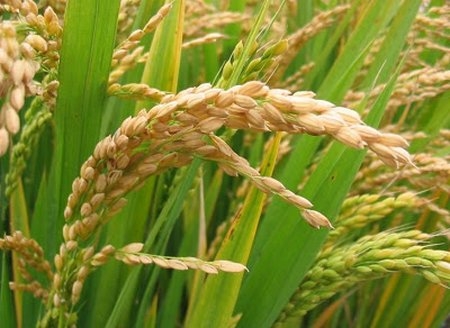
Few crops are: Rice
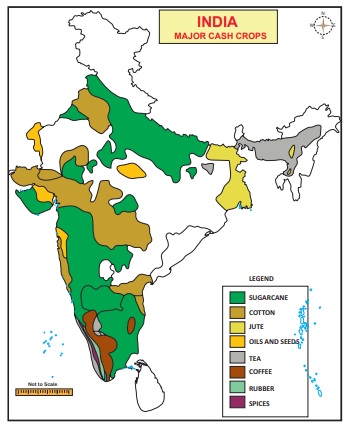
It is grown in the plains of north and in the parts of north-eastern India; it is also cultivated in coastal and deltaic regions. India is the second largest producer in the world after China. Areas of less rainfall, such as Punjab, Haryana and Western Uttar Pradesh and parts of Rajasthan have been made appropriate for cultivation of rice with the development of canal and irrigation tubewells.

Maize
It is a kharif crop which in both used as food and fodder. Karnataka, Uttar-Pradesh, Bihar, Andhra Pradesh and Madhya Pradesh are the major maize-producing states of India. Production of maize have increased with the use of modern inputs such as HYV seeds, fertilizers and irrigation.

Millets
The coarse grains, such as, jowar, bagra and ragi are major millets produced in India. Maharashtra is the largest producer of jowar. Other than this, Karnataka, Andhra Pradesh and Madhya Pradesh are other leading producer of jowar.
Bajra is grown in Rajasthan, which is the largest producer of bajra, followed by Uttar Pradesh, Maharashtra, Gujarat and Haryana.

Ragi
Ragi is grown in dry regions and Karnataka is its largest producer followed by Tamil Nadu, Himachal Pradesh, Uttarakhand, Sikkim, Jharkhand and Arunachal Pradesh.

Wheat
It is the second most important cereal crop after rice and the two important wheat-growing zones of India are the Ganga- satluj plains in north-west and black soil region of the Deccan. Punjab, Haryana, Uttar Pradesh, Bihar, Rajasthan and Madhya Pradesh are the leading producers of wheat.

Pulses
India is the largest producer and consumer of pulses in the world. Major pulses grown are tur, Urad, moong, masur, peas and gram. The leading states producing pulses are Madhya Pradesh, Uttar Pradesh, Rajasthan, Maharashtra and Karnataka.

Sugarcane
India is the second largest producer of sugarcane after Brazil. Sugarcane is the main source of sugar, gur, khandsari and molasses. Uttar Pradesh, Maharashtra, Karnataka, Tamil Nadu, Andhra Pradesh, Bihar, Punjab and Haryana are the sugarcane producing States of India.

Oil Seeds
Main oil-seeds of India includes mustard, groundnut, coconut, Sesamum (til), soyabean, caster seeds, cotton seeds, linseed and sunflower, in which some are edible and used in cooking. Also, some are used a raw material for the production of soap, cosmetics and ointments.
Groundnut is the major oil seed produced in Andhra Pradesh, Tamil Nadu, Karnataka, Gujarat and Maharashtra. Sesamum is a kharif crop in north and caster seed is grown both as rabi and kharif crop.

Tea
Tea was introduced by British in our country, which grows well in tropical and sub-tropical climates endowed with deep and fertile well-drained soil.
Tea is processed in a tea garden to maintain its freshness and requires huge labour for its cultivation. The hills of Darjeeling and Jalpaiguri, Assam, West Bengal, Tamil Nadu and Kerala are the largest producers of tea in India. Some other tea producing states are Himachal Pradesh, Uttaranchal, Meghalaya, Andhra Pradesh and Tripura.

Coffee
The varieties of India coffee has a demand all over the world mostly for its good quality. The Arabica variety, which is brought from Yemen, is produced in India which was initially introduced on the Baba Budan Hills and now-a-days, it is confined to Nilgiri in Karnataka.

Horticulture crops
India is very famous for its fruits and vegetables around the would and is the largest producer as well.
The fruits like Mangoes, which is mostly produced in Maharashtra, Andhra Pradesh, Uttar Pradesh and West Bengal, Oranges which are produced in Nagpur and Cherrapunjee, Bananas of Kerala, Mizoram, Maharastra and Tamil Nadu, Lichi and guava which is grown in Uttar Pradesh and Bihar are demanded all over the world. The other fruits of great demand are Pineapples of Meghalaya, grapes of Andhra Pradesh, Maharastra; Aplles, pears, Apricots and Walnuts of Jammu and Kashmir and Himachal Pradesh.

IRRIGATION & ITS TYPES

What is Irrigation?
Irrigation is the process of applying water to the crops artificially to fulfil their water requirements. Nutrients may also be provided to the crops through irrigation. The various sources of water for irrigation are wells, ponds, lakes, canals, tube-wells and even dams. Irrigation offers moisture required for growth and development, germination and other related functions.
The frequency, rate, amount and time of irrigation are different for different crops and also vary according to the types of soil and seasons. The types of irrigation systems are practised based on the different types of soils, climates, crops and resources.

Methods of Irrigation:
Irrigation can be carried out by two different methods:
• Traditional Methods
• Modern Methods
Traditional Methods of Irrigation
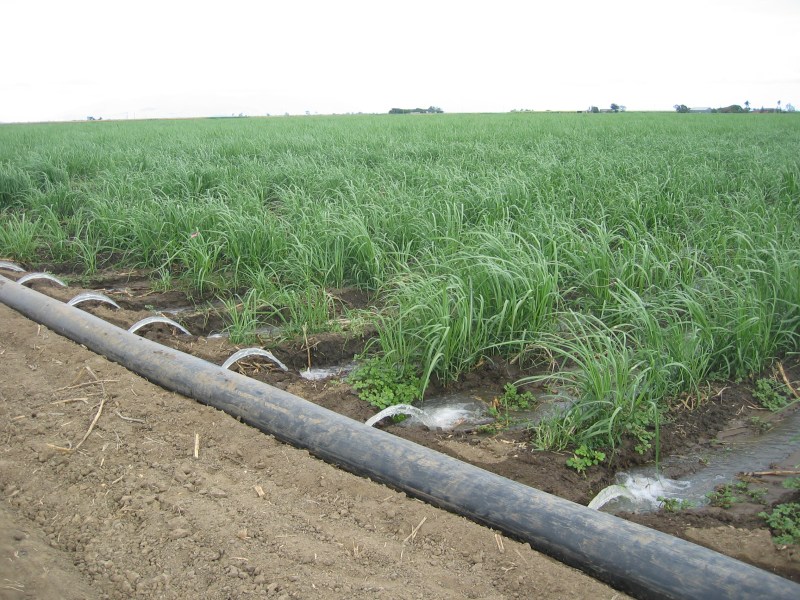
In this method, irrigation is done manually. Here, a farmer pulls out water from wells or canals by himself or using cattle and carries to farming fields. This method can vary in different regions.
The main advantage of this method is that it is cheap. But its efficiency is poor because of the uneven distribution of water. Also, the chances of water loss are very high.
Some examples of the traditional system are pulley system, lever system, chain pump. Among these, the pump system is the most common and used widely.

Modern Methods of Irrigation
The modern method compensates the disadvantages of traditional methods and thus helps in the proper way of water usage.
The modern method involves two systems:
• Sprinkler system
• Drip system

SPRINKLER SYSTEM:
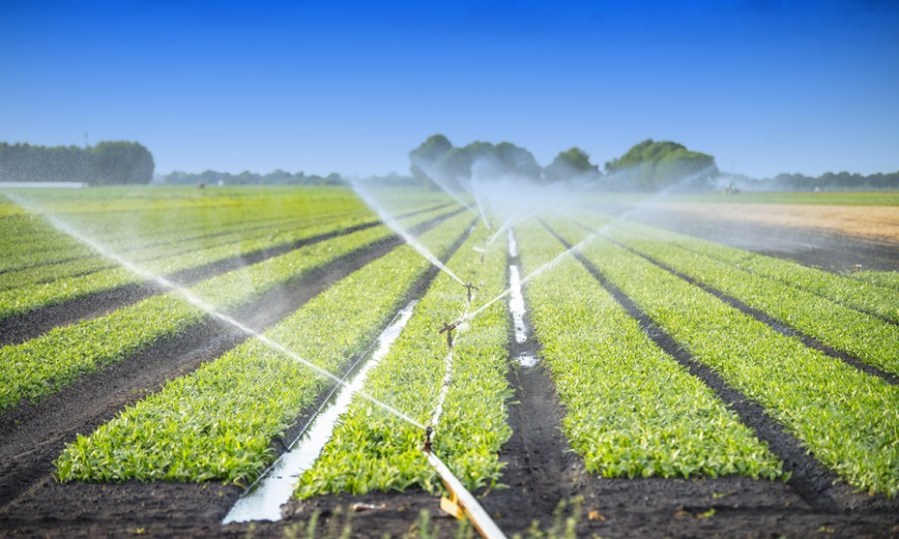
A sprinkler system, as its name suggests, sprinkles water over the crop and helps in an even distribution of water. This method is much advisable in areas facing water scarcity.
Here a pump is connected to pipes which generate pressure and water is sprinkled through nozzles of pipes.

DRIP SYSTEM:
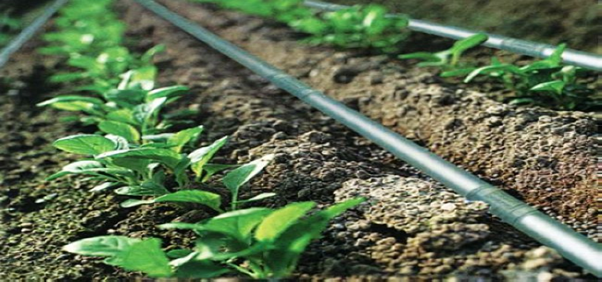
In the drip system, water supply is done drop by drop exactly at roots using a hose or pipe. This method can also be used in regions where water availability is less.

FEW OTHER TYPES OF IRRIGATION ARE:
Localized Irrigation
Water is scattered throughout the land under low pressure. A piped network, that passes throughout the soil, is used for water distribution so that all the plant gets water effectively.
Center Pivot Irrigation
Water is scattered throughout the land by a machine of sprinklers that move on wheeled towers in 360 degrees pattern or a circle that would move around the land and sprinkle water all over the soil and it is really efficient and effective and this procedure or system is well recommended in a lot of countries but mostly used in the USA.
Surface Irrigation
Water is scattered equally throughout the land with the help of gravitational pull and it doesn’t require a machine to take care of it. This consists of a vast amount of irrigation methods in which water is scattered, the things you need to have before you introduce the irrigation water to the basins are by siphons, gated pipe. This system is best suited for areas that have a parallel slope or flat surface and a moderate fine-textured soil type. This helps the surface to have water spread through it evenly as it moves down across the basin.

There are three types of surface irrigation:
• Basin irrigation
• Furrow irrigation
• Flood irrigation
• Bay/border strip irrigation

Lateral Move Irrigation
Water is scattered throughout the land evenly through a series of pipes or water lines, they can either be controlled by hands which could be less effective compared to a man-made machine for sprinkling water all over the land. The sprinkles move only a recommended distance on the field and for the next land, the Reconnection of the water hose is required to cover the next distance. Compared to the other irrigation systems, lateral move irrigation system tends to be way cheaper but requires a lot of labor or manpower.
Sub-Irrigation
In this process, the surrounding water table is raised to scatter water evenly across the land. Methods like pumping stations, canals, gates, ditches, and a few other systems are used to raise the water table. This irrigation method is one of the most effective for scattering water throughout the areas with a high water table.
Manual Irrigation
Water is scattered across evenly around the field with the help of manual power such as labors and watering cans. This system is very labor concentrated.
Each of these methods is useful in its own specific way and it depends on how you are using it and what you are using it on. The lade matters as sometimes the best irrigation system might seem to have flaws in it. Make sure you determine the soil you are using and check whether you have a good supply reservoir filled with water around you which would make it easier for you to take care of your plants.

NUTRITION & ITS TYPES

What is nutrition?
Provision to cells and organisms to support life. Nutrition is the science that interprets the interaction of nutrients and other substances in food in relation to maintenance, growth, reproduction, health and disease of an organism.
Nutrition is a critical part of health and development. Better nutrition is related to improved infant, child and maternal health, stronger immune systems, safer pre
Healthy children learn better. People with adequate nutrition are more productive and can create opportunities to gradually break the cycles of poverty and hunger.
Malnutrition, in every form, presents significant threats to human health. Today the world faces a double burden of malnutrition that includes both undernutrition and overweight, especially in low- and middle-income countries.

Types of Nutrition
Broadly, there are two types of nutrition among living organisms, namely:
• Autotrophic mode
• Heterotrophic mode

Autotrophic Nutrition
In the autotrophic mode, organisms use simple inorganic matters like water and carbon dioxide in the presence of light and chlorophyll to synthesize food on their own. In other words, the process of photosynthesis is used to convert light energy into food such as glucose. Such organisms are called autotrophs. Plants, algae, and bacteria (cyanobacteria) are some examples where autotrophic nutrition is observed.
During photosynthesis, carbon dioxide and water get converted into carbohydrates. These carbohydrates are stored in the form of starch in plants. Plants later derive the energy required from the stored starch.
In plants, stomata are the openings on leaves where gaseous exchange takes place and is regulated by guard cells. Plants take in and release gases through these stomatal pores.
In desert-like habitats, to avoid water loss, guard cells keep these pores closed during the daytime. Later, during the night time, stomata will be opened to absorb carbon dioxide and store in the vacuoles. During the daytime, they will use this stored carbon dioxide to perform photosynthesis.
Other than photosynthesis, plants also depend on soil for micro and macro elements. These elements are used to synthesize proteins and other essential compounds required for the proper functioning and growth of the plants.

Heterotrophic Nutrition
Every organism is not capable of preparing food on its own. Such organisms depend on others for their nutrition. The organisms which cannot produce food on their own and depend on other sources/organisms are called heterotrophs. This mode of nutrition is known as heterotrophic nutrition.
Fungi and all the animals including humans are heterotrophs. Heterotrophs can be of many varieties depending upon their environment and adaptations. Some may eat plants (herbivores) and others eat animals (carnivores) while few eat both (omnivores). Thus we can say survival of heterotrophs depends directly or indirectly on plants.
Heterotrophs are classified into different categories based on their mode of nutrition. They are:
• Parasites (e.g. leeches, ticks)
• Saprophytes (e.g. mushrooms)
• Holozoic (e.g. humans, dogs)

OIL SPILLS: CAUSES AND ITS EFFECTS

What is an Oil Spill?
An oil spill is the release of a liquid petroleum hydrocarbon into the environment, especially the marine ecosystem, due to human activity, and is a form of pollution. The term is usually given to marine oil spills, where oil is released into the ocean or coastal waters, but spills may also occur on land.

Where do oil spills happen?
Oil spills that happen in rivers, bays and the ocean most often are caused by accidents involving tankers, barges, pipelines, refineries, drilling rigs and storage facilities, but also occur from recreational boats and in marinas.
Causes of Oil Spill:
People being careless while sailing oil tankers in cruises, equipment breaking down, natural disasters such as hurricanes, storm surge or high winds, deliberate acts by terrorists, acts of war, vandals or illegal dumping are the important causes of Oil spills.

Effects of Oil Spills:
Most oils float on the oceans’ saltwater or freshwater from rivers and lakes. Oil usually spreads out rapidly across the water’s surface to form a thin oil slick. As the oil continues spreading, the slick becomes thinner and thinner, finally becoming a very thin sheen, which often looks like a rainbow.
It affects the food chain of the whole ecosystem. When oil spills occur, it will break down a moderate amount of oil and deposit on the bottom. When oil spreads in the ocean, it breaks and sinks into the ocean which deteriorates the health of the ocean life. It contaminates the natural habitat of the ocean. Oil spills have harsh effects on the coastlines. The birds and the sea mammals are covered by the oil. Oil is so damaging to the whole ecosystem as it covers everything which is nearby the coastlines like sand, animals, grass and soil etc. It destroys everything near the coastline. The oil that spills into the ocean can have a great impact on people’s health who consume seafood. It can be damaging for those marine animals who swim in the ocean and if they ingest oil then it will be destroying them.

CANCER: DEFINTION, CAUSES AND TREATMENT

What Is Cancer?
Cancer is a group of diseases involving abnormal cell growth with the potential to invade or spread to other parts of the body. It describes the disease that results when cellular changes cause the uncontrolled growth and division of cells. Some types of cancer cause rapid cell growth, while others cause cells to grow and divide at a slower rate.
Certain forms of cancer result in visible growths called tumors, while others, such as leukemia, do not.
Most of the body’s cells have specific functions and fixed lifespans. While it may sound like a bad thing, cell death is part of a natural and beneficial phenomenon called apoptosis.
A cell receives instructions to die so that the body can replace it with a newer cell that functions better. Cancerous cells lack the components that instruct them to stop dividing and to die.
As a result, they build up in the body, using oxygen and nutrients that would usually nourish other cells. Cancerous cells can form tumors, impair the immune system and cause other changes that prevent the body from functioning regularly.
Cancerous cells may appear in one area, then spread via the lymph nodes. These are clusters of immune cells located throughout the body.

How Does Cancer Develop?
ENLARGE
Cancer is a genetic disease—that is, it is caused by changes to genes that control the way our cells function, especially how they grow and divide.
Genetic changes that cause cancer can happen because:
• of errors that occur as cells divide.
• of damage to DNA caused by harmful substances in the environment, such as the chemicals in tobacco smoke and ultraviolet rays from the sun. (Our Cancer Causes and Prevention section has more information.)
• they were inherited from our parents.
The body normally eliminates cells with damaged DNA before they turn cancerous. But the body’s ability to do so goes down as we age. This is part of the reason why there is a higher risk of cancer later in life.
Each person’s cancer has a unique combination of genetic changes. As the cancer continues to grow, additional changes will occur. Even within the same tumor, different cells may have different genetic changes.
A cancer that has spread from the place where it first formed to another place in the body is called metastatic cancer. The process by which cancer cells spread to other parts of the body is called metastasis.
Metastatic cancer has the same name and the same type of cancer cells as the original, or primary, cancer. For example, breast cancer that forms a metastatic tumor in the lung is metastatic breast cancer, not lung cancer.
Under a microscope, metastatic cancer cells generally look the same as cells of the original cancer. Moreover, metastatic cancer cells and cells of the original cancer usually have some molecular features in common, such as the presence of specific chromosome changes.
In some cases, treatment may help prolong the lives of people with metastatic cancer. In other cases, the primary goal of treatment for metastatic cancer is to control the growth of the cancer or to relieve symptoms it is causing. Metastatic tumors can cause severe damage to how the body functions, and most people who die of cancer die of metastatic disease.

Treatments
nnovative research has fueled the development of new medications and treatment technologies.
Doctors usually prescribe treatments based on the type of cancer, its stage at diagnosis, and the person’s overall health.
Below are examples of approaches to cancer treatment:
• Chemotherapy aims to kill cancerous cells with medications that target rapidly dividing cells. The drugs can also help shrink tumors, but the side effects can be severe.
• Hormone therapy involves taking medications that change how certain hormones work or interfere with the body’s ability to produce them. When hormones play a significant role, as with prostate and breast cancers, this is a common approach.
• Immunotherapy uses medications and other treatments to boost the immune system and encourage it to fight cancerous cells. Two examples of these treatments are checkpoint inhibitors and adoptive cell transfer.
• Precision medicine, or personalized medicine, is a newer, developing approach. It involves using genetic testing to determine the best treatments for a person’s particular presentation of cancer. Researchers have yet to show that it can effectively treat all types of cancer, however.
• Radiation therapy uses high-dose radiation to kill cancerous cells. Also, a doctor may recommend using radiation to shrink a tumor before surgery or reduce tumor-related symptoms.
• Stem cell transplant can be especially beneficial for people with blood-related cancers, such as leukemia or lymphoma. It involves removing cells, such as red or white blood cells, that chemotherapy or radiation has destroyed. Lab technicians then strengthen the cells and put them back into the body.
• Surgery is often a part of a treatment plan when a person has a cancerous tumor. Also, a surgeon may remove lymph nodes to reduce or prevent the disease’s spread.
• Targeted therapies perform functions within cancerous cells to prevent them from multiplying. They can also boost the immune system. Two examples of these therapies are small-molecule drugs and monoclonal antibodies.
Doctors will often employ more than one type of treatment to maximize effectiveness.