Mutual Funds

N kavya

A mutual fund is a company that pools money from many investors and invests the money in securities such as stocks, bonds, and short-term debt. The combined holdings of the mutual fund are known as its portfolio. Investors buy shares in mutual funds.

Why do people buy mutual funds?

Mutual funds are a popular choice among investors because they generally offer the following features:

1. Professional Management -:The fund managers research for you. They select the securities and monitor the performance.
2. Diversification-: “Don’t put all your eggs in one basket.” Mutual funds typically invest in a range of companies and industries. This helps to lower your risk if one company fails.
3. Affordability -: Most mutual funds set a relatively low dollar amount for initial investment and subsequent purchases.
4. Liquidity -: Mutual fund investors can easily redeem their shares at any time, for the current net asset value (NAV) plus any redemption fees.

What types of mutual funds are there?

1. Money market funds-: Have relatively low risks. By law, they can invest only in certain high-quality, short-term investments issued by U.S. corporations, and federal, state, and local governments.
2. Bond funds-: Have higher risks than money market funds because they typically aim to produce higher returns. Because there are many different types of bonds, the risks and rewards of bond funds can vary dramatically.
3. Stock funds-: Invest in corporate stocks. Not all stock funds are the same. Some examples are:
• Growth funds-: focus on stocks that may not pay a regular dividend but have the potential for above-average financial gains.
• Income funds-: invest in stocks that pay regular dividends.
• Index funds-: track a particular market index such as the Standard & Poor’s 500 Index.
• Sector funds-: specialize in a particular industry segment.
4. Target date funds -: Hold a mix of stocks, bonds, and other investments. Over time, the mix gradually shifts according to the fund’s strategy. Target date funds, sometimes known as lifecycle funds, are designed for individuals with particular retirement dates in mind.

What are the benefits and risks of mutual funds?

Mutual funds offer professional investment management and potential diversification. They also offer three ways to earn money:

1. Dividend Payments -: A fund may earn income from dividends on stock or interest on bonds. The fund then pays the shareholders nearly all the income, and fewer expenses.
2. Capital Gains Distributions -: The price of the securities in a fund may increase. When a fund sells a security that has increased in price, the fund has a capital gain. At the end of the year, the fund distributes these capital gains, minus any capital losses, to investors.
3. Increased NAV -: If the market value of a fund’s portfolio increases, after deducting expenses, then the value of the fund and its shares increases. The higher NAV reflects the higher value of your investment.


A fund’s past performance is not as important as you might think because past performance does not predict future returns. But past performance can tell you how volatile or stable a fund has been over a while. The more volatile the fund, the higher the investment risk.

How to buy and sell mutual funds:

Investors buy mutual fund shares from the fund itself or through a broker for the fund, rather than from other investors. The price that investors pay for the mutual fund is the fund’s per share net asset value plus any fees charged at the time of purchase, such as sales loads.

Mutual fund shares are “redeemable,” meaning investors can sell the shares back to the fund at any time. The fund usually must send you the payment within seven days.

Before buying shares in a mutual fund, read the prospectus carefully. The prospectus contains information about the mutual fund’s investment objectives, risks, performance, and expenses.

Avoiding fraud:

By law, each mutual fund is required to file a prospectus and regular shareholder reports with the SEC. Before you invest, be sure to read the prospectus and the required shareholder reports. Additionally, the investment portfolios of mutual funds are managed by separate entities known as “investment advisers” that are registered with the SEC. Always check that the investment adviser is registered before investing.

Are mutual funds safe?

Mutual funds are a safe investment if you understand them. Investors should not be worried about the short-term fluctuation in returns while investing in equity funds. You should choose the right mutual fund, which is in sync with your investment goals and invest with a long-term horizon.

Insurance and it’s Types

N kavya

Insurance is a means of protection from financial loss. It is a form of risk management, primarily used to hedge against the risk of a contingent or uncertain loss. An entity that provides insurance is known as an insurer, an insurance company, an insurance carrier, or an underwriter. an arrangement with a company in which you pay them regular amounts of money and they agree to pay the costs if, for example, you die or are ill, or if you lose or damage something.

Insurance is a contract in which an insurer indemnifies another against losses from specific contingencies or perils. It helps to protect the insured person or their family against financial loss. There are many types of insurance policies. Life, health, homeowners, and auto are the most common forms of insurance. insurance is a contract, represented by a policy, in which a policyholder receives financial protection or reimbursement against losses from an insurance company. The company pools clients’ risks to make payments more affordable for the insured.

Insurance policies are used to hedge against the risk of financial losses, both big and small, that may result from damage to the insured or their property or liability for damage or injury caused to a third party.

Key Takeways :

1. Insurance is a contract (policy) in which an insurer indemnifies another against losses from specific contingencies or perils.

2. There are many types of insurance policies. Life, health, homeowners, and auto are the most common forms of insurance.

3. The core components that make up most insurance policies are the deductible, policy limit, and premium.

How Insurance Works :

A multitude of different types of insurance policies is available, and virtually any individual or business can find an insurance company willing to insure them—for a price. The most common types of personal insurance policies are auto, health, homeowners, and life. Most individuals in the United States have at least one of these types of insurance, and car insurance is required by law. Businesses require special types of insurance policies that insure against specific types of risks faced by a particular business. For example, a fast-food restaurant needs a policy that covers damage or injury that occurs as a result of cooking with a deep fryer. An auto dealer is not subject to this type of risk but does require coverage for damage or injury that could occur during test drives. There are also insurance policies available for very specific needs, such as kidnap and ransom (K&R), medical malpractice, and professional liability insurance, also known as errors and omissions insurance.

Insurance Policy Components:

A firm understanding of these concepts goes a long way in helping you choose the policy that best suits your needs. For instance, whole life insurance may or may not be the right type of life insurance for you. Three components of any type of insurance are crucial: premium, policy limit, and deductible.

1. Premium -:
A policy’s premium is its price, typically expressed as a monthly cost. The premium is determined by the insurer based on your or your business’s risk profile, which may include creditworthiness.

2. Policy Limit -:
The policy limit is the maximum amount that an insurer will pay under a policy for a covered loss. Maximums may be set per period (e.g., annual or policy term), per loss or injury, or over the life of the policy, also known as the lifetime maximum.

3. Deductible -:
The deductible is a specific amount that the policyholder must pay out of pocket before the insurer pays a claim. Deductibles serve as deterrents to large volumes of small and insignificant claims.

Types of Insurance :

There are many different types of insurance. Let’s look at the most important.

1.Health Insurance -:
Regarding health insurance, people who have chronic health issues or need regular medical attention should look for policies with lower deductibles. Though the annual premium is higher than a comparable policy with a higher deductible, less expensive access to medical care throughout the year may be worth the tradeoff.

2. Home Insurance -:
Homeowners insurance (also known as home insurance) protects your home and possessions against damage or theft. Virtually all mortgage companies require borrowers to have insurance coverage for the full or fair value of a property (usually the purchase price) and won’t make a loan or finance a residential real estate transaction without proof of it.

3. Auto Insurance -:
When you buy or lease a car, it’s important to protect that investment. Getting auto insurance can offer reassurance in case you’re involved in an accident or the vehicle is stolen, vandalized, or damaged by a natural disaster. Instead of paying out of pocket for auto accidents, people pay annual premiums to an auto insurance company; the company then pays all or most of the costs associated with an auto accident or other vehicle damage.


4. Life Insurance -:
Life insurance is a contract between an insurer and a policy owner. A life insurance policy guarantees that the insurer pays a sum of money to named beneficiaries when the insured dies in exchange for the premiums paid by the policyholder during their lifetime. Life insurance. life insurance provides for your family if you unexpectedly die. This is especially important if your family is dependent on your salary. Industry experts suggest a policy that pays out 10 times your yearly income. But not everyone can afford the cost. When estimating the amount of life insurance you need, factor in funeral expenses. Then calculate your family’s daily living expenses. These may include mortgage payments, outstanding loans, credit card debt, taxes, child care, and future college costs.


5. Travel Insurance -:
Travel insurance is a type of insurance that covers the costs and losses associated with traveling. It is useful protection for those traveling domestically or abroad.

6. Long-Term Disability Coverage -: Long-term disability insurance is the type of insurance most of us think we will never need. Yet, according to statistics from the Social Security Administration, one in four workers entering the workforce will become disabled and will be unable to work before they reach the age of retirement. Often, even workers who have great health insurance, a nice nest egg, and a good life insurance policy don’t prepare for the day when they might not be able to work for weeks, months, or ever again. While health insurance pays for hospitalization and medical bills, you’re still left with all of the expenses that your paycheck had covered.

Is insurance an asset?

Depending on the type of life insurance policy and how it is used, permanent life insurance can be considered a financial asset because of its ability to build cash value or be converted into cash. Simply put, most permanent life insurance policies can build cash value over time.

Conclusion:

Insurance plans will help you pay for medical emergencies, hospitalization, contraction of any illnesses and treatment, and medical care required in the future. The financial loss to the family due to the unfortunate death of the sole earner can be covered by insurance plans.


LGBTQ AND THEIR RIGHTS

N kavya

LGBTQ is an acronym for “lesbian, gay, bisexual, transgender, and queer. Lesbian, Gay, Bisexual and Transgender, Queer. Over the past decade, LGBT people have gained more and more tolerance and acceptance in India, especially in large cities.

LGBTQ people in India remain closeted, fearing discrimination from their families, who might see homosexuality as shameful. Discrimination is still present in rural areas, where LGBTQ people often face rejection from their families and forced opposite-sex marriages. People in the LGBTQ community are fighting for equal rights and acceptance. Trans people, especially, face a lot of difficulty in finding acceptance. People in the LGBTQ community are looked down upon all the time.

This is a major issue because discrimination against the LGBTQ community is highly prevalent. People’s prejudices lead them to think that LGBTQ people are odd and very different. Today, homosexuality and queer identities may be acceptable to more Indian youths than ever before but within the boundaries of families, homes, and schools, acceptance remains a constant struggle for LGBTQ people. I have heard of people coming out of the closet and declaring to their families that they are not the person their family expected them to be. Being L, G, B, T, or Q is not a ‘problem’, nor is it a ‘choice’ as such. LGBTQ individuals are merely individuals who have sexual preferences that differ from what would appear to be the ‘norm’, due to differing learned behaviors and, you know, having a personal perspective and mindset that differs from everyone else’s. Saying that it’s objectively wrong for people to have sexual preferences that differ from the norm is objectively wrong itself.

Transgender people in India are allowed to change their legal gender post-sex reassignment surgery under legislation passed in 2019 and have a constitutional right to register themselves under a third gender. Additionally, some states protect hijras, a traditional third-gender population in South Asia through housing programs, and offer welfare benefits, pension schemes, free operations in government hospitals as well as other programs designed to assist them. There are approximately 480,000 transgender people in India as per Census 2011. Article 15 of our Indian Constitution Article 15, 1949. 15. Prohibition of discrimination on grounds of religion, race, caste, Sex, or place of birth.

In 2018, in the landmark decision of Navtej Singh Johar v. Union of India, the Supreme Court of India decriminalized consensual homosexual intercourse by reading down Section 377 of the Indian Penal Code and excluding consensual homosexual sex between adults from its ambit. Amidst strong political movements in favor of LGBTQ rights, people are more accepting of same-sex relationships, with around three out of four Indians supporting them according to an opinion poll. In the 2010s, LGBT people in India increasingly gained tolerance and acceptance, especially in large cities.

Major Activists of LGBTQ:

1. Anand Grover.
2. Menaka Guruswamy.
3. Laxmi Narayan Tripathi.
4. Anjali Gopalan.
5. Gopi Shankar Madurai.
6. Manvendra Singh Gohil.
7. Harish Iyer.
8. Ashok Row Kavi.

Conclusion:

The backlash is the biggest concern at the moment. Homophobia is still one of the last acceptable forms of bigotry in some regions, and my hope is that that changes. Legally India has taken many steps in this area to identify the rights of LGBT community. Discrimination and the fear of discrimination is an important concern among the minorities at workplace.

If normal men and women have the right to live in this society with respect then why not a person who belongs to LGBTQ can live in this society with respect? It’s not about what our religion says it’s about what humanity says.

SCHIZOPHRENIA

N kavya

Schizophrenia is a disorder of the brain in which the person has lost touch with reality, and has symptoms like delusions, hallucinations, and bizarre beliefs. A person with schizophrenia has only one personality. The ‘split’ refers to the fact that their thinking, feeling, and behavior may not be consistent/congruent with one another (e.g., laughing while recollecting a sad story).

Schizophrenia sometimes can cause a person to behave violently, but not all with schizophrenia are violent. It is only a small minority of violent persons. Even these people are not violent all the time; they may become violent mostly when they are very ill. After a proper diagnosis and appropriate medication, a person with schizophrenia is no more or less violent than a person who does not have the disorder. Improved patients who are on treatment are no more dangerous than the general population.

Symptoms of Schizophrenia –:

The symptoms are classified into 5 types Behavioural, cognitive, mood, psychological, speech

1. Behavioural: social isolation, disorganized behavior, aggression, agitation, compulsive behavior, excitability, hostility, repetitive movements, self-harm, or lack of restraint
2. Cognitive: thought disorder, delusion, amnesia, belief that an ordinary event has a special and personal meaning, belief that thoughts aren’t one’s own, disorientation, mental confusion, slowness in activity, or false belief of superiority
3. Mood: anger, anxiety, apathy, feeling detached from self, general discontent, loss of interest or pleasure in activities, elevated mood, or inappropriate emotional response
4. Psychological: hallucination, paranoia, hearing voices, depression, fear, persecutory delusion, or religious delusion
5. Speech: circumstantial speech, incoherent speech, rapid and frenzied speaking, or speech disorder

• Also common: are fatigue, impaired motor coordination, lack of emotional response, or memory loss.
• Triggers may include:
• stress
• drug misuse
• chronic alcohol use

Causes of schizophrenia –:

1. Genetics
2. Structural changes in the brain
3. Chemical changes in the brain
4. Pregnancy or birth complications
5. Childhood trauma
6. Previous drug use

Can you prevent schizophrenia?

Researchers don’t completely understand what causes schizophrenia, there’s no sure way to prevent it. However, if you’ve been diagnosed with this disorder, following your treatment plan can reduce the likelihood of relapse or worsening symptoms.

Do People with schizophrenia need to be cared for in a hospital ?

Not all people with schizophrenia need to be hospitalized. The family can care for the person at home, by understanding the disorder and learning what kind of support the person needs, while diligently following the advice of the mental health professionals.

Is schizophrenia caused by bad parenting or abuse during childhood ?

Schizophrenia is not caused by bad parenting or abuse. The occurrence of schizophrenia is linked to the structure of the brain, and other risk factors: genetic, physical, emotional, and social. Adolescence is a period where some structural changes take place in the brain. One of the theories is that due to some faulty disruption that happens in the brain during adolescence, the teenager may be more vulnerable to developing the illness if other risk factors are also present.

When to seek help ?

If you believe you or a loved one is showing signs of schizophrenia, it’s important to seek immediate treatment.
Keep these steps in mind as you seek help or encourage someone else to find help.


1. Remember that schizophrenia is a biological illness. Treating it is as important as treating any other illness.
2. Find a support system. Find a network you can rely on or help your loved one find one they can tap into for guidance. This includes friends, family, colleagues, and healthcare providers.
3. Check for support groups in your community. Your local hospital may host one, or they can help connect you to one.
4. Encourage continuing treatment. Therapy and medications help people lead productive and rewarding lives. You should encourage a loved one to continue treatment plans.

Treatment –:

Treatment includes medications and therapies –:


1. Medications – Antipsychotic and Anti-Tremor
2. Therapies – Support group, Rehabilitation, Cognitive therapy, Psychoeducation, Family therapy, Behaviour therapy, and Group psychotherapy

Schizophrenia is a lifelong condition. However, properly treating and managing your symptoms can help you live a fulfilling life. Recognizing strengths and abilities will help you to find activities and careers that interest you. Finding support among family, friends, and professionals can help you to reduce worsening symptoms and manage challenges.

Bitcoin The Future?

N kavya

Bitcoin is a type of digital currency that enables instant payments to anyone. Bitcoin was introduced in 2009. Bitcoin is based on an open-source protocol and is not issued by any central authority. It is an electronic currency created back in January 2009. It is known to be decentralized electronic cash that does not rely on banks. It is possible to send from one user to another on the bitcoin blockchain network without the necessity for mediators. It is primarily used for sending or receiving cash through the internet even to strangers. Bitcoin is also known to be a new type of cash. It is predicted to grow at a rapid pace over the years, along with its value. It is typically purchased as an investment by numerous industries and people.


The central government typically handles bitcoins without specific rules, unlike dollars and euros. It is not owned by a country, individual, or group. Therefore, it reduces the chances of corruption and inflation.

History -:

The origin of Bitcoin is unclear, as is who founded it. A person, or a group of people, who went by the identity of Satoshi Nakamoto are said to have conceptualized an accounting system in the aftermath of the 2008 financial crisis.

Uses -:

1. Originally, Bitcoin was intended to provide an alternative to fiat money and become a universally accepted medium of exchange directly between two involved parties.
2. Fiat money is a government-issued currency that is not backed by a commodity such as gold.
3. It gives central banks greater control over the economy because they can control how much money is printed.
4. Most modern paper currencies, such as the US dollar and Indian Rupee are fiat currencies

Acquiring Bitcoins -:

1. One can either mine a new Bitcoin if they have the computing capacity, purchase them via exchanges, or acquire them in over-the-counter, person-to-person transactions.
2. Miners are the people who validate a Bitcoin transaction and secure the network with their hardware.
3. The Bitcoin protocol is designed in such a way that new Bitcoins are created at a fixed rate.
4. No developer has the power to manipulate the system to increase its profits.
5. One unique aspect of Bitcoin is that only 21 million units will ever be created.
6. A Bitcoin exchange functions like a bank where a person buys and sells Bitcoins with traditional currency. Depending on the demand and supply, the price of a Bitcoin keeps fluctuating.

Bitcoin Regulation -:

The supply of bitcoins is regulated by software and the agreement of users of the system and cannot be manipulated by any government, bank, organization, or individual.Bitcoin was intended to come across as a global decentralised currency, any central authority regulating it would effectively defeat that purpose.It needs to be noted that multiple governments across the world are investing in developing Central Bank Digital Currencies (CBDCs), which are digital versions of national currencies.
The legitimacy of Bitcoins (or cryptocurrencies)

In India -:
In the 2018-19 budget speech, the Finance Minister announced that the government does not consider cryptocurrencies as legal tender and will take all measures to eliminate their use in financing illegitimate activities or as a part of the payment system.
In April 2018, the Reserve Bank of India (RBI) notified that entities regulated by it should not deal in virtual currencies or provide services for facilitating any person or entity in dealing with or settling virtual currencies.
However, the Supreme Court struck down the ban on the trading of virtual currencies (VC) in India, which was imposed by the RBI.
The Supreme Court has held that cryptocurrencies are like commodities and hence they can not be banned.

Possible Reasons for the Rise in the Value of the Bitcoin -:

1. Increased acceptance during the pandemic.
2. Global legitimacy from large players like payments firm PayPal, and Indian lenders like State Bank of India, ICICI Bank, HDFC Bank, and Yes Bank.
3. Some pension funds and insurance funds are investing in Bitcoins.

Bitcoin Transaction -:

Bitcoin address is built from the public key. It is very similar as compared to an email address, anyone can check up and provide bitcoins. The private key is known to be identical to that of an email password since it is possible to send bitcoins with the help of remote access only. That’s why it is essential to keep the private key confidential or hidden. To send bitcoins, it is required to verify to the network that you acquire the private key of that particular address without the private key being revealed. It can be done with a specific mathematics branch referred to as public-key cryptography. The identification of the user possessing bitcoins is known as a public key. The public access and the ID number are very alike. For an individual to send you bitcoins, they require your bitcoin address. It is known to be another version of the public key that can be typed and read effortlessly.

However, the security concern of bitcoin is increasing day by day across the world. Since digital wallets are used to store bitcoins, they might be targeted by hackers as their value increases.

YOUTUBE MARKETING

N kavya

YouTube Marketing is the practice of promoting businesses and products on YouTube’s platform, by uploading valuable videos on a company’s YouTube channel or using YouTube ads. more and more companies are including YouTube as part of their digital marketing strategy.

That’s partly because YouTube as a platform is growing insanely fast. But it’s also because the video is an extremely powerful medium.

The truth about youtube marketing -:

YouTube is an opportunity to get more traffic and customers. YouTube can be a very competitive place. This means you can’t just start uploading videos and expect to see results. Countless “big brands” have jumped into YouTube marketing head-first… with only a handful of views and subscribers to show for it.

The truth is, to succeed on YouTube, you need to have a winning strategy, the ability to create great videos, and the SEO know-how to optimize those videos around keywords and topics that people on YouTube care about.

Why youtube is considered a major market for advertising – :

1. YouTube is the 2nd most-visited website in the world.
2. 2 billion people log in to YouTube every month.
3. 68% of YouTube users state that videos help them make a “purchasing decision”.
4. The number of SMBs advertising on YouTube has doubled over the last 2 years.

What is the main goal of YouTube marketing?

One of your objectives for your YouTube marketing should be to help your customer find you. A catchy slogan or prominent company name throughout the video can keep you on people’s minds long after they’ve seen your message online. They can then do an online search and find you.

Objectives of Youtube marketing –:

YouTube videos should have clear objectives that align with your company goals. focus all of your efforts on gimmicks that will get the attention of viewers and help your video go viral, you may overlook the reason you market on YouTube to get more business. Make sure your attention-getting videos help you move toward your company objectives.

1. Reaching Your Target Customer -:

If your target demographic is women between the ages of 35 and 45, and your video catches on with teenagers, you may be popular, but you won’t be effective. Think about the kinds of images and messages that would appeal to your customer, and make it one of your objectives to use as many of those images as possible.

2. Making It Easy to Find You -:

One of your objectives for your YouTube marketing should be to help your customer find you. A catchy slogan or prominent company name throughout the video can keep you on people’s minds long after they’ve seen your message online. They can then do an online search and find you. You should include a link to your website, along with any other contact information, such as an email address, business address, or phone number. Don’t lose sight of your objective of helping customers contact you.

3. Establishing a Relationship -:

You should evaluate the relationship you want with your customers, and create a video that helps them feel you are one of them. You can convey a sense of trust, lightheartedness, sophistication, down-to-earth values, or even anger, to name a few relationship starters.

4. Keeping Your Product in Mind -:

Don’t get so involved with making an interesting video that you lose sight of your number-one objective: letting people know about your product or service. Feature your product prominently and clearly, so that viewers won’t have to wonder what you are marketing.

Importance of YouTube to Business -:

1. Advertising -: the largest video-sharing website on the Internet, according to NBC, YouTube also doubles as one of the largest video search engines in the world
2. Customer Communication -: YouTube provides an array of channels for businesses to communicate with customers and prospects.
3. Internal Communication -: YouTube provides a convenient and easy-to-use video hosting service, it can serve as an inexpensive way to post instructional videos, announcements, and other internal communications.
4. Complaints –: As a business owner, you should carefully monitor YouTube for customer feedback and complaints.
5. Considerations -: YouTube can offer numerous important benefits to businesses, but you should keep some considerations in mind when using this resource.

Advantages of YouTube Marketing –:

1. Heavy Traffic
2. Higher Visibility on Google
3. Build Your Email List on YouTube
4. Higher Conversion Rates
5. Multiple Video Types
6. Massive Media Library

Disadvantages of Youtube Marketing –:

1. Control
2. Targeting
3. Ad Bypass
4. Auctions
5. Sales Conversion

YouTube provides every business with an insane opportunity to get more traffic and customers. However, it is also a very competitive place as well. This means that you can’t just start uploading videos and expect to see results overnight. Many big businesses jump into YouTube marketing with no strategy – their lack of views and subscribers show for it. The truth is that to succeed on YouTube is not just about creating great videos. It’s knowing how to optimize those videos around keywords that people on YouTube are searching for.

RainWater Harvesting

N kavya

Rainwater harvesting is a sustainable process that helps in preserving water for future needs. Water scarcity is a major concern in today’s scenario. The process of rainwater harvesting is a good way to conserve water. Rainwater Harvesting is one of the most used methods to save water. It refers to storing rainwater for various uses. The notion behind rainwater harvesting is to not waste the rainwater and prevent it from running off. In other words, it is done to collect rainwater using simple mechanisms. It is usually collected at the place the rain falls from the ground or rooftops. Rainwater harvesting is an alternative to reduce the stress of public water supply sources. The recharge of rainwater to the ground in the coastal regions prevents seawater immersion into the freshwater. Finally, rainwater harvesting reduces water supply bills.

Rainwater Filtration -:

Rainwater can be harvested or purified in multiple ways. The catch area before harvesting must be cleaned thoroughly, and the pipelined must be flushed regularly. Initially, the water flow is diverted to wash or rinse the area.
Rainwater contains contaminants or other waste materials that affect the quality of the water. Contaminants such as dust, Bird excreta, pollution, leaves, and sand particles can affect water quality.


Filtration removes contaminants and other impurities and purifies rainwater for drinking and other purposes. However, the harvested water must be treated and tested before consumption to ensure the right quality check.
Industries use the practice of pre-filtration to ensure that the purified water is directed water to the tank. The pre-filtration measure is a vital step that the water supply system should not compromise in terms of water quality.


Some techniques of rainwater purification are solar sterilization, the use of chemicals like iodine or chlorine, or sediment filtration. However, harvested rainwater used for drinking purposes can be filtered through Reverse Osmosis (RO).

Favorable aspects of Rainwater Harvesting -:

Rainwater Harvesting positively affects underground water quality. It dilutes the number of nitrates, fluorides, and salinity of the underground water. It contains zero hardness and almost neutral pH, making it highly suitable for industries, homes, institutions, industries, and other commercial establishments. Rainwater Harvesting reduces water supply bills. It is an excellent method that solves the water shortage crisis and lessens the energy consumption in water disturbance. Rooftop Rainwater harvesting controls urban flooding. The recharge of rainwater to the ground in the coastal regions prevents seawater immersion into the freshwater. Rainwater harvesting is an alternative to reduce the stress of public water supply sources. Construction of deeper wells can damage the natural environment as well as upscale. Therefore, the source of rainwater is highly effective and dependable. Stored harvested rainwater can be used as an alternative to municipal water and used during the water crisis.

Rainwater harvesting can be done in a variety of methods, including -:

1. A watershed is a region where precipitation flows directly into a river or another reservoir.
2. There are two ways to keep water: on the roof or the ground.
3. Normally, rainwater is collected on the rooftops. The rainwater from the roof is usually collected in PVC pipes and stored in a sump (a deep pit dug into the earth) or a tank.
4. The water in the tank can then be used for home purposes after it has been filtered.
5. Rainwater collection also helps to restore natural aquifers.

The two types of rainwater harvesting -:

1. Surface runoff harvesting -:

In this method, rainwater flows away as surface runoff and can be stored for future use. Surface water can be stored by diverting the flow of small creeks and streams into reservoirs on the surface or underground. It can provide water for farming, cattle, and for general domestic use. Surface runoff harvesting is most suitable in urban areas.
Rooftop rainwater/storm runoff can be harvested in urban areas through:
• Recharge Pit
• Recharge Trench
• Tubewell
• Recharge Well

Groundwater recharge -:

Groundwater recharge is a hydrologic process where water moves downward from surface water to groundwater. Recharge is the primary method through which water enters an aquifer. The aquifer also serves as a distribution system. The surplus rainwater can then be used to recharge Grothe underwater aquifer through artificial recharge techniques.

3. Rainwater in rural areas can be harvested through -:

• Gully Plug
• Contour Bund
• Dugwell Recharge
• Percolation Tank
• Check Dam/Cement Plug/Nala Bund
• Recharge Shaft


Although rainwater harvesting measure is deemed to be a desirable concept for the last few years, it is rarely implemented in rural India. Different regions of the country practiced a variety of rainwater harvesting and artificial recharge methods. Some ancient rainwater harvesting methods followed in India includes Madaras, Ahar Pynes, Surangas, Taankas, etc.

Advantages of Rainwater Harvesting -:

1. Less cost.
2. Helps in reducing the water bill.
3. Decreases the water demand.
4. Reduces the need for imported water.
5. Promotes both water and energy conservation.
6. Improves the quality and quantity of groundwater.
7. Does not require a filtration system for landscape irrigation.
8. This technology is simple and easy to install and operate.
9. It reduces soil erosion, stormwater runoff, flooding, and pollution of surface water with fertilizers, pesticides, metals, and other sediments.
10. It is an excellent source of water for landscape irrigation with no chemicals, or dissolved salts, and is free from all minerals.

Disadvantages of Rainwater Harvesting-:

1. In addition to the great advantages, the rainwater harvesting system has a few disadvantages like unpredictable rainfall, unavailability of the proper storage system, etc.
2. Listed below are a few more disadvantages of the rainwater harvesting process.
3. Regular maintenance is required.
4. Requires some technical skills for installation.
5. Limited and no rainfall can limit the supply of rainwater.
6. If not installed correctly, it may attract mosquitoes and other waterborne diseases. 7. One of the significant drawbacks of the rainwater harvesting system is storage limits.

The world faces an increasingly critical need to address climate change, and the impact that water conservation has on a sustainable environment is undeniable. Groundwater is the primary source of freshwater that caters to the demand of the ever-growing domestic, agrarian, and industrial sectors of the country. Over the years, it has been observed that the necessity for the exploitation of groundwater resources for various everyday needs, like toileting, bathing, cleaning, agriculture, drinking water, industrial and ever-changing lifestyles with modernization is leading to tremendous water wastage. Harvesting and collecting rainwater is an adequate strategy that can be used to address the problem of water crisis globally. The use of a rainwater harvesting system provides excellent merits for every community. This simple water conservation method can be a boost to an incredible solution in areas where there is enough rainfall but not enough supply of groundwater. It will not only provide the most sustainable and efficient means of water management but also unlock the vista of several other economic activities leading to the Empowerment of people at the grass-root level.

For this, the Government should come out with an appropriate incentive structure and logistic assistance to make it a real success. Rainwater harvesting is something that thousands of families across the world should participate in rather than pinning hopes on the administration to fight the water crisis. This water conservation method is a simple and effective process with numerous benefits that can be easily practiced in individual homes, apartments, parks, and across the world. As we all know that charity begins at home, likewise, a contribution to society’s welfare must be initiated from one’s home.

Cultural Pluralism

N kavya

Cultural pluralism is defined as the societal condition in which minority groups within a society can maintain their distinctive cultural identities, values, and practices if they are consistent with the laws and values of the wider society. Institutions and values that support cultural pluralism include political democracy, tolerance for uncertainty, prioritization of secular rational values, and openness to foreign cultures. societies with a demanding climate and high innovation performance, their citizens tend to support democracy, are more tolerant of uncertainty, prioritize secular-rational values, and take more leisure trips outside of their home country.

Significance of cultural pluralism -:

The late nineteenth and early twentieth centuries, which saw the largest surge of immigrant arrivals in American history, an anti-immigrant backlash took the forms of nativism, xenophobia, and other expressions of prejudice. Criticism of the unfamiliar appearances and behaviours of the newly arrived people prompted discriminatory treatment of the new immigrants in education, employment, government programs, housing, and public accommodations. As a result, the advance of industrious and talented immigrants whose efforts could enhance American progress was held back. The concept of cultural pluralism is an alternative to the “melting pot” view that immigrants should assimilate to American culture by abandoning their own cultures, languages, and other traditions. Cultural pluralists insist that different ethnic groups have enriched the American way of life as immigrants and native-born citizens have learned from one another, thereby broadening their views on art, cuisine, education, history, music, and other aspects of life.

Positive Aspects of Cultural Pluralism -:

1. The cultural plurality system is that it is easily understood by voters, provides a quick decision, and is more convenient and less costly to operate than other methods.
2. The plurality method operates best under a two-party system.

Critique of cultural pluralism –:

1. Cultural pluralism has been attacked for justifying cultural separatism—that is, a transformation to a “nation of nations” like what is found in Switzerland or a segregated America of ethnically pure residential enclaves.
2. The cultural pluralists assume that because ethnic traditions are static, they suppress individuality.
3. Cultural pluralists are attacked for a belief that ethnic identity is primary and thus more powerful than other identities. Some critics even see Kallen’s concept of cultural pluralism as rooted in Jewish ideology.

Cultural pluralism is distinct from multiculturalism, which lacks the requirement of a dominant culture. If the dominant culture is weakened, societies can easily pass from cultural pluralism into multiculturalism without any intentional steps being taken by that society. If communities function separately from each other or compete with one another, they are not considered culturally pluralistic. Pluralism is valuable because it provides individuals with alternative ways to live, promotes critical reflection on the culture within which one currently lives, and thus promotes change and growth within cultures generally.

Canada is a country that is often cited as an example of cultural pluralism. This is due in large part to the fact that Canada is home to a diverse range of cultures and ethnic groups.

Cultural pluralism brings diversity as explained by, Cultural pluralists who insist that different ethnic groups have enriched the American way of life as immigrants and native-born citizens have learned from one another, thereby broadening their views on art, cuisine, education, history, music, and other aspects of life.

Cyber Crime

N kavya

Cybercrime is any criminal activity that involves a computer, networked device, or network. cybercrimes are carried out to generate profit for the cybercriminals, some cybercrimes are carried out against computers or devices directly to damage or disable them. Others use computers or networks to spread malware, illegal information, images, or other materials. Some cybercrimes do both — i.e., target computers to infect them with a computer virus, which is then spread to other machines and, sometimes, entire networks. A primary effect of cybercrime is financial. Cybercrime can include many types of profit-driven criminal activity, including ransomware attacks, email and internet fraud, identity fraud, and attempts to steal financial accounts, credit cards, or other payment card information. Cybercriminals may target an individual’s private information or corporate data for theft and resale. As many workers settle into remote work routines due to the pandemic, cybercrimes are expected to grow in frequency in 2021, making it especially important to back up the data.

The U.S. Department of Justice (DDJ) divides cybercrime into three categories :
1. Crimes in which the computing device is the target
2. Crimes in which the computer is used as a weapon
3. Crimes in which the computer is used as an accessory to a crime

Cybercriminal activity may be carried out by individuals or groups with relatively little technical skill, or by highly organized global criminal groups that may include skilled developers and others with relevant expertise. Cybercriminals often choose to operate in countries with weak or non-existent cybercrime laws to further reduce the chances of detection and prosecution.

Types of Cybercrime -:

1. Cyberextortion: A crime involving an attack or threat of an attack coupled with a demand for money to stop the attack.
2. Crypto-jacking: An attack that uses scripts to mine cryptocurrencies within browsers without the user’s consent.
3. Identity Theft: An attack that occurs when an individual accesses a computer to glean a user’s personal information, which they then use to steal that person’s identity or access their valuable accounts, such as banking and credit cards.
4. Credit card Fraud: An attack occurs when hackers infiltrate retailers’ systems to get their customers’ credit card and/or banking information.
5. Cyber espionage: A crime involving a cyber-criminal who hacks into systems or networks to gain access to confidential information held by a government or other organization.
6. Software-Piracy: An attack that involves the unlawful copying, distribution, and use of software programs with the intention of commercial or personal use.
7. Ransomware attacks are similar, but the malware acts by encrypting or shutting down victim systems until a ransom is paid.
8. Phishing: The most common type of cybercrime as reported to the U.S. Internet Crime Complaint Centre was phishing and similar fraud.
9. Website Spoofing & IOT Hacking.

Cybercrime & Its Impact on Society – : On an individual level, a cyber-attack can lead to a variety of consequences, ranging from theft of personal information to extortion of money or loss of valuable data, such as family photos. Society and systems depend on critical infrastructures, such as power plants, hospitals, and financial services companies. The protection of these and other organizations is essential for the maintenance of our society and support of the relations between countries and international organizations.

How to prevent Cyber Crime –:

Backup all data, system, and considerations: This enables data stored earlier to assist businesses in recovering from an unplanned event.


• Enforce concrete security and keep it up to date: Choose a firewall with features that protect against malicious hackers, malware, and viruses. This enables businesses to identify and respond to threats more quickly.


• Never give out personal information to a stranger: They can use the information to commit fraud.


• Check security settings to prevent cybercrime: A cyber firewall checks your network settings to see if anyone has logged into your computer.


• Using antivirus software: Using antivirus software helps to recognize any threat or malware before it infects the computer system. Never use cracked software as it may impose the serious risk of data loss or malware attack.


• When visiting unauthorized websites, keep your information secure: Using phishing websites, information can easily bypass the data.


• Use virtual private networks (VPNs): VPNs enable us to hide our IP addresses.


• Restriction on access to your most valuable data: Make a folder, if possible, so that no one can see confidential documents.

Racialism

N kavya

A belief that races are the fundamental determinant of human traits and capacities and that racial differences produce an inherent superiority of a particular race. Ladino elites used racism to justify the displacement and enslavement of the indigenous population, and these beliefs, along with resentment created by the continued exploitation of indigenous land and labour, culminated in the Guatemalan Civil war (1960-1996). Racism is also called racialism.

(Racism)

After, Germany’s defeat in World War I, that country’s deeply ingrained anti-Semitism was successfully exploited by the Nazi Party, which seized power in 1933 and implemented policies of systematic discrimination, persecution, and eventual mass murder of Jews in Germany and the territories occupied by the country during World War II. In North America and apartheid-era South Africa, racism dictated that different races (chiefly blacks and whites) should be segregated from one another; that they should have their distinct communities and develop their institutions such as churches, schools, and hospitals; and that it was unnatural for members of different races to marry. Historically, those who openly professed or practiced racism held that members of low-status races should be limited to low-status jobs and members of the dominant race should have exclusive access to political power, economic resources, high-status jobs, and unrestricted civil rights. The lived experience of racism for members of low-status races includes acts of physical violence, daily insults, and frequent acts and verbal expressions of contempt and disrespect, all of which have profound effects on self-esteem and social relationships. Racism was at the heart of North American slavery and the colonization and empire-building activities of western Europeans, especially in the 18th century. In the 19th century, racism matured and spread around the world. In many countries, leaders began to think of the ethnic components of their societies, usually religious or language groups, in racial terms and to designate ‘higher and ‘lower races. The expressions and feelings of racial superiority that accompanied colonialism generated resentment and hostility from those who were colonized and exploited, feelings that continued even after independence. In the mid-20th century, many conflicts around the world have been interpreted in racial terms even though their origins were in the ethnic hostilities that have long characterized many human societies. By this time, many societies had begun to combat racism by raising awareness of racist beliefs, and practices by promoting human understanding in public policies, as does the Universal Declaration of Human Rights, set forth by the United Nations in 1948. Despite constitutional and legal measures aimed at protecting the rights of racial minorities in the United States, the private beliefs and practices of many Americans remained racist, and some groups assumed lower status was often made a scapegoat. That tendency has persisted well into the 21st century.

(Racism)

Racism reflects an acceptance of the deepest forms and degrees of divisiveness and implies that differences between groups are so high that they cannot be transcended. Racism evokes hatred and distrust and preludes any attempt to understand its victims. Many societies have concluded racism is wrong, and social trends have moved away from racism. For many people, “race” is linked to physical differences among people, and such features as dark skin colour have been seen as markers of low status, some experts believe that racism may be difficult to eradicate. Indeed, minds cannot be changed by laws, but beliefs about human differences can and do change, as do all cultural elements.

DEPRESSION

N kavya

Depression is a mood disorder that causes a persistent feeling of sadness and loss of interest, also called major depressive disorder or clinical depression. It affects how you feel, think, and behave and can lead to a variety of emotional and physical problems. Depression is not a weakness; you cannot simply “snap out “of it. Depression may require long-term treatment. But we should not feel discouraged because most people with depression feel better with medication, psychotherapy, or both.

Let us see know about the symptoms of depression –:

• Feelings of sadness, tearfulness, emptiness, or hopelessness
• Angry outbursts, irritability or frustration, even over small matters
• Loss of interest or pleasure in most or all normal activities, in their hobbies or sports
• Sleep disturbances, including insomnia or sleeping too much
• Tiredness and lack of energy, so even small tasks take extra effort
• Reduced appetite and weight loss or increased cravings for food and weight gain
• Anxiety, agitation, or restlessness
• Slowed thinking, speaking, or body movements
• Feelings of worthlessness or guilt fixating on past failures or self-blame
• Trouble thinking, concentrating, making decisions, and remembering things
• Frequent or recurrent thoughts of death, suicidal thoughts, suicide attempts, or suicide
• Unexplained physical problems, such as back pain or headaches.

People dealing with depression may occur only once during their life, people typically have multiple episodes, and during these episodes, symptoms occur most of the day, nearly every day which also affects their day-to-day activities, such as work, school, social activities, or relationships with others. Some people might even feel generally miserable without really knowing the exact reason.

• Depression in children and teens may include sadness, irritability, clinginess, worry, aches, pains, being extremely sensitive, feeling misunderstood, anger, and poor performance.
• Depression in symptoms in older adults may include memory, difficulties or personality changes, fatigue, and often wanting to stay at home, rather than go out to socialize or do new things.

Causes of depression –:

• Biological differences – People with depression appear to have physical changes in their brains. The significance of these changes is still uncertain.
• Brain chemistry – Neurotransmitters are naturally occurring brain chemicals that likely play a role in depression.
• Hormones – Changes in the body’s balance of hormones may be involved in causing or triggering depression.
• Inherited traits – Depression is more common in people whose blood relatives also have this condition. Research shows genes may be involved in causing depression.

Risk factors of depression –:

• Certain personality traits, such as low self-esteem and being too dependent, self-critical, or pessimistic
• Traumatic or stressful events, such as physical or sexual abuse, the death or loss of a loved one, a difficult relationship, or financial problems.
• History of other mental health disorders, such as anxiety disorder, eating disorders, or post-traumatic stress disorder. Abuse of alcohol or recreational drugs.
• Serious or chronic illness, including cancer, stroke, chronic pain, or heart disease. Certain medications may also trigger depression such as some high blood pressure medications or sleeping pills.

Complications in depression – :

• Excess weight or obesity, which can lead to heart disease and diabetes
• Pain or physical illness
• Alcohol or drug misuse
• Anxiety, panic disorder, or social phobia
• Family conflicts, relationship difficulties, and work or school problems
• Social isolation
• Suicidal feelings, suicide attempts, or suicide
• Self-mutation, such as cutting
• Premature death from medical conditions

Prevention of depression -:

There is no fixed way to prevent depression but these strategies may play a major role –
• Take steps to control stress
• Reach out to family and friends
• Get treatment at the earliest sign of a problem
• Consider getting long–term treatment because it helps to prevent a relapse of symptoms.

Types of depressive disorders -:

• Major depressive disorder
• Anxious distress, Melancholy, Agitated (Major depression looks different in different people. So they are characterized into three types.)
• Persistent depressive disorder
• Bipolar disorder
• Seasonal affective disorder (SAD)
• Psychotic disorder
• Peripartum (Postpartum) Depression
• Premenstrual Dysphoric Disorder
• ‘Situational ’Depression
• Atypical depression
• Clinical depression

Hydroponics

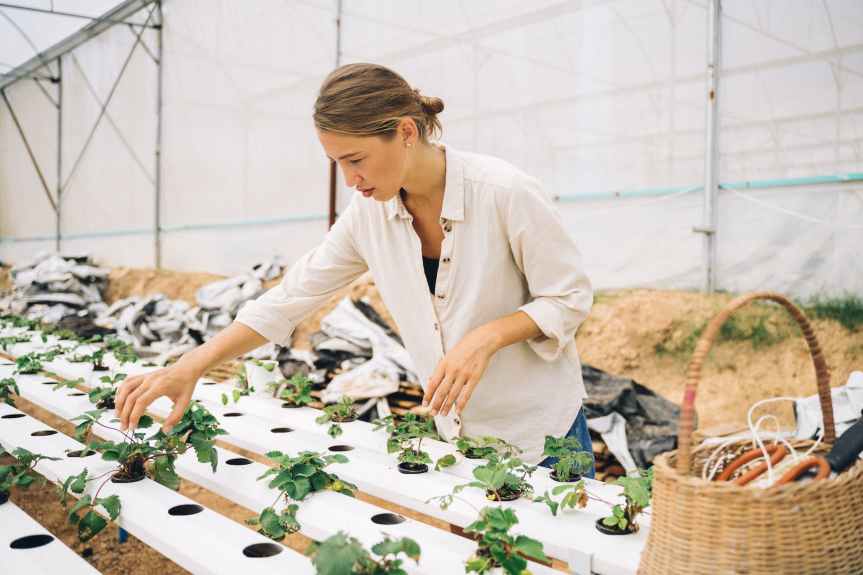
Hydroponics is the method of growing plants without soil. It generally uses less water as compared to traditional soil system. It allows faster growth and higher yield.

William Frederick Gericke is known as father of hydroponics. He grew tomato vines in his backyard in nutrient solution.

The nutrients used in hydroponics include fish and poultry excreta , duck manure, chemical fertilizers, artificial nutrient solution etc.

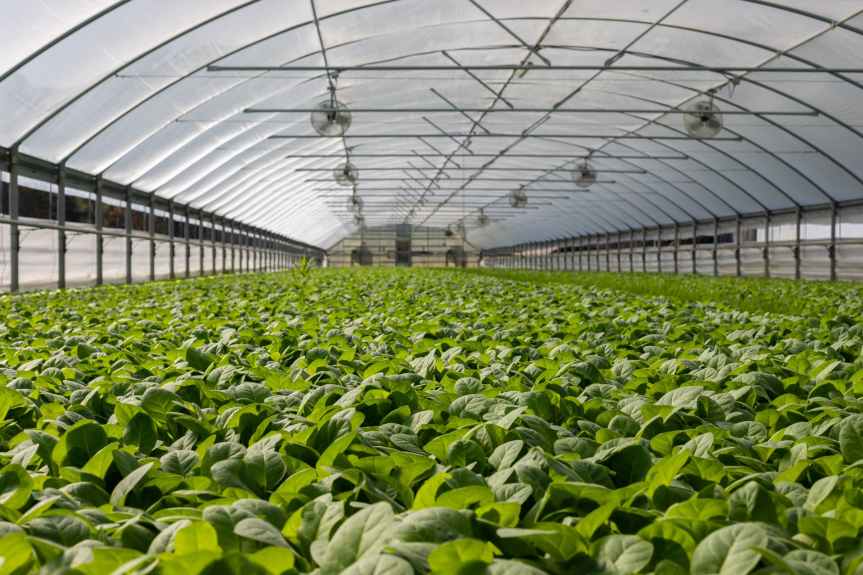
Plants are commonly grown hydroponically in a greenhouse, on inert media, include tomatoes, peppers, cucumbers, strawberries, lettuces, and cannabis, usually for commercial use, and Arabidopsis thaliana, which serves as a model organism in plant science and genetics.

Advantages:

  • Does not require soil for cultivation.
  • Promotes faster and efficient plant growth.
  • It uses less water as compared to conventionally grown plants. Hence, helps to save water.
  • It does not depend on climate for favourable growing conditions.
  • Saves labour due to automatic watering and fertilizing capability.
  • Have fewer pest can can be grown closely.
Photo by Pragyan Bezbaruah on Pexels.com
  • The plant has less root and nutrient competition than grown in soil.

There are six main types of hydroponic system for garden: wicking, deep water culture (DWC), nutrient film technique (NFT), ebb and flow, aeroponics, and drip systems.

Disadvantages:

  • Involves high installation cost.
  • Need to test the solution frequently to avoid infection and damage.
  • System are prone to equipment failure and power outage.
  • Prone to water borne infection.
  • Requires constant monitoring and assistance.

Some systems, known as aquaponics involves use of nutrient-rich wastewater from aquaculture to fertilize hydroponic plants. Freshwater fish, such as tilapia, and crayfish are common aquatic animals utilized for these hybrid systems.

Nowadays, hydroponics is being implemented in large scale as a start up to meet the demand of fresh leafy vegetables as is a part of urban farming.

The rising burden of E- waste

E- waste or electronic waste refers to the waste created by discarding the electronic devices which is rather caused due to its end of useful life, high repair cost , outdated technologies etc. which makes it underrated for further use. These waste includes TV, mobile phones, computer/ desktop, electronic items, wires, machineries etc. This is one of the fastest waste generated.

Everyday lakhs and lakhs of e-waste is generated. The country’s e-waste output is growing at over 30 per cent year on year, and stood at over 10 lakh tonnes in 2019-20, according to government data, comparable to about one lakh six-wheeled truckloads of waste.

It is the third largest in volume globally and growing at a rate ten times faster than its plastic waste output.

Mountains of e-waste pile up, which are as much a threat to the environment as they are to the health of their handlers .It proves vulnerable as people are sifting and processing the waste of the privileged without knowing that it could cause them cancer, reproductive disorders, endocrine disruption and other health complications.

Problems:

The most alarming aspect of e-waste is that less than a quarter of it is being processed.It possess hazardous metals and can contaminate soil, air, water, posing significant risk to human health by entering the food chain.

Unsafe disposal of e waste: About 95% of e waste is recycled by informal sectors and scrap developers without knowing the hazardous effect and use of safe handling practice.

Concern : Majority of e waste are imported to developing countries like India, China, Ghana etc from developed countries for recycling purpose.

With advancement in technologies, standard of living people are more inclined towards use of more gadgets, phones and tend to change them more frequently.

Way forward

E waste clinics for proper segregation, processing and disposal of e waste. Effective ways to implement proper and safe handling of waste.

Initiative taken by government includes: Prime Minister Narendra Modi launched the LiFE or Lifestyle for Environment movement in June—a concept that he said is borrowed from the past and focuses on the future.

The right to repair is introduced to reduce the e waste and it’s proper management as it is environmental friendly too. But this also concerns the major industries involved in sector as it could lead to their loss and some technologies can’t be added to existing devices .

Millets: Future Superfood

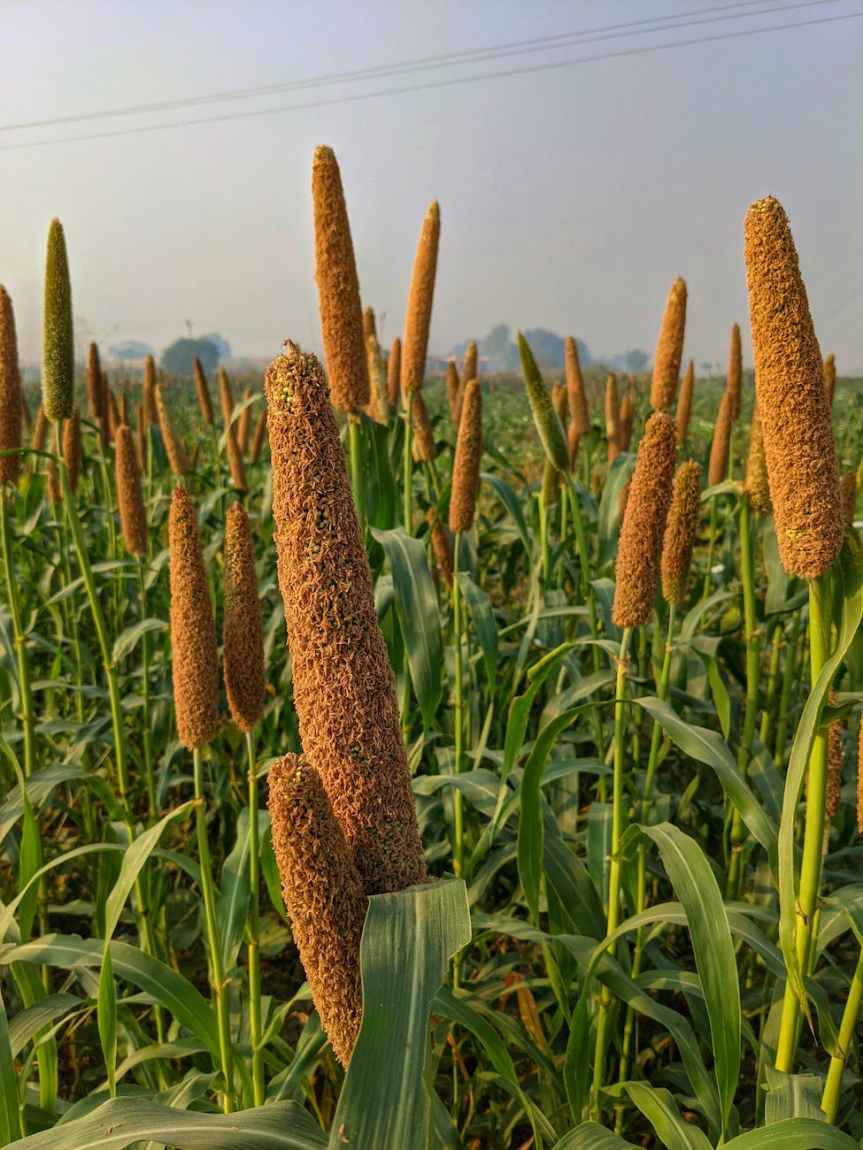
Millets are one of the oldest food known to mankind.These are group of highly variable small-seeded grasses, widely grown around the world as cereal crops or grains for fodder and human food.

Types of millet: Sorghum (jowar), Pearl millet (bajra), Foxtail millet (kangni), Finger millet (ragi), Barnyard millet, Kodo millet, Little Millet, Proso Millet are amongst the healthiest millet grains available.

Nutritional value: They are good sources of proteins, carbohydrates, dietary fibre and essential amino acids.

Millets have 65% carbohydrates, 9% proteins, 3% fat, and 2-7% crude fibre.

They are rich in various vitamins such as vitamin A, C and B-complex vitamins and minerals such as magnesium, manganese, phosphorus and also iron.

Major producers include Rajasthan, Andhra Pradesh, Telangana, Karnataka, Tamil Nadu, Maharashtra, Gujarat and Haryana.

Significance: Release of 13 High Yielding varieties including 4 bio-fortified varieties of millets. declaring 2023 as International Year of Millets (IYOM).

This proposal of India was supported by 72 countries and United Nation’s General Assembly (UNGA) declared 2023 as International Year of Millets on 5th March,2021.

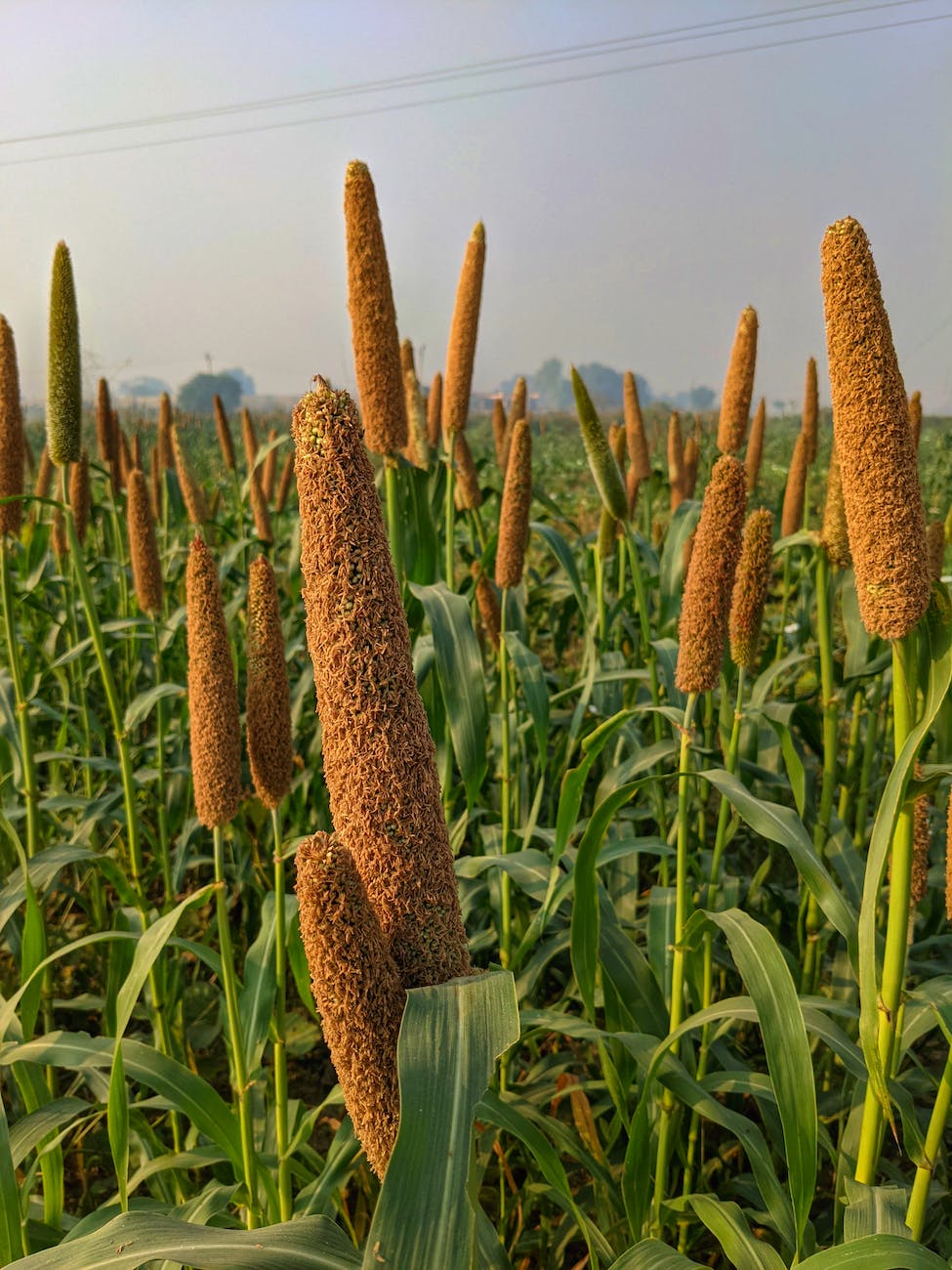
Photo by Deep Malik on Pexels.com

Millets are climate resilient crop as they can be grown in rainfed area and are resistant to climatic stress, pest and disease as well. So it plays major role in sustainable agriculture.

People possess a perception of millet being poor man food but owing to it’s nutritional value it is rich in dietary fibres, amino acid, calcium, zinc, folate and various nutrients. It can even be easily consumed by diabetic people as it possess low glycemic index. Nowadays, being consumed by many more people it helps to provide food security.

They even provide economic security to farmers growing millet in dry, low fertile, rainfed area as it requires less investment and involves less cost of cultivation.

Initiatives are taken by government to promote millet production by farmers as they promote sustainable agriculture as well as generate employment opportunities by promoting value addition of millets.

Horticulture

The word horticulture is derived from Latin word -‘ hortus’ meaning garden and ‘ cultura’ meaning culture or growing.

Horticulture is the branch of plant agricultural science involving cultivation of fruits, vegetables, flowers, ornamental plants, medicinal plants, gardening etc. It even involves landscaping and gardening.

It includes components like:

Olericulture : production of vegetables; Pomology: production of fruits ; viticulture: growing of grape vines for wine making and good quality grapes production; Floriculture: production of flowers and ornamental plants; production of aromatic plants, spices, medicinal plants , Arboriculture: cultivation of herbs, shrubs, woody plants for landscape and beautification. It even involves nursery management of plants by using techniques like grafting, cutting, pruning etc, bonsai etc..

Fruits

Scope of horticulture:

It involves propagation of plants, landscaping and garden designing, cultivation of exotic and indigeneous fruits and vegetables, nursery production, topiary { it is an art of training, cutting, trimming trees or shrubs into various shape for ornamental purpose}, growing plantation crops like rubber, tea, coffee, coconut etc, production of spices like black pepper, cardamom, ginger, turmeric etc ,cultivation of aromatic and medicinal plants like patchouli, stevia, aloe vera, tulsi, lemon grass, rosemerry etc. , cultivation of flowers, involves greenhouse cultivation of crops too, bonsai ( Japanese art to cultivate small tree that mimicss large tree) , turf and lawn preparation etc.

Importance of Horticulture:

It helps us to meet the nutritional aspects through consumption of fruits and vegetables.

It provides us medicinal plants, herbs to cure ailments. It too provides spices that adds aroma and flavour.

It increases asthetic value through landscaping and beautification.

Gardening helps us to destress and relax and can be done as a habit too.

Urban gardening through use of nursery and kitchen gardening to meet everyday kitchen needs.

It can be used to beautify our indoor places in house and adds asthetic value to it.

Helps to increase income and generate employment opportunities through value addition and food processing industry.

So, it serves as an all purpose as well as recreational activities in our daily life.