'Ayurveda for one Health’ campaign


  • Farmers across the country are being continuously linked with the ‘Ayurveda for One Health’ campaign of ‘Ayurveda Day’.
  • Organisations like RCFCs (Regional Cum Facilitation Centres), SMPBs (State Medicinal Plant Board) are creating awareness among farmers about the medicinal and economic value of plants.
  • A nationwide campaign is being run to connect farmers with ‘Ayurveda Day’ through NMPB (National Medicinal Plants Board).

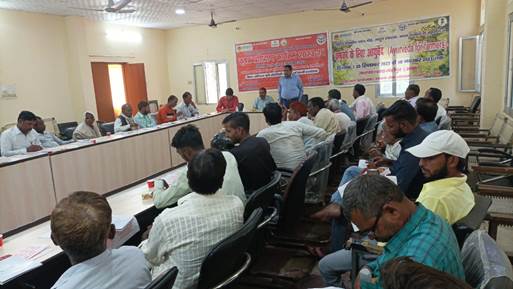
Farmers will be the major participants in the ‘Ayurveda Day’ event on 10th November 2023. A major theme of the event is ‘Ayurveda for Farmers’. Farmers can become self-reliant and empowered by making cultivation of Ayurvedic herbs and plants as part of their livelihood. Special care is being taken to make farmers aware of the economic importance of medicinal plants. Farmers are being sensitized about special techniques used in the cultivation of medicinal plants through, NMPB (National Medicinal Plants Board). By joining the ‘Ayurveda for One Health’ campaign of ‘Ayurveda Day’, the farmers of India will be able to understand the topic of ‘Ayurveda for Farmers’ in detail.

The main event of ‘Ayurveda Day’ is scheduled to be held on 10th November, 2023 at Panchkula, Chandigarh, Haryana. Farmers across the country can participate in the event and get information about the cultivation of medicinal plants. Under the ‘Ayurveda for One Health’ campaign, farmers across the country are being sensitized through meetings, interactions, events and using various means of communication. A micro website http://www.ayurvedaday.org.in has been developed by CCRAS (Central Council for Research in Ayurvedic Sciences), the nodal agency for organizing the Ayurveda Day. Visitors across the globe can visit the website to get information about ‘Ayurveda Day’ and become a part of various running activities related to the ‘Ayurveda for One Health’ campaign.


The Ministry of AYUSH is actively involved in making the ‘Ayurveda Day’ a success. Besides students and youth, efforts are being made to connect farmers across the country with the ‘Ayurveda Day’ campaign. Farmers are being linked to this campaign from all over the country through group meetings, individual interactions, lectures, and workshops. Seven RCFCs (Regional cum Facilitation Centres) and 37 SMPBs (State Medicinal Plant Boards) located across the country are working to link farmers with the ‘Ayurveda Day’ campaign. Collaborators associated with these centres are going door to door, distributing medicinal plants to the farmers, and encouraging the participation of farmers. All the institutes associated with the Ministry of Ayush and teams of various ministries are constantly preparing to celebrate ‘Ayurveda Day’ as a global event.

****

NONI: INDIAN MULBERRY

Botanic name of Noni is Morinda Citrifolia. It is also called Indian Mulberry. It is an Ayurveda plant, found near the seas where temperature is below 25 degree Celsius. The noni tree is an evergreen shrub, up to 20 ft (6 m) tall, that grows in tropical areas of the South Pacific, including Australia, Malaysia, the West Indies, India, Vietnam, etc. Its branches and trunk are coarse, tough wood, and the leaves are glossy, oval, and dark green. Year-round, the tree yields a small fruit, which is cream-colored and about the size of a small potato. The noni fruit is noted for its bitter taste, unpleasant smell, and reportedly strong healing properties. It is very good for health. Noni has been in use from the bygone era. Noni is a great natural detoxifier. Today about 40 University are researching on Noni fruit and till now 164 nutrients have been found in it.
Noni has more than 150 nutrients. Compared to pineapple, Noni has 40 times more enzymes. It boost the immunity system. It is beneficial for health.
Noni is a rich source of vitamins B1, B2, B3, B5, B6, B12, C, E folate, beta, carotene and minerals such as calcium, potassium, magnesium, iron and phosphorus. Noni has Anti- oxidant, Anti-bacterial, Anti- inflammatory and Anti-wrinkle properties. It is a powerful food for cells and maintains the cell count. People of all ages can drink it. Noni juice is a strengthening drink that keeps the stress away, stimulates serotonin and endofrin, effects mood and emotions.

USES OF NONI 
1.Noni contains fibers.
2.It is beneficial in reducing pressure on the intestine. It has vitamins and minerals which protects our intestine.
3.It prevents increase of tumor, due to which it helps in fighting with the cancer.
4.People suffering from Asthma should take Noni juice everyday in the morning and evening.
5.Noni juice works like an insulin and helps to regulate sugar levels.
6.Noni juice helps in making body disease free.
7.Intake of noni juice is beneficial in skin disease like eczema.Various parts of noni plant have been used to treat skin problems such as acne, water retention, inflammation and others. Noni contains anthraquinone which has anti-wrinkle properties, and thus, can slow down the aging process of skin. Noni juice has goodness of antioxidants which helps to fight against free radicals and thereby, prevents cell damage.
8.Noni reduces the effect of wine.
9.Noni regulates blood cholesterol levels.
10.Noni juice has shown positive effects in protecting heart health by improving the blood flow in the arteries. It also helps in regulating blood pressure which definitely helps in maintaining heart health.
11.Noni is effective in stress, pain in urine, leucorrhoea and periods.
12.Noni helps to increase memory power.
13.Noni is beneficial for every problem related to hair like baldness,dryness of hair and also good for growth of hair.
14.Useful for arthritis and joint pain.
15.Improves the nervous system.
16.As an effective anti-oxidant keeps the poisonous elements and pollution away.
17.Noni juice boost the Immunity System.
18.It helps to detoxify the body. 

OIL-PULLING (A HABIT TO START NOW)

According to statistics, dental sensitivity affects one out of every three adults in India, or 34% of the population. Despite this, only approximately 1 in 5 people take action to address the problem.

The mouth is considered as the mirror of the general health of the human body. Hundreds of billions of microorganisms reside in the oral cavity, many of which contribute to the development or progression of systemic disorders such as cardiovascular disease, diabetes mellitus, and others. Oral and general health are intertwined. Thus, good dental hygiene is essential. Oil-pulling is believed to promote oral health. The benefits of oil pulling for oral hygiene are mentioned further down.

OIL-PULLING

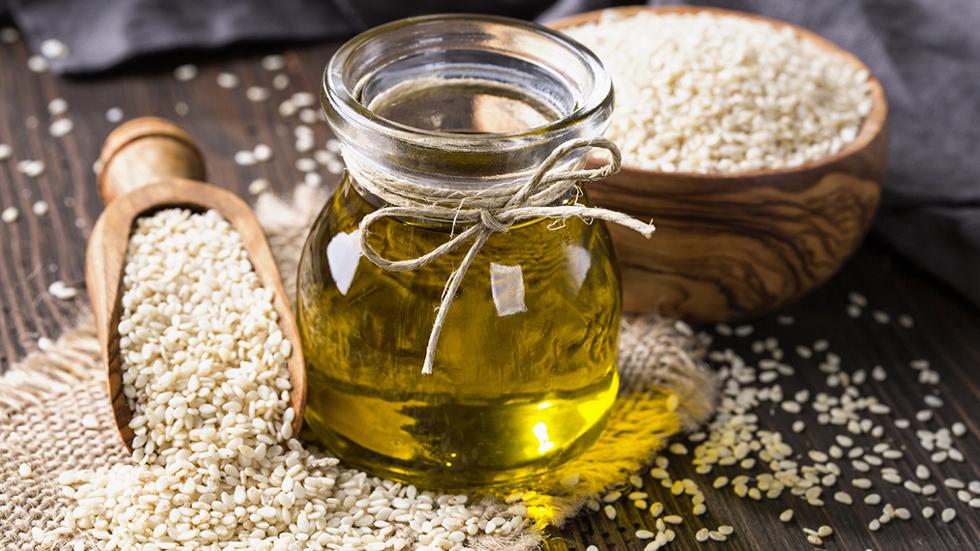
Oil pulling, mentioned as “Kavala” or “gundusha” in the Ayurvedic text Charaka Samhita, is an Ancient Indian dental practice that entails swishing a spoonful of coconut oil or sesame oil in the mouth for 20 minutes on an empty stomach for oral and overall health benefits.

For many decades, oil pulling has been used as a traditional Indian cure to prevent tooth decay, bad breath, bleeding gums, dry throat, chapped lips and to help strengthen teeth, gums, and the jaw. When used routinely and as instructed, it is claimed to cure around 30 systemic ailments, like headaches, migraines, diabetes, and asthma.

PROCEDURE OF OIL-PULLING

A tablespoon of oil is swished in the mouth for 20 minutes every morning on an empty stomach in oil pulling. A teaspoon of oil is enough for children over the age of 5. It is not advisable for kids under the age of five. By swishing the oil in the mouth, it is ‘pulled’ and squeezed in between all of the teeth. When done correctly, the thick oil will turn milky white and thin. The oil should be spat out, next the mouth must be thoroughly rinsed with warm saline water or drinking water, and the teeth should be brushed with a regular dental brush. In case the jaw hurts, one can do the treatment for 5–10 minutes.

Because oil can clog pipes, it should not be spit into the sink. Instead, spit the oil into the dustbin or on a paper towel.

Oils such as sunflower, coconut or sesame oil can be used for oil pulling. For its nutritional qualities and positive health impacts, the sesame plant, Sesamum indicum, of the Pedaliaceae genus, is viewed as a gift from nature to humankind.

It’s crucial not to swallow the oil as it carries bacteria and toxins. Oil pulling is best done while sitting with your chin raised. To speed up the healing process, do it three times a day on an empty stomach before meals. When undertaking vigorous oil pulling, one should not aspirate the oil. Oil pulling can be fruitfully utilized to maintain oral hygiene in cases of oral ulcers, fever, vomiting tendency, asthma, and other situations that make brushing difficult.

BENEFITS OF OIL-PULLING

Surgery or medication for a variety of chronic ailments could be avoided using this method. Oil treatment is both preventative and curative. The simplicity of this therapeutic procedure is one of its best attributes.

According to Ayurveda, the tongue is connected to the kidneys, heart, lungs, small intestine, stomach, colon, spine, and other organs. Oil-pulling is believed to aid in the removal of harmful heavy metals from the body through saliva. It stimulates salivary enzymes, which take toxins from the blood, such as chemical, bacterial, and environmental toxins, and expel them through the tongue. In a nutshell, oil pulling cleanses and detoxifies the entire human body.

Organic oils like sunflower oil, sesame oil, and coconut oil are beneficial, especially if they are cold-pressed, while refined oil can also help to “pull” germs, viruses, and protozoa out of the mouth. Because trans fats are nonexistent in cold-pressed oils compared to commercial oils, cold-pressed oils are perfect for oil pulling. Sesame oil is often regarded as the best oil for oil pulling. Sesame oil and sunflower oil have been shown to help reduce plaque-induced gingivitis. Chlorosesamone, found in sesame roots, has antifungal properties. Sesame oil’s polyunsaturated fatty acids also help prevent free radical damage in the mouth.

Oil pulling produces antioxidants, which attack and kill bacteria by eroding their cell walls. These oils attract the lipid layer of bacterial cell membranes, causing them to cling to the oil and be drawn to it. The oil is emulsified and the surface area of the oil is expanded during oil pulling. After 5 minutes of oil pulling, the emulsification process begins. This oil coats the teeth and gums, preventing plaque formation and bacterial co-aggregation. Plaque-forming bacteria responsible for dental cavities, gingivitis, periodontitis, and foul breath are therefore eliminated from the mouth.

Gums become pinker and healthier as a result of enhanced oral hygiene; bleeding gums are no longer a concern; teeth become whiter; breath becomes fresher, and oral cavity muscles and jaws develop stronger. It also helps with sore throats, dry skin, blurred eyesight, loss of taste, and anorexia.

A study was carried out to investigate- the efficacy of sesame oil-pulling on plaque-induced gingivitis and to compare it to the effectiveness of chlorhexidine mouthwash. For this study, a total of 20 plaque-induced gingivitis-affected teenagers were divided into two groups: 10 in the oil pulling group (Group I) and 10 in the chlorhexidine group (Group II) (Group II). The 20 subjects’ plaque index and revised gingival index scores were recorded, as well as baseline plaque samples.

In both the study and control groups, the pre-and post-values of the plaque and modified gingival index scores were statistically significant (p < 0.001 in both). In the plaque of teenagers with plaque-induced gingivitis, oil pulling therapy reduced the plaque index, modified gingival scores, and total colony count of aerobic bacteria.


THE QUEEN OF HERBS: TULSI

Tulsi is an aromatic member of the basil family (ocinum tenuiflorum or ocimum sanctum.)Sanskrit meaning of tulsai is the ‘incomparable one’.It is regarded as Lakshmi, the Goddess of wealth and the consort of Lord Vishnu. As per the Hindu calendar, the month of Kartik (October-November) is the best month to worship Tulsi as this month is loved by her. Tulsi is ceremonially married to Lord Vishnu annually on the 11th bright day of the month of Karttika in the lunar calendar. This ritual, called the ‘Tulsi Vivaha’ inaugurates the annual marriage season in India. Tulsi is worshiped in Hinduism.
Tulsi is known as the queen of herbs because there has been no herb which offers enormous healthy benefits as Tulsi. In Ayurveda Tulsi is considered as a tonic which retain youth and avoids ageing. The Hindi name for Basil is Tulsi. It is rich in phyto-nutrients. Tulsi contains minerals like vitamin A, beta carotene, potassium, iron, copper, manganese, magnesium. It is a stress buster and a mood elevator. Helps to reduce tension and anxiety. Tulsi is a tonic to heart. Tulsi has world’s best anti-oxidant, anti-bacterial, anti-biotic, anti-inflammatory, anti-viral, anti-allergic, anti -disease properties. Intake of Tulsi helps to fight more than 200 diseases like flu, dengue, fever, cough, cold, blood pressure, joint pain, allergy, swollen lungs, tiredness, vomiting, loss of appetite, etc. Everyone should eat Tulsi leaves and drink Tulsi tea everyday for a good health. 

Types of Basil 

There are various types of basil found all over the world. They are categorized into two groups- Holy Basil and Mediterranean Basil.

A. HOLY BASIL

It is also known as Tulsi and the most revered houseplant in India. It is associated with Ayurveda and Hindu religion as goddess of wealth, health and prosperity. The plants have strong medicinal properties compared to second group of species. This small herb is found all over India and is cultivated, worshiped in temples and houses of Hindus. There are 5 popular species of Holy Basil :-

Krishna Tulsi

It is said that Krishna Tulsi got its name because of the purple leaves as Lord Krishna’s skin color is dark according to the Vedas. Krishna Tulsi is also famous for its crispy and peppery taste.Purple Leaf Tulsi is also used to treat throat infections, respiratory system, nasal lesions, earache and skin diseases.

Rama Tulsi

It is also known as ‘Rama Tulsi’, Sri or Lakshmi Tulasi, Ocimum tenuiflorum, Ocimum sanctum. The Green Leaf Tulsi is known for its cooling, mellower taste. This variety of Tulsi is found in China, Brazil, Eastern Nepal, as well as in Bengal, Bihar, Chatgaon and the southern states of India.All the parts of the plant emit a strong aroma. Ram Tulsi has a characteristic fragrance. Crushing its leaves between the palms releases a stronger fragrance than other varieties of Tulsi.

Vana Tulsi 

It is native to India, Sri Lanka, Java and the northern and eastern parts of Africa. The scientific name of Vana Tulsi is Ocimum gratissimum. It can grow up to 2m high with highly aromatic and slightly hairy green leaves. The strong antioxidant activity of Vana Tulsi slows down the ageing process. Vana Tulsi is also known as African tulsi.

Kapoor Tulsi 

This type of tulsi has garnished its name due to the sweet fragrance that can keep insects and mosquitoes at bay. Kapoor tulsi is short in terms of heights and gets the most number of flowers among all different types of the tulsi plant. It is also called heavily flowered basil.

Amrita Tulsi 

Amrita means “immortality” in Sanskrit, and is sometimes translated as “nectar”- thus “nectar of immortality.”Amrita Tulsi also known as a tea basil, holy basil, or tulasi, is an aromatic plant in the family Lamiaceae which is native to the Indian subcontinent and widespread as a cultivated plant throughout the Southeast Asian tropics.Commonly used to make teas with a very pleasing aroma and taste

B.MEDITERRANEAN BASIL 

It is known as sweet basil and is the most popular variety of basil found all over the world including Asia, Europe, America and Africa. It is the most consumed herb worldwide . It is used in culinary preparations. Some of the Mediterranean basil are Sweet basil, Thai basil, Purple basil, American basil, lemon basil, African blue basil, Greek basil, Summer long basil, etc.

THE LIFE PLANT : MORINGA

Moringa is derived from Latin word moringa oleifera. It is also known as subhanjana, sahajan, drumstick tree and life plant. It belongs to the family of Moringaceae. It is a handsome softwood tree, native of India, occurring wild in the sub Himalayan regions of Northern India and now grown worldwide in the tropics and sub-tropics. In India it is grown all over the subcontinent for its tender pods and also for its leaves and flowers.Flowering begins within the first six months after planting. In seasonally cool regions, flowering only occurs once a year in late Spring and early Summer (northern hemisphere between April and June, southern hemisphere between October and December). In more constant seasonal temperatures and with constant rainfall, flowering can happen twice or even all year-round. The pod of moringa is a very popular vegetable in South Indian cuisine and valued for their distinctly inviting flavour. The cultivation of moringa in India occurs mainly in the southern states of Tamil Nadu, Karnataka, Kerala, Andhra Pradesh as well as in central India also.
Moringa is considered to be a complete food in itself and is a nutritional powerhouse. It contains more than 92 nutrients and it is the one of the most important antioxidant on the earth. It has 46 types of Anti-Oxidants, 36 Anti-inflammatory and 18 Amino-acids 9 of which are essential Amino Acids. It is a natural Anti-ageing and said to cure about 300 diseases. It has all the vitamins such as vitamin A, B1, B3, B6, B7,C, D, E and K which are found in fruits and vegetables.
It is the most nutritious herb on earth.
It has:-
25 times more iron than spinach.
07 times more vitamin C than oranges.
15 times more potassium than bananas.
10 times more Vitamin A than carrots.
17 times more calcium than milk.
04 times more protein than eggs.

Benefits of Moringa 
1. Moringa is useful in reducing obesity and extra fats.
2. Moringa has high content of phosphorus in it which is beneficial for reducing extra calories.
3. Moringa helps in regulating metabolism.
4. It is beneficial for the problems related to digestion.
5. Moringa is beneficial in diseases like cholera, dysentery, jaundice,etc.
6. Intake of moringa provides relief in kidney and urinary bladder stones, by dissolving stones.
7. Moringa keeps the skin healthy and glowing. It purifies our blood because of which pimples do not come up on face.
8. Moringa keeps the hair healthy and prevents hair fall.
9. Moringa has high content of beta carotene, protein, amonio acids, iron, calcium, vitamin-B, and nutrients which prevents malnutrition.
10.Presence of calcium, copper and phosphorus in moringa helps in the treatment of diseases related to bones and teeth.
11.It helps to prevent anemia.
12. Moringa boost the immunity system which is effective in reducing the chances of having cold and flu.
13. Moringa regulates cholesterol and maintains sugar level.
14 .Moringa helps to give relief in heart related diseases, asthma, arthritis and infertility.
15 .Moringa is thought to be helpful in treating depression, anxiety, and fatigue.
Precautions
1.Pregnant women should not intake Moringa has it may lead to miscarriage. 
2.Likely unsafe for people with high blood pressure as Moringa makes blood thin.

Medicinal plants

India is rich in its flora fauna, one of the advantages that this brings is ample variety of medicinal plants in different Indian terrains. The use of medicinal herbs can be traced back before prehistoric time. The presence and use of Ayurveda in treatment is mentioned in the literature and this knowledge is used to develop medicine and treatment techniques that are effective.
When COVID was at its peak people in India preferred Kardha and as prevention added herbs that have medicinal property in the food and beverages consumed on daily bases. Here is a list of some very common yet very useful medicinal plants-

• Tulsi (Holy Basil)
Holy Basil or Tulsi is a flowering plant that can be found in almost every India household, it is worshipped in Hinduism and is among the top medicinal herbs. The plant has few varieties and is widely available, it has aromatic leaves and beautiful green colour. It is used since ancient times in medicine making and treatments. Its medical property can help prevent common cough and cold etc.

• Sandal wood
Sandal wood also known as Chandan in Hindi is another aromatic variety that is used mainly in making medicine, sandalwood perfumes are quite famous but, additionally it also help in treatment of fever, urinary track infection, liver, cardiovascular diseases etc.
Sandalwood has multiple uses It is used in Hindu rituals and sometimes as a flavouring agent in food and beverages. Many products are made using sandal wood like- sandalwood oil, sandalwood powder etc thus, it is available in different forms.

• Turmeric
You must have heard of the colour Turmeric yellow; its yellow colour is its identity. The colour is extracted, and turmeric has many health benefits, as it is good for heart and prevent against serious diseases like cancer and Alzheimer’s. it is used in making medicine and easily available, apart from this it is good for skin when used in home -made face pack, keeps the blood sugar stable, and prevents inflammation.

• Neem
Neem trees are often known to provide clean and fresh environment wherever they are planted. The green leaves and bitter taste of neem are its identity. The most popular variety in medicinal plant used in treatment and even products like shampoo and soap, it has anti- bacterial quality it can treat skin ulcers, gum problems, improves body metabolism, cuts body fat etc. it is used in Ayurveda since a long time and the leaves, the bark of neem tree both are very useful. It is available in the form of powder, paste or can be used directly.

Cinnamon
Cinnamon is known as daalchini in Hindi, it looks like rolled pieces of wood, and has its own aroma, it has multiple uses and is also available in the form of powder, often used in cooking and baking. Cinnamon can give relief from digestion related problems and can prevent the body from bacteria and fungal infections, good for patients with type 2 diabetes it is anti-inflammatory and contains antioxidants as well.

The list is very long if we start counting and each medicinal plant or herb has its own unique quality. It is no less than a blessing of mother earth that we have access to such wide variety of resources.

CHUNA : A Magical Medicine

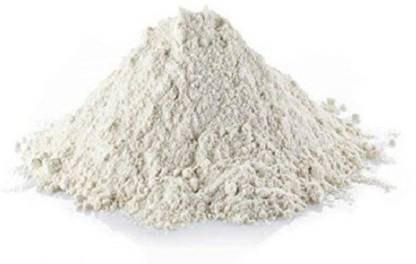
Chuna is a very familiar name also known as lime or calcium hydroxide.It is used for various purposes.But most importantly it is used to cure many health related issues.

Chuna that is used for eating is called edible chuna because it is the pure form of it. In ancient times people used to eat chuna by applying it on the beetle leaves because it has many benefits.
Benefits of Chuna

1.It is a good source of calcium
Calcium is very important for our body because it helps to strengthen our weak bones.Intake of calcium is necessary for each age group. But women above the age of 30 and old age group need more calcium for their body. So they have to take calcium supplements.Intake of chuna as calcium supplement can help to restore calcium in their body.

2.Helps to make teeth stronger
   As chuna is a good source of calcium it helps to make our teeth stronger and prevents from early falling of teeth.
3. Increases  height

One of the main problems of children is related with their height. Everyone want a good height.So if you want to increase your height take chuna regularly.

4. Periods 
Women’s who do not have their periods regular  or have very bad cramps during periods should take chuna regularly. Chuna helps to ease their problems. 
5. Helps to boost memory
 People who have problem in memorizing and tends to forget things easily,should intake chuna. It is  also very helpful for people suffering with Alzheimer disease.
6. Helps to cure jaundice
 If you are suffering from jaundice you should intake chuna by mixing it in water. It helps to cure jaundice.
7. Digestion 
Intake of chuna increases the level of gastric juices which  helps in proper digestion. Those who have the problem of constipation should intake chuna.
8.  Eyesight 

 Regular intake of chuna mixed with water helps to improve eyesight. Those who wear spectacles  should intake chuna.
9. Pregnancy

During pregnancy women body requires  an lot of calcium to strengthen her and fetus bones.So intake of chuna helps to provide calcium during this period. Regular intake of chuna helps to reduce labor pain. Take grain size amount of chuna, mix it in the pomegranate juice and drink it daily. From this pregnant women gets both calcium and iron. It also helps to prevent miscarriage.

10. Inflammation  of Joints 
People have problem of inflammation of joints due to the deficiency of calcium and vitamin D. Inclusion of chuna in the diet helps to prevent such diseases due to regular supply of calcium.

11. Anemia 
Anemia is a condition under which hemoglobin is less than the normal. Intake of chuna helps to increase hemoglobin.

12. Knee pain
 Those who have the problem of knee pain should regular intake chuna to get relief from such pain.

13. Menopause 
Women suffers with many problem when menopause starts. To have relief from such problem take  chuna regularly.

 Directions for use

Take grain size amount of chuna, mix it in the water and drink it daily. Do not take a large amount of chuna as it may result in bloating and gas.Those who have problem of kidney stones should not take chuna.

Availability of chuna
Edible chuna can be easily available at panwari shops and online stores.It has so many benefits but still its price is very low and anyone can afford it .


FLAX SEEDS: Best for Health and Longevity

Flax seeds are also known as linseed. It is a flowering plant called Linum usitatissimum.It is a food and fiber crop grown in temperate region.

Flax seeds has been used for thousand of years and they also form an essential part of our diet. It is best for health and longevity of life. It contains 800 times more lignin than any other food plant. It is one of the best vegetarian source of omega-3 found in salmon. 50 gm of flax seeds is equivalent to that found in 3-ounce of salmon serving. It also contains omega-6 and omega-9. It is a rich source of iron,calcium and protein. Amino acid found in flax seed are the one’s which human body can’t generate on its own.
Uses of Flax Seeds
According to a research, intake of omega-3 provides benefit in many diseases. By consuming flax seeds, we have the following benefits:-
1.Presence of high fiber and low carbohydrates in flax seeds helps in controlling weight as it reduce our appetite.
2.Intake of flax seeds decreases the LDL cholesterol, which reduces the chance of having heart diseases.Omega-3 fats does not allow blood vessels to get blocked. Through this omega-3 cleans our blood vessels. It helps in smooth flow of the blood. Omega-3 is very useful for the blood vessels.
3.Flax seeds have different types of antiviral properties, which protects us from frequent cold and flu ailments.
4. Omega-3 present in flax seeds does not allow clotting of blood. As blood clots increases the chances of having stroke,heart attack, etc.
5. Omega-3 fatty acids and vitamin B that are present in flax seeds help to  reduce dark marks and spots on face. It makes the skin glow and prevents pimples.
6. Flax seeds keeps are digestive system healthy. Intake of these seeds helps to cure the swelling in the stomach.Person get a better health when problems related to digestion ends.
7. Omega-3 boost the memory and concentration. It is good for the brain. Effective in Alzheimer disease.
8. Omega-3 helps to improve eyesight. Also effective in cataract and glaucoma. Use of flax seed makes  the eyesight sharp.
9. Intake of 15-20 gm flax seeds with aloevera, helps to reduce constipation.
10.Flax seeds balances women hormones so that danger of early menopause can be eliminated. Intake of flax seeds in the breakfast helps to regulate periods and eases period cramps.
11.Flax seeds are effective in high blood pressure.
12.Old age problem of knee pain can be reduced by intake of flax seeds.
13.Presence of antioxidants in flax seeds helps to cure different types of cancer.
13.Omega-3 is called feel good food as it keeps our mind and soul happy.
14.Omega -3 is very beneficial for our hair and nails.
15.Flax seeds are extremely high in soluble and insoluble fibers.
16.Flax seeds detoxifies cells.
17.It is very rich in calcium and iron.
18.It helps to prevent anemia.
19.It helps to burn fats
Dosage
Roast the flax seeds before use to get a better taste.
Take 1 tablespoon of flax seeds three times a day after every meal.

Ayurveda

Ayurveda is an alternative medicine system with historical roots in the Indian subcontinent.The theory and practice of Ayurveda is pseudoscientific.Ayurveda is heavily practiced in India and Nepal, where around 80% of the population report using it.

    The word “ayurveda” is Sanskrit: आयुर्वेद, Āyurveda, meaning knowledge of life and longevity.Ayurveda is attributed to Dhanvantari, the physician to the gods in Hindu mythology, who received it from Brahma. Its earliest concepts were set out in the portion of the Vedas known as the Atharvaveda.
    Ayurveda therapies have varied and evolved over more than two millennia.[2] Therapies include medicines, special diets, meditation, yoga, massage, laxatives, enemas, and medical oils. Medicines are typically based on complex herbal compounds, minerals, and metal substances (perhaps under the influence of early Indian alchemy or rasa shastra).
     Ancient Ayurveda texts also taught surgical techniques, including rhinoplasty, kidney stone extractions, sutures, and the extraction of foreign objects.
    Ayurveda has two basic aims: 
 First, to preserve the health of healthy people and to help them attain the four principle aims of life (virtue, purpose or wealth, pleasure, and release or liberation from cycle of rebirth); second, to treat illness and disease.

What is Pitta Dosha ?

What is Pitta Dosh, What are the side-effects of Pitta Dosh and how can you stop its imbalance in your body especially during summers? Here’s all you need to know.
According to Ayurveda, Pitta is the combination of Agni and Jalam, that is fire and water. Pitta mainly possesses characters like hot, oily, and light. Pitta Dosh can be called the access of Pitta in our body leading to a Pitta imbalance in our body.

The understanding of our daily nutrients and diet strategy becomes even more significant when we are at war with the Covid-19 pandemic. While it has become the need of the hour to pick and fight our battles like low immunity, improper digestion, and poor health in general, all this might just not be enough. There’s a need to look beyond. It’s essential to choose nourishing food over tasteful junk, eating a balanced diet, and exercising but despite our best efforts at these, all of these might not be the only things we have to keep a check on. Maintaining good digestive health is also one of the prime concerns because it’s only then all these vital nutrients be absorbed by our cells, tissues and will be converted to energy so that we can carry out our daily errands without getting tired. Now, this process is also called metabolism, and this metabolism is driven by three principal directive forces, the Pitta Dosha, being the dominant in many, followed by Vata and Kapha.


What is Pitta Dosh?

According to Ayurveda, a natural state of existence is called its ‘Prakriti’, and the three doshas – Pitta, Vata, and Kapha – are the determinants of what type of personality the individual represents. Pitta is the combination of Agni and Jalam, that is fire and water. Pitta mainly possesses characters like hot, oily, and light. Pitta Dosh can be called the access of Pitta in our body leading to a Pitta imbalance in our body.

What does Pitta imbalance in a body lead to?

Pitta is responsible for the key attributes of our personality like a fit body, increased sweat, optimal sleep, rational thinking, high intelligence quotient, and good memory, Fluent speaking, etc. A Dosh is an imbalance of the Pitta, leading to anger and anxiety issues, skin with blemishes, acne, darkness, and thick hair, etc.

What are the side effects of Pitta Dosh?

Summer Season is also known as the ‘Season of Pitta Dosh’ as it can aggravate the heat in the body. A few adverse effects of Pitta in our body can be:

Augment hunger and thirst.

Acid Reflux, gas, and Indigestion related problems.

Nausea, diarrhea, constipation, and other stomach issues.

Excessive hair fall

Hormonal imbalance in women, extreme pain and heavy flow of blood during menstruation.

Postural issues like Vertigo and migraine.

Hot flashesBad breath and body odor

Anxiety and stress issues, like feelings of repentance, disappointment, anger, or frustration.

Insomnia or other sleeping disorders.

How to balance Pitta Dosh through diet?

Though Yoga is a significant cure for Pitta Dosh, as it promotes calm, empathy in an individual, it is important to make changes to your food habits to balance Pitta Dosh. Any food item that is heavy for the stomach should be avoided like soy sauce, salted butter, sour cream tomatoes, wine, chocolate, etc. Avoid spices that make you experience burns and inflammations in your body.

Vata, Pitta, Kapha in Ayurveda

Have you ever wondered what actually accounts for difference in people ? Why are some people hyperactive and why are some people very lazy and slow ? Why can some people eat six course meal in a day with ease, while others barely finish their one course meal ? Modern genetics provide some insight, But what about the other characteristics that make every person unique ?

Ayurveda answers all these answers with the three doshas : Vata, Pitta and Kapha.
Just as everyone has a unique fingerprint, each person has a particular pattern of energy.

Vata is characterized by the mobile Nature of wind (air) energy.

Pitta emobies the transformative nature of fire energy.

Kapha represent the binding nature of water energy.

Vata, Pitta, and Kapha are each essential to our physiology in some way, so no one dosha is better than, or superior to, any other. Each of them has a very specific set of functional roles to play in the body. That said, when the doshas are out of balance, they can wreak havoc on our health. But before we get into the specifics of each of the three doshas, it is helpful to understand their elemental composition, and their broader role in the natural world.

Vata

Vata is characterized by the mobile Nature of wind (air) energy. It is the energy of movement and the force governing all biological activities. vata is often called ” the king of doshas”. It gives motion to vata and pitta. 

Vata characteristics :

1. Lean body frame,

2. Very active,

3. Lack of sleep,

4. Very agitated,

5. Digestive issues,

6. Intolerant to cold.

Pitta

Pitta derives from the elements of fire and water and translate as “that which cooks”. It is the energy of digestion and metabolism In the body such as organic acids , enzymes and bile.

Pitta characteristics :

1. Short tempered,

2. Very cheerful,

3. Very social,

4. Intolerant to hunger,

5. Quick digestion.

Kalpha

Kapha derives from the elements of earth and Water and translates as “that which sticks”. It is the energy of building and lubrication that provide the body with physical and structure form.


Kapha characteristics :

1. Calm and composed,

 2. Firm judgment,

3. Large body frame,

4. Slow digestion,

5. Sleeps Deeply.

Conclusion : 

Vata, Pitta or kapha ? The combination of Doshas is essential for your health. When You know what constitution you have .You better understand who you are the wayYou are. You discover what nutrition is Suitable for you and how you can stay healthy.Because any imbalance of doshas leads to Diseases. Everyone has these three doshas But one of them usually primary the other Is secondary and the third one is least Prominent.

Ayurveda: The ancient art of healing.


Ayurveda is a 5,000-year-old system of medicine with historical roots of natural healing in the Indian subcontinent. Ayurveda is a science of life (Ayur = life, Veda = science or knowledge). Globalized and modernized practices derived from Ayurveda traditions are a type of alternative medicine. Approximately 90% of ayurvedic preparations are plant-based. The vast field of Ayurvedic science is gaining more importance and popularity across the globe because of its amazing therapeutic values. In olden days man lived very close to nature and whenever he got indisposed he cured himself by the resources and materials provided by nature, which is nothing but the herbs.

Right from very olden days it is believed that Ayurvedic herbs are supposed to give a solution for all kinds of diseases which was even considered impossible by other field of medical science. The sages in olden days were mainly involved in experimenting the different kinds of herbs and then the preparation of ayurvedic medicine from them. Study of each herb indepth, along with its effects of the doshas is to be considered for designing the Ayurvedic herb formulas. Each herb with its own characteristic features is thus used for specific diseases and its treatment.

Ayurvedic medicines prepared from the herbs are said to have no side effects. Herbs play a major role in Ayurvedic system. Herbs possess infinite potencies or Saktis and work wonders. A small herb dissolves stones in the bladder, kidneys and gall-bladder in a minute or the twinkling of an eye.

An Ayurvedic herb is a plant source which is used in the preparation of ayurvedic medicines. The plant on the whole with its leaves, flowers, fruits, seeds, roots, roots bark, and resin has medicinal values apart from its flavour and fragrance. It acts as a perfect mechanism in bringing a balanced harmony between the mind and spirit. When compared to other synthetic drugs ayurvedic herbal medicines do not cause any side effects. It works effectively fighting against various infections and diseases and thereby gaining quick recovery. Ayurveda is a perfect science of life and consists of a body of most remarkable knowledge on the internal mechanism of human health and longevity, on medicinal herbs and therapeutic roots, on the efficacious treatment of human ills by eradicating from the human system the very sources of their causation. The Ayurvedic science which works based on the herbs promises wonders to mankind when taken in a wise and prudent manner.

Desperately Seeking Cure: COVID-19 and the Race for Vaccine

“We are not talking about an immunity booster. We are talking about a cure.”

Yes, you read it right. One branded company has claimed a cure of the dreadful COVID-19 virus without any supportive statement from the Union Health Ministry and ICMR.

The Managing Director of Patanjali, Acharya Balkrishna claimed today that the Patanjali Ayurveda Limited has developed an Ayurveda medicine as a cure. It is, he pointed out, will be successful in curing patients within five to fourteen days. The company has also claimed that it has appointed a team of scientists who have done the stimulation first and identified the compounds which can fight the virus. It is also reported that the company has received “hundred per cent positive solution”. Patanjali is supposedly conducting controlled clinical trials at present and announcement is expected to be made next week more specifically about the evidence.

Baba Ramdev has also claimed that the consumption of Coronil has resulted in full recovery among the infected patients as they in later examinations have all received “negative” reports. The medicine, we are informed, is made of Ayurvedic components like Ashwagandha, Giloy, Tulsi and many more components. There is a definite dose by which it is to be taken twice daily, morning and evening.

Shripad Y Naik, the Union Minister of State in the Ministry of Ayurveda, Yoga and Naturopathy, has recently reported that India is currently working on four traditional medicine formulations. Recently the Maharashtra government has officially announced that the homeopathy medicine, Arsenic Album 30, may be taken as a prophylactic against the virus for an immunity booster.

But when it comes to hardcore scientific research in biotechnology and pharmaceutics the leading bio-tech and research teams of the world do not show any haste in claiming cure for coronavirus. There are lots of stages of intensive research and also the essential process of peer recognition for a vaccine to attain legitimacy. Reports suggest that more than hundred potential candidate vaccines are in the pipeline but only six of them are at present in preliminary testing stage. Oxford University researchers have already informed about making fair progress in research but they do want to go through a rigorous process before making the final claim.

The major pharmaceutical companies like Gilead Sciences, AstraZeneca, Pfizer, Moderna and many more are rushing and struggling to find a successful vaccine and some of them have claimed to have made some “impressive progress”. A vaccine normally takes years to develop and attain curable status. During this COVID-19 situation most researchers are hoping to achieve the same amount of work within few months with endless hours in the lab. Some of them think that a vaccine is likely to become available by mid-2021.

Pandemic invariably causes panic. Almost everybody wants to be the first to avail any possible cure to get rid of the fear of being infected by deadly infection. In such times various claims of ‘sure cure’ and ‘guaranteed prevention’ come to be publicised. The Union Health Department is making repeated announcements cautioning the public not to fall for rumours about any possible cure including self-medication, cow urine and many more. Specialised scientists are fighting hard to develop the potential cure for the virus. Unless anything is properly certified by appropriate authorities we need to be very careful. In innovating vaccines for such a dreaded virus the slow and steady wins the race.