

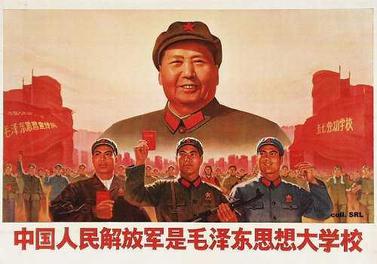
One of the most tragic instances in history would be that of the holocaust – a word that in itself is a definition of six years of European geopolitics. In Russia, Palestine and China, the expulsion of the White Army, the expulsion of the Arabs and the brutual suppression of cultures across China in the name of cultural revolution respectively bring to picture the way in which states and not just people can sometimes be the enemy of people. However, there have been several such instances in history, most of them hidden because they were carried out by the more ancestors of the ones who ended up being economically and intellectually influential communities.
Human history is a record of forced displacements both internal and external, ethnic cleaning and genocides and murders both to the dismay and sponsored by states. When Captain Cook discovered the down under, it led a massive import of British criminals on the continent. With them came officers, scientists and explorers. The businessmen and civilians searching for more opportunities came in later. The people of the continent – the Australian arboginals, the Maoris from Oceania and many more tribes were reduced to a mere holder of small patches of lands and often no land at all by the British who had a superior military.
When the first Irish and British settlers landed in the new World of America, the red Indians offered them food and shelter which soon became a situation where the Red Indians had to fight for the survival of their lives and their cultures which was systematically and quite institutionally taken away by the New World settlers. Similarly, when the Spanish invaded Latin America, it meant a complete and absolute dissolution of their traditions and a genocide that would annihilate their population to an extent where even after 400 years, they would not attain the same.

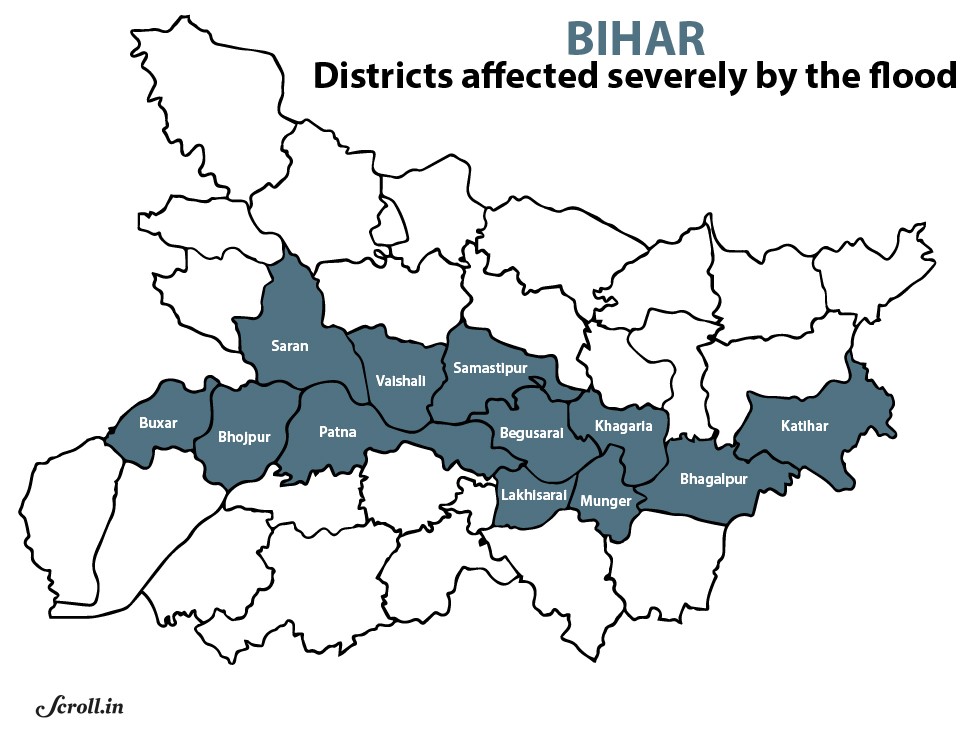
To add to all these miseries are the tales of the Rohingya community from Myanmar, the Tamils in Sri Lanka, the Kashmiri Pandits in Indian state of Jammu and Kashmir, the now diminishing sea faring communities in Philippines and Malaysia and many more. Japanese and Italian unifications were also carried out at the cost of the local traditions, cultures and ways that the communities living there had been practicing for a millennia. In India, the use of English and Hindi have slowly gobbled up on the rich culture of local languages that the communities had. In fact, many communities from the state of Bihar and Uttar Pradesh have completely given up on their languages. Bihar – a state where only 6% people had Hindi as their mother tongue now has a minority of about 20%!!
World loses about 1 language every 15 days!!!
Wikipedia defines Indigenous people as – “Indigenous peoples, also referred to as first people, aboriginal people, native people, or autochthonous people, are culturally distinct ethnic groups who are native to a place which has been colonised and settled by another ethnic group. ” But, a broader definition is the fact that indigenous people are defined by their cultures which is at a steady loss across the globe. The most important thing is to treasure the fragments of their traditions that still remain. Because a rainbow is better a rainbow.

Happy International Day for the Indigenous communites.


 Eduindex
You must be logged in to post a comment.