IMPORTANT BOOKS TO READ IN YOUR 20’S

Reading is good for you because it improves your focus, memory, empathy, and communication skills. It can reduce stress, improve your mental health, and help you live longer. Reading also allows you to learn new things to help you succeed in your work and relationships.Reading has been proven to keep our minds young, healthy and sharp, with studies showing that reading can even help prevent alzheimer’s disease. Reading also develops the imagination and allows us to dream and think in ways that we would have never been able to before.

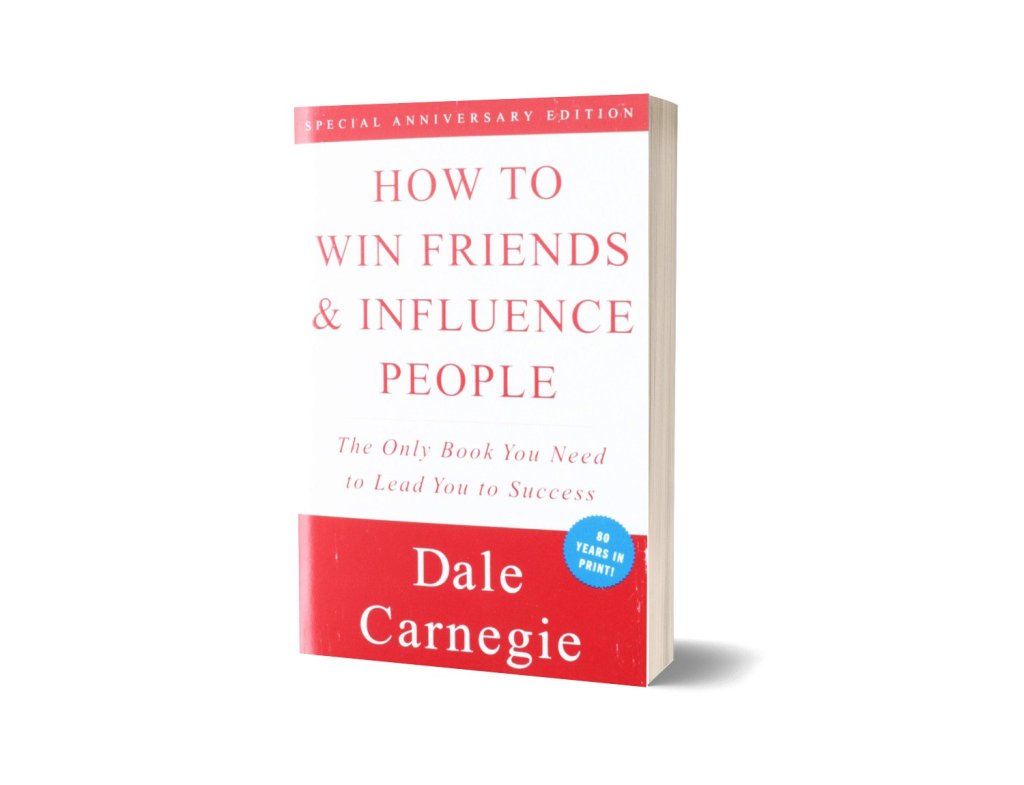
1) How to win friends and influence the people

How to Win Friends and Influence People is a self-help book written by Dale Carnegie, published in 1936. Over 30 million copies have been sold worldwide, making it one of the best-selling books of all time. Carnegie had been conducting business education courses in New York since 1912. The book is very easy to read and provides great examples and stories which makes it 10x easier to relate to and remember. I highly recommend this book, it has helped me improve certain aspects of my relationships and interactions with others.The core idea is that you can change other people’s behavior simply by changing your own. It teaches you the principles to better understand people, become a more likable person, improve relationships, win others over, and influence behavior through leadership.https://en.m.wikipedia.org/wiki/How_to_Win_Friends_and_Influence_People
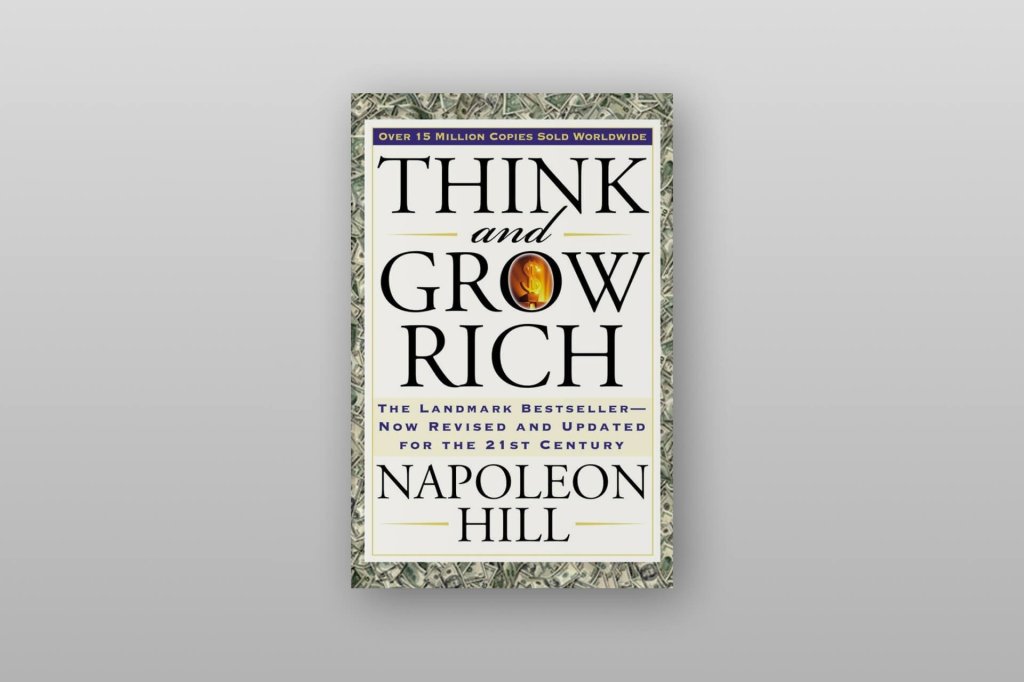
2) Think and Grow Rich

Think and Grow Rich was written by Napoleon Hill in 1937 and promoted as a personal development and self-improvement book. He claimed to be inspired by a suggestion from business magnate and later-philanthropist Andrew Carnegie. https://en.m.wikipedia.org/wiki/Think_and_Grow_Rich The “secret” of Think and Grow Rich is to place yourself within the overall scheme of creation, obeying natural laws that inevitably and invariably beget growth, expansion, renewal, and generativity.
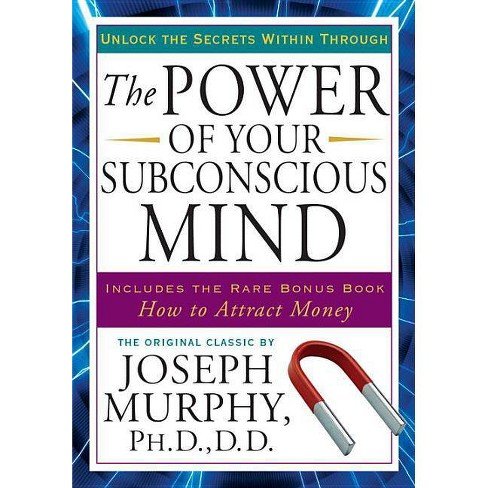
3) The Power of your subconscious mind

The Power of Your Subconscious Mind has been a bestseller since its first publication in 1963, selling many millions of copies since its original publication. It is one of the most brilliant and beloved spiritual self-help works of all time which can help you heal yourself, banish your fears, sleep better, enjoy better relationships and just feel happier. The techniques are simple and results come quickly. You can improve your relationships, your finances, your physical well-being. Your subconscious mind is a powerful force to be reckoned with. It makes up around 95% of your brain power and handles everything your body needs to function properly, from eating and breathing to digesting and making memories.
4) The Richest Man in Babylon

The Richest Man in Babylon is a 1926 book by George S. Clason that dispenses financial advice through a collection of parables set 4,000 years ago in ancient Babylon. The book remains in print almost a century after the parables were originally published, and is regarded as a classic of personal financial advice.This point is actually the crux of the book: the classic principle of paying yourself first. Clason recommends saving at least 10% of all income earned. Even in his example of those who are paying off debt, he still advocates setting aside this one-tenth. https://en.m.wikipedia.org/wiki/The_Richest_Man_in_Babylon#:~:text=The%20Richest%20Man%20in%20Babylon%20is%20a%201926%20book%20by,classic%20of%20personal%20financial%20advice.

5) Atomic Habits

An atomic habit is a regular practice or routine that is not only small and easy to do but is also the source of incredible power; a component of the system of compound growth. Bad habits repeat themselves again and again not because you don’t want to change, but because you have the wrong system for change. While it is well worth reading cover-to-cover as it is chock full of useful and actionable information about habits, from how and why we form them to how to break them and make them, I’ve decided to highlight my top takeaways and share with you the lessons I felt were the most profound. https://medium.com/tom-thoughts/i-finally-read-atomic-habits-here-are-my-top-5-takeaways-57dd6f904ab4
THE HANDMAID’S TALE

The Handmaid’s Tale is a dystopian novel by Canadian author Margaret Atwood, published in 1985. It is set in a near-future New England, in a strongly patriarchal, totalitarian theonomic state, known as Republic of Gilead, that has overthrown the United States government.The central character and narrator is a woman named Offred, one of the group known as “handmaids”, who are forcibly assigned to produce children for the “commanders” – the ruling class of men.The novel explores themes of subjugated women in a patriarchal society and the various means by which they resist and attempt to gain individuality and independence. The novel’s title echoes the component parts of Geoffrey Chaucer’s The Canterbury Tales, which is a series of connected stories (such as “The Merchant’s Tale” and “The Parson’s Tale”)

Plot

After a staged attack that killed the President of the United States and most of Congress, a radical political group called the “Sons of Jacob” uses theonomic ideology to launch a revolution.[7] The United States Constitution is suspended, newspapers are censored, and what was formerly the United States of America is changed into a military dictatorship known as the Republic of Gilead. The new regime moves quickly to consolidate its power, overtaking all other religious groups, including traditional Christian denominations. In addition, the regime reorganizes society using a peculiar interpretation of some Old Testament ideas, and a new militarized, hierarchical model of social and religious fanaticism among its newly created social classes. Above all, the biggest change is the severe limitation of people’s rights, especially those of women, who are not allowed to read, write, own property, or handle money. Most significantly, women are deprived of control over their own reproductive functions.

The story is told in first-person narration by a woman named Offred. In this era of environmental pollution and radiation, she is one of the few remaining fertile women. Therefore, she is forcibly assigned to produce children for the “Commanders,” the ruling class of men, and is known as a “Handmaid” based on the biblical story of Rachel and her handmaid Bilhah. Apart from Handmaids, other women are also classed socially and follow a strict dress code, ranked highest to lowest: the Commanders’ Wives in blue; the Handmaids in red with white veils around their faces; the Aunts (who train and indoctrinate the Handmaids) in brown; the Marthas (cooks and maids) in green; Econowives (the wives of lower-ranking men who handle everything in the domestic sphere) in blue, red and green stripes; young, unmarried girls in white; and widows in black.

Offred details her life starting with her third assignment as a Handmaid to a Commander. Interspersed with her narratives of her present-day experiences are flashbacks of her life before and during the beginning of the revolution, including her failed attempt to escape to Canada with her husband and child, her indoctrination into life as a Handmaid by the Aunts, and the escape of her friend Moira from the indoctrination facility. At her new home, she is treated poorly by the Commander’s wife, a former Christian media personality named Serena Joy who supported women’s domesticity and subordinate role well before Gilead was established. To Offred’s surprise, the Commander requests to see her outside of the “Ceremony,” a reproductive ritual obligatory for handmaids and intended to result in conception in the presence of his wife. The two begin an illegal relationship where they play Scrabble and Offred is allowed to ask favours of him, whether in terms of information or material items. Finally, he gives her lingerie and takes her to a covert, government-run brothel called Jezebel’s. Offred unexpectedly encounters Moira there, with her will broken, and she learns that those who are found breaking the law are sent to the Colonies to clean up toxic waste or are allowed to work at Jezebel’s as punishment.

In the days between her visits to the Commander, Offred also learns from her shopping partner, a woman called Ofglen, of the Mayday resistance, an underground network working to overthrow the Republic of Gilead. Not knowing of Offred’s criminal acts with her husband, Serena begins to suspect that the Commander is infertile, and arranges for Offred to begin a covert sexual relationship with Nick, the Commander’s personal servant. After their initial sexual encounter, Offred and Nick begin to meet on their own initiative as well, with Offred discovering that she enjoys these intimate moments despite memories of her husband, and shares potentially dangerous information about her past with him. However, shortly after, Ofglen disappears (reported as a suicide), and Serena finds evidence of the relationship between Offred and the Commander, which causes Offred to contemplate suicide.

Offred tells Nick that she thinks she is pregnant. Shortly afterward, men arrive at the house wearing the uniform of the secret police, the Eyes of God, known informally as “the Eyes”, to take her away. As she is led to a waiting van, Nick tells her to trust him and go with the men. It is unclear whether the men are actually Eyes or members of the Mayday resistance. Offred is still unsure if Nick is a member of Mayday or an Eye posing as one, and does not know if leaving will result in her escape or her capture. Ultimately, she enters the van with her future uncertain.

The novel concludes with a metafictional epilogue, described as a partial transcript of an international historical association conference taking place in the year 2195. The keynote speaker explains that Offred’s account of the events of the novel was recorded onto cassette tapes later found and transcribed by historians studying what is then called “the Gilead Period”.

SHORT STORIES WITHIN NOVELS – PART 2

As we already read about the secret to living happily from The Alchemist book by Paulo Coelho. Today we will look at two different stories from different books.

THE KITE RUNNER BY KHALID HOSSEINI

It was a dark little tale about a man who found a magic cup and learned that if he wept into the cup, his tears turned into pearls. But even though he had always been poor, he was a happy man and rarely shed a tear. So he found ways to make himself sad so that his tears could make him rich. As the pearls piled up, so did his greed grow. The story ended with the man sitting on a mountain of pearls, knife in hand, weeping helplessly into the cup with his beloved wife’s slain body in his arms.

This story must give you goosebumps but, the real conclusion is when Amir the protagonist and the narrator of the book The Kite Runner wrote this story and shared it with his friend Hassan, who is a servant’s boy of Amir’s family. Hassan was shocked and impressed with Amir’s story but, he asked why he has to kill his own wife, instead of he can shed tears by cutting onions?

MORAL: When you have to choose something… Choose wisely.

VERONICA DECIDES TO DIE BY PAULO COELHO:

Zedka started to narrate a story to Veronica.

A powerful wizard, who wanted to destroy an entire kingdom, placed a magic potion in the well from which all the inhabitants drank. Whoever drank that water would go mad.

The following morning, the whole population drank from the well and they all went mad, apart from the king and his family, who had a well set aside for them alone, which the magician had not managed to poison.
The king was worried and tried to control the population by issuing a series of edicts governing security and public health.
The policemen and inspectors, however, had also drunk the poisoned water, and they thought the king’s decisions were absurd and resolved to take no notice of them.

When the inhabitants of the kingdom heard these decrees, they became convinced that the king had gone mad and was now giving nonsensical orders. They marched on the castle and called for his abdication.

In despair the king prepared to step down from the throne, but the queen stopped him, saying:
‘Let us go and drink from the communal well. Then we will be the same as them.’

The king and the queen drank the water of madness and immediately began talking nonsense.
Their subjects repented at once; now that the king was displaying such wisdom, why not allow him to continue ruling the country?

After drinking water from the poisonous well all became mad and equal. The country continued to live in peace although its inhabitants behaved very differently from those of its neighbors. And the king was able to govern until the end of his days.

Zedka asked veronica: Do you know what exists outside beyond the walls of this asylum?

Veronica said People who have all drunk from the same well.

MORAL: Zedka and Veronica both are patients in the asylum. Through this story, Zedka symbolically tells that people think they are civilized and normal. But, when they encounter some strange people they started to divide the borders and make them as a patient.

SHORT STORIES WITHIN NOVELS https://eduindex.org/2021/07/24/short-stories-within-novels/

THE GOTHIC NOVEL https://eduindex.org/2021/07/21/the-gothic-novel/

SHORT STORIES WITHIN NOVELS:

A story within a story is referred to as an embedded narrative. The embedded narrative is a literary device in which a character within a story becomes the narrator of a second story within the first one. Multiple layers of stories within stories are sometimes called Nested Stories. These stories mostly exist in a book to enlighten people. Sometimes the author himself wrote some short stories which are really motivating and alluring, then he might include them in his novels. In the other case, the author pushes himself to write short stories which will be suitable within his/her novels.

We all love stories, especially short stories. So, we will look at some stories within stories or stories within novels or dramas one by one as parts of segments.

THE ALCHEMIST: BY PAULO COELHO

The shopkeeper sent his son to learn about the secret of happiness from the wisest man in the world. The lad wandered through the desert for forty days, and finally came upon a beautiful castle, high atop a mountain. It was there that the wise man lived.

“Rather than finding a saintly man, though, our hero, on entering the main room of the castle, saw a hive of activity: tradesmen came and went, people were conversing in the corners, a small orchestra was playing soft music, and there was a table covered with platters of the most delicious food in that part of the world. The wise man conversed with everyone, and the boy had to wait for two hours before it was his turn to be given the man’s attention.

“The wise man listened attentively to the boy’s explanation of why he had come, but told him that he didn’t have time just then to explain the secret of happiness. He suggested that the boy look around the palace and return in two hours.

“‘Meanwhile, I want to ask you to do something,’ said the wise man, handing the boy a teaspoon that held two drops of oil. ‘As you wander around, carry this spoon with you without allowing the oil to spill.’

“The boy began climbing and descending the many stairways of the palace, keeping his eyes fixed on the spoon. After two hours, he returned to the room where the wise man was.

“‘Well,’ asked the wise man, ‘did you see the Persian tapestries that are hanging in my dining hall? Did you see the garden that it took the master gardener ten years to create? Did you notice the beautiful parchments in my library?’

“The boy was embarrassed and confessed that he had observed nothing. His only concern had been not to spill the oil that the wise man had entrusted to him.

“‘Then go back and observe the marvels of my world,’ said the wise man. ‘You cannot trust a man if you don’t know his house.’

“Relieved, the boy picked up the spoon and returned to his exploration of the palace, this time observing all of the works of art on the ceilings and the walls. He saw the gardens, the mountains all around him, the beauty of the flowers, and the taste with which everything had been selected. Upon returning to the wise man, he related in detail everything he had seen.

“‘But where are the drops of oil I entrusted to you?’ asked the wise man.

“Looking down at the spoon he held, the boy saw that the oil was gone.

“‘Well, there is only one piece of advice I can give you,’ said the wisest of wise men. ‘The secret of happiness is to see all the marvels of the world, and never to forget the drops of oil on the spoon.’

Through this story author express, that one should follow his dreams and must take care of his responsibilities also. That’s the secret of happiness.

The Alchemist

WHERE TO GET FREE EBOOKS https://eduindex.org/2021/07/20/where-to-get-free-e-books/

THE DETECTIVE NOVELS https://eduindex.org/2021/07/21/the-detective-novels/

MUST-READ TWO BOOKS BY PAULO COELHO – 2

Paulo Coelho wrote many best-selling books most of which are popular all around the world. And translated in various languages. One of his masterpieces is Alchemist. All of his works are related to self-help and motivational genres.

Book: Veronica Decides To Die

Veronica is a young woman who commits suicide due to being full of emptiness in her life. While she waiting for death after taking a lot of sleeping pills she fainted and found herself in an asylum alive. But Doctor said that she has only a few days to live due to a heart condition caused by the overdose. Her presence there affects all of the mental hospital’s patients, especially Zedka, who has clinical depression; Mari, who has panic attacks; and Eduard, who has schizophrenia, and with whom Veronika falls in love. At least she wants to live or not is the key base of this novel.

Why you should read this book: 

This one is not a boring plot, book content moves slow still does not let you drop the idea to read it. And this contains good vocabulary which is worth recommending to every reader. If you ever tried or at least thought once to end your life read this one it will make you believe in Miracle. 

Book Quotes:

People never learn anything by being told, they have to find out for themselves.

You are someone who is different, but who wants to be the same as everyone else. 

You have two choices, to control your mind or to let your mind control you.

Note: This book is also adapted as a film by Emily Young in 2009. 

Book: The Spy

Mata Hari, the beautiful woman, the dancer, the courtesan, and the spy. She was the center of attraction wherever she goes… As a dancer she delighted her audiences, as a courtesan, she bewitched the richest and powerful men of the era. But is she really a spy? 

Why you should read this one:

This book is based on real events. Mata Hari is a real person who is accused of espionage and executed.

On the back cover, it says, “Fiction.” But, I would rather love to say it’s a historical work. 

When a man sleeps with many women, do we care to say any terms? So, I can’t criticize Mata Hari for being a courtesan. 

In this work, I can visualize how men treated women as an object during those time. They gave preference for outer appearance. They wanted their wife to be loyal. But, those rules aren’t for them. And those things made my heart shrunk.

Book Quotes:

I decided to be who I always dreamed of. And the price of a dream is always high.

When we don’t know where life is taking us, we are never lost. 

At this moment, I look back at my life and realize that memory is a river, one that always runs backward.

Recommendations:

I don’t recommend both of these books to children especially if you are younger than sixteen. One book contains intimate scenes and another one contains sexual harassment scenes. Thus I would like to recommend these to elder readers who are more than sixteen.

TWO MUST-READ BOOKS OF PAULO COELHO https://eduindex.org/2021/07/18/two-must-read-books-of-paulo-coelho/

BOOK REVIEW: THE DA VINCI CODE https://eduindex.org/2021/07/19/book-review-the-da-vinci-code/

Horticulture

Horticulture, the branch of plant agriculture dealing with garden crops, generally fruits,vegetables, and ornamental plants. The Horticulture falls between domestic gardening and field agriculture, through all forms of cultivation naturally have close links.


It is divided into the cultivation of plants for food and plants for ornament. Pomology deals with fruit and nut crops. Oliericuture deals with herbaceous plants for the kitchen, including, for example carrots, cauliflower. Floriculture deals with the production of flowers and ornamental plants; generally, cut flowers, pot plants, and greenery. Landscape Horticulture is a broad category that includes plants for the landscape, including lawn turf but particularly nursery crops such as shrubs, trees, and vines.
The specialisation of the horticulture and the success of the crop are influenced by many factors. Among these are climate, terrain, and other regional variations.


HORTICULTURAL REGIONS :

TEMPERATURE ZONES :


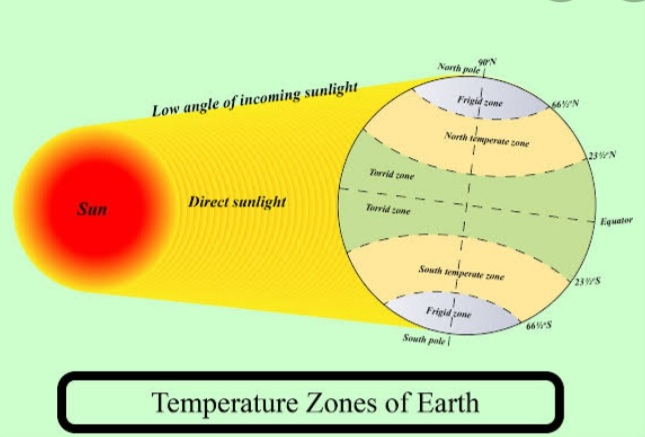
Temperature zones for horticulture cannot be defined exactly by lines of latitude or longitude but are usually regarded as including those areas where frost in winter occurs, even though rarely. Thus, most parts of Europe, North America and Northern Asia
are included, though some parts of the United States, such as southern Florida, are considered subtropical.
The temperature zones are also the areas of the grasses – the finest lawns particularly are in the regions of moderate or high rainfall- and of the great cereal crops. Rice is excluded as being tropical, but wheat, barley, corn and Rye grow well in the temperature zones.
Plants in the temperature zones benefit from a winter resting season, which clearly differentiates them from tropical plants which tend to grow continuously. Most of the great gardens of the world have been developed in temperature zones. Particular features such as rose gardens, herbaceous borders, annual borders, woodland gardens, and rock gardens are also those of temperature zone gardens. Nearly all depends for their success on the winter resting period.


TROPICAL ZONES :


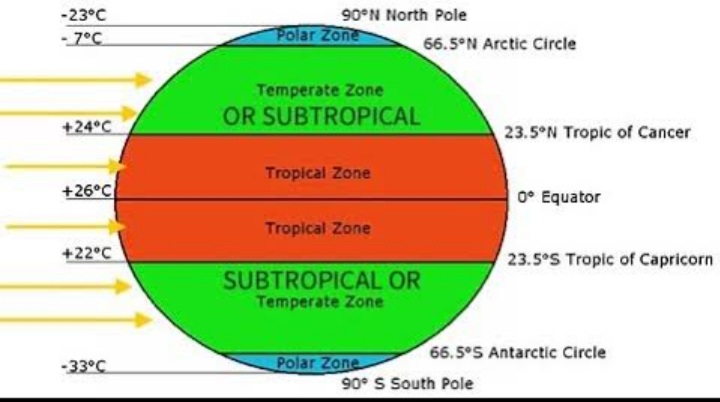
There is no sharp line of demarcation between the topics and the subtropics. Just as many tropical plants can be cultivated in the subtropics, so also many subtropical and even temperature plants can be grown satisfactorily in the tropics. Elevation is a determining factor. In addition to Elevation, another determinant is the annual distribution of rainfall. Plants that grow and flower in the monsoon areas, as in India, will not succeed where the climate is uniformly wet. Another factor is the length of day, the number of hours the sun is above the horizon;some plants flower only if the day is long, but others make their growth during the long days and flower when the day is short.
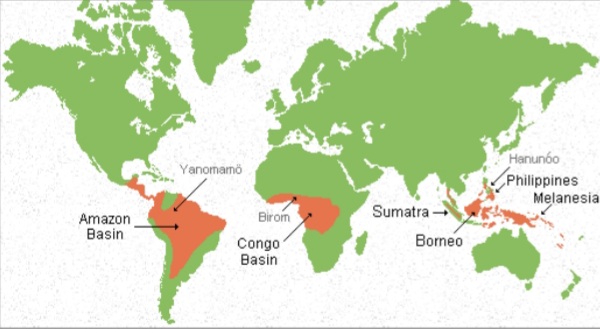
In the tropics of Asia and parts of central and south America, the dominant features of the gardens are flowering trees, shrubs, and climbers. Herbaceous plants are relatively few, but many kinds of orchids can be grown.


PROPAGATION :


propagation is the controlled perpetuation of plants,is the most basic of Horticulture practices . It’s two objectives are to achieve an increase in numbers and to preserve the essential characteristics of the plant. Propagation can be achieved sexually by seed or asexually by utilising specialised vegetative structures of the plant or by employing such techniques are cutting, layering, grafting and tissue culture

SEED PROPAGATION :


The most common method of propagation for self- pollinated plants is by seed. In self-pollinated plants,the sperm nuclei in pollen produced by a flower fertilize egg cells of a flower on the same plant. Propagation by seed is also used widely for many cross- pollinated plants pollen is carried from one plant to another.
The practice of saving seed to plant the following year has developed into a specialized part of horticulture. Seed technology involves all of the steps necessary ensure production of seed with high viability, freedom from disease, purity, and trueness to type. These processes may include specialized growing and harvesting techniques, cleaning, and distribution. Germination in such seed may be accomplished by treatment to remove these inhibitors. This may involve cold stratification, storing seed at high relative humidity and low temperatures, usually slightly above freezing. Cold stratification is a prerequisite to the uniform germination of many temperature-zone species such as apple, bear, and redbud.


VEGETATIVE PROPAGATION :


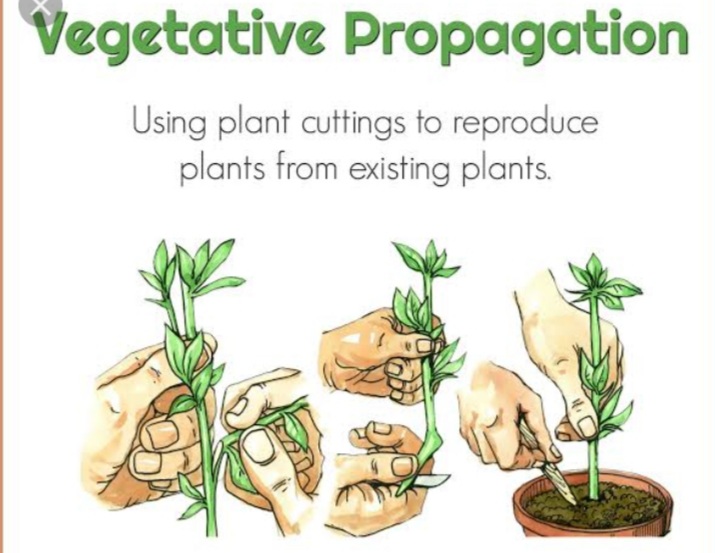
Asexual or vegetative reproduction is based on the ability of plants to regenerate tissues and parts. In many plants vegetative propagation is a completely natural process; in others it is an artificial one. It has may advantages. These include the unchanged prepetuation of naturally cross pollimated palnts and the possibility of propagation seedless progeny.
Vegetative propagation is accomplished be use of

  1. Apomictic seed
    1. Specialized vegetatice structres such as runners, bulbs, corms, rhizomes, offshoot, tubers, stems and roots.
  2. Layers and cuttimgs
  3. Grafting and budding
    1. tissue culture.

Two must-read books of Paulo Coelho

Book: The Alchemist

Book Plot:

A Sheppard boy who wandered most of the places in Andalusia with his flock of sheep. Once he was sleeping in an abandoned church, he dreamed of going to the pyramid. He already had that dream once before. So in a place Tarifa he accidentally met a gypsy lady and she told that there in Egypt he will find his treasure. The followed story is about the adventure taken by the Sheppard boy to reach his Destiny.

About the Book:

  • Through this book, the author motivates us to listen to our hearts while we pursue our dreams. a philosophical fiction and Paulo Coelho gave him at best.
  • The Sheppard boy’s name is Santiago. But, the author never mentions his name except in the first line of the story. We must learn that trick from Paulo Coelho.
  • Paulo Coelho always concentrates on his story. No puns, no scribbles, no long narrations, no heroic entries, and especially no circumlocution. Just a plot and beautiful words to make it a novel. That’s why he is one of my favorite authors.

Quotes:

It is not what enters men’s evil mouths that’s evil… It is what comes out of their mouth that is.

There is only one thing that makes a dream impossible to achieve: the fear of failure.

There is only one thing that makes a dream impossible to achieve: the fear of failure.

when you want something, all the universe conspires in helping you to achieve it.

Tell your heart that the fear of suffering is worse than the suffering itself

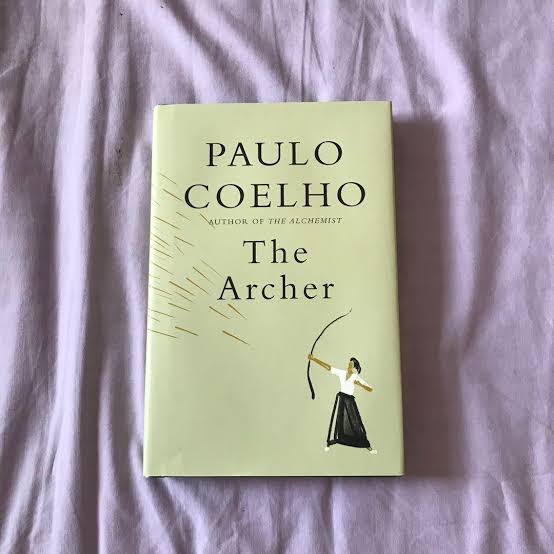
Book: The Archer

Book Plot:

Tetsuya, a man once famous for his prodigious gift with a bow and arrow but retired from public life. The boy who comes searching for him wants him to teach the way of the bow, and the archer illustrates the way of the bow and the tenets of life.

Quotes:

What is a master? I would say that he is not someone who teaches something, but someone who inspires the student to do his best to discover the knowledge he already has in his soul.

The bow is life: the source of all energy. The arrow will leave one day. The target is a long way off. But the bow will stay with you, and you must know how to look after it.

Elegance is not the most comfortable of postures, but it is the best posture if the shot is to be perfect.

Why you must read these books:

  • Paulo Coelho is an inspirational person who never disappoints us through his books, he suffered a lot and searched the way out of his hell through philosophy, religion, and faith.
  • I don’t know why Paulo Coelho’s books come under the genre of fiction? For real, it is a self-motivational book. His words are simple his books are the only books that I read in a single sitting.
  • If you are a person who fears failure, rejection, and humiliation… You must read these books. After reading these books you will do something you love to do or you will at least think about what do you love to do.

BOOK REVIEW : THE ALCHEMIST

~ Paulo Coelho

Philosophy

Characters – Santiago

Setting Egypt

Literary awards – National book award nominee for translation(2015)

Paulo Coelho’s enchanting novel has inspired a devoted following around the world. This story, dazzling in its powerful simplicity a inspiring wisdom, is about an Andalusian shepherded boy named Santiago who travels from his home land in Spain to the Egyptian desert in search of a treasure buriek in the pyramids.

Along the way he meets a gypsy women, a man who calls himself king, and an alchemist, all of whom point Santiago in the direction of his quest. Noone knows what the treasure is, or if Santiago will be able to surmount the obstacles along the way. But what starts out as a journey to find worldly goods turns into a discovery of the treasure found within.

Lush, evocating, and deeply humane, the story of Santiago is an eternal testament to the transforming power of our dreams and the importance of listening to our hearts.

Book Review Sample :- ” The Alchemist ” by Paul Coehlo.


Book information :-

English Title :- The Alchemist
Original Title :- O Alquimista
Author :- Paul Coehlo, Brazilian author.
Genre :- Quest , Adventure , fantasy.
Language:- Portuguese
English translation by :- Margaret Jull Costa
Publisher ( English Translation ) :- Harper Torch , 1993.
Pages:- 208 pages ( 1st English translation )


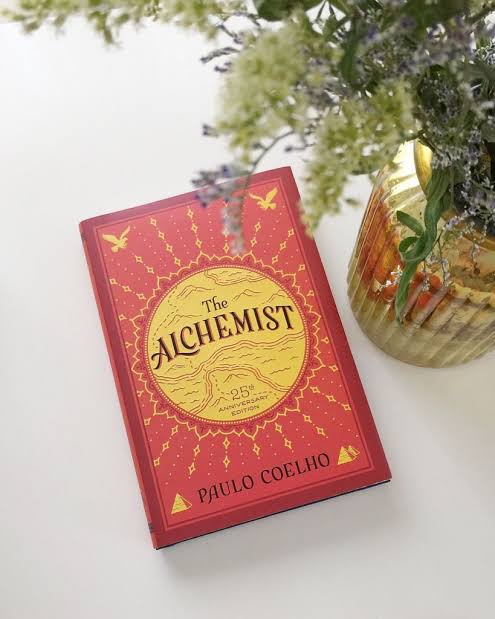
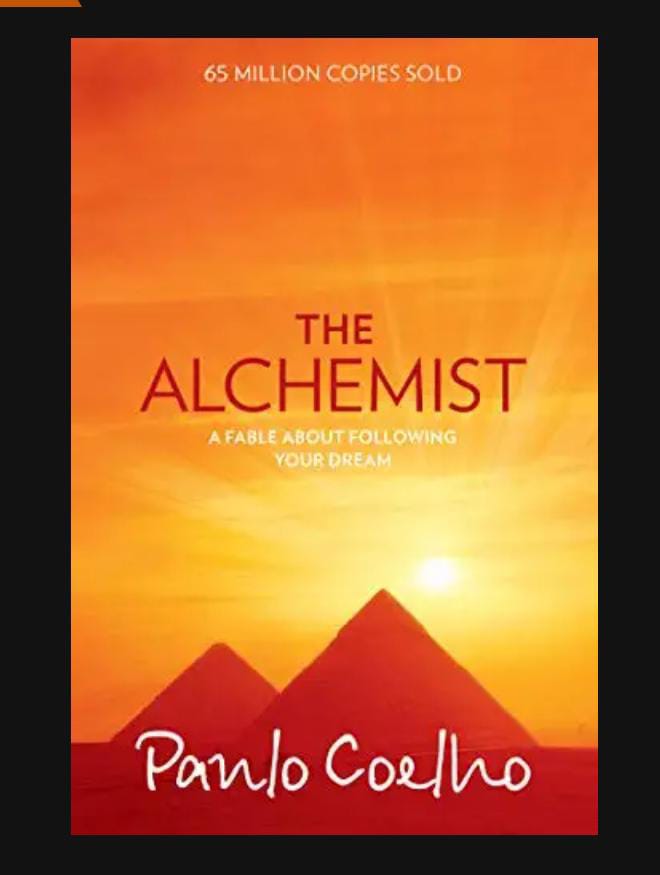
Book Cover :-
The cover has a very enchanting and beautifully designed which attracts reader on the first basis.


When you want something all the universe conspires in helping you to achieve it “


About author :-

Paul Coehlo is a Brazilian lyricist and novelist .He belongs to a middle-class family in Rio de Janeiro, Brazil.


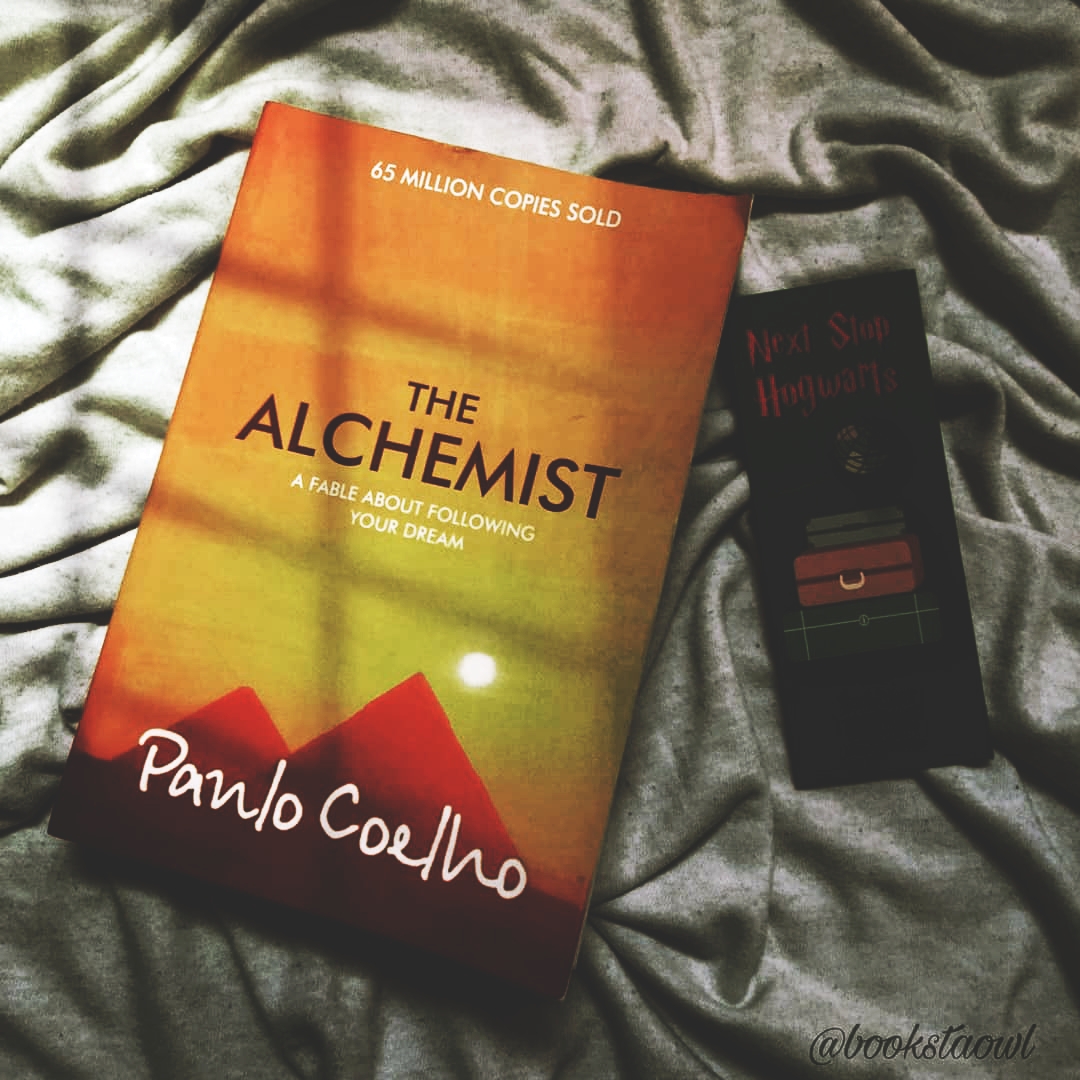
He is best known for his novel The Alchemist, which holds the Guinness World Record for most translated book by an author, and selling more than 65 millions copies in more than 150 countries as one of the best-selling books in history.

Paul Coehlo is considered as the world’s most popular spiritual writer. His books including -, The Alchemist, The Devils and Miss Prym , The fifth mountain, Manual of Warrior of light , Veronica Decides to Die , , covers various serious topic such as love , magic , dreams , spirit , suicide , real meaning of life etc.

He wrote The Alchemist only in 2 weeks . He explained that he was able to write at this pace because ” the story was already written within his soul “.
He described the book as a film that takes place in the mind of the reader , an allegorical novel about a young shepherd’s journey of finding his dreams .

Summary :-

The Alchemist is about the journey of a boy Santiago of Andalusia who is a shepherd . His parents have continually struggled for basic necessities of life and have smothered their own ambition accordingly . Santiago on the other hand can read and wants to travel .
One day Santiago retires for the night in an abandoned church with his flock of sheep. An enormous sycamore tree has grown in the place where the sacristy used to be. This is where Santiago falls asleep and dreams a recurring dream of a child who tells him that he will find a hidden treasure if he travels to the Egyptian pyramids.


Santiago visits the village of Tarifa. There he meets an old woman who interprets dreams, which she says are the language of God.
The old woman tells Santiago that this dream is prophetic , in what she calls “the language of the world,” and that Santiago needs to travel to the pyramids, where he will find a treasure that will make him rich. Santiago is uncertain, however, since he enjoys the life of a shepherd.

Santiago meets a mysterious old man who introduces himself as Melchizedek, or the King of Salem. He tells Santiago about good and bad omens .
Santiago started traveling after selling his flock and purchasing a ticket to Tangier in Northern Africa . He was unfortunately robbed which made him look for a way to make enough money to return home. He finds work in the shop of a crystal merchant.


After eleven months of working in the shop,he meets an Englishman who wants to learn the secret of alchemy, or turning any metal into gold, from a famous alchemist who lives at an oasis on the way to the pyramid.


While traveling, Santiago begins listening to the desert and discovering ” The Soul of the World “. The caravan eventually reaches the oasis, and there Santiago meets an Arab girl named Fatima and falls in love with her instantly but had to leave eventually with a promise to return again , in search of his treasure


Santiago wanders from the oasis into the desert and, seeing two hawks fighting in the sky, has a vision of an army entering the oasis and gets into trouble because of the tribal wear .

He meets an Alchemist who offers to cross the desert with Santiago.
Soon the two men enter into an area of intense tribal warfare. Warriors hold the two men captive, but eventually allow them to continue their journey

. The alchemist tells Santiago that he needs to return to the oasis, and that the rest of the trip is Santiago’s to make alone so that he can claim his treasure whom he referred as “Personal Legend”.

Santiago arrives at the Egyptian pyramids and begins to dig. He finds nothing buried in the ground. Thieves beat Santiago and rob him of his money. After he tells them of his dream, though, one of the thieves recounts his own dream about a buried treasure in the sacristy of an abandoned church.

Returning to Andalusia, Santiago goes back to the church where he dreamed of the treasure near the pyramids. He digs where he slept, beneath a sycamore tree, and there he finds his treasure Santiago’s treasure.


Analysis of the book :-

The Alchemist is a fable about following your dreams .

“My heart is afraid that it will have to suffer , the boy said ‘

“Tell your heart that the fear of suffering is worse than suffering itself and that no heart has ever suffered when it goes in search of its dream , because every second the search is a seconds encounter with God and with eternity .”

The Alchemist is a diversified allegorical story about a shepherd who cross boundaries just to follow his recurring dream which was entitled as “the language of the heart “ by the gypsy woman and a man whose encounter made him ” follow his omens “

Paul Coehlo in his interview stated that “omens are individual languages in which God talks to you . They are this strange ,but very individual language that guides you towards your own destiny . They are not logical ,but talk to your heart directly .”


The writing style in the book is simple yet contains powerful emotions, interesting and deep characters, plots twists and inspiring wisdom.


Santiago journey is a spiritual quest ,where he travels through the desert ,speaks to the wind and ‘Soul of the world’ which is connected by everyone’s heart desires or as the Alchemist said ” Personal Legend “

The novel is figurative and metaphorical in style . The omens , Personal Legend , Soul of the world , the talk with the wind , holds symbolic meaning which may seem as fantasies fantasized by us somewhere some day .

The story not only aids one to follow his dream but connects it with the Soul of the world ,the universe where everyone is bonded with an invisible wire and makes us one .

The story is like living in a magical realism , getting enchanted by the omens , talking with winds being a part of the universe that we all are but tend to forget and finally following our dream despite the hurdles because following our heart desire means encountering eternity .

when you really want something, the whole universe conspires in helping you to achieve it”

The book explains the major purpose of people living , that’s finding one’s treasure i.e Personal Legend and traveling to find it because following the personal legend is like connecting to something deeper of the universe ,to the threat that connects universe and our hearts , something that makes us follow our heart and reach our dreams which fear paralyse for us .

The fear of suffering is the mammoth hurdle one faces while taking the first step towards their dream .
The Alchemist , mystically addresses the fear of suffering as worse than fear itself .

Paul Coehlo in his interview said ” the only way that you can learn the language of the soul is by making mistakes . I made my mistakes but then I started to connect with the signs that guide me “

Making mistakes is the key to finding one’s Personal Legend . But fear of taking risks only lets one suffer with regret of not trying to reach out for their dreams .

The world is conspiring for us ” , it symbolizes the determination one has for his dreams. Without hope and determination one can never know about the universe doing it all to make the dream come true .


Conclusion :-


Santiago struggles with what he is told versus what is real , between reality and the spiritual. He moves from hopeless to hopeful .


The book , with the magical realism genre leaves the reader with many questions.
The questions are left to the reader’s imagination .

But Paul Coehlo said “there are some questions in life that we don’t know . We can’t have answers for everything . But we try to find good questions and not good answers “

Santiago represents the transforming power of our dreams, whether real or imagined and the importance of listening to our hearts.


The book is for one’s who want not only to escape reality but also to understand reality . The Alchemist can offer the best of both worlds.
Each person has a destiny that exists independently of others. Only through devotion to the dream is the ‘soul of the world’ revealed to us, the knowledge that destroys fear of suffering and gives power.
The Alchemist tells us that dreams have a price but, as Coelho has said in interviews, not living your dreams also has a price.


The book shares the Magic with the world , and affects so many lives.
The Alchemist is an unforgettable story about the wisdom of listening to our heart and following our dreams .

Dreams are made to be followed
Life is meant to be loved
Some books are meant to be read ,
Loved and passed on
The Alchemist is one of those books “