"Rich Dad Poor Dad" by Robert T. Kiyosaki

“Rich Dad Poor Dad” by Robert T. Kiyosaki is a financial classic that has left an indelible mark on the minds of readers seeking financial wisdom and success. The book is structured as a memoir, recounting the author’s upbringing and the divergent financial philosophies of his “rich dad” (his best friend’s father) and his “poor dad” (his biological father).

One of the book’s strengths lies in its simplicity and accessibility. Kiyosaki breaks down complex financial concepts into easy-to-understand anecdotes and lessons. He emphasizes the importance of financial education, challenging conventional notions about money, investing, and wealth-building.

The central theme revolves around the idea of assets versus liabilities and the significance of making money work for you. Kiyosaki stresses the importance of acquiring assets that generate passive income, rather than solely relying on earned income from a traditional job. The book encourages readers to adopt an entrepreneurial mindset and take calculated risks to achieve financial independence.

What sets “Rich Dad Poor Dad” apart is its ability to inspire a shift in mindset. It encourages readers to question societal norms around money, education, and employment, urging them to think differently about their financial future. The narrative is filled with practical advice and actionable steps, making it a valuable guide for those eager to embark on a journey towards financial literacy.

However, some critics argue that the book lacks specific, detailed instructions on how to achieve financial success. While Kiyosaki emphasizes the importance of financial education, some readers may yearn for more concrete strategies and step-by-step guidance.

In conclusion, “Rich Dad Poor Dad” is a compelling and thought-provoking read that has influenced countless individuals worldwide. Its enduring popularity attests to its impact on reshaping perspectives on wealth and financial independence. Whether you’re a seasoned investor or a novice in the world of finance, this book provides valuable insights that can spark positive changes in your financial journey.

Fourth Wing (The Empyrean Book 1) Kindle Edition

 Fourth Wing (The Empyrean Book 1) Kindle Edition

“Suspenseful, sexy, and with incredibly entertaining storytelling, the first in Yarros’ Empyrean series will delight fans of romantic, adventure-filled fantasy.” —Booklist, starred review

“Fourth Wing will have your heart pounding from beginning to end… A fantasy like you’ve never read before.” ―#1 New York Times bestselling author Jennifer L. Armentrout

Enter the brutal and elite world of a war college for dragon riders from New York Times bestselling author Rebecca Yarros

Twenty-year-old Violet Sorrengail was supposed to enter the Scribe Quadrant, living a quiet life among books and history. Now, the commanding general—also known as her tough-as-talons mother—has ordered Violet to join the hundreds of candidates striving to become the elite of Navarre: dragon riders.

But when you’re smaller than everyone else and your body is brittle, death is only a heartbeat away…because dragons don’t bond to “fragile” humans. They incinerate them.

With fewer dragons willing to bond than cadets, most would kill Violet to better their own chances of success. The rest would kill her just for being her mother’s daughter—like Xaden Riorson, the most powerful and ruthless wingleader in the Riders Quadrant.

She’ll need every edge her wits can give her just to see the next sunrise.

Yet, with every day that passes, the war outside grows more deadly, the kingdom’s protective wards are failing, and the death toll continues to rise. Even worse, Violet begins to suspect leadership is hiding a terrible secret.

Friends, enemies, lovers. Everyone at Basgiath War College has an agenda—because once you enter, there are only two ways out: graduate or die.

Product details

  • ASIN ‏ : ‎ B0BGDM197Q
  • Publisher ‏ : ‎ Entangled: Red Tower Books (May 2, 2023)
  • Publication date ‏ : ‎ May 2, 2023
  • Language ‏ : ‎ English
  • Text-to-Speech ‏ : ‎ Enabled
  • Screen Reader ‏ : ‎ Supported
  • Print length ‏ : ‎ 663 pages

From the Bottom to the Top: Story of a Man Called Larry

body {
font-family: Arial, sans-serif;
line-height: 1.6;
margin: 20px;
}

    h1 {
        color: #333;
    }

    img {
        max-width: 100%;
        height: auto;
        margin-bottom: 15px;
    }

    .rating {
        display: inline-block;
        unicode-bidi: bidi-override;
        color: #888;
        font-size: 24px;
        height: 1em;
        position: relative;
    }

    .rating span {
        display: inline-block;
        position: absolute;
        overflow: hidden;
        color: #FFD700;
    }

    .rating input {
        display: none;
    }

    .rating label {
        cursor: pointer;
        width: 1em;
        font-size: 24px;
        text-align: center;
        line-height: 1.6;
    }

    .rating label:before {
        content: '★';
    }

    .rating input:checked ~ label,
    .rating input:checked ~ label ~ label {
        color: #FFD700;
    }


<h1>Book Review: From the Bottom to the Top: Based on a Story of a Man Born in West Africa: Story of a Man Called Larry</h1>

<strong>Author:</strong> <a class="a-link-normal" href="https://www.amazon.in/s/ref=dp_byline_sr_book_1?ie=UTF8&field-author=Peter+Cole&search-alias=stripbooks">Peter Cole</a></p><div class="separator" style="clear: both;text-align: center"><a href="https://m.media-amazon.com/images/I/61Oe6hwKZ1L._SY466_.jpg" style="margin-left: 1em;margin-right: 1em"><img border="0" height="466" src="https://m.media-amazon.com/images/I/61Oe6hwKZ1L._SY466_.jpg" width="311" /></a></div><br /><p><br />

<div class="rating">


</div>

<h2>"From the Bottom to the Top: Story of a Man Called Larry" by Peter Cole is an extraordinary journey through the life of an individual born in West Africa, showcasing resilience, determination, and the triumph of the human spirit against all odds. In this captivating narrative, Cole masterfully weaves together the personal story of Larry, offering readers a glimpse into the challenges and triumphs that shaped his life.

The book’s strength lies in its ability to transcend cultural boundaries and resonate with readers on a universal level. Larry’s story, born in West Africa and navigating life’s complexities, becomes a metaphor for the broader human experience. The author skillfully captures the essence of Larry’s character, portraying him as not just an individual with a unique background but as a symbol of tenacity and the pursuit of dreams.

Peter Cole’s storytelling is engaging and evocative, drawing readers into Larry’s world from the very beginning. The vivid descriptions of West Africa, its vibrant culture, and the challenges faced by Larry contribute to the book’s immersive quality. The narrative is rich with details, providing readers with a deep understanding of the socio-economic landscape that shapes Larry’s early years.

As the title suggests, the book follows Larry’s journey from the bottom to the top, highlighting his struggles and triumphs along the way. Through poignant storytelling, Cole addresses themes of poverty, adversity, and the transformative power of self-belief. Larry’s resilience becomes a source of inspiration, urging readers to reflect on their own capacity to overcome obstacles and pursue their aspirations.

The pacing of the narrative is well-executed, maintaining a balance between the exploration of Larry’s personal challenges and the broader socio-economic context. Cole skillfully navigates through Larry’s life, providing a nuanced portrayal that is both authentic and relatable. The book avoids sensationalism, presenting the story in a sincere and heartfelt manner.

While the narrative primarily focuses on Larry’s journey, the book also raises broader societal questions about equity, social justice, and the impact of systemic challenges. The reader is prompted to contemplate not only Larry’s individual triumphs but also the larger implications for communities facing similar struggles.

“From the Bottom to the Top: Story of a Man Called Larry” is not just a biographical account; it is a testament to the human spirit’s capacity to overcome adversity. Peter Cole’s writing is a compelling blend of empathy and insight, making this book a worthwhile read for those seeking inspirational stories that transcend cultural and geographical boundaries. Larry’s journey is a testament to the belief that, with determination and resilience, one can indeed rise from the bottom to the top.

<!--Other review sections go here-->

Book Review – Rich Dad Poor Dad

Book Review: Rich Dad Poor Dad

<span style="--tw-border-spacing-x: 0;--tw-border-spacing-y: 0;--tw-ring-color: rgba(69,89,164,.5);--tw-ring-offset-color: #fff;--tw-ring-offset-shadow: 0 0 transparent;--tw-ring-offset-width: 0px;--tw-ring-shadow: 0 0 transparent;--tw-rotate: 0;--tw-scale-x: 1;--tw-scale-y: 1;--tw-scroll-snap-strictness: proximity;--tw-shadow-colored: 0 0 transparent;--tw-shadow: 0 0 transparent;--tw-skew-x: 0;--tw-skew-y: 0;--tw-translate-x: 0;--tw-translate-y: 0;border: 0px solid rgb(217, 217, 227);color: var(--tw-prose-bold);font-weight: 600">Author: Robert T. Kiyosaki</span>


Rating: ⭐⭐⭐⭐⭐ (out of 5 stars)

Introduction:
“Rich Dad Poor Dad” by Robert T. Kiyosaki is a groundbreaking personal finance classic that challenges conventional wisdom about money and investing. With a narrative framed around the author’s upbringing with two father figures, Kiyosaki shares invaluable lessons that have the potential to transform the reader’s mindset about wealth and financial success.

Summary:
The book revolves around the dichotomy of “Rich Dad” and “Poor Dad,” representing two contrasting approaches to money. Kiyosaki contrasts the traditional, job-focused mindset (Poor Dad) with the entrepreneurial, wealth-building mindset (Rich Dad). Through anecdotes and practical advice, Kiyosaki introduces fundamental concepts such as assets, liabilities, and the importance of financial education.

Strengths:
Kiyosaki’s straightforward and engaging writing style makes complex financial concepts accessible to readers of all backgrounds. The book challenges the conventional path of education and employment, encouraging readers to think critically about their financial decisions. The emphasis on financial education as a key determinant of success is empowering, and the book serves as a wake-up call for those seeking financial independence.

Weaknesses:
While the book provides valuable insights, some critics argue that Kiyosaki oversimplifies certain aspects of wealth creation and may not offer a one-size-fits-all solution. Additionally, the narrative style, while compelling, may not resonate with everyone, as personal anecdotes and allegories are used extensively.

Characterization:
The characters of Rich Dad and Poor Dad serve as powerful symbols, representing contrasting approaches to money and life. The characterization is effective in conveying the author’s key messages and principles.

Writing Style:
Kiyosaki’s writing is clear, concise, and accessible. He combines personal anecdotes with financial principles, making the book engaging and relatable. The conversational tone helps demystify financial concepts and keeps the reader invested in the narrative.

Themes:
The primary themes revolve around financial education, the importance of assets over liabilities, and the mindset required for wealth creation. Kiyosaki challenges societal norms and encourages readers to break free from the traditional employment mindset.

Conclusion:
“Rich Dad Poor Dad” is a must-read for anyone seeking financial literacy and independence. It goes beyond mere financial advice and serves as a catalyst for a paradigm shift in how readers approach money. While not without its critics, the book’s impact on countless individuals worldwide is a testament to its enduring relevance and influence on the way we perceive and manage wealth. Highly recommended for those ready to challenge their financial beliefs and embark on a path toward financial freedom.

Top Ten Books to Read in 2024 to get Motivated

 In 2024, there might be a range of new books that inspire motivation, but here are ten timeless motivational reads that have consistently resonated with readers seeking inspiration:

  1. “Atomic Habits” by James Clear: This book delves into the power of small habits and how they can lead to remarkable changes in life, offering practical strategies for personal development.

  2. “The Power of Now” by Eckhart Tolle: Focused on mindfulness and living in the present moment, this book helps readers find inner peace and motivation by embracing the now.

  3. “Grit: The Power of Passion and Perseverance” by Angela Duckworth: Duckworth explores the significance of grit—the combination of passion and perseverance—and how it drives success.

  4. “Mindset: The New Psychology of Success” by Carol S. Dweck: Dweck explores the concept of fixed versus growth mindsets, inspiring readers to embrace challenges and develop a growth-oriented perspective.

  5. “The Subtle Art of Not Giving a F*ck” by Mark Manson: This unconventional self-help book offers a refreshing take on finding meaning in life by prioritizing what truly matters and letting go of the rest.

  6. “Start with Why” by Simon Sinek: Sinek examines the power of purpose and how starting with a clear “why” can drive motivation, innovation, and success in various aspects of life.

  7. “You Are a Badass: How to Stop Doubting Your Greatness and Start Living an Awesome Life” by Jen Sincero: With humor and insight, Sincero encourages readers to embrace their potential, overcome self-doubt, and live a fulfilling life.

  8. “Daring Greatly” by Brené Brown: Brown explores the concept of vulnerability as a source of courage and motivation, challenging readers to embrace vulnerability as a path to growth.

  9. “The 5 Second Rule: Transform Your Life, Work, and Confidence with Everyday Courage” by Mel Robbins: Robbins introduces a simple technique to overcome procrastination and boost motivation by counting down from five to take action.

  10. “Man’s Search for Meaning” by Viktor E. Frankl: This profound book by a Holocaust survivor explores finding meaning in life even amidst suffering, offering insights into resilience and the human spirit.

These books cover various aspects of personal development, motivation, and mindset, offering diverse perspectives and strategies to inspire and drive positive change in life.

Haruki Murakami’s ‘Norwegian Wood

Norwegian Wood is a 1987 novel by Japanese author Haruki Murakami. The novel is a nostalgic story of loss. It is told from the first-person perspective of Toru Watanabe, who looks back on his days as a college student living in Tokyo.

“Haruki Murakami’s ‘Norwegian Wood’ is a novel that transcends mere storytelling, delving deep into the recesses of the human soul.

Set against the backdrop of 1960s Japan, the narrative unfurls as Toru Watanabe, the protagonist, grapples with the labyrinthine complexities of love, loss, and the elusive quest for meaning. Murakami’s prose is a tapestry of poignant imagery and profound introspection, weaving a tale that lingers in the mind long after the final page. The characters, especially Toru’s relationships with Naoko and Midori, are intricately nuanced, each harboring their own scars and vulnerabilities. The novel’s thematic depth lies in its unflinching portrayal of mental health struggles, existential crises, and the enduring pursuit of human connection amid an emotionally desolate landscape. While the narrative occasionally drifts into meandering contemplation, this very introspection is the essence that lends ‘Norwegian Wood’ its haunting allure. It is a meditative exploration of the human psyche, inviting readers to confront their own emotions and wrestle with the ambiguity of life. ‘Norwegian Wood’ stands as a testament to Murakami’s mastery in crafting a melancholic yet profoundly thought-provoking tale, appealing to those who seek an immersive and introspective reading experience.”

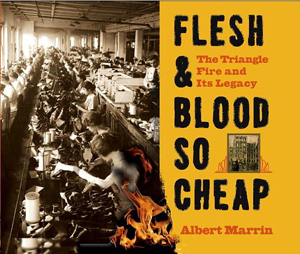
Book Review: Flesh &amp;amp; Blood So Cheap


Flesh & Blood So Cheap cover

I liked this book. People who are interested in national disasters and US history as well as immigration will most probably be interested in reading this book.

Readers can gain knowledge of what it was like to work in New York City in the early 1900s. One of the things that was especially interesting was that there were no safety laws at work. Also, there was a big contrast between the rich and the poor. Some people may not like this book because it is very depressing, but it is an important event in history to remember.

This book was very well written. It has black and white photos along with descriptions of the photos. These photos give us a better idea of what people’s lives were like. This book is suitable for 9-20 year olds.

I give this book 5 stars.

The Infographic Guide to Personal Finance: A Visual Reference for Everything You Need to Know

“Want to better manage your money? This book will show you how…It simply delivers a tough topic in graphically appealing, digestible bites.” —The Washington Post
Balance your budget, plan for your future, and breeze through confusing details with this easy-to-follow illustrated personal finance guide.
Get your finances in shape! In The Infographic Guide to Personal Finance, you will learn all the skills you need to make good financial decisions and grow your personal wealth. Full of colorful descriptions organized in an easy-to-read format, this book contains infographics such as:
-Choosing your bank
-Building an emergency fund
-Choosing a financial planner
-Where your money is going
-What not to buy
-Health insurance
-Property insurance
-What federal taxes pay for
With the help of this guide, you’ll learn how to make good investments, save for big things like a house or college tuition, budget, and more!
Publisher ‏ : ‎ Adams Media (December 5, 2017)
Language ‏ : ‎ English
Paperback ‏ : ‎ 128 pages
ISBN-10 ‏ : ‎ 1507204663
ISBN-13 ‏ : ‎ 978-1507204665
Item Weight ‏ : ‎ 9.6 ounces
Dimensions ‏ : ‎ 6 x 0.5 x 9 inches

Top Ten Books of Journalism

Journalism serves as a cornerstone of a well-informed society, providing crucial information and analysis that shape public discourse. Aspiring journalists, seasoned reporters, and curious readers alike turn to a diverse array of literature to grasp the essence of this dynamic field. This essay delves into some of the top journalism books that have left an indelible mark on the profession, offering insights into the art and responsibility of storytelling. crazymonkeycafe.com is an emerging platform to check out.

Photo by Andrea Piacquadio on Pexels.com
  1. “All the President’s Men” by Carl Bernstein and Bob Woodward: This iconic book chronicles the Watergate scandal and the investigative efforts of the two Washington Post journalists, Bernstein and Woodward. Their tenacity and dedication in uncovering the truth demonstrate the vital role of investigative journalism in upholding democracy and holding those in power accountable.
  2. “The Elements of Journalism: What Newspeople Should Know and the Public Should Expect” by Bill Kovach and Tom Rosenstiel: This foundational work delves into the ethical considerations and principles that guide journalism. Kovach and Rosenstiel outline the core elements of journalism, emphasizing accuracy, fairness, independence, and transparency. The book provides readers with a comprehensive understanding of the journalistic ethos.
  3. “Into the Wild” by Jon Krakauer: While not a traditional journalism book, Krakauer’s narrative nonfiction masterpiece exemplifies the power of immersive reporting. The author traces the journey of Christopher McCandless, a young man who ventured into the Alaskan wilderness. Krakauer’s meticulous research and storytelling skills illuminate the line between personal exploration and ethical responsibility in reporting.
  4. “The New New Journalism: Conversations with America’s Best Nonfiction Writers on Their Craft” by Robert S. Boynton: This anthology compiles interviews with prominent journalists and writers, shedding light on the evolving landscape of nonfiction storytelling. Boynton explores the various techniques used by writers such as Susan Orlean, Jon Krakauer, and Gay Talese, providing aspiring journalists with diverse perspectives on the craft.
  5. “On Writing Well” by William Zinsser: While not exclusively a journalism book, Zinsser’s guide to writing effectively transcends genres. The book emphasizes clarity, simplicity, and brevity in communication, offering journalists valuable tools to engage their audience without sacrificing substance.
  6. “The Road to Serfdom” by F.A. Hayek: Though not a journalism-focused book, Hayek’s work remains a testament to the importance of economic journalism. This seminal book argues for the dangers of centralized planning and the importance of individual liberties, illustrating the significance of informed economic reporting in shaping public policy debates.

Conclusion:

The realm of journalism is multifaceted, encompassing investigative rigor, ethical considerations, immersive storytelling, and effective communication. These top journalism books exemplify the depth and breadth of the field, providing readers with insights that extend beyond headlines. From the tenacious pursuit of truth in “All the President’s Men” to the principles of responsible journalism outlined in “The Elements of Journalism,” these books contribute to a nuanced understanding of the profession’s role in society. Aspiring journalists, seasoned reporters, and engaged citizens can all benefit from the wisdom and knowledge embedded within these literary treasures.

Flesh &amp;amp; Blood So Cheap


Flesh & Blood So Cheap cover

I liked this book. People who are interested in national disasters and US history as well as immigration will most probably be interested in reading this book.

Readers can gain knowledge of what it was like to work in New York City in the early 1900s. One of the things that was especially interesting was that there were no safety laws at work. Also, there was a big contrast between the rich and the poor. Some people may not like this book because it is very depressing, but it is an important event in history to remember.

This book was very well written. It has black and white photos along with descriptions of the photos. These photos give us a better idea of what people’s lives were like. This book is suitable for 9-20 year olds.

I give this book 5 stars.

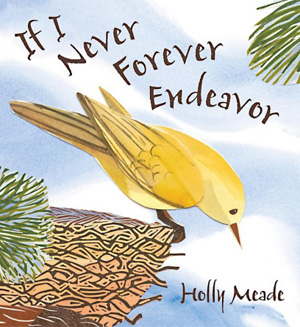
Book Review: If I Never Forever Endeavor


If I Never Forever Endeavor cover

This book was about a bird who didn’t yet know how to fly.

The bird has to decide if it will try to fly, but it was not sure if it wants to. The bird thought, “If I never forever endeavor” then I won’t ever learn. On one wing, he worries he might fail and on the other wing he thinks of how he may succeed. He worries that if he tries, he may get lost in the world. That makes him want to stay in his nest where he’s safe.

I think this book would help other children to learn that trying new things can be scary, but sometimes when we try, we can find things that make us happy too. And this book will help others know that mistakes are okay and part of learning.

My favorite part is that the bird tried and learned that she could fly. I also liked that I read this book because it gave me a chance to talk to mom about making mistakes and how I don’t like making them. Then I learned they are good and part of learning.

Boys and girls who are 3 to 8 years old would like this book because it teaches about trying a new thing and how it’s important to get past being scared so you can learn new things.

I give the book 5 stars since I think it’s important for other children to learn about courage.

Book Review Writing

 If you love to read, at some point you will want to share a book you love with others. You may already do this by talking about books with friends. If you want to share your ideas with more people than your circle of friends, the way you do that is by writing a review. By publishing the reviews you write, you can share your ideas about books with other readers around the world.

It’s natural for young readers to confuse book reviews with book reports, yet writing a book review is a very different process from writing a book report. Book reports focus on the plot of the book. Frequently, the purpose of book reports is to demonstrate that the books were read, and they are often done for an assignment.

A book review is a totally different task. A book review’s purpose is to help people decide whether or not the book would interest them enough to read it. Reviews are a sneak peek at a book, not a summary. Like wonderful smells wafting from a kitchen, book reviews lure readers to want to taste the book themselves.

This guide is designed to help you become a strong book reviewer, a reader who can read a book and then cook up a review designed to whet the reading appetites of other book lovers.

Form: What should the review look like?

How Long Should It Be?

The first question we usually ask when writing something is “How long should it be?” The best answer is “As long as it takes,” but that’s a frustrating answer. A general guideline is that the longer the book, the longer the review, and a review shouldn’t be fewer than 100 words or so. For a long book, the review may be 500 words or even more.

If a review is too short, the review may not be able to fulfill its purpose. Too long, and the review may stray into too much plot summary or lose the reader’s interest.

The best guide is to focus less on how long to write and more on fulfilling the purpose of the review.

How Do You Create A Title?

The title of the review should convey your overall impression and not be overly general. Strong titles include these examples:

  • “Full of action and complex characters”
  • “A nail-biter that will keep you up all night”
  • “Beautiful illustrations with a story to match”
  • “Perfect for animal lovers”

Weak titles may look like this:

  • “Really good book”
  • “Three stars”
  • “Pretty good”
  • “Quick read”

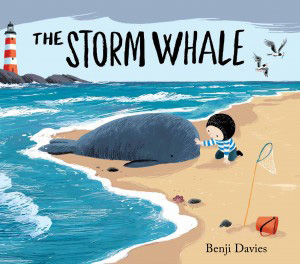
The Storm Whale cover

How Should It Begin?

Although many reviews begin with a short summary of the book (This book is about…), there are other options as well, so feel free to vary the way you begin your reviews.

In an introductory summary, be careful not to tell too much. If you retell the entire story, the reader won’t feel the need to read it him/herself, and no one appreciates a spoiler (telling the end). Here are some examples of summaries reviewers from The New York Times have written:

“A new picture book tells a magically simple tale of a lonely boy, a stranded whale and a dad who rises to the occasion.”

“In this middle-grade novel, a girl finds a way forward after the loss of her mother.”

“Reared by ghosts, werewolves and other residents of the hillside cemetery he calls home, an orphan named Nobody Owens wonders how he will manage to survive among the living having learned all his lessons from the dead. And the man Jack — who killed the rest of Nobody’s family — is itching to finish the job.”

“In vivid poems that reflect the joy of finding her voice through writing stories, an award-winning author shares what it was like to grow up in the 1960s and 1970s in both the North and the South.” Other ways to begin a review include:

  • Quote: A striking quote from the book (“It was a bright cold day in April, and the clocks were striking thirteen.”) can make for a powerful beginning. This quote begins George Orwell’s novel 1984.
  • Background: What makes this book important or interesting? Is the author famous? Is it a series? This is This is how Amazon introduces Divergent: “This first book in Veronica Roth’s New York Times bestselling Divergent trilogy is the novel the inspired the major motion picture.”
  • Interesting Fact: For nonfiction books in particular, an interesting fact from the book may create a powerful opening for a review. In this review of The Middle East by Philip Steele, Zander H. of Mid-America Mensa asks, “Did you know that the Saudi Arabia’s Rub’ al-Khali desert reaches temperatures of 140 degrees Fahrenheit in the day and plummets to the freezing point at night?”
  • Explanation of a term: If a word or phrase in the book or title is confusing or vitally important to understand, you may wish to begin the review explaining that term.

Process: What should I write about?

Deciding what to say about the book can be challenging. Use the following ideas as a guide, but remember that you should not put all of this into a single review — that would make for a very long review! Choose the things that fit this particular book best.

General Information
What the reader ought to know

  • What kind of book is it? (Picture book? Historical fiction? Nonfiction? Fantasy? Adventure?)
  • Does the book belong to a series?
  • How long is the book? Is it an easy or a challenging read?
  • Is there anything that would be helpful for the reader to know about the author? For instance, is the author an expert in the field, the author of other popular books, or a first-time author?
  • How does the book compare to other books on the same topic or in the same genre?
  • Is the book written in a formal or informal style? Is the language remarkable in any way?
  • What ages is the book geared to?
  • Is the book written in normal prose? If it is written in poetic form, does it rhyme?

Plot
What happens?

Writing about the plot is the trickiest part of a review because you want to give the reader a feel for what the book is about without spoiling the book for future readers. The most important thing to remember is that you must never give away the ending. No one likes a spoiler.

One possibility for doing this is to set up the premise (A brother and a sister find themselves lost in the woods at the mercy of an evil witch. Will they be able to outsmart her and escape?). Another possibility is to set up the major conflict in the book and leave it unresolved (Sometimes the waiting is the hardest part or He didn’t know what he stood to lose or Finding your purpose in life can be as easy as finding a true friend.)

Try to avoid using the tired phrase “This book is about…” Instead, just jump right in (The stuffed rabbit wanted more than anything to live in the big old house with the wild oak trees.)

The Storm Whale cover

Characters
Who lives in the book?

Reviews should answer questions about the characters in fiction books or non-fiction books about people. Some possible questions to answer include:

  • Who are the main characters? Include the protagonist and antagonist.
  • What makes them interesting?
  • Do they act like real people act or are they too good or too evil to be believable?
  • Are they human?
  • What conflicts do they face?
  • Are they likeable or understandable?
  • How do they connect with each other?
  • Do they appear in other books?
  • Could you relate to any of the characters in the story?
  • What problems did the main characters face?
  • Who was your favorite character, and why?
  • We learn about characters from things they do and say, as well as things other characters say about them. You may wish to include examples of these things.

Theme
What is the book about at its heart?

What is the book really about? This isn’t the plot, but rather the ideas behind the story. Is it about the triumph of good over evil or friendship or love or hope? Some common themes include: change, desire to escape, facing a challenge, heroism, the quest for power, and human weaknesses.

Sometimes a book will have a moral — a lesson to learn. If so, the theme is usually connected to that moral. As you write about the theme, try to identify what makes the book worth reading. What will the reader think about long after the book is finished? Ask yourself if there any particular lines in the book that strike you as meaningful.

Setting
Where are we?

The setting is the time and place the story occurs. When you write about the setting in a review, include more than just the location. Some things to consider:

  • Is the book set in the past, present or future?
  • Is it set in the world we know or is it a fantastical world?
  • Is it mostly realistic with elements of fantasy (animals that can talk, for example)?
  • Is the setting unclear and fuzzy, or can you easily make the movie in your mind?
  • How much does the author draw you into the setting and how does s/he accomplish that?

The Storm Whale cover

Opinion & Analysis
What do you really think?

This is where the reviewer shares his/her reactions to the book that go beyond the essential points described above. You may spend half of the review on this section. Some possible questions to address include:

  • Why do you think other readers would enjoy it? Why did you enjoy it (if you did) or why didn’t you (if you didn’t).
  • What ages or types of readers do you think would like the book?
  • How does it compare with other books that are in the same genre or by the same author?
  • Does the book engage your emotions? If a book made you laugh or cry or think about it for days, be sure to include that.
  • What do you like or dislike about the author’s writing style? Is it funny? Is it hard to follow? Is it engaging and conversational in tone?
  • How well do you think the author achieved what s/he was going for in the writing of the book? Do you think you felt what the author was hoping you would feel?
  • Did the book feel complete, or did it feel as though key elements were left out?
  • How does the book compare to other books like it you’ve read?

Are there parts that are simply not believable, even allowing for the reader’s understanding that it is fiction or even fantasy?

  • Are there mistakes?
  • Would you describe the book as for entertainment, self-improvement, or information?
  • What was your favorite part of the book?
  • Would you have done anything differently had you been the author?
  • Would any reader enjoy this book? If not, to what ages or type of reader would it appeal?

Special situations: Nonfiction and young reviewers

Some of the tips and ideas above work best for fiction, and some of it is a little too complicated for very young reviewers.

Nonfiction
What to do if it’s real

When reviewing a book of nonfiction, you will want to consider these questions:

  • What was the author’s purpose in writing the book? Did the author accomplish that purpose?
  • Who is the target audience for the book?
  • What do you think is the book’s greatest value? What makes it special or worthwhile?
  • Are the facts shared accurate?
  • Is the book interesting and hold your attention?
  • Would it be a useful addition to a school or public library?
  • If the book is a biography or autobiography, how sympathetic is the subject?
  • Is it easy to understand the ideas?
  • Are there extra features that add to the enjoyment of the book, such as maps, indexes, glossaries, or other materials?
  • Are the illustrations helpful?

Young Reviewers
Keeping it simple

Reviewing a book can be fun, and it’s not hard at all. Just ask yourself these questions:

  • What is the book about? You don’t need to tell the whole story over — just give an idea of what it’s about.
  • Do you think other people would like it?
  • Did you think it was funny or sad?
  • Did you learn something from the book?
  • l Did you think it was interesting?
  • Would you want to read it again?
  • Would you want to read other books by the same author or about the same subject?
  • What was your favorite part?
  • Did you like the pictures?

Remember! Don’t give away the ending. Let’s keep that a surprise.

General Tips & Ideas

Use a few quotes or phrases (keep them short) from the book to illustrate the points you make about the book. If there are illustrations, be sure to comment on those. Are they well done? Has the illustrator done other well-known books?

Make sure you include a conclusion to the review — don’t leave it hanging. The conclusion can be just one sentence (Overall, this book is a terrific choice for those who…).

You can use the transition word handout at the end of the Writer’s Toolbox to find ideas for words to connect the ideas in your review. If you would like to read some well-written reviews, look for reviews of books for young people at The New York Times or National Public Radio.

Rating Books
How to award stars?

Most places you post reviews ask you to rate the book using a star system, typically in a range of from one to five stars. In your rating, you should consider how the book compares to other books like it. Don’t compare a long novel to a short poetry book — that’s not a valid comparison.

It’s important to remember that it’s not asking you to only give five stars to the very best books ever written.

  • 5 Stars: I’m glad I read it or I loved it (this doesn’t mean it was your favorite book ever).
  • 4 Stars: I like it. It’s worth reading.
  • 3 Stars: It wasn’t very good.
  • 2 Stars: I don’t like it at all.
  • 1 Star: I hate it.

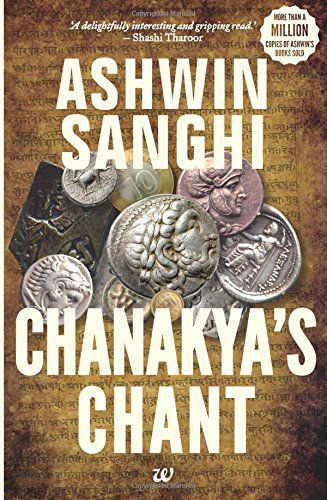
Book Review – Chanakya Chant

“Chanakya’s Chant” is a gripping historical thriller that weaves together two parallel narratives set in ancient and modern India. Written by the talented author Ashwin Sanghi, this book is the second installment in the Bharat Series, and it takes readers on an enthralling journey through time and politics.
The novel skillfully entangles the tales of two extraordinary strategists: Chanakya, the brilliant ancient Indian political strategist and philosopher, and Pandit Gangasagar Mishra, a contemporary political mastermind. The narrative alternates between these two characters, beautifully juxtaposing the political intrigues of the past with the machinations of the present.

The first thread of the story transports readers to the ancient world of Chanakya, where we witness his rise from a humble Brahmin to the mastermind behind the establishment of the Mauryan Empire. Sanghi meticulously paints a vivid picture of the historical period, recreating the courts, palaces, and battlefields of ancient India. The portrayal of Chanakya as a shrewd and cunning strategist is both captivating and insightful, making readers appreciate the brilliant mind of this historical figure.
In the contemporary storyline, we follow the life of Pandit Gangasagar Mishra, a modern-day political strategist who possesses the same intellect and ambition as Chanakya. Gangasagar’s journey to power is filled with twists and turns, as he navigates the complex world of Indian politics, corruption, and power struggles. The author deftly explores the dynamics of modern politics, presenting a realistic and engaging portrayal of the political landscape in India.
One of the most commendable aspects of “Chanakya’s Chant” is Ashwin Sanghi’s meticulous research and attention to historical and political details. The seamless interweaving of past and present demonstrates the timeless relevance of Chanakya’s principles and strategies. Sanghi’s writing style is fluid and captivating, keeping readers engrossed throughout the book’s 476 pages.
Moreover, the characters in the novel are well-crafted and multi-dimensional, adding depth to the plot. Both Chanakya and Pandit Gangasagar Mishra are complex individuals driven by their ambitions, making them relatable despite the vast differences in their eras.
The book’s pacing is near flawless, striking a balance between action-packed sequences and moments of contemplation. As the two narratives converge, the suspense intensifies, leaving readers eager to unravel the ultimate connections between the ancient and modern sagas.
“Chanakya’s Chant” is not just a historical thriller but also a thought-provoking exploration of power, ambition, and the pursuit of greatness. It reminds us that human nature remains constant over time, and the strategies employed in the past are still relevant in shaping the present.
In conclusion, Ashwin Sanghi’s “Chanakya’s Chant” is a masterfully crafted novel that effortlessly bridges the gap between history and contemporary politics. With its gripping narrative, well-researched backdrop, and compelling characters, the book is a must-read for fans of historical fiction and political thrillers alike. This engaging tale of cunning and power will undoubtedly leave a lasting impression on its readers.

Review of Book – Atomic Habits

  THE PHENOMENAL INTERNATIONAL BESTSELLER: OVER 1O MILLION COPIES SOLD WORLDWIDE


Transform your life with tiny changes in behaviour, starting now.

People think that when you want to change your life, you need to think big. But world-renowned habits expert James Clear has discovered another way. He knows that real change comes from the compound effect of hundreds of small decisions: doing two push-ups a day, waking up five minutes early, or holding a single short phone call.

He calls them atomic habits.

In this ground-breaking book, Clears reveals exactly how these minuscule changes can grow into such life-altering outcomes. He uncovers a handful of simple life hacks (the forgotten art of Habit Stacking, the unexpected power of the Two Minute Rule, or the trick to entering the Goldilocks Zone), and delves into cutting-edge psychology and neuroscience to explain why they matter. Along the way, he tells inspiring stories of Olympic gold medalists, leading CEOs, and distinguished scientists who have used the science of tiny habits to stay productive, motivated, and happy.

These small changes will have a revolutionary effect on your career, your relationships, and your life.
________________________________
NEW YORK TIMES AND SUNDAY TIMES BESTSELLER

‘A supremely practical and useful book.’ Mark Manson, author of The Subtle Art of Not Giving A F*ck

‘James Clear has spent years honing the art and studying the science of habits. This engaging, hands-on book is the guide you need to break bad routines and make good ones.’ Adam Grant, author of Originals

Atomic Habits is a step-by-step manual for changing routines.‘ Books of the Month, Financial Times

‘A special book that will change how you approach your day and live your life.’ Ryan Holiday, author of The Obstacle is the Way


  • Publisher ‏ : ‎ Random House Business (30 October 2018)
  • Language ‏ : ‎ English
  • Paperback ‏ : ‎ 320 pages
  • ISBN-10 ‏ : ‎ 1847941834
  • ISBN-13 ‏ : ‎ 978-1847941831
  • Reading age ‏ : ‎ Customer suggested age: 13 years and up
  • Item Weight ‏ : ‎ 390 g
  • Dimensions ‏ : ‎ 15.3 x 2.4 x 23.4 cm
  • Country of Origin ‏ : ‎ United Kingdom

Book Review 

I will divide the review into 5 parts. The first part is a summary of the book with short excerpts highlighted while taking notes. Next, I hope to share pieces of advice that have motivated me while building new habits. Following that, I will share how I implemented the first 3 habits throughout these months. Then, some thoughts to whom I would recommend reading the book. Last, there are 4 complementary readings.

SUMMARY

[Introduction] James starts by sharing personal strategies he implemented to recover from a serious accident in high school. That event forced him to improve the quality of his routine to get his life in order, coming to the conclusion that “we all deal with setbacks, but in the long run, the quality of our lives often depends on the quality of our habits. With the same habits, you will end up with the same results. But with better habits, anything is possible.”

[Section I : The Fundamentals]

[Chapter 1] Here we learn the power of compounding effect: changes that seem small and unimportant at any given day will compound into remarkable results if we are willing to stick with them for months and years. James explains that “breakthrough moments are often the result of many previous actions, which build up the potential required to unleash a major change.” Comparing to habits, he shows that bamboo can barely be seen during the first couple of years while the roots grow underground before exploding for almost 100 feet into the air in a few weeks. From that perspective, we come to understand the best outcomes are generally delayed.

[Chapter 2] Based on a 3-layer concentric circle behavior change model—divided into outcome change, process change, and identity change—James explains that we should pay attention to our inner identity by focusing on beliefs, assumptions, and values. “Many people begin the process of changing their habits by focusing on what they want to achieve. This leads us to outcome-based habits. The alternative is to build identity-based habits. With this approach, we start by focusing on who we wish to become.” The strongest changes, then, happen from inside out, starting from our identity, passing through the process, and ultimately changing the outcome.

[Chapter 3] In this chapter we are introduced to a 4-step framework, which is composed of cue, craving, response, and reward. James calls it ‘The 4 Laws of Behavior Change’. He then explains that we can think of each law as a lever that influences our behavior—when the levers are in the right positions, they create good habits effortless whereas when they are in the wrong position, it is nearly impossible. Through examples, he explains that “the cue triggers a craving, which motivates a response, which provides a reward, which satisfies the craving and, ultimately, becomes associated with the cue.” Together they create a habit loop that, when repeated many times, habits become automatic.

[Section II : Make It Obvious]

[Chapter 4] A primer on how cues play a crucial role in predicting habit formation without consciously thinking about the outcomes. Once our habits become so common, the cues associated with them become essentially invisible because they are deeply encoded. If we want to create better habits, a good idea is to be aware of the cues. James finishes up by sharing a strategy called ‘Habits Scorecard’—a simple exercise to become more aware of our behavior on a daily basis. We first write down a chronological list of our daily habits and, once we have a full list, we score each habit as an effective, ineffective, or neutral habit. Besides noticing what is actually going on, we can notice if certain behaviors help us become the type of person we wish to be.

[Chapter 5] The cues that can trigger a habit come in a wide range of forms, and the 2 most common cues are time and location. When we make a specific plan for when and where we will perform a new habit, we are more likely to follow through. Stacking our habits by pairing a new habit with a current habit is a form to connect our behavior to our own advantage. An example when building a daily journaling habit would be: “after I pour my cup of coffee each morning, I will journal for 5 minutes.”

[Chapter 6] This chapter shows how our environment plays a crucial role in defining habit behaviors. “Given that we are more dependent on vision than any other sense, it should come as no surprise that visual cues are the greatest catalyst of our behavior.” To build good habits, then, we should either make desirable cues obvious in our environment or build new habits in a new environment to avoid fighting against old ones.

[Chapter 7] One of the most practical ways to break a bad habit is to reduce exposure to the cue that causes it. As James points out, “it is easier to avoid temptation than resist it.”

[Section III : Make It Attractive]

[Chapter 8] James explains how the modern food industry has created products that are more attractive and addictive to consumers, and by doing so he shows that the more attractive an opportunity is, the more likely it is to become habit-forming. Every behavior that is highly habit-forming tends to be associated with higher levels of dopamine. It is the anticipation of a reward that motivates us to take action. “Temptation bundling is one way to make your habits more attractive. The strategy is to pair an action you want to do with an action you need to do.”

[Chapter 9] “We tend to adopt habits that are praised and approved of by our culture because we have a strong desire to fit in and belong to the tribe.” That said, it is common to pick up habits and behaviors from our parents, peers, and colleagues. There is also a tremendous internal pressure to comply with the norms of the tribe. And, finally, we try to copy the behavior of successful people because we desire success ourselves. One of the best strategies to build better habits is to join a culture where the desired behavior is the normal behavior.

[Chapter 10] To avoid unnecessary and detrimental cravings, we should highlight the benefits of avoiding a bad habit by making it seem unattractive. “Habits are unattractive when we associate them with negative feelings.”

[Section IV : Make It Easy]

[Chapter 11] “All habits follow a similar trajectory from effortful practice to automatic behavior, a process known as automaticity. Automaticity is the ability to perform a behavior without thinking about each step, which occurs when the nonconscious mind takes over.” The key component is to pay close attention to the frequency we perform a habit, not much for how long we have been practicing it.

[Chapter 12] Since every action requires a certain amount of energy, we are motivated to do what is easy. By contrast, the more energy required, the less likely it is to occur. “You don’t actually want the habit itself. What you really want is the outcome the habit delivers. The greater the obstacle, the more friction there is between you and your desired end state.” That is why we should reduce the friction associated with our habits by creating a prosperous environment to make future actions easier.

[Chapter 13] There are decisive moments that deliver an outsized impact every single day. As James puts, these decisive moments are a fork in the road, sending us in the direction of a productive path or an unproductive one. To avoid procrastination, the skill of ‘Showing Up’ says that we should start a new habit by taking baby steps, making it as easy as possible to take action. “A new habit should not feel like a challenge. The actions that follow can be challenging, but the first 2 minutes should be easy. What you want is a gateway habit that naturally leads you down a more productive path.” He calls it the ‘Two-Minute Rule’, meaning that new habits should take less than 2 minutes to do in the beginning. Once the habit is established we can improve and master the finer details.

[Chapter 14] In order to keep bad habits away is to make them difficult in the first place. There are 2 interesting strategies to improve our future behavior. [1] Make good choices in advance before we can fall victim to temptation in the future. James gives a personal example by sharing that whenever he is looking to cut calories he will ask the waiter to split his meal and box half of it to go before the meal is served. If, however, he waits for the meal to be served and tries to eat just half, that would never happen. [2] Make onetime actions that can automate our future habits and deliver increasing returns over time such as buying a good water filter, unsubscribing from unwanted emails, moving to a friendlier neighborhood, buying a standing desk, or setting up automatic bill pay.

[Section V : Make It Satisfying]

[Chapter 15] We should make sure to feel immediately satisfied after performing a new habit to increase the odds that the behavior will be repeated next time. “The human brain has evolved to prioritize immediate rewards over delayed rewards.” For that, we can add a little bit of immediate pleasure to the habits that pay off in the long-run.

[Chapter 16] Here we learn how to measure our progress by tracking our habits. The immediate satisfaction it delivers—as mentioned earlier in Chapter 15—is one of the many benefits that standout. Besides that, James says, “when we get a signal that we are moving forward, we become more motivated to continue down that path.” The most basic format to track our habits is to get a calendar and mark an X each time we stick with our routine. One of the most important passages of the entire book is as follows: “If you miss one day, try to get back into it as quickly as possible. The first mistake is never the one that ruins you. It is the spiral of repeated mistakes that follows. Missing once is an accident. Missing twice is the start of a new habit. This is a distinguishing feature between winners and losers. Anyone can have a bad performance, a bad workout, or a bad day at work. But when successful people fail, they rebound quickly.”

[Chapter 17] In order to prevent bad habits and/or eliminate unhealthy behaviors, James says that we could either add an instant cost to the action or make it painful. A habit contract is also another strategy to hold our accountability: “It is a verbal or written agreement in which you state your commitment to a particular habit and the punishment that will occur if you don’t follow through. Then you find one to two people to act as your accountability partners and sign off on the contract with you.”

[Section VI : Advanced Techniques]

[Chapter 18] We learn how to distinguish habits when genes may or may not influence our performance especially for competitive activities. “One of the best ways to ensure your habits remain satisfying over the long-run is to pick behaviors that align with your personality and skills.” James proposes us to set some time apart to explore new activities in the beginning, before shifting our focus to exploit them thoroughly.

[Chapter 19] When we find the sweet spot of our ability we tend to learn best and fastest. The ‘Goldilocks Rule’ states that “humans experience peak motivation when working on tasks that are right on the edge of their current abilities. Not too hard. Not too easy. Just right.”

[Chapter 20] One downside of certain habits, James explains, is that we may stop paying attention to the little details and errors. To counterbalance that we should review and reflect on the process over time to remain conscious of our own performance. Using a simple chart to convey his message, we learn that “the process of mastery requires that you progressively layer improvements on top of one another, each habit building upon the last until a new level of performance has been reached and a higher range of skills has been internalized.”

PERSONAL THOUGHTS

Reading the book twice helped me take better notes and capture details. In the meantime, I thought about 3 simple strategies that could improve our adherence to new habits. Let me share these strategies here with you, and in the following section, I will describe how I managed to cultivate the first 3 new habits upon reading the book—following the system proposed by James together with these 3 strategies.

[1] The first strategy is about determining a ‘commitment time frame’ to avoid excuses during this initial trial period. A 1-month time frame is a fair commitment, choosing to start on the first day of the month to practice it every single day for a full month. Just at the end of the period, I will take the time to reflect and evaluate the pros and cons.

[2] The next one is to choose only 1 new habit each month. In doing so we become familiar with the practice intentionally while we develop a sense of purpose.

[3] Last, during the first month of any new habit, I noticed that if I spend time exploring the details and the benefits, my motivation stays high. It doesn’t only help us create better practices, but it is also inspiring to learn from others who have succeeded previously by adding the same habit into their lives. Podcasts, articles, videos, books, online courses, tutorials, and blog posts are all good sources.

IMPLEMENTATION OF NEW HABITS

[Nov 1, 2018] I had been wanting to journal on a daily basis for many years but that had never happened. Although I have carried a notebook with me for quite a while, it has never worked as a real journal—a daily routine, when we sit down and write personal thoughts, intentions, and reflections at around the same time. Instead, it has been mostly used to take notes during meetings, to write down ideas and thoughts, to express travel memories, and to doodle. Today, after 3+ months, I haven’t looked back once, and still can’t believe it took me that long to start this daily habit. During the first month, I read blog posts, watched videos, and even read a short and inexpensive book to foster my creativity.

[Dec 1, 2018] I have been impressed by the physical capabilities we can develop through body movement. Although yoga has been a special part of my life since I was 18, I hadn’t given proper attention to handstands. But now, after 2+ months practicing it every day, it is rewarding to see improvements on a weekly basis. Again, I definitely recommend watching videos and reading tutorials to find your favorite method. This is the perfect habit to stack at the end or in the middle of any physical movement practice you may enjoy.

[Jan 1, 2019] By now we know the benefits of cold showers—ranging from healthier skin appearance all the way to a more resilient perspective of the world. I had previously taken cold showers for 3 months in 2017, but it was a “goal” mindset instead of a “habit” mindset. After that trial I set aside and, although I have kept taking cold showers once or twice a week since then, I wished cold showers was the default mode. Now, after 1+ month, I can’t see myself taking warm showers. After all, it is about intention. Again, we can learn uncountable benefits of cold showers by reading success stories. One of my inspirations was Wim Hof. It isn’t comfortable in the beginning of any chosen day, but after 3-4 minutes, both my breath and thoughts calm down.

Putting them together, these 3 habits don’t take more than 30 minutes of my day. While I spend about 10 minutes journaling and 10 more minutes practicing handstands, I save 5 minutes taking cold showers because I won’t stay any longer than necessary.

RECOMMENDATION

[1] First, if you have watched videos, listened to podcasts, read articles and books on habit formation and, after all that, you feel satisfied, then, please, save your money and time.

[2] However, if you are like me, that even after reading a few books on building habits and having successfully added good habits to your life, feel that there is still room for improvement, this book can be a terrific addition.

[3] Last, if you haven’t spent much time and energy discovering a good system to build lasting habits while breaking bad ones, please, read this book.

COMPLEMENTARY READINGS

[1] Game Changers, by Dave Asprey, exposed me to a wealth array of ideas/habits/tools that have helped me decide which new habit to build next. The book is divided into 46 laws.

[2] Essentialism, by Greg McKeown, helped me focus on less but more important tasks, giving clarity to what matters most. This is especially interesting to break bad habits.

[3] The Talent Code, by Daniel Coyle, brought more motivation when learning new skills based on the assumptions that we develop new talents through deep practices, finding our ignition identity, and having the right coach to guide us genuinely. I read it many years ago, then, a few years back, I read his following book called The Little Book of Talent—which is perhaps even more to the point.

[4] The Systems View of Life, by Fritjof Capra, enlightened my perspectives on how nature and living beings are systematically integrated. It is a profound and slightly academic book that can complement Atomic Habits especially to tie together the 4-step framework into the feedback loop system.

I sincerely hope you, too, have fun while building new habits.

Book Review: Atomic Habits

 THE PHENOMENAL INTERNATIONAL BESTSELLER: OVER 1O MILLION COPIES SOLD WORLDWIDE


Transform your life with tiny changes in behaviour, starting now.

People think that when you want to change your life, you need to think big. But world-renowned habits expert James Clear has discovered another way. He knows that real change comes from the compound effect of hundreds of small decisions: doing two push-ups a day, waking up five minutes early, or holding a single short phone call.

He calls them atomic habits.

In this ground-breaking book, Clears reveals exactly how these minuscule changes can grow into such life-altering outcomes. He uncovers a handful of simple life hacks (the forgotten art of Habit Stacking, the unexpected power of the Two Minute Rule, or the trick to entering the Goldilocks Zone), and delves into cutting-edge psychology and neuroscience to explain why they matter. Along the way, he tells inspiring stories of Olympic gold medalists, leading CEOs, and distinguished scientists who have used the science of tiny habits to stay productive, motivated, and happy.

These small changes will have a revolutionary effect on your career, your relationships, and your life.
________________________________
NEW YORK TIMES AND SUNDAY TIMES BESTSELLER

‘A supremely practical and useful book.’ Mark Manson, author of The Subtle Art of Not Giving A F*ck

‘James Clear has spent years honing the art and studying the science of habits. This engaging, hands-on book is the guide you need to break bad routines and make good ones.’ Adam Grant, author of Originals

Atomic Habits is a step-by-step manual for changing routines.‘ Books of the Month, Financial Times

‘A special book that will change how you approach your day and live your life.’ Ryan Holiday, author of The Obstacle is the Way


  • Publisher ‏ : ‎ Random House Business (30 October 2018)
  • Language ‏ : ‎ English
  • Paperback ‏ : ‎ 320 pages
  • ISBN-10 ‏ : ‎ 1847941834
  • ISBN-13 ‏ : ‎ 978-1847941831
  • Reading age ‏ : ‎ Customer suggested age: 13 years and up
  • Item Weight ‏ : ‎ 390 g
  • Dimensions ‏ : ‎ 15.3 x 2.4 x 23.4 cm
  • Country of Origin ‏ : ‎ United Kingdom

Book Review 

1. Don’t set Goals : Writer kehte he ki goal set karne ki bajay ek system pe focus karna chaiye
Goals set krna achi bat he lekin us goal ko achieve karne k liye system ko behtar banana padega jo hame us goal tak pahuchayega.
Agar British Cycling team ki bat kare to gold medal jeetna to unka goal shuru re raha tha, lekin Dave ne jab system ko better banaya, to goal apne ap achieve ho gaya.
Maan lijiye apka room bikhra pada he. Ap ek goal set krte ho ki mujhe room clean karna hee to ek bar room clean ho jayega, lekin agar ap apni chijo ko sahi jagah rkhne ki adat bana lo to apka kamra kabhi bikhra milegha hi nai.

2 – Change your Identity :
Apni buri adato ko change krne ke liye hame adto ko chang karne s pehle apne aap ko change karna ki jrurt hoti he .
Hamari adte hamari identity ko follow krti he .
Example k liye –
Man lijiye ek insan cigarette chodne ki koshish krta he . Is douran jab use koi cigarette offer karta he to vo ye kahta he “ nahi yar, me cigg chodne ki kosis kar raha hu’
Usnea bhi tak apni identity nahi badli. Vo apne ap ko abhi bhi smoker manta he.
Lekin, agar vo ye kahe ki “ nahi yar, me cigg nahi pita” is se vo apni identity change kar leta he. Ab vo apne ap ko non smokere consider karta he . This new identity motivates that person to stick with it.

3 – Change your Environment –
Hamare sath akshar esa hota h ki ham kitchen me jate to paani pine k liye, lekin hamari nazar chips k packet pe padti he or ham use khane lagte he .
Hairani ki baat ye he ki hame na to bhookh lagi thi or na hi chips khane ki ichha hui thi.
Malls vale yahi technique use krte he, mehange or profitable products racks me upar or ankho ki range me rakhi jate he jo customer ko easily notice ho jate he .
And chances are that customers in products ko jrurt na hote hue bhi kharid lete he.
Isi technique se ham bhi kisi bhi habit ko abopt kar skte he ya kisi bad habit ko chord bhi skte he.
Fruits jyada khanee h ? to fruit basket ko vaha rkho jaha ap apna din ka sabs jyada time spnd krte ho. Jab fruits apki ankho k samne rahnge to ap automatically unhe consume krne lag jaoge.
Padhai krt krte distract hote h to padhai k liy alag room, ya room me alag table ko study zone bana do. Yani padhai bed pe nhi usi enviorment m kroge, to apka mind kam distract hoga qki usko pata h k aap study zone m ho.

4. Don’t run for the best: Ek choti si interesting si story share krta hu. Florida University ke ek professor ne apne photography students ko 2 groups me divide kiya. Pehle group ko yeh challenge diya ki unko pure semester jyada se jyada photos submit karne he , 100 photos submit krne vale ko A grade, 90 vale ko B.
Or dusre group ko challenge diya to submit only 1 photo but that has to be the perfect one. Jiska photo sabse perfect hoga usko A grade, or us se kam vale ko B grade milega.

Interesting.
At the end of the semester saare best photos surprisingly first group se aye.
Aap bhi soch rahe honge k esa kese hua, dusra group jisne pura semester ek photo ko perfect krne me lagaya unke photos best rank me q nahi aye ?

Because jaha dusra group ek hi photo ko perfect banana me laga raha, pehle group ne jab bahot sare photos click kiye to isi ke sath unki skills bhi enhance hoti rahi. Vo har photo me experiment karte rahe or apni hi mistakes se sikhte rahe.

Agar apko business krna he ya startup krna he or best idea ya best opportunity k liye ruke he to ap kabhi start hi nahi kar paynege,
Jo bhi idea he jesi bhi opportunity he uspe jab mehnat ki jayegi to vo hi best ban jayega.