

3 HARMLESS HABITS THAT MAY CAUSE CANCER

women who keeps their phone close to their chest are prone to skin cancer .

Everybody knows that smoking can cause cancer , you protect yourself from excessive exposure to sun as it may cause skin cancer , but do you know we all have harmless habits that may cause cancer & other health issues . These habits are our regular habits which we not considered , but they can cause Sevier problem to us

3 harmless habits that may cause cancer

  1. Wearing your cell phone in your bra. Devra Davis Ph.D. MPH, President and Founder, Environmental Health Trust, has documented seven cases of young women who have developed cancerous tumors in the center of the breast where they carried their cell phones for 10 years. “These cases all formed with multiple primary tumors in the outlines of where the cell phones lodged. the harmful radiations from your phone can cause breast cancer .

protect yourself :

  • Carry your phone in a phone holster or in your purse.
  • Read cell phone manufacturers’ warnings on the safest way to use and carry the phones.
  • When buying a phone, ask about the Specific Absorption Rate (SAR), which measures the rate of radiofrequency (RF) energy absorption by the body from your cell phone. The FCC has adopted limits for safe exposure to RF energy from cell phones: a SAR level of 1.6 watts per kilogram (1.6 W/kg). 
  • Turn off your cell phone. Even if you are not using it, it is emitting radiation if it’s on.
  • Beware of areas with weak signals. Cell phones are programmed to work harder—emitting more radiation—when signal strength is blocked.
  • If you see reddened skin on your breast that does not go away, get it checked out by your physician.

2. Using talcum powder : Several studies have reported a positive association between use of talcum powder on women’s perineal area (from the anus to the vulva) and ovarian cancer risk. A 2010 study published in Cancer Epidemiology, Biomarkers & Prevention found that talcum powder also increases the risk of endometrial cancer, particularly among postmenopausal women. All should avoid talcum powder for parts which it is not meant .

2 . Drinking sugary beverages:

Sodas, sweetened tea, and lemonade—among other foods that have a high glycemic index—increase the risk of endometrial cancer. “When you eat those foods, it causes a spike in blood sugar and insulin. Having continually high amounts of insulin can help create an environment that is conducive to endometrial cancer cells proliferating,” says Bender. In addition, sugary drinks promote obesity, which increases the risk for colorectal, postmenopausal breast, esophageal, endometrial, kidney, pancreatic, gallbladder, and ovarian cancers. These are one time kind of drinks , regular drinking of these artificial sugary drinks causes health issues .

3. Drinking alcohol : Bender reports that alcohol increases the risk for colorectal, breast, esophageal, mouth, pharynx, larynx, and liver cancers. “The idea is that when alcohol metabolizes, it produces a carcinogen in the body,” she says, referring to the byproduct acetaldehyde, which then further metabolizes into acetate, and finally into water and carbon dioxide, which your body eliminates. Alcohol results in increase of body weight , which leads to link between cancer .
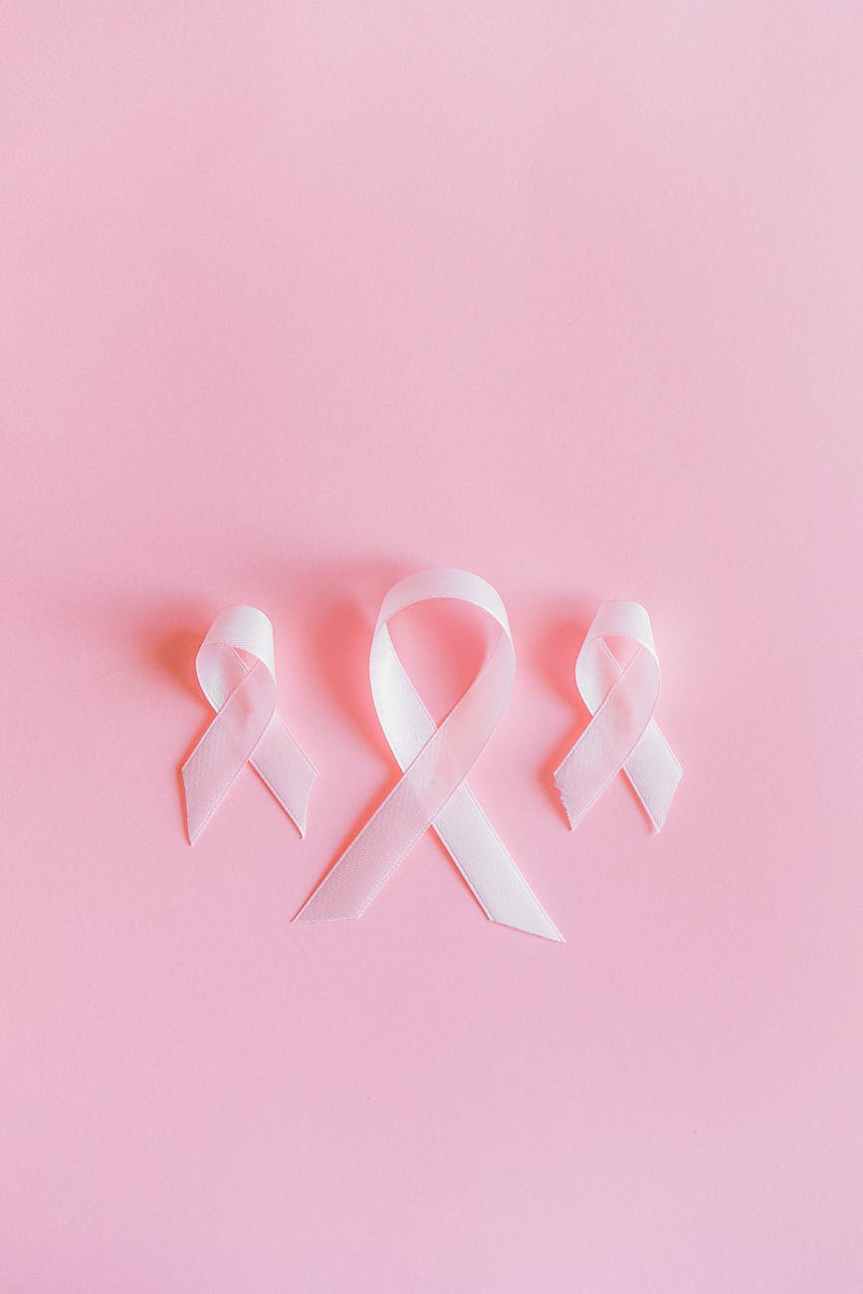

Breast Cancer

Breast cancer is the most frequent invasive cancer in women, and after lung cancer, it is the second largest cause of cancer death in women.

Breast cancer can start in a variety of places in the breast. Lobules, ducts, and connective tissue are the three primary components of a breast. The glands that generate milk are known as lobules.

The ducts are tubes that transport milk from the breast to the nipple. Everything is held together by connective tissue, which is made up of fibrous and fatty tissue. Breast cancer usually starts in the ducts or lobules.

Breast cancer can spread to other parts of the body via blood and lymph vessels. Breast cancer is said to have metastasized when it spreads to other regions of the body.

Photo by Xenia Shtreter on Pexels.com

Since 1989, advances in breast cancer detection and treatment have drastically improved survival rates. There are more than 3.1 million breast cancer survivors in the United States, according to the American Cancer Society (ACS). A woman’s likelihood of dying from breast cancer is about 1 in 38. (2.6 percent ).

According to the American Cancer Society, 268,600 women will be diagnosed with invasive breast disease in 2019 and 62,930 persons will be diagnosed with noninvasive cancer.

Breast cancer will kill 41,760 women in the United States this year, according to the American Cancer Society. Breast cancer fatality rates have been declining since 1989, thanks to breakthroughs in treatment.

The need of screening and being aware of the symptoms are both significant methods to reduce the risk. Breast cancer can afflict men in rare cases, but this article will focus on breast cancer in women. Here’s where you can learn more about breast cancer in men.

SYMTOMS OF BREAST CANCER

The initial signs of breast cancer are usually a thicker tissue area in the breast, a lump in the breast, or a lump in the armpit.

1)Other signs and symptoms include:

2)Armpit or breast soreness that doesn’t go away with the monthly cycle

3)Pitting or redness of the breast skin, resembling the surface of an orange

4)A rash on one of the nipples or around it

5)A nipple discharge, potentially including blood

6)A nipple that is sunken or inverted

7)A change in the breast’s size or shape

8)The skin on your face is peeling, flaking, or scaling.

The size of the tumour and whether it has spread to lymph nodes or other regions of the body are used to classify cancer.

Breast cancer can be staged in a variety of ways. From stage 0 through 4, with subdivided categories at each numbered level, is one way.

The four basic stages are described here, while the precise substage of a cancer may be determined by other tumor characteristics, such as the presence of the HER2 receptor.

CAUSES OF BREAST CANCER

Fat, connective tissue, and thousands of lobules make up a woman’s breast after puberty. Breastfeeding milk is produced by these small glands. Milk travels to the nipple through tiny tubes called ducts.

Cancer produces uncontrollable cell proliferation. They do not die at the expected time in their lives.

Because the tumour consumes nutrition and energy, it deprives the cells around it, resulting in cancer.

Breast cancer is most commonly found in the inner lining of milk ducts or the lobules that provide milk to them. It can then spread to other areas of the body.

Photo by SHVETS production on Pexels.com

THERE ARE TWO TYPES OF BREAST CANCER

Ductal carcinoma is the most prevalent type of cancer that starts in the milk duct.
Lobular carcinoma is a type of cancer that begins in the lobules.


When cancer cells burst out from inside the lobules or ducts and invade adjacent tissue, it is called invasive breast cancer. This makes it more likely for cancer to spread to other places of the body.

Noninvasive breast cancer occurs when the cancer has not migrated beyond its original location. However, these cells can proceed to aggressive breast cancer in some cases.

It is impossible to avoid breast cancer. Certain lifestyle choices, on the other hand, can greatly reduce the risk of breast cancer and other cancers.

These are some of them:

limiting your alcohol consumption

following a nutritious diet rich in fresh fruits and vegetables

obtaining enough physical activity

keeping a healthy BMI (body mass index) (BMI)

Breastfeeding and the use of hormone replacement therapy (HRT) after menopause should both be considered because they can increase the risk.

For women who are at a high risk of breast cancer, preventive surgery is also an option.

The Breast Cancer Healthline app connects users to an online breast cancer community where they may interact with others and receive advice and support through group discussions.