Courses and jobs to do after B.com hons.

Lack of clarity in choosing future may haunt you at night. If not addressed properly it may cost you your career. Just having B.com degree is not enough in extremely competitive corporate. You must add more skills.

Some of you may choose to work right after graduation while some may decide to purse masters. So I have sorted some most popular courses and jobs that you can do after B.com hons. Hopefully this article will help you in clarification.

Courses

  1. Masters of commerce (M.com):It is the most popular course after doing b.com hons.  This course is most suitable for students who want to pursue career in academics or as a market researcher, economist, lecturer etc. Duration of this course is 2 years.
  2. Masters of business administration (MBA): Another very popular course. You get to learn about various aspects of business based on specialization you choose. In addition to your graduation you are required to have valid score in relevant exams like CAT, CMAT to pursue this course. Duration of this course is also 2 years.
  3. Chartered financial analyst (CFA): It is offered by CFA institute of America and is considered of highest standard. You can take up jobs like a financial analyst, statistician, market research etc. Duration of this course is 2.5 years.
  4. Business accounting and taxation (BAT): This course is well planned to give you practical understanding of accounting, taxation, reporting and other relevant skills. These skills are mandate for accounting firms, KPO, and other hardcore finance and accounting jobs. Duration of this course is only 8-12 weeks.
  5. Certified management accountant (CMA): It demonstrates your professional expertise in the field of financial planning, analysis, decision report etc. You need to clear two exams in order to become eligible for this course. You are also required to have 2 year work experience. Duration of this course is 6 months.

Jobs

  1. Financial risk manager: FRM is a globally recognized certification for finance and banking professionals. It provides many lucrative jobs in the field of risk management, wealth management etc. Average salary of this job is Rs. 10-18 LPA.
  2. Business analyst:  One more career option is to apply for job as a business analyst in MNCs and corporates.  These companies always look for graduates. You will also gain experience and skills. Average salary is Rs. 3.5 to 5.5 LPA.
  3.  Digital marketer: Due to rise in digital marketing platform, MNCs are looking for candidates with commerce background and certification in digital marketing. Average salary is Rs. 4.5 to 10 LPA.
  4. Public sector banking: You can apply in banks like IBPS, SBI RBI etc and earn handsome of money with additional perks. Average salary of this job profile is Rs. 5 -12 LPA.
  5. Accountant:  An accountant handles tax related tasks and examines financial statements. You need subject specific degree to become eligible for this job. Average salary is INR 3.5- 18 LPA.


Health Education

A sound mind lives in a sound body’.

Introduction

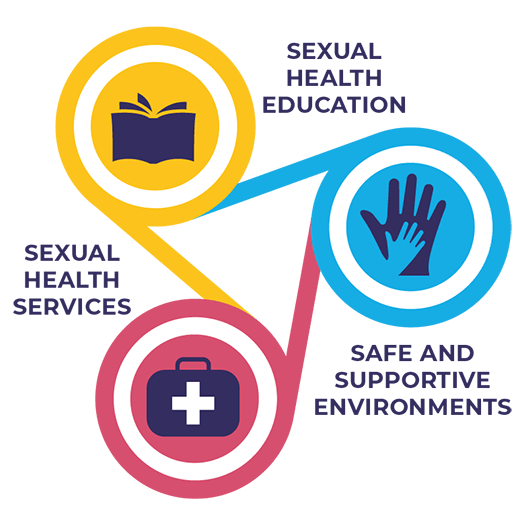
Health education is a profession of educating people about health. Areas within this profession encompass environmental health, physical health, social health, emotional health, intellectual health, and spiritual health, as well as sexual and reproductive health education.

Health education teaches about physical, mental, emotional and social health. It motivates students to improve and maintain their health, prevent disease, and reduce risky behaviours. It also focuses on emotional, mental and social health too. Educating students on the importance of health builds their motivation.

Health education is one strategy for implementing health promotion and disease prevention programs. Health education provides learning experiences on health topics. Health education strategies are tailored for their target population. Health education presents information to target populations on particular health topics, including the health benefits/threats they face, and provides tools to build capacity and support behavior change in an appropriate setting.

History

From the late nineteenth to the mid-twentieth century, the aim of public health was controlling the harm from infectious diseases, which were largely under control by the 1950s. By the mid 1970s it was clear that reducing illness, death, and rising health care costs could best be achieved through a focus on health promotion and disease prevention. At the heart of the new approach was the role of a health educator.

Code of ethics

The Health Education Code of Ethics has been a work in progress since approximately 1976, begun by the Society for Public Health Education (SOPHE).

“The Code of Ethics that has evolved from this long and arduous process is not seen as a completed project. Rather, it is envisioned as a living document that will continue to evolve as the practice of Health Education changes to meet the challenges of the new millennium.”

Importance of Health Education .

Health education builds student’s knowledge, skills, and positive attitudes about health. Health education teaches about physical, mental, emotional and social health. It motivates students to improve and maintain their health, prevent disease, and reduce risky behaviours.

Health education curricula and instruction help students to learn skills so that they will use to make healthy choices throughout their lifetime.

Health education teaches people of all ages about how diet and exercise contribute to a healthy lifestyle. It also encourages positive changes in behaviour and lowers the risk of addiction to drugs, alcohol and unsafe sexual practices. The majority of schools around the country have courses aimed at teaching health education to students. These courses often revolve around the body, healthy eating, sex and exercising. Some students are taught basic health and physical fitness early on. More in-depth courses are designed for middle and high school students.

Health education encourages a person to make healthy choices. They are instructed to avoid unhealthy habits. ‘A sound mind lives in a sound body’. Rabindranath Tagore and C.V. Raman, if they were confined to sick bed, could not have won the Nobel Prize. In fact, a sickly student with all his talents and abilities lags behind in the race of life.

Health education also teaches about the emotional and mental health of the student. A healthy person is the happiest person in the world.

Link

Chartered Accountant

Chartered Accountants were the first Accountants to form a professional accounting body initially established in Scotland in 1854.

An Accountant is a person who specialises in the field of accounting. Chartered Accountants are Accountants for hire. They work in various sectors of the economy,managing the finance of an entity, providing financial advice and helping out with money management.

Chartered Accountancy has been one of the most popular career choices in India. There is no fixed time to complete chartered Accountancy. In this career your hard work decides your destination. There is no colleges for Chartered Accountancy. CA aspirants can approach any Institutes and work as per the instruction given by the Institutes.

Exam structure:

The Institute of Chartered Accountancy of India divided CA courses into four levels: CA foundation/CPT, CA intermediate/IPCC, 3 years of Article ship training and CA final. Each level tests students on different paper pattern based on their level and maturity.

Eligibility:

The one who passed class 12 can appeal for CPT(Common Proficiency Test) /foundation level in CA.

The degree holder can directly appeal for IPCC(Integrated Professional Competence Course) /intermediate level.

Roles of chartered Accountant:

Cost Accountant:

Collecting cost information and maintaining an expenses database. Constructing data accumulating systems

Financial controller:

Financial controller is a company’s lead Accountant. They oversee accounting activities and ensure that ledger accurately reflect money coming on and out of the company.

Auditor:

An Auditor is an authorized person who reviews and verifies the accuracy of financial records and ensures that companies comply with tax norms.

Accounts Clerk:

The responsibility of accounts clerk is to keep financial records updated, preparing reports and reconciliation statement.

Chief Financial Officer:

Chief Financial Officer is the senior executive responsible for managing the financial actions of a company. The CFO’s duties include tracking cash flow and financial planning as well as analysing the company’s financial strengths and weaknesses.

Renewable resources .

Replacing traditional sources of energy completely with renewable energy is going to be a challenging task. However, by adding renewable energy to the grid and gradually increasing its contribution, we can realistically expect a future that is powered completely by green energy.

– Tulsi Tanti

A way to live a new life . Without any destruction , without worrying about the future . Live a life where we can grow together , develop a life with renewable resources.

Introduction

A renewable resource, also known as a flow resource, is a natural resource which will replenish to replace the portion depleted by usage and consumption, either through natural reproduction or other recurring processes in a finite amount of time in a human time scale.

When such recovery rate of resources is unlikely to ever exceed a human time scale, these are called perpetual resources. Renewable resources are a part of Earth’s natural environment and the largest components of its ecosphere. A positive life-cycle assessment is a key indicator of a resource’s sustainability.

Renewable resources are an energy source that cannot be depleted and are able to supply a continuous source of clean energy.

Renewable resources also produce clean energy, meaning less pollution and greenhouse gas emissions, which contribute to climate change.

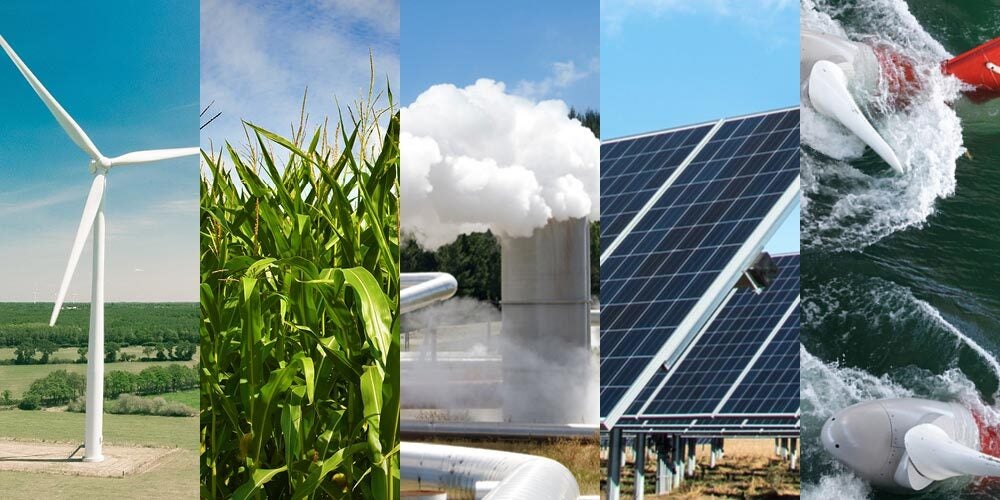
Examples of renewable resources.

  • Biomass .
  • Biogas.
  • Tidal Energy.
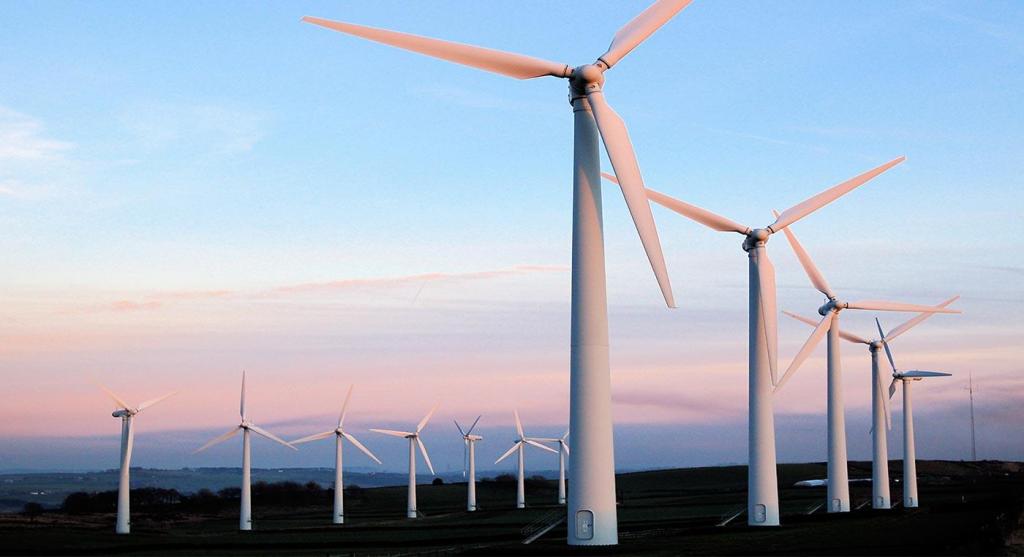
  • Wind Energy.
  • Geothermal Energy.
  • Radiant Energy.
  • Hydro Electricity.
  • Compressed Natural Gas.

Types of renewable resources.

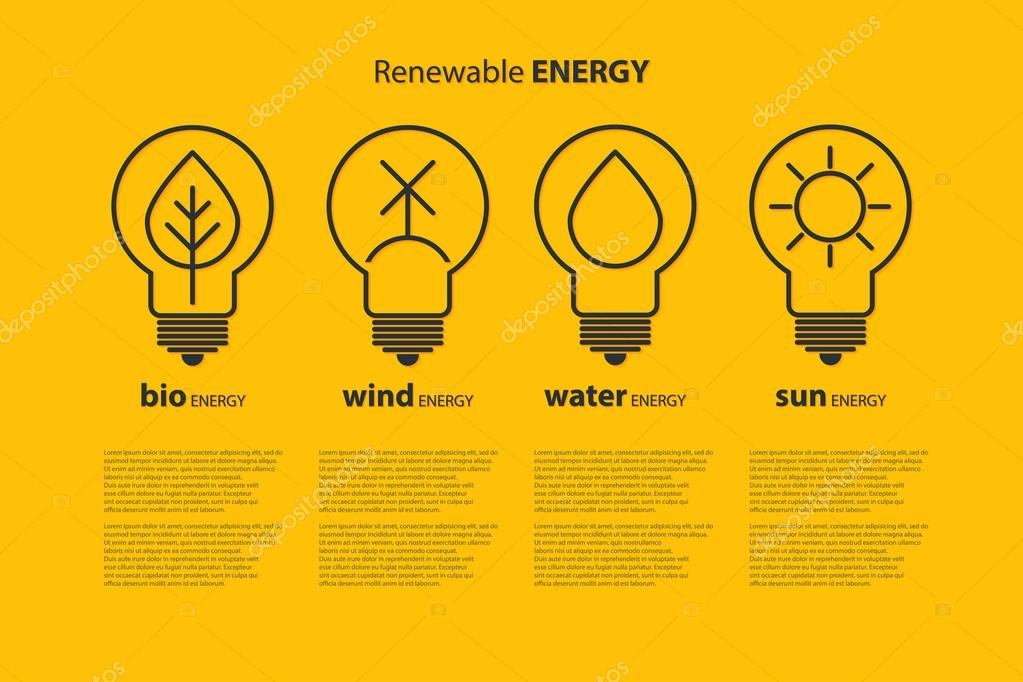
1) Solar energy. Sunlight is one of our planet’s most abundant and freely available energy resources. 2) Wind energy. Wind is a plentiful source of clean energy. 3) Hydro energy.
4) Tidal energy.
5) Geothermal energy. 6) Biomass Energy.

Impact of renewable resources.

Environmental impact

Renewable energy projects have also contributed in improving environmental impacts such as reduction of carbon dioxide gas, awakening community about the climate change. The study observed very small impacts on the people living in a particular area, tourism, cost of energy supply, and educational impacts. Significant impacts were observed in improvement of life standard, social bonds creation, and community development. They also observed that the renewable energy projects are complex to install and are local environmental and condition sensitive. Their forecasting, execution, and planning require more consideration and knowledge as compared to other projects.

Social impact

These resources also provide social benefits like improvement of health, according to choice of consumer, advancement in technologies, and opportunities for the work, but some basic considerations should be taken for the benefit of humans, for example, climate conditions, level of education and standard of living, and region whether urban or rural from agricultural point of view. Social aspects are the basic considerations for the development of any country. The following social benefits can be achieved by renewable energy systems: local employment, better health, job opportunities, and consumer choice.

Advantages of renewable resources.

  • Renewable energy won’t run out.
  • Maintenance requirements are lower.
  • Renewables save money.
  • Renewable energy has numerous health and environmental benefits.
  • Renewables lower reliance on foreign energy sources.
  • Higher upfront cost.
  • Intermittency.
  • Storage capabilities.

Conclusion

Renewable energy is becoming an important resource in all over the world . I do agree that people might exploit the resources for there own benefit . But the government is working on that aspect and trying to provide resources that can help our future households .

There are a lot of different ways of building a prosperous society, and some of them use much less energy than others. And it is possible and more practical to talk about rebuilding systems to use much less energy than it is to think about trying to meet greater demands of energy through clean energy alone.

– Alex Steffen

Link

Old Becomes Richest Man In India Making Money Online!

Mithun Bhat, born in Bhopal, could buy 2 houses within a month, Bentley, Ferrari and paid all his debts. But previously, he worked with salary under the minimum wage. So, how could he earn so much money only in a month? He tells us his story.

“I worked at pizza delivery service for a year. I was prior a collage student and did a part time job in a restaurant. I did it to support my study. In the second year of study I was close to be expelled since I could not pay the tuition. At the time, I had to take a loan. I could finally paid my tuition, but I had no money to pay the monthly installments to the bank. Honestly, studying and working all at once was beyond my endurance, and eventually, I was expelled from campus a week before the end of school year. That was the beginning of the darkest days of my life. My father lost his job and my family didn’t know how to survive. Could you imagine how hopeless I felt? I had no decent work and no education, and my father lost his job. I could do nothing to help them.

One night, I was delivering a pizza to the last location. A guy opened the door. He was with his friends, and while he was paying the pizza, I heard their discussion about where would they invest Rs. 2,000,000 they earned 10 minutes ago. I just made a glance and saw a sort of graph and figures on the laptop screen. The guy opening the door gave me Rs. 1,000 but the price was only Rs. 600. He told me to keep the change.

I was absolutely surprised and after I got back home, I took my laptop and tried to recall about their discussion. After 5 minutes, I remembered that they told about online trading. On the Broker website I found the graphs and figures I saw at the guy’s laptop.

After reading all information about the broker and watching tutorial videos, I opened a demo account where I got virtual money. I quickly understood what I had to do, it was very easy. I earned some money after my very first transaction. Then I thought… I did not lose anything, so I decided to open a real account and deposited my last money there. At the morning, I woke up and saw that I earned Rs. 30,654 over that night. After 2 weeks I could paid my debts off, bought a car, and I could help my father while he was searching for a new job and pay his expenses for the next few months. 2 weeks later, I already had 2 houses in the suburb. And all I did without leaving my home and getting higher education.

That’s my luck. It would never happen if I did not meet the rich guy while delivering the pizza. I know there are a lot of people having not good times like me, that’s why I tell you: if you want to live without any problem, I can tell you how to earn money with Trading Resource. It is very easy if you would try it.

Institute of Chartered Accountants ofIndia (ICAI)

• statutory body set up in 1949 – by The Chartered Accountants Act, 1949.

• premier accounting body.

• regulates the profession of Chartered Accountancy in the country.

• functions under the administrative control of
the Ministry of Corporate Affairs.

• second largest professional body of Chartered Accountants in the world.
• Management:
 in accordance with the provisions of Chartered Accountants Act, 1949 and the Chartered Accountants Regulations of 1988.
 Council – empowered to frame Regulations under the Act and to constitute necessary standing and non-standing Committees.
 40 members – 32 elected by CAs and 8 nominated by the Central Government.
 nominees generally represent the Comptroller and Auditor General of India,
SEBI, Ministries of Corporate Affairs and Finance etc.

• maintains highest standards in technical,
ethical areas and for sustaining stringent
examination and education standards.

Role:
 Regulate the profession of Accountancy
 Education and Examination of Chartered Accountancy Course
 Continuing Professional Education of Members
 Conducting Post Qualification Courses
 Formulation of Accounting Standards
 Prescription of Standard Auditing Procedures
 Laying down Ethical Standards
 Monitoring Quality through Peer Review
 Ensuring Standards of performance of Members
 Exercise Disciplinary Jurisdiction
 Financial Reporting Review
 Input on Policy matters to Government .

• functions– Educational, Regulatory and Disciplinary.
 formulates the code of ethics to be followed by its members.