
The joint family system of India

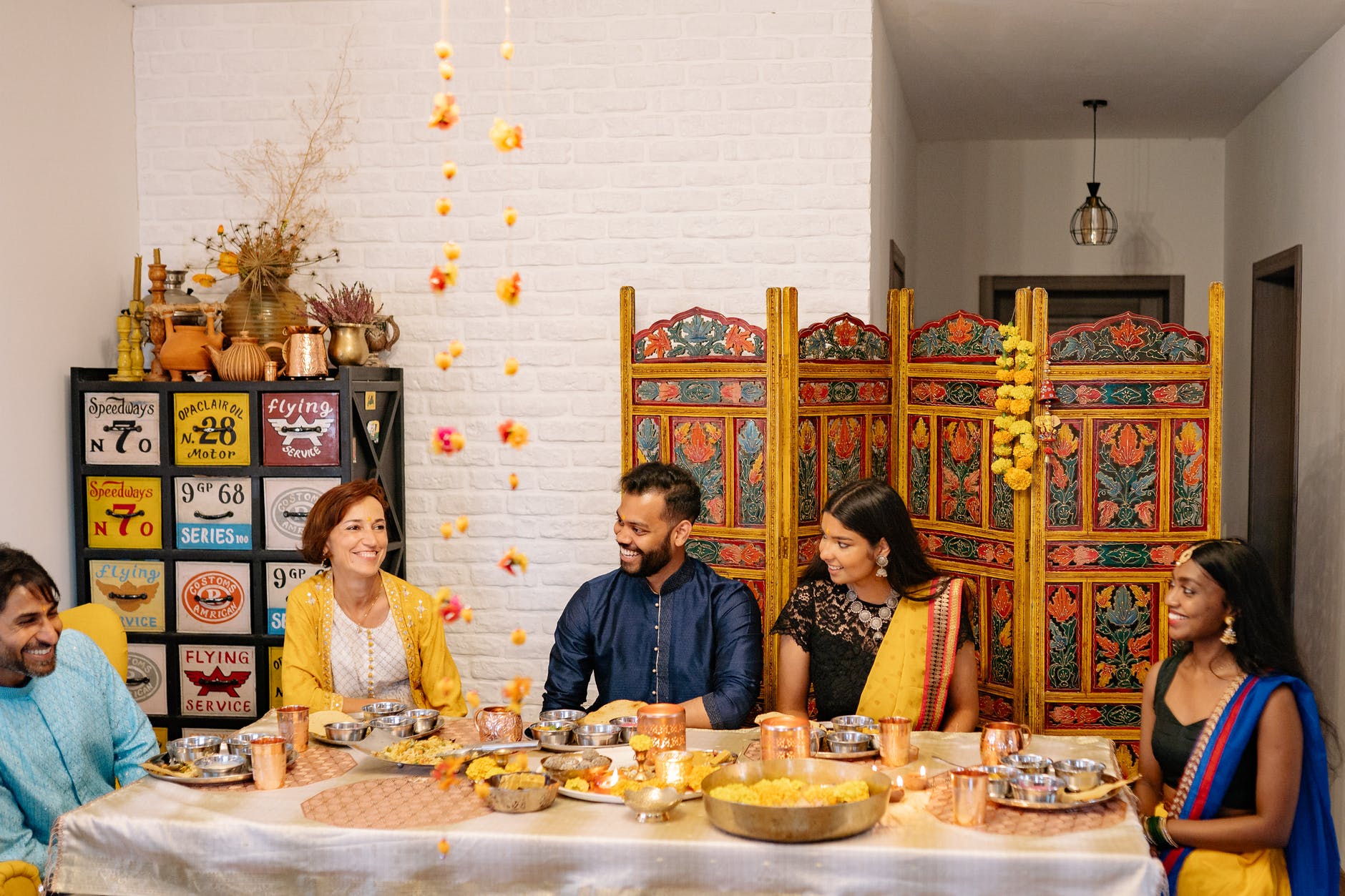
Photo by Yan Krukov on Pexels.com

The family is the most primary group in society. It is the most simplest and elementary form of society. A family usually consists of various combinations and permutations of two primary links of kinship- parenthood and siblings. The family as an institution is universal. It is the most permanent and the most pervasive of all social institutions. Family is the biological social unit composed of husband, wife and children.

The joint family is also known as ‘undivided family’ and sometimes as ‘extended family’. It normally consists of members who at least belong to three generations: husband and wife, their married and unmarried children; and their married as well as unmarried grandchildren.

Definitions of joint family:

  1. K. M. Kapadia defines joint family as a group formed not only of a couple and their children but also other relations either from father’s side or from mother’s side depending on whether the joint family is patrilineal or matrilineal.
  2. I. P. Desai holds, “We call that household joint family which has greater generation depth than the nuclear family and the members of which are related to one another by property, income and mutual rights and obligations.”
  3. According to Dr. Mamodia, “The fundamental principle of the Hindu joint family is the tie of sapinda without which it is impossible to form a joint family.”
  4. Dr. Chandrashekhar says that “joint family is simply the common ownership of the means of production and the common enjoyment of the fruits of labour.”

Characteristics of Joint family:

  1. Common Habitation: Members of the joint family normally reside together under the same household. This comprises of father, mother, son, son’s wife and children etc. Traditionally, a joint family comprised of some separate family units who had a common habitation.
  2. Joint kitchen: The food for all members of a joint family is cooked in common kitchen. The self of joint family begins with separation of the kitchen.
  3. Joint property: In a joint family the property is held in common in respect of the ownership, production and consumption of wealth. The head of the family acts like a trustee. He manages the joint property.
  4. Kindred relationship: The members of the joint family are bound together through kinship tie. Parents and grandchildren, who are all blood related persons, live together in one house. The joint family comprises of persons belonging to at least three generations. Many a time it may be supplements by other relatives.
  5. Common worship: The members of the joint family also cherish common faith, beliefs, and hence participate in common worship. The functions of the family were mostly religious even in the Vedic times.
  6. Ritual Bonds: The performance of ‘Shraddha’ ceremony and the offering of ‘Pinda’ are propriated by the senior male member of the joint family. He performs the function on behalf of all the members of the joint family.
  7. Mutual obligations: In the joint family the members are well aware of one another’s rights and duties. Each member of the family performs certain duties which benefits the other members as well as the family as a whole.
  8. Authority of the Head: The head of the family appears to have absolute authority and control over the family property and members. Since the Hindu family is a patrilocal, patrilineal and patriarchal type, the father exercises authority over all members and family property.

Merits of joint family:

  1. The common right on the joint property is productive from the point of view of agricultural productions.
  2. In the joint family system, all the earnings are pooled into a common fund.
  3. The joint family provides social security to all the members despite their inability to earn or to work to supplement the common fund.
  4. The offsprings undergo the process of socialization in a broader family setting.
  5. All the members of a joint family share joint responsibility.
  6. Work is divided among the members in a joint family.
  7. The joint family exercises an informal type of social control over the harmful tendencies of its young members in an effective manner.
  8. Family traditions and customs are maintained in the joint family system.

Demerits of joint family system:

  1. The joint family can be centred as a source of litigations, quarrels and conflicts due to many reasons.
  2. Since collective responsibility is bestowed on all the members of family the concept ‘everybody’s business, nobody business’ prevails. It makes some members lazy because they know it pretty well that their idleness will not debar them from consuming equal share.
  3. There is a absence of privacy for the married couples.
  4. Joint family hinders social mobility.
  5. The condition of women worsen I the joint family. The woman enjoys a lower status in the joint family.
  6. The incidence of child marriage is quite high in the joint family.

The traditional joint system of Hindi has undergone vast changes. These changes have not destroyed the system as such. They have definitely affected its structure and functions and also its stability. Some of the causative factors are: education, industrialization, urbanization, change in the institution of marriage, specially in the age of marriage and the legislative measures.
WHY MENSTRUATION A TABOO IN INDIA?

Menstruation is a phenomenon unique to girls. Menstruation is the natural part of the reproductive cycle in which blood from the uterus exits through the vagina. It is a natural process that first occurs in girls usually between the age of 11 and 14 years and is one of the indicators of the onset of puberty among them.

Taboos surrounding menstruation exclude women and girls from many aspects of social and cultural life. Some of these are helpful, but others have potentially harmful implications.

In India especially, I found it extremely ironic for it to be still a taboo in this time and era, even before I don’t understand why it was called a taboo and the reason for that I guess was, India where a girl child recognised as boon ( as GODDESS LAKSHMI when born) and giving birth is also considered boon given only to women despite that this unique process that make it possible for a women to have a child is considered a TABOO. Even with many scientific clarification of the process of this unique phenomenon, even though being this 21st century there still continuous myth regarding this adapted within the society.

SOME OF THEM ARE:

  • Women who menstruate have long been taught to keep silent about their periods. Young girls are taught from a young age that they have to manage it privately and discreetly.
  •  In Indian households including the literate ones, women are constantly reminded of the old-age traditions where “you are not allowed to touch anything holy, visit temples, cook or touch pickle.”
  • The taboo is so ingrained that women often have the “walk of shame” while carrying their sanitary pads wrapped in black plastic bags in their hands. 
  • Strangely enough, in some cultures, celebrations are held on the commencement of menstruation. And in the same cultures, the already menstruating women are looked down upon as impure and filthy.
  • It is not uncommon for boys to giggle and laugh during biology class when the topic of menstruation comes up.
  • BUT NOT IN EVERY CULTURE IT OCCURS- In Kashmiri Hindu culture, menstruating women are given special care considering the belief that they become weak due to blood loss. They do not consider them to be impure and rules like, a woman on her period can’t visit temples or can’t work don’t apply.

#BREAKTHEBLOODYTABOO

It’s high time that we normalize menstruation as just a healthy and positive part of the female life cycle. Menstrual periods are nothing to be ashamed of. Just like digestion, blood circulation and respiration are considered as natural and biological processes, both men and women should work towards making menstruation an important topic to talk about openly. This is the only way to combat its silence and break the stigma.

some changes I notice toward breaking this taboo for women in this society

  • The greatest changed I noticed was for the changed working environment toward women as the sanitary environment facilities given to them as employment care like washroom provided with sanitary pads and tampons etc.
  • knowledge about the first period to young girls now given at their school is compulsory not only to girls but to boys too given knowledge for it be known as normal topic and not as a taboo topic.
  • Advertisement about sanitary pads and tampons starts to make this topic to talk openly about.
  • Men buying the sanitary pads and tampons make it comfortable for women during their periods so that they can express their thoughts, sorrows, angers, happiness with them.

Teenagers & Anxiety

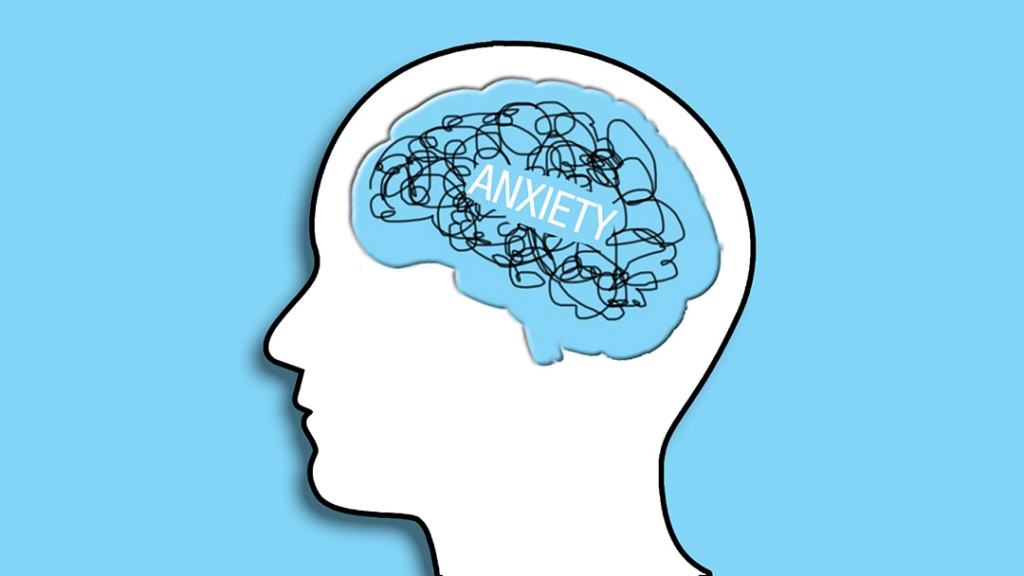
All teens experience some amount of anxiety at times. Anxiety is actually a normal reaction to stress, and sometimes it helps teens deal with tense or overwhelming situations. For many teens, things like public speaking, final exams, important athletic competitions, or even going out on a date can cause feelings of apprehension and uneasiness. They may also experience an increase in heartbeat or excessive sweating. That’s how the brain responds to anxious feelings.

For some teens, however, anxiety can go beyond these typical symptoms to negatively affect friendships and family relationships, participation in extracurricular activities, and even their schoolwork. When feelings of anxiety interfere with normal daily living, the presence of an anxiety disorder should be considered. According to the National Institute of Mental Health, approximately 25% of 13 to 18-year-olds have an anxiety disorder, and just under 6% have a severe anxiety disorder.

Given that teens experience a wide variety of physical and emotional changes as they grow, an anxiety disorder can be difficult to spot. Many red flags may seem like usual teens struggles or be chalked up to hormones. Watch for these hidden signs of anxiety in your teens :

1. Emotional Changes to Watch Out For in Teens

While some anxious teens express feelings of pervasive worry, others experience subtle emotional changes such as :

  • Feeling “keyed up”
  • Feeling on edge
  • Irritability
  • Difficulty concentrating
  • Restlessness
  • Unexplained outbursts

2. Social Changes

Anxiety can negatively affect friendships. If your once social teen suddenly avoids his favourite activities or stops making plans with friends, think twice. You might notice that he/she is :

  • Avoiding social interactions with usual friends
  • Avoiding extracurricular activities
  • Isolating from peer group
  • Spending increased time alone

3. Physical Changes

Many of the physical complaints that can occur with an anxiety disorder mimic average teen complaint, which tend to increase as they get older. Pay attention to patterns. A couple of headaches here and there shouldn’t be a cause for concern, for example, but frequent headaches are a red flag. Watch for these common psychosomatic complaints :

  • Frequent headaches, including migraines
  • Gastrointestinal problems
  • Unexplained aches and pains
  • Excessive fatigue
  • Complaints of not feeling well with no obvious medical cause
  • Changes in eating habits

4. Sleep Disturbances

Teens aged 13 to 18 get 8 to 10 hours of sleep on a regular basis to promote optimal health. It is also recommend shutting down screens 30 minutes prior to bedtime, and removing all electronics from the bedroom.

It’s no big secret that homework demands, changing brain structure, extracurricular activities, and screen time can all cut into the sleep habits of teens. Therefore, it can be difficult to know whether fatigue is a product of anxiety or of a busy schedule. Watch for these red flags :

  • Difficulty falling asleep
  • Difficulty staying asleep
  • Frequent nightmares
  • Not feeling refreshed after sleep

5. Poor School Performance

Given that anxiety can affect everything from sleep habits to eating habits to missing school due to physical issues, it should come as no surprise that poor academic performance can also result from untreated anxiety. School avoidance, missed days due to anxiety-related illness, and persistent worry can make it difficult for anxious teens to keep up with their workload. Watch for these changes in your teen :

  • Significant jump in grades (usually downward)
  • Frequently missed assignments
  • Describes feeling overwhelmed by workload
  • Procrastinates on, or has difficulty concentrating on, homework assignments more than usual

6. Panic Attacks : Know the Symptoms

Not all anxious teens experience panic attacks, and some experience mild symptoms of panic without enduring a full panic attack. The following symptoms are common among people with anxiety disorders :

  • Rapid heartbeat
  • Sweating and trembling
  • Dizziness
  • Upset stomach
  • Difficulty breathing
  • Chest pain
  • Feeling like they’re dying
  • Feeling like they’re “going crazy”
  • Numbness or tingling in arms and legs
  • Derealization.

PRO-CHOICE OR PRO-LIFE

BY: VAIBHAVI MENON

“No woman can call herself free who does not control her own body.” Abortion is the medical termination of a foetus and I believe it should be allowed because it was made for a reason. The doctors wouldn’t create abortion if they didn’t think it was right. Abortion should be the woman’s choice and not according to society because it’s the woman who has to carry the baby, take care of the baby and worry about its future. It is the woman’s body which is going through the changes. The mother could be financially unstable and not be able to provide for the baby so in such cases it’s better to abort the baby at the initial stage rather than make it suffer for the rest of its life. Yes the mother can have the baby and put it up for abortion but pregnancy completely changes a woman’s body and for some women it can be fatal and can cause infertility but lets imagine the baby is put up for adoption what is the guarantee that the baby gets into a family and even if we assume the baby has gotten into the family what is the guarantee that the family is good and not abusive.

in the case of a child with a severe disability like Progeria (child ages ) or butterfly skin their life expectancy is only a couple of years and even in that little life they suffer so much cuz of disease. In this case its better to abort especially people who are not financially stable they wont even be able to afford medicines for the diseases. Victims of sexual assault who become pregnant should be able to abort because they dint want this child. The incident that happened to them is already traumatic for them and the child is a constant reminder of what happened to them. there have been cases around the world where a mother who wasn’t ready to have a child has postpartum depression and has committed suicide or takes drugs or kills her own child. Aborting the child inside the womb does not cause pain to the child but killing outside definitely will.

That being said abortion should not be used negatively like for example female infanticide.. it should be used in the case of important situations. Honestly a person who wants to abort a child is going to do so whether legal or not….only difference is that if its allowed they will do it with professional help and if not allowed they will do it on their own by taking pills or through consumption of alcohol etc. in the end its only the woman’s choice as she’s the one who deals with the upbringing of the child and has to see whether she is ready to accept the changes that would happen to her both physically and mentally.therefore I would like to conclude this by saying abortion is not a evil thing to do as many people consider it to be. Infact it saves the unborn child from the fatalities he/she may experience due to the unwilling birth of it.