International conference focuses on role of PLI Schemes, India’s green transition and inclusive sustainability in shaping India’s industrial policy

Eduindex News Newtwork (6 March 2025) New Delhi

Discussions around shaping the contours of India’s industrial policy in light of the evolving geopolitical landscape, the role of Production Linked Incentive (PLI) schemes in driving manufacturing competitiveness, India’s green transition and inclusive sustainability in shaping India’s industrial policy and creating resilient global supply chains was at the central of the international conference organised by the Centre for Trade and Investment Law (CTIL).

The international conference was based on the theme “Navigating the Future: Industrial Policy and Global Competitiveness” organised by the Centre for Trade and Investment Law (CTIL), established by the Ministry of Commerce and Industry, Government of India, in collaboration with the Centre for International Trade and Business Laws, NALSAR University of Law and the World Trade Institute, University of Bern, together with the WTO India Chairs Programme. The international conference was held during 17th to 19th January 2025 at the NALSAR University of Law, Hyderabad.

Importantly, the conference discussed the role of WTO disciplines in ensuring that industrial policy measures do not negate the core principle of the ruled-based international trading system. The conference featured key insights into the current geopolitical landscape and energy transition.

The central theme of the conference ‘Navigating the Future: Industrial Policy and Global Competitiveness’ was explored through a series of panel discussions and technical sessions. The inaugural sessions featured discussions on the resurgence and evolution of industrial policy, metrics to measure its impact, and their compatibility with WTO rules in a changing global context. Prof. James J. Nedumpara, Head, CTIL, in his welcome speech, highlighted the relevance of the conference theme and the importance of green industrial policy in fostering innovation and technology in the current global context. This was followed by the presidential address delivered by Prof. Srikrishna Deva Rao, Vice Chancellor of NALSAR University of Law. Shri. Ujal Singh Bhatia and Professor Peter Vanden Bosche, former members of the WTO Appellate Body, also emphasised the need for an in-depth examination of the linkages between trade policy and industrial policy.

Shri Dammu Ravi, Secretary (Economic Relations), Ministry of External Affairs, during his address highlighted that emerging economies can play a catalyzing role in energy transition and pioneer an economic transformation. The Secretary emphasised the role that India can play in the global critical raw material supply chains and underscored that any strategy for value chain integration must be focused on creating value within India, including creating employment opportunities. 
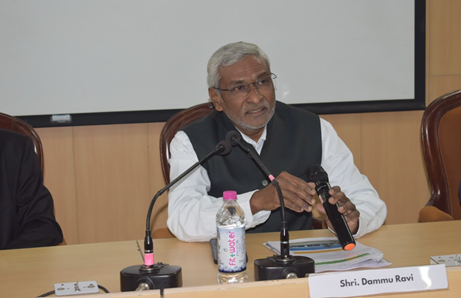
A person sitting at a desk with microphonesDescription automatically generated

In the plenary session, Shri Montek Singh Ahluwalia, Former Deputy Chairman of the Planning Commission highlighted the global shift from free trade to protectionism in response to challenges from China’s rise and evolving U.S. policies. Shri. Ahluwalia emphasized the need for clear, cost-effective interventions in critical sectors, transparency in initiatives like PLIs, and adherence to WTO rules, as part of a balanced approach to security and economic priorities.

Several renowned scholars and policy experts of in the field of international trade and policy including Dr. Werner Zdouc, former Director of the Appellate Body, Mr. Sumanta Chaudhuri, Head Trade Policy, CII, Dr. Pritam Banerjee, Head, Centre for WTO Studies, Prof. Henry Gao, Professor, Singapore Management University, Professor Abhijit Das, former Head, Centre for WTO Studies, Dr. Alicia Gracia, Senior Fellow at Brugel, Dr. Isabelle Van Damme, Director, World Trade Institute, Dr. Rosmy Joan, Associate Professor, NALSAR University, among others spoke in the programme.

In the inaugural session, CTIL launched its monthly investment law newsletter, ‘Investment Law Compass: Navigating through the Global Investment Framework’ which aims to highlight the developments in the investment law landscape and transform it into an accessible and insightful journey for enthusiasts and professionals alike. The newsletter will be available online at www.ctil.org.in.
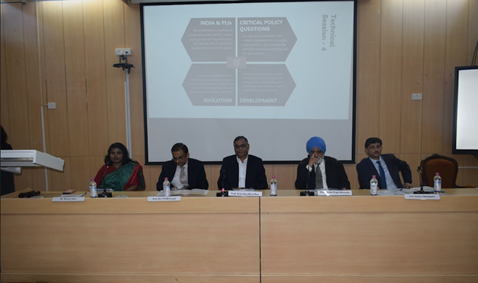
At the valedictory address, Professor James J Nedumpara reflected on the rich discussions on industrial policy and its various dimensions over the three days and highlighted that the conference was enriched by global participation. He extended his felicitations to the co-collaborators NALSAR and WTI and congratulated them on the successful conclusion of the Conference.

***

Daily writing prompt
What is your middle name? Does it carry any special meaning/significance?

Role of India in Multipolar Global Political Economy

Daily writing prompt
What are your thoughts on the concept of living a very long life?

By Shashikant Nishant Sharma

India’s role in the multipolar global political economy is significant due to its economic and geopolitical importance. India is the world’s sixth-largest economy and has been experiencing steady economic growth in recent years. The country’s strategic location between East and West, coupled with its large population, make it an important player in the international arena. 

India’s economic policies and reforms have contributed to its rise as a major economic power. The country has implemented policies to attract foreign investment and has opened up various sectors for private participation. The government has also focused on improving infrastructure, developing a skilled workforce, and promoting entrepreneurship. In addition to its economic importance, India also plays a significant role in global politics. The country is a member of various international organizations, including the United Nations, World Trade Organization, and BRICS. India’s leadership has been instrumental in shaping the agenda of these organizations and in promoting the interests of developing countries. India’s strategic location also makes it an important player in regional geopolitics. The country has been involved in various peacekeeping missions, and its military capabilities have been growing in recent years. India has also been strengthening its relationships with other major powers, including the United States, Russia, and China. Overall, India’s role in the multipolar global political economy is likely to continue to grow in the coming years. The country’s economic and geopolitical importance, coupled with its strategic location, make it a key player in the international arena. Global trade is an essential aspect of the modern economy, and it relies heavily on trust and confidence between parties involved. A breach of confidence can have severe consequences for international trade and the global economy as a whole.

A breach of confidence in global trade can take many forms, including the failure to fulfill contractual obligations, misrepresentation of goods or services, or the theft of intellectual property. These breaches can result in legal disputes, loss of revenue, and damage to reputation, which can be costly for businesses and countries involved. When a breach of confidence occurs, it can lead to a breakdown in trust between parties involved, making it more challenging to engage in future trade deals. This can lead to increased transaction costs, reduced investment, and lower economic growth, ultimately impacting consumers. The World Trade Organization (WTO) and other international bodies play a crucial role in promoting fair trade practices and resolving disputes between countries. However, their effectiveness is limited when it comes to enforcing trade agreements and preventing breaches of confidence.

Dollar hegemony refers to the dominant position of the US dollar in the global economy as the primary reserve currency and medium of exchange. The term is used to describe the extensive use of the US dollar in international trade, finance, and investment, giving the United States significant economic and political power.

The dollar’s dominance dates back to the Bretton Woods agreement of 1944, where the US dollar was established as the international reserve currency, and other countries pegged their currencies to the dollar. This allowed the US to enjoy significant economic and political power and played a crucial role in the post-World War II economic order. Today, the dollar remains the dominant currency in international trade and finance, with over 60% of global foreign exchange reserves held in US dollars. Many countries continue to use the dollar as a medium of exchange, and international commodity prices are usually quoted in dollars. The dollar’s dominance has several implications for the global economy. First, it provides the United States with a unique advantage in international trade, as other countries are dependent on the US dollar to conduct transactions. Second, it allows the US to borrow at lower interest rates, as investors have a high level of confidence in the US dollar and the US economy. However, the dollar’s hegemony also comes with some challenges. The US’s monetary policy decisions can have significant impacts on the global economy, as changes in interest rates and other monetary policies can affect other countries’ economies. Additionally, the US’s high level of debt has raised concerns about the dollar’s stability as a reserve currency. In recent years, there have been calls for the diversification of international reserve currencies and the establishment of alternative payment systems. Some countries, including China and Russia, have been promoting the use of their currencies in international trade and finance to reduce their dependence on the US dollar.

Overall, dollar hegemony continues to shape the global economy, and it is an essential factor in international trade and finance. The ongoing debates around its stability and the need for diversification demonstrate the complex and ever-changing nature of the global economic order.

India plays a significant role in the multipolar global political economy due to its economic and geopolitical importance. The country’s economic policies and reforms have contributed to its rise as a major economic power, and its strategic location makes it a key player in regional geopolitics. India’s leadership has been instrumental in shaping the agenda of international organizations and promoting the interests of developing countries.

However, India also faces several challenges, including poverty, inequality, and infrastructure gaps. The country has been working towards addressing these challenges through various initiatives such as the Make in India campaign, Digital India, and Swachh Bharat Abhiyan. India’s role in the global economy and its rise as a major economic power can provide opportunities for businesses and investors to tap into its large market and skilled workforce. The country’s focus on innovation and entrepreneurship can also create opportunities for collaboration and partnership in various sectors. 

In conclusion, India’s position in the multipolar global political economy is significant, and its continued growth and development will have far-reaching implications for the global economy. However, the country faces several challenges that need to be addressed, and there is a need for continued investment and collaboration to unlock its full potential.

References

Bastos, M. (2014). The Indian Ocean and the rise of a multi-polar world order: The role of China and India. Policy Perspectives: The Journal of the Institute of Policy Studies11(2), 17-28.

Chakraborty, S. (2018). Significance of BRICS: Regional powers, global governance, and the roadmap for multipolar world. Emerging Economy Studies4(2), 182-191.

Cooper, A. F., & Flemes, D. (2013). Foreign policy strategies of emerging powers in a multipolar world: An introductory review. Third World Quarterly34(6), 943-962.

Kukreja, V. (2020). India in the emergent multipolar world order: Dynamics and strategic challenges. India Quarterly76(1), 8-23.

Peters, M. A. (2023). The emerging multipolar world order: A preliminary analysis. Educational Philosophy and Theory55(14), 1653-1663.

Sharma, S. N. (2017). Geopolitics and Terrorism in Asia-Pacific Region vis-a-vis India.

Positive Impact of ASEAN – India and Thailand Trade Relations Flourishing

Daily writing prompt
What could you do differently?

By Shashikant Nishant Sharma

Abstract:

The ASEAN-India and Thailand trade relations have witnessed significant growth over the years, leading to positive impacts on the economies of the participating countries. This paper highlights the benefits and opportunities arising from the flourishing trade relations between India, Thailand, and ASEAN countries, including enhanced market access, increased trade volume, and strengthened economic ties. The study also sheds light on the challenges faced by the ASEAN-India and Thailand trade relations, such as non-tariff barriers and limited infrastructure. The paper concludes that the ASEAN-India and Thailand trade relations have the potential to be a driving force for economic growth and regional integration, and recommends measures to further enhance the trade and investment ties between the regions.

Keywords:

ASEAN, India, Thailand, Trade Relations, India and Thialand

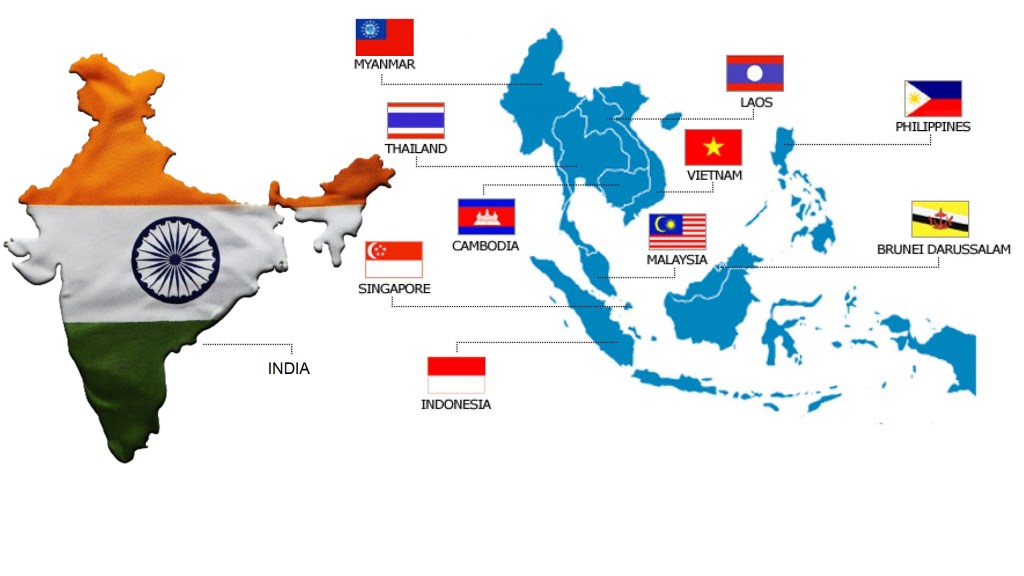
The aim of the Association of Southeast Asian Nations (ASEAN) is to promote economic, political, and security cooperation among its member countries in Southeast Asia. ASEAN was established on August 8, 1967, with the signing of the ASEAN Declaration, also known as the Bangkok Declaration. The founding members of ASEAN were Indonesia, Malaysia, the Philippines, Singapore, and Thailand. Brunei Darussalam joined in 1984, Vietnam in 1995, Laos and Myanmar in 1997, and Cambodia in 1999.

ASEAN’s role in Asia is significant. It is a regional organization that fosters economic integration and cooperation, political stability, and social progress among its member states. ASEAN plays an important role in promoting peace, security, and stability in the region, as well as in enhancing regional economic growth and development. ASEAN also serves as a platform for dialogue and cooperation between the member states and with other countries in the region and beyond. It has established several partnerships with countries such as China, Japan, South Korea, India, and the United States, among others.

In recent years, ASEAN has become increasingly important in the evolving regional security architecture of Asia, particularly with the rise of China and its growing influence in the region. ASEAN-led forums such as the East Asia Summit (EAS) have become key platforms for discussing security issues in the region, including the South China Sea disputes.

India and Thailand share a long-standing historical and cultural relationship that dates back several centuries. India and Thailand have been trading partners for over two thousand years, with cultural and economic exchanges flourishing during the ancient times along the land and sea routes. In recent times, India and Thailand have developed a strong strategic partnership based on shared values and interests. The two countries have close economic ties, with Thailand being one of India’s important trading partners in the ASEAN region. The total trade between India and Thailand stood at USD 13.76 billion in 2020-21.

India’s main exports to Thailand include gems and jewelry, machinery, iron and steel, organic chemicals, and vehicles. Thailand’s main exports to India include pearls, precious stones, electrical machinery, boilers, machinery, and parts. India and Thailand also cooperate in areas such as defense, security, tourism, and cultural exchanges. In the defense sector, the two countries have been conducting joint military exercises, and Thailand has purchased military hardware from India.

Tourism is another area of cooperation, with over a million tourists from each country visiting the other annually before the COVID-19 pandemic. Cultural exchanges between the two countries are also vibrant, with several cultural festivals and events being held in each other’s countries. India and Thailand also collaborate in regional forums such as ASEAN, BIMSTEC, and the Mekong-Ganga Cooperation. The two countries share a commitment to promoting regional integration and connectivity in the region.

The 13th Meeting of the India Thailand Joint Trade Committee (JTC) took place in New Delhi today. Ms. Auramon Supthaweethum, the Director General of Department of Trade Negotiations, Ministry of Commerce of Thailand, and Ms. Indu C. Nair, the Joint Secretary, Department of Commerce, Ministry of Commerce & Industry, India, co-chaired the meeting. This was the first in-person meeting of the JTC since its revival in 2020, after a 17-year hiatus.

Thailand is an important trading partner for India in the ASEAN region, with a total trade of USD 16.89 Billion in 2022-23, accounting for 13.6% of India’s total trade with ASEAN. India exports gems and jewelry, mechanical machinery, auto and auto components, and agricultural products, especially marine products, to Thailand.

During the meeting, the chairs reviewed the current status of bilateral trade and discussed the need to identify new potential products and priority sectors to expand bilateral trade. They also discussed market access issues and technical barriers faced by exporters and agreed to resolve them through regular and sustained bilateral discussions. India raised concerns about the restrictions it faces in exporting marine, poultry, and meat products.

Both sides identified several potential commodities and sectors for a stronger partnership, such as value-added marine products, smartphones, electric vehicles, food processing, and pharmaceuticals. They also agreed that there is a vast scope for collaboration in the service sector and decided to explore establishing mutual recognition/cooperation arrangements in nursing, accounting, audio-visual, and medical tourism. The meeting also reviewed the progress of the ongoing efforts to connect India’s Unified Payment Interface (UPI) with Thailand’s Prompt Pay Service and the settlement of trade transactions in local currency.

Some recommendations for enhancing the India and Thailand trade relations are:-  

  • Strengthen bilateral economic engagement through the establishment of joint ventures, investment, and technology transfer.
  • Enhance connectivity between the two countries by improving transport links, including air and sea connectivity.
  • Promote cooperation between small and medium enterprises (SMEs) in both countries to enhance trade and investment.
  • Work towards establishing mutual recognition/cooperation arrangements in various sectors, including nursing, accounting, audio-visual, and medical tourism.
  • Address trade barriers and technical issues faced by exporters through regular and sustained bilateral discussions.
  • Explore the possibility of signing a Free Trade Agreement (FTA) to further enhance economic engagement between the two countries.
  • Overall, there is significant potential for India and Thailand to deepen their trade and economic partnership. By addressing trade barriers, promoting cooperation in key sectors, and enhancing connectivity between the two countries, India and Thailand can further strengthen their relationship and realize the untapped potential of their trade and economic ties.

References

Sivadasan, S. K., Susheel, M. A., & Bindu, C. (2012). India-Thailand Bilateral Trade A Review against the Backdrop of the Framework Trade Agreement. ABAC Journal, 32(3).

Asher, M. G., & Sen, R. (2005). India-East Asia integration: A win-win for Asia. Economic and Political Weekly, 3932-3940.

Chenoy, A. M. (2023). The Multipolar Global Political Economy. Economic & Political Weekly, 58(2), 31.

Francis, S. (2011). A sectoral impact analysis of the ASEAN-India free trade agreement. Economic and Political Weekly, 46-55.

Marwah, R. (2020). Reimagining India–Thailand Relations: A Multilateral and Bilateral Perspective.

Nataraj, G., & Sekhani, R. (2015). China’s One Belt One Road: An Indian Perspective. Economic and Political Weekly, 67-71.

Sen, R., Asher, M. G., & Rajan, R. S. (2004). ASEAN-India economic relations: current status and future prospects. Economic and Political Weekly, 3297-3308.

China's first population fall in six decades.

China’s population fell last year for the first time in six decades, a historic turn that is expected to mark the start of a long period of decline in its citizen numbers with profound implications for its economy and the world.

The country’s National Bureau of Statistics reported a drop of roughly 850,000 people.

China’s birth rate has been declining for years, prompting a slew of policies to try to slow the trend.

But seven years after scrapping the one-child policy, it has entered what one official described as an “era of negative population growth”.

"60% of China may get infected by Covid-19 in the next 90 days", says experts.

Epidemiologists estimate that over the next few days more than 60 per cent of China’s population and 10 per cent of Earth’s population would likely to get infected by Covid-19 and this would be just the ‘start’. 

Skyrocketing infections, inundated hospitals, overflowing morgues — elation from the lifting of zero Covid curbs proved tragically short-lived as China reels under a Covid explosion.

Amid this grim state of affairs, a top infectious disease expert has projected that more than 60 per cent of China’s population is likely to be infected by the coronavirus in the next three months and witness millions of Covid-related deaths.

Chinese authorities have failed to bolster the elderly vaccination rate, upping surge and intensive care capacity in hospitals, and stockpiling antiviral medications, which could spell disaster for the country’s 1.4 billion citizens, warned experts.

India and Chinese troops clashes on border.

Soldiers from India and China clashed last week along the two countries’ disputed Himalayan border. In 1962, when the countries fought a bloody, high-altitude war over the contested territories, China seized Arunachal Pradesh, which it claims as part of South Tibet, before returning it to Indian control, but the disputed area belongs to and will remain in the integral control of India.

It was the first reported standoff between troops from the two Asian giants since deadly clashes in 2020 strained their already tense relations. 

Both sides were involved with a few soldiers suffering minor injuries. China is yet to comment on the stand off. But Reuters reported an Indian army source saying at least six Indian troops were injured.

“Both sides immediately disengaged from the area,” the Indian army said.

It added that commanders from both sides had held a meeting immediately after “to restore peace and tranquility”.

India’s Defence Minister Rajnath Singh told the parliament on Tuesday that no Indian soldiers had been “hurt or seriously injured” in the clash and that the incident has been “taken up at diplomatic levels”. He added that because of “timely intervention of Indian military commanders, PLA soldiers went back to their positions”.

China and India share a disputed 3,440km (2,100 mile) long de facto border – called the Line of Actual Control, or LAC – which is poorly demarcated. The presence of rivers, lakes and snowcaps means the line can shift. The soldiers on either side – representing two of the world’s largest armies – come face to face at many points.

What are Carbon Markets ?


Carbon Markets: Carbon markets facilitate the trading of emission reductions. Such a market allows countries, or industries, to earn carbon credits for the emission reductions they make in excess of their targets. These carbon credits can be traded to the highest bidder in exchange of money. The buyers of carbon credits can show the emission reductions as their own and use them to meet their reduction targets. Carbon markets are considered a very important and effective instrument to reduce overall emissions.


A carbon market existed under Kyoto Protocol but is no longer there because the Protocol itself expired last year. A new market under Paris Agreement is yet to become functional. Developing countries like India, China or Brazil have large amounts of carbon credits left over because of the lack of demand as many countries abandoned their emission reduction targets. The developing countries wanted their unused carbon credits to be transitioned to the new market, something that the developed nations had been opposing on the grounds that the quality of these credits — the question whether these credits represent actual emission reductions — was a suspect. A deadlock over this had been holding up the finalisation of the rules and procedures of the Paris Agreement.


The Glasgow Pact has offered some reprieve to the developing nations. It has allowed these carbon credits to be used in meeting countries’ first NDC targets. These cannot be used for meeting targets in subsequent NDCs. That means, if a developed country wants to buy these credits to meet its own emission reduction targets, it can do so till 2025. Most countries have presented climate targets for 2025 in their first NDCs.

The resolution of the deadlock over carbon markets represents one of the major successes of COP26.

Achievements of the Glasgow Summit 2021


What was achieved?

Mitigation: The Glasgow agreement has emphasised that stronger action in the current decade was most critical to achieving the 1.5-degree target. Accordingly, it has:

1. Asked countries to strengthen their 2030 climate action plans, or NDCs (nationally-determined contributions), by next year.

2. Established a work programme to urgently scale-up mitigation ambition and implementation.

3. Decided to convene an annual meeting of ministers to raise ambition of 2030 climate actions.

4. Called for an annual synthesis report on what countries were doing.

5. Requested the UN Secretary General to convene a meeting of world leaders in 2023 to scale-up ambition of climate action.

6. Asked countries to make efforts to reduce usage of coal as a source of fuel, and abolish “inefficient” subsidies on fossil fuels
Has called for a phase-down of coal, and phase-out of fossil fuels. This is the first time that coal has been explicitly mentioned in any COP decision. It also led to big fracas at the end, with a group of countries led by India and China forcing an amendment to the word “phase-out” in relation to coal changed to “phase-down”. The initial language on this provision was much more direct. It called on all parties to accelerate phase-out of coal and fossil fuel subsidies. It was watered down in subsequent drafts to read phase-out of “unabated” coal power and “inefficient” fossil fuel subsidies. But even this was not liking to the developing countries who then got it changed to “phase down unabated coal power and phase out inefficient fossil fuel subsidies while providing targeted support to the poorest and the most vulnerable in line with national circumstances…”. Despite the dilution, the inclusion of language on reduction of coal power is being seen as a significant movement forward.


Adaptation: Most of the countries, especially the smaller and poorer ones, and the small island states, consider adaptation to be the most important component of climate action. These countries, due to their lower capacities, are already facing the worst impacts of climate change, and require immediate money, technology and capacity building for their adaptation activities.

As such, the Glasgow Climate Pact has:

Asked the developed countries to at least double the money being provided for adaptation by 2025 from the 2019 levels. In 2019, about $15 billion was made available for adaptation that was less than 20 per cent of the total climate finance flows. Developing countries have been demanding that at least half of all climate finance should be directed towards adaptation efforts.


Created a two-year work programme to define a global goal on adaptation. The Paris Agreement has a global goal on mitigation — reduce greenhouse gas emissions deep enough to keep the temperature rise within 2 degree Celsius of pre-industrial times. A similar global goal on adaptation has been missing, primarily because of the difficulty in defining such a target. Unlike mitigation efforts that bring global benefits, the benefits from adaptation are local or regional. There are no uniform global criteria against which adaptation targets can be set and measured. However, this has been a long-pending demand of developing countries and the Paris Agreement also asks for defining such a goal.


Finance: Every climate action has financial implications. It is now estimated that trillions of dollars are required every year to fund all the actions necessary to achieve the climate targets. But, money has been in short supply. Developed countries are under an obligation, due to their historical responsibility in emitting greenhouse gases, to provide finance and technology to the developing nations to help them deal with climate change. In 2009, developed countries had promised to mobilise at least $100 billion every year from 2020. This promise was reaffirmed during the Paris Agreement, which also asked the developed countries to scale up this amount from 2025. The 2020 deadline has long passed but the $100 billion promise has not been fulfilled. The developed nations have now said that they will arrange this amount by 2023.

What does the Glasgow Agreement say?

Following are the major observations of the Glasgow Summit :

1. A deal aimed at staving off dangerous climate change has been struck at the COP26 summit in Glasgow.

2. Expressed “deep regrets” over the failure of the developed countries to deliver on their $100 billion promise. It has asked them to arrange this money urgently and in every year till 2025.

3. Initiated discussions on setting the new target for climate finance, beyond $100 billion for the post-2025 period.

4. Asked the developed countries to provide transparent information about the money they plan to provide.

5. Loss and Damage: The frequency of climate disasters has been rising rapidly, and many of these cause largescale devastation. The worst affected are the poor and small countries, and the island states. There is no institutional mechanism to compensate these nations for the losses, or provide them help in the form of relief and rehabilitation. The loss and damage provision in the Paris Agreement seeks to address that.


Introduced eight years ago in Warsaw, the provision hasn’t received much attention at the COPs, mainly because it was seen as an effort requiring huge sums of money. However, the affected countries have been demanding some meaningful action on this front. Thanks to a push from many nations, substantive discussions on loss and damage could take place in Glasgow. One of the earlier drafts included a provision for setting up of a facility to coordinate loss and damage activities. However, the final agreement, which has acknowledged the problem and dealt with the subject at substantial length, has only established a “dialogue” to discuss arrangements for funding of such activities. This is being seen as a major let-down.

What are Carbon Markets ?

Glasgow Summit 2021


Carbon Markets: Carbon markets facilitate the trading of emission reductions. Such a market allows countries, or industries, to earn carbon credits for the emission reductions they make in excess of their targets. These carbon credits can be traded to the highest bidder in exchange of money. The buyers of carbon credits can show the emission reductions as their own and use them to meet their reduction targets. Carbon markets are considered a very important and effective instrument to reduce overall emissions.


A carbon market existed under Kyoto Protocol but is no longer there because the Protocol itself expired last year. A new market under Paris Agreement is yet to become functional. Developing countries like India, China or Brazil have large amounts of carbon credits left over because of the lack of demand as many countries abandoned their emission reduction targets. The developing countries wanted their unused carbon credits to be transitioned to the new market, something that the developed nations had been opposing on the grounds that the quality of these credits — the question whether these credits represent actual emission reductions — was a suspect. A deadlock over this had been holding up the finalisation of the rules and procedures of the Paris Agreement.


The Glasgow Pact has offered some reprieve to the developing nations. It has allowed these carbon credits to be used in meeting countries’ first NDC targets. These cannot be used for meeting targets in subsequent NDCs. That means, if a developed country wants to buy these credits to meet its own emission reduction targets, it can do so till 2025. Most countries have presented climate targets for 2025 in their first NDCs.

The resolution of the deadlock over carbon markets represents one of the major successes of COP26.

Five terms that came up at the climate change conference in Glasgow 2021


The main task for COP26 was to finalise the rules and procedures for implementation of the Paris Agreement. Most of these rules had been finalised by 2018, but a few provisions, like the one relating to creation of new carbon markets, had remained unresolved.

After two weeks of negotiations with governments debating over provisions on phasing out coal, cutting greenhouse gas emissions and providing money to the poor world, the annual climate change summit came to an end on Saturday night with the adoption of a weaker-than-expected agreement called the Glasgow Climate Pact.


The Glasgow meeting was the 26th session of the Conference of Parties to the UN Framework Convention on Climate Change, or COP26. The main task for COP26 was to finalise the rules and procedures for implementation of the Paris Agreement. Most of these rules had been finalised by 2018, but a few provisions, like the one relating to creation of new carbon markets, had remained unresolved. However, due to clear evidence of worsening of the climate crisis in the six years since the Paris Agreement was finalised, host country United Kingdom was keen to ensure that Glasgow, instead of becoming merely a “procedural” COP, was a turning point in enhancing climate actions. The effort was to push for an agreement that could put the world on a 1.5 degree Celsius pathway, instead of the 2 degree Celsius trajectory which is the main objective of the Paris Agreement.

Major geopolitical developments and it’s impact on India

Over the past several weeks, a number of important developments have taken place which may appear disconnected at a glance but in fact add up to a significant shift in regional and global geopolitics.

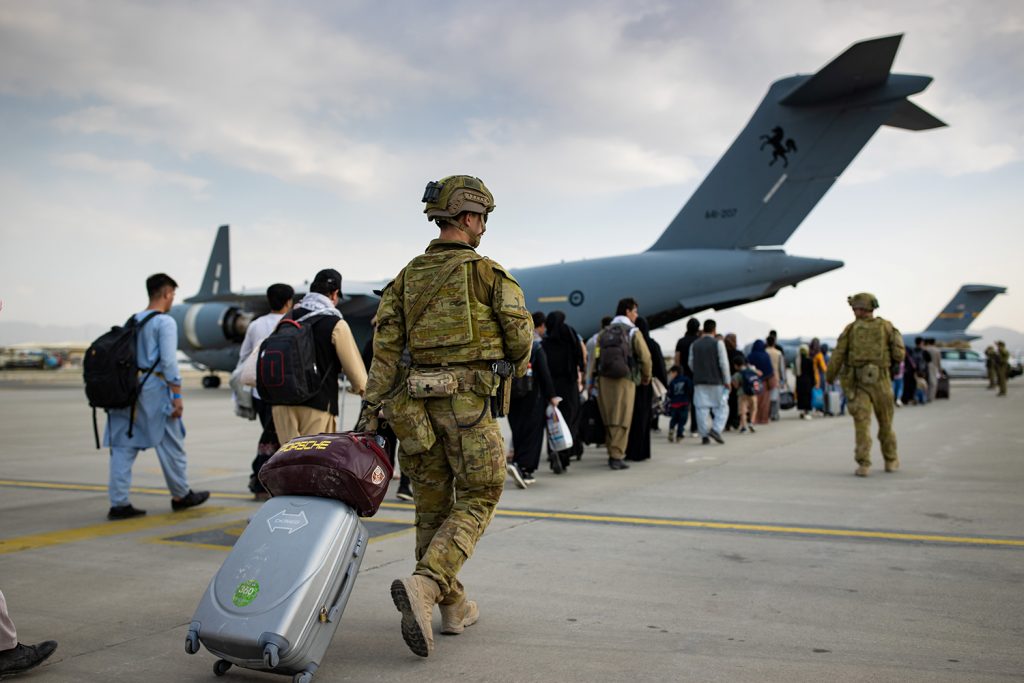
ONE, the withdrawal of US and NATO forces from Afghanistan and the complete takeover of the country by the Taliban. This resulted in chaos and overall disruption of the semblance of peace the country earlier possessed. With the Taliban claiming the residents of the country are happy with their takeover and the disrupted president on the run, the future of the country appears in shambles.

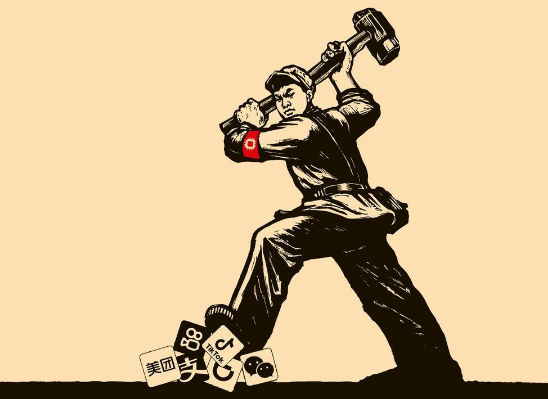
TWO, significant domestic political changes in the People’s Republic Of China. This includes the ideological and regulatory assault against its dynamic private high-tech companies and now recently, its real estate companies. As a result, it has a heightened risk perception among international business and industries which had seen China as a huge commercial opportunity until now. While the economical affairs of the country are entirely their own to manage and govern, there will be a lasting impact on the general job opportunities.

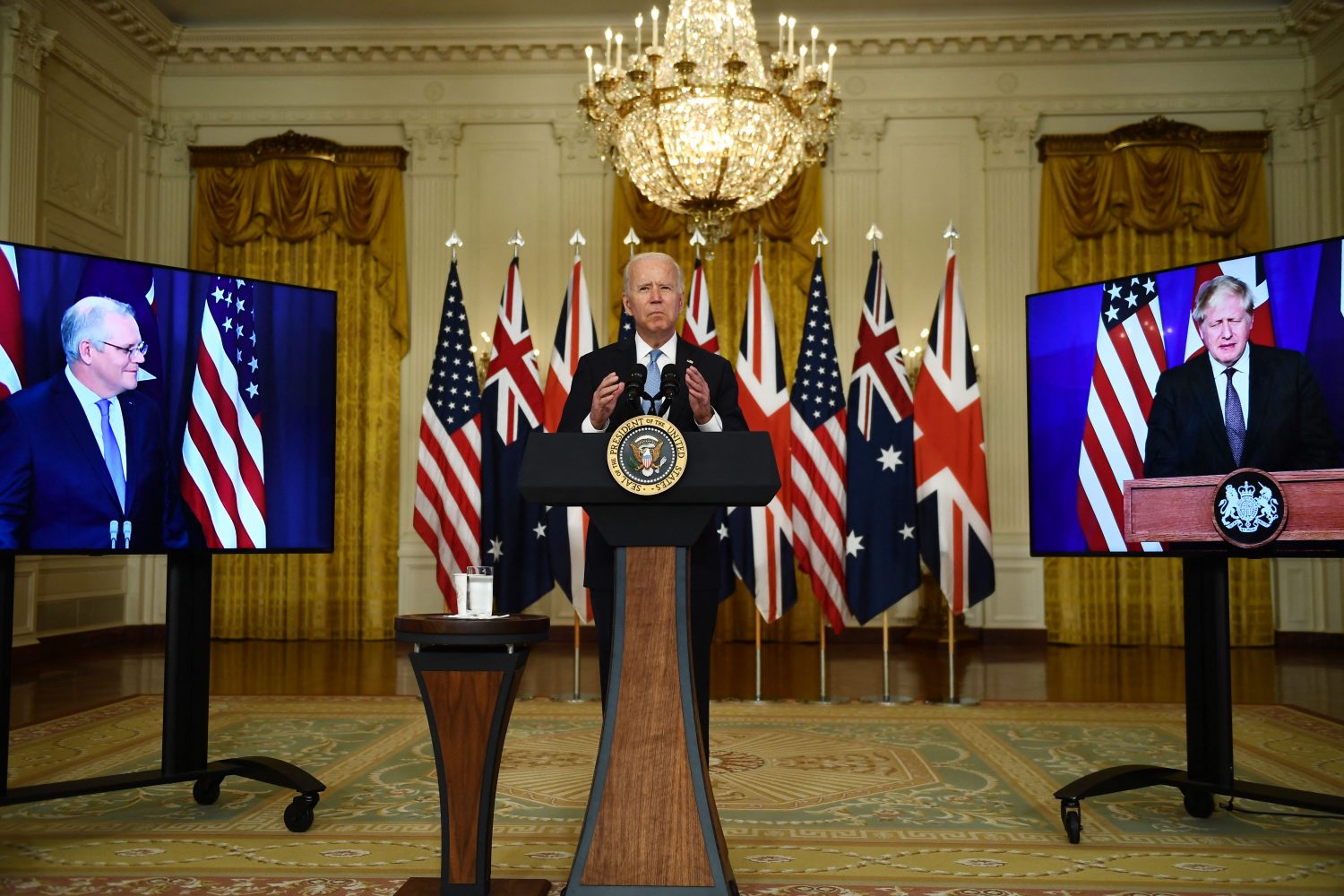
THREE, the announcement of the Australia-UK and US (AUKUS) alliance which represents a major departure in US strategy by its commitment to enable Australia to join a handful of countries with nuclear submarines. The alliance clearly portraits Australia’s strategic choice to firmly support USA despite its considerable economic and commercial equation in China.

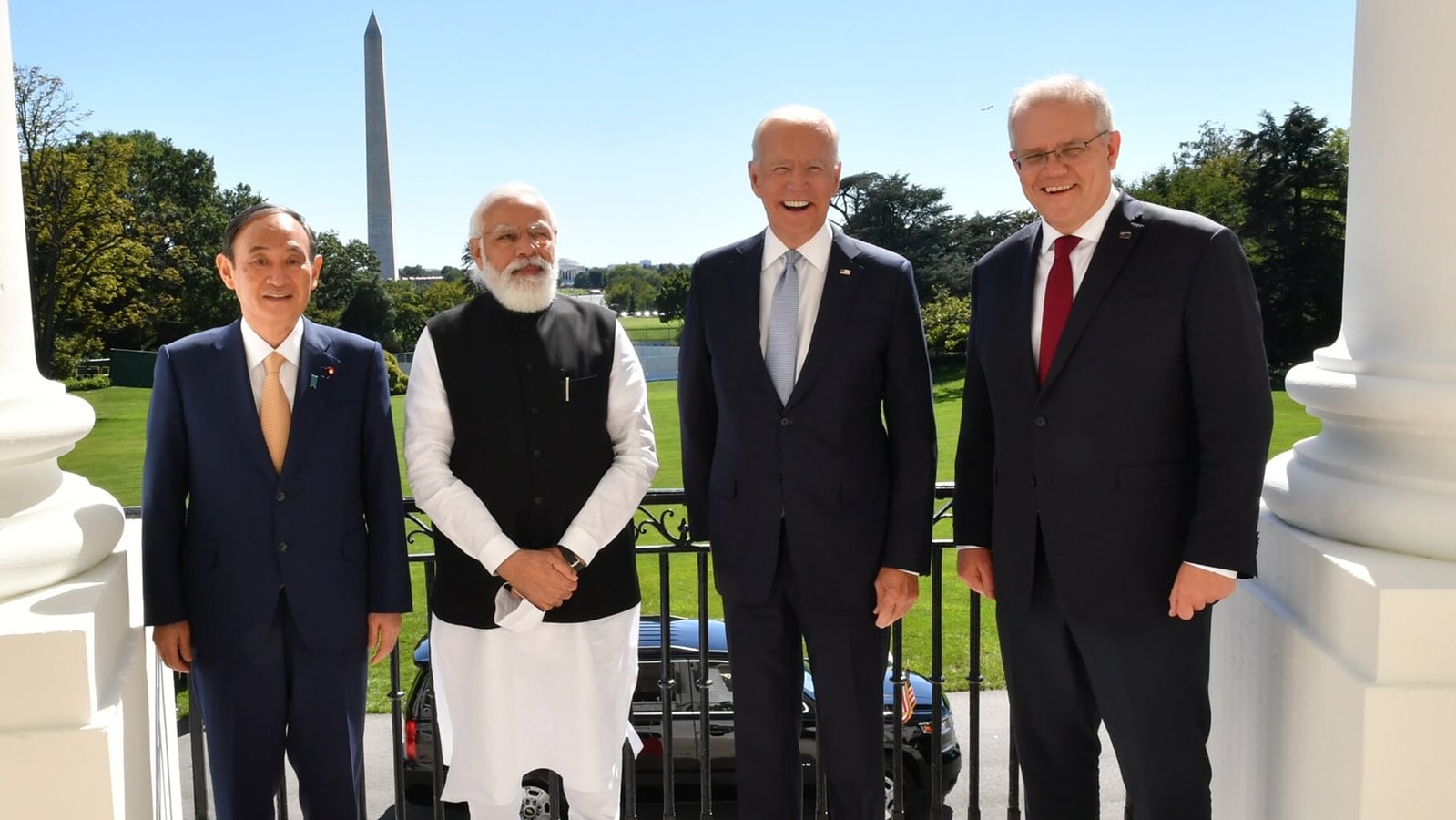
FOUR, the convening of the four nation Quad physical summit (India, Australia, Japan and the US) IN Washington. This reflected a major step towards its formalization as an influential grouping in the Indo-Pacific going beyond boundaries and into a personal level of safeguarding.

These four developments together present India with both risks and opportunities. While the latter outweighs the risks henceforth. It would indeed be fitting to say a future of uncertainties awaits the entire world. Are these measurements a preparation of the unseen future or simply precautions is something only time will reveal.

Written by : Ananya Kaushal

ROLE OF QUAD IN SOUTH CHINA SEA

BY DAKSHITA NAITHANI

The Quadrilateral Dialogue was established in 2007 when four countries—the United States, India, Japan, and Australia—joined forces. However, it did not take off at first due to a variety of factors, and it was resurrected in 2017 after almost a decade due to factors such as growing country convergence, the expanding importance of the Indo-Pacific area, and rising threat sentiments toward China, amongst many others.

The origins of QUAD may be traced back to the Malabar Exercise. Malabar began as a modest Passage Exercise named PASSEX between the Indian and US Navies in 1992, but was halted after India’s nuclear testing in Pokhran in 1998. It was later restarted in 2002. Since its inception in 2002, QUAD has become an annual event. With the addition of Japan in 2015, it has become a trilateral practice.

The Quad’s goal remains intact: to promote the economic and security objectives of those nations with genuine and essential interests, to devise a new approach for keeping the Indo-key Pacific’s maritime lanes free of foreign influence. It has become necessary in view of the increased need for information exchange in the maritime sector. With the growing presence of the Chinese Navy in the Indian Ocean, awareness is a key subject for the Navy. After 2008, China increased its presence in the Region under the pretext of anti-piracy operations, even deploying submarines for the objective. In 2017, China formally established its first overseas facility near Djibouti, in the Horn of Africa.

What are the underlying challenges?

The environment in which QUAD has been resurrected, as well as subsequent engagements like as Malabar Exercise 2020, are regarded as governed by a counter-China narrative. There are several features that may not constitute sites of convergence, despite how they appear.

China’s influence: China has significant economic links with Quad partners, particularly Australia, which is what it may use to compel or sway nations to its side. This might prove to be an issue for India.

Maritime orientation: Quad is a marine rather than a land-based organisation because of its strong concentration on the Indo-Pacific. This raises some important concerns about the basis of collaboration with Asia-Pacific and Eurasian countries.

Differing perspectives. There are conflicting viewpoints on certain situations, such as the Myanmar crisis as seen through the eyes of the United States and India. India has remained silent in the face of Japan’s expressed worry that China is attempting to alter the status quo in the East and South China Seas.

Advantages in Space- When QUAD representatives join forces in space, they have significant benefits and are able to fight China. This includes (a) lowering the extremely high expenses of building a dock in order to promote the development of interplanetary vehicles (IPVs). (b) One member state has benefits that will compliment each other and will lead to a successful Mars exploration and the construction of support facilities that will be necessary for effective asteroid belt mining. (c) All member countries bring a high degree of convergence in space applications, for example, the United States has the advanced technological base required for advanced avionics, which will form the backbone for both the construction of a space dock and the construction of IPVs; India has a highly educated and inexpensive working population, which will lower the cost of space; and Australia has the natural resources required for exploration.

The Quad met in Tokyo on October 6, 2020, for the second time since the organisation revived in November 2017. It was the second such gathering, following the inaugural virtual meeting in June, and the first high-level Quad meeting since the 2019 foreign ministers’ meeting in New York on the margins of the UN General Assembly meeting. Furthermore, given mounting worries about Beijing’s hostile conduct and growing suspicions about China’s management of the COVID-19 outbreak in Wuhan, the meeting’s timing and circumstances added to its relevance.

China’s ‘incremental encroachment strategy’ in the South China Sea (SCS) is a source of worry not only for the countries currently affected by the loss of influence over the Exclusive Economic Zone (EEZ), but also for the rest of the world, as China may be able to exercise a monopoly over SCS Sea Lines of Communication (SLOC). Affected nations lack the necessary power to stand up to China, and so will be forced to accept a one-sided agreement such as the China-driven “Code of Conduct” (COC).

As a result, Chinese adventurism must be restrained by other major maritime countries in the global interest. The fact that China could establish a military facility in the SCS despite the existence of the US Navy shows that worldwide criticism and more effort are required to prevent the SCS from becoming “China’s lake.”

Quad may not have the fangs it needs right now, but there is no other option than to establish a prospective structure like this involving likeminded maritime countries with shared strategic objectives in the Indo-Pacific. Various perspectives on the Quad’s role, viability, and prospects have been expressed on several occasions. Because Quad is a security conversation platform rather than a military alliance, aspirations from it must be suitably limited for the time being. 

In the Indo-Pacific, each Quad member sees a distinct threat. While three of the Quad’s warships (Australia, the United States, and Japan) operate under the NATO military alliance structure, India is not a member of any military alliance, while being a reliable ally of two of them. Without India, the trilateral conversation between the three NATO partners has been since 2002. Because India is the only Quad member with an unresolved land boundary with China, it will take a different strategy to dealing with China.

The Quad has emphasised the importance of ASEAN in the Indo-Pacific; nevertheless, their membership in it is a contentious topic owing to Chinese influence. In reaction to China’s claim to the nine-dash line in the SCS, there are divisions within the ASEAN grouping. Some of the ASEAN nations that have been harmed had previously raised a faint voice opposing Chinese aggressiveness, expecting international powers to rein in China’s antics.

Quad’s shared goal of putting its vision of a free and open Indo-Pacific on a “rules-based” legal framework to ensure freedom of passage in the global SLOC requires some reflection and strengthening. The United Nations Convention on the Law of the Sea (UNCLOS III) has been ratified by Australia, India, and Japan, but the United States has yet to do so. This ratification will be required in order to maintain a high moral ground when implementing the agreement.

China is relatively certain that the US and any other country would not employ military action against it, given the current world geopolitical situation. Beijing is also beefing up its naval capabilities. Quad aims to upgrade beyond its Malabar workouts in this situation.

In the Indo-Pacific, Quad members must maintain freedom of navigation exercises and military posture as China continues to do so. Chinese expansion must continue to be condemned by the international community. Quad may not be powerful enough to stop Chinese adventurism in its current form, but it has the potential to become one of the most effective instruments if the afflicted nations and the international community band together to address their mutual concerns.

The navies of Australia, India, Japan, and the United States conducted their largest naval drills this month, sending warships, submarines, and aircraft to the Indian Ocean, signalling the four countries’ seriousness in countering China’s military and political influence in the Indo-Pacific region, according to analysts. Officials in Beijing were silent, but Chinese state media denounced the Malabar naval manoeuvres, calling them a threat to regional stability, according to the Global Times newspaper.

Conclusion

The Quad is developing as one of the major multilateral which is committed to increased security collaboration in the post–COVID-19 international order, given the rising pace and scope of the group’s work. Furthermore, having an active Quad dispels the long-held belief that the Indo-Pacific is mainly inert. With the stakes higher than ever, each of the Quad’s four members must play a larger role in balancing the Indo-threats Pacific’s and power moves. Every step made by the Quad will make it more difficult for Beijing to realise its great-power goals. As a result, China will be unnerved by the Quad’s emergence as a united front championing a free and open Indo-Pacific. Furthermore, if China continues to push the security boundaries and put the Quad members to the test, the organisation will morph into the anti-China squad Beijing fears.

China developing lander for moon mission

China’s driven plans with respect to its missions to the Moon are not unused. In January 2019, China had as of now earned the refinement of being the primary nation to arrive a test on the distant side of the Moon, that’s the area of the characteristic adherent that faces absent from the Soil. Presently, after two a long time, it shows up that China is prepared to broaden its skyline when it comes to Moon travel and is taking dynamic steps to empower kept an eye on landing on the Moon. A brief news report distributed by the Xiamen College School of Flight and Astronautics on July 1 has pointed at the nation pointing to create a “human landing framework for lunar missions.

The report (by means of Space News) alludes to the lunar landing extend as a “national strategy” and has too named striking people heading the different united ventures. The initial news report was distributed within the scenery of an scholarly visit by the concerned parties. Several individuals at China Foundation of Space Innovation (CAST) — a wing of the state-owned space and defense temporary worker China Aviation Science and Innovation — are working on a modern dispatch vehicle for people, that’s one of the key and as of now lost compliments in China’s Moon mission plans.

As per the report, the assembly did not uncover what plans were in store for the advancement of the lander, but “current advance and future plans for human moon landings” were talked about. Whereas the nation has had a history of creating and testing dispatch vehicles, considering it a “national strategy” recommends the significance that’s being connected to the project. Earlier this year, in Walk, China had moreover reported that they were working on two variations of super-heavy dispatch vehicles that are appropriate for lunar ventures. Inside the following five a long time, the China Foundation of Dispatch Vehicle Innovation (CALT) said that it would create a modern era group dispatch vehicle as well as a overwhelming dispatch vehicle. China’s 14th Five-Year Arrange for 2021-2025, that was endorsed in Walk, did not highlight a particular kept an eye on lunar landing extend.

Japan to Counter china

Japan is stressed that US plans to pour billions of dollars into chip fabricating to battle off China might wrap up off what’s cleared out of a Japanese semiconductor industry that once overwhelmed the world.

After “three misplaced decades”, concurring to Japan’s industry service, the country’s share of worldwide chip fabricating has fallen from a half to a tenth because it spilled clients to cheaper rivals and fizzled to preserve a lead in cutting edge production.

As China and the Joined together States, driven by a exchange war and security concerns, incline up back for the fabricating of chips that run everything from smartphones to rockets, authorities stress Japan will be pressed out altogether. “We can’t just continue what we have been doing, we have to be do something on a totally distinctive level,” previous Prime Serve Shinzo Abe told individual administering LDP party individuals in May at a to begin with party assembly to examine how the nation can be a driving advanced economy.

Authorities fear that by attracting Asian chip foundry monsters such as Taiwan’s Semiconductor Fabricating Co (TSMC) to its soil, the Joined together States might entice these firms to follow.

“It’s conceivable for companies to construct in Japan and send out, but the closer you’ll be as a provider the superior, it’s simpler to trade data,” said Kazumi Nishikawa, executive of the IT industry at METI. While the move may not come instantly, “it seem happen over the long term,” he said.

The companies Nishikawa stresses almost incorporate wafer producers Shin-Etsu Chemical and Sumco photoresist provider JSR Corp and generation apparatus builders Screen Property and Tokyo Electron. “We are continuously arranged to reply to arrangement changes in each nation,” said a representative for JSR, which makes light delicate photoresist coatings utilized for etching chips in Japan, Belgium and the Joined together States. When inquired by Reuters, none of the companies said they right now arrange to move generation to the Joined together States.

To hold them, Japan needs chip foundries that will purchase their wafers, apparatus, and chemicals, and will moreover guarantee steady supplies of semiconductors for the country’s car companies and electronic gadget makers.

TSMC, which is looking to extend abroad in the midst of concern around the potential powerlessness of its Taiwan operations to terrain China’s regional aspirations, has set up a investigate and improvement middle close Tokyo. It is additionally looking into a arrange to construct a manufacture plant in Japan.

However, its greatest foreign venture by distant could be a $12 billion (roughly Rs. 89,140 crores) plant it is developing in Arizona within the Joined together States. In a offered to keep up within the innovation race, Prime Serve Yoshihide Suga’s government in June endorsed a procedure concocted by Nishikawa’s group at METI to guarantee Japan has sufficient chips to compete in advances that will drive future financial development, counting fake insights, high-speed 5G network, and self driving vehicles. One init