The climate is changing , why aren’t we ?

Our climate is changing around us faster than predicted. From more frequent and extreme storms to unprecedented heatwaves, from landslides to earthquake , we’re feeling the impacts of human-caused global warming. Global warming is the long-term heating of Earth’s climate system observed since the pre-industrial period (between 1850 and 1900) due to human activities, primarily fossil fuel burning, which increases heat-trapping greenhouse gas levels in Earth’s atmosphere. Certain gases in the atmosphere block heat from escaping. Long-lived gases that remain semi-permanently in the atmosphere and do not respond physically or chemically to changes in temperature are described as “forcing” climate change. Gases, such as water vapor, which respond physically or chemically to changes in temperature are seen as “feedbacks.”

SOME OF THE GASSES THAT CONTRIBUTE TO CLIMATE CHANGE ARE :

  • Water vapor. The most abundant greenhouse gas, but importantly, it acts as a feedback to the climate. Water vapor increases as the Earth’s atmosphere warms, but so does the possibility of clouds and precipitation, making these some of the most important feedback mechanisms to the greenhouse effect.
  • Carbon dioxide (CO2). A minor but very important component of the atmosphere, carbon dioxide is released through natural processes such as respiration and volcano eruptions and through human activities such as deforestation, land use changes, and burning fossil fuels. Humans have increased atmospheric CO2 concentration by 48% since the Industrial Revolution began. This is the most important long-lived “forcing” of climate change.
  • Methane. A hydrocarbon gas produced both through natural sources and human activities, including the decomposition of wastes in landfills, agriculture, and especially rice cultivation, as well as ruminant digestion and manure management associated with domestic livestock. On a molecule-for-molecule basis, methane is a far more active greenhouse gas than carbon dioxide, but also one which is much less abundant in the atmosphere.
  • Nitrous oxide. A powerful greenhouse gas produced by soil cultivation practices, especially the use of commercial and organic fertilizers, fossil fuel combustion, nitric acid production, and biomass burning.
  • Chlorofluorocarbons (CFCs). Synthetic compounds entirely of industrial origin used in a number of applications, but now largely regulated in production and release to the atmosphere by international agreement for their ability to contribute to destruction of the ozone layer. They are also greenhouse gases.

The consequences of changing the natural atmospheric greenhouse are difficult to predict, but some effects seem likely:

  • Earth becomes warmer .
  • Stronger green house effect will warm the earth , melt the glaciers , increasing sea levels
  • Outside of a greenhouse, higher atmospheric carbon dioxide (CO2) levels can have both positive and negative effects on crop yields. Some laboratory experiments suggest that elevated CO2 levels can increase plant growth. However, other factors, such as changing temperatures, ozone, and water and nutrient constraints, may more than counteract any potential increase in yield. 
SAVE ENVIRONMENT

The natural environment and conditions in which humans live are referred to as the environment. Regrettably, this environment is under great danger. Human actions are mostly to blame for this issue. These human actions have undoubtedly wreaked havoc on the natural world. Most importantly, the survival of all living creatures on Earth is jeopardized by this destruction. As a result, environmental protection is critical.

The environment is made up of the air we breathe, the soil we live on, the trees that provide us with oxygen, and other flora and animals on the planet. Without such a hospitable atmosphere, survival on the planet would have been impossible. However, we have observed a continuous degradation in the quality of the environment around us as a result of the recent boom in urbanization.

“Save the environment” should be a top priority for everyone today. The term “environment” refers to the complete environment, which includes water, air, sunlight, plants, animals, and other elements that provide favourable conditions for development and growth.

Ways of Saving Environment:

First and foremost, tremendous emphasis should be paid to tree planting. A tree is, above all, a source of oxygen. Unfortunately, numerous trees have been felled as a result of building. This will undoubtedly reduce the amount of oxygen in the atmosphere. The more trees that are planted, the more oxygen is produced. As a result, planting more trees will improve the quality of life.

People must also pay attention to forest conservation. Forests are extremely important to the environment. Deforestation, on the other hand, diminishes the size of forests all over the world. Forest conservation efforts must be launched by the government. Forest destruction must be made a criminal act by the government.

Another key aspect of environmental protection is soil conservation. Landslides, floods, and soil erosion must all be controlled to accomplish this. Afforestation and tree planting should also be included in the soil conservation plan. Other options include terrace farming and the use of natural fertilizers.

Environmental protection through Waste Management is a significant tool. Waste disposal must be done properly. Above all, this would aid in maintaining the health of the environment. The government must ensure that the streets and other polluting land areas are cleaned regularly. In addition, every home should have a toilet. The government must also supply sufficient public restrooms.

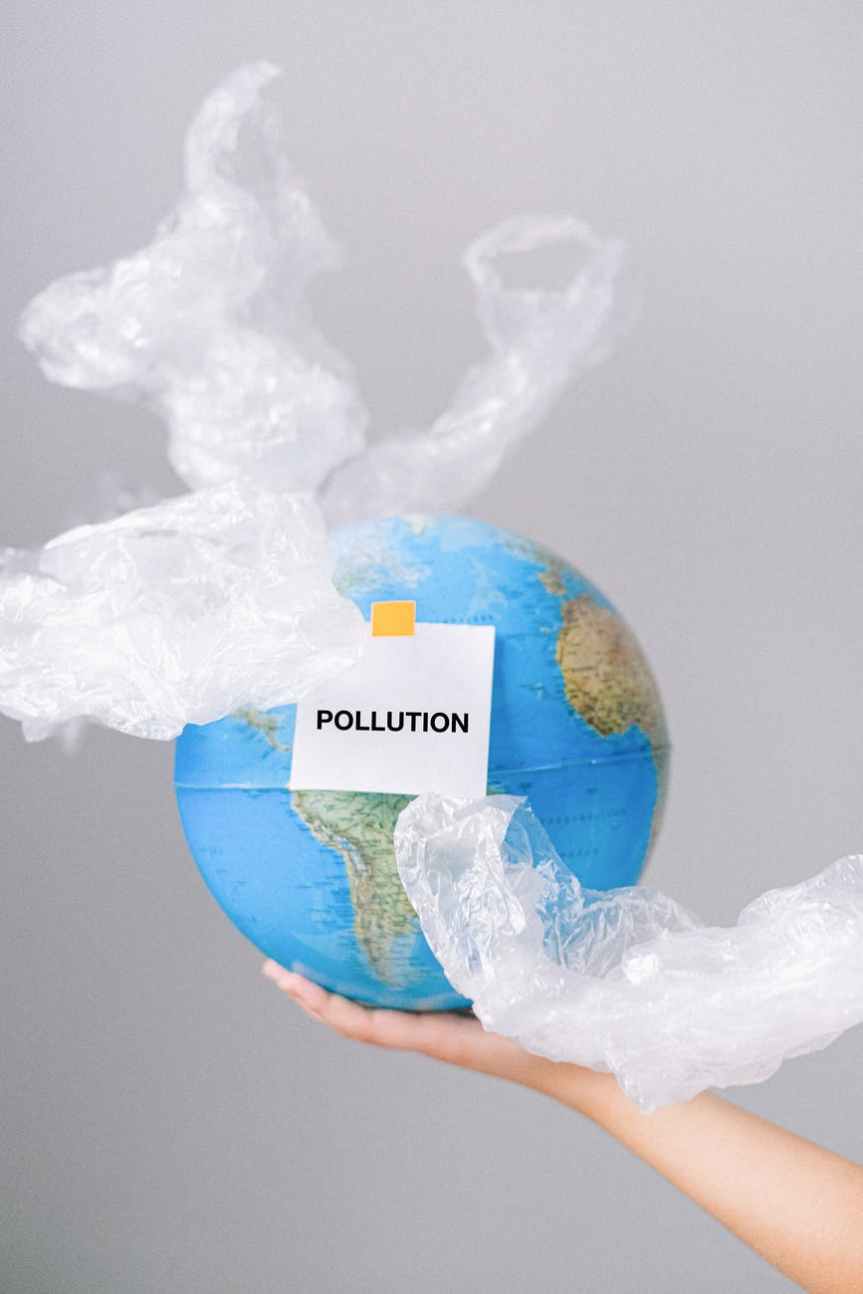
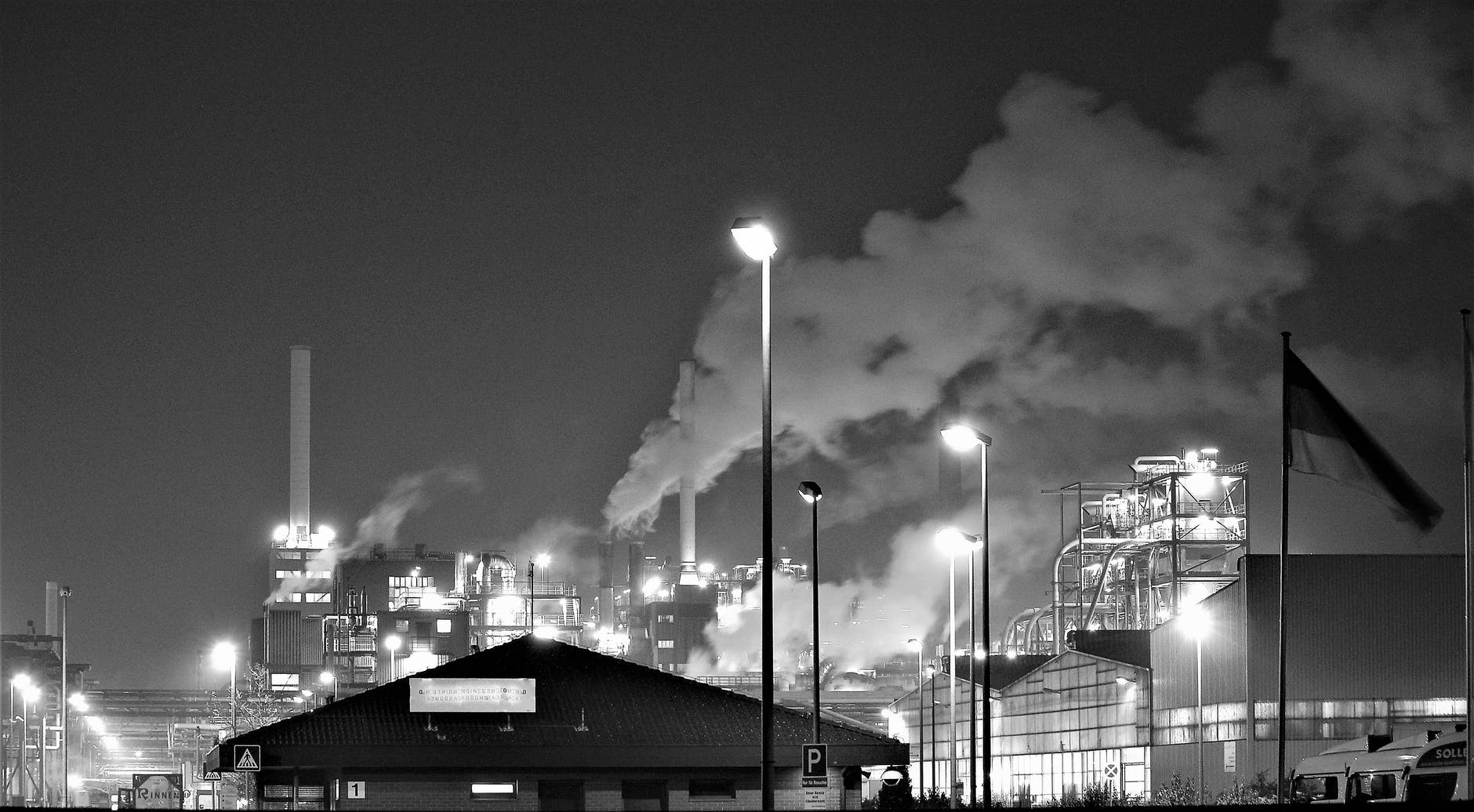
The greatest threat to the environment is most likely pollution. Air pollution is caused by smoke, dust, and hazardous substances. Industry and cars are the primary sources of air pollution. Chemicals and pesticides also pollute the environment and the water supply.

The Advantages of Environmental Conservation:

To begin with, the global climate will stay normal. Global warming has been caused by environmental damage and pollution. Many people and animals have died as a result of this. As a result, preserving the environment will help to prevent global warming. People’s health would improve. Many people’s health is deteriorating as a result of pollution and deforestation. People’s health would undoubtedly benefit from environmental conservation. Most importantly, preserving the environment will minimize the prevalence of numerous diseases.

Animals would undoubtedly be protected if the environment was preserved. Many species will not go extinct as a result of environmental preservation. Many endangered species would likewise see a rise in their numbers. The level of the water would rise. Groundwater levels have been substantially lowered as a result of environmental damage. Furthermore, pure drinking water is in short supply throughout the world. Many people became ill and died as a result of this. Saving the environment would undoubtedly prevent such issues.

GLOBAL WARMING

“Global warming is a term that refers to a steady rise in the average temperature of the Earth’s atmosphere and oceans, a phenomenon that is thought to be irreversibly altering the Earth’s climate.”
The increase in the average global temperature of the Earth is used to measure global warming. Some sections of the Earth may become colder as our average global temperature rises, while others may become warmer—hence the concept of average global temperature. Atmospheric heating and agitation induced by greenhouse gases increase the unpredictability of weather and climate, as well as the severity, scale, and frequency of storms, droughts, wildfires, and severe temperatures. The gases in the atmosphere that absorb and release heat radiation include water vapour, carbon dioxide, methane, nitrous oxide, and ozone. Increasing or lowering the amount of greenhouse gases in the atmosphere causes the sun’s heat to be trapped or released more.

Causes of global warming:

Fossil fuel combustion: CO2 pollution is released into the atmosphere when fossil fuels such as coal and gas are burned to generate energy or power our cars. Burning coal, oil, and gas produces carbon dioxide, the most major greenhouse gas in the atmosphere, as well as nitrous oxide, which is certainly the initial source of global warming.

Deforestation: Forest exploitation is a significant contributor to global warming. By absorbing CO2 from the atmosphere, trees aid in climate regulation. When trees are cut down, the carbon contained in them is released into the atmosphere, negating the positive effect. Forests and wilderness serve as carbon sinks, helping to keep global warming below 1.5 degrees Celsius. Humans, on the other hand, clear enormous swaths of land for farming, urban and infrastructural development, and the sale of tree products like lumber and palm oil all over the world. When vegetation is cut down or burned, the stored carbon is released as CO2, contributing to global warming.

Farming & Agriculture: Methane is a greenhouse gas produced by livestock, such as sheep and cattle. The amount of methane created by livestock grazing on a vast scale, such as in Australia, contributes significantly to global warming. Intensive farming, which includes not just ever-increasing livestock but also plant protection products and fertilizers, is another contributor to global warming. When cattle and sheep digest their food, they produce enormous volumes of methane, whereas fertilizers emit nitrous oxide.

Mining: The mining and metallurgical industries are vital to modern living. Metals and minerals are the raw materials that are used to create, transport, and manufacture items. This market accounts for 5% of all greenhouse gas emissions from extraction to distribution. Decarbonization initiatives across industries may result in significant shifts in commodity demand for the mining industry. Governments, investors, and society will put pressure on the mining sector, which is responsible for 4 to 7% of global greenhouse gas (GHG) emissions, to reduce emissions.

Eruption of a Volcano: When volcanoes erupt, they release large amounts of carbon dioxide. Volcanoes have a minor impact on global warming, and eruptions result in short-term global cooling because ash in the air reflects more solar energy. Volcanic eruptions release gases and dust particles into the atmosphere, which have an impact on the climate. The majority of the particles ejected by volcanoes cool the earth by shielding it from the sun’s rays. Depending on the features of the eruption, the cooling impact can continue anywhere from months to years.

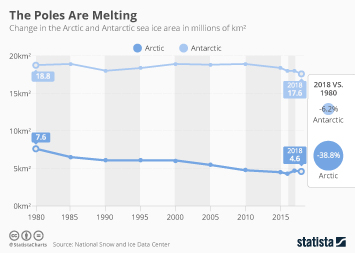
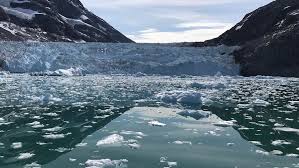
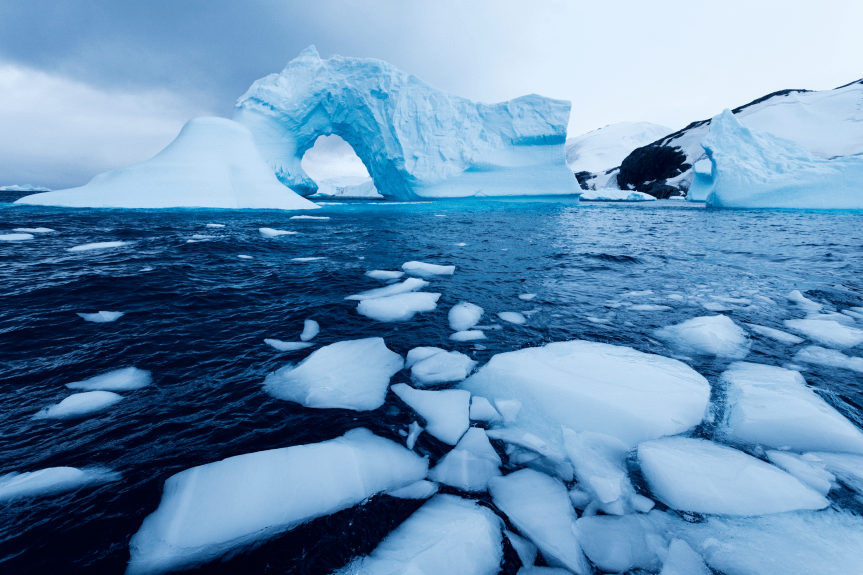
Melting of Ice Pole

It’s not exactly news that Greenland and Antarctica are shedding ice at record rates.

But in 2016, an eyebrow-raising idea ricocheted through the scientific community: It was possible, the authors said, that a warmer planet could push the towering ice cliffs at the fringes of the Antarctic ice sheet to essentially self-destruct, collapsing like a set of dominoes.

What was extra shocking was just how fast the ice could retreat under this runaway scenario, leading to about three feet of sea level rise fed from Antarctica alone by 2100—much faster than previous estimates, which generally proposed increases of only a few centimeters by the end of the century.

But two new pieces of research, published Wednesday in Nature, suggest a more measured retreat is likely in the coming decades. Both studies revise the estimates of just how much sea levels will rise by 2100 downward, suggesting that Antarctica could contribute somewhere between about three to 16 inches to the world’s oceans under the “worst case” scenarios.

Adding that to the other components that make up sea level rise—how the ocean expands as it warms (which will likely add about 10 inches), the melt from mountain glaciers (about six inches), and changes to the amount of water stored in lakes and rivers on land (one and a half inches), and the total is still a daunting number somewhere between just under two- to over three- foot range.

That is in no way a get-out-of-jail-free card, say the authors of both studies. It’s still an enormous amount of extra water that could slosh up onto coasts, enough to debilitate cities from Boston to Shanghai. But the most drastic impacts of sea-level rise, they say, are likely to kick in only after the turn of the century, giving communities around the world more time to adapt.

What’s more, changes to the ice sheets in both Greenland and Antarctica could also trigger planet-wide shifts in temperature, ocean circulation, and many other parts of the climate system, says says Nick Golledge, a climate scientist at the Antarctic Research Center of the University of Victoria, Wellington, and the lead author of one of the studies.

“The sea-level estimates maybe aren’t as bad as we thought, but the climate predictions are worse,” says Golledge.

What happens in the Antarctic…

In a separate analysis, the team led by Golledge found that their ice sheet model could match the modern and Last Interglacial records well—also without MICI. Warm water soaking the base of the ice sheets, they found, was enough to force key parts of the ice sheet to melt away.

They used that model to predict how the Greenland and Antarctic ice sheets will speed up their melting in the coming decades. If the world continues to burn greenhouse gases unabated, following the worst-case scenario, the authors predict that the two ice sheets will add about 10 inches to the world’s oceans by 2100.

That number is similar to what the IPCC projected for the “worst case scenario” in their last comprehensive report in 2013, predicting about nine inches of sea level rise from Greenland and Antarctica. It is smaller than the number predicted by the 2016 study, which said that Antarctica alone might feed more than three feet of sea level rise into the oceans by 2100.

The sea level rise estimates may be lower, but the overall picture of how melting ice sheets will affect climate is grim.

Golledge and his colleagues also attached their ice sheet model to a global climate model, in order to see how the impacts of ice melting at the poles would influence climate and oceans in farflung parts of the world (in the past, ice sheet models have traditionally been run separately, primarily because computers haven’t been powerful enough to link them together).

Changes in the ice sheets, they found, could influence global climate profoundly—slowing down major ocean circulation pathways, skewing air temperatures around the world, and somewhat surprisingly, making climate more variable from year to year.

“What happens in the Antarctic does not stay in the Antarctic, and that’s what they show very clearly,” says Pattyn.

The impacts are already leaking out of the poles. “We’re living in a time when, even in the last few years, we have seen extreme weather events become even more and more common,” says Golledge. “Dealing with steady warming is easier, in many ways. But if things are just unpredictable and extremely variable from year to year—well, that’s a much harder problem for society to solve.”

Madagascar Droughts: Climate Change

Madagascar is the fourth biggest island in the world, situated in the Indian Ocean. The island country is deemed as ‘Megadiverse’ by Conservation International with more than 250,000 species of plants and animals most of which do not exist anywhere else. Almost 90% of the species found on the island are endemic. The island of 28 million people is one of the poorest countries in the world and has been ravaged by many natural and human-induced hazards.

So we can confidently say that the country is extremely rich and unique biodiversity. On the eastern coast of Madagascar the Rainforests of Atsinanana comprising of six national parks with an endemic rate of species touching almost 80%. This area has also been added to the World Heritage List since 2007. The area is considered important to both ecological and biological processes and it also supports the rare species of Lemurs and many other primates.

Deforestation has been a major issue in Madagascar and this has also threatened the Lemurs and them and many endemic species of the island heavily rely on these forests. Madagascar witnessed rapid deforestation for long a time and this only accelerated by the end of the 19th century due to French Colonization. The forested areas were gradually converted into coffee fields and the country lost its original forest cover by almost 80%. As of today, the primary forest cover stands a little over 10 percent.

Deforestation has not only affected the ecology of the country but has also affected the soil quality and increased soil degradation. Subsistence agriculture is quite common among the inhabitants of the islands. Slash and burn is another method that has affected the forest cover of the island as these methods are not beneficial after a certain population cluster. Another big reason for the rapid deforestation is illegal logging and this benefits private entities and large corporations. The country has also seen a rapid growth in its population which currently is estimated at 26 million, up from 2.2 million in 1900. This has increased the requirement for more land for cultivation.

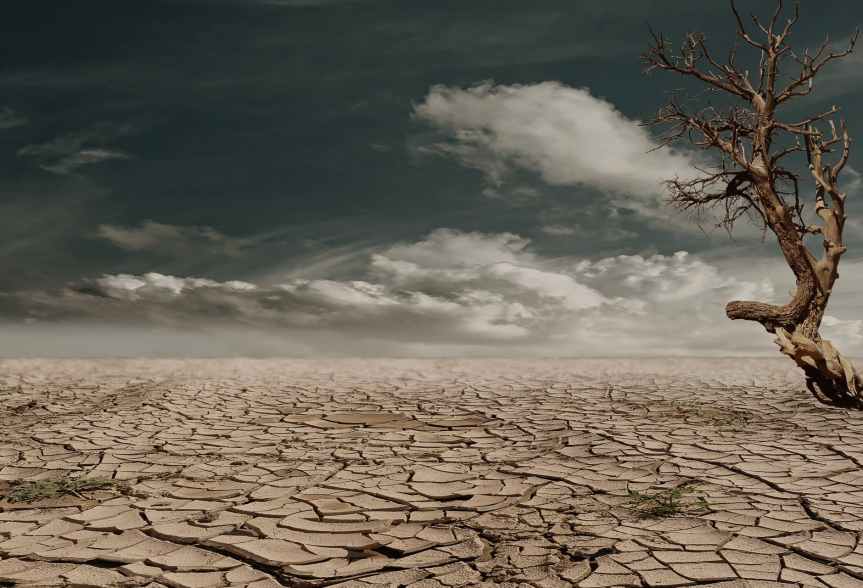
Currently, Madagascar is going through a very severe drought and deforestation can partly be a reason for this phenomenon. But there are other issues of cause too. Due to climate change, Madagascar has also suffered the consequence of the increased frequency of extreme weather events. It’s the worst drought in 40 years and has taken grip of the Southern part of the island. Due to low rainfall various streams, rivers and small dams built for irrigation dried up last year. The majority of the people in the south of the country rely on rain-fed, small-scale agriculture to survive.  With no rainfall and non-existent agriculture output, there has been an emergency in the country with severe food scarcity. Many people in the region have resorted to eating insects, wild roots.

According to experts’ deforestation, drier soils and higher temperatures due to climate change are the likely cause of droughts.

Climate experts

The island is already suffering from the covid-19 virus combined with the pressure of droughts and famines have caused strain to the poor country. Food and other aids are being provided to the affected areas of the country but supply is still not aligning with the current demand. A long-term solution will be required to tackle this situation as this problem is only going to get more serious in the future.

References: