Racialism

N kavya

A belief that races are the fundamental determinant of human traits and capacities and that racial differences produce an inherent superiority of a particular race. Ladino elites used racism to justify the displacement and enslavement of the indigenous population, and these beliefs, along with resentment created by the continued exploitation of indigenous land and labour, culminated in the Guatemalan Civil war (1960-1996). Racism is also called racialism.

(Racism)

After, Germany’s defeat in World War I, that country’s deeply ingrained anti-Semitism was successfully exploited by the Nazi Party, which seized power in 1933 and implemented policies of systematic discrimination, persecution, and eventual mass murder of Jews in Germany and the territories occupied by the country during World War II. In North America and apartheid-era South Africa, racism dictated that different races (chiefly blacks and whites) should be segregated from one another; that they should have their distinct communities and develop their institutions such as churches, schools, and hospitals; and that it was unnatural for members of different races to marry. Historically, those who openly professed or practiced racism held that members of low-status races should be limited to low-status jobs and members of the dominant race should have exclusive access to political power, economic resources, high-status jobs, and unrestricted civil rights. The lived experience of racism for members of low-status races includes acts of physical violence, daily insults, and frequent acts and verbal expressions of contempt and disrespect, all of which have profound effects on self-esteem and social relationships. Racism was at the heart of North American slavery and the colonization and empire-building activities of western Europeans, especially in the 18th century. In the 19th century, racism matured and spread around the world. In many countries, leaders began to think of the ethnic components of their societies, usually religious or language groups, in racial terms and to designate ‘higher and ‘lower races. The expressions and feelings of racial superiority that accompanied colonialism generated resentment and hostility from those who were colonized and exploited, feelings that continued even after independence. In the mid-20th century, many conflicts around the world have been interpreted in racial terms even though their origins were in the ethnic hostilities that have long characterized many human societies. By this time, many societies had begun to combat racism by raising awareness of racist beliefs, and practices by promoting human understanding in public policies, as does the Universal Declaration of Human Rights, set forth by the United Nations in 1948. Despite constitutional and legal measures aimed at protecting the rights of racial minorities in the United States, the private beliefs and practices of many Americans remained racist, and some groups assumed lower status was often made a scapegoat. That tendency has persisted well into the 21st century.

(Racism)

Racism reflects an acceptance of the deepest forms and degrees of divisiveness and implies that differences between groups are so high that they cannot be transcended. Racism evokes hatred and distrust and preludes any attempt to understand its victims. Many societies have concluded racism is wrong, and social trends have moved away from racism. For many people, “race” is linked to physical differences among people, and such features as dark skin colour have been seen as markers of low status, some experts believe that racism may be difficult to eradicate. Indeed, minds cannot be changed by laws, but beliefs about human differences can and do change, as do all cultural elements.

Electronic Media Change the Tradition of Communication

 Electronic Media Change the Tradition of Communication

Electronic media is a boon to mankind. It helps to get the information more appropriately. Earlier, print media was very popular and used to deliver information about the current happening the next day. You can read about the event but can’t see the actual happening but electronic media provide all kinds of information in real-time. You can get the visual of the event. After the emergence of electronic media, most people shift from print media. Electronic media make the communication process easy and fast.

Most people today have television sets, radios, and Internet access which are sustainable, eco-friendly, and cost-effective forms of communication. It is the kind of media that requires an electric connection to access it. It includes television, radio, and new-age media, like the Internet, computers, telephones, etc.

Television

Television is the audio-visual medium of communication and it is an important communication device as it holds the attention of the audience. For many people, it is impossible to imagine a life without their television sets, news and soap operas become part of their life. Television has become an advertising hub where advertisers are ready to spend huge amounts for an ad of a few seconds, especially for programs with high viewership.

Radio

Radio has a significant reach. Advertising on the radio with jingles and phrases is a tried and tested means of communication. The radio lost its popularity with the emergence of television. But today, it remains one of the favorite means of electronic communication. It is an interactive means of communication with all dial-in programs which allows the listeners to feature on the radio. Still, in a lot of rural areas, the radio is the only means of communication because most people are illiterate to read the newspaper and can’t afford the television.

New Age Media

With the advent of the Internet, we are now enjoying the benefits of high-technology mass media which are not only faster than the old school mass media, but also have a wider range. Mobile phones, computers, and Internet are referred to as the new-age media. The Internet has opened up several new opportunities for mass communication which include email, websites, podcasts, e-forums, e-books, blogging, Internet TV, and many others, which are booming today. The Internet has also started social networking sites, which have redefined mass communication altogether. Social networking Sites, like Facebook, Twitter, and YouTube have made communication more entertaining, interesting, and easier.

Electronic media becomes the first choice of a lot of people nowadays. They can get the benefit of newspaper and radio on one platform. We can get in touch with our loved ones at any time. It makes communication as easy as no one had expected it in past years. Now we have easy access to everything just one click away.

Business software and it's types.

 Business software and it’s types.

What is business software?

Business software is any software or set of computer programs used by business users to perform various business functions.
Some common types of software used in business are – 
1. Word processing program
2. Accounting software
3. Billing software
4. Payroll software
5. Database software
6. Asset management software
7. Desktop publishing programs
With the help of business software, a person done many useful things which gives benefit to their business. 
Many decisions is taken on the basis of management information system. As business software is very useful for the businessman .
They make their work easy and provide relief to the businessman.

Types of business software

1. Customer Relationship Management –

Customer Relationship Management is used by companies to solicit, review, store, and analyze customer data . It also helps to manage customer interaction, facilitates the sales process , and enable relevant partner relationships.

2. Project Management Software – 

One of the most popular forms of software used by businesses is project management software.
With this software you can define the scope of a project and the milestone associated with it. This then makes it easy for you to get a snapshot view of a projects progress , and how long it will take until the project is completed.

3. Accounting software – 

Accounting software helps businesses manage the financial side of their business.
Accounting software is especially helpful because it allows businesses to do a better job of keeping records. That’s because this software automatically tracks the transactions that take place in a company.

4. Enterprise resource planning – 

Enterprise application software, is computer software used to satisfy the needs of an organisation rather than individual users. Such organisation include businesses, schools, interest – based user groups, clubs , charities, and government.

5. Freshbooks – 

Freshbooks accounting software is comprehensive and is designed primarily for small businesses in the service industry.

6. Quick Books – 

QuickBooks is a comprehensive accounting software suite with all the modules you need to carry out the accounting functions of your small business.

7. Communication software – 

Businesses need communication software to help their employees collaborate with others . This type of business software helps businesses expand their Market reach and get in touch with other businesses in their industry.

8. Human Resource Information System –

Human resources is one of the most essential units of the team . They handle significant roles such as employee management, recruitment, maintaining employee records, training , and payroll system.

Print Media as Oldest Mean Of Communication

 Print Media as Oldest Mean of Communication

We all know that communication is one of the essential part of our life. We can communicate with masses through different mass medium. There are different types of mass media that we are accustomed to in this day and age. Whether it’s a child, young people, or adults, we all have our share of media-related exposure every day.

Mass media refers to communication devices, which can be used to communicate and interact with a large number of audiences in different languages. Whether it is the pictorial messages of the early ages, or the high-technology media that are available today, one thing that we all agree upon is that mass media is an inseparable part of our lives. Entertainment and media always go hand in hand but in addition to entertainment, mass media are an effective medium for communication, dissemination of information, advertising, marketing, and expressing and sharing views, opinions, and ideas. 

Print media is one of the oldest mean of mass communication which helps the public to get in touch with everything happening in their surrounding. Before the arrival of electronic media people used to have habit of reading newspaper daily. It was one of the mandatory thing for people with their morning tea. It encompasses mass communication through printed material. It includes newspapers, magazines, booklets and brochures, house magazines, periodicals or newsletters, direct  mailers, handbills or flyers, billboards, press releases, and books.

Newspapers

Newspapers enjoyed the position of the most preferred medium to reach a wider audience until electronic communication emerged on the media scene. In the early days, newspapers were the only medium that the masses at large depended on, for daily news. A newspaper carries all kinds of communication-related to a variety of topics like politics, socialism, current affairs, entertainment, finance, stocks, etc.

Magazines

Magazines are another type of popular culture print media. They usually cater to a specific type of audience who is looking for information based on a particular subject. Magazines cover a plethora of topics, like current affairs, business, finance, consumers, gadgets, self-help, luxury, lifestyle, beauty, fashion, entertainment, travel, etc.

Booklets and Brochures

Booklets and brochures are a part of the promotional literature of a product or an organization.

Direct Mailers

Direct mailers are small pamphlets, which are devices for direct advertising and marketing. Usually, they arrive at our doorstep through the postal mail. Direct mails are a relatively cheaper option of marketing as bulk advertising is cost-effective through the post. Most of them include colorful advertisements, discount and gift coupons, pre-approved credit card offers, automobile, realtor, and political promotions.

Handbills or Flyers

 Handbills or flyers is a form of communication, which is printed on a small paper. It is easy to carry, colorful and attractive.  These are useful mainly for restaurants, hotels, nightclubs, political campaigns, rallies, political campaigns, etc. 

Billboards

Billboards or hoardings are huge advertisements that are put up at a height in strategic locations to fetch more attention. They usually attract the targeted audience by their bold colors, attention-grabbing headlines, creativity, designs, special effects, etc.

Books

Last but not the least, books are a significant medium of mass communication as they have a large reader base. The expressions and opinions of the writer are taken to the readers in the form of a compiled book.


The printed form of communication was popular earlier. However, with the advent of electronic media, print media has taken a backseat. Although, it is said that the electronic, or new age media have replaced the print media, there exists a majority of audience who prefer the print media for various communication purposes. 

Effective Journaling

Image courtesy: positivepsychology.com

We hear the word journaling very often. Almost every other day this term falls on our ears but we simply pay no heed to it. The reason is we humans have a tendency to think that the most ordinary or simplest things cannot bring us extraordinary greatness. Which is not true ofcourse.

When it comes to journaling, we sometimes underestimate how important it is to include this beneficial habit into our daily routines. Our lives can thrive from journaling in many different ways. From increased productivity overall to self-improvement and improved mental wellness, this habit is proven to be effective.

Writing down your thoughts, feelings, or anything else you want to in order to try to understand them better is what journaling is fundamentally all about. Every time we write down our thoughts in a journal, our mind starts to get more organised, making it simpler for us to prioritise our goals and every aspect of our lives that we want to work on. As a result, journaling helps us stay productive by allowing us to acknowledge what needs to be done after letting us self-assess ourselves in a way.

The ability to learn new things quickly, as well as your capacity for analytical and innovative thought, are more important indicators of productivity in today ’s digital economy than how much work you can get done in an hour. Journaling is therefore valuable spending a few minutes on, just like any practise that enables you to learn more acutely and think more effectively.

Outlining your goals in a journal enables you to think thoroughly about all aspects of it.
Journaling helps you keep motivated during the arduous process of actually achieving your goals by providing a track of the work you’ve made in that direction.
We refer to it as effective journaling for this reason.

Anyone who really wishes to deal with their emotions, possibly to prevent it from driving themselves in the realms of depression or anxiety, might benefit much from this mindful practice.

You can thoroughly examine your feelings, let out chaos, and mentally assimilate your experiences through writing.

Furthermore, it can support you in attaining a significant purpose or work with you to reduce certain sources of stress.
Creating and reflecting on the story of your life, including all of the decisions you have committed and the moments that have shaped who you are today, is something you may do by keeping a diary.

In a word, journaling’s healing effects are “enlightening.

You can’t change it all in your life instantly, and attempting to create healthy habits and break negative ones in a single day is probably not going to work. Legitimate, lasting change occurs when you only take on something that you can manage; frequently, altering one significant habit can have knock-on impacts that enhance your life and move you forward to your commitments in other aspects.

One such discipline is writing; it may help you stay focused, determine your capabilities and limitations, provide an outlet for awareness of self , but also much more. Merely keeping track of your ideas, emotions, and doings can change your life in unanticipated ways.

Source: positivepsychology.Com Courtney E. Ackerman, MA https://positivepsychology.com/benefits-of-journaling/

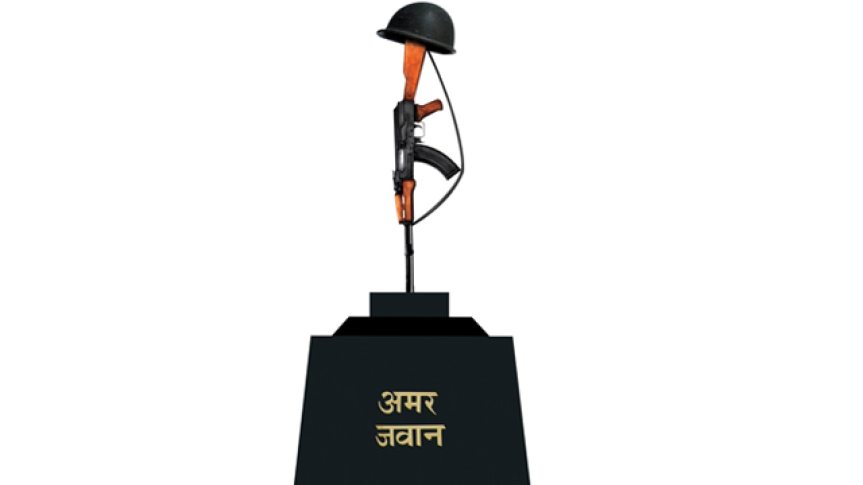
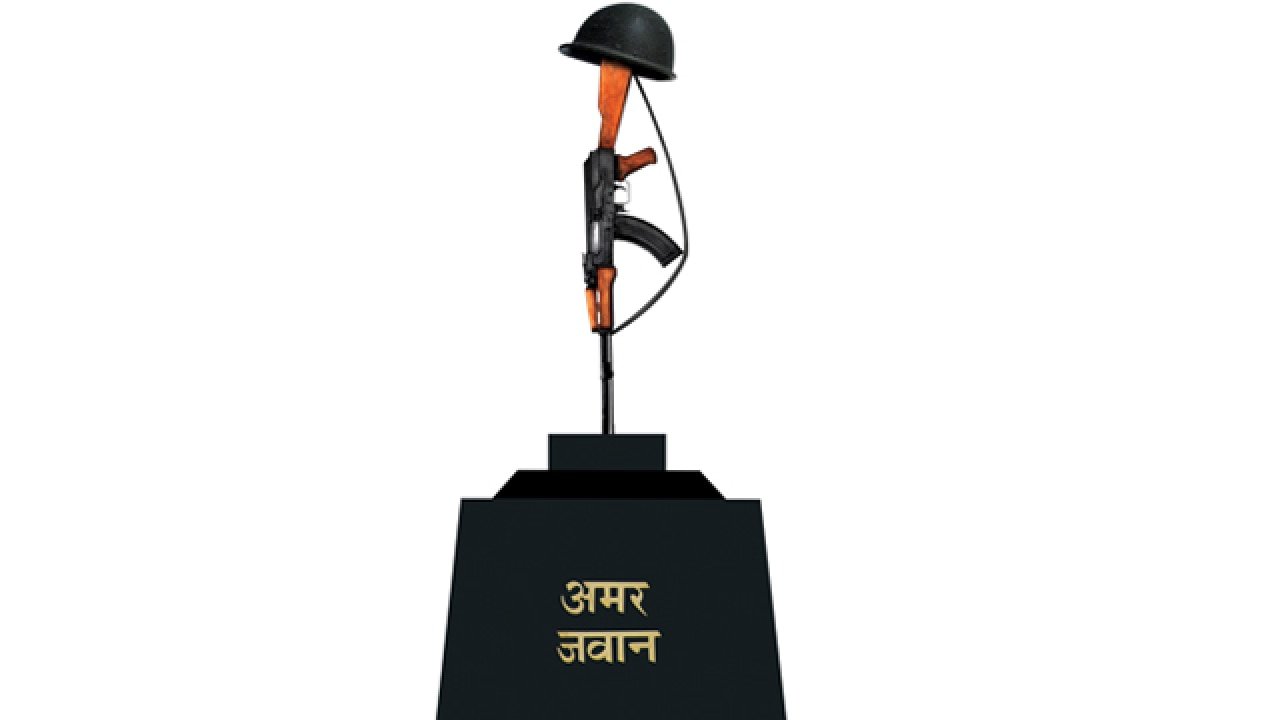
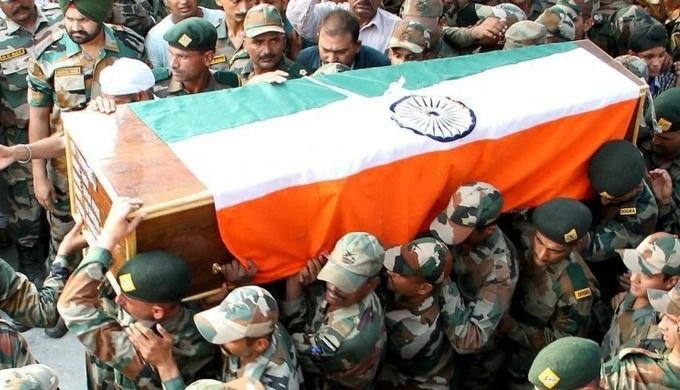
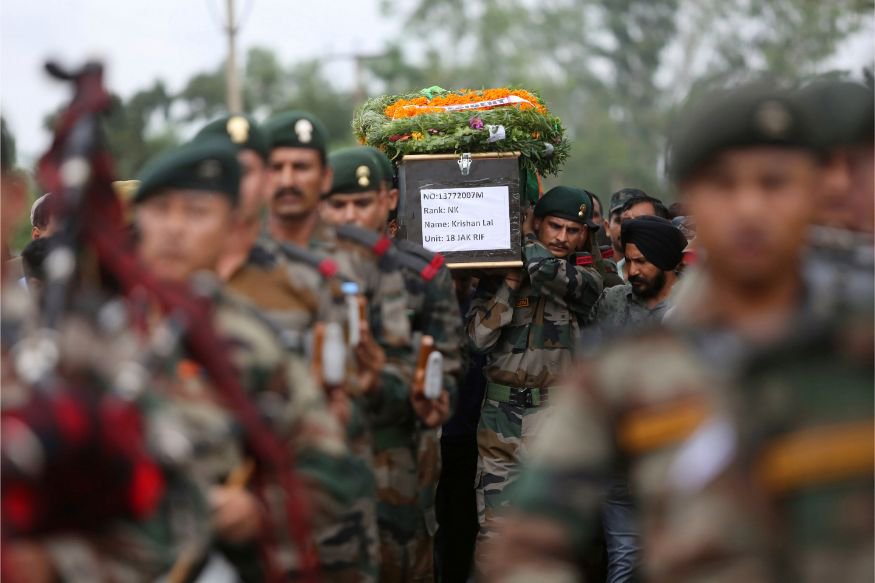
No use of ‘Martyr’ word in Army for death of on duty soldier .

History of the use of the word martyr:
The government has claimed for nearly a decade that the word “martyr” has not been officially recognized. In 2013 and 2014, in response to RTI’s request, the Ministry of Home Affairs revealed that the words “martyr” and “shahid” were not defined anywhere by the Government of India.
In December 2015, then Home Affair Minister Kireen Rijiju said in Lok Sabah that it is advised that the word “martyr” is not refer to any of the victims of the Indian army. He added that such terms were not used by Central Armed Police Forces (CAPF) and Assam Rifles personnel either.
In December 2021, Minister of State Home Nityanand Rai told Rajya Sabha again that there was no formal term like “martyr.”


Objections to the use of martyrs’ words:
The word “martyr” has religious implications and has historically been used to refer to people making sacrifices for their religious beliefs like in Christianity . The word “Shahid”, which is used as a Hindu alternative to the word “Martyr”, also has a religious meaning and is associated with the Islamic concept of Shahadat. The word “martyr” is said to be derived from the Greek word “martur”. In various dictionaries, “martyr” is defined as a person who is willing to die as a punishment for refusing to abandon religion.
Since the Indian army is not affiliated with any religion and does not sacrifice their lives for religious principles, the use of such words for their sacrifice is found wrong,including the supreme leader of the army. Using words like martyr may not be correct in context to armed forces especially in India according to many legal experts and prominent officers of army and retired officers.

Steps Taken By Government To Stop Use Of Martyr Word:
Despite the repeated assertions of the government about the word martyr having no official recognition, it was mostly used in government statements issued by various PR Officers for the defence services and the CAPFs. Many senior serving and retired officers also used it frequently to describe the death of soldiers in action. Thus, the word remained in common use.
The Army in 2022 issued a letter to all its commands asking them to abstain from using the word martyr as it may not be appropriate for soldiers who die in the line of duty. They have been, instead, asked to use phrases such as killed in action, supreme sacrifice for the nation, battle casualty, laid down their lives,veergati etc.

“Either I will come back after hoisting the tricolor, or I will come back wrapped in it, but I will be back for sure. “

-Late Captain Vikram Batra (PVC)

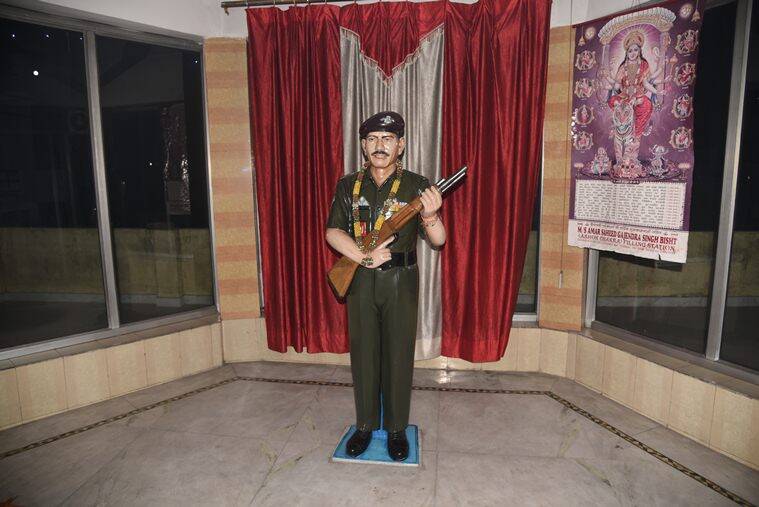
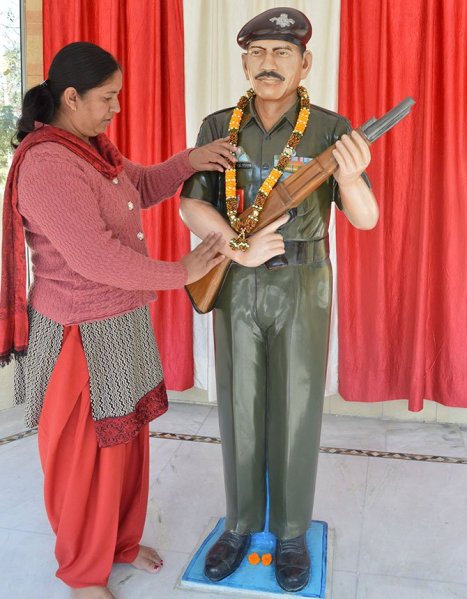
A warrior who can not be forgotten Hav. Gajender Singh Bisht.

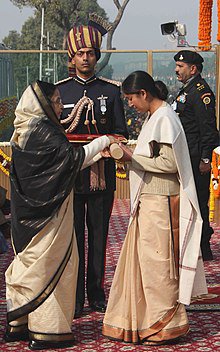
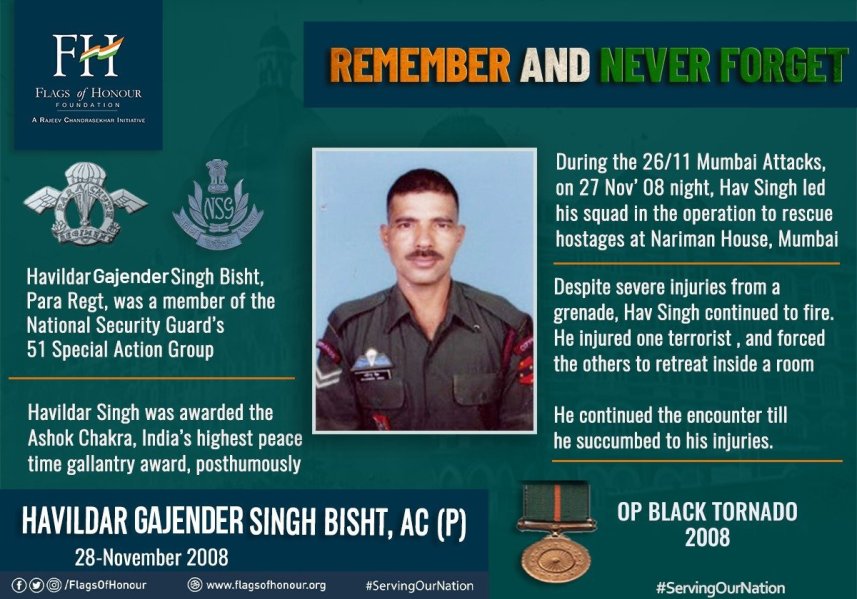
Havaldar Gajender Singh Bisht was an NSG commando who was martyred in the 2008 Mumbai attack. His bravery received the Ashoka Chakra Award from the President of India on January 26, 2009, on the Anniversary of the Republic of India.
He was born on 1 July,1972 in Dehradun, Uttarakhand.

He persued his education from the Janata Inter College in Naya Gaon.As a student he used to participate in every event organised in the school, sports or cultural activities. But he had a particular interest in boxing. Havaldar Gajendra Singh joined Garhwal Rifles in 1991 and later decided to become part of the 10 Para (Special Forces). Havaldar Gajendra also actively participated in Operation Kargil in 1999. Havaldar Gajendra was a trained commander of the Indian Army Special Forces, but he was commissioned to serve the National Security Guard’s Elite Special Action Group.
Gajendra Singh Bisht was a member of the 51st Special Action Group of the National Guard. He was part of a team of NSG Command rushed to the roof of Nariman’s house to neutralize an terrorist inside the building who had at least six hostages.


According to NSG Secretary Jyoti Krishna Dutt, Bisht led one of the teams entering the building. The team was hit by a violent terrorist attack and returned to fire while trying to contain the situation. Terrorists also threw some grenades at Commando. At this point,Bisht had the opportunity to retire with his team. But he realized they needed to seize this opportunity and went forward with thier mission.Instead of turning his back on the militants, he made the way to other troops instead, despite the grenades being thrown. He suffered multiple gunshot wounds in the process, but moved forward and was eventually injured. This allowed his team to secure a dominant position in the encounter. On the night of November 27, 2008, Havildar Gajender Singh Bisht led his army in an operation to rescue hostages from terrorists at the Nariman House in Mumbai. While securing the Nariman House during Operation Black Tornado, Bisht got fatally injured at Jewish center attack and died.

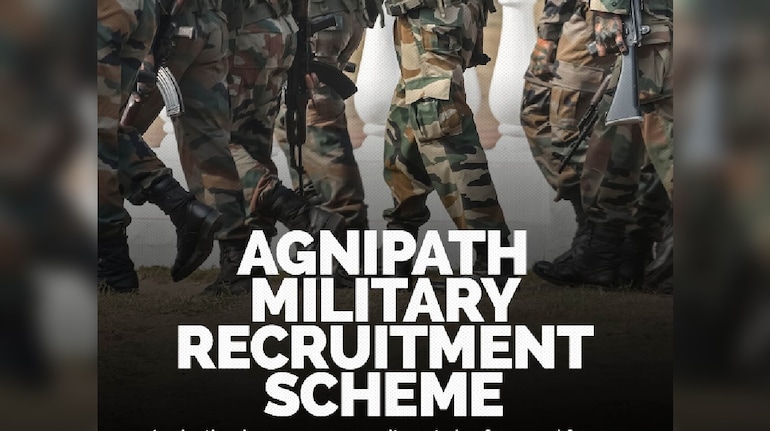
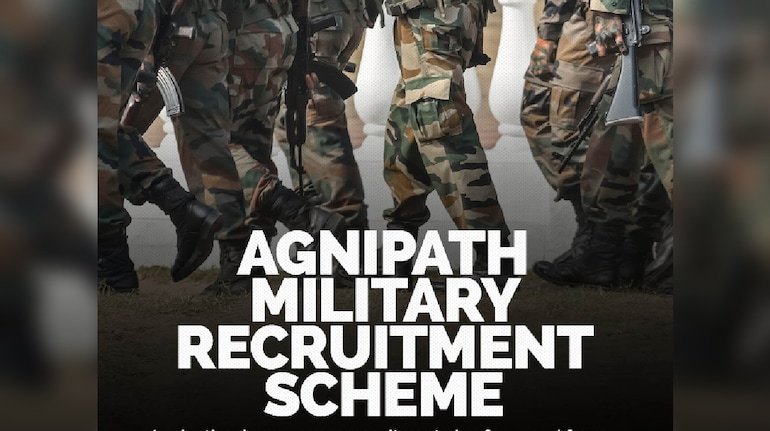
Agnipath Scheme a new vision for future India?


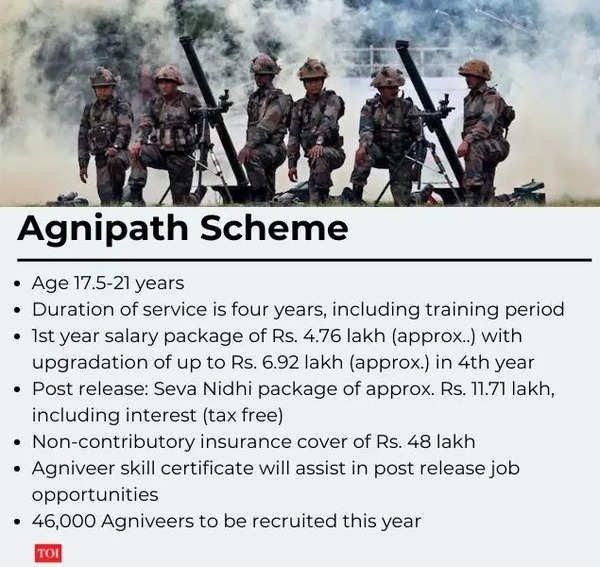
The Agnipath Program is a new program launched by the Government of India on June 14, 2022 to recruit soldiers under Corporal into three armies. The Agnipath program will be the only means of recruiting the military. All new employees will only be hired for 4 years. The personnel hired under this system are called Agniveers, a new military rank. The introduction of this system has been criticized for lack of consultation and open debate. The program is scheduled to start in September 2022. The Agnipath program was approved by the Government of India in June 2022 and will be implemented from September 2022. The announcement was made on June 14, 2022. This program is intended for both male and female applicants between the ages of 17.5 and 21. In widespread protests against the Agnipath program, the central government raised the cap from 21 to 23, but only in 2022. Recruitment under this program is held twice a year by the Indian Army, Indian Navy, and Indian Air Force. The available posts are below the executive list. The Agnipath program is the only way to serve in the army.


New employees, under the Agnipath scheme will be called “Agniveers,”who will have a four-year tenure, including six months of training followed by a 3.5-year deployment. After leaving the service, they have the opportunity to apply to continue in the army. Less than 25 percent of the retired group’s total strength is selected for the permanent roster. Employees who retire after four years of work are not eligible for a pension, but will receive a lump sum of approximately Rs 11,71,000 at the end of their tenure. The Government of India plans to hire 45,000-50,000 new employees each year through this program. In September 2022, 46,000 young people will be hired through this program. Prior to the start of the Agnipath program, soldiers were in the army for more than 15 years of service on a lifetime pension. As of 2019, there was no military recruitment for three years. The Government of India quoted the COVID-19 pandemic in India tye reason for no recruitment. Meanwhile, 50,000 to 60,000 soldiers continued to retire each year, leading to labor shortages and beginning to affect the military’s operational capabilities.


On June 16, 2022, fierce protests took place in several Indian states, where military candidates who were preparing for the armed forces were angry at the new system, demanding its rollback, and damaging public property. By June 17, 12 trains had been fired, affecting the movement of 300 trains. 214 trains were canceled, 11 trains were detoured, and 90 trains ended short of their destination. This scheme does not include long-term holdings, pensions and other benefits that existed in the old scheme. Individuals who wanted to join the army were disappointed with the rules of the new system. Of particular concern were short tenure, no early retirement pension, and an age limit of 17.5-21 years, making many of the current candidates unsuitable for serving in the Indian Army.

On June 20, a national strike called Bharat Bandh was summoned by a protesting organization calling for the withdrawal of the program. The call was made via social media without naming the organization. More than 600 trains were canceled due to a strike. Section 144 was imposed in parts of Rajasthan, Punjab, Uttar Pradesh and Haryana.

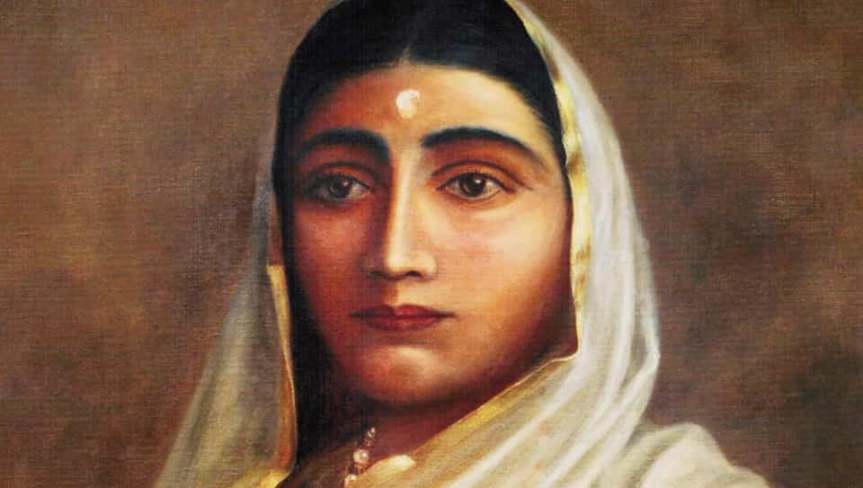
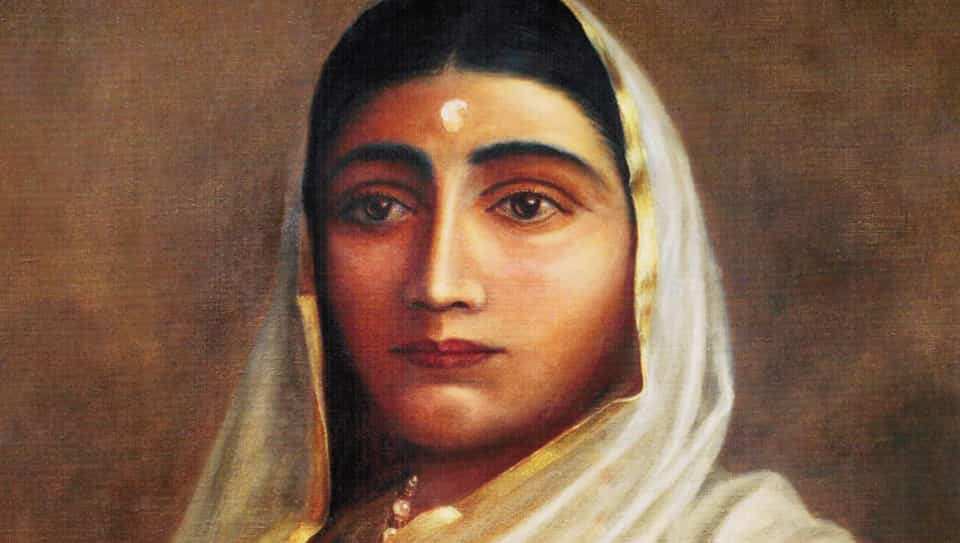
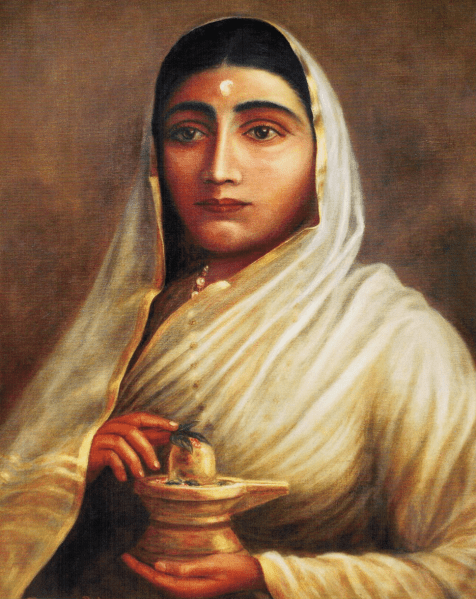
Noble Queen of the Maratha Empire Rani Ahilyabai.

Ahilya Bai was born write to Mankoji Shinde and Sushila Shinde in the village of Chaundi (now Ahmednagar district) in Maharashtra, and was born in the Marathi Hindu family. His father, Mankoji Shinde, a descendant of the magnificent Dhangar family, served as a patil. At that time, the woman were not allowed to attend school , but her father taught her how to read and write.


According to one legend, Ahiliya once stopped by Chaundi on her way to Pune, where Bajirao I, commander of the Maratha army, and Marhar Rao Holker, the ruler of Malwa, saw eight-year-old Ahilya in a temple worship service. Impressed by her devotion and her personality, Marhar, on the advice of Peshwa, married Ahilya and his son Khande Rao. She married Khande Rao in 1733. Ahilya accompanied Khande Rao on many campaigns. Throughout her marriage, she was raised by her mother-in-law, Gautama Bai. Gautama Bai is believed to have played an important role in bringing out the values that she had planted in Ahiliya. She trained them in administration, accounting, politics, etc. and finally delivered their Khasgi Jagir in 1759.

In 1754, Candelao, along with his father Marharla O’Holker, besieged Fort Kumar in Jatrajas Rajimar in Bharatpur at the request of Imadulmark and General Mirbakshi of Mugar Emperor Ahmadsha Bahadur. Suraj Mal supported Emperor Mugar’s rebellious Wajir Safdar Jang. Khande Rao was inspecting his army with an open litter when a shell fired by the Jat army during the battle hit him and died.
After the death of her husband, Ahilya Bye was prevented from playing sati by her father-in-law. After the death of her husband, she received military training by Malhar Rao Holker. After the death of Khande Rao.Ahilya Bai gave up all the desires of life and decided to perform a sati to accompany her husband’s funeral cremation. Her people urged her not to commit sati, but she said her husband promised to accompany her for the rest of her life, and now he walked in the middle of her. Finally, when she decided to play Sati and did not forgive her, it was her father-in-law, Malhar Rao, who made a fervent emotional plea to stop her from doing suicide. .


Marhar Rao Holker died in 1766, twelve years after his son Khande Rao died. Male Rao,the grandson of Marhar Rao and the only son of Khande Rao became the ruler of Indole under the rule of Ahilya Bai in 1766, but he also died within a few months in April 1767.

Ahiliya Bai died on August 13, 1795, at the age of 70. The reign of the modern woman Ahiliya Bai is remembered as a golden age in the history of the Maratha Empire. Ahiliya Bai was taken over by her nephew Tucozy Rao Holker, her commander-in-chief. He immediately abandoned the throne in 1797 in support of his son Kashi Rao Holker.

Ahiliya Bai was a great pioneer and builder of Hindu temples and built hundreds of temples and Dharmashala throughout India. Especially well known for the refurbishment and re-dedication of some of the most sacred sites of Hindu pilgrimages that were desecrated and destroyed by Emperor Aurangzeb in the last century.

Integration of Indian States of Independent India.

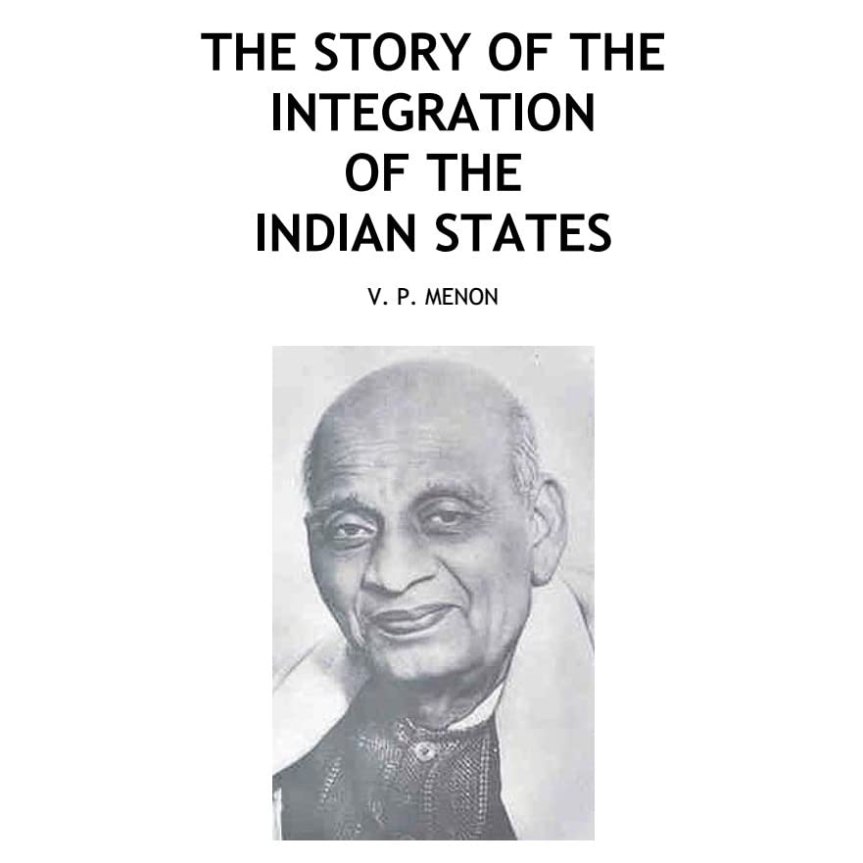
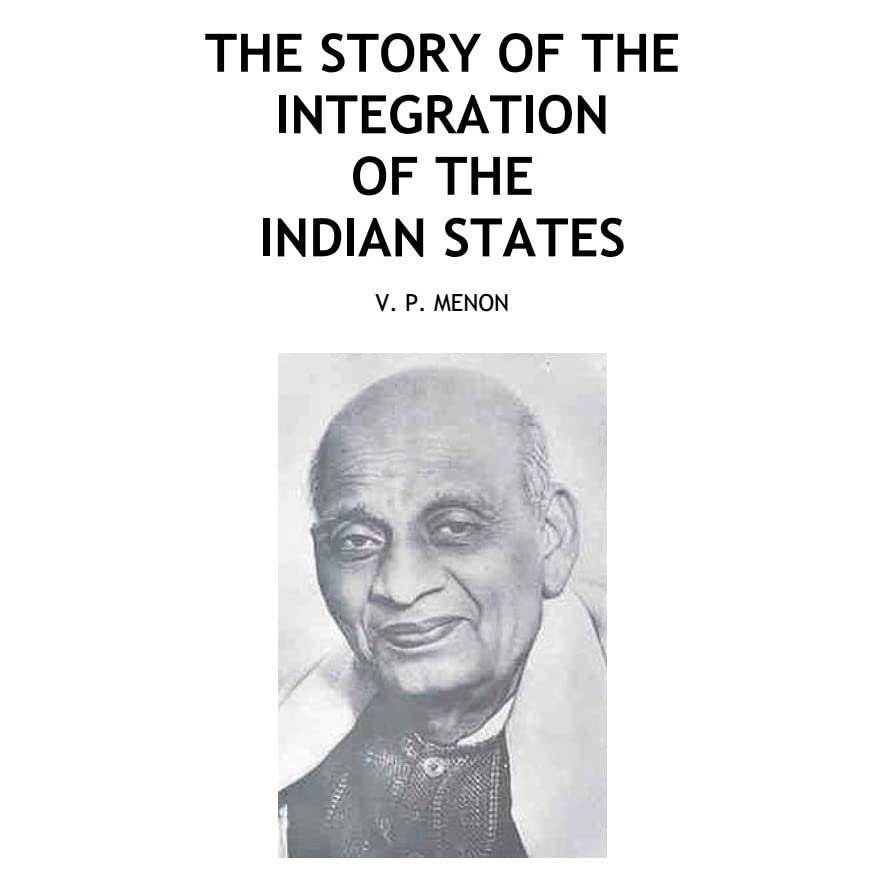
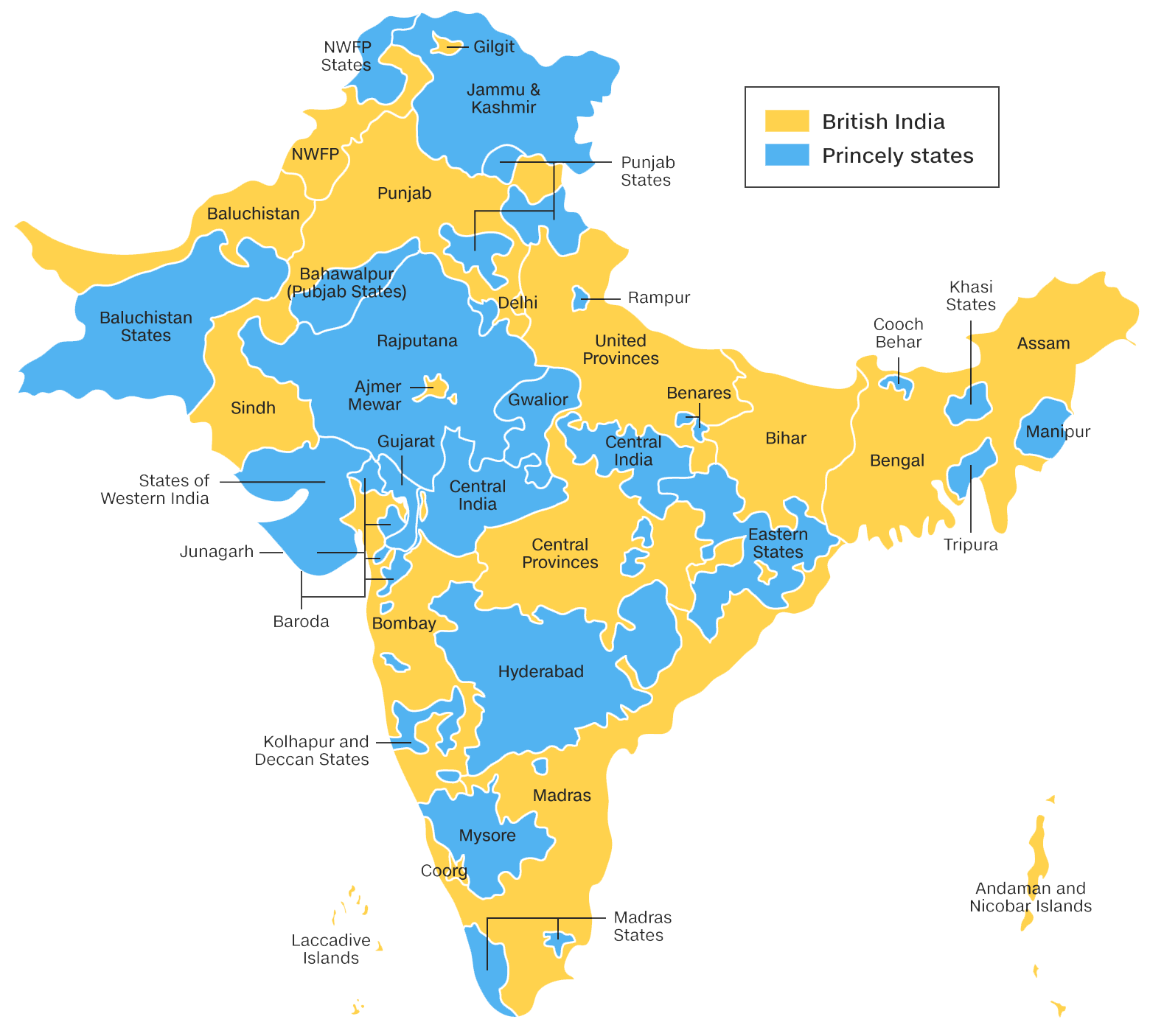
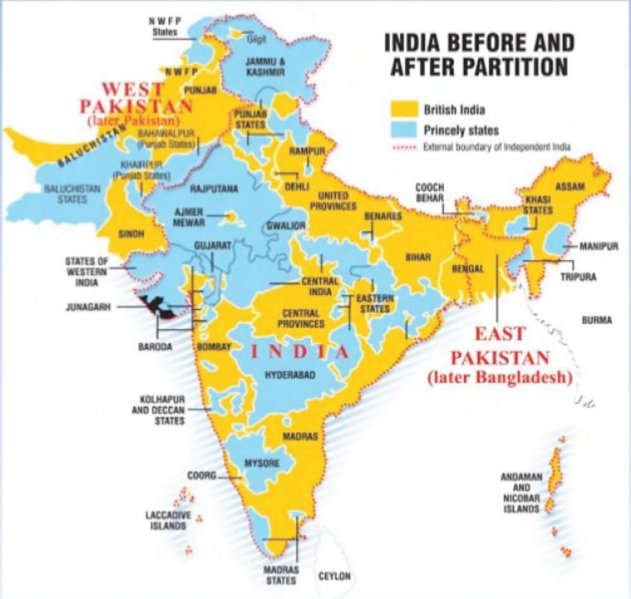
Sardar Vallabhbhai Patel played an important role in the integration of the princely state into the Dominion of India. This achievement laid the foundation for Patel’s popularity in the post-independence era. He is still remembered as the man who united India today. In this respect he is compared to Otto von Bismarck, who united many German states in 1871. The June 3 plan gave more than 565 princely states the option of joining India or Pakistan or choosing independence. Most Indian nationalists and the masses were afraid that most people and territories would be fragmented without the participation of these states. Parliament and British officials considered Patel to be the best man on a mission to secure the conquest of the princely state from Indian rule. According to Gandhi only Patel could solve this problem. Patel had practical insight and determination to accomplish monumental work. Patel asked V.P. Menon, a senior official involved in the division of India, to become his right-hand man as Principal Secretary of State. Patel used a social gathering and informal setting to involve most monarchs and invite them to their home in Delhi for lunch and tea. At these meetings, Patel stated that there was no essential conflict between Congress and the prince’s order. Patel aroused the patriotism of the Indian monarchs and urged them to embrace the independence of their country and act as responsible rulers who care for their people’s future. He persuaded the rulers of 565 states about the impossibility of independence from the Republic of India, especially in the face of rising opposition from their subject. He proposed favorable conditions for the merger, including the creation of a secret purse for the descendants of the ruler. Patel encouraged the rulers to act patrioticly, and to thought about his states people and their futur, but he did not rule out violence. He emphasized the need for the princes to join India in good faith and gave them to sign the membership certificate until August 15, 1947. All but three states were willing to join the Indian Union. Only Jammu and Kashmir, Junagad and Hyderabad were States which were tough to brought under Indian Dominion.


Junagadh being situated in Gujrat it was very important for Patel to bring it under Indian’s dominion. This was also important because there was the super-rich Somnath Temple (a temple where different stones were their including emeralds, diamonds, and gold which were looted by Mohd. Ghazni) in the Kathiawar district. Bieng under the pressure from Sir Shah Nawas Bhutto, a Nawab who joined Pakistan. However, it was far from Pakistan, with 80% of its state population being Hindus.Patel combining diplomacy and power, Pakistan invalidated Pakistan’s accession and demanded that Nawab join India. Patel sent troops to occupy the three principalities of Junagadh to show his determination. After widespread protests and the formation of the civilian government, or Aarzi Hukumat, both Bhutto and Nawab fled to Karachi, and under Patel’s orders, Indian troops and police forces invaded the state. A later organized referendum resulted in 99.5% of the votes in favor of the merger with India. After taking over, Patel, who spoke at the University of Bahauddin in Junagad, emphasized his sense of urgency regarding Hyderabad. He believes this is more important to India than Kashmir.


Hyderabad was the largest of the princely states and which included States parts of which are now Telangana, Arndra Pradesh, Karnataka and Maharashtra. Its ruler, Nizam Osman Ali Khan, was Muslim, but more than 80% of the population of state was Hindu. Nizam called for independence or accession to Pakistan. Under Kasim Razvi, an army of Nizam-faithful Islamic troops called Razakar urged Nizam to confront India and at the same time organize an attack on the people of India’s soil. The standstill agreement was signed by Lord Mountbatten’s in desperate efforts to avoid the war, but Nizam refused to trade and changed his position. At a cabinet meeting in September 1948, Patel emphasized that India should stop speaking and reconciled Nehru and Governor Chakravarti Rajgoparachari with military action. After preparation, Patel ordered the Indian troops to invade Hyderabad (in his position on behalf of the Prime Minister) when Nehru traveled to Europe. This action, called Operation Polo, in which thousands of Razakar troops were killed , but Hyderabad was secured and integrated into the Republic of India. Mountbatten and Nehru’s main goal was to avoid forced annexation to prevent the outbreak of Hindu and Muslim violence. Patel argued that if Hyderabad was allowed to survive as an independent state surrounded by India, the government’s fame would decline and neither Hindus nor Muslims would feel reassured in their empire. After defeating the Nizam, Patel held him as the head of state of the ritual and met with him. India had 562 princely states after addition of Junagarh, Heydrabad and Jammu& Kashmir.

Article 370 & Article 35A

Article 370
The first accession of Jammu and Kashmir, like all other princely states, involved three issues: defense, diplomacy, and communications. All princely states were invited to send representatives to the Constitutional Parliament, which drafted the Constitution across India. They were also encouraged to establish a constituent parliament for their own state. Most states were unable to establish a parliament in time, but some states, especially Saurashtra Union, Travancore-Cochin, and Mysore. The State Department had drafted a model state constitution, but on May 19, 1949, the governors and Chief ministers of each state met in the presence of the State Department and agreed that no separate state constitution was needed. They accepted the Indian Constitution as their own constitution. The state in which the elected constituent council proposed some changes that were accepted. Therefore, the status of all states has been placed on par with the status of ordinary Indian states. In particular, this meant that the subjects available for legislation by central and state governments were consistent and same throughout India.

In the case of Jammu and Kashmir, state politicians have decided to establish a separate constitutional council for the state. Representatives of the Indian Constitutional Assembly applied only the provisions of the Indian Constitution corresponding to the original accession documents to the state, and demanded that the state Constitutional Assembly decide on other matters. The Government of India agreed to the request shortly before its meeting with the other states on 19 May. Therefore, Article 370 was included in the Constitution of India, which provided that other provisions of the Constitution empowering the central government would apply to Jammu and Kashmir only with the approval of the State Constitutional Assembly.This was a “provisional provision” because it was applicable until the State Constitution was enacted and adopted. However, the State Constitutional Assembly was dissolved on January 25, 1957, and did not recommend the abolition or amendment of Article 370. This article was considered an integral part of the Indian Constitution, as confirmed by various recent April 2018 rulings by the Supreme Court of India and the Supreme Court of Jammu & Kashmir.

Article 35A
Article 35A of the Constitution of India was a provision authorized by state to define the “permanent residents” of Jammu and Kashmir State and to give them special rights and privileges. It was added to the Constitution by an Executive Order, the 1954 Constitutional Order (application to Jammu and Kashmir). It was issued by the President of India under Article 370. Jammu & Kashmir has these privileges, the ability to acquire land and real estate, vote and participate in elections, pursue government employment, and receive the benefits of other governments such as higher education and medical expenses. Defined to include. Non-permanent residents of the state were not eligible for these “privileges”, even if they were Indian citizens.

Story of a fierce Queen, Rani Karnavati.

Rani Karnavati was a princess and temporary ruler from Bundi, India. She married Rana Sanga of Mewar in Chittorgarh, the capital of the Kingdom of Mewar. She was the mother of Rana Vikramaditya and Rana Uday Singh, and the grandmother of the legendary Maharana Pratap. During 1527 to 1533 the minority years of her sons she served as a regent for Mewar. She died on 8th March 1535.

After Babur seized the throne of Delhi in 1526, Rana Sanga of Mewar led a coalition of Rajput Kings against Babur to seize the throne of Delhi. In the starting Rana Sanga was able to defeat Babul in the Battle of Bayana, but in the Battle of Kanua, he was defeated because of Babur’s excellent tactics, guns, and artillery.Rani Karnavati took over as regent on behalf of his eldest son Vikramaditya who was a minor at that time. Meanwhile, Mewar was attacked a second time by Gujarat’s ruler Bahadur Shah against whom Vikramaditya had previously been defeated. It was very important issue for Rani Karnavati.

The nobles of Mewar Kingdom did not want to fight for Vikramaditya, and as the upcoming battle will certainly be another stain in the history of Sisodias. Rani Karnavati was able to persuade nobles to fight for Mewar and honor of Sisodias . Their only condition was that Vikramaditya and Uday Singh should go to Boondi for their personal security during the war. In some legends some also said, that Rani Karnavati also sent Rakhi to Emperor Humayun of Mugals calling him his brother and asking for help. Therefore, her name was irreparably linked to the Raksha Bandhan Festival. However, this is not supported by modern writers, and modern historians such as Satish Kumar consider it a fable rather than a historical fact.

Rani Karnavati agreed to send her sons to Bundi ,while knowing the situation being very critical and which can be dangerous for her two sons and send her trusted maid Panna Dai to accompany them and take care of them. Panna hesitated, but she left for Bundi with Vikramaditya and Uday Singh and accept the Queen’s wishes.

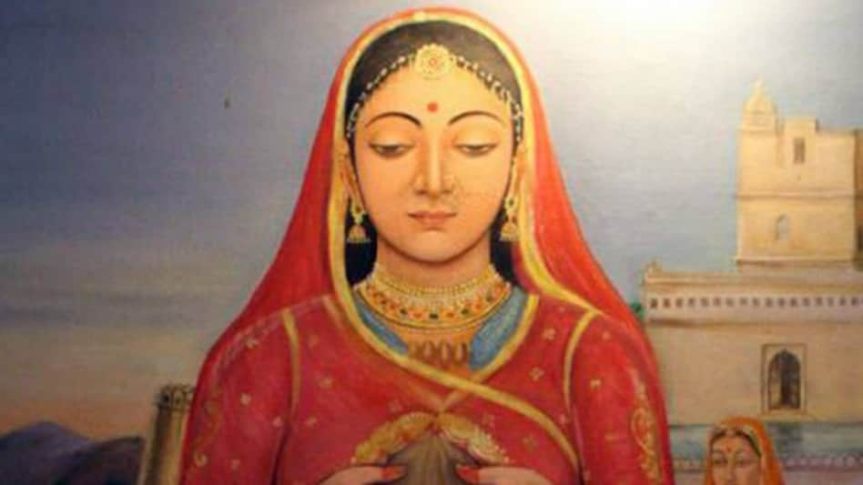
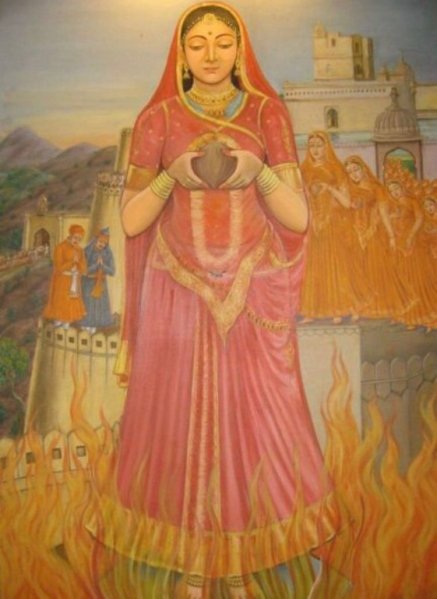
The Sisodias dynasty fought bravely, but the army of Mewar was outnumbered by Bahadur Shah army and they were defeated. Bahadur Shah entered Chittorgarh and it was his second attack on Chittor. The male nobles donned with saffron cloths fought with the enemy till thier death and commited Saka.Karnavati and other noble court women realized that defeat was imminent and to save their honour they committed suicide on March 8, 1534, in a fire called Jauhar. This was the second of the three Jauhar to take place in Chittor.

Importance Of Effective Communication Skills

Contemporary World

People feel generally competent and confident when discussing matters of communication. Some perceive communication as one of the fundamental differences between human and other animal species, and as the very element that led to human change, development, adaptation, and domination. But to try and define such a broad term is a difficult task – one that many scholars have undertaken. The essence of communication though can be expressed in simple words: communication is the transfer of thoughts, feelings, ideas, and opinions from one person to another (or to a group of others) through specific channels.

The Virtual Scenario

Virtual communication clearly has many advantages including increased productivity, reduced business costs and a better work/life balance of the workforce. However, virtual communication also entails numerous challenges and obstacles which are often neglected in light of the benefits.

When communication is effective, it leaves all parties involved satisfied and feeling accomplished. By delivering messages clearly, there is no room for misunderstanding or alteration of messages, which decreases the potential for conflict. In situations where conflict does arise, effective communication is a key factor to ensure that the situation is resolved in a respectful manner. How one communicates can be a make or break factor in securing a job, maintaining a healthy relationship, and healthy self-expression.

In contemporary virtual  scenario, effective communication  fosters trust with others. Your ability to listen attentively and embrace different points of view helps others trust that you are making optimal decisions for everyone in the group. The ability to communicate effectively plays a large role in resolving conflicts and preventing potential ones from arising. The key is to remain calm, make sure all parties are heard and find a solution that is ideal for everyone involved. With people feeling more confident in their work and in their understanding of what they need to do, they become more engaged with their work as a whole. To cite a day-to-day example, video-conference with clients on another continent or even replying to a flood of emails for that matter, can be two of the very prominent instances, one may come across quite frequently.

A video-conference with clients on another continent, can be best accomplished only with one’s spontaneous communication skills, virtually. It is definitely not as easy as it may seem in an authentic face-to-face scenario.

The same holds true for online classes as well. Communicating with teachers, and students, virtually, isn’t as fun as it used to be in the past in a non-virtual scenario. To make situations like these more welcoming. One must have good communication skills and must know the right way to make use of it too. Being able to communicate effectively is one of the most important life skills to learn.

IMPORTANCE OF COMMUNICATION:-

Communication is the integral part of our life.It is the process of share whatever we want and sharing ideas,feelings. communication is the key to directing function of the management.

TYPES OF COMMUNICATION:-

There are three types of communication:-

* Formal communication.

* Informal communication.

FORMAL COMMUNICATION:-

Formal communication divided into two types,

* Horizontal communication.

* Vertical communication.

Formal communication is usually takes between the manager to sub manager,sub manager to manager.Who are in the same level of post.

HORIZONTAL COMMUNICATION:-

It is also called as lateral communication.It takes place between one division to another division.

VERTICAL COMMUNICATION:-

Vertical communication as the name suggests flows vertically upwards or downwards through formal channels. Upward communication refers to the flow of communication from a subordinate to a superior whereas downward communication flows from a superior to a subordinate.

INFORMAL COMMUNICATION:-

Informal communication is nothing but the communication takes place without following the formal types is called informal communication.It is also called as grapevine.

HOW COMMUNICATION IS EFFECTIVE:-

Communication is very effective tool.With communication we can able to understand others feelings And delivery of message.If false message delivered it becomes rumor and cause problems in life.

IMPORTANCE OF COMMUNICATION:-

* Basis of Decision-Making and Planning.

* Smooth and Efficient Working of an Organisation.

* Facilitates Co-Ordination.

* Increases Managerial Efficiency.

* Promotes Co-operation and Industrial Peace.

THREE TIPS FOR GOOD COMMUNICATION

From our childhood we are speaking daily with your family, friends, relatives but we can’t speak a good communication skills we the people who are strange to us. But few people have brilliant skill in communication. So, here are some steps to improve the communication skills.

1)BUILT A COMMUNICATION WITH EYE CONTACT

First and main steps to build the communication is eye contact. This plays a important role in the communication. Many of us do mistake while we are speaking like we don’t look at them, we use cellphone during the communication. So, first of all we should correct them and practice eye contact. Many business people use eye contact as the advantage in the negotiation for their purpose. So practice eye contact.

2) Be patience for their speech

Always be patience to the speaking partner. Patience is one of the most valuable skill in the world which may enables us to help in improve decision making, communication and power solving situation. Listen and explore them with your mind what they are taking.

PEOPLE WHO ARE GOOD COMMUNICATOR ARE THE GOOD LISTERS.

Here are some tips practising patience

  1. Be a good listener
  2. Be in present moment
  3. Make smile

3)Look them with smile

When you are starting the conversation starts with smile which may boost your confidence and ensure that you will be kind. Many people things smiling may unwelcome to others but smiling will help you to better communications. Smile is the way to tell the feedback to your partner and also boost our mood.

THE GREATEST SELF IS A PEACEFUL SMILE, THAT ALWAYS SEES THE WORLD SMILING BAD

_