Global Nature Conservation Index

The Global Nature Conservation Index (NCI) 2024 is brought out recently, for the first time, by Goldman Sonnenfeldt School of Sustainability and Climate Change, Ben-Gurion University of the Negev, Israel and BioDB.com. India has been ranked 176 out of total 180 countries undermining the well-recognized efforts of India in Land Management, Threats to Biodiversity, Capacity & Governance and Climate Change Mitigation. NCI has not taken into account the country reported data in respect of many indicators and relied on many other sources leading to unrealistic NCI index. Further, NCI has completely ignored India’s leadership role in international environmental forums such as International Big Cat Alliance (IBCA), Mission LiFE, International Solar Alliance (ISA) and Coalition for Disaster Resilience Infrastructure (CDRI) advocating for global cooperation on biodiversity conservation as well as its leadership role on global climate change agenda.

In recent years, India has taken several measures in areas of land management and threats to its biodiversity which have not been taken into account while deriving NCI. For example, the Government of India enacted Biological Diversity Act, 2002, as amended by the Biological Diversity (Amendment) Act, 2023 (BD Act) together with new set of Rules to conserve, sustainably use and regulate the access of biological resources and knowledge associated thereto. The Act covers various measures under the provisions of the BD Act to conserve biodiversity including the constitution of Biodiversity Management Committees (BMCs), notification for Biodiversity Heritage Sites and notification for threatened species. The notification confers power to the State Biodiversity Boards (SBBs) for regulating access to the notified species and to take measures to rehabilitate and preserve those species.

Some of India’s key achievements in land management and biodiversity conservation are as follows:

  1. India has 1022 Protected Areas in the country, covering an area of 178,640 sq. km, which is about 5.43 % of the geographical area of the country.
  2. Total Forest Cover has increased from 21.23% in 2013 to 21.71% in 2021 .
  3. India has 72.16 lakh Ha of forest cover as per the FAO’s Global Forest Resource Assessment 2020, securing its place among the top ten countries worldwide.
    1. Eco-Sensitive Zones of 487 Protected Areas have been established across India.
    2. Number of Ramsar sites have increased from 26 in 2014 to 85 in 2024.
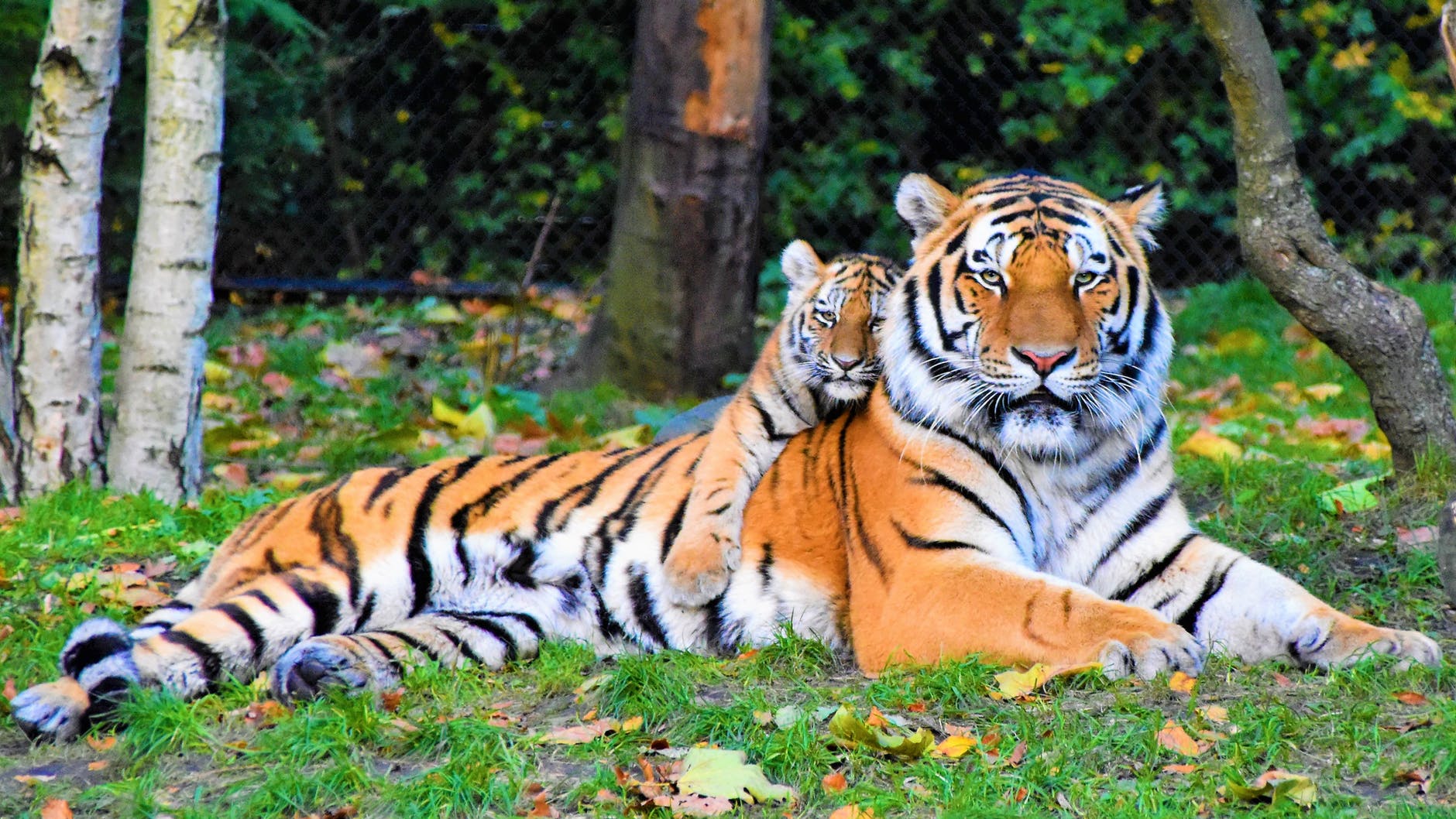
    3. There are 55 Tiger Reserves in India and tiger population has increased from 2226 in 2014 to 3682 in 2022.
    4. India’s Project Lion has fostered a growing lion population in the Gir Landscape—from 284 in 1990 to 674 in 2020.
    5. India has reintroduced Cheetah in the Indian habitat through the world’s first inter-continental large wild carnivore translocation project.
    6. With 33 Elephant Reserves, India holds by far the largest number of wild Asian elephants, estimated at about 30,000 or nearly 60% of the population of the species.
    7. India’s leopard population is estimated at 13,874 individuals, representing stable population in comparison to the similar area being sampled in 2018 with 12,852 individuals.
    8. The Namami Gange Programe to rejuvenate River Ganga and its tributaries has been recognised as World Restoration flagship project by UN which reflects the commitments of Government towards conservation, rejuvenation and development of natural ecosystems and its services.

India has already submitted its National Targets under the National Biodiversity Strategy and Action Plans on 10th September, 2024 and also submitted its National Biodiversity Strategy and Action Plan (NBSAP) on 31st October, 2024 on the Convention on Biodiversity Portal during the recently concluded CBD COP at Cali, Colombia. Both the National Biodiversity Targets and the Action Plans are fully aligned with the goals and targets set under the Kunming Montreal Global Diversity Framework (KMGBF). KMGBF is to be implemented in accordance with the national circumstances, priorities and capabilities.

India’s National Biodiversity Strategy and Action Plan (NBSAP) envisages  protecting terrestrial and marine areas, restoring degraded ecosystems and reducing biodiversity threats through pollution control as also invasive species management. India emphasizes species conservation, sustainable resource use, wildlife corridors to reduce fragmentation, and community engagement in biodiversity governance.

India has submitted its Long Term Low Emission Development Strategy (LT-LEDS) for reducing GHG emissions to UNFCCC in November 2022 highlighting strategic low-emissions development transitions for the country. The LT-LEDS was prepared in the light of India’s right to an equitable and fair share of the Global Carbon Budget, which is the practical implementation of Climate Justice. The key elements  of the strategy include- Low carbon development of electricity systems consistent with development; development of an integrated, efficient, inclusive low-carbon transport system; promoting adaptation in urban design, energy and material-efficiency in buildings and sustainable urbanisation; promoting economy-wide decoupling of growth from emissions and development of an efficient, innovative low-emission industrial system; CO2 removal and related engineering solutions; enhancing forest and vegetation cover consistent with socio-economic and ecological considerations; and developing strategy on economic and financial aspects of low-carbon development. Some of the initiatives include the Smart Cities Mission (SCM), National Action Plan of Climate Change (NAPCC) promoting climate-resilient and sustainable urban development.

The Adaptation Communication submitted to UNFCCC in 2023 outlines the actions taken for adaptation to climate risks and challenges, and future strategy for the same. India has developed an integrated approach, ranging from food security, energy use efficiency, and water management aiming to address these issues simultaneously through appropriate policies and initiatives.

Western Ghats of India

The Western Ghats, also known as the Sahyadri Mountain Range is a UNESCO World Heritage Site and a biodiversity hotspot located along the western coast of India. It spans over 1,600 km and covers six Indian states, including Maharashtra, Karnataka, Tamil Nadu, Kerala, Goa, and Gujarat. The Western Ghats are one of the oldest mountain ranges in the world and have significant ecological, cultural, and economic importance. In this article, we will discuss the significance of the Western Ghats and the conservation efforts undertaken to protect this important ecosystem.

Source – Shutterstock

Significance of the Western Ghats

Ecological Significance:

The Western Ghats are home to a diverse range of flora and fauna, with over 5,000 species of flowering plants, 139 mammal species, 508 bird species, 179 amphibian species, and 290 freshwater fish species. The region is also home to numerous endemic species, which are found nowhere else in the world. The Western Ghats also serve as a catchment area for several major rivers in India, including the Godavari, Krishna, and Cauvery.

Cultural Significance:

The Western Ghats have been inhabited by numerous indigenous communities for thousands of years. These communities have a rich culture and tradition that is closely linked to the natural environment. The Western Ghats are also home to several important pilgrimage sites, including the famous Sabarimala temple in Kerala.

Economic Significance:

The Western Ghats are an important source of timber, fuelwood, and non-timber forest products. The region is also home to several important industries, including agriculture, fisheries, and tourism. The Western Ghats also provide numerous ecosystem services, such as regulating the water cycle, carbon sequestration, and soil conservation.

Conservation Efforts

The Western Ghats face numerous threats, including deforestation, mining, hydroelectric projects, and climate change. To protect this important ecosystem, several conservation efforts have been undertaken by the Indian government, non-governmental organizations, and local communities. Some of the key conservation efforts are:

  1. Protected Areas:
    Several protected areas have been established in the Western Ghats to conserve the region’s biodiversity. These include national parks, wildlife sanctuaries, and biosphere reserves. Some of the notable protected areas in the Western Ghats include the Silent Valley National Park, Periyar National Park, Bhadra Wildlife Sanctuary, and Nilgiri Biosphere Reserve.

  2. Forest Conservation:
    Several initiatives have been undertaken to conserve the forests of the Western Ghats. These include community-based forest management programs, afforestation, and reforestation efforts. The Indian government has also launched several programs, such as the Green India Mission and the National Afforestation Program, to increase forest cover in the region.

  3. Biodiversity Conservation:
    Several initiatives have been undertaken to conserve the biodiversity of the Western Ghats. These include species conservation programs, habitat restoration, and research and monitoring programs. The Indian government has also launched several initiatives, such as the National Biodiversity Act and the National Wildlife Action Plan, to conserve the biodiversity of the Western Ghats.

  4. Community-based Conservation:
    Several community-based conservation programs have been launched in the Western Ghats. These programs involve local communities in the conservation of natural resources and provide them with livelihood opportunities. Some of the notable community-based conservation programs in the Western Ghats include the Malnad Mela, the Bhadra Nethravathi River Valley Community Conserved Area, and the Kerala Conservation Alliance.

Conservation, environmental pollution and degradation, environmental impact assessment

CONSERVATION

Environmental conservation is an activity that paves the way for the protection of the environment and natural resources at the individual, organizational and governmental levels. Various basic environmental problems are weighing on people’s lives. From overpopulation to hydrological problems, including ozone depletion, global warming, deforestation, desertification, and pollution, all these problems seriously threaten the existence of mankind. Unless environmental conservation becomes an effective mass movement, it is futile to expect positive growth, especially in an age of digital media that has the potential to bring about a revolution. revolution to save our destroying planet.

It has become important for the conservation of the environment in modern times. The following guidelines explain the essential need to protect the environment from further degradation:

To reduce pollution of air, water and soil,

Facilitating the conservation of natural resources for our future generations

To ensure the protection of biodiversity

To realize sustainable development To restore ecological balance

To save our planet from the harmful effects of global warming

ENVIRONMENTAL POLLUTION AND DEGRADATION

Environmental degradation is the decomposition or degradation of the environment due to the consumption of assets, such as air, water and soil; the destruction of the environment and the extinction of animals. It is characterized by any alteration or exacerbation of a natural territory that is considered cruel or undesirable. Ecosystem effects or degradation produced by the amalgamation of a substantial and effectively expanding human population, expanding monetary development or wealth per capita, and applying technologies that cause depletion and pollution.

It occurs when the earth’s natural resources are depleted, and the environment is compromised in the form of extinction of species, pollution in the air, water and soil, and rapid growth in population.

Environmental degradation is one of the biggest threats currently under consideration in the world. The United Nations International Strategy for Disaster Mitigation describes environmental degradation as the shrinking of the earth’s limits to meet social and environmental needs and destinations. Environmental degradation can occur in many ways. The moment the environment is destroyed or depleted of commons, the environment is considered broken and damaged. There are a number of different techniques used to prevent this, including environmental resource protection and general conservation efforts. There are number of types of environmental degradation- Land and soil degradation, Water degradation, air pollution, noise pollution etc.

ENVIRONMENT IMPACT ASSESMENT

Environmental Impact Assessment (EIA) is a process of assessing the possible environmental impacts of a proposed project or development, taking into account the socio-economic, cultural and environmental impacts of the project. and human health are associated with both benefits and negatives. UNEP defines an Environmental Impact Assessment (EIA) as a tool used to determine the environmental, social and economic impacts of a project before making a decision. It aims to predict environmental impacts at an early stage of project planning and design, seek to reduce negative impacts, shape projects to the local environment, present projects reporting and options for decision makers. Environmental impact assessment in India is legally supported by the Environmental Protection Act 1986, which contains different provisions on EIA methods and procedures.

The Environment Impact Assessment includes the steps mentioned below.

The EIA process is cyclical with interactions between different phases. Review: The project plan is reviewed based on the size of the investment, location and type of development, and whether the project requires statutory approval. Scope: Potential project impacts, impact areas, mitigation possibilities, and monitoring needs. Baseline data collection: Baseline data is the environmental condition of the study area. Impact prediction: Positive and negative impacts, reversible and irreversible, temporary and permanent impacts must be anticipated, assuming the rating agency has a good understanding of the project. Mitigation Measures and EIA Report: The EIA report should include actions and steps to prevent, minimize or ignore impacts or compensation for possible damage or loss to with the environment. Public Hearing: Once the EIA report is completed, community and habitat groups near the project site may be notified and consulted. Decision making: the impact assessment authority and experts consult with the project manager and consultant to make the final decision, keeping in mind the EIA and EMP (plan Environmental Management). Monitoring and implementation of the environmental management plan: The different phases of the project implementation are monitored. Evaluation of alternatives, identification of mitigation measures and EIA report: For each project, possible alternatives should be identified and environmental attributes compared . Alternatives must include both project location and process technology. After the alternatives have been considered, a mitigation plan must be developed for the selected alternative and supplemented by an environmental management plan (EMP) to guide the proponent towards improvement. environment friendly. Risk assessment: Inventory analysis and probabilistic and risk metrics are also part of the EIA procedure.

Career in Environment and Wildlife Conservation

 The Ministry of Environment, Forest & Climate Change is implementing the Environment Education, Awareness and Training (EEAT) Scheme with the objective to promote environmental awareness especially among school and college students and to mobilize their participation for conservation of environment. Under the National Green Corps (NGC) programme of this Scheme, more than one lakh Eco-clubs have been formed in schools and colleges to educate students and to spread awareness on environmental issues. Further, this Ministry also supports organization of field visits/ nature camps for school students in Protected Areas, Wildlife Sanctuaries, National Parks, etc. under the National Nature Camping Programme of EEAT Scheme with an objective to provide ‘nature experience’ to students and thereby to trigger their sensitivity towards nature and its conservation. As per information provided by Department of Youth Affairs, awareness on environment conservation and enrichment is a component in the regular activities of National Service Scheme (NSS). Volunteers of NSS organize activities on environment conservation, climate change, use of renewable energy and other related issues in addition to plantation drives.

This Ministry has launched the Green Skill Development Programme (GSDP) in June 2017 under the ongoing Environmental Information System (ENVIS) Scheme, on a pilot basis, at 10 locations, spread over 9 biogeographic regions of the country with the objective to skill youth in environment, forest and wildlife sectors and enabling them to be gainfully employed or self-employed.Based on the success of the pilot phase, the programme was extended to pan-India level in 2018-19 covering diverse fields like pollution monitoring (air/water/soil), emission inventory, operation of Sewage Treatment Plant(STP)/ Effluent Treatment Plant (ETP)/ Common Effluent Treatment Plant(CETP), waste management, environmental impact assessment, forest management, water budgeting and auditing, wildlife management, para taxonomy including Peoples Bio-Diversity Register(PBR), bamboo management and livelihood generation, etc. The training imparted under GSDP endeavours to enhance technical knowledge of the skilled workforce with a focus on hands-on training.The ENVIS Hubs/ Resource Partners and other institutions imparting training under the GSDP invite applications from all over the country and the placements take place based on employment opportunities available within or outside the State / Union Territory.

Tiger conservation: Strides and hurdles

On International Tiger Day( July 29), Prime Minister Narendra Modi reaffirmed that the government is committed to ensuring safe habitats for tigers and nurturing tiger- friendly ecosystems in India, home to over 70% of the world’s tiger population.

Photo by Waldemar Brandt on Pexels.com

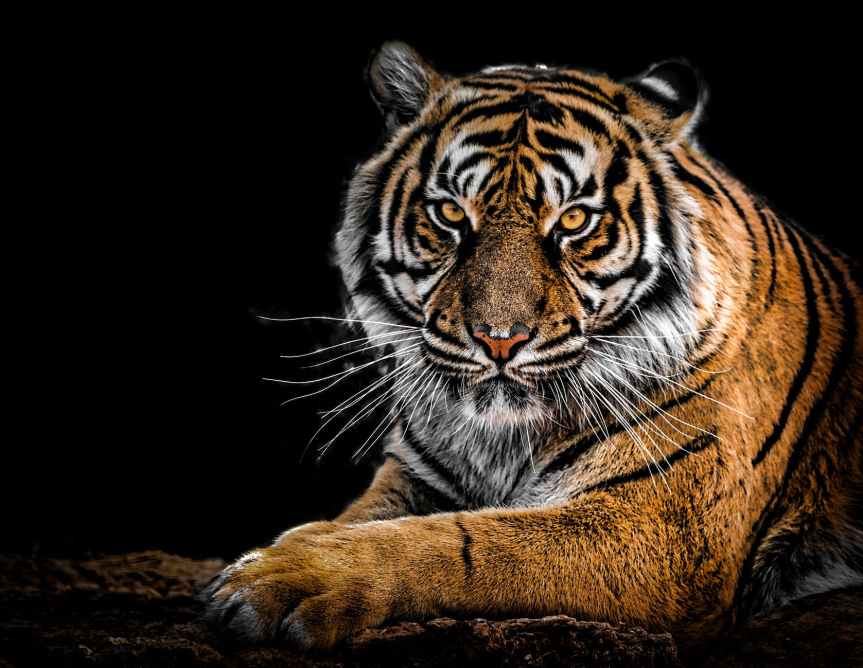
The last tiger census (2018) pegged the big cat’s population at 2967, marking an increase of about 30% compared to the 2014 report ( 2226). In 2010, India had 1706 tigers, while in 2006 it was 1411. India’s tiger conservation journey started in 1973 with Project Tiger with nine reserves; today, it has 50 tiger reserves in 18 states.

The steady growth in the number of tigers and reserves happened because of state support; vigilance and conservation efforts by the forest department, especially its frontline staff; and the involvement of local communities that help secure forests and participate in ecotourism activities in many of the popular and revenue – generating tiger reserves.

While increased protection has encouraged tigers to breed, it has also led to migration from the safety of reserves. Once they leave the park, big cats encounter a different world.

The Management Effectiveness Evaluation of Tiger Reserves 2018 report shows that at least half of the 50 tiger reserves are facing threats from linear infrastructure ( roads, highways, and railway lines), fragmented forest corridors, poaching, pressure of human – wildlife conflict, mining, improper garbage disposal, and pollution.

About 20% of the reserves have unsustainable pressure from pilgrims visiting temples inside them.

India has made progress, but must remain acutely conscious of the need for the need for the tiger conservation.

Environment conservation day

Environment conservation day , it reminds us two thing firstly that we need to put efforts into environment conservation at global level and secondly, how bad have things been in the past few decades in context to environment because definitely we can not ignore all the forest fires, land slide, floods, heat waves, tsunami, earthquakes and all the disasters that have occurred worldwide, the damage it caused and these are only the problems we can see, the ones which we can not are even more deadly, the human breed is effected by it indirectly for instance – ocean acidification, ozone layer depletion and so many other problems.


The statistics can be more scary, the biggest reason behind all this is when the human breed decided to be selfish about itself as a result, we opted for insane killing and initiated the destruction process, and now when things are slowly going out of the hand. We are thinking why all this is happening to earth?


Nature conservation, in schools we are always taught how are we dependent on earth, and the term mother earth is not a joke also the organisms and creatures that live on earth they are a part of family it is not like humans are the only one who have the right to live.
Every year a theme is decide on nature conservation day, this year it is forest and livelihoods: sustaining people and planet. The wrath of nature can be more worst in coming future, so its better that we understand that environment conservation is the need of the hour. As the theme says sustainability is the goal with conservation so that the resources can be preserved for the future generation as well. Basically we should work on improving the current situation by taking effective steps and keeping in mind the need of future generation we can save their future as well.


Environment conservation can begin from home by implementing few changes in our life and stop wasting the resources unnecessarily. Even a small size plastic bag is harmful if left unrecycled for e.g. milk packets, the sanitary pads that we use every month is a form of plastic so it is better to use recyclable or reusable pads. Similarly, there are many such small changes that can be implemented and can bring the much-needed change in the world. Spreading awareness among the people who are unaware about all this is also an effort that can be made towards environment conservation.
In COVID crisis the tons of bio medical waste were generated which again is a cause of concern. Biomedical waste can be hazardous for both human and animals.
If all the people can come together to answer and find solution or environment friendly alternatives of the ongoing problems then the aim of sustainability and environment conservation can be met. We have the vision, capacity, and ability to plan the betterment of earth. It is not possible to keep extracting and using whatever nature has given us, it will all end soon if not used carefully, it is our duty to give back to the planet as responsible residents of planet earth

Why Conserving Biodiversity is Important and How we can conserve it?

Biodiversity describes the whole range of the different varieties of living things and systems of this earth. Biodiversity can be found everywhere – it includes animal species, plant species, genes, ecosystems and landscapes. Biodiversity is what allows ecosystems to work and flourish. Over millions of years many different species of plants and animals have come to live in the same habitats. Over time they balance each other and hold the ecosystem together. And this biodiversity has been facing a constant decline and adversity. As humans become greedier, we forget our roots and the sole source that keeps us alive and goes on exploiting all the resources available to us in order to gain large profits.


For billions of years the loss of biological diversity has been caused by gradual natural occurrences such as glaciation or extreme events such as volcanic eruptions.
However, for the last few thousand years the main cause has been the growth of human population and the enormous pressure we exert on the planet. We transform our natural ecosystems into agricultural fields and urban areas, we release pollutants, CO2 and invasive species into the environment which damages our ecosystems. Our economic pursuits have led to the extinction of many animal and plant species. When a species is removed (biodiversity is reduced) the ecosystem can lose its balance, causing it to break down. One iconic example of this is sea otters in kelp forests along the California coast. Sea otters feed on sea urchins and sea urchins feed on kelp. If sea otters are removed sea urchins multiply, eating large portions of the kelp forest, destroying the habitat and eventually leading to the death of other animals that live there. The whole ecosystem falls apart. The loss of biodiversity is therefore compromising the quality of our lives. The grave importance and impact that our biodiversity has on us has been described in the previous answer. Biodiversity acts as our main base for ecological balance in the world. If this balance is destroyed, there’s no doubts that destruction will be upon us.


Therefore, if we ignore our responsibilities in protecting the biodiversity we will inevitably end up destroying our future. Thus, it is important for us to conserve our biodiversity. Biodiversity conservation refers to the protection, upliftment, and management of biodiversity in order to derive sustainable benefits for present and future generations. Here are some ways that we can conserve biodiversity.


(1) Government legislation – Governments have the power to control what is done to the habitats within their country. Legislation that protects natural habitats by outlawing development, harvesting of natural resources, or other human exploitation has a huge impact on maintaining natural biodiversity.
Protecting habitats before they have been altered is the best form on biodiversity conservation and is most successfully implemented by government regulations.


(2) Plant local flowers, fruits and vegetables – Research the plants and vegetables that are local to your area and grow a variety. Each plant and vegetable helps to protect biodiversity and supports the wider ecosystem of your local area.


(3) Conserve Your Water Use – Fresh bodies of water are essential to biodiversity.
Reducing the amount of water you use, by having a 5-minute shower or not running the water when washing up the dishes, can help protect vital wetlands.
Plant scientists are also working to help conserve by developing crop varieties that use less water.


(4) Reducing amount of invasive species – Invasive species are sometimes introduced to an area on purpose, but also sometimes by accident. To limit the number of invasive species moved by accident planes, ships, and cargo must be thoroughly checked before it is offloaded in a new country. Additionally, people should not bring new species of animals or plants to an area without consulting ecologists knowledgeable on the region.


(5) Reduce, Reuse and Recycle – Recycling lessens pollution by decreasing energy, electricity, and water consumption and the need for landfills. Not only can you recycle bottles and cans, but your local recycling centre will usually allow you to recycle clothes, electrical goods and batteries.
(6) Support Farmers – Farmers play a key role in conserving biodiversity. With the help of biotechnology and plant science, farmers can grow more food on the same amount of land. This takes the pressure off the need to convert natural habitats into farmland.


(7) Maintenance of Wetlands – Maintain wetlands by conserving water and reducing irrigation. Avoid draining water bodies on your property.
(8) In-situ conservation methods – The most effective way for us to conserve biodiversity with our present knowledge is probably in-situ conservation, that is the conservation of species within their natural habitats. Sometimes direct measures can be taken to protect a species or ecosystem, like creating a wildlife refuge or bird sanctuary.


(9) Ex-situ conservation methods – In some situations, though ex-situ conservation methods are essential. That is, the conservation of biological diversity outside of the natural habitats. We are all familiar with efforts to save the last members of endangered species by capturing them from the wild and transporting them to a zoo where many of their natural threats are removed, their health can be monitored and breeding efforts made. The goal is to grow the population and reintroduce them to their natural habitat. Some plants that can no longer survive in nature unaided are candidates for ex-situ conservation. These are generally maintained in botanical gardens. In addition to plant tissue, microbial cultures are collected and saved.


(10) Purchase of environmental-friendly products – Use environmentally friendly products. Dispose of hazardous material safely. Chemicals that enter the sewer system can contaminate freshwater and ocean ecosystems.


(11) Take a Walk – Climate change can have devastating consequences for biodiversity. Reducing your carbon footprint by taking the bus or walking can help protect it. Plant scientists are also working to combat climate change every day. One example is through innovative developments in conservation till age, which uses less fuel and therefore reduces the emission of greenhouse gases.


(12) Educate Yourself and Those Around You – Learn as much as you can about nature and share your knowledge with others. Educating people about the importance of biodiversity conservation increases public awareness of the issue. Visit ecological interpretation centres, natural history museums, and native fish hatcheries to study local ecosystems. Volunteer at an organization that focuses on conservation or restoration of habitat.


Biodiversity is the utmost gift that we are blessed with and it is our duty to preserve it and let our future generations enjoy the benefits of it as much as we did. As E.O. Wilson rightly said, we should learn to use our biodiversity in the right manner, understand its connect with humanity and learn its importance because it is the most priceless possession we can ever have.

Biodiversity : An overview

The earth provides for millions of species across the globe. Some of which are known to us and others not. We all are connected to each other in various ways and have to support each other too. Species which make proper and sustainable use of this system perish while others meet their destruction.

Biodiversity deals with the degree of nature’s variety in biosphere. This variety can be observed at three levels

  • The genetic variability within a species
  • The variety of species within a community
  • And the organization of species in an area into distinctive plant and animal communities.

Biodiversity provides a variety of environmental services from its species and ecosystem that are essential at the global, regional and local levels. The Production of oxygen, reduction of carbon dioxide, maintenance of the water cycle and protection of the soil are some important services.

Biodiversity is the amount of variety of life on Earth. It is the number of different species of plants, animals, and microorganisms. It includes organisms from Earth’s vastly different ecosystems, including deserts, rainforests, coral reefs, grasslands, tundra, and polar ice caps. Our biodiversity is very important to the well-being of our planet. Most cultures, at least at some time, have recognized the importance of conserving natural resources. Biodiversity is the occurrence of different types of ecosystems, different species of organisms with the whole range of their variants and genes adapted to different climates, environments along with their interactions and processes.

Importance of Conserving Biodiversity

Biodiversity produces a number of products harvested from nature and sold in commercial markets. Indirectly it provides economic benefits to people which include water quality soil protection, equalisation of climate, environmental monitoring, scientific research, recreation etc. The consumptive value can be assigned to goods such as fuel woods, leaves, forest products etc. which may be consumed locally and do not figure in national and international market.

The loss of biodiversity directly influences the social life of the country possibly through influencing ecosystem functions (energy flow and biogeochemical cycle). This be easily understood by observing detrimental effects of global warming and acid rain which cause an unfavourable alteration in logical processes

Aesthetic values such as refreshing fragrance of the flowers, taste of berries, softness of mossed, melodious songs of birds, etc. compel the human beings to preserve them. The earth’s natural beauty with its colour and hues, thick forest, and graceful beasts has inspired the human beings from their date of birth to take necessary steps for its maintenance. Similarly botanical and zoological gardens are the means of biodiversity conservation and are of aesthetic values.

Since earth is homeland of all living organisms, all have equal right to coexist on the surface of earth with all benefits. Unless some legal value is attached to biodiversity, it will not be possible to protect the rapid extinction of species. Biodiversity must be seen in the light of holding ethical value. Since man is the most intelligent amongst the living organisms, it should be prime responsibility and moral obligation of man to preserve and conserve other organisms which will directly or indirectly favour the existence of the man.

Biodiversity holds great ecological value because it is indispensable to maintain the ecological balance. Any disturbance in the delicately fabricated ecological balance maintained by different organisms, will lead to severe problems, which may threaten the survival of human beings.

Biodiversity has great economic value because economic development depends upon efficient and economic management of biotic resources. In the day to day life, human beings are maintaining their lifestyle at the sacrifice of surrounding species which come from diversity of plants and animals struggling for their existence.

World Nature Conservation Day

‘The Earth is a fine place and worth fighting for’Ernest Hemingway

Indeed it is. Today, 28th July, 2020 marks the World Nature Conservation Day, a day when we pledge to provide ultimate protection to our Mother Earth and its bountiful resource. This day is celebrated to create an awareness that it not always justifiable to always use the natural resources but it is also essential to give back to the nature. Our resources – air, water and trees, is continuously depleting due to man-made activities and this day essentially reminds us that we should adopt sustainable practices to prevent dwindling of these natural, yet depleting resources.

July 28th was initially introduced as a day to educate people about the best practices to protect the natural resources on the earth and also to create an awareness that Earth only has a limited resources to cater to the upcoming human generations.

Part 39 >> July 28, 2017 " World Nature Conservation Day " — Steemit

To embark upon the World Nature Conservation Day, as inhabitants of this earth, we can adopt some very simple measures at individual and at group level. Some of these measures are:

  • Reduce plastic use. Be it buying groceries or food delivery or throwing away our sanitary pads, we should be concerned with plastic use and substituting by either paper or cloth bag. Used plastic thrown out as garbage usually ends up in water bodies and landfills, causing death of marine life, organisms and land animals mostly due to choking. It is not biodegradable and natural process takes years for the plastic to degrade.
  • Reduce electricity consumption. Dams built across the rivers might generate thousands of watts of electricity which is a renewable source of energy but it is harmful for the marine life. Records show that it disrupts the water ecosystem which will ultimately affect the human life, at least in the long run. So care has to be taken to minimize or stop the use of electrical appliances, unless there is an emergency.
  • Tactical management of waste. Ensure to desegregate the daily wastes into degradable and non-degradable before dumping it into the ground. Human beings should religiously follow reduce, reuse and recycle mantra for waste management.
  • Reduce water consumption. In some countries, we receive water as if it is our birth right but other countries sweat to just receive a mug of it. We should ensure justified consumption of water so as to allow equitable distribution across all geographic nations.
  • Plant trees but save paper. Our world is getting depleted of trees day by day. A suggestion here is that each individual should take the onus to plant one sapling once a year, anywhere on this earth. Isn’t is satisfying to nurture it from time to time and to see it grow every day? But just growing trees is not a feasible solution if we do not take a chance to protect it. One way is to switch over to digital mode for reading like e-newspaper and e-books rather than going out and buying books and newspaper. Consequently, while shopping for groceries, switch to cloth bag which can be used multiple times, rather than single use of paper or plastic bags.

These are the few ways by which we can protect our Earth and the limited resources that it possess. And just by pledging to protect will not work unless we modify our shopping, eating and especially our consumer habits.

Source: https://www.hindustantimes.com/more-lifestyle/world-nature-conservation-day-2020-history-significance-how-to-live-sustainably/story-HWYhl06t7oYlZtFmT3RSJI.html