Curiosity (science)

• Why do we wake up from sleep?

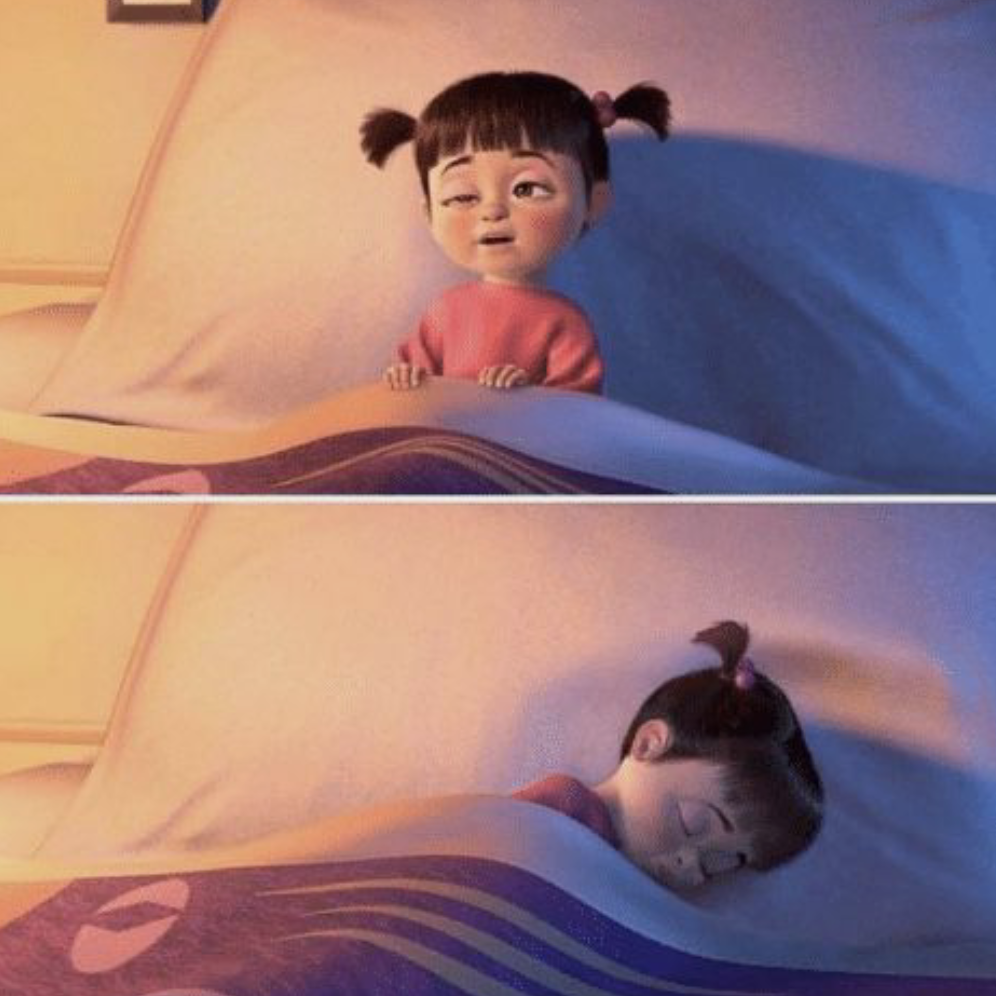
Sleep is essential to give the brain and nerves some rest. While we sleep, our bodies too, get a chance to recover from the fatigue caused by daily activities. When we are well rested, both physically and mentally, we wake up. Sometimes, we wake up because we feel cold or hungry or because a bad dream has made us afraid.

To sum up, we all have an internal body clock that tells our brain to wake our bodies up after a certain amount of time. However, some things or situations such as noise, temperature in the room or sunshine interrupt our sleep and wake us up too.
• Why doesn’t glue stick to the insides of the bottle?

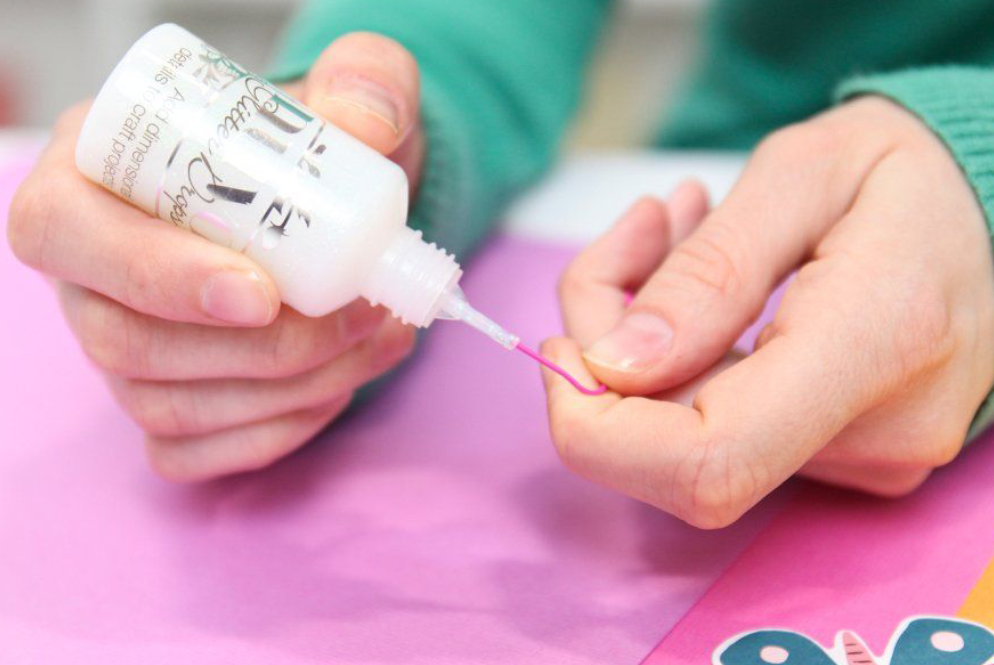
The regular white glue that we use is made up of a variety of chemicals that are either sticky or stretchy. White glue also contains water. Water acts as a solvent that keeps the glue liquid until you want it to stick. When you put glue on a piece of paper, the water in it is exposed to air. The water eventually evaporates and as it does so, the glue dries and hardens and holds the things that need to be glued, stuck together.

When the glue is inside the bottle, there’s not enough air inside the bottle to cause the water to evaporate to make the glue sticky. The bottle protects the glue from the air and keeps the glue runny. This is also why if you’ve ever left the top off a glue bottle for a while, the next time you try to use the glue, it would have dried up.
• Why do the lights of a distant town appear to twinkle?

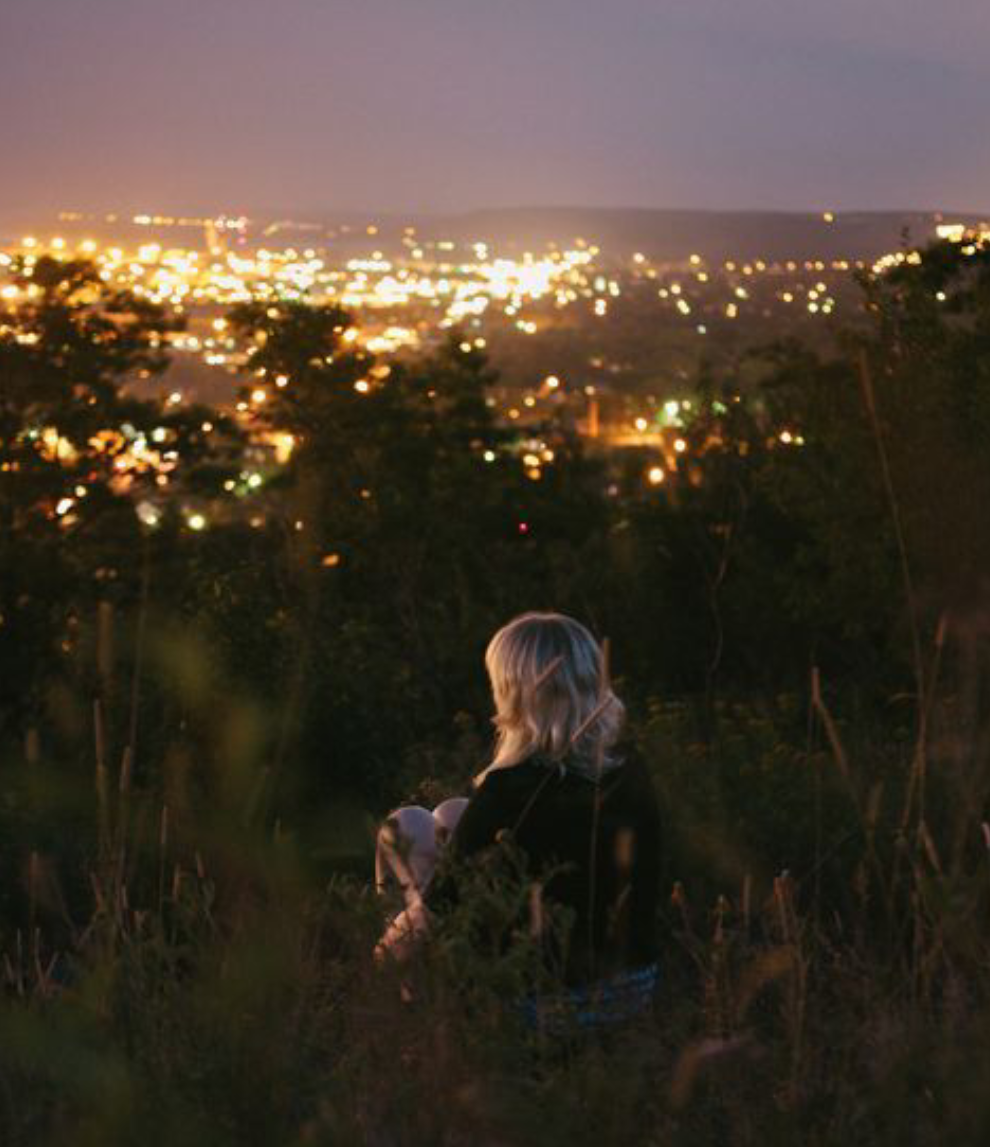
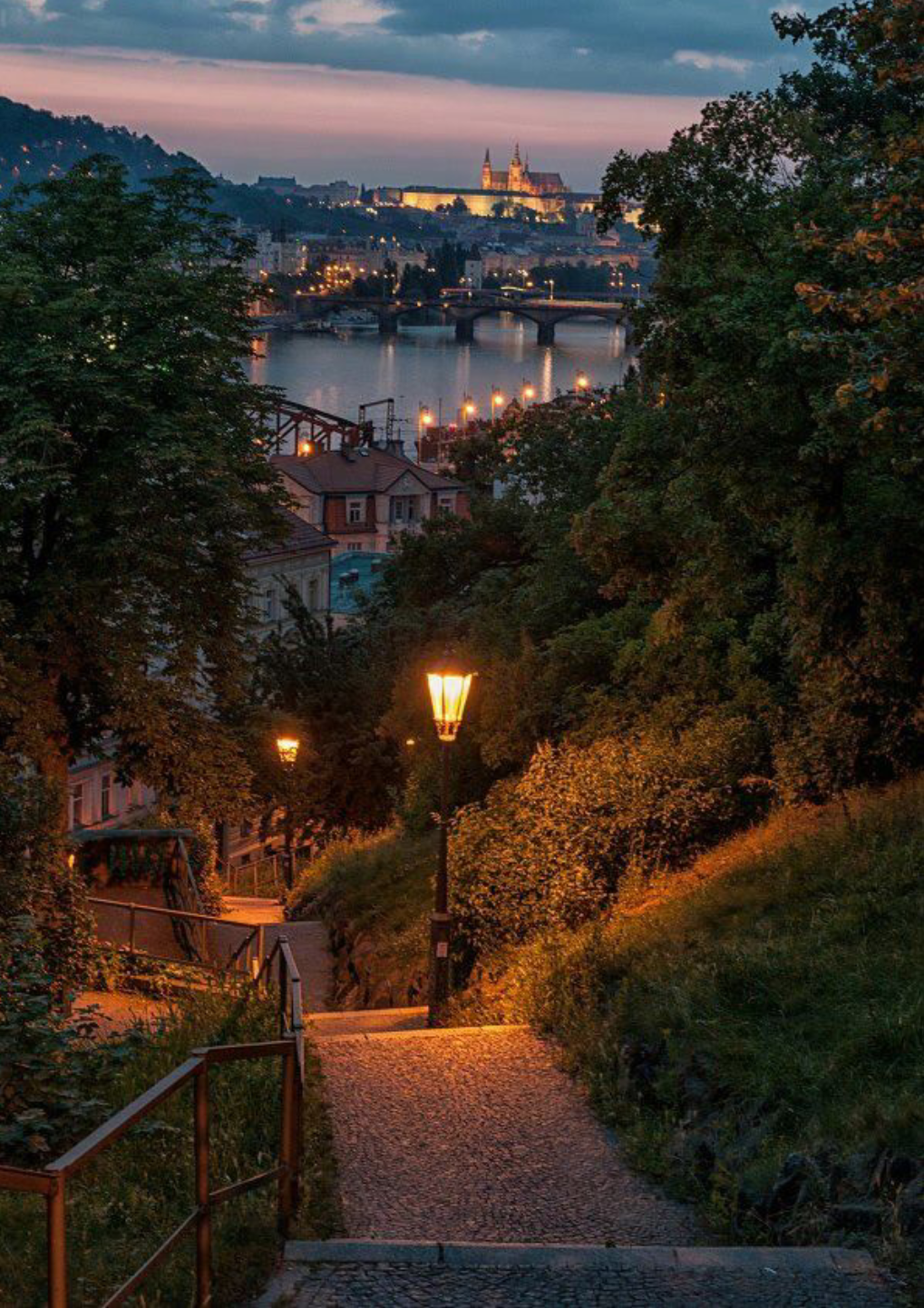
When you are traveling at night, the lights of towns in the distance appear to twinkle. This is because of the constant movement of air above towns. The air above towns is warm, as a result of the heat given off from buildings. Warm air keeps moving up to be replaced by cold air which then gets heated and rises. This constant movement of air is known as turbulence.

When we are near a town or in it, we don’t notice the turbulence because it is quite small and the lights are nearly. However, when we are some distance away, the lights are far away too. They appear as only pinpricks. The warm and cold air that make up the turbulence above the town have different densities and light passing through the layers is bent at different angles because of this difference. As a result it appears as though the lights of the distant town are twinkling.
• Why do clouds have different shapes?

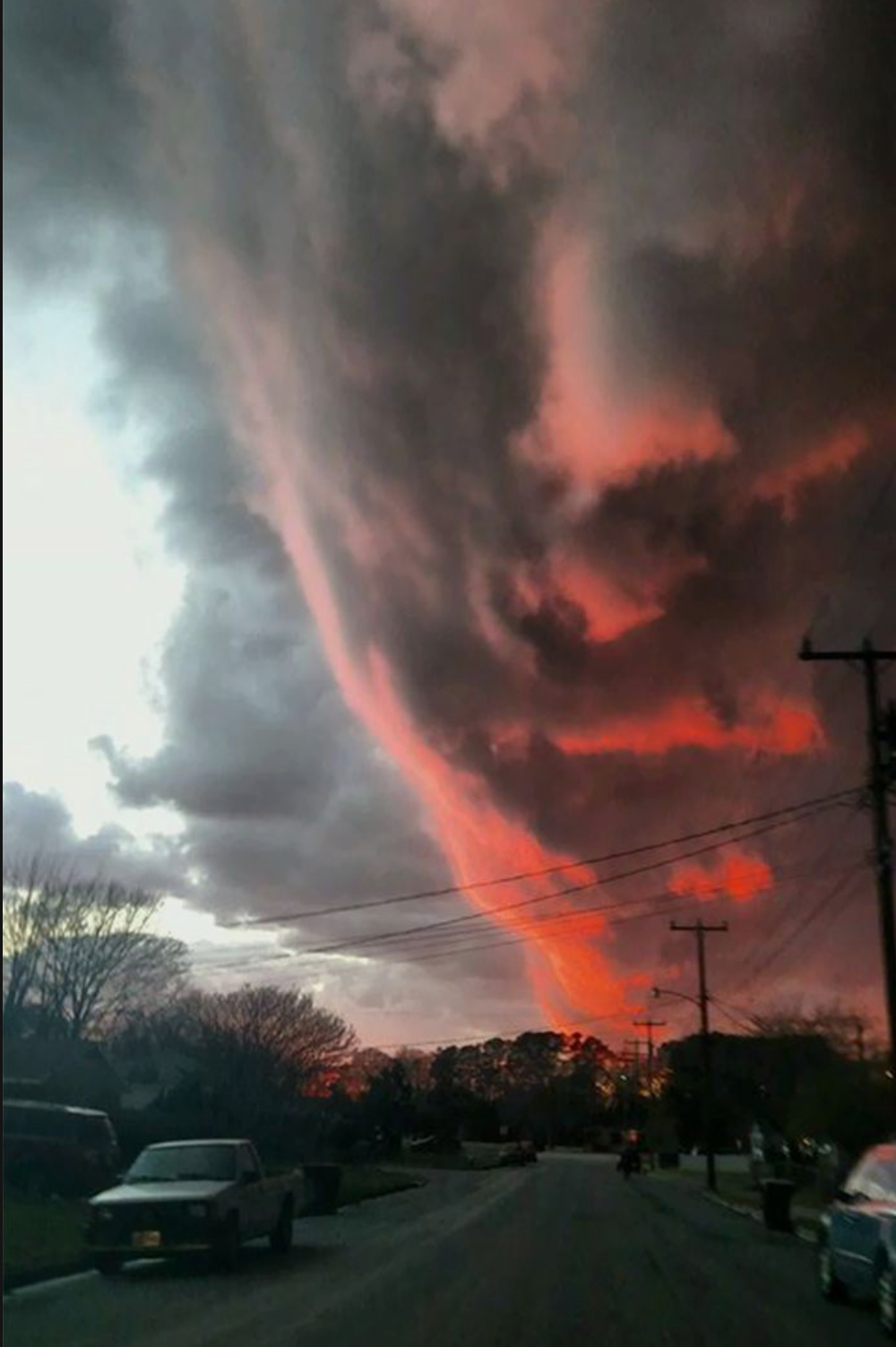
Clouds are made up of tiny droplets of water vapour or ice particles or both. The shape of the cloud depends on its height and temperature. Cumuliform clouds are shaped liked mushrooms and are formed when rising warm air cools as it goes up. Stratiform clouds come in flat, dull layers and are formed when air sinks in a high pressure area, creating a layer of cold air near the ground that doesn’t rise or rises only very slowly. Cirriform clouds are clouds that have risen on a front or tropical cyclone and frozen into ice crystals at very high altitude. They look like thin hair. The shape of cloud also depends on the time of the day.

Towards evening, clouds tend to be thinner and flatter than during daytime. Changes in wind patterns also change the shapes of cloud.

Thank you for reading. Have a nice day!🌼
Curiosity (animals)

• Why don’t woodpeckers get a headache?

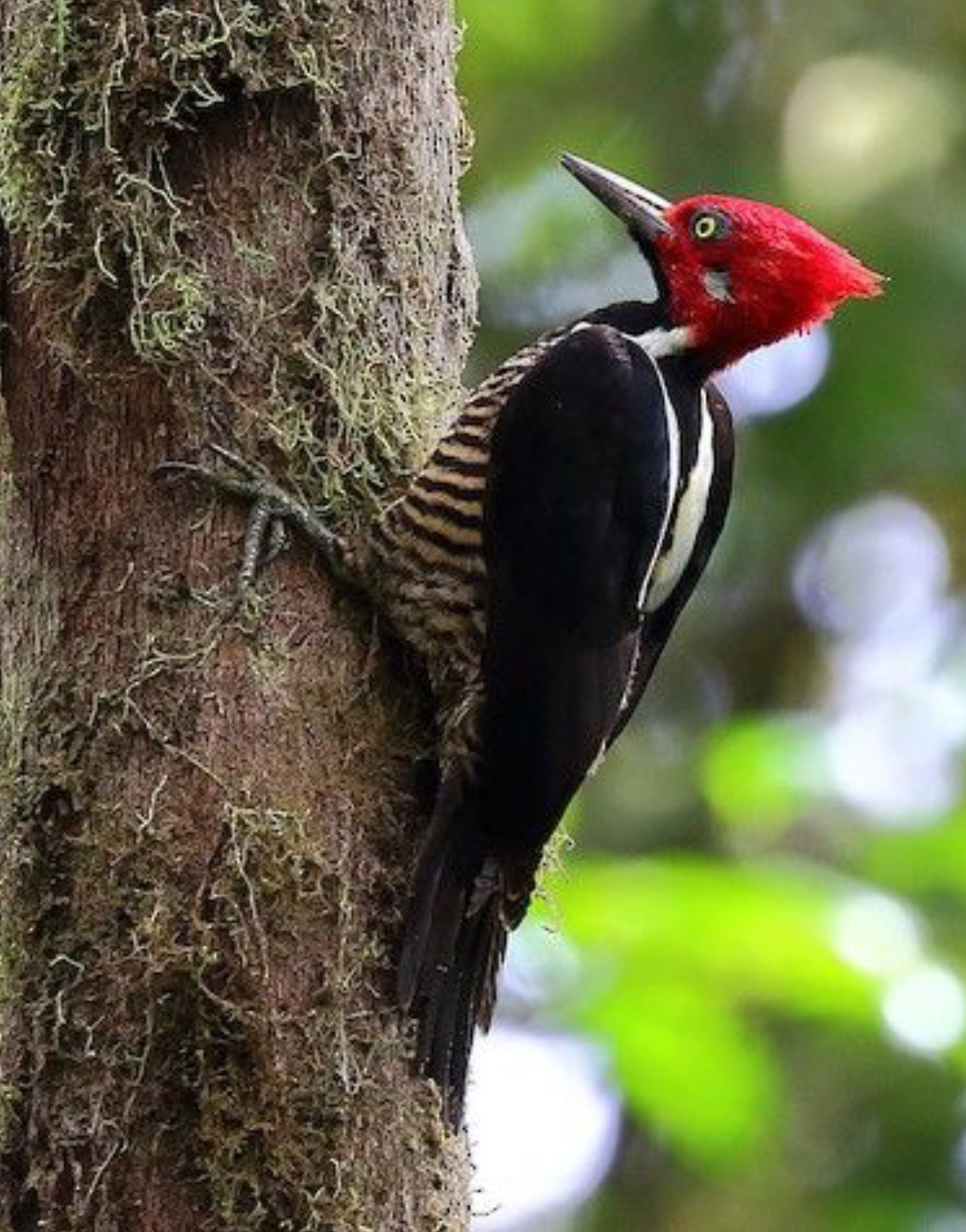
Have you ever seen woodpeckers striking trees with its long beaks? Woodpeckers hit the trees 20 times per second. Yet they don’t get a headache or any other head injury. The reason for thus is that woodpeckers are born with a helmet for the brain, which is formed of strong, thick muscles and sponge like bones in their skull. A woodpecker’s body too is specially designed to absorb the impact of the hit.

A millisecond before a woodpecker’s bill strikes on a tree dense muscles in the neck contract. Some of the force radiates down the neck muscles and protect the skull from a huge impact. A compressible bone in the skull offers a cushion effect too.

• Why aren’t spiders caught in their own webs?

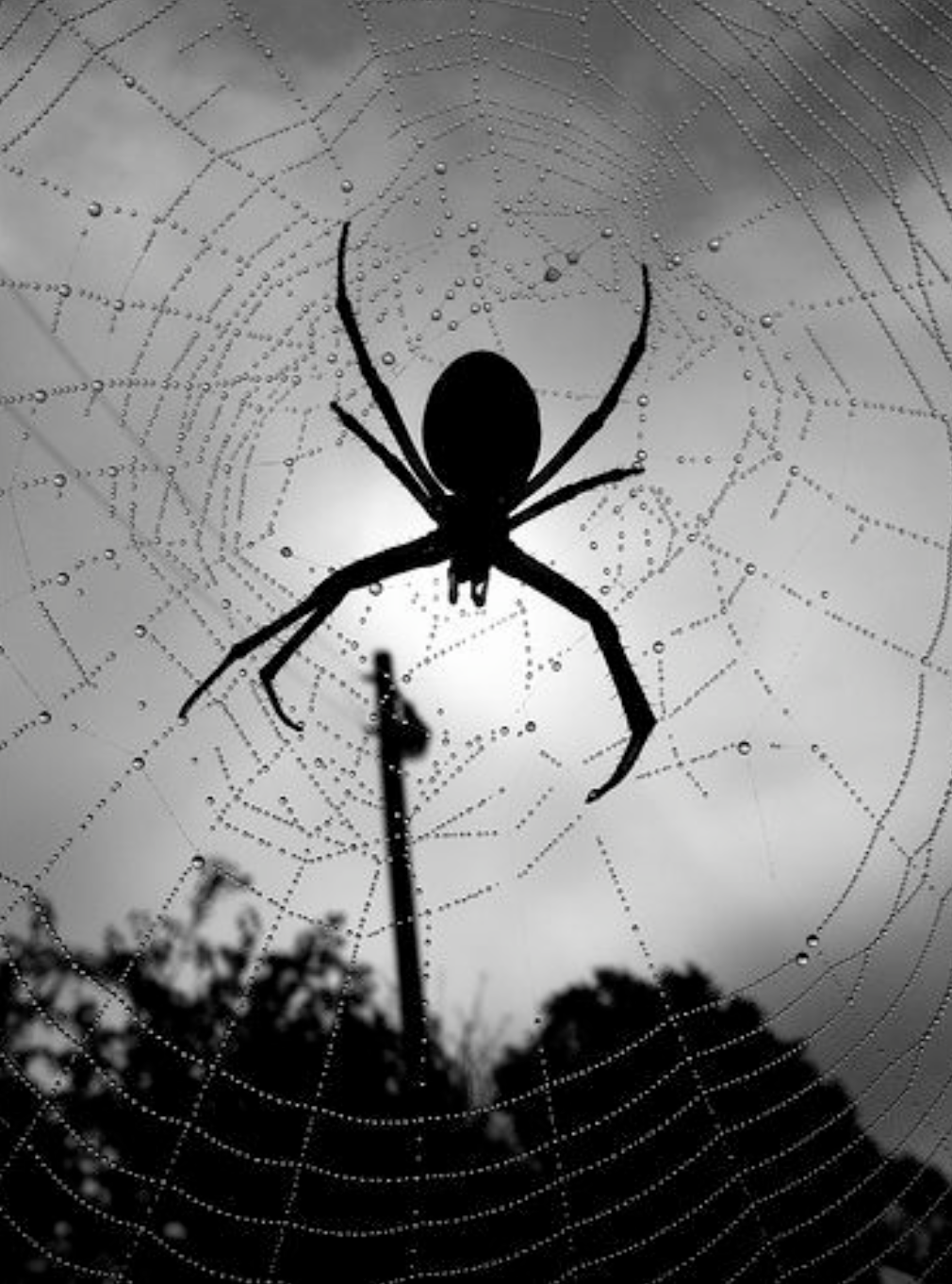
Spiders spin their webs in a circular pattern that is spotted with sticky glue. When an insect brushes against these drops – each thread can carry several dozen per millimetre – it gets stuck and the spider rushes over to inject it with venom or cocoon it in silk. The question of course is how does the spider escape its own glue tracks? The answer lies in the fact is that the web is the spider’s home and it knows its way around the glue traps. There are some threads in the web that have no glue on them and the spider is careful to move only on these threads. It is also believed that spiders use an oily coating on their legs to protect themselves from getting stuck in their own webs!

Colourless rainbow

There are some rainbows that are colourless. They are called fogbows and are formed when the sun shines through a fog. The drops of water in the fog are too small to split up light into it’s different colours, so the fogbow is white in colour.

• What do we know about left handed animals?

Most people are right handed, though about one in ten among us is left handed. Animals like chimps, hump back whales and even toads favour one hand, paw, claw or fin over the other. Chimpanzees use both hands with ease, but have a preference for the right hand. Toads also prefer their right side to perform differ functions. Polar bears on the other hand, are left handed.

Some species of parrot such as the sulphur- crested cockatoo are entirely left handed, while others, including the king parrot are mainly right handed. The majority of parrots – including the budgie, galah and rainbow lorikeet use both claws comfortably. Female cats are more inclined to be right handed while male cats favour their left paws. The same is true for dogs. Interestingly, dogs wag their tails to the right when relaxed and to the left when agitated!

Thank you for reading. Have a nice day!🌼
Vaccination and COVID-19

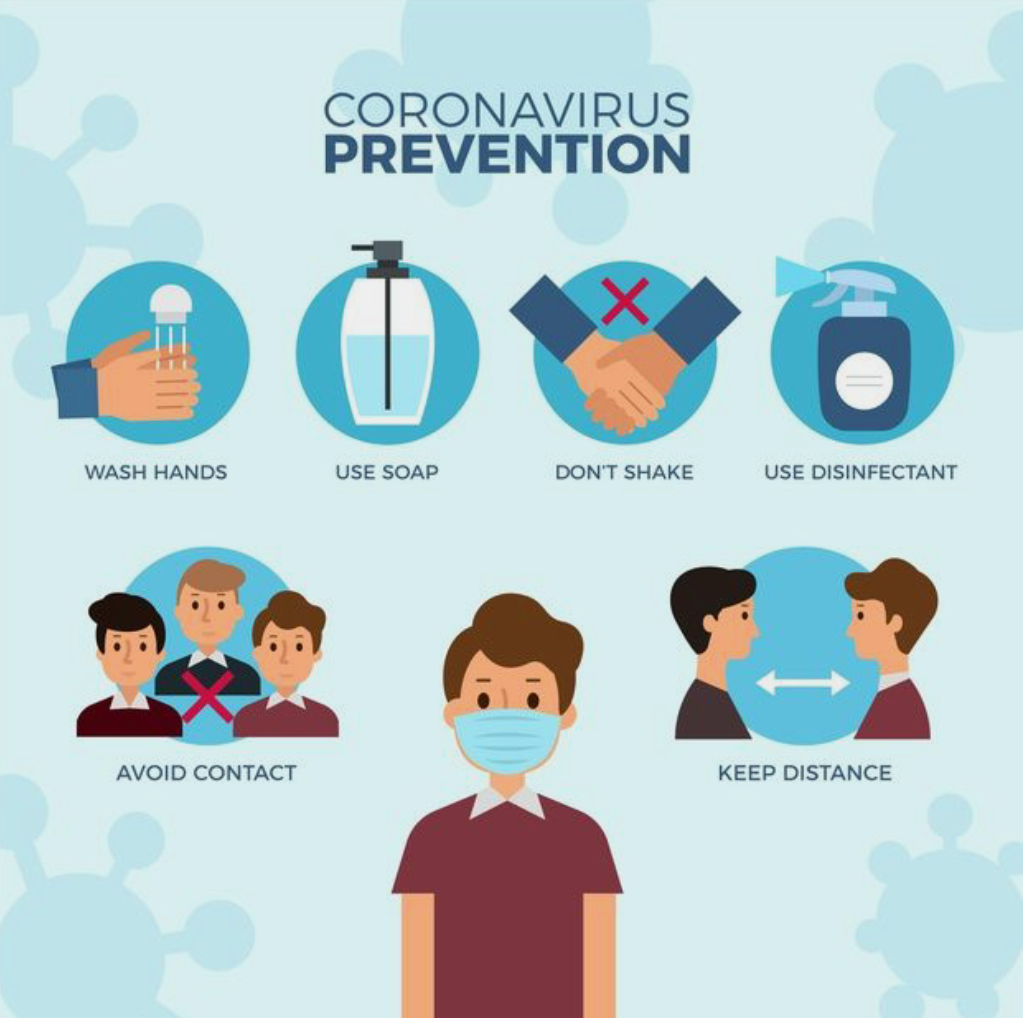
How long has it been since we went to school met our friends or had a family dinner at some restaurant? Since March 2020, we have all been advised to stay home and sanitise ourselves in order to stay safe. Sanitizers and masks have been added to our daily use products, all because of one tiny yet dangerous virus Covid-19!

The world is now waiting anxiously for a vaccine against this dreaded virus. Researchers around the world are working round the clock to develop vaccines to combat the pandemic. Currently, more than 165 vaccines against the corona virus are under process and 27 vaccines are undergoing human trials. Vaccines typically require years of research and testing before reaching the clinic. Today, scientists all over the world are racing to produce a safe and effective vaccine by next year.

When did the efforts start

Efforts to make a successful Covid-19 vaccine began in January 2020 with the deciphering of the SARS-CoV -2 genome. The first vaccine safety trials in humans started in March but the road ahead remains uncertain. Some trials will fail and others may end without a clear result. But a few may succeed in stimulating the immune system to produce effective antibodies against the virus.

• India and vaccine against Covid-19

Like many other countries, India too is immersed in the efforts to develop successful vaccines to counter Covid-19. Thirty different Indian companies are trying to produce a vaccine to fight the infection. 7 out of these have received approval from the World Health Organization. These vaccines are in different stages of testing and clinical trials now.

COVAXIN

COVAXIN is developed by Hyderabad based Bharat Biotech International Limited in collaboration with ICMR and NIV, Pune. This is the first vaccine from India to get regulatory approval. The vaccine makes us an inactive version of a virus to spike up production of antibodies in the host body. It recently initiated Phase I and Phase II of clinical testing.

ZyCoV-D

ZyCoV-D is being developed by Zydus Cadila based in Ahmedabad. The Phase I trials of the vaccine have already begun. Extensive research was done regarding the same in collaboration with medical labs in Europe and US.

• Russia and vaccine against Covid-19

Russia is one of the countries worst affected by Covid-19. The country has been pushing extensively for a Covid-19 vaccine for quite some time now; Russia too is a part of the race to produce the world’s first Covid vaccine. It is possible that Russia would be ready with its first domestic corona virus vaccine soon. The clinical trials were conducted by the Gamaleya National Research centre of Epidemiology and microbiology. There seem to be no reports of side effects on the volunteers. All the participants showed immunity and the country is planning for the serial production of the vaccine by September. By the beginning of next year, Russia hopes to manufacture several million doses of corona virus vaccines per month.

• Oxford University’s efforts to develop a vaccine

The university of Oxford has partnered with AstraZeneca, a British-Swedish pharmaceutical company to develop an adenovirus vector vaccine to combat Covid-19. The vaccine prototype is currently in Phase III of testing. Trials of the vaccine developed by Oxford University show it can trigger an immune response. The vaccine which has so far been found to be safe and effective is expected to be made available for the masses by the end of 2020. This vaccine would also be the first such vaccine to have a large scale testing in India. The observatory data for this vaccine is expected to be available by November this year. The company has tied up with Pune based serum institute of India to mass produce the vaccine once the company gets required approvals and licensing from medical boards.

• Some methods used to make vaccines for Covid-19

Different scientists across the world try different techniques and formulas to develop vaccines. The Oxford researchers have put small sections of the corona virus genetic code into a harmless virus that infects chimpanzees. They appear to have developed a safe virus that looks enough like the corona virus to produce an immune system. Some other scientists have used pieces of raw genetic code, either DNA or RNA. When these are injected into the body it would start producing bits of viral proteins which the immune system can learn to fight. There is also work on corona virus vaccines called ‘plug and play’ vaccines. This method is new and less tested.

Thank you for reading. Have a nice day!🌼

Beverages from scratch…

Wine

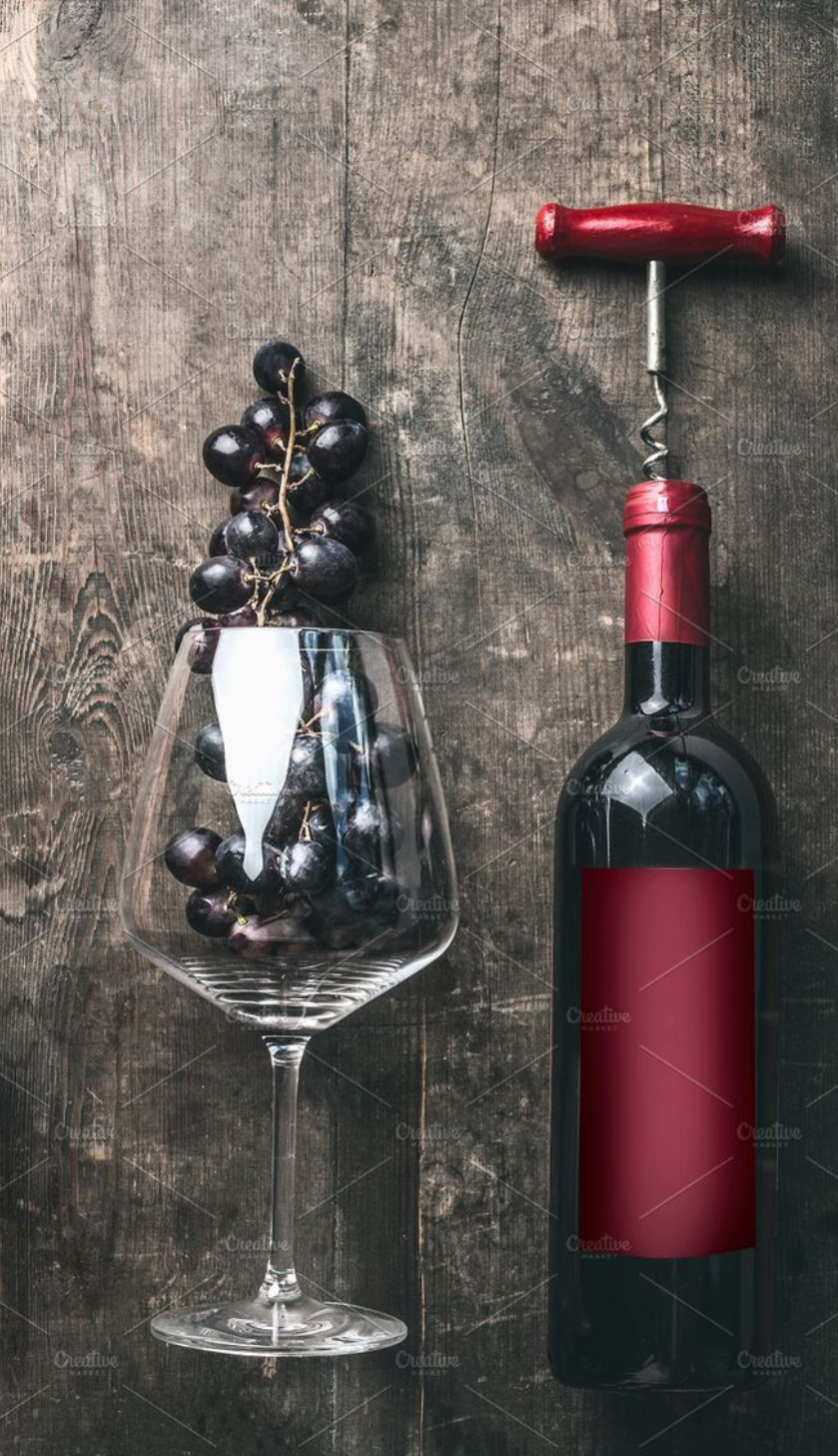
Wine is as old as civilization itself and it has a significant place in many ancient cultures. Many experts agree that wine probably dates to 6000 B.C., to Mesopotamia where wild vines grew in abundance. The popularity of wine eventually spread to Egypt, along the Nile Delta. Wine came to Europe with the spread of the Greek civilization around 1600 B.C. It was an important article of Greek commerce and Greek doctors including Hippocrates, were the among the first to prescribe it. The Greeks also learned to add herbs and spices to mask spoilage.

Starting about 1,000 B.C., the Romans made major contributions in classifying grape varieties and colours, observing and charting ripening characteristics, and popularizing the growing of vines and manufacturing of wines. As time progressed, the wealthy enjoyed the fruits of the vine. After the collapse of the Roman Empire, Europe’s wine industry was saved by the church as monks planted vines to provide wine for Mass. Before long, France emerged as a leader, with some of the world’s finest wines.

Did you know that an ancient Persian fable credits a lady of the court with the discovery of wine? This princess lost favour with the king and attempted to poison herself by eating some table grapes that had ‘spoiled’ in a jar. She became intoxicated and fell asleep. When she awoke, she found that she felt much more relaxed and stress free and wine was discovered!

Coffee

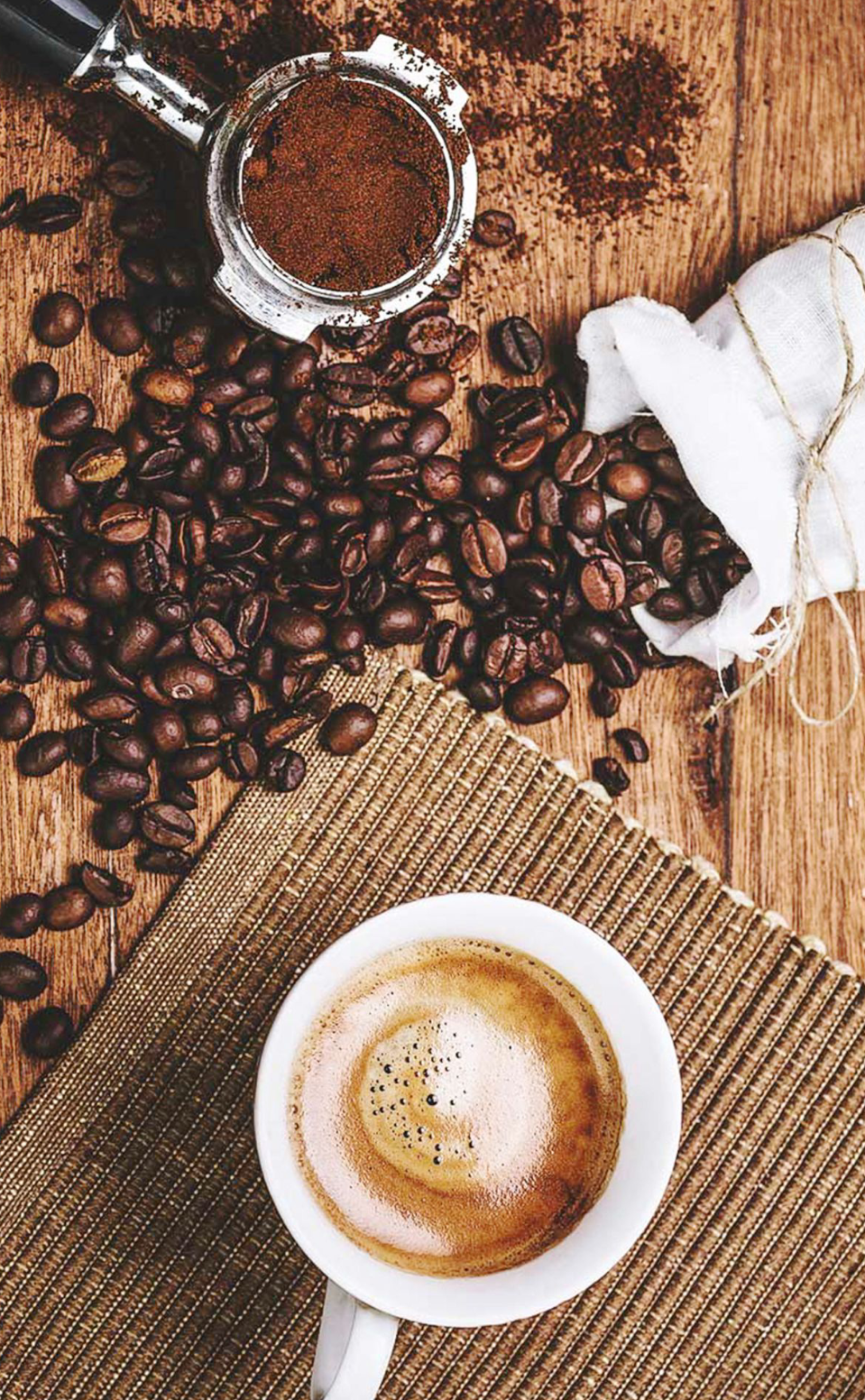
According to legend, an Arabian shepherd named Kaldi found his goats dancing joyously around a dark green leafed shrub with bright red cherries in the southern tip of the Arabian Peninsula. Kaldi soon determined that it was the cherries on the shrub that were making them act this way. After trying the cherries himself, he learned of their powerful effect. These were coffee berries and monks at a local monastery started using a drink made of these berries to stay awake during extended hours of prayer. And so, coffee was born.

The ancient Ethiopians made balls of crushed coffee beans and fat to give them energy during long journeys. The coffee we are familiar with originated in Arabia, where roasted beans were first brewed around A.D. 1,000. Later, coffee was brought to the rest of Asia from where it was taken to Europe by a merchant from Venice.

Did you know that the name coffee is derived from the Arabic term ‘gahwa’ which means ‘that which prevents sleep’?

Tea

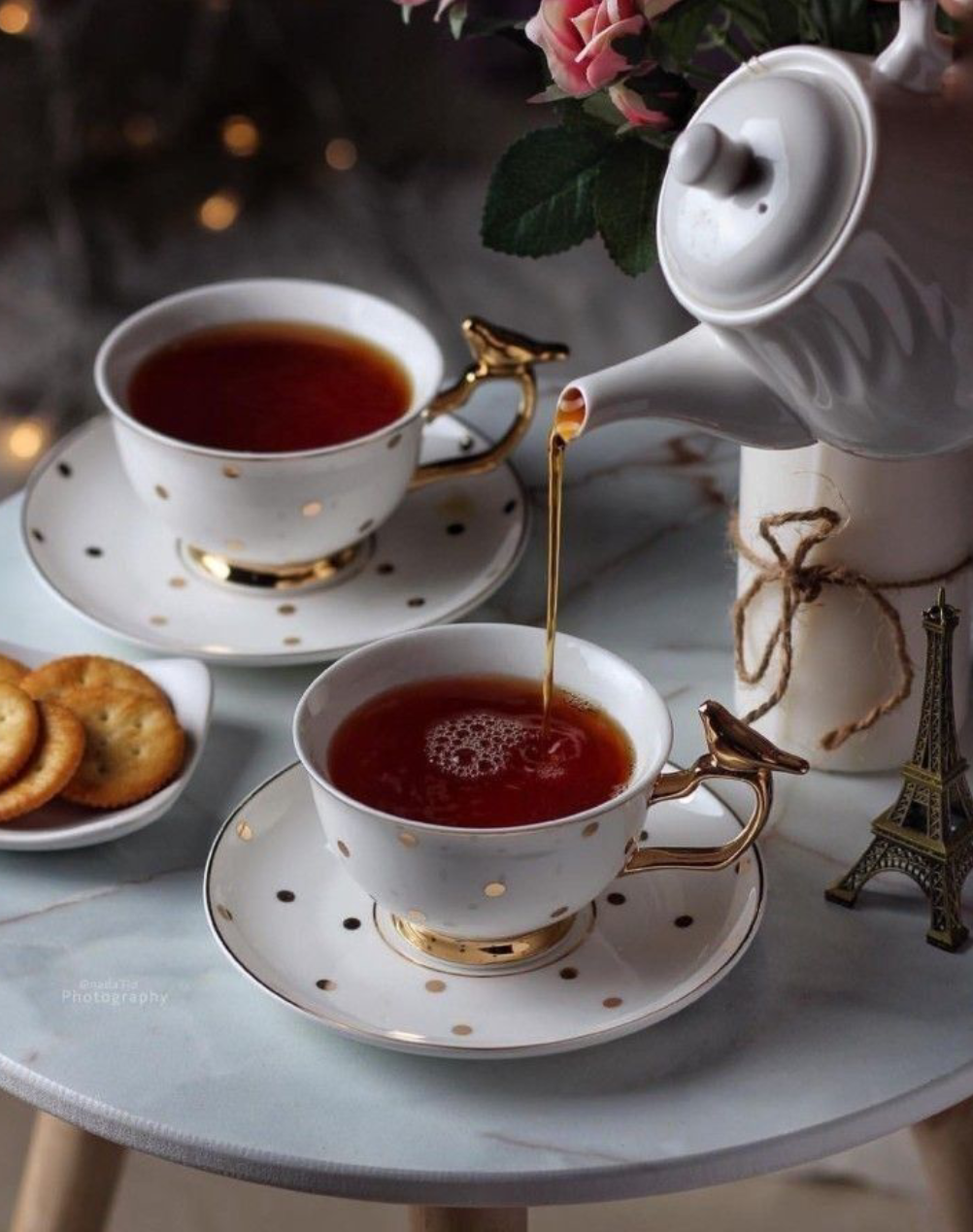
Did you know that tea is 5000 years old? According to legend, it was discovered in 2737 B.C., by a Chinese emperor when some tea leaves accidently blew into a pot of boiling water. The emperor was interested in the new liquid, drank some, found it very refreshing, and tea was created!

Tea consumption spread throughout Chinese society reaching into every strata. In time, drinking tea became part of the social and cultural life in the far East and India. Tea was introduced to India by the silk caravans travelling from the Orient to Europe. It was a Buddhist priest who brought the first tea seeds from China to Japan. In Japan, tea received almost instant imperial sponsorship, and spread rapidly from the royal court and monasteries to the other sections of Japanese society. Dutch traders and Portuguese missionaries brought tea into Europe and tea became an extremely fashionable drink in the court of Charles II of England. Tea has played a very important role in the history of England for it brought fortune to the British empire and at the same time, it was a tax levied on tea that led to the loss of her colonies in the New World.

Today, tea is grown on tea estates, and 70% of the tea we drink is grown in Sri Lanka, India, Indonesia, Kenya, Argentina and China. Amazing, we drink virtually the same tea today that the Chinese emperor drank the day he discovered it!

Carbonated soft drinks

Do you love fizzy soft drinks? Well, even the ancient Romans loved to drink the bubbling waters of mineral springs and they believed that this water was very good for health as well. Later, scientists discovered that it was the carbon dioxide in the water that caused these bubbles and tried to find a way to introduce this gas into plain water to give the same effect. Thanks to the efforts of such scientists as Joseph Riestley and John Nooth, this feat was accomplished and carbonated water was available for sale by the end of the 1700.

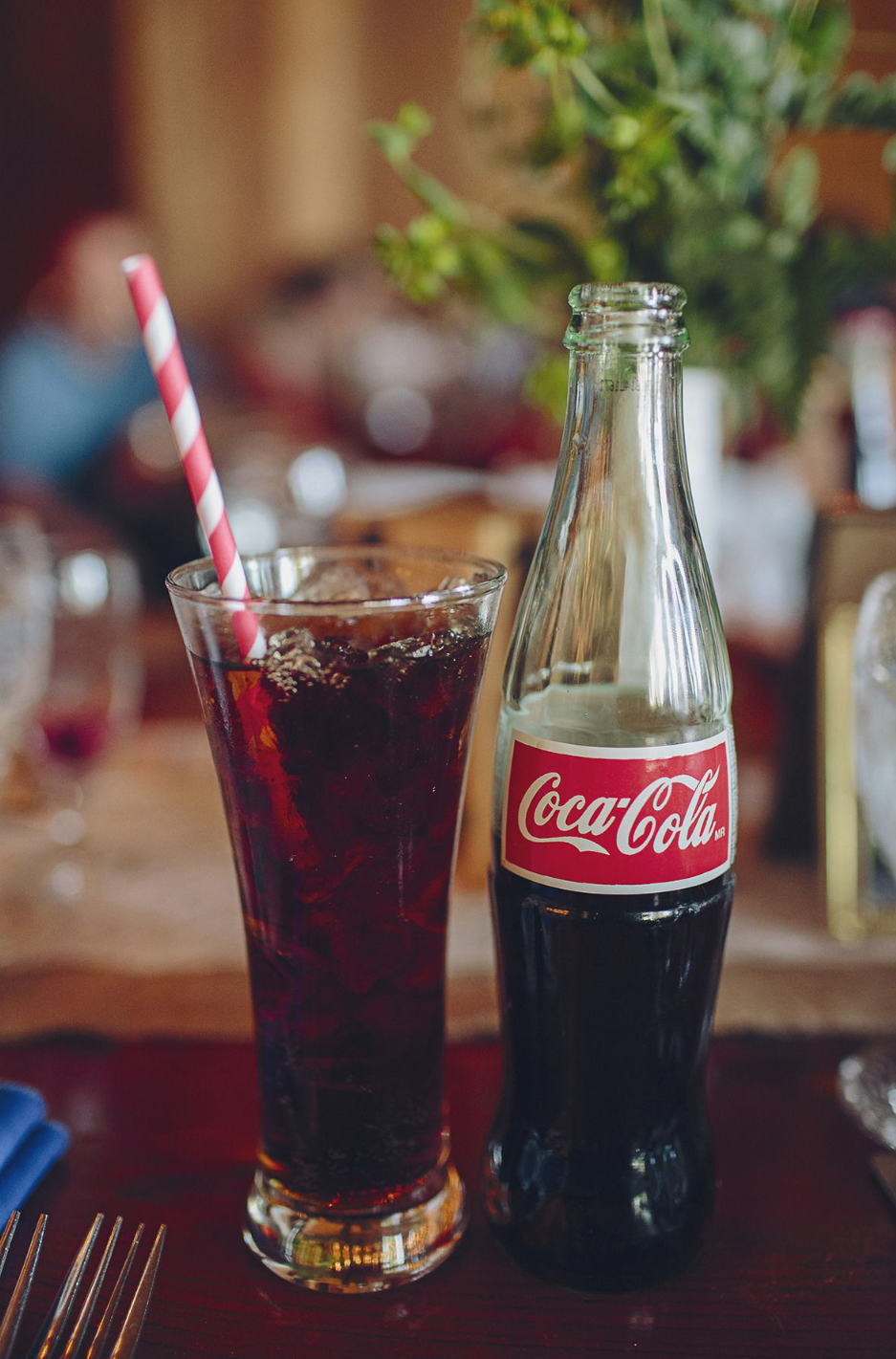
The next step was to flavour this sparkling water. In 1784, citric acid was developed from lemon juice and by 1833, carbonated lemonade was on sale in England. Soon, other flavours were introduced and in 1886, Coca Cola entered the market and created soft drink history.

Thank you for reading. Have a nice day!🌼

Food from scratch…

Noodles

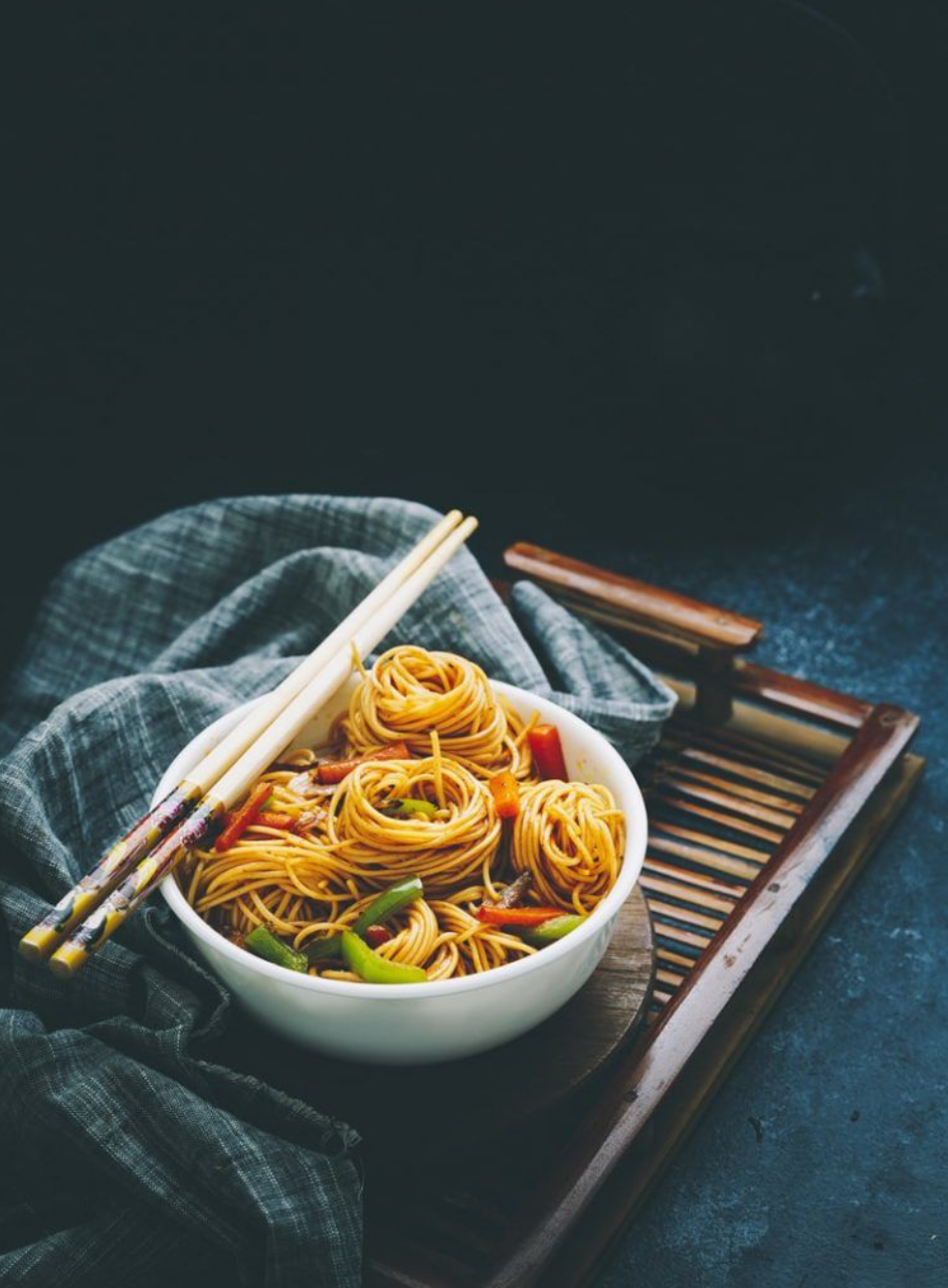
A 4000 year old bowl of noodles unearthed in China is the earliest example ever found of one of the world’s most popular foods. Noodles have been a staple food in many parts of the world for at least 2000 years. But who inverted the noodle? This is a hotly contested topic – with the Chinese , Italian and Arabs all staking a claim.

Ice cream

The first ice cream was probably made by chance when someone left some milk outside on a cold night and it froze!

Alexander the great enjoyed ice cream made with milk, fruit juice, honey and snow in the 4th century B.C. and the Roman emperor Nero ordered ice to ne brought from the mountains and combined it with fruit toppings. The Chinese also had a method of making ice creams and some believe that ice cream came to Europe from China.

It was Quintus Maximus, a roman general, who first wrote down a recipe for ice cream. Marco Polo brought the Chinese recipe to Venice after his visit to Peking. The king of England, Charles I is supposed to have offered his chef a handsome reward to keep his ice cream recipe a secret!

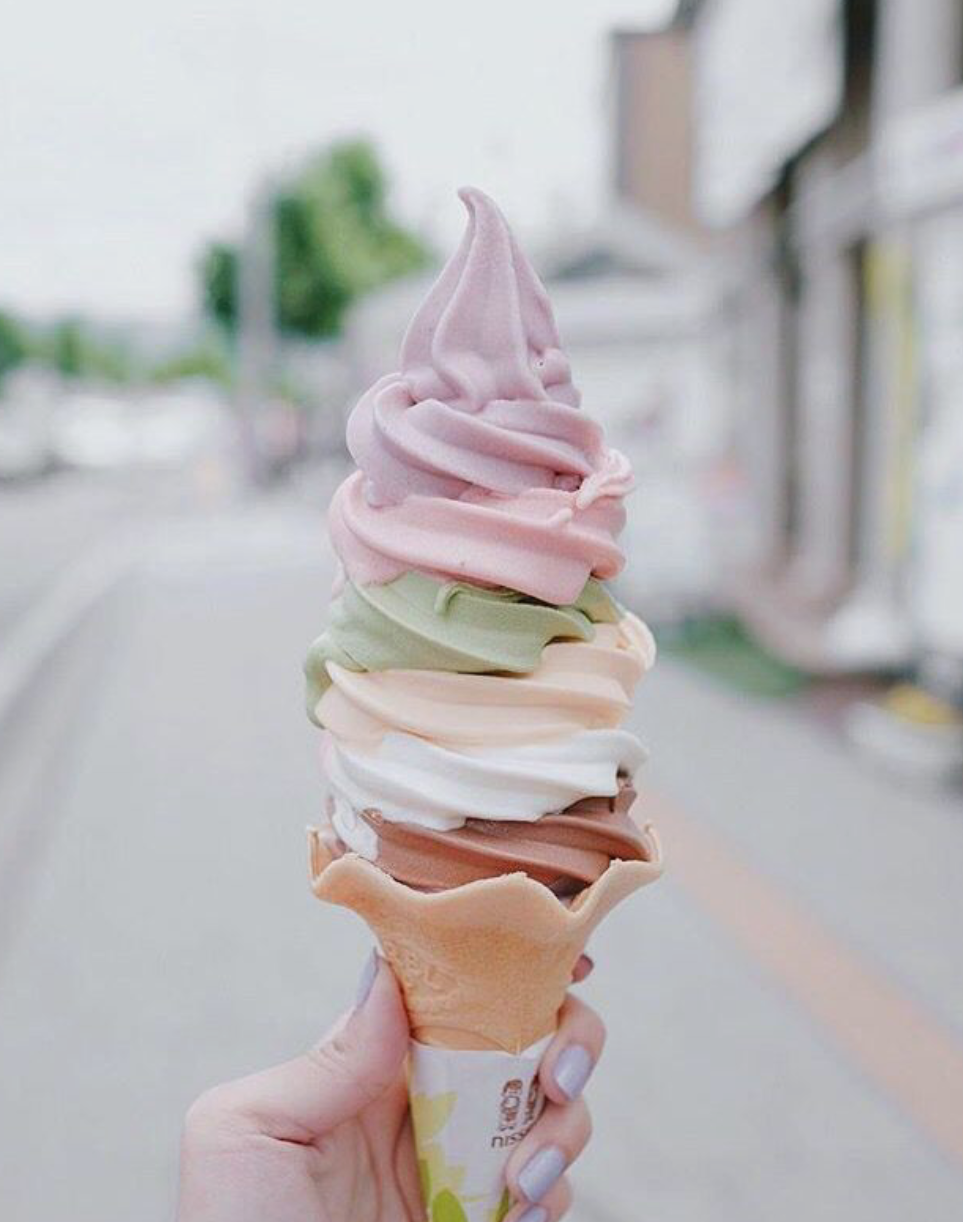
You favourite ice cream cone was invented by a pastry maker Ernest Hamwi in 1904, at the World Fair in St. Louis. He put a scoop of ice cream on his pastry when an ice cream seller in a neighbouring stall ran out of dishes- and it became an instant hit!

Chocolate

Cocoa, from which chocolate is made is said to have originated in the Amazon atleast 4000 years ago. The origins of chocolate can be traced back to the ancient Mayan and Aztec civilization in central America, who first enjoyed ‘chocolatel’, a much prized spicy drink made from roasted cocoa beans, the Aztecs believed that the cocoa tree was a gift from their God, Quetzalcoatl. According to legend, He had been banished by the other gods for giving the tree to mankind, but he promised to return to them one day.

The Spanish, led by Hernando Cortez, invaded Mexico in the 16th century. When the Aztecs saw Cortez, they believed their god had returned and welcomed him with a golden cup of chocolate! When Cortez returned to Spain in 1528, he loaded his galleons with cocoa beans and equipment for making the chocolate drink. Soon ‘chocolate’ became a fashionable drink enjoyed by the rich in Spain.

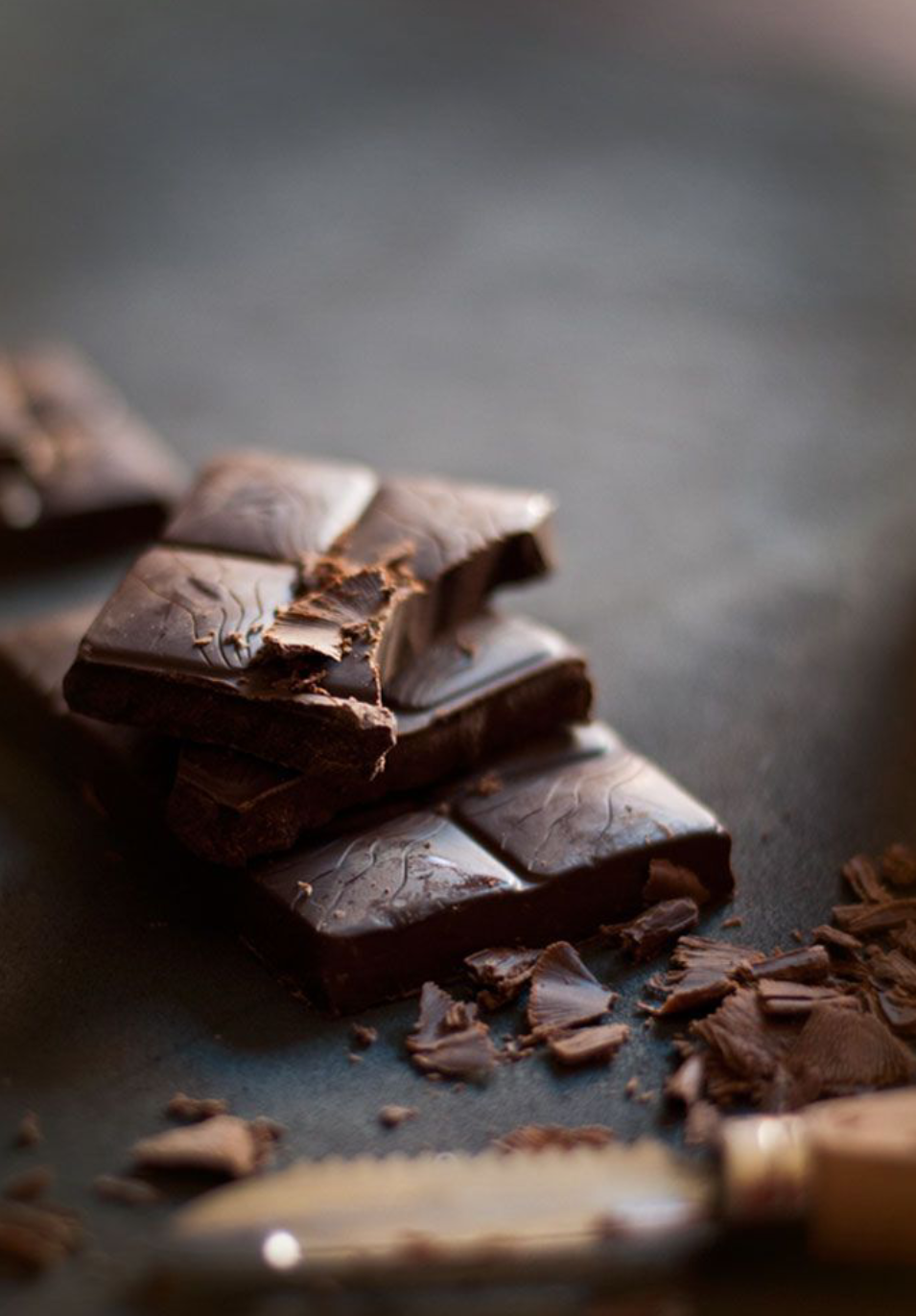
It was in 1847 that solid chocolate, as we know of today, was made by Fry and sons of Bristol by mixing sugar with cocoa powder and cocoa butter and your favourite treat was born.

Chewing gum

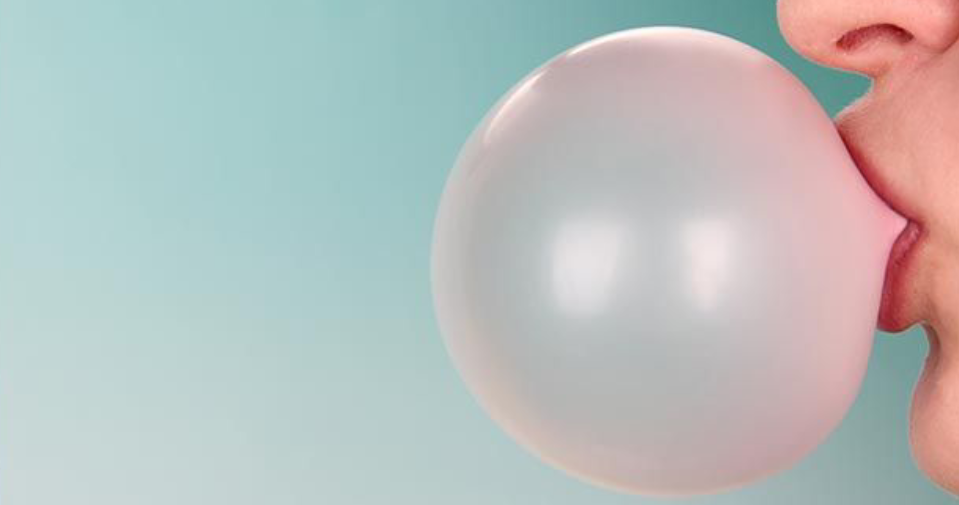
Thousands of years ago people chewed gum in it’s natural form. The most common ancient chewing gum was tree resin lumps, but people chewed various sweet grasses, leaves, grains and waxes also. The first commercial Chewing gum was made and sold in 1848 by John Bacon Curtis. He made a sticky, rubbery material from the spruce tree which could be chewed. In the 1860’s, Thomas Adams began selling chicle, a gum from the sapodilla tree of Mexico’s Yucatan desert.

Thank you for reading. Have a nice day!🌼
Story of the two most expensive spices

Saffron

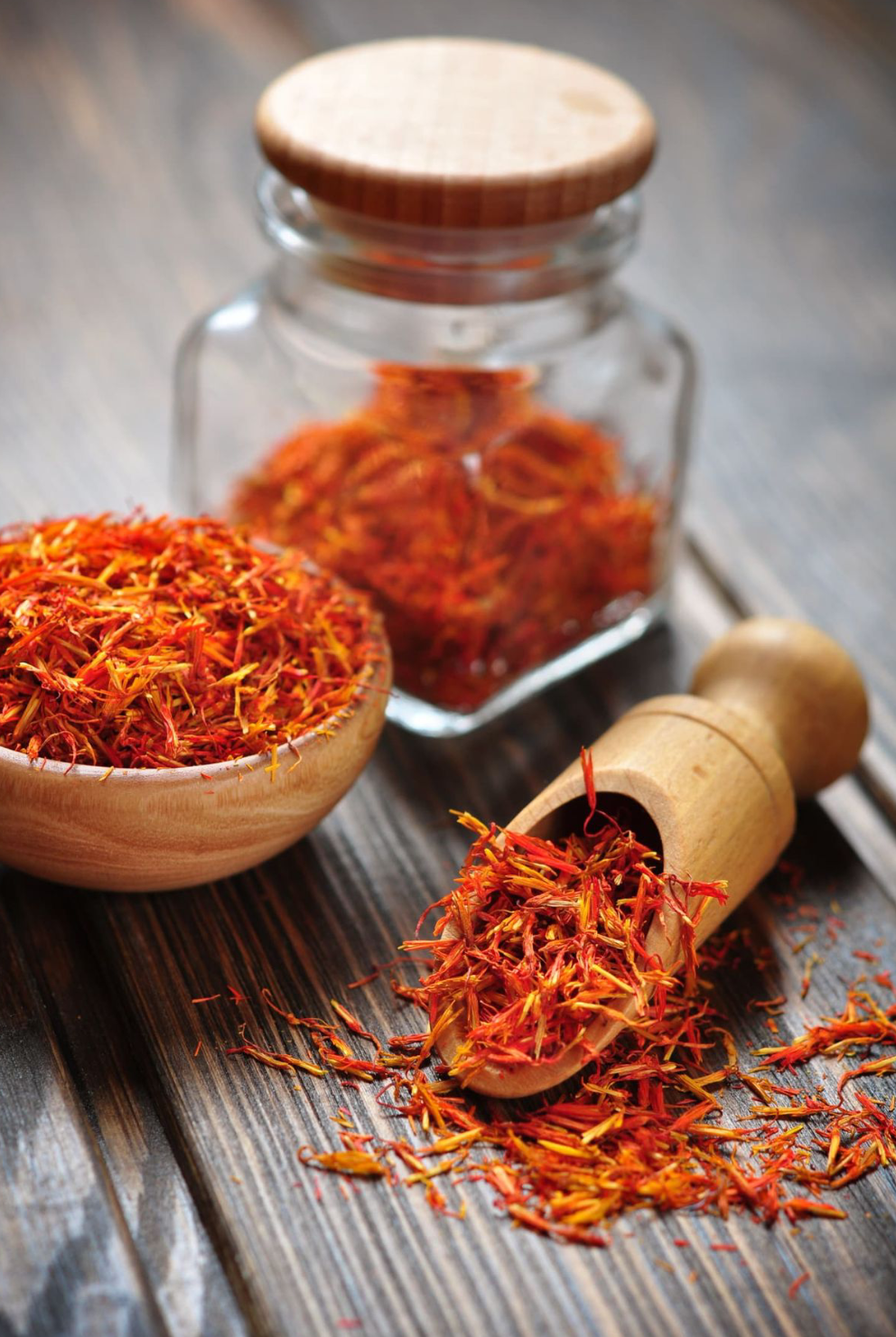
One pound of saffron costs you $5000. It is the most expensive spice next comes vanilla. Saffron is a complicated spice to harvest. Harvesting saffron needs a lot of hand work to pick up the flowers, separate the saffron that is the dried stigma or the female part of the flower. Saffron comes from the saffron crocus flower and each flower has 3 stigmas. The yield of saffron is very low. One pound of saffron requires 170000 flowers. These flowers bloom over a six week period from late September to early December. There is a specific time to day to harvest them. High relative humidity and sunlight can break the chemical structure in the saffron. Early morning is preferably the best time to harvest them.

90% of the world’s saffron is grown in arid fields in Iran. It is so because workers are available and for cheap. But it’s mostly like slavery. Most workers are women getting five dollars a day. Not only Iran, it’s grown in Morocco, Spain, Italy, the Netherlands, Afghanistan, India and even in United States. Though many Americans have never eaten saffron, the US imports large amount of saffron. Saffron has a resistance to cold weather.

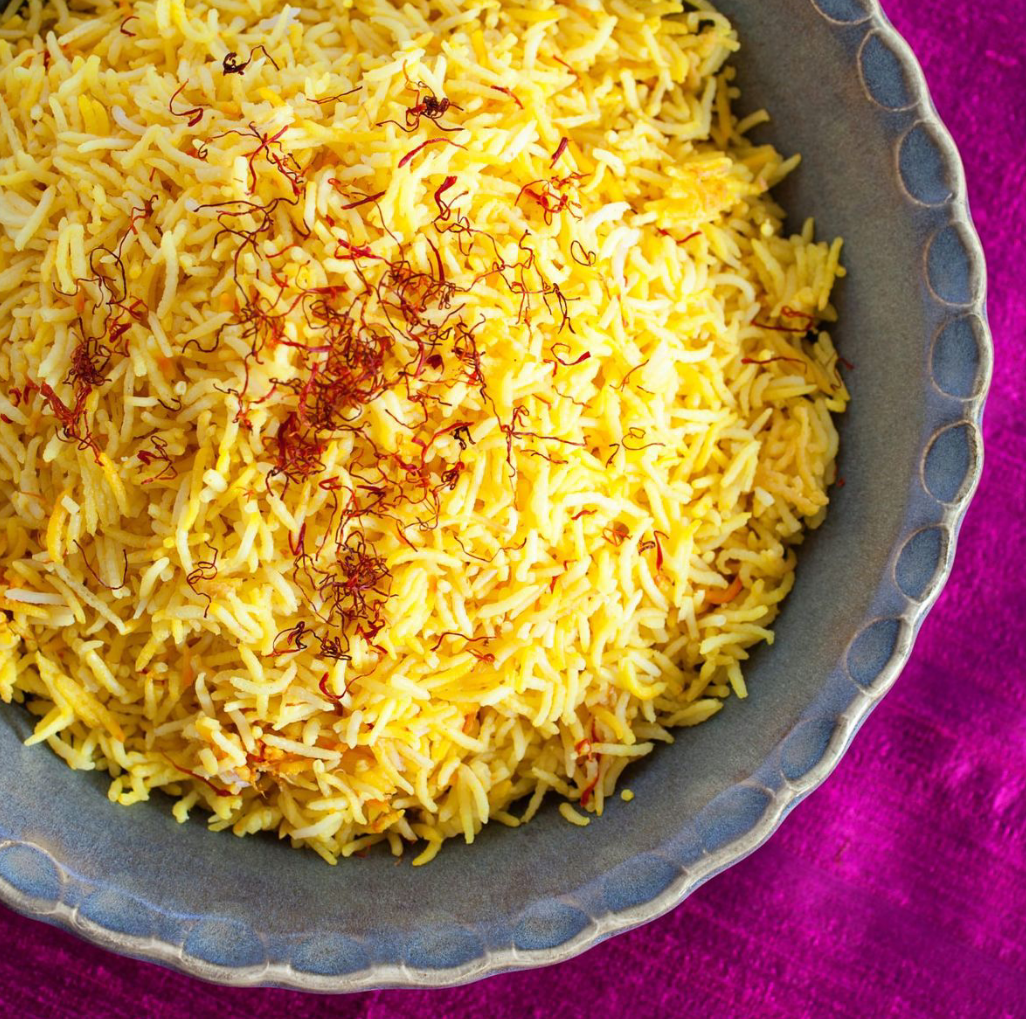
Over centuries saffron has proven useful in many situations. Most commonly used in cooking. Middle east Asian countries have a lot of food containing saffron. When saffron is broken down it creates a golden dye. Which is how when used in cooking it gives a different kind of colour and taste and smell to it.

Saffron contains some chemical components which are really expensive like picrocrocin, crocin and safranal. These are the main components responsible for the taste, smell and colour.

People have tried passing turmeric, red marigold petals, and lily flower stigma as saffron. But the flavour and dye is totally different. In large quantities, saffron can be a potent happiness inducing narcotic. Research suggests it may help reduce the symptoms for Alzheimer’s, depression and PMS.

Vanilla

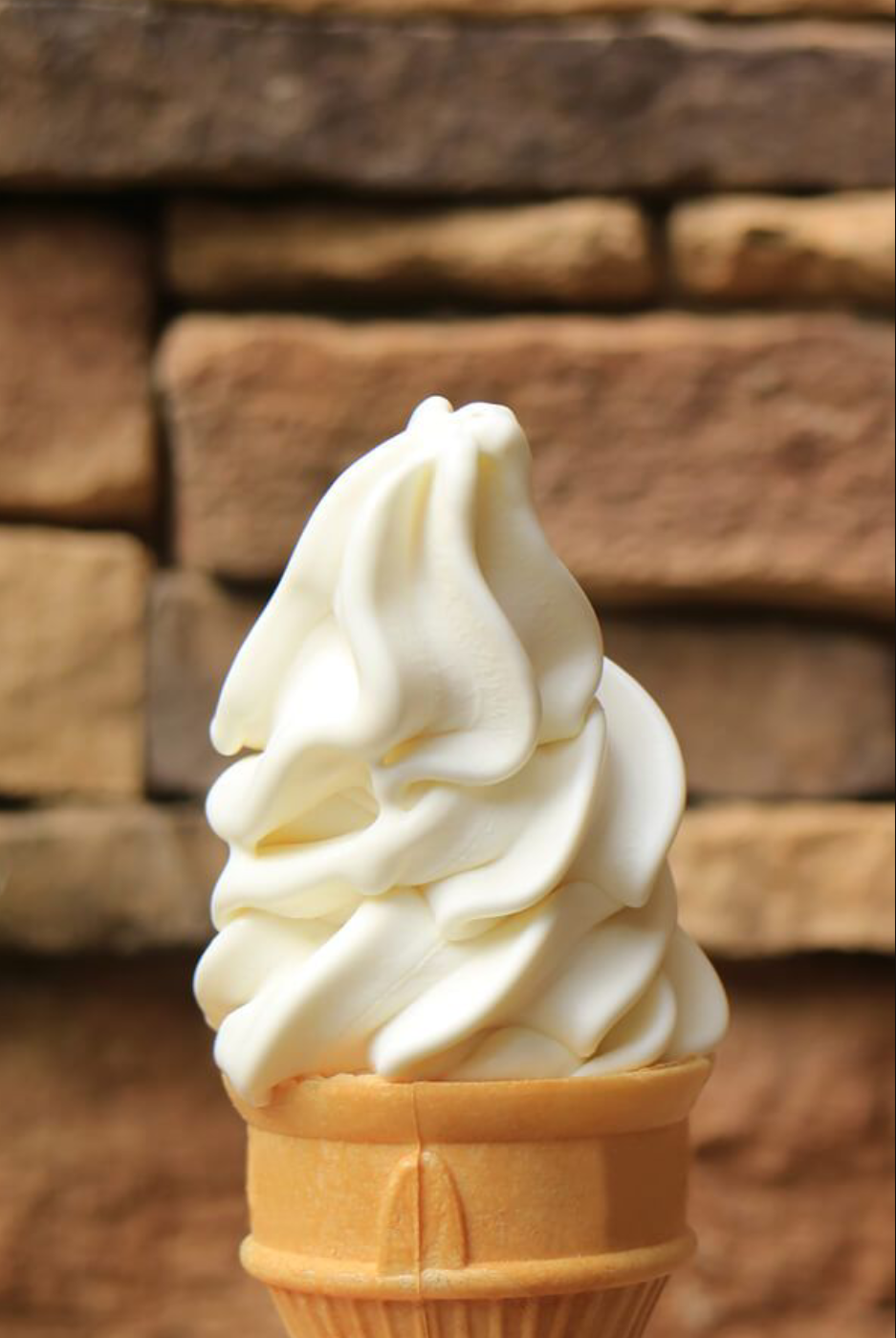
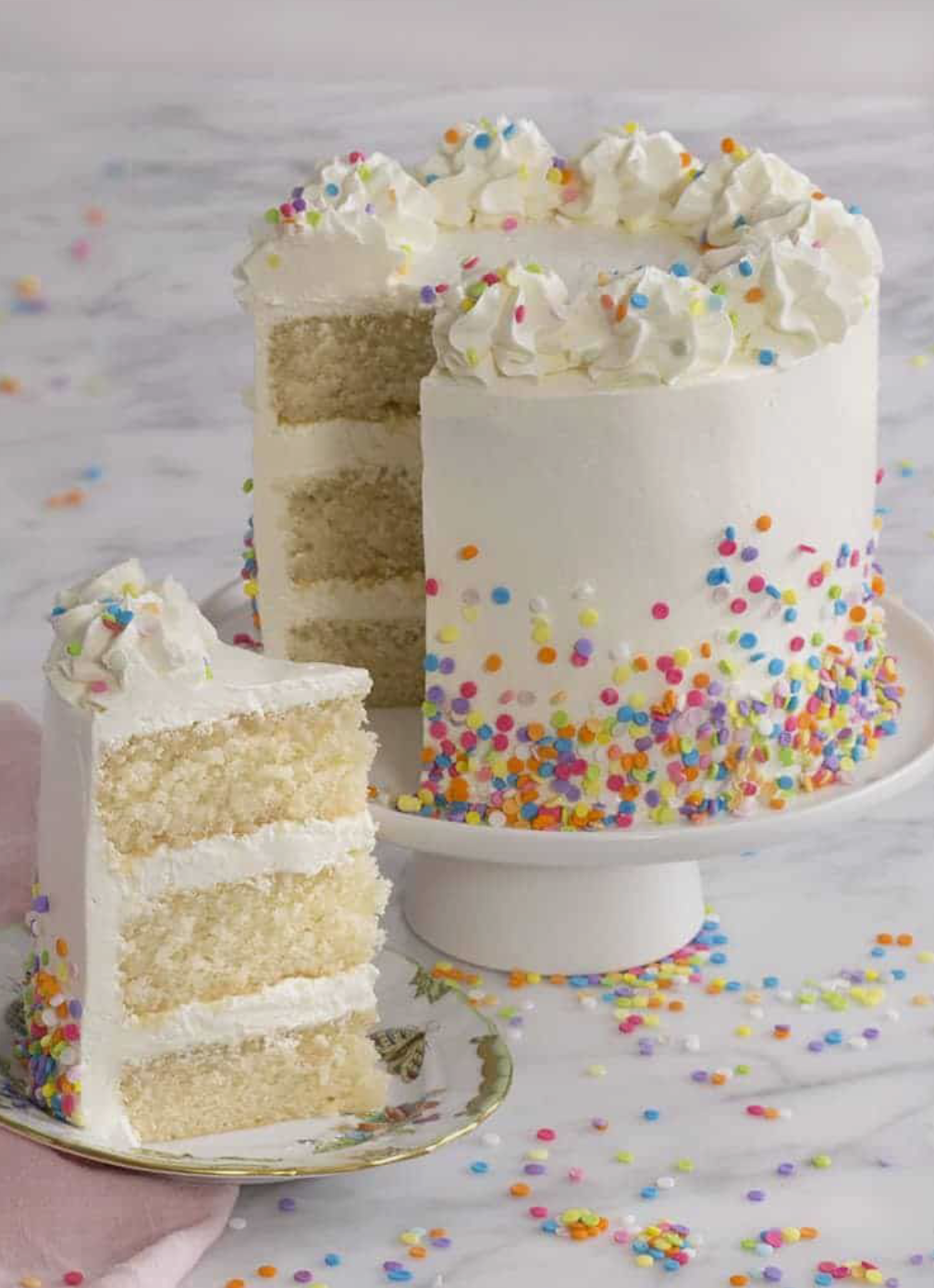
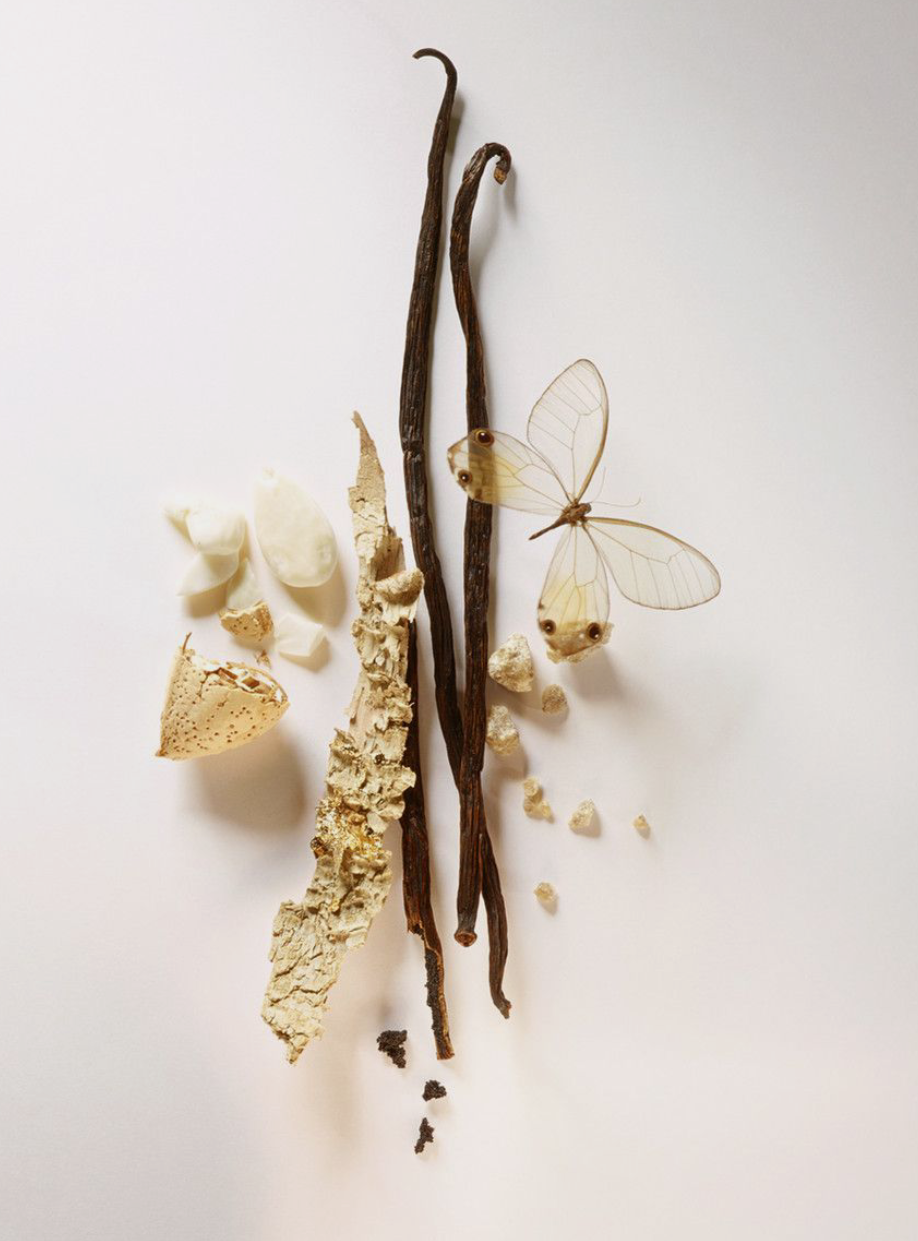
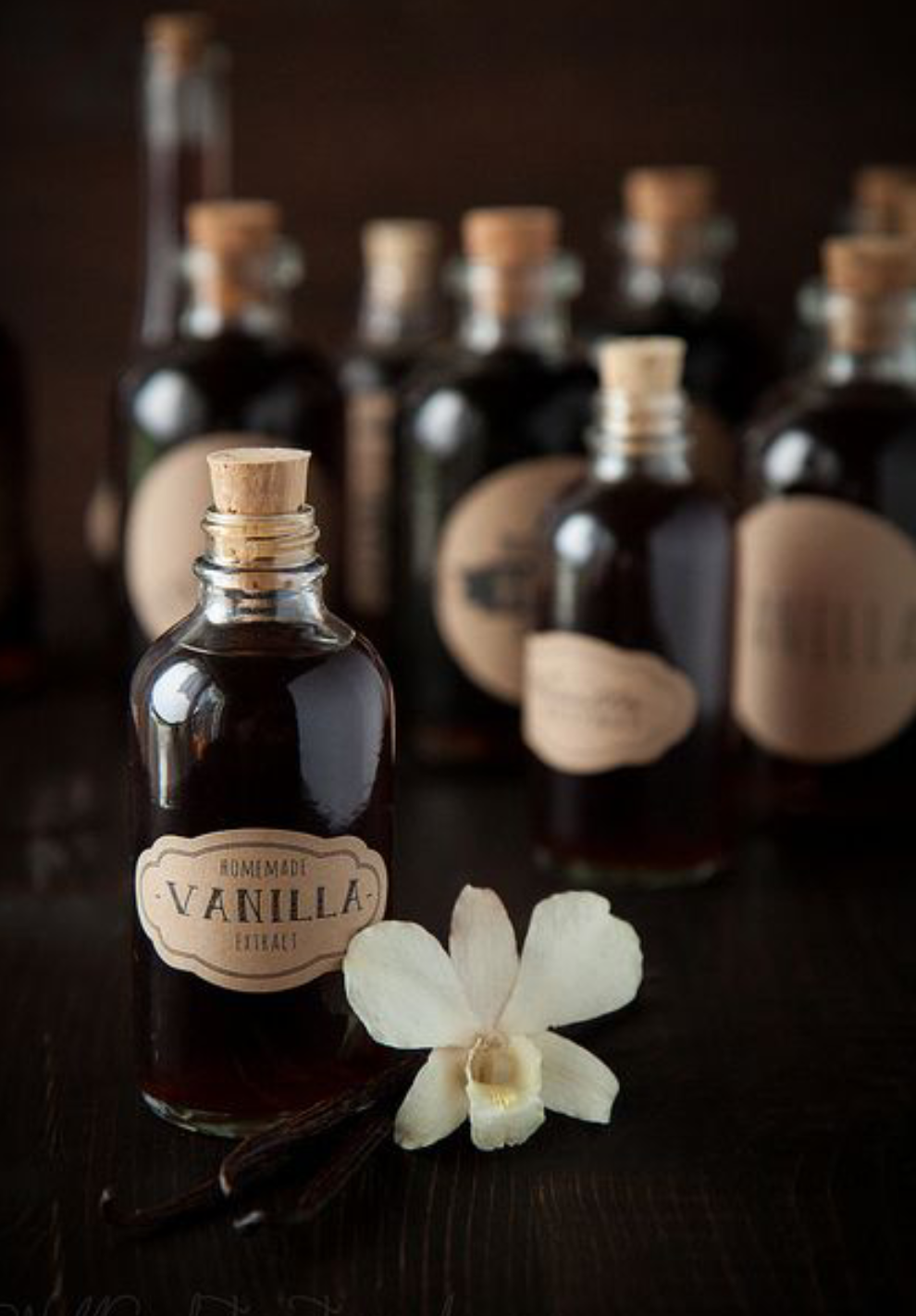
From ice cream to cakes and even perfume, vanilla is the go-to flavour of the world. In recent years, the price of natural vanilla has shot up. At one point it was more expensive than silver by weight. 80% of the world’s vanilla is grown in the perfectly suited climate of the north east region of Madagascar. It’s the country’s primary export crop. In 2014, vanilla was $80 a kilo. Three years later it was $600. Today its around $500. The price rise is due in part to global demand. The trend of eating naturally means that food companies have shunned synthetic flavouring in favour of the real deal.

Price fluctuations affect producers of agricultural commodities everywhere but vanilla is particularly volatile. In just a few weeks the price can jump or plummet by over 20%. Liberalisation is one reason for such movements. The Malagasy government once regulated the vanilla industry and it’s price. But now the price is negotiated at the point of sale which makes for a freer market but a more volatile one. It’s also a tiny industry. A single cyclone can knock up the entire crop within Madagascar. It’s also a difficult and delicate crop to grow.

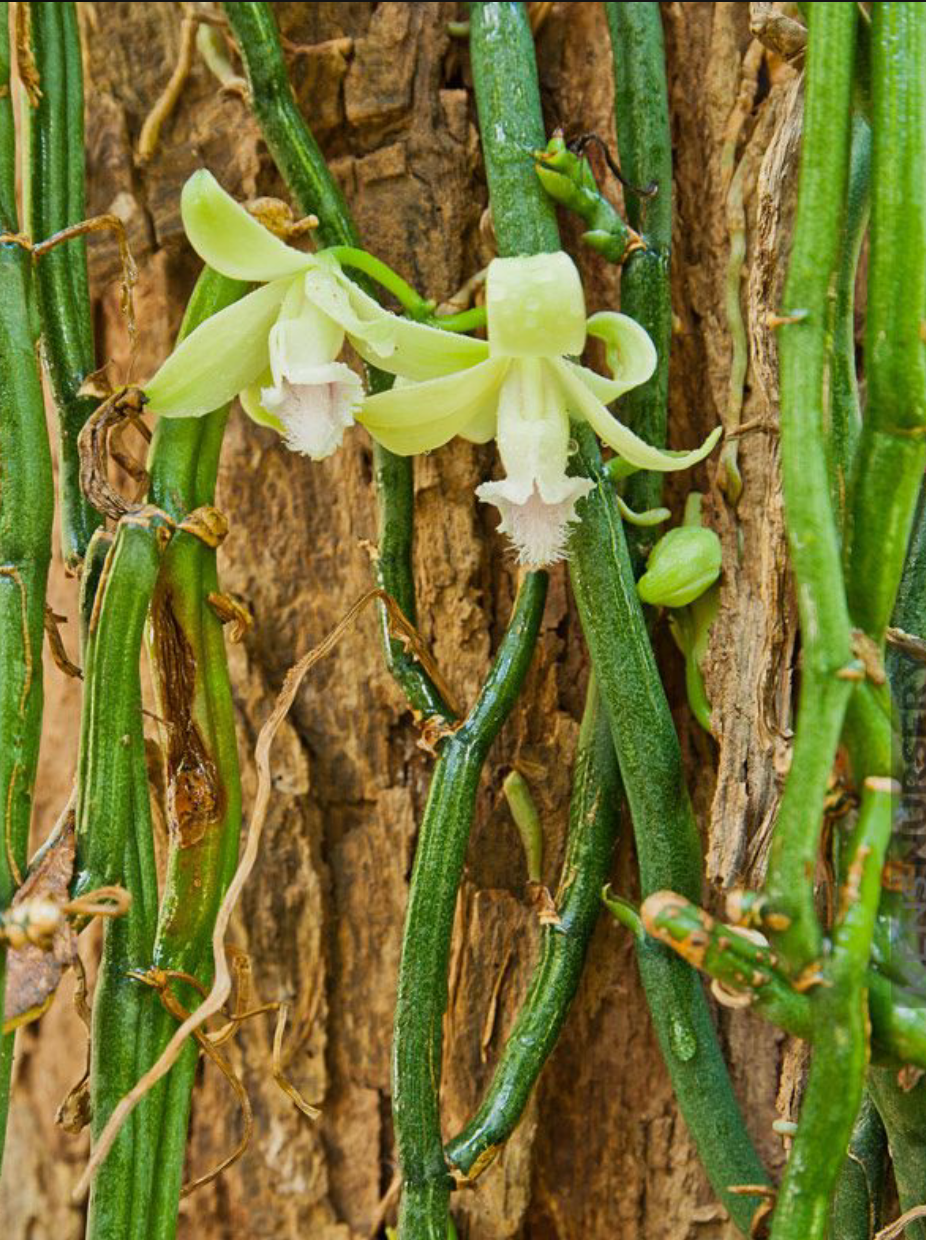
Vanilla is an orchid that needs to be hand pollinated. This is a really labour intensive practice. It takes roughly six months to grow it on the vine and then six months of manual post harvesting. The interesting thing about vanilla is that it needs to be taken off the vine when it is almost rotted!

The growers have to contend with another problem. Thieves are targeting vanilla crops. So Malagasy now have to sleep out in their vanilla fields. They can’t rely on those who are changed from the state to protect them or their crops. Some farmers have resorted to harvesting the beans before they’re ripe but this produces a poorer quality vanilla and ultimately pushes down the price. The combination of deteriorating quality and high prices is having an effect. The vanilla price bubble may burst. If the price continues to stay high there’s a number of scenarios that will play out. Continuation of current situation will cause an unstable market. Otherwise the corporate sectors step in, try to regulate the market in some way that may stabilise prices and also quality. Or the market may crash out.

Big buyers that provide vanilla are now working directly with farmers in a bid to gain greater control over quality. Other companies have started to look elsewhere for their natural vanilla. Indonesia, Uganda and even the Netherlands are growing the crop. For a century Madagascar has enjoyed a near monopoly on vanilla. But this industry maybe in line for radical overhaul.

Thank you for reading. Have a nice day!🌼
Content Writing Internship

About Eduindex News (https://eduindexnews.com/)

Eduindex News – is an Educational News publisher and news portal for benefits of scholars and students.
Eduindex News is a news media platform dedicated to showcasing stories of a new generation through online news, print news, videos & live events. We document the struggles, triumphs, trends, issues & experiences that define the Indian millennial today. We focus on the education and start up business to promote among the youth of the nation.
https://eduindexnews.com/

Intern’s responsibilities

Selected intern’s day-to-day responsibilities include:

  1. Daily write at least one article on provide topic or topic of your choice which should fits in https://eduindexnews.com/news-categories/
    2.Research and write original content
    3.Post directly on Eduindex News Portal. (Good articles will be approved and based on number of approved articles, stipend amount will vary.

Stipend & perks

Certificate, Letter of recommendation, Flexible work hours, 5 days a week.

# of jobs/internships available: 10
Skill(s) required

WordPress, Creative Writing and Report Writing

Who can apply

Only those candidates can apply who:

  1. are available for the work from home job/internship
  2. can start the work from home job/internship between 28th May’20 and 2nd Jul’20
  3. are available for duration of 1 month
  4. have relevant skills and interests

** Women willing to start/restart their career can also apply.