Cyrus Poonawala to receive Lokmanya Tilak Award

The founder of the Serum Institute of India (SII) in Pune, businessman Cyrus Poonawalla has been named the winner of the prestigious National Lokmanya Tilak Award 2021.He will be commended for his work during the COVID-19 pandemic and how his company helped save many lives by creating the Covishield vaccine and then making provided the medicine to the citizens of the country at an affordable price.Although the awards ceremony takes place on August 1 each year on the anniversary of the Freedom Fighter’s death, this epidemic-stricken year the award has been scheduled for August 13. The prize includes a cash prize of 1,00,000 rupees and souvenirs for the winners. The award was first presented in the year 1983. Winners include former Prime Minister Indira Gandhi, Dr. Manmohan Singh and Atal Bihari Vajpayee; Infosys founder NR Narayana Murthy and former President Pranab Mukherjee.
Cyrus poonawalla

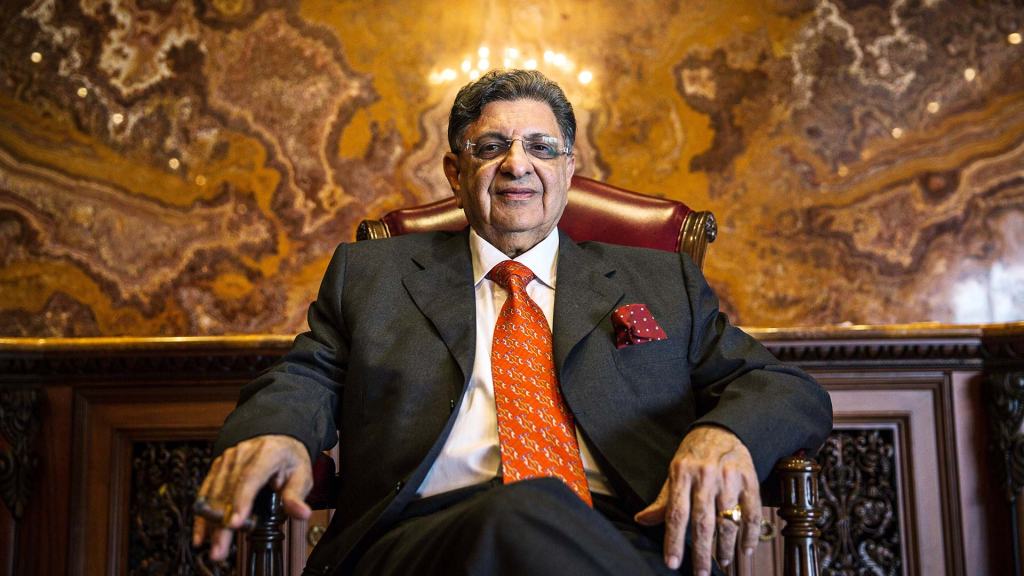
Cyrus S. Poonawalla (born in 1941) is an Indian billionaire businessman, and the chairman & managing director of the Cyrus Poonawalla Group, which includes the Serum Institute of India, an Indian biotech company which is the largest vaccine manufacturer in the world. In 2021, he was ranked number eight on Forbes’ India rich list with a net worth of $12.7 billion. Poonwalla founded the Serum Institute of India in 1966 and built it to the largest vaccine manufacturer in the world by doses. Serum produces over 1.5 billion doses annually of a range of vaccines, including for measles, polio and flu. In May 2019, it was reported that Poonawalla, in partnership with Naum Koen, had proposed supplying Ukraine with 100 thousand doses of the measles vaccine for free vaccination.

Serum institute of India [SII]

Serum Institute of India (SII) is an Indian biotechnology and biopharmaceuticals company. It is the world’s largest manufacturer of vaccines located in the city of Pune, India and was founded by Cyrus Poonawalla in 1966. The company is a subsidiary of the holding company Poonawalla Investment and Industries. he company set out to produce immunobiologicals, which were imported into India at high prices. Among the first products the Serum Institute of India manufactured in large quantities were the tetanus antitoxin, snake antivenom, DPT vaccine, and MMR vaccine. The company’s product lines was expanded to include different types of vaccines against bacterial or virus infections, combination vaccines, influenza vaccine, and meningococcal vaccine. Besides vaccine the company also manufactures antisera, blood plasma, and hormone products. As of 2014 the vaccines manufactured by the Serum Institute of India have been used in international vaccination programmes run by the World Health Organization (WHO), UNICEF, and the Pan American Health Organization (PAHO). Today the Serum Institute of India is run by the Poonawalla Group and engages in research, development, and manufacturing.

The company has partnered with the British-Swedish multinational pharmaceutical company AstraZeneca, which is developing AZD1222 (Covishield) in partnership with the University of Oxford. It is reported that Serum Institute of India would provide 100 million (10 crore) doses of the vaccine for India and other low and middle-income countries. This target was later increased to 1 billion doses by the end of 2021. It is estimated to be priced at ₹225 (around $3) per dose.In September 2020, trials were halted by DCGI after a volunteer in Oxford developed illness following vaccination, but were soon resumed after consent by the British regulators. In December 2020, the Serum Institute of India sought emergency approval for the vaccine developed with AstraZeneca which was approved a month later. In March 2021, an agreement was reached to supply some doses to the UK.
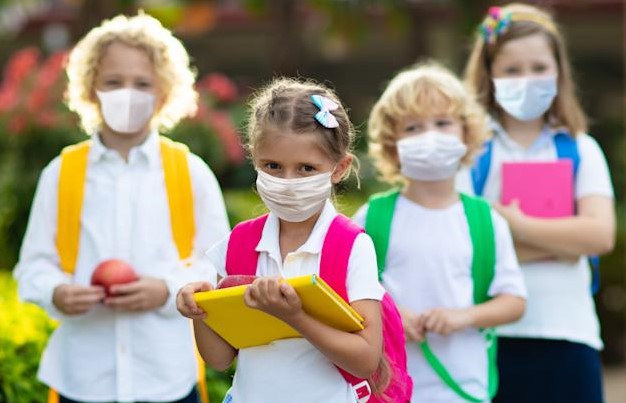
Vaccination for children to commence from August

Vaccination of children against COVID-19 may start as early as August, Union Health Minister Mansukh Mandaviya told a meeting of the BJP parliamentary party on Tuesday.

India was on its way to becoming the largest producer of vaccines as his Ministry would expedite more licences to Indian companies, he stated. He also spoke about the government’s efforts to fight COVID-19 and ramp up vaccination.

The Minister’s statements are in line with what the government told the Delhi High Court in early July that vaccines for adolescents between the ages of 12-18 would be available soon, as trials were under various stages and that a policy to regulate the vaccination programme would be spelt out soon.

Giving more details about this, Lav Aggarwal, Joint Secretary, Health Ministry, said at a press conference that both Bharat Biotech’s Covaxvin and Zydus Cadila’s DNA vaccines for the 12-18 age group were being looked into. “Final trial results are awaited and after due scrutiny, the vaccines will be made available for children. We hope to make the vaccine available in the near future,’’ he added.

A senior Health Ministry official said that while the Pfizer- BioNTech mRNA vaccine had been tested and approved in the European Union for use in adolescents aged 12-15, India was looking at an indigenous vaccine. “The exact timeline for this vaccine’s procurement and the quantity available is still not certain, so details can be given out only after the fine print has been decided upon,’’ he stated.

All India Institute of Medical Sciences head Randeep Guleria had advocated the resumption of physical classes of primary schools if vaccination was successfully able to cover those associated with school activities. He had said that while vaccination of children will be a milestone, children mostly have mild infections and some even are asymptomatic.

“They, however, can be carriers of the infection, which is dangerous for the medically compromised section of society. Currently, while Zydus has already done the trials, Covaxin trials should be over by August or September, and by that time, we should get an approval and roll out the vaccine for children,’’ he noted.

The U.S. Food and Drug Administration (FDA) previously gave Pfizer-BioNTech vaccine emergency use authorisation for children. This vaccine requires two injections given 21 days apart. The European medicines’ watchdog has also approved the use of Moderna’s vaccine for children aged 12 to 17.

Suresh Kumar Panuganti, consultant peadiatric critical care, Yashoda Hospitals, Hyderabad, said prevention is better than cure and various diseases could be prevented in children by using vaccines.

Dr. (Maj.) Manish Mannan, HoD, Peadiatrics and Neonatology, Paras Hospitals, Gurgaon, pointed out that vaccines have a great role in preventing the severity of illness, comorbidity and mortality.

“Vaccination would be very helpful for the safety of the children and is very necessary. As announced, first the vaccination will be given to 12-18 year old kids and then it will followed with other age group of kids depending upon the effectiveness, adverse effects and reaction, if any. In this pandemic, if vaccination is available, one should surely get it,’’ he asserted.

Dr. Mannan noted that the vaccines which were made available underwent a lot of process before being made available to the public. “All the vaccines’ efficacy are tested and all of them will play a great role in reducing the severity of conditions. It is not correct to say that a 3rd wave will effect kids largely. Most of the children are already exposed to the disease but vaccination would be helpful,’’ he added.

Covid-19 : a travel and tourism wrecker

In the past decades, tourism has experienced continued growth and became one of the fastest growing economic sectors globally. The sector witnessed a 59% growth over the decade in international tourists’ arrivals from 1.5 billion 2019 compared to 880 million in 2009. Globally, the industry contributed to $8.9 trillion to the global GDP in 2019 equaling a contribution of 10.3%. However, the strong growth has been halted in 2020 amid the Covid-19 pandemic. With airplanes on the ground, hotels closed and travel restrictions implemented, travel and tourism became one of the most affected sectors since the very start of the virus spread. The pandemic has cut international tourist arrivals in the first quarter of 2020 to a fraction of what they were a year ago.

Closing borders, tourism & travel ban

Countries all over the world applied travel restrictions to limit the coronavirus spread. Airport closures, the suspension of flights, and nationwide lockdowns are just some of the measures that countries are implementing in an effort to contain the pandemic. After the spread of the pandemic in the first two quarters of 2020, at least 93% of the global population lived in countries with coronavirus-related travel restrictions, with approximately 3 billion people residing in countries enforcing complete border closures to foreigners.

The decline of International Tourists during the Pandemic

The number of international tourist arrivals has been growing remarkably in the last decade and still sustained growth throughout the last years; in 2017 arrivals reached a total of 1.3 billion globally, 2018 reaching 1.4 billion and 1.5 billion in 2019. In 2020, due to the severe impact of the COVID-19 Pandemic, international tourism went down by 65% in the first half of 2020 when compared with 2019 figures.In May 2020, the majority of the UNWTO (World Tourism Organization) tourism experts expect to see signs of recovery by the final quarter of 2020 but mostly in 2021.

Covid-19 and Airline Failures

The International Air Transport Association (IATA) financial outlook released in June showed that airlines globally are expected to lose $84.3 billion in the year of 2020 for a net profit margin of -20.1%. It also stated that revenues will fall by 50% to $419 billion from $838 billion in 2019. In 2021, losses are expected to be cut to $15.8 billion as revenues rise to $598 billion. IATA’s Director General and CEO, stated that “Financially, 2020 will go down as the worst year in the history of aviation. On average, every day of this year will add $230 million to industry losses. In total that’s a loss of $84.3 billion”. What’s shocking is witnessing how many airlines have failed during the coronavirus pandemic. And even for airlines that are still in business, the situation is severely difficult. The second-largest carrier in South America, Avianca Holdings survived the Great Depression – but not coronavirus. The airline filed for Chapter 11 bankruptcy protection in May.

Hospitality Sector Hit by the Lockdown

The lockdown due to the pandemic has affected the tourism industry across the globe, and the hotel sector is among the hardest hit. Global hospitality data company STR compared 2020’s first quarter status to 2019 figures, hotel occupancy rates dropped as much as 96% in Italy, 68% in China, 67% in UK, 59% in US. There’s no doubt that the hotel industry has witnessed a severe impact by the pandemic and the lockdown status.

Balancing the Return of Tourism Revenues and Safety

As of July 2020, the EU opened borders to tourists from 15 different countries leaving the U.S. off the list. Health officials developed a plan to classify accepted countries based on how the country is performing in controlling the coronavirus. A country is considered under control when they have a number close to or below the EU average for new coronavirus cases over the last 14 days and per 100,000 inhabitants. On 15 June, the European Commission launched ‘Re-open EU’, a web platform that contains essential information allowing a safe relaunch of free movement and tourism across Europe. The platform will provide real-time information on borders, available means of transport, travel restrictions, public health, and safety measures.

The Return of Tourism Globally

With lockdowns ending around the world, many countries have started to ease border restrictions and reopen for international tourists. Although many governments are still advising against “nonessential” international travel, a host of popular destinations have eased their Covid-19 border restrictions and are readily welcoming tourists back:

– The European Commission has released guidelines for how its Member States can start to ease coronavirus travel restrictions and enable tourism to begin again

– Destinations like Dubai, the Maldives, Egypt, Lebanon, Croatia, Kenya, Tanzania and Jamaica have already opened their doors to foreign visitors again, while Thailand hope to reopen soon

While tourism is slowly returning in some destinations, most members of the UNWTO Panel of Tourism Experts expect international tourism to recover only by the second half of 2021, followed by those who expect a rebound in the first part of next year.

However, there are still concerns over the lack of reliable information and deteriorating economic environment which are indicated as factors weighing on consumer confidence, especially with the potential new limits on travel as world comes to grips with second Covid-19 wave. The concerns over the waves of coronavirus brought on by returning vacationers are wreaking havoc on the world’s tourism industry.

CITY RESILIENCE TO FIGHT COVID 19

The urbanization level of cities is increasing and with this the population and critical infrastructures in the city also increases, thereby increasing the exposure and vulnerability of cities to acute stresses and long terms shocks like cyclones, floods, pandemics etc. Currently the cities are battling with the greatest challenge to mankind since second world war and most dangerous health calamity, i.e. COVID 19. Cities are the areas having maximum concentration of population and are the nodes of development, hence there’s a need to combat the effects of COVID – 19 and it is important to find a way by which the cities can be developed more sustainably, with more resilience and livability.

WHAT IS COVID 19 ?

The name COVID – 19, originates from ‘Corona’ for CO, ‘ VI’ for Virus and ‘D’ for Disease and ’19’ represents t=its year of occurrence. The pandemic started from the Wuhan city of City in December 19 and within couple of months it became the global health emergency. The pandemic has not only affected the public health but also demobilized the global economy, impacts on environment and governance as well.

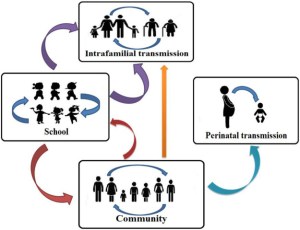
Image showing the different modes by which COVID 19 can be transmitted

WHAT IS RESILIENCE ?

Generally, Resilience is defined as the capability to recover from difficulties. In context of city, Resilience can be defined as the ability of an city to Prepare for, Respond to and Recover from any acute stress or long term shock. While dealing with the resilience of a city, the opportunities and threats provided by the difficulty is analyzed and initiatives are taken accordingly. In order to reduce the vulnerability of cities from getting affected by the disaster or hazard, pandemics or any other threat, the city’s capability to resist and recover from these risks is mandatory.

NEED OF RESILIENCE

  • For ensuring and increasing the safety and well being of the citizens and the environment, cities need to be made more resilient and prepared for addressing shocks and stresses.
  • There are many ways by which the resilience of cities can be enhanced and these w2ays can be determined by comparing the COVID 19 with other such health risks and various ways in which problems were caused can be determined. With the help of this the different interventions and recommendations pertaining to specific ways can be decided and the resilience can be enhanced.
  • Resilience plays a major role in shaping governance as well because it provides way for trustworthy leadership, responsive community organizations and also neighborhood design which can facilitate social connections. Resilience enhances physical and social infrastructures that helps the people to protect themselves and the society.

CONCLUSION

Resilience is all about learning from previous experiences and generalizing them those lessons to solve new problems. COVID 19 has provided many experiences for the people by altering the entire living schedule of humans and the experiences learned from this pandemic can be used while preparing for the future pandemics and other health, social and economic threats. In some way or other, COVID 19 has been following the previous pandemics and hence required months of restrictions in travel and isolations, which created and is still creating numerous social, economic and domestic problems for citizens, households, businesses and communities. To answer all these issues and to combat such pandemics the cities need to be resilient. To improve resilience, the communities need to be aware before hand , emergency response programs are required and proper initiatives for contagion control is also a mandatory step. Along with such measures, adequate housing for all citizens and physical and mental support to the sufferers and isolated people is also necessary. In case of designing aspect, the homes and quarantine centers can be designed in such a way that they could reduce the stress with the help of adequate space and proper lighting and ventilation. Along with all such initiative, global threats are needed to tackled with proper international cooperation and by learning from the best practices and approaches for handling such situations.


A computer screen: the new classroom of the modern age?

The outbreak of COVID-19 affected all sections of society since the first case recorded in China in late 2019. People were asked to quarantine themselves in their homes to prevent the spread of this virus. Despite its negative effect on other sectors, the pandemic was a boon for a few viz online shopping sites and also a rapid increase was seen in e-learning as compared to the traditional classroom method of education.

Even before COVID-19, there was already a high growth and adoption in education technology, with investments in e-learning apps reaching a value of $18.66 billion in 2019 and the overall market for online education is projected to reach $350 billion by 2025. The pandemic however challenged the education system across the world and forced educators to shift to an online mode of teaching overnight. Many academic institutions that were earlier reluctant to change their traditional approach were left with no alternative option but to shift entirely to e–learning. Whether it was language learning apps, virtual tutors, tools for video conferencing or online learning software, all had a significant surge in its usage since the pandemic hit.

While some believe that the unplanned move to online learning – with no training and little preparation – will result in a poor user experience, others believe that a new hybrid model of education will emerge, with significant benefits. There have already been successful transitions amongst many universities. The Imperial College, London started offering a course on the science of coronavirus, which is now the most enrolled class launched in 2020 on the site coursera. The e-learning method offers teachers an efficient way to deliver lessons to students. Videos, PDFs, podcasts, can be used as a part of lesson plan. By extending the lesson beyond traditional textbooks to include online resources, teachers are becoming more efficient educators. The online learning system, with its range of options, can be personalized in many ways. Some students are visual learners, while some prefer to learn through audio. Similarly, some students thrive in the classroom, and others are solo learners. It is the best way to create a perfect learning environment suited to the needs of each student.

There are, however, challenges to overcome. Some students without reliable internet access and/or technology struggle to participate in digital learning; this gap is seen across countries and between income brackets within countries. While internet penetration has grown in leaps and bounds over the past few years, still in smaller cities, a consistent connection with decent speed is a problem. Without a consistent internet connection for students or teachers, there can be a lack of continuity in learning. This is detrimental to the education process. Online learning also requires teachers to have a good understanding of digital forms of learning. However, this is not the case. Very often, teachers have a very basic understanding of technology. To combat this, it is important for schools to invest in training teachers with the latest technology updates so that they can conduct their classes seamlessly.

Parents and students are also concerned about the health hazards of spending hours staring at a screen. This increase in screen time is one of the biggest disadvantages of online learning taking a toll on students ‘eyesight. Sometimes students also develop bad posture and other physical problems due to staying hunched in front of a screen.

Major world events are often an inflection point for rapid innovation – a clear example is the rise of e-commerce post the SARS pandemic (2002-2004). While we have yet to see whether this will apply to e-learning post-COVID-19, it is one of the few sectors where investment hasn’t dried up. What has been made clear through by this pandemic is the importance of disseminating knowledge across borders, companies, and all sections of society. If online learning technology can play a role here, it is incumbent upon all of us to explore its full potential. From chalks and blackboards to smart boards to laptops -the education sector has jumped the boundaries of a school wall…the journey has just begun.

The Pros and Cons of Covid19

This covid19 has burdened us with many challenges and obstacles. The word corona by itself poses as a very pessimistic thing that we have ever faced which has completely toppled our lives and brought the world to a grinding halt. Contemplating on the cons, meaning it is more than a drawback or a snag, because on a personal standard many of the families have lost their loved ones and there were many lonely departures without the final adieu. The world has dissipated many doctors, healthcare & welfare workers, police officers who toiled dawn and dusk for the well being of all and many innocent people. Despite the unemployment factor already being a serious issue in the country, especially in this pandemic some had to lose their jobs and many with no or a less source of income.

The education system has also taken a back seat in the pandemic refraining students from gaining practical knowledge. The digital medium cant make a replica of the interpersonal interactions that the school facilitates by having the young generation together from diverse backgrounds and culture. The peer group interaction between the class hours, promotes communication skills to their holistic development. Moreover the students in the rural are more prone to the drawback of online classes because they might not have an elasticity to E-learning. Even the developed countries faced many obstacles to deliver quality education to students during the pandemic.

It made many people idle and we were left stranded with a big question that when are we going to get out this woeful situation. The house confinement and the lack of exposure to school, work place, sports and leisure activities had increased the occurrence of mental illness and distress. The constant subjection to cell phone, computer and other electronic devices makes people at the high risk of obesity, eyesight problems and other related issues. Besides covid19 being a public health crisis, it has also severely affected the global economy leading to significant reductions in the income, mitigated productivity, business closures, disruptions in the transportation, service and other manufacturing industries. Amidst some people saying that the lockdown renders more mental depression imagine the plight of the families who have lost their own people. So in this crisis we were burdened with many things happening around us. All these things were making life unfeasible and intricate. This has left us with a stream of dejections, tears and unreliability. It made us uncertain of many factors in the near future.

On the other hand with schools, workplaces and universities shut down, a feeling that the clocks don’t work anymore and a unified distress within us, we were able to connect to the other part of life, the world opened us a new window. Before we would be awaiting for holidays to stay home and spend some quality time with our loved ones, even though we didn’t have a really great time in the lockdown it made us to think out of the box, to think of something other than the regular consistent work, made children to think out of the school curriculum. We became open to many things that we weren’t exposed to before because of some hectic scheduled stuffs. The current delay gave us more time to formulate a better roadmap for the future. People made their venture into online businesses which later became a good source of income for them. Kids started relishing non-curriculum books, creating art and exploring many things. With the flexibility of time in my peer group we started trying out new courses and internships which will help us in the long run rather than merely sticking to the subjects. For some people, the restrictions laid for covid19 gave some relaxations to develop their physical and mental health, to focus over fitness, home workout and activities like yoga with the feasibility of time. Which place could be more enjoyable than burning calories from the comfort of your home. Mothers had a pause form the tiring household chores with the children and other family members sharing the burden of house works. It has granted us ample of time to focus on our health, a sound sleep, to promote discipline and hygiene etc.

We have to be strong, resilient, stick to the necessary protocols laid by the government, be mentally and physically fit to get the rid of the crisis and for the betterment of the situation. We have fought against plenty of factors during many hardships like flood times and cyclones so we are going to do the same, fight against covid19 together but with social distancing and the masks up. Get vaccinated. Stay indoors and stay safe!!