Covid extends the interval of theatre

Nishant Bharatiya and Ridhima Raina

Jaipur.       The budding journalists interacted with theater actor/director Mr. Chitrarth Mishra, they discussed about the current scenario of theatre artists as affected by the pandemic. Mr. Mishra explained that currently the artists are waiting for state governments guidelines for further shows but also requesting the local auditoriums to provide them seating spaces for some time so they can perform in front of enough audience to cover up the expenses of director and the crew. These artists have also been planning with JKK to organise events or festivals to perform the plays that have been on hold from the past year.

Some artists have been performing at different venues with less people about 10-15 in open spaces with every person sitting in a distance of 2-6 feet. And all the people were to be checked and sanitized who entered the venue. Mr. Mishra told about the workshops and classes organized by the local artists for aspiring actors but they have to do that virtually as the number of covid cases rose, he said that they might plan on taking offline classes with a number of 20 members at a time if the condition gets better. These online workshops though have not been a complete success as according to Mr. Mishra acting is more of an physical activity but learning acting virtually has made it more of a lecture. Mr. Mishra said that plays have been performed online but people don’t seem to like attending them because amid this pandemic people’s lives have been revolving around these digital platforms.

Covid-19: Biodiversity Conservation– Our Solutions Are In Nature

The social energy generated by the COVID-19 pandemic provides an opportunity to develop and implement many new ways to build sustainable and adaptable relationships between people and the rest of nature. The public can be prepared for a recovery that includes effective and sustainable biosecurity with elements of human health, biodiversity conservation, and climate change adaptation as a package based on sustainable development principles. A biosecurity approach that simultaneously tackles the COVID-19 pandemic, biodiversity loss, and climate change crises can leverage economic incentives for greener national economies.

Increase investment in the conservation, sustainable use, and restoration of biodiversity. Set biodiversity spending targets for COVID-19 stimulus measures and recovery plans. . For example, the German International Climate Initiative (IKI) is implementing a €68 million Crown response package that will, among other things, provide financial support for the conservation of nature reserves in IKI partner countries to address the immediate impacts of COVID-19 (Platform Redesign 2020, 2020 [101 ]). For example, the EU has introduced a new biodiversity strategy as part of its Green Deal, which proposes introducing new conservation and land-use planning targets, including a commitment to ensure that at least 30% of Europe’s land and seas are protected areas by 2030.

In other countries, the integrated protection of biodiversity has been recognized as a key component of a successful green recovery from COVID-19. While the overall environmental impact of the blockade and other pandemic policies has been mixed, COVID-19 has helped highlight the importance of protecting biodiversity. Because the COVID-19 pandemic is similar to the COVID-19 pandemic but is of greater global concern than recent past zoonotic pandemics such as SARS, the current pandemic provides additional opportunities to reframe conservation monitoring in favor of public health (Jones et al.., 2008; Morse et al. al., 2012; Zinsstag et al., 2011), as well as to understand the biodiversity changes associated with the global extent of human isolation and the long-term effects of sustaining the social and behavioral changes associated with the pandemic (Bates et al., 2020; Cheval et al. ., 2020; Soga et al., 2021; CS1, CS2, CS3, CS5, and CS6).

Understanding how the current epidemic will affect biodiversity conservation in the short and long term, and to what extent this impact will differ from past disturbances, is critical to achieving biodiversity conservation outcomes in an uncertain future. The global COVID-19 pandemic shows how changes in the scale, type, and extent of human activity can affect biological conservation. Conservation of natural habitats, in turn, requires profound changes in human food production and human encroachment on remaining natural habitats.

Decisions to prevent pandemics and protect nature must be permanently elevated to the highest levels of government. In the absence of this awareness, protecting the environment and biodiversity in a post-COVID-19 world may be pushed further down the national and international agenda. Conservation research is unlikely to be a government priority during the post-pandemic economic recovery, and conservation biologists need to communicate the many benefits that this research and biodiversity itself brings to society.

The diversion of funds for more urgent purposes, as well as travel restrictions, are likely to have a direct impact on research activities such as long-term monitoring programs, prioritizing conservation of species and ecosystems, social-ecological research involving humans, and poorly studied expeditions. places. Immediate impact Conservation and development projects that require human presence, such as monitoring protected areas, treating plant and wildlife diseases, and eradicating invasive alien species, may fall by the wayside. Concerns persist that the COVID-19 pandemic will trigger hasty government action that will harm conservation efforts or spark a social backlash against species considered to be vectors of zoonoses, with negative consequences for the local conservation of these species and their habitats (MacFarlane & Rocha, 2020). ). There are huge risks that when COVID-19 vaccines are available and memories of the crisis fade, so will the resolve to prevent pandemics while conserving biodiversity.

There is no doubt that our immediate priority in dealing with the pandemic must be to protect people and prevent its spread, but our long-term strategy must be to combat deforestation, biodiversity loss and the illegal wildlife trade. There are countless benefits to strategizing and investing in natural solutions for the planet’s holistic well-being. We need to understand the simple fact that nature does not need people, but people need nature.

Covid-19 has provided us with a great opportunity to re-examine our lost relationship with nature and to put nature at the center of our decision-making. COVID-19 is our opportunity to redefine our relationship with nature and rebuild a more environmentally responsible world. Combatting the current coronavirus (COVID-19) pandemic and protecting against future global threats requires proper management of hazardous medical and chemical waste; robust integrated management of nature and biodiversity; A good recovery”, a clear commitment to creating “green” jobs and facilitating the transition to a carbon-neutral economy.

The current pandemic is a wake-up call for all of us to build a resilient economy together, conserve nature and biodiversity, to regain lost glories. Because the theme of the International Day for Biodiversity 2021 suggests that we are part of the solution for nature, and solutions are indeed nature’s. Other zoonoses and devastating global pandemics are inevitable unless we fundamentally rethink our relationship with nature.

The emergence of COVID-19 has highlighted the fact that by destroying biodiversity, we are destroying the system that sustains human life. The positive and negative impacts of Covid-19 on biodiversity resources are predictable as the current pandemic intensifies as population grows around the world. The Covid-19 pandemic has affected virtually every sector and sector of biodiversity conservation at the local, regional and global levels (Corlett et al., 2020).

Its impact on biodiversity conservation is numerous and can be both negative and positive, but the negative impact outweighs the positive (Muhumuza and Balkwill, 2013; Roe et al., 2015; Corlett et al., 2020). Like previous outbreaks, Covid-19 has resulted in the inability to manage protected areas and implement conservation programs due to a complete lockdown (Corlett et al., 2020). The consequences of Covid-19 are inevitable as anthropogenic pressure on the natural ecosystem is reduced due to the blockage of social and economic activities. Protecting biodiversity contributes to social and economic resilience4 Integrating biodiversity into the recovery from COVID-19 is important not only to prevent future pandemics; it is also vital to economic sustainability and human well-being.

Investing in nature has immediate and long-term benefits for economic development and social stability, health and well-being, and climate resilience and biodiversity conservation. Based on this experience, we must be part of the solution to create nature through reforestation, preserving existing forests and other landscapes that are home to biodiversity.

These civil society engagement efforts can become more effective tools for biodiversity conservation and awareness raising. Since the beginning of the pandemic, there have been numerous changes in national and international conservation policy and practice. Growing political interest in biodiversity conservation is fueled by the recognition that our economy is heavily dependent on nature and that proper protection and management of biodiversity ecosystems can help address other social challenges, including climate change.


COVID 19 PANDEMIC- IS IT THE END OF THE WORLD?

BY: VAIBHAVI MENON

“We are in this together and we will get through this together” is a quote we often hear in today’s time. The COVID 19 pandemic was definitely a situation that most of us didn’t expect and it resulted in a loss of thousands of lives and heart breaking situations. Coronavirus disease (COVID19) is an infectious disease caused by a newly discovered coronavirus.  The first COVID case was reported from Wuhan, China, on 31 December 2019. From there began the endless struggle to free the world of this hazardous disease and methods on how to do so are still being conducted as of today. The virus spread so quick that no one had time to prepare resulting in loss of economy and loved ones. The numbers kept increasing and it became hard to provide facilities for everyone in need of them.

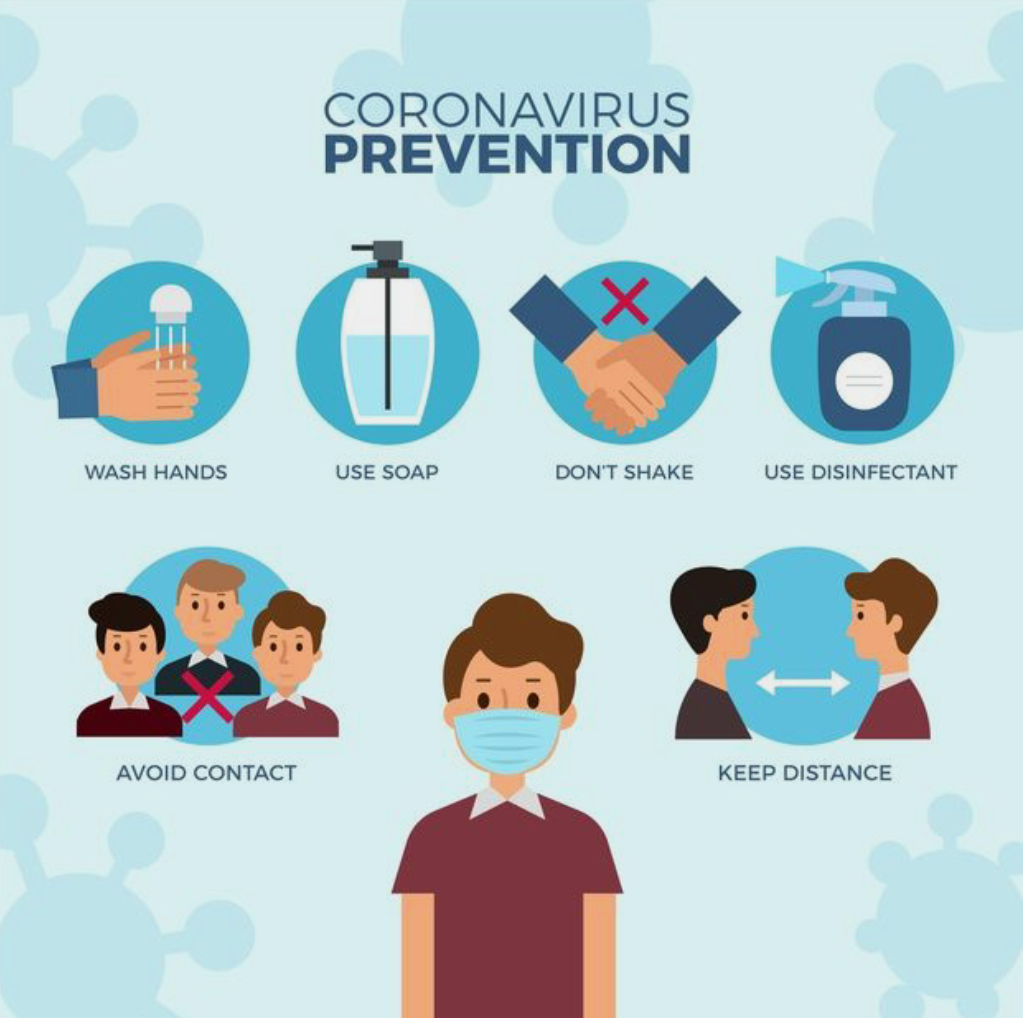
However ways on how to prevent the virus have definitely been helpful to a lot of us. One huge step taken was the world wide lockdown where people were asked to remain in quarantine and airplanes had shut down preventing travel of citizens to avoid spreading the virus. Prevention methods such as wearing of masks, maintaining social distance, avoiding social gatherings and even a nationwide lockdown were all put into place. Various testing methods had been developed to diagnose the disease. The standard diagnostic method is by detection of the virus’ nucleic acid by real-time reverse transcription polymerase chain reaction (rRT-PCR), transcription-mediated amplification (TMA), or by reverse transcription loop-mediated isothermal amplification (RT-LAMP) from a nasopharyngeal swab. Some common symptoms of the virus could be dry cough, fatigue or headaches while non common symptoms could be loss of taste and smell, breathing difficulties etc. Although the virus affected everyone in a negative manner, there were several companies who benefited from it and used it to their advantage. Companies such as Amazon, Zoom, Tesla, Apple had a rise in their economic prices. Vaccinations were soon introduced from different countries where some worked while some didnt and there was shortage in the number of vaccinations due to high demand for them. People also found new ways of communication through the technological platforms further helping in development of countries. Another positive aspect of this is that we as an individual have found time to spend with our family thus strengthening relationships and bonds with family. On the other hand communication has become more hander and children growing in this pandemic have tended to develop a introvert personality which could be a negative feature for them in the future.

In the present people have began to adapt to this form of lifestyle where technology plays a important role in survival and are slowly learning to be more comfortable with this method of communication. Inspite of that studies are still being made on how to put a stop to the virus or how to develop better methods of prevention which hopefully is something that’ll happen soon because We are in this together and we will get through this together.

Bioweapons

War have been a part of human history since the beginning of time. However, the agents used to carry out warfare have changed and evolved just like humans did over time. First people use to hurt each other with their bare hands and sharp nails or throw stones or sticks at each other. Then someone thought, lets join the stone and stick, which led to the development of spheres and other things specially designed to kill. With the discovery of fire came a new way to cause mass destruction over a large scale. As science evolved, so did the weapons used in wars. From swords, crossbows and canons to guns, bombs, and tanks. But then came the era of nuclear warfare, things so powerful that it could destroy the entire world as we know it. However, an agent of war many people don’t know about and whose use has increased with the advancements of biotechnology and microbiology are bioweapons. Bioterrorism technically is defined as the violent use (by a person or group of individuals) of biological substance or toxins to injure. For example, this covid-19 pandemic which could be a form of bioterrorism, killing millions. But lets start from the first advent of the use of bioweapons.

Throughout human history, bioterrorism has been an issue. The Assyrians poisoned their enemies’ wells with ergot, a toxin-producing fungus typically found in Rye. This is one of the first stories of the use of bioterrorism and goes back to the 600 BC. In a more recently published account, Pizarro delivered the native Indians clothing tainted with smallpox in the 1500s when he conquered South America. Another similar report claims that Britain may have utilised diseases to undermine its adversaries during North American colonisation. The country could intentionally have sent Native Americans blankets tainted with pox. Bioweapons spread fast and cause mass destruction. The Convention against biologic weapons, which forbids the manufacturing, development, stockpiling and use of biological weapons was signed by 103 states under the guidance of the United Nations in 1972. Its however, well established that even superpowers of this world are not ready for an attack or outbreak of a bioweapon like smallpox and ebola. The high fatality rate among infected people is attributed to the possibility of aerosol transmission and the relative simplicity of large-scale manufacturing. Anthrax and especially smallpox are regarded the most significant threats of bioterrorism.

During world war 2 extensive research was carried out and many bioweapons were stockpiled by various countries from both the allied and axis powers. In an attack performed by religious-cult Aum Shinrikyo in a Tokyo metro station in 1995 using sarin, a chemical affecting the nervous system, resulted in the revelation of the risk of bioterrorism. Pathogens can also be engineered in the lab to give antibiotic resistance and higher virulence factor for the use of bioweapons. But science can also be used to create defences against these pathogens. Vaccination therapies, genome sequencing of the organism and drug designing are just among the wide biodefense’s science has to offer.

Some of common bioweapons used are:

  • Anthrax: Highly infectious and deadly, caused by bacterium bacillus anthrax. Having an incubation period of 7 days it can affect animals, humans, and children. It can be clinical diagnosed as either cutaneous, gastrointestinal, or inhaled. Its however, difficult to diagnose as it mimics the symptoms of a common cold.
  • Smallpox: Highly contagious and deadly, smallpox has been eradicated from the world thanks to vaccines, however smallpox vials had been stored in US and Russia in the name of research and these vials have been reportedly stolen, leaving the entire world population which is mostly not vaccinated against smallpox due to its eradication, at a high risk. If there is a smallpox attack, there aren’t enough vaccines for most of the people.
  • Cholera: Bacterium caused disease which was endemic in many parts of the world a few decades ago, cholera is transmitted through water ways and can be used as a bioweapon.
  • Salmonella: It’s a species of bacterium which infects the food you eat. Mixed with any food, it could cause gastrointestinal problems. However, it’s not considered that dangerous as food can be removed from the market.
  • Botulism: Produced by clostridium botulism its one of the most fatal toxins in the world. It can be inhaled or be present in your food, mostly canned food. Causing paralysis, vision problems suffocation within days or hours depending on the amount consumed, this bioweapon is highly dangerous and just need a few micrograms to kill millions. Once a person inhales it, its most certain death because an antidote does not exist for the toxin.
  • Ebola: Causing death in 90% of the people infected, Ebola is a much-feared virus that can be used as a bioweapon.
  • Ricin: Another toxin which is famous for being the bioweapon in the “umbrella murder case” its found in castor beans.

Although diseases are genetically modifiable, there is no evidence of virulence increase and the ability to promote an epidemic. This is no guarantee, however, that this risk is gone from the world. Because bioterrorism is a problem of global security, intelligence agencies have the responsibility to verify their actual potential and expansion. Some military specialists think Iraq still has an active bio war programme. A few years ago, a rare disease triggered an epidemic in Iraqi wheat fields, suspected of escaping a pathogenic infection from bioterrorism investigative facilities. Intelligence, constant monitoring, early warning systems, information sharing between agencies and cooperation should be part of any preventive programme in bioterrorism. Legislation should be in place that allows the government to apply quarantines to suspected people or items infected with infection, confiscate property and use hospitals for the benefit of the public. Finally, nobody should presume that biology and biotechnology science are always used for good. Biotechnology could be used in states that sponsor terrorism in the development of mass destruction pathogens and pests. Recent events have made us conscious of the worldwide community, and local events often have an impact around the world. It is crucial that one must be aware that science with all its benefit can also cause bioterrorism.

Empathy vs Covid-19

The Covid-19 pandemic has affected everyone disproportionately and unfairly. Health care workers face the harsh realities of the virus head-on. Teachers have had to adapt their years of experience gained from conventional teaching to suit online classes. Millions face the harsh reality of poverty and hunger everyday. Millions have lost their hard-earned jobs. Businesses have been forced to shut down. Hate crimes against groups of society that are baselessly and cruelly accused of spreading the virus have drastically increased. Mental health issues have risen and fueled by isolation, anxiety, uncertainty, and fear. More than 150 million people have gone and continue to battle with this invincible enemy. More than 3 million people have lost their lives because of this virus. Families have lost their loved ones and the world has lost countless dreamers. This virus cossets no one.  

Early notions such as the pandemic would be ephemeral and infections were punitive for those who flouted the necessary precautions and rules have diminished during the ongoing second wave of the Covid-19 pandemic. In my opinion, this is due to a rise in empathy amongst the people of India. Simply put, empathy is the ability of a living being to understand and share the feelings of another living being. Colloquially, it is referred to as “putting oneself in someone else’s shoes” 

The Government of India has had no shortage of opportunities to show empathy and alleviate the suffering of Indians. The Government has neglected its duty to serve the country and as Arundhati Roy put it, has committed a crime against humanity. The government has failed on many fronts. I would like to highlight a few that showcase an egregious lack of empathy. 

Firstly, the poorly planned nationwide lockdown, which was imposed with a mere 4 hours of notice, left thousands of migrant workers helpless, stranded, and vulnerable. With no help from the government, these migrant workers bravely decided to walk back to their villages. This lockdown was stained by police brutality and hate crimes against people that just wanted to survive. The lack of condemnation and apology by the government showcases a lack of empathy. 

Secondly, in an attempt to alleviate the suffering of Indians, the government launched the risibly named PM CARES (Citizens Assistance and Relief in Emergency Situations) fund and its primary objective was “to deal with any kind of emergency or distress situation, like posed by the COVID-19 pandemic and to provide relief to the affected”. The fact that a government that has never shied away from repeatedly putting their plans such as “Make in India”, “Swachh Bharat”, “Beti Bachao Beti Padhao”, etc on the highest possible pedestal has created such an opaque and inaccessible fund shows a lack of empathy. 

Thirdly, the government’s actions before the second wave hit can be described as complacent, incompetent, and overconfident. On the 21st of February 2021, a resolution was passed in the BJP National Office Bearers meeting that “unequivocally hails its leadership for introducing India to the world as a proud and victorious nation in the fight against Covid”. Additionally, the government decided to export vaccines to other countries without ensuring adequate supply was available for Indian citizens. This not only leaves Indian citizens in danger but also betrays all the countries that depended on “the pharmacy of the world” as vaccine exports were abruptly stopped. None of this would’ve happened if the government showed empathy towards the people of India and established appropriate contingent plans.

Fourthly, while the second wave virulently spread and claimed thousands of lives, the government showed no empathy. While a strong case can be made to prohibit sitting union ministers from campaigning in elections that they are not contesting during a crisis, a complete stop to the democratic process would have been detrimental. The occurrence of huge rallies during a pandemic is untenable and all politicians are guilty of this. The myopic and unsympathetic nature of the government is accentuated by the needless comments that they have made throughout the pandemic.  

Finally, the iniquitous lack of co-operation between the centre and states to fight this pandemic showcases a pathetic lack of empathy. The failure to come up with a comprehensive and transparent plan for the distribution and supply of oxygen and vaccines has caused unimaginable suffering to the people of India. Any attempt by the government to set aside pride and partisanship, as leaders have done before when facing a crisis, and listen to good advice and imploration would be a sign of empathy. No such attempt has been made. Their lack of action and belated action have had fatal effects, but the government has not shown a sign of remorse or empathy.    

But all is not lost. There have been instances in which the government has shown empathy. Most states have decided to offer a Covid-19 vaccine for free for different age groups. The central government also has plans to allow final-year MBBS students to join Covid duty before completing the NEET exam. This will drastically reduce the strain faced by health care workers taking care of Covid patients. The government of Karnataka also announced that it would form a team of 15,000 civil defence volunteers in Bengaluru for tracking and tracing Covid-19 patients. This is a significantly more empathetic and humane approach to managing the crisis than the sadistic and vicious approach used last year that made victims of Covid-19 feel like criminals.

However, none of these actions are as consequential and empathetic as the profound empathy amongst the ordinary people of India. Early displays of empathy were seen when people started taking care of stray animals during the lockdown. Furthermore, countless rations and donations were given to the stranded migrant workers to help them cope with the dire situation they faced. From providing meals, oxygen, assistance to the elderly and handling cremations, Gurudwaras around the country have been the perfect embodiment of empathy. Conspicuously, the empathy and equanimity shown by the youth of India has truly been remarkable. With the help of social media, the relentless youth are constantly doing their part by helping those in need. 

Empathy also provides a strong basis for our everyday fight against Covid-19. Precautions like wearing a mask, staying indoors as much as possible, social distancing when outside, and getting vaccinated as soon as possible would not be flouted if people were more empathetic. For those of us who have not been directly affected by the virus yet, empathy goes a long way in helping and caring about those who have. 

Perhaps, the most optimistic and quixotic change that we can hope for during this precarious and seemingly inexorable situation is the crippling of traditional barriers that have separated us before. If we, as ordinary citizens of India, continue to disregard gender, caste, religion, wealth, age, ethnicity, language, political ideology, and other barriers when helping those affected by this pandemic, we could truly be united in this fight against the invisible enemy. Together, we shall overcome.  

How to beat the Covid blues

Photo by Andrea Piacquadio on Pexels.com

The world as we know it has been crippled under COVID-19 and the pandemic has brought all of us together. Most of us who are studying abroad are privileged to have a roof over us, enough food to eat and seamless access to the internet. And even though loneliness can drive any sane person to the edge, I feel that we’ve countless ways to cope with it.  

But adapting to this new normal is tough. I was miserable for the first two weeks. I kept refreshing Twitter for news updates every five minutes and was giving me so much anxiety that I couldn’t find the energy to move about during the day, eventually I was falling behind my university work schedules.  

By week three, I decided to turn things around. And I want to share them with you, hoping you’ll find a balance and regain some of your sanity as well. 

1. Get your sleep cycle on track:

I can’t emphasise enough how waking up early and going to sleep on time has changed me. Falling asleep when the sun rises and waking up just before sunset not only wrecks your body clock but also makes you feel groggy and gloomy throughout the day. Revive your routine and see how positively your body responds.  

2. Set goals for the day:

Make a to-do list the night before and follow it through the next day. Prioritize the most difficult tasks in the morning and save the easiest for later. Being productive will make you feel satisfied by the end of the day.  

This was not easy for me to do because I love to procrastinate, but I realised that all I needed to do was start and then I naturally picked up the pace.   

3. Talk to family and meet up with your friends in virtual worlds:

Come on, we international students should be experts on this – we depend on social media platforms or apps to connect with our family and friends back home. Although, in some cases you’ll have to do a little bit of investigative work to find out what apps or platforms work best for your home country.  

I also discovered Houseparty, an app that allows me to hang out my friends or play multiplayer games with them, such as the board game Settlers of Catan. Take hold of these apps and beat your quarantine blues. 

4. Discover new hobbies or revisit old ones:

This one’s a no-brainer. We’ve had hobbies we loved before ‘life’ happened. There’s no better time than now to unite with your long-lost hobbies.  

If you’re like me and have no recollection of having hobbies, then find something that you’ve always wanted to do. Have you been interested in taking up sketching? Maybe you’re interested in learning how to build websites? Well, maybe now’s the best time to brush up those skills. 

5. Redecorate your room:

If you think that the poster hanging on your wall has been there for way too long, maybe it’s time for a makeover.  

Change is good and the new and improved appearance of your room might be just the inspiration you’ll need to get back to work. After all, we’re going to spending a lot of time indoors so it’s a good idea to breathe new life into our rooms and make it feel more like home. 

6. Take time out for self-care:

Now that you’re at home, you have no excuse for being unable to drink enough water or not eating healthy or overlooking your skin’s needs. 

While we are spending more time indoors because of COVID-19, taking care of our body and health is even more important but I do not recommend suddenly switching to extreme diets and taking on 14 steps of skincare routine because that won’t last.  

However, take this time to start some healthy habits such as eating food in moderation, drinking eight glasses of water and invest in basic but pragmatic skincare habits.  

7. Keeping up with online classes:

By now, I’m sure our inboxes are stuffed with emails from professors informing us about the latest changes and dozens more reiterating the same, it’s understandable if you feel lost halfway through. Because I did, and I gave up. Then two weeks’ worth of classes came back to haunt me.  

There’s no shortcut or easy way out to deal with this. Hence, I decided to postpone my procrastination for a while. I noted down important pointers such as assessment due dates, Zoom meeting times and forums for class discussion. It helped me feel connected and informed.  

8. The mandatory Netflix:

As much as you stay connected and try to be productive, the need to be distracted can help to keep your mind and emotions in check. And that’s why it might be a good time to watch movies or catch up on your favorite shows.

I had a two-year long ‘must-watch’ list on my phone and now I’m finally getting around to it.

Finding serenity amongst chaos can be a gargantuan task but there’s no competition to see who can attain ‘inner peace’ first. Remember, it’s important to go at your own pace and create new routines according to your rhythm, and it only needs to be enough to get you out of bed in the morning and help you go to sleep with a clear head.  

I hope these tips help you.

Thank you.

How to become resilient after Covid-19 ?

Photo by Pixabay on Pexels.com

As the Covid-19 continues to shatter the normal existence, our economy and ways of livelihood of many people have been disturbed to a great extent. The global economy has fallen into an unprecedented recession. The International Labor Organization has estimates that 400 million people in India are at risk of falling deep into poverty. Along with economic problems, there have also been an decline in the environmental condition that has further put the poor people into depression.

The government must take some comprehensive steps that are sustainable and will help to recover from the decline while becoming resilient. Here are some of the steps recommended by some eperts-

  1. Invest in sustainable energies- Infrastructure investments are an effective way to boost economic activity and create jobs. Data from the 2008-09 financial crisis shows that South Korea, which directed nearly 70%of its stimulus towards green measures, rebounded faster than other economies in the Organization for Economic Co-operation and Development (OECD). In the United States’ 2009 Great Recession recovery package, investments in clean energy.

India too should take this opportunity to increase support for renewable energy, particularly rooftop solar, through appropriate policies and business models. Decentralized solar power can help spread critical services in remote regions if the upfront capital constraints can be addressed. It should revisit the potential import duties on solar panels, since this may not increase domestic production, but may raise the cost of solar power.

Similarly, scaling up the electrification and adoption of public transport will be critically important to reduce traffic congestion and air pollution. This should involve closer coordination with the electricity sector and a greater focus on vehicle charging infrastructure. Continued investment in cold storage facilities and supply chains will ensure the preservation and timely delivery of agricultural produce and reduce losses to farmers.

2. Build resilience for the most vulnerable- About 90% of India’s workforce is informally employed, which includes gig economy workers. This population is extremely vulnerable to economic shocks and needs greater access to formal credit and social safety nets such as insurance and pension schemes.

Beyond employment guarantees, a universal basic income – broader than current schemes that are conditional upon occupation and land ownership – can help provide vital resources for subsistence, or for investing in education and health. Greater access to bank accounts for the 20% of adults without one, per 2017 data, would help efficiently deliver this income to households.

Lastly, it is critically important to expand access to clean water, clean air and primary health care. These will improve life expectancy and increase economic and physical resilience.

3.  Use fiscal mechanisms for recovery and resilience

Fiscal mechanisms can help support recovery and resilience efforts, while promoting low-carbon development. The Indian government has announced an economic stimulus of INR 1.7 trillion ($24 billion), and is exploring another bailout of INR 750 billion for Micro, Small and Medium Enterprises (MSME), among other steps. Though MSMEs need immediate financing to deal with their wage bills, the government can also infuse capital for them to undertake needed industrial energy efficiency upgrades.

Several sectors, like the aviation and auto industries, will need support in order to recover. This will require consideration of the fiscal situation, and it presents an opportunity to encourage greater sustainability by making this support conditional on cleaner technologies and fuel efficiency.

4. Encourage long-term change in behavior

The current crisis has changed patterns of consumption. Electricity usage patterns have shifted as people are working from home on more flexible schedules. Non-essential purchases have temporarily ceased. All these offer an opportunity for implementing demand-side solutions to drive long-term behavior changes for more sustainable development.

For instance, encouraging conservation in energy – through nudges and tariff reforms – can drive down consumption. Promoting reuse, recycling and repair models for consumption can contribute to a circular economy and reduce the waste generated by current business models. Supporting the continuation of work-from-home policies can drive down road traffic congestion and air pollution.

5. Regulate enabling technologies

Finally, it is useful to consider that the future may see greater employment in the gig economy and e-commerce sectors, as well as in new technologies that can help support future response and resilience mechanisms. While supporting the development of such sectors, it is important to put the right regulations in place to ensure data privacy and consumer protection.

The decisions taken today can provide immediate relief, but also secure a lasting economic recovery, increase community resilience and ensure a long-term pathway to sustainable development. We shouldn’t let this chance slip.

LOCKDOWN WIDENS THE VOID BETWIXT QUEER COMMUNITY AND SOCIETY

The past year was indeed a difficult time for the world owing to the COVID 19 pandemic and the lockdown imposed following it. Though the entire population got affected by this adverse conditions, there were certain minor communities and groups like the transgender community which had the bitter taste of it. There were active discussions and discourses on the impact of the lockdown on women facing domestic abuse, but the atrocities and adversities faced by the LGBTQ communities were the least spoken about. Being the have-nots of normal society, the life of the queer community in a pandemic affected locked down scenario was found to be the worst. 

The basic social liberties were always denied to the queer accounting to their physical and psychological divergence and aberant sexual orientation. They were neither included in the mainstream by the government nor had any access to public health care, education, steady job opportunities etc which along with the lack of support from their families resulted in the financial subsiding of the community. In many cases, staying home also became a potential danger to many, where they fell prey to violence from their family members or partner.

For a section whose normal daily life in itself is a hurdle, life in lockdown was nothing but catastrophic. While the majority of us worried about being confined into the comforts of our home during lock down, these destitutes were perturbed over losing the shade over their head. The Indian Hijra community who depended on the streets for their livelihood got literally ‘locked’ inside their residences with no basic supplies or access to money. As they were disdained from the ordinary jobs, street dancing, prostitution and begging were their only source of income and these ‘jobs’ required immense social interaction which was impossible during lockdown. The void between the society and queer community got widened with the imposition of lockdown and the already outlying community was pushed off to further disdain. The society along with the government should consider them at least as humans if not as citizens and take necessary measures for eradicating the stigma regarding the marginalized communities by making them a part of relief programs. 

Vaccination and COVID-19

How long has it been since we went to school met our friends or had a family dinner at some restaurant? Since March 2020, we have all been advised to stay home and sanitise ourselves in order to stay safe. Sanitizers and masks have been added to our daily use products, all because of one tiny yet dangerous virus Covid-19!

The world is now waiting anxiously for a vaccine against this dreaded virus. Researchers around the world are working round the clock to develop vaccines to combat the pandemic. Currently, more than 165 vaccines against the corona virus are under process and 27 vaccines are undergoing human trials. Vaccines typically require years of research and testing before reaching the clinic. Today, scientists all over the world are racing to produce a safe and effective vaccine by next year.

When did the efforts start

Efforts to make a successful Covid-19 vaccine began in January 2020 with the deciphering of the SARS-CoV -2 genome. The first vaccine safety trials in humans started in March but the road ahead remains uncertain. Some trials will fail and others may end without a clear result. But a few may succeed in stimulating the immune system to produce effective antibodies against the virus.

• India and vaccine against Covid-19

Like many other countries, India too is immersed in the efforts to develop successful vaccines to counter Covid-19. Thirty different Indian companies are trying to produce a vaccine to fight the infection. 7 out of these have received approval from the World Health Organization. These vaccines are in different stages of testing and clinical trials now.

COVAXIN

COVAXIN is developed by Hyderabad based Bharat Biotech International Limited in collaboration with ICMR and NIV, Pune. This is the first vaccine from India to get regulatory approval. The vaccine makes us an inactive version of a virus to spike up production of antibodies in the host body. It recently initiated Phase I and Phase II of clinical testing.

ZyCoV-D

ZyCoV-D is being developed by Zydus Cadila based in Ahmedabad. The Phase I trials of the vaccine have already begun. Extensive research was done regarding the same in collaboration with medical labs in Europe and US.

• Russia and vaccine against Covid-19

Russia is one of the countries worst affected by Covid-19. The country has been pushing extensively for a Covid-19 vaccine for quite some time now; Russia too is a part of the race to produce the world’s first Covid vaccine. It is possible that Russia would be ready with its first domestic corona virus vaccine soon. The clinical trials were conducted by the Gamaleya National Research centre of Epidemiology and microbiology. There seem to be no reports of side effects on the volunteers. All the participants showed immunity and the country is planning for the serial production of the vaccine by September. By the beginning of next year, Russia hopes to manufacture several million doses of corona virus vaccines per month.

• Oxford University’s efforts to develop a vaccine

The university of Oxford has partnered with AstraZeneca, a British-Swedish pharmaceutical company to develop an adenovirus vector vaccine to combat Covid-19. The vaccine prototype is currently in Phase III of testing. Trials of the vaccine developed by Oxford University show it can trigger an immune response. The vaccine which has so far been found to be safe and effective is expected to be made available for the masses by the end of 2020. This vaccine would also be the first such vaccine to have a large scale testing in India. The observatory data for this vaccine is expected to be available by November this year. The company has tied up with Pune based serum institute of India to mass produce the vaccine once the company gets required approvals and licensing from medical boards.

• Some methods used to make vaccines for Covid-19

Different scientists across the world try different techniques and formulas to develop vaccines. The Oxford researchers have put small sections of the corona virus genetic code into a harmless virus that infects chimpanzees. They appear to have developed a safe virus that looks enough like the corona virus to produce an immune system. Some other scientists have used pieces of raw genetic code, either DNA or RNA. When these are injected into the body it would start producing bits of viral proteins which the immune system can learn to fight. There is also work on corona virus vaccines called ‘plug and play’ vaccines. This method is new and less tested.

Thank you for reading. Have a nice day!🌼

Online classes results in Eyesight and Ear problems

Most of the students are now undertaking online classes due to the ongoing Coronavirus pandemic. This is indeed a cause of worry for many parents because children spend extra hours on mobile phones and laptops. Experts also speak of the hazardous effects that digital classes can have on eyes of young children. Parents must take precautions and measures to ensure safety of the child’s eyes.

Needless to say, excessive usage of mobile phones, laptops or any other gadgets can affect children in many ways. This can be mental and physical. Eye strain is one amongst the most common problems. Some of its symptoms include excessive blinking, tearing, frequent rubbing of the eyes, dry eyes, headaches from eye strain and even tiredness. Parents must be extremely watchful and careful on how the child spends time online.Most of the classes, especially for children above class 8, goes on for long hours. Parents must cut short their time spent on video games, TV and other gadgets. Only a strict no works with most children!

During the last two weeks, a few school children in the age group of 8-10 came to my clinic with complaints of dryness in their eyes and frequent blinking of eyes. Prolonged reading on the mobile screen and watching it from close range may result in this type of problems,” says G. Hanumantha Rao, an ophthalmologist, who runs his clinic on MVP Double Road. He suggests that a laptop or a desktop with a large screen should be preferred. It also ensures that proper viewing distance is maintained, at least to some extent.

“Prolonged use of earphones can result in noise-induced deafness. It can also cause tinnitus and the child may experience ringing sounds in the ear. Severe exposure may cause inability to hear certain frequencies. The problems depend on the duration and intensity of the sound,” says B. Ramachandra Rao, an ENT surgeon at the Government ENT Hospital in the city.

Amitabh Bachchan begins shooting for KBC during this Pandemic

Weeks after recovering from COVID-19, bollywood megastar Amitabh Bachchan kickstarted the shoot of his quiz reality game show Kaun Banega Crorepati 12, as he shared pictures from the set  and wrote, “20 saal, 12wa parva, KBC: Kaun Banega Crorepati, aarambh! (sic)”.The pictures feature the production unit of the show clad in blue coloured PPE kits.”It’s back to work .. in a sea of blue PPE .. KBC 12 .. started 2000 .. today year 2020 .. 20 years ! Amaze .. that’s a lifetime,” Bachchan wrote in the caption of the post.

He added, “this was never expected .. never the time to see such visuals .. but there it is …. recognised faces now unrecognisable .. and the doubts whether we are in the right place , with the right people .. but .. we muster up the fears and be on …. there is great consideration and care being extended .. all precautions carefully worked out and followed …. precautions were there earlier too in times of distress .. but this time its severe .. its personal .. this time they know its fatality , God forbid .. and that lingers .. the lightheartedness has sealed itself .. isolated .. do the do and leave ..

“In July, four members of the Bachchan family including Big B, Abhishek, Aishwarya and Aaradhya tested positive for COVID19. Junior Bachchan took to Twitter to share the information with his fans. After undergoing treatment, the family recovered from the deadly virus. Abhishek had tweeted, “My father, thankfully, has tested negative on his latest Covid-19 test and has been discharged from the hospital. He will now be at home and rest. Thank you all for all your prayers and wishes for him.”

Covid 19 Impact on business and jobs

Covid 19 epidemic & the lockdown applied by the Government to control its spread has had a major impact on the economy and business. Senior Executive jobs have also not remained unaffected from its effects. In the initial period of the lockdown, companies tried to hold on to their employees, both senior and junior.At least 41 lakh youth in the country lost jobs due to the Covid-19 pandemic while construction and farm sector workers account for the majority of job losses, according to a joint report by the International Labour Organization (ILO) and the Asian Development Bank (ADB).The preliminary results showed that loss of employment was considered as the most severe immediate impact of the crisis while lower economic growth and rise in inequality were probable long-term impact.Locking down has had a differentiated impact on industry sectors and corporate functions. From having taken serious hits to remaining relatively unimpacted and to actually gaining positive momentum, each sector and company have responded differently to it.Without any stimulus the economy might have declined by 12.4 per cent, the participants noted.Estimates of job loss showed that 80 per cent jobs were affected in urban economy, most of which were self-employed, 54 per cent jobs were affected in rural economy, most of which were casual employment, they said.The government had imposed lockdown on March 25, 2020 to fight COVID-19.It further noted that in India, two-thirds of firm-level apprenticeships and three quarters of internships were completely interrupted during the pandemic. The report calls on governments to adopt urgent and targeted measures to generate jobs for the youth, keeping education and training on track, and to minimise future scarring of more than 660 million young people. Senior executives need to prepare themselves for this change to stay relevantly employed in the future. On one hand, this may include a need for functional reskilling but more importantly, it will necessitate attitudinal retuning. If you have been an opening batsman for your entire career, you may have to settle in for a middle-order position or be ready for a coach’s job.We may no longer remain a leader of large teams but may have to deliver with lesser manpower and more technology. Organizations are likely to become leaner with flatter structures and the onus to fit in will eventually fall on individuals.The corporate job is likely to gravitate towards entrepreneurism, both in spirit and pay structures. Jobs in future won’t allow rolling down the sleeves, permanently.


COVID-19 enters in the Bollywood Industry:ARJUN KAPOOR testes positive

The actor announced in an Instagram post on Sunday. Sharing an update about his health, Arjun Kapoor wrote that he is “feeling okay” and is “asymptomatic.” The actor also revealed that he has “isolated” himself at his home and will be “under home quarantine” till his recovery. In a note, Arjun wrote: “It is my duty to inform all of you that I have tested positive for coronavirus. I am feeling ok and I’m asymptomatic. I have isolated myself at home under the advice of doctors and authorities and will be under home quarantine. I thank you all in advance for your support and I will keep you all updated about my health in the days to come.”These are extraordinary and unprecedented times and I have faith that all of humanity will overcome this virus. ..Much love, Arjun.”As the number of COVID-19 cases is rising in India, after Arjun Kapoor declaring on social media that he has tested positive for Coronavirus, ETimes now has it first and exclusive that Malaika Arora too has tested positive. Her younger sister, Amrita Arora has confirmed the news with us. Arjun had been sharing regular posts on Instagram through the lockdown, asking them to stay safe. He recently shared a compassionate video where a person is seen taking care of a stranded dog sleeping on a pavement. Arjun will next be seen with Saif Ali Khan in Bhoot Police and with Rakul Preet Singh in a romantic film.

Covid-19 Pandemic Impact on the Mental Health of People

As the coronnavirus pandemic rapidly sweeps across the world ,it is inducing the considerable degree of fear,stress, worry, depression and concern in the people of the society .According to the survey, sixty-one per cent Indians are experiencing mental health-related issues because of the uncertainty and looming financial crisis during the lockdown.

In public mental health terms, the main psychological impact to date is elevated rates of stress or anxiety. But as new measures and impacts are introduced – especially quarantine and its effects on many people’s usual activities, routines or livelihoods – levels of loneliness, depression, harmful alcohol and drug use, and self-harm or suicidal behaviour are also expected to rise.

Therefore the present survey was intended to assess the mental health impact of the current lockdown on the population of New Delhi, India, a week after its imposition to assist the government agencies and healthcare professionals in safeguarding the mental health wellbeing of the community.Financial hardships are often experienced by individuals during quarantine. Lockdown majorly affected the work and income of 63.4 % of the population that was positively related to people aged 35–50 years, followed by 50–65 years, impacting their financial status. Even though 49.7 % of the study population claimed to have sufficient funds to manage the lockdown situation, remaining were either uncertain about it or did not have the resources to sustain it. Monetary loss is a stress during and post isolation because people are unable to work and professional activities are interrupted unprecedentedly; the effects appear to be long lasting. Financial loss due to quarantine created severe socio-economic distress and was established to be a contributing factor for symptoms of mental health disorders, anger and anxiety .

Few studies have explored this aspect of the lockdown in the Indian context, and most of the existing research fails to be inclusive in scope.The current study is meant to unravel the links between social factors like sexual orientation, type of family relationship, and residence in areas that have a high infection rate, and adverse mental health outcomes.The investigators also examined the processes that determine how and when sleeping and eating habits are intertwined with anxiety and depressive symptoms. Individual resilience and coping strategies were also explored. Finally, they looked into the possibility of empathic changes in the way people view the world, which could be a valuable mental resource helping to increase overall wellbeing and quality of life.

COVID-19 Pandemic Led to Delays in Care for Nearly Half of Breast Cancer Survivors

Breast Cancer is nowadays rapidly increasing in the urban Indian women.The early weeks of the COVID-19 pandemic caused 44% of breast cancer survivors to have a delay in care, according to an online survey.Because COVID-19 is so contagious, and to save healthcare resources for people diagnosed with COVID-19, many hospitals and other healthcare facilities delayed or cancelled elective procedures beginning in March 2020. Elective procedures included anything that didn’t need to be done to save someone’s life. Breast cancer screening was considered an elective procedure, so many mammograms were delayed or cancelled. Some breast cancer surgeries and other treatments also were delayed, changed, or cancelled.

The researchers from the University of Illinois Chicago who did this study wanted to see how changes in healthcare due to the pandemic affected people who had been treated for breast cancer.The researchers wrote a 50-question online survey to figure out how the COVID-19 pandemic had affected breast cancer care. The researchers invited adults who had been diagnosed with breast cancer to complete the survey by sending invitations via email, posting on social media, and sending invitations to breast cancer support networks. The coronavirus disease (COVID-19) pandemic has had a profound impact on cancer care across the globe. Early data indicate increased risk of COVID-19 morbidity and mortality for cancer survivors.

Delays in a routine or follow-up doctor appointment were the most common, followed by delays in breast reconstruction surgery and diagnostic imaging or testing.About 30% of the respondents said they had a delay in treatment, including radiation, infusions, and surgery to remove the cancer.

As time has passed, doctors have seen how protective procedures, such as wearing a face mask, washing your hands, maintaining physical distancing, and avoiding gathering with people in a group, have helped slow the spread of the virus. So most facilities are once again offering all aspects of breast cancer care, including screening.

During the pandemic, the weekly average number of people diagnosed with these six cancers dropped by 46.4%. Specifically, breast cancer diagnoses dropped by 51.8% — from 2,208 to 1,064.

“Our results indicate a significant decline in newly identified patients with 6 common types of cancer, mirroring findings from other countries,” the researchers wrote. “The Netherlands Cancer Registry has seen as much as a 40% decline in weekly cancer incidence, and the United Kingdom has experienced a 75% decline in referrals for suspected cancer since COVID-19 restrictions were implemented.

“While residents have taken to social distancing, cancer does not pause,” they continued. “The delay in diagnosis will likely lead to presentation at more advanced stages and poorer clinical outcomes. One study suggests a potential increase of 33,890 excessive cancer deaths in the United States.”