The corona-virus pandemic has upended all areas of life and certainly, sports is no exception to this. Cancelled tournaments, postponed tournaments, matches without spectators, the sports community has witnessed it all. Every aspect of sports has been affected, from the athletes themselves to media coverage. Economically speaking, matches without spectators incur significant losses but the impact of the pandemic is much more drastic than that.
The global value of the sports industry was estimated to be $471 billion in 2018. Now due to the global pandemic, every part of the sporting value chain has been affected, from athletes, teams and leagues, tournaments, to the media that cover these games. Even the Summer Olympics that were to be held in Tokyo this year was pushed to 2021 owing to the prevailing conditions. The Indian Premier League (IPL), which is the richest cricket league in the world, was postponed indefinitely by the Board of Control for Cricket in India (BCCI) in March and is now slated to commence from 19th September 2020.
It is a fact that the sports fraternity will continue to be under some stress even after the world starts adapting to living the new normal life because even when the economy is fully opened, fans’ wearing masks, gloves, and practising social distancing would become the new defining features of life.
From the perspective of an athlete, most sports are played in front of a packed stadium but now due to social distancing, this will not happen. The players will not get the satisfaction of seeing a full-house as they are forced to play in front of empty stands. Even when respective governments begin to allow spectators, it would not be anywhere close to the full capacity for a long time owing to the prevalent social distancing norms.
In Taiwan, the Chinese Professional Baseball League (CBPL) games were played in front of dummy spectators made out of cardboard sheets. This was a desperate attempt to give players a sense of playing in front of audience and also to make the game look better on TV.
In the case of IPL, the BCCI generates revenues in the form of broadcasting rights. The BCCI is not relying on the sale of tickets as the revenues generated from auctioning the broadcasting rights make up for the most part. In a pandemic hit world, other sports can seek to implement the same. Needless to say, in order for that to happen, the league and the sport must be popular enough to bring in the required cash flow.
It will require a significant period of time for things to go back to being the same they were. But until then, all sporting action cannot and will not be paused. There are huge sums of money involved in hosting any league or sporting event, they must go on even if with certain modifications and restrictions which are the need of the hour. Till the time the threat of the virus fades away, we have no choice but to adapt to the new lifestyle trends. The show must go on.
The worst impact of the pandemic, apart from our country’s economy, has been on mental health. People’s mental health problems are either dismissed or they are forced to carry the ‘crazy’ label put on them by society. In India, there is little to no awareness about mental health. Our country’s mental health crisis is reflected by related statistics. For instance, there are only three psychiatrists for every one million people. We see today’s youth endlessly working towards this goal, from organising public events aimed at raising mental health awareness online as well as offline to providing help to those who need it. However, a significant change in society’s collective attitude towards such issues is yet to be observed.
Amid the COVID-19 pandemic, the stressors have increased tremendously, be it personal, professional or financial. Introduction of the novel coronavirus which has instantly put the entire world in lockdown and its consequences have caused severe damage to people’s mental health. Fear, anxiety, frustration is being faced by every single person affected by the pandemic. Isolation, quick adaptation to technology, routine disruption, loss of employment, increase in screen time, fear of the deadly disease, and many more factors have greatly contributed to an increase in mental health problems.
Without any further ado, let’s discuss some of the ways which you may find helpful in these difficult times:
Meditation
Since time unknown, meditation has been crowned as a way to relax your mind. From Buddha attaining enlightenment to Katy Perry finding inner peace, meditation has never let humanity down. Assuming a cross-legged sitting position and focusing on your breathing can do wonders for your mind and body. Resting your mind by freeing it from all thoughts and emotions can help you release stress and put your mind at ease. As it can be carried out without an instructor as well, it tops the list of stress-relieving methods in lockdown.
2. Maintain a journal
These days writing every day in your journal may not seem like the best idea because of the monotonous routine and lack of motivation but it will greatly help your mind. Bottling up your emotions and thoughts instead of expressing them can truly affect your greatest asset, your mind. So, pick up the journal collecting dust on your table and write. Remind yourself of the things that you are grateful for, write about everything that brings you joy and, most importantly, write about the events that upset you, the emotions blazing in your mind.
3. Monitor and modify your routine
A healthy mind resides in a healthy body. One of the key ways to feel active and motivated is by getting 8 hours of sleep because nothing works better than losing yourself in the wonderland of dreams. Another is a proper, well-balanced diet which will provide you with the much-needed energy to win your daily battles. Recreational activities are also important for a healthy routine, you may take a walk, play an outdoor game (keeping in mind the coronavirus) or stretch your legs with a good workout session.
Having a positive mindset, trying new things, talking about your feelings with your loved ones, spending quality time with your family or your four-legged friends can be rejuvenating and will surely help you to release stress. Never hesitate to seek professional help as your mind needs just as much help as your body.
In a joint statement, experts of the Indian Public Health Association (IPHA), Indian Association of Preventive and Social Medicine (IAPSM), and Indian Association of Epidemiologists (IAE) said, “Vaccines do not have any role in current ongoing coronavirus pandemic control in India. It must be assumed that an effective vaccine would not be available in near future. We must avoid false sense of hope that this panacea is just around the corner.”
India has crossed tally of 36,91,166 in total with nearly 7 lakh active cases and around 65288 deaths. After all the practices of lockdown, corona cases have yet not under control. India is doing 10lakhs tests per day. Around total of 4 crores test has been conducted till now.
According to a press statement, the health minister noted that India was “much ahead’ than other nations in tackling the highly infectious contagion. He said, “The COVID-19 will significantly come under control by the Deepavali this year. The leaders and common people effectively worked together to fight the pandemic.” The minister had inaugurated ‘Nation First’ webinar series organised by the Anathkumar Foundation.
Reports are stating that vaccine could be in use for general public around the last quarter of year 2020. Depending on the results, some companies say their vaccines could be greenlighted for use as soon as this year.
Now, a handful are starting or nearing the final stage of testing. Approximately 170 Covid-19 vaccines are in development around the world. According to the World Health Organization, each one promising to protect people from the deadly coronavirus and allow them to go back to work and school.
To date, just one coronavirus vaccine has been approved. Sputnik V – formerly known as Gam-COVID-Vac and developed by the Gamaleya Research Institute in Moscow – was approved by the Ministry of Health of the Russian Federation on 11 August. Experts have raised considerable concern about the vaccine’s safety and efficiency given it has not yet entered Phase 3 clinical trials.
Indian Council of Medical Research director general Balram Bhargava on Tuesday confirmed that the trials for the ‘Covishield’ vaccine, jointly developed by the University of Oxford and Astrazeneca plc, have begun. ICMR is the secondary sponsor to the phase 2 and 3 trial of around 1,600 patients.
Serum Institute, which is the world’s largest vaccine manufacturer by volume, had in June signed an agreement with British-Swedish multinational pharmaceutical company AstraZeneca to supply an additional 1 billion doses, principally for low- and middle-income countries.
As it is a contract manufacturer of the vaccine, the company had secured the Indian drug regulator’s approval to conduct a phase II and III trial as per regulations.
Screening and enrolment of participants in the trial is only done after getting approval from the ethics committee of the hospital. So far, seven hospitals, including BVDU, of the 17 sites have received ethics committee approval, according to the government’s clinical trial registry. As many of corona vaccines are in development across the world with promise of maximum effectiveness. But none of them is expected to be an anti-drug. Besides all of this, most of the vaccines are supposed to be a medicine of disease as a cure. But quality of them is still not confirmed.
Trudeau also said the government will invest C$126 million (72.3 million pounds) over two years to build a biomanufacturing facility at the Human Health Therapeutics Research Centre in Montreal capable of producing up to 2 million doses of a vaccine per month by next year. Canada reached an agreement in principle on Monday with both Novavax Inc and Johnson & Johnson for millions of doses of their experimental coronavirus vaccines, Prime Minister Justin Trudeau said. Canada`s two agreements follow separate deals with Pfizer Inc and Moderna Inc announced weeks ago and are the latest example of countries rushing to secure access to vaccines.
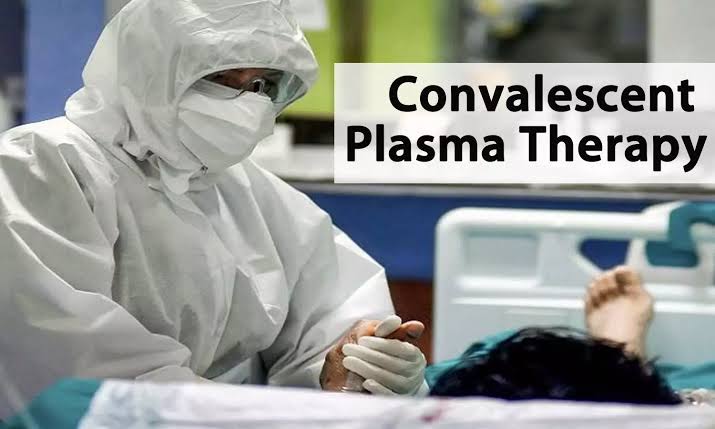
The emergency use approval authorisation by US Food and Drug Administration (US FDA) to use plasma as a potential therapy for Covid in US is expected to provide impetus to its used as yet ‘promising’ treatment option in India, even as doctors say clear scientific evidence is needed.
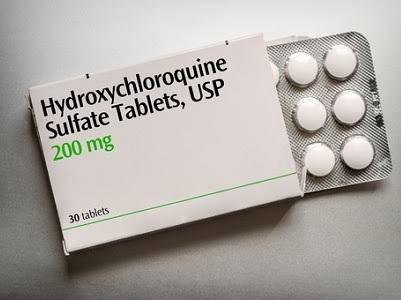
The US President announced US FDA approval on August 23, though the agency put it on hold over doubts on it’ efficiency. Doctors claim that the therapy of using recovered Covid-19 patients plasma to treat infected people will get even more widespread in India, given the endorsement from US. This would be similar to the sharp surge in demand witnessed for anti-malarial drug hydroxychloroquine as a potential covid 19 treatment, after President Trump’s repeated backing and later failed in global trials.
US FDA previously issued an EUA to allow hydroxychloroquine sulfate and chloroquine phosphate donated to the Strategic National Stockpile (SNS)to be distributed and used for hospitalized Covid-19 patients. In fact, these two drugs have been used for decades for the therapy and control of malaria and autoimmune diseases.
Preliminary studies have suggested HUQ may have utility in fighting covid-19. Distinct possible effects may be selected to its function in the treatment of covid-19 patients : A. anti-virus, B. anti-inflammation and C. anti-thronebotic. As until now there have been no data indicating HCQ has any immunity boosting effect, here we will mainly discuss the anti-virus and anti-inflammation effects. Both CQ and HCQ have been shown to possess anti-viral activity against various viruses such as human immunodeficiency virus (HIV), hepatitis A virus, hepatitis C virus, influenza A and B viruses, influenza A HSNI virus and others. Recent studies reported that CQ and HCQ could also inhibit SARS-CoV-2 in vitro, suggesting that they are potentially applicable to Covid-19 patients. However, there is to date no convincing report of the in viro anti-viral effects of HCQ/CQ. Several randomized controlled trials brought comforting news that CQ and HCQ showed potential effects in reducing respiratory symptoms and pulmonary inflammation as evaluated by computed tomography (CT) of covid 19 patients. It led to panic buying as people attempted to acquire this purpoted ” life saving drug”. Even some physicians stocked up CQ and HCQ for personal use in US and some European countries.
One person in US died and another become seriously ill after using verterinary formulation of CQ tablets intended for use in fish tanks in an effort to present Covid-19. Shortly after permitting the use of CQ and HCQ for treating covid-19, the US FDA issued precautions on using those drugs. Hence, we believe that serious discussions of the potential mechanisms are urgently needed to guide the potential clinical application, evaluation of efficacy and prevention of adverse effects of these drugs.
Plasma therapy has become the most common and simple treatment used niw-a-days in Covid-19 treatment. The US FDA announced that convalescent plasma may be effective in treating covid-19 and potential benefits of the product outweigh the risks based on scientific evidence available.
In India, multi-centre clinical trials to study whether plasma therapy is a useful covid-19 treatment are underway by the Indian Council of Medical Research. Further, States like Maharashtra are running the world’s largest plasma therapy trials, Project Platina, in 18 medical colleges, but response from donars reportedly has been lackluster. Covid therapy is highly individualised. The use of plasma therapy can be life-saving in certain cases and is being used in compassionate grounds. It is a promising treatment option if used earlier in the cycle of the disease. It has been used as therapy for over 100 years, but for COVID-19, we need to document this in a research programme. We also need better methodology for its use while screening donors so as to know the adequate level of neutralizing antibody, ortiters”, told Dr.Shashanka Josh.
Significantly, World Health Organisation on Monday remaind cautious about endorsing the use of plasma to treat infected people. “The results are not conclusive”, its chief scientist Soumya Swaminathan said’ adding ” We recommend that convalescent plasma is still and experimental therapy, and should be continued to be evaluated in well-designed randomised clinical trials.”
The US FDA decision was based on an observational study that gave “some positive signals that convalescent plasma can be helpful in treating COVID-19” and might reduce the mortality if administered early after diagnosis. This article is posted on preprint service and is yet to find its way into a medical journal. However, the claims made by the US FDA commissioner have considerably done more harm to the science and raised unrealistic hopes among the public.
In India, plasma is being promoted asking people to donate plasma to save lives, and shaming COVID-19 survivors who chose not to donate. We seem to have accepted plasma therapy widely without any good quality evidence supporting its use. This is likely to give even more widespread with the endorsement from the US, said Dr.Lancelot Pinto consultant respirologist at Mumbai-based PD Hinduja Hospital.
Plasma reduces death rates if there are enough neutralizing antibodies in the donor plasma. As of now, our labs are not accurately measuring the titres of antibodies in donor plasma – thus it is a wild guess if plasma administered to the COVID patient would indeed benefit the patients”, Kalantri added.
US FDA’s statement implies a 35% absolute improvement in outcomes, when the reality is a 32% improvement and that two comparing early late plasma, Dr.Pramesh said, adding, the danger of such a public statement is that ongoing randomised trials of convalescent plasma will struggle to recruit patient. However, the US FDA still recommend that randomised trials of plasma continue.
In this uncertain time of social isolation – there has become a need to socialise while keeping your distance. It seems weird. It seems strange. It’s certainly unprecidented – but as far as we’re concerned – the show must go on… and for us at least – the parties still can!
We’ve actually been helping people host remote parties for some time. COVID-19 has meant more people than ever are having to socialise apart – but before all this started, we still had customers who were playing remotely with students and friends who lived in different countries, or who were trying to run team building across different continents.
So… while this may seem new for most of us – in reality we’re just a little behind the times.
How do you do it? Teenagers have been chatting via the x-box for years. And in business teleconference has been going on even longer.
Which means the resources for on-line parties are already out there to make this possible and many of them are low cost or even free!.
You can play very simple games by each taking a turn to talk on Facebook and answering questions posed in group chats. You can also have groups on Google Hangouts. Don’t quiz us on it as we’re also still very new to the on-line group meeting thing too! But if you ask a teenager – they know it all!
Zoom is one we’ve heard a lot about recently – and it’s one we use ourselves at the office as we can all see each other and chat while working remotely. House Party is another ap we’ve been told is really simple to use, and for small groups you can also easily do a join call using facebook messenger and that is really simple too!
There are also a variety of other teleconference options and aps available – any one of those will probably work for you in the same way.
The Government of India had announced a lockdown over the last few months due to the Coronavirus pandemic. A lockdown was imposed on the whole country from the month of April. The lockdowns were imposed as a preventive measure for the pandemic. Since rates of infection have still not gone down, these measures are being continued.. Recently there has been a change in the guidelines and a new system of “Unlock” is being introduced in the country. Today, a new set of guidelines were announced regarding the unlock. The Ministry of Home Affairs has issued a new guideline about the opening up of more institutions and activities. Metro train services and open air theatres are to be allowed in areas other than Containment Zones. A new set of lockdowns is being extended in the country and the rules will apply to zones where there are active cases and places labelled as containment zones. Other zones will have less strict Unlock rules. These guidelines will be extended in the country till 30 September.
The Centre has said,”The new guidelines, issued today, are based on feedback received from States and UTs, and extensive consultations held with related Central Ministries and Departments.” After issuing the guidelines, the Home ministry also announced opening up of more activities, like the resumption of Metro train services and open air theatres. Closed theatres have not been permitted to be kept open. Until further notice they will be closed. The re-opening of activities rule will only be applicable in areas outside the Containment Zones, said the Ministry. The Centre has allowed the states and Union Territories to permit up to 50 per cent of its teaching and non-teaching staff to be allowed to go to the schools for online teaching and other official and related work. States will also be allowed to permit students of classes 9 to 12 to visit their schools, but only in areas which are not included under the containment zones, said the government order. The Centre, however, has allowed reopening of higher education institutions. But this is only for research scholars and post-graduate students of technical and professional programmes which require necessary laboratory or experimental works in labs or other institutions. The previous Unlock3 guidelines which were issued on July 29 had allowed the opening up of yoga institutes and gymnasiums. It had also removed restrictions on movement of individuals during night curfew.
School, colleges and other educational institutions will continue to remain closed for students, said the Centre on Saturday as it issued the guidelines for the month-long fourth phase of easing down the restrictions for the pandemic – “Unlock4” – which begins from September 1. The Home Ministry, issuing the guidelines, announced opening up of more activities, like restarting of Metro train services and open air theatres. The re-opening of activities will only be allowed in areas outside the Containment Zones, according to the Ministry guidelines.
The Unlock3 guidelines issued on July 29 had allowed opening of yoga institutes and gymnasiums and removed restrictions on movement of individuals during night curfew. In its latest order, the States have also been asked not to impose any local lockdown restrictions in places outside Containment Zones. According to the government data, India’s COVID-19 numbers rose to 34,63,972 with a single-day spike of 76,472 new infections, while the death count climbed to 62,550 in 24 hours.
Since the beginning of this year, “masks” have been one of the top searches across Google. One common query which everybody has is that whether masks are effective and which is the most effective kind of mask.
Face masks are generally of 3 types: Cloth masks, Surgical masks & N95 Respirators
Cloth masks When people are in public places, along with distancing and hygiene, it is advised that they wear a mask since it is not possible to maintain a 6 feet distance always. Cloth masks prevent the spread of the virus to a considerable extent. These masks are recommended for the public rather than N95 respirators which are needed for frontline health workers. Cloth masks can be easily made at home at a low cost. Take two rectangular pieces of cloth and place them together. Insert elastic or rubber bands in both the sides and stitch the cloth on the sides. Remember to change a cloth mask once it gets wet. While wearing and removing them, make sure to not touch the area which covers the mouth and nose. Wash your hands before and after wearing them. Although they provide less protection than surgical or n95 masks, it is known that they reduce the risk of transmission by some degree. Cloth masks can also be used in combination with a face shield for better protection. The Centres for Disease Control & Prevention (CDC) has suggested any covering and advised everyone to wear cloth masks for protection from asymptomatic patients. So these are probably the most advisable for the public till now.
Surgical masks
Surgical masks are disposable ones which protect us from sprays, large particle droplets and prevent the transmission of potentially infectious respiratory secretions. Surgical masks vary in design but usually they are rectangular in shape and blue in colour. The masks have a metal strip to adjust over the nose and are tied to the face with elastics at both sides. Although they are useful in protecting from the virus, there is an environmental hazard attached to it because these are disposable single use masks. So they contribute to landfill medical waste.
N95 Respirators
N95 respirators are found to be the most effective in protecting against the virus since it can prevent the transmission of small particles by 95 percent. This includes virus and bacteria. The masks are usually circular or oval in shape and fit to the face very tightly. They must have the right fit because if they do not fit properly they can’t give full protection. These do not fit properly on people with facial hair and children. In a recent study it has been found that the masks can be re used after heating them in a covered pot or rice cooker for 30 minutes at 65 degree Celsius. The use of N95 is usually not very advisable to the public because of some reasons. First of all its not very comfortable to wear for a longer period of time. Secondly it is required for medical and frontline workers. So its very important that they remain in stock. A recent factor which emerged is that the valves on these respirators can be a risk factor and may not prevent the transmission of droplets entirely.
Apart from masks one needs to follow basic hygiene rules. Washing hands with a soap for at least 20 seconds in a correct manner is extremely important as suggested by the World Health Organisation (WHO). The use of hand rubs and sanitizers with alcohol content is also advisable. Physical distancing of 6 foot is to be maintained. The most effective way to prevent oneself is to avoid any kind of gathering or crowds.
Long before the virus invasion into India, the nation already suffered from a devastatingly poor healthcare system. With more corrupt systems in Public (government owned) hospitals where only miserable think of going while the middle or upper middle and upper classes always seek for the genuine treatments at heavily priced private hospitals. Middle class economic sectors do end up with long term bank loans.
We’ve seen many cases in the past where private hospitals literally looted patient’s families, in some cases the patient was already dead while reaching the hospital and yet doctor’s kept the dead bodies for treatment and kept fooling the family by saying “we are doing the treatment and trying our best to save the patient”. All this was done just to add up bills for the families and friends of patient.
There’s a saying about doctors worldwide that they are a form of god who saves lives but this thought is questioned when some doctors commit the hideous sins ever known to humanity. This is happening even during the treatments of covid-19 specifically in India where many citizens are falsely reported covid positive and are admitted to expensive private medical institutes who charge hefty charges (8-12 Lakhs INR) from somebody who’s already negative from the virus contagion.
In many other cases where healthy citizens wrongly reported are admitted to hospitals and later their vital body parts viz. heart, kidneys, eyes, liver etc were removed for organ trade benefits. So how these doctors were able to do this and how still many are doing this right under the nose of government administrations. The answer comes to complete absence of investigation of each dead body, these doctors know it for sure that an alleged positive patient when claimed dead would be directly sealed into a body bag by the hospital workers. No policemen and neither family nor friends are allowed to have a sneak peek at the dead body. The dead body in a body bag is directly sent for cremation. This gives an upper hand for corruption and illegal organ trade.
Some 2.4 million Indians die of treatable conditions every year, the worst situation among 136 nations studied for a report published in The Lancet. Poor care quality leads to more deaths than insufficient access to healthcare–1.6 million Indians died due to poor quality of care in 2016, nearly twice as many as due to non-utilisation of healthcare services (838,000 persons).
“For too long, the global health discourse has been focused on improving access to care, without sufficient emphasis on high quality care,” Muhammad Pate, co-chair of the commission that produced the report, who is also chief executive of Big Win Philanthropy and former minister of state for health in Nigeria, said in a statement. “Providing health services without guaranteeing a minimum level of quality is ineffective, wasteful and unethical,” he said.
As the Indian government readies to roll out its ambitious national health protection scheme, the Ayushman Bharat Yojana, by the end of September 2018, the study’s findings are crucial.
“We need to better measure the quality of our health system as a composite entity rather than be merely content with certifying hospitals and laboratories,” said Srinath Reddy, president of the Public Health Foundation of India, a Delhi-based think tank, about the lack of mechanisms for monitoring quality in India. “Some elements of quality, mainly in maternal and child health, are being monitored under NRHM [National Rural Health Mission]. However, composite measures of the health system overall are unavailable,” he said.
Public accountability and transparency on health system performance are two ways to improve the quality of healthcare, the commission recommends.
Commonly used health metrics such as the availability of medicines, equipment and skilled attendants do not reflect quality of care and even “lead to false complacency about progress”, it says, proposing a dashboard of metrics that should be implemented by countries by 2021 to enable transparent measurement and reporting of quality care.
Year of 2020 had been an omen for the entire world and India is no exception to dodge from this curse. Unemployment rose from 6.7% on 15 March to 26% on 19 April and then back down to pre-lockdown levels by mid-June. During the lockdown, an estimated 14 crore (140 million) people lost employment while salaries were cut for many others. More than 45% of households across the nation have reported an income drop as compared to the previous year. The Indian economy was expected to lose over ₹32,000 crore (US$4.5 billion) every day during the first 21-days of complete lockdown, which was declared following the corona virus outbreak. Under complete lockdown, less than a quarter of India’s $2.8 trillion economic movement was functional. Up to 53% of businesses in the country were projected to be significantly affected. Supply chains have been put under stress with the lockdown restrictions in place; initially, there was a lack of clarity in streamlining what an “essential” is and what is not. Those in the informal sectors and daily wage groups have been at the most risk. A large number of farmers around the country who grow perishables also faced uncertainty.
The Government of India announced a variety of measures to tackle the situation, from food security and extra funds for healthcare and for the states, to sector related incentives and tax deadline extensions. On 26 March a number of economic relief measures for the poor were announced totalling over ₹170,000 Cr. The next day the Reserve Bank of India also announced a number of measures which would make available ₹374,000 Cr. to the country’s financial system. The World Bank and Asian Development Bank approved support to India to tackle the coronavirus pandemic.
Businesses across the world namely hospitality, entertainment, aviation etc have seen a major negative impact. Various sports events such as IPL and Olympics have been postponed. Schools and colleges have been closed. The virus has also disrupted the functioning of various online giants such as Amazon. Countries such as USA, Italy and Spain are suffering the most since their death toll is very high. Factories, Restaurants, Pubs, Markets, Flights, Super Markets, Malls, Universities and Colleges etc. were shut down. Fear of corona virus has limited the movement of the individuals. People were not even going to buy the daily essentials and these all were somewhere impacting the economy of the world as a whole. The Organization for Economic Co-operation and Development (OECD)reveals that they have cut their expectation for global growth to 2.4% from 2.9%, and warns that it could fall as low as 1.5%.
India faces a huge decline in government revenues and growth of the income for at least two quarters as the coronavirus hits economic activity of the country as a whole. A fall in investor sentiment impacts privatization plans, government and industry. The lockdown in India will have a sizeable impact on the economy mainly on consumption which is the biggest component of GDP. India’s total electronic imports is equal to 45% that of China. Around 1/3rd of machinery and almost 2/5th of organic chemicals that India purchases come from China. For automotive parts and fertilisers China’s share in India’s import is more than 25%. Around 65 to 70% of active pharmaceutical ingredients and around 90% of certain mobile phones come from China to India.
On the upside, better news on vaccines and treatments, and additional policy support can lead to a quicker resumption of economic activity. On the downside, further waves of infections can reverse increased mobility and spending, and rapidly tighten financial conditions, triggering debt distress. The Geopolitical and trade tensions could damage fragile global relationships at a time when trade is projected to collapse by around 12 per cent.
In today’s World, face masks have become an important part of our lives. Even though they cause immense discomfort, it has become A safety necessity. This necessity has led to several types of face Masks being available in the market- You get cheap face masks being made of fabric, you get fancy ones with valves in it And you even get funny ones with Smiley images printed on them. , And recently, the indian health ministry has Issued a warning that highlights what you should and should not do with your mask and one of the Is to stop sailing face masks with respirator As they might not be COVID-19 safe As we thought they might be. Rajiv Garg, DGHS, In a letter to all the states and union territories, States, “It is to bring to knowledge that the use of Respirator N95 masks Are detrimental to the For preventing the spread of As it does not prevent the virus from escaping out of the mask.” “In view of the above I request you to instruct all concerned to follow the use of face/mouth cover and prevent inappropriate use of N95 masks”,he added. As highlighted by TOI, the problem with N95 mask is the valve that comes fitted with them. N95 masks are essentially a type of PPE that is designed for health care workers as well as for workers at the construction site. The mask is made of material that filters air which is coming in. Most of these masks are fitted with a valve at front that enables better ventilation so it doesn’t feel exhausting to breathe . However, most masks that are circulating in the market only have a one-way valve. Which means, while it does filter the air coming from the outside, it isn’t preventing your breath, from staying in. The valve is acting like an unfiltered outlet to spread outside. The safest, which has been suggested by health ministry is home made masks – washing it in boiling water with salt for five minutes and drying it properly before use.
“Fatality rate of India’s Covid-19 is gradually declining and is now standing at the rate of 2.18%, which is one of the lowest, globally while just 0.28% of the total active cases are on ventilator”, said Union Health Minister Dr.Harsh Vardhan on Friday.
He further added, out of total 5,45,318 active cases, 1.61% need ICU care and 2.32% are on oxygen support.
In a meeting of group of ministers via video conferencing on Covid-19 on Friday, Dr. Harsh Vardhan told that India has reached a milestone of more than 10 lac recoveries with a recovery rate of 64.54%.
“Approximately 1/3rd of total positive cases are active cases under medical supervision”, he was quoted as saying in the health ministry statement.
The meeting has also suggested some measures including revamping of strategy for effective management of containment zones through stricter perimeter control, widespread rapid antigen tests, intensive and rapid door to door tests.
Meanwhile, India’s Covid-19 case tally zoomed past 16lacs on Friday, registering a record single day jump of 55,078 infections. The death-toll has reached to 35,747 with 779 fatalities being reported in 24hour span according to a health ministry bulletin.
Total Covid-19 positive cases stand at 16,95,988 including 5,65,103 active cases, 10,94,374 cured/discharged/migrated and 36,511 deaths, the health ministry said.
With 57,117 people testing positive for coronavirus in a day, India’s COVID-19 tally neared 17 lakh mark today, while the recoveries jumped to 10,94,374. The country’s death toll rose to 36,511 with 764 fatalities being recorded in a day. The fatality from covid currently stands at 2.18% in India as compared to global average of about 4%.
This is the third consecutive day that COVID-19 cases have increased by more than 50,000. The total number of confirmed cases also includes foreigners.
A day after Maharashtra added the highest number of Covid-19 cases, the state’s tally dropped marginally to 10,320 on Friday, its third highest addition so far. This is the second day in a row that the state has added over 10,000 cases. Active cases in the state crossed the 1.5-lakh mark.
The number of COVID-19 cases in Pune city touched 54,255 after 818 people were detected with the infection in the last 24 hours, According to Worldometer.
Odisha Announces Weekend Shutdown in Rourkela City, 4 Districts Till Aug 31 Meanwhile in India, the Odisha government on Friday announced a weekend shutdown in four districts and Rourkela city till August 31 in the wake of a spike in coronavirus cases.
Andhra was also among eight states that recorded their highest single-day jump in cases on Friday.
The others were Uttar Pradesh 4,453 new cases, Bihar 2,986, Bengal 2,496, Assam 2,112, Telangana 1,986, Kerala 1,310, Delhi 1195 and Punjab 665.
As countries begin loosening restrictions and easing lockdowns, the Ministry of Home Affairs (MHA) released guidelines to allow private offices in India to operate at 100 per cent capacity, but urged people to work from home as much as possible.
Not just India, several countries have released norms for employees. In New Zealand, for instance, Prime Minister Jacinda Ardern has said that those businesses in the “position to do so” should consider a four-day workweek in order to boost domestic tourism.
In South Korea, on the other hand, the government has encouraged that workshops and trainings be conducted online, asked colleagues to sit two metres apart, urged people to regularly disinfect places that hands often touch and refrain from shaking hands. Further, employers are encouraged to minimise international and domestic business trips and use video conferencing and phone calls as much as possible.
New Zealand and South Korea are two countries that have been able to contain the spread of the virus. Their guidelines for workers could hold lessons for other countries
Some private companies too have initiated steps to change their work culture in order to adapt to the pandemic. Tech giant Twitter, for example, was among the first global companies to allow employees to work from home. In a blog post published on May 12, Jennifer Christie, the leader of the People Team at Twitter, said “with very few exceptions”, offices would not open before September and there would be no in-person company events till the end of 2020. Later, CEO Jack Dorsey said he would allow employees the option to permanently work from home.ADVERTISEMENT
Facebook CEO Mark Zuckerberg Thursday said in a live-streamed staff meeting that the company would allow many employees to work from home permanently. He said that as many as 45,000 Facebook employees could be working from home within the next decade.
Microsoft has allowed employees to work from home till October, while Google has said the option was open until the end of this year.
How Covid-19 may change work culture
Due to Covid-19, it is likely that people would want to change their work environments, even after the pandemic. A Gallup poll found that three in five (59 per cent) US workers, who have been working from home during the pandemic, said they would prefer to continue even after restrictions are lifted. Over 41 per cent, meanwhile, said they would prefer to return to their workplace. At the time of this survey, 62 per cent of employed Americans said they worked from home during the pandemic.
Further, Covid-19 might also change the notion that creative work demands corporate campuses built by companies such as Facebook and Google, complete with free food, open office plans and ping pong tables, a report in the Associated Press said.
A shift in remote work could also lead to the movement of workers from big cities where the cost of living is higher. Significantly, if workers are given the option to work from anywhere, it may also affect their pay. If remote work becomes the norm, salaries may be pegged to cost of living, which may bring down salaries for employees who shift locations to smaller cities with lower costs of living
Nobody was expecting to be one day locked in their homes and worrying about keeping the virus at bay. Untill the vaccines are out we have to take certain serious measures to ensure the safety of our family and loved one’s.
Is cleaning like we usually did enough? What can a common man do without thehigh tech protective gears?
Let us break down some steps which can be followed at home as a part of our daily routines to not only clean but also disinfect :
Food and it’s cleaning procedure:
Nowadays with online shopping of essentials, we must make sure that the vegetables and fruits are disinfected. We must transfer the eatables into a dish and wash off the container immediately. If it is a disposable container, throw it in the trash can which should have a lid. Remove and throw away outer cartons of cereal boxes. All unnecessary shrink wraps and plastic packaging must be disposed off. Beverage bottles and cans can be wiped with disinfectant. Fresh vegetables and fruits must be thoroughly rinsed under a running tap, preferably with warm water and salt and turmeric. Wash your hands with soap and water once you are done. One can also keep certain items in sunlight to naturally kill some germs under the Uv rays.
Washing clothes after returning home:
Warm water destroys germs. So, use the warmest water appropriate for the fabrics you are washing. Use a generous amount of detergent or soap along with disinfectant liquids likke Dettol/ Savlon. Allow the clothes to dry fully, either in the dryer or outside on a clothesline in the sun. All of the above steps are necessary to fully exterminate the virus. Remember to disinfect the laundry bag as well. And wash your hands with soap immediately afterwards.
Disinfect surfaces that are frequently touched:
Surface that are touched very frequently like door knobs, door edges, handrails, light switches, kitchen and living room surfaces, mobile phones, earphones, remote controls, wallets, toilet seats, taps, tables and chairs should be cleaned one a week or even more frequently.
If the surface is too grimy, you first want to clean it with soap and water. Use a clean piece of cloth or a kitchen sponge wipe. Then wipe the surface with a disinfectant wipe or a disinfectant solution that has at least 70% alcohol. You can also use bleach. One cup of bleach mixed with five gallons of water is suitable for non-wood surfaces. For wooden surfaces, a solution of white vinegar and water works well.
The disinfected surface needs to dry naturally. Do not quickly wipe it dry. Most disinfectants need to stay wet on a surface for at least a few minutes in order to be effective. We suggest using a wipeable waterproof cover for your phone. It will be easier to disinfect and there’ll be less chance of the disinfect damaging the device.
Cleaning of floors and walls of theHouse:
Even if you are not using a vacuum cleaner, you can manually sweep and mop the floor with disinfectant. Pay special attention to high-traffic zones like porches, hallways, lobbies, kitchens and corridors. You want to clean the floor in these places more thoroughly. Make this an everyday habit and if you go outside then twice a day is highly recommended.
What to doif you come home from outside:
When you come home from outside, you bring a lot of germs into the house on your clothes, shoes and bags. As soon as you enter the house, remove your shoes and overcoat at the door. Leave your bags in a corner and head straight to the bathroom. Wash your hands, face and other exposed parts with water and soap. Next, disinfect your bags and the things you have brought home. You can use wipes or simply wash them with soap water. You can also sun them out as heat is known to kill coronavirus.
These are some of the few things you can do to make sure you and your family stay safe and healthy through this pandemic.
June 2020 has seen two important government initiatives for the every-day earners for food in news. They are the Garib Kalyan Rojgar Yojana and the PM Street Vendor’s Atmanirbhar Nidhi.
First on the list is the Garib Kalyan Rojgar Yojana. It is a central government initiative taken amidst the pandemic circumstances. The Abhiyaan was launched by the Prime Minister in June from Telihar in Bihar. As so the title suggests, the objective of the Abhiyaan is to secure, empower lives by providing livelihood opportunities. The scheme is specifically launched for that population of the country whose areas or villages have witnessed the return of a large number of migrant workers after the citizens were no longer employed following the lockdown announced for the devastating Covid-19.
This campaign is sought to be one of the components of Rs 1.70 lakh crore package under Pradhan Mantri Garib Kalyan Yojana which was set to help the poor fight against Corona Virus Pandemic.
The Campaign is nothing but a massive employment -cum- rural public works in which the public works are to be undertaken with an aim of generating a resource envelope of minimum Rs 50,000 crores. The campaign would involve 125 days of work. The public works will supposedly include rural housing for the poor along with the provision of providing drinking water through the already established Jal Jeevan mission. The infrastructure of Panchayat Bhavans, rural mandis, community toilets, rural roads, etc. are sought to be developed.
The initiative is hoped to cover 116 districts in 6 states – Uttar Pradesh, Bihar, Rajasthan, Madhya Pradesh, Odisha and Jharkhand. There are 27 aspirational districts hoped to be covered under this initiative. The mentioned are estimated to hopefully cover about 2/3 of the unemployed migrant workers. A major emphasis has also been put to the rural infrastructure. The initiative will have 25 different types of public works which is specifically to create infrastructure and importantly boost livelihood opportunities in the areas.
High speed and cheap internet are also part of the maintenances to be provided in every rural household. Thus, there shall be laying of fibre cable.
The campaign however would require a Multi-Ministerial Effort between different Departments of the Government with Ministry of Rural Development as the nodal Ministry along with the other ministries such as Panchayati Raj, Mines, Road and transport etc.
Second on the news was the PM Svanidhi. The initiative PM Street Vendor’s Atmanirbhar Nidhi was launched by the Ministry of Housing and Urban Affairs. It is launched with the aim of introducing a special micro-credit facility Scheme which would provide affordable loans to the street vendors, who recently went on losses or no business at all since the wake of the COVID-19 crisis. This scheme will thus enable the street vendors to resume work and earn their livelihoods.
The beneficiaries will include over 50 lakh people which would include the vendors, hawkers, etc. who work to supply fruits, vegetables, ready-to-eat street foods etc in the markets. It would also include the business of service providers like barber shops, laundry services etc.
The scheme shall be available for beneficiaries belonging to only those States and Union Territories which have notified been under the Rules and Scheme provided under Street Vendors Protection of Livelihood and Regulation of Street Vending Act in 2014.
The vendors or the hawkers can avail a loan (working capital) of up to Rs. 10,000 which is subject to be repayable in monthly instalments within the tenure of one year. On timely and the early repayment of the loan, credit limit was claimed to be raised and interest subsidy to be given at the rate of 7% per annum which ultimately shall be credited through Direct Benefit Transfer on a quarterly basis. 108 cities were selected, and the loan disbursement was planned to commence in July, 2020. The eligible lenders were rated as the bank such as Regional Rural Banks, Small Finance Banks, Non-Banking Finance Companies, Micro Finance Institutions established in some States and Union territories.
The Small Industries Development Bank of India (SIDBI) is an implementation agency. It was developed to manage the credit guarantee approved to the lending institutions through Credit Guarantee Fund Trust for Micro and Small Enterprises.The SIDBI was developed through an Integrated PM SVANidhi portal. The Portal was developed to integrate credit management and PAiSA portal of MoHUA to administer the interest subsidies automatically.





 Eduindex News
You must be logged in to post a comment.