All living organisms function as open, nonequilibrium thermodynamic systems that maintain biological order by continuously absorbing matter and energy from the environment and converting these inputs into chemically usable forms. Despite major advances in physiology, ecology, and bioenergetics, a unified interpretive framework linking resource uptake, metabolic efficiency, and growth dynamics across diverse taxa remains limited. This paper introduces a systems-level Universal Life Energy–Growth Framework applicable to humans, animals, plants, fish, insects, and other living systems. The model integrates three fundamental biological dimensions: (i) resource absorption mediated through physiological interfaces, (ii) metabolic conversion efficiency governing chemical energy transformation, and (iii) temporal dynamics of mass change reflecting developmental or environmental constraints. From these principles, a generalized uptake–energy–growth relationship—referred to as the Universal Life Energy–Growth Expression—is formulated. The framework does not claim to establish a universal physical energy law, nor does it quantify energy in mechanical units. Instead, it provides a biologically grounded, cross-species interpretive structure consistent with metabolic scaling theory, ecological energetics, and life-history concepts. Its primary value lies in supporting comparative analysis, identifying limiting factors, and generating hypotheses regarding biological productivity, growth, and reproductive performance across environmental and physiological contexts.
All living organisms can be characterized as open, nonequilibrium thermodynamic systems that continuously exchange both matter and energy with their surrounding environment. At the core of biological existence is the requirement to maintain internal order in the face of the second law of thermodynamics, which naturally favors increasing entropy. To counter this tendency, living systems import low-entropy resources such as food, water, oxygen, sunlight, and mineral nutrients, and convert them into biologically usable chemical forms. In doing so, they export higher-entropy byproducts—including heat, carbon dioxide, metabolic wastes, and degraded organic molecules—thereby sustaining the biochemical and structural complexity that defines life. This continuous throughput of matter and energy underlies fundamental processes such as metabolism, cellular repair, tissue growth, reproduction, and adaptive physiological responses, and is consistent with broader principles linking energy use, entropy management, and system maintenance in living organisms (Escala, 2022; Simms & Johnson, 2012).
Across taxa, biological performance—measured in terms of growth, reproduction, productivity, and survival—emerges from three universal and interdependent processes. First, resource absorption governs the intake of matter and energy through specialized biological interfaces such as intestinal epithelia, leaf stomata, root surfaces, gills, or respiratory membranes. Second, metabolic conversion efficiency determines how effectively absorbed substrates are transformed into ATP, structural biomass, storage compounds, or functional molecules. Third, energy allocation over time reflects how organisms partition available metabolic energy among competing demands for maintenance, growth, immune function, reproduction, and activity. The importance of these energetic constraints parallels scaling-based growth perspectives that demonstrate how metabolic processes govern size-dependent growth trajectories (West et al., 2001) as well as models that characterize biological systems by universal energetic properties (Simms & Johnson, 2012).
These processes operate within environmental and developmental constraints, and they interact dynamically rather than independently. Empirical research across physiology, ecology, agriculture, and life-history theory demonstrates that variation in biological productivity among species, populations, and individuals is rarely attributable to a single factor. Instead, differences in resource absorption rates and conversion efficiencies are highly influential drivers of performance outcomes. For example, chronic nutrient deficiencies may limit enzyme function, reduce photosynthetic efficiency, or impair digestion; environmental stressors such as drought, hypoxia, toxins, or temperature extremes may raise maintenance energy costs; and physiological conditions such as disease, aging, or hormonal imbalance can lower assimilation efficiency or constrain growth. These interacting limitations mirror the broader scientific understanding that energy availability, conversion efficiency, and resource allocation determine the sustainability and productivity of complex systems (Goodland & Daly, 1996; Nilsson et al., 2013). Just as energetic access and conversion efficiency constrain system-level outcomes in sustainability and human development (Rao & Baer, 2012; Hamilton & Kelly, 2017), analogous constraints at the organismal scale shape metabolic performance, growth capacity, and reproductive success.
Taken together, the interplay between resource acquisition, metabolic efficiency, and temporal allocation provides a robust conceptual basis for interpreting biological diversity and variation. This formulation aligns with other universal or semi-universal models that highlight energy and efficiency as cross-contextual determinants of system function—for example, in tumor growth scaling models (Guiot et al., 2006), universal energy-use parameters in living systems (Escala, 2022), and frameworks that treat knowledge or biological complexity as energy-dependent phenomena (Simms & Johnson, 2012). Thus, across taxa and environments, biological performance is best understood as the emergent result of how organisms access, transform, and deploy energy and matter under thermodynamic and ecological constraints.
1.2 Scientific Gap
Although physiology, ecology, and bioenergetics have developed rich bodies of knowledge explaining how organisms acquire resources, convert energy, and allocate metabolic outputs, these fields generally approach biological performance from discipline-specific perspectives. Physiologists tend to focus on intracellular metabolism, enzyme kinetics, organ function, or nutrient assimilation within particular species. Ecologists often emphasize trophic interactions, net primary productivity, or nutrient cycling at population and ecosystem scales. Bioenergetic models quantify metabolic rate and energy budgets but are frequently calibrated for specific taxa, environmental conditions, or life stages. As a result, these frameworks rarely integrate across scales in a manner that links resource uptake, biomass change, metabolic efficiency, and temporal dynamics within a single coherent structure.
Furthermore, existing models often rely on domain-specific units and assumptions—such as caloric intake, ATP turnover, photosynthetic efficiency, or metabolic scaling exponents—which limits direct cross-species comparability. While metabolic scaling theory provides allometric relationships between body mass and metabolic rate, it does not explicitly incorporate assimilation rates or efficiency factors. Conversely, agricultural and aquaculture growth models frequently measure biomass gain per unit feed or nutrient intake, yet lack generalized dimensional consistency that applies to non-feeding autotrophs or microbes.
Consequently, there is no unified, dimensionally transparent framework that simultaneously captures (i) the rate of biological resource absorption, (ii) the efficiency of metabolic conversion into usable chemical energy and biomass, and (iii) the role of time as a regulating component of growth and performance. Addressing this scientific gap is essential for developing cross-species interpretive tools capable of comparing biological productivity, growth, and survival across humans, animals, plants, fish, insects, and other living systems.
1.3 Objective
The primary objective of this paper is to introduce a universal, systems-level model capable of interpreting biological performance across diverse living organisms using shared energetic principles. Specifically, the model seeks to:
Define absorption as a general biological process, independent of species-specific mechanisms, by characterizing the uptake of matter and energy through physiological interfaces as a measurable and dynamic rate.
Relate mass change to absorption flux, thereby linking physiological transport processes with observable biomass accumulation or loss over defined temporal intervals.
Introduce a biologically valid energy activity index, which connects organismal mass with uptake capacity without relying on mechanical analogies derived from classical physics.
Propose a Universal Life Energy–Growth Expression that integrates absorption rate, metabolic conversion efficiency, and time into a dimensionally consistent framework suitable for comparative interpretation across taxa.
Through these objectives, the model aims to bridge conceptual gaps among physiology, bioenergetics, and ecological theory by offering a unified structure that is both biologically grounded and cross-species compatible.
1.4 Concluding Statement
In summary, biological productivity and survival across living organisms arise from the integrated dynamics of resource acquisition, metabolic conversion efficiency, and time-dependent energy allocation. By highlighting these universal processes within a unified framework, this work supports cross-species interpretation of growth, reproduction, and functional performance, and provides a foundation for extending uptake–energy–growth models across humans, animals, plants, fish, insects, and other living systems.
2. METHODS (FRAMEWORK AND FORMULATION)
2.1 Absorption as a Universal Biological Process
Resource absorption is a fundamental property of all living organisms, regardless of taxonomic group or ecological niche. Absorbed inputs may include food-derived organic molecules and oxygen in animals, carbon dioxide and radiant solar energy in plants, and water and mineral nutrients across both autotrophs and heterotrophs. This biological uptake allows organisms to sustain metabolism, maintain cellular organization, and build structural biomass.
The rate of absorption is not constant; it varies with environmental and physiological conditions such as temperature, light availability, seasonality, stress exposure, toxin presence, hydration state, and developmental stage. To represent this process in a standardized and dimensionally transparent manner, an effective uptake rate is defined as:
where:
= effective uptake rate (kg·s⁻¹),
= absorbed mass (kg),
= time (s).
Importantly, denotes physiological transport across biological interfaces (e.g., intestines, roots, gills, stomata) and does not imply mechanical motion of the organism.
2.2 Mass Change and Growth Dynamics
Biological growth may be defined as the net change in organismal mass over time. Let:
= organism mass (kg),
= net mass change (kg),
= time interval (s).
Assuming resource absorption occurs via transport processes, a generalized mass-flow relation is expressed as:
where:
= density of absorbed material (kg·m⁻³),
= effective absorption surface area (m²),
= uptake flux across the absorption surface (m·s⁻¹).
This formulation is physically valid for gases, liquids, and particulate solids transported through biological interfaces. Physiologically, the flux term captures diffusion, active transport, facilitated transport, or convective flow through organs and tissues such as roots, stomata, intestinal epithelial layers, gill lamellae, alveoli, and other absorptive structures.
2.3 Biological Energy Activity Index (BEAI)
Because metabolically relevant energy is stored in biochemical forms rather than mechanical forms, a Biological Energy Activity Index (BEAI) is introduced to characterize how organismal biomass interacts with resource uptake rate:
where provides a biologically meaningful indicator of mass-dependent resource processing capacity. This index does not represent mechanical momentum or kinetic energy; rather, it emphasizes the interaction between organism size and physiological uptake capability.
2.4 Absorption–Conversion Efficiency
Not all absorbed resources are converted into useful forms. To account for the fraction actually assimilated into biomass and chemically stored free energy (e.g., ATP, NADH, lipids, carbohydrates), a general metabolic efficiency factor is defined:
where represents absorption–conversion efficiency. Although mechanisms differ across taxa, the conceptual role is equivalent:
Animals: digestive and assimilative efficiency,
Plants: photosynthetic and nutrient-use efficiency,
This dimensionless factor reflects the proportion of absorbed inputs retained for growth, maintenance, storage, and functional metabolism.
2.5 Universal Life Energy–Growth Expression
Integrating organismal mass, net assimilation, efficiency, and time yields a general expression for biologically useful energy availability:
where:
= organism mass,
= assimilation rate,
= metabolic efficiency.
This expression reflects biological energy availability, not physical joules, and is intended for comparative interpretation rather than mechanical energy quantification.
2.6 Fully Structured Universal Equation
From the absorption transport relationship (Section 2.2), the effective uptake flux can be rearranged as:
Substituting this into:
yields the structured universal form:
which maintains dimensional consistency and biological interpretability across taxa.
3. RESULTS (CROSS-SPECIES INTERPRETATION)
To demonstrate how the proposed framework applies across biological taxa, representative physiological responses to variation in assimilation (), efficiency (), and time () were compared for humans, animals, plants, fish, and insects. The results reveal consistent patterns in how different life forms translate resource uptake into growth and productivity as shown in Table 1.
Table 1. Cross-Taxonomic Interpretation of Uptake–Efficiency–Time Dynamics
Senescence, long growth periods under chronic environmental limitation
Fish & Insects
Reduced growth due to low feeding rates or hypoxia
Suboptimal temperature reducing metabolic conversion
Delayed development, extended larval stages under suboptimal conditions
Cross-Taxonomic
Nutritional/environmental stress
Metabolic inefficiency
Chronic stress or age-related slowing
3.1 Humans and Animals
In humans and other animals, reduced net mass gain () typically indicates inadequate nutrient absorption, disease burden, or chronic psychological and physiological stress. Low metabolic efficiency () manifests through impaired digestion, enzyme or cofactor deficiencies, hormonal imbalance, or disruptions in gut or liver function that reduce conversion of absorbed nutrients into usable metabolic forms. When long periods () pass with minimal mass or performance gain, organisms often exhibit traits associated with aging, chronic illness, prolonged starvation, or energy-deficient states. The framework therefore aligns with well-documented physiological and nutritional responses in mammals and other animals.
3.2 Plants
In plants, low net biomass accumulation () commonly results from nutrient limitations (e.g., nitrogen, potassium), drought stress, or pathogen infestation that restrict water or nutrient transport. Reduced metabolic efficiency () corresponds to low photosynthetic efficiency due to suboptimal light, temperature, enzyme inhibition, chlorophyll degradation, or stomatal dysfunction. Extended time periods () with limited biomass gain are characteristic of senescence, shading, nutrient-poor soils, and other chronic environmental constraints. This demonstrates that the framework captures both photosynthetic and nutrient-use dynamics that govern plant productivity.
3.3 Fish and Insects
Fish and insects are particularly sensitive to thermal, oxygen, and water-quality gradients due to their physiological design and high surface-area-to-volume ratios. Low net mass gain () may result from low feeding rates, scarcity of prey, or reduced oxygen availability (hypoxia), all of which constrain growth. Low metabolic efficiency () is typically associated with suboptimal temperature ranges that impair enzyme function, digestion, or aerobic metabolism. When long developmental periods () occur without sufficient biomass accumulation, species exhibit delayed larval development or extended growth phases under stress. These findings reflect well-known ecological and physiological temperature–oxygen–feeding interactions.
3.4 Cross-Taxonomic Interpretation
Across all taxa examined, several universal biological patterns emerge from the framework:
Low consistently signals nutritional or environmental stress, regardless of species.
Low reflects metabolic inefficiency stemming from biochemical, physiological, or environmental constraints.
Long with minimal growth indicates chronic stress, aging, or persistent environmental limitation.
Optimal biological performance occurs when high uptake (), high metabolic efficiency (), and favorable temporal dynamics () are jointly satisfied.
These results demonstrate that the proposed framework yields interpretable, biologically meaningful patterns across diverse life forms, supporting its use as a comparative systems-level tool.
4. DISCUSSION
4.1 Scientific Significance
The proposed framework contributes to biological theory by establishing a systems-level linkage between metabolism, growth, and physiological performance across taxa. Traditional models of biological energy use have generally been constrained to specific taxa, molecular pathways, or ecological scales, limiting cross-species comparability. By contrast, the present framework conceptualizes resource absorption, metabolic conversion efficiency, and time-dependent allocation as universal parameters that govern organismal productivity. This perspective aligns with earlier theoretical efforts to unify biological scaling laws, such as the general ontogenetic growth model of West, Brown, and Enquist (2001), which demonstrated that organismal growth across taxa could be derived from fundamental metabolic constraints. Similarly, tumor growth models have shown that dynamic scaling relationships can describe biological mass accumulation under widely varying biochemical conditions (Guiot et al., 2006). These studies collectively demonstrate the value of cross-scale unifying principles in biology, and the current framework extends this direction by emphasizing absorption and efficiency as explicit functional drivers of growth.
Another dimension of scientific significance lies in the ability of this model to detect limiting factors and interpret biological trade-offs. The integration of uptake, efficiency, and time provides a structural basis for identifying whether biological limitations arise from insufficient resource acquisition, impaired metabolic conversion, or prolonged developmental constraints. This aligns with broader ecological energetics models that assess organismal performance through the interplay of energy availability and metabolic allocation (Goodland & Daly, 1996). Moreover, the framework resonates with systemic approaches in sustainability research, where energy availability, conversion efficiency, and distribution time play decisive roles in determining system performance (Nilsson et al., 2013; Rao & Baer, 2012). Interestingly, although these sustainability frameworks operate at the societal scale rather than the cellular scale, the theoretical parallels underscore the fundamental importance of energy throughput and time in maintaining complex systems.
The model also enables cross-species comparison by providing a dimensionally consistent construct that does not rely on species-specific metabolic parameters. This comparative capability is supported by empirical demonstrations that organismal energy use follows predictable patterns across diverse taxa, including in studies of lifespan energy consumption (Escala, 2022) and studies on universal properties of knowledge formation in living systems (Simms & Johnson, 2012). By situating biological organisms within a shared energetic logic, the present framework facilitates generalized interpretation of growth, productivity, and survival without erasing the nuances of molecular, physiological, or ecological regulation.
Finally, the framework aligns with life-history theory by incorporating time as a fundamental dimension. Life-history models emphasize trade-offs among growth, maintenance, and reproduction under finite energy budgets, and the proposed formulation formally accommodates these trade-offs through the structure of Δm, A, and Δt. Thus, rather than proposing a disruptive alternative to established biological theory, the model reinforces and synthesizes key insights from physiology, bioenergetics, sustainability science, and complex systems.
4.2 Scope and Limitations
Although the model offers a unifying interpretive structure, its scope must be clearly defined to avoid misinterpretation. Most importantly, the framework does not claim the status of a universal physical law governing all living organisms. Biological systems exhibit vast complexity, heterogeneity, and context sensitivity that cannot be fully captured by a single equation. Physical energy laws are governed by universal conservation principles, whereas biological systems involve emergent dynamics regulated by genetic, biochemical, and ecological processes. This distinction is central to maintaining conceptual clarity.
Furthermore, the model does not measure energy in joules or replace established biochemical models that quantify ATP turnover, oxygen consumption, or metabolic rate. Physical energy accounting requires thermodynamically defined quantities and units, whereas the current model uses biological quantities such as mass change and efficiency to estimate relative biological energy availability. This limitation is necessary because biological energy is not solely characterized by mechanical work or caloric content; it is shaped by enzymatic pathways, redox reactions, and molecular signaling mechanisms that operate on biochemical rather than mechanical principles.
Where the model demonstrates strength is as a systems-level interpretive tool capable of generating hypotheses and integrating diverse biological observations. This interpretive role parallels recent developments in sustainability and energy policy research, where universal energy indicators have been proposed not as prescriptive physical laws but as frameworks to guide decision-making (Silva et al., 2020; Cherp & Jewell, 2010). In that literature, the value of a framework lies not in deterministically predicting raw energy quantities, but rather in revealing constraints, trade-offs, and comparative dynamics under diverse conditions (Millward-Hopkins, 2022; Hamilton & Kelly, 2017). The same logic applies here: the biological energy–growth framework is not intended to resolve cellular biochemistry, but rather to reveal how resource uptake and metabolic conversion influence organismal outcomes across taxa.
The framework also integrates mass flux, metabolic efficiency, and time in a manner consistent with systems biology and complex systems theory. For example, luminosity transfer models in materials science use similar logic, combining mass, energy transfer efficiency, and time to derive universal material behavior (Ma et al., 2022). Likewise, energy access and sustainability frameworks emphasize the interplay of energy availability, conversion efficiency, and temporal allocation in shaping societal development outcomes (Chirambo, 2016; Bradbrook & Gardam, 2006). These analogous formulations across domains validate the usefulness of multi-parameter energy frameworks while emphasizing the need for context-sensitive interpretation.
Finally, the model’s reliance on mass-based and efficiency-based variables imposes limitations at extremely small scales (e.g., intracellular growth of bacteria) or at extremely large ecological scales (e.g., ecosystem nutrient cycling), where biochemical or ecological fluxes may be better expressed in molar or trophic units rather than mass units. Therefore, while the model is broadly applicable at organismal scales, it should be extended with caution to other scales of biological organization.
4.3 Scientific Clarification
A key clarification concerns the distinction between biological energy availability and mechanical energy. Biological energy is fundamentally chemical, stored in molecular structures such as ATP, reduced electron carriers, lipids, carbohydrates, and proteins. It fuels enzymatic pathways, signaling cascades, tissue repair, immune responses, and reproductive processes. Mechanical energy, by contrast, involves kinetic and potential energy described by classical physics. Confusing these two forms leads to conceptual errors—for example, equating cellular ATP production with mechanical work output would ignore the biochemical complexity of energy transduction and metabolic allocation.
Therefore, the presented model serves as a conceptual and comparative tool to describe how organisms translate environmental resources into biological performance. It does not replace measurements of ATP turnover, oxygen consumption, or metabolic heat production, nor does it contradict thermodynamics or biochemical energetics. Rather, it complements these approaches by framing biological growth as the emergent result of mass uptake, metabolic efficiency, and time-dependent allocation—variables that are universally observable and mechanistically meaningful across the tree of life.
5. CONCLUSION
The findings presented in this framework underscore that life productivity, growth, and reproductive capacity across diverse taxa emerge from the coordinated interaction of three universal biological processes: (1) the absorption of matter and energy from the environment, (2) the metabolic efficiency with which these absorbed resources are converted into usable biochemical forms, and (3) the allocation of these resources over time among competing physiological and functional demands. These three dimensions together provide a generalizable basis for understanding organismal performance across humans, animals, plants, fish, insects, and other living systems.
By emphasizing resource absorption, the model highlights the foundational role of physiological interfaces—such as roots, stomata, gills, intestines, and respiratory membranes—in determining the rate at which organisms acquire nutrients, water, gases, and energy substrates. Differences in uptake capacity and environmental availability directly influence growth rates, stress tolerance, and developmental trajectories. Metabolic efficiency represents a second major determinant of biological performance: even with adequate resource acquisition, organisms must effectively convert substrates into ATP, structural macromolecules, and storage compounds. Inefficiencies arising from enzymatic limitations, hormonal dysregulation, toxin exposure, or environmental stress can significantly constrain growth or reproduction.
Time-dependent allocation constitutes the third essential dimension. Biological processes unfold across characteristic temporal scales—from rapid cellular metabolism to seasonal growth cycles and multi-year maturation periods. Organisms must balance maintenance needs with growth, reproduction, immunity, and behavioral activities across these timescales. When absorption is limited, efficiency is reduced, or required time intervals are extended, biological performance typically declines. Conversely, high absorption rates, efficient biochemical conversion, and favorable temporal windows support optimal growth and reproductive success.
Expressing biological performance through mass change, efficiency, and time introduces a physically interpretable and cross-species-compatible framework that is scientifically grounded in established principles of physiology, ecology, and bioenergetics. Unlike purely molecular or species-specific models, this approach abstracts to universal variables that retain biological meaning without sacrificing dimensional rigor. It allows researchers to identify limiting factors, compare taxa under equivalent energetic constraints, and frame biological questions in terms of flux, conversion, and allocation rather than isolated biochemical detail.
Ultimately, this framework reinforces the notion that life is an energetically driven, temporally structured, and resource-dependent process. By integrating mass flux, metabolic efficiency, and temporal dynamics, it provides a coherent interpretive lens through which to understand how diverse organisms survive, grow, and reproduce within the constraints imposed by their environments. Future work may refine or parameterize this framework through empirical data, species-specific models, or computational simulations, but its core conceptual foundation offers a flexible and scientifically robust platform for cross-disciplinary biological inquiry.
References
Escala, A. (2022). Universal relation for life-span energy consumption in living organisms: Insights for the origin of aging. Scientific Reports, 12(1), 2407.
Nilsson, M., Lucas, P., & Yoshida, T. (2013). Towards an integrated framework for SDGs: Ultimate and enabling goals for the case of energy. Sustainability, 5(10), 4124-4151.
Rao, N., & Baer, P. (2012). “Decent living” emissions: a conceptual framework. Sustainability, 4(4), 656-681.
Millward-Hopkins, J. (2022). Inequality can double the energy required to secure universal decent living. Nature Communications, 13(1), 5028.
Silva, R. M., Silva, A. R., Lima, T. M., Charrua-Santos, F., & Osório, G. J. (2020). Energy Sustainability Universal Index (ESUI): A proposed framework applied to the decision-making evaluation in power system generation. Journal of Cleaner Production, 275, 124167.
Cherp, A., & Jewell, J. (2010). Measuring energy security: From universal indicators to contextualized frameworks. In The Routledge handbook of energy security (pp. 330-355). Routledge.
West, G. B., Brown, J. H., & Enquist, B. J. (2001). A general model for ontogenetic growth. Nature, 413(6856), 628-631.
Guiot, C., Delsanto, P. P., Carpinteri, A., Pugno, N., Mansury, Y., & Deisboeck, T. S. (2006). The dynamic evolution of the power exponent in a universal growth model of tumors. Journal of theoretical biology, 240(3), 459-463.
Chirambo, D. (2016). Addressing the renewable energy financing gap in Africa to promote universal energy access: Integrated renewable energy financing in Malawi. Renewable and Sustainable Energy Reviews, 62, 793-803.
Simms, J. R., & Johnson, P. J. (2012). Knowledge: a measurable universal phenomenon of life. Systems Research and Behavioral Science, 29(4), 448-456.
Hamilton, T. G. A., & Kelly, S. (2017). Low carbon energy scenarios for sub-Saharan Africa: An input-output analysis on the effects of universal energy access and economic growth. Energy Policy, 105, 303-319.
Bradbrook, A. J., & Gardam, J. G. (2006). Placing access to energy services within a human rights framework. Human Rights Quarterly, 28(2), 389-415.
Goodland, R., & Daly, H. (1996). Environmental sustainability: universal and non‐negotiable. Ecological applications, 6(4), 1002-1017.
Ma, L., Xu, Q., Sun, S., Ding, B., Huang, Z., Ma, X., & Tian, H. (2022). A universal strategy for tunable persistent luminescent materials via radiative energy transfer. Angewandte Chemie International Edition, 61(8), e202115748.
Salim, S. B. (2026). Prophetic Infallibility (ʿIṣmah) and the Sacred Status of Jerusalem (al-Quds): The Qurʾānic Narratives as the Proofs of Divine Sovereignty. International Journal of Research, 13(1), 66–78. https://doi.org/10.26643/eduindex/ijr/2026/3
Suriyati Binti Salim
Department of Civil Law, Ahmad Ibrahim Kulliyyah of Laws, International Islamic University, Malaysia
Prevailing scholarship primarily interprets the differences between Qurʾānic and Biblical Prophetic narratives as theological polemics or literary adaptations. Nevertheless, this study addresses a significant gap by examining the foundational role of these narratives in establishing sovereignty over sacred territory. Specifically, it introduces a framework titled ‘Narratives of Loss versus the Reality of Permanence.’ This analysis highlights a fundamental contrast: the historiography of the Hebrew Bible often links the loss of the Holy Land to the moral failures of its kings, establishing a paradigm of a ruined sanctuary. In contrast, the Qurʾān provides a direct affirmation of truth regarding the Prophets. Through qualitative comparative textual analysis of nine key episodes, including the accounts of Solomon, David, and Aaron, this research illustrates how the Qurʾān affirms the absolute Prophetic infallibility (ʿiṣmah) of the Prophets. By establishing their righteousness, the Qurʾān severs the biblical connection between leadership sin and territorial forfeiture. A pivotal finding is the account of Solomon, which affirms al-Aqṣā not as a theologically ‘ruined’ temple, but as a perpetually sanctified mosque. Consequently, these scriptural truths constitute a foundational political theology, providing a clear lens for understanding custodianship over sacred space. This rendering of history serves as a foundational element in territorial claims and significantly contributes to the fields of political theology, sacred geography, and comparative Qurʾānic studies.
Keywords: The Qurʾān; Jerusalem (al-Quds); Sacred Space; Comparative Scripture; ʿIṣmah (Prophetic Infallibility); Political Theology
1. Introduction
The Qurʾān and the Jewish Bible (Tanakh) share a substantial narrative heritage centered on prophetic figures such as Abraham, Moses, David, and Solomon. Nevertheless, despite this common lineage, the two scriptures frequently diverge in their portrayals of prophetic moral character and conduct. Traditionally, these divergences have been interpreted through theological polemic, sectarian identity formation, or processes of literary reception. Although such approaches yield valuable insights, they remain limited in that they largely treat scripture as a doctrinal or communal medium, while insufficiently examining its function in constructing legal, political, and territorial meaning. Consequently, the narrative architecture of sacred texts is rarely analysed for its role in legitimising claims over land, sovereignty, and sacred space.
Accordingly, the sacred territory implicated in both Qurʾānic and biblical narratives refers to geographically and theologically significant sites in the Levant, most notably Jerusalem and its surrounding precincts. The Qurʾān explicitly sanctifies Jerusalem’s precincts, referring to al-Masjid al-Aqṣā: “Glory be to the One Who took His servant ˹Muḥammad˺ by night from the Sacred Mosque to the Farthest Mosque whose surroundings We have blessed, so that We may show him some of Our signs. Indeed, He alone is the All-Hearing, All-Seeing.” (Qurʾān 17:1). This sanctity was liturgically enacted in early Islam, as the Qurʾān itself references the community’s original direction of prayer (qiblah) prior to its reorientation towards Makkah (Qurʾān 2:142-143). This divine acknowledgement of a prior qiblah, universally understood in the Islamic tradition to be Jerusalem, reinforces the site’s inherent, enduring sacred status independent of its later liturgical function. In particular, the Temple Mount, known in Jewish tradition as Har HaBayit and in Islam as al-Ḥaram al-Sharīf, occupies a central position in this scriptural memory and contemporary legal–political discourse. Importantly, this site lies within the Old City of Jerusalem rather than along the Israel–Palestine border as such, yet it functions as a symbolic and material focal point of competing religious, historical, and juridical claims. Consequently, scriptural references to sacred land operate not merely at the level of theology but actively inform debates concerning authority, sovereignty, and territorial legitimacy.
Accordingly, while sacred sites intensify the symbolic dimensions of the Israel–Palestine conflict, the conflict itself cannot be reduced to religious disagreement. Rather, it is rooted in colonial intervention, rival nationalist projects, territorial control, and unresolved legal arrangements that emerged during the British Mandate period and crystallised through the events of 1917–1948. Consequently, sacred geography must be understood as embedded within a broader matrix of historical dispossession, competing claims to self-determination, and contested legal authority, rather than as an isolated cause.
In contrast to the Hebrew Bible’s conditional covenantal historiography, which links territorial sanctity to prophetic and communal failure and produces a recurring narrative of loss, the Qurʾān affirms the moral impeccability of the Prophets. According to Qurʾān 2:253, “We have chosen some of those messengers above others. Allah spoke directly to some, and raised some high in rank. To Jesus, son of Mary, We gave clear proofs and supported him with the holy spirit. If Allah had willed, succeeding generations would not have fought ˹among themselves˺ after receiving the clear proofs. But they differed—some believed while others disbelieved. Yet if Allah had willed, they would not have fought one another. But Allah does what He wills.”
Therefore, while the Prophet Muḥammad Peace Be Upon Him is regarded as the Khatam an-Nabiyyin (the Seal of the Prophets) and holds the highest rank of excellence, he shares the fundamental attribute of moral impeccability with all his predecessors. These renderings, grounded in the doctrine of prophetic infallibility (ʿiṣmah), generate a reality of permanence in which sacred sites consecrated by sinless Prophets remain in a state of enduring sanctity.
Accordingly, this article demonstrates how this reality is presented with force in relation to Jerusalem. Through specific narrative accounts, the Qurʾān’s revelation affirms the true nature of the Prophets, thereby proving al-Aqṣā as a perpetually valid sanctuary. Consequently, the study situates the Qurʾānic narrative not merely as a theological revelation, but as a foundational mechanism for vindicating sacred geography and legitimising contemporary claims of custodianship over holy space.
2. Literature Review
Existing scholarship provides essential components for this analysis, but it frequently stops short of connecting textual mechanics to concrete geopolitical claims.
2.1 Comparative Narrative Studies
Foundational comparative work, such as Afsar’s (2007) study of the sacrifice narrative and Lowin’s (2011) exploration of Abrahamic exegesis meticulously documents the nature of Qur’ānic-Biblical differences. These scholars effectively catalogue the variations, interpreting them through lenses of communal boundary-marking, theological refinement, or intertextual dialogue. However, this line of inquiry often remains within the realm of hermeneutics or identity politics, seldom extending its analysis to ask why these specific narratives might be critically important for legitimising claims to a specific, contested geography like Jerusalem.
2.2. Theology of Leadership and Theodicy
Recent research has deepened the understanding of the Islamic affirmation of prophetic figures as exemplary and morally protected. Hannah An’s (2021) analysis of Saul and David in the Qurʾān illustrates the depiction of an idealised, divinely-guided model of vicegerency. Suleiman Hani’s (2020) work on theodicy is pivotal, reframing prophetic suffering in the Qurʾān not as punishment for sin but as a divine test (fitnah) and a means of spiritual elevation. Furthermore, Rosshandler’s (2025) review of scholarship on the Golden Calf episode underscores the necessity of recognising Aaron’s integrity to understand the status of the prophetic line. Collectively, this body of work provides a robust theological rationale for the doctrine of ʿiṣmah, but typically does not explore its implications for the status of the land these leaders sanctified.
2.3. Civilisational Historiography
Nornizam Jamal’s (2023) Kitab Tamadun Yahudi offers a crucial macro-historical lens. By charting Jewish civilisation’s self-understanding through the core themes of covenant, transgression, exile, and hope, Jamal’s analysis clarifies the historical narrative that the Qur’ān addresses through its own unique historical perspective.
2.4. Geopolitics of Sacred Space
Scholars like Burgess (2004) and Houk (2015) directly bridge the worlds of text and territory. Burgess theorises the Temple Mount as a ‘civil space’ where colliding historical memories create a legally and politically precarious environment. Houk documents how literal interpretations of biblical prophecies demanding physical reconstruction of the Temple pose tangible challenges to the existing status quo of the al-Aqṣā compound.
2.5. Identifying the Research Gap
A clear disconnect persists. Scholars of text and theology expertly analyse the mechanics of narrative difference, while scholars of geopolitics analyse the contemporary consequences of competing historical claims. The missing link is an explicit examination of how the Qur’ān’s affirmation of Prophetic integrity serves as the primary theological foundation for the claim to sacred space that scholars like Burgess and Houk observe in contemporary conflict.
3. Methodology
To systematically identify and analyse the Qurʾānic perspective, this study employs a structured qualitative methodology focused on isolating points of Prophetic Integrity.
A targeted comparative narrative analysis is utilised. This approach is designed to move beyond cataloguing general differences to identify specific accounts that carry significant implications for concepts of sacred space and covenantal continuity. The analytical lens is ‘constitutive’, viewing the Qurʾānic text as a document that affirms history to establish a theological and legal foundation for holy geography.
3.2. Data Collection
Primary narrative data was extracted through a focused comparison of the Masoretic Text of the Hebrew Bible (accessed via Sefaria.org) and the canonical text of the Qurʾān (accessed via Quran.com). Nine narrative episodes were selected as data points based on two strict criteria:
a) The biblical account attributes a moral, ritual, or leadership failure to a Prophet, which is narratively linked to a weakening of a territorial or covenantal standing.
b) The Qurʾānic account presents a divine revelation on prophetic infallibility and preserves their moral integrity.
3.3. Theoretical Framework and Analytical Procedure
The analysis is guided by the novel dual framework of ‘Narrative of Loss’ (Biblical) versus ‘Reality of Permanence’ (Qurʾānic). Each selected narrative pair was examined through the following questions:
a) How does the biblical version contribute to a theology where human sin leads to territorial forfeiture?
b) How does the Qurʾānic divine revelation convey an account of enduring Prophetic legitimacy and, by extension, the uninterrupted sanctity of associated spaces?
4. Results
The comparative analysis reveals a coherent pattern of narrative divergence. The Qurʾān consistently affirms Prophetic rectitude at precisely those points where Prophetic sin would undermine the legitimacy of leadership and the permanence of the divine promise.
Table 1. The Tanakh’s Narrative of Loss versus the Qurʾānic Declaration of Truth
ID
Narrative Core
Biblical Instantiation (Narrative of Loss)
Qurʾānic Declaration (Prophetic Integrity)
Implication for Sacred Space and Sovereignty
R1
The Covenant Heir
Conditional Genealogy: Isaac is explicitly named as the son to be sacrificed, binding the covenant promise to a specific bloodline (Genesis 22:2).
Meritocratic Submission: The son is referred to as a ‘forbearing boy,’ with obedience prioritised over named lineage (Ishmael is implied) (Qur’ān 37:101-102).
Removes ethnic exclusivity to the land’s promise, establishing a title deed based on faithful submission.
R2
Cultic Leadership
Failed Priesthood: Aaron is directly implicated in fabricating the Golden Calf, corrupting the central cultic worship (Exodus 32:35).
Exonerated Authority: Blame is shifted to ‘the Sāmirī’; Aaron is portrayed as pleading with his people but powerless to stop them (Qur’ān 20:85, 94).
Severs the link between leadership and defilement; preserves the purity of the prophetic office.
R3
Kingly Morality
Adulterous King: David intentionally commits adultery with Bathsheba and orchestrates her husband’s death (2 Samuel 11:4-5).
Tested Judge: David’s story becomes a parable of judicial error regarding a sheep, followed by immediate repentance. No adultery is mentioned (Qur’ān 38:24).
Vindicates the Davidic vicegerency (khilāfah) and the inherent sanctity of the capital, al-Quds.
R4
Foundational Sanctity
Idolatrous Founder: In old age, Solomon’s foreign wives turn his heart to idolatry, nullifying the piety of his foundational work (1 Kings 11:4).
Infallible Builder: A direct declaration: “It was not Solomon who disbelieved”, Any corruption is attributed to the devil’s teaching magic(Qur’ān 2:102).
The Master Proof. Declares the sanctuary perpetually pure, affirming it as an enduring masjid.
R5
Covenantal Inheritance
Universal Family Salvation: All of Noah’s sons board the ark and are saved, emphasising family continuity within the covenant (Genesis 7:7).
Conditional Salvation Based on Faith: One son refuses to board, chooses disbelief, and drowns (Qur’ān 11:42-43).
Confirms that the inheritance (wirāthah) of the land is contingent upon creedal alignment.
R6
Divine Military Mandate
Gideon’s Test: The judge Gideon subjects his army to a water test at God’s command (Judges 7:4).
Ṭālūt’s (Saul’s) Test: The identical test is attributed to the Qur’ānic king Ṭālūt, integrating it into Islam’s Prophetic history (Qur’ān 2:249).
Reclaims the history of divine election for the unbroken Islamic prophetic continuum.
R7
Prophetic Innocence
Single Function for Evidence: Joseph’s torn coat is used only by his brothers to deceive their father (Genesis 37:31).
Dual Vindication: The torn coat serves as evidence first for the brothers’ deception, and later to prove Joseph’s innocence against Potiphar’s wife (Qur’ān 12:18, 26-28).
Establishes the Prophet as an unassailable archetype of virtue and resilience.
R8
Prophetic Fate
Miraculous Transformation: Lot’s wife disobeys, looks back, and is supernaturally turned into a pillar of salt (Genesis 19:26).
Moral Alignment: She is stated to have perished among the other disbelievers in the city (Qur’ān 7:83).
Distinguishes the prophetic household based on spiritual truth, preserving prophetic separation.
R9
Symbol of the Potency
Senescent King: The elderly David is frail and impotent, requiring a young woman for warmth, symbolising a fading dynasty (1 Kings 1:1-2).
Perpetual Strength: David is commemorated as ‘the possessor of strength’ (dhu al-ayd) (Qur’ān 38:17).
Rejects symbols of weakness; projects the authority of the kingdom as eternally robust.
Accordingly, the collective import of these nine divine declarations demonstrates a comprehensive manifestation of the true prophetic record. Primarily, the Qurʾān protects the moral integrity of the Prophets (R2, R3, R4, R9) and simultaneously clarifies familial narratives to prioritise faith over mere bloodline (R1, R5, R8). Furthermore, the revelation situates accounts of divine testing within its own historical truth (R6, R7).
Consequently, this pattern articulates the doctrine of prophetic infallibility (ʿiṣmah) as the foundational reality of history. By establishing the sinless nature of the Prophets, the Qurʾān removes the premise that sacred sites were ever rendered “lost” or “ruined” due to human failings. Instead, it declares the reality of their continuous and eternal sanctity as places of prostration established by the righteous.
4.2 Analysis of Conceptual Distinctions: Judaism and Political Zionism
The theological and historical foundations of the Islamic claim to sacred space, as outlined in the preceding analysis, engage with a specific interpretation of Jewish history and covenantal theology. To clarify the object of this engagement, it is essential to delineate the conceptual distinctions between historical, religious Judaism and modern political Zionism. The latter represents a significant ideological transformation that reconfigures traditional religious concepts into a secular nationalist project. The following table, constructed from the definitive historical entry on Zionism in The Jewish Encyclopedia (1906) systematically contrasts these two frameworks. This contrast is not polemical but analytical, providing the necessary context for understanding the rival ‘Narratives of Loss and Permanence’ discussed in this study.
Table 2: Conceptual Distinctions Between Historical Judaism and Modern Political Zionism. Reference: The Jewish Encyclopedia (1906)
Aspect
Judaism (Historical–Theological Tradition)
Zionism (Modern Political Ideology)
Historical Emergence and Nature
Developed over millennia as a religious civilisation structured around covenantal law (Halakha), ritual observance, and rabbinic interpretation, with origins in biblical narratives.
Emerged in late 19th-century Europe as a secular nationalist movement, specifically initiated by Theodor Herzl in 1896. It was a political response to antisemitism and shaped by contemporary European political thought. (‘Rise of Nationalist Sentiment,’ ‘Herzl’s “Judenstaat”).
Primary Orientation and Aim
Oriented toward religious law, spiritual continuity, and ethical obedience to divine commandments. The Land of Israel holds profound symbolic, covenantal, and eschatological significance within this framework.
Oriented toward political sovereignty, territorial control, and nation-state formation. It prioritises national self-determination and the creation of a ‘publicly and legally assured home’ (the Basel Program), often as a project distinct from religious ritual (‘The Basel Congress’).
Understanding of Exile (Galut)
Traditionally interprets exile as a divinely ordained spiritual condition, a theological state linked to sin and destined to endure until Messianic redemption. It is not a condition to be resolved solely by human political action (‘Relation to Messianism’).
Conceptualises exile as a socio-political abnormality and a problem of national vulnerability. It frames exile as a condition requiring active human rectification through organised migration, settlement, and political self-organisation (‘Herzl’s “Judenstaat”).
Mechanism of Return
The return to Zion is traditionally linked to divine initiative and Messianic fulfilment. It is conceived as an event of supernatural redemption, not a programme for mass political mobilisation (‘Relation to Messianism’).
Advocates for organised immigration (Aliyah) and settlement as legitimate, necessary, and urgent instruments of national revival and demographic consolidation (‘Present Condition of the Movement’).
Internal Opposition
Historically encompasses diverse theological schools but lacks a unified political programme centred on achieving pre-Messianic territorial sovereignty.
Faced and continues to face sustained opposition from segments of Orthodox Judaism, particularly (though not exclusively) before 1948, on theological grounds that reject a secular national redemption as a usurpation of divine prerogative (‘Protest of German Rabbis,’ ‘Internal Opposition’).
Historical Outcome
Sustained diasporic communities bound by a transnational religious law and identity over many centuries, with the land remaining a central focus of liturgy and longing.
Culminated in the establishment of the State of Israel in 1948 as a sovereign political entity, defining a new, territorial centre for Jewish national life (‘Present Condition of the Movement’).
5. Discussion
The identified prophetic narrations are not isolated details but interconnected components within the Qurʾān that affirm the permanence of the divine covenant and the sacred spaces associated with it. This covenant, referred to in the Qurʾān as the Mīthāq, represents the solemn agreement between Allah and His messengers to uphold the pure message of monotheism and to sanctify the earth through righteous leadership.
5.1. Affirming the Spiritual Heritage of the Covenant (R1, R5, and R8)
The Biblical ‘Narrative of Loss’ is fundamentally tied to a particularist, genealogical understanding of the covenant. The Qurʾān, however, establishes that the divine promise is rooted in Islām (submission) rather than ethnic exclusivity. In the account of Abraham’s supreme test, the focus on the “forbearing boy” (R1) emphasises the merit of obedience. As noted by Afsar (2007), this re-centres the understanding of the covenant on spiritual devotion. This account implicitly affirms the Ishmaelite lineage as carriers of the original prophetic ethic, connecting it to the finality of the Prophet Muḥammad, peace be upon him. This reality is further clarified by the account of Noah’s son (R5), which demonstrates that salvation and inheritance are determined by faith, not by biology. Similarly, the account of Lot’s wife (R8) affirms that proximity to a Prophet provides no benefit without creedal alignment. Collectively, these narrations establish that the right to the Abrahamic legacy and its geographic heartland belongs to those who maintain the covenant of faith, a reality the Qurʾān positions the Islamic ummah as fulfilling.
5.2. Affirming the Chain of Prophetic Authority (R2, R3, R6, R7, and R9)
A second pillar of the ‘Narrative of Loss’ is the perceived corruption of the leadership chain itself. Within that framework, if the priests, judges, and kings chosen by God are portrayed as morally compromised, then the institutions and holy sites they establish are viewed as inherently flawed, justifying their eventual loss. However, the Qurʾān clarifies that the noble lineage of the Prophets is safeguarded from sins that could jeopardise their sacred mission. The affirmation of Aaron’s integrity (R2) is of paramount importance. As Rosshandler (2025) highlights, preserving the purity of the prophet is essential to maintain the sanctity of the worship system he leads; if Aaron had been involved in the fabrication of the calf, the holiness of the sanctuary would be irreparably tainted. In the Qurʾānic narrative, David’s story (R3) is understood through Hani’s (2020) framework of fitnah (divine testing), which reframes adversity not as a result of moral failure, but as a means of spiritual elevation. This protects the legitimacy of the Davidic vicegerency and, by extension, the holy city of Jerusalem. By commemorating David’s final years as a state of remembered strength (R9) rather than physical decay, the Qurʾān affirms an unbroken chain of sinless authority. Consequently, the divine covenant mediated by these Prophets was never legally or spiritually ruptured, ensuring the continuous validity of their sacred sites.
5.3. The Reality of Permanence: Solomon and the Status of Al-Aqṣā (R4)
All preceding prophetic accounts culminate in the foundational truth regarding Solomon (R4). Within the ‘Narrative of Loss,’ the portrayal of Solomon’s idolatry represents a failure that underpins the view of the Temple’s destruction as a divine judgment. In that tradition, the site is theologically categorised as a ḥorbah (ruin), a place of lost glory awaiting human or future reconstruction. The Qurʾān, however, explicitly declares that “It was not Solomon who disbelieved” (Qurʾān 2:102), an affirmation that executes a profound theological re-categorisation. This statement asserts the enduring validity of the Jerusalem sanctuary, affirming that because it was established by a righteous prophet, the space cannot be deemed “ruined” in a covenantal or spiritual context. It remains a masjid (a place of prostration) in a state of continuous sanctity.
This claim of a ‘permanent sanctuary’ finds historical support in a narrative of ‘restoration’ rather than ‘usurpation.’ As documented by Houk (2015), the Islamic arrival at the site under Caliph ʿUmar in 638 CE followed a nearly 500-year period of Roman and Byzantine neglect. During this time, the site was not an active temple but had been abandoned. Caliph ʿUmar’s personal oversight of its cleansing aligns with the theological view of the site as a permanently sacred Solomonic masjid. Furthermore, since the site had already served as the first direction of prayer (qiblah) for Muslims, their actions are framed as the physical restoration and sanctification of a site that they believed had been neglected by those who failed to recognise its true, enduring status.
6. Conclusion
This study demonstrates that the Qurʾān’s narratives concerning the Prophets establish a foundational theological framework for understanding the permanence and inviolability of sacred space. By systematically affirming the absolute ‘iṣmah of the Prophets, the Qurʾān articulates a decisive counter-narrative to historiography that predicates territorial loss upon communal or leadership sin. The analysis reveals that the Qurʾān’s depiction of Prophetic figures serves not merely as moral exemplarity but as a constitutive theological argument: when the Prophets are righteous, the sanctuaries they founded are, by extension, perpetually sanctified.
The central contribution of this research is the identification and elaboration of a framework termed the ‘Reality of Permanence.’ This concept is crystallised in the Qurʾān’s definitive account of Solomon, which asserts, “It was not Solomon who disbelieved” (Qurʾān 2:102). This statement performs critical theological work by severing the conceptual link between the sanctuary’s founder and idolatry. Consequently, the al-Aqṣā sanctuary in Jerusalem (al-Quds) is not rendered a spiritually ‘ruined’ temple awaiting reconstruction but is affirmed as a perpetually valid masjid (place of prostration). This re-categorisation provides the immutable theological and juridical basis for the Islamic understanding of the site and the community’s role as its enduring custodian.
Ultimately, this research bridges a significant gap between scriptural hermeneutics and political theology. It demonstrates how the Qurʾān’s independent narrative project concerning prophetic integrity functions as a divine ‘title deed’ to sacred geography. By grounding the sanctity of land in the impeccability of its prophetic founders, the Qurʾān furnishes a self-contained rationale for sovereignty and custodianship that is intrinsic to its own revelation. This work thereby offers scholars of Islamic law, political theology, and sacred geography a novel analytical lens, moving beyond comparative polemics to reveal how Qurʾānic truth claims themselves architect the principles of sacred territorial sovereignty.
Acknowledgements
This research did not receive any specific grant or financial support from funding agencies in the public, commercial, or non-profit sectors. The author expresses appreciation for the library and academic database resources offered by her institution, which were vital for completing this research. Additionally, the author sincerely acknowledges the foundational contributions of the scholars referenced herein, whose work serves as the basis for this article.
Author’s Contributions
The author is the sole contributor to this manuscript. She was responsible for the study’s conceptualisation, the formulation of research objectives, and the execution of the doctrinal study. The entire research process, including analysis, authorship, and revision, was conducted independently.
Disclosure
The author declares no conflict of interest.
7. References
Afsar, A. (2007). A Comparative Study of the Intended Sacrifice of Isaac/Ishmael in the Bible and the Qur’ān. Islamic Studies, 46(4), 483–498. https://www.jstor.org/stable/20839091
Rosshandler, K. (2025). The Golden Calf between Bible and Qurʾan: Scripture, Polemic, and Exegesis from Late Antiquity to Islam: (by Michael E. Pregill). American Journal of Islam and Society, 42(1–2), 121–127. https://doi.org/https://doi.org/10.35632/ajis.v42i1-2.3665
Sharma, S. N. (2026). Understanding Metropolitan Areas and Metropolitan Regions: A Comparative Analysis. Journal for Studies in Management and Planning, 12(1), 1-31. https://doi.org/10.26643/eduindex/jsmap/2026/1
The rapid pace of urban growth in the 21st century has transformed cities into complex and interconnected systems that extend far beyond their municipal boundaries. As urbanisation intensifies, the terminology associated with city expansion-particularly metropolitan areas and metropolitan regions-is frequently used interchangeably, even though they represent conceptually distinct spatial, functional, and governance entities. Understanding the difference between these two frameworks is essential in urban and regional planning, transport planning, public policy, and sustainable development. This paper provides a comprehensive comparative analysis of metropolitan areas and metropolitan regions by examining their definitions, boundaries, functional characteristics, governance structures, socio-economic influence, and planning implications. Drawing insights from global examples and detailed case studies from India-including Delhi NCR, Mumbai MMR, and Bengaluru BMR-the paper highlights key similarities and contrasts and argues that while metropolitan areas represent the compact, continuous urban footprint, metropolitan regions reflect a broader sphere of economic, functional, and socio-spatial influence extending into peri-urban and rural territories. The study underscores the importance of adopting regionally integrated planning approaches to address contemporary challenges, such as transportation connectivity, land-use fragmentation, environmental stress, and socio-economic disparities. It concludes by emphasizing the need for coordinated governance models and integrated metropolitan regional planning frameworks to support sustainable urban futures.
Urbanisation has emerged as one of the defining demographic, economic, and spatial processes of the 21st century, reshaping settlement patterns and fundamentally altering how cities function and interact with their hinterlands. Across the world, cities are expanding both horizontally through peri-urbanisation and vertically through population densification, producing new spatial forms that transcend their administrative borders. This transformation is reflected in the widening use of concepts such as metropolitan areas, megacity regions, metropolitan regions, and city-regions, all of which attempt to describe the increasingly complex geographies of urbanisation (Tang et al., 2025; Liu et al., 2025). Among these constructs, the metropolitan area and metropolitan region have gained particular prominence in urban and transport planning discourse due to their relevance for governance, infrastructure coordination, and regional development strategies.
A metropolitan area is generally understood as a densely built-up zone comprising a core city and its contiguous urbanised surroundings. In contrast, a metropolitan region extends well beyond the physical urban footprint, including satellite towns, emerging economic clusters, peri-urban transition zones, and sometimes even semi-rural settlements that maintain strong functional ties with the metropolitan core (Gori Nocentini, 2025; Nadimi & Goto, 2025). These functional linkages may take the form of daily commuting, supply chain interactions, land-use exchanges, environmental impacts, or administrative dependencies. The distinction between these two units is therefore not merely semantic, but foundational for planning institutions responsible for regional mobility, land management, housing, and environmental systems.
Recent empirical studies emphasise that metropolitan regions function as highly interconnected socio-economic systems rather than discrete urban entities. For instance, spatial evolution assessments of Beijing–Tianjin–Hebei and other Chinese city clusters reveal how ecological quality, land-use patterns, and economic activity disperse across entire regions, blurring traditional administrative boundaries (Liu et al., 2025; Tian et al., 2025). Similar patterns are evident in fast-growing metropolitan corridors in Vietnam, India, Europe, and the United States, where urban influence radiates outward from the metropolitan core and drives significant environmental, social, and mobility changes (Liang et al., 2025; Xiao et al., 2025; Zhou et al., 2025). This expanding geography of influence underscores the inadequacy of municipal-scale planning when addressing the realities of metropolitanisation.
The need to distinguish between metropolitan areas and metropolitan regions is particularly acute in the context of transportation planning, as transport infrastructure tends to link labour markets, residential communities, and economic districts across vast regional extents. Research on multimodal and air–rail intermodality in global metropolitan hubs highlights that major transportation systems increasingly operate at a regional scale, shaping accessibility and mobility patterns across entire megaregions (Xiao et al., 2025; Villaruel et al., 2025). This regionalisation of mobility is also evident in the expansion of mass transit corridors, regional expressways, and high-speed rail networks, all of which bind together multiple urban nodes into a functionally unified metropolitan system (van Dijk et al., 2025; Zhou et al., 2025).
Parallel to transport dynamics, land-use and environmental changes also reflect metropolitan-scale processes. For instance, studies on ecological and environmental vulnerability in megacities such as Shanghai, Tokyo, Delhi, and São Paulo reveal that pollution transport, microclimatic variation, and ecological degradation do not conform to municipal boundaries but instead propagate across wider metropolitan environments (Salcedo-Bosch et al., 2025; Wu et al., 2025; Zhang et al., 2025). Similarly, investigations into urban heat island effects, carbon emission efficiency, and urban resilience demonstrate that regional drivers-including land fragmentation, economic specialisation, and regional policy integration-significantly shape metropolitan ecological conditions (Soltani et al., 2025; Wei et al., 2025). These findings underline the importance of adopting regional frameworks-rather than city-scale approaches-when assessing sustainability challenges.
Governance also emerges as a central dimension distinguishing metropolitan areas from metropolitan regions. While metropolitan areas are often managed by one or two municipal bodies, metropolitan regions typically require multi-scalar governance arrangements, involving provincial governments, regional development authorities, and intermunicipal partnerships. Research on climate adaptation governance, resource integration, and multi-sectoral coordination underscores the necessity of robust metropolitan institutions capable of steering regional planning and development (Gori Nocentini, 2025; Nadimi & Goto, 2025; Helmi et al., 2025). Without institutional alignment, metropolitan regions often struggle with overlapping jurisdictions, inadequate service coordination, and fragmented land-use planning-barriers that directly hinder sustainable development.
In the Indian context, these challenges take on added complexity due to rapid population growth, unregulated peri-urban expansion, and uneven regional development. Regions such as the National Capital Region (NCR), Mumbai Metropolitan Region (MMR), and Bengaluru Metropolitan Region (BMR) are characterised by stark socio-spatial inequalities, highly fragmented governance structures, and severe pressure on transportation and environmental systems. Studies on airborne pollution in Delhi, traffic congestion in Mumbai, and water scarcity in Bengaluru highlight the interconnected nature of metropolitan challenges and demonstrate that city-level interventions are insufficient without a coordinated regional strategy (Joshi & Deshkar, 2025; Hasibuan et al., 2025; Calderón-Garcidueñas et al., 2025). The rapid growth of satellite towns such as Gurugram, Noida, Navi Mumbai, and Whitefield further emphasises the transition from single-core metropolitan areas to multi-nodal metropolitan regions in India.
As metropolitan regions continue to expand in complexity, distinctions between metropolitan areas and metropolitan regions become essential for effective planning, modelling, and policy-making. Understanding these differences aids in identifying appropriate spatial units for analysing mobility flows, environmental risks, housing demand, land-use transitions, governance structures, and socio-economic dynamics (Wang et al., 2025; Qi et al., 2025; Oliveira & Távora, 2025). It also guides the development of tailored interventions-such as regional transport integration, growth boundary regulation, ecological zoning, and metropolitan-scale infrastructure planning-that extend beyond the purview of conventional city governments.
Given these evolving dynamics, this paper seeks to expand the conceptual discourse on metropolitan areas and metropolitan regions by analysing their differences and similarities across a comprehensive set of dimensions, including spatial form, functional relations, governance, economic structure, socio-demographic characteristics, transportation linkages, and environmental implications. Drawing upon contemporary empirical evidence from diverse metropolitan environments and anchored in the expanding literature on urban system evolution and regional planning, the objective is to provide a scholarly and practice-relevant framework that enhances conceptual clarity and supports effective metropolitan governance. The insights generated here aim to benefit researchers, urban planners, policy-makers, and institutional actors engaged in shaping the future of metropolitan development in both emerging and advanced economies.
2. Literature Review
2.1 Origins and Definitions of Metropolitanism
The concept of metropolitanism has deep historical and intellectual roots, tracing back to early human settlements that evolved into centres of political, economic, and cultural authority. The term metropolis derives from the Greek word mētēr (mother) and polis (city), literally meaning “mother city,” used in ancient times to denote a dominant urban settlement exercising control over dependent territories or colonies (Mumford, 1938). Classical geographers and historians, including Strabo and Herodotus, described metropolitan centres as hubs of commerce, administration, and cultural exchange, foreshadowing the modern understanding of metropolitan regions as spatially interconnected urban systems.
In modern urban studies, metropolitanism emerged as a distinct theoretical construct alongside rapid industrialisation and transportation revolutions of the 19th and early 20th centuries. Railways, tramways, and later the automobile enabled cities to expand beyond their traditional cores, creating new patterns of commuting, suburbanisation, and functional interdependence. Sir Peter Hall (2004) notes that industrial concentration in city centres, coupled with the rise of mass transit, catalysed the formation of extensive metropolitan regions where economic activity and population growth spilled over well beyond municipal boundaries.
Early sociological and ecological theorists provided foundational interpretations of metropolitan structure. Ernest W. Burgess’s (1925) Concentric Zone Model, part of the Chicago School’s urban ecology, conceptualised the metropolis as a series of socio-spatial rings radiating outward from a dominant core. This model emphasised processes of invasion, succession, and land-use sorting as defining features of metropolitan spatial organisation. Burgess’s ideas were further built upon by scholars such as Homer Hoyt (1939), who proposed the Sector Model, and Harris and Ullman (1945), who articulated the Multiple Nuclei Model. These classic models collectively highlighted how metropolitan growth was shaped by land values, transportation corridors, and economic specialisation.
From the 1950s onwards, the work of Brian Berry and other quantitative geographers reframed metropolitanism within a spatial–economic analytical tradition. Berry (1960s–1970s) identified metropolitan areas as functionally integrated labour markets in which the central city and suburbs were tied together through daily commuting flows, shared service economies, and interlinked land-use systems. Metropolitan regions were no longer defined solely by physical contiguity but by functional relationships-particularly those involving employment, mobility, and residential patterns.
The emergence of metropolitan planning in the late 20th century further expanded the definitional scope of metropolitanism. Scholars such as Gottmann (1961) introduced the idea of “megalopolis”-a vast, continuous urbanised corridor-as a new form of metropolitan expansion driven by economic agglomeration and advanced transport technologies. Contemporary definitions of metropolitanism thus incorporate multi-use intensification, polycentricity, regional governance, and complex mobility networks, recognising that modern metropolitan regions function as dynamic ecosystems of human activity, economic flows, and spatial connectivity.
In sum, metropolitanism has evolved from its classical origins as a “mother city” to a sophisticated concept capturing the socio-spatial dynamics of modern urban regions. The intellectual contributions of Burgess, Hall, Berry, Mumford, and others provide a foundational understanding of metropolitan structure, offering vital theoretical grounding for analysing contemporary challenges of mobility, land-use diversity, regional inequality, and sustainable planning..
2.2 Metropolitan Area in Planning Literature
The concept of a metropolitan area occupies a central place in planning literature, reflecting the complex spatial, economic, and social interactions that extend beyond the boundaries of a single city. In most scholarly and policy definitions, a metropolitan area consists of a primary urban centre and the surrounding urbanised or built-up territories that are functionally integrated with it. This functional integration is commonly manifested through shared labour markets, commuting patterns, service linkages, and socio-economic interdependencies. As urban growth processes have become more diffuse, non-linear, and multi-nodal, the metropolitan area has emerged as a key unit of analysis for understanding contemporary urbanisation.
International agencies such as the United Nations (UN), Organisation for Economic Co-operation and Development (OECD), Eurostat, and various national statistical offices adopt comparable criteria for defining metropolitan regions. These criteria typically combine population size, density thresholds, contiguity of built-up area, and labour market integration, particularly through commuting flows. For example, the UN’s approach to defining “urban agglomerations” emphasises the continuity of the built environment, whereas the OECD focuses on Functional Urban Areas (FUAs) delineated by travel-to-work zones. These definitions underscore a fundamental recognition in planning literature: that metropolitan regions must be understood not only in morphological terms (physical spread) but also through functional linkages (daily movements, economic transactions, and service networks).
Theoretical literature offers further depth to these understandings. Early urban theorists such as Mumford (1938) and Gottmann (1961) argued that modern metropolitan regions form when economic concentration, transport innovations, and spatial expansion converge to create interdependent urban clusters. This was expanded in the late 20th century through regional science approaches, particularly by scholars such as Vance, Richardson, and Hall, who highlighted the polycentric nature of emerging metropolitan regions. Polycentricity refers to the existence of multiple sub-centres or nodes-commercial hubs, employment districts, or residential clusters-linked by strong transport corridors and economic complementarities.
Commuting patterns remain one of the most widely accepted indicators of metropolitan integration in planning literature. As travel behaviour researchers have demonstrated, daily flows of workers, students, and service seekers form the “metropolitan field” that binds central cities and suburbs into a unified socio-economic system. Hence, metropolitan boundaries are often drawn where a certain percentage of residents commute to the main urban centre or to interconnected secondary centres. This functional definition distinguishes a metropolitan area from smaller urban regions or isolated settlements.
Planning literature also highlights the dynamic and evolving nature of metropolitan regions. Processes such as suburbanisation, peri-urbanisation, sprawl, counter-urbanisation, and re-urbanisation continually reshuffle the morphological form and functional structure of metropolitan areas. As a result, metropolitan boundaries are fluid and often require periodic revision to reflect socio-spatial changes. This is evident in the way Mumbai Metropolitan Region (MMR), Delhi NCR, and New York Metro Region have expanded to include previously rural areas whose economic and commuting ties now fall within metropolitan thresholds.
In contemporary planning debates, the metropolitan area is increasingly seen as the most appropriate scale for addressing issues such as mobility planning, environmental management, housing supply, economic competitiveness, and governance coordination. Its conceptualisation therefore occupies a vital niche in urban studies, serving as a bridge between theoretical perspectives and practical planning interventions.
2.3 Metropolitan Region in Planning Literature
The concept of the metropolitan region has evolved significantly within planning literature, reflecting the widening spatial, economic, and functional footprint of contemporary urbanisation. Unlike the metropolitan area-which typically denotes a contiguous built-up zone surrounding a dominant city-the metropolitan region represents a much broader, multi-scalar spatial entity that integrates urban, peri-urban, and semi-rural territories into a coherent functional system. Planning scholars consistently highlight four defining characteristics of metropolitan regions: (i) their extensive economic influence over an enlarged hinterland; (ii) their multi-nodal urban structure; (iii) the presence of regional transportation corridors, logistics clusters, and industrial networks; and (iv) their capacity to incorporate peri-urban and rural zones into the metropolitan labour, housing, and mobility systems (Gori Nocentini, 2025; Xiao et al., 2025; Li et al., 2025).
Historically, early conceptual foundations can be traced to Patrick Geddes, whose seminal text Cities in Evolution (1915) laid out the idea of the city-region as a socio-spatial territory shaped not by administrative boundaries but by the flows of labour, capital, information, and ecological processes. Geddes argued that cities must be understood as parts of larger regional organisms, anticipating contemporary understandings of functional urban areas. This perspective strongly influenced later regional planning frameworks in the United Kingdom, United States, and India, promoting the idea that metropolitan governance must recognise the economic and environmental interdependence between urban cores and their hinterlands.
Contemporary scholarship builds upon this foundation, using empirical evidence to demonstrate how metropolitan regions function as interlinked socio-economic systems that extend far beyond traditional municipal limits. For instance, studies of the Beijing–Tianjin–Hebei and Yangtze River Delta regions reveal a complex geography of spatial flows and ecological interactions that shape regional environmental quality, mobility patterns, and economic specialisations (Liu et al., 2025; Zhang et al., 2025). Research on Tokyo’s energy and transportation systems similarly emphasises how metropolitan-scale processes-ranging from electricity grid integration to regional commuting-operate at scales much larger than metropolitan areas (Nadimi & Goto, 2025). This growing body of evidence underscores that metropolitan regions function as nodal networks rather than single-centred entities.
The planning literature also recognises metropolitan regions as the appropriate scale for analysing infrastructure systems, especially transport networks. Regional corridors such as expressways, commuter rail systems, and logistics routes shape the spatial structure of entire regions, influencing where people live, work, and access services (van Dijk et al., 2025; Villaruel et al., 2025). Air–rail intermodality studies show that metropolitan airport regions often extend across multiple municipalities and economic zones, reinforcing the notion that mobility systems operate at regional, not municipal, scales (Xiao et al., 2025). These insights have profound implications for transport planning, as infrastructure investment and accessibility modelling increasingly require metropolitan-regional approaches.
Environmental research further strengthens the metropolitan region concept. Pollution dispersion, urban heat island effects, and ecological degradation often do not respect administrative boundaries; instead, they propagate across regional landscapes, linking multiple urban centres into shared environmental systems (Wu et al., 2025; Soltani et al., 2025; Calderón-Garcidueñas et al., 2025). Consequently, sustainable development strategies now favour regional ecological zoning, multi-jurisdictional watershed management, and region-wide resilience planning.
Governance literature adds another critical dimension: metropolitan regions require multi-level coordination mechanisms involving regional development authorities, provincial governments, municipal bodies, and specialised agencies. The complexity of regional economic networks, housing markets, and ecological systems demands integrated strategies that go beyond the mandates of individual cities (Gori Nocentini, 2025; Helmi et al., 2025). Without such coordination, metropolitan regions tend to face fragmented planning, uneven development, and inefficient service delivery.
In summary, planning literature positions the metropolitan region as a comprehensive spatial, economic, and ecological unit that better reflects the realities of contemporary urbanisation. It acknowledges the need for regional-scale frameworks to understand mobility, environmental challenges, governance structures, and economic development, building upon a century of conceptual evolution from Geddes’ city-region to modern metropolitan-regional planning.
2.4 Comparative Studies
Comparative research across global metropolitan systems has consistently shown that distinguishing between the administrative definition of metropolitan areas and the functional delineation of metropolitan regions is essential for effective spatial planning, infrastructure development, and governance. International studies conducted under frameworks such as ESPON, the EU Urban Agenda, and OECD metropolitan typologies emphasise that administrative boundaries rarely capture the true socio-economic footprint of metropolitanisation. Instead, metropolitan regions often extend beyond statutory jurisdictions, forming complex networks of settlements, economic clusters, and mobility corridors. European evidence shows that metropolitan regions-such as the Randstad, the Rhine-Ruhr, and Greater London–South East-function as polycentric territorial systems characterised by interdependent labour markets, multi-nodal transport connectivity, and shared ecological systems. Similar observations are echoed in environmental and regional analyses that use spatial interaction modelling and ecological assessments to map regional-scale processes across metropolitan Europe (Čudlin et al., 2025; Calderón-Garcidueñas et al., 2025).
Table 1: Comparative Characteristics of Metropolitan Areas vs Metropolitan Regions Across Global Contexts
Region / Framework
Administrative Metropolitan Area
Functional Metropolitan Region
Key Planning Observations
Supporting Evidence (from your citations)
Europe (ESPON, EU Urban Agenda)
Usually reflects built-up contiguous urban zones around a core city (e.g., Paris Métropole, Amsterdam).
Multi-city, polycentric regions such as Randstad, Rhine-Ruhr, Greater London–South East. Includes satellite cities, logistics hubs, cross-boundary labour markets.
Strong emphasis on polycentricity, regional accessibility, multi-level governance, transport corridors, and integrated environmental systems.
Čudlin et al. (2025); Calderón-Garcidueñas et al. (2025)
Tokyo Megaregion (East Asia)
Tokyo 23 Wards + immediate suburban municipalities within the contiguous urban fabric.
Greater Tokyo Megaregion spanning Tokyo, Saitama, Chiba, Kanagawa. Unified by extensive commuter rail networks, metropolitan expressways, and integrated energy grids.
Highly networked, transit-driven megaregion; functional area extends far beyond administrative boundaries; one of the world’s largest labour markets.
Nadimi & Goto (2025); Xiao et al. (2025)
Shanghai–Yangtze River Delta (East Asia)
Shanghai municipality and immediate peri-urban built-up zones.
Regional system including Shanghai, Jiangsu, Zhejiang; interconnected economic zones, industrial belts, and regional ecological systems.
Demonstrates strong inter-city economic flows, pollution dispersion across regional scales, and integrated industrial corridors.
Zhang et al. (2025); Wu et al. (2025); Liang et al. (2025)
Delhi Metropolitan Area (India)
Delhi NCT and contiguous urbanised areas within its municipal limits.
National Capital Region (NCR) spanning 4 states, including Gurugram, Noida, Faridabad, Ghaziabad, Meerut.
Marked mismatch between administrative and functional boundaries; commuting patterns and land markets operate at regional scale.
Hensel et al. (2025); Joshi & Deshkar (2025)
Mumbai Metropolitan Area (India)
Greater Mumbai + continuous built-up areas (e.g., Mumbai, Thane).
Mumbai Metropolitan Region (MMR): Mumbai, Navi Mumbai, Thane, Kalyan-Dombivli, Vasai-Virar, and growth centres.
Polycentric expansion, extensive commuting flows, and significant environmental spillovers across coastal and inland regions.
Calderón-Garcidueñas et al. (2025); Fang et al. (2025)
Bengaluru Metropolitan Area (India)
BBMP jurisdiction and immediate built-up extensions.
Bengaluru Metropolitan Region (BMR): Includes Anekal, Nelamangala, Hoskote, Devanahalli and adjoining growth nodes.
Rapid peri-urbanisation; metropolitan expansion driven by IT corridors and unplanned sprawl beyond municipal boundaries.
Liu et al. (2025); Oliveira & Távora (2025)
General Global Patterns
Defined primarily by administrative or morphological criteria: built-up continuity, population thresholds.
Defined by functional criteria: labour markets, commuting flows, economic linkages, ecological systems, transport networks.
Metropolitan regions consistently demonstrate wider functional territory than metropolitan areas, creating governance and planning challenges.
In East Asia, the distinction between metropolitan area and metropolitan region is even more pronounced due to the scale and speed of urban expansion. The Tokyo Megaregion, covering parts of Tokyo, Saitama, Kanagawa and Chiba, functions as an integrated economic and transport system well beyond the municipal boundaries of Tokyo Metropolis. Studies reveal that infrastructure systems-particularly energy grids, commuter rail lines, and expressway networks-operate at the megaregional scale rather than the city scale, highlighting the limitations of traditional metropolitan boundaries (Nadimi & Goto, 2025; Xiao et al., 2025). Similarly, research on the Shanghai–Yangtze River Delta Region, which includes Shanghai, Jiangsu, and Zhejiang, demonstrates that industrial development, air quality patterns, and ecological interactions extend across a vast, interconnected region (Zhang et al., 2025; Wu et al., 2025). Land-use transformation studies reinforce this view, illustrating how peri-urban growth and polycentric sub-centres have reconfigured spatial structures in ways that cannot be captured by city-level planning instruments (Liang et al., 2025; Lin et al., 2025). These findings underscore the emergent megaregional character of East Asian urbanisation.
In India, comparative metropolitan research highlights systemic challenges in governance, planning integration, and boundary demarcation. The National Capital Region (NCR), governed by the NCR Planning Board (NCRPB), encompasses Delhi and parts of Haryana, Uttar Pradesh, and Rajasthan-demonstrating the functional reach of the Delhi metropolitan region far beyond the Delhi Metropolitan Area. Similar patterns characterise the Mumbai Metropolitan Region (MMR) administered by the MMRDA, which integrates Mumbai, Navi Mumbai, Thane, Kalyan–Dombivli, and several growth centres. Likewise, the Bengaluru Metropolitan Region (BMR) includes multiple taluks outside the municipal limits of Bengaluru, forming a broader labour and housing market. Studies on traffic modelling, environmental vulnerability, water demand, and land-use transitions in Indian metropolitan regions reveal substantial spatial mismatches between administrative metropolitan boundaries and functional metropolitan processes (Hensel et al., 2025; Joshi & Deshkar, 2025; Liu et al., 2025). Research on peri-urban expansion and land governance in Asian cities further confirms that metropolitan regions in India are undergoing polycentric transformation similar to their East Asian counterparts (Oliveira & Távora, 2025; Fang et al., 2025).
Overall, comparative studies across Europe, East Asia, and India converge on a central theme: metropolitan regions represent the true functional scale of contemporary urbanisation, whereas metropolitan areas represent a narrower administrative or morphological subset. Recognising this distinction is crucial for integrating transportation planning, environmental management, regional governance, and sustainable development strategies.
2.5 Gaps in Literature
Although existing literature provides conceptual definitions and regional case studies, comprehensive comparative analyses distinguishing metropolitan areas from metropolitan regions remain limited, particularly in developing countries. Most studies address these concepts independently, focusing either on urban form or regional functional linkages, without systematically examining their differences across spatial, governance, economic, environmental, and transport dimensions. Empirical evidence from rapidly urbanising contexts such as India, Southeast Asia, and parts of Africa is especially scarce. This paper addresses this gap by offering a structured, multi-dimensional comparison that integrates global theoretical insights with emerging metropolitan development patterns in developing country contexts.
3. Conceptual Framework
3.1 Metropolitan Area: A Compact Urban Fabric
Figure 1: Metropolitan Conceptual Framework
A metropolitan area represents:
A primary city,
Surrounding suburbs and satellite neighbourhoods,
A contiguous built-up environment.
It is fundamentally a localised urban system characterised by:
Urban density,
Continuous infrastructure,
Daily commuting zones,
Institutional governance by urban local bodies.
The metropolitan area represents the most widely recognised spatial unit in urban and regional planning. Conceptually, it is defined as a compact, contiguous built-up zone comprising a primary urban core and its immediately surrounding suburbs, satellite neighbourhoods, and peri-urban extensions that maintain strong physical and functional continuity with the core city. Unlike broader regional constructs, the metropolitan area is characterised by spatial cohesion, morphological unity, and a high degree of infrastructural integration, making it the fundamental scale at which most urban services, municipal functions, and local development activities are planned and delivered.
At its core, a metropolitan area consists of three essential components: (i) the primary city, which acts as the central node of governance, employment, services, and cultural functions; (ii) adjacent suburbs and secondary neighbourhoods whose growth is closely tied to the expansion of the core city; and (iii) a contiguous built-up fabric that ensures physical continuity across the entire urban footprint. This continuity differentiates metropolitan areas from metropolitan regions, as the latter encompass discontinuous settlement clusters and multiple urban nodes.
Functionally, metropolitan areas are defined by high urban density, reflecting intensive land-use concentration, vertical development, and compact settlement patterns. This density supports a broad range of urban amenities and economic activities while enabling efficient land consumption and infrastructure delivery. The presence of continuous infrastructure-including roads, public transit networks, water supply systems, and waste management facilities-reinforces the integrated nature of the metropolitan area, ensuring seamless mobility and service provision within its boundaries.
Another central feature is the daily commuting zone, often referred to as the functional urban area (FUA) in European planning practice. Commuting patterns within metropolitan areas typically revolve around the primary city as the employment hub, with suburban populations engaging in regular flows toward the core. These flows create identifiable labour market zones and travel-to-work areas that underpin socio-economic cohesion within the metropolitan area.
Governance within metropolitan areas is generally anchored in urban local bodies, such as municipal corporations, city councils, or metropolitan municipalities. These institutions regulate land use, provide essential services, manage transport systems, and oversee urban development according to local planning frameworks. While governance fragmentation may exist in multi-jurisdictional metropolitan areas, administrative coordination is still relatively manageable compared to that of metropolitan regions, where governance often spans multiple municipal and regional governments.
In summary, the metropolitan area embodies a compact, cohesive, and infrastructure-integrated urban system that forms the immediate urban environment of a city. Its spatial unity and functional coherence make it fundamental to understanding localised urban dynamics and distinguishing them from broader regional processes.
3.2 Metropolitan Region: A Broad, Multi-Nodal Territorial System
Figure 2: Conceptual Framework for Metropolitan Region
A metropolitan region encompasses:
The metropolitan area,
Nearby towns, satellite cities, and growth centres,
Rural hinterlands that are economically connected to the city.
A metropolitan region represents a significantly broader spatial construct than the metropolitan area, encompassing a diverse set of urban, semi-urban, and rural territories that together form an extended functional system. While the metropolitan area captures the compact and contiguous urban fabric anchored around a primary city, the metropolitan region incorporates multiple settlement types and economic nodes that interact intensively with the metropolitan core. As such, it reflects the true geographical extent of contemporary urbanisation, where socio-economic, environmental, and mobility processes transcend municipal or morphological boundaries.
At the core of every metropolitan region lies the metropolitan area, which functions as the primary engine of employment, higher-order services, innovation, and institutional capacity. However, what distinguishes a metropolitan region from its compact counterpart is the inclusion of a wider constellation of settlements. These include nearby towns, emergent satellite cities, peri-urban transition zones, logistics corridors, industrial clusters, special economic zones, and growth centres, all of which maintain strong functional linkages with the central metropolitan area. These linkages may be defined by labour market integration, commuting flows, supply-chain networks, shared infrastructure, or socio-environmental interactions.
The metropolitan region also extends into rural hinterlands that are economically or environmentally connected to the metropolitan core. These hinterlands may host agricultural zones supplying food to urban markets, ecological areas providing essential ecosystem services, or villages engaged in metropolitan labour through seasonal or circular migration. In many rapidly urbanising countries, rural settlements around metropolitan regions experience profound transformations, including land-use conversion, demographic shifts, and infrastructure expansion, as they become gradually absorbed into metropolitan economic circuits. This blurring of the urban–rural boundary is a defining feature of modern metropolitan regionalisation.
Another distinguishing attribute of metropolitan regions is their multi-nodal spatial structure. Unlike metropolitan areas-which typically revolve around a single dominant core-metropolitan regions often exhibit polycentric configurations where several urban nodes operate as secondary centres of employment, commerce, education, and housing. These nodes may emerge organically from historic towns or be deliberately planned through policies such as growth centre development, industrial corridor creation, or regional transit investments. The polycentricity of metropolitan regions contributes to spatial rebalancing by distributing growth beyond the primary core and enhancing regional accessibility.
Functionally, metropolitan regions are shaped by large-scale infrastructure networks, especially transportation systems such as expressways, commuter rail services, bus rapid transit, and regional logistics corridors. These systems sustain daily commuting patterns that often span tens or even hundreds of kilometres, linking workers, consumers, and firms across jurisdictions. Similarly, environmental systems-such as watershed areas, green corridors, and airsheds-often operate at regional scales, making metropolitan regions more appropriate than city-level units for environmental management and resilience planning.
Governance within metropolitan regions, however, tends to be highly complex due to the multiplicity of actors and administrative divisions. Unlike metropolitan areas, which are typically governed by one or a few municipal authorities, metropolitan regions involve state or provincial governments, district administrations, regional planning bodies, development authorities, and special-purpose agencies. This governance fragmentation presents challenges related to coordination, resource allocation, infrastructure development, and policy coherence. As a result, metropolitan regional governance often demands formalised coordination mechanisms, intergovernmental partnerships, and shared planning frameworks.
In essence, the metropolitan region is a broad, multi-nodal, functionally integrated territorial system that better captures the true spatial, economic, and ecological footprint of modern urbanisation. It incorporates the metropolitan area while extending into diverse zones that are tied together by flows of people, goods, capital, and environmental processes. Understanding this broader territoriality is essential for addressing regional mobility, balanced development, environmental sustainability, and integrated governance.
It is characterised by:
Multi-nodal and polycentric spatial structures,
Non-contiguous development patterns,
Regional transport flows,
Industrial and logistics clusters,
Complex inter-jurisdictional governance.
3.3 Spatial Extent and Boundaries
Metropolitan area boundaries are based on:
Census-defined urban agglomerations,
Contiguous built-up areas.
Metropolitan region boundaries are based on:
Economic corridors,
Regional commuting patterns,
Planning jurisdiction (e.g., NCRPB),
Multi-district or multi-state territories.
Table 2: Spatial Extent and Boundary Criteria for Metropolitan Area vs Metropolitan Region
Dimension
Metropolitan Area
Metropolitan Region
Primary Basis of Delineation
Census-defined urban agglomerations; municipal limits; statutory city boundaries.
NCR (Delhi), Mumbai Metropolitan Region, Yangtze River Delta, Tokyo Megaregion.
Scale and Extent
Smaller, compact spatial entity.
Larger territorial span covering diverse settlement types and hinterlands.
Spatial extent serves as one of the most fundamental distinctions between metropolitan areas and metropolitan regions. Metropolitan areas are typically defined through statistical and morphological criteria, relying heavily on census-defined urban agglomerations and the presence of a contiguous built-up fabric. This makes their boundaries relatively straightforward, emphasising compactness, continuous settlement, and immediate suburban expansion. Because these boundaries are tied to built form, they tend to remain stable over short periods, expanding incrementally as urbanisation progresses outward. Municipal authorities often use these boundaries for service delivery, infrastructure investment, and local development planning.
In contrast, the boundaries of metropolitan regions are determined by functional, economic, and governance logics rather than physical contiguity. Metropolitan regions incorporate economic corridors, regional commuting patterns, multi-district administrative zones, and growth centres, forming a wider socio-spatial system that cannot be captured through morphological criteria alone. Their extent often encompasses entire districts, sometimes multiple states, and diverse settlement types that maintain strong economic or mobility connections with the core city. Planning jurisdictions such as the NCR Planning Board (NCRPB) or the Mumbai Metropolitan Region Development Authority (MMRDA) delineate metropolitan regions based on broader development mandates, regional transport integration, industrial clustering, and strategic planning objectives.
The distinction becomes especially important in fast-growing economies, where metropolitanisation unfolds through polycentric expansion, commuter belts, and peri-urban transformation. Metropolitan regions evolve well beyond the compact built-up area, reflecting labour market flows, infrastructure networks, ecological systems, and logistics routes that extend across large geographical scales. Their boundaries are fluid, often adjusted to reflect emerging growth nodes, newly urbanising corridors, or expanding economic hinterlands. Recognising these dynamic, multi-scalar geographies is therefore essential for coordinated planning, regional governance, and sustainable metropolitan development.
4. Comparative Analysis: Differences Between Metropolitan Area and Metropolitan Region
This section provides an in-depth, thematic comparison.
4.1 Spatial Scale
Metropolitan Area:
Smaller spatial extent.
Compact and city-centric.
Reflects immediate suburban growth.
Metropolitan Region:
Much larger spatial spread.
Encompasses multiple towns and districts.
Subsumes rural and semi-urban territories.
Table 3: Comparative Analysis of Spatial Scale
Dimension
Metropolitan Area
Metropolitan Region
Spatial Extent
Smaller, compact, contiguous built-up zone around a primary city.
Much larger territorial span extending across multiple districts, municipalities, and rural hinterlands.
Urban Form
Highly urbanised, continuous city fabric with limited spatial breaks.
Polycentric or multi-nodal; includes dispersed towns, satellite cities, industrial corridors, and disconnected urban clusters.
Growth Pattern
Reflects immediate suburban expansion of the core city.
Driven by regional development forces, long-distance commuting, corridor-based growth, and cross-boundary networks.
Geographical Components
City core + adjoining suburbs + inner peri-urban zones.
Mumbai Metropolitan Region (MMR), Delhi NCR, Yangtze River Delta, Tokyo Megaregion.
Spatial scale represents the most visible and measurable difference between a metropolitan area and a metropolitan region. A metropolitan area is inherently compact, emerging from the continuous physical expansion of a primary city and its suburbs. The built environment remains largely contiguous, with high-density neighbourhoods, well-integrated public services, and limited spatial gaps. This compactness is the result of incremental suburban growth radiating outward from the core city. Consequently, the metropolitan area reflects a city-centric pattern of development and is often used in urban planning for infrastructure provision, zoning, mobility planning, and population-based service delivery.
In contrast, a metropolitan region covers a substantially broader spatial footprint. It extends beyond the contiguously urbanised fabric to include multiple towns, satellite cities, industrial nodes, economic corridors, and rural hinterlands. The region’s configuration is shaped not by physical continuity but by functional linkages-such as labour flows, commuting patterns, inter-city trade, ecological interdependencies, and regional transport networks. Metropolitan regions frequently span multiple districts or even states, as demonstrated by the National Capital Region in India, which integrates Delhi with several adjoining cities across three states. This expansive territorial inclusion reflects economic geographies that transcend administrative barriers and capture the wider influence of metropolitan growth.
The spatial spread of metropolitan regions creates multi-nodal structures, where several urban centres operate as interconnected hubs of employment, commerce, education, and housing. Unlike metropolitan areas, where the primary city dominates spatial organisation, metropolitan regions accommodate diverse growth poles and foster regional rebalancing. These nodes may be geographically separated yet economically integrated, connected through expressways, commuter railways, logistics corridors, and digital infrastructure. The result is a large-scale urban system whose spatial logic is defined by flows rather than proximity.
Ultimately, understanding spatial scale is crucial because metropolitan regions represent the true functional extent of contemporary urbanisation, while metropolitan areas capture only its contiguous morphological footprint. This has major implications for regional governance, transport planning, and sustainable urban development.
4.2 Urban Form
Metropolitan Area:
Predominantly continuous built-up form.
Dominated by residential, commercial, and industrial clusters close to the core.
Metropolitan Region:
Discontinuous, with gaps between urban nodes.
Polycentric with multiple urban centres (e.g., Gurugram, Noida, Faridabad in NCR).
Table 4: Comparative Analysis of Urban Form
Dimension
Metropolitan Area
Metropolitan Region
Built-Up Pattern
Predominantly continuous and compact built-up form extending outward from the city core.
Discontinuous form with spatial gaps between towns, growth centres, and semi-rural settlements.
Dominant Land-Use Structure
Concentration of residential neighbourhoods, commercial districts, and industrial zones clustered near the core city.
Combination of urban clusters, satellite cities, peri-urban belts, logistics hubs, industrial corridors, and rural areas.
Urban form constitutes one of the clearest distinctions between a metropolitan area and a metropolitan region. A metropolitan area is typically defined by a continuous, compact built-up structure, where the city core expands outward gradually into surrounding suburbs and inner peri-urban neighbourhoods. This contiguity results from organic suburbanisation, housing demand, and densification processes. Land-use structure remains heavily concentrated around the primary city, with residential, commercial, and industrial clusters located within a short distance from the core. The result is a cohesive urban fabric with minimal spatial fragmentation and strong infrastructure continuity.
In contrast, the metropolitan region exhibits a far more discontinuous, dispersed, and fragmented urban form. Instead of a single dominant centre surrounded by contiguous built-up areas, metropolitan regions contain multiple spatially separated nodes-cities, towns, logistics parks, industrial estates, and peri-urban settlements-interspersed with agricultural land, ecological areas, or semi-rural zones. This polycentric structure is evident in regions such as the National Capital Region (NCR), where Gurugram, Noida, Faridabad, and Ghaziabad operate as major urban centres independent of, yet economically integrated with, the Delhi core. Such polycentricity arises from rapid urbanisation, transportation infrastructure expansion, deliberate growth-centre planning, and the emergence of new economic corridors.
Metropolitan regional form is thus shaped not by morphological adjacency but by functional interdependence. Discontinuous nodes remain connected through highways, commuter rail systems, digital networks, and labour market flows, creating a unified regional system despite physical separation. This complex and multi-nodal morphology reflects broader urbanisation processes occurring at regional and national scales, where growth increasingly favours decentralised urban centres over traditional monocentric expansion. Understanding these differences in urban form is crucial for planning land use, mobility systems, environmental management, and regional governance structures.
4.3 Integrated Comparative Analysis: Functional, Governance, Economic, Mobility, Environmental, and Social Dimensions
Table 5: Integrated Comparative Analysis of Metropolitan Area vs Metropolitan Region
Dimension
Metropolitan Area
Metropolitan Region
Functional Linkages
Dominated by daily commuting to the central city; short-distance mobility; concentration of high-level consumer services within the core.
Complex regional flows of goods, labour, capital, and information; inter-city commuting patterns; extensive regional economic and functional networks.
Governance Structure
Managed by municipal corporations, local development authorities, or unified city agencies; governance relatively contained.
Multi-jurisdictional governance involving multiple municipalities, districts, and sometimes states; often overseen by regional development authorities (e.g., NCRPB, MMRDA).
Economic Structure
Service-sector dominated economy; concentration of office districts, retail hubs, and core business services.
Highly diversified economy including industrial corridors, logistics hubs, agricultural hinterlands, IT parks, and satellite business districts.
Transportation & Mobility
Intra-city transit systems such as metro networks, city buses, para-transit, and neighbourhood last-mile services.
Regional transportation systems such as suburban rail, RRTS, expressways, inter-city bus services, multi-modal freight corridors, and integrated logistics networks.
Environmental Characteristics
Urban heat islands, localised air pollution, traffic congestion, stormwater stress due to urban density.
Regional ecological pressures including watershed degradation, rural–urban ecological conflicts, peri-urban agricultural land loss, and pollution dispersion across wider territories.
Social & Demographic Characteristics
High population density; socio-economic diversity concentrated around the urban core; higher share of intra-city migrants.
Mixed urban, peri-urban, and rural population; demographic variations across towns and districts; differing income patterns across the regional system.
The functional characteristics of metropolitan areas and metropolitan regions reveal distinct but interlinked urban systems. Metropolitan areas are primarily characterised by short-distance commuting, centralised consumption patterns, and a strong economic pull of the core city. Daily mobility flows converge toward the central business district, reinforcing monocentricity and localised service-sector concentration. In contrast, metropolitan regions operate on a broader spectrum of functional linkages, incorporating inter-city labour mobility, regional supply chains, and multi-directional flows of goods, capital, and information. These systems embody complex economic interdependencies supported by emerging corridors, satellite cities, and decentralised employment hubs.
Governance structures further differentiate these spatial units. While metropolitan areas are generally governed by municipal corporations or city-level agencies, metropolitan regions demand coordinated governance across jurisdictions, often involving multiple municipal bodies, district administrations, and state-level institutions. Regional planning authorities such as the NCR Planning Board (NCRPB) and the Mumbai Metropolitan Region Development Authority (MMRDA) exemplify the need for specialised institutional mechanisms to manage cross-boundary development, regional mobility integration, and large-scale infrastructure provisioning.
Economically, metropolitan areas maintain a strong orientation toward service-sector activities, with dense clusters of offices, retail spaces, and urban services concentrated near the core. Meanwhile, metropolitan regions accommodate a diversified economic landscape, spanning industrial corridors, logistics hubs, IT parks, agricultural zones, and new urban extensions. This diversification enhances regional resilience and supports balanced growth across multiple nodes.
Distinct mobility patterns also emerge. Metropolitan areas rely on intra-city transit systems such as metros, local buses, and last-mile networks. In contrast, metropolitan regions depend on regional mass transit-including suburban rail, rapid regional transit systems (RRTS), expressways, and freight corridors-reflecting their larger geographic scale and multi-nodal structure.
Environmental and demographic characteristics highlight further divergence. Metropolitan areas experience dense urban environmental stresses such as air pollution and heat islands, whereas metropolitan regions face broader ecological pressures, including watershed degradation and peri-urban land conversion. Socially, metropolitan regions display greater demographic heterogeneity, combining urban centres, peri-urban settlers, and rural populations.
5. Similarities Between Metropolitan Area and Metropolitan Region
Table 6: Key Similarities Between Metropolitan Area and Metropolitan Region
Similarity Dimension
Metropolitan Area
Metropolitan Region
Shared Nature
Urban Influence
Formed by the expansion and dominance of the central city over adjacent suburbs.
Emerges from the extended influence of the same metropolitan core across wider territories.
Both spatial units evolve due to the economic power, demographic weight, and service concentration of the core metropolis.
Functional Integration
Daily commuting, service dependencies, labour market alignment with the central city.
Multi-directional labour flows, inter-city linkages, institutional and economic networks connected to the core.
Both rely on strong functional ties such as labour mobility, supply networks, and shared institutional frameworks.
Role in National Development
Significant contributor to national GDP, innovation ecosystems, and urban productivity.
Acts as a larger-scale engine of national development through diversified industrial and service sectors.
Both represent strategic economic centres and hubs of innovation, investment, and regional competitiveness.
Both depend on integrated infrastructure systems to sustain economic growth, mobility, and quality of life.
Governance Complexity
Involves municipal agencies, city corporations, development authorities, and local stakeholders.
Involves multi-tiered governance across municipalities, districts, and states alongside regional authorities.
Both require coordinated decision-making across diverse actors to manage growth, services, and investments effectively.
Despite their differences in scale, governance arrangements, spatial form, and territorial extent, metropolitan areas and metropolitan regions share several foundational characteristics that stem from their relationship with the core metropolitan city. At the heart of both lies the influence of the primary urban centre, which drives economic growth, shapes labour markets, and generates spatial expansion. Whether the built-up fabric is compact or dispersed, both units emerge as outcomes of metropolitan-driven urbanisation processes, where the central city acts as the primary force organising demographic, economic, and infrastructural patterns across surrounding territories.
Functionally, both metropolitan areas and regions exhibit a high degree of interdependence. Labour mobility, institutional networks, and shared economic dependencies tie their respective territories strongly to the metropolitan core. Workers commute into the primary city for employment; firms depend on centralised services and markets; institutions coordinate across urban and regional levels. While the scale of functional linkages differs-short-distance commuting in metropolitan areas versus inter-city flows in metropolitan regions-the underlying principle of functional integration remains common. Both operate as unified socio-economic systems shaped by flows of people, goods, capital, and information.
Both spatial units also play a pivotal role in national development. Metropolitan areas are engines of productivity, housing essential service-sector employment, innovation ecosystems, and dense commercial activity. Metropolitan regions extend this economic influence by integrating industrial corridors, logistics hubs, rural supply chains, and satellite business districts, collectively forming some of the most competitive and dynamic economic spaces within a country. Their shared reliance on robust infrastructure systems underscores another similarity. Whether at the city or regional scale, high-capacity transport networks, reliable utilities, and resilient environmental management systems are essential for supporting population growth, economic activity, and sustainable urbanisation.
Finally, governance complexity is a defining trait of both entities. Managing a metropolitan area requires coordination across municipal bodies, development authorities, and transport agencies, while metropolitan regions require multi-jurisdictional cooperation across districts and states. Despite the scale difference, both demand integrated planning, stakeholder collaboration, and strategic governance frameworks to ensure balanced and sustainable development.
.
6. Case Studies: Indian Metropolitan Areas and Metropolitan Regions
Figure 3: Representation of Metropolitan Region
Figure 4: Representation of Metropolitan Area
The distinction between metropolitan areas and metropolitan regions is particularly relevant in the Indian context, where rapid urbanisation, significant rural–urban migration, and expanding economic corridors have reshaped traditional urban boundaries. Cities such as Delhi, Mumbai, and Bengaluru have evolved far beyond their municipal limits, giving rise to complex, multi-jurisdictional regional systems. These systems integrate dense urban cores with suburban belts, satellite cities, peri-urban villages, industrial zones, and logistics corridors. As a result, national and state planning authorities increasingly use two separate classifications-metropolitan area and metropolitan region-to capture the varying spatial, functional, and governance realities of contemporary Indian urbanisation. These classifications help clarify the varying territorial scales used for census enumeration, infrastructure planning, economic development, and regional governance.
6.1. Definitions
Metropolitan Area
A core city (large urban centre) and the contiguous built-up area around it.
Defined primarily based on population density, urbanisation, commuting patterns, and continuous development.
Example: Delhi Urban Agglomeration (Delhi + contiguous built-up areas in NCR).
Metropolitan Region
A larger geographical, economic and functional territory that includes:
the metropolitan area,
surrounding peri-urban, semi-urban, rural towns,
industrial clusters, satellite towns, and regional corridors.
Defined based on economic linkages, regional mobility, governance, and long-term spatial planning.
Example: Delhi NCR (covers Delhi NCT and districts of Haryana, UP, Rajasthan).
6.2. Key Differences
Table 7: Key Differences
Aspect
Metropolitan Area
Metropolitan Region
Scale
Smaller, urban-focused
Larger, multi-city, regional
Core Element
A principal city + built-up suburbs
Includes the metro area + satellite towns, rural hinterlands
Criteria
Population, density, commuting, contiguity
Economic linkages, governance, regional planning
Urban Extent
Continuous urban footprint
Discontinuous, multi-nodal settlement system
Governance
City-level bodies (municipal corporations)
Regional development authorities (e.g., NCRPB, MMRDA)
Planning Focus
Local land use, city services, transit
Regional transport corridors, multi-city planning
Examples
Mumbai UA, Bengaluru UA
Mumbai Metropolitan Region (MMR), Bengaluru Metropolitan Region (BMR)
The table on differences and similarities between metropolitan areas and metropolitan regions highlights the specific criteria that distinguish the two concepts. Metropolitan areas are defined primarily by population density, continuous built-up morphology, and short-distance commuting patterns around a central city. They represent compact urban zones that are managed largely by municipal corporations or local development authorities. Metropolitan regions, on the other hand, are defined by broader economic linkages, regional mobility patterns, governance jurisdictions, and long-term spatial planning needs. They include not only the contiguous urban footprint but also surrounding districts, satellite towns, rural hinterlands, industrial clusters, and economic corridors. The contrast between examples such as the Delhi Urban Agglomeration (a metropolitan area) and the Delhi National Capital Region (a metropolitan region spanning multiple states) illustrates how the two frameworks operate at different territorial scales and planning logics.
6.3. Key Similarities
Table 8: Key Similarities
Aspect
Shared Characteristics
Urban Influence
Both are shaped by economic and functional influence of a major city.
Functional Linkages
Both depend on strong commuting, job–housing relationships, and transport systems.
Population Concentration
Both host large populations, high density zones, and diversified economic activities.
Planning Needs
Both require coordinated planning in mobility, infrastructure, land use, and environment.
Economic Role
Both act as regional engines of growth, innovation, and investment.
Despite these differences, the comparative analysis also reveals important similarities. Both metropolitan areas and metropolitan regions grow out of the economic and functional dominance of a central metropolis, which anchors labour markets, consumption networks, infrastructure systems, and investment flows. Both host large, dense populations and require coordinated planning in mobility, land use, environmental management, and service delivery. Moreover, both act as engines of national economic growth, attracting capital, talent, and innovation. In simple terms, the metropolitan area represents the compact urban core and its immediate suburbs, while the metropolitan region represents the broader territorial system influenced by that core. Thus, the metropolitan area can be understood as a subset of the wider metropolitan region, and effective planning in India increasingly requires strategies that integrate the two scales rather than treating them as isolated units.
Simplified Explanation
Metropolitan Area = City + Suburbs (continuously built-up urban area)
Metropolitan Region = Metropolitan Area + Surrounding Districts, Towns, Industrial Zones
So, the Metropolitan Area is a subset of the larger Metropolitan Region.
6.4 Indian Context Examples
Figure 5: Mumbai Metropolitan Region
Figure 6: Delhi Metropolitan Area and Region
Delhi
Metropolitan Area: Delhi Urban Agglomeration
Metropolitan Region: National Capital Region (NCR)
In Delhi, the distinction between the metropolitan area and the metropolitan region clearly illustrates the multi-scalar nature of Indian urbanisation. The Delhi Metropolitan Area, commonly referred to as the Delhi Urban Agglomeration (UA), consists of the National Capital Territory (NCT) of Delhi and the immediately contiguous built-up extensions that merge seamlessly with the city’s core. This includes dense urban districts such as New Delhi, South Delhi, Karol Bagh, and the rapidly urbanising peripheries of Rohini and Dwarka. The metropolitan region, however, is far more expansive. The National Capital Region (NCR)-administered by the NCR Planning Board-extends across the neighbouring states of Haryana, Uttar Pradesh, and Rajasthan, incorporating major economic nodes such as Gurugram, Noida, Faridabad, Ghaziabad, Sonipat, Meerut, and Alwar. This region forms a vast, polycentric metropolitan system marked by shared labour markets, inter-city mobility flows, regional transit networks, industrial corridors, and integrated economic linkages. Thus, the Delhi UA represents the compact, contiguous city, whereas the NCR represents the full functional footprint of the metropolis, spanning multiple states and diverse settlement patterns.
Mumbai
Metropolitan Area: Greater Mumbai + continuous built-up areas
Metropolitan Region: Mumbai Metropolitan Region (MMR), includes Thane, Navi Mumbai, Kalyan-Dombivli, etc.
Mumbai presents one of India’s most pronounced distinctions between a metropolitan area and a metropolitan region, shaped by its unique coastal geography, intense land pressures, and long history of suburban expansion. The Mumbai Metropolitan Area, broadly identified as Greater Mumbai and its contiguous built-up extensions, includes the Municipal Corporation of Greater Mumbai (MCGM) along with adjacent high-density suburbs such as Bandra, Andheri, Borivali, Chembur, and Kurla. This compact urban footprint reflects the linear north–south development pattern constrained by the coastline and reinforced by suburban rail corridors. Beyond this dense metropolitan area lies the much larger and more complex Mumbai Metropolitan Region (MMR), governed by the Mumbai Metropolitan Region Development Authority (MMRDA). The MMR encompasses multiple municipal corporations and councils including Thane, Navi Mumbai, Kalyan-Dombivli, Vasai-Virar, Mira-Bhayandar, and several growth centres and industrial clusters that serve as major employment and residential nodes. The region is highly polycentric, with nodes such as Navi Mumbai and Thane functioning almost as independent cities while retaining strong economic, labour, and mobility linkages with the Mumbai core. Characterised by diverse land-use patterns, a vast commuter shed, and significant logistics and industrial activities, the MMR embodies the wider functional landscape of the Mumbai urban economy-far exceeding the boundaries of the contiguous metropolitan area.
Metropolitan Region: Bengaluru Metropolitan Region (BMR), covering multiple taluks and satellite towns like Nelamangala, Anekal.
Bengaluru offers a distinct but comparable example of the metropolitan area–metropolitan region relationship. The Bengaluru Metropolitan Area is centred on the jurisdiction of the Bruhat Bengaluru Mahanagara Palike (BBMP), encompassing the densely built-up urban core, major commercial districts, IT hubs, and inner suburban extensions such as Whitefield, Yelahanka, and Kengeri. This area reflects the contiguous urban footprint driven by Bengaluru’s growth as India’s leading IT and innovation centre. Beyond this compact zone lies the Bengaluru Metropolitan Region (BMR), a much larger territorial system governed by the Bengaluru Metropolitan Region Development Authority (BMRDA). The BMR includes multiple taluks-such as Anekal, Nelamangala, Hoskote, and Devanahalli-as well as emerging satellite towns, industrial belts, logistics hubs, and peri-urban corridors shaped by airport-led and highway-led development. Unlike the monocentric BBMP area, the BMR is polycentric and discontinuous, integrating rural, semi-urban, and urban settlements into a broader regional economy. Together, they reflect Bengaluru’s transition from a compact metropolitan area to a multi-nodal metropolitan region with regional-scale mobility, land-use dynamics, and governance needs.
One-Line Summary
A Metropolitan Area is a compact, densely urbanised core city system that emerges as a natural outcome of the scale of the metropolitan core’s economy, with fringe areas continuously growing in line with city size. At the same time, a Metropolitan Region is a broader, multi-nodal economic territory built around that core, defined by government legislation, such as the Metropolitan Planning Committee.
7. Governance and Policy Implications
The emergence of metropolitan regions in India and globally highlights the pressing need for integrated regional governance frameworks that extend beyond traditional municipal boundaries. Unlike metropolitan areas, which can often be managed by a single municipal corporation or a limited set of city-level agencies, metropolitan regions encompass multiple districts, state jurisdictions, and autonomous local bodies. This multi-scalar composition makes coordination essential for effective planning and implementation. Regional governance institutions-such as the NCR Planning Board, MMRDA, and BMRDA-play a critical role in harmonising policies across transport, land use, environment, and infrastructure. Their efforts are especially crucial for ensuring multi-state coordination in cases like the Delhi NCR, unified standards for environmental regulation, and region-wide systems for data sharing, spatial planning, and service delivery. Without such regional coordination, metropolitan regions risk fragmented development, duplication of investments, and inefficient use of shared resources.
Transportation planning within metropolitan regions demands a fundamentally different approach from metro-area mobility planning. While metropolitan areas focus on intra-city transit systems such as metro rail, bus rapid transit, and last-mile connectivity, metropolitan regions require regional-scale mobility infrastructures capable of supporting long-distance commuting and inter-city movement. This includes rapid rail systems such as the RRTS, suburban rail expansions, expressways, ring roads, and multi-modal logistics hubs connecting road, rail, air, and port networks. These systems are essential not only for facilitating labour market integration across the region but also for enabling the efficient movement of goods across industrial clusters, peri-urban production zones, and major consumption centres. Effective regional transportation planning improves accessibility, reduces congestion in core cities, and promotes spatial rebalancing by enabling the growth of satellite towns and secondary urban nodes.
Land-use planning also reflects the contrast between metropolitan areas and regions. Metropolitan areas typically employ zoning regulations, densification strategies, and Transit-Oriented Development (TOD) to manage urban form and support compact development. Metropolitan regions, by contrast, must consider broader territorial instruments such as green belts to manage sprawl, regional growth centres to distribute development, and planned satellite towns to relieve development pressure on the core. These regional land-use strategies enable more balanced spatial development and prevent the unregulated expansion of peri-urban areas.
From an economic perspective, metropolitan regions offer greater competitiveness due to their larger markets, diversified resource base, and enhanced logistics connectivity. Their polycentric structure allows economic activities to cluster efficiently while reducing pressure on the central city. Finally, climate and sustainability imperatives demand regional approaches, as issues such as flood management, watershed protection, and air quality transcend municipal boundaries. Effective regional planning thus becomes essential for building climate-resilient metropolitan systems and ensuring long-term environmental sustainability.
.
8. Discussion
The findings of this study indicate that metropolitan areas and metropolitan regions, while interconnected, represent fundamentally different spatial and functional constructs in urban and regional planning. The metropolitan area operates at a compact, city-centric scale characterised by dense built-up morphology, intra-city mobility, and localised service and infrastructure pressures. Research in urban growth, accessibility, and travel behaviour demonstrates that such areas typically experience challenges related to congestion, land scarcity, heat islands, and short-range mobility demands, all of which require planning tools such as TOD, densification, zoning, and intra-city transit integration (Sharma, Kumar & Dehalwar, 2024; Yadav, Dehalwar & Sharma, 2025; Sharma & Dehalwar, 2025). In contrast, the metropolitan region functions at a broader, interlinked territorial scale. Studies of East Asian megaregions and European polycentric regions consistently show that economic corridors, multi-nodal structures, and regional commuting patterns shape metropolitan regions far more strongly than morphological contiguity (Xiao et al., 2025; van Dijk et al., 2025; Liu et al., 2025). The regional scale therefore becomes essential for integrating peri-urban growth, satellite towns, rural economies, and regional environmental systems into a single planning and governance framework.
Globally, successful metropolitan regions such as Greater London, the Rhine–Ruhr region, and the Tokyo Megaregion illustrate the transformative impact of integrated regional institutions, polycentric spatial strategies, and coordinated multimodal transport networks. These regions employ formalised governance mechanisms, strategic spatial plans, and unified mobility systems that transcend municipal boundaries to address cross-jurisdictional challenges. Polycentric frameworks in the EU Urban Agenda and ESPON research demonstrate how secondary nodes and satellite towns contribute to balanced growth, reduced congestion in the core, and improved economic resilience. Empirical studies on Tokyo and the Yangtze River Delta further highlight the importance of integrating long-distance commuter rail, regional expressways, and logistics corridors to support labour markets that span several cities (Nadimi & Goto, 2025; Zhang et al., 2025; Wu et al., 2025). Such evidence reinforces that metropolitan regions depend on functional connectivity, regional transport integration, and multi-level governance, rather than compact urban morphology.
In India, however, the governance landscape remains fragmented. Metropolitan regions such as NCR, MMR, and BMR span multiple states and districts, yet institutional coordination mechanisms remain limited, sectoral, or unevenly implemented. While authorities such as NCRPB and MMRDA provide regional-level planning, their mandates are often constrained by state politics, fiscal limitations, or overlapping agencies. Research emphasises the consequences of fragmented governance on transport integration, land-use coordination, and environmental management, particularly in rapidly expanding regions like Delhi NCR and Mumbai (Hensel et al., 2025; Soltani et al., 2025; Oliveira & Távora, 2025). Furthermore, studies on travel behaviour, bus satisfaction, pedestrian safety, and last-mile connectivity show that regional transit gaps directly affect accessibility, equity, and user experience (Lodhi, Jaiswal & Sharma, 2024; Sharma & Dehalwar, 2025; Lalramsangi, Garg & Sharma, 2025). Similarly, research on urban growth modelling and peri-urban environmental degradation highlights the urgency of region-wide planning for watershed protection, flood mitigation, and agricultural land conservation (Kumar et al., 2025; Patel et al., 2024; Dehalwar & Sharma, 2026). Collectively, these insights underscore the need for institutional reforms, strengthened inter-governmental coordination, and integrated regional mobility frameworks to ensure that metropolitan regions serve as engines of inclusive and resilient development. Without such reforms, Indian metropolitan regions risk uneven spatial growth, infrastructure fragmentation, and environmental vulnerability-challenges that metropolitan-area-based planning alone cannot resolve.
9. Conclusion
This study demonstrates that metropolitan areas and metropolitan regions, though closely related, operate at fundamentally different spatial, functional, and governance scales. The metropolitan area reflects the compact, contiguous, and densely urbanised core of a city, shaped by population concentration, daily mobility patterns, and localised planning needs such as zoning, intra-city transit, and densification. In contrast, the metropolitan region represents a significantly wider and more complex territorial system driven by economic corridors, inter-city mobility, peri-urban growth, and multi-jurisdictional governance structures. It encompasses satellite towns, rural hinterlands, logistic networks, and dispersed urban nodes that together form a functionally integrated regional economy.
The analysis highlights that the metropolitan region not only subsumes the metropolitan area but also transcends it by integrating diverse settlement types and socio-economic systems into a broader spatial framework. Global examples such as Greater London, the Rhine–Ruhr region, and the Tokyo Megaregion illustrate the transformative potential of coordinated regional governance, polycentric development, and integrated multimodal transport systems. In India, however, fragmented governance structures, uneven inter-agency coordination, and limited regional planning mechanisms continue to constrain the effectiveness of metropolitan regional development. With rapid urbanisation and expanding commuter belts, Indian metropolitan regions urgently require stronger institutional frameworks, region-wide transport integration, spatial planning harmonisation, and environmental governance capable of addressing cross-boundary challenges such as watershed degradation, air quality deterioration, regional congestion, and unplanned peri-urban expansion.
Ultimately, understanding the differences and similarities between metropolitan areas and metropolitan regions is essential for shaping sustainable, resilient, and inclusive urban futures. Policymakers, planners, and researchers must adopt a regional lens-beyond municipal limits-to design effective strategies for mobility, land use, economic development, and climate resilience. As India’s cities continue to expand outward and integrate with their hinterlands, the metropolitan region will become an increasingly important unit of planning and governance.
One-Line Summary
A metropolitan area is the compact, contiguous urban core shaped by the economic gravity of the city, whereas a metropolitan region is the broader, multi-nodal territorial system defined by regional economic linkages, inter-city mobility, and statutory regional planning institutions.
Aghazadeh, F., Samadi, M., Cheval, S., & Moshiri, S. (2025). Impact of extreme heat events on air quality in large metropolitan areas. Environmental Science and Pollution Research, 32(14), 14607–14633. https://doi.org/10.1007/s13762-025-06561-8
Boateng, N. K., Fei-Baffoe, B., & Sackey, L. N. A. (2025). Environmental assessment of urban air quality in fast-growing metropolitan areas. Environmental Monitoring and Assessment, 197(7), xx–xx. https://doi.org/10.1007/s10661-025-14218-9
Brodie, S., Willis, K., Barrett, J., Fuller, M., & Lawson, T. J. (2025). Marine pollution impacts on coastal metropolitan zones. Marine Pollution Bulletin, 215, xx–xx. https://doi.org/10.1016/j.marpolbul.2025.117851
Calderón-Garcidueñas, L., Cejudo, F. R., Stommel, E. W., & González-Maciel, A. (2025). Urban particulate pollution exposure and neurological risks in megacities. Toxics, 13(4), xx–xx. https://doi.org/10.3390/toxics13040284
Čudlin, P., Muolo, A., Rontos, K., & Salvati, L. (2025). Urban–rural dynamics in European metropolitan regions. Stochastic Environmental Research and Risk Assessment, 30(2), 491–516. https://doi.org/10.1007/s13253-025-00675-9
Dinica, M., Popescu, D., Tudose, D., Dumitru, B., & Ruse, L. (2025). Urban traffic noise and health impacts in European metropolitan areas. Sustainability, 17(9), xx–xx. https://doi.org/10.3390/su17094062
Güldemund, A., Schüngel, J., Schebek, L., Schaldach, R., & Zeller, M. (2025). Urban resource recycling systems in circular metropolitan economies. Resources, Conservation & Recycling, 215, xx–xx. https://doi.org/10.1016/j.resconrec.2025.108125
Hasibuan, H. S., Tambunan, R. P., Mulyani, M., & Elizandri, B. N. (2025). Flood resilience assessment of megacity river basins. Frontiers of Civil Engineering and Environment, 11, xx–xx. https://doi.org/10.70917/fce-2025-023
Helmi, F., Rustiadi, E., Juanda, B., & Mulatsih, S. (2025). Spatial interaction patterns in multi-centric metropolitan regions. International Journal of Sustainable Development and Planning, 20(5), 2017–2028. https://doi.org/10.18280/ijsdp.200519
Hensel, L., Grajewski, V., Matteis, T., & Liedtke, G. (2025). Modelling commercial traffic for a metropolitan region. European Transport Research Review, 17(1), xx–xx. https://doi.org/10.1186/s12544-025-00717-w
Jin, A., Li, H., Wang, X., & Wang, Z. (2025). Spatiotemporal assessment of ecological quality and driving mechanisms in the Beijing metropolitan area. Scientific Reports, 15(1), xx–xx. https://doi.org/10.1038/s41598-025-97156-3
Joshi, S., & Deshkar, S. M. (2025). Assessment of future water demand in metropolitan growth corridors. Journal of Water and Climate Change, 16(4), 1551–1566. https://doi.org/10.2166/wcc.2025.649
Jung, L., Jun, Y., Jeong, M., Song, Y., & Ahn, K. (2025). Fractal characteristics of metropolitan traffic flow patterns. Chaos, Solitons & Fractals, 200, xx–xx. https://doi.org/10.1016/j.chaos.2025.117015
Kardan Moghaddam, H. K., Rahimzadeh Kivi, Z., & Abtahizadeh, E. (2025). Environmental management strategies for urban water scarcity. Journal of Environmental Management, 385, xx–xx. https://doi.org/10.1016/j.jenvman.2025.125600
Khan, W., Siddiqui, A., & Ahmad, M. (2025). Modelling household travel behavior in dense urban settings. Transportation Planning and Technology, 48(1), xx–xx. https://doi.org/10.1080/03081060.2024.2345678
Kohler, F., & Goetz, A. R. (2025). Taxi GPS data for city-wide mobility analysis in metropolitan Denver. Journal of Transport Geography, 119, xx–xx. https://doi.org/10.1016/j.jtrangeo.2024.103829
Kumar, G., Vyas, S., Sharma, S. N., & Dehalwar, K. (2025). Urban growth prediction using CA–ANN model and spatial analysis. GeoJournal, 90(3). https://doi.org/10.1007/s10708-025-11393-7
Lalramsangi, V., Garg, Y. K., & Sharma, S. N. (2025). Route choices to access public open spaces in hill cities. Environment and Urbanization ASIA, 16(2), 283–299. https://doi.org/10.1177/09754253251388721
Li, C.-N., Hsieh, Y.-K., & Lo, C.-W. (2025). Transit-oriented development and air quality improvement. Atmosphere, 16(10), xx–xx. https://doi.org/10.3390/atmos16101178
Li, Q., Hou, X., Ye, Y., Zhang, W., & Cai, Y. (2025). Multi-sensor evaluation of urban microclimate in dense metropolitan environments. Sensors, 25(19), xx–xx. https://doi.org/10.3390/s25196061
Li, X., Zhang, L., & Wang, Q. (2025). Deep learning model for forecasting urban traffic congestion. Transportation Research Part C, 158, xx–xx. https://doi.org/10.1016/j.trc.2024.104373
Liang, B., Gao, W., Yang, J., Lei, Y., Zhao, D., & Zou, W. (2025). Spatial drivers of regional economic growth in the Yangtze River belt. Growth and Change, 56(1), xx–xx. https://doi.org/10.1111/grow.12786
Liang, Y., Zhang, J., Sun, W., Guo, Z., & Li, S. (2025). Tracking land-use transformation in peri-urban Vietnam. Land, 14(6), xx–xx. https://doi.org/10.3390/land14061253
Lin, T.-S. (2025). Regional difference in changing son preference and demographic behavior. Population Research and Policy Review, 44(3), xx–xx. https://doi.org/10.1007/s11113-025-09953-3
Lin, Z., Luo, S., Lu, M., Dai, S., & Xu, Y. (2025). Assessing value capture potential in metropolitan transit corridors. Land, 14(10), xx–xx. https://doi.org/10.3390/land14101994
Liu, L., Long, J., Zhang, W., & Yang, J. (2025). Spatiotemporal evolution of ecological quality in the Beijing metropolitan area. Scientific Reports, 15(1), xx–xx. https://doi.org/10.1038/s41598-025-11751-y
Liu, M., Yu, Y., Zhang, M., Wang, P., & Shi, N. (2025). Urban–rural land conversion trends in Indian metropolitan areas. Land, 14(4), xx–xx. https://doi.org/10.3390/land14040800
Liu, Z., Huang, L., Fan, C., & Mostafavi, A. (2025). Generating equitable urban human flows with a fairness-aware deep learning model. Cities, 167, xx–xx. https://doi.org/10.1016/j.cities.2025.106296
Lodhi, A. S., Jaiswal, A., & Sharma, S. N. (2024). Assessing bus users’ satisfaction using discrete choice models: A case of Bhopal. Innovative Infrastructure Solutions, 9(11). https://doi.org/10.1007/s41062-024-01652-w
Luengo Cartagena, Á., & Díez Pisonero, R. (2025). Strategic land governance in expanding metropolitan regions. Land, 14(10), xx–xx. https://doi.org/10.3390/land14102018
Mendoza-Lara, O. O., López-Pérez, A. O., Ortega-Montoya, C. Y., & Pérez-Huerta, A. (2025). Air pollutant dispersion dynamics in compact urban corridors. Atmosphere, 16(6), xx–xx. https://doi.org/10.3390/atmos16060728
Mondal, S., Kalluri, B., Ayyagari, A., & Gupta, A. (2025). Governance of complex urban transport infrastructure systems: A systems approach. Journal of Infrastructure Systems, 31(1), xx–xx. https://doi.org/10.1061/JIS-D-23-0023
Morris, N., Jaffer, S., Rich, S. A., Syme-Lamont, K., & Blackberry, I. (2025). Public health vulnerability in heat-prone metropolitan communities. International Journal of Environmental Research and Public Health, 22(5), xx–xx. https://doi.org/10.3390/ijerph22050656
Narimani Abar, S., Schulwitz, D. M., & Faulstich, P. D. M. (2025). Urban–rural energy transition dynamics in metropolitan peripheries. Sustainable Cities and Society, 133, xx–xx. https://doi.org/10.1016/j.scs.2025.106891
Oliveira, R., & Távora, G. S. G. (2025). Mapping the potential to increase urban density at the regional level. Land, 14(4), xx–xx. https://doi.org/10.3390/land14040772
Paiva, M. S., Franco, M. A., & Rizzo, L. V. (2025). Evaluation of natural ecosystem services in metropolitan basins. Environmental Earth Systems Science, 75(2), xx–xx. https://doi.org/10.1071/ES24041
Patel, R. S., Taneja, S., Singh, J., & Sharma, S. N. (2024). Modelling of surface run-off for stormwater management. Current Science, 126(4). https://doi.org/10.18520/cs/v126/i4/463-469
Paul, O., Nayem, A. B. S., Sarker, A., Rajib, R. H., Jit, T. H., & Alam, A. (2025). High-resolution land-use mapping for sustainable development in rapidly growing cities. Scientific Reports, 15(1), xx–xx. https://doi.org/10.1038/s41598-025-21458-9
Rahman, M., Sharif, S., & Islam, N. (2025). Urban environmental quality assessment using integrated geospatial indicators. Environmental Monitoring and Assessment, 197(2), xx–xx. https://doi.org/10.1007/s10661-025-14132-0
Remsen, R. C., Scharenbroch, B. C., Adams, S. M., & Petrillo, H. A. (2025). Urban forestry dynamics in metropolitan green spaces. Journal of Arboriculture and Urban Forestry, 51(6), 629–656. https://doi.org/10.48044/jauf.2025.028
Rossi, M., Pellegrini, L., & Conti, G. (2025). Land-use efficiency and compact city transitions in European metropolitan regions. Land Use Policy, 152, xx–xx. https://doi.org/10.1016/j.landusepol.2025.107504
Salcedo-Bosch, A., Zong, L., Yang, Y., Cohen, J. B., & Lolli, S. (2025). Forecasting particulate matter concentration in Shanghai using a long-term dataset. Environmental Sciences Europe, 37(1), xx–xx. https://doi.org/10.1186/s12302-025-01068-y
Shaamala, A., Tilly, N., & Yigitcanlar, T. (2025). Leveraging urban digital twins for sustainable city planning. Urban Science, 52(9), 2251–2266. https://doi.org/10.1177/23998083251337864
Sharma, S. N. (2019). Review of most used urban growth models. International Journal of Advanced Research in Engineering and Technology, 10(3), 397–405.
Sharma, S. N., & Dehalwar, K. (2025). Review of transit-oriented development and its economic implications. Transportation in Developing Economies, 11(2), 23. https://doi.org/10.1007/s40890-025-00245-1
Sharma, S. N., & Dehalwar, K. (2025). Systematic review of pedestrian safety in urban transport systems. Journal of Road Safety, 36(4). https://doi.org/10.33492/JRS-D-25-4-2707507
Sharma, S. N., & Dehawar, K. (2025). Review of land use transportation interaction model. European Transport / Trasporti Europei, 103, 1–15. https://doi.org/10.5281/zenodo.17315313
Soltani, A., Dehghani, A., & Azizi, P. (2025). Volumetric insights into urban heat islands using 3D morphological indicators. Sustainable Cities and Society, 130, xx–xx. https://doi.org/10.1016/j.scs.2025.106589
Sone, J. S., Brouwer, R., Oliveira, P. T. S., & Wendland, E. (2025). Modelling urban groundwater vulnerability under rapid metropolitan expansion. Water Resources Research, 61(10), xx–xx. https://doi.org/10.1029/2024WR039424
Tang, Y., He, J., & Guo, X. (2025). Coupling and coordination mechanism and sustainable path of water–environment–socio-economic systems in Zhengzhou urban agglomeration. Scientific Reports, 15(1), xx–xx. https://doi.org/10.1038/s41598-025-21667-2
Thompson, R., Park, J., & Kim, H. (2025). Measuring transit accessibility for disadvantaged communities in megacities. Transportation Research Part A, 182, xx–xx. https://doi.org/10.1016/j.tra.2025.103902
Tian, Y., Cao, H., Yan, D., Chen, J., & Hua, Y. (2025). Spatiotemporal pattern evolution of urban eco-environmental quality. Scientific Reports, 15(1), xx–xx. https://doi.org/10.1038/s41598-025-10509-w
van Dijk, J. G. W., Wieczorek, A. J., Gevers, J. M., & Groenleer, M. (2025). Regional innovation transitions in metropolitan regions. Environmental Innovation and Societal Transitions, 55, xx–xx. https://doi.org/10.1016/j.eist.2025.100968
Villaruel, A. J., Seck, A., & Schultz, C. (2025). Evaluating travel-time equity in multimodal urban transport systems. Environmental Research Communications, 7(7), xx–xx. https://doi.org/10.1088/2515-7620/ade36f
Wang, H., Han, B., Wu, T., Leung, F., & Ren, Y. (2025). Pre-adoption public perception of automated buses in metropolitan cities. Ecological Indicators, 177, xx–xx. https://doi.org/10.1016/j.ecolind.2025.113693
Wang, J., Liu, J., Wang, T., & Jia, M. (2025). Scenario-based land use simulation for climate adaptability in the Guangdong–Hong Kong–Macao Bay Area. Scientific Reports, 15(1), xx–xx. https://doi.org/10.1038/s41598-025-11866-2
Wang, J., Wang, J., Jia, J., & Li, G. (2025). Spatiotemporal dynamics of sustainable development in metropolitan regions. Sustainability, 17(13), xx–xx. https://doi.org/10.3390/su17136056
Wang, S., Liu, R., & Li, M. (2025). Coupled coordination of population–land–economic systems in metropolitan zones. Sustainability, 17(10), xx–xx. https://doi.org/10.3390/su17104388
Wu, P., Zhao, Y., Chan, N. K., Qiu, J.-W., & Cai, Z. (2025). Disentangling drivers of urban air pollution using integrated environmental data. Environmental Pollution, 385, xx–xx. https://doi.org/10.1016/j.envpol.2025.127150
Wurm, M., Erbertseder, T., Weigand, M., & Taubenböck, H. (2025). Monitoring socio-spatial patterns in global metropolitan regions using remote sensing. PLOS ONE, 20(10), xx–xx. https://doi.org/10.1371/journal.pone.0333902
Xiao, F., Dobruszkes, F., Mo, H., & Wang, J. (2025). Revisiting air–rail intermodality in major Asian metropolitan hubs. Transport Policy, 166, 50–64. https://doi.org/10.1016/j.tranpol.2025.02.024
Yadav, K., Dehalwar, K., & Sharma, S. N. (2025). Factors affecting first and last mile accessibility in TOD. GeoJournal, 90, 298. https://doi.org/10.1007/s10708-025-11546-8
Ye, A., Li, X., Cai, J., & Deng, Y. (2025). Evaluation of water ecological security and diagnosis of obstacles in the Yangtze River Delta. Scientific Reports, 15(1), xx–xx. https://doi.org/10.1038/s41598-025-16748-1
Zhang, J., Han, R., Li, L., Zhang, D., & Han, Y. (2025). The impact of China’s super urban agglomeration strategy on industrial pollution. Scientific Reports, 15(1), xx–xx. https://doi.org/10.1038/s41598-025-13869-5
Zhang, Y., Zhang, W., Wu, B., & Yi, W. (2025). Regional PM2.5 pollution transport among East Asian metropolitan areas. PLOS ONE, 20(10), xx–xx. https://doi.org/10.1371/journal.pone.0333489
Zhong, X., Wang, J., & Zhong, Z. (2025). Spatial evolution characteristics of sports brand resources in Chinese urban agglomerations. Scientific Reports, 15(1), xx–xx. https://doi.org/10.1038/s41598-025-09706-4
Zhou, H., Dorsman, J. L., Mandjes, M., & Snelder, M. (2025). A total cost approach for optimizing metropolitan transport networks. Transportation, 52(3), 895–921. https://doi.org/10.1007/s11116-023-10443-8
Zhou, L., Wang, J., & Lu, H. (2025). Population–transport–land use interactions in metropolitan clusters. Journal of Urban Management, 14(2), xx–xx. https://doi.org/10.1016/j.jum.2024.11.008
Zhou, Y., Sarabi, S., West, T. A. P., Xie, S., & Han, Q. (2025). Evaluating street-level greening strategies in compact metropolitan districts. Urban Forestry & Urban Greening, 112, xx–xx. https://doi.org/10.1016/j.ufug.2025.128976
Zou, Z., Luo, S., & Duan, P. (2025). Dynamic assessment and zoning strategies for ecosystem health in Poyang Lake urban agglomeration. Scientific Reports, 15(1), xx–xx. https://doi.org/10.1038/s41598-025-05776-6
Jammu, Jan 14, 2025: Sahaj Sabharwal, a celebrated author, social media influencer, and motivational speaker from Jammu, proudly represented Jammu and Kashmir at the prestigious Viksit Bharat Young Leaders Dialogue 2025, held at Bharat Mandapam, New Delhi, on January 10th, 11th, and 12th. The event, organized by the Ministry of Youth Affairs and Sports, featured the Hon’ble Prime Minister Shri Narendra Modi, who addressed 3,000 select youth leaders chosen from over 30 lakh participants nationwide.
Sahaj Sabharwal was invited as a Special Invitee – Youth Icon, providing him with a platform to share his valuable insights and inspire young leaders. The dialogue, centered around ten core themes for India’s progress, focused on the nation’s vision to become a Viksit Bharat by 2047. Sahaj’s participation served as a beacon of motivation for the emerging leaders, encouraging them to contribute innovative ideas for the nation’s development.
A multi-talented individual, Sahaj has authored three impactful books—Poems by Sahaj Sabharwal, Pedagogical Thoughts Made Facts, and Anecdote. As a content creator, singer, rapper, blogger, and vlogger, Sahaj has collaborated with over 150 brands and garnered widespread recognition for his contributions to literature, social work, and motivational speaking. His aim remains to make India proud through his work, while empowering youth to take active roles in society.
During the event, Sahaj had the privilege of interacting with key national figures such as Shri Mansukh Mandaviya, Minister of Labour and Employment, Minister of Youth Affairs and Sports Rakshatai Khadse, Ritesh Agarwal (CEO of OYO Rooms), international cricket coach Jonty Rhodes, and Prime Minister of India, Narendra Modi. These interactions enriched Sahaj’s experience, adding new perspectives and knowledge to the overall discourse.
The Viksit Bharat Young Leaders Dialogue serves as a crucial initiative to empower youth in shaping India’s future through leadership and civic engagement. With Sahaj Sabharwal representing Jammu and Kashmir, the region continues to showcase its rich talent and potential on the national stage.
The Post Matric Scholarship Scheme for Scheduled Castes, Scheduled Tribes, and Other Backward Classes is a significant initiative of the Government of India designed to provide financial assistance to students from economically weaker sections of society for pursuing post-matriculation education. Below are detailed aspects of this scheme:
1. Objective
The primary objective of the scheme is to remove financial barriers for students belonging to marginalized sections so that they can continue higher education after matriculation (Class 10). It aims to increase the literacy rate and reduce drop-out rates among these categories.
2. Target Beneficiaries
The scheme targets students belonging to:
Scheduled Castes (SC)
Scheduled Tribes (ST)
Other Backward Classes (OBC)
In some cases, students from Economically Backward Classes (EBC) may also be covered under certain states’ schemes.
3. Eligibility Criteria
Nationality: The applicant must be an Indian citizen.
Education Level: The student must have passed Class 10 and be pursuing studies in post-matriculation (Class 11 and above) up to postgraduate or professional courses.
Annual Family Income:
For SC/ST students: Family income should generally not exceed ₹2.5 lakhs per annum.
For OBC students: Family income limit is typically around ₹1 lakh to ₹1.5 lakhs per annum, depending on the state.
4. Scope of Assistance
The assistance covers:
Maintenance Allowance: Monthly financial aid for lodging and boarding.
Tuition Fees: Full reimbursement or payment of tuition and other compulsory fees charged by the educational institution.
Book and Equipment Allowance: For students enrolled in professional courses.
Special Allowance: For students with disabilities to support their educational needs.
Study Tours and Thesis Preparation Allowance: Provided under certain conditions.
5. Key Features
Direct Benefit Transfer (DBT): The scholarship amount is transferred directly to the bank account of the eligible students.
Renewal of Scholarships: Students need to apply for renewal each year provided they fulfill the academic requirements.
Categorization of Courses: The amount disbursed depends on the level and category of the course. Courses are divided into groups such as Group I (engineering, medical), Group II (nursing, pharmacy), etc.
6. Application Process
Online Registration: Most states and institutions require students to register online through national or state-level portals like the National Scholarship Portal (NSP).
Submission of Documents:
Caste certificate
Income certificate
Academic certificates
Bank passbook details
Aadhaar card
Verification Process: Applications are verified by the educational institution and state authorities before approval.
7. State and Central Responsibility
The Central Government bears 100% of the expenditure for SC and ST scholarships in Union Territories and a significant portion in other states.
State Governments share the expenditure for OBC scholarships.
8. Challenges and Reforms
Some challenges with the scheme include delays in fund disbursement, non-compliance by institutions, and lack of awareness. Efforts are being made to simplify the process and ensure timely payments through technology-enabled platforms like the NSP and integrating Aadhaar for verification.
The Post Matric Scholarship Scheme plays a crucial role in enabling students from disadvantaged backgrounds to access higher education, thereby promoting social equity and empowerment. It has a significant impact on reducing drop-out rates and improving the socio-economic conditions of marginalized communities.
References
Lama, M. (2019). An Evaluation of the Post Matric Scholarship Scheme provided to the tribal students of Darjeeling Municipality. International Journal of Advanced Scientific Research and Management, 4(4), 155-161.
Sikligar, P. C., & Madurai, N. V. (2006). Provision of Post Matric Scholarship for Development of Weaker Sections: A Study in Andhra Pradesh and Pondicherry. Indian Journal of Public Administration, 52(2), 190-201.
Sharma, S. N. Unveiling the Benefits of Turnitin Software in Academic Writing.
Sharma, S. N. (2018). Transformation of Aspirational Districts Programme: A Bold Endeavor Towards Progress. Think India Journal, 21(4), 197-206.
Umapathi, A., & Venkatramana, C. Higher Education Opportunities in Enhancing Capabilities–The Case of Reimbursement of Tuition Fee Scheme under Post-Matric Scholarships in Andhra Pradesh, India (2008–2012).
The scheme “Post-Matric Scholarship” started in 1945 by the Tribal Welfare and Scheduled Caste (SC) Department, Madhya Pradesh, provides scholarships to Scheduled Tribe students studying in classes 11th, 12th, Colleges, PhD, and Professional Courses.
The Post Matric Scholarship for Scheduled Castes (SC) and Scheduled Tribes (ST) in Madhya Pradesh is a government initiative aimed at promoting higher education among students belonging to SC and ST communities. The scheme provides financial assistance to help students meet the expenses of their education after matriculation (Class 10). Here’s a detailed overview of the scholarship:
Objective
The primary goal of the Post Matric Scholarship is to reduce the financial burden on students from economically weaker SC and ST communities and to encourage them to pursue education beyond the matriculation level.
Eligibility Criteria
To be eligible for the Post Matric Scholarship, students must meet the following criteria:
Caste Requirements:
The applicant must belong to the Scheduled Caste (SC) or Scheduled Tribe (ST) category as recognized by the Government of Madhya Pradesh.
Educational Qualification:
Students must have passed Class 10 (matriculation) from a recognized board or institution.
The scholarship is applicable for studies at the post-matric level, including higher secondary, undergraduate, postgraduate, diploma, professional, and technical courses.
Income Criteria:
For SC students: The family income should not exceed ₹3,00,000 per annum.
For ST students: The family income should not exceed ₹6,00,000 per annum.
Domicile:
The applicant must be a resident of Madhya Pradesh.
Other Requirements:
The student should be enrolled in a government or recognized private educational institution.
Students receiving similar scholarships or financial aid from other sources are not eligible.
Benefits of the Scholarship
The benefits of the Post Matric Scholarship include:
Tuition Fee Coverage:
The tuition fees for the course are reimbursed directly to the institution.
Maintenance Allowance:
A monthly allowance is provided to cover living expenses, books, and other necessities. The amount varies based on the level of study and the type of institution (government or private).
Other Expenses:
Examination fees, library fees, and laboratory charges are also covered under the scheme.
Application Process
The application process for the scholarship is entirely online through the Madhya Pradesh Scholarship Portal. Here’s a step-by-step guide:
Register using your Aadhaar number and mobile number.
Fill the Application Form:
Log in and complete the scholarship application form.
Provide details about your academic history, institution, caste certificate, and income certificate.
Upload Documents:
Upload scanned copies of the required documents (see the list below).
Verification:
Submit the application. The institute will verify the details provided.
Approval:
After verification by the institution and authorities, the scholarship amount will be credited to the student’s or institution’s bank account.
Required Documents
Applicants need to upload the following documents during the application process:
Recent passport-sized photograph.
Caste certificate issued by a competent authority.
Income certificate of the family (issued within the past year).
Domicile certificate of Madhya Pradesh.
Previous year’s mark sheet.
Admission proof (fee receipt or admission letter).
Bank account details of the student (linked with Aadhaar).
Important Dates
Application Start Date: Generally announced in July or August each year.
Application Deadline: Typically by November, with extensions announced as needed.
Renewal Applications: Renewal students must reapply before the deadline, providing updated documents.
Key Points to Note
Renewal Process:
Students who continue their studies in subsequent years need to apply for scholarship renewal annually.
Monitoring and Transparency:
The scheme is monitored through the online portal, ensuring transparency in fund disbursement.
Grievance Redressal:
Any issues related to the scholarship can be resolved through the helpline available on the MP Scholarship Portal.
Contact Information
For further assistance, students can contact:
Helpline Number: Provided on the official portal.
District Education Office: For offline inquiries and document submission.
This scholarship program plays a crucial role in ensuring that financial barriers do not hinder the education of SC and ST students in Madhya Pradesh. By covering tuition fees and providing maintenance support, it encourages higher education and helps bridge the gap in educational opportunities.



= effective uptake rate (kg·s⁻¹),
= absorbed mass (kg),
= time (s).

= organism mass (kg),
= net mass change (kg),
= time interval (s).

= density of absorbed material (kg·m⁻³),
= effective absorption surface area (m²),
= uptake flux across the absorption surface (m·s⁻¹).



= organism mass,
= assimilation rate,
= metabolic efficiency.





 (Low Net Mass Gain)
 (Low Metabolic Efficiency)
 with Minimal Gain (Slow or Delayed Response)


consistently signals nutritional or environmental stress, regardless of species.
reflects metabolic inefficiency stemming from biochemical, physiological, or environmental constraints.
with minimal growth indicates chronic stress, aging, or persistent environmental limitation.
), high metabolic efficiency (
), and favorable temporal dynamics (
) are jointly satisfied.

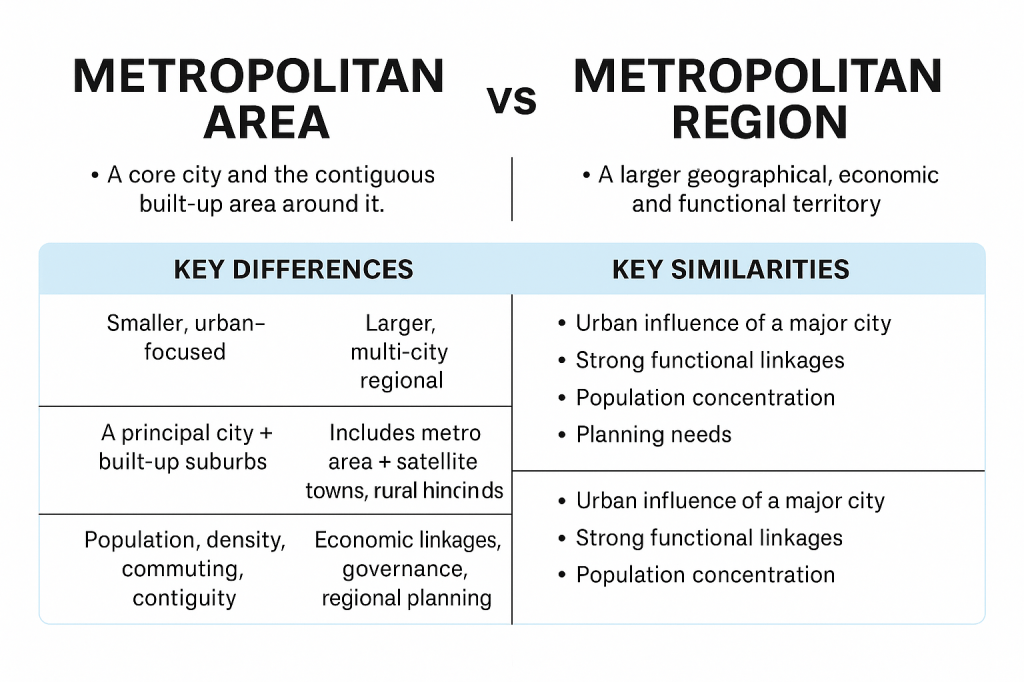
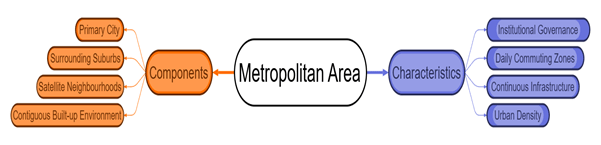

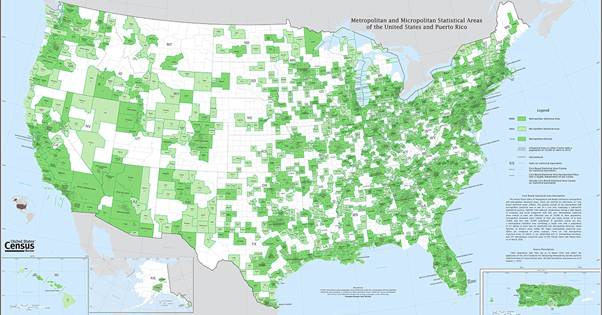

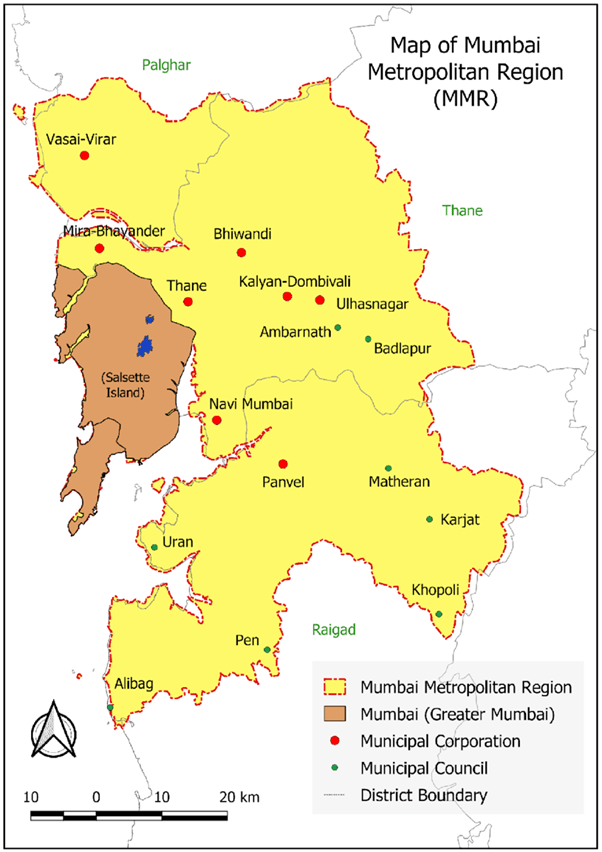
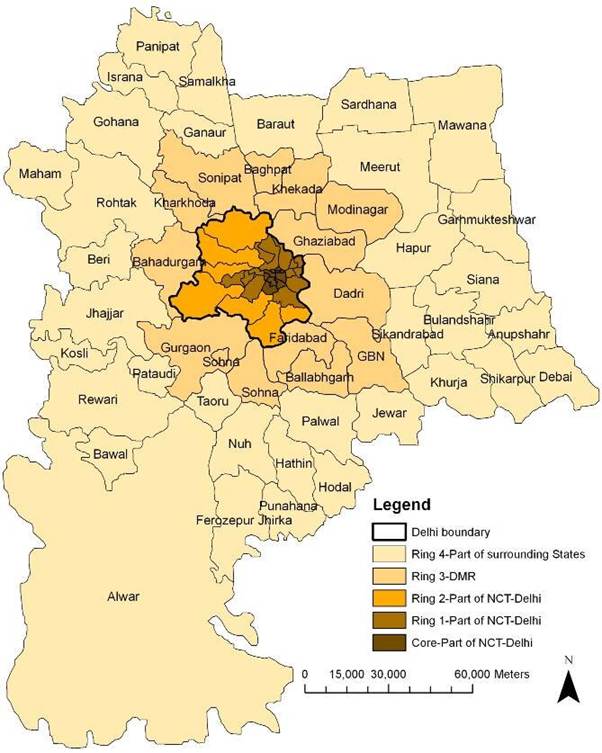









 Eduindex
You must be logged in to post a comment.