1Professor Ramkrishna More Art’s, Commerce and Science CollegeAkurdi, Pune 411044.
2AKI’s Poona College of Arts, Science and Commerce, Camp, Pune – 411001.
Abstract:-
Assessing ecosystem health and biodiversity requires an understanding of termite diversity and distribution. Using transect sampling across several seasons, this study examines the richness of termite species and their spatial-temporal distribution in Chikhli, which is in theBuldhana district of Maharashtra. Using standardized ecological indices (alpha, beta, and gamma diversity), the goal was to measure and examine termite diversity while evaluating the impact of seasonal variation on community composition. Using transects (100 m × 2 m), fieldwork was carried out in a few chosen semi-urban and forested environments in 2023 during the pre-monsoon, monsoon,and post-monsoon seasons. By manually inspecting termite mounds, decaying wood, soil, and leaf litter, termites were collected. Morphological keys and expert validation were used to preserve and identify each collected sample down to the species level. In all, 14 termite species belonging to the Rhinotermitidae and Termitidae families were recorded. Due to increased moisture and organic matter availability, alpha diversity peaked during the monsoon season, whereas beta diversity showed a moderate turnover of species across various habitats and seasons. An indicator of overall richness, gamma diversity demonstrated the research area’s ecological importance in maintaining termite biodiversity. Simpson’s diversity index and Shannon-Wiener’s diversity index provided more evidence for seasonal variations in species richness and evenness. Notably, Odontotermesobesus and Microtermesobesi showed ecological resilience by emerging as dominant species in every season. Statistical techniques, such as cluster analysis and Bray-Curtis dissimilarity, showed distinct patterns of seasonal gradient change in community structure. According to the study, temperature and moisture in particular have a significant impact on termite diversity in Chikhli, influencing both nest dispersal and foraging behavior. These results emphasize the necessity of localized biodiversity conservation measures and the significance of seasonal monitoring for comprehending termite ecology. In the semi-arid ecosystems of central India, this study provides important baseline data for future ecological assessments, sustainable land management techniques, and the potential creation of bio-indicators.
Aim:-To assess the termite species diversity and distribution in Chikhali, Buldhana District, Maharashtra, using transect sampling, and to evaluate seasonal variations through measures of alpha, beta, and gamma diversity.
Objectives:-
To document and identify termite species present in different habitats of Chikhali, Buldhana District, Maharashtra.
To analyze seasonal variations in termite diversity and distribution using transect sampling.
To evaluate alpha, beta, and gamma diversity indices to understand species richness and community turnover.
Introduction:-
Termites are one of the most ecologically important soil-dwelling insects in tropical and subtropical areas. They are necessary for the cycling of nutrients, the fermentation of organic materials, and the evolution of soil.They are bio-indicators of habitat quality and environmental stability due to their abundance and presence. In many regions of India, termite diversity is still poorly understood, especially at the regional level, despite their ecological significance. Chikhli is located in Maharashtra’s Buldhana district, which has a transitional climate that provides a variety of microhabitats that are conducive to termite species. Nevertheless, there is a dearth of information on species composition, seasonal dynamics, and diversity metrics in this area[1].
Combining alpha, beta, and gamma diversity metrics with transect sampling. This study seeks to close that gap by examining termite diversity and distribution over the seasons. For conservation planning, land use management, and sustainable farming practices in central India, an examination of the ways in which seasonal change affects termite assemblages can yield deeper ecological insights.
Ecological Significance of Termites in the Environment:
Termites are dominantly sentient in terms of habitat elucidation and soil motility, earning them the title of “ecosystem engineers.” They have a major impact on the breakdown of plant material that is high in cellulose, which speeds up the recycling of organic matter in ecosystems. Termites improve soil fertility and water retention by adding nutrients to the soil through the breakdown of decaying wood, leaf litter, and plant residues. Their tunneling action enhances microbial growth and soil aeration, both of which boost plant output[2].Moreover, termite mounds provide favorable conditions for a variety of plants and animals by influencing microclimates and landscape heterogeneity. Additionally, termites play a crucial role in the food chain as food for mammals, birds, reptiles, and other arthropods. They are sometimes considered pests because of the damage they cause to crops and wooden structures, but their ecological benefits greatly exceed their negative economic effects. It is essential to comprehend their function to preserve ecological stability and biodiversity, particularly in tropical and semi-arid regions.
Biodiversity Assessment and the Role of Diversity Indices
Termite diversity research offers important insights into habitat quality, climate change resilience, and ecosystem functioning. Three important metrics are frequently used to assess ecological diversity:
Alpha Diversity: Species richness within a particular habitat or sample site is represented by alpha diversity[3].
Beta Diversity: The turnover of species across various habitats or periods is measured by beta diversity.
Gamma Diversity: The overall diversity of a whole landscape or region is reflected in gamma diversity.
These metrics work together to help quantify environmental variability, species composition, and community organization. Accurate biodiversity evaluation requires an understanding of seasonal variations in these diversity indices.
Transect Sampling: A Systematic Approach:
A common ecological survey technique for studying biodiversity is transect sampling. Finding forage groups, mounds, and nesting locations in termite ecology entails examining designated belt transects[4].The technique guarantees quantitative, repeatable data collection across many habitat types and seasons, enabling researchers to identify trends in termite number and distribution.
Study Area:
The study was carried out in Chikhli, which is located in the Buldhana district of Maharashtra. The climate of this area is semi-arid to sub-humid, with distinct seasonal variations such as hot and dry pre-monsoon, wet and humid monsoon, and cooler and semi-dry post-monsoon phases. Numerous termite species find favorable niches created by the varied soil types, vegetation cover, and moisture regimes[5].Nevertheless, there is still little ecological documentation of the termite fauna in this area.
Fig1:- Structure of Termite Fauna in Chikhali
Fig2:-Structure of Termite Fauna inChikhali
Research Gap and Significance:
Although research on termite biodiversity has been conducted throughout India, central Maharashtra lacks seasonal and localized studies. The majority of earlier research offers broad-scale or generalized data without taking ecological dynamics in space and time into consideration. This study closes that gap by employing a standardized analytical approach to provide a thorough, season-by-season investigation of termite communities[6].
Methods:-
Study Area Description:
The study was conducted in and around the Indian metropolis of Chikhli, which is situated in the Buldhana district of Maharashtra.With distinct pre-monsoon and post-monsoon seasons, this area has a semi-arid to sub-humid climate. Scrublands, semi-urban areas, agricultural fields, and degraded woods make up the landscape, which provides a variety of microhabitats that are appropriate for different termite species. This area is perfect for researching termite diversity and distribution patterns because of the seasonal variations in temperature, humidity, and soil moisture.
Sampling Method: Transect-Based Survey:
The variety and distribution of termites were examined using belt transect sampling. In ecological field research, this method is commonly used and standardized, and it is especially helpful for identifying ground-dwelling and cryptic species like termites.
Transect Dimensions: The dimensions of eachtransect were 100 meters in length and 2 meters in width (100 m × 2 m), resulting in a total area of 200 m², 100 meters transect divide into 20 section, each section was (5×2 meter).
Sampling Sites: Two copies of each of the six transects were placed in three different habitat types: open scrublands, woodland patches, and agricultural land[7].
Sampling Seasons: To record temporal variance, surveys were carried out during three distinct seasons:
Pre-monsoon (April).
Monsoon (August).
Post-monsoon (November).
Every transect was carefully examined for termite activity, including termite-colonized decaying wood, nests, mounds, and indications of foraging.
Termite Collection and Preservation:
Termites were manually gathered by inspecting:
Layers of soil
Dead logs
Bark from trees
Litter from leaves
Mounds in nature
Soft forceps were used to carefully collect termite samples, which were then preserved in 70% ethanol. Every colony or group that was encountered was regarded as a separate sample. Every piece of field data, including substrate, moisture level, microhabitat type, and GPS location, was captured on the spot[8].
Species Identification:
Using common morphological keys and classification aids, specimens were identified down to the genus and species level. These included:
Chhotani and Roonwal (1989).
Krishna et al. (2013).
Diagnostic features such as mandibles, wing venation, soldier caste traits, and head capsule form were used to identify the species. Where required, expert verification was acquired.
Diversity Indices and Data Analysis
Three essential ecological indices were used to examine termite biodiversity:
Alpha Diversity: Species richness and evenness within each habitat and season are calculated by using Shannon-Wiener and Simpson’s diversity indices.
Beta Diversity: Whittaker’s index and Bray-Curtis dissimilarity are used to analyze species turnover between habitats and seasons.
Gamma Diversity: The overall variation of the topography across the entire study area.
The data was handled and analyzed using PAST (Paleontological Statistics) software and Microsoft Excel.Seasonal and regional comparisons of diversity patterns were made using graphical representations and cluster analysis.
Ethical and Environmental Considerations:
The natural environment was not significantly disturbed during any of the termite sampling operations. Non-target organisms and vacant structures remained undisturbed. The study complied with ecological and institutional standards for ethical biodiversity research[9].
Overview of Species Richness and Abundance:-
The study recorded atotal of 14 termite species across three major seasons: pre-monsoon, monsoon,and post-monsoon.
Table 1: Taxonomic Classification of Identified Termite Species:
= Total species observed across all habitats/seasons = 14
Bray-Curtis Dissimilarity Index:
B = 1 –
Where,
= Sum of shared minimum abundances.
= Total individuals in habitats i and j.
B = 1 –
1 – 0.78
B = 0.22
Results and Discussions:-
Table 4: Seasonal Comparison Table of Biodiversity Parameters:
Parameters
Pre-Monsoon
Monsoon
Post-Monsoon
Interpretation
Alpha Diversity (H’)
1.978
2.051
1.981
The monsoon season has the highest Shannon Index within-season diversity.
Simpson Index (1-D)
0.800
0.825
0.805
Evenness and dominance distribution are more uniform during the monsoon.
Species Richness
11
14
12
The total unique species per season is highest in the monsoon.
Beta Diversity ()
0.273
0.135
0.182
Some species change between seasons, but not a lot.
Gamma Diversity ()
14 species
14 species
14 species
The total number of unique species observed across all seasons remains constant.
Dominant Species
O.obesus, M. obesi
O.obesus, M. obesi
O.obesus, M. obesi
Dominant species across all seasons are key contributors to ecosystem functioning.
Bray-Curtis Index
0.251
0.22
0.304
Moderate dissimilarity in species composition across seasons.
Fig 4:- Seasonal Trends in Termite Diversity and Richness
The pre-monsoon season has a Simpson Index of 0.800, indicating a good distribution of individuals among species, while the alpha diversity is 1.978, indicating substantial species diversity. Beta diversity is 0.273, and species richness is somewhat lower at 11, indicating a moderate turnover of species from prior seasons. The species composition varies moderately, as shown by the Bray-Curtis Index value of 0.251. O. obesus and M. obesi are the dominating species, and the gamma diversity is steady at 14 species[11].
More species diversity and even distribution are reflected in the monsoon season, when alpha diversity peaks at 2.051, the greatest of all seasons. Furthermore, the Simpson Index reaches its maximum value of 0.825, indicating a community with little balance and dominance.The monsoon season has the greatest number of species, with a species richness of 14. The lowest beta diversity is 0.135,suggesting that the species composition has not changed much. Higher resemblance with other seasons is indicated by the Bray-Curtis Index, which is likewise the lowest at 0.220.Gamma diversity continues at 14 species, while dominant species (O. obesus, M. obesi) do not change.
The Simpson Index is 0.805, and alpha diversity slightly declines to 1.981in the post-monsoon season, indicating both strong evenness and diversity[12].With a species richness of 12, the monsoon has somewhat decreased. Higher species compositional dissimilarity is suggested by the Bray-Curtis Index of 0.304and beta diversity of 0.182, both of which are higher than during the monsoon. Gamma diversity stays at 14 species, while the dominating species (O. obesus and M. obesi) continue to exist.
Fig 5:- Seasonal Variations in Termite Community Structure
Conclusions:-
The current study used belt transect sampling in the semi-arid area of Chikhli, Buldhana district, Maharashtra, to provide a thorough investigation of termite variety and distribution over three seasonal phases: pre-monsoon, monsoon, and post-monsoon. Using ecological index-based evaluation and thorough field surveys, the results demonstrate how seasonal variations impact termite community composition, species richness, and spatial dynamics. A thorough evaluation of termite biodiversity’s intra- and inter-seasonal trends was made possible by the use of alpha, beta, and gamma diversity indices. According to the Shannon-Wiener and Simpson indices, alpha diversity peaked during the monsoon season, indicating favorable environmental factors such as more soil moisture and organic matter that promote a more varied and uniformly dispersed termite colony. Indicating that the monsoon season provides ideal habitat conditions for termite proliferation, species richness peaked at this time of year, with 14 species seen. Whittaker’s index and Bray-Curtis dissimilarity, which measure beta diversity, showed a moderate turnover of species throughout the seasons. This suggests that although core species such as Odontotermesobesus and Microtermesobesi are year-round, some species show seasonal variation in their occurrence and distribution. As a stable habitat for a variety of termite taxa, the region’s ecological value was highlighted by the fact that the gamma diversity, or overall termite diversity across all seasons, stayed consistent at 14 species.
Consistent observation of dominant species in every season showed their ecological adaptability and potential as bio-indicators of habitat and soil quality. Dissimilarity indices and cluster analysis were used to further show how climate factors like humidity and temperature affected the slow changes in community structure. The study concludes by highlighting the significance of regular biodiversity monitoring in addition to the seasonal patterns of termite diversity in a transitional setting. In the semi-arid regions of central India, these observations provide important baseline data for ecological conservation, sustainable land-use planning, and upcoming research on termite-driven ecosystem processes.
References:-
Abassi, S. A., Gajalakshmi, S., and Kaur, G. (2024). Diversity and conservation of termite species in an area in northeastern Puducherry, India, that is rich in flora. Global Journal of Food and Agribusiness Management, 8(1), pp. 1–8.
Ahmed, S., Hossain, A., and Shahid, M. (2024). Seasonal variations in the Eastern subterranean termite’s stomach microbial makeup. Environmental Entomology, 53(3), pp. 406–416.
BMC Ecology. (2020). A case study on termites from Kenya’s long-term farming systems comparison experiments illustrates how conventional and organic farming affect the preservation of soil biodiversity. Ecology in BMC, 20, Article 13.
Cornwell, W. K., Wijas, B. J., & Lim, S., et al. (2021). Changes in termite variety, nesting habits, and eating habits at the continental scale. Ecography, 44(1), pp. 1–12.
Harish, R. (2020). Termite diversity and morphometric analysis in Meghalaya’s mid-hills (unpublished master’s thesis). Imphal CAU.
Korb, J., and Schyra, J. (2019). Termite colonies along a disturbance gradient on a West African grassland. Insects, 10(1), 17.
Kumar, S., and Mahapatro, G. K. (2013). The pest status and diversity of termites in Delhi. The Indian Forester, 139(12), pp. 1151–1153.
Sharma, N., and P. C. Bjerner (2022). Termites (Isoptera) in Southern Haryana, India: species diversity and community composition. Conservation, Ecology, and Environment, 28(4), pp. 1882–1890.
Ocko, S. A., King, H., and Mahadevan, L. (2017). Termite mounds use temperature fluctuations throughout the day to ventilate themselves.
Theraulaz, G., et al. (2024). X-ray tomography and flow field models for controlling the climate in termite mounds.
United Nations Food and Agriculture Organization. (2020). Current understanding of soil biodiversity. FAO.
Wu, X., et al. (2022). Climate and vegetation have different effects on termite damage and variety. Applied Ecology Journal, 59(5), pp. 1012–1023.
Abstract:-The intriguing features of MXene, a novel family of two-dimensional materials, include strong surface area, negative zeta potential, metallic conductivity, and electric conductivity.The majority of Mxene are currently only successfully prepared by exfoliating MAX with high concentration hydrofluoric acids. In this study, the 2D Ti3C2 with large interplanar spacing was successfully achieved by alkali mixture of NaF and HCl, in single process. The morphology and structure of prepared sample characterized by XRD and SEM. This work presents a safely effective route to synthesize the 2D Ti3C2. Fabrication of ZnO/MXene composites by a facile chemical method. Under UV irradiation, Rhodamine B was degraded by composites within 15 min and retained photo-catalytical efficiency after 5 cycles. Therefore ZnO/MXene composites can be regarded as aeffective candidate for waste water treatment and environmental protection.
Keyword:- MAX phases, MXene, ZnO, Rhodamine B
1.Introduction:-Due to the discovery graphene in 2004[1-3], The 2D materials have attracted researcher interest. Owing to the reduction of the dimension and size, two-dimension materials have exhibited many intriguing properties that are not found in their bulk counters, holding tremendous promise for a host of applications ranging from electronics[4-6] and optoelectronic device[7, 8], photocatalysis[9, 10]to electrochemical catalysis[11, 12]. In recent years, with great advances in the synthetic techniques, more 2D materials beyond graphene have been successfully produced such as silicene[12], silica glass[13], molybdenum disulfide[14, 15], germanene[16, 17], stantene[18], phosphorene[19]. Among the, a newly discovered large family of 2D large family of transitional metal carbide/ nitride or carbonitride called ‘’MXene’[20], is rapidly rising starThese novel materials are produced from MAX phaseswith selective remove A layered using etchants without destroying M-X bond because the M-X bonds are much stronger than the M-A bonds[21]. MAX phasesare layered ternary compound with general formula of Mn+1AXn(n=1,2,3), where M represents early transition d block transition elements, A is predominately IIIA or IV A group element, and X is either C or N,MAX phases possess hexagonal layered structure in which Mn+1Xn units and A layers are alternatively stacked.After the exfoliation resulting surface of MXene are terminated with other groups, such as -F, -OH and -O[22]. So, the MXene represents as Mn+1XnTx, Where T is the surface terminal groups depends upon etchants solution and condition. Experimentally, the proportions of different functional groups on the MXene surface are uncertain.In case of hydrothermal or electrochemical etching methods absence of terminal functional groups and represented as Mn+1Xn such as Ti3C2[23]. Most of MXeneshows metallic behavior exhibiting electronic conductivity higher than all other solution possessed 2D materials. These materials have shown significant promise in variety of applications including electrochemical energy storage[24], electromagnetic interference shielding[25], gas sensing[26], and many other. In particular, the good flexibility of MXene make easy to form composite with other materials, which provide an opportunity of integrating the outstanding properties of different materials in a complementary way. MXene also has exceptional capacity to transport photogenerated electron from closely coupled semiconductor photocatalyst and suppress the recombination of electron hole pairs[27]. However, MXene based photocatalyst system with more efficient for removal of water pollutants is still needed to develop.
ZnO is widely applied semiconductor photocatalyst in pollutants removal including heavy metal ions[28] and organic contaminants[29], and it has a strong oxidation capacity and a wide band gap (~3.3 ev)[30] because its valence band is sufficiently to generate hydroxy radicals[31]. On the other hand, ZnO shows fast recombination of electron hole pairs[32] and shows poorest photocatalytic degradation of dyes[33]. Based on above consideration, we constructed an efficient heterojunction photocatalyst for degradation of hazardous water pollutants which consisted of MXene sheets and ZnO. These heterojunctionsfacilitate minimize the photogenerated electron transfer distance. Moreover, the heterojunction structure between the stable ZnO and high conductive layered structure of Ti3C2Tx, MXene can further facilitate the separation and transfer capacities of photogenerated charge carriers. Therefore ZnO/Ti3C2Tx exhibited excellent photocatalyst. This work provides new insight into for development of traditional semiconductor photocatalyst for traditional semiconductor photocatalyst for highly efficient degradation of Rhodamine B as waste water pollutants.
Fig 1.) Schematical representation of Crystal Structure of Ti3AlC2and monolayer of Ti3C2
2.Experimental Section
Etching Methods. Etching using NaF + HCl Solutions The etchant was prepared by adding 0.8 gm of NaF to 10 mL of 9M HCl and continuously stirring the resulting mixture for 10 min then 0.5 g ofTi3AlC2 powder gradually over the course of 5 min added into above etchants avoids excessive bubble formation of H2 gas, and resultant mixture were left under continuous stirring for 18 h at room temperature. Each reactant was centrifugation with DI water until pH~6.
Synthesis of ZnO/MXene composite 110 mg Zn(CH3COO)2.2H2O were dissolved into 50 ml of ethanol under vigorous stirring for 30 min at room temperature. Then 32 mg NaOH were dissolved into 50 mL of ethanol under vigorous stirring for 30 min, the two solutionswere mixed followed by addition of the 410 mL of ethanol. 0.25 gm of MXene was added in the solution under magnetic stirring at 600C for 40 min. The resulting precipitate was cooled down and sediment was collected by centrifugation. Finally, the precipitate was dried at 600C in autoclave for 18 h obtained as ZnO seeds/MXene
37.10 g Zn(NO3)2.6H2O andobtained ZnO/MXene were dissolved into 500 mL of DI Water in round bottom Flask,heated in oil bath at 1050C for 30 min. Then, 17.50g hexamethylenetetramine was added heated and stirred for 23h. Finally, after the reaction, process, the product was collected by centrifugation and dried in hot air oven at 600C for10 h
XRD of 2-D MXene:- The result revealed that the characteristics 002 peak located at 2θ=8.83A0In bare MXene, the 002 peak was found to be at 19A0 presenting as increase interlayer spacingthis peak not appear into bulk counter part of MAX phases
Fig 2) XRD image of Ti3C2 2-D Sheets
3. Photocatalytical Application of ZnO/MXene composite
The Photocatalytical performance were evaluated through removal of Rhodamine B as typical pollutants 200 mg ZnO/MXene composites were dispersed into 40 ml of 50 ppm solution of Rhodamine B, uniformed stirring with help of magnetic stirring. The solution kept in dark for 30 min and then irradiated withUV light for 18 min the reaction sample were collected at regular of 3 min for UV-visible analysis. The same set of experiment carried using 100 mg of ZnO particle were used to evaluated photocatalytical performance and the rhodamine b solution were collected at regular interval of 20 min for UV-Visible analysis
The degradation efficiency was evaluated by comparing percentage of degradation using following formula
η = (1-Ct/C0) where η is photodegradation in % and C and C0 are concentration of RhB solution after and before UV radiation, respectively. C/C0 calculated by A/A0, because the concentration of solution is directly proportion to absorbance of solution
Fig 3a) Photo catalytical degradation of Rhodamine B under UV light3b) Photodegradation efficiency of ZnO/MXene upto 5th cycle runs
Fig 4) comparison of photocatalytic degradation of Rhodamine B using ZnO andZnO/MXene
4. Conclusion: –In summary, ZnO/MXene compositehave fabricated by two step facile chemical methods. The ZnO microrod/MXene composite within 15 min and more photocatalytical efficiency after 7cycles. ZnO/MXene composite is superior photocatalyst as compared to ZnO microrods. Therefore, the study opens new avenue for waste water pollutants and environmental protection.
5. Reference
1. Taghioskoui, M., Trends in graphene research. Materials today, 2009. 12(10): p. 34-37.
2. Kheirabadi, N., A. Shafiekhani, and M. Fathipour, Review on graphene spintronic, new land for discovery. Superlattices and Microstructures, 2014. 74: p. 123-145.
3. Kumar, C.V. and A. Pattammattel, Discovery of graphene and beyond. Kumar CV, Pattammattel A (Eds.,) Introduction to Graphene: chemical and biochemical applications, 2017: p. 1-15.
4. Han, T.-H., et al., Graphene-based flexible electronic devices. Materials Science and Engineering: R: Reports, 2017. 118: p. 1-43.
5. Wei, D., et al., Controllable chemical vapor deposition growth of few layer graphene for electronic devices. Accounts of chemical research, 2013. 46(1): p. 106-115.
6. Sun, Y., M. Sun, and D. Xie, Graphene electronic devices, in Graphene. 2018, Elsevier. p. 103-155.
7. Najim, A., et al., A fundamental study on the electronic and optical properties of graphene oxide under an external electric field. Modern Physics Letters B, 2024. 38(10): p. 2450032.
8. Xie, C., et al., Graphene/semiconductor hybrid heterostructures for optoelectronic device applications. Nano Today, 2018. 19: p. 41-83.
9. Li, X., et al., Graphene in photocatalysis: a review. Small, 2016. 12(48): p. 6640-6696.
10. Xiang, Q., J. Yu, and M. Jaroniec, Graphene-based semiconductor photocatalysts. Chemical Society Reviews, 2012. 41(2): p. 782-796.
11. Xia, B., et al., Recent progress on graphene-based hybrid electrocatalysts. Materials Horizons, 2014. 1(4): p. 379-399.
12. Mazánek, V., et al., Ultrapure graphene is a poor electrocatalyst: definitive proof of the key role of metallic impurities in graphene-based electrocatalysis. ACS nano, 2019. 13(2): p. 1574-1582.
13. Mo, C., R. Yin, and J.R. Raney, Direct ink writing of tough, stretchable silicone composites. Soft Matter, 2022. 18(38): p. 7341-7347.
14. Zhang, K., et al., Molybdenum selenide electrocatalysts for electrochemical hydrogen evolution reaction. ChemElectroChem, 2019. 6(14): p. 3530-3548.
15. Eftekhari, A., Molybdenum diselenide (MoSe2) for energy storage, catalysis, and optoelectronics. Applied Materials Today, 2017. 8: p. 1-17.
16. Acun, A., et al., Germanene: the germanium analogue of graphene. Journal of physics: Condensed matter, 2015. 27(44): p. 443002.
17. Borca, B., et al., Image potential states of germanene. 2D Materials, 2020. 7(3): p. 035021.
18. Ochapski, M.W. and M.P. De Jong, Progress in epitaxial growth of stanene. Open Physics, 2022. 20(1): p. 208-223.
19. Cho, K., J. Yang, and Y. Lu, Phosphorene: An emerging 2D material. Journal of Materials Research, 2017. 32(15): p. 2839-2847.
20. Singh, S., et al. Insights on a new family of 2D material mxene: A review. in AIP conference proceedings. 2021. AIP Publishing.
21. Sun, J., et al., MAX, MXene, or MX: What Are They and Which One Is Better? Advanced Materials, 2023. 35(52): p. 2306072.
22. Li, X., et al., Functional MXene materials: progress of their applications. Chemistry–An Asian Journal, 2018. 13(19): p. 2742-2757.
23. Gogotsi, A.S.a.Y., Raman Spectroscopy Analysis of the Structure and Surface Chemistry of Ti3C2Tx MXene. 2020.
24. Xiong, D., et al., Recent advances in layered Ti3C2Tx MXene for electrochemical energy storage. Small, 2018. 14(17): p. 1703419.
25. Iqbal, A., P. Sambyal, and C.M. Koo, 2D MXenes for electromagnetic shielding: a review. Advanced Functional Materials, 2020. 30(47): p. 2000883.
26. Bhardwaj, R. and A. Hazra, MXene-based gas sensors. Journal of Materials Chemistry C, 2021. 9(44): p. 15735-15754.
27. Lim, J.J.Y. and A.N.K. Lup, Heterostructural TiO 2/Ti 3 C 2 MXene aerogel composite for photocatalytic degradation of palm oil mill effluent. Environmental Science: Advances, 2022. 1(4): p. 570-583.
28. Le, A.T., et al., Mechanisms of removal of heavy metal ions by ZnO particles. Heliyon, 2019. 5(4).
29. Abdullah, F., N.A. Bakar, and M.A. Bakar, Current advancements on the fabrication, modification, and industrial application of zinc oxide as photocatalyst in the removal of organic and inorganic contaminants in aquatic systems. Journal of hazardous materials, 2022. 424: p. 127416.
30. Kamarulzaman, N., M.F. Kasim, and R. Rusdi, Band gap narrowing and widening of ZnO nanostructures and doped materials. Nanoscale research letters, 2015. 10: p. 1-12.
31. Sultana, K.A., et al., Sustainable synthesis of zinc oxide nanoparticles for photocatalytic degradation of organic pollutant and generation of hydroxyl radical. Journal of Molecular Liquids, 2020. 307: p. 112931.
32. Urgessa, Z., et al., Low temperature near band edge recombination dynamics in ZnO nanorods. Journal of Applied Physics, 2014. 116(12).
33. Lin, Y., H. Hu, and Y.H. Hu, Role of ZnO morphology in its reduction and photocatalysis. Applied Surface Science, 2020. 502: p. 144202.
The main purpose of current study was to analyses biochemical composition (protein, lipid and moisture) appropriate amount of entire body wet weight tissue of 19 fish species which were previously recorded from four different stations i.e. Sakri, Kasare, Dahivel and Pimpalner during May, 2024 to April, 2025. The mined outcome was showed difference in diverse fish species with their biochemical composition. Protein was found in between (21.40 ± 01.25) to (11.05 ± 01.65), lipid ranges in (09.30 ± 01.80) to (01.10 ± 00.85) whereas moisture content ranges in (82.60 ± 01.15) to (70.50 ± 02.15). In all nineteen species of fishes had been recorded higher caloric value.Mystus bleekeri,Channa punctataand Mastacembellus armatus are more nutritionally beneficial fishes as compare to other 16 species.
Fish food is a highly proteinoids in nature. A large percentage of people consume it due to its low cholesterol, tender meat, and great taste. It is the cheapest source of animal protein and other vital nutrients that are important in the human diet, predominantly in low- and middle-income groups and it has been widely accepted as a good source of protein and other elements for maintaining a healthy body (Andrew, 2001).
The importance of fish as a source of high-quality, balanced and easily digestible protein, vitamins and polyunsaturated fatty acids and other organic products is well understood3. It is the most important source of animal protein. (Kumar et. al., 2020). The chemical composition of proteins and lipids has traditionally been used as an indicator of the nutritional value of fish as well as their physiological condition and habitat (Prakash and Verma, 2018)
The nature and quality of nutrients in maximum animals depend mostly on their food type. Besides, the feeding habit of an individual fish species significantly affects the nutritional composition of its flesh. Almost 85-90% fish protein is digestible and all the dietetic vital amino acids is found in the fish meet. The amount of roughly proximate composition together with protein and fats content is often essential to ensure the food monitoring necessities.
Material and Methods:
Present study was conducted at four selected stations from Sakri and Sakri Tahsil i.e. Sakri, Kasare, Dahivel and Pimpalner during June, 2023 to May, 2025. The geographical location of the study area has Sakri- (20059’25” N and 74018’52” E), Kasare- (20056’57” N and 74015’33” E), Dahivel- (20059’25” N and 74018’52” E), Pimpalner- (17050’55” N and 74052’30” E) (Google Earth,2015).
During the study, healthy, appropriately sized fresh fish specimens brought from fishermen. The entire sample was covered with inverted box for keeping freshness, brought them to laboratory. The fish were de-scaled wherever essential, their abdomens were cut open and they were washed two to three times with distilled water. Photographs were taken for identification and taxonomic studies. Fish were identified using various literature viz., Day (1994); Jayaram (2002); Talwar and Jhingran (1991). Proper amount of whole-body wet weight tissue of the fish was taken for biochemical analysis. The tissues were homogenized and centrifuged at 3000 rpm for 10 minutes for estimation of protein, lipid and moisture. Subjecting the body tissues to a solvent mixture of ethyl ether and ethanol (3:1) Bloor mixture. Six observations were made on each chemical analysis. The mean and standard deviation were calculated over the two-year study period. The estimated parameters content was determined by Protein by- Lowry O.H. (1951) method, lipid by – Jayaraman J. (1981) method Whereas total moisture by oven dried method – Anonymous, (1996) method.
Result and Discussion:
The existing study was carried out in total 19 previously recorded fish species from four different stations of Sakri Tahsil. Total 19 species were collected, which belonging to 6 orders followed by 10 families, 18 genera and species. Order Cypriniforms were dominated with 11 species and Family Cyprinidae with 10 species.
From Sakri (Tor khudree, Mystus bleekeri, Opsarius bendelisis,Devario aequipinnatus, Paracanthocobitis botia), from Kasare (Salmostoma bacaila, Labeo boggut, Mastacembelus armatus, Systomus sarana, Channa punctata, Puntius sophore, Oreochromis niloticus, Garra mullya), from Dahivel (Notopterus synurus, Mystus bleekeri, Cirrhinus reba) however from Pimpalner (Ompok bimaculatus, Hypophthalmichthys molitrix, Corica soborna) were identified. Analyzed nutritive values of Protein, Lipid and Moisture were estimated immediately on same day of collection. Six observations were taken of each parameter in two years study from June, 2023 to May, 2025. Mean and standard deviation were calculated and the values are shown in (Table no.-1) however graphical representation mentioned in fig. 1 to 4 with different stations.
Total Protein (%): As compare to others, protein is most leading biochemical parameter. Consumers gain from fishes near about 16% of animal protein. Protein is the second major component in muscle tissues of fish and is generally present in the range ranged in between 15 to 20 g/100g tissue. In some species lower or higher than this percentage of protein was found. Protein content of fish is considered low if it is below 15%. The extent of variations in protein level is comparatively low. Feeding habits, spawning cycle etc. affect the level of protein in the tissues. These results demonstrate that in good quality of protein is present in all fish species to fulfil the need of healthy diet. Higher content of protein evaluated in Mastacembelus armatus (21.40 ± 01.25)Least count of protein content estimated in Garra mullya (11.05 ± 01.65). Remaining 16 fish species shown protein range in between (11.10 ± 01.20) to (20.15 ± 01.05). Our findings are corroborated with Acharya et al. (2018).
Total Lipid (%): Lipids include a wide heterogeneous group of compounds. Lipids are defined as the fraction of any biological material extractable by solvents of low polarity. Variations in the lipid content are much wider than that in protein. Fish with fat content as low as 0.5% and as high as 16 18% are of common occurrence. In many species, there is a build-up of lipids during the feeding season and decrease during spawning (Bheem Rao and Sanjeevaiah, 2023). Percentage of Lipid shown variation in 19 fish species, stated in Lipids are most vital constituent of fish egg as reserve energy source, (Pal et al., 2011). The maximum percentage of lipid shown in Corica soborna (08.85 ± 00.70), followed by Mastacembelus armatus (07.90 ± 00.85). Least count of protein content estimated in Mystus bleekeri (01.15 ± 00.85), Remaining 16 fish species protein ranges in between (01.35 ± 00.15) to (05.90 ± 01.40). Our study was corelated with some researchers, (Arunachalam et al., 2017)
Total Moisture (%): Water is essential for all living systems. Body fluids act as medium of transport of nutrients, metabolites etc. and water is the major component in these fluids. It is required for the normal functioning of many biological molecules.According to (Daniel, 2015) this type of relationship between moisture and fat is accurate for various body tissues as well as for whole body tissues. If moisture content increases, then fat content decreases, Praveen et al. (2018). Estimated percentage of the moisture ranges from (80.75± 01.60) to (45.45 ± 02.10) found in Hypophthalmichthys molitrix and Mastacembelus armatus respectively. Remaining 16 species are followed by (81.00 ± 02.80) to(60.00 ± 01.25).
The biochemical composition of the fish muscle generally indicates the fish quality. Therefore, proximate biochemical composition of a species helps to assess its nutritional and edible values. Although several studies dealing with the proximate composition of biochemical components of many commercially important food fishes have been reported. Khalili and Sabine(2018) investigate lipids, protein, vitamins and minerals percentage in some fish species. Singh et al. (2016) stated that the amount of protein showed higher in liver due to greater concentration of enzymes. Kumar et al. (2020) analyses the effect of dietary vitamin-C on biochemical and morphometric parameters of Labeo rohita. Ali et al. (2020) estimated biochemical composition of some marine edible fish species from Kasimedu fish lading centre of Chennai. Patil and Patole (2025) estimated biochemical profile (Glycogen Protein, Lipid ad Moisture) of fresh water fishes from Nakana lake.
Conclusion
Generally, fish quality depends upon biochemical composition of the whole body which is revealing decline of energy reserves and storage of energy. Hence assessment of their edible and nutritional values related to energy element judge with other species. These values are noticeably varied within species. Based on the results of this research, it was observed that the diversity of fish fauna is more in Kasare village as compare to remaining three stations i.e. Sakri, Dahivel and Pimpalner. All nutritious fishes found in Kasare Village. It is recommended that further the reservoir can be consider being in good condition for fish production.
References
Acharya, K.V., Shandage, A., Dadhaniya, P. (2018): Medicinal, Nutritional and Biochemical Values of Fishes, J. of Emerg. Techno. and Inno. Res., 5(7): 343-347.
Ali, SSR, Abdhakir, E.S., Muthukkaruppan, R., Sheriff, M.A., Ambasankar, K. (2020): Nutrient Composition of Some Marine Edible Fish Species from Kasimedu Fish Landing Centre, Chennai (TN), India., Int. J. of Biol. Inno., 2(2):165-173. https://doi.org/10.46505/IJBI.2020.2213.
Andrew A.E (2001). Fish processing Technology. University of Horin press. Nigeria, 7-8.
Anonymous, (1996): Loss on drying, in Indian pharmacopeia, New Delhi: Controller of publication.
Arunachalam, A., Nanthini, N., Malathi, S. and Ragapriya, A. (2017): Biochemical Analysis of Fresh Water Fish Species of Veeranam Lake, Cuddalore Dist., Tamil Nadu, India, Int. J. of Zool. and Appl. Biosci., 2(4):202-206. https://doi.org/10.5281/zenodo.1311976.
Bheem Rao T. and Sanjeevaiah, A. (2023): Biochemical Composition in Different Tissues of Heteropneustes Fossilis (Bloch), IJCRT, 11(10): 237-245.
Danial Imoubong, E., (2015): Proximate composition of three commercial fishes commonly consumed in Akwa Ibom State, Nigeria, Int. J. of Multi. Acad. Res. S.,3 (1), ISSN 2309-3218.
Dey, F. (1994): The fishes of India, Burma Ceylon, fourth Indian reprint, Vol. I and II Jagmandar book agency, New Delhi.
Jayaram, K.C. (2002): The freshwater fishes of the Indian region. Narendra Publication House, Delhi, pp., 551.
Jayaraman, J., (1981): In: Laboratory Manual in Biochemistry. Wiley eastern ltd., New Delhi, 96.
Khalili, T. S. and Sabine, S. (2018): Nutritional Value of Fish: Lipids, Proteins, Vitamins, and Minerals. Reviews in Fisheries Sci. & Aqua., 26(2):243-253.
Kumar A, Bajpayee A.K., Yadav C.B. (2020): Effects of Dietary vitamin-C on Biochemical and Morphometric parameters of Labeo rohita., Int. J. of Biol. Inno., 2(2):174-177. https://doi.org/10.46505/IJBI.2020.2214.
Lowry, O. H., Rosen Brough, N. J., Farr, A. L., Randall, R. J., (1951): Protein measurement with the Folin phenol reagent. J. Biol. Chem., 193:265-75.
Pal, M., Mukhopadhyay, T. and Ghosh, S., (2011): Proximate, fatty acid, and amino acid composition of fish muscle and egg tissue of Hilsa (Tenualosa ilisha). J. Aqua. Food Prod. Technol., 20: 160-171.
Patil Manisha and Patole, S. S. (2025): Biochemical profile of freshwater fishes from Nakana lake, Dist.- Dhule (MS) India, B. Aadhar, Int. Peer Reviewed Indexed Journal. DXXI- 521, 147-150.
Prakash, S., Verma, A.K. (2018): Effect of synthetic detergent on biochemical constitutions of freshwater major carp, Labeo rohita, Int. J. on Agri. Sci., 9(1): 56-59.
Praveen, D. R., Rushinadha, R. K., Krishna, P., Durga Prasad, D. Sreeramulu, K. (2018): A study on proximate composition of selected three fresh water fishes (Labeo Rohita, Channa Striata and Mastacembelus Armatus) of Tammileru reservoir, West Godavari district, Int. J. of Basic and Rec., 8(7): 650-666.
Singh, S., Dixit, P. K. and Patra, A.K. (2016): Biochemical Analysis of Lipids and Proteins in three Freshwater Teleosts (Clarias batrachus, Channa punctatus, Anabas testudineus) Res. J. of Rec. Sci., 5(6): 24-33.
Talwar, P.K. and Jhingran, A.G. (1991): Inland fishes of India and adjacent countries. Oxford and IBH Publishers, New Delhi.
Table-1, Biochemical Assessment (Protein, Lipid and Moisture) of freshwater fishes from four different stations of Sakri Tahsil. Dist.- Dhule, during June, 2023 to May, 2025.
“Hydrogel-Based Growth of Cobalt Tartrate Single Crystals and Their Morphological Study”
Sachin J Nandre,
Dept of Physics, Uttamrao Patil College, Dahiwel (Dhule)
Abstract
Single crystals of cobalt tartrate (CoC₄H₄O₆·xH₂O) were successfully grown using the hydro-silica gel technique, which allows controlled nucleation and slow diffusion of reactants in a three-dimensional porous medium. Cobalt tartrate is a transition metal-organic complex with potential applications in catalysis, magnetic materials, and electrochemical sensors. The growth process was optimized by adjusting gel concentration, reactant molarity, and pH, resulting in well-faceted, transparent to pale pink crystals. The study demonstrates the effectiveness of the hydro-silica gel method for producing high-quality cobalt tartrate crystals and provides insights into their growth mechanism and morphology control.
Cobalt tartrate, a coordination complex of cobalt and tartaric acid, exhibits unique optical, magnetic, and structural properties due to the d-orbital interactions of cobalt ions and the chelating behavior of tartarate ions. The controlled growth of single crystals of cobalt tartrate is essential for materials characterization and applications in electronics, optics, and catalysis.The hydro-silica gel technique is a soft chemical crystal growth method where reactants slowly diffuse through a gel matrix, enabling controlled nucleation and growth at ambient temperature. This method offers advantages over conventional solution growth, including, low temperature growth, avoiding thermal decomposition, control over crystal size and morphology, reduction of spontaneous precipitation.
This work aims to grow cobalt tartrate crystals using the hydro-silica gel method and study the effect of gel concentration, reactant molarity, and growth time on crystal morphology and size. Growth of crystal ranges from a small inexpensive technique to a complex sophisticated expensive process and crystallization time ranges from minutes, hours, days and to months. The starting points are the historical works of the inventors of several important crystal growth techniques and their original aim. The methods of growing crystals are very wide and mainly dictated by the characteristics of the material and its size.
2. Experimental Technique
2.1 Materials
The materials were purached from Lobachempvt ltd. All the materials were AR grade and they are used without any further purification. Cobalt chloride hexahydrate (CoCl₂·6H₂O), Tartaric acid (C₄H₆O₆), Sodium metasilicate (Na₂SiO₃·5H₂O) for gel preparation, Distilled water,Glacial acetic acid (for pH adjustment).
2.2 Preparation of Hydro-Silica Gel
Sodium metasilicate solution was prepared by dissolving 50 g of Na₂SiO₃·5H₂O in 100 mL of distilled water.The solution was acidified slowly with 1 M acetic acid under constant stirring until gelation occurred (pH ~4–5). The gel was allowed to set in test tubes and aged for 24–48 hours to strengthen the matrix. The following table 1 shows the standard optimized parameters for the crystal growth development.
Sr.No
Optimum Conditions
Cobalt Tartrate
1
Density of Sodium Meta Silicate
1.04gm/cm3
2
Conc. of Tartaric acid
0.5M
3
Volume of Tartaric acid
7ml
4
Volume of Sodium Meta Silicate
18ml
5
Volume of Cobalt Cholride
5ml
6
pH of the gel
4
7
Ageing Period
One week
The crystals were extracted by carefully breaking the gel after two to three weeks depend on the growth parameters. The extracted crystals were subjected to study their physical properties particularly crystal size, growth morphology, crystal structure, and optical behavior. Growth morphology was studied by using scanning electron microscope. Crystal structure was identified by using X-ray diffraction technique.
3. Results and discussion
Crystal growth occurs via slow diffusion of Co²⁺ and tartrate ions through the hydro-silica gel.Gel acts as a porous medium, restricting rapid precipitation and promoting uniform nucleation.Chelation of cobalt ions by tartarate ions stabilizes the crystal lattice.Hydrogen bonding and van der Waals interactions within the gel network facilitate orderly crystal assembly. In the present experiment, a 0.1 M solution of cobalt chloride was carefully poured on top of the set silica gel and 0.1 M solution of tartaric acid was layered above the gel to allow slow diffusion. The test tubes were sealed to prevent evaporation and left undisturbed at room temperature (~25°C).Crystals started to appear after one week, and growth continued for up to three weeks in order to get full grown crystals with different facets.
It is observed that concentration of cobalt chloride and tartaric acid has significant effect on the growth of the crystals. It is found out that higher cobalt ion concentration increases the nucleation sites resulting smaller crystals and for lower concentration of cobalt ions slowed crystal growth, yielding larger but few crystals. However, the equimolar concentrations of cobalt chloride and tartaric acid resulted in optimal crystal quality.
Fig 1. Photographic image of Cobalt tartrate crystal obtained after three weeks.
Figure 2 shows the X-ray diffraction pattern of Cobalt Tartrate Single Crystals. The orientations of (111), (200), (220), and (311) planes are observed which reveals well-defined crystal structure of the grown materials.
Figure 2: XRD of Gel grown Cobalt Tartrate Crystal
Figure 3 shows the microscopic SEM images of cobalt tartrate crystals. These crystals were pale pink to pink in color with transparent, and prismatic properties. The grown crystals shaped changed with respect to pH of the gel concentration. The shape of the crystals changed from spherical granule to crystal size ranged from 1–6 mm, depending on gel concentration and reactant molarity.Lower gel density led to faster diffusion, resulting in smaller but more numerous crystals.Higher gel density slowed ion diffusion, producing fewer but larger, well-faceted crystals.
Figure 3: Scanning electron microscopy images of Cobalt Tartrate Crystal grown by gel-gel technique.
4. Conclusions
Cobalt tartrate crystals were successfully grown using the hydro-silica gel technique. The study shows that gel density, reactant molarity, and pH are critical parameters in controlling crystal size and morphology. The hydro-silica gel method is effective in producing high-quality, well-faceted cobalt tartrate crystals at ambient temperature. These crystals can be used for further studies in materials characterization, optical properties, and catalytic applications.
Acknowledgements
The authors would like to express their sincere gratitude to Principal Dr Suresh Ahire Sir for their valuable guidance and support throughout this work. We also thank the Dept. of Physics Uttmrao Patil College, Dahiwel for providing the necessary facilities and resources for the preparation and characterization of strontium malonate crystals. Special thanks are extended to colleagues and staff who assisted in experimental setup, observations, and discussions that contributed to the success of this research.
References
R. W. Cahn, P. Haasen, E. J. Kramer, Materials Science and Technology, 1995.
S. K. Malik, A. Kumar, Journal of Crystal Growth, 2011, 318, 1012–1018.
P. Kalainathan, R. Kumar, Materials Chemistry and Physics, 2009, 117, 498–502.
R. N. Dave, Crystal Growth Techniques, Elsevier, 2002.
Henisch,H.K.: “ Crystal Growth in Gels”, Pennsylvania Univ.Press,Pennsylvania,1970
B.P.Arts, S.M.A. Sci. and K.K.C. Com. College, Chalisgaon Maharashtra)
Email: ppswamiraj1@gmail.com
——————————————————————————————————————-Abstract
Kamala Das (1934–2009), a pioneering Indian English poet, is widely known for her confessional voice that merges the personal with the political. While criticism has largely emphasized her treatment of female desire, sexuality and identity, this paper argues that her poetry also forges a significant relationship between nature imagery, gendered experience and social protest. Through close readings of “An Introduction,” “The Old Playhouse”, “The Sunshine Cat” and “My Grandmother’s House”, the study examines how Das places the female subject within natural and domestic spaces shaped by patriarchal power. Nature in her poetry functions both as a metaphor for confinement and as a symbolic site of resistance, enables a critique of social expectations and gendered oppression. Using a feminist ecocritical framework and qualitative textual analysis, the paper explores images of birds, light, land, memory and domestic landscapes as expressions of women’s alienation and longing for autonomy. By foregrounding the ecological dimension of Das’s feminist poetics, the study demonstrates how nature intensifies her social protest and expands the scope of Indian English poetry as a medium of gendered resistance, ethical reflection and cultural critique. The paper contributes to existing scholarship by situating Kamala Das within a broader discourse of nature, gender and social justice.
Keywords: Nature, Gender, Kamala Das, Confessional voice, Indian English Poetry, Gender, Nature Imagery, Feminist Protest, Ecocriticism, Ethics, Cultural Critique
Introduction
Indian English poetry in the post-independence period reflects a sustained engagement with questions of identity, social change and cultural negotiation. Within this literary landscape, Kamala Das emerges as one of the most influential and controversial voices. Her poetry is marked by emotional candor, autobiographical intensity and an unapologetic interrogation of patriarchal norms governing women’s lives. While Das has often been discussed primarily as a confessional poet articulating female desire and sexual autonomy, such readings, though valuable, tend to overlook the complex symbolic structures through which her protest operates.
One such structure is nature imagery, which plays a crucial role in articulating emotional states, gendered experiences and social critique in her poetry. Nature in Kamala Das’s work is never a neutral or decorative presence. Instead, it is deeply implicated in the lived realities of women, functioning as a metaphorical extension of confinement, longing, resistance and memory. Through birds, sunlight, land, houses and landscapes, Das constructs a poetic vocabulary that critiques social institutions such as marriage, family and gender hierarchy.
This paper argues that Kamala Das uses nature imagery as a dialectical force -simultaneously reflecting women’s oppression and offering symbolic possibilities for resistance. Her engagement with nature enables her to articulate a form of social protest that is intimate rather than overtly political, grounded in everyday experiences rather than ideological slogans. By examining selected poems, this study seeks to demonstrate how nature, gender and social protest are intricately interwoven in Das’s poetic imagination.
Theoretical Framework and Methodology
This study employs a qualitative textual analysis grounded in feminist ecocriticism, an interdisciplinary approach that examines the intersections of gender, power and ecological representation in literature. Feminist criticism provides tools for understanding how patriarchal structures shape women’s experiences and voices, while ecocriticism foregrounds the symbolic and ethical dimensions of nature in literary texts. Together, these perspectives allow for a nuanced reading of Kamala Das’s poetry that moves beyond purely autobiographical or psychological interpretations.
The methodology involves close reading of selected poems, focusing on imagery, metaphor, tone and narrative voice. Attention is given to how natural elements function symbolically in relation to gendered confinement, emotional alienation and resistance. Secondary critical sources are used to contextualize the analysis within existing scholarship, while the interpretative emphasis remains on original textual engagement.
Nature is treated not merely as environment but as a cultural and emotional construct, shaped by social relations and power dynamics. Gender is approached as both a lived condition and a poetic articulation, while social protest is understood as resistance embedded in language, imagery and emotional truth rather than overt political rhetoric.
Nature and Gendered Identity in “An Introduction”
“An Introduction” is one of Kamala Das’s most anthologized poems and serves as a manifesto of self-assertion. The poem challenges linguistic, cultural and gendered expectations imposed upon women. While its feminist thrust is evident, the poem also relies on natural metaphors to articulate fluid identity and resistance to categorization.
The speaker’s refusal to conform –
“Dress in sarees, be girl / Be wife, they said…”
Here, it is noticed that or it signals a rejection of socially “naturalized” gender roles. The act of wearing her brother’s trousers and cutting her hair becomes symbolic of transformation, echoing natural processes of growth and change. Nature here signifies fluidity, opposing the rigidity of patriarchal norms.
The declaration –
“I am sinner, I am saint, I am the beloved and the betrayed”
This line reflects a multiplicity that mirrors the diversity of the natural world. Just as nature resists singular definition, the female self refuses confinement within fixed moral or social categories. Through this alignment, Das challenges the notion that gender roles are natural or inevitable, revealing them instead as social constructs.
Thus, nature imagery in “An Introduction” becomes a vehicle for social protest, enabling the poet to reclaim identity through metaphors of movement, plurality and transformation.
Marriage, Confinement and Nature in “The Old Playhouse”
In “The Old Playhouse,” Kamala Das offers a powerful critique of marriage as an institution that suppresses female individuality. Nature imagery plays a central role in exposing the emotional violence embedded within domestic life.
The metaphor of the swallow–
“You planned to tame a swallow, to hold her / In the long summer of your love…”
– this line captures the tension between freedom and possession. The bird, traditionally associated with flight and migration, symbolizes the woman’s natural desire for autonomy. The attempt to “tame” it reflects patriarchal control that seeks to domesticate female independence.
Nature here is not romanticized; instead, it underscores the unnaturalness of confinement. The woman’s shrinking sense of self contrasts is sharply with the expansiveness implied by flight and open sky. Das suggests that social institutions that restrict women operate against natural instincts for freedom and growth.
By employing nature imagery, Das critiques marriage not merely as a personal failure but as a social structure that systematically erodes women’s emotional and intellectual agency. The poem thus transforms intimate suffering into a broader social protest.
Domestic Space and Nature in “The Sunshine Cat”
“The Sunshine Cat” presents one of Kamala Das’s most haunting portrayals of marital alienation. The poem depicts a woman confined within a domestic space, deprived of emotional fulfillment and autonomy. Nature appears here in fragments, emphasizing both deprivation and resilience.
The image –
“A streak of sunshine lying near the door like / A yellow cat to keep her company”
– introduces nature into the oppressive domestic interior. The sunlight, compared to a cat, represents warmth, movement and life–elements largely absent from the woman’s existence. This small intrusion of nature highlights the contrast between vitality and stagnation.
Rather than offering escape, nature in this poem serves as a reminder of what is missing. The fleeting presence of sunlight underscores the transience of hope within patriarchal confinement. At the same time, it suggests the persistence of desire and imagination, even in restricted spaces.
Through such imagery, Das critiques gendered power relations without overt accusation. The poem’s protest lies in its exposure of emotional deprivation as a form of social injustice, with nature functioning as a silent witness to female suffering.
Memory, Landscape and Social Change in “My Grandmother’s House”
“My Grandmother’s House” shifts focus from marital relationships to memory and belonging. Nature here is closely associated with the ancestral home, representing emotional security and continuity. The poem reflects on loss – not only personal but cultural.
The house, surrounded by familiar landscapes, symbolizes a nurturing environment that contrasts with the alienation of adult life. Nature becomes a repository of memory, anchoring identity in a past marked by affection and acceptance. The loss of this space parallels the speaker’s emotional displacement in the present.
While the poem does not directly articulate feminist protest, it critiques social change that disrupts emotional and cultural continuity. The erosion of intimate spaces reflects broader transformations that leave individuals – especially women – isolated and rootless.
Nature, in this context, functions as a link between personal history and social evolution. It is reinforcing Das’s broader concern with belonging, lossand identity.
Nature as a Medium of Social Protest
Across Kamala Das’s poetry, nature serves multiple symbolic functions. It represents freedom, confinement, memory, and resistance, depending on context. What unites these representations is their role in articulating social protest.
Unlike overtly political poets, Das embeds resistance within emotional truth. Her protest is not shouted but felt, conveyed through images that resonate with lived experience. Nature provides a language through which private suffering is transformed into collective critique.
Birds signify thwarted or dissatisfied freedom, sunlight embodies fleeting hope, landscapes preserve memory and domestic spaces reveal systemic oppression. Together, these images construct a poetic world where gender injustice is exposed as both personal and social.
Nature, Gender and Sustainability: A Contemporary Reading
From a contemporary perspective, Kamala Das’s poetry can also be read as engaging with questions of sustainability and ethical coexistence. Her portrayal of nature emphasizes relationality rather than domination, aligning with ecofeminist critiques of hierarchical power structures.
By linking women’s oppression with the control of natural spaces, Das anticipates later ecofeminist thought that connects environmental exploitation with patriarchal ideology. Her poetry suggests that liberation – both human and ecological – requires dismantling systems based on possession and control.
Conclusion
Kamala Das’s poetry offers a profound exploration of nature, gender and social protest, revealing how intimate experience can serve as a powerful site of resistance. Through rich and nuanced imagery, she transforms nature into a symbolic medium that critiques patriarchal structures and articulates women’s longing for autonomy, dignity and belonging.
Nature in her poetry is never passive; it is charged with emotional, ethical and political significance. By foregrounding this dimension, the present study expands critical understanding of Kamala Das as a poet whose feminist vision is inseparable from her engagement with nature and society.
Her work affirms that social protest need not be loud to be effective. Through images of birds, sunlight, houses and memory, Das offers a deeply human critique of injustice, making her poetry enduringly relevant in discussions of gender, ecology and social transformation.
Works Cited
Barry, Peter. Beginning Theory: An Introduction to Literary and Cultural Theory. Manchester University Press, 2017.
Kadhare, D. C. S., & Sardar, M. H. (2026). Integrating Sustainable Development Goals with Constitutional Values in India. International Journal of Research, 13(13), 122–128. https://doi.org/10.26643/ijr/2026/s13/13
1Dr. Chandrakant Siddhantha Kadhare and 2Milind Harsh Sardar
2Indira Gandhi National Open University, New Delhi.
Email- milindsardar100@gmail.com
Abstract
Sustainable development has become an important concern in governance, policy making and legal discussions across the world. The adoption of the Sustainable Development Goals by the United Nations in 2015 introduced a balanced approach to development. It linked economic growth with social justice and environmental protection. India, as a developing country, faces serious social, economic and environmental challenges and also has a major role in achieving these global goals. The Constitution of India reflects values such as justice, equality, liberty, dignity and responsibility towards the environment. These values support the objectives of sustainable development. This paper examines the integration of Sustainable Development Goals with constitutional values in India. It analyses relevant constitutional provisions, Directive Principles of State Policy and Fundamental Duties that promote sustainable development. The study traces the historical development of sustainable development in India. It also highlights how constitutional values provide a strong foundation for implementing the SDGs. Using a qualitative and analytical research methodology, the paper concludes that effective integration of SDGs with constitutional principles is necessary for achieving inclusive and sustainable development in India.
Introduction
Development is seen as an important part of building a nation. This is especially true for countries like India which emerged from colonial rule with poverty and economic weakness. After independence, India focused mainly on industrial growth, economic planning and infrastructure development. The purpose was to reduce poverty and create employment. These efforts did support economic growth. However, they also created serious problems. Environmental pollution increased. Natural resources were overused. Social and economic inequality also increased. Over time, it became clear that development cannot be judged only by economic growth. Growth without social and environmental concern is incomplete. It often benefits a few people and ignores the larger population. This led to the idea of sustainable development. Sustainable development stresses balance. It connects economic progress with social welfare and environmental protection. Its aim is to meet present needs without harming future generations.
At the global level, sustainable development gained recognition with the adoption of the Sustainable Development Goals in 2015 under the United Nations 2030 Agenda. The SDGs consist of seventeen goals. These goals deal with major issues such as poverty, environmental damage, inequality and weak institutions. They are universal in nature. They apply to both developed and developing countries. India is a signatory to the SDGs. It has taken several steps to achieve these goals through laws, policies and welfare programmes. An important point is that many of the ideas behind the SDGs already exist in the Constitution of India. The Constitution was framed to build a society based on justice, equality and dignity. It is not only a legal document. It also acts as a tool for social and economic change. This paper examines how the Sustainable Development Goals and constitutional values in India work together to support inclusive and sustainable development.
Objectives of the Study
The objectives of this research paper are as follows:
To examine the concept of sustainable development and its significance in the Indian context.
To analyse the constitutional values enshrined in the Constitution of India that are relevant to sustainable development.
To study the Sustainable Development Goals from a constitutional perspective.
To evaluate the integration of SDGs with Fundamental Rights, Directive Principles of State Policy and Fundamental Duties.
To analyse the role of the State in promoting sustainable development in India.
Hypothesis
The hypothesis of this study is as follows:
The constitutional values enshrined in the Constitution of India provide a strong foundation for the integration of Sustainable Development Goals.
Fundamental Rights like Article 21 support the social and environmental dimensions of sustainable development.
Directive Principles of State Policy significantly helps to achieving the objectives of the Sustainable Development Goals in India.
Judicial interpretation of constitutional provisions has strengthened the implementation of sustainable development principles.
Effective integration of Sustainable Development Goals with constitutional values promotes inclusive and environmentally sustainable development in India.
Research Methodology
This research uses a qualitative and analytical method. The purpose is to study how the Sustainable Development Goals are connected with constitutional values in India. The study is descriptive in nature. It explains the basic idea of sustainable development and important principles of the Indian Constitution. It is also analytical as it looks at how these values support the implementation of the SDGs.
A qualitative approach is used to understand constitutional provisions such as Fundamental Rights, Directive Principles of State Policy and Fundamental Duties. The role of constitutional governance in promoting sustainable development is also discussed. The study is limited to the Indian constitutional framework only. No fieldwork or empirical data has been used. This method helps in understanding the relationship between constitutional values and sustainable development in a clear manner.
Titles of the Sustainable Development Goals of United Nations
1. No Poverty
2. Zero Hunger
3. Good Health and Well-Being
4. Quality Education
5. Gender Equality
6. Clean Water and Sanitation
7. Affordable and Clean Energy
8. Decent Work and Economic Growth
9. Industry, Innovation and Infrastructure
10. Reduced Inequalities
11. Sustainable Cities and Communities
12. Responsible Consumption and Production
13. Climate Action
14. Life Below Water
15. Life on Land
16. Peace, Justice and Strong Institutions
17. Partnerships for the Goals
Constitutional Values Supporting Sustainable Development
The Constitution of India provides a strong base for sustainable development. The term sustainable development is not directly mentioned in the Constitution. But its ideas can be clearly seen in many constitutional provisions. These values guide the government in achieving development which is balanced in nature. They support economic growth along with social justice and environmental protection. The Preamble of the Constitution sets the main goals of the Indian State. It talks about justice, social, economic and political. It also speaks of equality, liberty, fraternity and dignity of the individual. These values are closely connected with the idea of sustainable development. Social justice aims to reduce inequality and support weaker sections of society. This is necessary for inclusive development. Economic justice focuses on fair distribution of resources and opportunities. Development should benefit everyone and not just a few. Political justice ensures participation of people and transparent governance. This is important for proper implementation of sustainable policies.
Equality is another important constitutional value. Articles 14 to 18 guarantee equality before law and prohibit discrimination. This ensures that people are not denied benefits of development on the basis of caste, gender, religion or economic status. Sustainable development cannot be achieved if inequality continues. Equal participation of all sections of society is necessary. Article 21 of the Constitution guarantees the right to life. The Supreme Court has given this right a wide meaning. It includes the right to live with dignity. It also covers the right to livelihood, health, clean drinking water and a pollution free environment. These interpretations strengthen the idea of sustainable development. They show that environmental protection and human well-being are part of the right to life.
The Directive Principles of State Policy also strongly support sustainable development. They guide the State in forming policies for public welfare. Articles 38 and 39 ask the State to promote social welfare and reduce inequalities. Article 41 talks about the right to work and public assistance. Articles 42 and 43 focus on humane working conditions and decent living standards. Article 47 places a duty on the State to improve public health and nutrition. Article 48A directs the State to protect and improve the environment and to safeguard forests and wildlife. The Constitution does not place responsibility only on the State. It also involves citizens. Under Fundamental Duties, Article 51A(g) makes it the duty of every citizen to protect and improve the natural environment. This includes forests, rivers, lakes and wildlife. This shows that sustainable development is a shared responsibility. Both the Government and the people have a role to play.
Integrating Sustainable Development Goals with Constitutional Values in India
The Sustainable Development Goals were adopted by the United Nations in 2015. They provide a broad framework for development. The goals focus on economic growth, social inclusion and protection of the environment. In India, these goals cannot be achieved in isolation. Their success depends on how well they are linked with the values of the Indian Constitution. The Constitution provides a strong base for this integration. It supports the idea of sustainable development and gives legal and moral support to the SDGs within the country. Many of the SDGs are closely related to the Directive Principles of State Policy. These principles guide the State in matters of social and economic welfare. Goals related to poverty removal, food security, health, education and social security match with Articles 38, 39, 41 and 47. These provisions ask the State to reduce inequality, ensure livelihood, improve public health and provide a decent standard of living. Government welfare schemes on poverty reduction, nutrition, healthcare and education show an effort to connect SDG targets with constitutional duties.
Fundamental Rights also play an important role in this integration. Article 21 which guarantees the right to life has been given a wide meaning by the courts. It includes the right to health, clean environment, safe drinking water and livelihood. These interpretations support several SDGs related to health, sanitation, clean water and environmental protection. By treating these aspects as fundamental rights, the Constitution ensures that development remains people focused and rights based. Environmental protection is an important part of many SDGs. The Indian Constitution strongly supports this goal. Article 48A directs the State to protect and improve the environment. Article 51A(g) places a duty on citizens to protect natural resources. The judiciary has also applied principles like sustainable development, precautionary principle and polluter pays principle. This helps in balancing economic growth with environmental safety. It also protects the interests of future generations.
SDGs related to gender equality and reduction of inequality are supported by constitutional provisions on equality. Articles 14 and 15 guarantee equality before law and prohibit discrimination. Laws and welfare measures for women and weaker sections show the link between constitutional values and SDG commitments. Similarly, SDG 16 focuses on peace, justice and strong institutions. This goal is supported by India’s democratic system, rule of law and independent judiciary. The integration of Sustainable Development Goals with constitutional values creates a complete framework for sustainable governance in India. The Constitution supports the goals of the SDGs and also guides their implementation. It ensures that development takes place with justice, dignity and concern for the environment. For effective integration, there must be proper policies, strong institutions and active participation of citizens. This will help India achieve sustainable development practically.
Challenges in Integration and Implementation
The Sustainable Development Goals are closely linked with the constitutional values of India. But many problems arise in their integration and implementation. One of the main challenges is social and economic inequality. Poverty, unemployment and unequal access to resources are still widespread. Because of this, inclusive and sustainable development becomes difficult. Many marginalised groups do not receive the benefits of development. This goes against the aims of both the SDGs and constitutional justice. Another major challenge is population growth and rapid urbanisation. India has a very large population which continues to increase. This puts heavy pressure on natural resources and basic services. Urban areas are expanding very fast. This has led to unplanned settlements, poor sanitation, pollution and environmental damage. As a result, it becomes difficult to achieve goals related to sustainable cities, clean water and climate action.
Environmental degradation is also a serious concern. Problems like industrial pollution, deforestation, water scarcity and loss of biodiversity still exist. This is so even after having constitutional provisions and environmental laws. In many cases, laws are not properly enforced. Regulatory authorities are often weak. Development projects sometimes move forward without giving enough importance to environmental protection. This affects long term sustainability. Governance issues also create obstacles. There is often a lack of coordination between different institutions. Policies are sometimes fragmented and not properly implemented. While policies may follow constitutional values at the national level, problems arise at the state and local levels. Administrative inefficiency and limited institutional capacity are common reasons for this gap.
There is also a clear gap between constitutional ideals and actual practice. The Constitution lays down strong values. However, turning these values into real outcomes needs political will and sufficient financial support. Public awareness also plays an important role. Many citizens are not fully aware of sustainable development or their constitutional duties. This weakens public participation in governance. To overcome these challenges, a combined effort is required. Policies need to be better coordinated. Institutions must be strengthened. Laws should be strictly enforced. Citizens should also take an active role. Addressing these issues is necessary for meaningful integration of the SDGs with constitutional values in India.
Conclusion
The integration of the Sustainable Development Goals with the constitutional values of India creates a balanced way of development. Both the SDGs and the Indian Constitution aim to create a society that is inclusive and sustainable. The SDGs provide a global direction for dealing with economic, social and environmental problems. The Constitution supports these goals by giving a strong legal and moral base for their implementation in India.
The Constitution of India reflects the idea of sustainable development in many ways. The Preamble, Fundamental Rights, Directive Principles of State Policy and Fundamental Duties promote values like justice, equality, dignity, welfare and protection of the environment. The role of the judiciary is also important. Through interpretation of Article 21, the right to life has been expanded to include health, livelihood and a clean environment. These interpretations strengthen the link between constitutional values and the objectives of the SDGs. They ensure that development remains focused on people and the environment.
Effective integration of the Sustainable Development Goals with constitutional values can help India achieve long term and meaningful development. When policies are framed in line with constitutional principles and people actively participate in governance, development becomes more balanced. It supports economic growth while ensuring social justice and environmental protection. Such an approach is important not only for present needs but also for protecting the rights of future generations.
References
Government of India. 2023. The Constitution of India. New Delhi: Ministry of Law and Justice.
Basu, D. D. Introduction to the Constitution of India. LexisNexis, New Delhi.
Fadia, B. L., and Kuldeep Fadia. 2021. Indian Government and Politics. Agra: Sahitya Bhawan Publications.
Laxmikanth, M. Indian Polity. McGraw Hill Education, New Delhi.
United Nations. Transforming Our World: The 2030 Agenda for Sustainable Development. United Nations Publications.
Ingle, A. (2026). English as a Global Language: Cultural Implications and Challenges. International Journal of Research, 13(13), 108–115. https://doi.org/10.26643/ijr/2026/s13/11Style
English has become a global language used for communication in education, business, science, and international relations. It helps people from different countries to connect and share their ideas. However, the global spread of English also creates challenges for many reasons. Local languages and cultures may be weakened, and non-native speakers may face inequality or discrimination. While English promotes global understanding, it is important to protect linguistic diversity and respect cultural identities. The present research paper focuses on the cultural implications and challenges of English as a global language. It also tries highlighting the need to balance global communication with the protection of cultural diversity.
Key Words: Cultural identity, Globalization,Linguistic diversity,Communication
Introduction
Language plays a central role in shaping human identity, culture, and social interaction. In the contemporary world, English has emerged as the most influential global language, functioning as a primary medium of communication across national, cultural, and linguistic boundaries. English is widely used in international business, diplomacy, science, technology, education, and popular culture. The global spread of English is largely the result of historical factors such as British colonial expansion and the political, economic, and technological dominance of the United States in the twentieth and twenty-first centuries. While English as a global language has facilitated cross-cultural communication and global connectivity, it has also raised significant cultural, social, and linguistic concerns. This paper examines the rise of English as a global language and explores its cultural implications and challenges. It argues that although English promotes international communication and access to global opportunities, it also contributes to cultural homogenization, linguistic inequality, and the marginalization of local languages. By analyzing both the advantages and drawbacks of the global dominance of English, this research paper highlights the need for a balanced approach that recognizes linguistic diversity while acknowledging the practical benefits of a shared global language.
The Rise of English as a Global Language
The rise of English as a global language is the result of historical, political, economic, and cultural factors rather than linguistic superiority. One of the earliest reasons for the spread of English was British colonial expansion during the 17th, 18th, and 19th centuries. English was introduced in many parts of Asia, Africa, and the Americas as the language of administration, education, and governance. As a result, English became firmly rooted in several regions of the world (Crystal, 2003).After the decline of the British Empire, the economic and political dominance of the United States played a major role in strengthening the global status of English. In the 20th century, the United States emerged as a world leader in science, technology, trade, and military power. English became the main language of international diplomacy, global business, and academic research (Graddol, 1997). Another important factor in the rise of English is globalization. The growth of international trade, multinational companies, and global media has increased the demand for a common language. English is widely used on the internet, in social media, and in digital communication, making it the dominant language of the modern globalized world (Crystal, 2003). Today, most scientific journals, international conferences, and higher education institutions use English as their primary language.
The global status of English did not emerge naturally but was shaped by political and economic forces. According to David Crystal, a global language is one that achieves a special role recognized in every country, either as an official language or as a widely studied foreign language (Crystal 3). English gained this status primarily through British colonialism, which spread the language to regions in Asia, Africa, and the Americas. Later, the economic and technological influence of the United States further strengthened the global presence of English. In the modern era, globalization has accelerated the spread of English. It is the dominant language of international organizations, academic publishing, the internet, and digital media. Phillipson notes that English has become deeply embedded in global power structures, often associated with economic progress and social mobility (Phillipson 47). As a result, proficiency in English is frequently viewed as a prerequisite for success in the globalized world.
Cultural Implications of English as a Global Language
English and Cultural Identity
The global spread of English has significant cultural implications across societies worldwide. As English functions as a common medium of communication, it facilitates cross-cultural interaction, knowledge exchange, and international cooperation. At the same time, its dominance raises concerns about cultural imbalance, identity loss, and linguistic inequality. One major cultural implication of English as a global language is cultural exchange and globalization. English enables people from different linguistic and cultural backgrounds to share ideas, traditions, and values. Through education, media, literature, and digital platforms, English promotes global awareness and intercultural understanding. It has become the primary language of international academia, popular culture, and global media, allowing cultures to interact more closely than ever before (Crystal). The global dominance of English has also led to cultural homogenization.
The widespread use of English often promotes Western cultural values, lifestyles, and ideologies, sometimes at the expense of local traditions. Global media content such as films, music, and advertising largely produced in English-speaking countries, can overshadow indigenous cultural expressions. This process may lead to the weakening of local customs and cultural practices (Graddol). Another important implication is the issue of linguistic imperialism. Phillipson argues that the global promotion of English is closely connected to historical and political power structures. English often enjoys higher prestige than local languages, which can result in unequal power relations between native and non-native speakers. In many post-colonial societies, English is associated with education, social status, and economic opportunity, while indigenous languages are marginalized (Phillipson). The spread of English also affects cultural and personal identity. Language is a key carrier of culture, history, and collective memory. When English replaces or dominates local languages, speakers may experience identity conflicts, especially among younger generations.
While English offers global mobility and access to opportunities, excessive dependence on it can weaken emotional and cultural ties to one’s mother tongue (Kachru). At the same time, English has adapted to local cultures, giving rise to World English. In many regions, English has been localized and blended with native languages and cultural norms. These new varieties reflect local identities and challenge the idea that English belongs only to native speakers. The cultural implications of English as a global language are complex and multidimensional. While English promotes global communication and cultural exchange, it also raises serious concerns about cultural dominance, identity loss, and linguistic inequality. A balanced approach that values multilingualism and cultural diversity is essential to ensure that the global use of English remains inclusive and culturally respectful. One of the most significant cultural implications of the global spread of English is its impact on cultural identity.
Language is closely linked to traditions, values, and worldviews. When English becomes dominant, local languages and cultural expressions may be devalued. Speakers of minority languages may feel pressure to abandon their linguistic heritage in favor of English, leading to a gradual loss of cultural identity. Ngũgĩ wa Thiong’o argues that language carries culture and that the dominance of colonial languages can alienate individuals from their indigenous cultures (Thiong’o 16). In many postcolonial societies, English continues to hold prestige, while native languages are often confined to informal or domestic contexts. This imbalance reinforces cultural hierarchies and perpetuates colonial legacies.
Cultural Homogenization
The global dominance of English also contributes to cultural homogenization. English-language media, including films, music, and digital content, often promote Western values and lifestyles. As these cultural products circulate globally, they may overshadow local traditions and narratives. This process can result in a standardized global culture that prioritizes Western norms over diverse cultural practices. While cultural exchange can be enriching, the unequal power dynamics involved in the global spread of English raise concerns about cultural imperialism. Phillipson describes this phenomenon as “linguistic imperialism,” in which the dominance of English supports broader systems of cultural and economic control (Phillipson 52). English language become worldwide spread in different culture and location.
Challenges of English as a Global Language
Linguistic Inequality
One major challenge associated with English as a global language is linguistic inequality. Native speakers of English often have an advantage in international academic and professional settings, while non-native speakers must invest significant time and resources to achieve proficiency. This inequality can affect access to education, employment, and global participation. In academic contexts, English dominates scholarly publishing, making it difficult for researchers who are not fluent in English to share their work internationally. This situation limits the diversity of perspectives in global knowledge production and reinforces the dominance of English-speaking institutions.
Threat to Linguistic Diversity
The expansion of English poses a serious threat to linguistic diversity. UNESCO estimates that many of the world’s languages are endangered, with some disappearing entirely as younger generations shift to dominant global languages like English. When a language disappears, unique cultural knowledge, oral traditions, and ways of understanding the world are lost. Crystal emphasizes that linguistic diversity is as important as biological diversity, arguing that the loss of languages weakens humanity’s cultural richness (Crystal 14). The global preference for English often accelerates language shift, particularly in multilingual societies.
Educational Challenges
The role of English in education presents additional challenges. In many countries, English is used as the medium of instruction, even when it is not the students’ first language. While this approach may improve English proficiency, it can negatively affect comprehension and learning outcomes. Students may struggle to grasp complex concepts when taught in a second language, leading to educational inequality. Moreover, the emphasis on English can marginalize local languages within educational systems, reducing their status and limiting their development in academic and professional domains.
Another serious challenge is the decline and loss of indigenous languages. The increasing use of English in education, administration, and media can marginalize local languages. When younger generations prioritize English over their mother tongues, native languages may gradually lose speakers, leading to language endangerment or extinction. Since language is a carrier of culture, traditions, and history, the loss of a language also means the loss of cultural heritage (Crystal). Cultural dominance and linguistic imperialism also pose significant challenges. Phillipson argues that the global spread of English reinforces Western cultural and ideological dominance.
English is often associated with modernity, progress, and success, while local languages are viewed as less valuable. This perception can undermine cultural confidence and contribute to the erosion of local identities (Phillipson). Another challenge is the native versus non-native speaker divide. Native speakers of English often enjoy advantages in global communication, academia, and international employment. Non-native speakers may face discrimination based on accent, pronunciation, or grammatical variation, even when communication is effective. This creates unfair standards and reinforces linguistic hierarchies (Kachru).The dominance of English in education and academia presents additional difficulties. Most academic journals, textbooks, and research publications are in English, which can disadvantage scholars from non-English-speaking backgrounds.
Balancing Global Communication and Cultural Diversity
Although English functions as a powerful tool for international communication, its global dominance presents several social, cultural, educational, and linguistic challenges. These challenges affect individuals, communities, and nations, particularly in non-English-speaking and post-colonial contexts. One major challenge is language inequality. English often enjoys higher status than local languages, creating unequal power relationships between English speakers and non-English speakers. Access to quality education, employment, and global opportunities is frequently linked to English proficiency. As a result, individuals who lack access to English education may face social and economic disadvantages (Graddol). This inequality is especially visible in developing countries where English-medium education is limited to elite groups. The global use of English can lead to miscommunication and cultural misunderstanding. Language is closely connected to culture, and using English across diverse cultural contexts may result in misunderstandings, loss of meaning, or inappropriate communication. Without cultural awareness, English as a global language may fail to achieve effective intercultural communication..
Conclusion
English as a global language has transformed the way people communicate in an interconnected world. Its widespread use has facilitated international exchange, economic development, and access to global knowledge. However, the cultural implications and challenges associated with its dominance cannot be ignored. The global spread of English has contributed to linguistic inequality, cultural homogenization, and the erosion of linguistic diversity. A balanced and inclusive language policy can ensure that English functions as a bridge between cultures rather than a barrier. Only through such an approach can the benefits of English as a global language be fully realized without compromising linguistic and cultural heritage. Addressing these challenges requires promoting multilingualism, respecting linguistic diversity, and ensuring equitable access to language education. A more inclusive approach can help balance global communication with cultural preservation
Works Cited (MLA 9th Edition)
rystal, David. English as a Global Language. 2nd ed., Cambridge University Press, 2003.
Graddol, David. The Future of English? British Council, 1997.
Kachru, Braj B. “Standards, Codification and Sociolinguistic Realism: The English Language in the Outer Circle.” English in the World: Teaching and Learning the Language and Literatures, edited by Randolph Quirk and H. G. Widdowson, Cambridge University Press, 1985
Ngũgĩ wa Thiong’o. Decolonizing the Mind: The Politics of Language in African Literature. Heinemann, 1986.
Phillipson, Robert. Linguistic Imperialism. Oxford University Press, 1992.
Wankhade, A. M., & Kale, G. B. (2026). Preliminary Survey of Roadkill Cases of Some Animals in Buldhana District of Maharashtra, India. International Journal of Research, 13(13), 92–100. https://doi.org/10.26643/ijr/2026/s13/9
Aniket M. Wankhade¹*, G. B. Kale² ¹Research Student, ²Professor and Head, Department of Zoology, G. S. Science, Arts and Commerce College, Khamgaon, District Buldhana Maharashtra, India *Corresponding author: Aniket M. Wankhade (aniketw1095@gmail.com)
Abstract :
Roadkill is an increasing threat to wildlife due to expanding road networks and rising traffic intensity. The present study reviews and assesses roadkill incidents in Buldhana District of Maharashtra, India, an area that includes important wildlife habitats such as Lonar, Dnyanganga, and Amba Barwa Wildlife Sanctuaries. Roadkill surveys were conducted weekly over a three-month period from November 2025 to January 2026 along with 412 km of road network. Surveys were carried out during morning hours using field observations and photographic documentation. A total 42 road-killed animals belonging to 12 species and 12 families were recorded. The study highlights that roads significantly impact mammals, birds, and reptiles in the district. Species with ground-dwelling behaviour and frequent road crossings were found to be more vulnerable. The findings emphasize the need for basic mitigation measures such as speed regulation, warning signage, and road-planning strategies near forested areas to reduce wildlife mortality. This study provides baseline data that can support future conservation and road-safety planning in Buldhana District.
Road-kill animals are wild or domestic animals that are killed or injured due to collision with vehicles on roads and highways while crossing, feeding, or moving along road corridors, roads, power lines, and water channels are examples of linear infrastructures that shown to affect wildlife in a number of ways, including population decline, biodiversity loss and disturb wildlife habitat.
As of March 31, 2025, India’s total road infrastructure spans an extensive network of approximately 6,345,462 kilometres, solidifying its position as the second-largest road network in the world. This vast infrastructure is composed of: National Highways: 1,46,204 km, serving as the primary arterial network and representing a growth of nearly 60% since 2014.State Highways: 1,79,535 km, which connect major industrial and district centres within individual states. Other Roads: 6,019,723 km, a broad category encompassing rural roads (primarily under the Pradhan Mantri Gram Sadak Yojana), district roads, and urban municipal corridors.
Recent studies on roadkill indicate it is a significant, growing threat to global biodiversity, with millions of vertebrates killed annually due to increasing traffic volumes and habitat fragmentation. A 2025 study in the Western Ghats (India) estimated 5,490 animal deaths along a 50 km stretch annually, while a global dataset published in 2025 compiles over 200,000 records across 54 countries, identifying 126 threatened species at risk (Mongabay India Simrin Sirur, 2025). Roadkill studies worldwide have demonstrated their importance in identifying ecological corridors, vulnerable species, and mitigation priorities (Grilo et al., 2020). Wildlife mortality along National Highway corridors has also been reported in transit ecosystems of Maharashtra (Tayade, 2022). Despite such findings, Buldhana district remains under-studied, prompting the present investigation.
To observe and record roadkill animals in Buldhana District over a three‑month period (November to January). The purpose of this study is to generate preliminary data that can assist in wildlife conservation and road safety planning in Buldhana district because in Buldhana district have forest like Amba Barwa Wildlife Sanctuary, Dnyanganga wildlife Sanctuary and Satpura Range link to road highways.
Study Area :
The Buldhana district, located in Maharashtra, India, is approximately positioned between 19.51° to 21.17° N latitude and 75.57° to 76.59° E longitude, in the Western Vidarbha area. This district is a major tourist attraction owing to the ancient Lonar crater (Third largest in the world), declared a world heritage. National Highway 53 (formerly NH-6) passes through Khamgaon, Nandura, and Malkapur towns in the district. The total road network of Buldhana district includes approximately 86 km of National Highways, about 1,351 km of State Highways, nearly 1,168 km of Main District Highways, and over 2,700 km of other district and rural roads.
In Buldhana district, Lonar, Dnyanganga, and Amba Barwa Wildlife Sanctuaries support rich Biodiversity forests like flora and fauna.
Fig.No.1. Geographical Map of Study area
Methodology :
Roadkill surveys were carried out weekly over a three-month period from November 2025 to January 2026 using a motorcycle during morning hours (07:00–10:00 AM and 04:00 to 06:00 PM in the evening ). This survey method was followed by various researchers and found satisfactory in evaluating the road kills. (Das 2007; Baskaran 2010; Selvan 2012; Betleja et al. 2020). All dead animals observed on road surfaces and along road edges were documented, identified, and classified, and their conservation status was assessed using the IUCN Red List.
Photographs of road-killed animals were taken by mobile camera, and the specimens were identified and classified; however, some species could not be identified due to poor condition like- carrion. Field surveys, photographic collections, news paper documentation, and statistical methods were used during the assessment of roadkill animals.
Observations :
Table No. 1. Preliminary survey of roadkills in Buldhana District Observed during November-2025 to January-2026.
Fig. No.1. Species Wise Distribution of Roadkills Animals Observed during November-2025 to January-2026.
Fig. No.2. Family Wise Distribution of Roadkills of different Animals Observed during November-2025 to January-2026.
Dumetia hyperythra (Indian Golden Jackal )
Centropus sinensis (Greater Coucal)
Merops orientalis (Asian green bee-eater)
Amaurornis phoenicurus (White-breasted waterhen)
Ovis aries (Deccani sheep)
Funambulus palmarum (Indian palm squirrels)
Urva edwardsii (Indian grey mongoose)
Canis aureus (Indian Golden Jackal)
Plate No.2. Photograph Some Roadkills of Buldhana District During
November-2025 to January-2026
Plate No.3. News Paper cutting related some Roadkills in Buldhana District.
Results :
A total of 42 road-killed animals belonging to 12 species and 12 families were recorded during the study period. Among mammals, the Indian golden jackal (Canis aureus) was the most frequently recorded species, with 8 road-killed individuals, followed by the Deccani sheep (Ovis aries), jungle cat (Felis chaus), and Indian hare (Lepus nigricollis), each represented by 2 individuals. The Indian grey mongoose (Urva edwardsii) was recorded with 3 individuals, while the Indian palm squirrel (Funambulus palmarum) and brown rat (Rattus norvegicus) were each represented by a single road-killed individual.
Among birds, the greater coucal (Centropus sinensis) was the most affected species, with 18 individuals recorded across Akola, Botha, and Nandura roads. The tawny-bellied babbler (Dumetia hyperythra) was recorded with 2 individuals, whereas the white-breasted waterhen (Amaurornis phoenicurus) and Asian green bee-eater (Merops orientalis) were each represented by 1 individual.
Reptiles were represented by a single species, the brown rat snake (Coelognathus erythrurus manillensis), with 1 road-killed individual recorded during the study period.
Discussion :
The study shows that roads cause the death of different types of animals, including mammals, birds, and reptiles. The Greater Coucal had the highest number of roadkill cases, which may be because it spends a lot of time on the ground and flies slowly. The Indian Golden Jackal also showed higher road mortality, possibly due to frequent movement across roads in search of food.
Most other species were recorded only once or twice, but their presence still shows that roads affect many kinds of wildlife. These results suggest that road traffic is a serious threat to animals in the study area, and simple measures such as reducing vehicle speed and placing warning signs could help in decreasing wildlife deaths.
Conclusion :
The findings of this study demonstrate that road traffic has a significant impact on wildlife, affecting mammals, birds, and reptiles. The higher number of roadkill incidents involving the Greater Coucal and Indian Golden Jackal indicates that species with ground-dwelling habits and frequent road crossings are more vulnerable to vehicle collisions. Although most species were recorded in low numbers, their occurrence highlights the widespread effect of roads on wildlife diversity. The study emphasizes the need for effective mitigation measures, such as speed regulation and warning signage, to reduce wildlife mortality and promote conservation in the study area.
Grilo, C., Bissonette, J. A., and Santos-Reis, M. (2020). The value of monitoring wildlife Roadkill, European Journal of Wildlife Research.
Hatti, S. S., & Mubeen, H. (2019). Roadkill of Animals on the road passing from Kalaburagi to Chincholi, Karnataka,India, Journal of Threatened Taxa, 11(7).
Pawgi, M., Joshi, Y., Deshmukh, S., Purohit, A., Pawgi, K., and Yosef, P. R. (2024). Monitoring Roadkill in Amravati, India: A citizen science project. European Journal of Ecology,10 (2).
Rawankar, A. S., and Wagh, G. A. (2022). Assessment of Avian Road kill Mortality in the state Highway Passing through Agricultural Landscape (Amravati–Paratwada, Maharashtra), Bioscience Biotechnology Research Communications, 15(2).
Simrin Sirur (2025) Mongabay India article.
Sushanth, S., Praphul, G., and Ganesh, S. R., (2025). Impact of Linear Infrastructure and Landscape Characteristics on Wildlife Roadkill in the Nelliyampathy Hills, Western Ghats, India, Scientific Reports, 15, 25333.
Tayade, S. N. (2022). Wildlife Mortalities on NH-161 Passing through Transit Ecosystem, International Journal of Ecology and Environmental Sciences, 4(2), 100–102.
Khairnar, D., & Patil, V. (2026). A Brief Review of Schiff Bases of Pyridine Derivatives as Chemosensors. International Journal of Research, 13(13), 74–91. https://doi.org/10.26643/ijr/2026/s13/8
A Brief Review of Schiff Bases of Pyridine Derivatives as Chemosensors
Dinesh Khairnar1, 2,*, Dr. Vikas Patil1,*
1University Institute of Chemical Technology, Kavyitri Bahinabai Chaudhari North Maharashtra University, Jalgaon, M.S., India
2Department of Chemistry, VVM’s S. G. Patil Arts, Science and Commerce College, Sakri, Dhule, M.S., India
There is a growing need to accurately detect pollutants like toxins and metal ions, especially in health and environmental fields. Current detection methods, such as flame atomic absorption spectroscopy and inductively coupled plasma mass spectrometry, are effective but often expensive, time-consuming, and not very sensitive.To address these issues, researchers are exploring optical chemosensors, particularly those based on Schiff bases, for detecting metal ions. Schiff bases are useful in chemistry, especially for binding and detecting metal ions. Schiff base complexes with transition metals exhibit properties like catalytic activity, fluorescence, and magnetic features.Pyridine-based Schiff bases, formed from pyridine derivatives, are especially notable for their strong binding abilities and bioactivity. These Schiff bases are valuable in medicinal and analytical chemistry due to their ability to selectively detect metal ions. This review focuses on the development of fluorescence probes using pyridine-based Schiff bases over the last decade, highlighting their usefulness in detecting specific ions across environmental, biological, and industrial fields.
The demand for precise and highly sensitive identification of pollutant species such as toxins and metal ions is on the rise, particularly in fields related to health and the environment. Industrial and agricultural activities have led to an increase in the release of cations and anionic pollutants, posing significant threats to human health and ecological balance. Presently, various methods including flame atomic absorption spectroscopy, inductively coupled plasma optical emission spectroscopy, stripping voltammetry, X-ray fluorescence spectrometry, and inductively coupled plasma mass spectrometry are utilized for metal ion detection.1,2 However, many of these techniques are expensive, time-consuming (especially during sample preparation), and exhibit limited sensitivity.In response to these challenges, researchers have explored different optical chemosensors for the detection of metal ions, aiming to overcome the drawbacks associated with conventional methods.3
Among these alternatives, Schiff base-based structures have shown remarkable potential for metal ion determination. Schiff base ligands have attracted considerable attention from researchers due to their facile synthesis and their ability to form complexes with a wide range of metals.4 Schiff bases represent a category of organic compounds distinguished by the presence of an imine (-C=N-) functional group formed through the reaction between an amine amino group and either an aldehyde or a ketone carbonyl group.5 This imine functionality bestows Schiff bases with significant chemical and biological characteristics, facilitating their wide-ranging applications across various branches of chemistry, particularly in coordinating and complexing with metal ions. By virtue of the imine group, Schiff base compounds can serve as ligands, forming complexes with transition metals known as transition metal Schiff base complexes.6,7 These complexes often possess desirable traits such as catalytic activity, fluorescence, and magnetic properties.8,9
Pyridine derivatives containing formyl or amino groups readily undergo Schiff base condensation reactions with suitable substrates under optimal conditions. Schiff bases derived from pyridine are considered superior ligands compared to pyridine itself due to their stronger binding capabilities, structural flexibility, and enhanced bioactivity. These Schiff bases, originating from pyridine derivatives, hold significant interest in medicinal chemistry for their role as bioactive ligands, demonstrating physiological effects akin to pyridoxal-amino acid systems crucial in numerous metabolic reactions. Moreover, pyridine-based Schiff bases play a vital role in analytical chemistry. Given their robust binding affinities toward various cations and anions, along with their structural adaptability and distinctive photophysical properties, they find utility in ion recognition. Consequently, they are extensively employed in the development of diverse chemosensors tailored for the selective detection of specific ions across environmental, biological, industrial, and agricultural domains.This review outlines the straightforward fluorescence probes based on Pyridine-based Schiff bases created over the past decade.1
Fluorescent probes based on Pyridine-based Schiff bases for diverse metal ions, anions, and small chemical entities are discuss below.
Bawa et al.synthesized a new pyridine-dicarboxylate based hydrazone Schiff base probe 1 (referred to as DAS) and demonstrated to function as a colorimetric chemosensor for detecting Ni2+ ions. It exhibited rapid and specific detection of Ni2+ ions even in the presence of other coexisting metal ions in MeOH/PBS (5/1, v/v) solution at pH 7.4. The formation of a 2:1 complex between Ni2+ions and DAS, with a binding constant (Ka) of 3.07×10³M−2, was confirmed through Job’s plot and Benesi–Hildebrand plot analysis. Additionally, single crystal X-ray diffraction further supported the formation of the 2:1 complex between DAS and Ni2+. The detection limit of DAS for Ni2+ions was determined to be 0.14×10⁻⁶M. Furthermore, the DAS- Ni2+ ensemble exhibited selective detection of pyrophosphate with a binding constant of 8.86 × 10³ M−1 and a detection limit of 0.33×10⁻⁶M.11
Fig. 1: Structure of Probe 1
Mohanasundaram et al.tested how well the Schiff base receptor probe 2 (at a concentration of 5×10⁻⁵ M) can detect different metal ions in a mixture of CH3CN/H2O (7:3, v/v). When Cu2+ions were present, the color of the receptor solution changed from colorless to yellow and cyan under visible and UV light. This receptor probe 2 also offers an easy way to detect copper using just the naked eye, without needing any special equipment. UV–visible and fluorescence spectra show that the receptor probe 2 binds to copper in a 1:1 ratio, with a binding strength of 7.59×10⁴ M-1. The lowest amount of copper that the receptor can detect is as small as 0.25×10⁻⁶M, and it doesn’t get interfere by other metal ions.12
Fig. 2: Structure of Probe 2
Yan et al.synthesised the fluorescence probe 3 that can detect Ce3+ and F− in a recyclable manner, switching “ON-OFF-ON” in phosphate buffered saline (PBS) buffer having concentration 10×10−3 M and pH 7.4. The detection limits for Ce3+ and F− were found to be 4.48×10⁻⁶ M and 11.58×10⁻⁶M, respectively, within concentration ranges of 0-50 μM and 0-150 μM. UV–visible and fluorescence spectra show that the receptor probe 3 binds to Ce3+ in a 1:1 ratio, with a binding strength of 1.78×10⁴ M-1. Using DFT, the spatial structure, electron density distributions, binding mode, and sensing mechanism of probe 3 with Ce3+ were investigated. Probe 3 was tested for real-time qualitative detection of Ce3+ and F− in actual water samples and Poly vinylidene fluoride (PVDF) membrane. This probe 3is highly soluble in water, biocompatible, and suitable for bioimaging in Vascular Mesenchymal Stem Cells (VSMCs).13
Fig. 3: Structure of Probe 3
Xu et al.developed Schiff base chemosensors derived from 2,2’:6’,2”-terpyridines, named 2,2’:6’,2”-terpyridine salicylidene Schiff bases (TPySSB) and 2,2’:6’,2”-terpyridine Schiff bases (TPySB) probe 4, were investigated for their ability to selectively detect Al3+ ions in ethanol(1×10⁻⁵ M). The sensing capabilities of TPySSB and TPySB were examined using UV-Vis, fluorescence, FTIR, and 1H NMR experiments. Upon the introduction of metal ions, TPySSB exhibited significant fluorescence enhancement specifically for Al3+ ions. Furthermore, it demonstrated exceptional selectivity towards Al3+ ions with a 1:2 binding mode as indicated by Job’s plot analysis and confirmed through 1H NMR analysis. The binding constant of TPySSB with Al3+ ions is 6.8×10⁵ M−1.These findings suggest that the combination of the 2,2’:6’,2”-terpyridine unit and salicylidene unit holds promise for the development of highly selective chemosensors.14
Fig. 4: Structure of Probe 4
Hossain et al.synthesized a novel fluorescent chemosensor probe 5 that was extensively studied for its ability to detect Cu2+ ions. This chemosensor demonstrated efficient functioning in aqueous solution of H2O/MeCN (8/2, v/v) at neutral pH levels, and its low toxicity was confirmed by a high IC50 value of approximately 35 mM. Furthermore, it demonstrated exceptional selectivity towards Cu2+ ions with a 1:1 binding mode as indicated by Job’s plot analysis and confirmed through 1H NMR analysis. The detection limit of probe 5 for Cu2+ ions was found to be 0.66×10⁻⁶ M. Encouraged by these findings, researchers conducted further experiments using confocal fluorescence microscopy for bioimaging, which produced a green fluorescent image in Vero cell line tests. Detailed analysis of the X-ray structure of the hexanuclear Cu2+: probe 5 complex, known as metal–organic macrocycle, provided valuable information about the sensor’s precise mechanism of interacting with the metal ion.15
Fig. 5: Structure of Probe 5
Sahu et. al.synthesised a chemosensor probe 6, which is based on thiosemicarbazide and can detect Cu2+ ions through a color change and Ag+ ions through both color change and fluorescence in MeOH/H2O solvent mixture (1:1 v/v). The sensor is highly efficient at identifying these ions even when they are mixed with other ions in water. Studies have shown that probe 6 binds with Cu2+ ions in a 2:1 ratio and with Ag+ ions in a 1:2 ratio, which was confirmed through tests like absorption titration and mass spectrometry. The sensor is highly sensitive, capable of detecting concentrations as low as 1.7×10⁻⁶M for Cu2+ ions and 2.2×10⁻⁶M for Ag+ ions through color change and 1.6×10⁻⁶M for Ag+ ions through fluorescence. It functions effectively in wide range of pH levels and can be used to test water samples for Cu2+and Ag+ ions in the environment. Based on these findings, probe6 could be a significant step in the development of a single sensor that can detect multiple substances.16
Fig. 6: Structure of Probe 6
Mukherjee et. al.synthesised pyridine based novel luminescent compoundprobe 7and studied as a sensor that detect both Cr3+and Al3+ in DMSO solvent. The metal salts were prepared in DMSO/H2O mixture (2:1). The binding stoichiometry of probe 7 with both Al3+ and Cr3+ ions is in 2:1 ratio which is determined by Job’s plot. The values of limit of detection and association constant for both Cr3+ and Al3+ are in range of 10−11 M and 105 M−1 respectively. They also used a technique called first derivative synchronous fluorescence spectroscopy to measure the amounts of Al3+ and Cr3+ in a mixture without having to separate them first, which turned out to be more effective than traditional methods like liquid-liquid extraction.17
Fig. 7: Structure of Probe 7
Singh et. al.synthesised two receptors, R1 and R2 which are denoted as probe 8. The ability to detect anions was investigated using various methods including visual observation, UV-vis spectroscopy, 1H-NMR titration, and electrochemical and computational analyses. R1 was found to be highly selective for fluoride ions (F–), while R2 could effectively distinguish between fluoride and acetate ions (AcO–) by changing color from pale yellow to aqua and green in the presence of different competitive anions in DMSO. UV-vis titration studies revealed strong binding of fluoride ions with receptors R1 and R2, with binding constants of 2.3×10⁴ M−2 and 8.57×10⁴ M−2, respectively. Additionally, 1H-NMR titration and mass spectral data indicated a 1:2 binding ratio between receptors R1 and R2 and fluoride ions, confirming the involvement of a deprotonation process in the binding mechanism. Both receptors bound to carbonate ions () in a 2:1 stoichiometric ratio, leading to a rapid color change from yellow to aqua, with significant shifts in absorbance spectra. The receptors R1 and R2 offered several advantages for carbonate ion detection, including simple synthesis via Schiff base condensation reaction, high selectivity over other competing ions in aqueous DMSO:H2O (9:1 v/v), and practical application using test strips. Therefore, receptors R1 and R2 served as simple and cost-effective chemosensors for detecting carbonate ions in aqueous DMSO: H2O (9:1 v/v). Additionally, density functional theory (DFT) and time-dependent DFT (TD-DFT) studies supported the experimental data and proposed sensing mechanism.18
Fig. 8: Structure of Probe 8
Peng et. al.synthesized two pyridine-based Schiff-bases, HL1 and HL2 which are refered as probe 9, which act as sensors for detecting aluminum ions (Al3+) using a mechanism involving photoinduced electron transfer (PET) and excited-state intramolecular proton transfer (ESIPT). Both HL1 and HL2 quickly emitted fluorescence when exposed to Al3+ions in a solution of DMF/H2O (1/9 v/v). The binding stoichiometry of both HL1 and HL2 with Al3+ ions was found to be 1:1. The binding constant of HL1 and HL2 with Al3+ ion was 3.38×10³ and 2.07×10³ respectively which determined from Bensi-Hildebrand equation. The detection limit of HL1 and HL2 for Al3+ ion was 3.2×10⁻⁹ M and 2.9×10⁻⁸ M respectively. These results showed good selectivity and sensitivity to Al3+, changing color from clear to aquamarine even in the presence of other metal ions. Furthermore, HL1 and HL2 effectively detected Al3+ ions in real water samples.19
Fig. 9: Structure of Probe 9 HL1 and HL2
Kumar et. al.synthesised pyridine dicarbohydrazide based chemosensor that can detect both positive and negative ions by changing color. In tests with positive ions, probe 10 senses specifically to Cu2+, showing a strong color change. It was very sensitive to Cu2+, detecting concentrations as low as 0.12×10⁻⁶M. When tested with negative ions, probe 10 could also bind to Adenosine monophosphate ion (AMP2−), F−, and AcO−. However, it showed the strongest binding to AMP2−among all other negative ions, with a binding strength measured by the association constant (Ka) value of 1.47×10⁵ M−1 and a detection limit of 0.08×10⁻⁶ M. Using computer simulations, they found that Cu2+ bind to specific sites of probe 10, while negative ions like F−, and AcO− bind to different sites through hydrogen bonding. Probe 10 was able to distinguish between AMP2−, ADP2−, and ATP2− by color changes. They also tested the practical use of probe 10 by detecting fluoride ions in commercially available toothpaste. Probe 10 has the potential to be used to detect both the metal ion Cu2+ and important biological ions like AMP2−, F−, and AcO−.20
Fig. 10: Structure of Probe 10
Wang et. al. synthesized Schiff base chemosensors which can act as a fluorescent switch for Zn2+ion and a color-changing indicator for Cu2+ ion at the same time. They found that probe 11 could detect concentrations as low as 0.35×10⁻⁶ M and 0.18×10⁻⁶M for Cu2+ and Zn2+ respectively. Probe 11forms stable complex with Zn2+ and Cu2+. Probe 11 forms a 1:1 binding stoichiometry when it complexes with Cu2+/Zn2+. The association constants (Ka) for Cu2+ and Zn2+ were approximately 9.67×10⁴ M−1 and 1.25×10⁴ M−1 respectively. This indicated that probe 11 has a higher coordination affinity for Cu2+ than for Zn2+. The Cu2+ complex that was formed subsequently functioned as a colorimetric sensor for PPi by disrupting the 1+Cu2+ complex.In addition, the utilization of fluorescent probe 11 for biological imaging was exhibited.21
Fig. 11: Structure of Probe 11
Gao et. al. synthesised Schiff base photochromic fluorescent probe 12 for Cu2+ion based on the diarylethene combined with a benzo[1,2,5]oxadiazol-4-ylamine. The probe 12 has been thoroughly examined for its photochromic and fluorescent behaviors through the use of light, acid, base and metal ion solution in acetonitrile.The fluorescence changed from dark red to bright red when Cu2+ ions were added. The intensity of light released increased by 90 times, and the emission wavelength was shifted 56 nm toward the blue end of the spectrum. This indicates that probe 12 acts as good chemosensors for Cu2+ even in low concentration solution. The complex ratio between probe 12 and Cu2+ was 1:2 in acetonitrile. For Cu2+, the association constant (Ka) was determined to be 4×10⁴ M−1. The detection limit of probe 12 for Cu2+ was determined as 1.49×10⁻⁶M. Moreover, probe 12 exhibited varying responses to light, acidity or alkalinity, and Cu2+ ions, enabling the design and construction of two logic circuits.22
Fig. 12: Structure of Probe 12
Maity et. al.synthesized a new fluorescent sensor probe 13 based on 2H-pyrrolo[3,4-c]pyridine-1,3,6(5H)-trione. Compared to other common ions, probe 13 is exceptionally good at detecting iron ions (Fe3+/Fe2+) in DMSO/H2O (1:9, v/v) solution. The Job’s plot, ESI-mass spectroscopy, and the Benesi Hildebrand equation demonstrated that probe 13 forms a 1:1 complex with the iron metal ion.The probe 13 has binding constant in the range of 105 M−1 and detection limit in the range 10−7 M. They have used EDTA as a coordinating agent to release the ligand from its complex form, which then binds with the metal ion in a 1:1 ratio. Additionally, they conducted experiments with fluorescent cell imaging and found that this sensor is biocompatible and has low toxicity, making it suitable for detecting Fe3+ ions in biological samples.23
Fig. 13: Structure of Probe 13
Yu et. al.have synthesised fluorescent chemosensor probe 14 to detect biological thiols. The probe 14 is capable of fast, sensitive, and selective ratiometric fluorescence detection for GSH. Its copper complex can identify Cys in a mildly acidic PBS buffer solution (pH 7.4) for a range of analytes, including homocysteine (Hcy) and glutathione (GSH). It is also possible to effectively use probe 14 and its copper complex (probe 14:Cu2+) for GSH and Cys fluorescence imaging in HeLa cells, respectively.For Cys, the probe 14:Cu2+ complex detection limits in PBS buffer solution are 0.3×10⁻⁶ M for absorbance and 6.4×10⁻⁴ µM for fluorescence, respectively.24
Fig. 14: Structure of Probe 14
Wang et. al. have synthesised fluorescent sensors probe 15 using 5,5’-methylenebis(salicylaldehyde) for detecting Al3+ ionswith high selectivity and sensitivity. In a H2O/DMSO (19:1, v/v) solution, the sensitivity of the Al3+and probe 15 complexes at various pH values were investigated. The stoichiometry of Al3+ and probe 15 complex is 1:1, as established by Job’s plot analysis, LC–MS data, and 1H NMR study.The binding constants of sensors R1 and R2 were determined as 2.01×10⁴ and 5.46×10⁵ respectively from Benesi-Hildebrand equation. The detection limits for Al3+ are as low as 10−8M, significantly below the World Health Organization’s guideline for drinking water (7.4×10⁻⁶M).25
Fig. 15: Structure of Probe 15
Ghorai et. al. developed and synthesized a fluorescent colorimetric chemosensor probe 16, capable of detectingAl3+ ions in MeOH:H2O solution with a ratio of 2:1 (v/v).The Job plot analysis indicated that the probe 16 and Al3+ formed 1:2 stoichiometric complexes.By using a Hill plot, the association constant was found to be 1.26×10⁵ M−1 based on the fluorescence titration profiles.Probe 16 demonstrates outstanding selectivity and sensitivity towards Al3+, manifesting as enhanced fluorescent intensity and a rapid color change from yellow to colorless in the presence of HSO3−. The detection limit of probe 16 for Al3+ was 0.903×10⁻⁶ M significantly surpasses the WHO guidelines (7.41×10⁻⁶ M). Furthermore, probe 16 operates effectively across a wide pH range and can be successfully utilized in biological samples for Al3+ detection and bisulfite measurement in food samples. 26
Fig. 16: Structure of Probe 16
Annaraj et. al.development and synthesised water-soluble pyridine-based chemosensor probe 17 designed for the visual detection of Ag+ions in a fully aqueous environment (pH 7.3). This sensor exhibits selectivity for detecting Ag+ ions in aqueous solutions containing various metal ions. The detection limit for Ag+ ions is remarkably low at 4.18×10⁻⁶M in aqueous solution, without any interference from other metal ions. A 1:1 complex was formed between probe 17 and Ag+ ions, according to the results of the ESI-MS spectra and the Job plot analysis. Using the Benesi–Hildebrand plot, the binding constant of probe 17 with Ag+ was determined to be 4.95×10⁴ M−1. The predicted binding mode between probe 17 and the Ag+ ion, as well as the probe 17 fluorescence behaviours with Ag+ ion, are validated by computational calculations.27
Fig. 17: Structure of Probe 17
Tayade et. al., synthesized fluorescent receptor probe 18, which exhibits selectivity and sensitivity towards the Pb2+ ion in DMF/H2O (9:1, v/v) medium. The presence of Pb2+ ions leads to a distinctive enhancement in fluorescence and induces a color change easily observable by the naked eye under UV light. Moreover, interference from other ions in the detection of Pb2+ with probe 18 was found to be negligible. From Job’s plot, the stoichiometry between probe 18 and the Pb2+ ion is found to be 1:1. The association constant (Ka) values obtained from fluorescence and UV titration data using the Benesi-Hildebrand plot were found to be in agreement, with Ka values of 5.142×10³ M−1 and 5.213×10³ M−1, respectively.28
Fig. 18: Structure of Probe 18
Zhang et. al., synthesised a highly efficient “off-on” chemosensor probe 19, for detecting Cu2+. This investigation demonstrated that probe 19 exhibits exceptional selectivity and sensitivity towards Cu2+ in EtOH/H2O (3:2, v/v) solution having pH 7.4 and offering significant promise for environmental sensing applications. From Job’s plot, the stoichiometry between probe 19 and the Cu2+ ion is found to be 1:1. For Cu2+, the association constant (Ka) was determined to be 6.2×10⁵ M−1. These findings present novel opportunities for developing similar “off-on” probes targeting other metal ions.29
Fig. 19: Structure of Probe 19
Conclusion
Pyridine-derived Schiff bases have emerged as a powerful class of fluorescent chemosensors owing to their structural simplicity, strong coordination ability, and tunable photophysical behavior. The cooperative interaction between the pyridine nitrogen and the azomethine (–C=N–) unit provides an efficient binding framework, while strategic substitution enables precise modulation of fluorescence responses. As discussed in this review, these systems operate through diverse mechanisms including photoinduced electron transfer (PET), intramolecular charge transfer (ICT), excited-state intramolecular proton transfer (ESIPT), chelation-enhanced fluorescence (CHEF), chelation-enhanced quenching (CHEQ), and aggregation-induced emission (AIE). Such versatility has enabled the sensitive and selective detection of environmentally and biologically relevant metal ions, often with detection limits in the micromolar to nanomolar range.Despite significant progress, several challenges limit broader applicability. Many reported fluorescent probes exhibit reduced performance in aqueous media, interference from competing ions, or insufficient validation in real samples and live-cell systems. Additionally, quantitative structure–fluorescence relationships remain underexplored, and mechanistic interpretations are sometimes inferred without comprehensive spectroscopic or theoretical support.
Future developments should prioritize the design of water-compatible, ratiometric, and near-infrared (NIR) emissive probes to enable real-time imaging and in vivo applications. Integration into solid-state platforms, test strips, and portable fluorescence devices will further enhance practical utility. Coupling rational molecular engineering with computational modeling and time-resolved spectroscopic studies is expected to accelerate the development of highly efficient and application-oriented fluorescent sensors. Overall, pyridine-based Schiff base frameworks continue to offer a promising and adaptable foundation for next-generation fluorescence sensing technologies.
References
B. Bansod, T. Kumar, R.Thakur, S. Rana, I. Singh, A review on various electrochemical techniques for heavy metal ions detection with different sensing platforms.Biosensors and Bioelectronics,2017, 94, 443-455.
T. Gong, J. Liu, X. Liu, J. Liu, J. Xiang, Y. Wu, A sensitive and selective sensing platform based on CdTe QDs in the presence of L-cysteine for detection of silver, mercury and copper ions in water and various drinks.Food Chem, 2016, 231, 306-312.
A. P. De Silva, B. McCaughan, B. O. McKinney, M. Querol, Newer optical-based molecular devices from older coordination chemistry.Dalton Trans, 2003, 10 (739), 1902-1913.
A. M. Abu-Dief, I. M. Mohamed, A Review on Versatile Applications of Transition Metal Complexes Incorporating Schiff Bases.Beni-suef university J. Basic.App.Sci., 2015, 4 (741), 119-133.
Berhanu A.L., Gaurav Mohiuddin, I., Malik A.K., Aulakh, J.S., Kumar V. Kim, A review of the applications of Schiff bases as optical chemical sensors.TrAC Trends Anal. Chem., 2019, 116, 74–91.
Soufeena P.P., Nibila, T.A., Aravindakshan K., Coumarin based yellow emissive AIEE active probe: A colorimetric sensor for Cu2+ and fluorescent sensor for picric acid. Spectrochim. Acta Part A Mol. Biomol. Spectrosc, 2019, 223, 117201.
Aytac S., Gundogdu O., Bingol Z., Gulcin I., Synthesis of Schiff Bases Containing Phenol Rings and Investigation of Their Antioxidant Capacity, Anticholinesterase, Butyrylcholinesterase, and Carbonic Anhydrase Inhibition Properties. Pharmaceutics, 2023, 15, 779.
Kumar R., Singh B., Gahlyan P., Kumar R., Pani B., Recent developments on the colorimetric and fluorometric detection of 3d block metal ions using Schiff base probes. J. Mol. Struct., 2023, 1289, 135859.
Wang X., Xu T., Duan H., Schiff base fluorescence probes for Cu2+ based on imidazole and benzimidazole. Sens. Actuators B Chem., 2015, 214, 138–143.
K. Joshi, Chemistry with Schiff Bases of Pyridine Derivatives: Their Potential as Bioactive Ligands and Chemosensors. Satyanarayan Pal (Eds.), Exploring Chemistry with Pyridine Derivatives, Intechopen Publisher, 2023, 1-37.
Bawa R., Negi S., A pyridine dicarboxylate based hydrazone Schiff base for reversible colorimetric recognition of Ni2+ and PPi, RSC Adv., 2023, 13, 15391.
Mohanasundaram D., Bhaskar R., Sankarganesh M., A simple pyridine based fluorescent chemosensor for selective detection of copper ion. Spectrochimica Acta Part A: Molecular and Biomolecular Spectroscopy, 2022, 265, 120395.
Yan F, Jiang Y, Fan K., Novel fluorescein and pyridine conjugated schiff base probes for the recyclable realtime determination of Ce+3 and F–. Methods and Applications in Fluorescence, 2020,8(1), 015002.
Xu J., Li H., Li L., A highly selective fluorescent chemosensor for Al+3 based on 2, 2’:6, 2-terpyridine with a salicylal Schiff base. Journal of Brazilian Chemical Society, 2020, 31, 1-14.
Hossain S. M., Prakash V., Mamidi P., Chattopadhyay S., Singh, A. K., Pyrene-appended bipyridine hydrazone ligand as a turn-on sensor for Cu2+ and its bioimaging application. RSC Advances, 2020, 10, 3646.
Sahu M., Kumar Manna A., Rout K., Mondal J., Patra G. K., A highly selective thiosemicarbazone based Schiff base chemosensor for colorimetric detection of Cu2+ and Ag+ ions and turn-on fluorometric detection of Ag+ ions. Inorganica Chimica Acta, 2020, 508, 119633.
Mukherjee S., Betal S., Chattopadhyay A. P., Luminescence sensing, DFT, extraction and monitoring of Cr3+ and Al3+via the application of first derivative fluorescence spectroscopy. New Journal of Chemistry, 2020,44, 12692-12703.
Singh A., Mohan M., R Trivedi D. Chemosensor Based on Hydrazinyl Pyridine for Selective Detection of F– Ion in Organic Media and CO32- Ions in Aqueous Media: Design, Synthesis, Characterization and Practical Application. ChemistrySelect, 2019, 4(48), 14120–14131.
Peng H., Han Y., Lin N., Liu H., Two pyridine-derived Schiff-bases as turn-on fluorescent sensor for detection of aluminium ion. Optical Materials, 2019, 95, 109210.
Kumar R., Jain H., Gahlyan P., Joshi A., Ramachandran C. N., A highly sensitive pyridine-dicarbohydrazide based chemosensor for colorimetric recognition of Cu2+, AMP2−, F− and AcO− ions. New Journal of Chemistry, 2018, 42(11), 8567–8576.
Wang Y., Hou X., Li Z., Lei M., Zhou Q., Hu S., Wang Y., Pyrrole-containing hydrazone and its resultant Cu2+ complex: an easily accessible optical chemosensor system for the successive detection of Zn2+/Cu2+ and pyrophosphate. Analytical Methods, 2018, 10, 5790.
Gao W., Li H., Pu S., A highly selective fluorescent probe for Cu2+ based on a diarylethene with a benzo[1,2,5]oxadiazol-4-ylamine Schiff base unit. Journal of Photochemistry and Photobiology A: Chemistry, 2018, 364, 208–218.
Maity P., Naskar B., Goswami S., Prodhan C., Chaudhuri T., Chaudhuri K., Mukhopadhyay, C., Pyrrolo[3,4-c]pyridine-based fluorescent chemosensor for Fe3+/Fe2+ sensitivity and their application in living HepG2 cells. ACS Omega,2018, 3(12), 18646–18655.
Yu X., Wang K., Cao D., Liu Z., Guan R., Wu Q., Zhao X., A diethylamino pyridine formyl Schiff base as selective recognition chemosensor for biological thiols. Sensors and Actuators B: Chemical, 2017, 250, 132–138.
Ruo W., Guang-Qi J., Xiao-Hong L., Two 5,5′-methylenebis(salicylaldehyde)-based Schiff base fluorescent sensors for selective sensing of Al3+ in DMSO/H2O solution. Inorganica Chimica Acta,2017, 455, 247–253.
Ghorai A., Mondal J., Chandra R., Patra G. K.,A reversible fluorescent-colorimetric imino-pyridyl bis-Schiff base sensor for expeditious detection of Al3+ and HSO3− in aqueous media. Dalton Transactions, 2015, 44(29), 13261–13271.
Annaraj B., Neelakantan M. A.,Water-soluble pyridine-based colorimetric chemosensor for naked eye detection of silver ions: design, synthesis, spectral and theoretical investigation. Anal. Methods, 2014, 6(24), 9610–9615.
Tayade Kundan C., Kuwar Anil S., Fegade Umesh A., Sharma Hemant, Singh Narinder, Patil Umesh D., Attarde Sanjay B.,Design and Synthesis of a Pyridine Based Chemosensor: Highly Selective Fluorescent Probe For Pb2+. Journal of Fluorescence, 2014, 24(1), 19–26.
Zhang Jun, Wu Qiang, Yu Bangliang, Yu Chunwei,A Pyridine-Containing Cu2+-Selective Probe Based on Naphthalimide Derivative. Sensors, 2014, 14(12), 24146–24155.
Wagh, B. S., & Tambe, S. S. (2026). Ecological Importance and Conservation Challenges of Wild Edible Vegetables in the Biodiverse landscape of Sakri Tehsil. International Journal of Research, 13(13). https://doi.org/10.26643/ijr/2026/s13/4
Bhushan Shivaji Wagh Satish Sampatrao Tambe
bhushan49wagh@gmail.com sst.sph@gmail.com
Research centre in Botany, Mahatma Gandhi Vidyamandir’s, LokneteVyankatraoHirey Art’s, Science and Commerce College, Panchavati, Nashik- 422003 (Affiliated to Savitribai Phule Pune University, Pune)
Abstract
The western region of Sakri tehsil boasts remarkable biodiversity, offering a rich tapestry of flora and fauna. Among its inhabitants are tribal peoples residing in the pockets of Pimpalner village, who have long depended on the natural resources of their surroundings for sustenance and livelihood. These tribal communities, often economically marginalized, have traditionally turned to the abundant wild plants in their environment, utilizing them as a source of nourishment due to their high nutritional value.
In recent years, there has been a growing recognition of the nutritional benefits offered by wild plants, many of which are rich in essential vitamins, minerals, and phytonutrients. For the tribal peoples of Pimpalner village, these wild plants represent more than just sustenance; they are an integral part of their cultural heritage and traditional knowledge systems. However, as modernization and urbanization encroach upon their ancestral lands, the preservation of these wild plant resources faces numerous challenges.
One of the primary concerns is the unsustainable harvesting of wild plants, driven by increasing population pressure and changing land use patterns. As demand for these resources continues to rise, there is a risk of overexploitation and depletion of plant populations, threatening not only the biodiversity of the region but also the food security and livelihoods of the tribal communities reliant on them.
In light of these challenges, there is an urgent need for concerted efforts to conserve and sustainably manage the wild plant resources of the western region of Sakri tehsil. Conservation strategies should aim to strike a balance between the utilization of these resources for human needs and the preservation of their ecological integrity. This requires the involvement of multiple stakeholders, including local communities, government agencies, non-governmental organizations, and researchers.
Community-based conservation initiatives can play a crucial role in empowering tribal communities to become stewards of their natural heritage. By promoting traditional knowledge systems and sustainable harvesting practices, these initiatives can help ensure the long-term viability of wild plant resources while also enhancing the resilience of local livelihoods. Furthermore, there is a need for scientific research to identify priority species for conservation and to assess their nutritional composition and potential culinary uses.
Education and awareness-raising efforts are also essential to instill a sense of pride and ownership among local communities regarding their natural heritage. By highlighting the nutritional benefits and cultural significance of wild plants, these initiatives can foster a greater appreciation for the value of biodiversity conservation.
In the heart of Dhule, Maharashtra, lies a vibrant tapestry of tribal life, intricately woven with a deep connection to the rich biodiversity that surrounds them. The tribal communities of Dhule have nurtured a profound relationship with the land, relying on an array of wild edible plants that form the backbone of their traditional sustenance. These communities, dispersed across the district’s diverse landscapes, have developed a unique knowledge of local flora, turning to nature’s bounty for both nourishment and cultural significance.
In the lush forests and verdant hills of Dhule, the knowledge of identifying and utilizing wild edible plants has been passed down through generations. From the elders to the youth, each member of the community learns the secrets of the land, honing their skills in recognizing the subtle nuances of nature’s offerings. Plants like Mahua flowers, Tendu leaves, and Bamboo shoots aren’t just culinary ingredients; they are threads woven into the fabric of tribal life, symbolizing a harmonious coexistence with nature.
The Mahua tree, with its sweet-scented flowers, holds a special place in the hearts of the tribal people. Beyond its culinary uses, Mahua embodies cultural significance, often featuring in rituals and ceremonies, marking moments of celebration and unity. Similarly, Tendu leaves, commonly used for rolling indigenous cigarettes, carry a multifaceted importance. While serving as a livelihood source for some, these leaves also hold medicinal properties, offering remedies for various ailments.
Bamboo, revered for its versatility, provides not only sustenance but also materials for crafting tools, utensils, and even shelter. The tribal communities of Dhule understand the value of every part of the Bamboo plant, utilizing its shoots as a delicacy and its sturdy stems for construction purposes. Such holistic utilization of resources reflects a deep-rooted respect for nature’s abundance and a sustainable approach to living in harmony with the environment.
This intimate connection with wild edible plants transcends mere sustenance; it reflects a profound understanding of ecosystems and the delicate balance between human communities and their natural surroundings. As modernity advances, preserving and acknowledging the wisdom encapsulated in the traditional knowledge of these tribal communities becomes crucial. Their age-old practices offer valuable insights into sustainable living and resource management, serving as a blueprint for navigating the challenges of a rapidly changing world.
Moreover, the significance of wild edible plants extends beyond their nutritional and cultural value. They play a vital role in biodiversity conservation, contributing to the preservation of native species and habitats. By fostering a symbiotic relationship with the land, the tribal communities of Dhule act as stewards of their ecosystems, safeguarding them for future generations.
However, this delicate balance is increasingly threatened by external pressures, including deforestation, urbanization, and climate change. As the traditional territories of the tribal communities shrink and natural habitats degrade, the survival of both people and plants hangs in the balance. Efforts to conserve these ecosystems must prioritize the inclusion of indigenous voices and the protection of their rights to land and resources.
In Maharashtra’s wild embrace, the intricate web of life intertwines human and botanical diversity in a timeless dance of mutual dependence. The resilience and ingenuity of the tribal communities of Dhule offer hope for a sustainable future, where the wisdom of the past guides us towards harmony with nature. By embracing and celebrating the traditional knowledge embodied in wild edible plants, we can cultivate a deeper appreciation for the intricate tapestry of life that sustains us all.
Methodology and Study area
This study is carried out in the western region of Sakri, specially in Pimpalner. This region is situated on the western side Dhule District of the Indian state of Maharashtra. Region contains largest tribal population of the total tribal population of Dhule. Aborigines are inhabited in this region such as Bhil, Bhil Garsia, Kokna, Kokni, Kukna, Dongar Koli, Gavit, Pardi, Warli, Tadvi, etc.
A short questionary was prepared by authors and simple interviews were conducted.
The individual plant specimen is identified by using following keys.
Botanical name
Family.
Local name.
Habit.
Plant part used.
Ethnobotanical use.
The questionnaire is given by S. K. Jain (1987) is as follows.
Collection no. Date:
Place
Recorded by
Informer Name
Sex: Age:
Local Name Plant
Plant Part Use
Preparation and Uses
Wild / Cultivated
Signature of Informer
Result and Discussion
Sr.No
Name
Common Name
Family
Methods ofconsumption
1
Wrightia tinctoria
Kala Kuda
Apocynaceae
Young Pods As vegetable
2
Oroxylum indicum
Tetu
Bignoniaceae
Pod As vegetable
3
Cucurbita maxima
Bhopla
Cucurbitaceae
Fruits As vegetable
4
Sesbania grandiflora
Hadga
Fabaceae
Young pods and flowers As vegetable
5
Abelmoschus ficulneus
Ranbhendi
Malvaceae
Fruits As vegetable
6
Phyllanthus amarus
Bhuiavali
Phyllanthaceae
Fruits As vegetable
7
Moringa oleferia
Shevga
Moringaceae
Pods and flowers Eaten boiled or vegetables
8
Ficus racemose
Umbar
Moraceae
Unrip and ripe fruits Unripe fruits as vegetable
9
Bombax ceiba
Kate Savar
Bombacaceae
Flower is used as vegetable
10
Amaranthus polygonoides
Tandulja
Amaranthaceae
Entire plant is used as a vegetable
11
Cordia dichotoma
Bhokar
Ehretiaceae
The inflorescence is used as vegetable
12
Diplocyclos palmatus
Mahadevpind
Cucurbitaceae
Leaves are used as vegetable
Nutritional Values:
Rich in Micronutrients: Wild vegetables are typically high in essential vitamins (like A, C, E, and K) and minerals (such as iron, calcium, potassium, and magnesium), which are vital for maintaining health.
Diverse Phytochemicals: They are abundant in phytochemicals like flavonoids and carotenoids, offering antioxidant properties that help in combating oxidative stress and reducing the risk of chronic diseases.
High Dietary Fiber: Wild vegetables usually have higher fiber content compared to cultivated varieties, which is beneficial for digestive health.
Low Caloric Content: Many wild vegetables are low in calories yet nutrient-dense, making them excellent for balanced diets.
Need for Conservation:
Genetic Diversity: Wild vegetables represent a reservoir of genetic diversity which is crucial for crop improvement and resilience to pests and environmental changes.
Cultural Heritage: They are an integral part of traditional diets and local cultures, with indigenous knowledge systems surrounding their use.
Food Security: Wild vegetables can be vital in times of food scarcity. They are often more resilient to climatic changes and can grow in harsh conditions where cultivated crops might fail.
Medicinal Value: Many wild vegetables have medicinal properties, used in traditional medicine, and can be a source for developing new pharmaceuticals.
Ecosystem Services: They play a role in the ecosystem, contributing to soil health, water regulation, and providing habitat for wildlife.
Conservation strategies include sustainable harvesting practices, habitat protection, cultivation in home gardens, and incorporating them into agricultural systems (agroforestry). Additionally, documenting traditional knowledge and supporting policies that protect both the plants and the indigenous rights to use these plants are essential. Public awareness and education on the value of these plants can also encourage conservation efforts.
Acknowledgement
The author expresses gratitude to the Head of the Research Center in Botany, L.V.H College Panchvati, Nashik, and Dr. Atul Wagh for their invaluable support and guidance throughout this research endeavor. Additionally, heartfelt thanks are extended to the local tribes for generously sharing their knowledge and providing essential information about the plants from the specified area. Their collaboration and assistance have been instrumental in enriching this study and advancing our understanding of traditional plant uses and biodiversity.
References
Kiran U. Gaikwad (2019) Studies on wild plant Species used by tribal people of Shirpur Tehsil Dist. Dhule in their traditional food items- International Journal of Research and Analytical Reviews.
Kshirsagar PP, Bhogaonkar PY, & Marathe VR(2012). Underutilized wild fruits of North Maharashtra. J. of Research in Plant Sci. 1: 071-076.
Sachin D. Kuvar, Rajendra D. Shinde, 2019, WILD EDIBLE PLANTS USED BY KOKNI TRIBE OF NASIK DISTRICT, MAHARASHTRA, Journal of Global Biosciences, Vol. 8(2), 2019 pp. 5936-5945
Singh, N. P. , Krathikeyan, S. (2000). Flora Of Maharashtra state -Dicotyledons, Vol. I, Botanical Survey Of India (BSI), Culcutta. India
Sayyed, A. Z., Patil, A. M., Patil, S. P., Sonawane, J. P., & Quazi, M. A. (2026). Physicochemical, Biological and Antibacterial Evaluation of Metal Oxide and Calcium Silicate Materials: A Comprehensive Review. International Journal of Research, 13(13), 11–31. https://doi.org/10.26643/ijr/2026/s13/2
Aarzoo Z. Sayyed1, Arun M. Patil1*, Sandip P. Patil2, Jaywant P. Sonawane3, Mahewash A. Quazi1
1Department of Physics, R. C. Patel Arts, Commerce and Science College, Shirpur-425405, India
2Department of Microbiology and Biotechnology, R. C. Patel Arts, Commerce and Science College, Shirpur-425405, India
3Department of Chemistry, R. C. Patel Arts, Commerce and Science College, Shirpur-425405, India
Metal oxide and calcium silicate materials are largely utilized in the field of medicine and dentistry.
Some of the metals that are stable, bio-compatible, and antibacterial include zinc oxide (ZnO), titanium dioxide (TiO2) and magnesium oxide (MgO). These are utilized in bone skeleton, tooth drugs, and self-cleaning surfaces. Calcium silicate materials, tricalcium silicate, dicalcium silicate are bioactive materials are used in regenerating bone tissue, repairing tissue and in dental procedures.This review will integrate and comment on research available regarding physicochemical, biological, and antibacterial properties of these materials. Physicochemical properties including the structure, thermal stability, funniness, and surface area relevant to the physical behavior of materials. Unlike the case of biological tests, which focus on the cytotoxicity, proliferation and bioactivity of cells, antibacterial tests can demonstrate the activity of such materials in relation to destructive bacteria.It is also proved in the available literature that both, metal oxides, and calcium silicates have quite promising biological and antibacterial activities, the particularities of their mechanism may vary depending on the particles size, new synthesis methods, and chemical formulations. Despite this, missing links in the in vivo studies, long term, standard testing and multifunctional optimization, are not covered. Bioactivity and antibacterial efficacy have to be improved and considered in clinical terms in the future.
Metal oxides and calcium silicate materials have been granted extensive consideration over the recent years because of its uniqueness and number of usabilities. Metal oxides include zinc oxide (ZnO), titanium dioxide (TiO2) and magnesium oxide (MgO) and are chemically stable, biocompatible and antibacterial. The noted behaviors qualify it as usable in biomedical applications, environmental remediation and engineering materials. In biomedical applications, bioactive ceramics (calcium silicate compounds) such as tricalcium silicate (3CaOSiO2) and dicalcium silicate (2CaOSiO2) can be integrated (El Nahrawy et al., 2021). They are capable of offering bone and tissue repair as well as bone regeneration and are extensively applied in the US in oral applications as well as orthopedic applications.
These are multi-purpose materials since they have favorable physicochemical properties, including particle size, surface area, crystallinity, and heat stability. Apart from their biological and antibacterial property compatibility, it is very key to medical and dental efficacy and safety. This research may allow the research scholar and engineers to build materials that are robust and stable and promote healing and eliminate infection.
Applications
Bonescafs, orthopaedic devices, closure of wounds, transdermal devices,
Dentistry: tooth filling materials, restoration materials for teeth, tooth resin, sealants for teeth, tooth restoration systems.
Engineering Catalysts, sensors, coats of arms, environmental clean-up material.
Importance of Evaluation
The assessment of physicochemical and biological and antibacterial properties is an integral part of determining the yield of such materials.
Physicochemical analysis applies in the assessment of structure, composition, surface and stability (Fosca et al., 2023).
Biologic testing of materials provides protection for cells and tissue in that it aids in facilitating attachment of cells, proliferating, and differentiating.
An antibacterial test is run in order to determine if materials have infection prevention capabilities and is of great relevance to implants and dental applications.
Aim and Objectives of the Review
This literature review report endeavours to compile as much as possible of the work that is available on metal oxides and calcium silicate materials and their application pertaining to physicochemical, biological, and antibacterial characteristics. It will critically survey existing literature, spurred either by trends or defining major conclusions.
Objectives
To discuss the physicochemical characteristics of the material metals oxide such as the structural, surfaces, chemical, thermal and mechanical properties.
To analyze the biological performance of this type of materials, it will be necessary to concentrate on the biological performance playing such materials i.e., the biocompatibility and bioactivity and also interactions of the cell of tissues.
To study dynamic action and efficacy of metal oxides and calcium silicates as the antibacterials on the basis of available publications of laboratory and clinical studies.
To formulate the said gaps in the research and the direction to follow in creating the multi-functional properties as well as to determine the potential application in the medical field, field of dentistry with the aid of the field of tissue engineering.
Scope of the Review
Properties and classifications of metal oxides materials and calcium silicate.
Biological activity, such as cytotoxicity, cell adhesion and bioactivity. Antibacterial motions and actions against different types of bacteria.
Synthesis processes and their impact on materials.
Applications in clinical and industry, gaps in research and future perspective.
Figure 1:Schematic overview of metal oxide and calcium silicate applications in biomedical fields(Source:Al-Naymi et al., 2024)
2. Classification of Materials
Metal Oxides
Metal oxides are compounds of metal elements and oxygen. They are very stable, bioactive, and antibacterial compounds. The following are some of the major ones among them.
Zinc Oxide (ZnO):
It possesses excellent antibacterial activity, high stability, and is popularly applied in medical coatings, wound care, and dental materials (Jang et al., 2023). Due to the nanosized nature, it is capable of forming reactive oxygen species (ROS) that destroy bacteria.
Titanium Dioxide (TiO₂):
It is biocompatible and is often used in medical devices and dental applications. It is also photocatalytic, that is, it is light-reactive and leads to antibacterial activity.
Magnesium Oxide (MgO):
MgO is stable at temperatures and is safe for biological usage. It encourages bone growth and is studied as an alternative bone graft and scaffold enhancer.
Copper Oxide (CuO):
CuO is highly antibacterial. It is used as a coating as well as sensor material, but cytotoxicity at higher doses prevents direct medical application.
Calcium Silicate Materials
Calcium silicate compounds are bioactive ceramics with positive interactions with body tissue. They encourage attachment and restoration of bone and tooth (Janini et al., 2021).
Tricalcium Silicate (3CaO·SiO₂):
It is widely applied in root canal sealers and dental cements. It promotes bioactivity and hydroxyapatite formation when it comes into contact with body fluids and aids bone regeneration.
Dicalcium Silicate (2CaO·SiO₂):
Typical for a slower working setting reaction, it is bioactive as well and helps establish strong bonds with tissue.
Wollastonite
It is a natural calcium silicate and is very much biocompatible. The compound is normally introduced into bone tissue engineering as it supports growth and mineralization of cells.
Table 1:Comparison of Metal Oxides and Calcium Silicate Materials
Material
Chemical Formula
Crystal Structure
Key Property
Application
ZnO
ZnO
Hexagonal
Antibacterial, UV absorption
Bone scaffold, coatings
TiO₂
TiO₂
Rutile/Anatase
Photocatalytic, Biocompatible
Dental cement, coatings
MgO
MgO
Cubic
High thermal stability
Bone graft
Tricalcium Silicate
3CaO·SiO₂
Monoclinic
Bioactive, osteogenic
Cement, scaffolds
3. Physicochemical Properties
Structural Analysis (XRD, SEM, TEM)
Composition of materials is very important as it dictates the type of material as it is in application. The researchers are conversant with the application of the X-ray diffraction (XRD), scanning electron microscopy (SEM), and transaction electron microscopy (TEM) in its study.
The phase and crystal structure is also acquired by use of X-ray diffraction (XRD). For example, hexagonal wurtzite XRD pattern can generally be ZnO; and TiO2 rutile or anatase. The presence of either the monoclinic or the orthorhombic crystalline phase will be established in the presence of tricalcium silicate compounds such as tricalcium silicate. This will help determine level of material stability, and whether the material would retain the properties of the biological temperature.
When analyzing the surface morphology of the particles, one applies scan electron microscopy. It gives the data regarding the nature and the sizes of the crystals/grains (Jin and Jin, 2021). The calcium silicate would be porous and irregular when the zinc oxide nano -particles are spherical or rod shaped. The morphology is a factor that weighs a lot to check the reactivity of the surface or biological connection.
Next in line to electron microscopy is Repastephanou (1998) Transmission electron microscopy (TEM) that gives us the images of the internal structure of such thing as patterns of lattices in very high resolution. It can now be tested together with TEM in order to discover the dimension of the a particles at the nano scale and rediscoveries which can now be made on the defects, crystallinity and grains. This is good as the enhanced activities and functions with regards to the antibacterial and biological portions are observed with tiny and shrunken measurement and size of the particles.
The likelihood of coming up with a complete set of description of what materials accumulate at the nano level and at the micro level also exists when all the three methods are employed.
Recovery.
Definitive definition of the nature interaction of the material to the exterior environment is made on the surface of the material e.g., the biological cells and fluids of the bacteria. Surface parameters best comprehended are the surface area, porosity, and hydrophilicity.
Surface area is crucial as increased surface area allows for increased exposure for cell, protein, and bacterial interactions. These ZnO and TiO₂ nanoparticles also possess very extensive surface areas and are hence superior in antibacterial activity and bioactivity. In a similar vein, porous calcium silicate materials possess an extensive surface on which apatite formation induces attachment with bone.
Porosity is defined as the existence of pores or tiny holes throughout the material. High porosity materials are capable of fluid penetration and ion exchange (Khan et al., 2023). In biomedical applications, porosity aids in cell migration and nutrient transport, a concern in tissue engineering. Interconnected porosity is specifically sought after in calcium silicates with future bone tissue development in mind.
The hydrophilicity is the ability of the material to attract water. Cell spreading as well as cell adhesion is increased with the hydrophilic surfaces because hydrophilic surfaces are closer to the natural biological environment. There are a variety of metal oxides that are hydrophilic, e.g., TiO₂, and surface treatments are applied in calcium silicate-based materials with the objective of increasing hydrophilicity.
Overall, the surface nature primarily decides the adhesiveness of such materials with tissue as well as the efficiency of such materials in antibacterial application.
Chemical Properties (Elemental Composition, Stability under pH and Temperature)
Chemical properties establish the constitution and the stability of materials. Scientists can employ energy dispersive spectroscopy (EDS) or inductively coupled plasma (ICP) techniques in order to establish the elemental composition.
Composition of elements ensures that the materials are chemically pure and are without harmful impurities. For example, ZnO needs to contain zinc and oxygen in definite proportions without other elements capable of causing toxicity.Similarly, calcium silicates need to contain calcium and silicon in definite proportions so as to maintain their bioactive potential. Stability against pH conditions is equally important. The body itself is weakly alkaline with pH near 7.4 but localized sites, e.g., infection sites or sites of wound, are acidic (Majeed et al., 2023). A stable material will not degrade too rapidly in acidic and alkaline conditions. Metal oxides, e.g., TiO₂, are highly stable against a very wide pH range, while calcium silicates degrade very slowly and give out calcium and silicate ions. This slow ion release is actually beneficial for bone and tissue regeneration.
Thermal stability of chemical nature is the degree it resists breakdown with increase of temperature. In biomedical application, the materials need to maintain their constitution while undergoing sterilization, usually a method of using high temperatures. The thermal stability of ZnO is up about 800°C and that of tricalcium silicate even higher.
In general, chemical stability and composition ensure materials are functional and safe in application usage.
Thermal and Mechanical Properties (Thermal Stability, Compressive Strength, Hardness)
Mechanical and thermal are quite basic physical characteristics needed for materials used in engineering, orthopedics, as well as in dentistry. They determine the toughness and strength of materials resisting pressure and changing temperatures.Thermal stability is defined as the capacity of the material not to experience breakdown upon increased temperatures. Both MgO and TiO₂, for instance, are attributed with very good thermal stability and hence are applied in operations such as processing and sterilization at increased temperatures. Calcium silicates are also attributed with very good thermal stability and hence applied in bone cements and bioactive coatings that require heat application while being prepared.
Compressive strength is a measure of the pressure it will withstand until it will fail. It is a desirable specification for orthopedic and dental materials required to bear body weight or chewing forces. Compressive strength is normally adequate for silicate cements, and it is maximized while the cement is setting up and maturing (Negrescu et al., 2022). Metal oxides used as fillers may provide added strength and durability. Hardness is one of the specifications undoubtedly indispensable and is quantified as the degree of resistance against scratch or indentation on the material. To enhance wear resistance, some of the natural hard minerals, e.g., TiO2 and ZnO are added to the composites. The components of the calcium silicate render the substance less tough and strong.They are developed to be stubborn to leave the body and to perform their work without being easily defamed.
It is due to the effect of physicochemical factors that the reaction of calcium silicate material and metal oxide materials to change in the environmental conditions occurs. Material physicochemical qualities depend on surface property, chemical stability, thermal and mechanical strength. Analytical methods including XRD, SEM, and TEM may investigate particle morphology inside and out. They respond to cells and bacteria based on surface area, porosity, and hydrophilicity. Safety and dependability depend on stability and chemical composition, whereas power and durability depend on mechanical and thermal factors.
With a study of all of these properties, researchers are capable of designing materials that are not merely hard and stable but are safe for biological usage and antibacterial performance. These are then highly sought after for medical, dental, and engineering purposes.
Figure 2:SEM/TEM images of ZnO nanoparticles and calcium silicate particles (Source: Algadi et al., 2025)
Table 2:Physicochemical properties of selected metal oxides and calcium silicate materials
Material
Particle Size (nm)
Surface Area (m²/g)
Porosity (%)
Thermal Stability (oC)
ZnO
50–100
25
15
800
TiO₂
20–50
50
10
900
MgO
30–60
40
12
1100
3CaO·SiO₂
100–200
30
20
1300
4. Biological Evaluation
Biocompatibility:
Biocompatibility is one of the conditions essential for every and all materials that are placed inside the human body. It simply means that the material is not required to be poisonous to the living cells or tissue with which it is in contact. For metal oxides such as zinc oxide (ZnO), titanium dioxide (TiO₂), and magnesium oxide (MgO) materials, a number of research have found that, in controlled concentrations, the materials are non-cytotoxic for the majority of mammalian cells. However, if the dose is excessive, some of them are capable of inducing cytotoxicity, e.g., retardation of cell growth or disruption of cell membranes. Researchers therefore extensively study the dose-dependent action of such materials.
Materials that contain calcium silicate, such as tricalcium silicate and dicalcium silicate, are normally very biocompatible (Mokhtar et al., 2023). This is because the materials have the capability of releasing calcium ions, which are endogenous in the human body and are needed in many biological functions. The ions improve cell survival and encourage healing. Hemocompatibility is also an integral part of biocompatibility. It is the property where the material should not kill the cells in the blood nor develop problems in clotting after exposing it to the blood. It is clear that calcium silicate cement and properly prepared metal oxides are normally very hemocompatible and are thus safe for usage in medicine and dental fields.
Bioactivity: Capacity for Apatite Formation
Bioactivity is the ability of a material to interact favorably with biological systems. The development of a hydroxyapatite layer on the surface after immersion in body-like fluids is one of the better indicators of bioactivity. Hydroxyapatite is the mineral that constitutes most of human bone and tooth. Tricalcium silicate and wollastonite are materials that form apatite crystals after contact with body fluids. It is an indication that the material is capable of binding strongly with tissue near it after implantation inside the body.Metal oxides are also bioactive, although with a somewhat different mechanism (Salem et al., 2022). For example, ZnO nanoparticles can stimulate the formation of mineralized tissue through the release of zinc ions, and zinc ions have very crucial roles in bone metabolism. Titanium dioxide is also very bioactive as it readily produces a bioactive surface layer and stimulates bone growth.
Osteogenic potential is the ability of a material to induce bone-forming cells (osteoblasts) and enable them to grow and divide and also deposit bone tissue. Osteogenic potential is highly established in calcium silicate cements. They are capable of releasing calcium ions, and the calcium ions induce osteoblastic activity and stimulate new bone formation. Titanium-bearing metal oxides are also widely used in orthopedic and dental applications as they are capable of bone regeneration.
Cell-Material Interaction: Adhesion, Prol
In order to work effectively within the body, the biomaterial must allow cells to adhere on the surface and respond positively to it. This is cell adhesion. After cells adhere, they must proliferate, i.e., divide and spread out across the surface of the material. Finally, cells must differentiate, i.e., develop their specialty functions like bone-forming cells, connective tissue cells, and so on, based on the application.
Metal oxides like TiO₂ are very good substrates for cell attachment. The rough and hydrophilic nature of TiO₂ promotes fast attachment of cells.In addition, calcium silicate materials promote secure attachment as a result of forming calcium and silicon ions with cell-signaling potential (Sharifi et al., 2024).Cells multiply well on calcium silicate cement, according to studies. Magnesium is essential for cell metabolism, and MgO and other metal oxides accelerate cell growth. In addition, differentiation is important for tissue rejuvenation. Stem cells exposed to calcium silicate materials become osteoblasts. This illustrates that method. Bone tissue engineering benefits greatly from this.
Animal Studies: Preclinical Implantation Results
Any new biomaterial intended for human implant is initially tested on animals to assure a positive response. Preclinical testing is crucial because it uses biological circumstances that are hard to replicate in a tissue culture dish.The use of metal oxides and final test in calcium silicates has been quite promising. Assuming that of much of the animals, such as dogs, rabbits, Titanium dioxide-covered material or substance can implant on that bone in a highly wonderful way and influence the tissue even without the undesirable reaction. In the same case, ZnO nanoparticles incorporated into dressing materials for wounds have been seen in animals as having rapid closure of wounds and reduced infection rates (Simila & Boccaccini, 2023). It is therefore suggested that metal oxides can serve as structural as well as antibacterial materials that promote healing.
Calcium silicate materials, after implantation inside bone defects of animals such as sheep, rabbits, and rats, have demonstrated strong bone regeneration. They not only filled and repaired the defects but also integrated adhesively with host bone tissue. Various research showcased that calcium silicate cements encouraged new blood vessels (angiogenesis) as much as required for long-term repair. Results of the in vivo studies confirm that metal oxides and calcium silicate materials are safe, effective, and promising materials for potential application in the field of medicine, dentistry, and tissue engineering. These materials demonstrate very good biological compatibility, promote healing, and suppress infection. However, there is a need for extended studies on their long-term performance and potential toxicity before scale-up application in human subjects.
Figure 3:Illustration of cell adhesion and proliferation on metal oxide and calcium silicate surfaces(Source: Chang et al., 2022)
Table 3:Biological evaluation summary
Material
Cytotoxicity (IC50)
Bioactivity Score
Cell Adhesion
In Vivo Results
ZnO
80 μg/mL
High
Good
Positive bone integration
TiO₂
>100 μg/mL
Moderate
Excellent
Minimal inflammation
MgO
60 μg/mL
Moderate
Moderate
Partial osteogenesis
3CaO·SiO₂
50 μg/mL
High
Excellent
Strong bone regeneration
5. Antibacterial Evaluation
Mechanisms: ROS Generation, Membrane Disruption, Ion Release
Antibacterial action of biomedical materials is very important as it avoids infection upon placement of materials in the body. Metal oxides and calcium silicate materials kill or slow down the development of bacteria through certain primary mechanisms. Among the most common ones is the formation of reactive oxygen molecules (ROS). ROS are very reactive molecules, including hydroxyl and superoxide ions that are able to kill the protein, lipids, and DNA of bacteria (Al-Naymi et al., 2024). For example, ZnO and TiO₂ are highly described in the literature as forming ROS upon irradiation with light, killing the cells of bacteria.
Disruption of the membrane is another mechanism. Most metal oxide nanoparticles have charged surfaces and are able to adhere to the negatively charged bacterial cell walls. It disrupts the functioning of the bacterial membrane, forms holes, and leads to cell material leakage and subsequent cell death.
The third action is the liberation of ions. When metal oxides like ZnO or calcium silicates are brought into a moist atmosphere, they are liberated as ions in the forms of Zn²⁺, Ca²⁺, and Si⁴⁺. These ions disrupt the normal metabolism of the bacteria, prevent their enzyme activity, and do not allow them to divide. The calcium ions also increase the pH of the medium around the material and create an unfavorable environment for the survival of the bacteria. These combined roles make metal oxides and calcium silicate materials perfect antibacterial materials.
Tests: Agar Diffusion, MIC, Biofilm
To determine antibacterial activity, researchers utilize a variety of common lab assays. Perhaps the oldest and simplest is the agar diffusion test. The test is carried out by culturing the bacteria on an agar plate and placing the test compound on top. The compound will grow a clear zone around it if it is capable of antibacterial activity and there will be an absence of bacterial growth. The size of the zone is a measure of the effectiveness of the compound.
The other notable test is the Minimum Inhibitory Concentration (MIC) test. It measures the lowest amount of substance (or ions released) that is able to prevent growth in bacteria. It is a better indicator than agar diffusion and is valuable in comparing materials with differing strength. Inhibition testing of biofilm is no less important (Algadi et al., 2025). Biofilms are aggregates of bacteria that stick to each other and form a protective film over the surface, enhancing resistance against antibiotics. The majority of medical and dental infections are caused by biofilms. They have also been proven very capable of preventing the formation of biofilms or breaking down formed biofilms, a significant plus factor in clinical usage.
Comparative Analysis Between Metal Oxides and Calcium Silicate
Both metal oxides and calcium silicate materials are very antibacterial, but both mechanisms and advantages are somewhat different. Metal oxides such as ZnO, TiO₂, and CuO are very capable of forming ROS and killing the bacteria directly. They are very powerful against a wide range of bacteria, even resistant ones. However, at very concentrated levels, some metal oxides might be cytotoxic against human cells, so careful control of dose is necessitated.
In contrast, calcium silicate materials are antibacterial as well as highly bioactive and biocompatible. Ion release and vigorous alkalinity are their major antibacterial activity. An undesirable growth condition for the bacteria is established as an outcome (Chang et al., 2022). Compared with metal oxides, the materials are less poisonous to human cells while improving tissue healing as an added benefit.
In layman’s terms, metal oxides are highly lethal materials with very strict control requirements, whereas calcium silicates are weak but very effective long-term materials as they trigger antibacterial activity and encourage bone and tissue growth. For the majority of biomedical applications, researchers are now looking at combinations of metal oxides with calcium silicate cements in an attempt to achieve the best of both worlds: strong antibacterial activity with very good tissue compatibility.
Figure 4:Antibacterial mechanism schematic (ROS generation and bacterial membrane damage)Source: (Chaudhari et al., 2022)
Table 4:Antibacterial activity against common bacteria
Material
Gram-Positive Bacteria
Gram-Negative Bacteria
MIC (μg/mL)
Biofilm Inhibition (%)
ZnO
S. aureus– High
E. coli– Moderate
50
75
TiO₂
S. aureus– Moderate
E. coli– Low
100
50
MgO
S. aureus– Low
E. coli– Low
80
40
3CaO·SiO₂
S. aureus– Moderate
E. coli– Low
60
60
6. Synthesis Methods and Influence
The fabrication method of metal oxides and calcium silicate materials vastly contributes final properties, and there are quite popular techniques of synthesis such as sol-gel, hydrothermal, co-precipitation, and solid-state reaction. Sol-gel is a popular technique due to very accurate control over particle size along with very uniform and nano-scale powders with greater surface area, improving bioactivity and antibacterial activity. Hydrothermal technique utilizes higher pressure and temperature with closed conditions in order to grow crystals with greater purity and controlled morphologies and frequently ends up with needle-shaped or rod-shaped particles improving cell attachment and reactivity across the surface. The co-precipitation technique is a facile and cost-effective one, where differing ions are co-precipitated at the same time from a medium, and it is advantageous in the scenario of large-scale fabrication of the material, but sometimes the final product might be less uniform unless very much controlled. In the case of the solid-state technique, the powders are blended and sintered at higher temperatures in an attempt to achieve the desired material and while one of the most stable and uncomplicated compound-producing methods, product particle size is relatively large with less surface area compared to the sol-gel and hydrothermal technique.
Each of these methods affects particle size, shape, and crystallinity, which are crucial for biological applications. Smaller particles with increased surface area spread ions better, making them more powerful against germs. Controlling crystallinity stabilizes biological environments. Morphological differences like rods and spheres affect the cell’s shape and interaction with the bacterium. Adjusting temperature, pH, reaction time, and adding magnesium, zinc, and silver ions optimizes results. These ensure the best mechanical strength, bioactivity, and antibacterial qualities in manufactured materials. Silver ions can be added to calcium silicate to make it more antibacterial without affecting its biomaterial characteristics. Altering pH during sol-gel synthesis produces stable nanoparticles that form apatite better. Selecting the best material synthesis process and carefully controlling reaction conditions are the best ways to create stable, durable, bioactive, and microorganism-resistant materials. This makes them ideal for advanced medical, dental, and tissue engineering applications.
Figure 5:Flow diagram of different synthesis methods and their influence on material properties (Source: Ebenezer et al., 2025)
7. Applications
Metal oxides and calcium silicate materials have been subject to extensive research due to the potential number of applications, specifically biomedical application. They are regularly integrated in bone scaffolds as they encourage bone growth, strengthen, and adhere with host tissue. In dental cements, calcium silicate is highly desirable as it unleashes calcium ions that encourage tooth restoration, sealing, and long-term stability. These materials are also being studied for medicinal delivery systems. Because of their porosity, they can store and release drugs gradually at treatment sites, improving efficacy. Tissue engineering experts believe that metal oxides and calcium silicates heal wounded tissues best. These materials allow cells to proliferate, attach, and differentiate due to their surfaces (Ebenezer et al., 2020). Antibacterial coatings for implanted medical devices and wound dressings are also made from them. They produce reactive oxygen species and release ions to kill harmful germs and prevent infections. They are used in catalysis to speed chemical reactions and sensors since their surface is more reactive to their surroundings outside of medicine. Their chemical stability, germ-killing capabilities, and bioactivity make them valuable materials for pharmaceuticals, dental care, and technology.
8. Research gaps and problems
Calcium silicate and metal oxide research has been promising. However, numerous major issues must be addressed before this may be fully implemented in clinical settings. Many studies currently show intriguing antibacterial, bioactive, and cell compatibility. Short-term lab trials showed all of these. A much smaller number show long-term consequences in live organisms. Long-term research is valuable because it can show whether a substance can maintain stability, retain its antibacterial properties, and benefit tissue without side effects. Testing methods are also inconsistent. It is difficult to draw conclusions because different study groups may utilize different methods to test for bioactivity, cytotoxicity, or antibacterial potential. Ebenezer et al. (2025) found that standards would improve findings and allow them to be used in real medicine. Increasing materials’ multifunctionality is also important to preserve bioactivity and antibacterial efficacy. You must remember that increasing antibacterial characteristics can decrease biocompatibility while choosing the optimum blend. To better therapeutic use, more work is needed to develop secure, sturdy, multifunctional materials.
9. Future Research
Future study on metal oxides and calcium silicates may focus on mixed or doped materials. Doping with small amounts of silver, zinc, magnesium, or copper boosts antibacterial activity while retaining biocompatibility. Doped or hybrid materials allow you to regulate particle size, surface charge, and ion release, as well as their internal effects. Physicochemical and biological improvement is the second method (El Nahrawy et al., 2021). This boosts the surface material’s strength, stability, and performance while promoting cell growth, bone mending, and infection prevention. Balance is maintained through synthesis chemistry and mix fine-tuning.Third, clinical translation of the materials is being executed. Preclinical work completed in the lab and animals is very promising but additions of clinical trials and safety determinations must be performed before it is used extensively throughout patients. In case such challenges are overcome, hybrid and multifunctional versions of the materials may have a very large application base in dentistry, orthopedics, wound care, and other clinical applications.
10. Conclusion
Metal oxides and calcium silicate materials have certain properties that are biologically active and antimicrobial in nature. They are thus used in biomedical applications.
Particle sizes are controlled. They are of huge surface area, with favorable crystallinity, and thermal and mechanical stability ensure resistivity. They are biocompatible, support attachment and harbor cell growth, differentiation and induce bone and tissue regeneration. In consideration of study, there exist some agents that kill or prevent breeding of bacteria through the formation of reactive oxygen molecules, pinching of cell membrane and ion releasing. Metal oxides of ZnO, TiO₂ and CuO are more efficacious antimicrobial. However, efficacy is reserved with appropriate dosing as elevated level of concentration leads to cytotoxicity. Conversely, bioactive and biocompatible silicates such as tricalcium silicate or wollastonite are better. Additionally, they exhibit an antibacterial activity via ion releasing and alkalinity. Furthermore, the other two appear to rebuild tissue. In spite of exemplary profiles, study gaps remain. They are long-term studies carried out in vivo and protocols capable of being classified as standardized. We also should develop metamaterials and such should possess best-possible bioactivity and ultimate antibacterial activity. We need future research work including next-generation hybrid or doped materials that harbor physicochemical and biological optimisation amenable for safe and efficacious clinical translation into medicine, dentistry and tissue engineering applications.
References
Al-Naymi, H.A.S., Al-Musawi, M.H., Mirhaj, M., Valizadeh, H., Momeni, A., Pajooh, A.M.D., Shahriari-Khalaji, M., Sharifianjazi, F., Tavamaishvili, K., Kazemi, N. and Salehi, S., 2024. Exploring nanobioceramics in wound healing as effective and economical alternatives. Heliyon, 10(19).https://www.cell.com/heliyon/fulltext/S2405-8440(24)14528-8.
Algadi, H., Alhoot, M.A. and Yaaqoob, L.A., 2025. Systematic review of antibacterial potential in calcium oxide and silicon oxide nanoparticles for clinical and environmental infection control. Journal of Applied Biomedicine, 23(1).http://jab.zsf.jcu.cz/pdfs/jab/2025/01/01.pdf.
Chang, S.W., Gaudin, A., Tolar, M., Oh, S., Moon, S.Y. and Peters, O.A., 2022. Physicochemical and biological properties of four calcium silicate-based endodontic cements. Journal of Dental Sciences, 17(4), pp.1586-1594.https://www.sciencedirect.com/science/article/pii/S1991790222000630.
Fosca, M., Streza, A., Antoniac, I.V., Vadalà, G. and Rau, J.V., 2023. Ion-doped calcium phosphate-based coatings with antibacterial properties. Journal of functional biomaterials, 14(5), p.250.https://www.mdpi.com/2079-4983/14/5/250.
Jang, Y.J., Kim, Y.J., Vu, H.T., Park, J.H., Shin, S.J., Dashnyam, K., Knowles, J.C., Lee, H.H., Jun, S.K., Han, M.R. and Lee, J.H., 2023. Physicochemical, biological, and antibacterial properties of four bioactive calcium silicate-based cements. Pharmaceutics, 15(6), p.1701.https://www.mdpi.com/1999-4923/15/6/1701.
Janini, A.C.P., Bombarda, G.F., Pelepenko, L.E. and Marciano, M.A., 2021. Antimicrobial activity of calcium silicate-based dental materials: A literature review. Antibiotics, 10(7), p.865.https://www.mdpi.com/2079-6382/10/7/865.
Jin, S.E. and Jin, H.E., 2021. Antimicrobial activity of zinc oxide nano/microparticles and their combinations against pathogenic microorganisms for biomedical applications: From physicochemical characteristics to pharmacological aspects. nanomaterials, 11(2), p.263.https://www.mdpi.com/2079-4991/11/2/263.
Khan, A.U., Hussain, T., Abdullah, Khan, M.A., Almostafa, M.M., Younis, N.S. and Yahya, G., 2023. Antibacterial and antibiofilm activity of Ficus carica-mediated calcium oxide (CaONPs) phyto-nanoparticles. Molecules, 28(14), p.5553.https://www.mdpi.com/1420-3049/28/14/5553.
Negrescu, A.M., Killian, M.S., Raghu, S.N., Schmuki, P., Mazare, A. and Cimpean, A., 2022. Metal oxide nanoparticles: review of synthesis, characterization and biological effects. Journal of Functional Biomaterials, 13(4), p.274.https://www.mdpi.com/2079-4983/13/4/274.
Simila, H.O. and Boccaccini, A.R., 2023. Sol-gel synthesis of lithium doped mesoporous bioactive glass nanoparticles and tricalcium silicate for restorative dentistry: comparative investigation of physico-chemical structure, antibacterial susceptibility and biocompatibility. Frontiers in Bioengineering and Biotechnology, 11, p.1065597.https://www.frontiersin.org/articles/10.3389/fbioe.2023.1065597/full.
Examinations are often a source of stress for students and their families, but the “Pariksha Pe Charcha” (PPC) initiative by Prime Minister Narendra Modi has been transforming this narrative. Scheduled for 11 AM on February 10, 2025, this year’s PPC will once again serve as an interactive platform where the Prime Minister directly engages with students, teachers, and parents. Each edition of PPC highlights innovative approaches to tackle exam-related anxiety, fostering a celebratory attitude toward learning and life.
The Record-Breaking PPC 2025
The 8th edition of PPC, scheduled on 10 February 2025, has already set a new benchmark. With over 5 crore participation, this year’s program exemplifies its status as a Jan Andolan, inspiring collective celebration of learning This year, 36 students from all State and UT, have been selected from State / UT Board Government schools, Kendriya Vidyalaya, Sainik School, Eklavya Model Residential School, CBSE and Navodaya Vidyalaya. Pariksha Pe Charcha 2025 will feature seven insightful episodes, bringing together renowned personalities from diverse fields to guide students on essential aspects of life and learning. Each episode will address key themes:
Sports & Discipline – M.C. Mary Kom, Avani Lekhara, and Suhas Yathiraj will discuss goal setting, resilience, and stress management through discipline.
Mental Health – Deepika Padukone will emphasize the importance of emotional well-being and self-expression.
Nutrition – Experts Shonali Sabherwal, Rujuta Diwekar, and Revant Himatsingka (Food Farmer) will highlight healthy eating habits, sleep, and overall well-being.
Technology & Finance – Gaurav Chaudhary (Technical Guruji) and Radhika Gupta will explore technology as a learning tool and financial literacy.
Creativity & Positivity – Vikrant Massey and Bhumi Pednekar will inspire students to cultivate positivity and manage negative thoughts.
Mindfulness & Mental Peace – Sadhguru will introduce practical mindfulness techniques for mental clarity and focus.
Stories of Success – Toppers from UPSC, IIT-JEE, CLAT, CBSE, NDA, ICSE, and past PPC participants will share how PPC shaped their preparation and mindset.
A Journey Through the Years
2024: Nationwide participation.
The seventh edition of PPC, held on January 29, 2024, was expansive with 2.26 crore registrations on the MyGov portal, it reflects the program’s immense popularity and relevance. For the first time, 100 students from Eklavya Model Residential Schools (EMRS) participated, symbolizing the inclusivity of the initiative. The event was held in a town-hall format at Bharat Mandapam, ITPO, Pragati Maidan, New Delhi, with approximately 3,000 participants, including students, teachers, parents, and winners of the Kala Utsav.
Pariksha Par Charcha 2024
2023: Widening Participation
The 6th Edition of PPC was conducted on 27 January 2023 at Talkatora Stadium, New Delhi. Hon’ble Prime Minister of India interacted with students, teachers and parents during this programme and gave his valuable suggestions/ inputs to all stakeholders. The programme was telecast live by many TV Channels and YouTube channels. 718110 students, 42337 employees and 88544 Parents viewed the live programme of PPC-2023. The interaction of the Hon’ble Prime Minister of India with students, teachers and parents was inspiring, motivating thought-provoking for all.
Pariksha Par Charcha 2023
2022: The Revival of Physical Interactions
5th Edition of PPC was conducted on 1st April 2022 at Talkatora Stadium, New Delhi. Hon’ble Prime Minister of India has interacted with students, teachers and parents in this programme and has given them his valuable suggestions/ inputs. 9,69,836 students, 47,200 employee and 1,86,517 parents viewed the live programme of Pariksha Pe Charcha-2022. The programme was telecast live by the many TV Channels and YouTube channel etc
Pariksha Par Charcha 2022
2021: The Virtual Connection
In response to the COVID-19 pandemic, the fourth edition of PPC was held online on 7 April 2021. Despite the challenges posed by the pandemic, the interaction continued to inspire students and their families. The focus shifted to resilience and adaptability, teaching life skills to help students navigate uncertain times.
Pariksha Par Charcha 2021
2020: Expanding Participation
The unique Town Hall format of the event in which the Hon’ble Prime Minister directly interacted with school students at the Talkatora Stadium, New Delhi was held on 20th January, 2020. The event broadened its scope with an online competition for students that received 2.63 lakh entries. Students from all over India and also Indian students residing abroad from 25 countries participated. The event highlighted the need to embrace challenges as stepping stones for success.
Pariksha Par Charcha 2020
2019: Growing Reach
On January 29, 2019, the second edition of PPC took place at the same venue, witnessing an even greater level of participation. The interaction, which lasted for over ninety minutes, saw students, teachers and parents relax, laugh, and repeatedly applaud the Prime Minister’s observations, which included a touch of humour and wit.
Pariksha Par Charcha 2019
2018: The Inaugural Interaction
The first-ever Pariksha Pe Charcha was held on February 16, 2018, at Talkatora Stadium, New Delhi. There were more than 2500 students from schools and colleges who were present in Talkatora Stadium of 16th February, 2018 for the interaction and more than 8.5 Crore students from across the country viewed or heard the programme on DD/TV Channels/ Radio Channels. The Prime Minister emphasized holistic development, resilience, and the importance of maintaining balance during exams. The event’s success set the tone for future editions.
Pariksha Par Charcha 2018
The Impact of Pariksha Pe Charcha
Over the years, PPC has evolved into an opportunity aimed at transforming exam-related stress into positive energy. By addressing real questions and offering actionable solutions, Prime Minister Modi has bridged the gap between policy and practice, empowering students to thrive under pressure. The program’s inclusivity, digital reach, and innovative approaches ensure its continued success as a cornerstone of student engagement in India. With each passing year, PPC reinforces the message that exams are not the end but a beginning!
The 15th edition of Aero India, Asia’s biggest aerospace and defence exhibition, will be inaugurated by Raksha Mantri Shri Rajnath Singh at the Yelahanka Air Force Station in Bengaluru, Karnataka on February 10, 2025. With the broad theme of ‘The Runway to a Billion Opportunities’, the five-day extravaganza will showcase India’s aerial prowess and indigenous cutting-edge innovations alongside state-of-the-art products of global aerospace companies. In line with ‘Aatmanirbhar Bharat’ and ‘Make in India, Make for the World’ vision, the event will also provide a stage to forge international collaborations to fast-track the indigenisation process, thereby providing a thrust to Prime Minister Shri Narendra Modi-led Government’s resolve of making the country Viksit Bharat by 2047.
Addressing a press conference in Bengaluru on the eve of the event, Raksha Mantri described Aero India as a crucial platform, which will drive forward the Government’s vision of astrong, capable India, secure and self-reliant India. “Aero India is a platform that showcases the strength, resilience, and self-reliance of New India. It is not just crucial for India’s defence preparedness, but it also plays a pivotal role in shaping the future of our nation. It will demonstrate our defence capabilities and forge global partnerships. Our goal is to enhance collaboration in areas of common interest with our friendly nations, fostering deeper cooperation and shared progress. The event is not just a showcase of technology and innovation, but will also serve as a source of inspiration for our youth, fostering scientific temperament and a spirit of innovation,” he said.
Organised in a total area of over 42,000 sq m and with the confirmed participation of over 900 exhibitors, including 150 foreign companies, the event is set to be the biggest-ever Aero India till date. Shri Rajnath Singh termed the participation of more than 90 countries as a testament to the growing global confidence in India’s aerospace and defence capabilities. “Defence ministers or representatives from about 30 countries have come to participate in this event. The presence of Air Chiefs and Secretaries from 43 countries further highlights the significance of this event – not just for India, but for the entire international defence community,” he said.
Highlighting the transformation of the defence and aerospace sector in the recent years, Raksha Mantri asserted that, today, India is not only capable of designing and developing major platforms and equipment within India, it has also successfully established a vast supply chain within the country. “Advanced platforms like Light Combat Aircraft Tejas, Light Combat Helicopter Prachand and C-295 Transport Aircraft are now being produced in India. We have also taken a firm resolve to manufacture fifth-generation fighter aircraft within the country. From the advanced variants of the Agni missile, the Astra missile system, and the Pinaka missile system to the cutting-edge Hypersonic missile system and the Akash air defence system, we have built numerous success stories. These achievements have played a crucial role in strengthening our defence sector, making India more self-reliant and secure,” he said.
Shri Rajnath Singh added that post corporatisation of Ordnance Factory Board, the newly formed companies have started performing exceptionally well in defence production. “Under a well-considered and well-developed plan, we have actively worked to empower the private sector in the defence and aerospace industries. Today, India has a thriving private defence industry that has firmly established itself and is making significant contributions to our national security,” he said.
Raksha Mantri expressed confidence that defence production, having crossed the record figure of Rs 1.27 lakh crore, will exceed Rs 1.60 lakh crore by the end of 2025-26. Defence exports, which touched the record figure of Rs 21,000 crore, he said, will surpass Rs 30,000 crore.
Shri Rajnath Singh underlined the crucial role being played by the defence industrial sector in making India an economic super power. He stated that any breakthrough in the defence sector not only strengthens national security, but also impacts the economy. Technologies developed for defence applications promote innovation in the civil sector as well, leading to employment generation and economic development, he said. He termed Aero India a significant driver of economic strength, contributing to the overall growth and development of the economy. He expressed confidence that Aero India will be remembered as a historic milestone in India’s journey towards becoming a global leader in the aerospace and defence sector.
The 15th Aero India will be held between 10th and 14th February 2025. February 10th to 12th have been reserved as business days, with 13th & 14th set as public days for people to witness the show. The event comprises Defence Ministers’ Conclave; CEOs Roundtable; inauguration of India & iDEX Pavilions; Manthan iDEX event; Samarthya Indigenisation event; Valedictory function; seminars; breath-taking airshows and an exhibition of aerospace companies.
Defence Ministers’ Conclave
With the aim to strengthen defence cooperation with friendly nations amidst a rapidly-evolving global security landscape, Raksha Mantri will host the Defence Ministers’ Conclave on February 11 in hybrid mode. The theme this year ‘Building Resilience through International Defence and Global Engagement (BRIDGE)’ underscores the importance of supply chain resilience and strategic collaboration in defence.
The last edition witnessed the participation of 27 Defence Ministers and Deputy Defence Ministers alongside 15 Defence & Service Chiefs and 12 Permanent Secretaries. This year, the participation has expanded as representatives from more than 80 countries are likely to participate in the conclave. Approx. 30 Defence Ministers in addition to Defence/Service Chiefs and Permanent Secretaries from friendly nations will attend the event.
The conclave will provide a crucial platform to address key aspects such as Defence capacity building through investment, joint ventures & co-production, Collaboration in R&D, training & technological advancements in AI & space, Maritime security cooperation and strategic partnerships.
CEOs Roundtable
CEOs Roundtable 2025 will be chaired by Raksha Mantri on February 10, on the theme ‘Enabling Defence Cooperation through Global Engagement (EDGE)’. Over 100 Original Equipment Manufacturers (OEMs) have confirmed their participation in the event. These include 55 from 19 countries (USA, France, Russia, South Korea, UK, Japan, Israel & Brazil etc), 35 Indian (Larsen & Toubro, Bharat Forge Ltd, Adani Defence & Aerospace, Mahindra Defence Systems Ltd, BrahMos Aerospace & Ashok Leyland Defence) and 16 Defence Public Sector Undertakings (DPSUs). Shri Rajnath Singh had addressed over 73 CEOs of 28 Foreign OEMs and 45 Indian OEMs in the 2023 edition of the event.
Major foreign OEMs including Airbus (France), Ultra Maritime (USA), GNT (South Korea), John Cockerill Defence (UK), Mitsubishi (Japan), Rafael Advance Defence System (Israel), Safran (France) and Liebherr Aerospace (France) are expected to highlight their future plans, Joint Ventures, collaborations, partnerships with Indian companies for production of spares parts, development of aero-engines, setting up of Maintenance, Repair and Operations (MRO) facilities and establishment of R&D facilities etc.
India Pavilion
The India Pavilion will provide an opportunity to Indian Defence Industries to showcase their design, development, innovation and manufacturing capabilities. It will be inaugurated by Raksha Mantri on February 10. The grandeur show at India Pavilion would signify the ‘Flight of Self-Reliance’ which encapsulates India’s journey towards becoming a global aerospace and defence powerhouse.
India Pavilion will be divided into five distinct zones displaying indigenous capabilities in aero aviation, land aviation and naval aviation, def-space and niche technologies domains. More than 275 exhibits will be at display through various mediums, represented by complete defence ecosystem of the country which includes DPSUs, design houses, private corporates including MSMEs and start-ups. The Central Area exhibits will include a striking display of marquee platforms including Advanced Medium Combat Aircraft, Combat Air Teaming System, Twin-Engine Deck-Based Fighter.
iDEX Pavilion
The iDEX Pavilion will be inaugurated by Raksha Mantri on February 10. It will showcase cutting-edge indigenously developed products and technologies, marking a significant milestone in India’s defence innovation journey. Leading innovators will display their indigenously-developed products spanning a wide-range of advanced domains including Aerospace, DefSpace, Aero Structures, Anti-drone systems, Autonomous Systems, Robotics, Communication, Cybersecurity, Surveillance & Tracking, Unmanned Ground Vehicles etc. The Pavilion will also feature a dedicated section highlighting the winners of Acing Development of Innovative Technologies with iDEX (ADITI) scheme, showcasing their ground-breaking work in critical and niche technologies.
iDEX has successfully onboarded over 600 start-ups and MSMEs, marking a significant milestone in fostering innovation. Furthermore, 40 prototypes developed under iDEX have received official clearance for procurement, with 31 procurement contracts worth Rs 1,560 crore already signed.
Manthan
Manthan 2025, the flagship annual defence innovation event, will be graced by Raksha Mantri on February 12. Organised by Innovations for Defence Excellence – Defence Innovation Organisation (iDEX-DIO), the event will bring together stakeholders of the defence innovation ecosystem including innovators, industry leaders, academia, incubators, investors, thought leaders, senior government officials etc.
Manthan will deliberate on emerging challenges and opportunities in the sector, with a focus on supporting defence start-ups and MSMEs, enhancing innovation capabilities, and fostering strategic collaborations within the defence ecosystem. It stands as a testament to the scale and speed of iDEX, showcasing the rapid strides made in defence innovation and the pivotal role of start-ups in transforming India’s defence capabilities.
Samarthya
On the success story of indigenisation and innovation in the defence sector, an Indigenisation event on the theme ‘SAMARTHYA’ will be held on February 12 alongside the Valedictory function which will be graced by Raksha Mantri. This event is first-of-its-kind during Aero India, as it will showcase India’s indigenous ingenuity in defence manufacturing by demonstrating some of the major items indigenised by DPSUs, DRDO and Services with the involvement of the private sector.
Bilateral Meetings
Bilateral meetings at the levels of Raksha Mantri/Raksha Rajya Mantri/Chief of Defence Staff/Service Chiefs/Defence Secretary/Secretary (Defence Production) will take place on the sidelines of Aero India 2025.
Seminars
A number of seminars on a variety of topics will be organised as part of Aero India 2025. On February 11, Raksha Mantri is scheduled to address a seminar organised by the Indian Air Force on the theme ‘Manned Unmanned teams for Aerial Warfare – concept to targeting’ and another organised by DRDO on the theme ‘DRDO Industry Synergy towards Viksit Bharat’.
Other seminars on the themes – Mission DefSpace: From Vision to Reality – A Progress Report; Indigenous Development of Aerospace Materials: Strengthening India’s Self-Reliance; Transition to Aatmanirbhar Indian Naval Aviation 2047 and its associated ecosystem; Transformation of Maritime Aviation by Adopting Technological trends and Indigenisation; Aligning Technologies to Future Conflicts; and Investment Opportunities for Aerospace & Defence Manufacturers in Karnataka – will also be held as part of the event.
Historic First – Su-57 and F-35 at Aero India
For the first time in history, Aero India 2025 will witness the participation of two of the world’s most advanced fifth-generation fighter aircraft – the Russian Su-57 and the American F-35 Lightning II. It marks a milestone in global defence collaboration and technological advancement, offering aviation enthusiasts and defence experts an unparalleled prospect to witness these state-of-the-art warplanes.
Su-57: Russia’s premier stealth multirole fighter is designed for superior air superiority and strike capabilities. Equipped with advanced avionics, supercruise capability, and stealth technology, it is making its debut at Aero India 2025. Visitors can expect high-speed aerial manoeuvres and tactical demonstrations that highlight the fighter’s agility, stealth and firepower.
F-35 Lightning II:The Lockheed Martin F-35 Lightning II, the most widely-deployed fifth-generation fighter, integrates advanced stealth, unparalleled situational awareness and networked combat capabilities. Its presence at Aero India 2025 will enable visitors to witness the flagship of US Air Force.
The inclusion of both the Su-57 and F-35 highlights India’s position as a key hub for international defence and aerospace collaboration. Aero India 2025 will provide a rare side-by-side comparison of Eastern and Western fifth-generation fighter technology, offering defence analysts, military personnel and aviation enthusiasts valuable insights into their respective capabilities.
Visitor-Friendly Experience
With key infrastructure upgrades and improved amenities, Aero India 2025 promises to be bigger, smoother and more visitor-friendly than ever before.
Enhanced Infrastructure & Traffic Management: Recognising past challenges, extensive improvements have been made to facilitate seamless entry, movement and connectivity and there has been close coordination between Ministry of Defence, Indian Air Force (IAF), various arms of Karnataka State Government like Bengaluru Traffic Police, BBMP, NHAI, and Namma Metro. Approach roads have been widened to optimise traffic flow around Air Force Station Yelahanka so as to ease congestion and improve movement around the venue.
Security and Emergency Preparedness: Red drone zones have been designated and published with countermeasures in place to tackle unauthorised drone activity. Rapid Mobile Units will be deployed strategically to provide quick assistance and emergency support. Continuous mock drills with multiple agencies are being conducted to ensure practical and implementable contingency plans.
Exhibitor & Visitor Experience Enhancements: To enhance the experience for exhibitors and business delegates, the exhibition area has been revamped with several key upgrades:
Expanded and better-ventilated exhibition halls to accommodate more exhibitors and visitors comfortably.
Improved seating and rest zones throughout the venue.
Additional food courts and refreshment kiosks, including Indira Canteens (at parking areas).
Lost and found counters and ATM kiosks for visitor convenience.
Multiple water points, medical aid posts, and a dedicated cardiac aid post for emergencies, including medical evacuation.
Multi-Layered Security Measures: Ensuring the safety of all attendees, a multi-layered security system is being deployed in collaboration with the Ministry of Home Affairs, Bengaluru Police, CISF, and Intelligence Agencies. Measures include:
Enhanced security protocols and faster access control.
An operational Command and Control Centre for real-time responses to security concerns.
24/7 CCTV monitoring for situational awareness.
Dedicated screening zones for visitors, exhibitors, and VIPs.
Disaster management and fire safety committees to handle emergencies.
Connectivity & Digital Infrastructure: To address connectivity challenges, all telecom service providers are deploying temporary mobile towers and network boosters for uninterrupted communication. A dedicated Aero India 2025 mobile app has also been launched which will provide live updates, navigation assistance, and event scheduling. Secure digital communication channels have also been established for coordination among agencies. Additionally, provisions have been made to support increased electricity demands during the event while ensuring safety.
Airspace Management & Demonstrations: Aero India demonstrations and aircraft movements are a major highlight of Aero India 2025. In coordination with AAI and HAL, the Indian Air Force has structured a dedicated Airspace management plan including:
Temporary flight restrictions around Aero India Force Station Yelahanka to maintain safety during scheduled demonstrations.
Strategic Aircraft parking and refuelling plans for domestic and international participants.
Business and Innovation Support: The Aero India provides a platform for collaborations and to facilitate B2B, G2B interactions and hosting roundtable discussions to showcase technological advancements. Special focus will be given to supporting start-ups and MSMEs by providing them with a global platform to present indigenous innovations.
Sustainability Initiatives: Aero India 2025 is committed to sustainability and has incorporated several eco-friendly measures in its conduct like:
Reduced vehicle movement to minimise pollution and enhance pedestrian comfort.
Exclusive use of more than 100 E Karts for movement of visitors in the exhibition venue.
Comprehensive waste management, including increased recycling bins, waste segregation zones, and timely disposal of waste.
With these multi-agency collaborations, Aero India 2025 is set to be one of the most well-coordinated and better organised editions to date.
Raksha Rajya Mantri Shri Sanjay Seth, Chief of Defence Staff & Secretary, Department of Military Affairs General Anil Chauhan, Chief Secretary, Government of Karnataka Dr Shalini Rajneesh, Secretary (Defence Production) Shri Sanjeev Kumar, Secretary, Department of Defence R&D and Chairman DRDO Dr Samir V Kamat, other senior officials of Ministry of Defence and industry leaders attended the curtain raiser press conference.




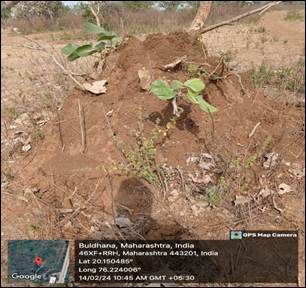
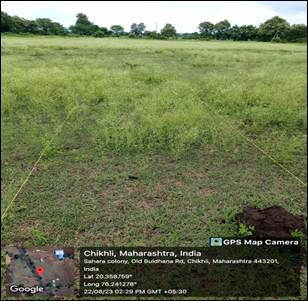
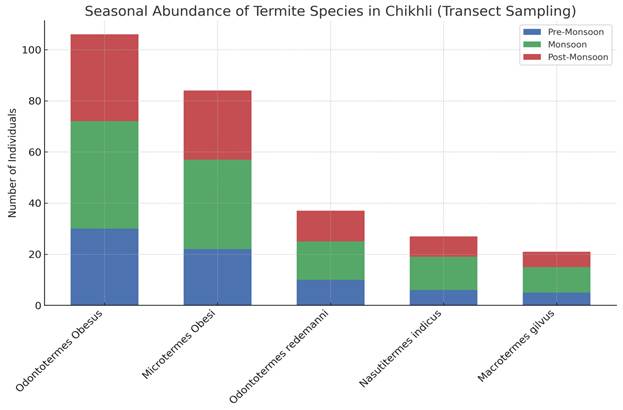


):


 )
) )
)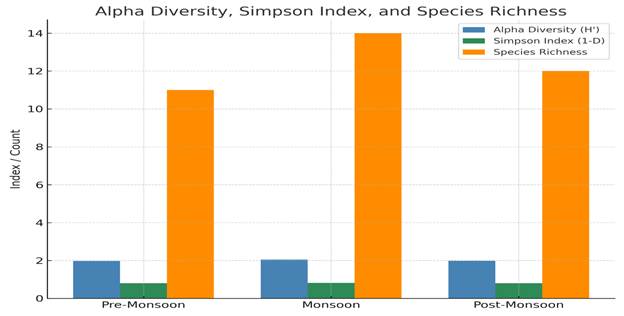
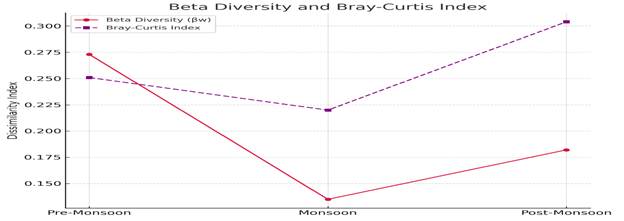
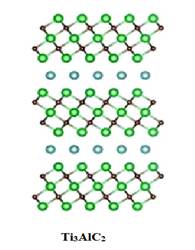
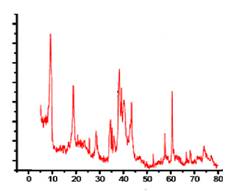
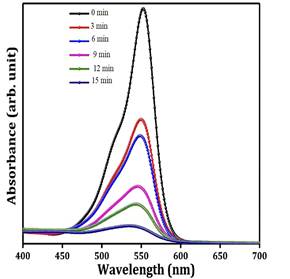
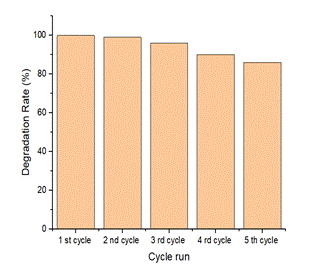
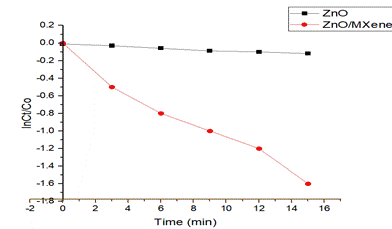
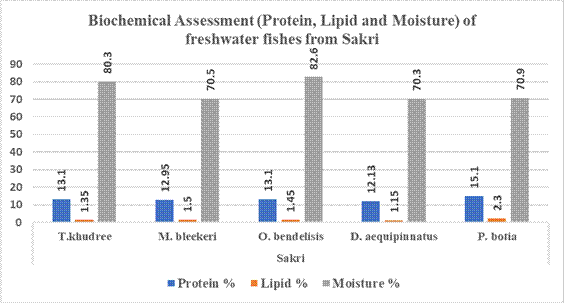
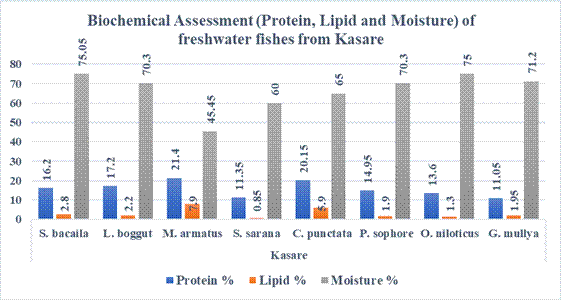
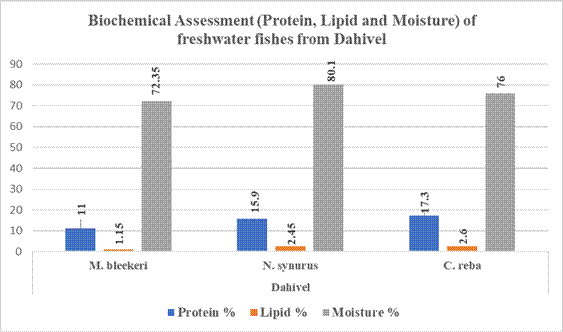
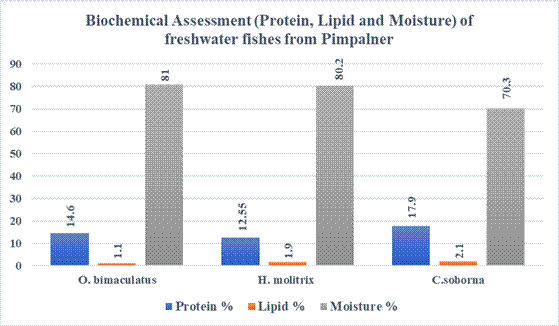
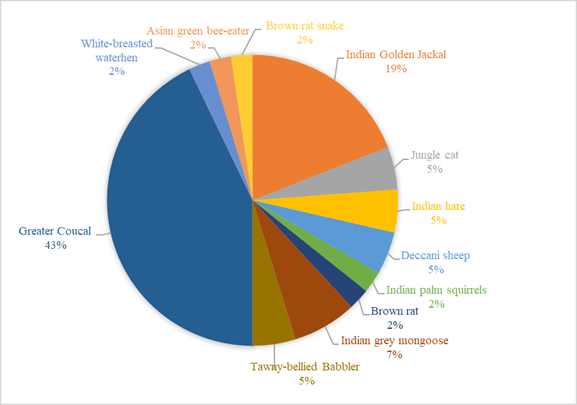


 ) in a 2:1 stoichiometric ratio, leading to a rapid color change from yellow to aqua, with significant shifts in absorbance spectra. The receptors R1 and R2 offered several advantages for carbonate ion detection, including simple synthesis via Schiff base condensation reaction, high selectivity over other competing ions in aqueous DMSO:H2O (9:1 v/v), and practical application using test strips. Therefore, receptors R1 and R2 served as simple and cost-effective chemosensors for detecting carbonate ions in aqueous DMSO: H2O (9:1 v/v). Additionally, density functional theory (DFT) and time-dependent DFT (TD-DFT) studies supported the experimental data and proposed sensing mechanism.18














 Eduindex
You must be logged in to post a comment.