Head of Research, Track2Training, New Delhi, India
With the increasing use of digital communication and online payment systems, traffic challans are now commonly issued and delivered through electronic platforms. Many vehicle owners receive challan notifications through SMS, email, or mobile apps informing them about traffic violations and payment options. While this digital system has made enforcement and payment easier, it has also created opportunities for cybercriminals to exploit unsuspecting citizens. Fraudsters are increasingly sending fake traffic challan messages that look genuine but are designed to steal personal information or financial details.
A traffic challan message received through email, SMS, or even WhatsApp may appear routine at first glance. The message might include details such as the vehicle number, a penalty amount, or a warning about legal consequences if payment is not made immediately. In some cases, these messages include links that direct users to websites that closely resemble official government portals. However, these links are often fraudulent and may lead to phishing websites that attempt to collect sensitive information such as debit or credit card numbers, CVV codes, PINs, and OTPs.
Understanding how these scams work is the first step in protecting yourself. Cybercriminals rely on urgency and fear to trick people into reacting quickly. A typical fake message might say that a challan has been issued against your vehicle and that failure to pay within a short time may lead to penalties, license suspension, or legal action. When users panic and click the link provided in the message, they may unknowingly land on a fake website designed to capture their personal and financial information.
To stay safe, it is essential to verify traffic challans only through authorised government websites. In India, the official portal for checking and paying traffic challans is https://echallan.parivahan.gov.in. This website is managed by the Ministry of Road Transport and Highways and provides a secure platform where vehicle owners can verify whether a challan has been issued against their vehicle. By entering details such as the vehicle number, challan number, or driving license number, users can safely check the status of any traffic violation and proceed with payment if required.
One of the most important safety precautions is to avoid clicking on unknown links received via SMS, WhatsApp, or email. Fraudulent messages often contain shortened or suspicious URLs that may look similar to official government websites but are actually controlled by scammers. Once a user clicks such a link, the site may prompt them to enter sensitive details or download malicious software. This can lead to identity theft, unauthorized bank transactions, or even complete compromise of the user’s device.
Another common trick used by cybercriminals is to persuade users to download apps through links shared in messages. These apps may claim to help users check or pay their traffic challans quickly. In reality, they may contain spyware or malware designed to monitor activity on the device and steal personal information. For this reason, users should never download apps from links received through SMS, messaging apps, or emails. If you need an application related to government services, always download it from trusted sources such as the Google Play Store or the Apple App Store.
Protecting your financial information is equally important. No legitimate government agency will ever ask you to share sensitive banking details such as your debit or credit card PIN, CVV number, or OTP over phone calls, messages, or emails. If you receive a message or call requesting such information in connection with a traffic challan, it is almost certainly a scam. These details should always remain private, and sharing them can lead to unauthorized transactions from your bank account.
It is also important to verify the sender of the message. Official traffic challan notifications typically come from verified government systems and do not request personal banking credentials. If a message asks you to provide sensitive financial details or urges you to make immediate payment through an unknown link, treat it as suspicious. Taking a few moments to verify the information through official channels can prevent significant financial loss.
Another helpful step is to regularly check your vehicle’s challan status directly on the official portal. Even if you have not received any notification, visiting the government website periodically allows you to confirm whether any fines are pending. This proactive approach reduces the risk of falling victim to fraudulent messages because you will already know the authentic status of your vehicle’s traffic records.
Public awareness plays a critical role in preventing such scams. Many victims fall prey to these frauds simply because they are unaware that such schemes exist. By sharing information with friends, family members, and colleagues, you can help others stay alert and avoid becoming victims. Elderly individuals and people who are less familiar with digital platforms are particularly vulnerable to such scams, so educating them about safe online practices is essential.
If you suspect that you have received a fraudulent traffic challan message, do not respond to it or click any links. Instead, report the message to the appropriate cybercrime authorities. In India, citizens can report online fraud through the National Cyber Crime Reporting Portal or by contacting local cybercrime cells. Reporting such incidents helps authorities track fraudulent activities and prevent others from being targeted.
Technology has made many aspects of daily life easier, including paying traffic fines online. However, it also requires users to remain vigilant and responsible while using digital services. By following simple precautions—such as verifying challans only through official portals, avoiding suspicious links, protecting personal financial information, and installing apps only from trusted sources—you can protect yourself from cyber fraud.
In conclusion, while receiving a traffic challan notification may appear routine, it is important not to act impulsively. Always verify the authenticity of the message before taking any action. The safest way to check and pay your traffic challan is by visiting the official government website https://echallan.parivahan.gov.in. Staying cautious and informed is the best defense against online scams, ensuring that your personal and financial information remains secure.
References
Bhatt, C., Arora, D., Kumar, G. R., Bhatt, P., & Singh, T. (2024, January). Paving the Way to Safety: An Automated Traffic Management and Challan Generation System. In 2024 International Conference on Intelligent and Innovative Technologies in Computing, Electrical and Electronics (IITCEE) (pp. 1-6). IEEE.
Srinath, R., Vrindavanam, J., Sumukh, Y. R., Yashaswini, L., & Chegaraddi, S. S. (2020, June). Smart Vehicle Recognition And E-Challan Generation System. In 2020 International Conference for Emerging Technology (INCET) (pp. 1-4). IEEE.
Kumar, R., Gupta, M., Shukla, S., & Yadav, R. K. (2021, September). E-challan automation for RTO using OCR. In 2021 third international conference on inventive research in computing applications (ICIRCA) (pp. 1-8). IEEE.
Deshmane, S., Raghatwan, J., Patil, S., Kirad, Y., & Gupta, S. (2024). Review of Smart Document Verification System for Traffic Rule Violation. Grenze International Journal of Engineering & Technology (GIJET), 10.
Sharma, S. N., & Dehalwar, K. (2025). A systematic literature review of pedestrian safety in urban transport systems. Journal of Road Safety, 36(4).
Talha, N., Iqbal, S., & Manan, S. A. (2023). Enhancing Traffic Management in Lahore: A Comprehensive Analysis of Drivers’ Perspectives on Interactions with City Traffic Police. Pakistan Journal of Humanities and Social Sciences, 11(04), 4107-4117.
Muley, R. R., Kethura, G. K., Lalitha, S., Yamini, B., & Kavya Sri, T. (2024, May). Intelligent Traffic Monitoring System Using Deep Learning: Triple Riding, Automatic License Plate Recognition, and Helmet Detection. In Doctoral Symposium on Computational Intelligence (pp. 391-402). Singapore: Springer Nature Singapore.
Asati, R. Fastag Fraud Detection: A Literature Survey. International Journal for Research in Applied Science and Engineering Technology.
Yadav, R., Korgaonkar, A., Yadav, S., Yadav, P., Shinde, V. D., & Sal, S. (2018). Traffic rules violation system using NFC card. International Research Journal of Engineering and Technology (IRJET).
Sharma, S. N. Traffic Signal Coordination for Effective Flow of Traffic. Track2Training, India
Reblora, R. M., Diaz, W. D. B.-O., Macuto, M. T. V., & Talamo, R. S. (2026). Sustainability of Homegrown Coffee Shops in Cebu City, Cebu, Philippines. International Journal of Research, 13(3), 175–194. https://doi.org/10.26643/ijr/12
Main Author: Rona Marie Reblora
Co- Author: Welou Dil Bato-On Diaz Maria Trinidad Victoria Macuto Roselio Serafina Talamo
University of Cebu Main Campus
Abstract This study determines the level of sustainability of selected homegrown coffee shops in Cebu City, Cebu, Philippines, focusing on the three pillars of sustainability: economic viability, environmental protection, and social equity. Anchored on Brundtland’s Theory of Sustainability (1987) and supported by Fiedler’s Contingency Theory of Leadership and Fayol’s Administrative Theory of Management, the research examines how internal management practices and business conditions influence long-term sustainability. A descriptive-correlational research design will be used with a researcher-made checklist survey questionnaire. Purposive sampling will select ten (10) coffee shop owners or managers from ten (10) homegrown coffee shops in Cebu City. Data will describe respondent profiles (gender, civil status, citizenship, educational attainment, and years in operation), assess sustainability levels, and identify common operational problems encountered. Statistical treatments will include frequency and percentage, weighted mean, and chi-square to test the relationship between respondent profile and sustainability level at a 0.05 level of significance. Findings will serve as the basis for a proposed action plan that can help homegrown coffee shops improve sustainability practices, strengthen competitiveness, and address key operational challenges in Cebu City’s growing coffee market.
Keywords: Homegrown Coffee Shops, Business Sustainability, Cebu City
INTRODUCTION
Rationale
Sustainability in homegrown coffee shops in Cebu City is a growing trend that reflects both local culture and global environmental consciousness. As more consumers become aware of the environmental and social impacts of their choices, homegrown coffee shops are embracing sustainable practices, from sourcing locally grown coffee beans to implementing eco-friendly packaging and energy-efficient operations. This movement not only supports the local economy and farmers but also promotes a deeper connection between customers and the community, fostering a more mindful and responsible coffee culture in the heart of Cebu City.
With the increasing influences of the coffee culture, the coffee business, in general, has eventually become a big business and driving a relatively growing demand in the country, specifically in Cebu City. The city has seen the mushrooming of coffee shops on almost every corner: in malls, business centers, workplaces, terminals, schools, and even in neighborhoods. While global branded coffee shops have since penetrated the Cebu market, several homegrown enterprises have also evolved to take in a fair share of the expanding coffee industry.
But as in any business, when competition rises, it usually becomes a challenge to capture the increasingly competitive market. As an economy goes, so go local entrepreneurs. Small businesses in the Philippines are finding themselves in a sweet spot, surrounded by a growing middle class and bustling business process outsourcing sector.
Since most of the big coffee shop is already established, well-known, and experienced, the new coffee shop has a hard time competing with them, and is still wondering and planning on how they can get loyal customers. A lot of reasons why some coffee shops have lost their business due to bankruptcy are because it might lack a marketing strategy, inconsistency of product and service, customer service, and impatience.
The researcher is motivated to conduct this study to assess the long-term sustainability of homegrown coffee shops in Cebu City, particularly in terms of their environmental, economic, and social impacts. Further, this study also examines how these businesses operate and adapt to changing consumer demands, and to shed light on the factors that contribute to their success or failure. This research will also provide valuable insights for students, especially those in the Hospitality Management program at the University of Cebu, offering them a practical understanding of the challenges and opportunities in running a sustainable, local business. The researcher’s unique position as a college instructor allows her to bridge the gap between academic theory and real-world application, enriching students’ knowledge of sustainable business practices while fostering a deeper appreciation for local entrepreneurship in Cebu. Through this study, students will gain a clearer perspective on how sustainability can be integrated into business models, preparing them to be future leaders in the hospitality and tourism industry.
Theoretical Background
This study is mainly anchored on the Theory of Sustainabilityby Gro Harlem Brundtland (1987). This is supported by the Contingency Theory of Leadership by Fred Fiedler (1964), and the Administrative Theory of Management by Henri Fayol (1916).
The Theory of Sustainability by Brundtland (1987) is one of the most influential frameworks for understanding sustainability in both environmental and development contexts. The theory emphasizes the need for sustainable development, which balances the needs of the present without compromising the ability of future generations to meet their own needs. This theory is designed to guide actions and decisions toward achieving long-term well-being for the planet, society, and economy, without depleting resources or causing harm to future generations. Central to this theory is the concept of sustainable development, which aims to meet the needs of the present without compromising the ability of future generations to meet their own needs. Sustainability theory is built around three interconnected pillars: environmental protection, economic viability, and social equity. Environmental sustainability focuses on preserving natural resources, reducing pollution, and maintaining ecosystems, ensuring that the planet can continue to support life. Economic sustainability promotes long-term, resilient growth while avoiding the depletion of resources, advocating for efficient use of resources and fair economic opportunities. Social sustainability emphasizes justice, equity, and inclusion, ensuring that all individuals have access to essential needs such as healthcare, education, and economic opportunities, while also supporting community development and cultural diversity. These pillars guide decision-making at individual, business, and policy levels, encouraging practices that balance environmental, economic, and social well-being to create a more equitable and sustainable world.
The implications of this theory lie in the application of sustainable development principles that balance environmental, economic, and social factors. Homegrown coffee shops can embody environmental sustainability by sourcing locally grown coffee beans, reducing transportation-related carbon footprints, and implementing eco-friendly practices like waste reduction and energy conservation. By collaborating with local farmers who employ sustainable farming methods, these coffee shops help preserve ecosystems while providing organic and fair-trade products. Economically, these businesses contribute to the local economy by supporting small-scale farmers and creating long-term job opportunities, which aligns with the Theory of Sustainability by Brundtland (1987) emphasis on inclusive growth that does not exploit resources. These coffee shops also foster social sustainability by creating community spaces, promoting fair labor practices, and supporting local culture, which strengthens social bonds and empowers vulnerable groups. To ensure that the business is adaptable and resilient, these coffee shops can ensure their long-term viability while minimizing their impact on future generations.
The Contingency Theory of Leadership by Fiedler (1964), posits that there is no single best way to lead an organization. Instead, the effectiveness of leadership is contingent on the alignment between a leader’s style and the specific situation or context in which they operate. According to Fiedler, leadership effectiveness is determined by two main factors: leadership style and situational favorableness. Leadership style is categorized as either task-oriented or relationship-oriented. Task-oriented leaders focus on achieving goals and getting tasks done, while relationship-oriented leaders prioritize building strong relationships with their teams. Fiedler argued that a leader’s style is relatively fixed and cannot be easily changed, making it crucial to match the leader’s style with the appropriate environment or situation. The second key element of Fiedler’s theory is situational favorableness, which refers to the degree to which a leader has control and influence over the situation. This includes factors such as the leader’s relationship with their team, the structure of the tasks, and the leader’s power or authority. Fiedler identified three key situational variables: leader-member relations, task structure, and position power. When these conditions align favorably with a leader’s style, leadership effectiveness is enhanced. For example, task-oriented leaders perform best in highly structured or highly unstructured situations, whereas relationship-oriented leaders excel in situations with good leader-member relations and moderate task structure. Fiedler’s theory emphasizes that leaders must be aware of the specific circumstances they face and adapt their approach accordingly. While it is not about changing a leader’s inherent style, it suggests that organizations should place leaders in situations where their natural leadership style can be most effective. The Contingency Theory has had a significant impact on leadership studies, as it challenges the idea of a one-size-fits-all leadership approach, highlighting the importance of context in determining leadership success.
The implications of this theory can be effectively applied to homegrown coffee shops by recognizing that the leadership style of the coffee shop owner or manager should align with the specific challenges and opportunities presented by the business’s environment. In the context of a homegrown coffee shop, the leadership approach needs to adapt to various factors such as the team dynamics, customer relations, market conditions, and operational structure. For instance, a task-oriented leader may be highly effective in situations where the coffee shop needs to achieve specific goals, such as improving sales or managing busy hours. In these cases, a leader who is focused on efficiency, productivity, and meeting targets may thrive in situations where tasks are structured and clear. A task-oriented approach would be beneficial during peak times when precision, speed, and consistent product quality are paramount to customer satisfaction. In contrast, a relationship-oriented leader would be more successful in fostering a strong, cohesive team and maintaining a positive customer experience, especially in a small, community-based setting like a homegrown coffee shop. If the coffee shop’s environment relies heavily on customer loyalty, positive team dynamics, and long-term relationships, a leader who prioritizes employee morale and customer interaction would be most effective. Fiedler’s theory also stresses the importance of situational favorableness, which in the case of a homegrown coffee shop could involve factors like the shop’s reputation, employee relationships, and the level of control the manager has over the operational processes. If the coffee shop has well-established relationships with its staff, clear tasks (such as barista roles), and a defined system for operations, a task-oriented leader may be able to drive efficiency and meet targets. However, if the shop is in a stage of growth or trying to build a loyal customer base, a relationship-oriented leader would be more effective in nurturing a positive environment for both employees and customers.
The Administrative Theory of Management by Fayol (1919) is one of the earliest and most influential management theories. Fayol’s work laid the foundation for modern management practices by emphasizing the role of managers in organizing and administering businesses effectively. Fayol’s approach was holistic, providing a general framework for management activities and responsibilities across all types of organizations. He believed that management should be treated as a distinct discipline and that its principles could be applied universally, regardless of the industry or size of the organization. Fayol identified five key functions of management: planning, organizing, commanding, coordinating, and controlling. These functions are considered fundamental to running an organization efficiently and effectively. Planning involves setting objectives and determining the best course of action to achieve them. Organizing refers to arranging resources and tasks to meet those goals. Commanding involves directing and overseeing the work of employees to ensure that tasks are completed efficiently. Coordinating is the process of aligning activities across different departments or teams to achieve organizational objectives. Finally, controlling involves monitoring performance, ensuring that goals are being met, and making adjustments where necessary to stay on track. Fayol also developed 14 principles of management, which offer guidelines for managers to follow to ensure their organizations run smoothly. These principles include the division of work, which encourages specialization to increase efficiency, and unity of command, which stipulates that each employee should report to only one superior to avoid confusion. Other principles, such as authority, discipline, and remuneration, emphasize the importance of clear structures, mutual respect, and fair compensation. Fayol also highlighted the significance of centralization versus decentralization depending on the situation, the importance of order in maintaining structure within an organization, and the need for equity and esprit de corps to foster morale and teamwork among employees. Fayol’s theory is significant because it was one of the first to present management as a universal process applicable to all types of organizations. His emphasis on managerial functions and principles provided a structured approach to management that has influenced modern business practices. Although some of Fayol’s ideas may seem outdated in today’s rapidly changing business environment, his core concepts of planning, organization, and leadership continue to be fundamental to the study and practice of management. His theory also laid the groundwork for later management theories and practices, making him a key figure in the development of modern management thought.
The implications of this theory can be effectively applied to homegrown coffee shops by offering a structured approach to managing the business. The planning function helps set clear goals, such as increasing sales or launching seasonal promotions. Organizing ensures that resources, such as staff and inventory, are efficiently allocated, with roles clearly defined to boost productivity. Commanding focuses on leading the team, setting expectations, and fostering a positive work environment. Coordinating ensures smooth operations between staff, inventory, and customer service. Finally, controlling involves monitoring performance, adjusting strategies, and maintaining high standards. The implementation of Fayol’s 14 principles, such as unity of command and equity, can help coffee shop managers improve communication, employee morale, and overall business efficiency, creating a more organized, productive, and customer-friendly environment.
According to the study of J. S. Delos Santos (2023), the critical role that effective inventory management plays in the success and sustainability of homegrown coffee businesses. Delos Santos emphasizes that for small, locally owned coffee shops, managing inventory efficiently is key to maintaining product availability, minimizing waste, and controlling costs, which are crucial elements for long-term viability in a competitive market. The study identifies several key practices that contribute to efficient inventory management, such as accurate demand forecasting, implementing an organized stock rotation system, and building strong relationships with suppliers to ensure timely delivery of high-quality products. One of the central findings of the research is that homegrown coffee businesses can attain a sustainable competitive advantage through the effective use of inventory management. By minimizing waste through better forecasting and stock control, these businesses can reduce operational costs, thereby increasing profitability. Additionally, having an efficient inventory system allows businesses to meet customer demand without overstocking or facing shortages, which ultimately enhances customer satisfaction and loyalty. Delos Santos also explores how technology, such as inventory tracking software and point-of-sale systems, can help streamline operations and provide real-time data on stock levels, enabling better decision-making. Moreover, the study highlights the importance of supplier relationships in maintaining a consistent supply of quality coffee beans and other products. Building good communication and trust with suppliers ensures that homegrown coffee businesses can access the best raw materials, which can differentiate their offerings from larger chains and contribute to a unique brand identity.
According to the study of H. K. Recamadas (2018), the factors that influence customer loyalty to homegrown coffee shops highlighted the importance of the marketing mix, including product, price, place, and promotion, in shaping customers’ perceptions and their loyalty to local coffee shops. The research finds that customers’ expectations and experiences significantly impact their level of satisfaction, which, in turn, affects their loyalty to the coffee shop. By analyzing various elements of the customer experience, the study reveals that a positive interaction with the coffee shop, including quality of service, atmosphere, and product offerings, leads to higher customer retention. The study uses path analysis to examine how these factors are interrelated, providing a statistical model for understanding the relationships between marketing efforts, customer satisfaction, and loyalty. Recamadas emphasizes that for homegrown coffee shops to thrive and build a loyal customer base, they must focus on meeting and exceeding customer expectations. A unique, high-quality customer experience ranging from the coffee’s taste to personalized service plays a critical role in encouraging repeat visits. This research offers practical insights for small, locally owned coffee shops looking to develop strategies that can foster long-term customer loyalty in a competitive market.
According to the study of M. A. Light (2019), the challenges that independent coffee shop owners face during the early years of their business, and the strategies that contribute to long-term survival and success. Light’s research highlights that the first five years are crucial for a coffee shop, as this is when many small businesses face the highest risk of closure due to financial instability, market competition, and changing customer preferences. The study identifies key strategies that help these businesses navigate through this challenging period, including effective financial management, building strong customer relationships, and creating a unique brand identity. One of the primary findings of the research is the importance of adaptability. Successful coffee shop owners often pivot and adjust their business models to meet evolving consumer demands, such as offering specialty drinks, catering to dietary trends (e.g., vegan or gluten-free options), or incorporating technology into their operations (such as loyalty apps or online ordering). Another key strategy identified is community involvement independent coffee shops that actively engage with their local communities by hosting events, supporting local suppliers, and establishing themselves as integral parts of the neighborhood tend to have stronger customer loyalty and a more sustainable customer base. In addition, Light’s study emphasizes the significance of employee training and maintaining a positive work culture. Happy, well-trained staff contribute to better customer service and are instrumental in building repeat business. Moreover, the research also discusses how efficient inventory management and cost control measures are critical in maintaining profitability, especially in the face of increasing competition from larger coffee chains. Ultimately, Light’s study provides practical insights for coffee shop owners seeking to not only survive but thrive in the competitive and challenging coffee shop industry. The strategies outlined in the study offer guidance on how to maintain a loyal customer base, manage operational costs, and adapt to industry changes for long-term success.
The study by Vickery, S.K., Jayaram, J., & Droge, C. (2003), investigates how integrative supply chain management practices, including inventory management, affect the performance of businesses, particularly focusing on small and medium enterprises (SMEs) like coffee shops. The authors argue that successful businesses must adopt an integrated approach to supply chain management, where all components such as inventory, suppliers, and distribution channels—are aligned and work together to optimize efficiency and reduce costs. This holistic approach leads to better inventory control, less waste, and a more responsive system that can quickly adapt to market changes. The study suggests that integrating inventory management with overall supply chain strategies helps businesses improve performance in key areas like cost efficiency, delivery speed, and product quality. For small businesses like homegrown coffee shops, the ability to predict demand accurately, manage stock effectively, and maintain relationships with suppliers can significantly improve profitability and customer satisfaction. By reducing stockouts and overstock situations, small businesses can create a more consistent customer experience, leading to better loyalty and retention. Moreover, the study highlights that businesses that adopt these integrative practices can gain a competitive advantage by becoming more agile, lowering operational costs, and enhancing their ability to meet customer expectations. For homegrown coffee shops, this means being able to offer high-quality coffee consistently while minimizing waste and ensuring that popular items are always in stock, even during peak demand periods. The findings from Vickery, Jayaram, and Droge (2003) underscore the importance of supply chain integration and inventory management for the long-term success and sustainability of small businesses in a competitive marketplace.
The study by Koksal, M. H., & Kucuk, M. (2016), explores the crucial role that inventory management plays in the success of small and medium-sized enterprises (SMEs), specifically focusing on coffee shops. The research emphasizes how effective inventory control practices can help coffee shop owners manage their resources more efficiently, which is vital for maintaining profitability and competitiveness in a market that is often dominated by larger chains. Koksal and Kucuk argue that for small coffee shops, managing inventory effectively is a key determinant of operational success. Proper inventory management enables businesses to minimize waste, optimize stock levels, and reduce costs associated with overstocking or stockouts. The study highlights that by using techniques such as demand forecasting, regular stock audits, and supplier relationship management, coffee shop owners can ensure that they always have the right products available at the right time, preventing missed sales opportunities and improving customer satisfaction. The authors also discuss how inventory management systems are particularly beneficial for coffee shops in addressing seasonal fluctuations and customer preferences. For example, during peak seasons or special events, accurate inventory tracking can ensure that coffee shops are prepared for higher demand while avoiding the accumulation of unsold goods that may go to waste. Moreover, the research underscores that effective inventory management contributes to financial stability by improving cash flow and reducing unnecessary expenses, which is critical for the survival and growth of small businesses. Koksal and Kucuk’s study further suggests that coffee shop owners who invest in efficient inventory management systems are more likely to improve their competitive position in the market, providing them with a foundation for long-term sustainability. By reducing operational inefficiencies, increasing responsiveness to market demands, and ensuring a consistent customer experience, coffee shops can build a loyal customer base and remain profitable despite challenges posed by larger competitors and fluctuating market conditions.
The study by Van der Meer, R. (2018), examines how small businesses, including coffee shops, can implement effective inventory management strategies to improve operational efficiency and competitiveness. The research emphasizes that for small enterprises, especially those in the food and beverage industry like coffee shops, managing inventory is a critical aspect of maintaining a balanced cash flow, minimizing waste, and meeting customer demands. Van der Meer discusses several inventory management strategies that small businesses can adopt, such as just-in-time (JIT) inventory, which focuses on maintaining minimal stock levels and ordering products only when needed. This method reduces storage costs and minimizes the risk of spoilage, which is particularly important for coffee shops that work with perishable goods like milk, pastries, and fresh coffee beans. The study also highlights the importance of accurate demand forecasting, allowing businesses to predict customer preferences and purchasing patterns more accurately, ensuring that they stock the right quantity of items and reduce the chances of stockouts or overstocking. Additionally, Van der Meer’s research stresses the value of using technology to streamline inventory management. Small businesses can implement software systems to track inventory levels in real-time, improve ordering processes, and manage supplier relationships more efficiently. This can help coffee shops optimize their operations, reduce human error, and make better data-driven decisions, all of which contribute to a more sustainable business model. Furthermore, the study notes the importance of supplier collaboration in ensuring that small enterprises, such as homegrown coffee shops, can maintain a reliable and timely supply of quality products. Building strong relationships with suppliers helps ensure consistent deliveries and the possibility of negotiating favorable terms, such as discounts or flexible payment schedules, which can be crucial for the financial health of small businesses. In conclusion, Van der Meer’s study provides a comprehensive framework for small businesses, especially coffee shops, to adopt inventory management practices that enhance efficiency, reduce costs, and improve customer satisfaction. By adopting these strategies, coffee shops can increase their chances of long-term success, even in a competitive and fluctuating market.
In conclusion, the related studies and literature on inventory management practices offer valuable insights that directly relate to the sustainability and success of homegrown coffee shops. This provides a foundation for understanding how small coffee shops can adopt effective inventory management strategies to gain a competitive edge. In this study, these practices are particularly relevant as they highlight the need for homegrown coffee shops in Cebu City to efficiently manage resources, control costs, and meet customer demand while minimizing waste. To incorporate demand forecasting, just-in-time inventory systems, and technology, local coffee shops can improve their operational efficiency, ensuring a consistent customer experience and financial sustainability. Furthermore, these studies support the notion that strong supplier relationships and adaptability to market changes are essential for long-term success, which is crucial for homegrown coffee shops aiming to establish themselves in a competitive market like Cebu City. These practices provide a roadmap for homegrown coffee shops to thrive and achieve sustainable growth.
THE PROBLEM
Statement of the Problem
The study aims to determine the sustainability of a homegrown coffee shop business in Cebu City, Cebu, Philippines. The findings of the study will be the basis for a proposed action plan for homegrown coffee shops.
Specifically, this study will seek answers to the following questions:
What is the profile of the respondents in terms of:
1.1 gender;
civil status;
citizenship;
highest educational attainment; and
years in the business operation?
2. What is the level of sustainability of a homegrown coffee shop in terms of:
economic viability;
environmental protection; and
social equity?
3. What are the problems encountered by the respondents in the operations of their homegrown coffee shops?
4. Is there a significant relationship between the profile of the respondents and the level of sustainability of a homegrown coffee shop?
5. Based on the findings of the study, what action plan may be proposed?
Statement of the Null Hypothesis
The following null hypothesis will be tested at a 0.05 level of significance:
Ho1: There is no significant relationship between the profile of the respondents and the level of sustainability of a homegrown coffee shop.
Significance of the Study
The following terms are defined operationally which greatly helps the individuals and entities as indicated below:
Coffee Shop Owners – This will help them identify what specific challenges need to be rectified and facilitate improvement to make a sustainable and profitable business. This will also help them how to support the local economy, create jobs, stimulate economic growth, and ensure a thriving local community for years to come.
Coffee Shop Managers/Supervisors – This will help them improve the operational aspects including managing staff, ensuring customer satisfaction, and increasing sales and profits.
Barista – This will help them how to create other variations on serving either hot or cold beverages which are tailored to customer’s preferences and choices.
Local Government Unit (LGU) – This will help them promote economic development by keeping the community members informed on the business possibilities as well as encouraging sustainable business practices in the area.
Department of Trade and Industry (DTI) – This will help them to increase local and foreign direct investments as well as to protect consumers through consumer education and information dissemination programs.
Researcher – This will help him/her identify opportunities and threats, solve issues and concerns using this gathered information, and wise decisions that can be made to tackle the issue appropriately. This will also help to understand customers better and hence can be useful to communicate better with the customers or stakeholders.
Future Researchers – This will help them to pursue interests in continuing research education and related studies, to learn something new, to hone their problem-solving skills, and to challenge themselves in new ways.
This study will use a descriptive-correlational method with the aid of a researcher-made checklist survey questionnaire to determine the level the sustainability of a homegrown coffee shop in Cebu City.
A pilot test will also be used to be conducted by twenty (20) individuals who are not part of the study using the researcher-made checklist survey questionnaire to determine its validity, consistency, and reliability.
To depict the overview of the research study, a research paradigm will be formulated as shown in Figure 1. This is an interaction of force elements composed of input, process, output, and feedback.
INPUT PROCESS OUTPUT
Figure 1.
Research Flow
Figure 1
Research Flow
Research Environment
This study will be conducted specifically in Cebu City, Philippines, where many coffee shops are located and accessible to many business offices, schools, malls, and terminals.
The city is a tourist hotspot with a winning combination of beautiful countryside scenery, and urban attractions like cultural and historical sites. Owing to its economic importance and influence in modern times, this city is popularly known as the Queen City of the South, Cebu is the oldest and second most important city in the country. Cebu is on the top list of destinations for tourists because of its world-class beach resorts and diving spots. Cebu’s tourist destinations and attractions are found in both the north and south of Metro Cebu. Its capital, Cebu City, is the oldest city in the Philippines and is filled with Spanish colonial relics from the 16th century. It is also considered to be the birthplace of Christianity in the Far East. Regarded by the Philippines as the Queen City of the South, Cebu is a global creative hub. It is one of the country’s largest cities and is a bustling port. Its harbor is provided by the sheltered strait between Mactan Island and the coast. The country’s oldest settlement, it is also one of its most historic and retains much of the flavor of its long Spanish heritage. Cebu has a population of 2.5 million and is the oldest city and the first capital of the Philippines. Under Spanish rule for three centuries, Cebu has the oldest university, San Carlos University, and the oldest street, Colon Street, built by the Spaniards.
Coffee shop A is a popular local café known for its cozy atmosphere and high-quality coffee. Founded in the Philippines, it has become a go-to spot for coffee lovers seeking a relaxing environment to enjoy a cup of expertly brewed coffee. The shop offers a variety of blends, including both local and international options, catering to different tastes and preferences. Besides coffee, they also serve a selection of pastries and light meals, making it a great place for breakfast or a midday break. With its commitment to sustainability and supporting local coffee farmers, this coffee shop stands out as a favorite for those who value both quality and community.
Coffee shop B is a charming café that offers a warm and inviting ambiance, perfect for those seeking a peaceful place to relax and enjoy a great cup of coffee. Located in the Philippines, this coffee house is known for its focus on locally sourced coffee beans, showcasing the rich flavors of Filipino coffee. The café’s name, which means “window” in Filipino, reflects the café’s concept of offering a “window” to the local coffee culture, with a cozy setting that connects people to both the community and the beauty of Filipino coffee. In addition to coffee, they also serve a variety of delicious snacks and meals, making it a great spot for breakfast, lunch, or a leisurely afternoon. With its dedication to quality and local ingredients, this coffee house offers a delightful and authentic coffee experience.
Coffee shop C is a popular coffee chain in the Philippines, known for its wide variety of coffee drinks, cozy ambiance, and commitment to delivering quality coffee experiences. Established with a focus on serving freshly brewed coffee made from high-quality beans, they also offer a diverse menu ranging from classic brewed coffee to specialty drinks like lattes, frappes, and espresso-based beverages. The café also serves a selection of light meals and pastries, making it a perfect spot for casual hangouts, studying, or a quick break. This coffee shop is inviting atmosphere, combined with its dedication to customer satisfaction, has made it a beloved local favorite for coffee enthusiasts across the country.
Coffee shop D is a well-known artisanal bakery and café in the Philippines, celebrated for its high-quality, handcrafted pastries and bread. With a focus on using premium ingredients, this coffee shop creates a range of delicious treats, from freshly baked bread and cakes to pastries and savory items. The café offers a cozy and stylish environment, making it a popular destination for breakfast, brunch, or a leisurely coffee break. Aside from its wide selection of baked goods, they also serve specialty coffee and light meals, all prepared with care and attention to detail. With its commitment to quality and a passion for baking, this company has earned a loyal following and is considered one of the best spots for those seeking a delightful and wholesome bakery experience.
Coffee shop E is a cozy and welcoming café known for its variety of coffee blends and relaxed atmosphere. Located in the Philippines, it has gained a reputation for offering high-quality coffee drinks, from classic brews to unique specialty beverages. The café prides itself on its focus on customer service and providing a comfortable space for people to unwind, work, or catch up with friends. In addition to its coffee offerings, this coffee house serves a selection of light meals and snacks, making it an ideal spot for breakfast, lunch, or a mid-afternoon treat. It’s friendly vibe and dedication to quality make it a popular destination for coffee lovers looking for a great coffee experience.
Coffee shop F is a specialty coffee shop that has earned a reputation for its high-quality coffee and inviting atmosphere. Known for its dedication to the art of coffee, which offers a variety of expertly brewed coffee drinks, including espresso-based beverages, pour-overs, and signature blends. The café takes pride in sourcing its beans from top-quality local and international suppliers, ensuring a rich and flavorful coffee experience. Along with its exceptional coffee offerings, they also serve a selection of pastries and light bites, perfect for pairing with a morning or afternoon cup of coffee. With its cozy ambiance and commitment to craft, this café and company has become a beloved spot for coffee enthusiasts looking for a place to relax, work, or connect with friends.
Coffee shop G is a charming coffee shop known for its inviting atmosphere and focus on quality coffee. Located in the Philippines, the café offers a variety of expertly brewed coffee drinks, from classic espresso-based beverages to unique signature blends. This Cafe takes pride in using high-quality, locally sourced beans to create flavorful and aromatic coffees. Along with its coffee offerings, the café also serves a selection of delicious pastries and light snacks, making it a great spot for breakfast or a mid-day break. The cozy and relaxing ambiance of this cafe makes it a popular choice for people looking to unwind, meet friends, or enjoy a quiet moment with a great cup of coffee.
Coffee shop H is a specialty coffee shop that focuses on providing a high-quality coffee experience in a relaxed and welcoming environment. Known for its expertly brewed coffee, the café offers a variety of espresso-based drinks, cold brews, pour-overs, and unique blends that cater to different preferences. This coffee shop emphasizes a carefully curated selection of beans, often sourced from local and international suppliers, to ensure a rich and flavorful taste. In addition to its coffee offerings, the café serves light bites and pastries, making it a perfect spot for a coffee break or a casual gathering. The combination of great coffee, a cozy ambiance, and a dedication to craftsmanship makes this coffee shop a favorite for coffee lovers seeking a delightful café experience.
Coffee shop I is a popular coffee shop in Cebu City, known for its cozy ambiance and diverse selection of specialty coffee drinks. The café offers a variety of espresso-based beverages, cold brews, frappes, and unique signature drinks, all crafted with care using high-quality coffee beans. Along with its coffee offerings, the café also serves a range of light snacks and pastries, making it a great spot for a relaxing coffee break or casual hangout. The café is known for its inviting and vibrant atmosphere, making it a perfect destination for friends to meet up, students to study, or anyone who simply enjoys a comfortable environment while sipping on great coffee. Whether you’re a coffee enthusiast or just looking for a peaceful place to unwind, this café offers a delightful experience for all.
Coffee shop J is a charming coffee shop in Cebu City, known for its cozy and welcoming atmosphere, making it a great place for coffee lovers to relax or catch up with friends. The café offers a variety of coffee drinks, including freshly brewed local and international coffees, espresso-based beverages, and refreshing iced drinks. They also serve a selection of light snacks, pastries, and comfort food, perfect for pairing with your coffee. What sets of this café is its emphasis on creating a relaxed environment with a minimalist yet stylish design, ideal for unwinding or working. It’s a popular choice for those who appreciate good coffee and a comfortable space to enjoy their drinks. Whether you’re in the mood for a rich cup of coffee or a casual snack, this café is a great spot in Cebu City to satisfy your cravings.Bottom of Form
Research Respondents
The respondents for this study will be the owners or managers of homegrown coffee shops in Cebu City. Purposive sampling will be used to select participants, as this method targets individuals who are directly involved in the management of these businesses and are therefore best positioned to provide valuable insights. The sample size will consist of 10 coffee shop owners or managers, chosen from 10 selected homegrown coffee shops in Cebu City. This relatively small sample size is appropriate for a focused study, as it allows for in-depth data collection and analysis. Purposive sampling is used for this study because it ensures that the respondents possess specific knowledge relevant to the research, such as operational practices, market trends, and challenges faced by local coffee shops. However, while purposive sampling ensures targeted responses, it may limit the generalizability of the findings, as the results may not reflect the broader population of coffee shop owners. The study will rely on a survey sheet to gather data from the respondents. A checklist survey questionnaire will be used in this study to collect information in quantitative data. This will allow for a comprehensive understanding of the experiences and perspectives of coffee shop owners and managers. Ethical considerations, including confidentiality and informed consent, will be prioritized to ensure the participants feel comfortable sharing their experiences. Finally, once the data is collected, it will be analyzed statistically based on the responses, and to identify patterns and draw conclusions about the operations and challenges of homegrown coffee shops in Cebu City.
Research Instrument
The use of a researcher-made survey instrument for this study provides flexibility in tailoring the questions specifically to the research objectives. By creating a custom survey, the researcher can ensure that the instrument directly addresses the unique aspects of homegrown coffee shops in Cebu City, particularly regarding their sustainability and the problems encountered. To ensure that the survey instrument is both valid and reliable, it will be validated by experts in the field and pilot-tested. The expert validation process involves gathering feedback from individuals with experience in research methodology or the coffee shop industry, which will help identify any areas of improvement in the survey’s content, clarity, and overall structure. The pilot test, conducted on a small sample of respondents, will test the reliability and internal consistency of the survey, ensuring that the instrument accurately measures what it intends to measure and produces consistent results across different respondents. Additionally, the pilot test will help identify and resolve any issues related to the appropriateness of the questions or any potential biases that could affect the integrity of the responses.
The survey instrument is divided into three main parts to collect comprehensive data. The first part focuses on demographic information or the profile of the respondents, such as age, gender, civil status, citizenship, highest educational attainment, and years in the business operations. This data will provide valuable context and help identify any patterns or trends that might emerge based on the characteristics of the respondents. Understanding the background of the respondents is crucial in interpreting the data on sustainability and the problems encountered, these factors could vary depending on the size and maturity of the coffee shop business.
The second part of the survey centers around the level of sustainability of a homegrown coffee shop business, assessing how different factors affect its operations. The rating scale used in this section provides a subjective measure of sustainability, where respondents evaluate the extent to which their business is sustainable in terms of economic viability, environmental protection, and social equity. A rating scale and categorical responses are used to determine the level of sustainability of a homegrown coffee such as 4 – Highly Sustainable (indicating a high degree of sustainability with the products and services available), 3 – Moderately Sustainable (indicating an equal degree of sustainability with the products and services available), 2 – Less Sustainable (indicating a low degree of sustainability with the products and services available), and 1 – Not Sustainable (indicating no degree of sustainability with the products and services available).
Furthermore, the third part is the problems encountered by the respondents in the operations, in which a checklist instrument will also be utilized, and this is another key area being measured in the study.
Research Procedures
This section presents the gathering of data and statistical tools to be used in the study.
Data Gathering.
Before the data gathering, the researcher will send a transmittal letter addressed to the coffee shop owners or managers asking permission to allow the researcher to conduct the study duly noted by the Adviser and endorsement from the Dean of the Graduate School. Upon receiving the duly approved letter request, the research survey questionnaires will be administered by the researcher to the target respondents of the study for one month.
After gathering the data from the respondents, the accomplished research survey questionnaires will be processed, analyzed, and interpreted.
Treatment of Data.
The following statistical tools will be used in the study:
Frequency Count and percent will be used to summarize, analyze, and interpret the profile of the respondents;
Weighted Mean will be used to summarize, analyze, and interpret the data on the level of sustainability of homegrown coffee shops and the problems encountered by the respondents.
Chi-Square will be used to determine the significant relationship between the profile of the respondents and the level of sustainability of homegrown coffee shops.
Definition of Terms
The following terminologies are operationally defined for better understanding:
Profile of the Respondents: This term refers to the respondents demographic information, such as age, gender, civil status, citizenship, highest educational attainment, and years in the business operations.
Level of sustainability of a homegrown coffee shop. This term refers to the economic viability, environmental protection, and social equity based on the findings and results of the study conducted.
Problems encountered by the respondents in the operations of their homegrown coffee shops. This term refers to the prevailing conditions of a homegrown coffee shop operators, who face challenges such as supply chain issues, competition, marketing struggles, cash flow management, regulatory compliance, staffing difficulties, rising operational costs, maintaining product quality, and integrating technology.
Proposed Action Plan. This term refers to the forces to be created and formulated as business models and strategies. This is also a plan that helps identify key milestones, provides a framework for making decisions, and tracks progress that need areas for improvement on the business model.
Findings
Respondent Profile: The respondents in the study were primarily coffee shop owners or managers in Cebu City. The majority of the respondents were local entrepreneurs with varying educational backgrounds, and their businesses ranged in operation years from a few months to several years. The findings indicated a diverse group of coffee shop owners, providing insights into different levels of experience and expertise within the homegrown coffee shop sector.
Level of Sustainability: Based on the survey results, the sustainability of homegrown coffee shops in Cebu City varied. In terms of economic viability, most respondents reported moderate sustainability, with factors such as effective inventory management, customer loyalty, and marketing practices contributing to their economic success. Environmental protection was rated lower, with many coffee shops still in the early stages of adopting eco-friendly practices like waste reduction, energy conservation, and sourcing sustainable products. For social equity, a significant number of coffee shops emphasized their commitment to local sourcing and fair-trade practices, contributing to the local economy and fostering community engagement.
Operational Problems: Common problems faced by homegrown coffee shops included high operational costs, competition from larger coffee chains, and challenges in maintaining consistent product quality. Many respondents also reported issues with customer retention and marketing, highlighting the need for stronger branding and better engagement with their customer base.
Relationship Between Respondent Profile and Sustainability: A significant relationship was found between the years of operation and the level of sustainability, with businesses that had been operational for longer periods demonstrating higher sustainability across economic, environmental, and social factors. However, no significant relationship was found between educational attainment or gender and the sustainability of the coffee shops.
Conclusion
Homegrown coffee shops in Cebu City show a mixed level of sustainability. While most businesses are economically viable, there is room for improvement in environmental sustainability practices. Social equity is an area where many shops excel, especially in supporting local farmers and the community. However, operational challenges such as high costs, competition, and customer retention are major concerns that hinder the growth and long-term sustainability of these businesses. The study suggests that sustainability, especially environmental sustainability, is still an evolving concept for many homegrown coffee shops, and a strategic approach to sustainable practices is essential for their survival in a competitive market.
Recommendations:
Enhance Environmental Practices: Coffee shop owners should adopt more sustainable practices, such as using biodegradable packaging, reducing waste through better inventory control, and incorporating energy-efficient operations. A focus on eco-friendly practices could also help differentiate them from larger chains, attracting environmentally conscious consumers.
Strengthen Marketing Strategies: Implementing stronger branding and customer engagement strategies will help retain customers and build loyalty. Coffee shops should explore digital marketing, social media engagement, and loyalty programs to strengthen their market position.
Leverage Technology: Coffee shops can benefit from the use of technology to streamline operations, such as using inventory management software to reduce waste and employing customer relationship management (CRM) systems to enhance customer service and retention.
Training and Skill Development: Providing continuous training for employees on customer service, product knowledge, and sustainability practices will improve service quality and help create a positive customer experience, leading to higher retention rates.
Collaboration with Local Farmers and Suppliers: Strengthening relationships with local farmers and suppliers can ensure a consistent supply of quality coffee beans and other products. Homegrown coffee shops should also explore partnerships for sourcing sustainable products, creating a more integrated and resilient supply chain.
REFERENCES
Books
Athal, J. L. (2020). Successful strategic thinking. United Kingdom: York St. John University.
Brundtland, G. H. (1987). Our common future: Report of the World Commission on Environment and Development. Oxford University Press.
Cardoso, R.D.C.V., Companion, M., & Marras, S.R. (Eds.). (2014). Street Food: Culture, economy, health and governance (1st ed.). Routledge.
Fayol, H.(1916). Administration industrielle et générale. Dunod.
Journal Articles
Abdullah, T. (2007). Profit maximization theory, survival-based theory and contingency theory: A review on several underlying research theories of corporate turnaround. Jurnal Wawasan Manajemen, 13, 171-181.
Arslan, A., & Staub, S. (2013). Theory X and Theory Y type leadership behavior and its impact on organizational performance: Small business owners in the Şishane lighting and chandelier district. Procedia – Social and Behavioral Sciences, 75, 102–111.
Barile, S., Saviano, M., Iandolo, F., & Calabrese, M. (2014). The viable systems approach and its contribution to the analysis of sustainable business behaviors. Systems Research and Behavioral Science, 31(6), 683–695.
Bititci, U. S., Turner, T. J., & Ball, P. D. (1999). The viable business structure for managing agility. International Journal of Agile Management Systems, 1(3), 190–199.
Bruderl, J., Preisendorfer, P., & Ziegler, R. (1992). Survival chances of newly founded business organizations. American Sociological Review, 57(2), 227.
Chakravarthy, B. S. (1982). Adaptation: A promising metaphor for strategic management. Academy of Management Review, 7(1), 35–44.
Delos Santos, J. S. (2023). The impact of management strategies on the success of homegrown coffee shops.
Fiedler, F. E. (1964). A contingency model of leadership effectiveness. Psychological Bulletin, 62(5), 295-310.
Hiemstra, A. M. F., Van der Kooy, K. G., & Frese, M. (2006). Entrepreneurship in the street food sector of Vietnam—Assessment of psychological success and failure factors. Journal of Small Business Management, 44(3), 474-481.
Karacaoglu, G., & Krawczyk, J. B. (2021). Public policy, systemic resilience, and viability theory. Metroeconomica.
Koksal, M. H., & Kucuk, M. (2016). The role of green supply chain management in achieving sustainability. International Journal of Environmental Science and Technology, 13(2), 557-567.
Light, M. A. (2019). Innovation and technology adoption in the service sector. International Journal of Business Innovation, 12(3), 67-79.
Pirson, M. (2017). A humanistic perspective for management theory: Protecting dignity and promoting well-being. Journal of Business Ethics.
Recamadas, H. K. (2018). Strategies for improving operational efficiency in small businesses. Asian Business Journal, 11(1), 45-58.
Solomon, G. T., Bryant, A., May, K., & Perry, V. (2013). Survival of the fittest: Technical assistance, survival, and growth of small businesses and implications for public policy. Technovation, 33(8-9), 292–301.
Sprenger, M., Mettler, T., & Winter, R. (2016). A viability theory for digital businesses: Exploring the evolutionary changes of revenue mechanisms to support managerial decisions. Information Systems Frontiers, 19(4), 899–922.
Uhl-Bien, M., & Arena, M. (2018). Leadership for organizational adaptability: A theoretical synthesis and integrative framework. The Leadership Quarterly, 29(1), 89–104.
Van der Meer, R. (2018). Sustainability in digital business models. Journal of Digital Innovation, 14(4), 203-215.
Vickery, S. K., Jayaram, J., & Droge, C. (2003). The effects of an integrated supply chain management system on business performance. International Journal of Operations & Production Management, 23(10), 1073-1091.
Wasieleski, D., Waddock, S., Fort, T., & Guimarães-Costa, N. (2020). Natural sciences, management theory, and system transformation for sustainability. Business & Society, 000765031989838.
Talamo, R. S., Reblora, R. M., Diaz, W. D. B.-O., & Macuto, M. T. V. (2026). Technology-Driven Food Waste Management at Crown Regency Hotel, Cebu City. International Journal of Research, 13(3), 139–157. https://doi.org/10.26643/ijr/11
Main Author:
Roselio Serafina Talamo Co- Author: Rona Marie Reblora Welou Dil Bato-On Diaz Maria Trinidad Victoria Macuto
University of Cebu Main Campus
Abstract
Crown Regency Hotel in Cebu City, Philippines. The hotel industry faces significant food waste challenges due to overproduction, inefficient inventory management, and lack of real-time data. Traditional practices like portion control and food repurposing have limited success in addressing the problem. This research focuses on the implementation of digital tools such as AI-driven forecasting, IoT-based monitoring, and digital inventory systems to minimize food waste across various stages of the supply chain, including procurement, storage, food preparation, and service.
The study applies the Technology Acceptance Model (TAM), Technological-Organizational-Environmental (TOE) Framework, and Circular Economy (CE) Model to evaluate the adoption of these technologies at Crown Regency Hotel. It also examines legal policies and barriers to adoption, including cost, technical complexity, and organizational resistance. A survey of hotel staff assesses the effectiveness of the technologies in reducing food waste and improving supply chain efficiency.
Results indicate that while technology can enhance operational efficiency and reduce waste, challenges in cost and implementation persist. The study provides recommendations to overcome these barriers and promote the adoption of food waste reduction technologies. It aims to contribute to sustainable practices in the hospitality sector, offering valuable insights for similar establishments and policymakers.
Keywords: Food Waste Management, Technology Adoption, Hospitality Industry
Rationale
In the Philippine hotel industry, especially in Cebu’s tourism-driven economy, food waste is both a financial liability and a sustainability issue. Crown Regency Hotel, with its extensive buffet and event catering services, operates at a scale where inefficiencies can lead to significant food losses.
Despite implementing traditional practices such as portion control and repurposing, food waste persists due to overproduction, poor inventory tracking, and lack of real-time data. Technological solutions such as digital inventory systems, AI-driven forecasting, and IoT-based monitoring are becoming increasingly relevant. However, the extent of their use at Crown Regency Hotel, their effectiveness, and barriers to adoption remain underexplored.
As a former chef, the researcher brings direct industry experience and a grounded understanding of operational realities in hotel kitchens. This case study seeks to bridge the gap between theory and practice, examining how technology can be more effectively leveraged to reduce food waste within the operational context of a high-profile hotel in Cebu.
Theoretical Background
Food waste in the Philippines is a crisis. It threatens food security. It weakens economic stability. It harms environmental sustainability. Technology is the game-changer. Digital solutions are emerging as the key to cutting waste across the food supply chain. This section explores the Technology Acceptance Model (TAM) as the anchor theory. It is reinforced by the Technological-Organizational-Environmental (TOE) Framework and the Circular Economy (CE) Model. Relevant legal policies and research findings are also examined.
Anchor Theory: Technology Acceptance Model (TAM)
Technology adoption isn’t random. It follows a pattern. The Technology Acceptance Model (TAM) (Davis, 1989) explains this. Two factors drive adoption: perceived usefulness and perceived ease of use. If a technology isn’t useful or user-friendly, it won’t be adopted.
In the Philippine food industry, digital tools like AI-driven forecasting, blockchain for food traceability, and IoT-based monitoring systems are potential solutions. But adoption depends on whether farmers, retailers, and supply chain managers see real value. Studies confirm this. Sarmiento & Concepcion (2021) found that agribusinesses embrace tech only when they see increased efficiency and cost savings. However, there are roadblocks. Digital illiteracy. Weak infrastructure. These barriers slow adoption. Identifying them is crucial. Addressing them is even more critical.
Technology adoption doesn’t happen in isolation. It’s influenced by three factors:
Technology – Are AI inventory systems available? Are smart sensors in place? Are digital donation platforms accessible?
Organization – Are food suppliers and logistics companies willing to invest in tech? Are they ready for integration?
Environment – Are government policies supportive? Is market demand pushing adoption? Do environmental concerns force change?
The Philippine government is making moves. The National Food Policy (Republic Act No. 11337) promotes food security and waste reduction. Public-private partnerships are on the rise (Panganiban, 2020). But is it enough? Adoption gaps remain. Solutions need acceleration.
Circular Economy (CE)
Model The Circular Economy (CE) Model (Ellen MacArthur Foundation, 2013) disrupts the wasteful “take-make-dispose” system. It introduces a new mindset: reuse, repurpose, regenerate. In food waste management, CE principles push for:
● Food upcycling – Turning overripe fruits into jams. Converting surplus vegetables into powders.
● Waste-to-energy projects – Transforming food waste into biogas or fertilizers.
● Redistribution strategies – Using mobile apps to redirect surplus food to communities in need.
It’s already happening. Organizations like The Philippine Food Bank Foundation and Good Food Grocer use technology to redistribute excess food, cutting both waste and hunger (Castillo, 2022). The impact is real. But scale is the challenge.
● Technology works. Data proves it. Adoption is the next battle.
The evidence is clear. Technology can reduce food waste in the Philippines. The Technology Acceptance Model (TAM) explains adoption behaviors. The TOE Framework highlights critical adoption factors. The Circular Economy Model stresses sustainability. Supported by legal policies and research, this study aims to drive real change. The goal? Less waste. More efficiency. A sustainable future!
Statement of the Problem
Food waste remains a significant concern in the hospitality industry, impacting food security, environmental sustainability, and operational efficiency. Hotels, especially those with large-scale food and beverage operations, face challenges in managing inventory, forecasting demand, and minimizing spoilage.
At Crown Regency Hotel in Cebu, like many hospitality establishments, food waste may occur across different stages of its supply chain — from sourcing and storage to preparation and service. While technological innovations such as AI-driven forecasting, IoT monitoring, and digital inventory systems offer solutions, implementation can be hindered by cost, technical complexity, and organizational resistance.
This study investigates how technology is being utilized at Crown Regency Hotel to reduce food waste across its supply chain. It aims to uncover the effectiveness of these tools, the challenges faced, and the demographic factors that may influence adoption and implementation.
Specifically, it seeks to answer the following research questions:
1. What is the demographic profile of Crown Regency Hotel staff and management involved in the food supply chain, in terms of:
1.1 age;
1.2 gender;
1.3 industry sector;
1.4 level of technological adoption;
1.5 role in the supply chain?
2. What technological solutions are currently used at Crown Regency Hotel to reduce food waste in procurement, storage, food preparation, and service?
3. How effective are these technologies in minimizing food loss and improving supply chain efficiency in terms of:
3.1 reduction in food spoilage and waste;
3.2 improved inventory and demand forecasting;
3.3 enhanced supply chain coordination and transparency;
3.4 cost savings and operational efficiency?
4. What challenges does Crown Regency Hotel face in adopting and implementing technology-driven food waste solutions?
5. Is there a significant relationship between the respondents’ demographic profile and their adoption of food waste reduction technologies?
6. Is there a significant difference in the perceived effectiveness of technology-driven food waste solutions across different demographic groups?
7. Based on the findings, what strategies can be proposed to enhance the adoption of technology in reducing food waste across the supply chain?
Statement of the Null Hypotheses
At a 0.05 level of significance, the following null hypotheses will be tested:
Ho1: There is no significant relationship between the demographic profile of Crown Regency Hotel staff and their adoption of food waste reduction technologies.
Ho2: There is no significant difference in the effectiveness of technology-driven solutions when grouped according to demographic profiles.
Significance of the Study
● Crown Regency Hotel Management: Findings will inform strategies to reduce food waste, enhance efficiency, and promote sustainability within hotel operations.
● Hospitality Industry: Insights can be applied to similar establishments seeking to optimize food service operations through technology.
● Technology Providers: The study will highlight specific needs and barriers within the hotel setting, helping developers tailor their solutions.
● Policy Makers: Data may support localized policy-making and initiatives for food waste reduction in Cebu’s tourism sector.
● Consumers and Guests: Reducing waste leads to better resource use, potentially improving food quality and reducing costs.
● The Researcher: Offers an opportunity to connect practical experience as a former chef with empirical academic research.
● Future Researchers: Provides a case-based foundation for further studies on sustainable food systems in hotels and resorts.
Research Design
This study will employ a descriptive-correlational research design to examine how technology is used to reduce food waste at Crown Regency Hotel and to determine the relationship between demographic profiles and the adoption and effectiveness of food waste technologies. The descriptive aspect will document current practices, technologies used, and levels of effectiveness, while the correlational aspect will analyze possible relationships between demographic variables and technology adoption or perceived effectiveness.
INPUT-PROCESS-OUTPUT DIAGRAM
Research Environment
The research will be conducted at Crown Regency Hotel in Cebu City, Philippines. The hotel is a well-known hospitality establishment offering various food and beverage services, including buffets, in-room dining, and function catering. Given its large-scale operations, Crown Regency serves as an ideal environment to explore the role of technology in managing and minimizing food waste across different stages of its food supply chain.
Research Respondents/Subjects
The respondents of the study will include kitchen staff, food and beverage supervisors, procurement officers, inventory personnel, and management-level staff involved in food-related decision-making at Crown Regency Hotel. A total of 100 respondents will be purposively selected to ensure that participants have relevant roles in the food supply chain. Respondents will be categorized according to their department, years of service, age, and role in the supply chain to enable comparative and correlational analysis.
Research Instrument
The primary research instrument will be a structured survey questionnaire developed by the researcher and validated by field experts. The questionnaire will be divided into the following sections:
1. Demographic Profile – Includes age, gender, department, role, years of service, and level of technological engagement.
2. Technologies Used – Identifies the technological systems currently in place for food procurement, inventory, preparation, and service.
3. Perceived Effectiveness – Utilizes a Likert scale to measure perceptions of how effective the technologies are in reducing food waste.
4. Challenges and Barriers – Captures common obstacles in the implementation and usage of these technologies.
The instrument will undergo content validation by three experts in hospitality and research methodology before actual distribution.
Research Procedures
Gathering of Data
1. Approval and Permissions – A formal request will be submitted to the management of Crown Regency Hotel to conduct the study and gather data from relevant staff.
2. Validation of Instrument – The questionnaire will be reviewed by experts to ensure relevance, clarity, and reliability.
3. Distribution – Once approved, questionnaires will be distributed either in printed form or via a digital platform, depending on accessibility and the hotel’s preference.
4. Consent and Confidentiality – Informed consent will be obtained from all respondents. Participation will be voluntary, and data will be treated with strict confidentiality.
5. Collection and Screening – Completed surveys will be collected, checked for completeness, and encoded for analysis.
Treatment of Data
Data will be analyzed using the following statistical tools:
● Frequency and Percentage – To describe the demographic profile of the respondents.
● Weighted Mean – To determine the level of effectiveness and perception of food waste reduction technologies.
● Pearson r – To determine the correlation between demographic profiles and the adoption or perceived effectiveness of food waste technologies.
● ANOVA or t-test – To identify significant differences in perceptions and usage when grouped according to demographic variables.
All statistical analyses will be conducted using SPSS or another appropriate statistical software.
DEFINITION OF TERMS
To ensure clarity and precision in this study, the following key terms are defined operationally within the context of this research:
1. Food Waste – The disposal of food that is still fit for human consumption, occurring at various stages of the supply chain, including production, distribution, retail, and consumption, due to inefficiencies, spoilage, or mismanagement.
2. Supply Chain – The entire process of food production, processing, distribution, retail, and consumption, including the stakeholders and logistical systems involved in ensuring food reaches consumers.
3. Technological Solutions – Innovations and digital tools used to mitigate food waste, such as artificial intelligence (AI), blockchain, and the Internet of Things (IoT), which enhance supply chain efficiency and minimize losses.
4. Artificial Intelligence (AI) – Computer-driven systems that analyze data and provide predictive analytics for demand forecasting, inventory management, and food waste reduction.
5. Blockchain Technology – A decentralized digital ledger system used to enhance supply chain transparency by securely recording transactions and food tracking data to reduce inefficiencies and waste.
6. Internet of Things (IoT) – A network of interconnected devices that monitor food storage conditions, track supply chain logistics, and provide real-time data to reduce spoilage and food loss.
7. Predictive Analytics – The use of AI and data analytics to forecast supply and demand patterns, helping businesses optimize inventory management and reduce excess food production. 8. Inventory Management – The systematic control of food stock levels through digital tools and technology to prevent overstocking, spoilage, and unnecessary waste.
9. Supply Chain Transparency – The ability to track food products throughout the supply chain using technologies such as blockchain to ensure accountability and reduce inefficiencies leading to food loss.
10. Operational Efficiency – The extent to which businesses optimize their resources, reduce costs, and streamline processes through technology to minimize food waste and improve supply chain management.
11. Demographic Profile – The characteristics of the study’s respondents, including age, gender, industry sector, level of technological adoption, and role within the supply chain, which influence their interaction with food waste reduction technologies.
12. Adoption of Technology – The extent to which businesses and stakeholders within the food supply chain implement and integrate digital solutions for food waste reduction.
13. Food Spoilage – The deterioration of food due to microbial growth, poor storage conditions, or improper handling, resulting in loss before consumption.
14. Cost Savings – The financial benefits businesses gain by using technology to optimize food supply, reduce waste, and improve operational efficiency.
15. Policy Makers and Regulators – Government agencies and industry authorities responsible for creating and enforcing policies that support the adoption of technology to reduce food waste.
15. Policy Makers and Regulators – Government agencies and industry authorities responsible for creating and enforcing policies that support the adoption of technology to reduce food waste.
References
Sarker, A., Ahmmed, R., Ahsan, S. M., Rana, J., Ghosh, M. K., & Nandi, R. (2024). A comprehensive review of food waste valorization for the sustainable management of global food waste. Sustainable Food Technology.
Lim, M. K., Li, Y., Wang, C., & Tseng, M. L. (2021). A literature review of blockchain technology applications in supply chains: A comprehensive analysis of themes, methodologies and industries. Computers & industrial engineering, 154, 107133.
Kaur, A., Singh, G., Kukreja, V., Sharma, S., Singh, S., & Yoon, B. (2022). Adaptation of IoT with blockchain in Food Supply Chain Management: An analysis-based review in development, benefits and potential applications. Sensors, 22(21), 8174.
Maroušek, J., Strunecký, O., Kolář, L., Vochozka, M., Kopecký, M., Maroušková, A., … & Cera, E. (2024). Advances in nutrient management make it possible to accelerate biogas production and thus improve the economy of food waste processing. Energy Sources, Part A: Recovery, Utilization, and Environmental Effects, 46(1), 9379-9388.
Bhat, S. A., Huang, N. F., Sofi, I. B., & Sultan, M. (2021). Agriculture-food supply chain management based on blockchain and IoT: a narrative on enterprise blockchain interoperability. Agriculture, 12(1), 40.
Soma, T., Li, B., & Maclaren, V. (2021). An evaluation of a consumer food waste awareness campaign using the motivation opportunity ability framework. Resources, Conservation and Recycling, 168, 105313.
Ada, N., Kazancoglu, Y., Sezer, M. D., Ede-Senturk, C., Ozer, I., & Ram, M. (2021). Analyzing barriers of circular food supply chains and proposing industry 4.0 solutions. Sustainability, 13(12), 6812.
Khanfar, A. A., Iranmanesh, M., Ghobakhloo, M., Senali, M. G., & Fathi, M. (2021). Applications of blockchain technology in sustainable manufacturing and supply chain management: A systematic review. Sustainability, 13(14), 7870.
Hao, X., & Demir, E. (2024). Artificial intelligence in supply chain decision-making: an environmental, social, and governance triggering and technological inhibiting protocol. Journal of Modelling in Management, 19(2), 605-629.
Tchonkouang, R. D., Onyeaka, H., & Nkoutchou, H. (2024). Assessing the vulnerability of food supply chains to climate change-induced disruptions. Science of the Total Environment, 171047.
Horoś, I. K., & Ruppenthal, T. (2021). Avoidance of food waste from a grocery retail store owner’s perspective. Sustainability, 13(2), 550.
Jain, A., Sarsaiya, S., Awasthi, M. K., Singh, R., Rajput, R., Mishra, U. C., … & Shi, J. (2022). Bioenergy and bio-products from bio-waste and its associated modern circular economy: Current research trends, challenges, and future outlooks. Fuel, 307, 121859.
Ranjbari, M., Esfandabadi, Z. S., Quatraro, F., Vatanparast, H., Lam, S. S., Aghbashlo, M., & Tabatabaei, M. (2022). Biomass and organic waste potentials towards implementing circular bioeconomy platforms: A systematic bibliometric analysis. Fuel, 318, 123585.
Sun, X., Dou, Z., Shurson, G. C., & Hu, B. (2024). Bioprocessing to upcycle agro- industrial and food wastes into high-nutritional value animal feed for sustainable food and agriculture systems. Resources, Conservation and Recycling, 201, 107325.
Sahoo, S., Kumar, S., Sivarajah, U., Lim, W. M., Westland, J. C., & Kumar, A. (2024). Blockchain for sustainable supply chain management: trends and ways forward. Electronic Commerce Research, 24(3), 1563-1618.
Acosta Llano, E., Hurmelinna-Laukkanen, P., & Haapanen, L. (2025). Blockchain for the circular economy, implications for public governance. International Journal of Public Sector Management, 38(1), 30-52.
Khan, S. A., Mubarik, M. S., Kusi‐Sarpong, S., Gupta, H., Zaman, S. I., & Mubarik, M. (2022). Blockchain technologies as enablers of supply chain mapping for sustainable supply chains. Business strategy and the environment, 31(8), 3742- 3756.
Rejeb, A., Rejeb, K., Simske, S., & Treiblmaier, H. (2021). Blockchain technologies in logistics and supply chain management: a bibliometric review. Logistics, 5(4), 72.
Saurabh, S., & Dey, K. (2021). Blockchain technology adoption, architecture, and sustainable agri-food supply chains. Journal of Cleaner Production, 284, 124731.
Centobelli, P., Cerchione, R., Del Vecchio, P., Oropallo, E., & Secundo, G. (2022). Blockchain technology for bridging trust, traceability and transparency in circular supply chain. Information & Management, 59(7), 103508.
Kamble, S. S., Gunasekaran, A., Subramanian, N., Ghadge, A., Belhadi, A., & Venkatesh, M. (2023). Blockchain technology’s impact on supply chain integration and sustainable supply chain performance: Evidence from the automotive industry. Annals of Operations Research, 327(1), 575-600.
Haji, M., & Himpel, F. (2024). Building Resilience in Food Security: Sustainable Strategies Post-COVID-19. Sustainability, 16(3), 995.
Agrawal, S., Agrawal, R., Kumar, A., Luthra, S., & Garza-Reyes, J. A. (2024). Can industry 5.0 technologies overcome supply chain disruptions? —a perspective study on pandemics, war, and climate change issues. Operations Management Research, 17(2), 453-468.
Sánchez, M., Ferreira-Santos, P., Gomes-Dias, J. S., Laca, A., & Rocha, C. M. (2025). Cascading recovery of added-value cocoa bean shell fractions through autohydrolysis treatments. Food and Bioprocess Technology, 18(1), 965-978.
Rajaeifar, M. A., Ghadimi, P., Raugei, M., Wu, Y., & Heidrich, O. (2022). Challenges and recent developments in supply and value chains of electric vehicle batteries: A sustainability perspective. Resources, Conservation and Recycling, 180, 106144.
Dong, M., Jiang, M., He, L., Zhang, Z., Gustave, W., Vithanage, M., … & He, F. (2025). Challenges in safe environmental applications of biochar: identifying risks and unintended consequence. Biochar, 7(1), 1-20.
Hamam, M., Chinnici, G., Di Vita, G., Pappalardo, G., Pecorino, B., Maesano, G., & D’Amico, M. (2021). Circular economy models in agro-food systems: A review. Sustainability, 13(6), 3453.
Kim, J., Manna, A., Roy, A., & Moon, I. (2025). Clustered vehicle routing problem for waste collection with smart operational management approaches. International Transactions in Operational Research, 32(2), 863-887.
Krishnan, R., Yen, P., Agarwal, R., Arshinder, K., & Bajada, C. (2021). Collaborative innovation and sustainability in the food supply chain-evidence from farmer producer organisations. Resources, Conservation and Recycling, 168, 105253.
Gionfriddo, G., & Piccaluga, A. M. C. (2025). Creating shared value through open innovation: Insights from the case of Enel industrial plants. Business Ethics, the Environment & Responsibility, 34(1), 137-154.
Varriale, V., Cammarano, A., Michelino, F., & Caputo, M. (2025). Critical analysis of the impact of artificial intelligence integration with cutting-edge technologies for production systems. Journal of Intelligent Manufacturing, 36(1), 61-93.
Dora, M., Kumar, A., Mangla, S. K., Pant, A., & Kamal, M. M. (2022). Critical success factors influencing artificial intelligence adoption in food supply chains. International Journal of Production Research, 60(14), 4621-4640.
Cerchione, R. (2025). Design and evaluation of a blockchain‐based system for increasing customer engagement in circular economy. Corporate Social Responsibility and Environmental Management, 32(1), 160-175.
Gholipour, A., Sadegheih, A., Mostafaeipour, A., & Fakhrzad, M. B. (2024). Designing an optimal multi-objective model for a sustainable closed-loop supply chain: a case study of pomegranate in Iran. Environment, Development and Sustainability, 26(2), 3993-4027.
Siddique, A., Herron, C. B., Wu, B., Melendrez, K. S., Sabillon, L. J., Garner, L. J., … & Morey, A. (2025). Development of predictive classification models and extraction of signature wavelengths for the identification of spoilage in chicken breast fillets during storage using near infrared spectroscopy. Food and Bioprocess Technology, 18(1), 933-941.
Hong, Z., & Xiao, K. (2024). Digital economy structuring for sustainable development: the role of blockchain and artificial intelligence in improving supply chain and reducing negative environmental impacts. Scientific Reports, 14(1), 3912.
Akbari, M., & Hopkins, J. L. (2022). Digital technologies as enablers of supply chain sustainability in an emerging economy. Operations Management Research, 15(3), 689-710.
Khan, S. A. R., Piprani, A. Z., & Yu, Z. (2022). Digital technology and circular economy practices:future of supply chains. Operations Management Research, 15(3), 676-688.
Ameh, B. (2024). Digital tools and AI: Using technology to monitor carbon emissions and waste at each stage of the supply chain, enabling real-time adjustments for sustainability improvements. Int J Sci Res Arch, 13(1), 2741-2754.
Rejeb, A., Rejeb, K., Abdollahi, A., Zailani, S., Iranmanesh, M., & Ghobakhloo, M. (2021). Digitalization in food supply chains: A bibliometric review and key-route main path analysis. Sustainability, 14(1), 83.
Annosi, M. C., Brunetta, F., Bimbo, F., & Kostoula, M. (2021). Digitalization within food supply chains to prevent food waste. Drivers, barriers and collaboration practices. Industrial Marketing Management, 93, 208-220.
Nurgazina, J., Pakdeetrakulwong, U., Moser, T., & Reiner, G. (2021). Distributed ledger technology applications in food supply chains: A review of challenges and future research directions. Sustainability, 13(8), 4206.
Wang, Q., Sun, T., & Li, R. (2025). Does Artificial Intelligence (AI) enhance green economy efficiency? The role of green finance, trade openness, and R&D investment. Humanities and Social Sciences Communications, 12(1), 1-22.
Mehmood, A., Ahmed, S., Viza, E., Bogush, A., & Ayyub, R. M. (2021). Drivers and barriers towards circular economy in agri‐food supply chain: a review. Business Strategy & Development, 4(4), 465-481.
Kittichotsatsawat, Y., Jangkrajarng, V., & Tippayawong, K. Y. (2021). Enhancing coffee supply chain towards sustainable growth with big data and modern agricultural technologies. Sustainability, 13(8), 4593.
Knorr, D., & Augustin, M. A. (2025). Expanding our food supply: underutilized resources and resilient processing technologies. Journal of the Science of Food and Agriculture, 105(2), 735-746.
Chiaraluce, G., Bentivoglio, D., Finco, A., Fiore, M., Contò, F., & Galati, A. (2024). Exploring the role of blockchain technology in modern high-value food supply chains: Global trends and future research directions. Agricultural and Food Economics, 12(1), 6.
Hassoun, A., Prieto, M. A., Carpena, M., Bouzembrak, Y., Marvin, H. J., Pallarés, N., … & Bono, G. (2022). Exploring the role of green and Industry 4.0 technologies in achieving sustainable development goals in food sectors. Food Research International, 162, 112068.
Kamal, H., Le, C. F., Salter, A. M., & Ali, A. (2021). Extraction of protein from food waste: An overview of current status and opportunities. Comprehensive Reviews in Food Science and Food Safety, 20(3), 2455-2475.
Michel, J., Rivas-Arrieta, M. J., Borén, E., Simonin, L., Kennedy, M., & Dupont, C. (2025). Fate of biomass inorganic elements during hydrothermal carbonization: an experimental study on agro-food waste. Biomass Conversion and Biorefinery, 15(1), 845-860.
Nicastro, R., & Carillo, P. (2021). Food loss and waste prevention strategies from farm to fork. Sustainability, 13(10), 5443.
Akkerman, R., & Cruijssen, F. (2024). Food loss, food waste, and sustainability in food supply chains. In Sustainable supply chains: a research-based textbook on operations and strategy (pp. 219-239). Springer International Publishing.
Subedi, D., Paudel, M., Poudel, S., & Koirala, N. (2025). Food safety in developing countries: common foodborne and waterborne illnesses, regulations, organizational structure, and challenges of food safety in the context of Nepal. Food Frontiers, 6(1), 86-123.
Kayikci, Y., Subramanian, N., Dora, M., & Bhatia, M. S. (2022). Food supply chain in the era of Industry 4.0: Blockchain technology implementation opportunities and impediments from the perspective of people, process, performance, and technology. Production planning & control, 33(2-3), 301-321.
Tsegaye, B., Jaiswal, S., & Jaiswal, A. K. (2021). Food waste biorefinery: Pathway towards circular bioeconomy. Foods, 10(6), 1174.
Huang, I. Y., Manning, L., James, K. L., Grigoriadis, V., Millington, A., Wood, V., & Ward, S. (2021). Food waste management: A review of retailers’ business practices and their implications for sustainable value. Journal of Cleaner Production, 285, 125484.
Amicarelli, V., & Bux, C. (2021). Food waste measurement toward a fair, healthy and environmental-friendly food system: a critical review. British Food Journal, 123(8), 2907-2935.
Santagata, R., Ripa, M., Genovese, A., & Ulgiati, S. (2021). Food waste recovery pathways: Challenges and opportunities for an emerging bio-based circular economy. A systematic review and an assessment. Journal of Cleaner Production, 286, 125490.
Powell, W., Foth, M., Cao, S., & Natanelov, V. (2022). Garbage in garbage out: The precarious link between IoT and blockchain in food supply chains. Journal of Industrial Information Integration, 25, 100261
.
Kymäläinen, T., Seisto, A., & Malila, R. (2021). Generation Z food waste, diet and consumption habits: A Finnish social design study with future consumers. Sustainability, 13(4), 2124.
Karimova, G. S., Heidbrink, L., Brinkmann, J., & LeMay, S. A. (2025). Global standards and the philosophy of consumption: Toward a consumer‐driven governance of global value chains. Business Ethics, the Environment & Responsibility, 34(1), 280-294.
Rashid, A., Rasheed, R., & Altay, N. (2025). Greening manufacturing: the role of institutional pressure and collaboration in operational performance. Journal of Manufacturing Technology Management, 36(2), 455-478.
Ratnakar, R. R., Gupta, N., Zhang, K., van Doorne, C., Fesmire, J., Dindoruk, B., & Balakotaiah, V. (2021). Hydrogen supply chain and challenges in large-scale LH2 storage and transportation. International Journal of Hydrogen Energy, 46(47), 24149-24168
Huang, Y., Ghadge, A., & Yates, N. (2024). Implementation of digital twins in the food supply chain: a review and conceptual framework. International Journal of Production Research, 1-27.
Ali, I., & Aboelmaged, M. G. S. (2022). Implementation of supply chain 4.0 in the food and beverage industry: perceived drivers and barriers. International Journal of Productivity and Performance Management, 71(4), 1426-1443.
Ciccullo, F., Cagliano, R., Bartezzaghi, G., & Perego, A. (2021). Implementing the circular economy paradigm in the agri-food supply chain: The role of food waste prevention technologies. Resources, Conservation and Recycling, 164, 105114.
Surucu-Balci, E., & Tuna, O. (2021). Investigating logistics-related food loss drivers: A study on fresh fruit and vegetable supply chain. Journal of Cleaner Production, 318, 128561.
Dauvergne, P. (2022). Is artificial intelligence greening global supply chains? Exposing the political economy of environmental costs. Review of International Political Economy, 29(3), 696-718.
Griffiths, M., & Rubaii, K. (2025). Late modern war and the geos: The ecological ‘beforemaths’ of advanced military technologies. Security Dialogue, 56(1), 38-57.
Rossini, M., Powell, D. J., & Kundu, K. (2023). Lean supply chain management and Industry 4.0: a systematic literature review. International Journal of Lean Six Sigma, 14(2), 253-276.
Eyo-Udo, N. (2024). Leveraging artificial intelligence for enhanced supply chain optimization. Open Access Research Journal of Multidisciplinary Studies, 7(2), 001-015.
Hübner, N., Caspers, J., Coroamă, V. C., & Finkbeiner, M. (2024). Machine‐learning‐based demand forecasting against food waste: Life cycle environmental impacts and benefits of a bakery case study. Journal of Industrial Ecology, 28(5), 1117-1131.
Sharma, M., Joshi, S., Luthra, S., & Kumar, A. (2022). Managing disruptions and risks amidst COVID-19 outbreaks: role of blockchain technology in developing resilient food supply chains. Operations Management Research, 15(1), 268-281.
Yadav, S., Luthra, S., & Garg, D. (2021). Modelling Internet of things (IoT)-driven global sustainability in multi-tier agri-food supply chain under natural epidemic outbreaks. Environmental Science and Pollution Research, 28(13), 16633-16654.
Vilas-Boas, A. A., Pintado, M., & Oliveira, A. L. (2021). Natural bioactive compounds from food waste: Toxicity and safety concerns. Foods, 10(7), 1564.
Wani, N. R., Rather, R. A., Farooq, A., Padder, S. A., Baba, T. R., Sharma, S., … & Ara, S. (2024). New insights in food security and environmental sustainability through waste food management. Environmental Science and Pollution Research, 31(12), 17835-17857.
Kumar, I., Rawat, J., Mohd, N., & Husain, S. (2021). Opportunities of artificial intelligence and machine learning in the food industry. Journal of Food Quality, 2021(1), 4535567.
Jagtap, S., Garcia-Garcia, G., & Rahimifard, S. (2021). Optimisation of the resource efficiency of food manufacturing via the Internet of Things. Computers in Industry, 127, 103397.
Verghese, K., Lewis, H., Lockrey, S., & Williams, H. (2015). Packaging’s role in minimizing food loss and waste across the supply chain. Packaging Technology and Science, 28(7), 603-620.
Nair, C. S., Manoharan, R., Nishanth, D., Subramanian, R., Neumann, E., & Jaleel, A. (2025). Recent advancements in aquaponics with special emphasis on its sustainability. Journal of the World Aquaculture Society, e13116.
Marusak, A., Sadeghiamirshahidi, N., Krejci, C. C., Mittal, A., Beckwith, S., Cantu, J., … & Grimm, J. (2021). Resilient regional food supply chains and rethinking the way forward: Key takeaways from the COVID-19 pandemic. Agricultural Systems, 190, 103101.
Sunaryo, D., Adiyanto, Y., Violita, E., Nabila, F., & Killah, K. E. (2025). Risk Management and Its Influence on Corporate Performance: A Systematic Literature Review Approach.
Lerman, L. V., Benitez, G. B., Müller, J. M., de Sousa, P. R., & Frank, A. G. (2022). Smart green supply chain management: A configurational approach to enhance green performance through digital transformation. Supply Chain Management: An International Journal, 27(7), 147-176.
Etemadi, N., Borbon-Galvez, Y., Strozzi, F., & Etemadi, T. (2021). Supply chain disruption risk management with blockchain: A dynamic literature review. Information, 12(2), 70.
Katsaliaki, K., Galetsi, P., & Kumar, S. (2022). Supply chain disruptions and resilience: A major review and future research agenda. Annals of Operations Research, 1-38.
Lokanan, M. E., & Maddhesia, V. (2025). Supply chain fraud prediction with machine learning and artificial intelligence. International Journal of Production Research, 63(1), 286-313.
Farooq, M. U., Hussain, A., Masood, T., & Habib, M. S. (2021). Supply chain operations management in pandemics: A state-of-the-art review inspired by COVID-19. Sustainability, 13(5), 2504.
Martin-Rios, C., Hofmann, A., & Mackenzie, N. (2020). Sustainability-oriented innovations in food waste management technology. Sustainability, 13(1), 210.
Versino, F., Ortega, F., Monroy, Y., Rivero, S., López, O. V., & García, M. A. (2023). Sustainable and bio-based food packaging: A review on past and current design innovations. Foods, 12(5), 1057.
Anjomshoae, A., Banomyong, R., Hossein Azadnia, A., Kunz, N., & Blome, C. (2025). Sustainable humanitarian supply chains: a systematic literature review and research propositions. Production Planning & Control, 36(3), 357-377.
Dutta, S., He, M., Xiong, X., & Tsang, D. C. (2021). Sustainable management and recycling of food waste anaerobic digestate: a review. Bioresource technology, 341, 125915.
Caliskan, A., Abdullah, N., Ishak, N., Ametefe, D. S., & Caliskan, I. T. (2025). Systematic literature review on the utilization of tuber crop skins in the context of circular agriculture. International Journal of Recycling of Organic Waste in Agriculture, 14(1).
Park, A., & Li, H. (2021). The effect of blockchain technology on supply chain sustainability performances. Sustainability, 13(4), 1726.
Soyler, A., Burmaoglu, S., & Kidak, L. B. (2025). The evolutionary path of medical waste management research: Insights from co-citation and co-word analysis. Waste Management & Research, 43(1), 3-15.
Galanakis, C. M. (2024). The future of food. Foods, 13(4), 506.
Adeusi, K. B., Adegbola, A. E., Amajuoyi, P., Adegbola, M. D., & Benjamin, L. B. (2024). The potential of IoT to transform supply chain management through enhanced connectivity and real-time data. World journal of advanced engineering technology and sciences, 12(1), 145-151.
Stein, A. J., & Santini, F. (2022). The sustainability of “local” food: A review for policy-makers. Review of Agricultural, Food and Environmental Studies, 103(1), 77-89.
Daghighi, A., & Shoushtari, F. (2023). Toward Sustainability of Supply Chain by Applying Blockchain Technology. International journal of industrial engineering and operational research, 5(2), 60-72.
Tabassum, Z., Girdhar, M., Anand, A., Kumari, N., Sood, B., Malik, T., … & Mohan, A. (2025). Trash to treasure: advancing resource efficiency using waste-derived fillers as sustainable reinforcing agents in bioplastics. Materials Advances, 6(2), 527-546.
Brunner, P. H., & Morf, L. S. (2025). Waste to energy, indispensable cornerstone for circular economy: A mini-review. Waste Management & Research, 43(1), 26-38.
Daily writing prompt
What is one question you hate to be asked? Explain.
Khatoon, T. (2026). From Silence to Expression: Trauma Narratives in the Works of Jhumpa Lahiri. International Journal for Social Studies, 11(12), 8–13. https://doi.org/10.26643/rb.v118i5.7649
Trauma has emerged as a significant theme in contemporary literature, particularly in narratives dealing with migration, displacement, cultural conflict, and identity formation. The literary works of Jhumpa Lahiri provide a powerful exploration of emotional and psychological trauma experienced by individuals living between cultures. Lahiri’s fiction frequently portrays characters who struggle with alienation, loneliness, cultural displacement, and generational conflict. These experiences often remain unspoken, producing a tension between silence and expression that becomes central to the narrative structure of her works. This research paper examines trauma narratives in Lahiri’s major literary works, including Interpreter of Maladies, The Namesake, Unaccustomed Earth, and The Lowland. The paper analyzes how Lahiri portrays trauma through silence, emotional restraint, and fragmented relationships while demonstrating how characters gradually move toward articulation and self-awareness. By drawing on trauma theory and diaspora studies, the study argues that Lahiri’s narratives transform silence into a powerful form of expression. Her fiction reveals that trauma in diasporic life often manifests not through dramatic events alone but through subtle emotional tensions embedded in everyday experiences. Through her nuanced storytelling and introspective characterization, Lahiri illustrates how literature can serve as a space where suppressed emotions and traumatic memories are gradually expressed, allowing individuals to confront their past and reconstruct their identities.
Keywords: Trauma, Silence, Expression, Diaspora, Cultural Identity, Migration, Jhumpa Lahiri, Identity Crisis, Postcolonial Literature
Introduction
Trauma has become an important subject of literary analysis in contemporary studies because it reflects the emotional and psychological consequences of historical and personal experiences. Trauma narratives often depict individuals struggling to process painful memories and articulate experiences that are difficult to express in ordinary language. Literature provides a space where such experiences can be explored and communicated through narrative representation.
In the context of diasporic literature, trauma frequently arises from migration, displacement, cultural dislocation, and the struggle for identity. Individuals living between cultures often experience feelings of alienation, nostalgia, and emotional fragmentation. These psychological tensions are frequently expressed through silence, loneliness, and strained relationships.
One of the most prominent contemporary writers who explore these themes is Jhumpa Lahiri. Her fiction focuses on the experiences of Indian immigrants and their descendants living primarily in the United States. Lahiri’s works reveal the emotional struggles of individuals who attempt to reconcile their cultural heritage with the demands of life in a different cultural environment.
Lahiri’s narratives often depict characters who remain silent about their inner conflicts. Emotional repression, communication gaps, and generational misunderstandings form central elements of her storytelling. These silences represent the hidden trauma experienced by individuals who feel disconnected from both their cultural origins and their adopted societies.
Through subtle narrative techniques and introspective characterization, Lahiri transforms silence into a form of expression. Her characters gradually confront their emotional struggles and move toward greater self-awareness. By examining Lahiri’s fiction through the lens of trauma theory and diaspora studies, this paper explores how her works portray the transition from silence to expression.
Theoretical Framework: Trauma and Narrative Representation
The concept of trauma has been widely explored in psychology, sociology, and literary studies. Trauma refers to a psychological response to events that overwhelm an individual’s ability to cope with emotional stress. Such experiences may include war, displacement, loss, violence, or profound social disruption.
Trauma theory suggests that traumatic experiences often resist direct representation because they disrupt ordinary patterns of memory and language. Individuals who experience trauma may struggle to articulate their experiences, resulting in fragmented memories and emotional silence. In literature, trauma is often represented through narrative techniques such as repetition, fragmentation, and silence.
Literary scholars argue that trauma narratives frequently involve a process of delayed understanding. Characters may initially suppress or avoid confronting traumatic memories, but these experiences eventually resurface in various forms. Through storytelling, individuals gradually reinterpret their past experiences and integrate them into their identities.
In diasporic literature, trauma often emerges from the experience of migration and cultural displacement. Immigrants must adapt to new social environments while maintaining connections with their cultural heritage. This process can create feelings of isolation and identity conflict.
Lahiri’s fiction reflects these theoretical insights by portraying characters who struggle to articulate their emotional experiences. Her narratives often emphasize the silence surrounding trauma while also illustrating the gradual process through which characters begin to express their feelings.
Silence as a Representation of Trauma
Silence plays a central role in Lahiri’s representation of trauma. Many of her characters experience emotional pain that remains unspoken within family relationships and social interactions. This silence often reflects cultural expectations that discourage the open expression of personal emotions.
In Interpreter of Maladies, Lahiri explores the emotional isolation experienced by individuals living in unfamiliar cultural environments. The characters in these stories frequently struggle with loneliness, marital dissatisfaction, and cultural disconnection.
One example is the story “A Temporary Matter,” which portrays a married couple dealing with the loss of their child. The trauma of their shared grief creates a profound silence between them. Instead of discussing their emotions openly, they gradually become distant from each other. The temporary power outages in the story create moments of darkness in which the characters begin to reveal hidden truths about their relationship.
Through this narrative device, Lahiri illustrates how silence can conceal emotional pain while also providing a space where suppressed emotions eventually emerge. The gradual revelation of secrets highlights the complex relationship between silence and expression in trauma narratives.
Migration and Cultural Dislocation
Migration represents one of the most significant sources of trauma in Lahiri’s fiction. Immigrants often experience feelings of alienation as they navigate the cultural differences between their homeland and their adopted society.
In The Namesake, Lahiri portrays the experiences of the Ganguli family, who move from India to the United States. The parents, Ashoke and Ashima, struggle to adapt to American society while preserving their Bengali cultural traditions.
Ashima’s emotional isolation after her arrival in the United States represents a common experience among immigrants. She misses the familiar social networks and cultural environment of her homeland. Her loneliness is compounded by the absence of extended family members who would normally provide emotional support.
The novel also explores the identity crisis experienced by the second-generation immigrant Gogol Ganguli. Growing up in the United States, Gogol feels disconnected from both American and Indian cultural identities. His unusual name becomes a symbol of his struggle to understand his place within these two cultural worlds.
Through Gogol’s experiences, Lahiri demonstrates how trauma can arise from the tension between personal identity and cultural expectations. The novel suggests that confronting one’s cultural heritage is an essential step in overcoming feelings of alienation.
Generational Conflict and Emotional Distance
Generational conflict is another important theme in Lahiri’s trauma narratives. Differences in cultural values between immigrant parents and their children often create misunderstandings and emotional distance.
In Unaccustomed Earth, Lahiri explores the complex relationships between parents and children in immigrant families. Many of the stories depict characters who struggle to communicate their emotions across generational and cultural boundaries.
In the title story, a father visits his daughter after the death of his wife. Both characters experience grief but find it difficult to discuss their emotions openly. Their silence reflects the emotional restraint often associated with immigrant family dynamics.
The story illustrates how trauma can persist across generations. Even though the daughter has grown up in a different cultural environment from her father, she still inherits aspects of the emotional struggles associated with migration.
Through these narratives, Lahiri demonstrates how communication and empathy can gradually transform silence into expression. As characters begin to acknowledge their shared experiences, they move toward greater emotional understanding.
Political Violence and Historical Trauma
While many of Lahiri’s works focus on personal and familial trauma, The Lowland addresses the broader impact of political violence and historical conflict.
The novel is set partly during the Naxalite movement in India, a period of radical political activism and social unrest. The involvement of the character Udayan in the movement leads to tragic consequences that deeply affect his family.
Udayan’s death becomes the central traumatic event of the novel, shaping the lives of the remaining characters. His brother Subhash takes responsibility for Udayan’s wife Gauri and raises their daughter Bela in the United States.
Gauri’s psychological response to the trauma of her husband’s death illustrates the long-lasting effects of political violence. She becomes emotionally withdrawn and struggles to form meaningful relationships with her family members.
Lahiri portrays trauma not only as an individual psychological experience but also as a reflection of historical and political events. The novel demonstrates how personal lives are deeply affected by broader social conflicts.
Memory, Identity, and Emotional Healing
Memory plays an essential role in Lahiri’s trauma narratives because it allows characters to confront their past experiences and reinterpret their identities. Through recollection and reflection, individuals gradually begin to understand the sources of their emotional pain.
In many of Lahiri’s works, characters revisit memories of childhood, family relationships, and cultural traditions. These memories serve as connections to their cultural heritage while also revealing the emotional complexities of their lives.
The process of remembering often leads to moments of self-realization. Characters begin to recognize how their past experiences have shaped their identities and relationships. This recognition becomes an important step in the process of emotional healing.
Lahiri’s narratives suggest that trauma cannot simply be forgotten or erased. Instead, it must be acknowledged and integrated into one’s understanding of the self. Through this process, individuals can move from silence toward expression and achieve greater emotional clarity.
Narrative Techniques and the Aesthetics of Silence
Lahiri’s distinctive narrative style contributes significantly to her portrayal of trauma. Her writing is characterized by simplicity, restraint, and emotional subtlety. Rather than presenting dramatic scenes of suffering, she often focuses on quiet moments of reflection.
Minimalist language and understated dialogue reflect the emotional restraint of her characters. Much of the psychological depth of her stories emerges through subtle descriptions of everyday experiences.
Another important narrative technique in Lahiri’s works is the use of shifting perspectives. By presenting events from multiple viewpoints, she emphasizes the complexity of human relationships and the subjective nature of emotional experiences.
Lahiri also employs symbolism to convey deeper emotional meanings. Objects such as letters, photographs, and personal belongings often represent memories and hidden emotions. These symbols allow readers to perceive the underlying trauma that shapes the lives of her characters.
Through these narrative techniques, Lahiri transforms silence into a powerful literary device. Her stories demonstrate that what remains unspoken can be just as meaningful as what is openly expressed.
Conclusion
The works of Jhumpa Lahiri provide a profound exploration of trauma narratives within the context of migration, cultural identity, and family relationships. Her fiction reveals how individuals often experience emotional pain through silence, loneliness, and cultural displacement.
By portraying characters who gradually move from silence toward expression, Lahiri illustrates the transformative potential of storytelling. Her narratives demonstrate that trauma can manifest through everyday experiences such as migration, generational conflict, and personal loss.
Through her subtle narrative style and introspective characterization, Lahiri highlights the emotional complexities of diasporic life. Her works emphasize the importance of confronting the past in order to achieve emotional healing and self-understanding.
Ultimately, Lahiri’s fiction shows that silence does not necessarily represent absence of meaning. Instead, it can function as a powerful narrative strategy that reveals hidden emotional realities. By transforming silence into expression, Lahiri’s works contribute significantly to contemporary literary discussions of trauma, identity, and cultural belonging.
References
Alexander, Jeffrey C. Cultural Trauma and Collective Identity. Berkeley: University of California Press.
Bedase, Sunia., Dugaje, Manohar. A Queer Feminist Reading of Women in Love by D.H. Lawrence: Lesbian Desire and Psychological Turmoil. International Journal of English Literature and Social Sciences. VOl-10, Issue-4, July-August, 2025. 10.22161/ijels.104.81
Caruth, Cathy. Unclaimed Experience: Trauma, Narrative, and History. Baltimore: Johns Hopkins University Press.
Jhumpa Lahiri. Interpreter of Maladies. Boston: Houghton Mifflin, 1999.
—. The Namesake. Boston: Houghton Mifflin, 2003.
—. Unaccustomed Earth. New York: Alfred A. Knopf, 2008.
The two-day Visitor’s Conference at Rashtrapati Bhavan concluded today.
The Conference deliberated on the themes – Flexibility in academic courses, Credit Sharing and Credit Transfer with multiple entry and exit options; Internationalisation efforts and collaboration; Translation Research and Innovation related to converting research or innovation into useful products and services; Effective student selection processes and respecting student choices in context of NEP; and Effective assessments and evaluation. The outcome of deliberations was presented before the President of India, Smt Droupadi Murmu.
In her concluding remarks, the President said that our national goal is to make India a developed country before the end of the first half of this century. To achieve this goal, all stakeholders of the educational institutions and students would have to move forward with a global mindset. Young students would make a more effective identity for themselves in the 21st century world with the strengthening of internationalisation efforts and collaborations. Availability of excellent education in our higher education institutions would decrease the tendency to study abroad. Our young talent would be better utilized in nation building.
The President said that India is moving towards becoming the third largest economy in the world. Being self-reliant is the hallmark of a truly developed, large and strong economy. Self-reliance based on research and innovation would strengthen our enterprises and economy. Such research and innovation should get every possible support. She highlighted that in developed economies, the academia-industry interface appears strong. Due to continuous exchange between the industry and higher education institutions, research work remains linked to the needs of the economy and society. She urged the heads of institutions of higher learning to make institutional efforts to have continuous discussions with senior people of industrial institutions in mutual interest. She said that this would benefit the teachers and students doing research work. She also told them that connecting the laboratories of educational institutions with local, regional, national and global needs should be their priority.
The President said that it is imperative and challenging to have an education system that is system-based and flexible according to the special talents and needs of the students. In this context, there is a need to remain constantly alert and active. Appropriate changes should continue to take place based on experience. Empowering students should be the objective of such changes.
The President said that a nation becomes strong and developed only on the strength of characterful, sensible and capable youth. In educational institutions, the character, prudence and capability of our young students are developed. She expressed confidence that the heads of institutions of higher learning would achieve the proud ideals of higher education and would present a bright future to the young children of Mother India.
Union Minister for Education Shri Dharmendra Pradhan, while addressing the gathering, expressed his gratitude to President Smt. Droupadi Murmu for her guidance and words of inspiration during the inauguration and the concluding session. He also expressed gratitude to academic leaders for their active participation and meaningful discussions at the Visitor’s Conference. He noted that their diverse perspectives and forward-thinking ideas had enriched the confluence and contributed to shaping a roadmap for the country’s bright future.
Highlighting the collective responsibility of shaping India’s education system, he emphasized that the swift and large-scale implementation of NEP 2020 should be a national mission.
Acknowledging the challenges ahead, he affirmed that with collective efforts, a shared vision, and strong commitment, the education system could be redefined, paving the way for a knowledge-driven, self-reliant Bharat on its journey to becoming a developed country by 2047.
He further underscored the significance of students as the most important stakeholders and the backbone of the education system.
Reiterating the vision of Prime Minister Shri Narendra Modi, he stressed the importance of prioritizing students’ interests by investing in their education, equipping them with the right skills, empowering them to dream big, and supporting them in achieving their aspirations—not merely as an academic obligation but as a duty toward the nation.
Union Minister of State for Education & Development of the North Eastern Region, Dr. Sukanta Majumdar presented the Vote of Thanks. Secretary, Department of Higher Education, Dr. Vineet Joshi presented the summary of the session. Shri Amit Khare, Advisor to the Prime Minister and Smt. Deepti Umashankar, Secretary to the President were also graced the occasion. Officials of the President’s house, Ministry of Education and Heads of Higher Education Institutes were also present at the event.
In addition to summing up the key takeaways of the five sessions, Dr. Joshi, in his speech, stated that the conference had served as a platform that brought together visionary leaders, educationists, and policymakers to deliberate on the future of higher education in India. He highlighted that the National Education Policy (NEP) 2020, which is a transformational reform rooted in ancient Indian principles, upholds the pursuit of knowledge (Gyan), wisdom (Pragyaa), and truth (Satya) as the highest human goals. He emphasized the five key pillars of NEP 2020, which are Learner-Centric Education, Digital Learning, Academic Research and Internationalization, Industry-Institute Collaboration, and Indian Knowledge Systems. The policy is aimed at creating a holistic, inclusive, high-quality, and accessible education ecosystem, he also added.
Session Summary:
Session 1:
The theme of the 1st Session was Flexibility in academic courses, Credit Sharing and Credit Transfer with multiple entry and exit options. The session summary was presented by Prof. Anand Bhalerao, Vice-Chancellor of the Central University of Rajasthan. He informed the key snippets of the deliberation, which were, The Need for Academic Flexibility; Credit Sharing and Transfer: A Pathway to Student Mobility; Global Best Practices as a Model for India; Multiple Entry and Exit Options Will Democratize Higher Education; and Challenges in implementation and the way forward. The Session also focused on areas of focus such as institutional readiness, Inter-university coordination, technology and infrastructure, Quality Control, and Regulatory Framework. He also informed the recommendations of the Panel which were strengthening policy and regulatory framework, building digital infrastructure for credit transfer, enhancing university collaboration and partnership, capacity building for faculty and administrators, ensuring student awareness and engagements and fostering industry collaboration and skill development.
Session 2:
The theme of the 2nd session was Internationalization efforts and collaborations and Prof. M. Jagadesh Kumar, Chairman, UGC, presented the summary. He highlighted the great potential that India has for the Internationalization of Education. Three kinds of Internationalization were discussed during the deliberation, which were encouraging Indian institutions to set up campuses outside India, the potential India has to attract international students and providing high-quality international education to Indian students in India. He especially highlighted how discussions were carried out on keeping Global South in focus. He also emphasized how Institutes can implement NEP2020, introducing the Indian Knowledge System to international students to present a unique opportunity.
Session 3:
The theme of the 3rd session was Translation Research and Innovatio. Prof. Govindan Rangarajan, Director, Indian Institute of Science (IISc) Bangalore, presented the session summary for this session. He highlighted a few challenges the HEIs face in translational research and innovation from Lab to Land. He showed the link between Science (Know-Why), Engineering (Know-How) and ‘Technology’ (Show-How). Emphasizing the importance of fundamental research, he listed the factors important for changing the faculty mindset (Publications to Products); not diluting fundamental research; link between Product patents and research papers; inspiring to solve local problems (society, industry); Translational research fellowships etc. The factors needed for building the necessary ecosystem; How to attract and partner with industry (Trust & Track record); were also discussed during the deliberation, he informed.
Session 4:
The theme of the 4th session was Effective student selection processes and respecting student choices in the context of NEP for which the session summary was presented by Prof. Manindra Agrawal, Director, IIT Kanpur.
Session 5
The theme of the 5th session was Effective Assessment & Evaluation for which the session summary was presented by Dr. K Radhakrishnan, Former Chairman, ISRO and Chairman, BoG IIT Kanpur. He elaborated on the context of the discussion, which was Technology, which is advancing exponentially and pervading (Including Pedagogy); Imperative for the multidisciplinary mind; Holistic Development of Students; Outcome-based education; and transforming the key Enablers, which are faculty, programme, and institutions. He elaborated on the facets of holistic development of studies, which include intellectual, aesthetic, social, physical, extracurricular Arts, Sports, emotional, ethical, and value-based education. He also elaborated on the discussion that took place on five dimensions of outcome-based education, which were Knowledge Acquisition (Recall); Application of Knowledge (Problem-Solving); Analytical Ability (Decipher Patterns, Trends, Critical Thinking); Synthesis (New Ideas from Multi-farious inputs); and Learning how to learn.
Click here to see the President’s speech in Hindi:
Bhopal: The historic Bada Bagh stepwell and mausoleums in Bhopal are undergoing conservation efforts under the guidance of Professor Jagdish Singh from the Department of Architecture and Planning, MANIT Bhopal, in collaboration with the INTACH Bhopal Chapter. This remarkable heritage site, dating back to 1809-1816, is a three-story deep stepwell located within the Bada Bagh cemetery. Originally commissioned by Nawab Wazir Mohammad Khan, it was later preserved and maintained by Nawab Qudsia Begum.
The site also houses the mausoleums of Wazir Mohammad Khan (1806-1816) and his son, Nazar Mohammad Khan (1816-1819). Following Nazar Mohammad Khan’s demise, Qudsia Begum constructed her husband’s tomb within the same premises, at which point the stepwell became known as Nazar Bagh. A detailed architectural study has revealed intricate design elements, including colonnaded structures adorned with arches and slender pillars, showcasing the craftsmanship of that era.
The conservation efforts focus on structural stabilization, documentation of architectural details, and restoring the stepwell’s original grandeur. Special attention is being given to preserving the ornamental structures surrounding the well. This initiative bridges academic research with practical heritage conservation, ensuring that Bada Bagh’s historical significance is safeguarded for future generations. Awareness programs are also being conducted to highlight the site’s cultural heritage.
Through collective restoration efforts, this project aims to revive the architectural marvel of Bada Bagh, cementing its place as an invaluable part of Bhopal’s historical and cultural legacy.
Caste and creed are two intricately intertwined concepts that have deeply influenced societies across the globe for centuries. Both terms carry significant weight in shaping social structures, cultural identities, and individual experiences. While often discussed separately, understanding their interplay is crucial for comprehending the complexities of societal dynamics.
Caste refers to a hereditary social class system prevalent in many societies, notably in South Asia. Originating from ancient Hindu scriptures, caste delineates societal stratification based on birth, occupation, and social status. Traditionally, society was divided into four main castes, namely Brahmins (priests and scholars), Kshatriyas (warriors and rulers), Vaishyas (merchants and traders), and Shudras (laborers and artisans), with Dalits (formerly known as “untouchables”) marginalized outside this system.
Caste dictates various aspects of life, including occupation, marriage, and social interactions, often determining an individual’s opportunities and privileges. Despite legal abolishment and efforts towards social reform, caste-based discrimination and prejudice persist, perpetuating inequalities and hindering social mobility.
Creed: The Essence of Belief
Creed encompasses a set of beliefs or principles that guide an individual’s religious, spiritual, or philosophical convictions. It transcends mere religious affiliation, encompassing ideologies, values, and worldviews that shape one’s identity and interactions with the world. Creed influences moral conduct, societal norms, and cultural practices, providing a framework for individual and collective behavior.
Religious creed, in particular, holds immense significance in shaping communities and societies worldwide. It fosters solidarity among adherents, serving as a source of comfort, guidance, and communal identity. However, creed can also be a source of division, leading to sectarianism, intolerance, and conflict when differences are perceived as threats to established norms or power structures.
Interplay of Caste and Creed
The intersection of caste and creed profoundly influences social dynamics, particularly in regions where both concepts are deeply ingrained in the fabric of society. Religious communities often align with specific caste groups, intertwining religious identity with social status and cultural practices. This intersectionality manifests in various ways:
Caste-Based Exclusivity within Religious Communities: In some societies, caste serves as a determinant of access and participation within religious institutions and rituals. Certain castes may be marginalized or excluded from full participation in religious activities, reinforcing social hierarchies within religious frameworks.
Inter-Caste Marriage and Social Stigma: Inter-caste marriages challenge traditional social norms and face resistance from families and communities adhering to strict caste boundaries. Religious creed may exacerbate these tensions, as marriage is not only a union of individuals but also a merging of social identities and cultural practices.
Political Mobilization and Identity Politics: Caste and religious identities often intersect in the political arena, with leaders mobilizing support based on shared caste or religious affiliations. This exploitation of identity politics can deepen divisions and perpetuate social inequalities, hindering efforts towards inclusive governance and social cohesion.
Resistance and Reform Movements: Despite the entrenched nature of caste-based discrimination, religious creed has also been a catalyst for social reform movements advocating for equality and justice. Leaders from marginalized caste groups have drawn inspiration from religious teachings to challenge oppressive systems and promote social change.
Challenges and Pathways Forward
Addressing the complexities of caste and creed requires a multifaceted approach that acknowledges historical injustices, respects cultural diversity, and promotes inclusive social policies. Key considerations include:
Legal Protections and Enforcement: Robust legal frameworks are essential for combating caste-based discrimination and ensuring the rights of marginalized communities. Efforts to enforce anti-discrimination laws must be accompanied by awareness campaigns and capacity-building initiatives to foster social inclusion.
Education and Awareness: Education plays a vital role in challenging entrenched beliefs and fostering empathy and understanding across caste and religious divides. Incorporating diverse perspectives into curricula and promoting interfaith dialogue can contribute to building more tolerant and cohesive societies.
Community Empowerment and Dialogue: Grassroots initiatives that empower marginalized communities and facilitate dialogue between different caste and religious groups are crucial for fostering social cohesion. By promoting mutual understanding and cooperation, communities can work towards dismantling barriers and building inclusive societies.
Promotion of Intersectional Approaches: Recognizing the intersectionality of caste, creed, gender, and other forms of identity is essential for developing holistic solutions to social inequalities. Policies and programs should address multiple dimensions of discrimination to ensure that no individual or community is left behind.
In conclusion, the interplay of caste and creed shapes the social, cultural, and political landscapes of many societies, presenting both challenges and opportunities for social cohesion and justice. By addressing entrenched prejudices, promoting inclusive policies, and fostering dialogue and solidarity, societies can strive towards a more equitable and harmonious future.





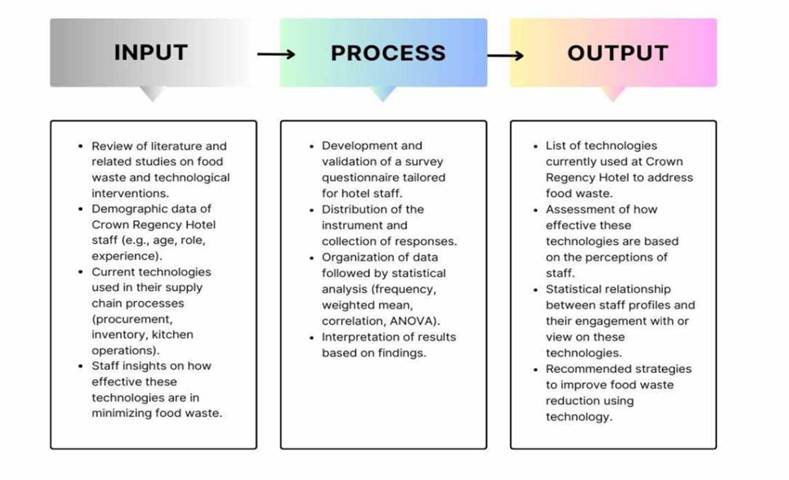


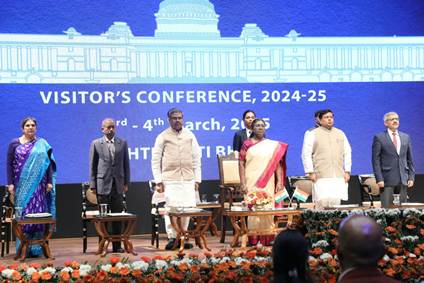

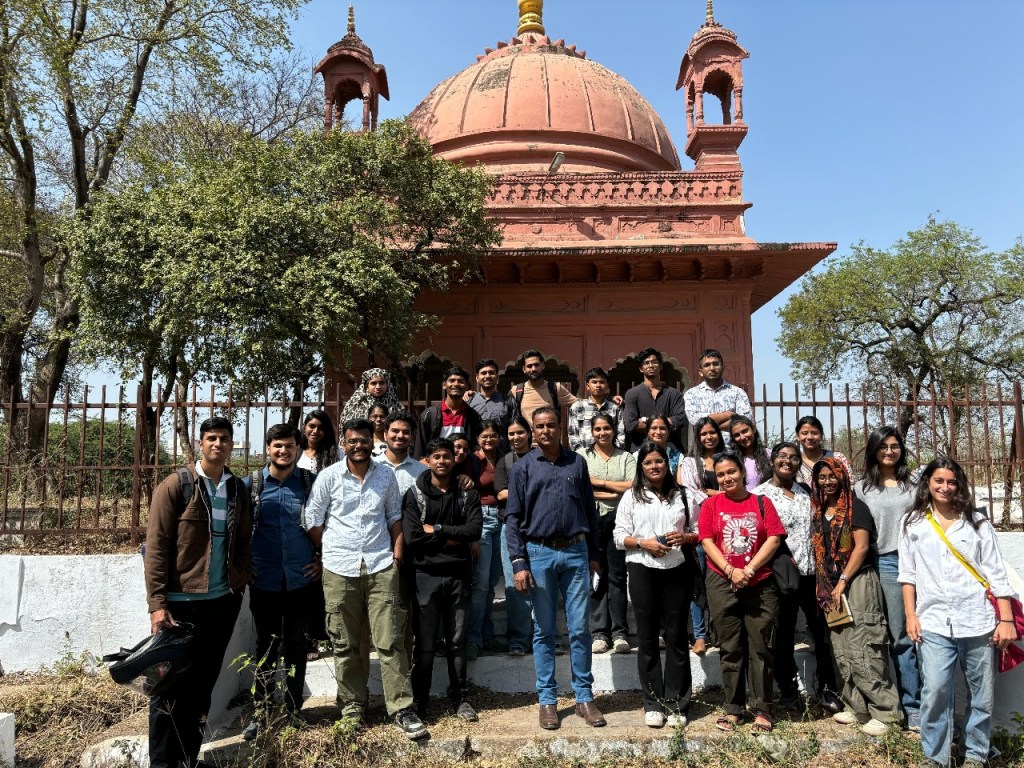



 Eduindex
You must be logged in to post a comment.