The Role of Ethereum in the Crypto Market Ecosystem

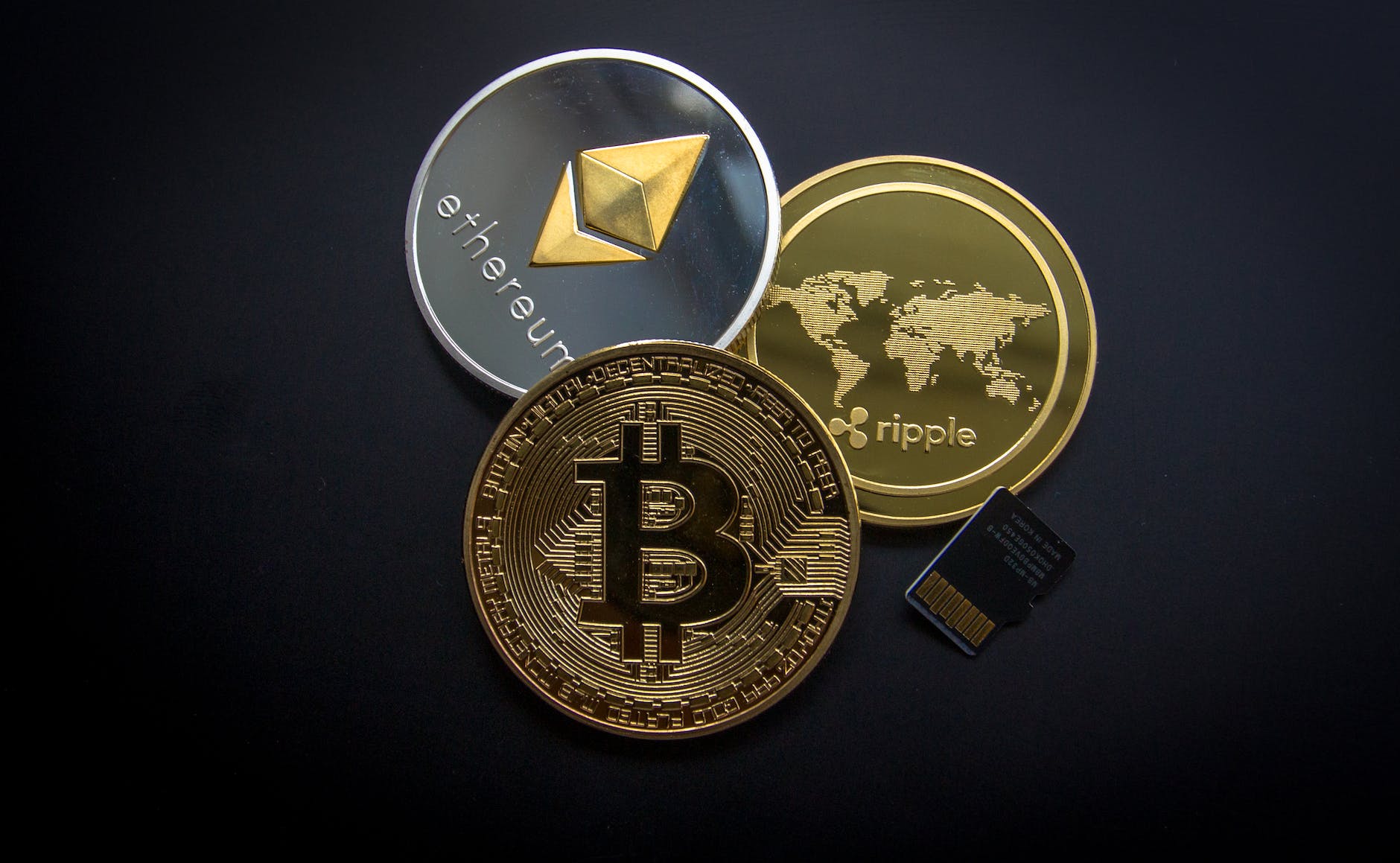
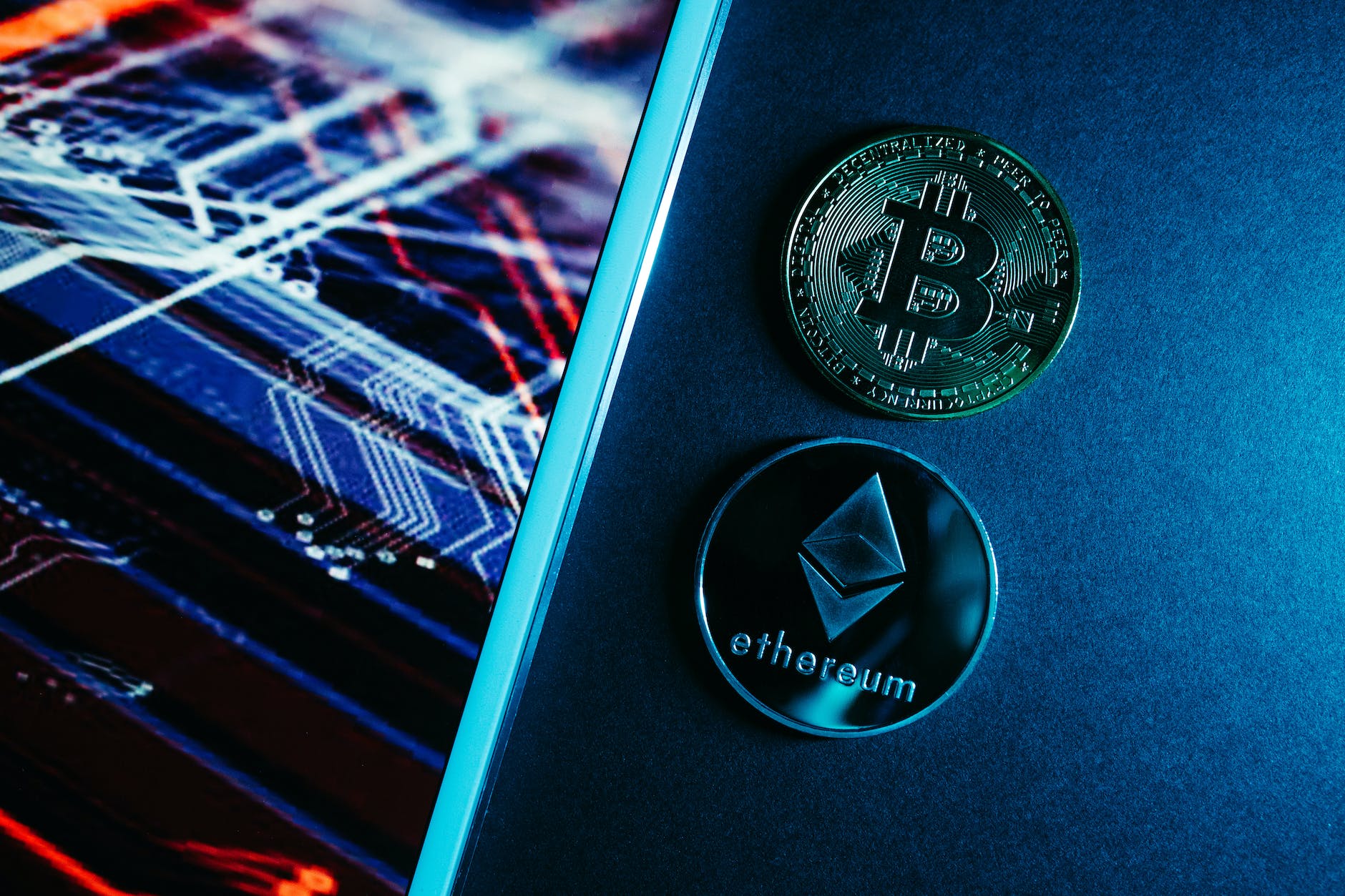
 In the ever-evolving landscape of cryptocurrencies, Ethereum has emerged as a pioneering force that has significantly shaped the entire crypto market ecosystem. Its innovative technology, smart contracts, and decentralized applications have not only revolutionized the way we perceive blockchain but have also established Ethereum as a driving force behind the broader adoption and acceptance of digital currencies. In this comprehensive article, we delve into the multifaceted role of Ethereum within the crypto market and its far-reaching implications. If Ethereum trading is your daily practice, make sure you don’t miss to check out Ethereum Code (Official App) and start trading using it. 

Introduction to Ethereum: Unveiling the Foundation

Ethereum, often referred to as the “world computer,” was conceptualized by Vitalik Buterin in 2013 and later introduced to the world in 2015. Unlike Bitcoin, which primarily functions as a digital currency, Ethereum serves as a decentralized platform for building and deploying smart contracts and decentralized applications (DApps). This fundamental difference positions Ethereum as a catalyst for a diverse range of applications beyond traditional financial transactions.

Photo by RDNE Stock project on Pexels.com

Ethereum’s Impact on Decentralized Finance (DeFi)

One of the most significant contributions of Ethereum to the crypto market ecosystem is its role in driving the growth of Decentralized Finance, or DeFi. DeFi encompasses a wide array of financial services and applications built on blockchain technology, including lending, borrowing, yield farming, decentralized exchanges, and more. Ethereum’s smart contract functionality provides the backbone for these DeFi protocols, enabling users to engage in financial activities without intermediaries.

The rise of DeFi has democratized access to financial services, allowing individuals from around the world to participate in a global, permissionless financial system. Ethereum’s openness and programmability have facilitated the creation of various DeFi projects that continue to innovate and reshape the traditional financial landscape.

Smart Contracts: Redefining Digital Agreements

Ethereum’s introduction of smart contracts revolutionized the way agreements are formulated and executed in the digital realm. Smart contracts are self-executing contracts with the terms of the agreement directly written into code. These contracts automatically enforce the terms without the need for intermediaries, reducing the risk of fraud and increasing efficiency.

Industries beyond finance are exploring the potential of smart contracts. Sectors like supply chain management, real estate, and healthcare are integrating Ethereum’s smart contracts to enhance transparency, traceability, and automation.

Ethereum’s Role in NFTs and Digital Ownership

Non-Fungible Tokens (NFTs) have taken the art and entertainment world by storm, and Ethereum lies at the heart of this cultural and technological shift. NFTs represent ownership of unique digital assets, such as art, music, and collectibles. These tokens are indivisible and tamper-proof, making them ideal for proving ownership and authenticity.

Ethereum’s ERC-721 standard paved the way for the NFT explosion, allowing creators to tokenize their work and connect directly with audiences. This innovation has redefined the concept of ownership in the digital age, empowering creators and collectors alike.

Scalability and Ethereum 2.0: Addressing Challenges

As Ethereum gained popularity, it faced scalability and energy-efficiency challenges. Ethereum 2.0, an upgrade currently underway, aims to address these concerns by transitioning from a Proof of Work (PoW) to a Proof of Stake (PoS) consensus mechanism. This upgrade will improve transaction throughput, reduce energy consumption, and pave the way for a more sustainable and scalable Ethereum network.

Interoperability and Future Prospects

Ethereum’s influence extends beyond its native ecosystem. The concept of interoperability, which allows different blockchain networks to communicate and share information seamlessly, has gained prominence. Ethereum’s compatibility with other blockchain networks enhances collaboration, opening doors for cross-chain DeFi and the development of a connected blockchain universe.

Looking ahead, Ethereum’s continued growth and development hold the potential to reshape various industries and contribute to the establishment of a decentralized internet.

Conclusion: Ethereum’s Enduring Legacy

In conclusion, emphasizing the pivotal role of Ethereum in the crypto market ecosystem is essential. This code serves as a valuable tool that simplifies interactions within the network, enhancing user experience and efficiency. Beyond this navigation enhancement, Ethereum has spearheaded a profound technological and financial revolution, catalyzing the creation of decentralized finance (DeFi) platforms that redefine traditional financial services. The introduction of smart contracts has further revolutionized the way agreements are executed and verified, while Ethereum’s contribution to the explosive growth of non-fungible tokens (NFTs) has reshaped digital ownership and artistic expression. Amid all these achievements, Ethereum remains committed to addressing scalability and sustainability challenges, striving to forge a more efficient and environmentally conscious future for blockchain technology.

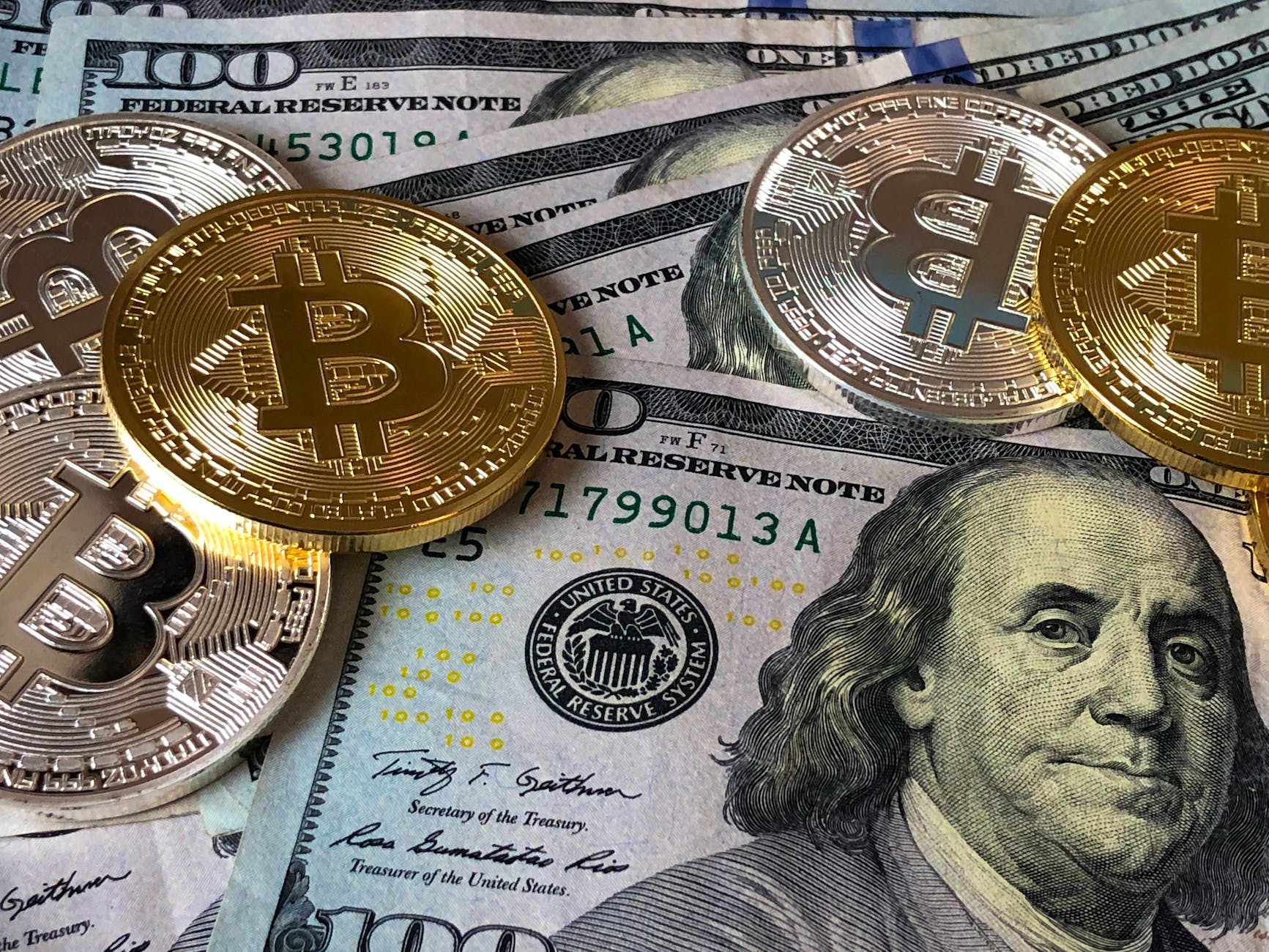
MoneyToken (IMT) Adoption: Transforming the Way We Manage Money

 In a world where digitalization is rapidly becoming the norm, managing money has evolved beyond traditional means. Cryptocurrencies have emerged as a new and innovative way to handle finances, and among them, MoneyToken (IMT) stands out as a leading player. However, amidst the growing interest in digital currencies, it’s essential to be cautious about the platforms we choose. In this article, we delve into the adoption of MoneyToken (IMT) and explore how it is transforming the way we manage money. An Online trading platform, astral-edge.com is one such platform that has gained attention in the cryptocurrency space. 

Photo by RDNE Stock project on Pexels.com

Understanding MoneyToken (IMT)

MoneyToken (IMT) is a decentralized financial platform that facilitates loans and lending in the crypto space. Founded on the principles of blockchain technology, MoneyToken offers users the ability to leverage their digital assets while still maintaining ownership. The platform’s native token, IMT, plays a crucial role in ensuring seamless transactions and unlocks various benefits for its holders.

The Advantages of MoneyToken (IMT)

Collateralized Loans

One of the standout features of MoneyToken is its provision of collateralized loans. Unlike traditional lending systems that demand credit checks and extensive paperwork, MoneyToken accepts various cryptocurrencies as collateral, enabling users to borrow funds without undergoing the hassles of credit assessments.

No Credit Score Impact

In conventional financial settings, borrowing often affects the borrower’s credit score. However, with MoneyToken, this concern becomes a thing of the past. Since loans are backed by collateral, credit scores do not play a role in the borrowing process, making it an inclusive platform for individuals with limited or no credit history.

Cross-Border Transactions Made Easy

Sending money internationally can be expensive and time-consuming due to various intermediaries involved in the process. MoneyToken leverages the power of blockchain to enable instant and cost-effective cross-border transactions, regardless of geographical boundaries.

Earn Passive Income with Staking

IMT token holders have the opportunity to earn passive income by staking their tokens on the MoneyToken platform. Staking rewards participants with interest, creating an avenue for investors to generate additional income with their holdings.

Decentralization and Security

MoneyToken operates on a decentralized blockchain network, making it less susceptible to hacking and fraud. The blockchain’s immutability ensures transparency and security, providing users with peace of mind when managing their digital assets.

The Rising Popularity of MoneyToken (IMT)

The adoption of MoneyToken (IMT) has been on a steady rise, attracting users from various sectors of the financial world. Let’s explore the factors contributing to its growing popularity.

Trust and Reliability

MoneyToken has established a reputation for being a trustworthy platform. Its transparent and secure blockchain infrastructure has garnered the trust of both individual users and institutional investors alike.

Financial Inclusivity

Traditional financial systems often exclude individuals with limited access to credit. MoneyToken’s collateralized loan system opens up financial opportunities for a broader user base, enabling financial inclusivity on a global scale.

Lower Transaction Costs

Sending money across borders can incur significant fees through conventional channels. MoneyToken’s blockchain-based platform reduces transaction costs, making it an attractive choice for remittances and international transactions.

Growing Crypto Community

As the cryptocurrency community continues to expand, so does the demand for versatile financial tools. MoneyToken’s services cater to this growing community, providing a user-friendly gateway to leverage crypto assets.

Integration with DeFi Ecosystem

MoneyToken’s integration with the decentralized finance (DeFi) ecosystem has further enhanced its utility. Users can access a wide range of DeFi applications while benefiting from MoneyToken’s features, creating a symbiotic relationship within the blockchain space.

Use Cases of MoneyToken (IMT)

Instant Cash Flow Management

For entrepreneurs and businesses, managing cash flow is crucial. MoneyToken provides quick and easy access to funds through collateralized loans, allowing businesses to meet their financial requirements promptly.

Diversified Investment Opportunities

Investors can leverage their crypto holdings to access capital for diversifying their investment portfolio. By staking IMT tokens, they can also enjoy passive income, further enhancing their financial gains.

Cross-Border Remittances

Immigrants and expatriates can use MoneyToken to send money back home without incurring hefty fees. The platform’s fast and cost-effective cross-border transactions make it an ideal choice for remittances.

Cryptocurrency Arbitrage

Traders can take advantage of price differences between various cryptocurrency exchanges by using MoneyToken to access liquidity and execute arbitrage strategies.

Conclusion

MoneyToken (IMT) has undeniably transformed the way we manage money in the digital era. Through its innovative platform and blockchain-based approach, it offers financial inclusivity, lower transaction costs, and new investment opportunities to users worldwide. As cryptocurrencies continue to gain traction, MoneyToken’s adoption is expected to soar even higher, driving the shift towards a more decentralized and efficient financial landscape.

Redesigning Token Economics with Lunar Wisdom: LUNARBURN (LUNAR) Revolution

 Amidst the rapidly evolving realm of cryptocurrency and blockchain technology, pioneering initiatives persistently redefine the limits of what can be achieved. Among these, the LUNARBURN (LUNAR) Revolution stands out as a particularly innovative venture, striving to overhaul the very foundations of token economics with a fresh and distinctive strategy that draws inspiration from lunar wisdom. By shedding light on its fundamental principles, potential ramifications, and its role in reshaping the landscape of cryptocurrencies, this piece offers a comprehensive understanding of the significant contributions made by the LUNARBURN Revolution. Another project buzzing amongst the traders is Digital Yuan! Learn about the risks of Digital Yuan and the 51% attack. 

Photo by David McBee on Pexels.com

Understanding Token Economics

Prior to delving into the intricacies of the LUNARBURN Revolution, it is crucial to gain a comprehensive understanding of the pivotal role that token economics occupies within the realm of cryptocurrency. Token economics encompasses the intricate orchestration and oversight of a token’s essential characteristics, encompassing its supply dynamics, equitable distribution mechanisms, and the diverse range of functions it serves within its designated ecosystem. These interwoven elements wield a profound influence in shaping a token’s valuation trajectory and its overall embracement within the broader digital landscape.

The Birth of LUNARBURN

Central to the essence of the LUNARBURN Revolution is a deeply rooted philosophy intricately intertwined with the rhythmic cadence of lunar phases and their inherent cyclical patterns. In a display of visionary foresight, the project’s founders astutely identified the imperative for cultivating a token ecosystem characterized by sustainability and equitable dynamics. Drawing wisdom from the moon’s ever-changing journey across the sky, they harnessed its timeless guidance as a source of inspiration to forge a new path in the realm of cryptocurrency.

Lunar Wisdom: A Paradigm Shift

LUNARBURN introduces a unique concept inspired by the lunar phases: token burning cycles. Just as the moon waxes and wanes in a predictable cycle, LUNARBURN employs a systematic approach to token burning. This innovative strategy involves periodic token burns, effectively reducing the circulating supply over time.

Reinventing Scarcity and Value

Scarcity has always been a fundamental driver of value. By implementing a consistent token burn mechanism, LUNARBURN enhances scarcity, thereby potentially increasing the token’s intrinsic value. This novel approach challenges traditional inflationary models and offers a deflationary alternative that could have profound implications for the broader cryptocurrency market.

Community Engagement and Governance

LUNARBURN places a strong emphasis on community engagement and decentralized governance. Token holders are actively involved in shaping the project’s direction through voting mechanisms that determine aspects like the frequency of token burns and allocation of resources. This democratized approach fosters a sense of ownership and empowerment among stakeholders.

Redefining Utility

In addition to its tokenomics, LUNARBURN redefines token utility. The burnt tokens are not merely destroyed; they are transformed into a new form of utility within the ecosystem. This innovative approach bolsters the overall utility of the LUNAR token, potentially attracting a wider user base and driving increased adoption.

Navigating Challenges

Amidst its promising potential, the LUNARBURN Revolution stands poised at the intersection of possibility and challenges. Navigating the intricate landscape of its journey, the project encounters a mosaic of factors ranging from the complexities of regulatory frameworks and the ever-evolving technological terrain to the nuanced shifts in market dynamics that collectively influence its path forward. Yet, a steadfast dedication to principles of transparency, relentless innovation, and a robust foundation of community engagement instills the project’s endeavors with the resilience needed to adeptly navigate and surmount these challenges on its quest for transformative impact.

Conclusion

The LUNARBURN (LUNAR) Revolution represents a groundbreaking shift in token economics, driven by lunar wisdom and a commitment to redefining value, utility, and sustainability. With its unique token burning cycles, community-driven governance, and innovative approach to scarcity, LUNARBURN has the potential to reshape the cryptocurrency landscape.

As the blockchain ecosystem continues to evolve, projects like LUNARBURN inspire us to explore new avenues and challenge existing paradigms. By harnessing the wisdom of the moon and translating it into a revolutionary token model, LUNARBURN paves the way for a more balanced and prosperous digital economy.

In a space characterized by rapid change and innovation, LUNARBURN stands as a beacon of transformative potential, inviting us to reimagine the future of token economics. The journey of the LUNARBURN Revolution has just begun, and its impact on the crypto world is poised to be nothing short of revolutionary.

Exploring Crypto Asset Management Opportunities: An Investment Perspective on Vesper (VSP)

 Cryptocurrency has experienced remarkable growth in recent years, captivating investors worldwide. As the digital asset market continues to expand, the demand for efficient and trustworthy asset management solutions has become more pronounced. Vesper (VSP), a groundbreaking decentralized finance (DeFi) protocol, presents investors with a distinctive chance to enhance their crypto asset management strategies. In this article, we will delve into the investment potential and advantages of Vesper from an investor’s standpoint. If you are looking for a reliable trading platform, you may consider visiting Profit Revolution

Overview of Vesper

Vesper is a decentralized platform built on the Ethereum blockchain, aiming to simplify and optimize crypto asset management. It offers investors a user-friendly interface to access a variety of automated investment strategies, enabling them to earn passive income from their digital assets. By pooling funds from multiple users and deploying them into yield-generating protocols, Vesper provides a convenient and efficient way for investors to maximize returns while minimizing the complexities of managing multiple DeFi protocols. Leveraging the security and transparency of the Ethereum blockchain, Vesper empowers users with a comprehensive solution for managing and generating passive income from their cryptocurrency holdings.

Photo by Anna Tarazevich on Pexels.com

Benefits of Vesper

  • Diversification: One of the key advantages of Vesper is its ability to diversify investment portfolios. By pooling funds and deploying them across multiple yield-generating protocols, Vesper reduces the risk associated with investing in a single DeFi platform. This diversification helps mitigate potential losses and increases the likelihood of earning consistent returns.
  • Simplified User Experience: Vesper prioritizes user experience by providing a simple and intuitive interface. Investors can easily navigate the platform, select their desired investment strategies, and allocate their funds accordingly. This user-friendly approach makes Vesper accessible to both experienced and novice investors, fostering broader adoption within the crypto community.
  • Automation and Optimization: Vesper automates the process of asset management by dynamically reallocating funds across various protocols based on market conditions. This automation eliminates the need for manual intervention and ensures that investments are consistently optimized for maximum returns. Investors can leverage Vesper’s smart contract technology to save time and effort while benefiting from efficient portfolio management.
  • Yield Maximization: The primary goal of Vesper is to maximize yield for its users. The platform identifies and evaluates various yield-generating opportunities in the DeFi ecosystem, selecting the most promising strategies to generate optimal returns. By utilizing Vesper’s expertise and technology, investors can potentially earn higher yields compared to traditional investment avenues.
  • Governance and Community Involvement: Vesper adopts a decentralized governance model where VSP token holders have voting rights and decision-making authority. This enables community members to actively participate in shaping the future development and direction of the platform. The emphasis on community involvement ensures transparency and accountability, making Vesper a platform driven by its users’ collective interests.

Investment Potential

Vesper presents a distinctive value proposition and concentrates on streamlining the management of crypto assets, making it an appealing investment opportunity. With the increasing demand for decentralized finance (DeFi) services, Vesper is well-positioned to capitalize on the surging interest in automated asset management solutions. Moreover, the platform’s strong emphasis on user experience and community governance strengthens its long-term sustainability and attractiveness to investors.

Investing in crypto assets, such as VSP, carries inherent risks that should be carefully considered. The cryptocurrency market is highly volatile, and unforeseen regulatory changes can significantly impact investment outcomes. It is vital for investors to conduct thorough research, assess their risk tolerance, and seek professional advice before allocating funds to Vesper or any other cryptocurrency investment. Taking these precautions will help investors make informed decisions and navigate the complexities of the crypto market more effectively.

Conclusion

In conclusion, Vesper presents investors with an intriguing chance to delve into crypto asset management by utilizing its decentralized finance platform. This platform offers various advantages, including diversification benefits, a user-friendly interface, automated optimization, potential for maximizing yields, and active community involvement. These features have the potential to transform the way investors handle their digital assets. Nevertheless, it is essential for investors to comprehend the accompanying risks and make informed choices based on their unique circumstances. As the landscape of crypto asset management continues to progress, Vesper’s innovative approach positions it as an exciting platform to keep an eye on in the forthcoming years.

Understanding Bytom (BTM): A Deep Dive into its Features and Functionality

 In the ever-evolving world of cryptocurrencies, Bytom (BTM) has emerged as a prominent blockchain platform that aims to bridge the gap between the digital and physical worlds. Bytom offers a unique set of features and functionalities that make it an intriguing choice for both developers and users alike. In this comprehensive article, we will delve into the intricacies of Bytom, exploring its core features, its underlying technology, and its potential applications. So, if you are planning to trade crypto, you may consider visiting a reliable trading platform like https://fbc-edge.org/

Photo by Worldspectrum on Pexels.com

What is Bytom?

Bytom is a blockchain protocol that revolutionizes asset transfer and management by providing a platform for tokenizing both digital and physical assets. It bridges the gap between the traditional financial system and the decentralized world of cryptocurrencies, enabling users to represent real-world assets as digital tokens on the blockchain. Bytom’s secure and transparent environment facilitates the tokenization of various assets, fostering liquidity, ownership, and innovative opportunities in decentralized finance. With its unique consensus algorithm, smart contracts, and interoperability with other blockchain platforms, Bytom empowers individuals and businesses to transform and manage assets efficiently in the digital era.

Key Features of Bytom

Tokenization of Assets

One of the key features of Bytom is its ability to tokenize assets. Bytom enables the conversion of physical assets, such as real estate, commodities, and intellectual property, into digital tokens. These tokens can then be traded and transferred on the Bytom blockchain, providing increased liquidity and accessibility to otherwise illiquid assets.

Three-Layered Consensus Mechanism

Bytom employs a unique three-layered consensus mechanism, consisting of the application layer, contract layer, and data transmission layer. This mechanism ensures secure and efficient transaction processing, allowing for fast and reliable asset transfers on the Bytom network.

Asset Atomic Swaps

Bytom facilitates atomic swaps, which allow for the direct exchange of different types of assets without the need for an intermediary. This feature enables seamless cross-chain transactions, fostering interoperability between different blockchain networks.

Byzantine Fault Tolerance

Bytom leverages Byzantine Fault Tolerance (BFT) consensus algorithm to ensure the security and reliability of its network. BFT consensus enables the Bytom blockchain to resist malicious attacks and maintain the integrity of transactions and data stored on the network.

Bytom’s Technology Stack

Tensority Proof-of-Work Algorithm

Bytom utilizes the Tensority proof-of-work algorithm, which is specifically designed to provide efficient mining capabilities for ASIC and GPU devices. This algorithm ensures a fair distribution of mining rewards and enhances the security and stability of the network.

Sidechain and Cross-chain Compatibility

Bytom supports the creation of sidechains, which are separate blockchain networks connected to the main Bytom chain. Sidechains enable scalability and allow developers to build and deploy decentralized applications (dApps) with specific use cases. Furthermore, Bytom is compatible with other blockchain networks, enabling seamless cross-chain transactions and fostering interoperability within the blockchain ecosystem.

Applications of Bytom

Supply Chain Management

Bytom’s asset tokenization capabilities make it well-suited for supply chain management applications. The ability to represent physical assets as digital tokens on the blockchain enables enhanced tracking, traceability, and authentication of goods throughout the supply chain. Bytom’s transparent and immutable ledger ensures the integrity of data and provides increased efficiency and trust in supply chain processes.

Intellectual Property Protection

Bytom’s blockchain infrastructure can be utilized for intellectual property protection. By creating digital tokens that represent intellectual property assets, creators can establish ownership and enforce copyright protection. Bytom’s decentralized nature and robust consensus mechanism ensure that the records of intellectual property rights are secure and tamper-proof.

Financial Services

Bytom has the potential to revolutionize traditional financial services by enabling faster and more cost-effective transactions. By leveraging Bytom’s platform, financial institutions can tokenize assets, streamline cross-border payments, and provide innovative financial products and services to their customers. Bytom’s efficient consensus mechanism and interoperability capabilities make it a promising solution for the future of finance.

Conclusion

Bytom (BTM) offers a comprehensive blockchain platform that brings together the worlds of digital and physical assets. Its unique features, such as asset tokenization, atomic swaps, and three-layered consensus mechanism, set it apart from other blockchain protocols. Bytom’s technology stack, including the Tensority proof-of-work algorithm and sidechain compatibility, further enhances its capabilities and potential applications. Whether it’s revolutionizing supply chain management, protecting intellectual property, or transforming financial services, Bytom has the potential to reshape various industries. As the blockchain ecosystem continues to evolve, Bytom’s innovative approach positions it as a key player in the digital revolution.

Wealth Multiplication in C98: A Guide to the Promising Crypto Token

 Cryptocurrencies like C98 have revolutionized finance, captivating investors with their disruptive potential. In this guide, we’ll explore C98’s intricacies, uncovering how it can generate substantial wealth. So, if you are looking for a reliable trading platform, you may consider Bit Alpha Ai auto-bot

Understanding C98: The Fundamentals

C98 is a decentralized cryptocurrency built on the Binance Smart Chain (BSC) platform. It stands for “Coin98,” which represents a new wave of digital assets aiming to revolutionize the way we transact and interact with blockchain technology. C98 serves as the native utility token of the Coin98 Finance ecosystem, offering a wide range of benefits and use cases to its holders.

Photo by Karolina Grabowska on Pexels.com

The Coin98 Finance Ecosystem

Coin98 Finance is an all-encompassing decentralized finance (DeFi) platform that empowers users to access a myriad of financial services in a seamless and user-friendly manner. By utilizing the C98 token, participants within the ecosystem can unlock various features and benefits, including but not limited to:

Governance Rights: C98 token holders have the power to influence the decision-making process within the Coin98 Finance ecosystem. This democratic approach ensures that community members have a say in shaping the future of the platform.

Staking and Yield Farming: Users can stake their C98 tokens and earn lucrative rewards for their participation. Additionally, Coin98 Finance offers attractive yield farming opportunities, allowing individuals to grow their wealth by providing liquidity to the platform.

NFT Marketplace: Coin98 Finance boasts an innovative non-fungible token (NFT) marketplace, where artists and collectors can showcase and trade their digital artworks. C98 token holders enjoy exclusive privileges within this vibrant ecosystem.

Cross-Chain Bridge: C98 facilitates interoperability by enabling seamless asset transfers between different blockchain networks. This feature unlocks new opportunities for users to diversify their holdings and explore various investment avenues.

The Potential for Wealth Multiplication

Now that we have a solid understanding of C98 and its underlying ecosystem, let’s explore how this crypto token holds the potential for wealth multiplication.

Strong Market Adoption

C98 has witnessed remarkable market adoption since its inception, gaining traction among both retail and institutional investors. The coin’s rising popularity is a testament to its strong fundamentals and promising future prospects. As more individuals recognize the value and potential of C98, its demand is likely to increase, driving its price upwards.

Strategic Partnerships and Integrations

One of the key factors contributing to C98’s growth is its strategic partnerships and integrations. Coin98 Finance has collaborated with several prominent projects and platforms in the crypto space, expanding its reach and visibility. These partnerships not only enhance the utility of C98 but also foster a robust ecosystem that attracts more users and investors.

Innovative Tokenomics

The tokenomics of C98 play a crucial role in wealth multiplication. The total supply of C98 is limited, ensuring scarcity and creating a favorable environment for price appreciation. Additionally, the platform implements a deflationary mechanism by regularly burning C98 tokens, effectively reducing the circulating supply over time. This deflationary nature can contribute to long-term value appreciation, benefiting early adopters and long-term holders.

Community Engagement and Development

The Coin98 Finance community plays a vital role in driving the success of C98. The project prioritizes community engagement and actively involves its members in various decision-making processes. By fostering a vibrant and supportive community, Coin98 Finance creates an environment where ideas flourish, innovation thrives, and new opportunities emerge. This strong community backing further strengthens the potential for wealth multiplication.

Risks and Considerations

While the potential for wealth multiplication with C98 is promising, it is essential to acknowledge the associated risks and exercise caution. Here are a few factors to consider:

Volatility: Cryptocurrencies, including C98, are known for their price volatility. Fluctuations in the market can significantly impact the value of your holdings. It is crucial to be aware of these risks and invest only what you can afford to lose.

Regulatory Landscape: The regulatory landscape surrounding cryptocurrencies is continuously evolving. Changes in regulations and government policies can influence the market sentiment and impact the value of C98. Staying informed about regulatory developments is essential for making informed investment decisions.

Market Conditions: The overall market conditions and investor sentiment can affect the performance of cryptocurrencies. It is advisable to conduct thorough research, monitor market trends, and seek professional advice before making any investment decisions.

Conclusion

C98 represents an exciting opportunity for wealth multiplication in the world of cryptocurrencies. With its strong fundamentals, strategic partnerships, and innovative tokenomics, C98 has the potential to deliver significant returns to its investors. However, it is essential to approach cryptocurrency investments with careful consideration and an understanding of the associated risks. By staying informed and making informed decisions, you can navigate the crypto landscape and unlock the possibilities that C98 offers.

Uniswap: The Leading Decentralized Exchange in the Crypto Market

 In the fast-paced world of cryptocurrencies, AI bot which is an Online trading platform decentralized exchanges have emerged as a powerful force, enabling individuals to trade digital assets without the need for intermediaries. Uniswap, one of the pioneers in this space, has quickly risen to prominence and established itself as the leading decentralized exchange in the crypto market. With its innovative approach and user-friendly interface, Uniswap has revolutionized the way people trade cryptocurrencies. In this article, we will explore the key features and advantages of Uniswap, highlighting why it has become the go-to platform for crypto enthusiasts worldwide.

Understanding Decentralized Exchanges

Before delving into the specifics of Uniswap, it’s essential to grasp the concept of decentralized exchanges (DEXs). Unlike traditional centralized exchanges, DEXs operate on blockchain technology, which eliminates the need for intermediaries to facilitate trades. Instead, transactions occur directly between users through smart contracts. This decentralized nature brings several benefits, including enhanced security, improved privacy, and increased control over funds.

Photo by RDNE Stock project on Pexels.com

The Uniswap Difference

Uniswap stands out in the crowded DEX landscape due to its unique features and relentless commitment to innovation. Let’s explore what sets Uniswap apart from its competitors.

  • Automated Market Making

Uniswap employs an automated market making (AMM) model, which revolutionizes the way liquidity is provided in decentralized exchanges. Instead of relying on order books, Uniswap uses liquidity pools, where users can deposit their tokens to facilitate trading. These pools are governed by smart contracts and employ a constant product formula, ensuring that the ratio of tokens remains balanced. This AMM mechanism provides liquidity and enables seamless token swaps.

  • User-Friendly Interface

One of the critical factors contributing to Uniswap’s success is its user-friendly interface. The platform is designed to be intuitive, allowing even beginners to navigate and participate in decentralized trading. With just a few clicks, users can connect their wallets, browse available tokens, and execute trades effortlessly. This simplicity has played a vital role in attracting a wide range of users to the Uniswap ecosystem.

  • Permissionless Listing

Unlike centralized exchanges that require extensive vetting and listing fees, Uniswap offers permissionless listing to any ERC-20 token. This approach fosters innovation and enables smaller projects to gain exposure and liquidity. By removing unnecessary barriers, Uniswap has become a hotbed for token launches and experimentation, driving the growth of the decentralized finance (DeFi) ecosystem.

  • Community Governance

Uniswap’s commitment to decentralization extends beyond its technology. The platform is community-governed, meaning that decisions regarding protocol upgrades and parameter changes are made through a voting process. Token holders can actively participate in shaping the future of Uniswap, ensuring that the platform remains aligned with the interests of its users.

Benefits of Using Uniswap

Now that we have explored the unique features of Uniswap, let’s delve into the benefits it offers to its users.

  • Security and Trustlessness

Uniswap operates on the Ethereum blockchain, leveraging its robust security features and immutability. By eliminating the need for intermediaries, Uniswap significantly reduces the risk of hacks or unauthorized access to funds. Users have full control over their assets, with no need to trust a centralized exchange with their private keys.

  • Enhanced Liquidity

Thanks to its innovative AMM model, Uniswap boasts high liquidity across a vast array of tokens. The platform’s design incentivizes users to provide liquidity by earning fees on trades. This vibrant liquidity ecosystem ensures that users  have access to a wide range of tokens and can execute trades quickly and efficiently.

  • Lower Costs

Traditional centralized exchanges often impose significant fees on trades, withdrawals, and deposits. In contrast, Uniswap operates with lower costs, making it an attractive option for traders looking to optimize their profitability. The absence of intermediaries and the use of smart contracts reduce transaction fees, ensuring that users retain more of their funds.

  • Transparent and Immutable

Uniswap’s operations are transparent and verifiable on the Ethereum blockchain. Every transaction and smart contract interaction can be traced and audited, providing users with confidence and assurance. The decentralized nature of Uniswap also ensures that the protocol remains resistant to censorship or manipulation.

  • Diverse Range of Tokens

Uniswap supports a wide array of tokens, ranging from popular cryptocurrencies to emerging DeFi projects. This extensive token selection allows users to explore and invest in various digital assets, diversifying their portfolios and taking advantage of different investment opportunities.

Uniswap’s Impact on the Crypto Market

Since its launch, Uniswap has made a significant impact on the crypto market, driving innovation and shaping the future of decentralized finance. Some notable effects of Uniswap’s rise include:

  • DeFi Expansion

Uniswap’s success has played a pivotal role in fueling the growth of decentralized finance. As the leading DEX, Uniswap has facilitated the trading of numerous DeFi tokens, enabling users to participate in yield farming, liquidity mining, and other innovative DeFi protocols. Its open and permissionless listing policy has also attracted new projects, further expanding the DeFi ecosystem.

  • Increased Liquidity Options

Uniswap’s automated market making model has revolutionized liquidity provision in the crypto market. Its success has inspired the development of other DEXs and liquidity protocols, each offering its unique approach to decentralized trading. This increased competition has ultimately benefited users by providing a broader range of liquidity options and driving innovation in the sector.

  • Mainstream Recognition

As the decentralized finance sector gains traction, Uniswap has garnered significant attention and recognition from mainstream financial institutions and media outlets. Its role in reshaping traditional finance and introducing new decentralized financial instruments has positioned Uniswap as a frontrunner in the ongoing financial revolution.

Conclusion

Uniswap has undeniably emerged as the leading decentralized exchange in the crypto market, spearheading the growth of decentralized finance and revolutionizing the way people trade digital assets. With its automated market making model, user-friendly interface, and commitment to community governance, Uniswap offers a secure, transparent, and efficient platform for individuals to participate in the burgeoning world of cryptocurrencies. As the crypto market continues to evolve, Uniswap remains at the forefront, driving innovation and pushing the boundaries of decentralized finance.

Understanding MX Token: The Key to Unlocking Its Potential

 In today’s digital landscape, cryptocurrencies, including Bitcoin Era which is an online trading platform, have emerged as a revolutionary force, disrupting traditional financial systems and offering new opportunities for individuals and businesses alike. Among the vast array of cryptocurrencies, MX Token stands out as a formidable player with immense potential. In this article, we delve into the intricacies of MX Token, exploring its unique features, use cases, and the reasons why it holds the key to unlocking a world of possibilities. Looking for a safe cryptocurrency trading platform to invest in Bitcoin? Then have a look at this source

Photo by David McBee on Pexels.com

Introduction to MX Token

MX Token is a revolutionary form of digital currency built on the Ethereum blockchain. It leverages advanced technologies to facilitate secure, efficient, and transparent transactions. Functioning as a utility token, MX Token plays a vital role within the MXC ecosystem, providing users with access to a wide range of services, opportunities for governance participation, and the ability to take advantage of a flourishing digital economy.

Operating on the Ethereum blockchain, MX Token harnesses the power of decentralized technology to ensure the integrity and reliability of transactions. This blockchain-based approach eliminates the need for intermediaries, such as banks or financial institutions, resulting in faster and more cost-effective transfers.

As a utility token, MX Token serves as the foundation of the MXC ecosystem, a thriving digital network that encompasses various services and applications. Users can utilize MX Token to access services like data trading, IoT device connectivity, and asset digitization, among others. By holding and using MX Token, individuals can unlock the full potential of the MXC ecosystem, benefiting from its diverse offerings.

Furthermore, MX Token empowers token holders to participate in governance decisions within the MXC ecosystem. Through a decentralized governance model, users can contribute their opinions and ideas, and collectively shape the future development of the platform. This democratic approach fosters transparency and inclusivity, ensuring that the community’s interests are considered in decision-making processes.

In addition to its utility within the ecosystem, MX Token presents opportunities for individuals to thrive in the digital economy. By actively engaging with the MXC ecosystem and utilizing MX Token, users can explore avenues for investment, trading, and entrepreneurship. The token’s liquidity and market availability enable users to seize potential financial benefits and contribute to the growth of the ecosystem.

The Advantages of MX Token

  • Decentralization: One of the key advantages of MX Token lies in its decentralized nature. Powered by blockchain technology, MX Token eliminates the need for intermediaries, allowing for direct peer-to-peer transactions. This decentralized approach ensures transparency, security, and immutability, fostering trust among users.
  • Efficient Transactions: MX Token offers swift and seamless transactions, thanks to its integration with the Ethereum blockchain. With low transaction fees and rapid settlement times, MX Token enables users to transact with ease, facilitating speedy cross-border payments and reducing friction in financial transactions.
  • Liquidity Mining: MX Token provides an opportunity for users to engage in liquidity mining, a process by which individuals can earn additional tokens by providing liquidity to the MXC ecosystem. This incentivizes participation, boosts liquidity, and rewards users for contributing to the growth and stability of the network.
  • Governance and Voting Rights: Holding MX Token grants users the power to participate in the decision-making process within the MXC ecosystem. By staking MX Tokens, individuals can actively engage in voting for protocol upgrades, strategic partnerships, and other crucial matters, ensuring a democratic and community-driven governance structure.

Use Cases of MX Token

  • IoT Applications: MX Token finds significant utility in the Internet of Things (IoT) sector, enabling secure and efficient data transactions between connected devices. With the increasing prevalence of IoT devices in various industries, MX Token plays a pivotal role in fostering seamless communication and data exchange, revolutionizing sectors such as smart cities, agriculture, logistics, and healthcare.
  • Asset Tokenization: The flexibility of MX Token extends to the realm of asset tokenization, where real-world assets such as real estate, commodities, and intellectual property can be represented digitally. By tokenizing assets on the MXC platform, individuals gain access to fractional ownership, increased liquidity, and enhanced tradability, opening up new investment opportunities.
  • DeFi Solutions: MX Token serves as a catalyst for decentralized finance (DeFi) applications, offering users access to a wide range of financial services, including lending, borrowing, yield farming, and decentralized exchanges. The integration of MX Token within the DeFi ecosystem enables individuals to unlock the potential of their assets, earn passive income, and participate in the burgeoning DeFi revolution.

Unlocking the Potential of MX Token

MX Token possesses the inherent capability to unlock a multitude of opportunities in the digital landscape. Its decentralized nature, efficient transactions, and versatile use cases make it a formidable player in the cryptocurrency realm. By embracing MX Token, individuals and businesses can harness the power of blockchain technology, redefine traditional financial systems, and pave the way for a future where digital transactions are seamless, secure, and accessible to all.

In conclusion, MX Token represents a compelling investment opportunity and a gateway to the future of finance. Its potential to revolutionize various industries and empower individuals cannot be overstated. By understanding the intricacies of MX Token and exploring its vast array of use cases, individuals and businesses can position themselves at the forefront of the digital revolution.

Top 5 AI Cryptocurrencies to Buy in 2023

 Artificial Intelligence (AI) tools are the hottest trend among enthusiastic investors. The market trends are highly volatile and AI-hosted cryptos experience similarities. The cryptos connected to AI technology are outbursting experiencing substantial gains over time. Looking for a safe cryptocurrency trading platform to invest in Bitcoin? Then learn more at this link

Photo by Jonathan Borba on Pexels.com

Ever since its launch, the newbie technology is soaring highly with increasing popularity among people. Investors seem curious about the working of this new technology and its feature outlook. It has paved the way for several doors for individuals to access and boom into the real world. 

In the modern world, AI will gain exponential power as it is the future of evolution. Human beings and the fast-paced world will switch to a wider advanced medium making use of the new technology. AI will be the boon spreading across the length and breadth of the real world. 

The fusion of cryptos with AI technology will unfurl a new remark on the crypto industry with bubbling returns. There is numerous crypto that has popped up in recent times with a fusion of AI technology. These indeed are believed to give realistic handsome gains to its investors. The following are listings of some of the most remarkable AI cryptocurrencies : 

  1. Graph Token (GRT) 

The GRT token is currently trading at a value of $0.149. The token has an inclining rate of 4.95% in the previous 24 hours. Investors can buy the GRT coins on decentralized exchange platforms like Binance, Bybit, OKX, and CoinW. 

The Graph portal has a wide ecosystem base powering several apps including DeFi and web3 networks. It further empowers networks like Ethereum and IPFS by querying the data. Any media can create, design, and innovate APIs which are subgraphs. 

The portal makes it efficient for indexing data from POA, IPFSs, and Ethereum. More networks will plug in soon with the portal. Analytics and data reveal that over 3,000 subgraphs are deployed on the GRT portal. These were for dApp platforms like Argon, AAVE, Synthetic, Uniswap, DAOstack, Livepeer, and Decentraland.   

7billion queries have already been raised on the emulsifying network and 50% MoM. It has a huge network of public infrastructure bringing reliable solutions to the table front

  • SingularityNET 

SingularityNET is a globally accessible space featuring creatable, shareable, and monetizable AI portals worldwide. Users and app developers can evaluate, browse and buy a varied number of AI tools and services on the portal. Transactions can be made using its native cryptocurrency AGIX, 

The market of this portal consists of AI developers using AI tools and services willing to track their performance. One of the greatest discoveries of the pioneering team is the Sophia robot. SingularityNET seeks to entitle Sophia as a robot understanding human language. They’re continuously working on developing “OpenCog” which is a framework of advanced general intelligence. 

Currently, the AGX coin is trading at a value of $0.41. 

  • Render Token (RNDR) Oasis network ROSE Fetch.ai FET

Render token is a pure design for enabling GPC network faces across the market. It is compatible with connecting studios and artists requiring GPU systems. The power can be computed with mining partners who are eager to rent their GPU devices through the work required. 

RNDR is based on the Ethereum network which is used by the artists to verify the art before releasing payment. The RNDR nodes utilize manual and proof-of-work operating schemes. All the assets on the network of RNDR use a watermarking protocol to present malpractices.

4. Oasis network (ROSE) 

ROSE is a key scaling solution running over a layer 1 blockchain base. The walls of its architecture provide security and stability across the network. The features do not have an end here, it further minimizes its gas fees. Thus, attracting investors with low investment is a ROSE front door. 

The protocol is a powering network to DeFi, GameFi, Metaaverse, NFTs, and Data DAOs. It is backed by wide investor protocols having an Ecosystem Fund of $235 million. 

5. Fetch.ai (FET) 

Fetch.ai is an AI-based permissionless infrastructure host in a crypto ecosystem. It is a decentralized learning machine enabling users to connect access and secure datasets.

 This is an autonomous AI tool to run a certain set of tasks on its network. 

It facilitates optimizing DeFi services, ease of transportation (parking, micro-mobility), smart energy grids, etc.  For crypto trading and investment log onto Bitcoin smart 

Ethereum will change the finance segment forever.

 A single process can consist of thousands of companies and touch people around the globe. Payment transactions, credit card fees, etc., occur at different times and with different currencies. Ethereum is a blockchain-based distributed computing platform that fuels intelligent contract functionality. If you want entirely automated trading services, you can visit websites like https://ethereumcode.app; here, you will get all the advanced bitcoin trading features. 

It allows for more flexible and transparent payments cheaper than today’s alternatives for everyone involved in the transaction—no matter where they are located or what currency they use. In finance, this will eliminate high fees for cross-border payments and limited payment options.

Photo by Jonathan Borba on Pexels.com

Cross-border payments are a critical part of the global value chain industry. There is no better time than now to test and explore this technology — with cryptocurrencies being available to all, the opportunity to integrate blockchain into modern finance is a gift that keeps on giving. Ethereum’s potential as a payment solution in supply chain relationships and worldwide reach is unparalleled. 

Implementation of blockchain in cross-border payments:

Implementing blockchain technology in these areas has endless possibilities, but it will take time. Because of this, many businesses are not taking advantage of this opportunity because they need to see it as likely for their specific industry. The finance sector is still littered with legacy systems that need to meet the needs of today’s companies. Financing, credit, and securities are all complicated processes that require complex forms and long waiting times. 

At the same time, compliance has become paramount in financial institutions worldwide. Blockchain technology can take those concerns off the table and simplify these processes for everyone involved. By using smart contracts to automate payments, projects can move forward more efficiently and quickly. In addition, innovative contract technology will eliminate a lot of unnecessary friction from working in this industry — which is desperately needed as banks evolve their services to accommodate new customers.

Peer-to-peer lending powered by Ethereum:

In finance, we typically see projects which rely on a centralized system or rely on an intermediary to facilitate the transaction. These technologies need to be updated and quickly replaced by newer ones. Cryptocurrencies provide a better way to make payments and lend money — primarily through peer-to-peer loans. Blockchain provides the necessary infrastructure for these platforms to flourish in this industry.

Blockchain can simplify loan agreements by automating processing through smart contracts. At these startups, borrowers provide good credit history and income verification, automatically verified by an automated system using blockchain smart contracts.

Ethereum can eliminate the option of remittance fees:

Remittance fees are a massive issue for global businesses. Sending money to other countries can be expensive and time-consuming, but it’s also this industry’s highest cost. These fees take a significant toll on business operations, and they need to be better suited to the digital age.

In supply chain relationships, remittances have become an essential part of the process. However, today’s methods are much more expensive and time-consuming than sending money through blockchain technology. Cross-border transactions made possible by smart contracts will eliminate all fees for international transactions — bringing about transfer savings of up to 80%.

Ethereum is one of the most scalable blockchains:

Blockchain has long been praised for its ability to handle high volumes of transactions. However, the block size limits the data people on a blockchain can record.   Ethereum can easily handle these volumes through sharding — a method that partitions data between validators. This method will increase the transaction speed, and the cost will decrease even further.

Ethereum enables more flexible and transparent payments:

The finance and tech industry has become very complicated in recent years — with so many contracts and transactions, it’s important to give businesses as much freedom as possible to adapt to their specific needs. Blockchain allows us to do this using smart contracts, which people can customize to include relevant data or regulations. 

In finance, we have limited options when it comes to cross-border payments. There are only so many services that offer transparency and flexibility while also being able to handle all the varying regulations in different countries. Ethereum’s global reach and decentralized nature is set up very well for this problem.

It is only the beginning of what’s possible with blockchain technology. While there are still many hurdles to clear before these technologies are widely adopted, Ethereum is well positioned at the forefront of these changes — creating a more efficient way for businesses and people to transact financially. 

Ethereum can make finance completely decentralized:

The blockchain “revolution” has just begun, and some of the most exciting and innovative projects are still in the works. Still, Ethereum is already showing tremendous potential for the finance industry.

Ethereum enables transactions without an intermediary:

The financial world has been plagued by intermediaries who take advantage of inefficiencies and make things more complicated than they need to be. The outdated systems we’re currently using don’t make sense for today’s world — with so many online businesses, it’s inefficient to have all these different third parties involved in every transaction.

An Overview of the Rapidly Growing DeFi Ecosystem

 The DeFi (Decentralized Finance) ecosystem is a rapidly growing sector in the world of finance. DeFi refers to a new financial system built on top of Bitcoin Loophole  Technology, which operates without intermediaries or centralized control. DeFi has gained significant traction over the past few years, with the total value locked in DeFi protocols reaching an all-time high of over $80 billion in January 2021.

The Benefits of DeFi

Photo by RODNAE Productions on Pexels.com

Subtitle: Decentralization

One of the key benefits of DeFi is that it is built on decentralized networks, meaning that it operates on a peer-to-peer (P2P) basis without intermediaries. This makes DeFi more transparent, secure, and resistant to censorship or fraud, compared to traditional financial systems. Decentralization also means that DeFi users have control over their own financial assets, without the need for intermediaries such as banks or other financial institutions.

Accessibility

Another advantage of DeFi is its accessibility. Unlike traditional financial systems, which often require extensive documentation and can be difficult to access for people without bank accounts, DeFi is accessible to anyone with an internet connection. This makes DeFi a valuable tool for people in countries with underdeveloped financial systems, or for those who are unbanked or underbanked.

Innovation

DeFi is also driving innovation in the world of finance. DeFi protocols are being developed at an incredible pace, offering new financial products and services that were previously not possible. For example, DeFi protocols now offer P2P lending and borrowing, yield farming, stablecoins, and prediction markets, among other services. The DeFi ecosystem is also constantly evolving, with new protocols and products being developed all the time.

The Risks of DeFi

Security

While DeFi offers many benefits, it also comes with its own set of risks. One of the main risks is security. Because DeFi protocols operate on blockchain technology, they are vulnerable to hacking and other forms of cyberattacks. This can result in the loss of funds for DeFi users. To mitigate these risks, it is important for DeFi users to educate themselves on the security measures that are in place, such as multi-signature wallets and smart contract auditing.

Volatility

Another risk associated with DeFi is volatility. Because many DeFi protocols are built on cryptocurrencies, the value of these assets can be highly volatile. This can result in substantial losses for DeFi users if they are not properly hedged against the risks of volatility. To mitigate this risk, it is important for DeFi users to understand the nature of the assets they are holding and to have a solid risk management strategy in place.

Regulation

Regulation is another risk for the DeFi ecosystem. While DeFi operates on decentralized networks, it is still subject to the laws and regulations of the countries in which it operates. This can result in challenges for DeFi protocols and for users, who may be required to comply with various regulations and reporting requirements. To mitigate these risks, it is important for DeFi protocols to understand the regulatory environment in which they operate and to work closely with regulators to ensure that they are in compliance.

Conclusion

The DeFi ecosystem is a rapidly growing sector in the world of finance, offering many benefits such as decentralization, accessibility, and innovation. However, it also comes with its own set of risks, such as security, volatility, and regulation. To mitigate these risks, it is important for DeFi users to educate themselves on the security measures that are in place and to have a solid risk management strategy in place. This includes understanding the nature of the assets they are holding and being aware of the regulatory environment in which they operate. As the DeFi ecosystem continues to grow and evolve, it will be important for users to stay informed and to stay up-to-date with the latest developments in the sector. With the right knowledge and preparation, DeFi has the potential to revolutionize the world of finance and provide new and innovative financial services to people all over the world.

Web 3.0 : Financial Service Industry

How will the evolution of the web have an effect on Financial Services? This is a question that puts many financial institutions in peril but is it really something that will put banks out of business? 

What is Web 3.0?

Web 3.0 is a new evolution phase that is coming into reality. The web as we know, is evolving into something more secure with more opportunities and various features. A lot of people don’t understand Web 3.0 and are scared of it. This will be a massive change on how we see the internet and how we will use it. It is going to be a decentralized platform and it will be individualized wherein you can customize your internet browsing experience. 

The Royal Bank of Canada is utilizing millions of data points to train its own AI, resulting in fewer client calls and faster application delivery. Meanwhile, BNY Mellon, the world’s largest cross-border payments service provider, improved its fraud prediction accuracy by 20%. By researching real-time market data within nanoseconds, AI and high-performance computing (HPC) are combining to provide better and faster trading intelligence.

What does this mean for Financial Services?

Web 3.0 is transforming the finance sphere slowly into a decentralized place. Basically, you don’t need a financial institution governing your transaction or authorizing them. The transaction will only be initiated by you and reaches the receiver, in a matter of moments, without any middlemen. Using cryptocurrency, you can make transactions over blockchain that eliminates that bank server from between. Cryptos are digital assets that let users transact directly without a payment service provider in the intermediary, which means that they enable new forms of capital. Although Bitcoin remains comparatively low now, it still may provide effective money governance by preserving and protecting the data or memory of what our money represents. Then there is the unparalleled manipulation of fiat money. We can observe how central banks have significantly extended their balance sheets since the GFC and the ongoing pandemic COVID-19. 

DeFi

DeFi is short for decentralized finance where there are no middlemen between you and the receiver. The transaction will be on the blockchain where the transaction time is reduced from time of hours/days, to moments that you can count on your hands. With DeFi, you can perform all transactions and services that are offered by traditional banks, without the bank in between. Now, you might wait for your transaction to be passed through because your bank should allow it and then it has to pass through the bank’s server. 

DeFi uses cryptocurrency as the main currency because they are programmed using blockchain technology. There is a huge difference between CeFi and DeFi. 

Effect on Financial Services

Undoubtedly, Web 3.0 has opened its doors for infinite opportunities and many FinTechs are utilizing them while traditional institutions are being left behind. These organizations are investing in their technology and its improvement in this rapidly changing market. These FinTechs’ major part of investment is into AI which are being programmed to understand the different problems faced by people and able to give out the solutions in a matter of seconds. This dependance on AIs is being constantly improved which are learning from their own errors and giving better and more efficient solutions. A survey by NVIDIA , according to it, nearly 83% of finance service professionals say that AI is essential for the companies’ success. It is also said that AI can improve company growth by 20%.

Conclusion

Web 3.0 is bringing so many opportunities while improving the present technology and organizations that are utilizing it will not be taking rest anytime soon. This technology is just going to become better and better. Every single day that we see this technology step up just shows that we are not done with technology, it can be better and more efficient and these companies are proving that to use everyday. Web 3.0 is showing more freedom of speech and thoughts than the present restricted web 2.0, decentralization is going to put back the control back in the hand of the User.

“Where there is life, there is growth

Where there is age, there is evolution.”

~Charles Darwin

Thank you so much for reading this article. I have added information from different websites and I thank them for their view on this topic. Do leave comments on different aspects of Web 3.0 that you think will change us.

The links to pages that helped me understand Web 3.0 better:

Financialit.net: How web 3.0 is transforming the financial services industry?

https://www.finextra.com/the-long-read/231/how-ai-is-powering-the-future-of-financial-services

https://n26.com/en-eu/blog/what-is-defi#:~:text=How%20does%20DeFi%20work%3F,are%20secured%20through%20blockchain%20technology.

Web 3.0 : Financial Service Industry

How will the evolution of the web have an effect on Financial Services? This is a question that puts many financial institutions in peril but is it really something that will put banks out of business? 

What is Web 3.0?

Web 3.0 is a new evolution phase that is coming into reality. The web as we know, is evolving into something more secure with more opportunities and various features. A lot of people don’t understand Web 3.0 and are scared of it. This will be a massive change on how we see the internet and how we will use it. It is going to be a decentralized platform and it will be individualized wherein you can customize your internet browsing experience. 

The Royal Bank of Canada is utilizing millions of data points to train its own AI, resulting in fewer client calls and faster application delivery. Meanwhile, BNY Mellon, the world’s largest cross-border payments service provider, improved its fraud prediction accuracy by 20%. By researching real-time market data within nanoseconds, AI and high-performance computing (HPC) are combining to provide better and faster trading intelligence.

What does this mean for Financial Services?

Web 3.0 is transforming the finance sphere slowly into a decentralized place. Basically, you don’t need a financial institution governing your transaction or authorizing them. The transaction will only be initiated by you and reaches the receiver, in a matter of moments, without any middlemen. Using cryptocurrency, you can make transactions over blockchain that eliminates that bank server from between. Cryptos are digital assets that let users transact directly without a payment service provider in the intermediary, which means that they enable new forms of capital. Although Bitcoin remains comparatively low now, it still may provide effective money governance by preserving and protecting the data or memory of what our money represents. Then there is the unparalleled manipulation of fiat money. We can observe how central banks have significantly extended their balance sheets since the GFC and the ongoing pandemic COVID-19. 

DeFi

DeFi is short for decentralized finance where there are no middlemen between you and the receiver. The transaction will be on the blockchain where the transaction time is reduced from time of hours/days, to moments that you can count on your hands. With DeFi, you can perform all transactions and services that are offered by traditional banks, without the bank in between. Now, you might wait for your transaction to be passed through because your bank should allow it and then it has to pass through the bank’s server. 

DeFi uses cryptocurrency as the main currency because they are programmed using blockchain technology. There is a huge difference between CeFi and DeFi. 

Effect on Financial Services

Undoubtedly, Web 3.0 has opened its doors for infinite opportunities and many FinTechs are utilizing them while traditional institutions are being left behind. These organizations are investing in their technology and its improvement in this rapidly changing market. These FinTechs’ major part of investment is into AI which are being programmed to understand the different problems faced by people and able to give out the solutions in a matter of seconds. This dependance on AIs is being constantly improved which are learning from their own errors and giving better and more efficient solutions. A survey by NVIDIA , according to it, nearly 83% of finance service professionals say that AI is essential for the companies’ success. It is also said that AI can improve company growth by 20%.

Conclusion

Web 3.0 is bringing so many opportunities while improving the present technology and organizations that are utilizing it will not be taking rest anytime soon. This technology is just going to become better and better. Every single day that we see this technology step up just shows that we are not done with technology, it can be better and more efficient and these companies are proving that to use everyday. Web 3.0 is showing more freedom of speech and thoughts than the present restricted web 2.0, decentralization is going to put back the control back in the hand of the User.

“Where there is life, there is growth

Where there is age, there is evolution.”

~Charles Darwin

Thank you so much for reading this article. I have added information from different websites and I thank them for their view on this topic. Do leave comments on different aspects of Web 3.0 that you think will change us.

The links to pages that helped me understand Web 3.0 better:

Financialit.net: How web 3.0 is transforming the financial services industry?

https://www.finextra.com/the-long-read/231/how-ai-is-powering-the-future-of-financial-services

https://n26.com/en-eu/blog/what-is-defi#:~:text=How%20does%20DeFi%20work%3F,are%20secured%20through%20blockchain%20technology.